


Air travel in the United States offers a diverse spectrum of experiences, from massive global powerhouses that master complex logistics to efficient regional gateways defined by smooth operations and thoughtful passenger comforts. What makes these airports truly remarkable is their ability to manage tens of millions of travelers annually while still delivering reliable service, regional flavor, and a sense of calm amid the chaos. The following list showcases fifteen U.S. airports that consistently impress passengers with their sheer scale, operational efficiency, and innovative ability to make routine travel unexpectedly enjoyable.
1. Hartsfield Jackson Atlanta International Airport (ATL)
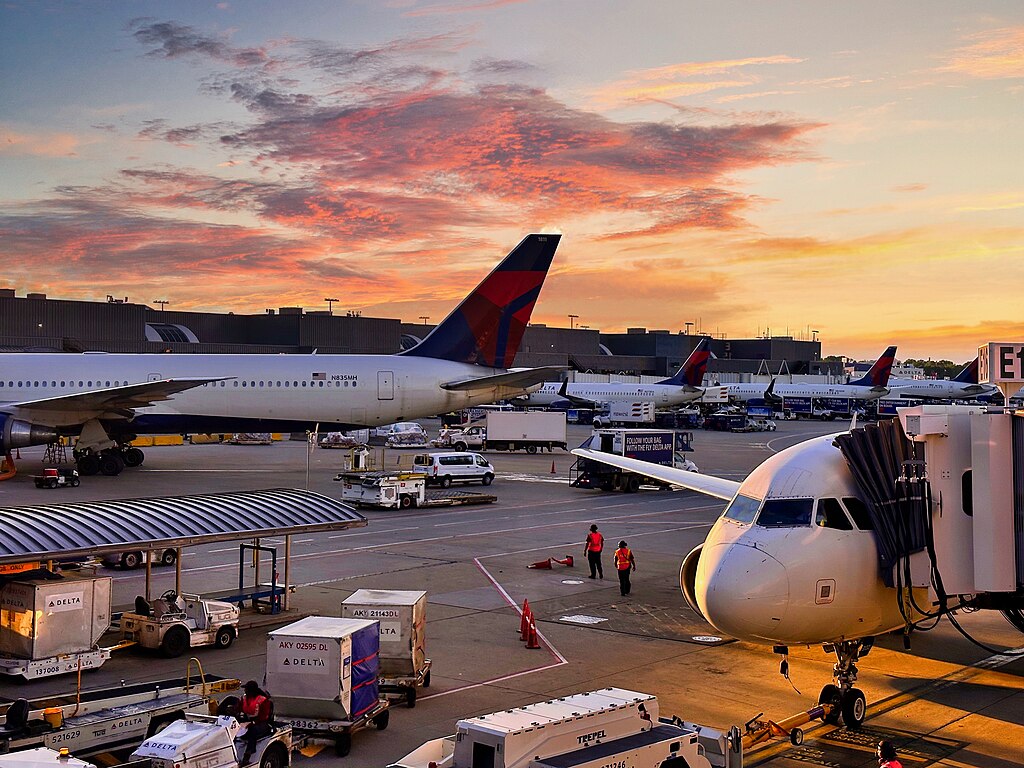
As the world’s busiest airport, ATL continues to amaze travelers by managing over 104 million passengers annually with remarkable flow. Its efficient layout is centered around a high-speed underground train system that links all concourses, reliably cutting transfer times to under 10 minutes. Beyond its logistical mastery, ATL features extensive, high-quality dining, a rotating schedule of curated art installations, and spacious seating areas that effectively minimize the feeling of massive crowds. ATL’s operational consistency, managing over 2,500 daily flights, cements its status as a global travel powerhouse.
2. Denver International Airport (DEN)
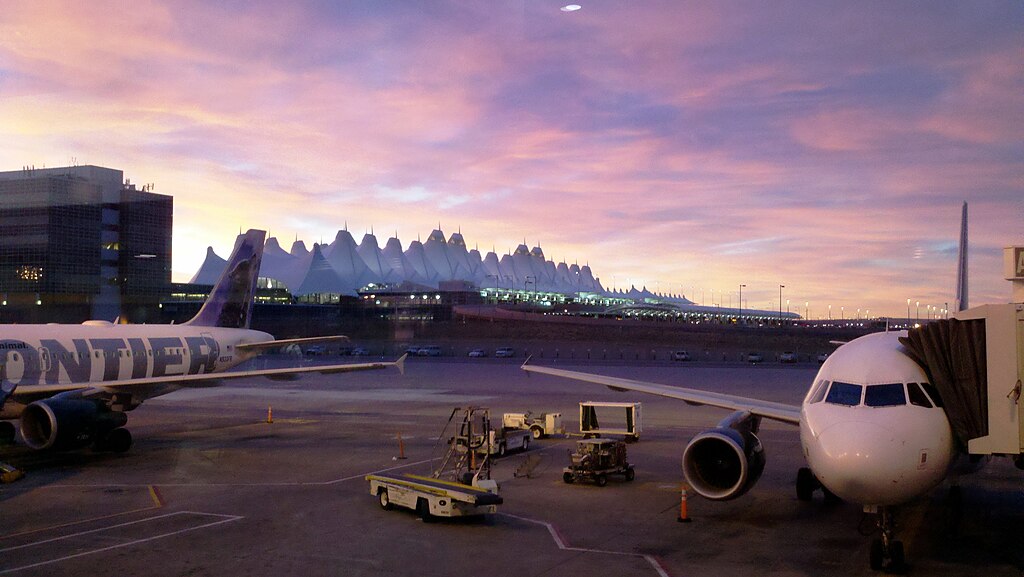
Serving over 77 million annual passengers, DEN claims the largest total land area of any U.S. airport. It is instantly recognizable by its iconic tented roof, designed to evoke the snow-capped Rocky Mountains. The airport’s central hall features wide, light-filled walkways, abundant natural light, and local businesses that cultivate a surprisingly relaxed atmosphere despite heavy traffic. DEN’s continuous expansions focus on preserving this open, modern character while managing more than 1,800 daily flights.
3. Dallas/Fort Worth International Airport (DFW)
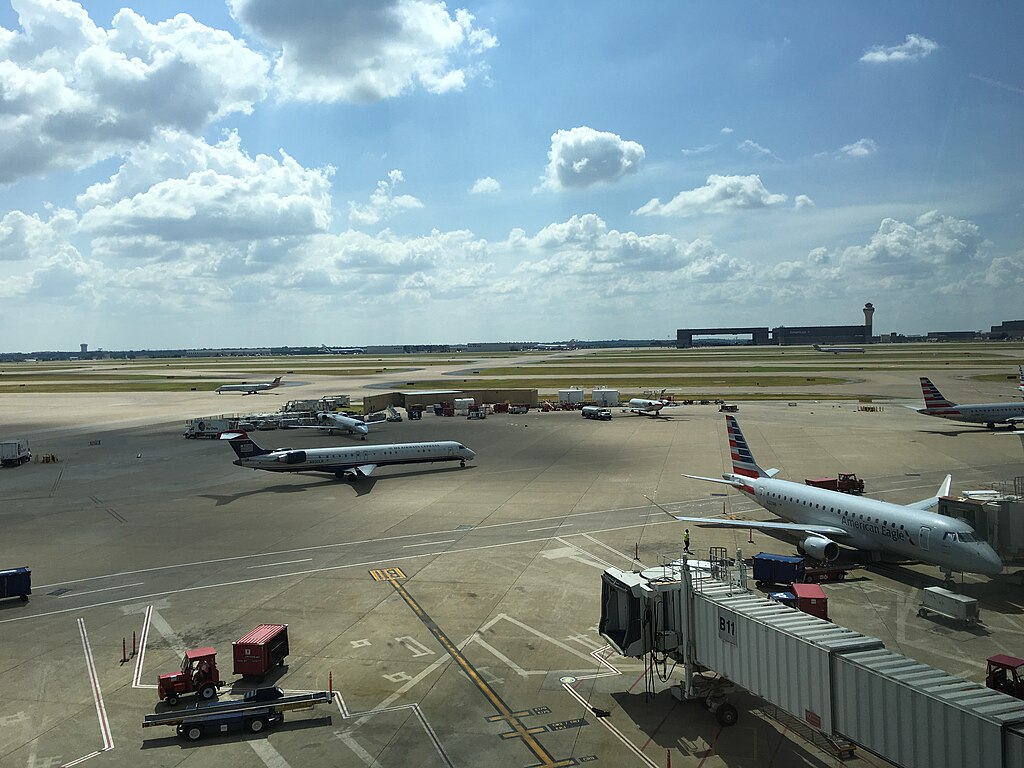
Spanning an enormous 17,000 acres, DFW operates less like an airport and more like a carefully planned metropolitan area, accommodating around 73 million passengers per year. Its defining feature is the Skylink train system, which whisks passengers between terminals in approximately five minutes, alleviating stress during tight connections. DFW serves as a critical global entry point, connecting to over 60 international destinations. Through consistent modernization and planning, the airport maintains a necessary balance between its staggering operational scale (over 2,000 daily flights) and essential traveler comfort.
4. Seattle–Tacoma International Airport (SEA)
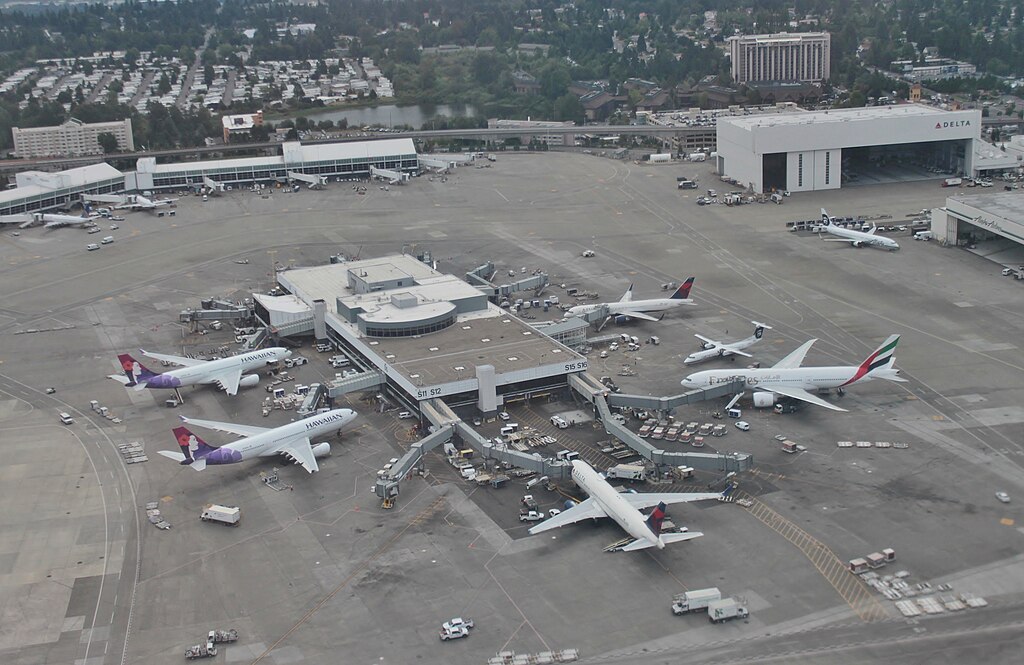
Handling over 56 million travelers annually, SEA seamlessly integrates operational efficiency with the rugged coastal aesthetic of the Pacific Northwest. Panoramic windows provide stunning views of Mount Rainier, creating a distinctly memorable backdrop for passengers. SEA supports more than 1,200 daily flights, with strategic expansions designed to handle regional growth. Localized coffee shops, celebrated seafood restaurants, and regional art ensure the airport feels deeply connected to Seattle’s unique cultural fabric.
5. San Francisco International Airport (SFO)
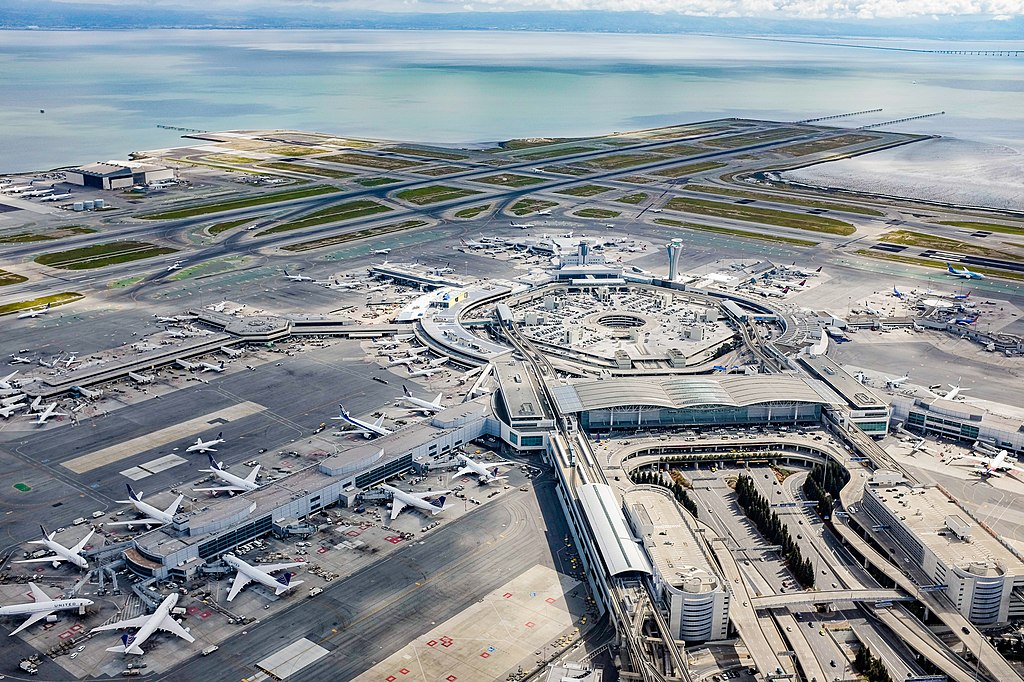
With nearly 53 million passengers annually, SFO has cultivated a reputation for its uniquely calming environment, featuring designated yoga rooms, therapy animals, and meticulously curated art exhibits. The airport runs around 1,100 flights daily through modern, intuitively designed terminals. SFO’s AirTrain offers fast, reliable links to parking and public transit. The airport emphasizes Bay Area culinary flavors, ensuring its clean design and tech-friendly amenities create a peaceful, vibrant travel environment.
6. Minneapolis–Saint Paul International Airport (MSP)
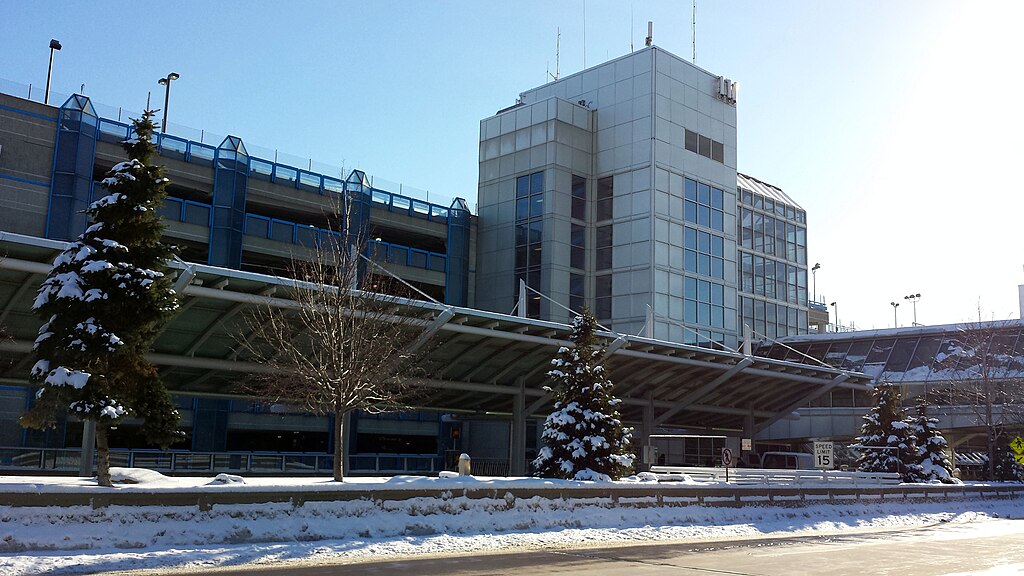
Serving about 37 million passengers each year, MSP consistently provides an unexpectedly pleasant travel experience, characterized by exceptionally clean terminals and attentive staff. Managing over 400 daily departures, the airport maintains smooth operations through a clever layout that significantly reduces unnecessary walking distances. Travelers often praise the selection of local dining options, comfortable furniture, and designated quiet spaces. MSP’s efficient light-rail link to the Twin Cities enhances convenience, securing its consistent high rankings for reliability.
7. Orlando International Airport (MCO)
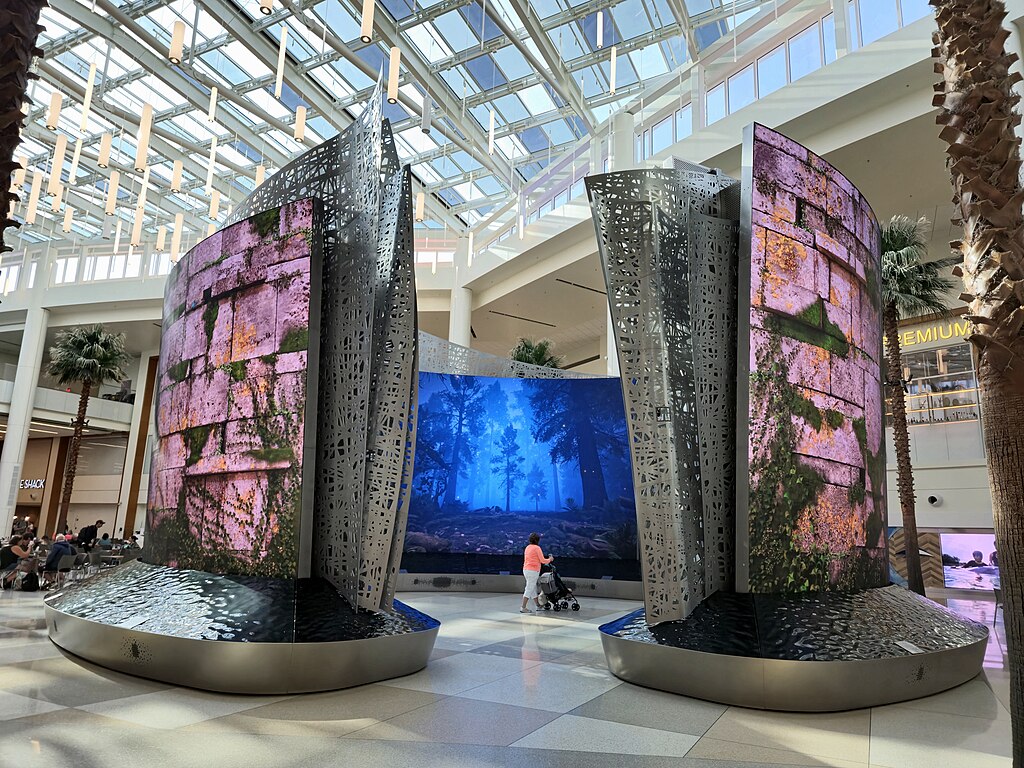
Managing nearly 58 million yearly passengers, MCO is brilliantly designed with massive atriums, extensive indoor greenery, and family-focused amenities that make the tourist journey less stressful. The airport supports over 900 daily flights, heavily tied to Orlando’s theme parks. MCO’s layout prioritizes open sightlines and space, making traveler navigation easy. Interactive displays, themed shops, and wide-open areas reflect Florida’s atmosphere and commitment to smooth visitor experiences.
8. Portland International Airport (PDX)
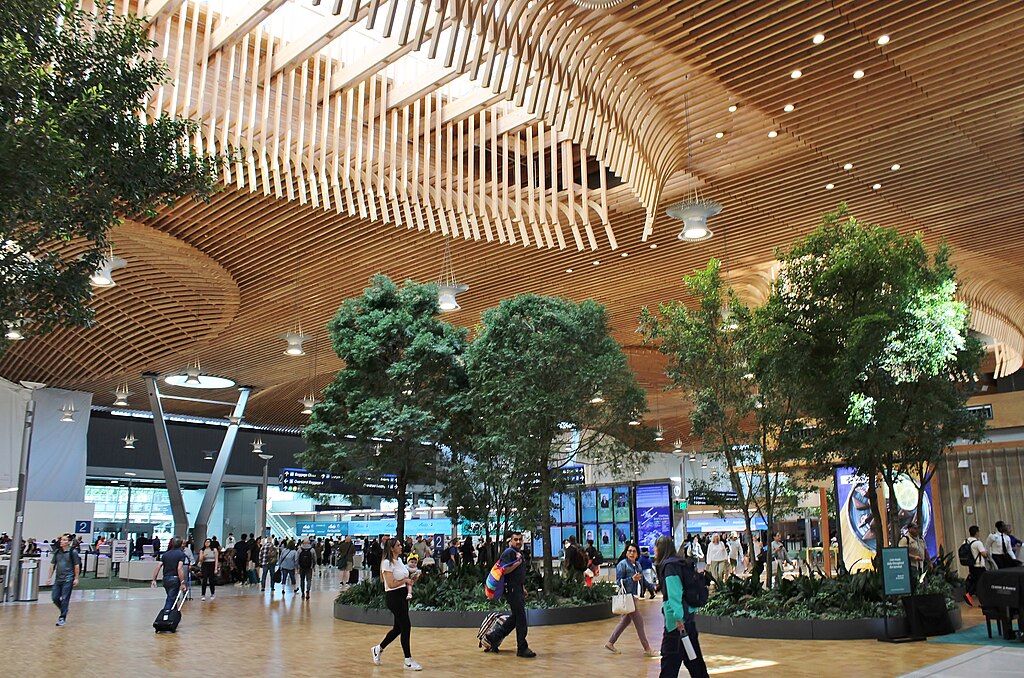
Processing over 21 million passengers annually, PDX is a favorite among travelers for its relaxed ambiance, famously patterned carpet, and distinct local personality. With roughly 500 daily flights, the airport operates at a notably relaxed pace. PDX champions regional craftsmanship, featuring local shops, restaurants, and art that celebrate Portland’s unique culture. The terminal design maximizes natural light and comfortable seating, consistently ranking PDX high for passenger satisfaction due to its thoughtful, community-focused approach.
9. Miami International Airport (MIA)
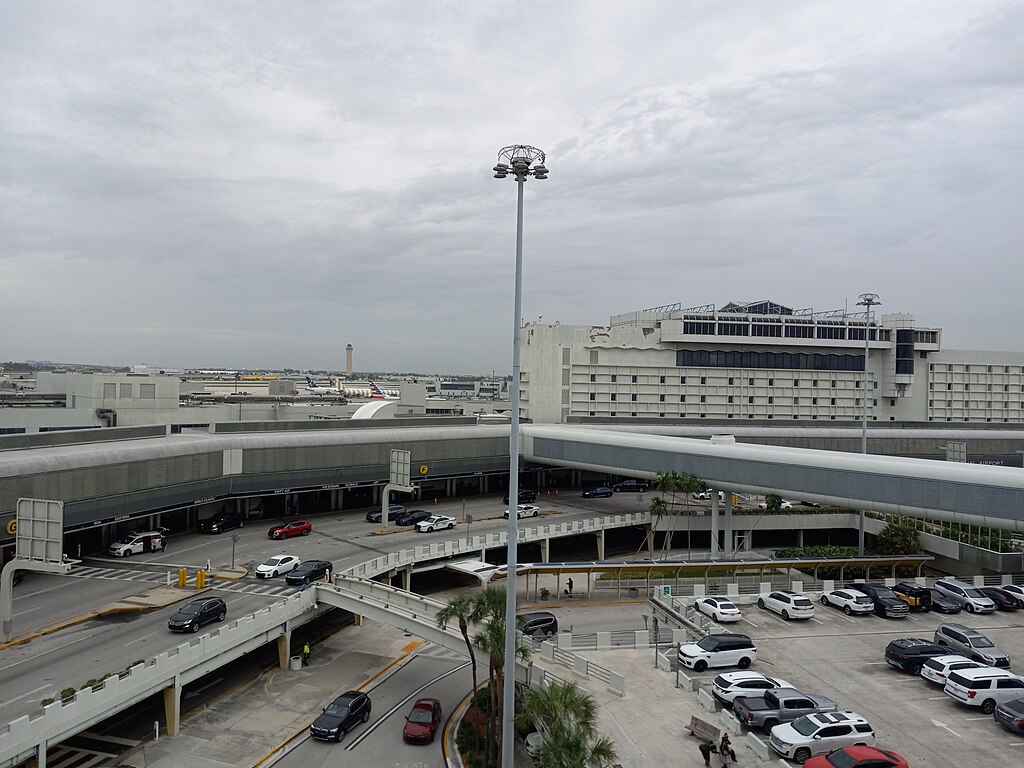
Welcoming almost 51 million travelers annually, MIA stands out as the major U.S. gateway to Latin America, operating more than 100 international routes. The airport handles around 1,300 daily flights, supported by modernized terminals and a high-speed people-mover system. Its vibrant art, diverse dining, and palpable cultural energy reflect Miami’s distinctive identity. Despite high traffic, MIA uses organized layouts and clear signage to effectively manage the flow in its sprawling environment.
10. Reagan National Airport (DCA)
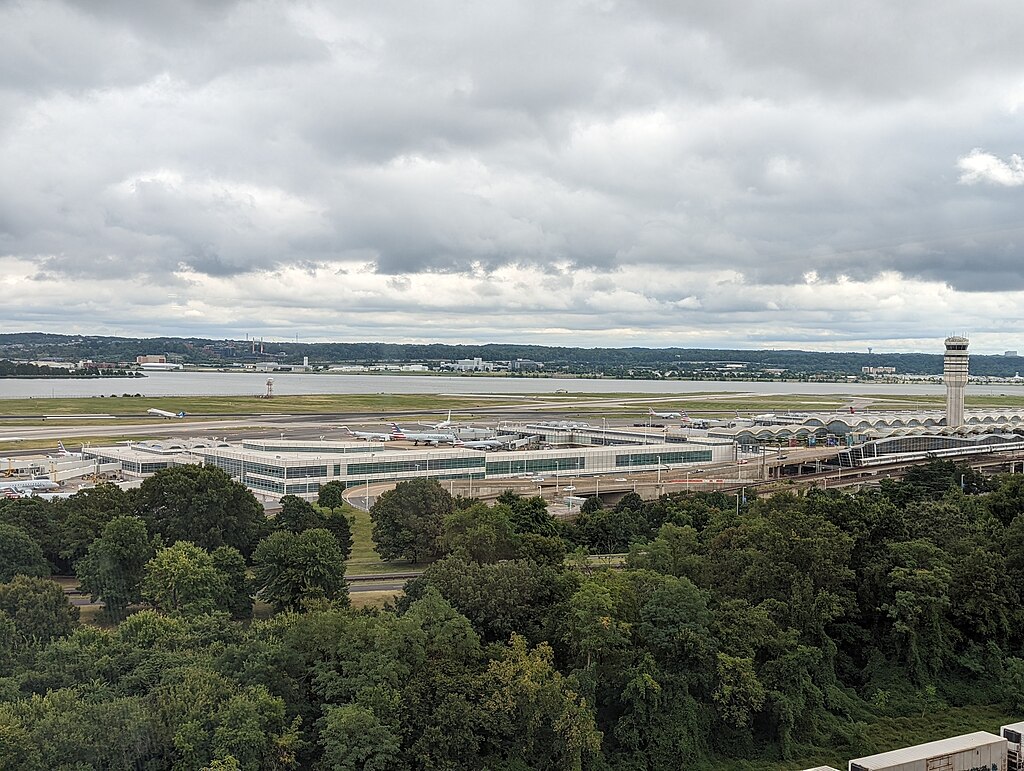
Serving more than 25 million passengers annually, DCA is prized for its extreme proximity to downtown Washington, D.C.—just five miles from the city center. Handling around 800 flights per day, it excels at quick check-ins, short taxi times, and direct Metro access. Large windows frame iconic views of the Capitol and Potomac River, transforming routine takeoffs and landings into scenic city moments. Despite its compact footprint, DCA prioritizes speed and convenience through well-organized terminals.
11. John F. Kennedy International Airport (JFK)
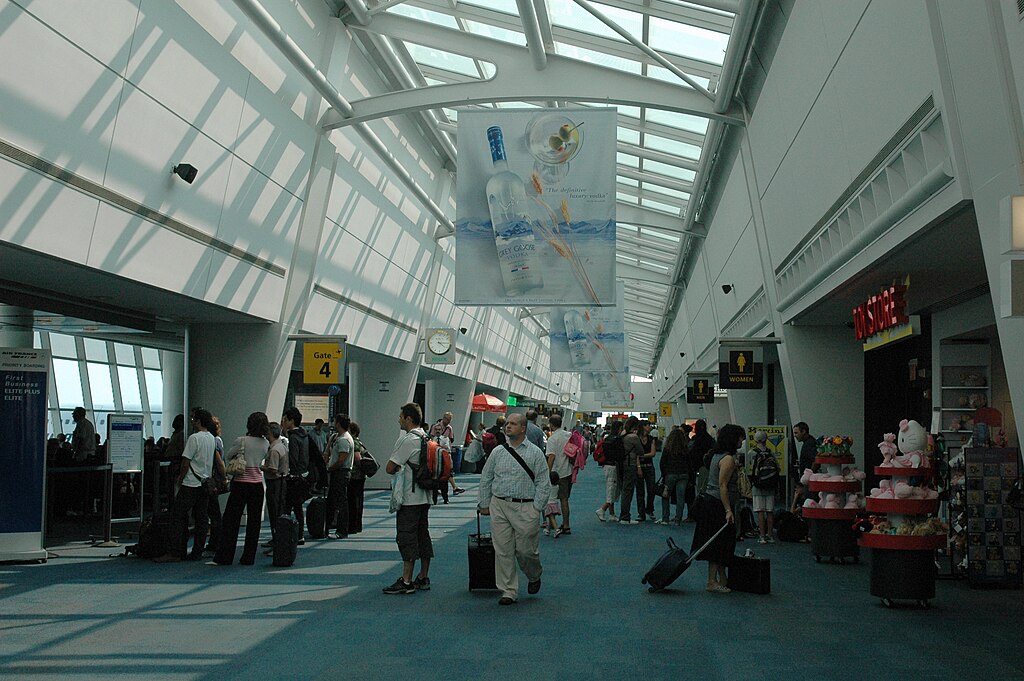
Managing over 62 million passengers annually, JFK remains America’s premier international nexus, facilitating operations for more than 70 foreign airlines. The airport supports roughly 1,400 daily flights through ongoing, massive renovation projects and completely modernized terminal layouts. JFK’s iconic TWA Hotel offers a unique retro experience that draws aviation enthusiasts. Upgraded lounges, expanded dining options, and streamlined passenger pathways are transforming this historical hub into a sleeker, more efficient gateway.
12. Boston Logan International Airport (BOS)
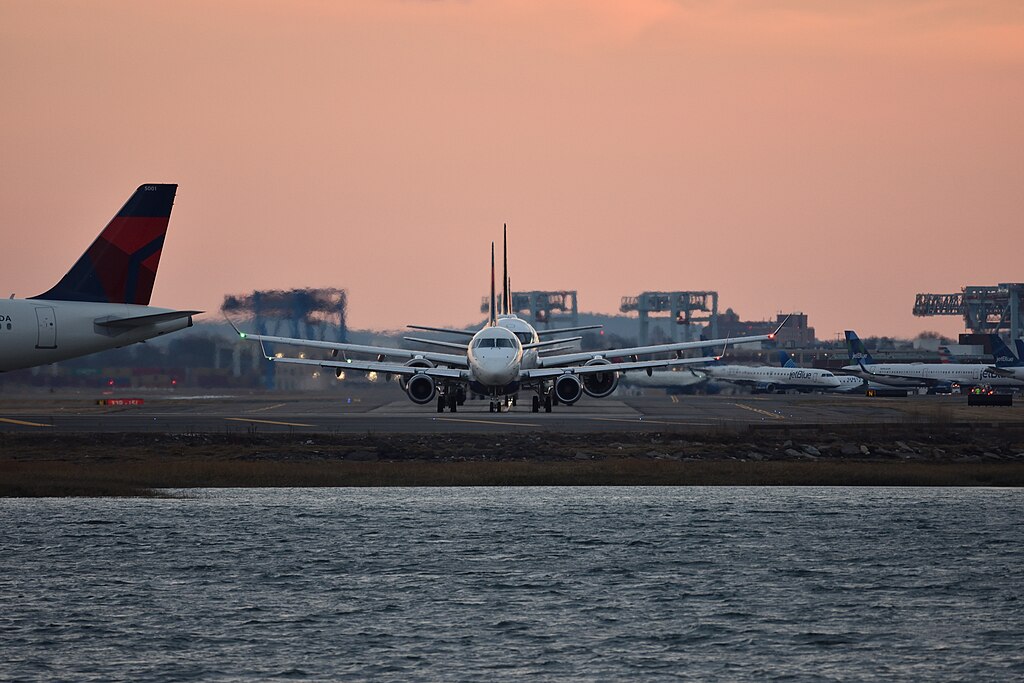
Handling nearly 46 million passengers yearly, BOS blends strong New England character with highly practical design. The airport manages around 1,000 daily flights, utilizing terminal designs that minimize walking and simplify navigation. Floor-to-ceiling windows offer engaging water views, while local restaurants showcase Boston’s signature culinary style. Logan’s direct public transit connection significantly enhances accessibility, providing a comfortable, modern, and regionally authentic experience.
13. Detroit Metropolitan Airport (DTW)
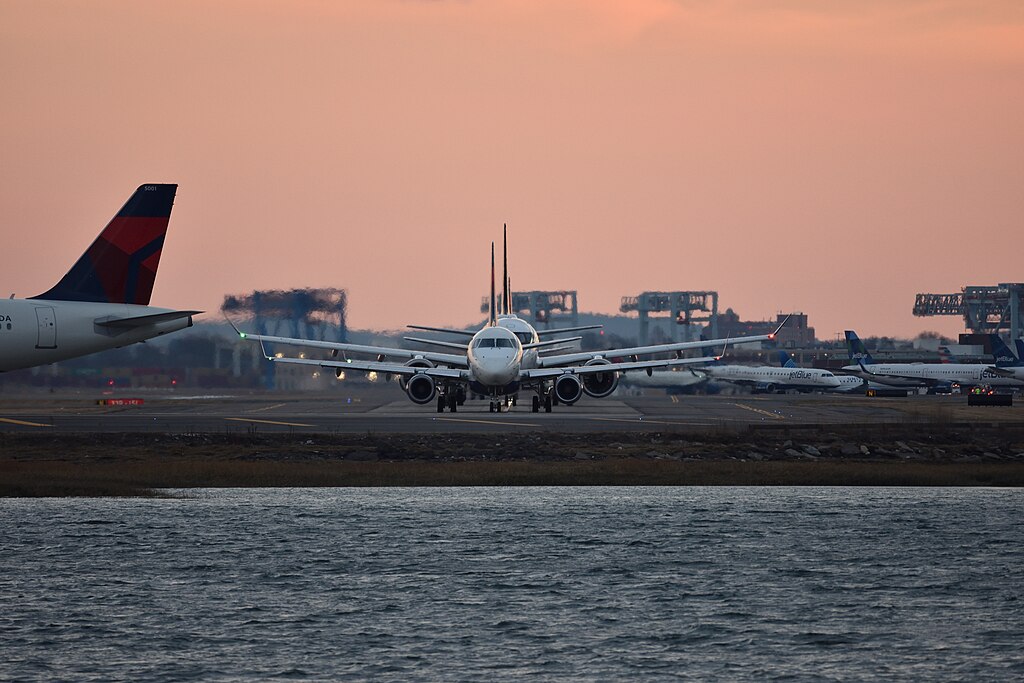
Welcoming approximately 33 million passengers annually, DTW is widely celebrated for its clean, modern architecture and expansive, light-filled concourses. The airport manages over 1,100 daily flights with impressive efficiency. Its standout feature is the unique, LED-lit pedestrian tunnel connecting the main concourses, adding a memorable artistic element. DTW’s design prioritizes smooth movement through reliable tram systems and generous, organized seating, offering travelers a highly efficient and aesthetically pleasing experience.
14. Salt Lake City International Airport (SLC)
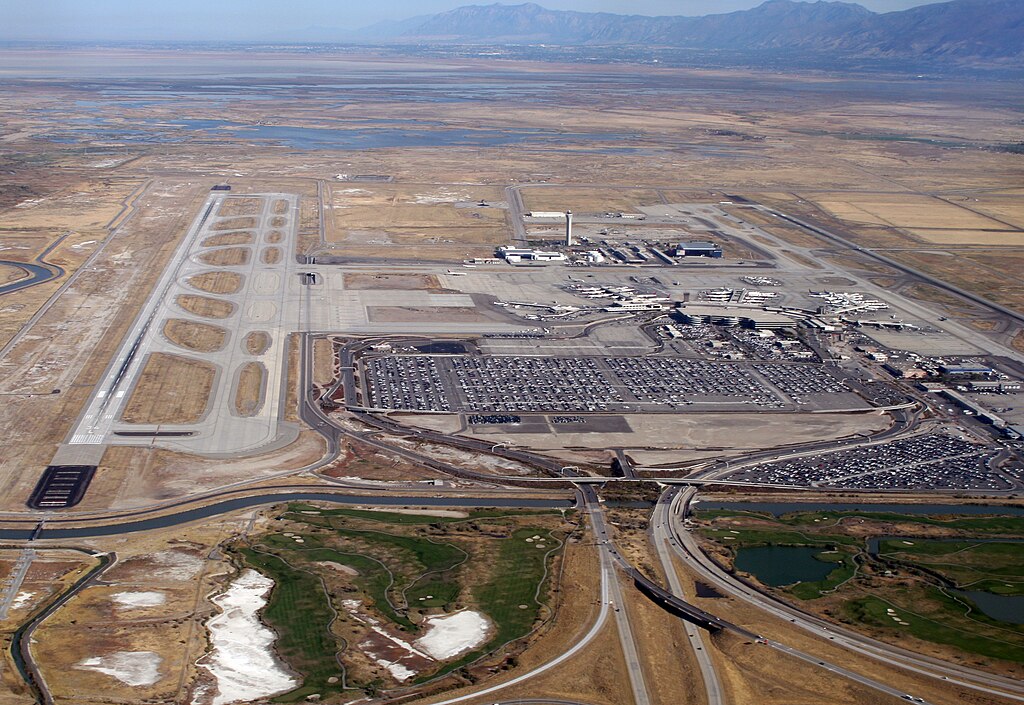
Accommodating over 26 million passengers each year, SLC recently underwent a complete, transformative rebuild. The result is a dramatically expanded airport defined by vast, open corridors and enormous windows offering sweeping mountain views. The simplified, intuitive layout significantly reduces confusion for connecting passengers managing roughly 800 daily flights. SLC’s modern infrastructure has successfully transformed it into an unexpectedly efficient and visually appealing regional hub.
15. Phoenix Sky Harbor International Airport (PHX)
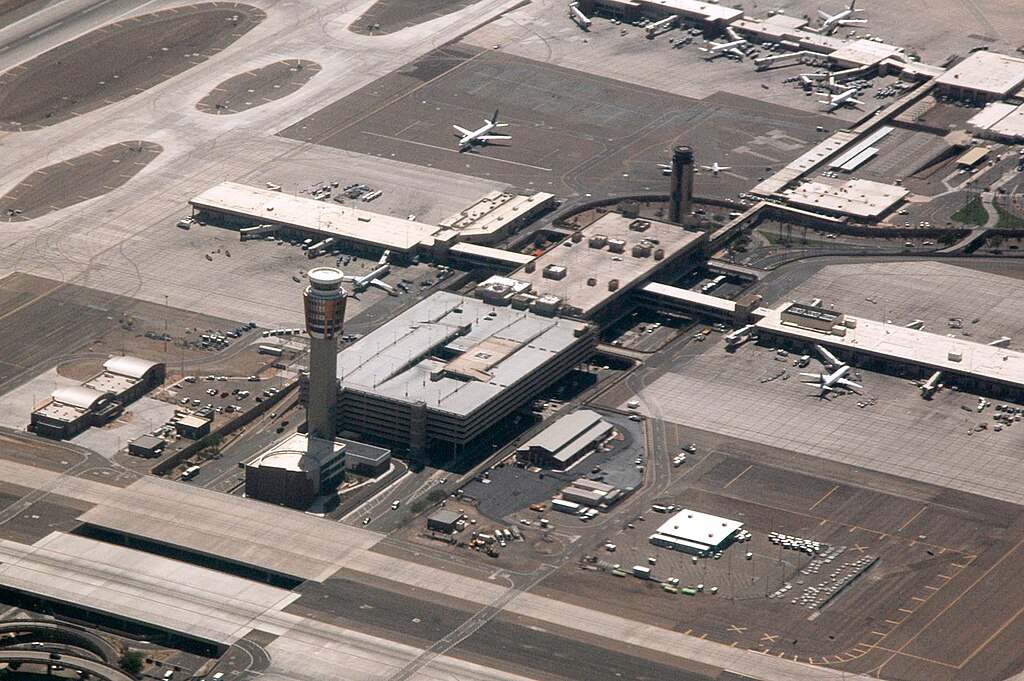
Handling around 48 million annual passengers, PHX has proudly earned its nickname as “America’s Friendliest Airport” through genuinely warm service and exceptionally clean facilities. Managing over 1,200 daily flights, the airport relies on logically planned terminals and an efficient Sky Train system. Local art, diverse regional food, and superb wayfinding signs all contribute to reducing travel anxiety. PHX’s winning combination of practical, modern design and welcoming atmosphere creates an experience many travelers find both highly efficient and remarkably pleasant.

