


While many legends exist of people being “dropped on islands,” few are as chilling or as meticulously documented by historians as the Nazino Affair. In May 1933, as part of Joseph Stalin’s “Grand Plan” to settle the Siberian wilderness, over 6,000 people were abandoned on a swampy, river island in the middle of the Ob River. The goal was forced colonization; the reality was a humanitarian disaster so severe that even the Soviet government had to classify the records for decades.
1. A Geography Designed for Disappearance
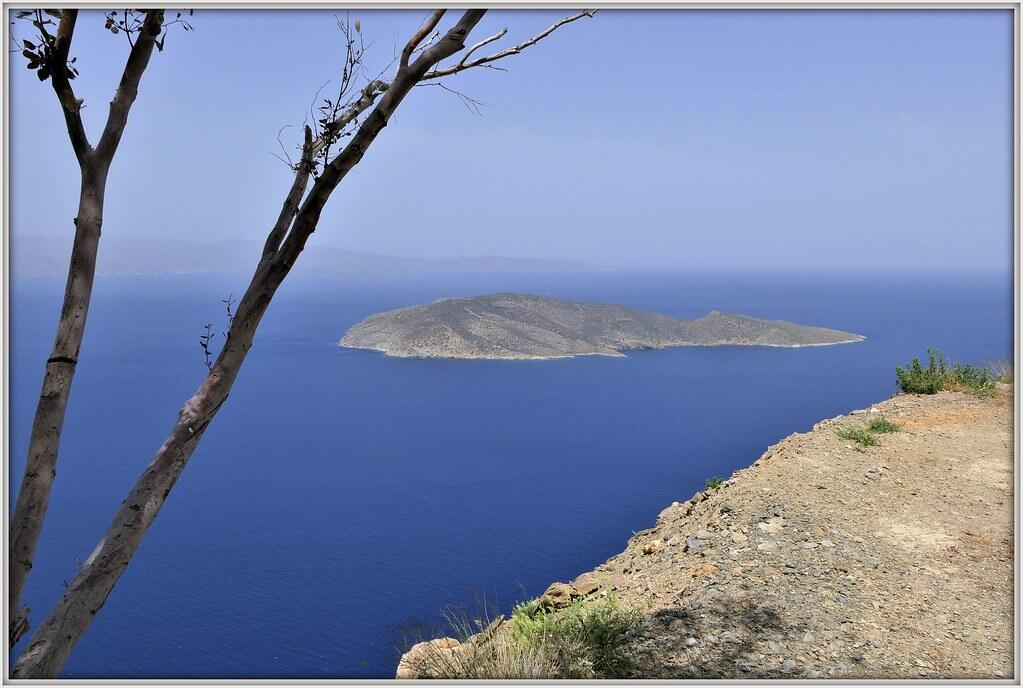
Nazino Island, roughly 3 kilometers long and 600 meters wide, was selected for its total isolation in the Tomsk region of Siberia. It was never intended to be a permanent settlement, yet it became the dumping ground for the “socially harmful elements” of Moscow and Leningrad. The island was surrounded by the freezing, fast-moving waters of the Ob River, and the terrain consisted of little more than mud and brush. There were no buildings, no tools, and no shelter provided.
2. The Victims: The “Socially Harmful”
The people sent to Nazino were not hardened criminals, but victims of a sudden urban sweep. Among the 6,114 original deportees were students, waitresses, and even a member of the Communist Party—many of whom were arrested simply because they didn’t have their internal passports on them during a street check. Data from the Soviet archives shows that 70% of these individuals arrived in a state of exhaustion, having been transported for weeks in cramped rail cars with almost no food. They were dropped on the island with nothing but the clothes on their backs.
3. Nature and Neglect as a Weapon
The “supplies” provided by the authorities were a death sentence in themselves. The only food delivered was 20 tons of raw flour, dumped directly onto the muddy shore. With no ovens, pans, or clean water, the prisoners were forced to mix the flour with river water in their hats or shoes, leading to a massive outbreak of dysentery. Temperatures in the region could drop to near-freezing at night, even in May. Within the first thirteen days, over 1,500 people had died from exposure, starvation, or disease.
4. The Collapse into Chaos
The most horrific aspect of the Nazino story is the breakdown of social order. By the third week, the island had descended into violence as groups fought over the dwindling flour supplies. Soviet official Vasily Velichko, who later wrote a report to Stalin about the incident, documented cases of necrophagy and murder. Of the 6,700 people eventually sent to the island, only about 2,200 were found alive when the “settlement” was finally evacuated in June 1933. The survival of that small fraction was a result of sheer endurance and, in some cases, the desperate pooling of what few resources remained.
5. A Legacy of Classified Silence
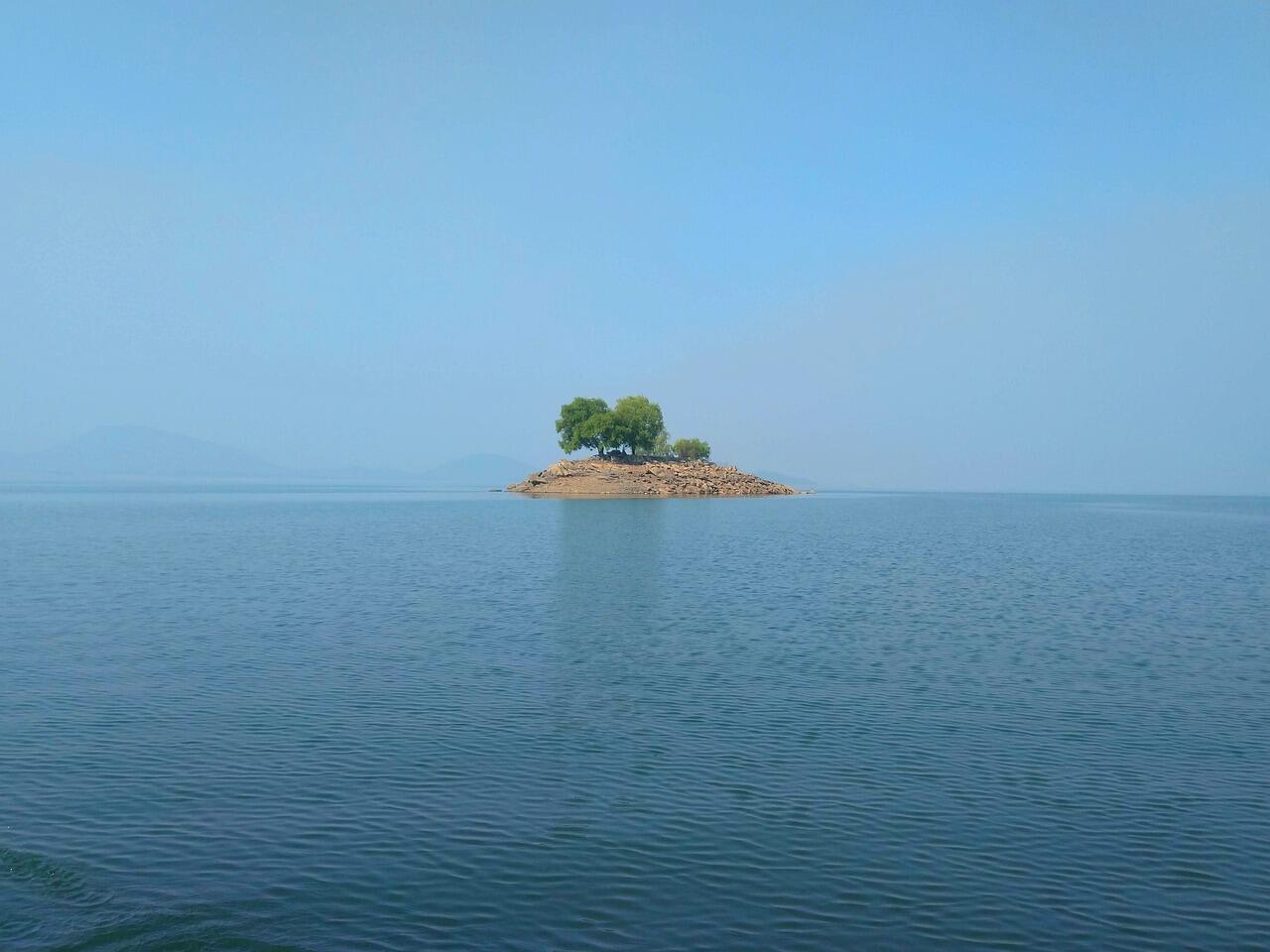
The Nazino Affair was so embarrassing to the Soviet leadership that the Velichko report was immediately suppressed. It wasn’t until the late 1980s, during the era of Glasnost, that the Memorial Human Rights Center uncovered the documents. Today, Nazino is a desolate, uninhabited stretch of land known locally as “Death Island” or “Cannibal Island.” It serves as a stark historical case study in how state policy, when combined with geographical isolation, can be used to execute thousands without a single trial.

