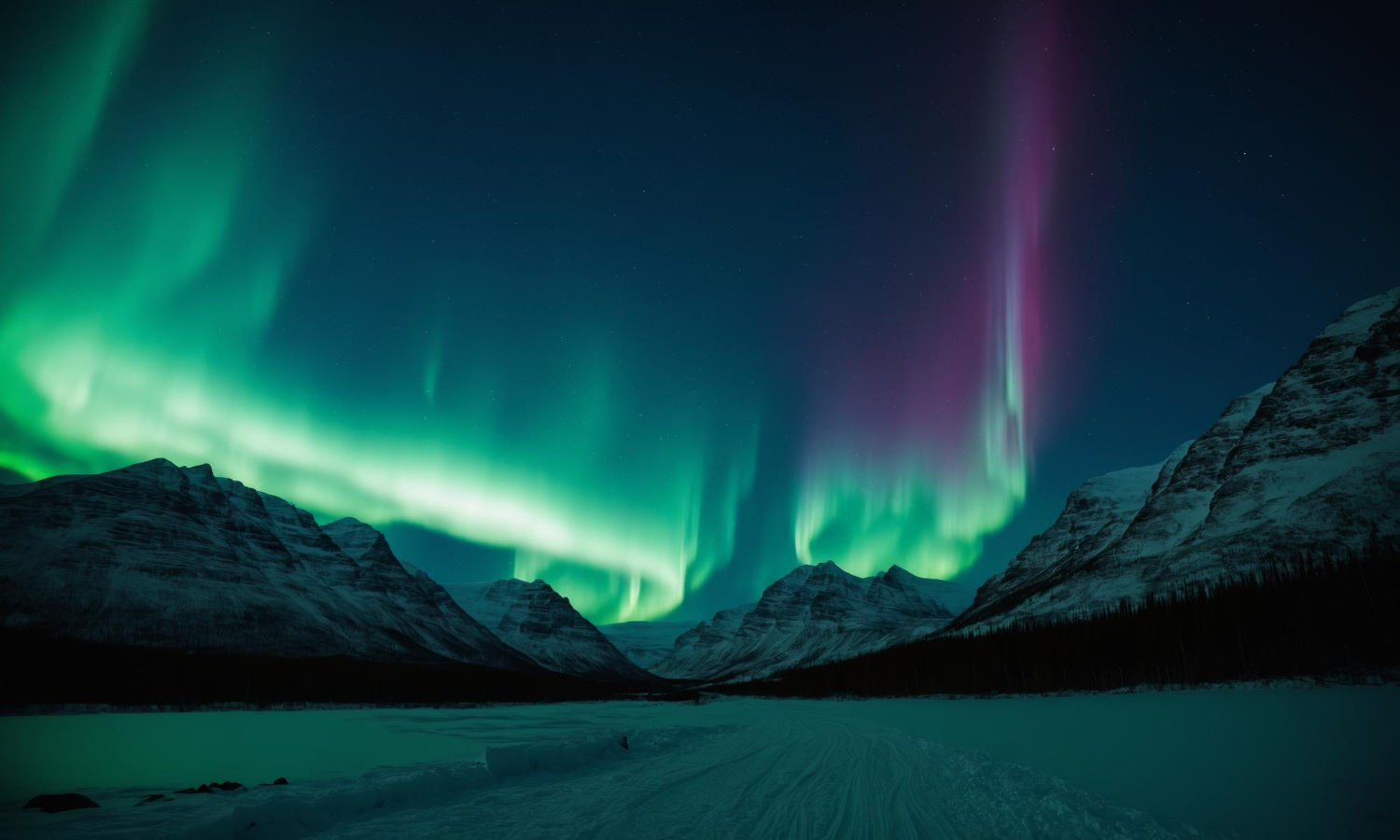
Solar Cycle 25 reached its peak in October 2024, but a rare “double peak” pattern means elevated aurora activity continues through 2026. After that, the next solar maximum won’t arrive until roughly 2035-2036.
If seeing the Northern Lights has been on your travel bucket list, the next 12-18 months matter more than most travelers realize. The sun follows an approximately 11-year cycle of rising and falling activity. We are currently near the peak of Solar Cycle 25 — the most active period for aurora viewing in over a decade. After this elevated window closes, the next comparable opportunity won’t arrive until the early-to-mid 2030s.
The actual science of where we are in the cycle is more nuanced than most travel coverage suggests, but the practical conclusion is the same: 2026 is a genuinely good year to plan an aurora trip, and the window is narrowing.
Where Solar Cycle 25 actually is right now
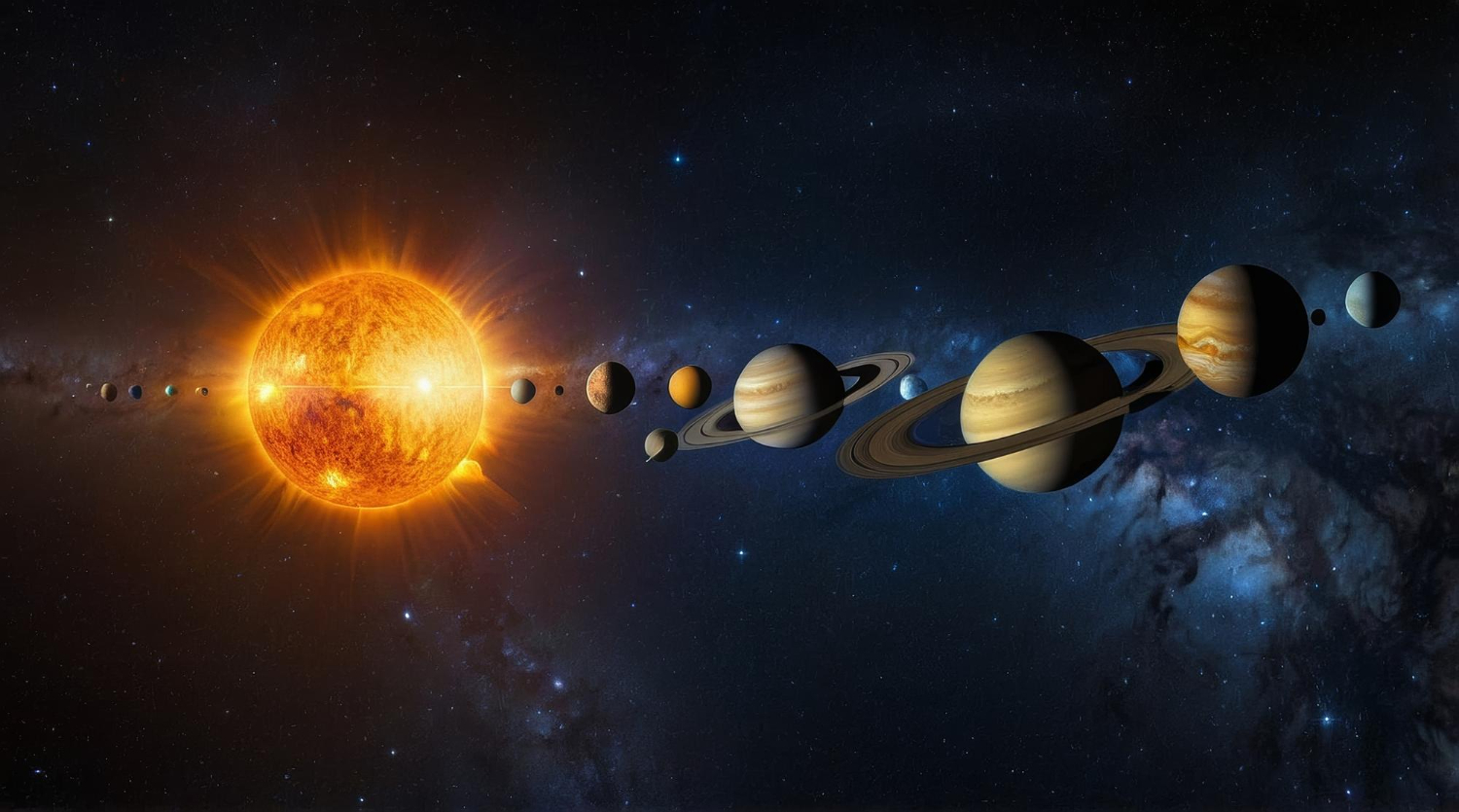
According to NASA and NOAA tracking data, Solar Cycle 25 began in December 2019 with the previous solar minimum. The cycle’s peak — the solar maximum — occurred in October 2024, with the highest 13-month smoothed sunspot number recorded that month. This was significantly stronger than scientists had originally predicted; early forecasts in 2019-2020 had suggested Solar Cycle 25 would be relatively mild, but it has consistently outperformed those predictions since 2022.
In 2025, solar activity began entering what scientists call the “declining phase.” This means we are technically past the peak. However, several factors mean aurora viewing in 2026 remains exceptional:
The double peak phenomenon. Solar physicists, including those tracking the cycle for the Norwegian Space Agency and the U.S. NOAA Space Weather Prediction Center, have identified that Solar Cycle 25 appears to be following a “double peak” pattern. This occurs when the sun’s northern and southern hemispheric magnetic fields don’t peak simultaneously — instead, they peak separately, creating two waves of intense activity. The result is that strong solar activity extends well into 2026, rather than dropping immediately after the October 2024 peak.
The slow decline. Even after a solar maximum, the descent toward the next minimum is gradual. According to NASA’s tracking data and analysis from solar physicist Ryan French, sunspot numbers and solar flare activity in 2026 will remain dramatically higher than they will be in 2027-2030. The 2025-2026 winter and the 2026-2027 winter are both still considered prime aurora seasons by the scientific community.
Equinox amplification. Geomagnetic storms — the events that produce the most spectacular auroras — historically occur 2-3 times more frequently during the periods around the spring (March) and autumn (September) equinoxes. This pattern, called the Russell-McPherron effect, applies regardless of where we are in the solar cycle. Combining the equinox amplification with the still-elevated solar maximum activity creates particularly strong viewing windows around March and September 2026.
When the next solar maximum will arrive
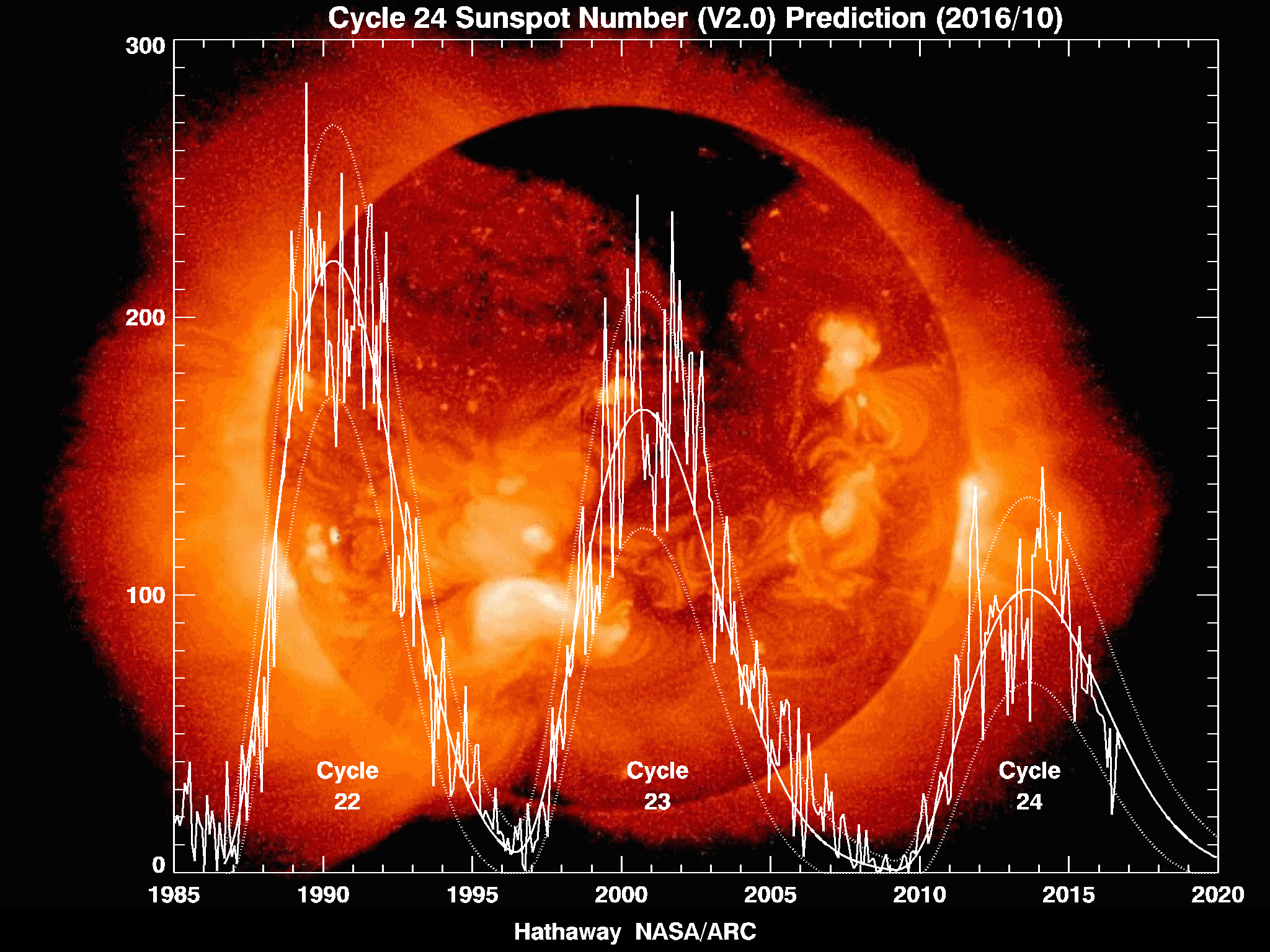
This is the part that makes 2026 important. According to current NOAA and NASA projections, Solar Cycle 26 is expected to begin sometime between January 2029 and December 2032 (the exact transition date hasn’t been confirmed). The next solar maximum — the next period of elevated aurora activity comparable to 2024-2026 — would then occur approximately 4-5 years after the cycle begins, putting it somewhere in the 2034-2036 range.
This means that for travelers in their 30s, 40s, and beyond, missing the 2024-2026 window means waiting roughly 10 years for the next opportunity to see auroras at this intensity. The lights will still be visible during the intervening years — they’re a year-round phenomenon at high latitudes — but the frequency, intensity, and geographic range of strong displays will be significantly reduced.
Where to actually go in 2026
The auroras require darkness to be visible, which means October through March is the practical viewing season for most aurora destinations. Within that window, the most reliable destinations include:
Tromsø, Norway — One of the most popular aurora destinations globally, located well above the Arctic Circle. Tromsø offers reliable urban infrastructure, including hotels, restaurants, and airport access, while still being far enough north for excellent aurora visibility. The aurora season runs roughly September through April.
Abisko, Sweden — Famous for what locals call “the Blue Hole” — a microclimate caused by the surrounding mountains that creates unusually clear skies even when the rest of northern Sweden is cloudy. Abisko is often considered the most reliable aurora viewing location in the world for that reason.
Reykjavik and surrounding Iceland — Iceland is the only entire country where aurora viewing is consistently accessible from the capital. Geomagnetic storms during the current solar maximum have produced auroras visible from Reykjavik itself, though escaping the city’s light pollution to nearby locations like Thingvellir National Park or the Snæfellsnes Peninsula produces dramatically better viewing.
Finnish Lapland (Rovaniemi, Saariselkä) — Finnish Lapland combines aurora viewing with the highest concentration of glass igloo accommodations in the world. The region is positioned slightly farther east than Norway and Sweden, providing some of the longest dark periods in winter.
Fairbanks, Alaska — The most accessible aurora destination for North American travelers. Fairbanks offers one of the highest aurora occurrence rates in North America during the September-April season. Direct flights from Seattle and connections from most major U.S. cities make it considerably more accessible than European options for American travelers.
Yellowknife, Northwest Territories (Canada) — Often considered the second-best North American aurora destination after Fairbanks, with consistently clear winter skies and a well-developed aurora tourism infrastructure.
What’s different about a solar maximum year
During a solar maximum, the auroras can extend significantly farther south than usual. The May 2024 geomagnetic storm produced auroras visible from as far south as Mexico, Florida, and Texas — locations that essentially never see auroras under normal conditions. Similar events in 2025 produced auroras visible across the continental United States.
For 2026, this means that even travelers who don’t reach the high Arctic may have unusual chances to see auroras at lower latitudes. According to the Hello Aurora app and NOAA forecasts, geomagnetic storms reaching Kp 7 or higher (on a 0-9 scale) can produce visible auroras as far south as Pennsylvania, Iowa, and northern California. Apps like My Aurora Forecast, Aurora Alerts, and Hello Aurora can provide real-time alerts for unusual activity.
For travelers actually planning aurora-focused trips, the practical recommendations from aurora tour operators are:
Book accommodations 6-12 months in advance. Solar maximum demand has filled aurora destinations dramatically. Glass igloo accommodations in Finnish Lapland often sell out a year ahead during peak season. Hotels in Tromsø, Reykjavik, and Fairbanks are similarly booked.
Plan a minimum 3-night stay. The auroras require both clear skies and active solar conditions to be visible. Even at the best destinations, individual nights can be cloudy or quiet. Three nights provides much better odds than one or two; five nights produces very high probability of at least one strong viewing.
Consider late January through March. December has the longest dark hours but limited daytime activities. Late January, February, and March offer excellent aurora viewing combined with longer days for skiing, snowmobiling, dog sledding, and other winter activities — generally producing a more rounded trip experience.
Check the Kp index and real-time forecasts. The Kp index measures geomagnetic activity on a 0-9 scale. At very high latitudes (Tromsø, Yellowknife, Fairbanks), auroras are often visible at Kp 1-2. At lower latitudes, you typically need Kp 5+ for visibility. NOAA’s three-day aurora forecast and apps that aggregate real-time data are essential planning tools.
Why this matters now
The 11-year solar cycle is one of the few astronomical phenomena that genuinely affects what travelers can see. After roughly 30 months of elevated activity (mid-2024 through late 2026), the descent toward the next solar minimum will dramatically reduce both the frequency and intensity of aurora displays. By 2028-2032, the auroras will return to their baseline state — still visible at high latitudes, but with fewer dramatic displays and much less chance of unusual lower-latitude appearances.
For the specific case of seeing strong, vivid, geographically-extended auroras, 2026 represents the closing of the current window. The next opportunity at this scale won’t arrive until the mid-2030s. For travelers who have been considering an aurora trip but waiting for “the right time” — that time, scientifically, is now.
The northern lights themselves are a phenomenon that humans have witnessed and documented for thousands of years. Indigenous peoples across the Arctic developed rich traditions and explanations for the lights long before modern solar physics existed. Catching them at peak intensity during a once-per-decade solar maximum is the difference between seeing a faint green glow on the horizon and witnessing the ribbons of red, purple, green, and pink that have inspired artists, poets, and storytellers for centuries.
For 2026 specifically, the message from solar physicists and aurora tour operators alike is consistent: book the trip. The next chance like this is a decade away.