In 2026, the landscape of law enforcement interaction has become more nuanced than ever. While a police officer’s primary duty is public safety, their secondary goal during any interaction is information gathering. Many people believe that being polite, helpful, and transparent is the best way to avoid trouble, but in the eyes of the law, every word you speak is a potential piece of evidence. Officers are professionally trained to use “rapport-building” techniques, casual prompts designed to lower your guard and encourage you to fill the silence. Understanding the strategic intent behind these 10 common questions is essential to protecting your legal rights.
1. What brings you out here today?
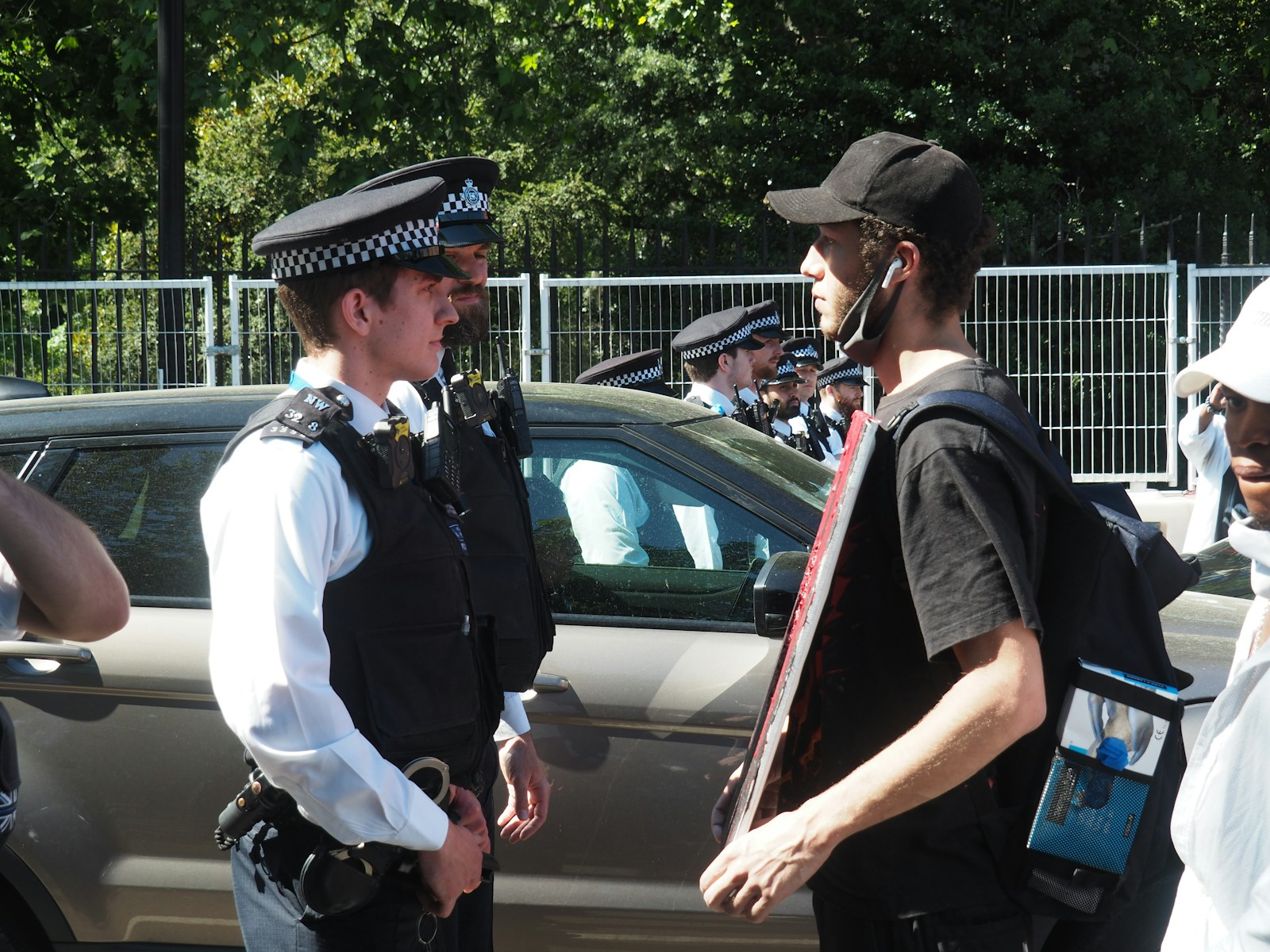
This is often the first question asked during a “consensual encounter” or a traffic stop. While it sounds like a friendly icebreaker, it is designed to get you to volunteer a timeline, a destination, and a reason for your presence. By answering, you may inadvertently place yourself near a crime scene or admit to a minor infraction you weren’t even being pulled over for. You are generally not legally required to justify your movements. A brief, polite response or declining to answer keeps the burden of proof on the officer rather than on your own testimony.
2. Do you mind if I ask you a few questions?

This question is a psychological “hook.” By securing your verbal consent early, an officer makes it socially awkward for you to stop talking later. It creates a “cooperative” dynamic where you feel pressured to keep answering even when the questions become invasive. Legally, you have the right to ask if you are being detained or if you are free to leave. If you are free to leave, you can politely decline the interview entirely. Once you agree to “chat,” you may be waiving certain protections without realizing it.
3. Where are you coming from?

This is a timeline-building question. Officers use your answer to cross-reference with other data points or to check for inconsistencies. If your memory is slightly off, as is common under the stress of a police encounter, that honest mistake can be framed as “deceptive behavior” in a police report. Unless you are operating a commercial vehicle or are in a state with specific “stop and identify” statutes, you often have no legal obligation to provide a detailed itinerary of your day.
4. Is there a reason you seem nervous?
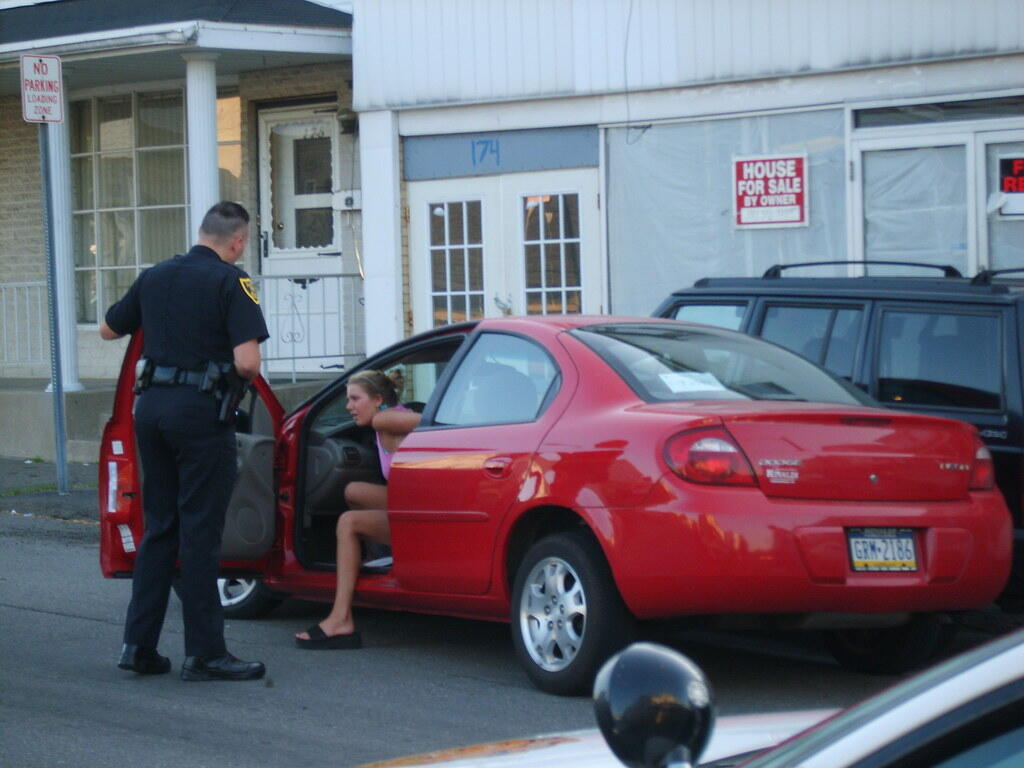
This is a classic “reframing” tactic. By pointing out your physical state, the officer is attempting to get you to justify your anxiety. If you offer an explanation (e.g., “I’m just tired” or “I’m in a rush”), that statement can be recorded as a “consciousness of guilt.” Most people are naturally nervous when dealing with authority; however, you do not owe anyone an emotional justification. Staying calm and silent is more effective than trying to “prove” your innocence through reassurance.
5. Can you help me understand what happened?
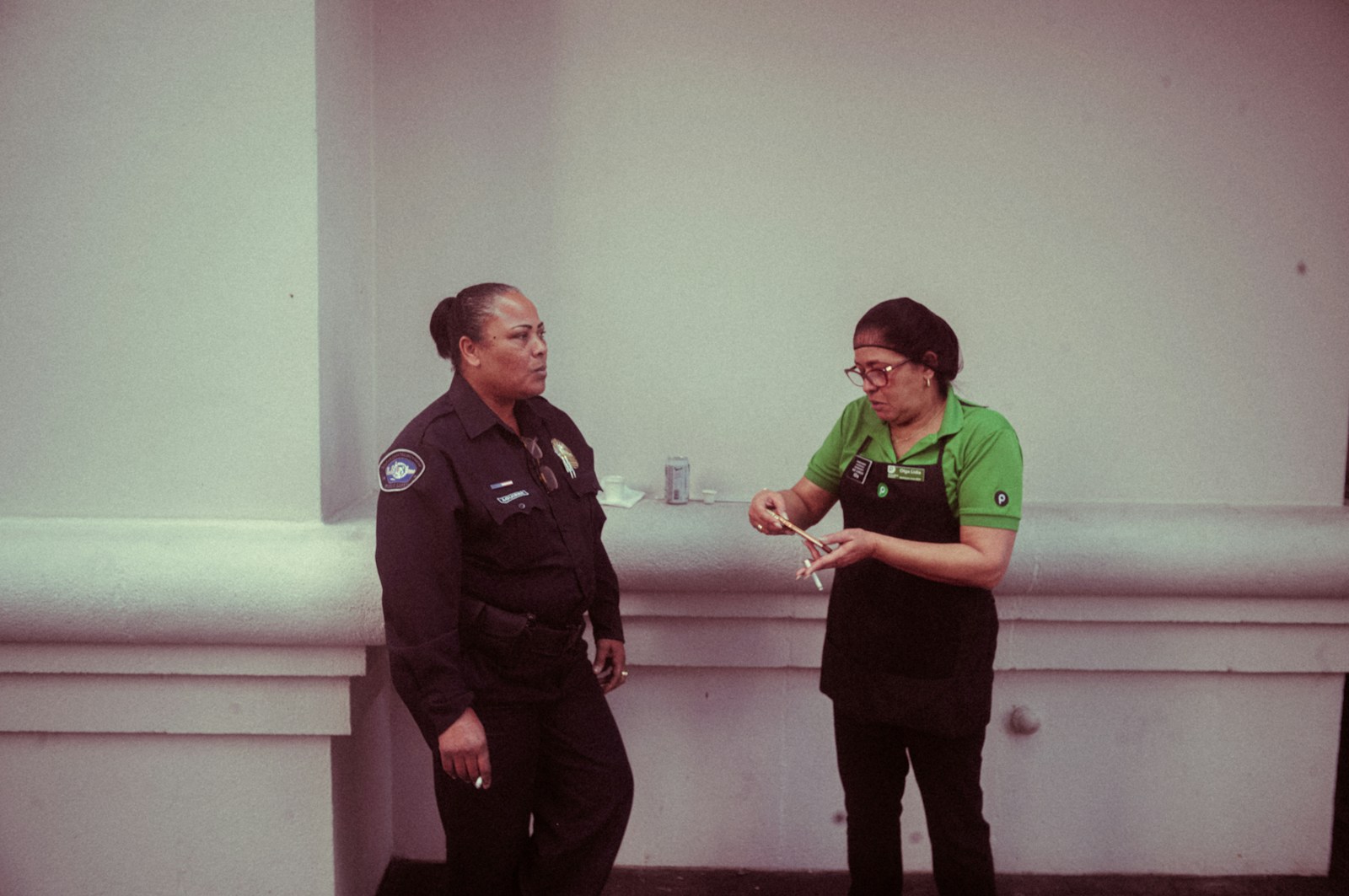
By framing themselves as someone who needs “help,” the officer encourages you to become a narrator. The danger here is that narrative accounts often include guesses, assumptions, or “filler” details that can be picked apart later. Even a 100% truthful story can have minor discrepancies when told under pressure. You are not a forensic reconstructor; if you feel the need to speak, keeping your statements limited to absolute, verified facts is the only way to reduce your legal risk.
6. Who else was there with you?
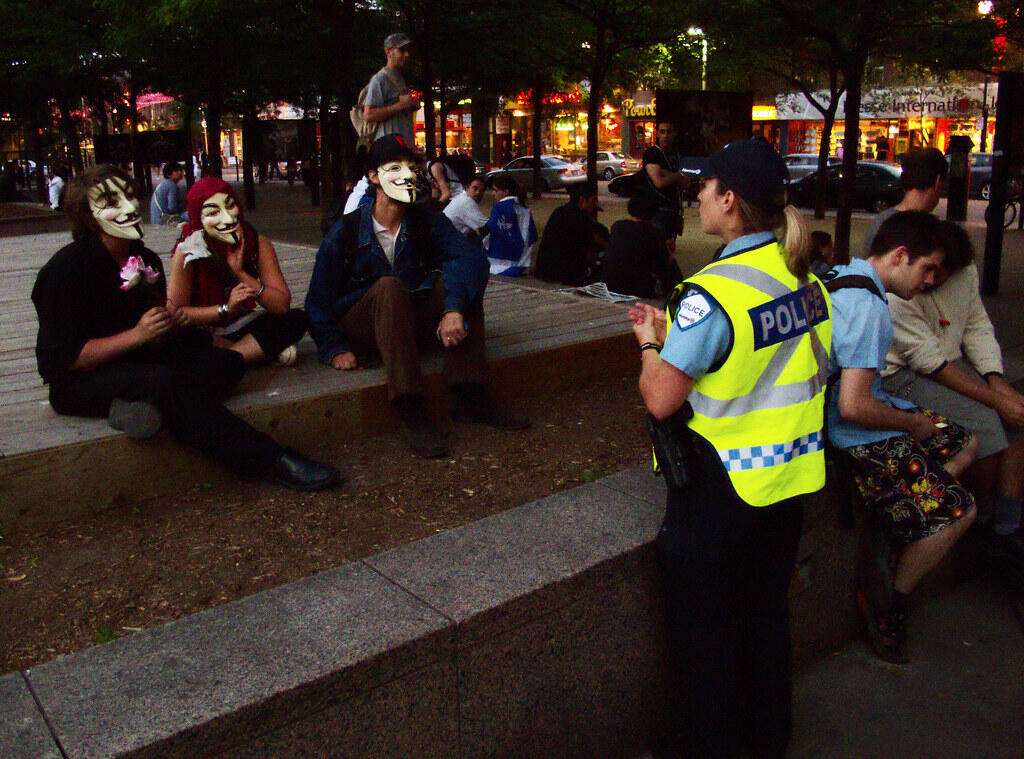
This question is designed to expand the scope of an investigation. By naming others, you are potentially pulling friends or family into a legal net where their statements might contradict yours, even if no one did anything wrong. Different people remember the same event differently; those natural variations in memory are often used by investigators to claim a “conspiracy” or “cover-up.” Protecting the privacy of your associates often protects your own legal standing as well.
7. We already know what happened, want to tell your side?
This is a high-pressure bluff often used in 2026 to bypass the need for an actual investigation. If the police already knew exactly what happened, they likely wouldn’t be asking you. This tactic is designed to make you feel that silence is an admission of guilt. In reality, the Supreme Court has affirmed that your silence cannot be used against you as evidence of guilt. “Telling your side” without a lawyer present is almost never a strategic advantage.
8. You are not in trouble, this is informal

There is no such thing as an “informal” conversation with a person in uniform. Anything you say in a patrol car, on a sidewalk, or in a hallway can be used in a court of law. Officers often use a casual tone to bypass the “Miranda” requirement, which only triggers during a custodial interrogation. By keeping it “informal,” they hope you will speak freely without realizing that the legal weight of your words remains the same.
9. Do you have anything illegal on you?

This question is almost always a precursor to a request for a consent search. If you say “no,” the officer may follow up with, “Then you don’t mind if I take a quick look?” Many people agree because they want to appear “cooperative.” However, a consent search waives your Fourth Amendment protections. You have a constitutional right to refuse a search. A polite “I do not consent to searches” is a legal boundary, not an admission of a crime.
10. Why would someone say you did this?

This is a hypothetical trap. It invites you to speculate on the motives of others or to defend yourself against an accusation that may not even exist. When you start guessing why a “witness” might lie, you are giving the officer insight into your personal relationships and potential motives. Silence prevents you from building a case against yourself based on pure speculation. You are under no obligation to solve the officer’s case for them by providing theories.