August is the month when the Northern Hemisphere summer peaks and then begins, almost imperceptibly, to turn — and in 2026 it comes loaded with reasons to look up and get out. The astronomical calendar alone is remarkable this year, headlined by a rare double event, and layered on top is the full richness of late-summer festival season. Here are twelve things to circle on your August calendar, whether you’re chasing an eclipse, catching meteors from the backyard, or just making the most of summer’s last full month.
1. A Total Solar Eclipse Sweeps Across Europe
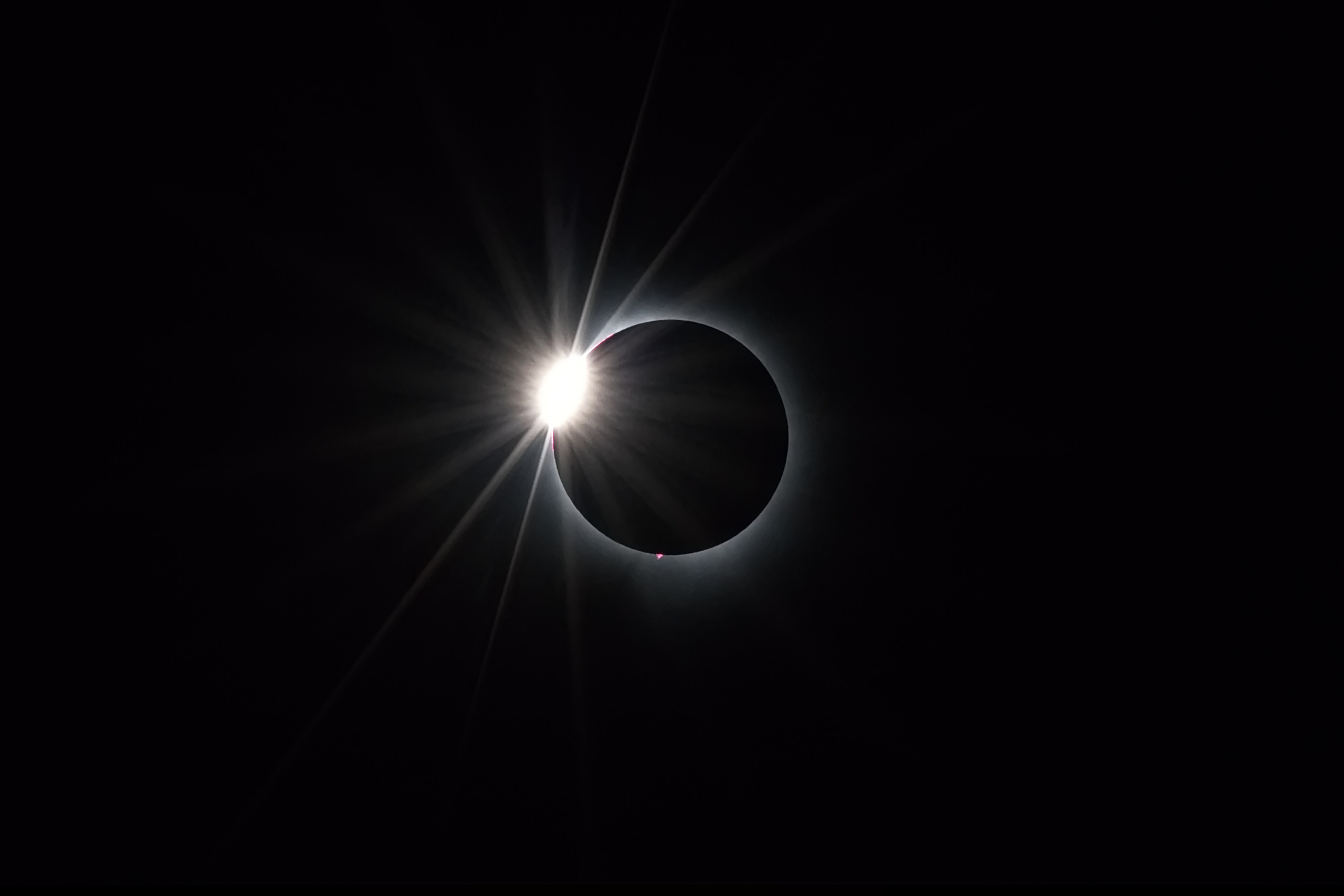
On August 12, day turns to night across Greenland, Iceland, and northern Spain.
The astronomical highlight of the month — and one of the biggest of the year — is the total solar eclipse on August 12. The Moon’s shadow crosses the high Arctic, Greenland, the western edge of Iceland, and reaches northern Spain and a sliver of Portugal near sunset. It’s the first total solar eclipse visible from mainland Europe since 1999, making it a milestone event for the millions who live near the path. Totality lasts under two and a half minutes, but the sight of the Sun’s corona blazing around a black disc in a darkened daytime sky is one people cross the planet for.
Like our content? Follow us for more.
2. The Perseid Meteor Shower Peaks Under a Dark Sky
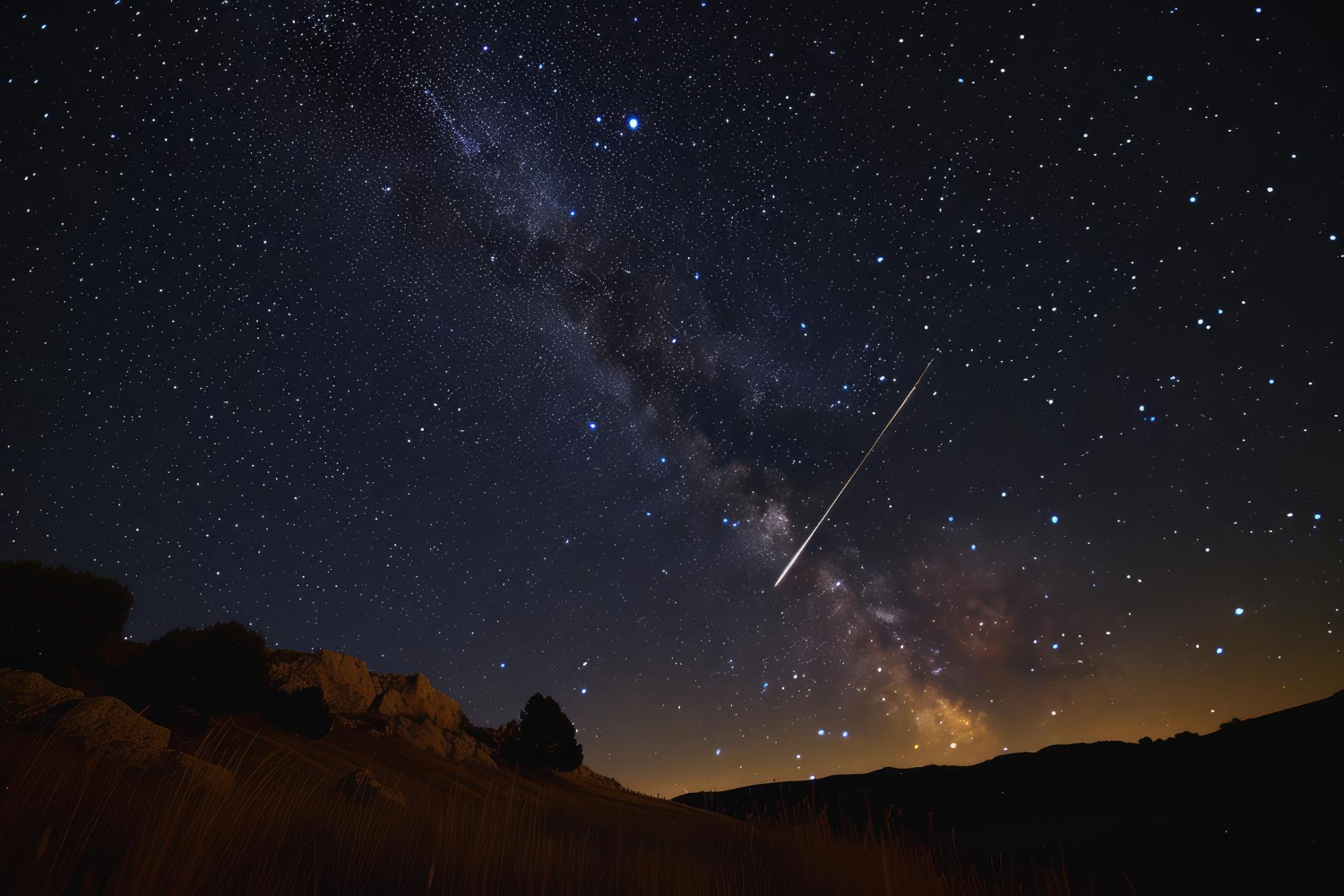
The same night as the eclipse, the year’s best meteor shower hits its stride with no moon to spoil it.
The Perseids, the most beloved meteor shower of the Northern Hemisphere, peak on the night of August 12 into the pre-dawn of August 13 — and 2026 is a banner year, because the same new moon that causes the eclipse leaves the night sky beautifully dark. That means the best Perseid viewing in years, with up to 50 to 100 meteors an hour possible under dark skies away from city lights, building toward dawn. No telescope needed: just a dark spot, a clear night, and a little patience. It’s the single easiest astronomical spectacle to enjoy, and this year it’s at its finest.
3. An Eclipse and a Meteor Shower on the Same Day
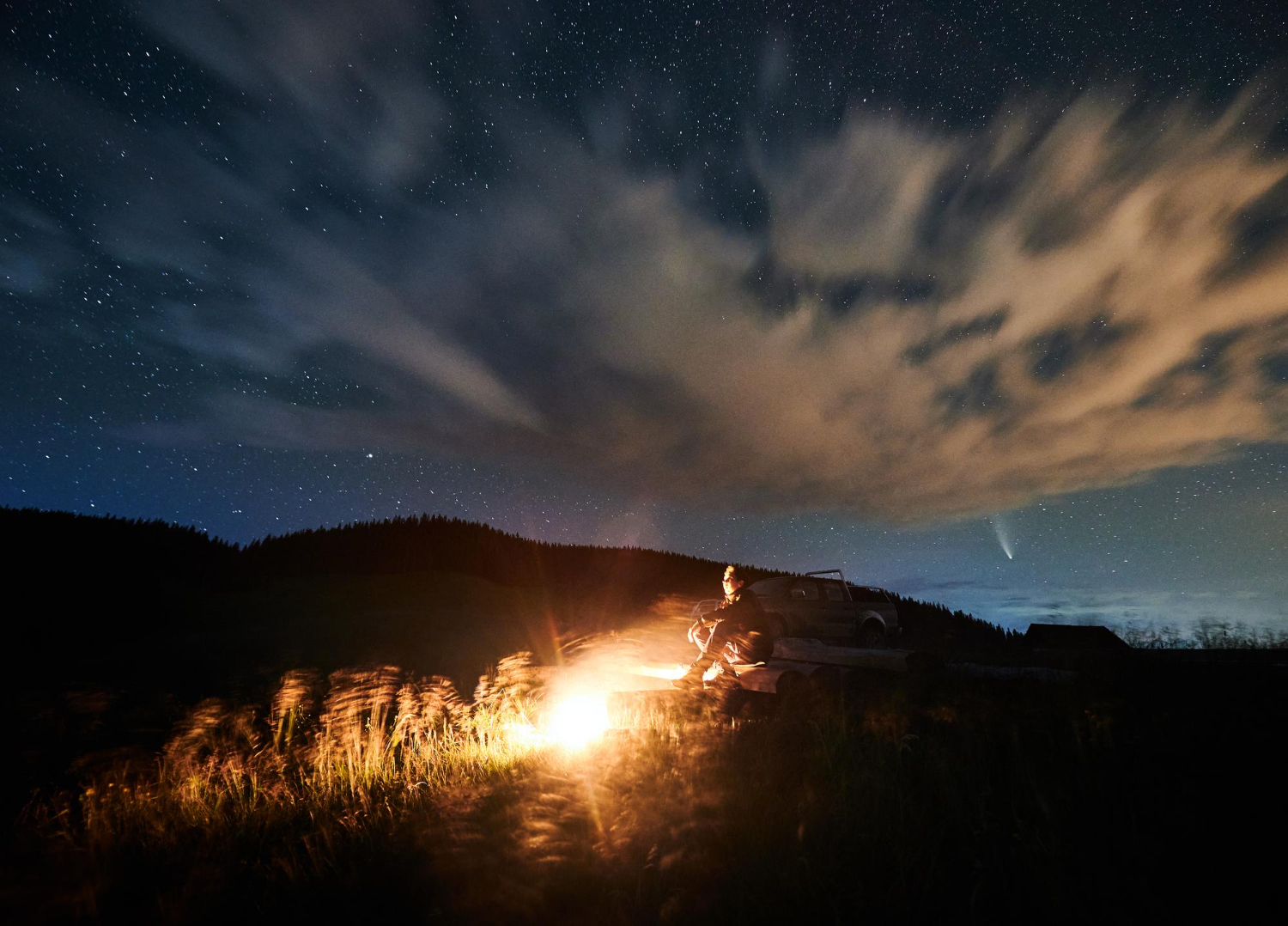
August 12 offers a real once-in-a-lifetime astronomical doubleheader.
Here’s the detail that makes this August special: the eclipse and the Perseid peak fall on the exact same date, and it’s no coincidence. A solar eclipse can only happen at a new moon, and that same new moon is what darkens the sky for the meteors. So August 12 hands sky-watchers a rare pairing — for those in the eclipse path, the Sun going dark in the afternoon, then a moonless meteor shower after nightfall. It’s the kind of alignment that won’t repeat for a very long time, and reason enough on its own to pay attention this month.
4. The Sturgeon Moon Rises
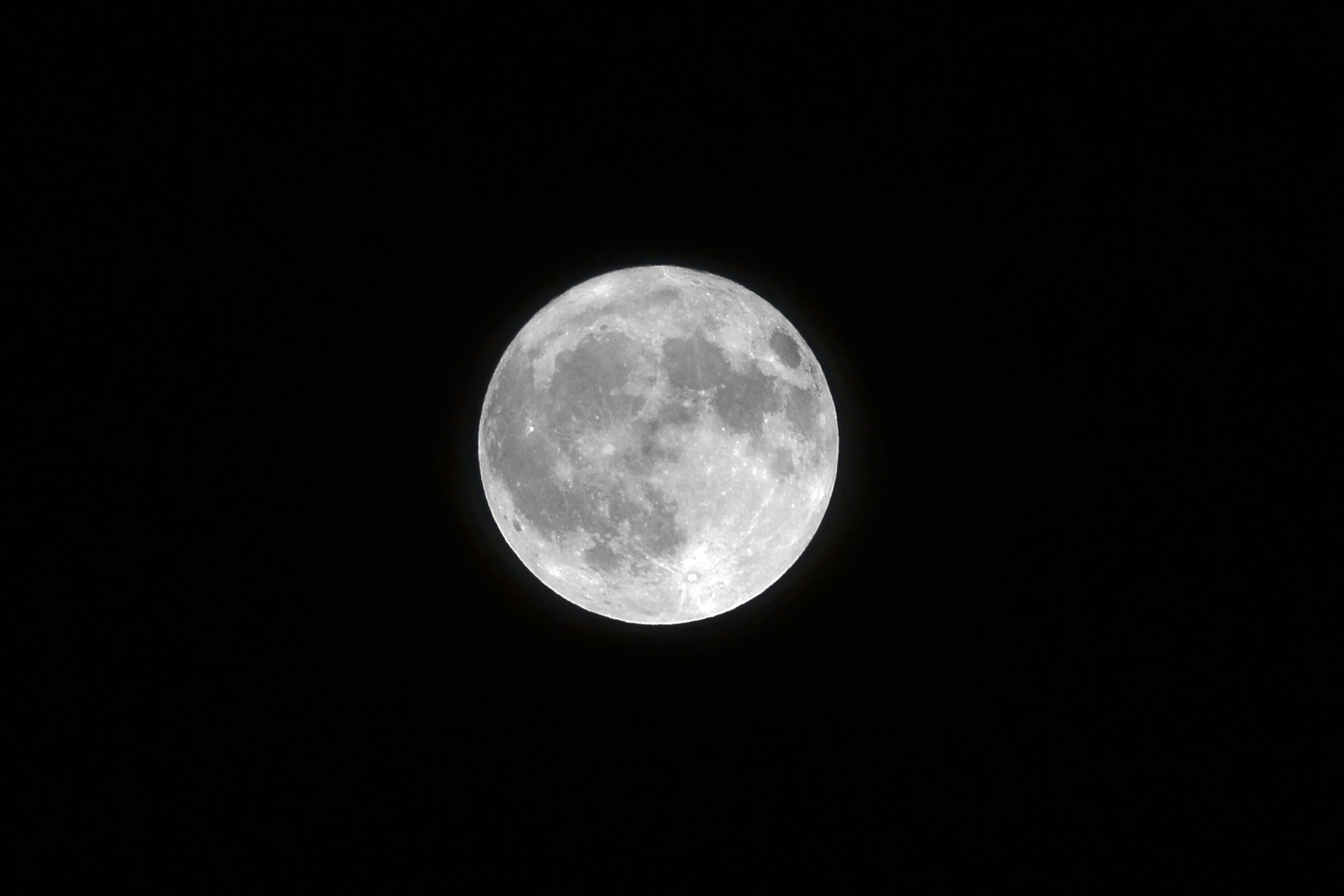
August’s full moon carries one of the more unusual traditional names.
August brings the full moon traditionally known as the Sturgeon Moon, named — according to the widely repeated tradition — for the large sturgeon fish that were most readily caught in the Great Lakes and other bodies of water at this time of year. Like other full-moon names, it comes down through a mix of Native American, colonial, and almanac traditions. It rises mid-month, a few days after the new moon that enables the eclipse and the meteors, and a rising full moon low on the horizon — glowing amber and appearing enormous — is one of the simplest and most reliable pleasures the night sky offers.
5. A Six-Planet Alignment Before Dawn
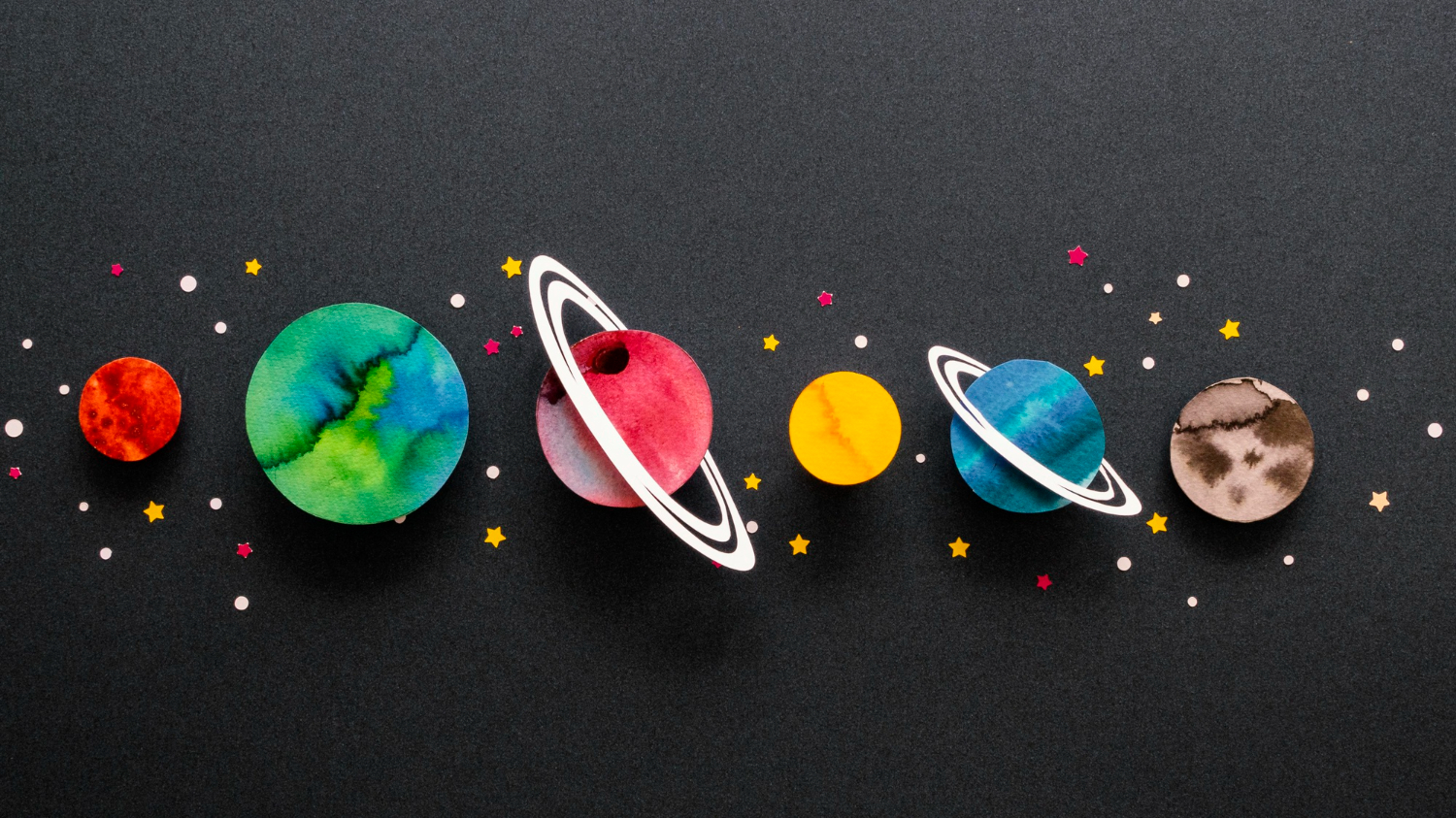
Mid-August mornings offer a chance to see several planets strung across the sky at once.
Around the same mid-August window, early risers have a shot at spotting a planetary lineup, with several planets visible across the pre-dawn sky at once. These alignments — where multiple planets appear roughly strung along the same arc — aren’t astronomically rare in the strict sense, but they’re a treat to see and a reminder of the actual geometry of the solar system laid out overhead. A clear eastern horizon before sunrise and a stargazing app to help identify which bright point is which is all you need. Pair it with an early-morning Perseid session and you get two sky events for one early alarm.
6. Peak Festival Season Across Europe

August is when the continent’s great summer festivals hit full swing.
On the ground, August is the height of the European festival calendar. The great arts festivals fill entire cities — Edinburgh alone becomes one enormous stage of theater, comedy, and music for weeks — while music festivals, food celebrations, and centuries-old local traditions run across the continent all month. It’s the season when European life moves outdoors and stays there late into the warm evenings. For travelers, it’s both the best and busiest time to visit, so booking ahead is essential, but the payoff is a continent operating at its most festive.
7. Carnival Season Brings the Caribbean to the Streets

Some of the world’s most spectacular carnival celebrations happen in August.
August is a major month for carnival, both in the Caribbean and in the great diaspora celebrations in cities abroad, with elaborate costumes, steel bands, sound systems, dancing, and street parades drawing enormous crowds. These are among the most vibrant and joyful public events anywhere, rooted in deep cultural history and staged at a scale that’s hard to appreciate until you’re in the middle of it. For anyone whose idea of a great trip involves color, music, and dancing in the street rather than quiet contemplation of the night sky, August’s carnival season is the counterweight to all that stargazing.
8. County and State Fairs Define Late Summer in America
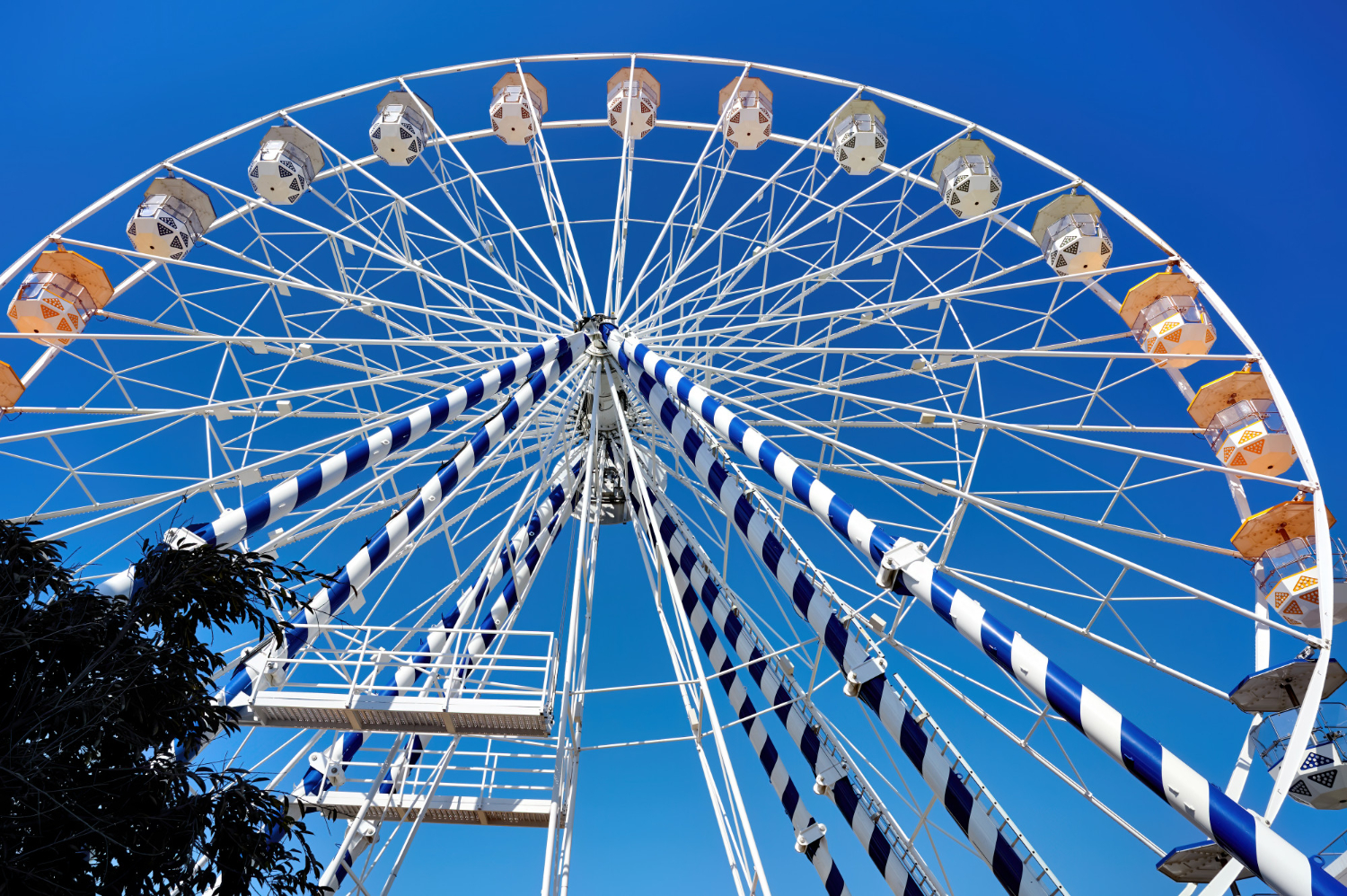
The great American fair season reaches its peak in August.
Across the United States, August is county and state fair season — the Ferris wheels, livestock competitions, deep-fried everything, blue ribbons, grandstand concerts, and midway games that define the last weeks of summer. Many of the biggest state fairs run in August into early September, and they’re a real slice of regional American life, drawing millions of visitors and unchanged in their essential character for generations. It’s one of the most accessible and affordable outings of the season, and a reliable source of the specific nostalgia that late summer produces.
9. The Last Long Evenings of Summer
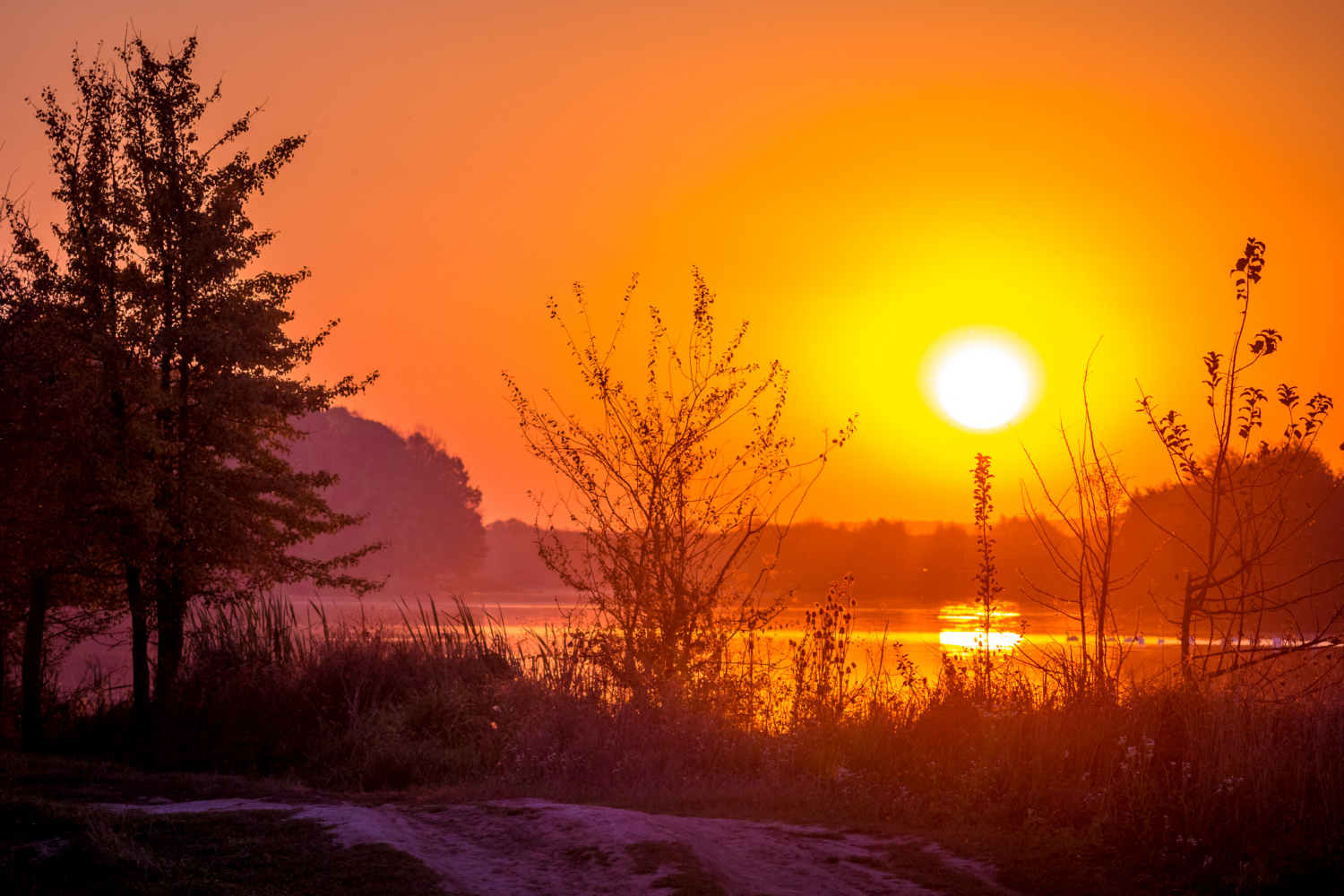
August is the final full month of Northern Hemisphere summer — and it shows.
There’s a particular quality to August that’s worth naming on its own: it’s the last full month of summer in the Northern Hemisphere, and the long warm evenings that felt endless in June now carry a faint sense of the clock running down. The days are still long and the weather still warm, but the light shifts subtly and the first hints of autumn creep into late-month mornings. It’s the month to squeeze in the final beach trip, the last cookout, the one more evening outdoors — a season worth savoring precisely because it’s about to turn.
10. Prime Beach and Lake Weather
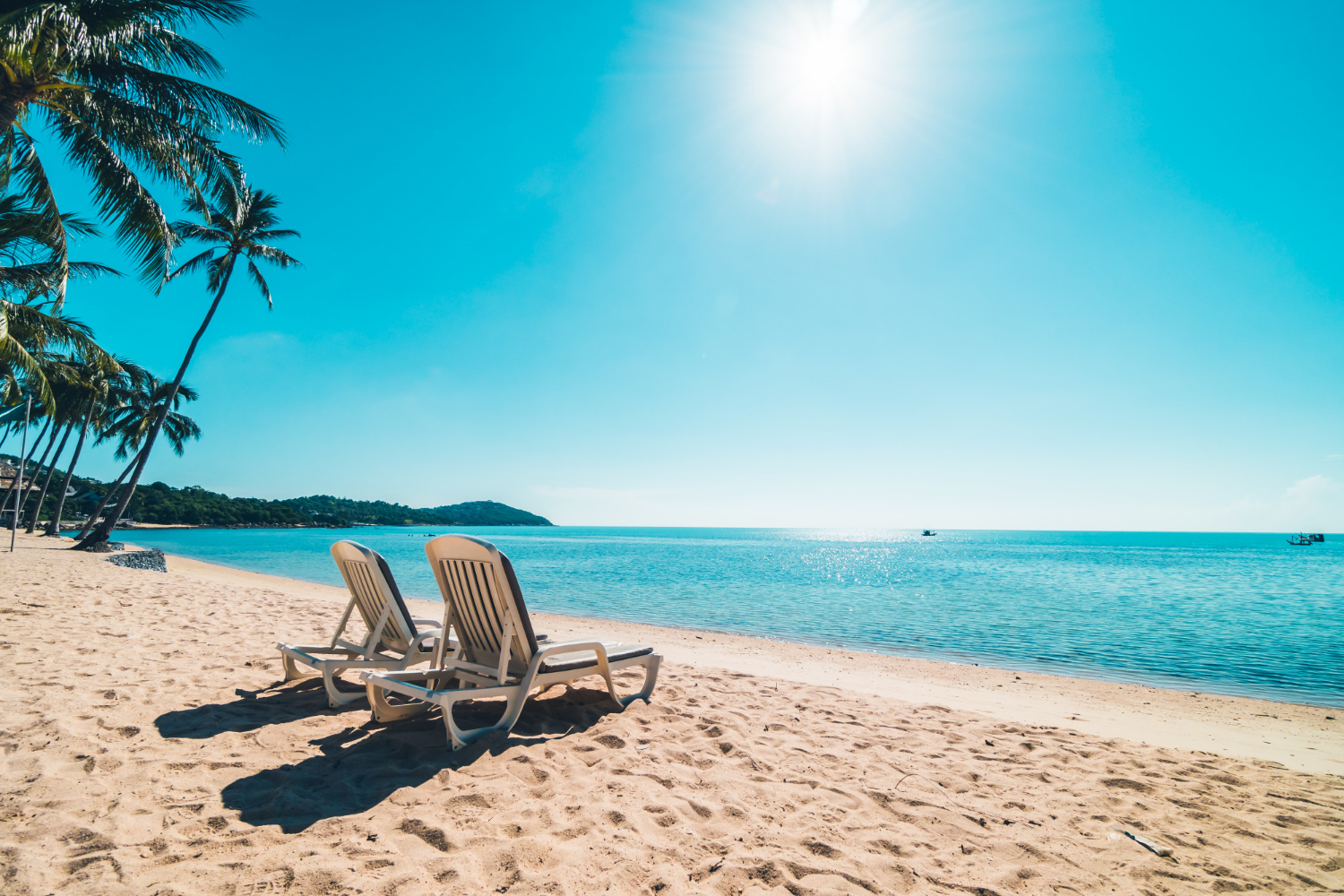
For warm-water swimming, August is often the sweet spot.
Counterintuitively, the warmest water of the year in much of the Northern Hemisphere comes not at the summer solstice but weeks later, as the oceans and lakes finish absorbing a full season of heat — which makes August one of the best months for swimming, paddling, and time on the water. The air is hot, the water has finally caught up, and the combination is ideal. For a beach or lake trip, late summer often delivers the most comfortable conditions of the whole year, even as the calendar edges toward fall.
11. Harvest Festivals and Peak Farmers’ Markets

August is when the growing season delivers its bounty.
For anyone who loves food, August is the peak of the Northern Hemisphere harvest, when farmers’ markets overflow with tomatoes, corn, stone fruit, berries, and the full abundance of late summer. It’s the month of harvest festivals, food events, and the best local produce of the year, and a great time to plan a trip around eating well — to wine country, to farm regions, to any place where the late-summer table is a real attraction. The eating is arguably never better than it is in August.
12. The Run-Up to Labor Day and Summer’s Finale

The month builds toward the traditional end-of-summer weekend.
August marches toward its traditional finale, the long holiday weekend at the very start of September that functions, culturally, as the unofficial end of summer in the United States. The final weeks of the month carry the last big travel push of the season — one more getaway before school starts and the rhythm of the year changes. It’s worth planning around, both for the opportunity and for the crowds: the end-of-summer window is among the busiest travel periods of the year, so booking early and traveling smart pays off.
The Month to Get Outside
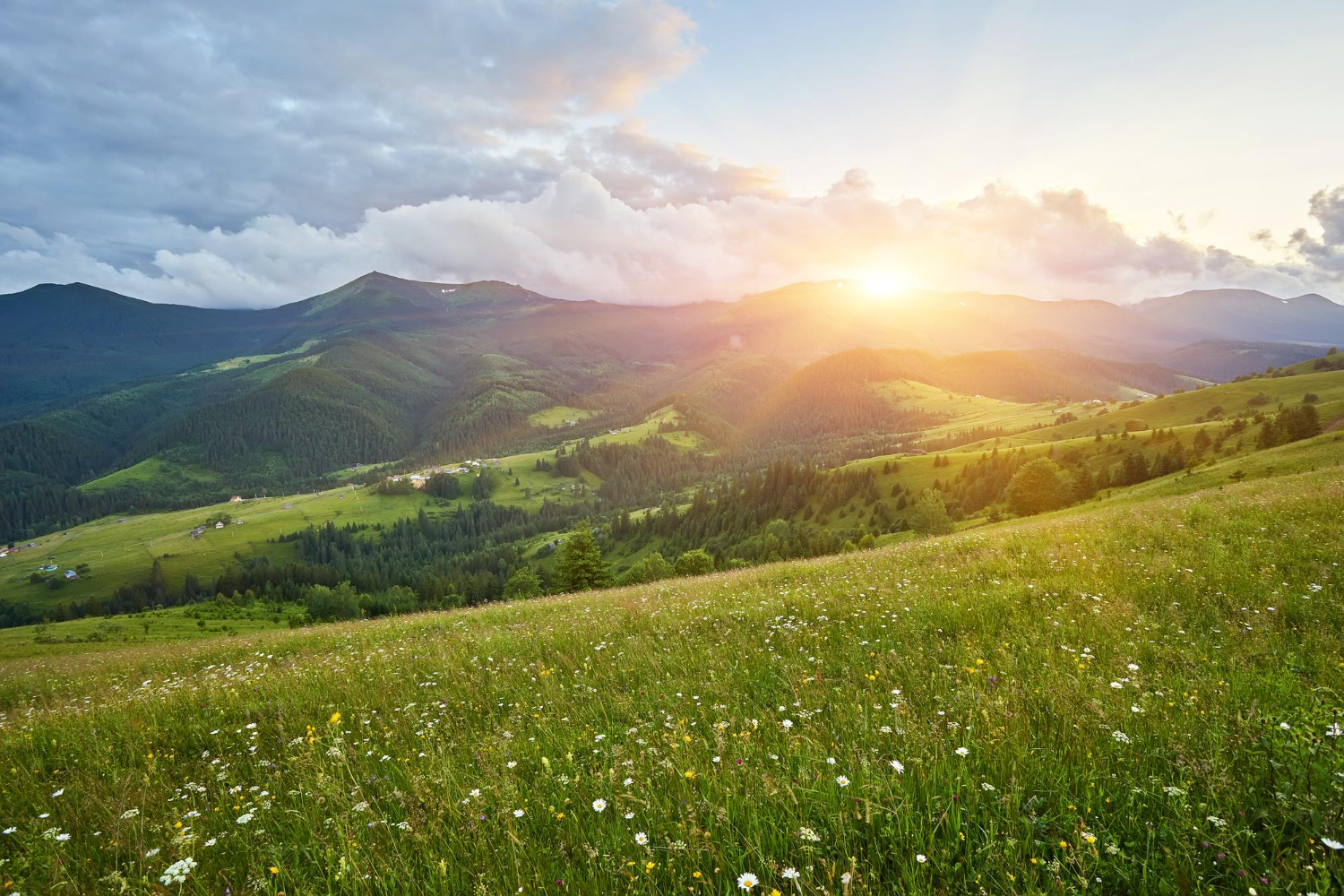
An eclipse and a meteor shower on the same day, a fish-named full moon, planets lined up at dawn, festival season at full roar, and the last golden evenings of summer — August 2026 is one of the most event-rich months of the year, rewarding anyone willing to look up or head out.
The single date to circle is August 12, when the sky delivers its rare double feature, but the whole month is generous — with warm water, peak produce, spectacular festivals, and the specific bittersweet pleasure of summer’s last full stretch. Whether you chase totality across an ocean or just carry a lawn chair into the backyard on a dark night, this is a month built for getting outside. Check the forecast, make a plan or two, and don’t let August 2026 slip by unwatched.
Like our content? Follow us for more.