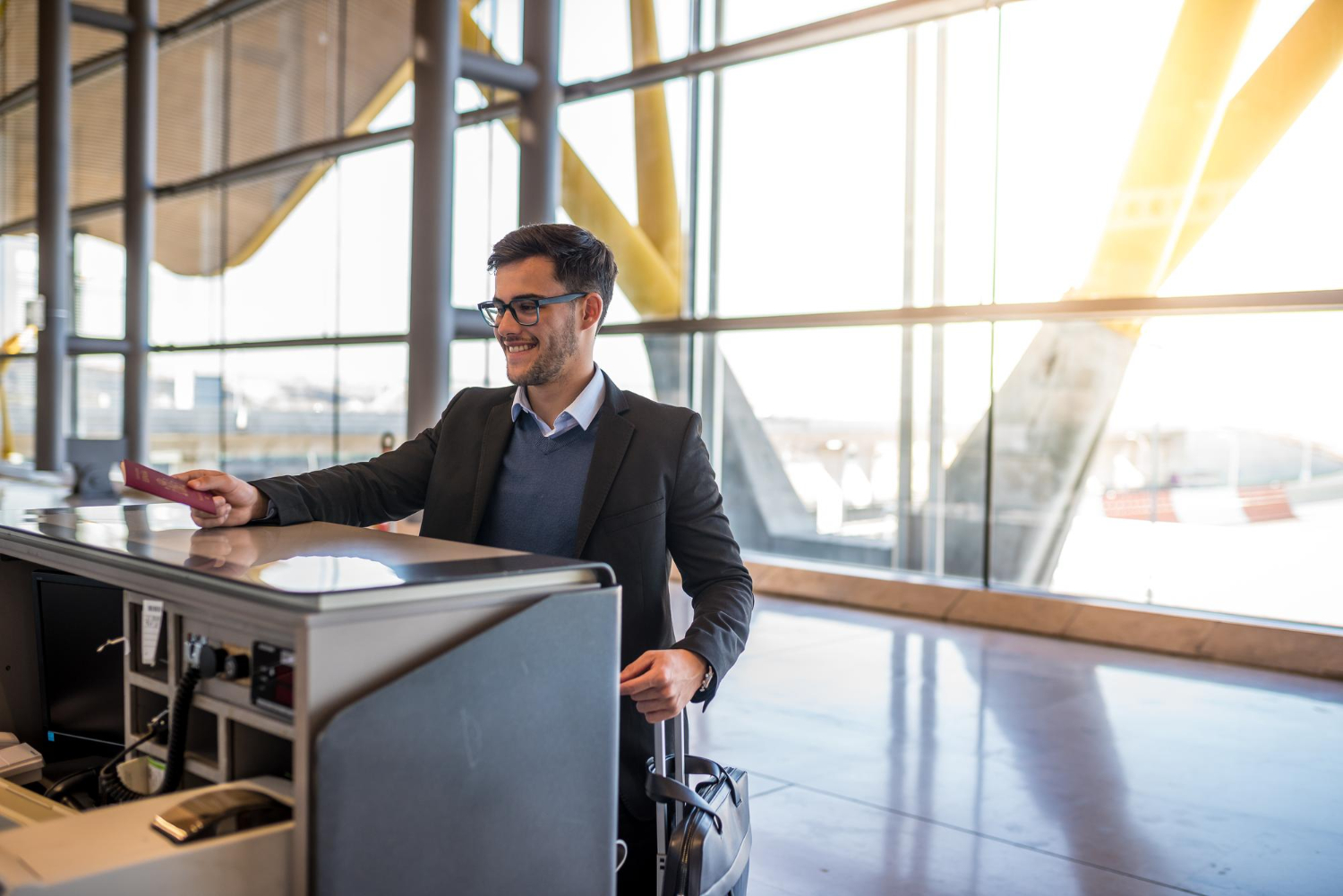
Frequent flyers develop a quiet expertise that makes air travel look effortless, and almost none of it is complicated — it’s just accumulated knowledge that regular travelers never picked up. The difference between a miserable airport experience and a smooth one usually comes down to a handful of small decisions made before you ever leave home, and a few habits at the airport itself. Here are thirteen tips that seasoned travelers swear by, the kind of thing that separates the calm from the frazzled at the gate.
1. Check In Online and Get Your Boarding Pass on Your Phone
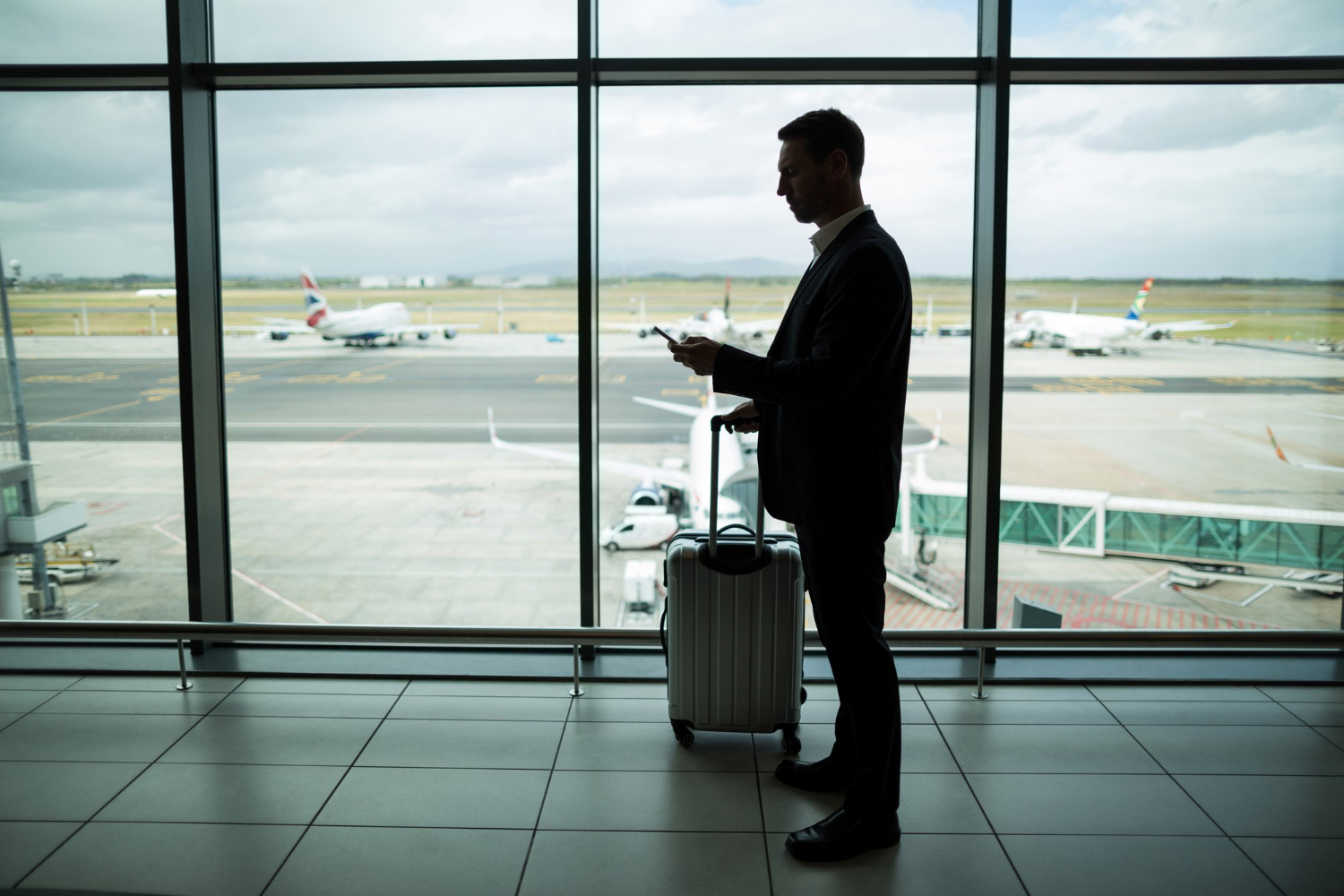
Skip a line before you even leave the house.
The first rule of smooth travel is to check in online the moment it opens, usually 24 hours before departure, and load your boarding pass onto your phone or the airline’s app. This lets you skip the check-in counter entirely if you’re not checking a bag, choose or confirm your seat early, and get alerts about delays and gate changes straight to your phone. It’s the single easiest way to shave time and stress off the start of a trip, and it costs nothing. Take a screenshot of the boarding pass too, in case the app won’t load in a dead zone at the gate.
Like our content? Follow us for more.
2. Wear Slip-On Shoes and Skip the Belt
Dress for the security line, not the destination.
Experienced travelers dress strategically for security: slip-on shoes that come off and on in seconds, no belt or a beltless waistband, minimal metal jewelry, and a light layer instead of a bulky coat. The goal is to move through the checkpoint without fumbling, and the difference in speed is real. Keep your pockets empty before you reach the front of the line — phone, keys, and coins already stowed in your bag — so you’re not holding everyone up digging through your clothes. The people who breeze through security aren’t lucky; they dressed for it.
3. Keep Liquids and Electronics Easy to Reach
Pack the bin-worthy items where you can grab them fast.
Whatever the current security rules require you to remove — laptops, larger electronics, the bag of liquids — should be packed at the top of your bag or in an outside pocket, not buried under everything else. Fumbling to extract a laptop from the bottom of a stuffed backpack while the line builds behind you is the classic rookie move. Set up your bag before you travel so the removable items come out in one motion, and repack calmly on the far side rather than holding up the belt. It’s a small organizational habit that makes a visible difference.
4. Look Into Trusted-Traveler Programs
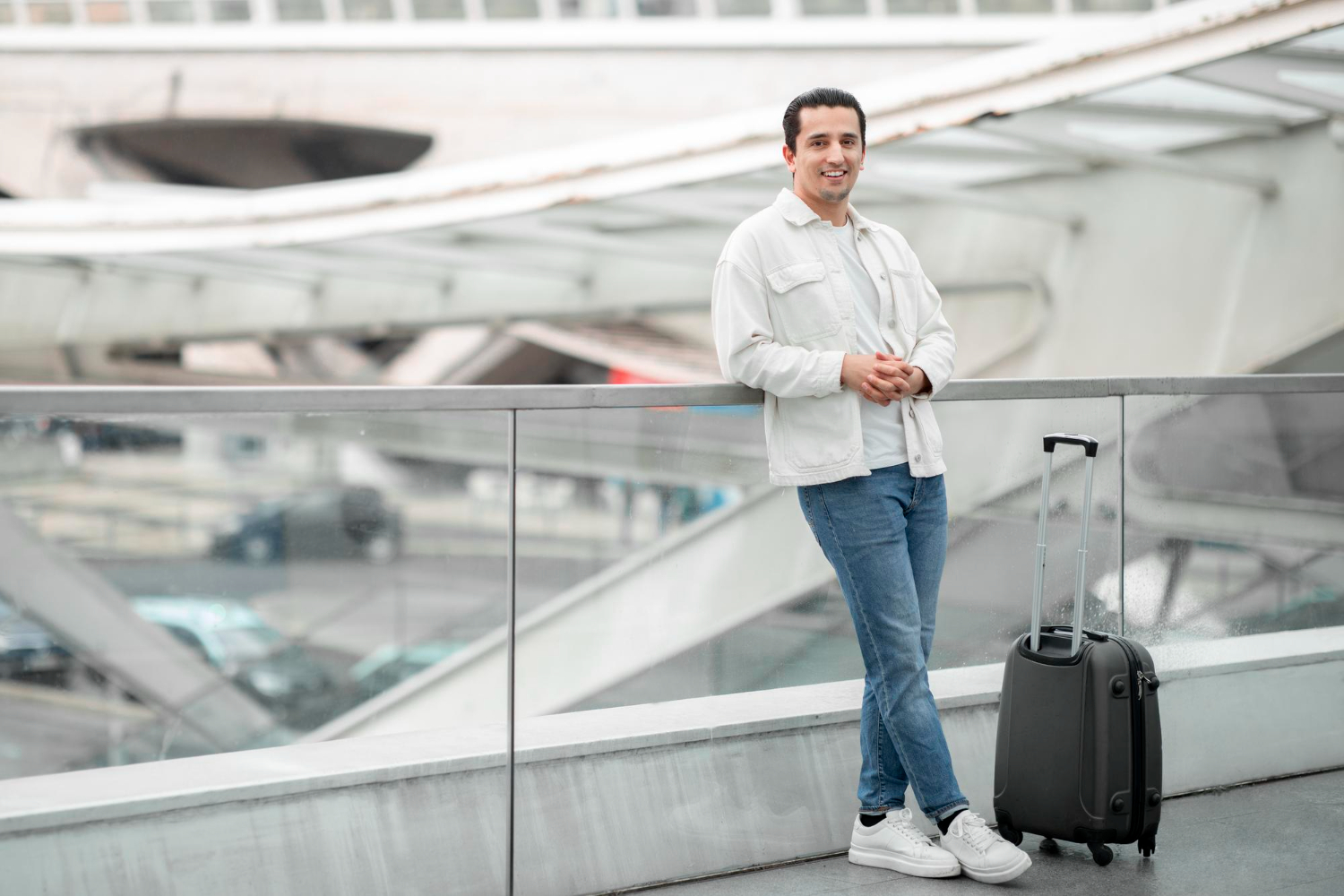
If you fly even a few times a year, expedited screening pays for itself in time.
Travelers who fly with any regularity often find that enrolling in a trusted-traveler or expedited-screening program is well worth it, letting them use faster security lanes and, in many cases, keep their shoes and belt on and laptops in the bag. For international travelers, programs that speed up the re-entry process at customs can save enormous amounts of time. There’s an application process and a fee, but for anyone who flies more than occasionally, the time and stress saved add up quickly. It’s worth researching what’s available for your typical routes.
5. Arrive Earlier Than You Think You Need To
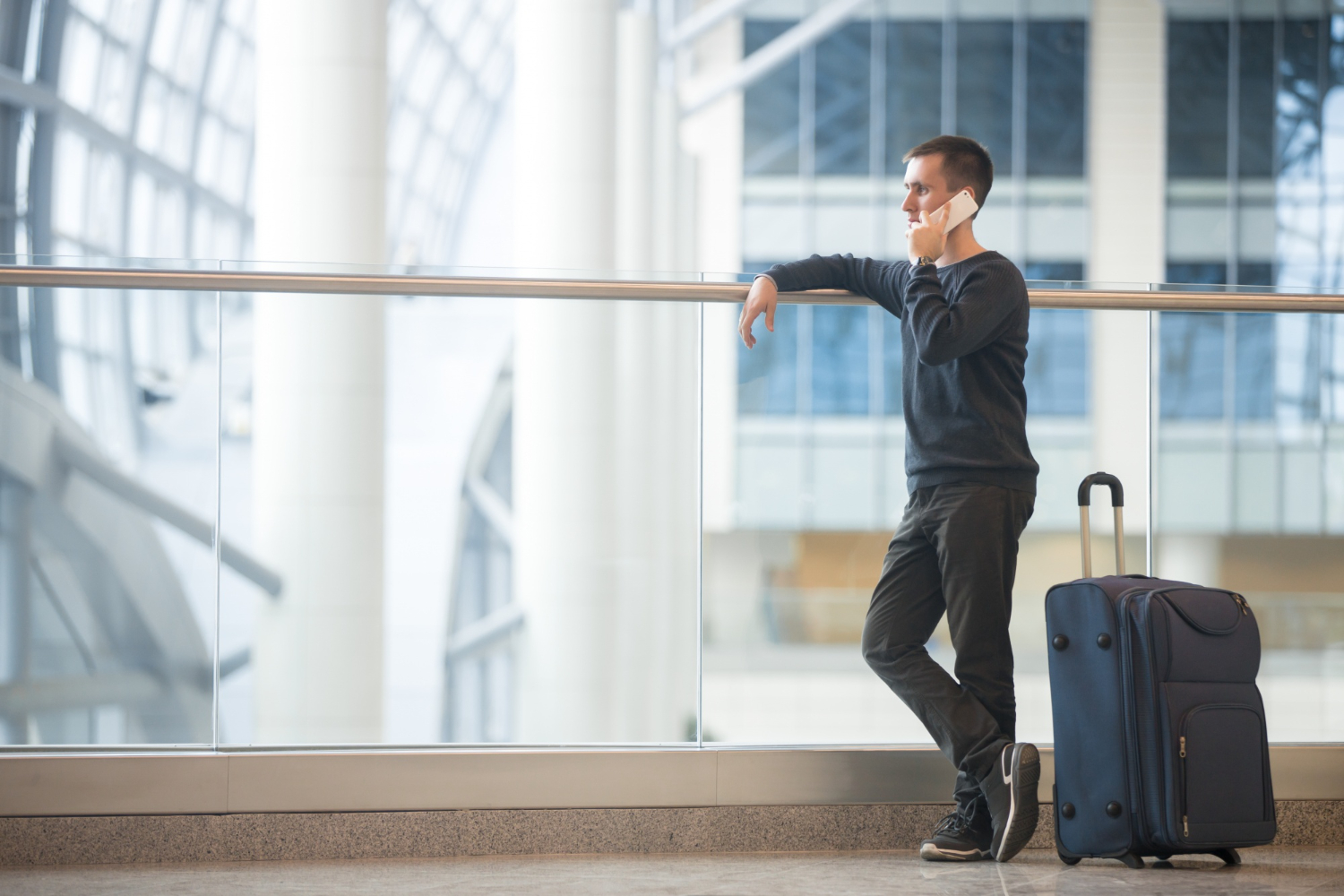
The time you save by cutting it close is never worth the risk.
Even seasoned travelers who know how to move fast still build in a buffer, because the one time security is backed up or the parking shuttle is slow is the time you miss your flight. The standard guidance — arriving a couple of hours before a domestic flight and more for international — exists because airports are unpredictable, and the downside of being early is a relaxed coffee at the gate while the downside of being late is a missed flight and a ruined day. Experienced travelers would rather wait at the gate than sprint through the terminal.
6. Keep Essentials in Your Carry-On, Always
Assume your checked bag might not arrive when you do.
The cardinal rule of checked luggage is to never put anything in it you can’t afford to lose or be without for a day or two. Medications, a change of clothes, valuables, important documents, chargers, and anything essential go in your carry-on, because checked bags occasionally get delayed or lost, and you don’t want your only set of clean clothes or your daily medication sitting in another city. Frequent travelers pack their carry-on as if the checked bag might vanish, which occasionally it does. That habit turns a lost-luggage disaster into a minor inconvenience.
7. Take a Photo of Your Checked Bag
If it goes missing, you’ll be glad you can show exactly what it looks like.
A quick, savvy habit: before you check a bag, snap a photo of it on your phone, and photograph the contents too. If the bag is lost or delayed, you can show airline staff exactly what it looks like rather than describing it, which speeds up the search and the claim. Some travelers also toss a tracking tag inside so they can locate the bag themselves. It takes ten seconds and it’s the kind of small insurance that costs nothing until the day it saves you a great deal of hassle.
8. Stay Hydrated and Go Easy on Alcohol
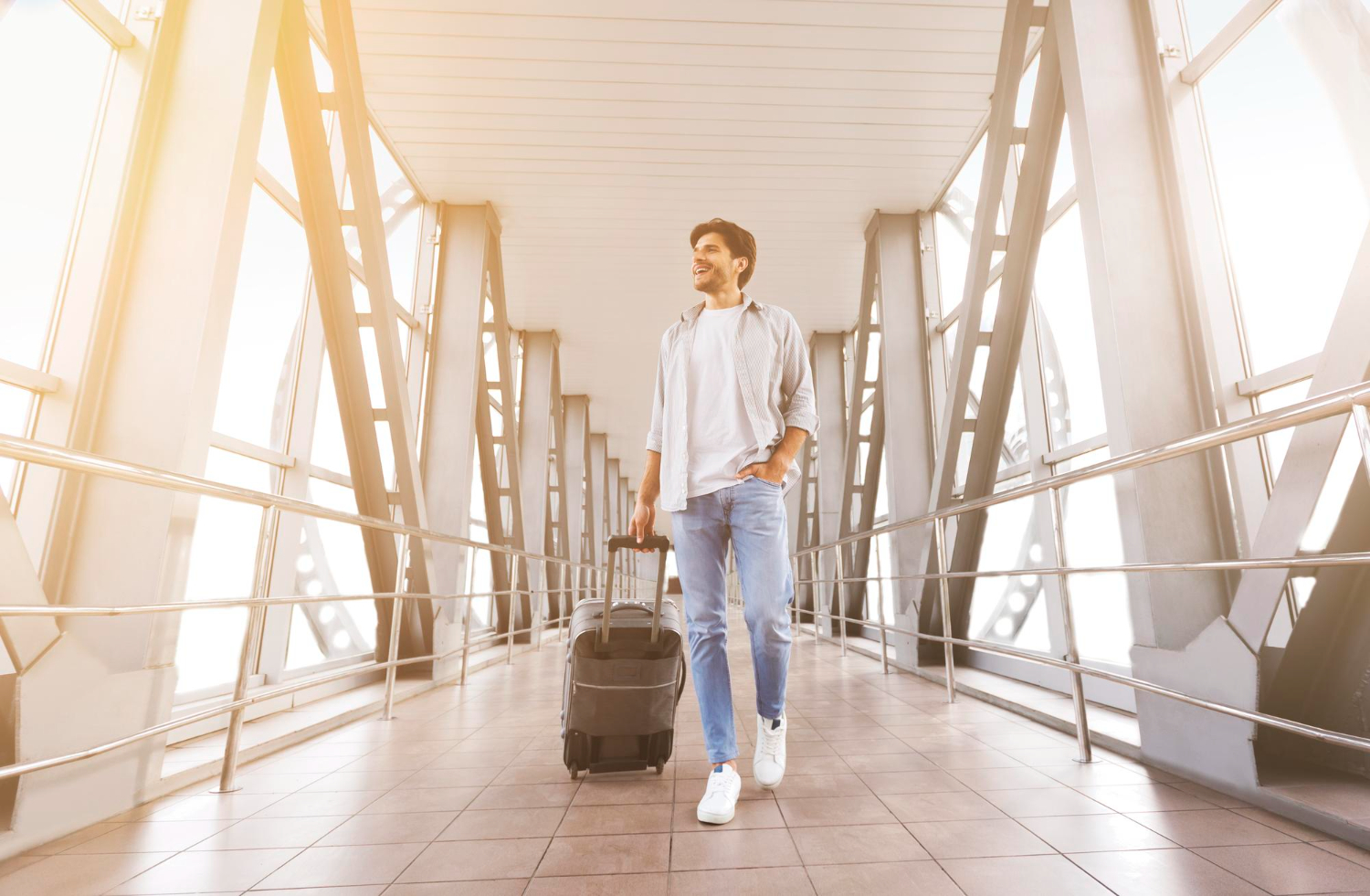
The cabin is dehydrating, and the effects are stronger at altitude.
The air in an aircraft cabin is extremely dry, and dehydration is a big contributor to feeling awful after a flight. Experienced flyers bring an empty water bottle through security and fill it at a fountain before boarding, then drink steadily throughout the flight. They also tend to go easy on alcohol and heavy on water, since the dry cabin and altitude can amplify alcohol’s effects and worsen dehydration. Simple hydration is one of the most effective things you can do to arrive feeling human, especially on long flights and across time zones.
9. Choose Your Seat Strategically

Where you sit shapes your whole flight, so pick with intention.
Frequent travelers have strong opinions about seats, and the choice depends on your priorities. Window seats offer a place to lean and control over the shade, and they’re best for sleeping and for avoiding being disturbed. Aisle seats give you freedom to get up without climbing over anyone, better for long flights and frequent movers. Seats toward the front deplane faster; seats over the wing tend to be smoother. Use a seat-map tool to avoid the seats that don’t recline or are next to the lavatory, and select early before the good options fill up.
10. Don’t Rush to Board First
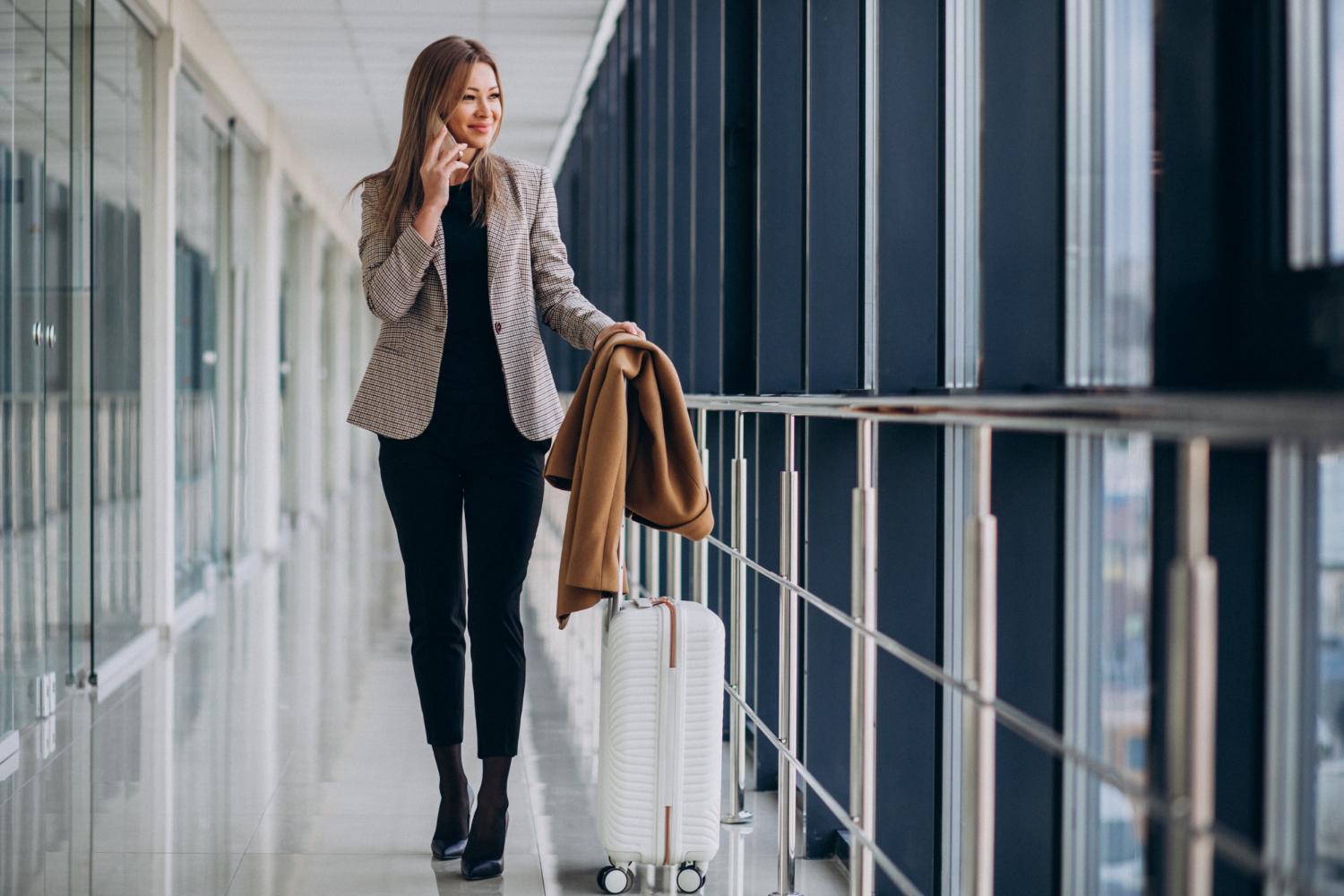
Boarding early just means more time crammed in your seat.
One counterintuitive habit of experienced travelers: unless you need overhead bin space near your seat or have small children, there’s little advantage to being first in the boarding line. Boarding early just means spending more time sitting in the cramped cabin while everyone else files on. Many seasoned flyers hang back, use the extra minutes to stretch, use the restroom, and fill their water bottle, and board toward the end. The main exception is when overhead space is scarce and you’re worried about your carry-on being gate-checked — then boarding earlier protects your bag.
11. Have a Plan for Delays and Missed Connections

Know your options before something goes wrong.
Things go wrong, and the travelers who handle it best are the ones who prepared. Know the airline’s app and how to rebook through it, since the app is often faster than the line at the desk when a flight is cancelled and hundreds of people are scrambling at once. Keep the airline’s phone number handy, as calling can be quicker than queuing. Understand your rights regarding delays and compensation, which vary by region and route. And keep those carry-on essentials close, because a delay can turn into an unplanned overnight with no warning.
12. Download Everything Before You Fly

Assume you’ll have no connection from gate to gate.
Before leaving home or while on airport wifi, experienced travelers download everything they might want: entertainment for the flight, offline maps of the destination, boarding passes, and any travel documents or confirmations. In-flight wifi is unreliable and often expensive, and you don’t want to depend on a connection that may not come. Offline maps in particular are invaluable on arrival in an unfamiliar place, letting you navigate from the airport without needing data the moment you land. A little downloading before you go prevents a lot of frustration later.
13. Keep Your Documents and Valuables in One Consistent Place
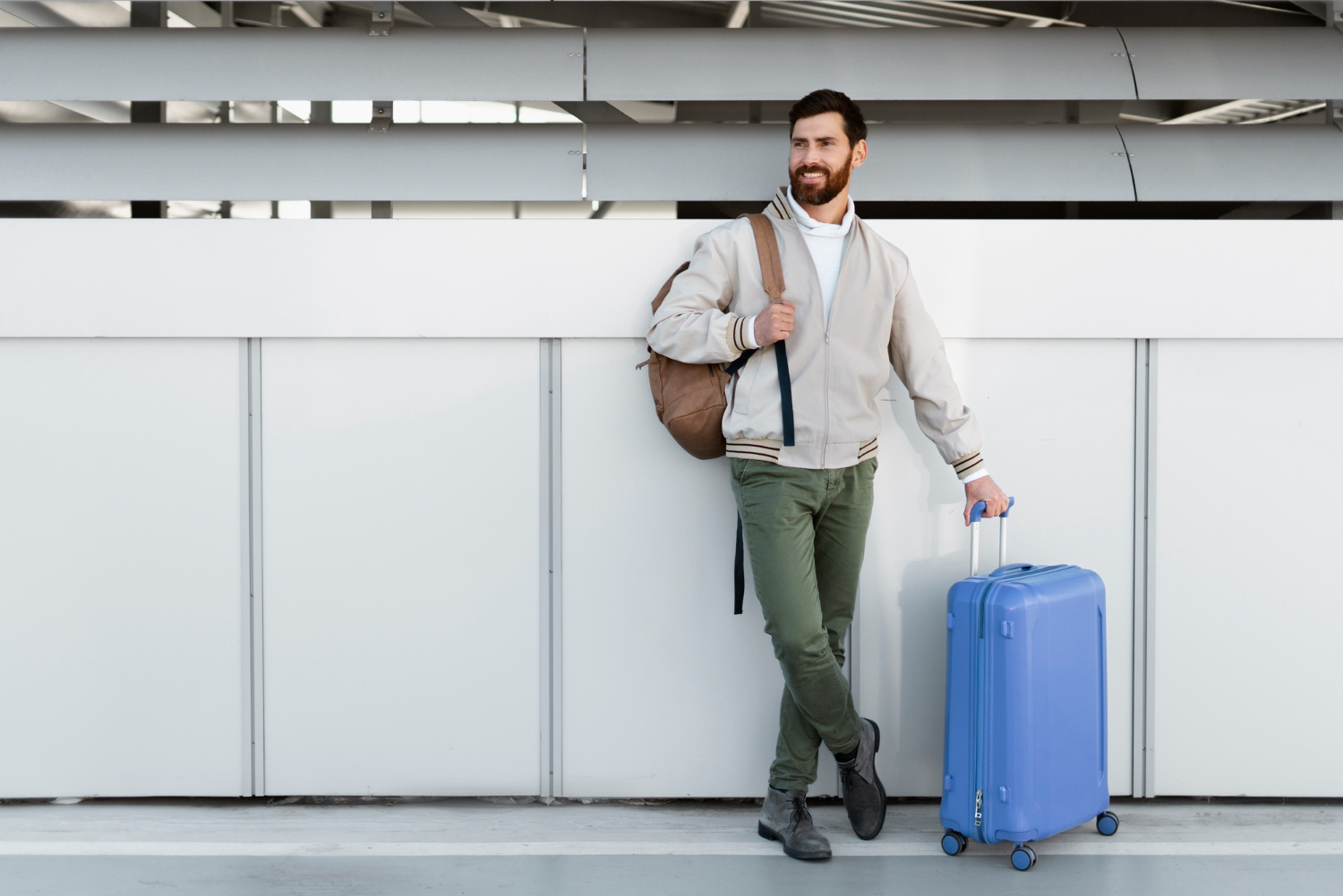
Always know exactly where your passport is.
The most stressful travel moments come from misplacing something essential, so experienced travelers designate one specific, secure pocket or pouch for their passport, boarding pass, and wallet, and they put those items back in the same place every single time. That consistency means you’re never patting yourself down in a panic at the gate wondering where your passport went. Keep valuables secure and close to your body in crowded areas, and never set a phone or passport down on a check-in counter or seat where it can be left behind. One consistent home for your important items removes an entire category of travel anxiety.
Traveling Like a Pro

Check in early, dress for security, keep essentials in your carry-on, hydrate, pick your seat, don’t rush to board, and always know where your passport is — the habits of frequent flyers are almost all small, free, and easy to adopt.
None of this requires elite status or expensive gear. It’s just the accumulated wisdom of people who’ve made every travel mistake already and adjusted, and the whole philosophy comes down to a couple of ideas: prepare before you go, build in a margin for things going wrong, and take care of the small stuff so the big stuff can’t derail you. Adopt even a few of these habits and your next trip through the airport will be noticeably smoother — less rushing, less panic, and more of the calm that makes experienced travelers look like they know a secret. They don’t. They just do the simple things right.
Like our content? Follow us for more.