

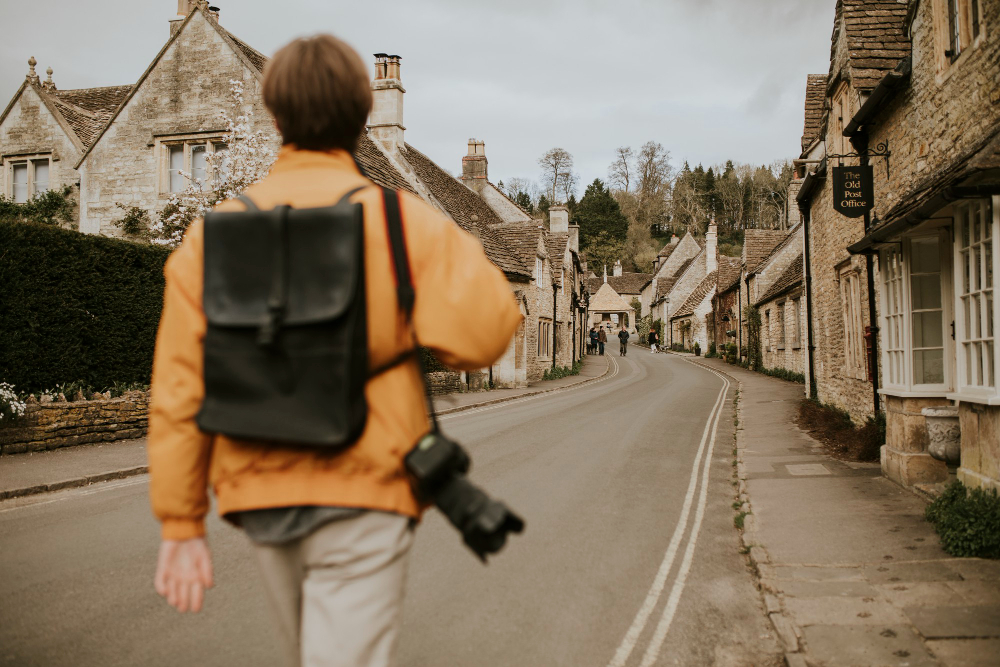
The second visit starts with knowledge the first one spent days acquiring, and using that properly is what makes it worth going. Here are ten things worth knowing.
1. You Have Already Paid the Orientation Cost

The first visit spent time working out the transport, the geography and the rhythm of the place, and none of that has to be done again.
That is the main dividend. Retained orientation is what a second visit actually buys.
Like our content? Follow us for more.
2. So Do Not Repeat the First Trip

Going back to the same sights in the same order compares the second visit unfavourably with the first, because novelty has gone and nothing has replaced it.
The comparison is guaranteed to disappoint. Repetition is the commonest mistake on a return.
3. Go to the Places You Walked Past

Every first visit leaves a list of things noticed and not investigated – a street, a building, a district – and that list is the best itinerary a second trip can have.
It was compiled without effort. The noticed-but-skipped list is the most useful thing a first visit produces.
4. Go Further Out

With the centre already seen, a return trip can be based further out or spend its days in areas a first visit would never reach.
The obvious part is done. Outward expansion is what a second visit is for.
5. Change the Season

The same place in different weather, light and daylight hours is truly a different experience, and it costs nothing to arrange.
The change is larger than people expect. Seasonal difference is the cheapest variation available.
6. Return to One Thing Deliberately

One place worth revisiting – a view, a room, a walk – is worth doing again precisely because the memory can be compared, and that comparison is part of the pleasure.
One is enough. Deliberate revisiting is different from repeating everything.
7. Plan Less, Not More

Knowing the place means a schedule matters less, and a return trip tolerates unstructured days far better than a first visit does.
The safety net is already there. Reduced planning is a benefit of familiarity.
8. Expect It to Have Changed

Places change, and a favourite closed or a street rebuilt is normal rather than a betrayal – which is worth anticipating so that it does not define the trip.
Nothing stays still. Expected change removes most of the disappointment.
9. The Second Visit Fixes the First

Anything rushed, missed or spoiled by weather on the first trip can simply be done properly, which is a specific and satisfying reason to return.
It closes the loop. Unfinished business is a legitimate itinerary.
10. A Third Visit Is Different Again

By a third trip a place stops being a destination and starts being somewhere you know, which is a quieter and more durable kind of interest.
Few places get that far. Accumulated familiarity is what repeat visits eventually produce.
What the First Visit Already Paid For

Orientation you never have to repeat, a list of things noticed and skipped, a base further out, a different season and one thing revisited on purpose.
The third item is the one worth acting on. Every first visit produces a list of streets glanced down and buildings passed without stopping, and that list – assembled without any effort at the time – is a better plan for a second trip than anything a guide would suggest.
Like our content? Follow us for more.
