

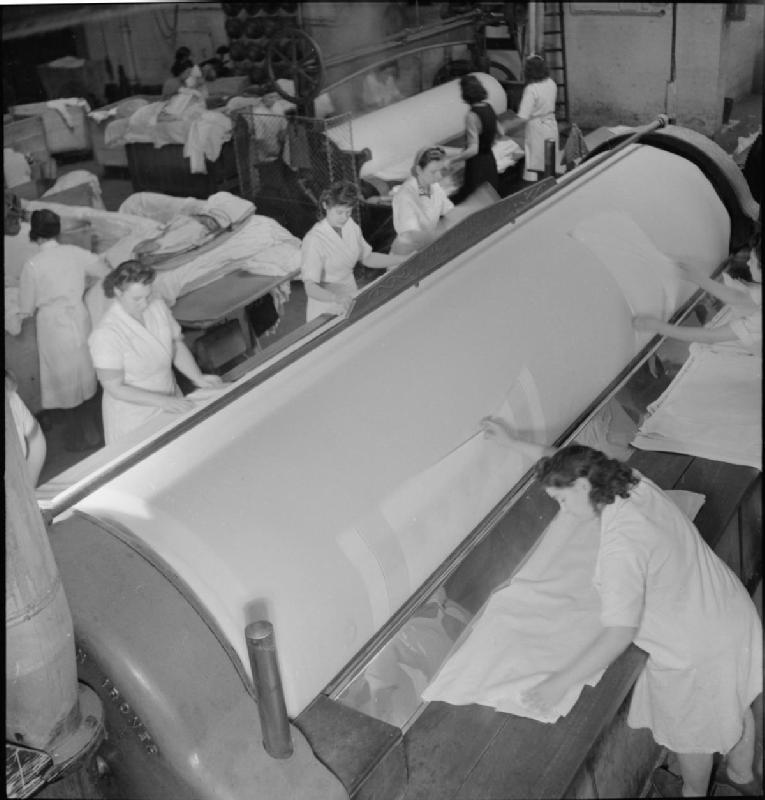
In 1960 a van called at the house on a fixed day, took the family’s washing away, and brought it back the following week washed, pressed, folded and mended.
The plant that did it employed several hundred people, almost all of them women, in constant steam heat. Every item was marked by hand. The flat work went through heated rollers fed by hand at speed.
Then washing machines became affordable, and the entire household side of the trade was gone within twenty years.
Here are fourteen things that were ordinary in a commercial laundry in 1960, and what became of each one.
1. A Van Collected Your Washing and Brought It Back Finished
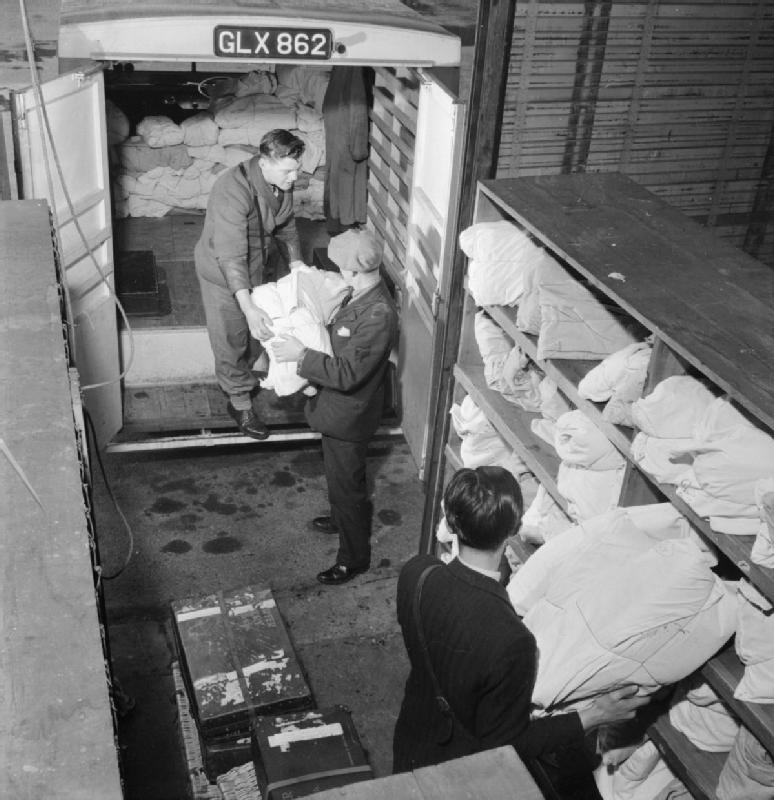
Commercial laundries ran collection and delivery rounds. A van called at the house on a fixed day, took the washing away in a bag or basket, and returned it washed, dried, pressed and folded the following week.
The domestic washing machine destroyed the household end of this trade almost completely within about twenty years. What survives serves hotels, hospitals, restaurants and workwear, where the volume still justifies an industrial plant – so the industry did not die, it simply stopped calling at houses.
Like our content? Follow us for more.
2. The Plant Was Enormous and Almost Entirely Staffed by Women
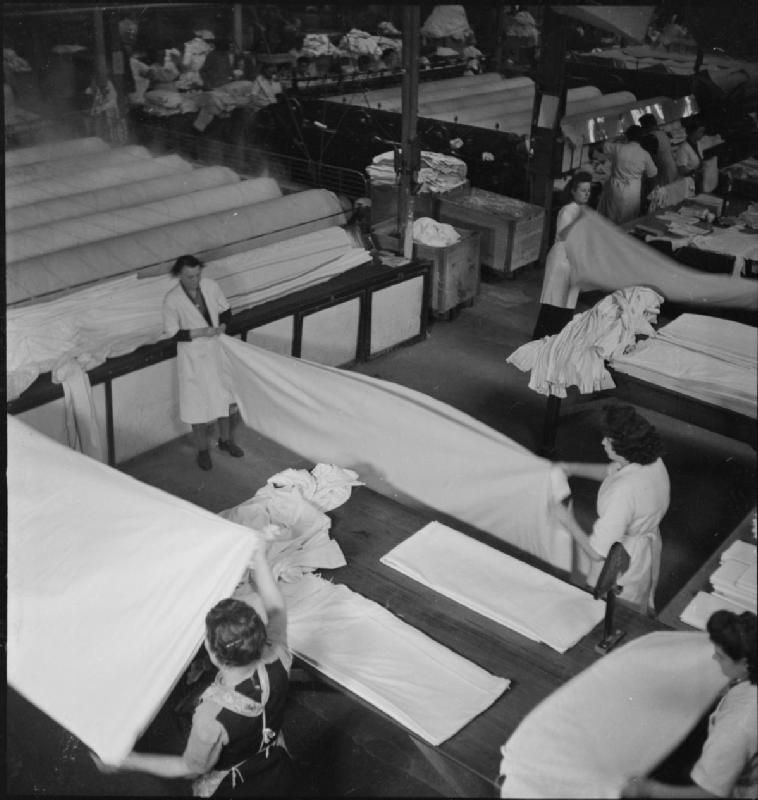
A town laundry employed hundreds of people, the overwhelming majority of them women, in sorting, washing, drying, calendering, pressing, folding, mending and packing – with men in the engine room, the maintenance shop and the vans.
Mechanisation reduced the headcount by an order of magnitude and the trade’s collapse removed most of what was left. For a great many towns the laundry was the largest employer of women by a wide margin, which made its closure a specifically gendered economic event that is rarely discussed as one.
3. The Heat and the Steam Were Constant
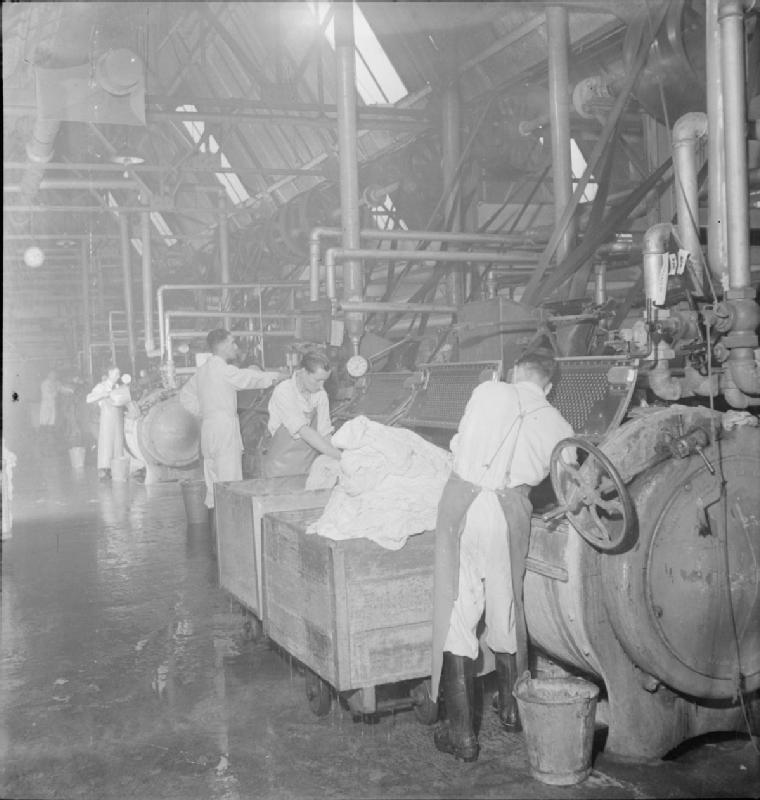
Washing, drying, calendering and pressing all run on steam, and a working laundry was hot and humid throughout, all year, with condensation running down the walls.
Ventilation, heat recovery, enclosed machinery and process redesign have improved this considerably, and modern plants are substantially cooler. Laundry work was known as one of the hottest and wettest industrial environments available, and the women who did it describe the first hour of a shift in summer in terms that make the point.
4. Everything Was Sorted and Marked by Hand
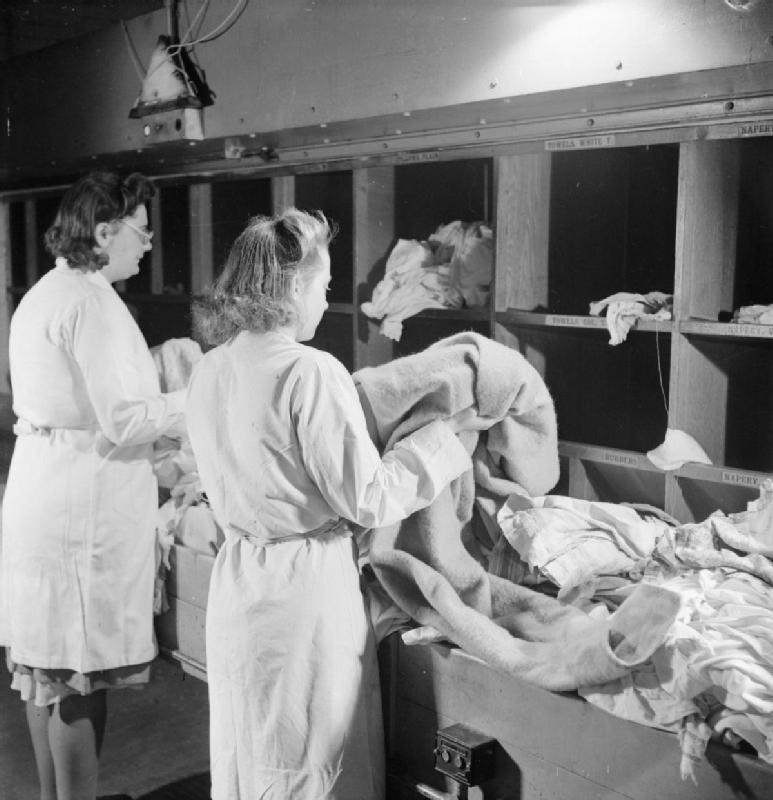
Incoming washing from dozens of households had to be sorted, recorded and marked so it could be reassembled correctly – usually with an indelible mark or a sewn-in tag applied by hand, item by item.
Barcoded and chipped tags, automated sorting and scanning now handle identification at a scale no hand system could approach. Hand marking was the trade’s single greatest exposure to disaster, because one mistake meant somebody else’s sheets arriving at your door, and the records to trace it were on paper.
5. The Calender Was the Most Dangerous Machine in the Building
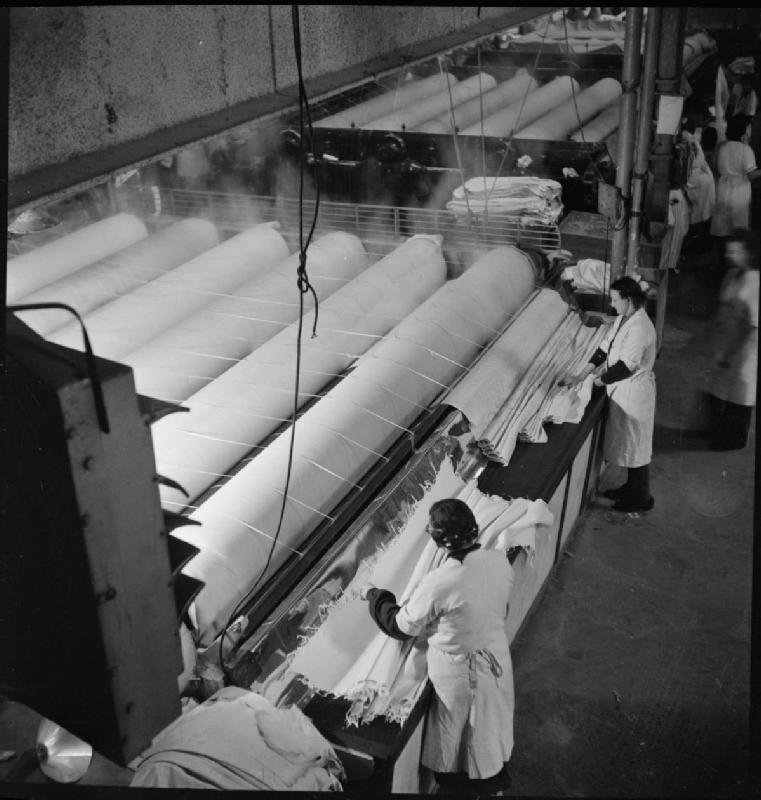
Flat work was pressed between large heated rollers. Feeding sheets into a calender meant working close to a nip point between rotating heated cylinders, continuously, at speed, for a whole shift.
Guarding, interlocks, emergency stops, trip bars and automatic feeding transformed this, and the machines are now substantially enclosed. The calender was a notorious source of serious injury across the whole trade, and the guarding requirements that eventually applied to it were written largely because of what happened on it.
6. The Wash Used Chemicals Nobody Was Monitoring
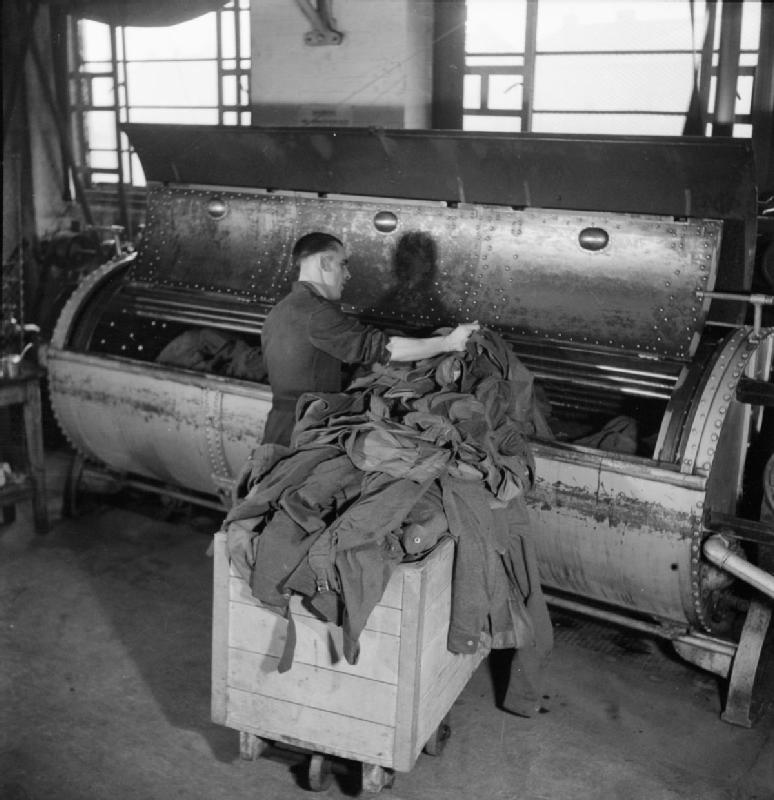
Industrial washing used strong alkalis, bleaches, acids for souring and a range of solvents in the dry-cleaning section, mixed and handled by hand with no protection beyond an apron.
Automated dosing, closed solvent systems, substitution of the worst solvents, exposure limits and protective equipment have all been applied. This is included as occupational history. Anybody with that work history should raise it with their own doctor rather than with an article.
7. Pressing Was Done on Hot Presses, by Hand, All Day
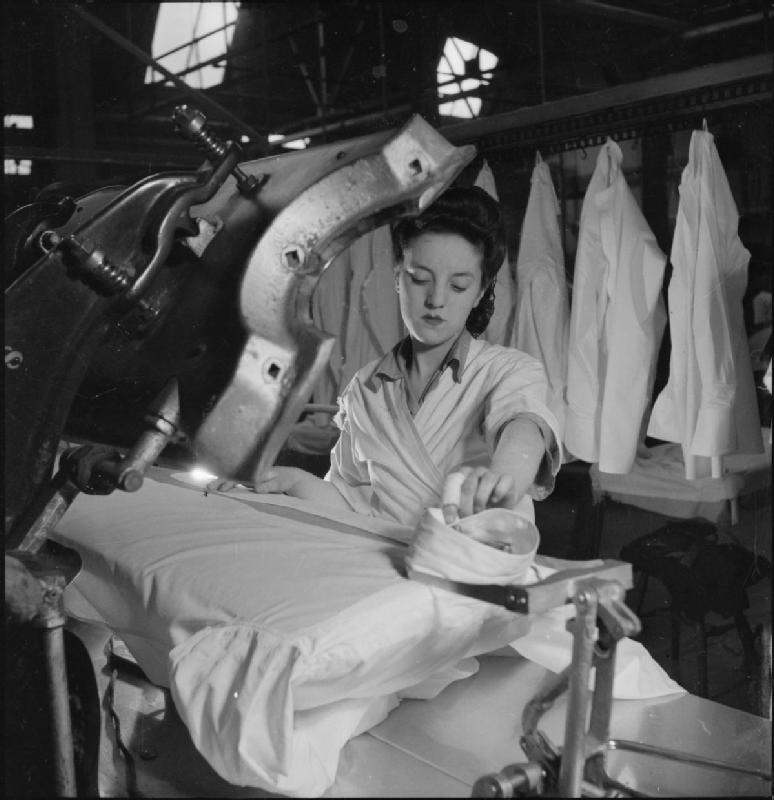
Shaped items were pressed on steam-heated bucks operated by hand and foot, closing a hot plate onto the work hundreds of times a shift with the operator’s hands inches away.
Two-hand controls, guarding, tunnel finishers and automated form finishing replaced most of it. Hand pressing was piecework in many plants, which meant the operators had a direct financial incentive to work faster around a closing hot press – a combination that is now considered an obvious thing not to do.
8. There Was a Mending Room and It Was Expected
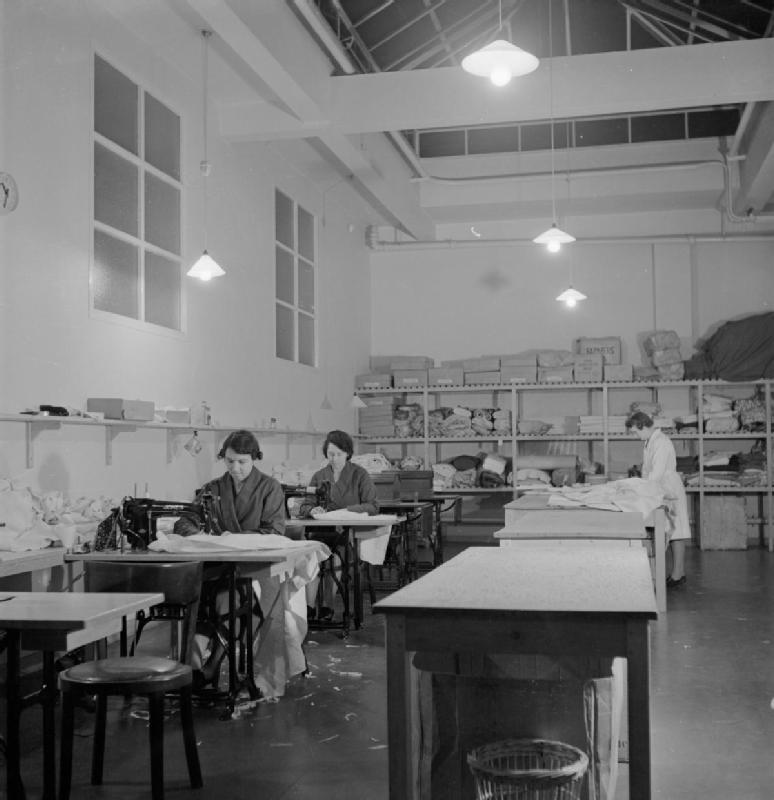
Laundries repaired what they washed. A mending room with sewing machines dealt with torn sheets, missing buttons and worn edges as a normal part of the service, at no extra charge in many cases.
Repair disappeared from the service entirely, because textiles became cheap enough to replace and the labour did not. Sheets were once turned – cut down the worn centre and re-sewn with the outer edges in the middle – routinely, by a laundry, as part of the weekly collection.
9. The Engine Room Ran on Coal and a Man Watched It
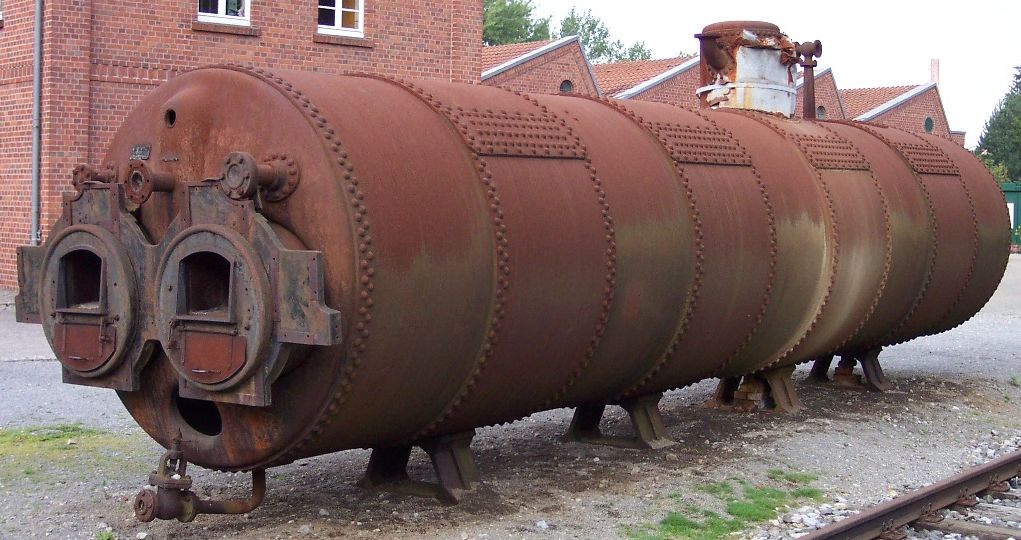
Steam came from a coal-fired boiler, and the boiler man was among the most important people on site. If the steam pressure dropped, every machine in the building stopped.
Gas and oil firing, then electric and heat-recovery systems, and automatic controls removed the stoking and most of the watching. The boiler man’s judgement set the pace of the entire plant, and he was frequently the highest-paid person on the floor for exactly that reason.
10. Your Collar Was Starched and Detachable
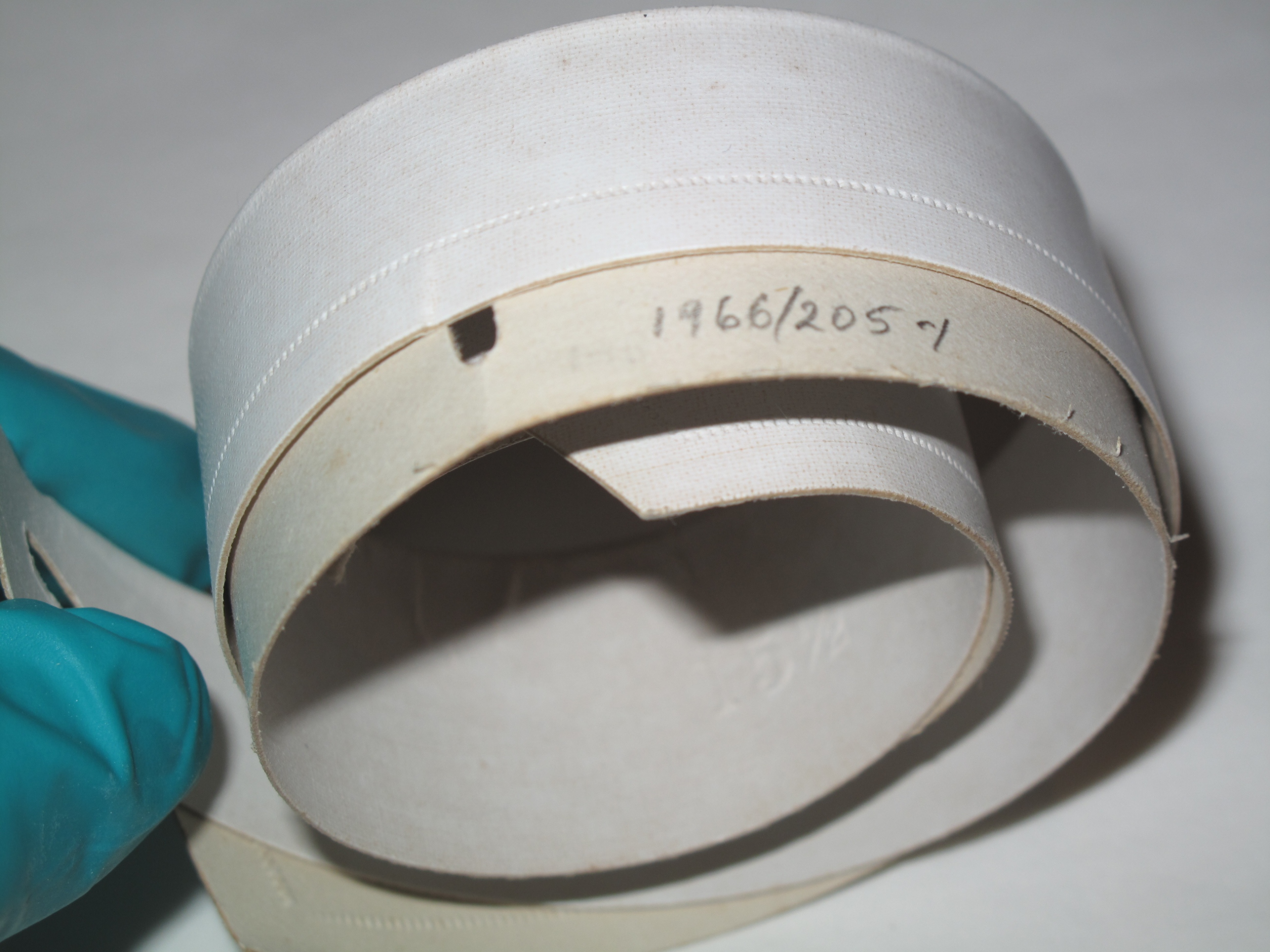
A great deal of the trade’s volume was men’s shirt collars – detachable, heavily starched, pressed rigid, and sent out weekly by the dozen because the collar wore and soiled faster than the shirt.
The attached soft collar killed this whole category. Detachable collars existed because laundering a collar was cheaper than laundering a shirt and because a stiff collar was required dress, and when the requirement relaxed the entire product line disappeared within a generation.
11. Nappies Were a Service You Subscribed To
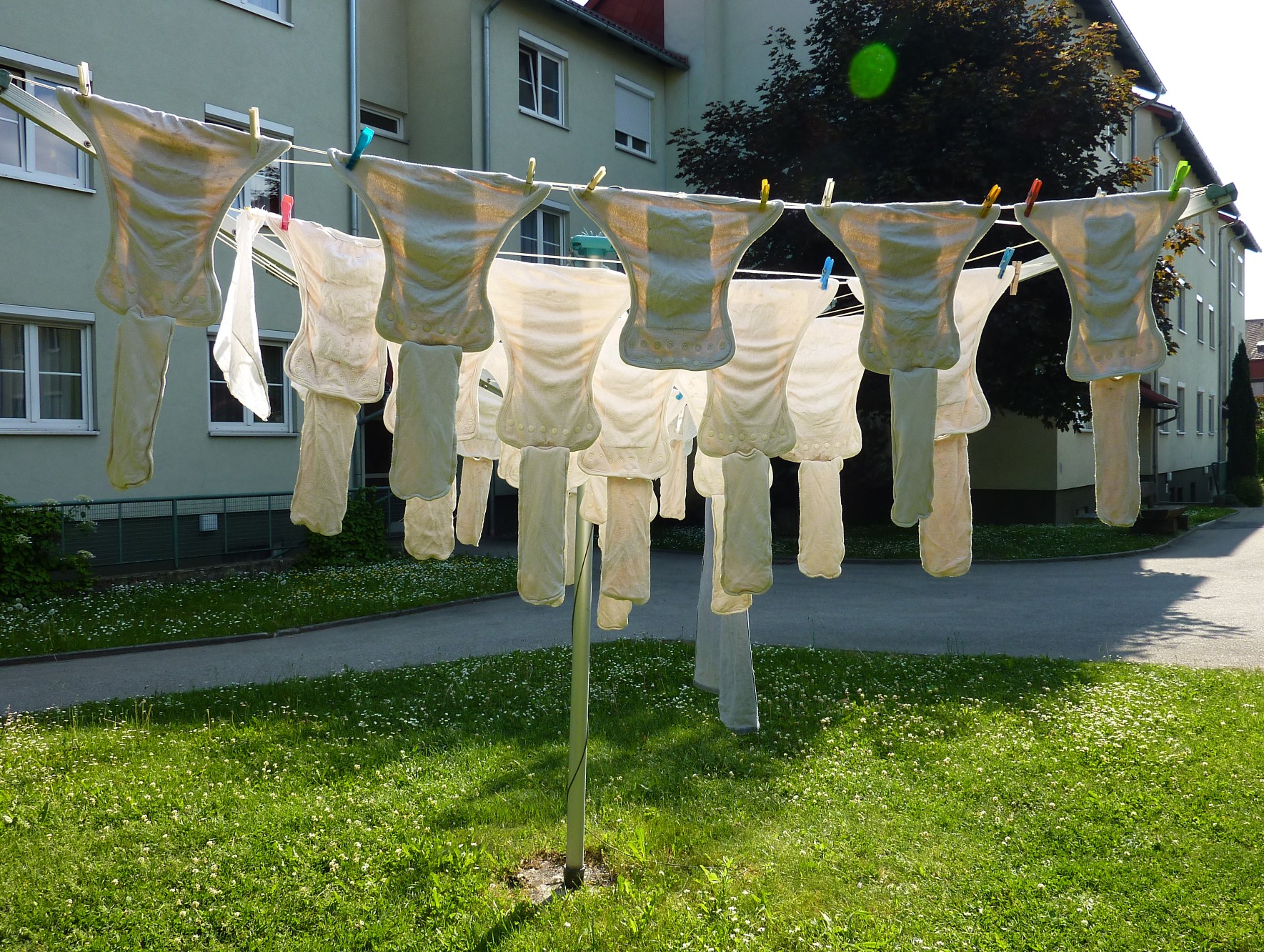
Before disposables, laundries ran nappy services – collecting soiled cloth nappies, sterilising and washing them industrially, and delivering clean ones on a schedule.
Disposables took the market almost entirely, and the service has returned only in small specialist form. It was an obvious and sensible use of an industrial plant, it removed the single most unpleasant domestic task of the period, and it is a reasonable candidate for the most under-remembered convenience of the century.
12. The Washing Machine Was Sold as a Luxury and Became an Extinction Event
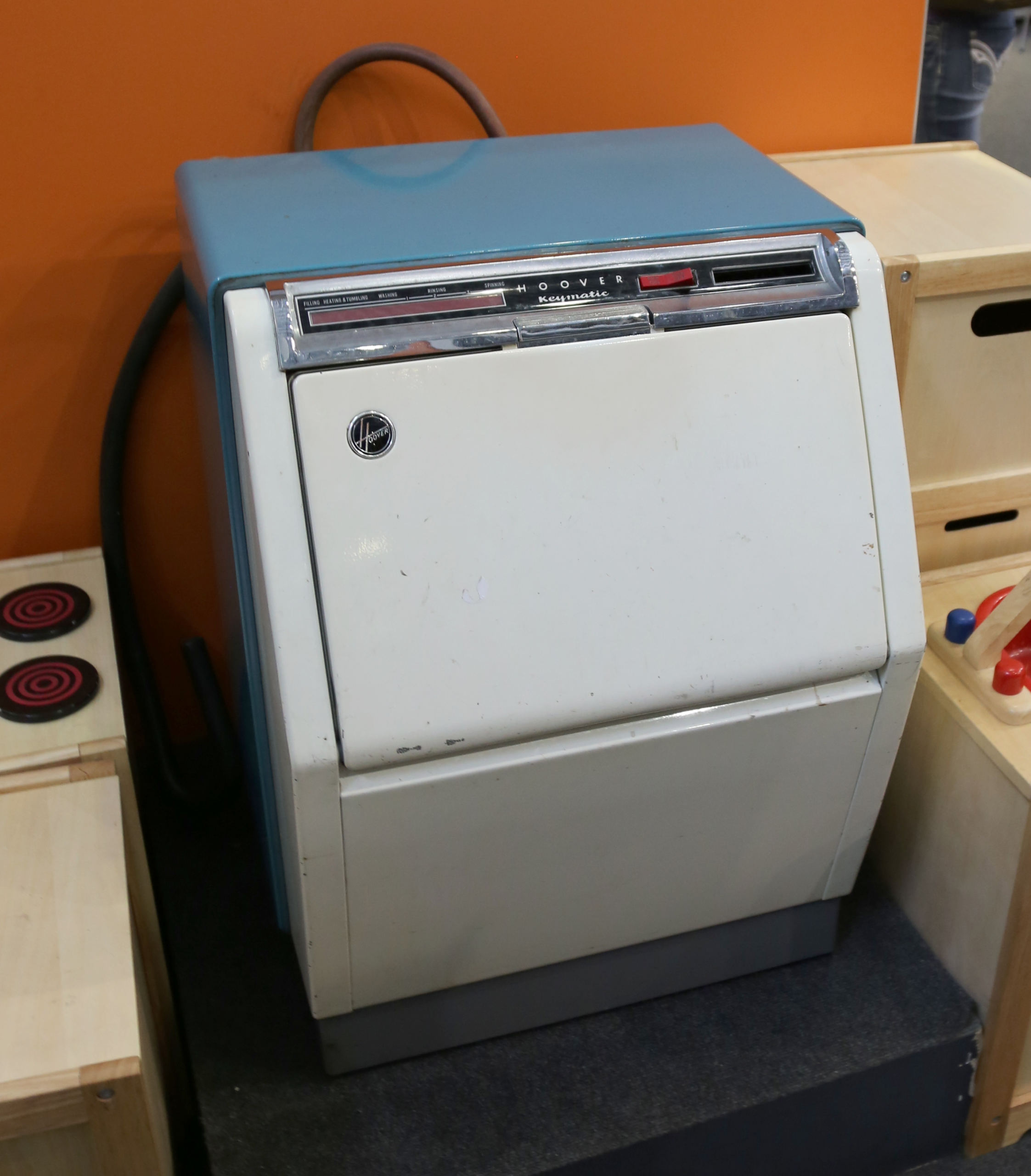
In 1960 a domestic washing machine was an expensive purchase that a minority of households had. The laundry trade did not regard it as a threat to a service that was cheaper, better and required no capital from the customer.
Ownership went from a minority to near-universal in about two decades, and the household laundry trade effectively ended. The trade’s reasoning was correct on every point except the one that mattered, which was that people would rather do it themselves at home than hand their washing to a stranger and wait a week.
13. The Laundry Knew More About the Town Than Anybody
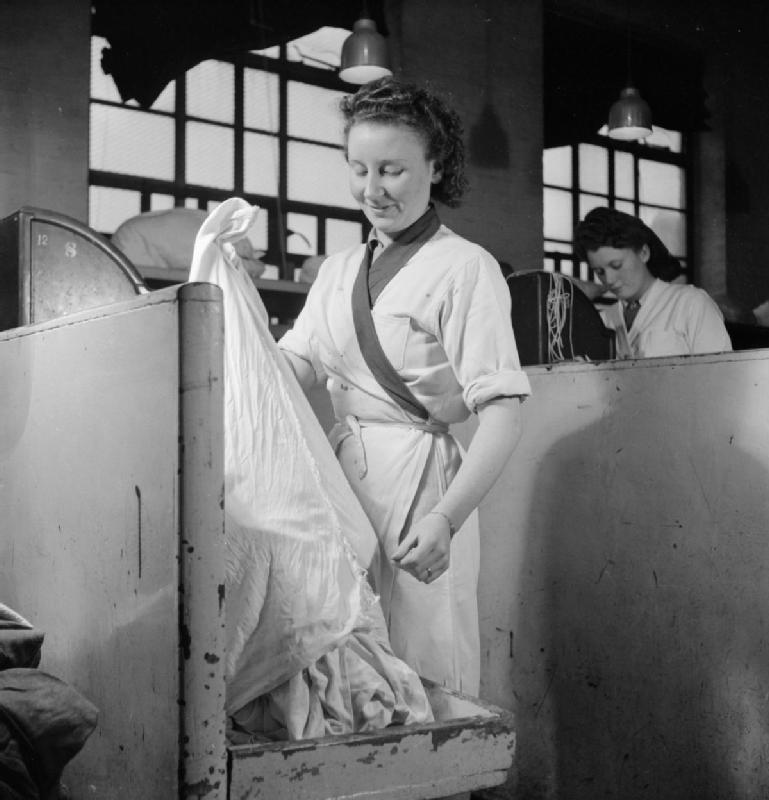
Collecting and returning the washing of several thousand households weekly meant the laundry’s staff knew who had new babies, who was ill, who had visitors, who had money troubles and who had stopped sending things out.
That informational position disappeared with the service. It is a genuine piece of lost social infrastructure – a trade with routine, intimate, non-judgemental knowledge of an entire town’s private circumstances, held by women who mostly kept it to themselves and occasionally acted on it.
14. Nobody Thought the Buildings Would Become Flats

A laundry was a large, plain, steam-soaked industrial building, usually near a water supply and a rail line, and when the trade collapsed it was simply a large empty shed in an awkward place.
Many were demolished and a good number converted, and the surviving ones are recognisable from the tall boiler chimney and the loading bays. The chimney is usually the only clue, and in most towns the laundry has been more completely forgotten than any comparable employer – partly because the work was done by women, and partly because what it did was make other people’s domestic labour disappear, which is the kind of contribution that leaves no monument.
They Were Right About Everything Except the One Thing
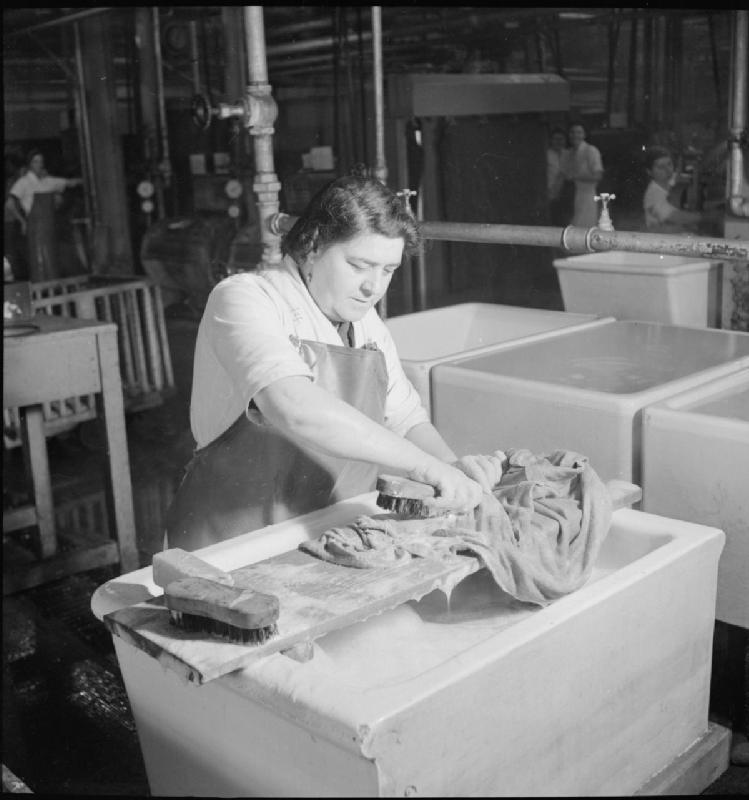
The laundry trade’s assessment of the domestic washing machine was, on the facts, correct.
A commercial plant washed better. It had hotter water, stronger chemistry, proper extraction, real drying capacity and heated presses, and it produced a finish no domestic machine of the period could approach. It was cheaper per item, because the plant was running anyway and the marginal load cost almost nothing. It required no capital from the customer, no space in the house, no maintenance and no labour. It included repairs.
Against that, a domestic machine was expensive, small, slow, worse at washing, produced a poor finish, needed plumbing, took up a room, broke down, and required the household to do the work itself.
The trade looked at that comparison and concluded, reasonably, that it was safe.
What it missed was that people did not want a better wash at a lower price. They wanted their own things, in their own house, on their own day, without handing them to a stranger and waiting a week – and they were willing to accept a worse result and do the work themselves to get it.
That is a preference about control and privacy, not about laundry, and it does not show up anywhere in a cost comparison. It is the same preference that has since destroyed a long list of services that were objectively better than the self-service alternative that replaced them, and the trade that gets destroyed almost never sees it coming, because it is looking at the wrong column.
If your family sent the washing out, you may remember the day the van came and the smell of the parcel when it came back.
And if you worked in one, you will remember the first hour of a summer shift.
Like our content? Follow us for more.

