

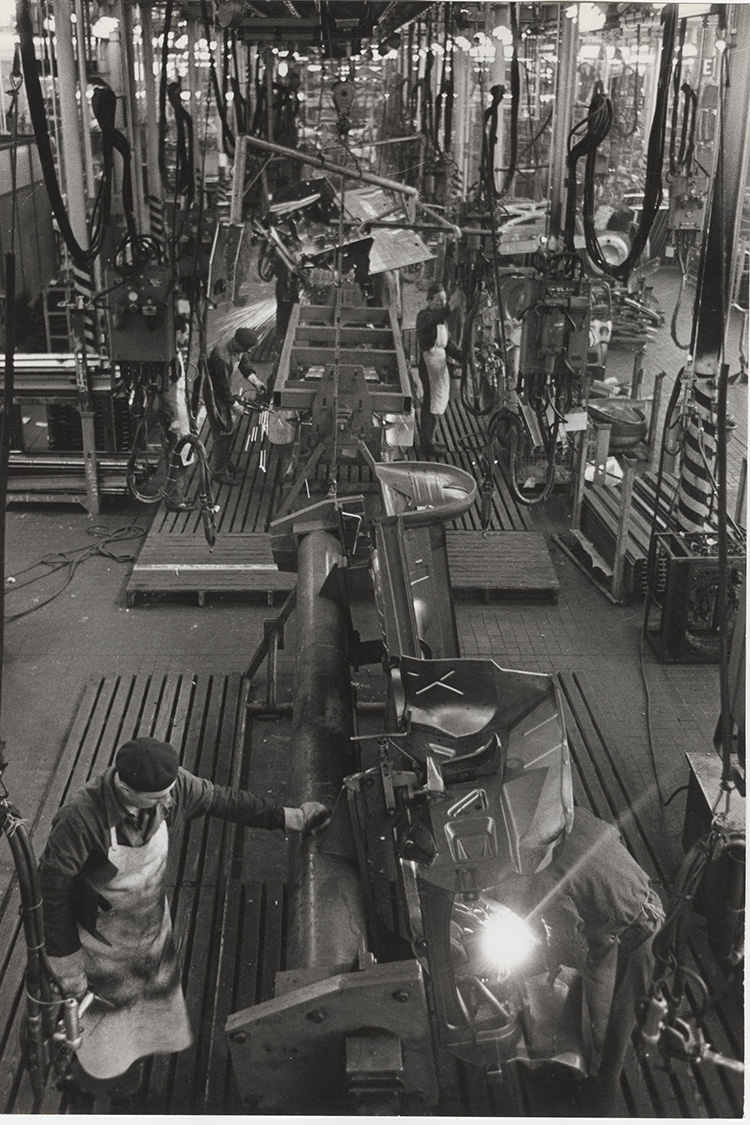
In 1965 a car was assembled by several thousand people doing fixed tasks in the interval between one body arriving and the next, for pay negotiated job by job on the shop floor.
The seams were filled with molten lead by hand. The paint was sprayed by men standing in the mist. The brakes contained asbestos. And the quality was checked at the end, by finding the faults in finished cars and fixing them.
Here are fifteen things that were ordinary in a car plant in 1965, and what became of each one.
1. The Line Never Stopped and Your Job Was Whatever Fitted in the Time
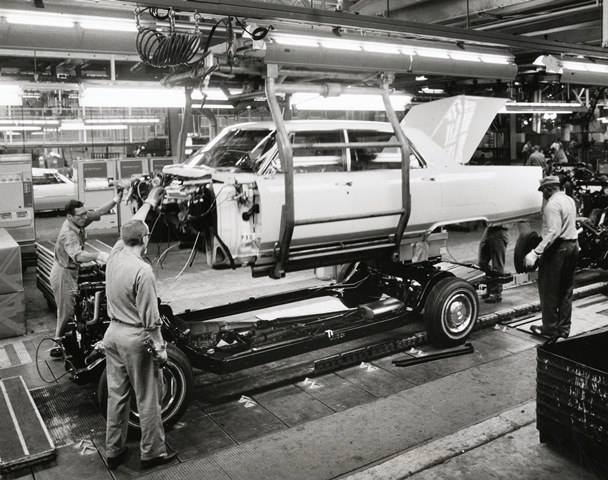
An assembly line moves at a fixed rate, and every job on it was designed to be completed in the interval between one body arriving and the next. If you fell behind, the car went on without the part.
Line stop authority – any worker being able to halt the line when something is wrong – became standard practice and is now treated as fundamental to building things properly. In 1965 stopping the line was close to a disciplinary matter, and the consequence was that known defects were sent down the line deliberately to be found and fixed later.
Like our content? Follow us for more.
2. A Great Deal of It Was Paid by the Piece and Negotiated on the Shop Floor
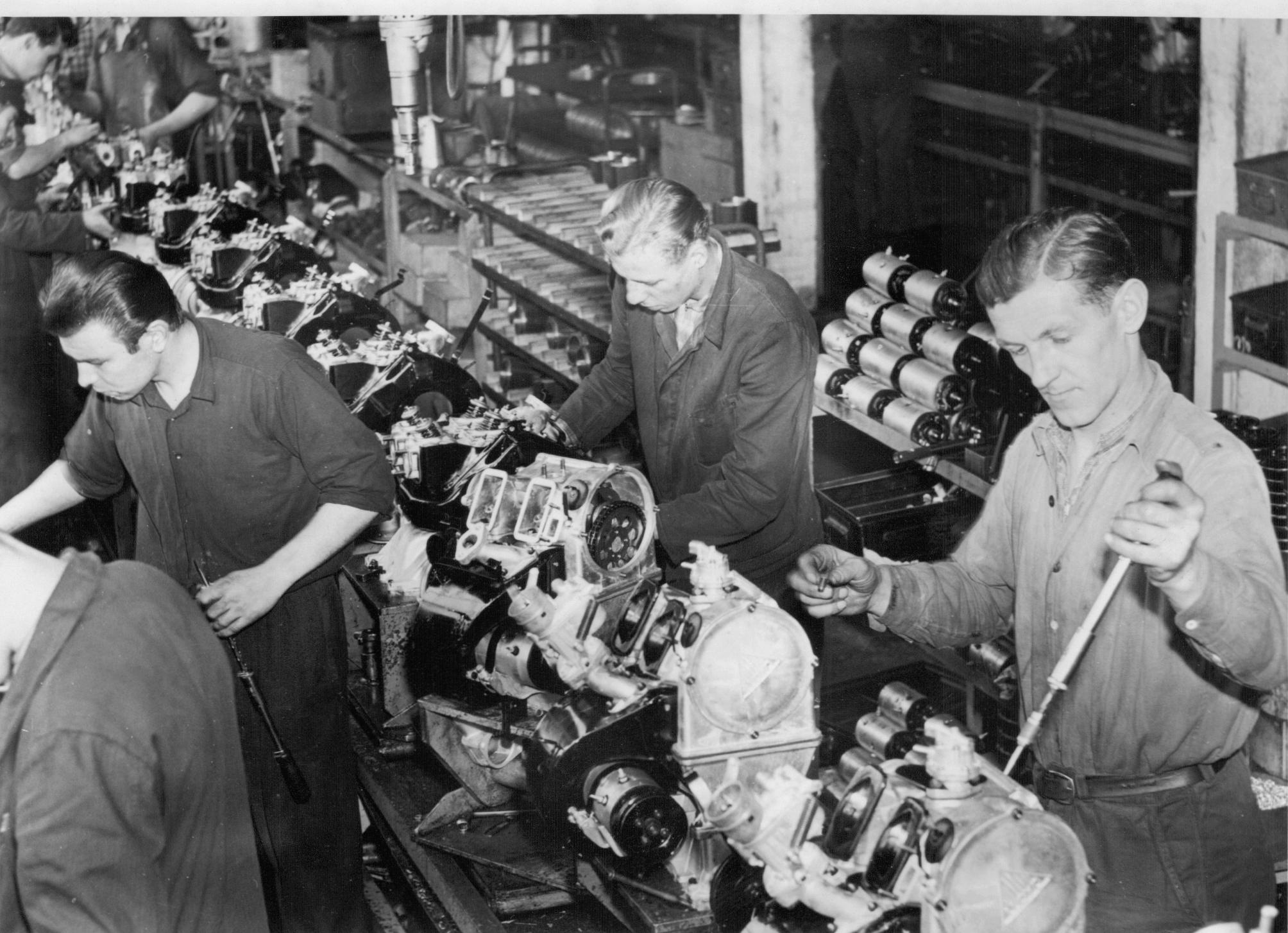
Pay was frequently tied to output, and the rate for a particular job was settled by bargaining between the gang doing it and the management, job by job, section by section.
Measured day work and then salaried structures replaced piecework across most of the industry. Piecework bargaining made every change to a process a negotiation, which is one reason the factories were as strike-prone as they were, and it also meant two men doing identical work in different sections could be on quite different money.
3. The Noise Was Continuous and Nobody Wore Protection
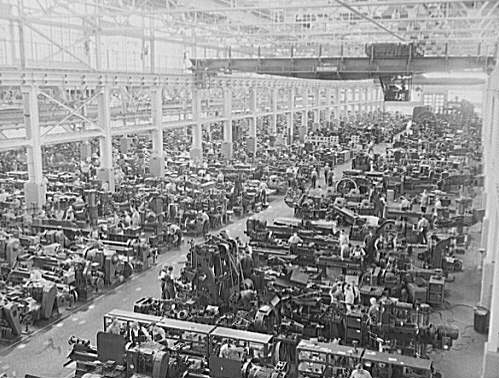
Presses, rivet guns, impact wrenches, conveyors and sheet metal handling produced sustained noise all day, every day, with no protection issued and none expected.
Hearing protection, noise exposure limits, enclosure of the loudest processes and monitoring are now standard. This is included as occupational history. Anybody with that work history should raise it with their own doctor rather than with an article.
4. The Paint Shop Was Sprayed by Hand in a Mist
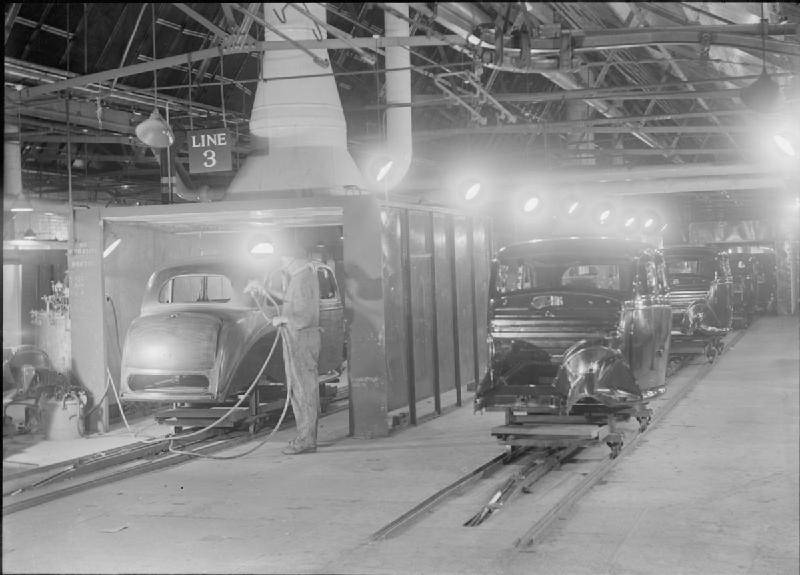
Bodies were painted by men with spray guns standing in booths, in an atmosphere of atomised paint and solvent, typically with minimal respiratory protection and frequently none.
Robotic spraying in sealed booths with controlled airflow and extraction removed people from the process almost entirely, and it also improved the paint. The paint shop was consistently the job that men transferred out of if they could, which tells you how it was regarded at the time by the people doing it.
5. Asbestos Was in the Brakes, the Clutches and the Gaskets
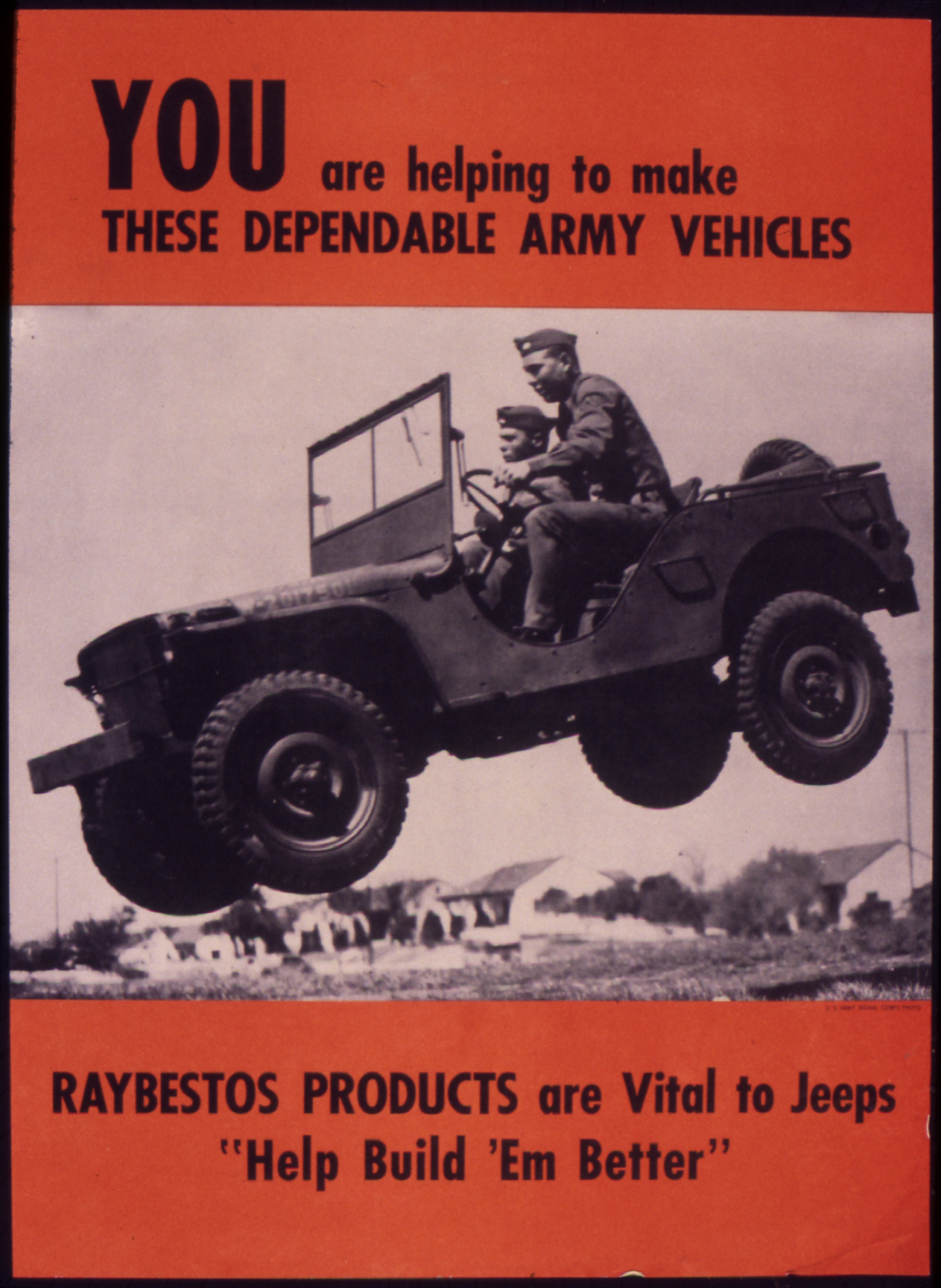
Brake and clutch linings and many gaskets contained asbestos, and fitting, machining and grinding them was routine production work done without controls.
Asbestos in friction materials was phased out and is now prohibited in most places, and any work on legacy material is a licensed, controlled operation. Stated here as occupational history only. Anybody who worked with these materials should discuss it with their own doctor.
6. Lead Was Used to Fill the Seams by Hand
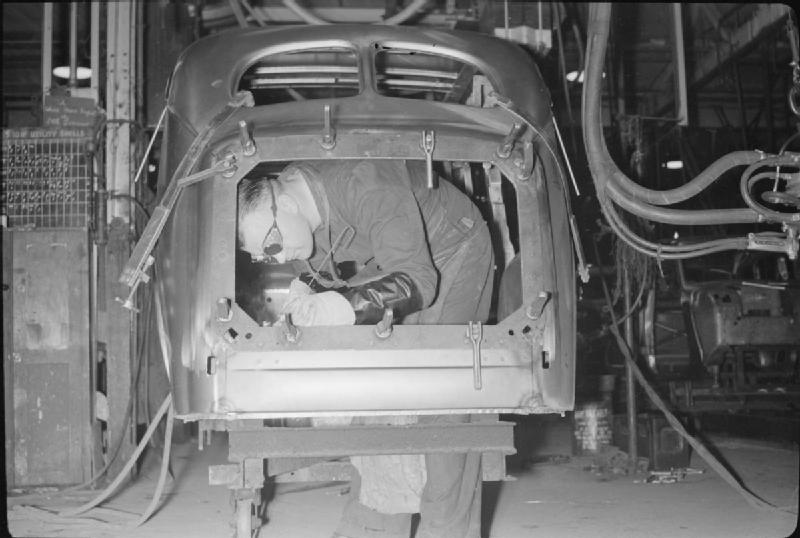
Body seams and joints were filled by melting lead-based solder onto the panel and wiping it smooth with a paddle, then sanding it back – a skilled job done over a heated panel with no extraction.
Plastic body fillers replaced lead wiping, and robotic welding and better pressings reduced the need for filling at all. The lead wipers were among the most skilled men on the body side and the job was eliminated entirely on health grounds within about two decades.
7. Everything Was Lifted, and the Lifting Was the Job
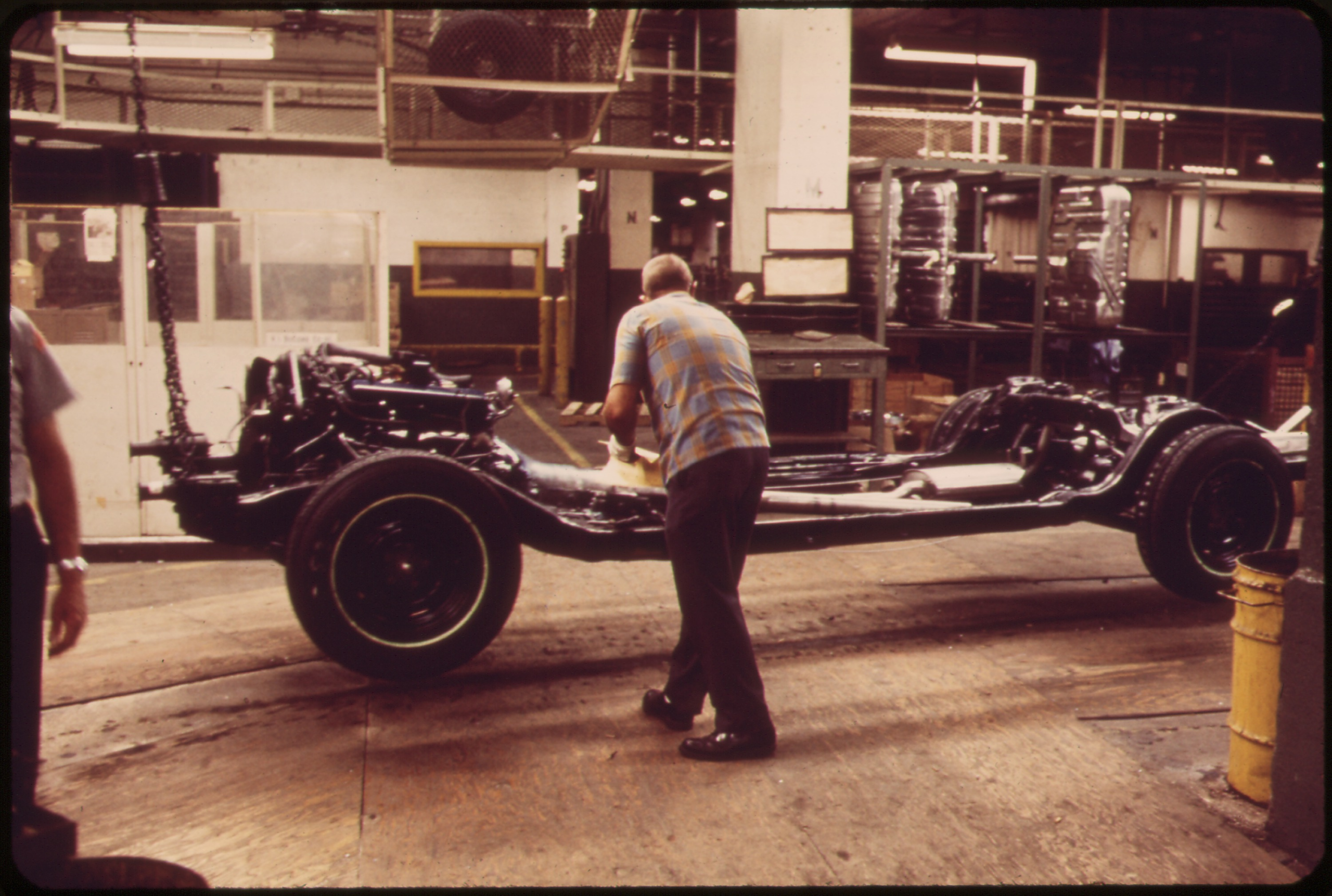
Doors, bonnets, seats, batteries, engines and transmissions were manhandled into position, repeatedly, all shift. Hoists existed for the heaviest items and not for most of the rest.
Manipulators, balancers, assist arms and ergonomic assessment of every station transformed this, and it is one of the clearest improvements anywhere in manufacturing. Repetitive manual handling at line pace for forty years produced predictable consequences, and the industry’s own injury records were what eventually forced the change.
8. Quality Was Checked at the End Instead of Built In
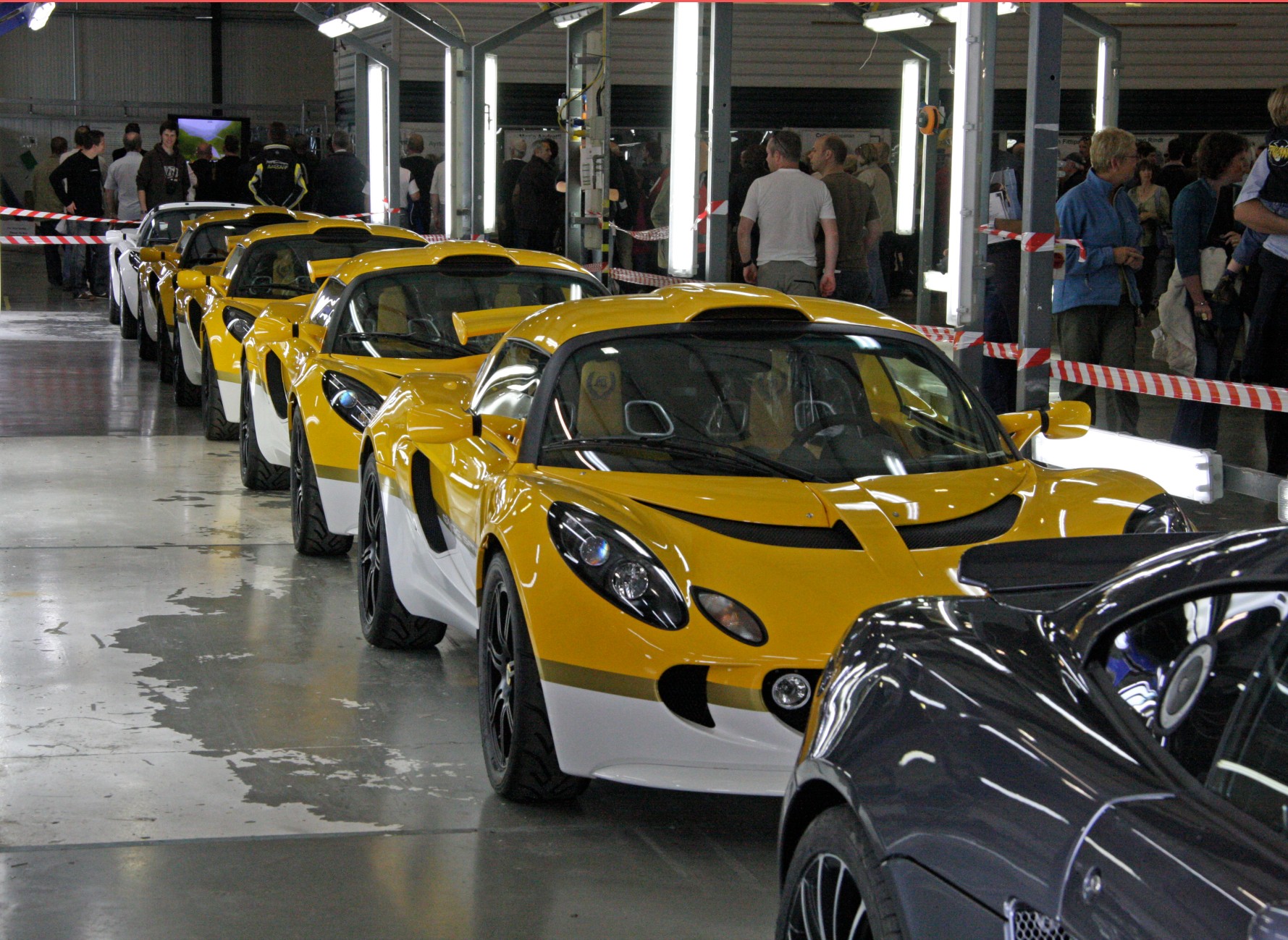
Cars came off the line and went to a rectification area, where faults were found and fixed. A significant proportion of output needed work before it could be sold.
Building quality into the process – catching faults at the station that caused them, and stopping to fix the cause – replaced inspection-and-rectify, and it is the single biggest change in how cars are made. The old method guaranteed that every car contained some number of faults nobody had found, which is why cars of that era needed the attention they did.
9. The Tea Trolley and the Toilet Break Were Industrial Relations Issues
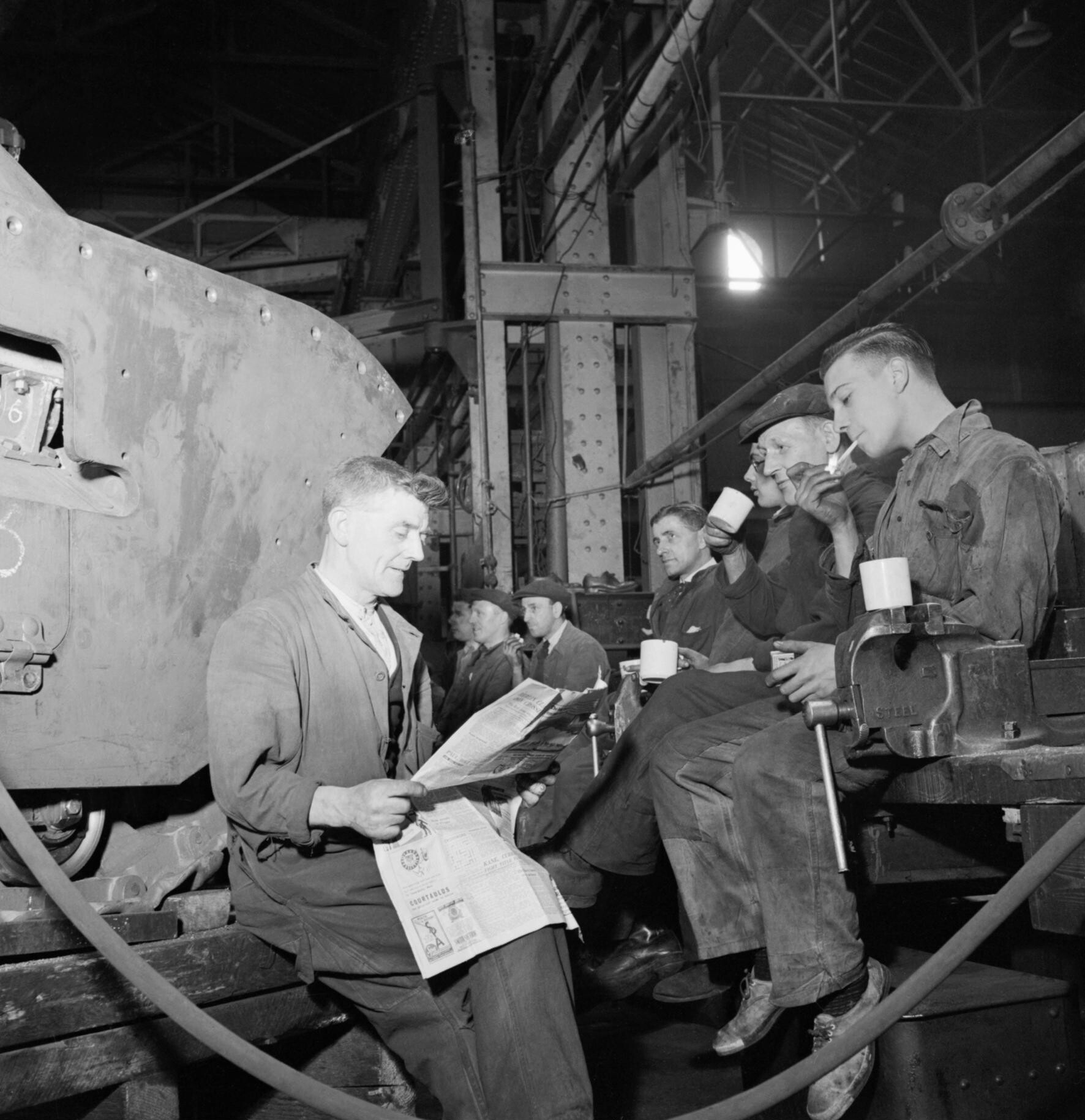
On a moving line, a worker cannot simply leave. Relief arrangements, break timing and who covered a station were formal matters, and disputes about them were frequent and serious.
Relief systems, job rotation and staffing levels that assume people need to leave the station are now designed in. The underlying problem is real and inherent to a moving line, and treating it as a discipline question rather than a design question is what made it a conflict.
10. Women Were in Trim and Upholstery and Almost Nowhere Else
The workforce was divided by sex along clear lines: women in trim, sewing, wiring and inspection, men in press shop, body, paint, engine and final assembly – with the pay differential following the division.
Equal pay legislation and the removal of formal job segregation changed the structure, slowly and with considerable resistance, and the sewing and trim work itself was substantially outsourced. The division was not based on any physical requirement in most cases, and the pay gap was the point of it.
11. The Factory Had Its Own Everything
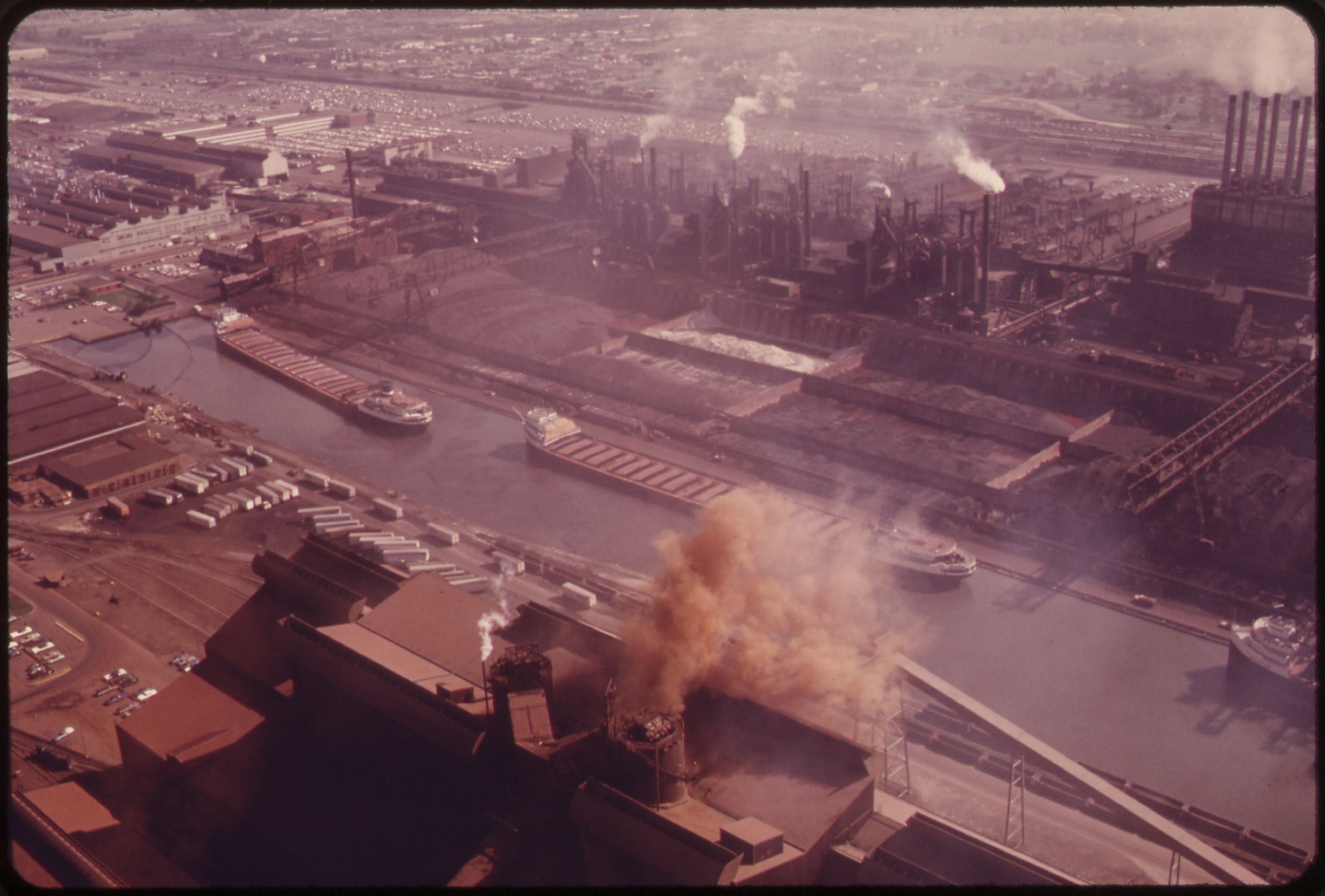
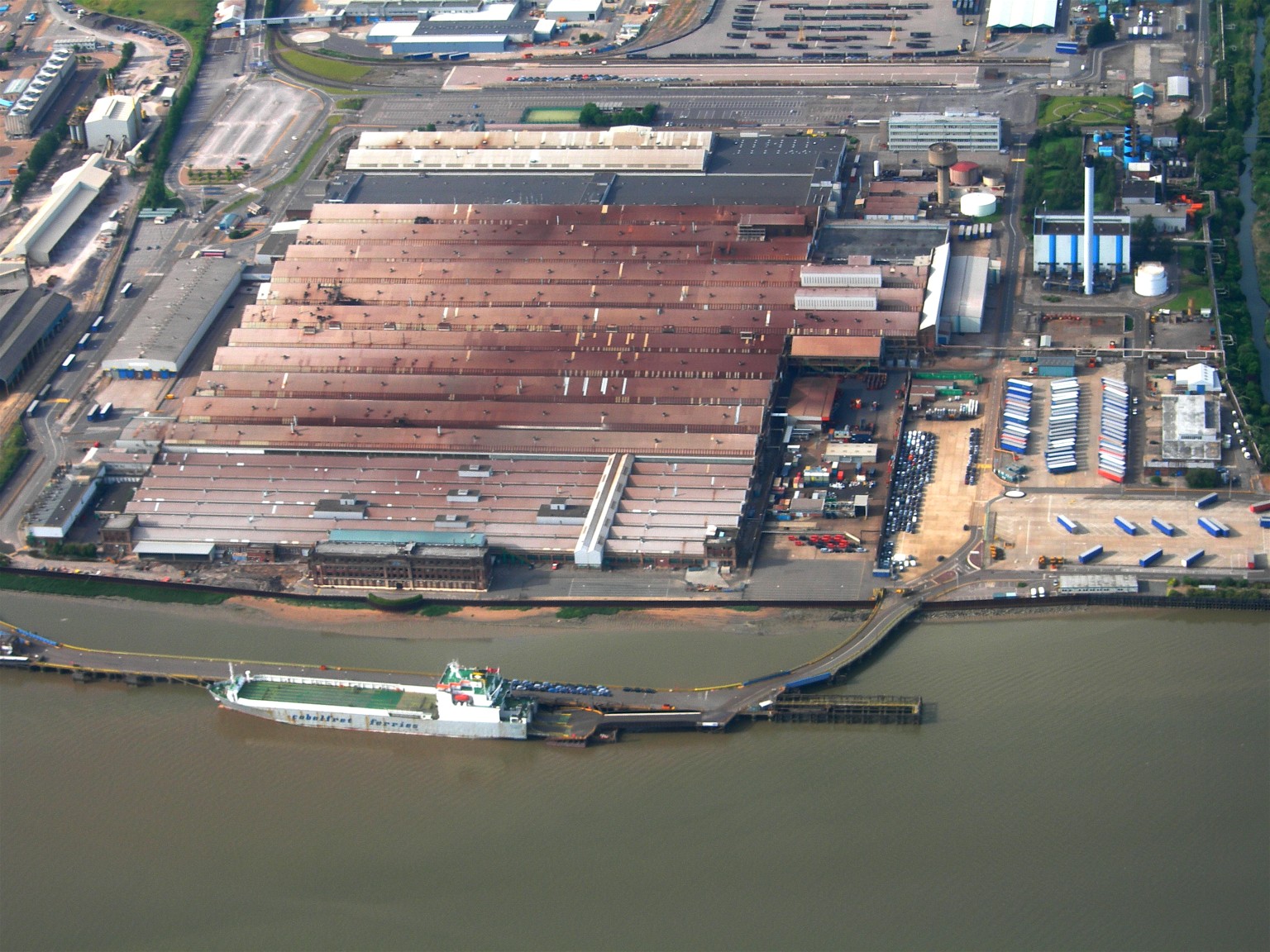
A large plant ran its own foundry, press shop, toolroom, machine shop, power supply, fire brigade, medical centre, canteens, sports clubs and apprentice school.
Outsourcing of components, services and training broke the integrated plant into an assembly operation supplied by a tier of specialists. The apprentice school is the loss that the industry itself complains about most, because it was the mechanism that produced the toolmakers and maintenance engineers that an automated plant needs even more than a manual one did.
12. A Man Could Start at Fifteen and Retire From the Same Building
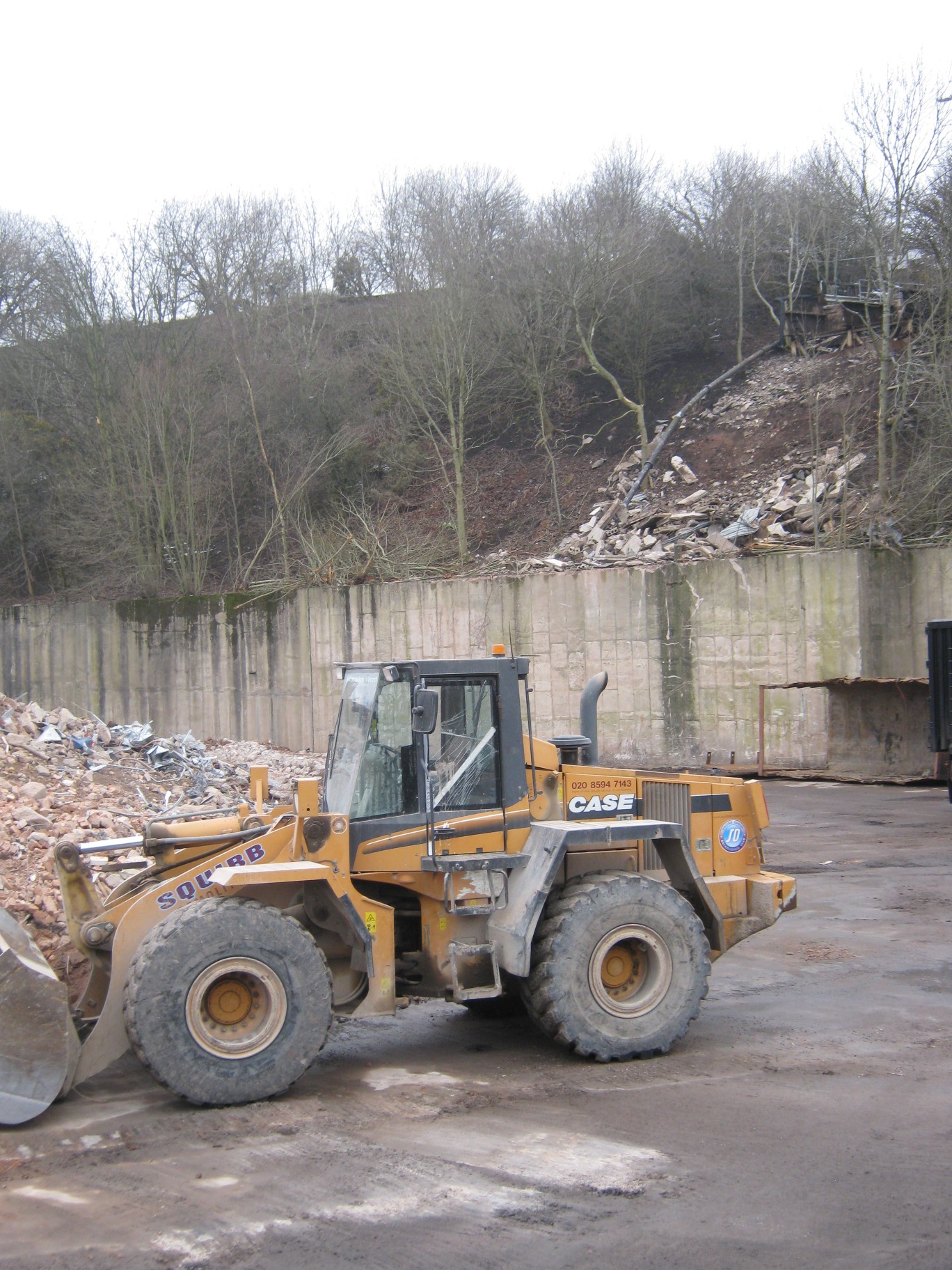
The plant was the town’s employer, employment was effectively for life, and families worked there across generations with sons following fathers onto the same sections.
Restructuring, closures and the shift of production between countries ended the assumption of lifetime employment. Where a plant closed, it took the supply chain, the apprenticeships and a substantial part of the local economy with it, and the towns affected are still visibly affected.
13. Nobody Measured What Went Into the Air or the Drain
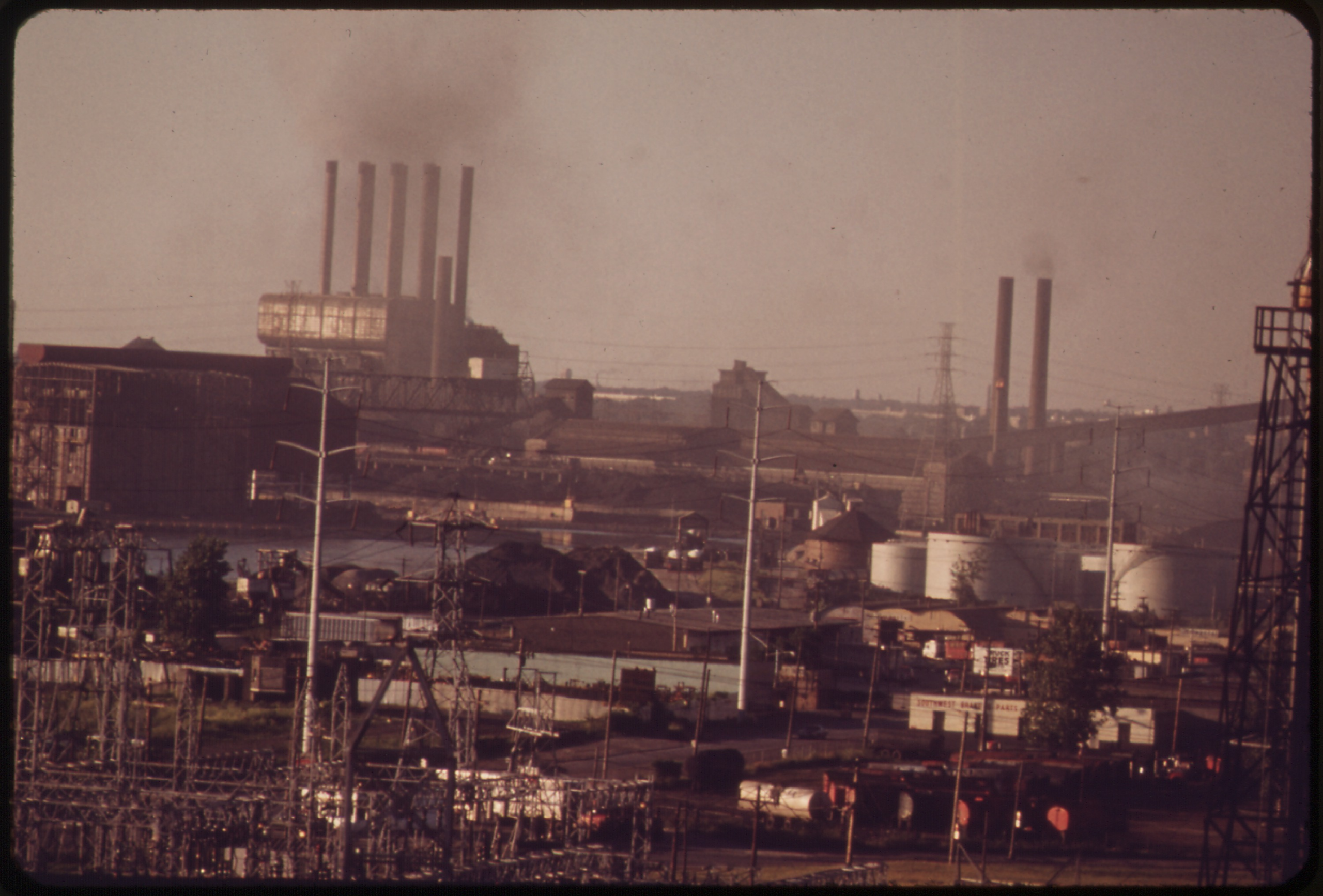
Solvent vapour from paint, fumes from welding and foundry work, oils, coolants and plating chemicals were handled with minimal containment and discharged with minimal treatment.
Emissions permits, effluent treatment, solvent capture, waterborne paints and contaminated land regimes transformed this. Several former plant sites required extensive remediation before they could be redeveloped, which is the same pattern as the gasworks and for the same reason.
14. The Cars Were Designed Without the Factory in Mind
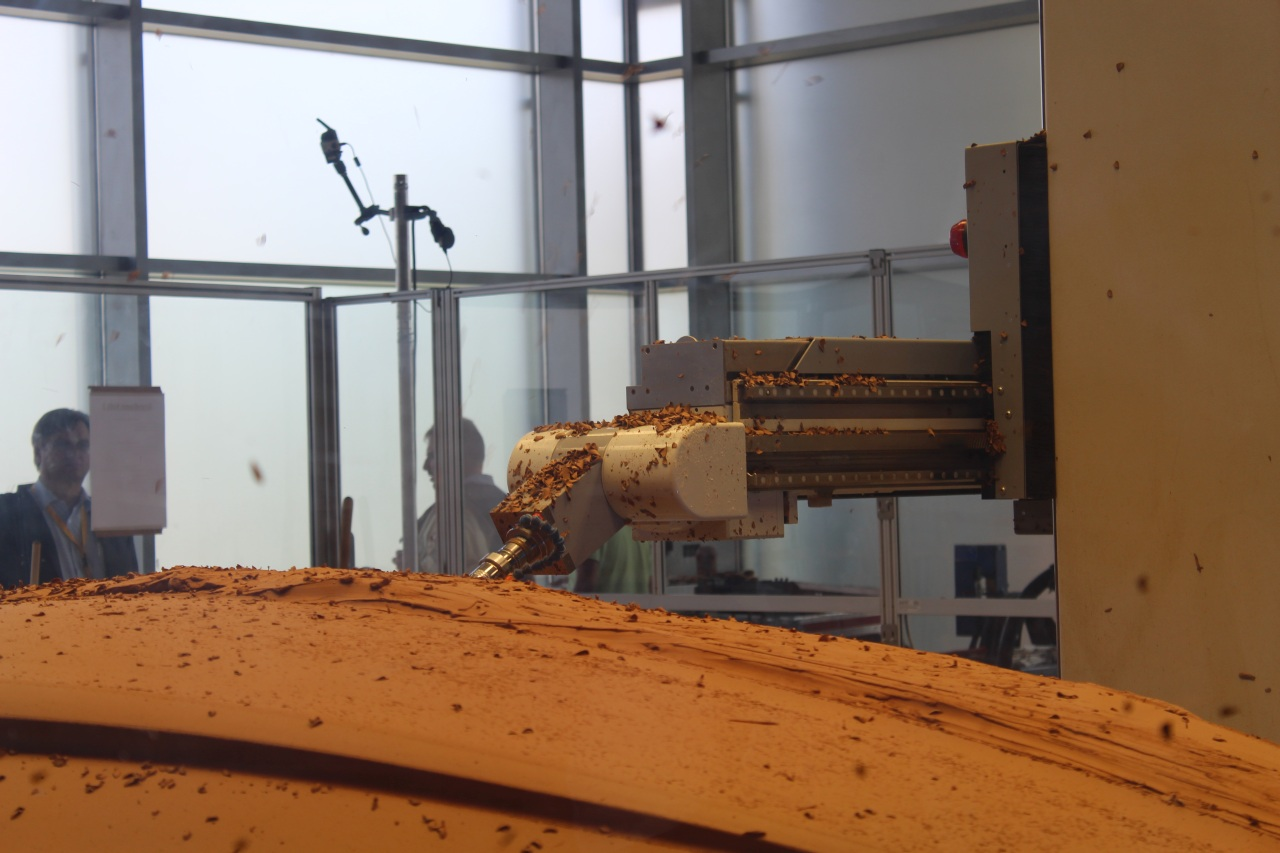
Design and manufacturing were separate functions, and a car arrived at the plant with features that were difficult or impossible to assemble efficiently, which the shop floor then worked around.
Design for manufacture and assembly – involving production engineers in the design from the start – is now standard and is one of the less visible but more important changes. A great many of the assembly jobs that were hardest on the people doing them existed because nobody had asked whether the part needed to go in at that angle.
15. Nobody Expected the Work to Be Done by Machines That Could See
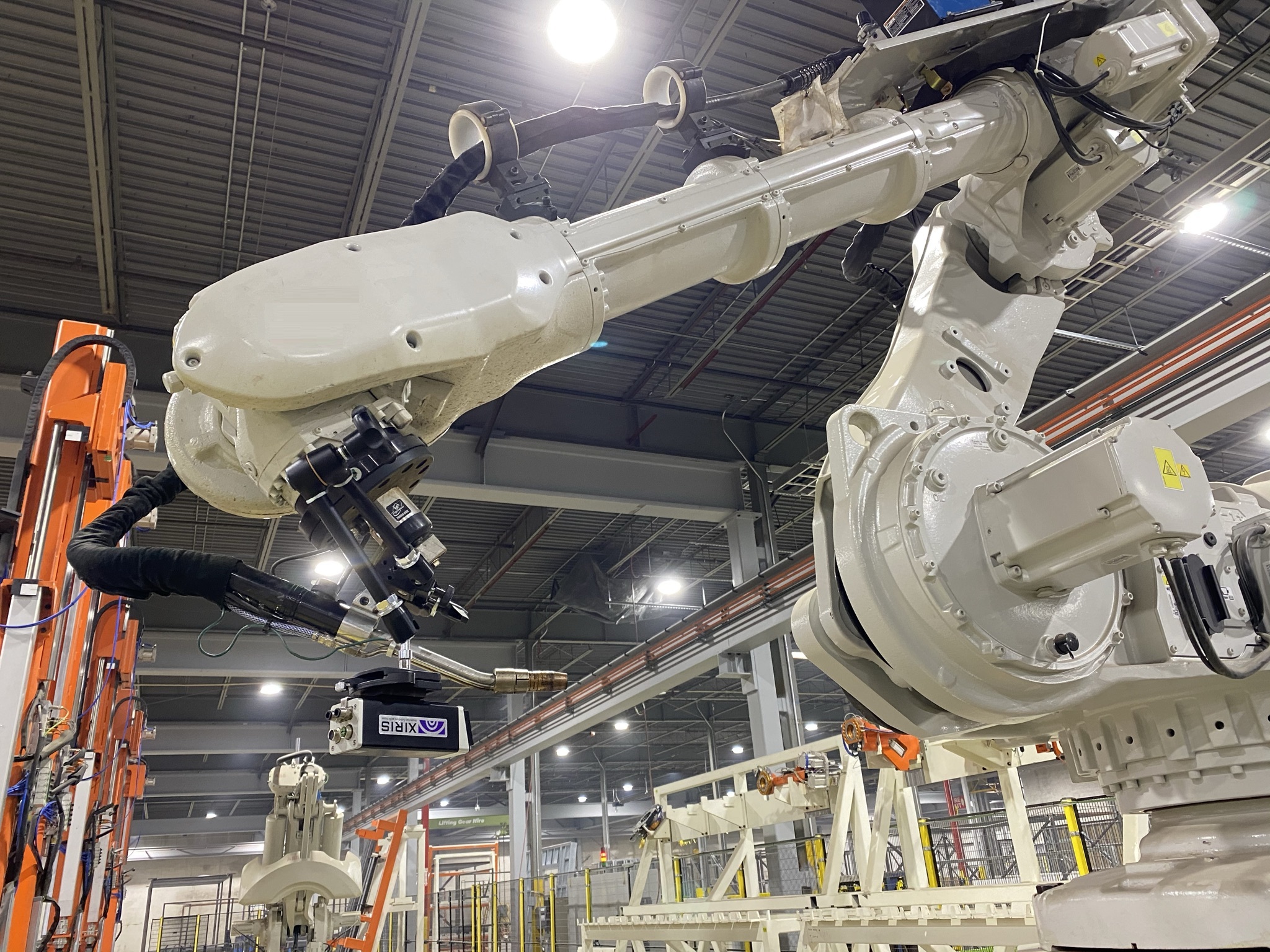
In 1965 automation meant transfer machines and fixed-sequence equipment. The idea of a machine that located a part visually and adapted to it was not part of the plan.
Robotic welding, painting and handling with vision systems now do a large share of the work, and the human jobs that remain are different in kind – more inspection, more intervention, more maintenance of the machines. Employment per car fell dramatically. What did not fall is the need for people who understand the whole process, which is precisely what the apprentice schools used to produce.
Checking at the End Was the Real Mistake
Of everything on this list, the one that explains the most is the rectification area.
The logic seemed sound. Build the cars, inspect them, fix what is wrong, ship them. Inspection is a known quantity, the line keeps moving, and output is predictable.
The problem is what it does to everybody upstream. If faults are somebody else’s job to find, there is no reason for the station that caused one to stop, and considerable pressure not to. A known defect goes down the line because the line must not stop. The information about why it happened is lost at the moment it is created, and the only thing that reaches the end is a car with a fault in it and no record of its origin.
So the faults never stop being made. Each one is found and fixed individually, forever, at the end, by a separate workforce whose existence depends on the faults continuing.
The alternative – stop at the station, find the cause, change the process – costs line time immediately and saves it permanently. It also requires trusting the person at the station to make that call, which is the part that took the industry decades to accept, because it means handing the most expensive decision in the building to the lowest-paid person in it.
That turned out to be exactly the right place for it. Almost everything else about how a modern plant differs from a 1965 one follows from that single reversal.
If you worked in a plant like this, you know which section you were on and what it did to your hearing.
Which plant was it, and is the building still standing?
Like our content? Follow us for more.
