

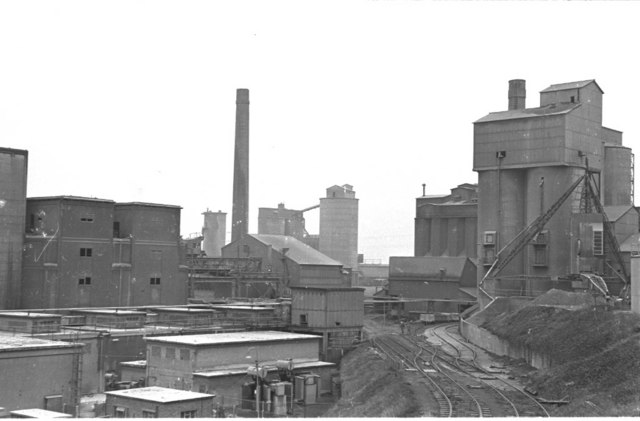
In 1960 a cement works quarried its own limestone next door, blasted it on a schedule the district learned to recognise, and burned it in a rotating steel tube the length of a street at a temperature that would melt most things.
The kiln was controlled by a man looking at the flame through a port. The cement was bagged and loaded by hand. And the dust settled on everything for miles downwind.
Here are fifteen things that were ordinary at a cement works in 1960, and what became of each one.
1. The Dust Settled on the Whole District and Everybody Accepted It
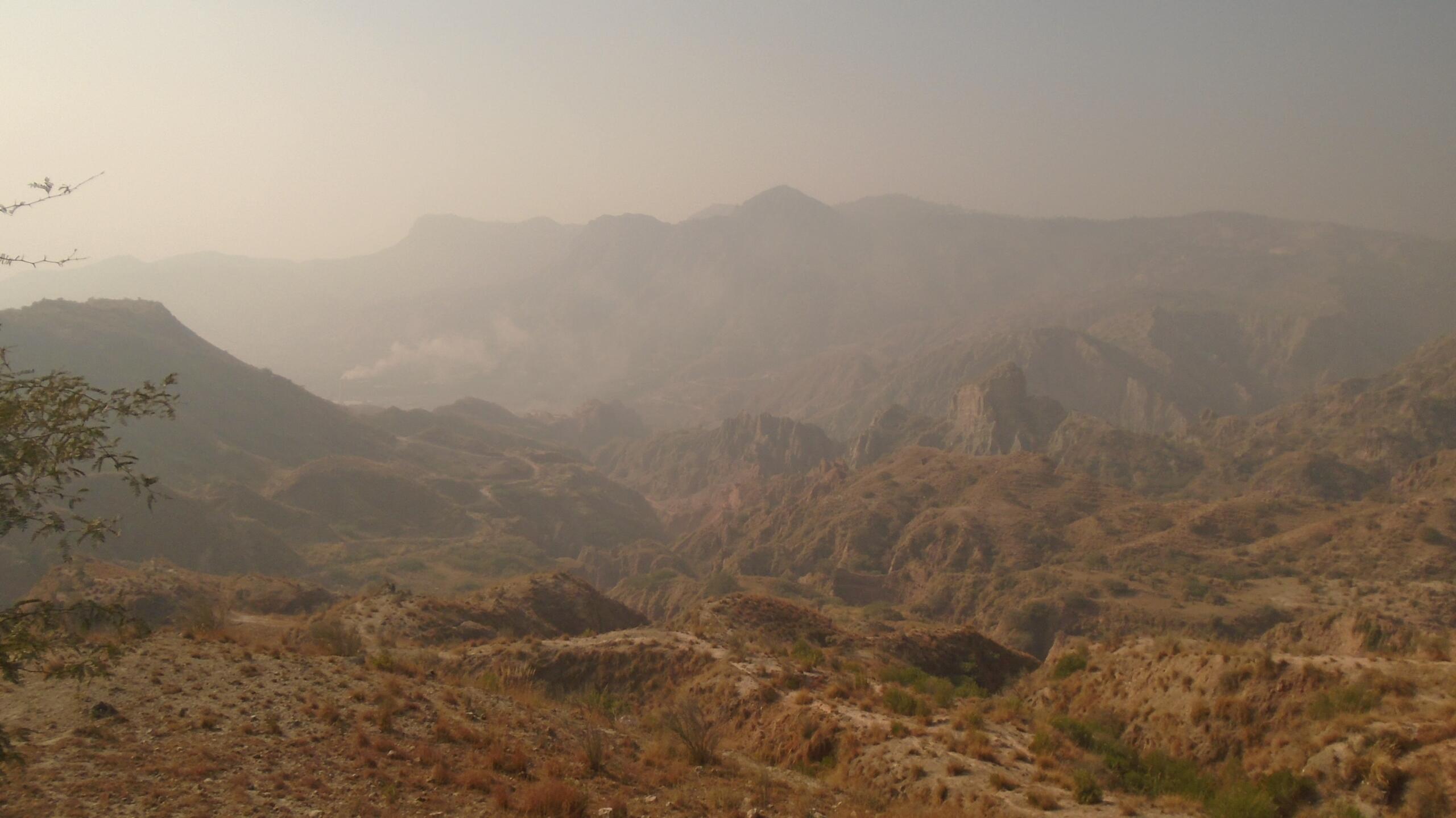
A cement works in 1960 emitted dust continuously from the kiln stack, the grinding mills and the handling of materials, and it fell on the houses, gardens, cars and washing of everything downwind.
Electrostatic precipitators and then fabric filters, enclosure of transfer points and continuous emissions monitoring reduced stack dust by orders of magnitude. The grey film on everything is the defining memory of living near a works, and the reason people still speak about it with some feeling.
Like our content? Follow us for more.
2. The Men Worked in It All Day With Nothing on Their Faces
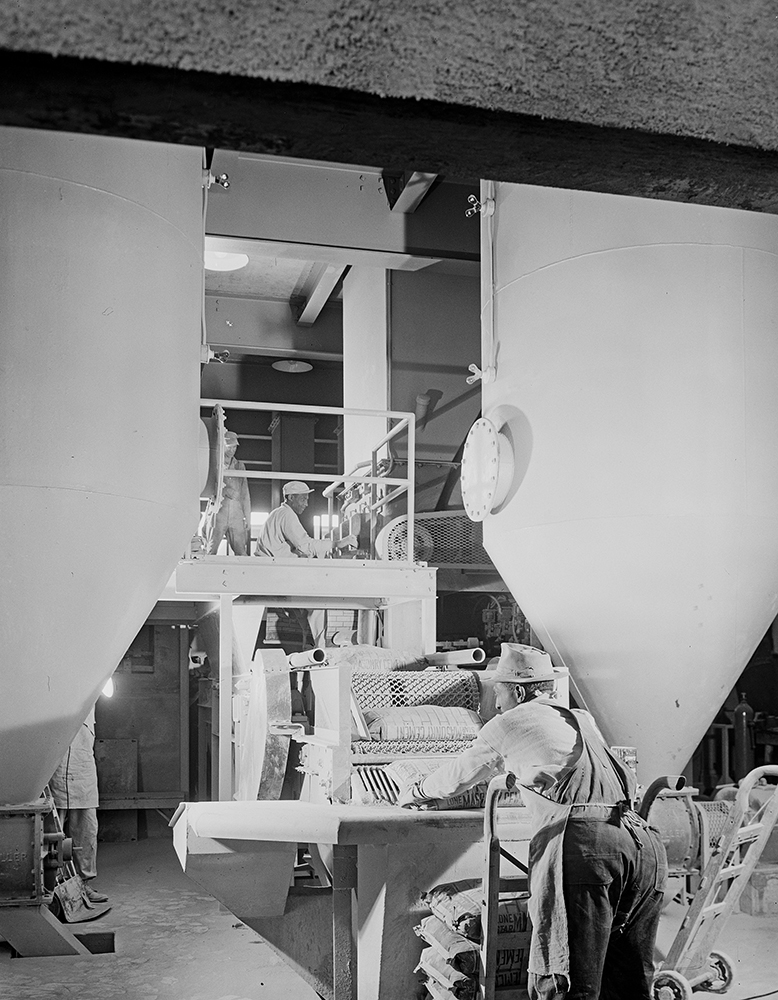
Inside the works the dust was far worse than outside, and in 1960 the protection consisted of a handkerchief if anybody bothered.
Enclosed processes, extraction, dust suppression and mandatory respiratory protection with fit testing are now standard, and exposure is monitored. Stated here as occupational history only. Anybody with that work history should raise it with their own doctor rather than with an article.
3. The Kiln Was a Rotating Tube the Length of a Street
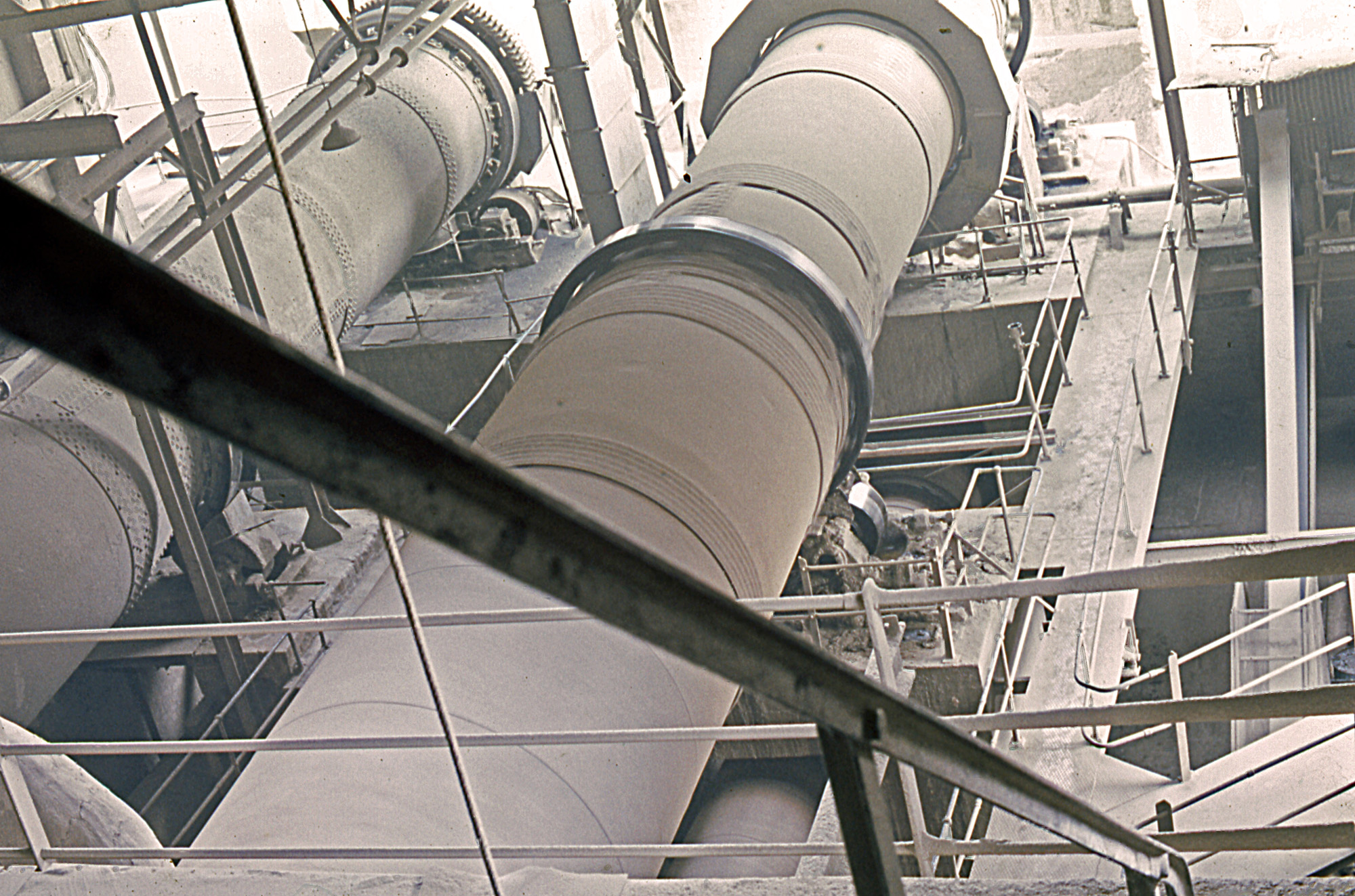
Clinker was made in a rotating kiln – an inclined steel tube, lined with refractory brick, turning slowly, with raw material fed in at the top and a flame at the bottom, and material inside reaching around fourteen hundred degrees.
Still the core of the process, with precalciners, better refractories, heat recovery and computer control dramatically improving efficiency. The rotary kiln is one of the great pieces of industrial equipment: enormous, simple in principle, and running continuously for months at a time at a temperature that would melt most of what it is made of.
4. Relining the Kiln Meant Men Inside It
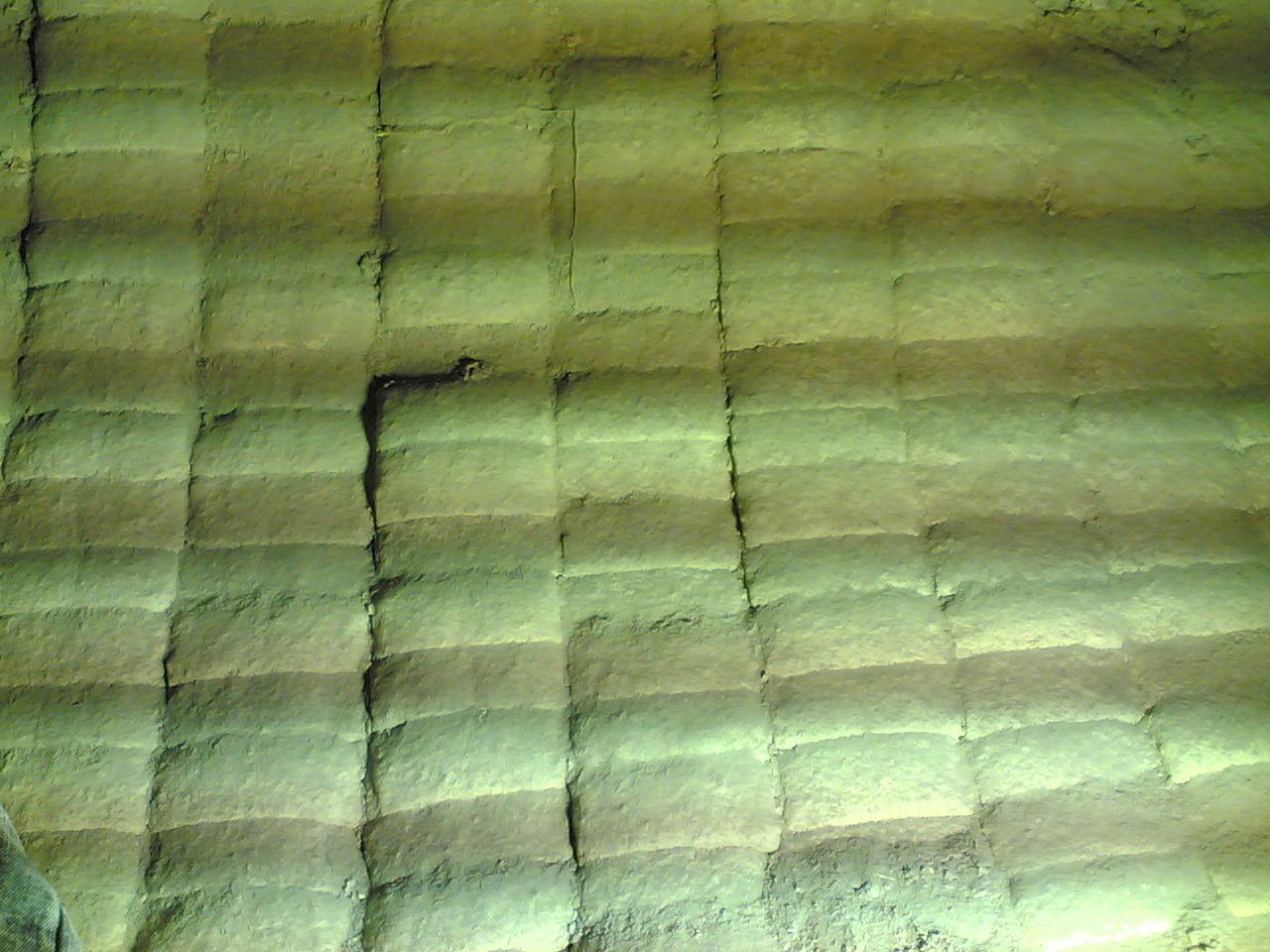
The refractory lining wears out, and replacing it meant shutting down, waiting for the kiln to cool enough to enter, and men working inside the tube laying brick by hand.
Mechanical brick-laying rigs, better refractory life and planned shutdown management have changed it, and the work remains among the more demanding maintenance tasks in heavy industry. Cooling a kiln takes days and costs production the whole time, which created constant pressure to send people in as early as possible.
5. The Quarry Was Beside the Works and Was Blasted Regularly
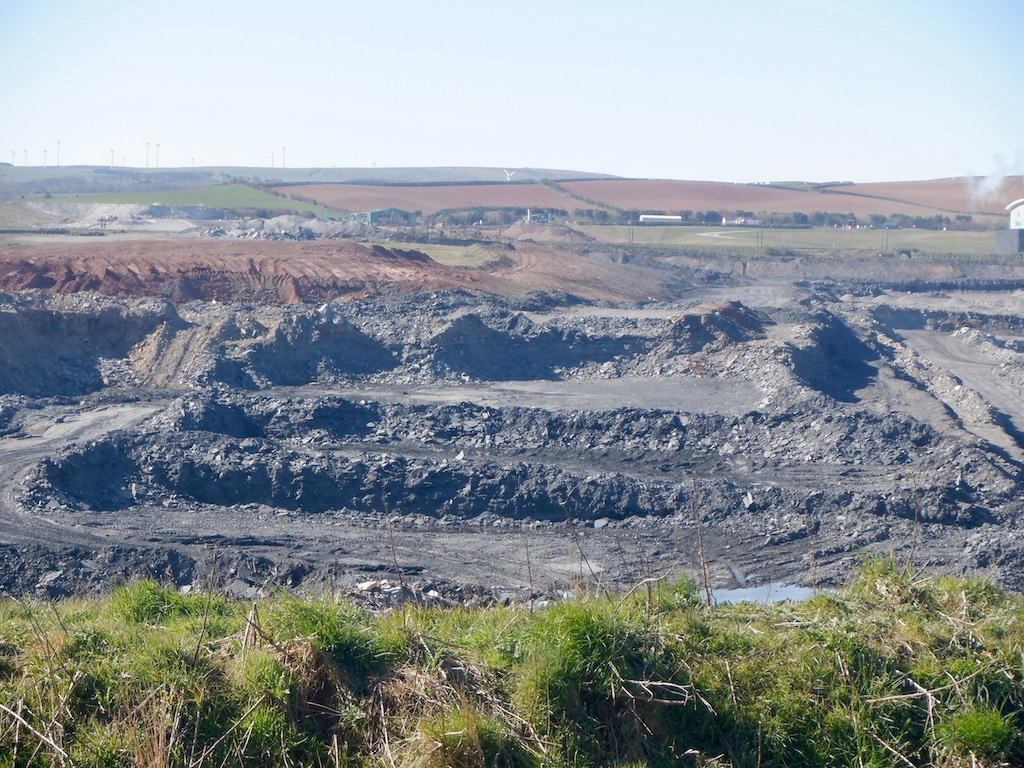
Limestone came from a quarry on the same site, worked by drilling and blasting on a schedule the surrounding area learned to recognise, with the stone crushed and conveyed straight into the process.
Blast design, vibration and overpressure monitoring, notification requirements and restoration obligations now govern quarrying. The co-location of quarry and works is unchanged and is fundamental to the economics – cement is too cheap per tonne to transport raw material any distance, which is why works sit on limestone and nowhere else.
6. The Process Was Controlled by Men Watching the Flame
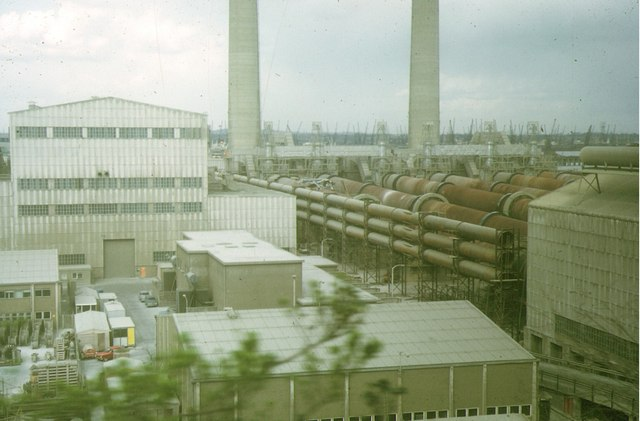
Kiln operation was judged by an experienced burner looking at the flame and the clinker through a port, reading colour and behaviour, and adjusting fuel and feed by hand.
Continuous analysis, thermal imaging, automated control loops and process models replaced the eye. The burner’s skill was real and the consequences of getting it wrong were expensive – an unstable kiln produces unusable clinker and can damage its own lining – which is why the job went to the most experienced man available.
7. Bags Were Filled and Loaded by Hand
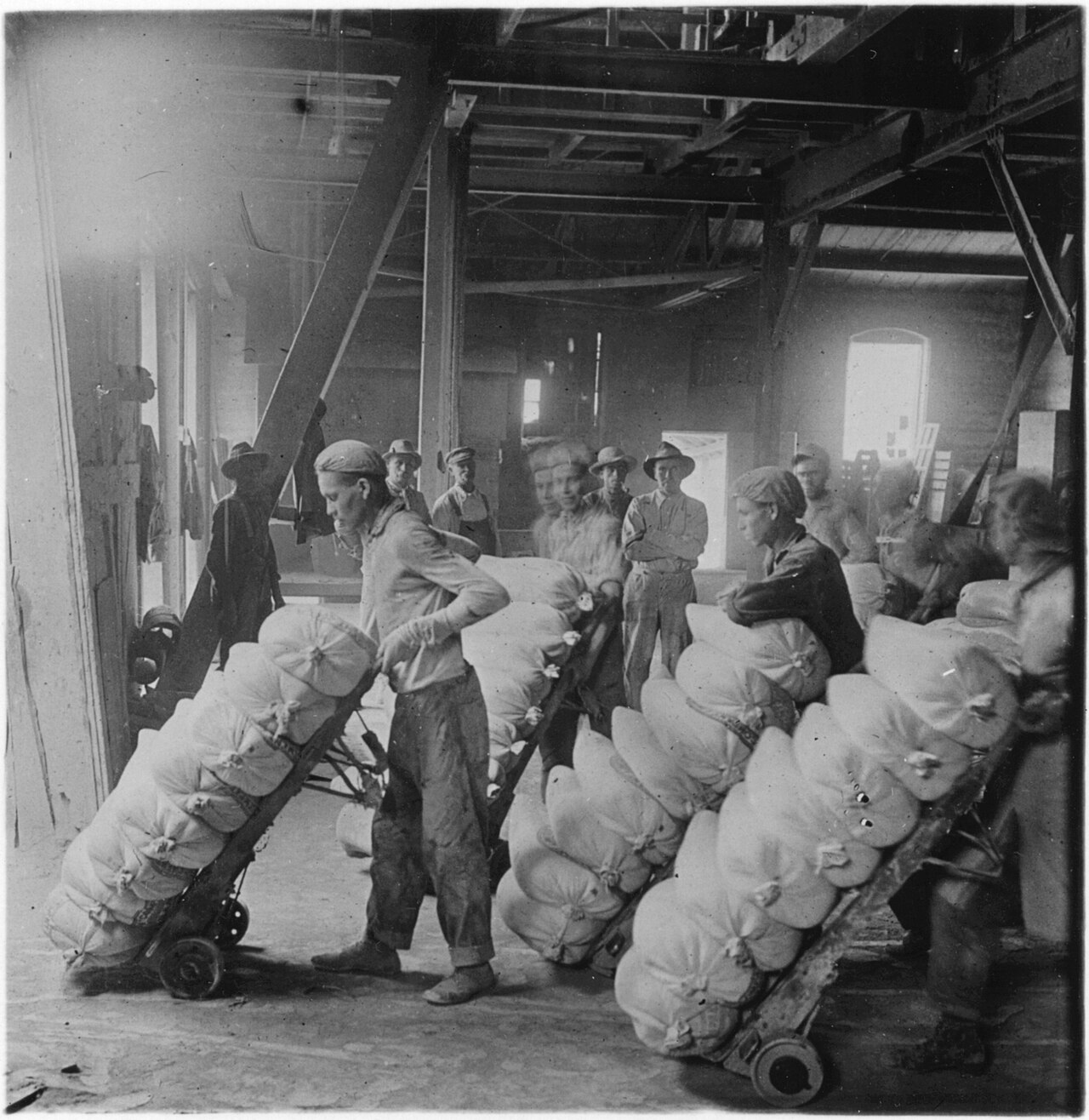
Cement was bagged and the bags were stacked and loaded manually, at a rate, all shift. A labourer handled an enormous tonnage in a working week.
Automated packing, palletising, shrink wrapping and bulk tanker delivery removed almost all manual handling. Bulk delivery in particular changed the industry: most cement now never touches a bag at all, which removed the single heaviest job on the site.
8. Anything That Burned Could Be Used as Fuel and Nobody Checked
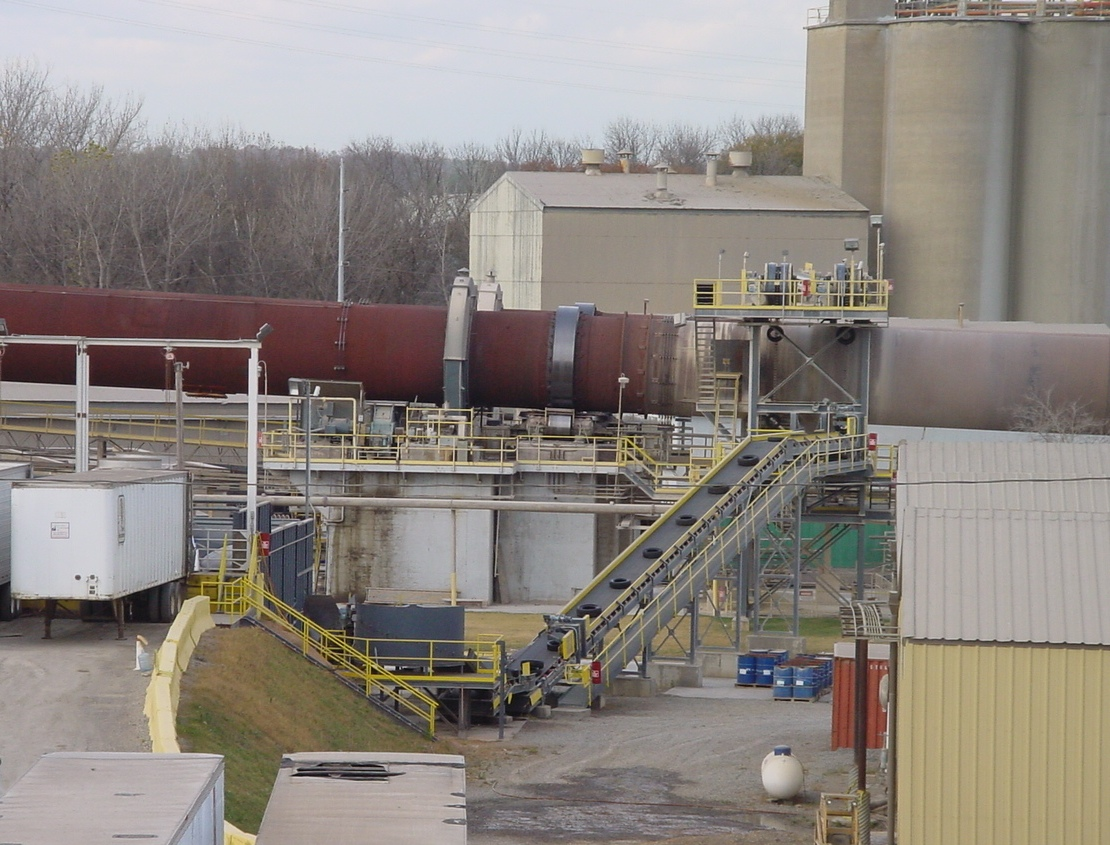
The kiln burns an enormous quantity of fuel, and cost pressure meant works used whatever was cheapest and available, with limited characterisation of what was being burned or what came out.
Alternative fuels are now a major and tightly regulated part of kiln operation, with specified acceptance criteria, continuous emissions monitoring and permit conditions. Burning waste in a cement kiln is genuinely effective because of the temperature and residence time involved, and it is also a subject of continuing local objection wherever it is proposed – the technical case and the public acceptance case are not the same case, and the disagreement is not resolved by the technical argument alone.
9. The Noise From the Mills Was Continuous and Deafening
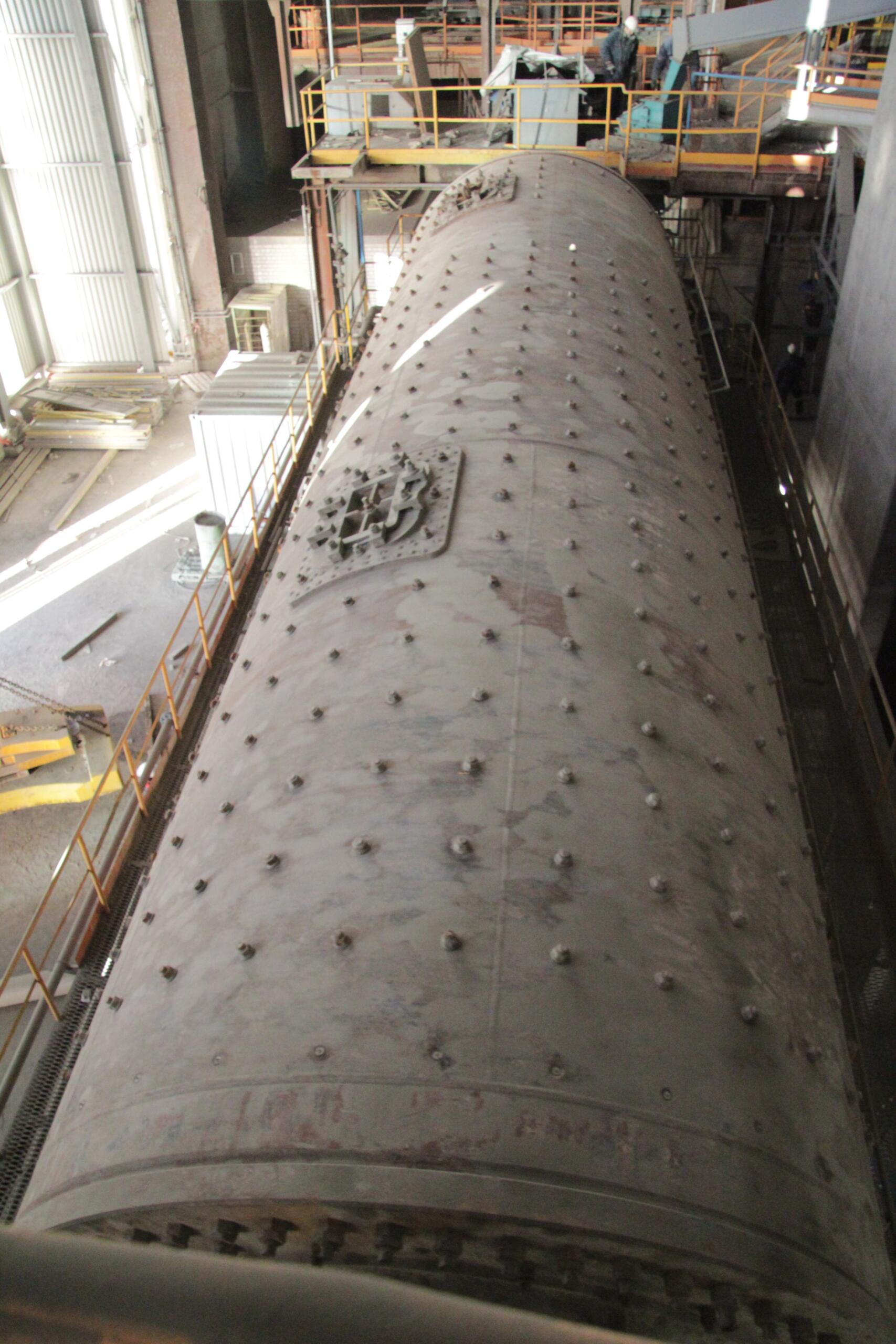
Raw material and clinker are ground in rotating mills containing steel balls, which produce sustained noise at a level that made conversation impossible anywhere near them.
Acoustic enclosure, exposure limits, hearing protection and monitoring are standard now. Stated as occupational history only; anybody with that work history should discuss it with their own doctor.
10. The Works Ran Continuously for Months and Stopping Was the Crisis
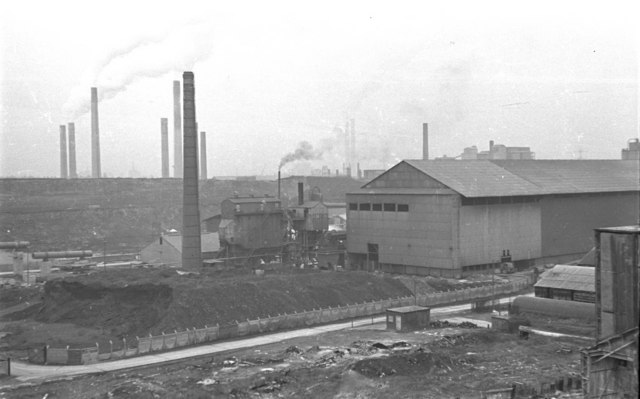
A kiln is heated and cooled slowly to protect its lining, so it runs continuously for as long as possible. An unplanned stop was expensive, damaging and the thing the whole site was organised to prevent.
Unchanged in principle, with far better reliability, predictive maintenance and planned shutdown scheduling. The continuous kiln is the reason cement works have the shift culture they do, and why a works dominates the working lives of a whole community rather than simply employing people.
11. Nobody Was Counting the Carbon
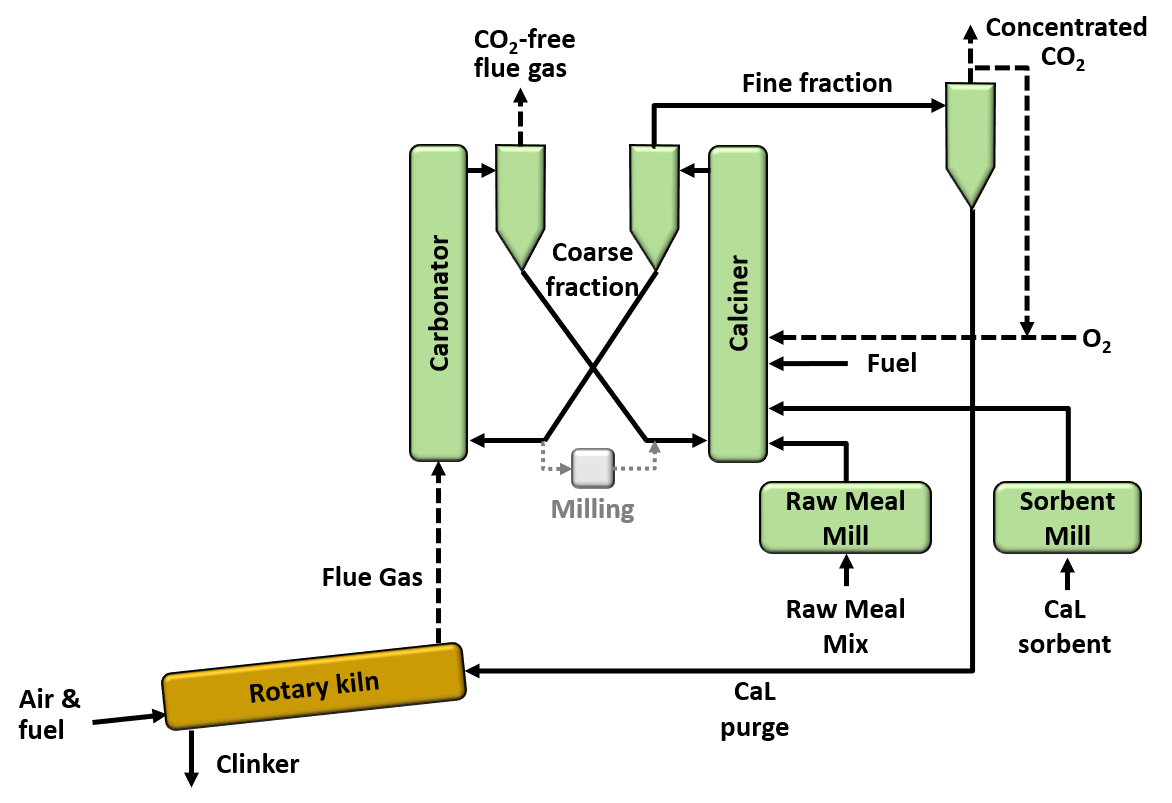
Making cement releases carbon dioxide twice over – from the fuel burned, and chemically from the limestone itself as it converts, which is an unavoidable consequence of the chemistry rather than an inefficiency.
This is now the industry’s defining problem and the subject of very large research and investment programmes, because the process emissions cannot be eliminated by changing fuel or improving efficiency. Carbon capture, alternative binders and reduced clinker content are all being pursued and none is yet a complete answer. In 1960 it was simply not a consideration of any kind.
12. Cement Was Sold Loose by the Shovel at the Builders’ Yard
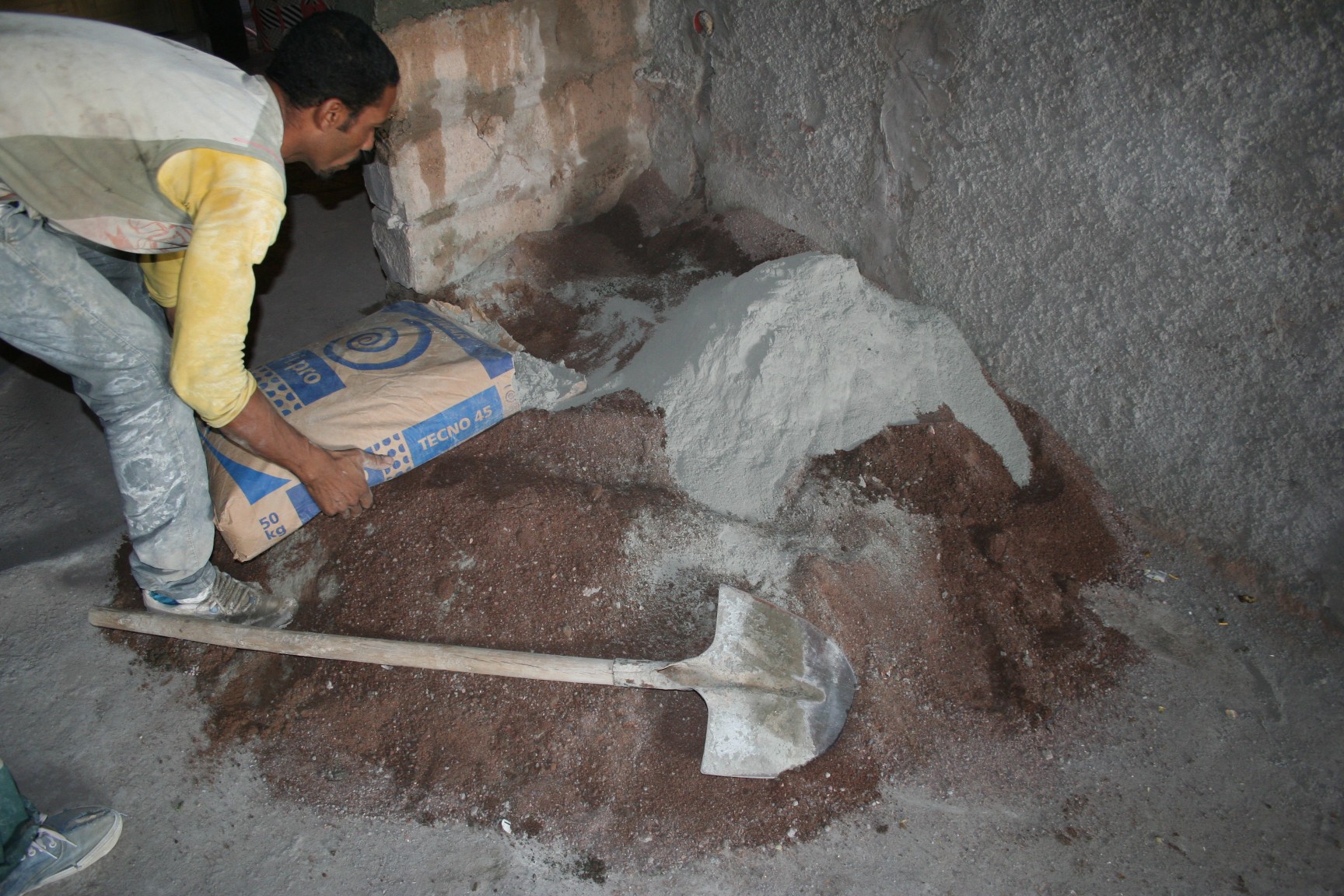
Small quantities went out of a builders’ yard loose, shovelled from a heap into whatever the customer brought – a sack, a barrow, the boot of a car – weighed on a platform scale and paid for in cash.
Pre-weighed bagged product, and then ready-mixed concrete delivered by truck, replaced loose sale almost entirely. Ready-mix is the bigger change of the two: it moved the mixing off the site and into a controlled plant, which transformed the consistency of concrete in ordinary construction and removed one of the commonest causes of structural problems, which was somebody guessing the proportions on a board with a shovel.
13. The Works Owned the Village
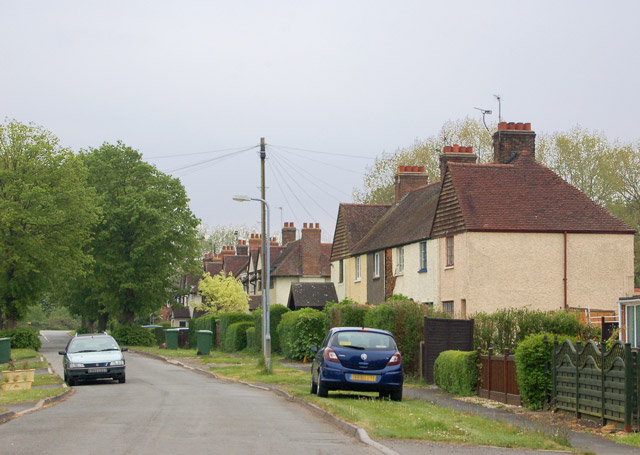
A works in a rural area frequently built and owned the housing, ran the social club and the sports ground, and employed most of the working population of the settlement beside it.
Housing was sold off and consolidation reduced employment dramatically while output rose. A modern works produces vastly more cement with a small fraction of the workforce, so the settlement remains and the reason for it does not.
14. Nobody Expected the Buildings to Be Worth Keeping
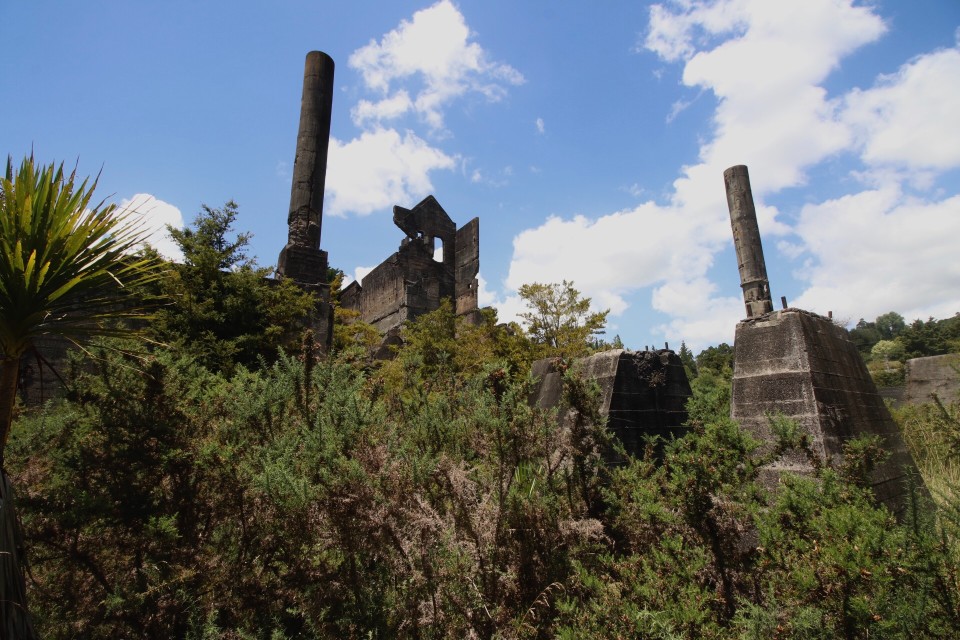
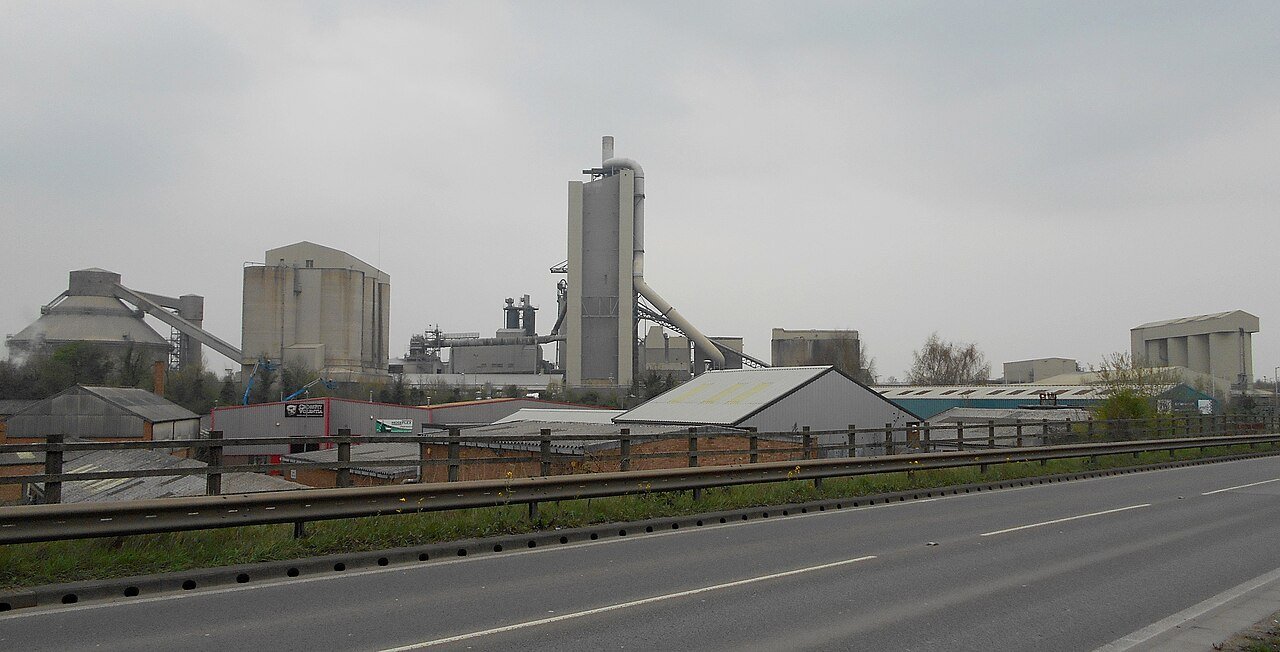
Cement works are not handsome. Silos, kilns, chimneys, conveyors and quarry faces are industrial in the least decorative way available.
A small number have been preserved or converted and most have been demolished and their quarries flooded or restored. The quarry is what survives: a flooded limestone quarry becomes a lake with unusually clear water and distinctive ecology, and a considerable number of nature reserves and diving sites exist because a cement works needed stone.
15. It Is Still the Second Most Used Substance on the Planet
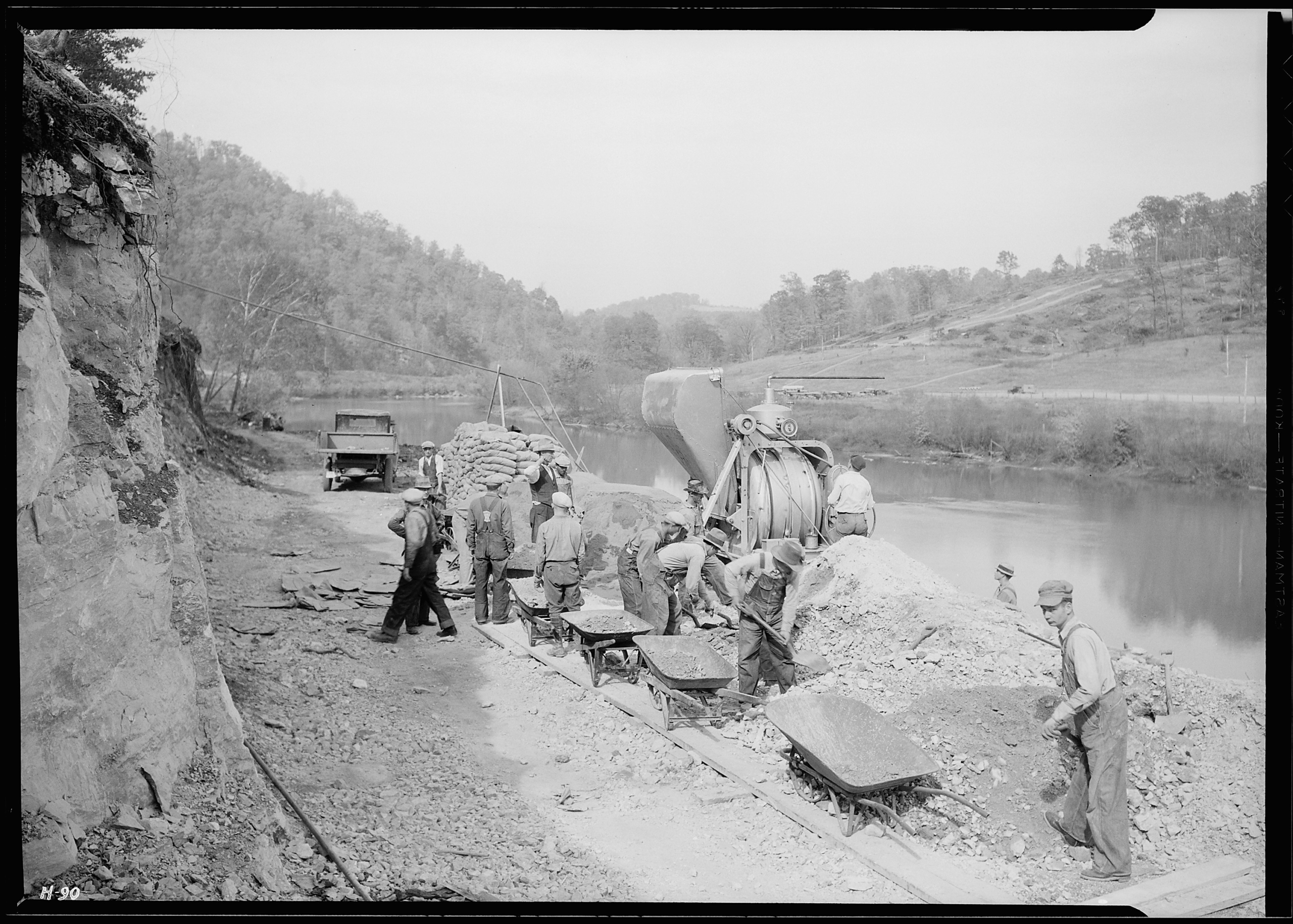
Concrete is used in greater quantity than anything except water, and cement is what makes it work. Everything on this list was in service of a material that is almost invisible precisely because it is everywhere.
Unchanged, and that is the point. The works got cleaner, quieter, safer and far less labour-intensive, and the product and its importance did not change at all. The dust went, the men went, the bags went, the kiln stayed – and the thing it makes is still holding up essentially every building you will enter today.
The Problem That Cannot Be Fixed by Running It Better
Every other item on this list was solved by doing the same thing more carefully. The last one cannot be.
Making cement means heating limestone until it chemically decomposes. That reaction releases carbon dioxide directly from the rock, and it is not a side effect of the heating or a sign of poor efficiency – it is the reaction. The material you want exists only because that gas left.
So the emissions from cement come in two parts. The fuel burned to reach the temperature is one part, and that part responds to everything the industry has already done well: better heat recovery, preheaters, precalciners, alternative fuels, efficient kilns. Decades of work have driven it down substantially.
The other part comes out of the stone, and no amount of efficiency touches it. A perfectly efficient kiln running on a zero-carbon fuel would still release it, because it is the chemistry of what cement is.
That is why this is a genuinely hard problem rather than a neglected one. The options are capturing the gas at the stack, which is technically possible and very expensive; changing the binder chemistry to something that does not require decomposing limestone, which means a material that does not behave identically and that an extremely conservative construction industry has to be persuaded to trust; or using less cement per structure through better design and substitution, which works and has limits.
All three are being pursued seriously. None of them is finished.
Which makes cement an unusual entry in this series. Almost everything else here was a practice that was improved or abandoned. This is a case where the thing the industry exists to do is itself the problem, the people working on it know exactly what the difficulty is, and the answer is not yet available.
If you lived near a works you will remember the dust on the windowsills and the cars.
And if the quarry is a lake now, there is a reasonable chance people swim in it.
Like our content? Follow us for more.

