

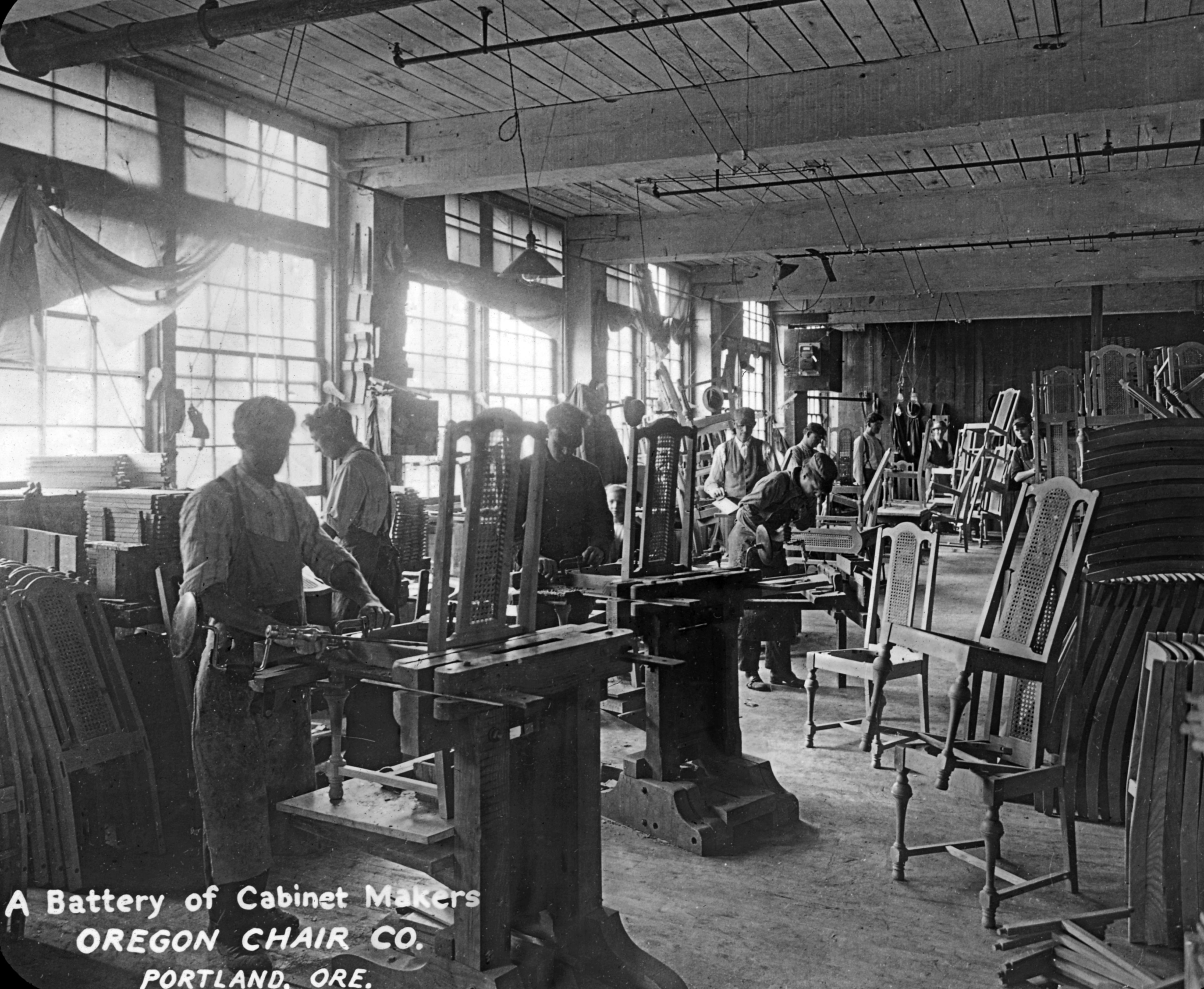
In 1960 a furniture factory held a year of timber in its own yard waiting to dry, cut real joints by machine and fitted them by hand, laid veneer with hot animal glue in a heated press, and finished the best pieces with shellac applied over several days by a man who did nothing else.
The upholstery shop tied its own springs. The saws and spindles ran unguarded. And one person built a piece from components to finished article.
Here are fifteen things that were ordinary in a furniture factory in 1960, and what became of each one.
1. The Timber Arrived Wet and the Factory Had to Dry It Itself
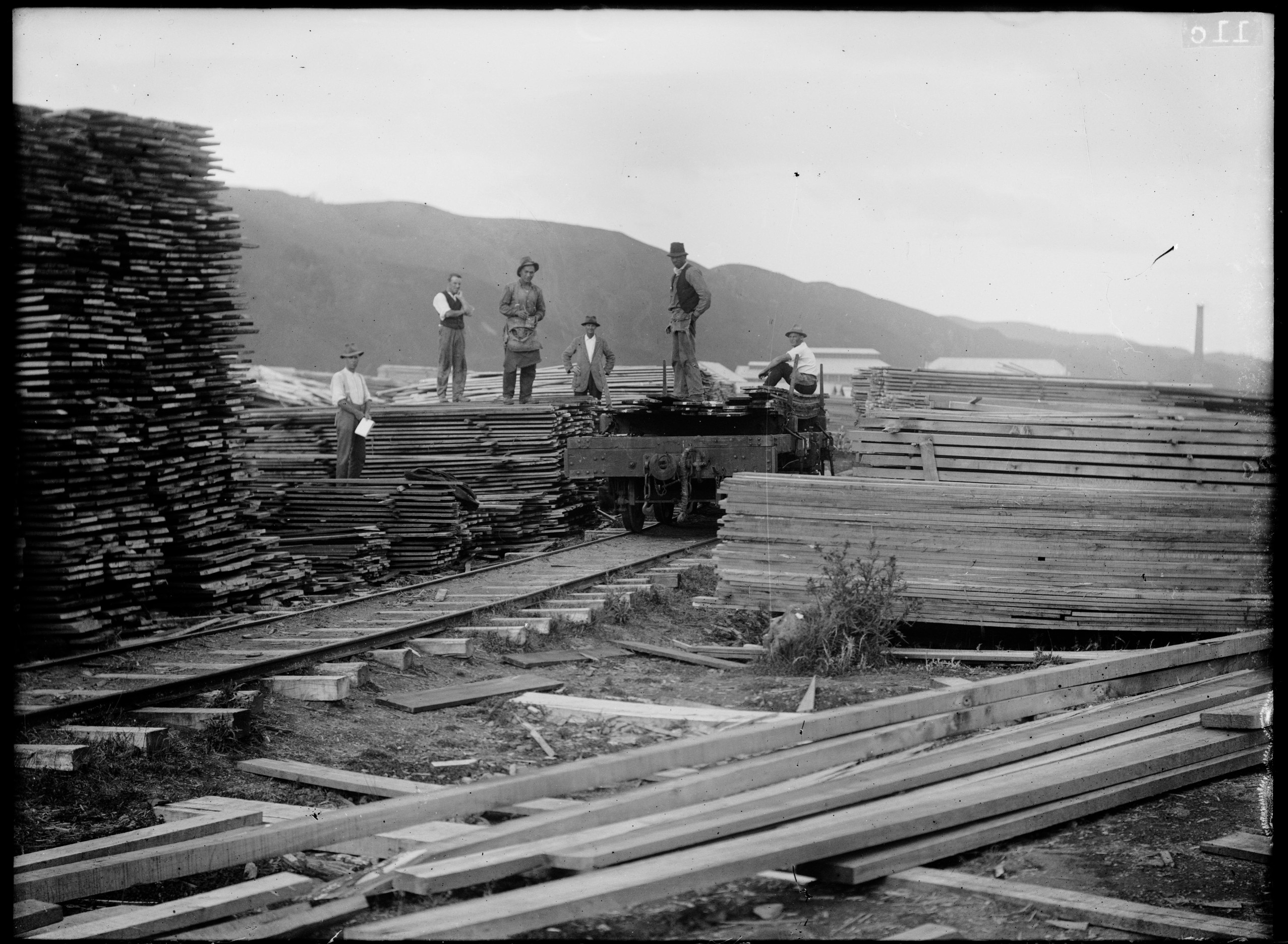
Boards came in green or partly seasoned and were stacked in the yard with spacers for months, then finished in kilns on site. A factory held an enormous quantity of timber simply waiting.
Kiln-dried timber bought to a specified moisture content, and engineered boards that are dimensionally stable by construction, removed the need to hold stock for a year. Timber that moves after a piece is made is the single most common cause of furniture failing, which is why the yard mattered as much as the machine shop.
Like our content? Follow us for more.
2. Saws, Spindles and Planers Ran With Almost No Guarding
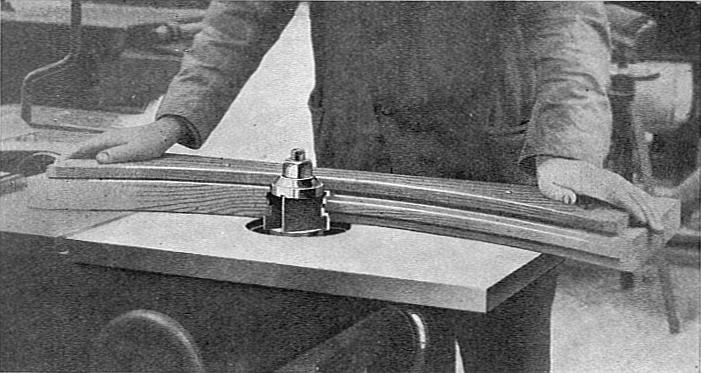
Circular saws, spindle moulders, surface planers and tenoners ran exposed, with the operator’s hands close to the cutters and the work fed by hand without jigs or push sticks.
Guarding, braking, riving knives, push sticks, jigs, power feeds and training requirements transformed woodworking machinery. The spindle moulder in particular is still regarded as among the most dangerous machines in any workshop, and the rules around it were written because of what it used to do routinely.
3. The Dust Was Everywhere and Nobody Called It a Hazard
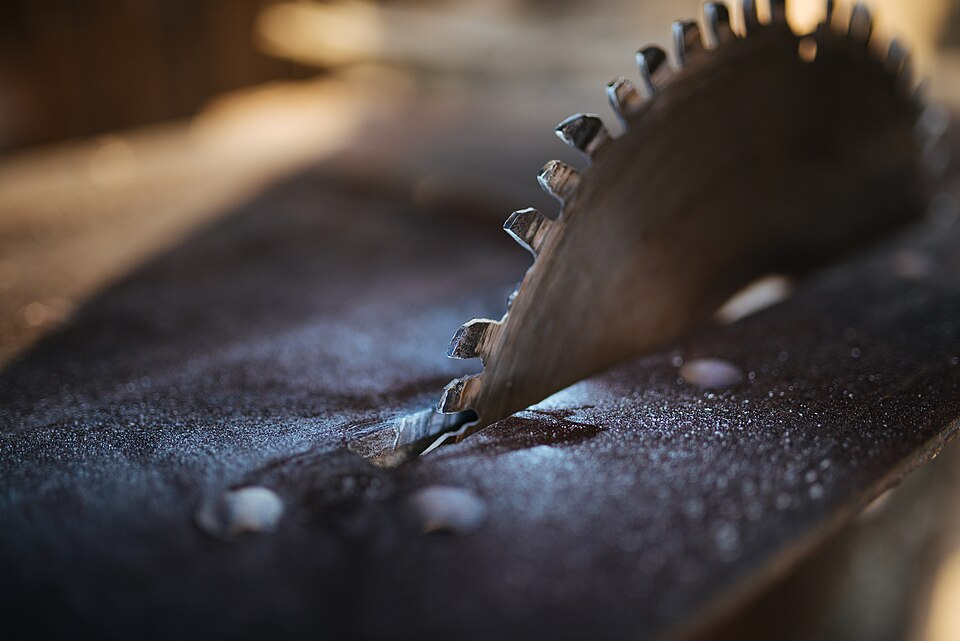
Sawing, planing and sanding generate wood dust continuously, and in 1960 it was swept up rather than extracted, with men working in it all day and the fine fraction hanging in the air.
Local exhaust ventilation at every machine, filtration, enclosure and respiratory protection are now standard, and certain hardwood dusts are specifically regulated. Stated here as occupational history only. Anybody with that work history should raise it with their own doctor rather than with an article.
4. Joints Were Cut Rather Than Glued and Screwed
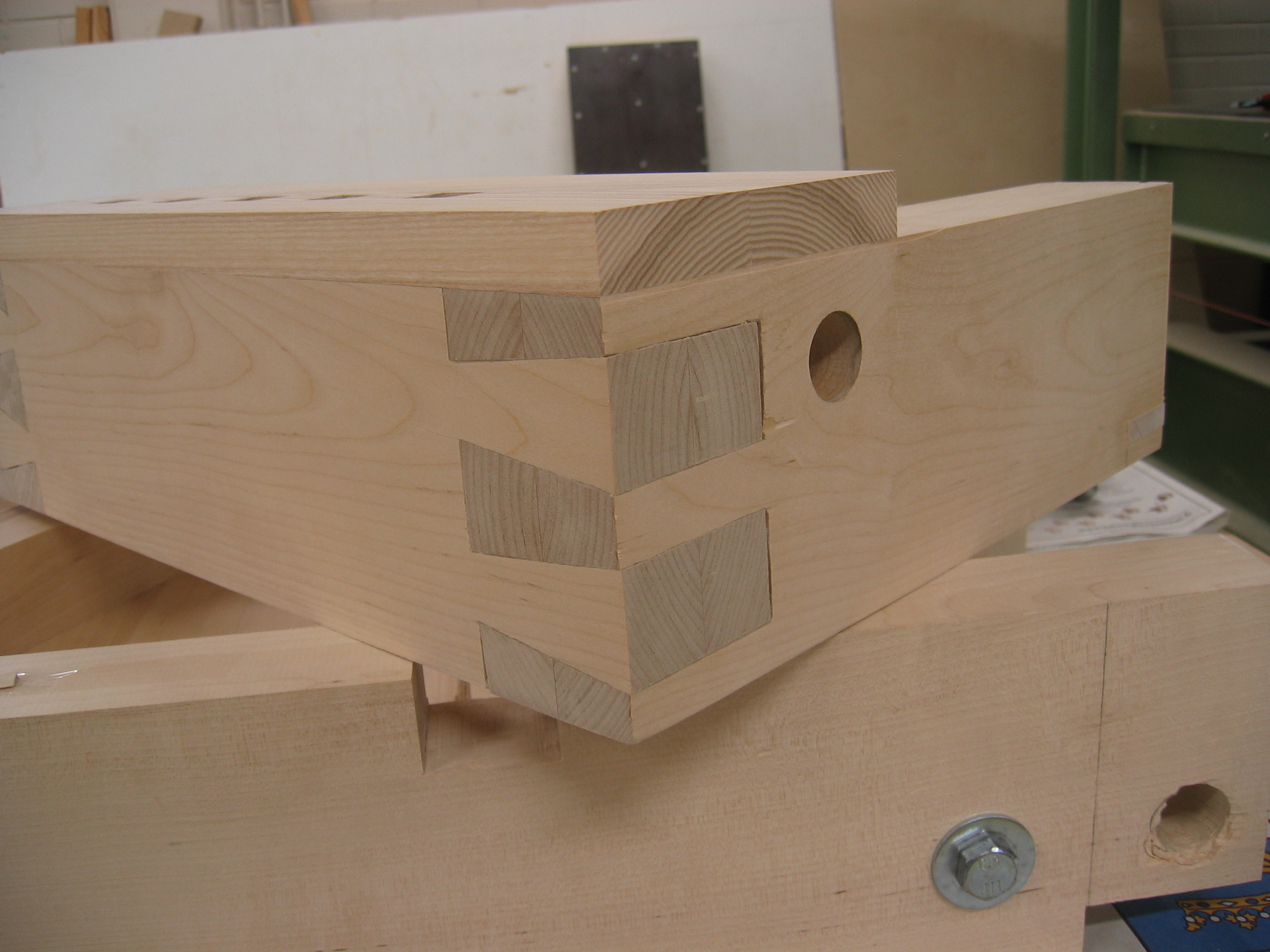
Carcass construction used real joinery – mortice and tenon, dovetails, housings – cut by machine and fitted by hand, because the joint carried the load and the glue only held it together.
Dowels, biscuits, cam-and-dowel knock-down fittings and engineered panels replaced cut joinery for volume production. The traditional joint is mechanically superior and takes far longer, and the fittings that replaced it exist mainly because they allow furniture to be shipped flat, which turned out to matter more than the joint did.
5. Veneering Was Done With Hot Glue and a Press and Took Hours
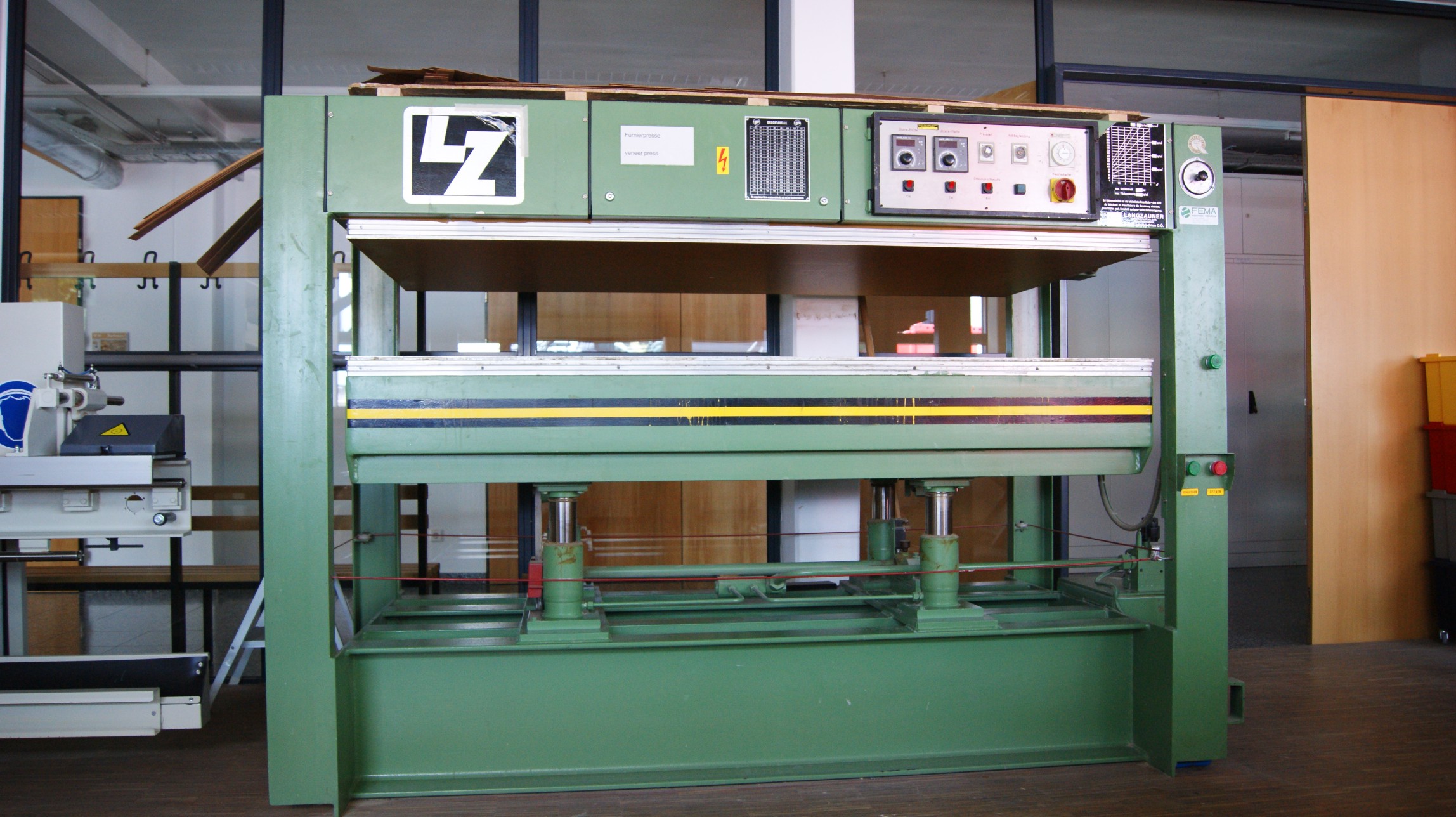
Thin decorative veneer was laid over cheaper carcass material using animal glue and a heated press, with the veneer cut, matched and taped by hand into a pattern first.
Synthetic adhesives with short press cycles, and printed or foil finishes on board, replaced it for volume work. Veneering is not a way of faking solid timber – it is how you get a figured surface that would be unstable or unobtainable in the solid – but the technique became associated with cheapness once printed imitations appeared alongside it.
6. French Polishing Was a Trade and It Took Days
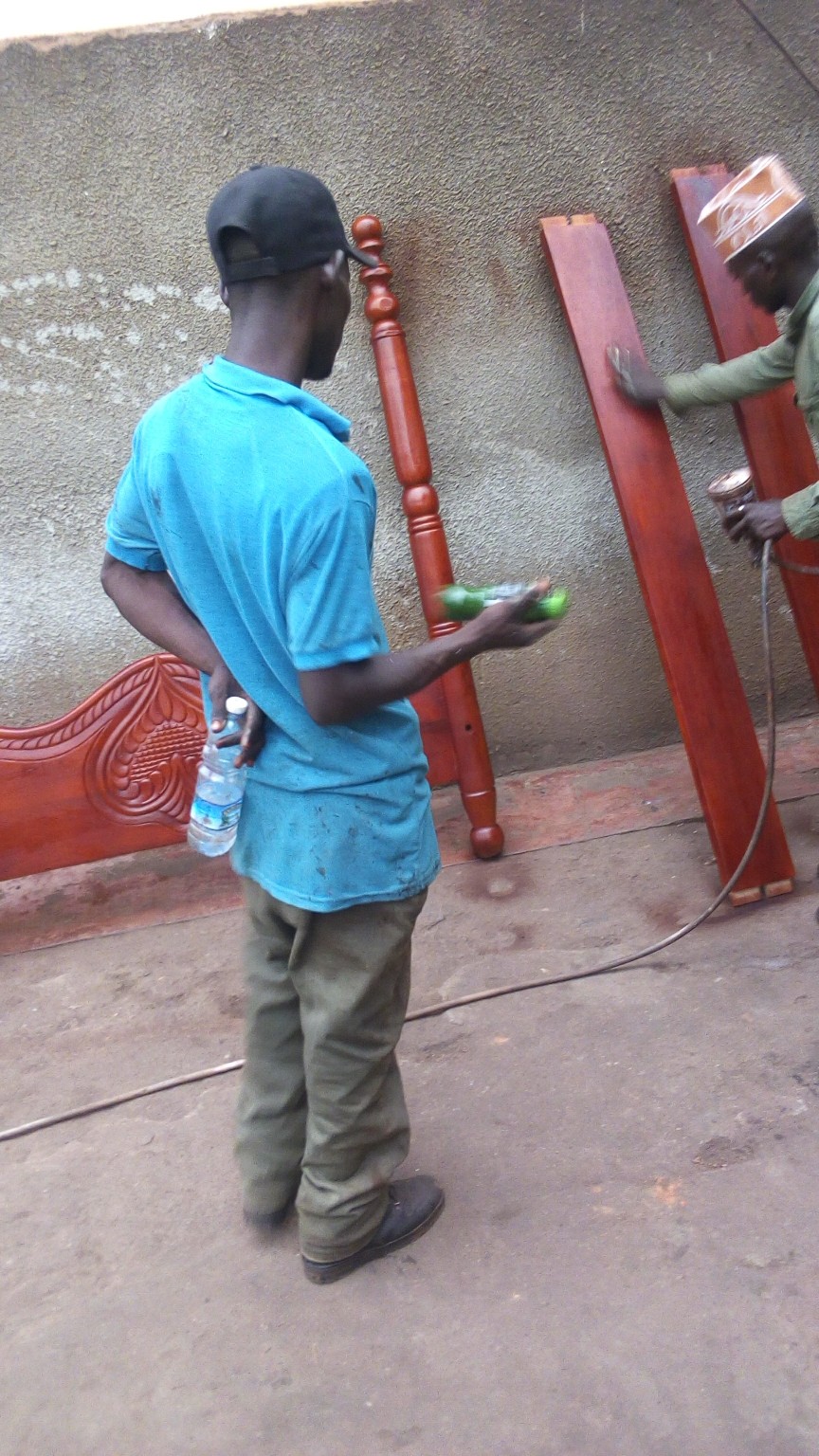
High-quality finishing was done with shellac applied in many thin layers with a cloth pad, built up over days, by a specialist who did nothing else.
Sprayed lacquers and catalysed finishes that cure in hours replaced it almost entirely. French polish gives a finish nothing else matches and is easily damaged by heat and liquid, which is precisely the combination that made it unsuitable for a world of hot mugs and no coasters.
7. The Upholstery Shop Used Horsehair, Springs and Webbing
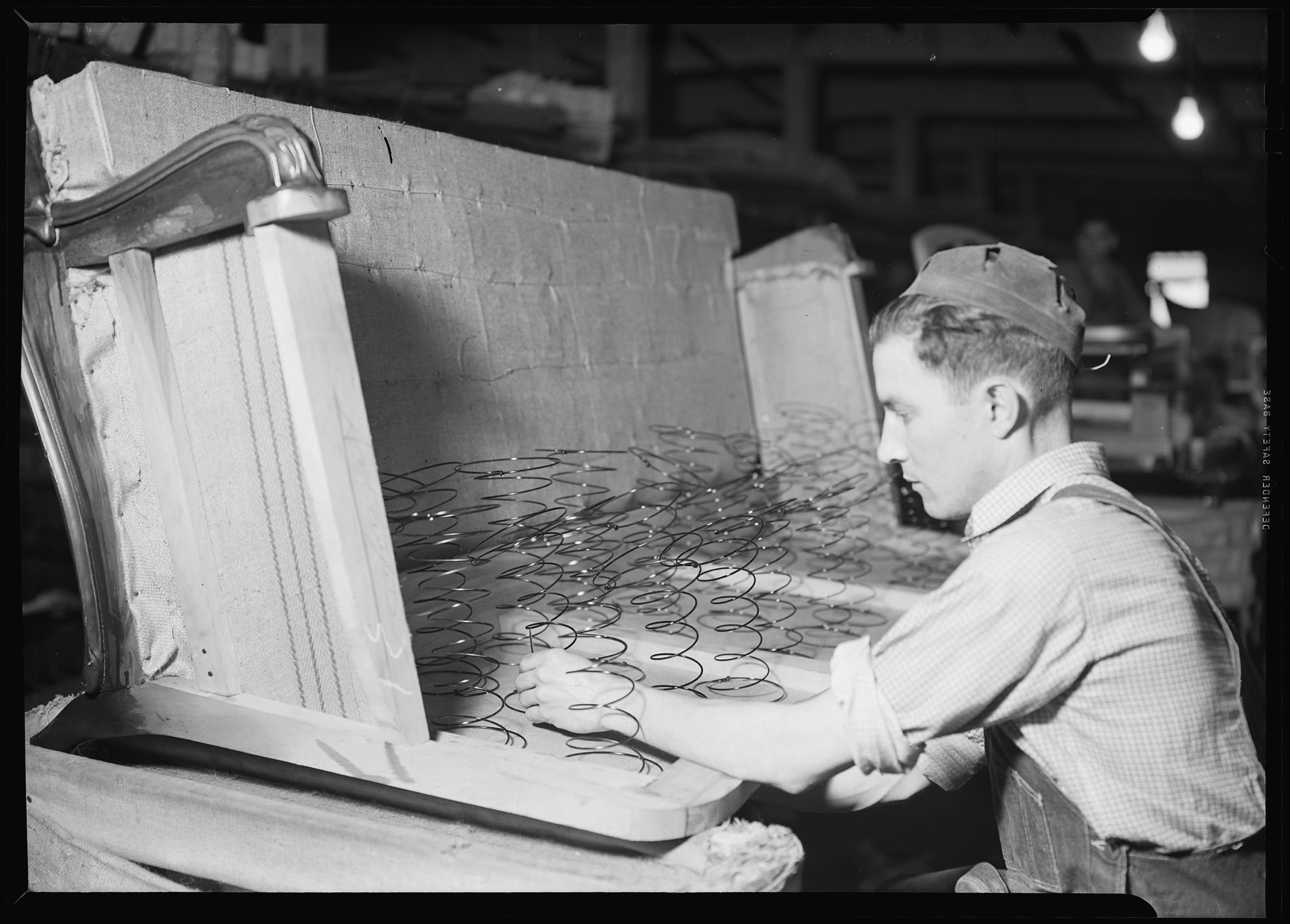
Upholstered furniture was built up over a timber frame with jute webbing, coil springs tied by hand, hessian, horsehair or fibre stuffing, wadding and finally the covering – entirely by hand, in a defined sequence.
Moulded foam, serpentine springs, staple guns and pre-made covers compressed a multi-day build into a fraction of the time. Traditional upholstery is repairable essentially indefinitely, which is why good period furniture keeps being reupholstered and modern foam-based seating is generally not worth it.
8. The Foam That Replaced It Turned Out to Be a Fire Problem
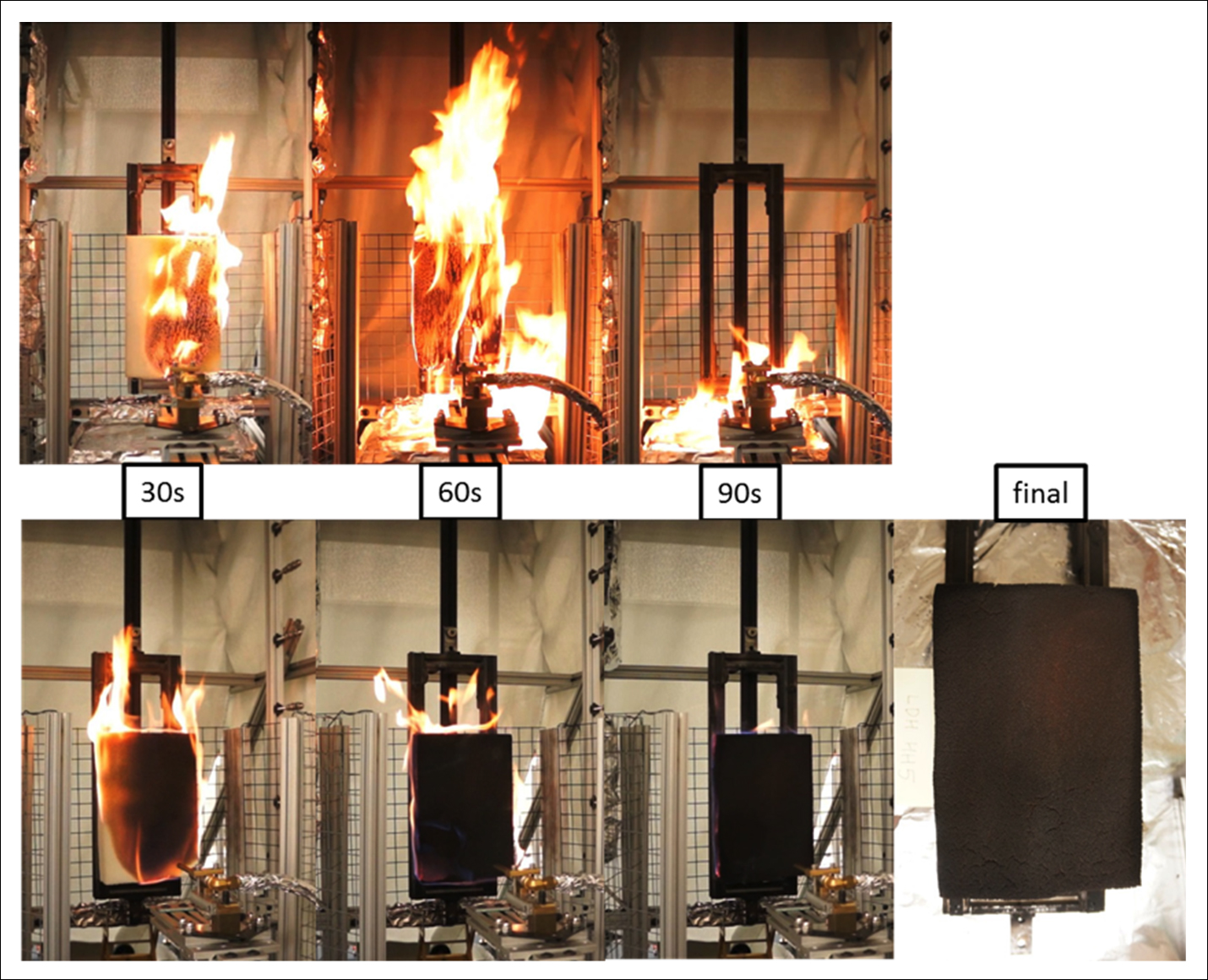
Early polyurethane foam was adopted rapidly because it was cheap, light and quick, and its behaviour in a fire was not well understood when it entered mass production.
Fire safety regulations covering upholstered furniture, ignition testing of covers and fillings, and modified foam formulations followed, after the fire behaviour of untreated foam furniture became clear. It is a clear case of a material being adopted on cost and convenience faster than its properties were characterised, and the regulations that followed are among the more demonstrably effective consumer safety measures.
9. Glue Was Boiled on the Premises and Smelled Accordingly

Animal glue was supplied as granules or cake, heated in a pot, kept warm all day and applied hot – with a short open time that governed how fast the assembly had to be done.
Synthetic adhesives with controllable cure times, higher strength and no heating replaced it. Animal glue has one genuine advantage that keeps it in restoration work: it can be released with heat and moisture, so a joint made with it can be taken apart and remade, which no modern adhesive allows.
10. Every Piece Was Assembled by One Person Who Saw It Through
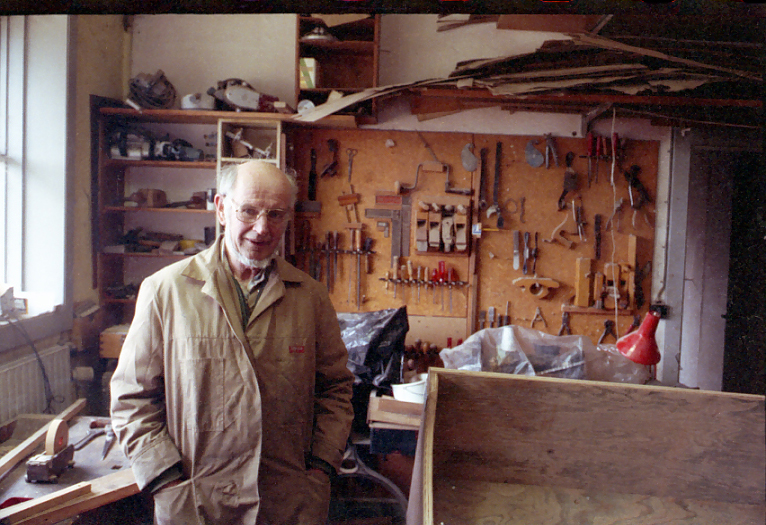
A cabinet was built by a maker who took the components and assembled, fitted and adjusted the whole piece, rather than performing one operation on a line.
Flow-line assembly with single-operation stations and, later, flat-pack construction moved to the customer, replaced the whole-piece maker. The flat-pack transfer is the most complete version: the final assembly operation was not automated or deskilled, it was given to the buyer for nothing.
11. The Designs Changed Slowly and Lasted for Decades
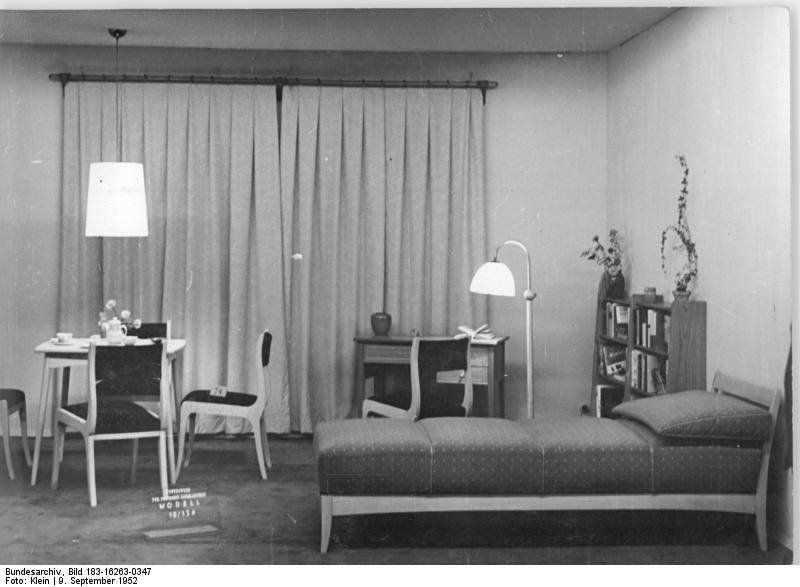
A pattern stayed in production for years, the tooling and jigs were amortised across long runs, and a factory’s catalogue was recognisable from one decade to the next.
Rapid style turnover, shorter product lives and global sourcing changed the model entirely. The long production run is what made it worth training somebody for years, and the connection between product longevity and skill investment is direct – you cannot justify a five-year apprenticeship for a design that will be replaced in eighteen months.
12. The Factory Was Sited Where the Timber and the Railway Met
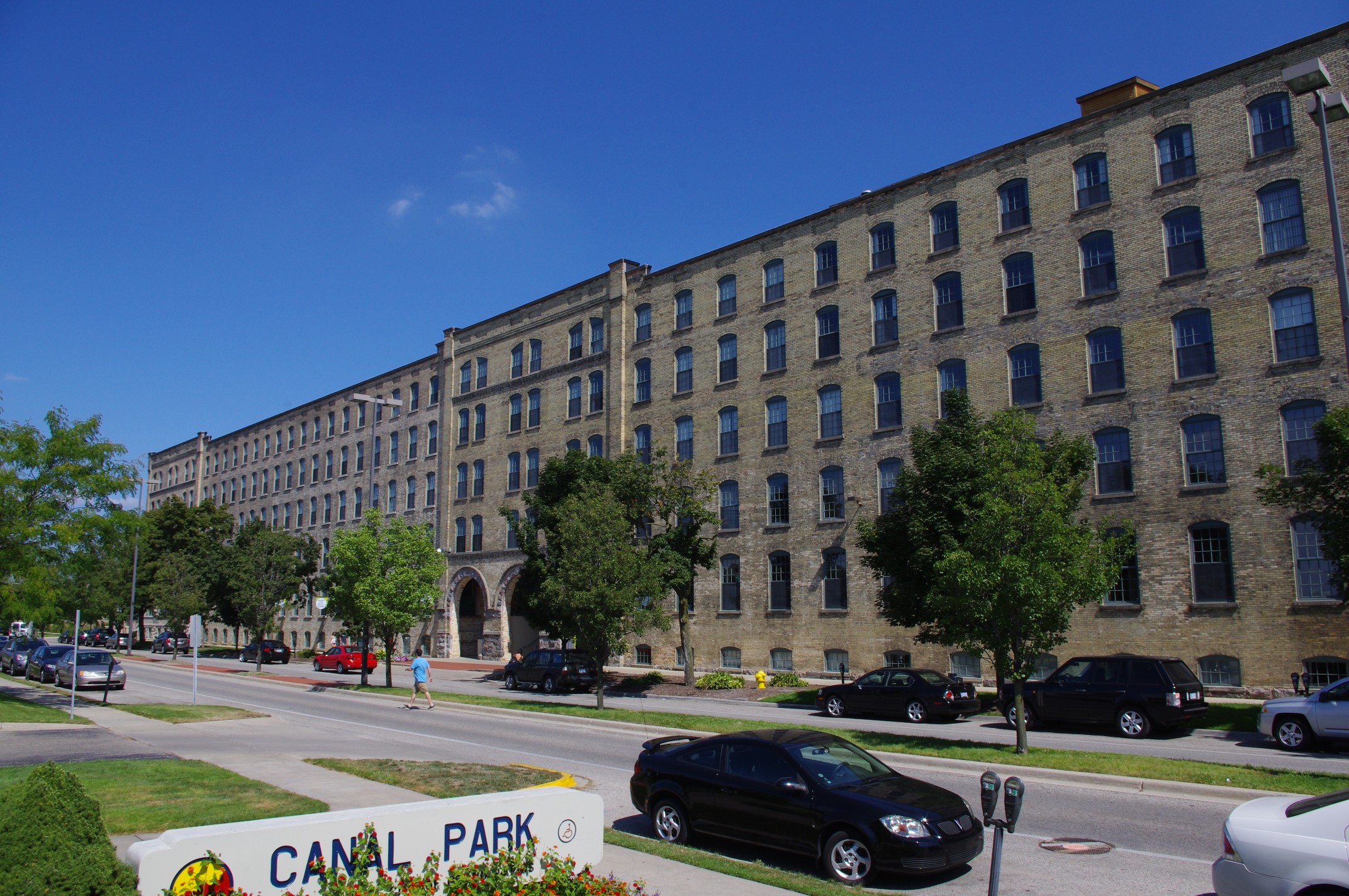
Furniture making concentrated where timber arrived and could be moved out – near ports, canals and railheads – producing districts with dozens of factories and the specialist suppliers to serve them.
Road transport and imported finished goods dissolved the geography. The districts had the same structure as the shoe and cutlery trades, with polishers, carvers, turners and upholsterers serving many firms, and they failed in the same sequence when volumes fell.
13. Nobody Expected Furniture to Be Sold in a Box
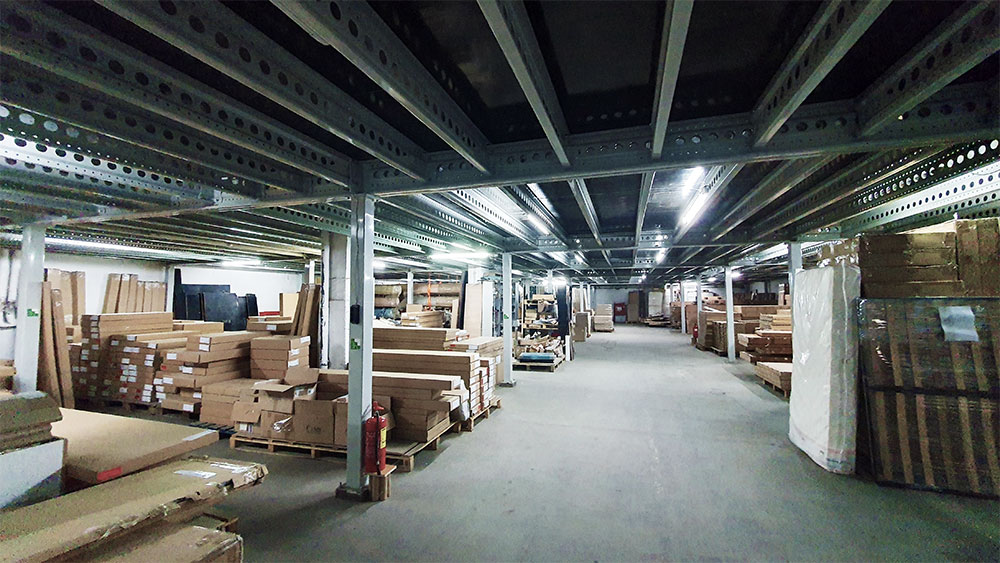
In 1960 furniture was delivered assembled, by the shop, and the idea that a customer would collect a flat carton and build a wardrobe themselves was not a serious proposition.
Flat-pack construction, knock-down fittings and self-assembly transformed the entire economics – shipping volume, warehousing, retail format and price all changed at once. It also required the furniture itself to be redesigned around fittings a person could operate with one tool, which is why the construction methods on this list disappeared.
14. The Old Furniture Is Still Being Sold and It Is Cheap
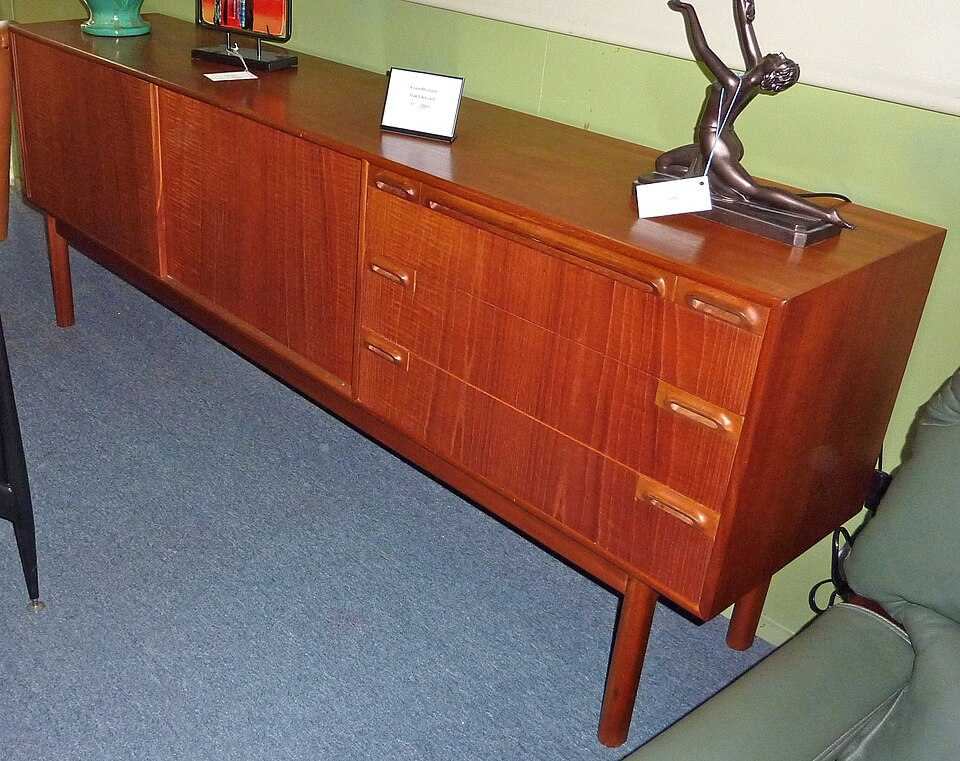
Solidly built mid-century furniture exists in enormous quantity, is structurally sound, and sells for very little because it is heavy, dark and the wrong size for modern rooms.
Which is a strange outcome: objects made to a standard no volume manufacturer now attempts, available for less than the flat-pack equivalent, largely unwanted. The limiting factor is not quality or price – it is that the pieces were designed for rooms, ceiling heights and storage habits that no longer exist.
15. The Buildings Were Perfect for Something Else
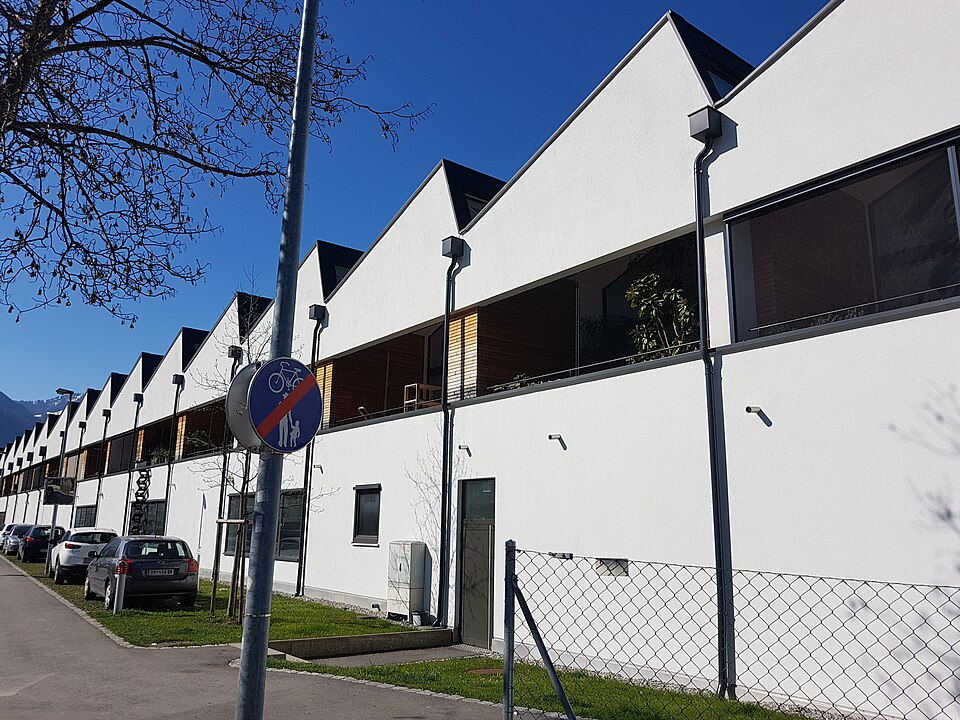
A furniture factory needed large clear floors, good natural light from north-facing roof glazing, strong floors and goods access – which is an almost exact description of what a developer wants.
They converted more successfully than almost any other industrial building type, into studios, offices, flats and workshops. The sawtooth roof glazing that was there to let cabinet makers see what they were doing is now the feature that sells the apartments, which is a reasonably tidy summary of what happened to the trade.
The Last Operation Was Given to the Customer
Most of the changes in this series involve a job being automated, enclosed or moved abroad. Furniture did something different, and it is worth separating out, because it is genuinely unusual.
Final assembly was not mechanised. It was not deskilled. It was transferred to the buyer, who performs it for nothing, in their own home, with a tool supplied in the box.
The consequences cascade through everything. A flat carton ships at a fraction of the volume of an assembled wardrobe, which transforms transport cost, warehouse capacity and how much stock a shop can hold. It lets a retailer operate as a warehouse the customer walks through, which changes the entire retail format. It removes the delivery and assembly service, which was a substantial part of what a furniture shop used to employ people to do.
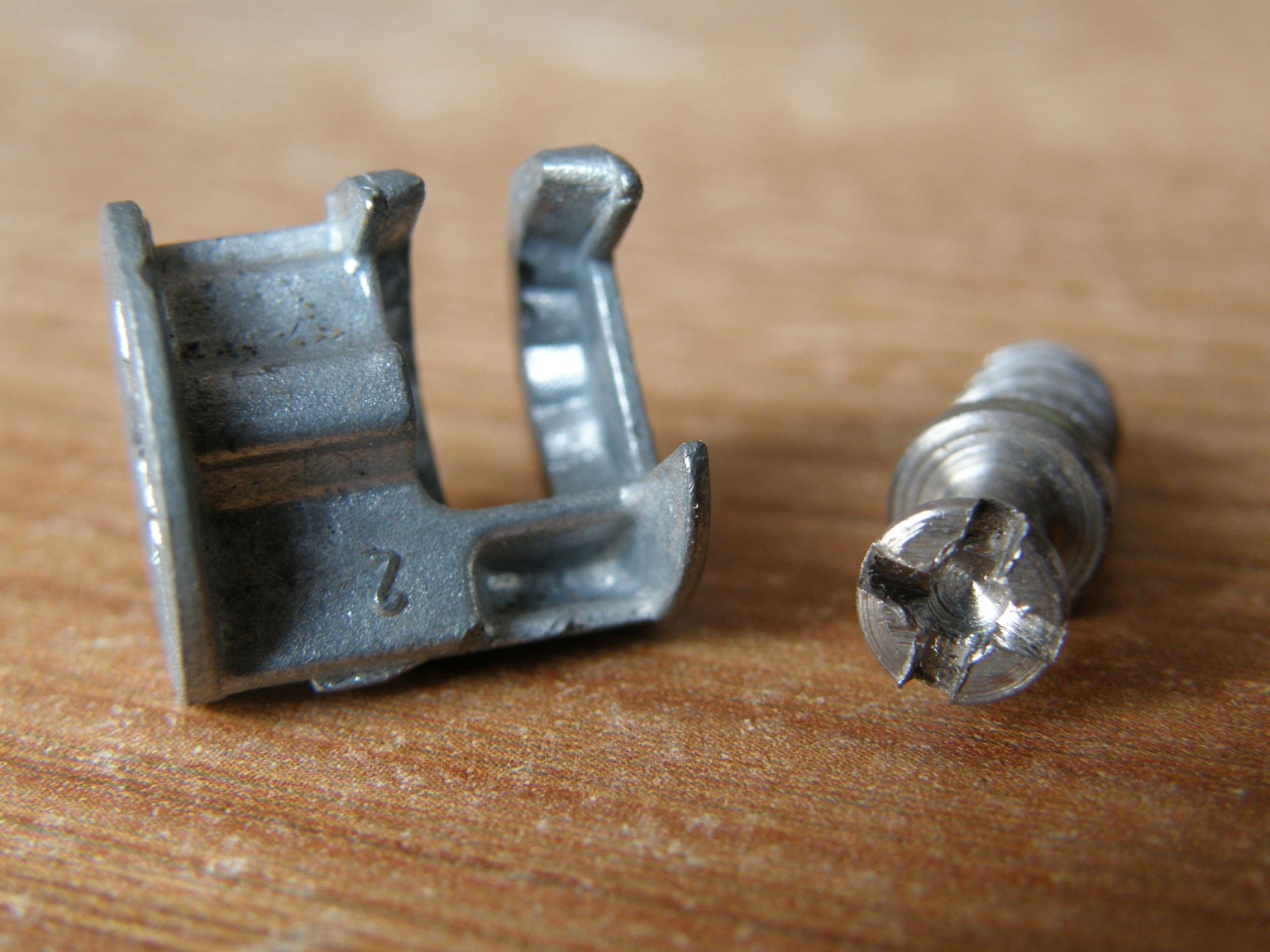
And it forces the product to be redesigned. Cut joinery cannot be assembled by a customer, so it goes, replaced by cam-and-dowel fittings that a person can operate with an Allen key. Solid timber that moves with humidity cannot be relied on to line up with pre-drilled holes, so it goes, replaced by engineered board that is dimensionally stable. A finish applied over days by a specialist cannot be applied to a component that will be handled during assembly, so it goes too.
Every construction method on this list disappeared not because something better came along, but because the furniture had to be buildable by somebody who had never built anything.
That is a remarkable amount of change to be driven by one decision about who does the last step – and the decision was right, commercially, by an enormous margin. The pieces built the old way are still standing in houses, and they cost more to ship than they now sell for.
If you worked in the trade, you will know which shop you were in and whether anybody still french polishes.
And if you have an old wardrobe that will not fit up the stairs, that is why.
Like our content? Follow us for more.
