In 1960 aircraft were tracked with strips of printed card moved around a rack by hand, and across much of the world’s airspace there was no radar, so a controller knew where an aircraft was because the crew had told them and because the next report was due at a time they had calculated.
Separation was held by arithmetic and a mental picture that nothing checked. The radio was not recorded. And an error was a personal failing rather than information.
Here are seventeen things that were ordinary in air traffic control in 1960, and what became of each one.
1. Aircraft Were Tracked on Strips of Cardboard Moved Around by Hand
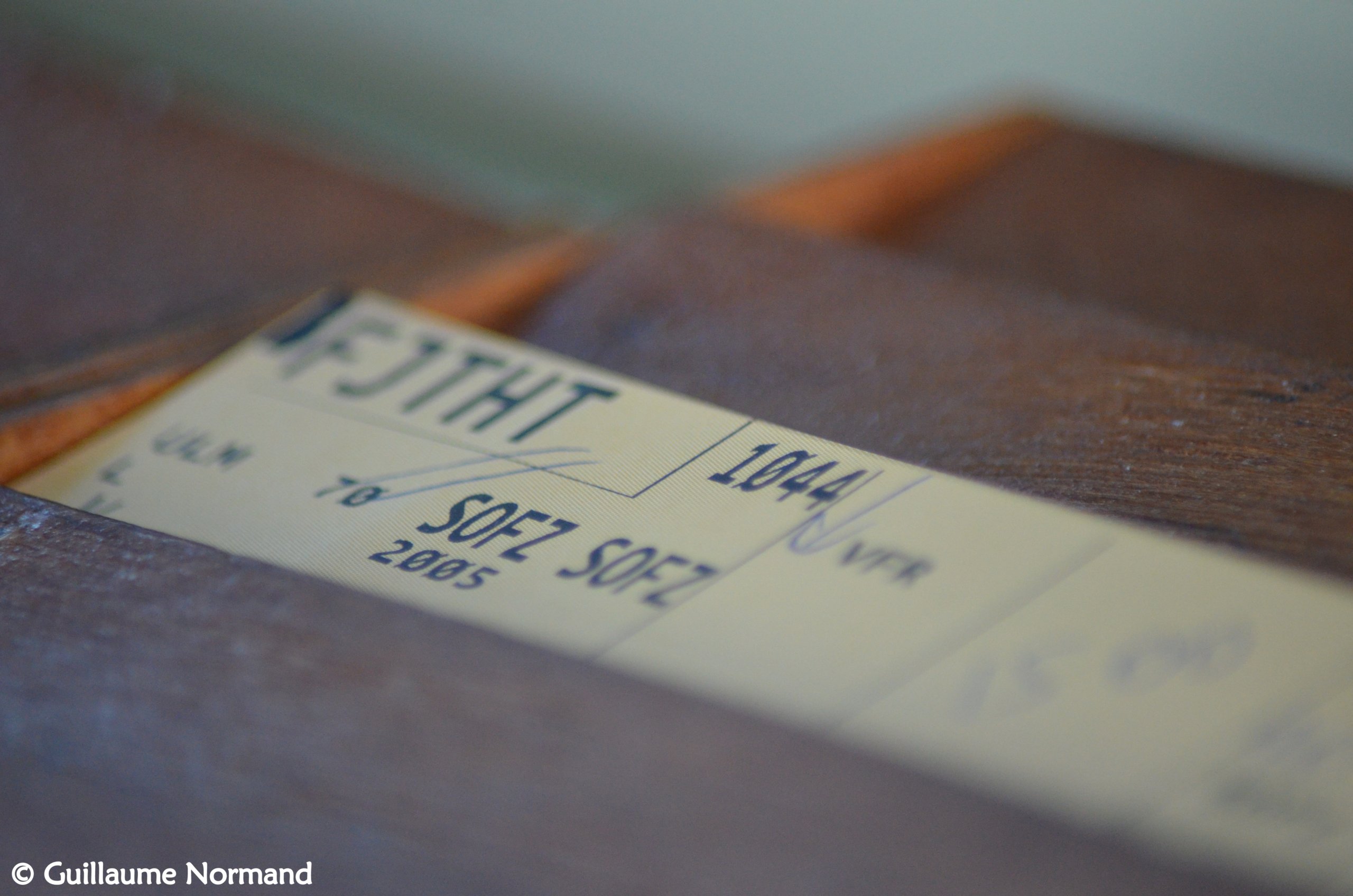
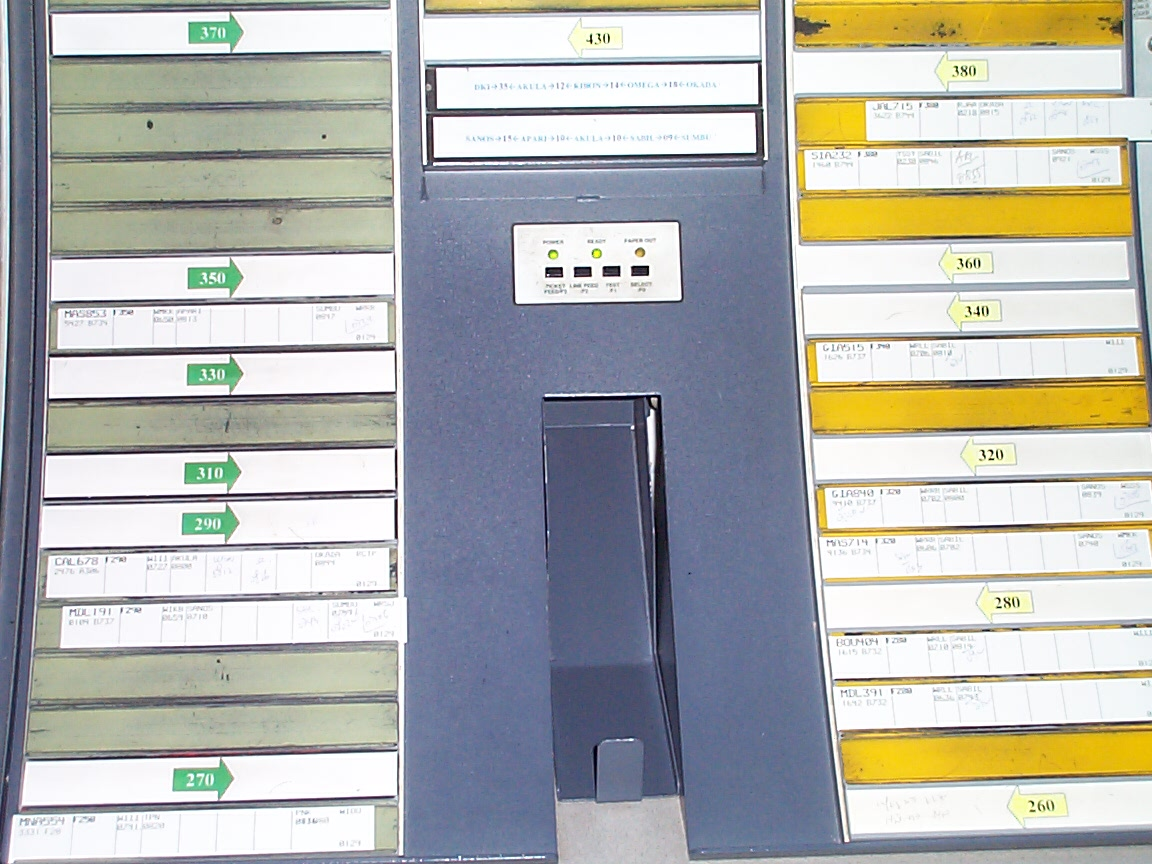
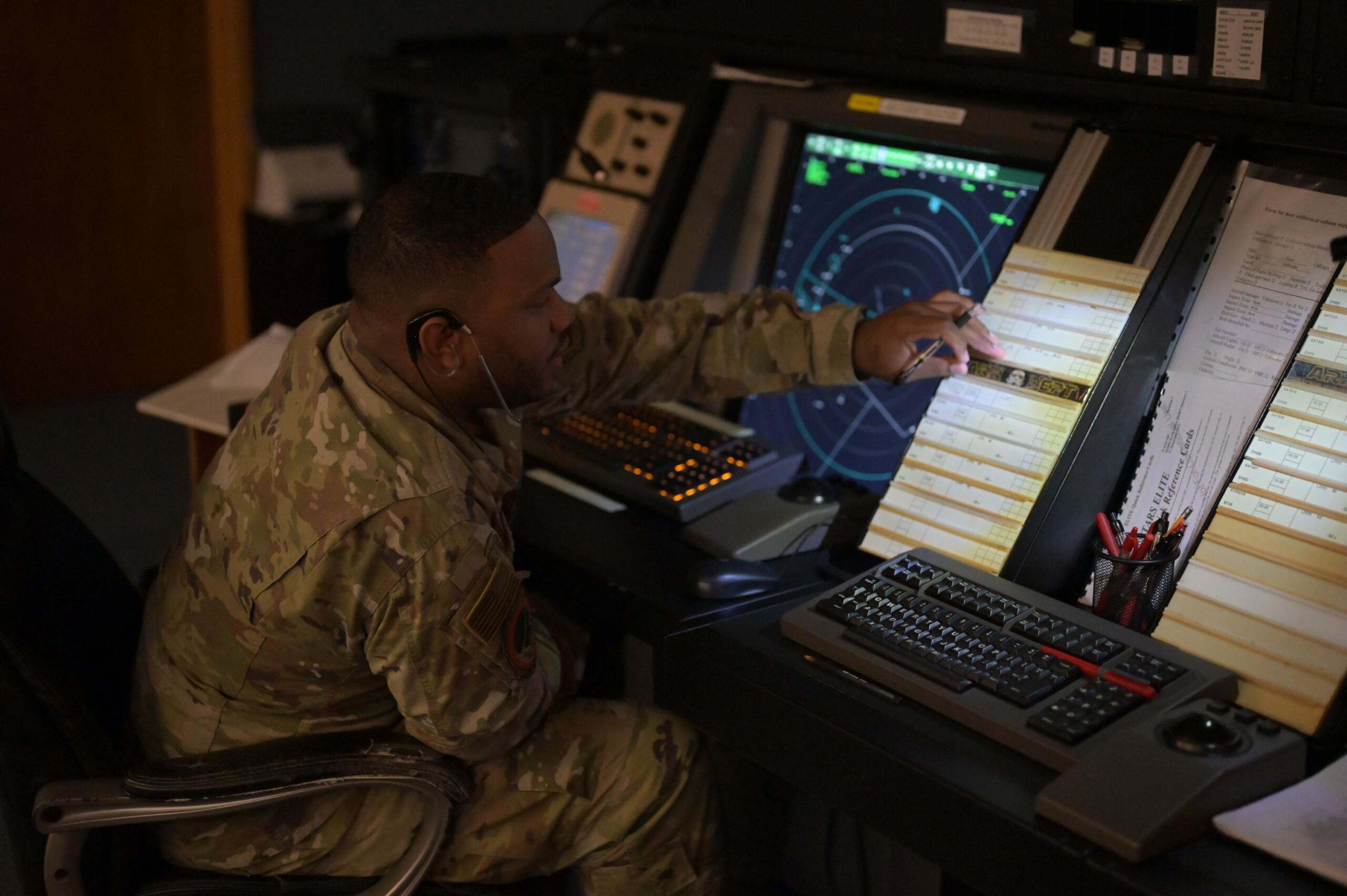
Each aircraft was represented by a paper or card strip in a holder, printed with its callsign, route, level and times. Controllers arranged the strips in racks in order, annotated them in pencil, and moved them physically as the flight progressed.
Electronic flight data, integrated with radar and updated automatically, replaced the strips at most units, though some retained paper far longer than outsiders expect because the physical object had real advantages. A strip in your hand is a thing you cannot forget about, and controllers who worked with them describe the rack as an external memory that could be read at a glance.
Like our content? Follow us for more.
2. A Great Deal of Airspace Had No Radar at All
Outside radar coverage – over oceans, over mountains, at low level and in whole regions – position was known only from the pilot reporting it by radio at defined points, with the next report expected at an estimated time.
Satellite surveillance, automatic position reporting and datalink have closed most of the gaps, and procedural control still exists where coverage does not. Controlling aircraft you cannot see, on the strength of what their crews tell you and when you expect to hear from them next, is a fundamentally different mental task from watching symbols move.
3. Separation Was Maintained by Arithmetic and Imagination
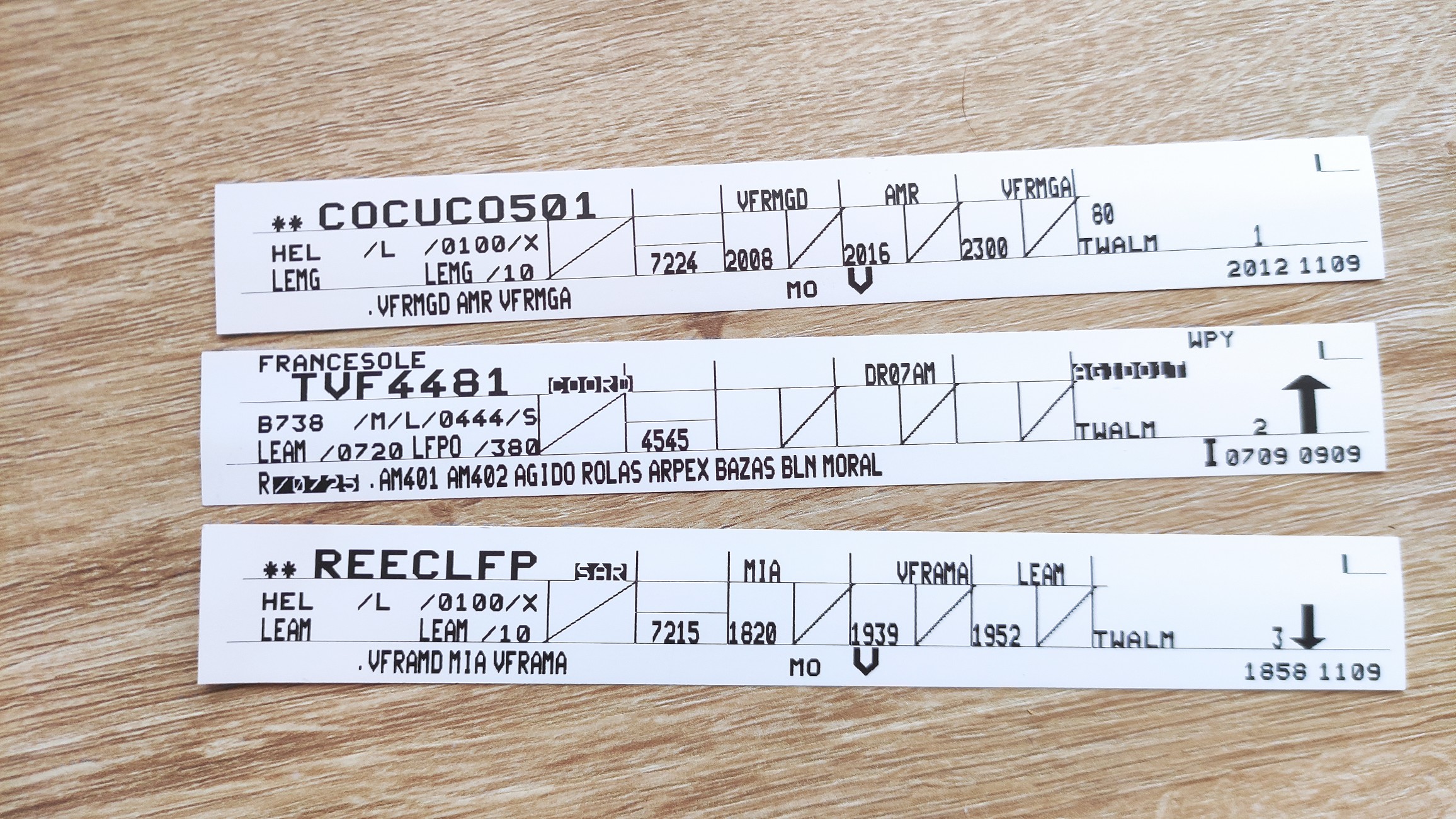
Without radar, controllers kept aircraft apart by ensuring their reported positions and estimates could not conflict – calculating times, applying minimum intervals, and holding a mental picture of a three-dimensional situation built entirely from numbers on strips.
Radar separation reduced the required margins enormously, because seeing where an aircraft actually is permits much closer spacing than assuming where it might be. The capacity of the whole system depends on that: procedural separation requires large buffers, and large buffers mean fewer aircraft.
4. The Radio Was Congested and Everybody Talked Over Each Other
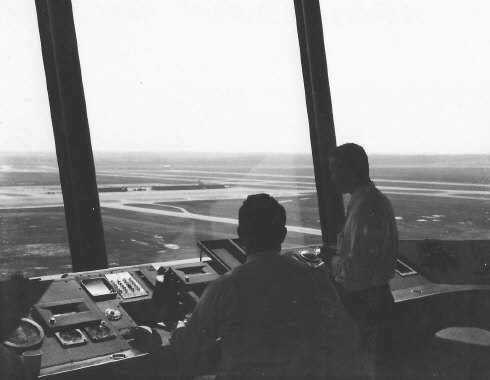
Voice radio on a shared frequency allows one transmission at a time. A busy frequency meant pilots waiting to speak, blocked transmissions where two stations transmitted together and neither was heard, and messages repeated.
Datalink for routine clearances, better frequency management and sectorisation reduced the load without removing the problem. Blocked transmissions remain a live safety issue, and the standard phraseology that every pilot and controller uses exists specifically to make messages short, unambiguous and recognisable when partially heard.
5. Phraseology Was Not Yet Fully Standardised
The precise words used in air traffic communication were still being settled, and variation between regions, operators and individuals was common, with plain language filling gaps.
Internationally standardised phraseology, taught, examined and enforced, removed most of the ambiguity. Several serious accidents turned on a phrase meaning different things to the two people using it, and the current insistence on exact wording – which sounds like bureaucratic rigidity – is the direct result.
6. The Controller Worked From a Mental Picture and Nothing Checked It
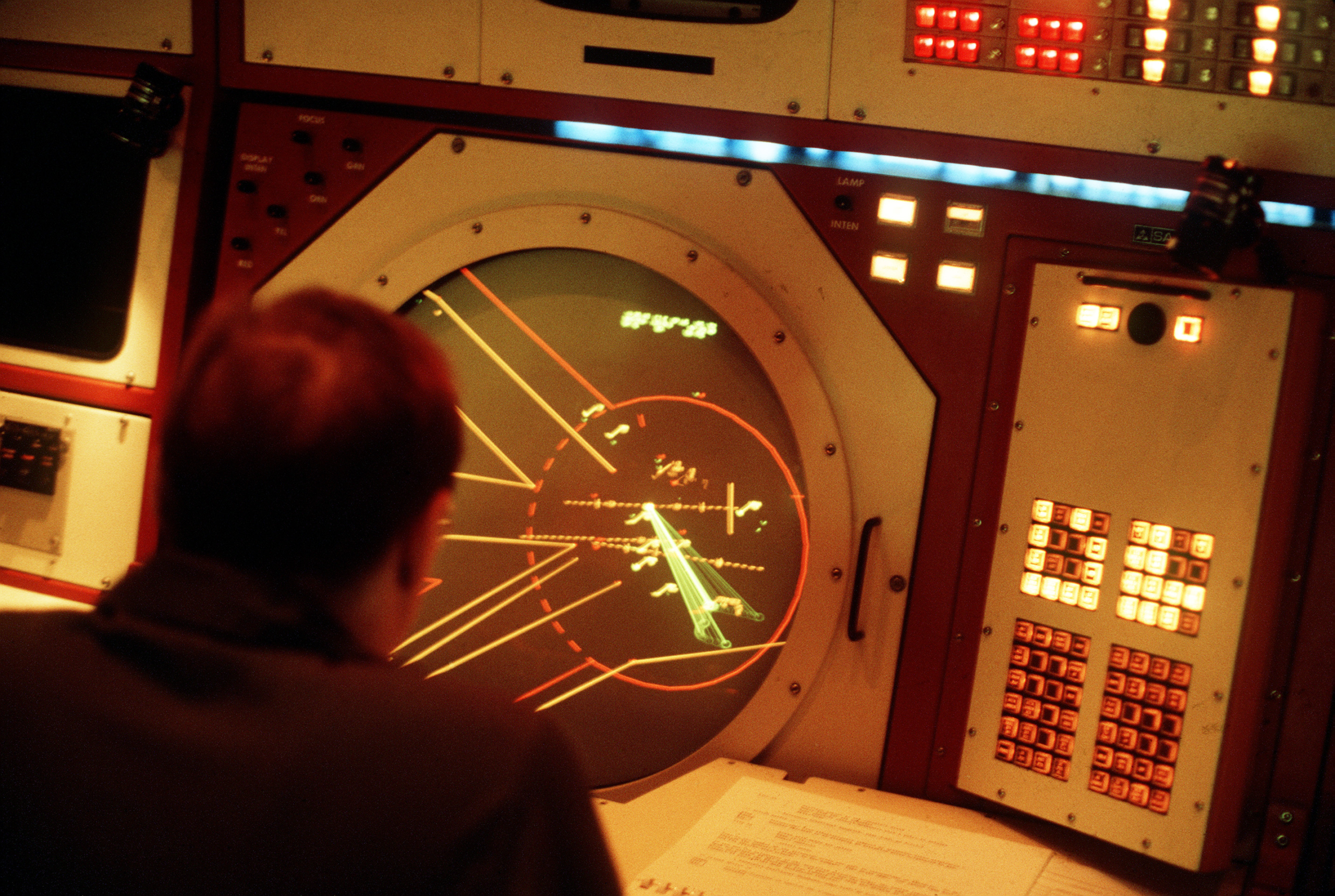
The safety of a sector rested on one person holding an accurate model of every aircraft in it, updated continuously, with no system able to detect that the model had drifted from reality.
Conflict alerting, minimum safe altitude warning and short-term conflict prediction now watch continuously and warn. The mental picture is still the core of the job and is no longer the only barrier, which is the significant change: in 1960, a controller losing the picture was the whole failure.
7. There Was No Recording of What Anybody Said
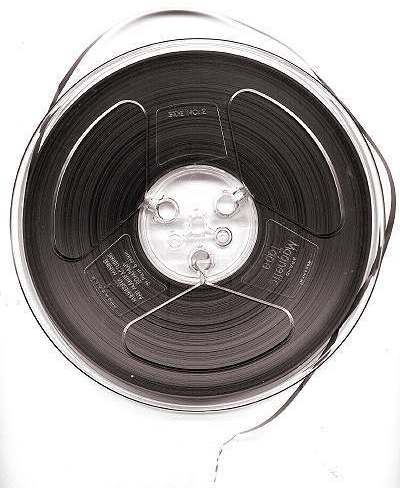
Radio and telephone traffic was frequently not recorded, so after an incident the account of what had been transmitted depended on the memories of the people involved.
Comprehensive recording of radio, telephone and radar data is now standard and is the basis of investigation. It also changed the culture: a recorded conversation is a different conversation, and the knowledge that everything is retained encourages precision and discourages the informal shortcuts that used to fill gaps.
8. Watch Patterns Took No Account of How Attention Works
Shifts were long, night work was common, breaks were taken when traffic allowed, and the relationship between fatigue and performance in a task that is almost entirely sustained attention was not a consideration.
Fatigue risk management, prescribed break intervals, limits on consecutive hours in position and rostering informed by circadian research are now standard. Controlling is unusual in that performance can be excellent right up until it is catastrophically not, which makes self-assessment of fitness unreliable and is why the limits are imposed rather than left to judgement.
9. Handover Between Controllers Was Informal
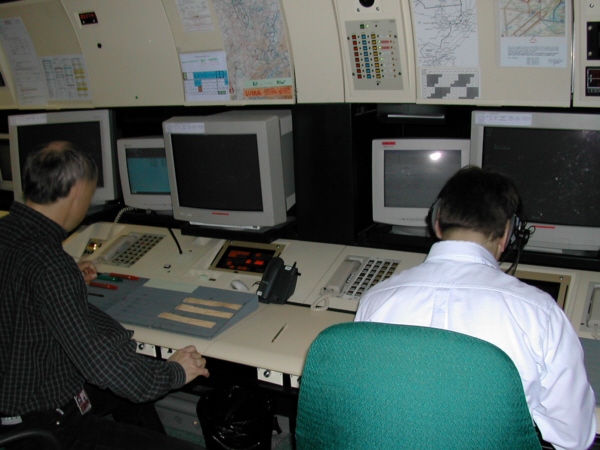
Passing a sector to the next controller was done by explaining the situation verbally, with the quality of the handover depending entirely on who was doing it and how busy things were.
Structured handover procedures with defined content, read-back and a period of joint occupancy before transfer replaced the informal version. Handover is a well-documented weak point in any continuous operation, and the procedures are modelled on the same thinking used in operating theatres and control rooms generally.
10. The Job Was Learned Almost Entirely on Position
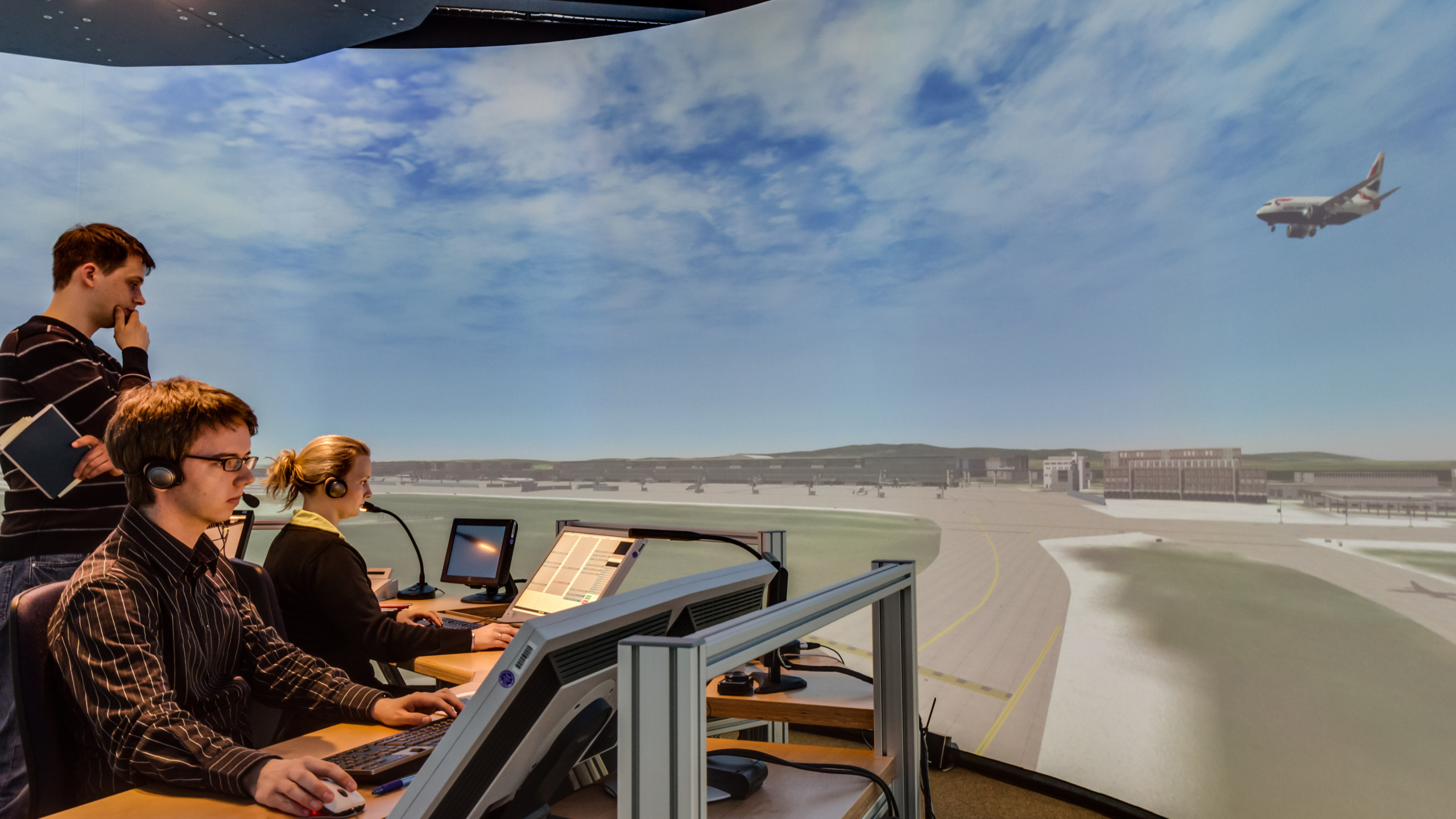
Training meant sitting beside somebody doing it, then doing it with them watching, with the transition from one to the other based on their judgement.
High-fidelity simulation allows controllers to meet situations in training that might otherwise take a career to encounter, including ones nobody would want to meet for the first time live. On-position training with a mentor remains central, and the simulator added the ability to practise failure safely, which the old system structurally could not.
11. Equipment Failed and the Fallback Was the Controller
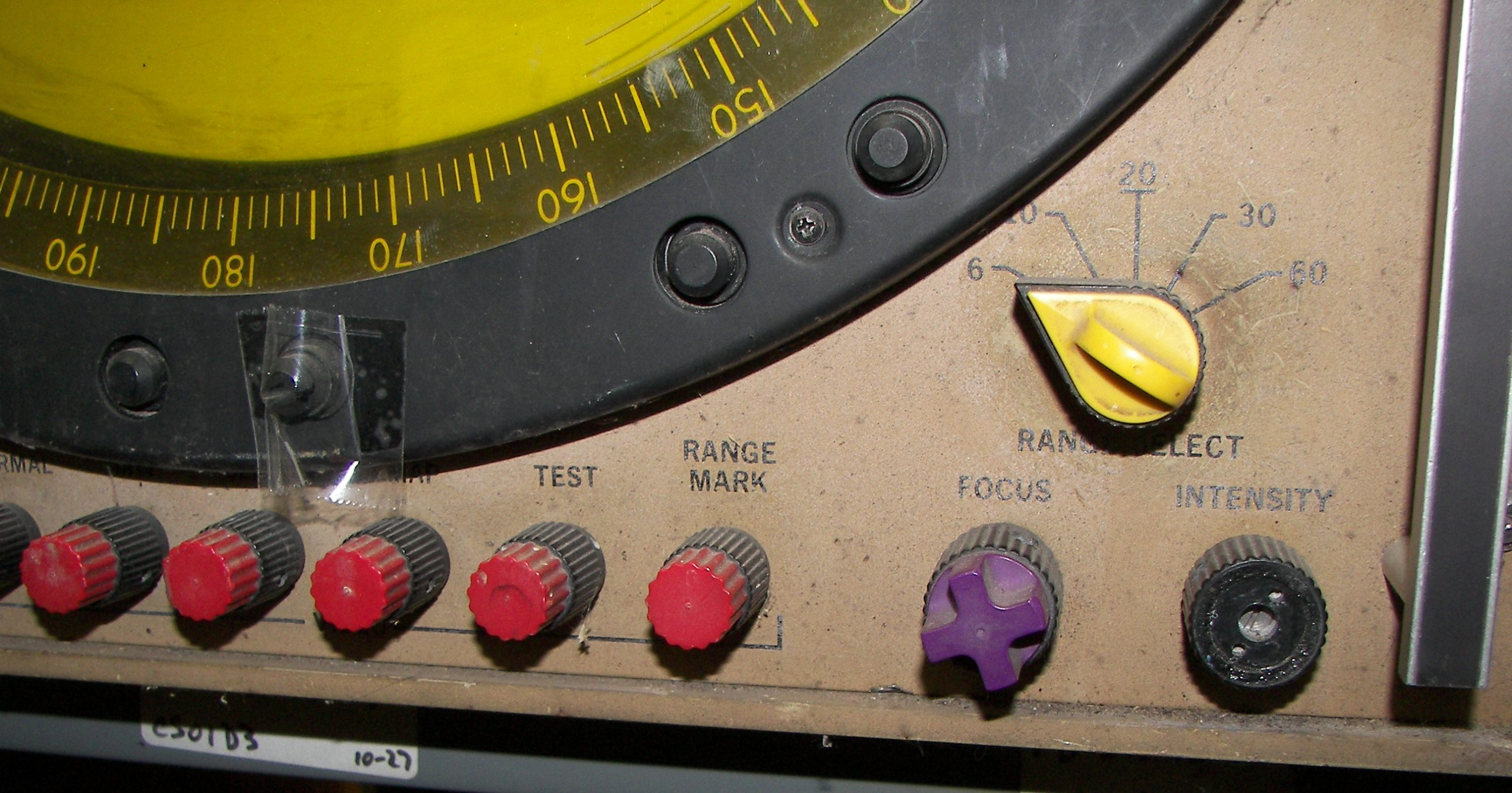
Radar displays, radio sets and lighting failed, and the response was to carry on using procedural methods, paper and whatever remained, with the controller absorbing the degradation.
Redundant systems, automatic failover, defined contingency procedures and regular practice of degraded-mode operation are now standard. The underlying principle has not changed – the human is still the final fallback – and the expectation that one is simply improvised has been replaced by rehearsed procedures.
12. The Traffic Was About to Multiply and Nobody Was Ready
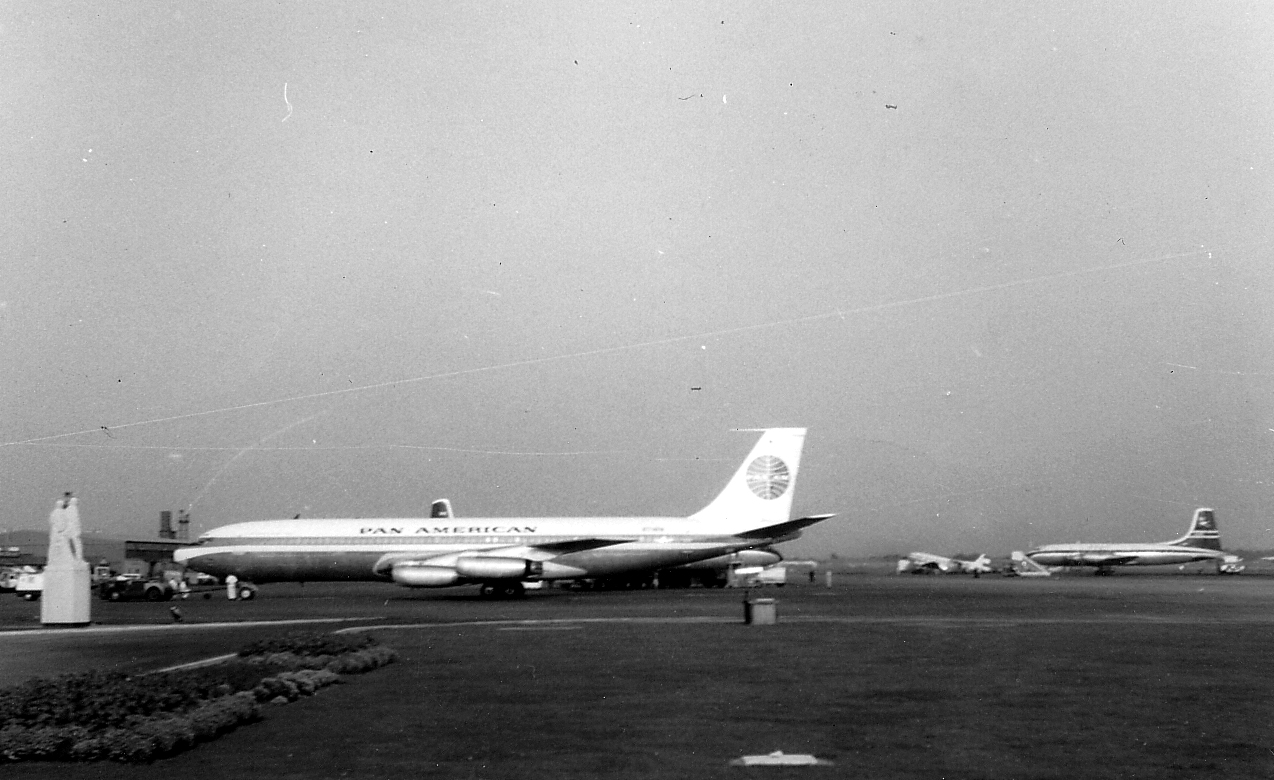
Jet aircraft were arriving in numbers, they were faster, they carried far more people, and traffic volumes were beginning a climb that has essentially not stopped since.
The system was rebuilt repeatedly around that growth – radar coverage, computerisation, sectorisation, flow management – and each rebuild was a response to capacity being reached rather than an anticipation of it. Air traffic management has consistently been a few years behind demand, which is a structural feature of infrastructure funded on demonstrated need.
13. Flow Was Not Managed, So Aircraft Simply Held
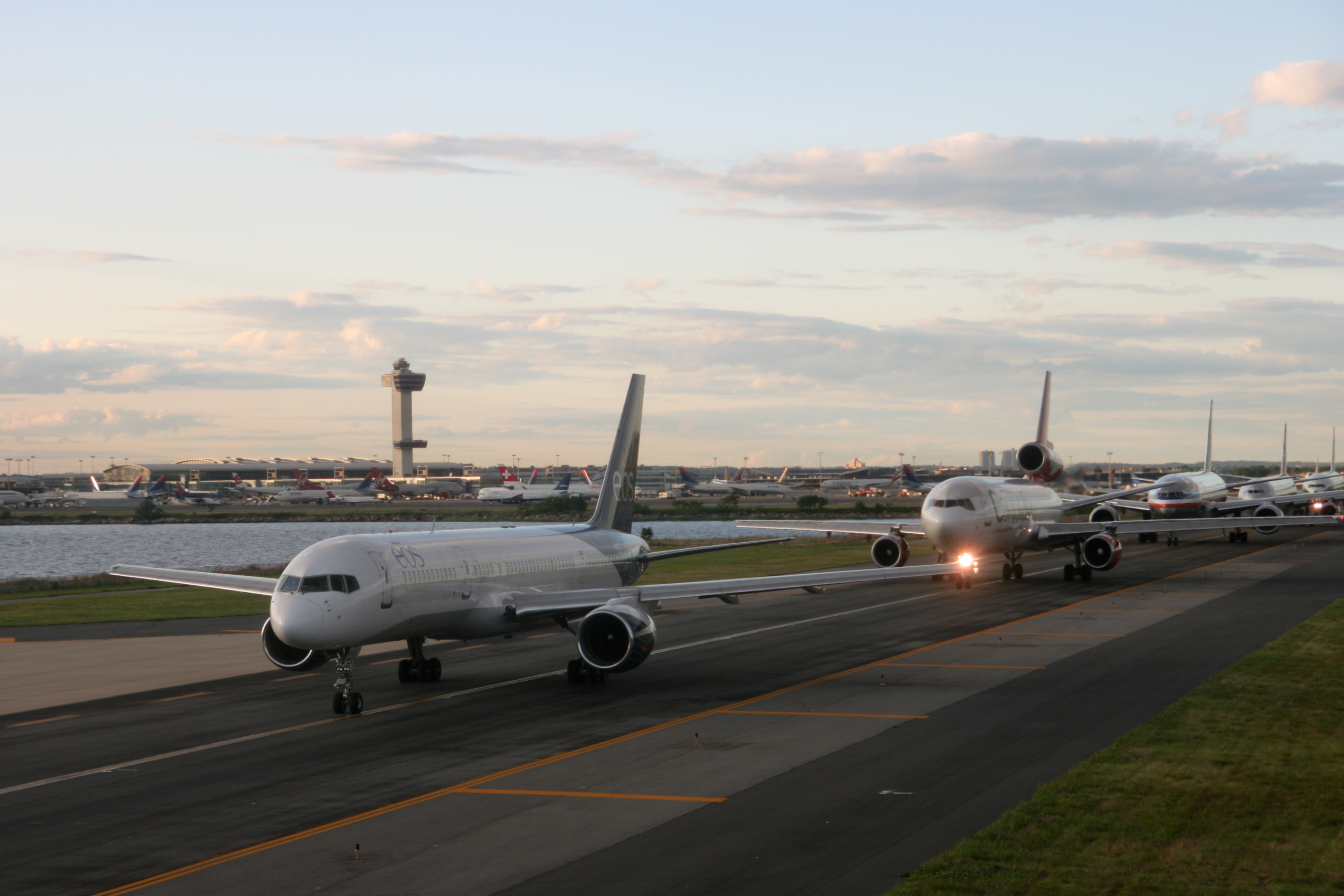
When an airport could not accept arrivals as fast as they came, aircraft flew holding patterns until there was room, burning fuel and occupying airspace.
Flow management now meters departures so that aircraft wait on the ground rather than in the air, which is cheaper, quieter, safer and vastly more fuel-efficient. It is one of the clearest wins in the whole field and it required something that did not exist in 1960: a view of the whole network rather than of one sector at a time.
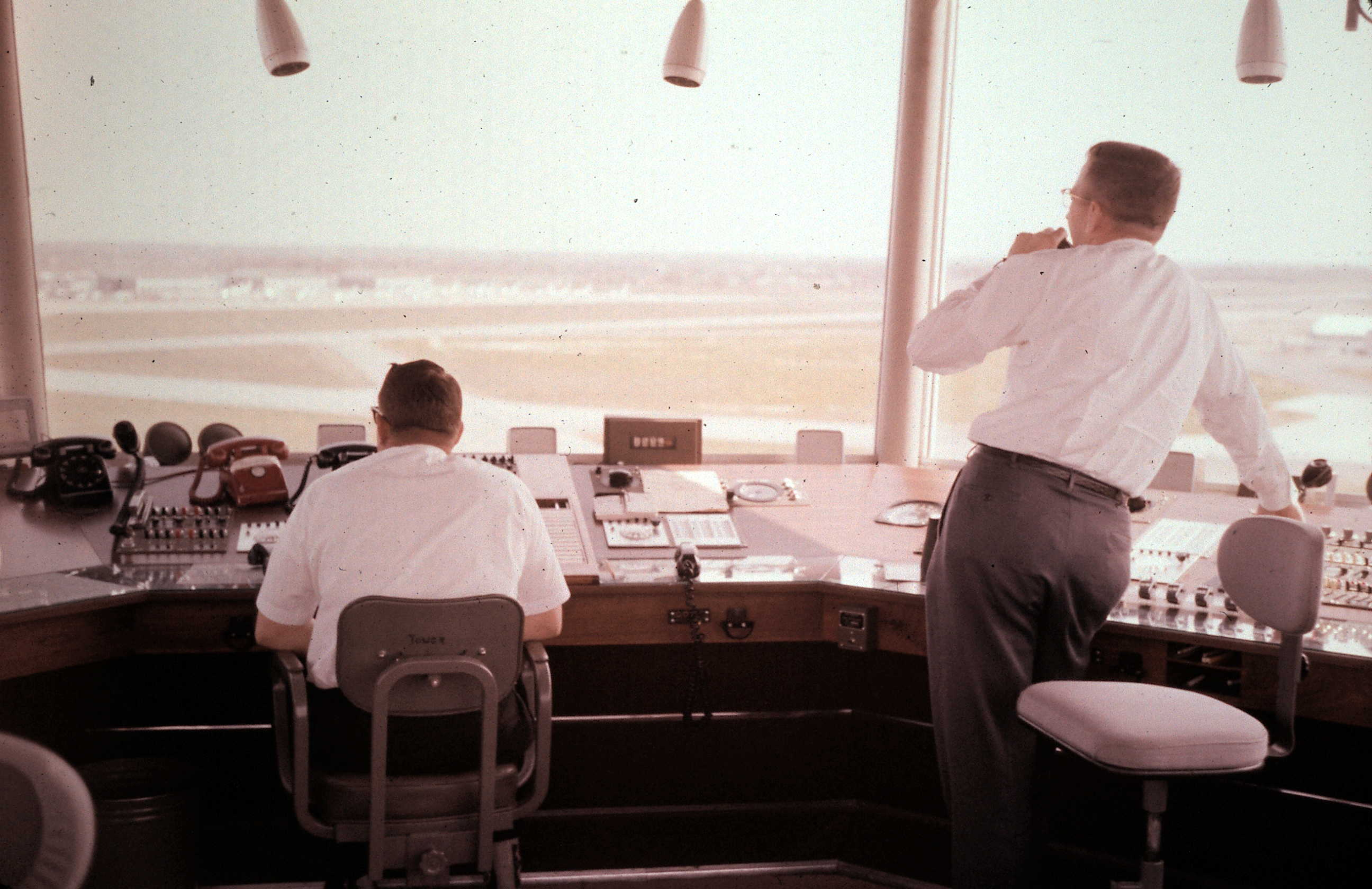
14. The Tower Controller Could See Everything and That Was the System
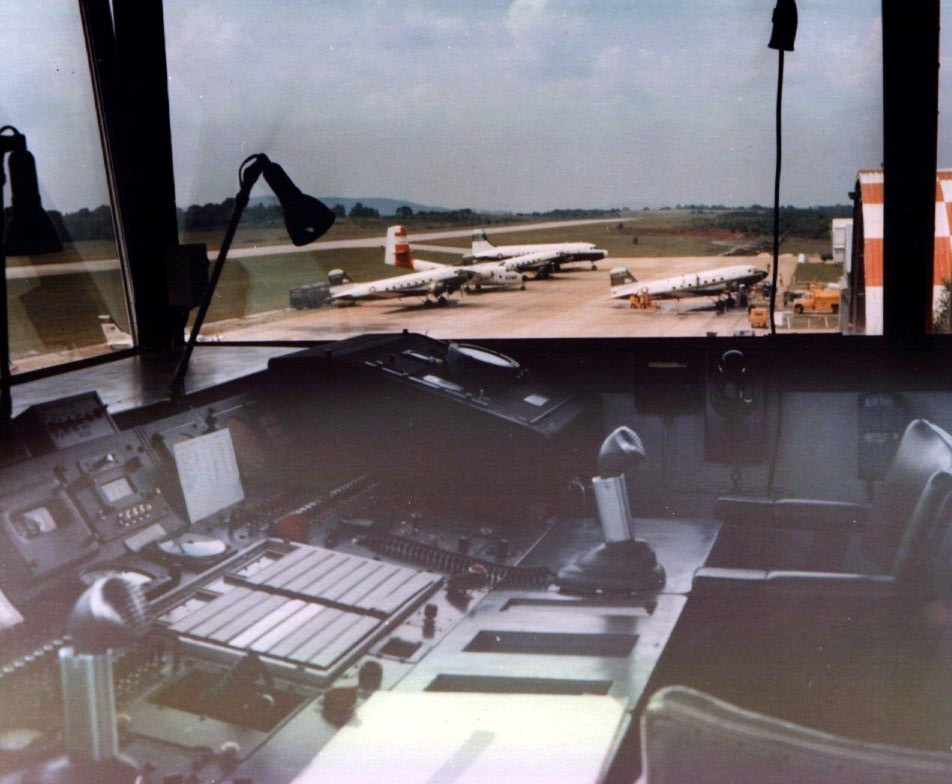
Aerodrome control was done by looking out of the window, with binoculars, a radio and a set of light signals for aircraft without working radios.
Surface movement radar, ground lighting control, electronic flight strips and remote towers with camera arrays have supplemented it, and looking out of the window remains fundamental at most airports. The light gun is still carried and still works, which makes it one of the oldest pieces of equipment in continuous aviation use.
15. Weather Information Arrived Late and Was Frequently Wrong
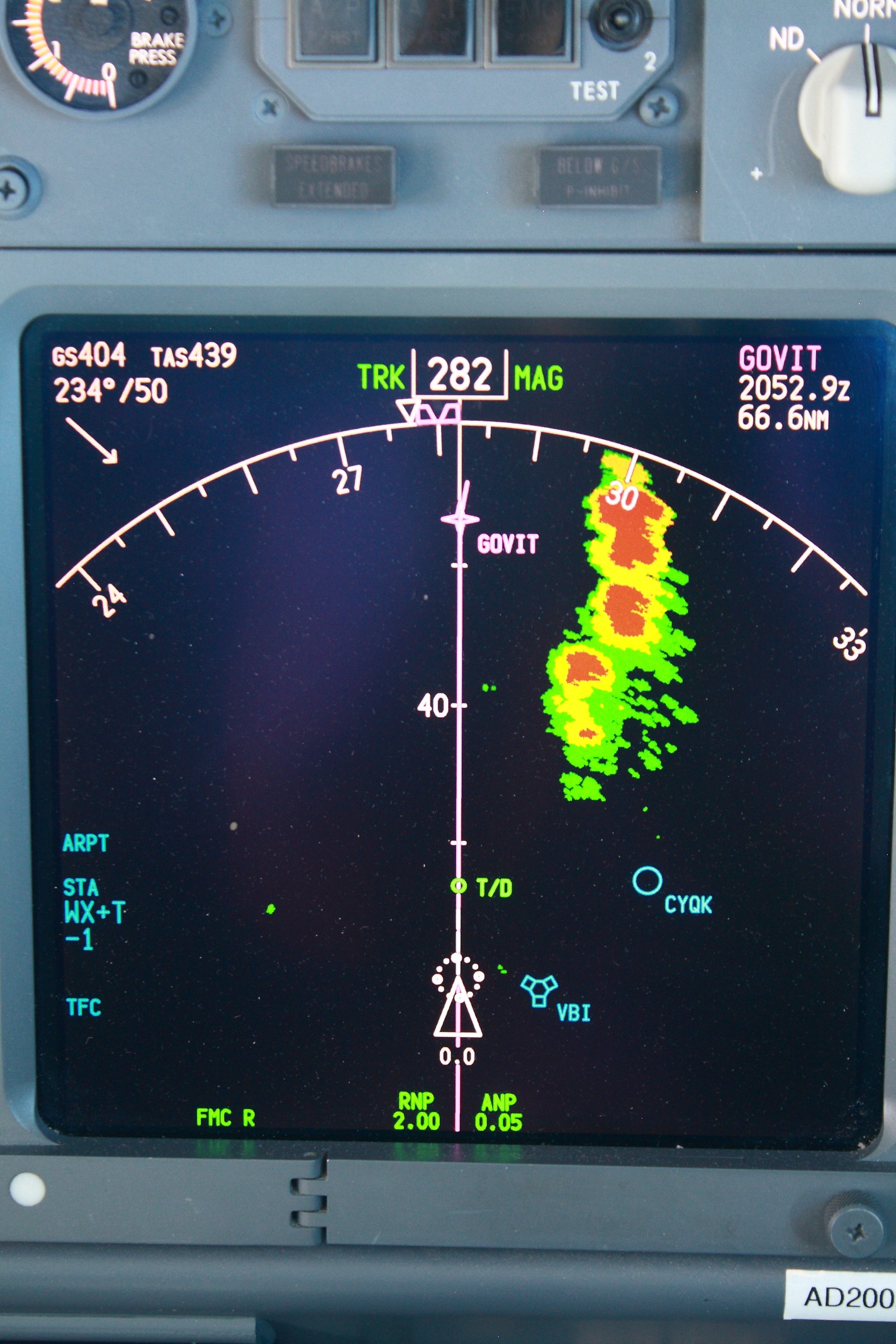
Controllers worked from observations and forecasts that were coarse, periodic and slow to reach them, with significant weather sometimes known first from a pilot report.
Automated observation, radar and satellite imagery, continuous updating and direct pilot reporting integrated into the system transformed it. Pilot reports remain genuinely valuable, because an aircraft in the weather knows something no instrument on the ground does.
16. The Mistakes Were Not Discussed
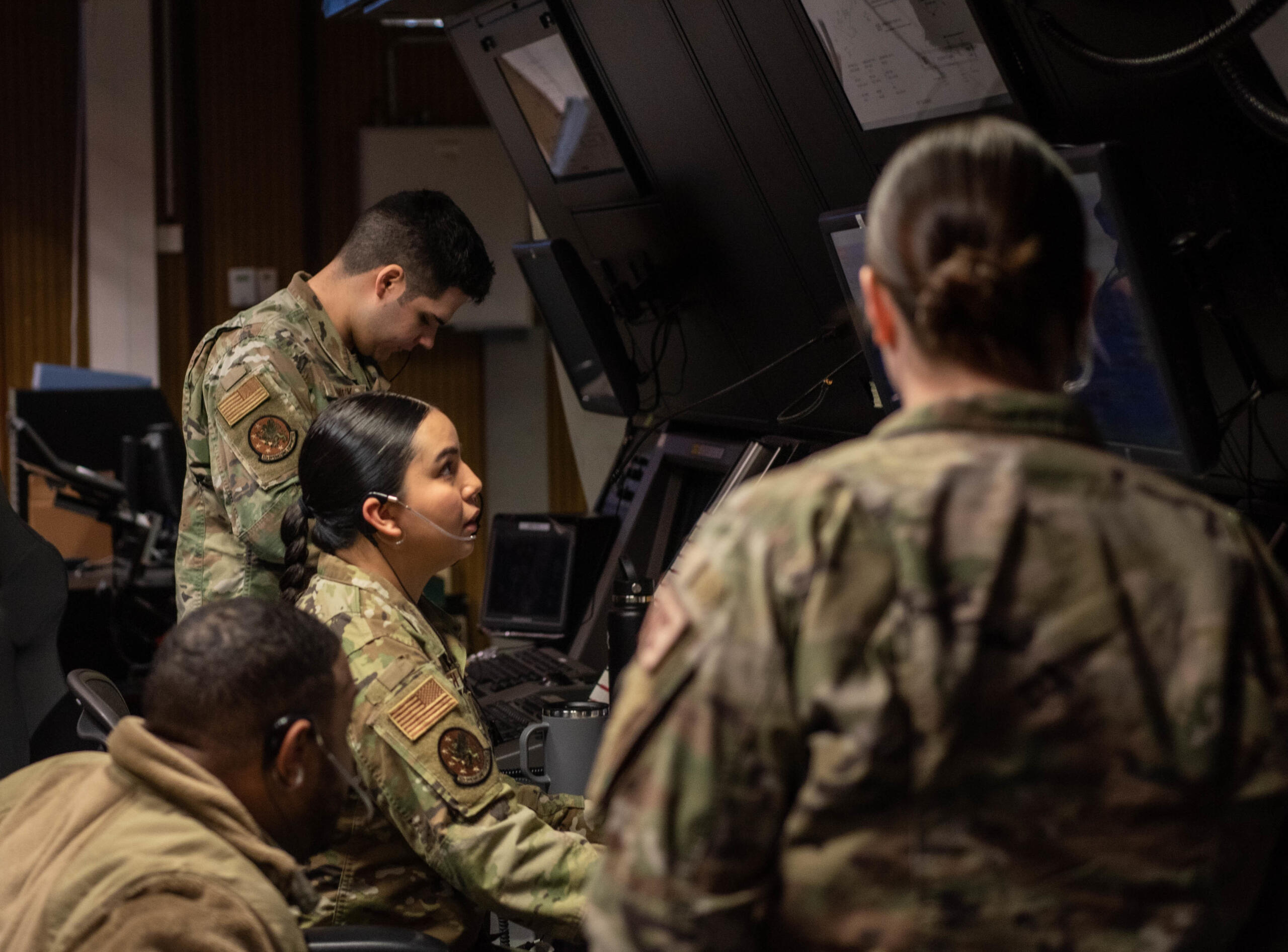
An error was a personal failure, with consequences for the individual, which meant errors and near-misses were not reported unless they could not be concealed.
Just culture and confidential incident reporting – where honest error can be reported without punishment and the information used to improve the system – transformed safety more than any piece of equipment. The insight is simple and took a long time to accept: you cannot fix what nobody will tell you about, and punishing error guarantees that nobody will.
17. Nobody Thought the Job Could Be Done From Somewhere Else
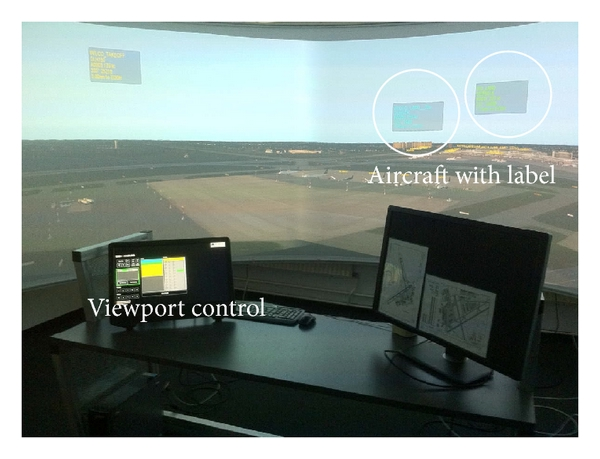
A controller was in a tower at the airport or in a centre covering a region, physically present, looking at the airspace or at a display connected to local equipment.
Remote and digital towers now allow an aerodrome to be controlled from another location entirely, with camera arrays providing a view better than the window in some respects – overlaid with labels, zoomable, recorded, and usable in conditions where the eye cannot see. It is being adopted cautiously and it is the first genuine change to what being an air traffic controller physically involves since the job was invented.
The Change That Mattered Was Not Technological
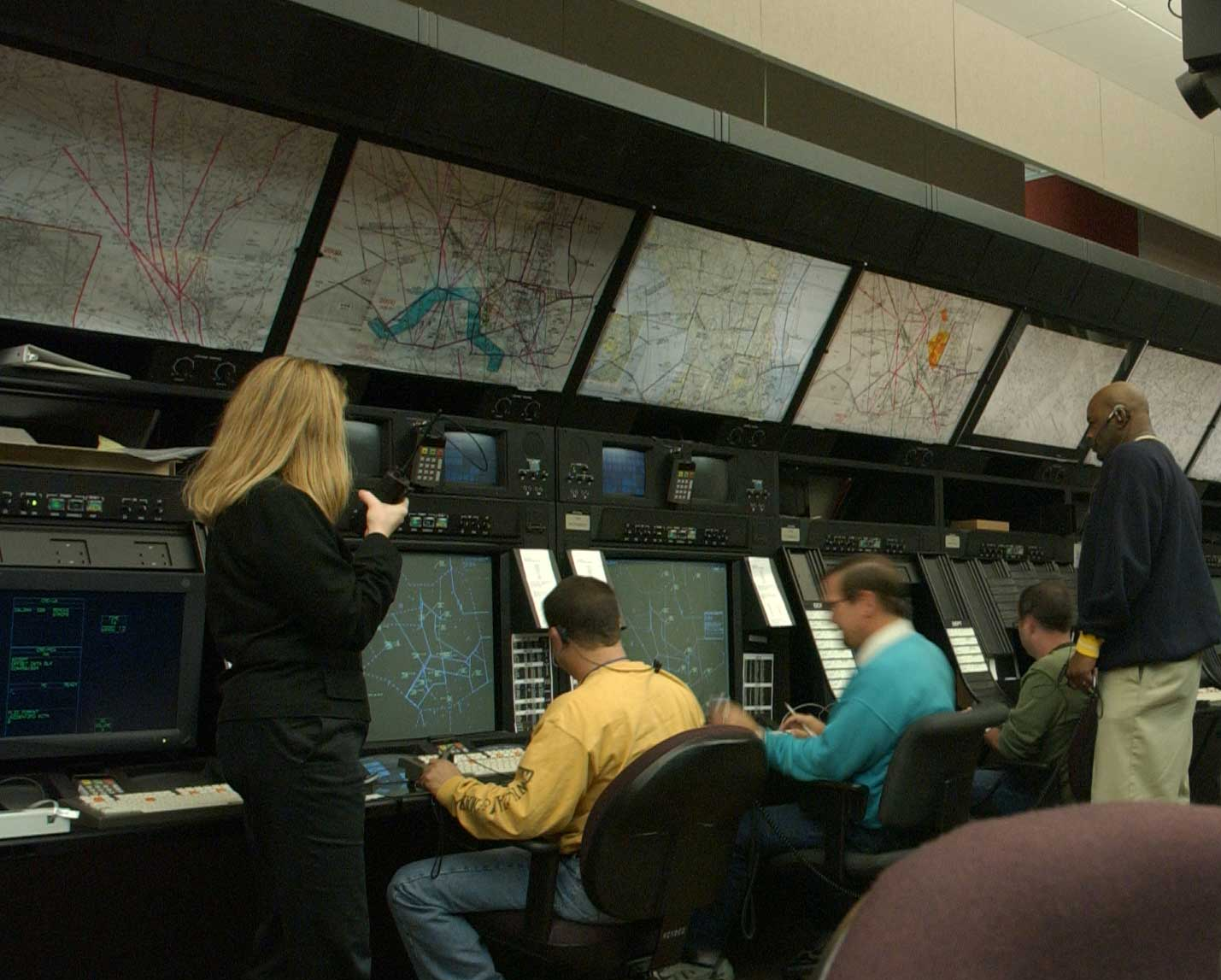
Radar, computers, datalink, satellite surveillance and conflict alerting all transformed this job, and none of them is the most important thing on this list.
The most important is the last one about error.
In 1960 a controller who made a mistake faced consequences, so mistakes were not reported unless they were undeniable. That is the rational response of any person in that position, and it had a devastating consequence for safety: the organisation could not see its own near-misses. The events that most clearly showed where the system was fragile were precisely the events nobody would describe.
Every accident was therefore a surprise, and the investigation that followed was reconstructing a situation that dozens of people had probably encountered before and had never mentioned.
The change was the idea now called just culture: that honest error, as distinct from recklessness or wilful violation, should be reportable without punishment, because the information is worth more than the discipline. Confidential reporting systems were built, protections were written, and controllers and pilots began describing things that had gone wrong, including things they had done.
The volume of information that produced is the foundation of modern aviation safety. Hazards get identified from hundreds of reports of things that nearly happened, long before the combination that causes an accident assembles itself.
It is worth being clear that this was difficult, was resisted, and took decades, because it requires an organisation to accept that it will learn things about itself that it would rather not know, and to not act on them in the way instinct demands. Aviation did it, and the result is the safest complex system anybody operates.
The equipment on this list is impressive. The decision to stop punishing people for telling the truth did more.
If you worked a sector with paper strips you will know what the rack told you at a glance that a screen does not.
And if you still have a strip holder somewhere, a lot of people would like to see it.
Like our content? Follow us for more.