In 1960 a good pram was coachbuilt. A shaped hardwood frame, panelled by hand, on a sprung steel chassis with large wheels, finished in coats of coach enamel rubbed down between each one.
It was enormous, heavy, and designed to be pushed rather than lifted. It was often bought by the grandparents and kept for the next child. And a great many had no proper brake and no harness fitted.
Here are ten things that were normal in a pram factory in 1960, and what became of each one.
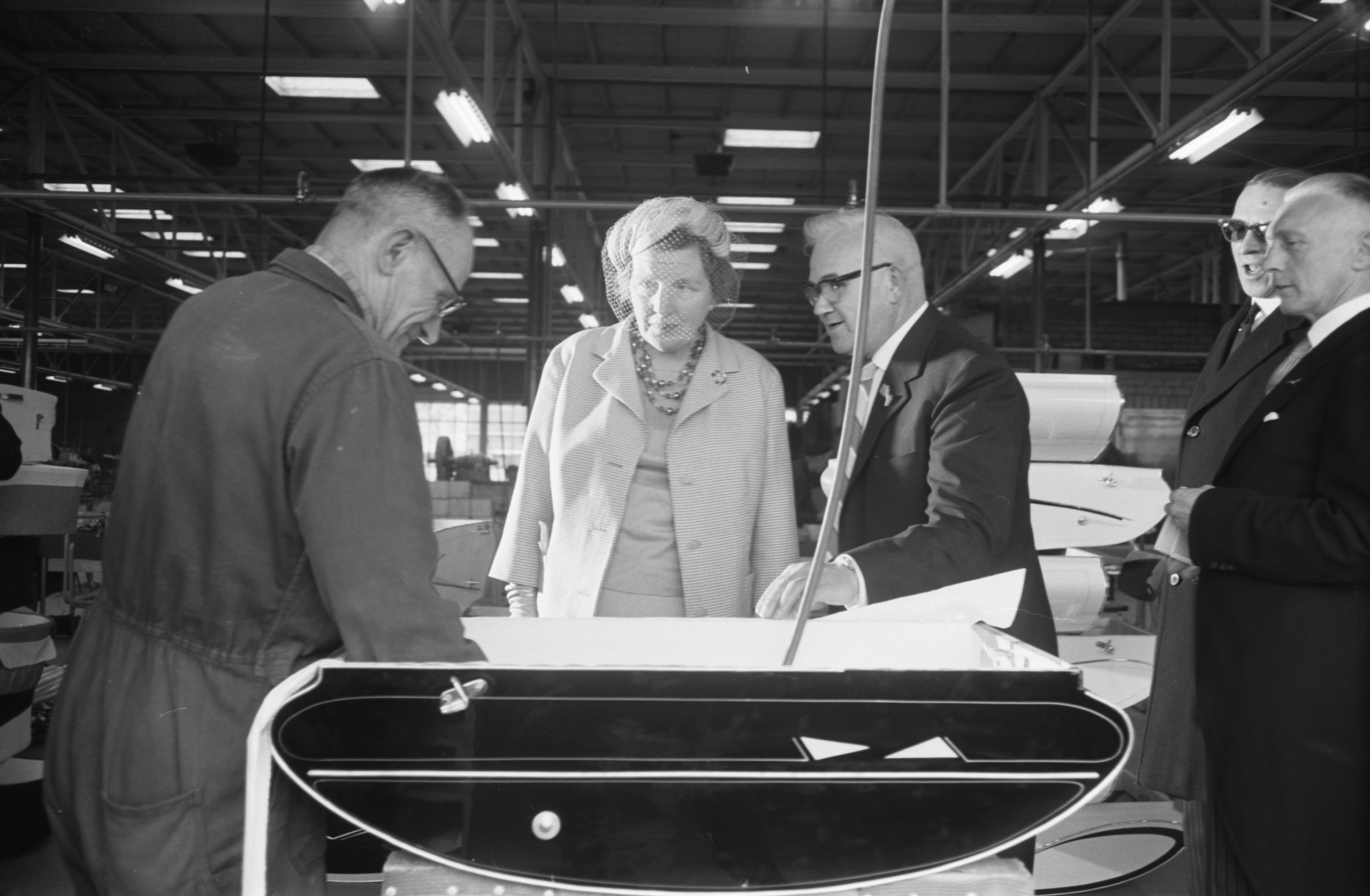
1. The Body Was Coachbuilt Over a Timber Frame by Men Who Built Car Bodies
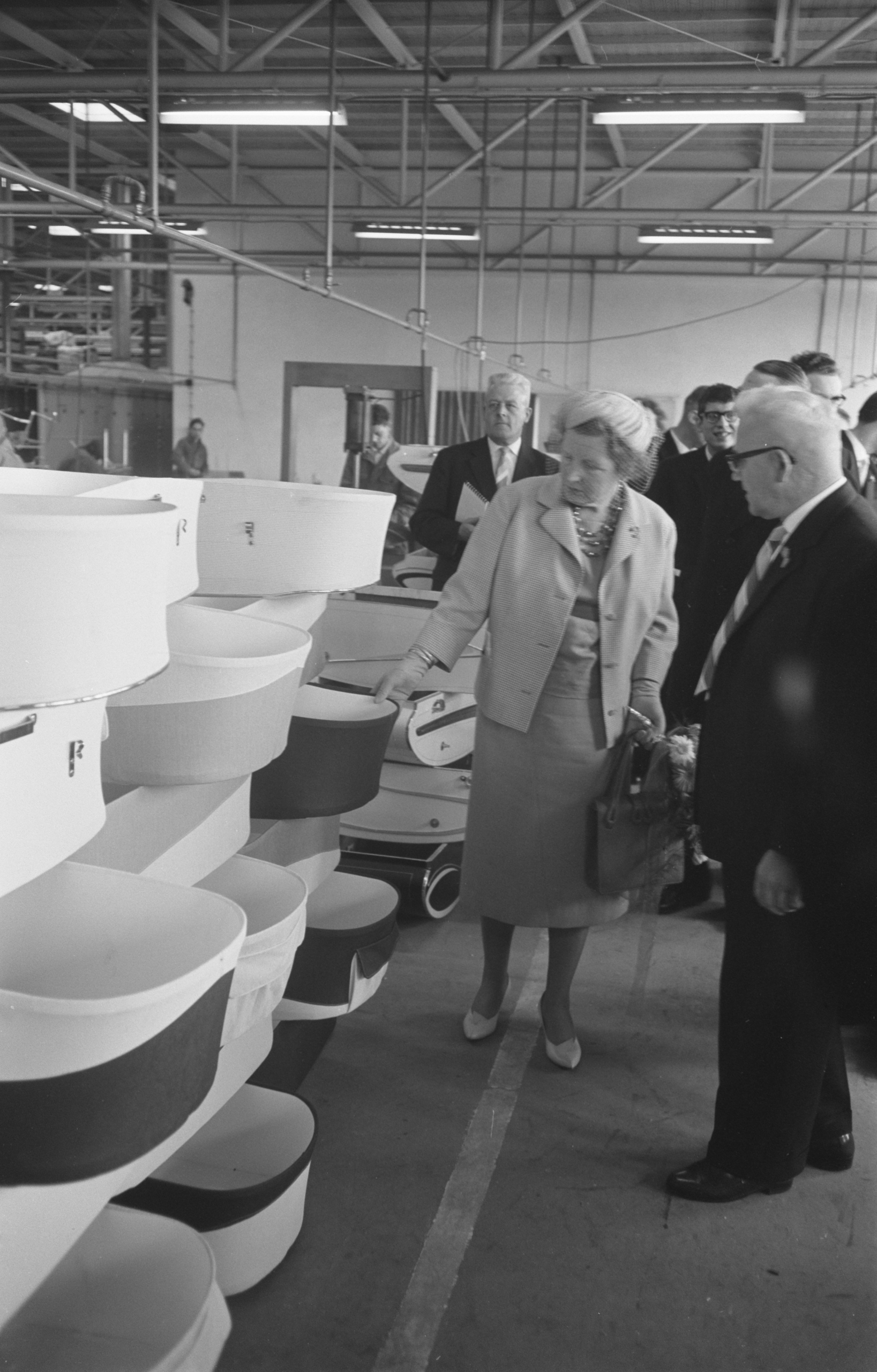
A quality pram body was built the way a car body was built: a shaped hardwood frame, panelled over in sheet material, with the curves worked by hand and the joints made by a coachbuilder who could have been working on a motor car instead.
Moulded or extruded plastic and aluminium shells, produced in tooling in seconds. The trades were genuinely interchangeable – pram works recruited from coachbuilding and lost people to it – and the reason a 1960 pram looks like a small vehicle is that it was made by the same hands using the same methods.
Like our content? Follow us for more.
2. The Chassis Was a Sprung Carriage Chassis in Miniature
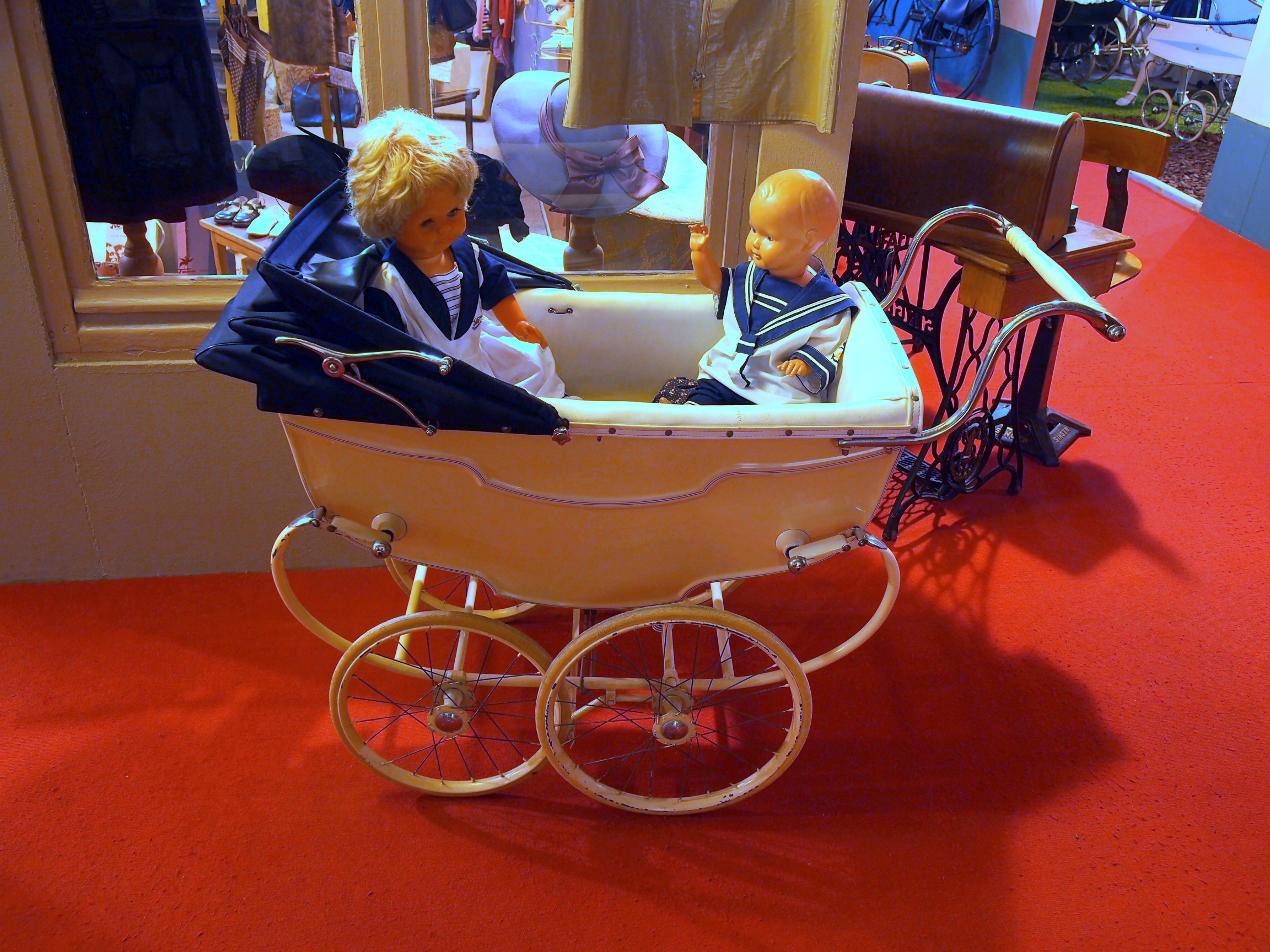
Underneath was a steel chassis with C-springs or leaf springs carrying the body, large spoked or disc wheels, and a suspension geometry worked out for comfort over broken pavement.
Lightweight folding frames with basic suspension or none, and small hard wheels. The springing was not a luxury: the roads and pavements of the period were rough, the pram was used for long daily walks, and the baby was expected to sleep in it – which is a design brief for suspension rather than for portability.
3. The Finish Was Coach Paint, Brushed On and Rubbed Down Between Coats
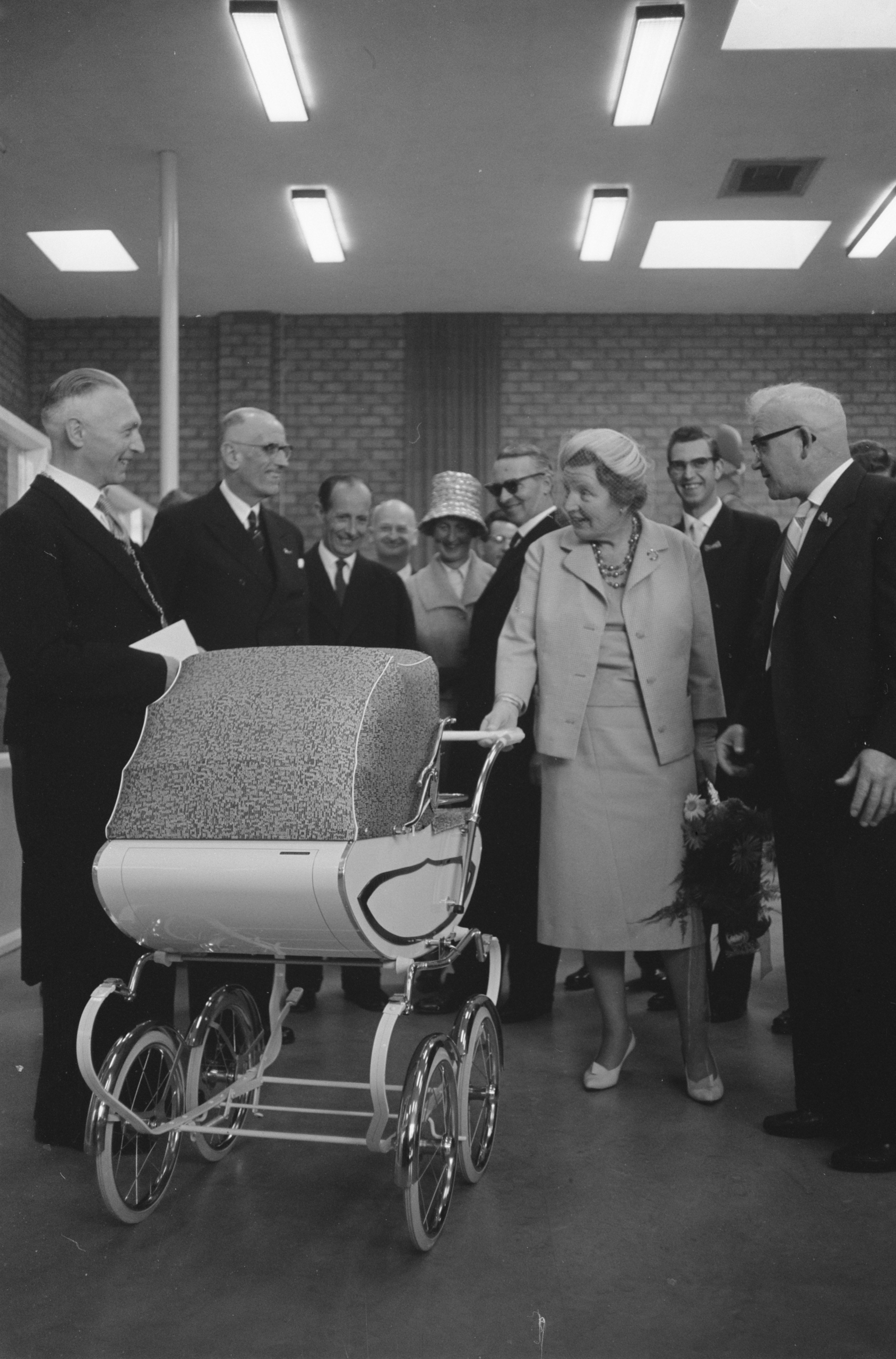
The gloss came from successive coats of coach enamel applied with a brush, each one flatted back by hand with abrasive before the next, finishing in a deep lustre that took days and a dust-free room to achieve.
Sprayed, baked and powder finishes on metal, with plastic components moulded in colour and needing no finishing at all. Hand-flatted coachwork is the single most labour-intensive thing on the whole object, and it is the reason a surviving pram of this period still looks expensive.
4. The Hood Was Lined, and the Lining Was Sewn In by Hand
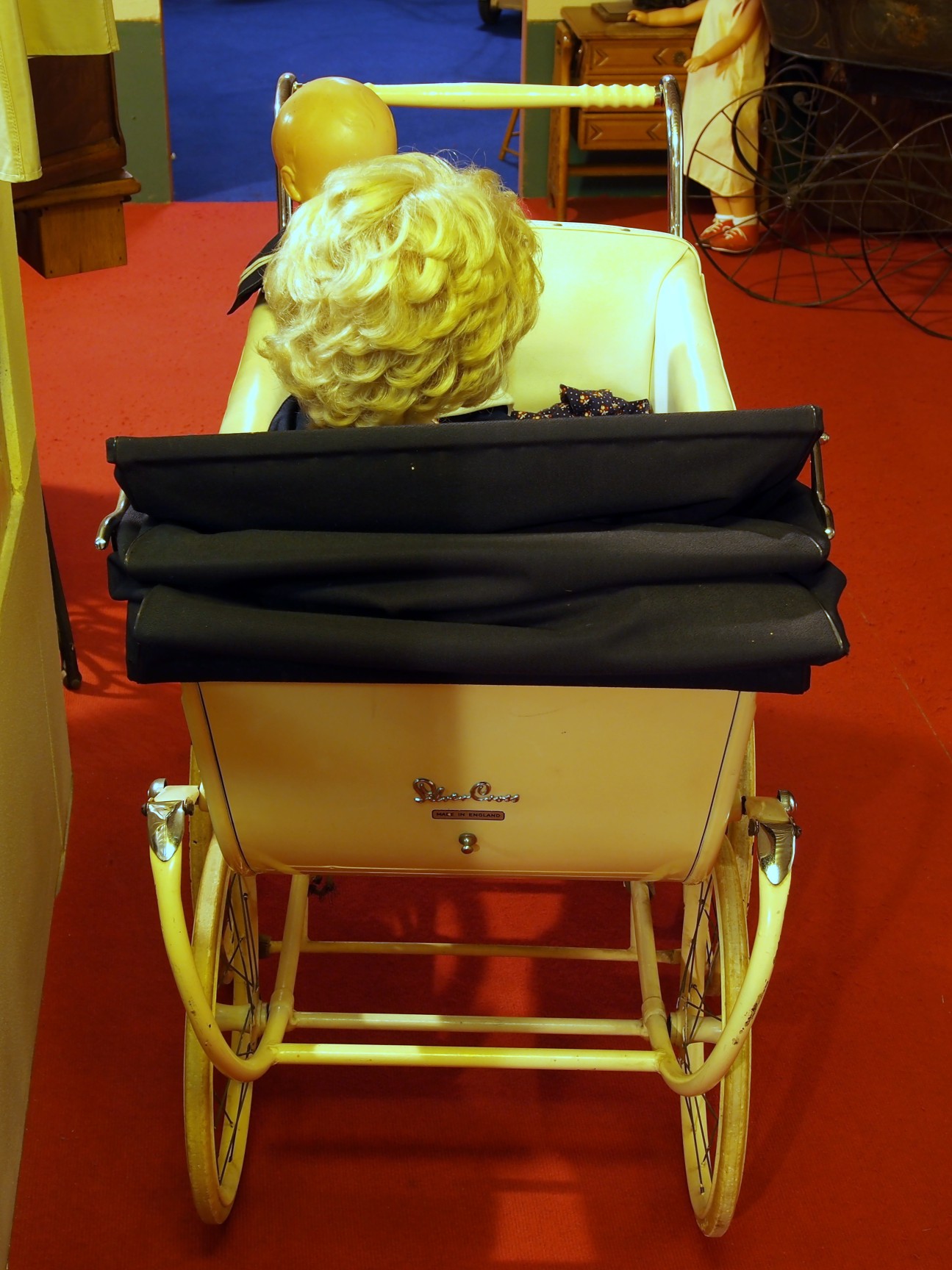
The folding hood was a sprung frame covered in leathercloth and lined inside with a quilted or plain fabric, cut, fitted and stitched in by a trimmer working the same way a car trimmer worked on an interior.
Welded or sewn synthetic canopies produced in volume, with mesh panels and ventilation. The lining had a function beyond appearance: it insulated and darkened the hood so an infant could sleep in it in bright daylight, which was the whole point of the exercise.
5. The Handle and Fittings Were Chrome Plated and That Meant Something
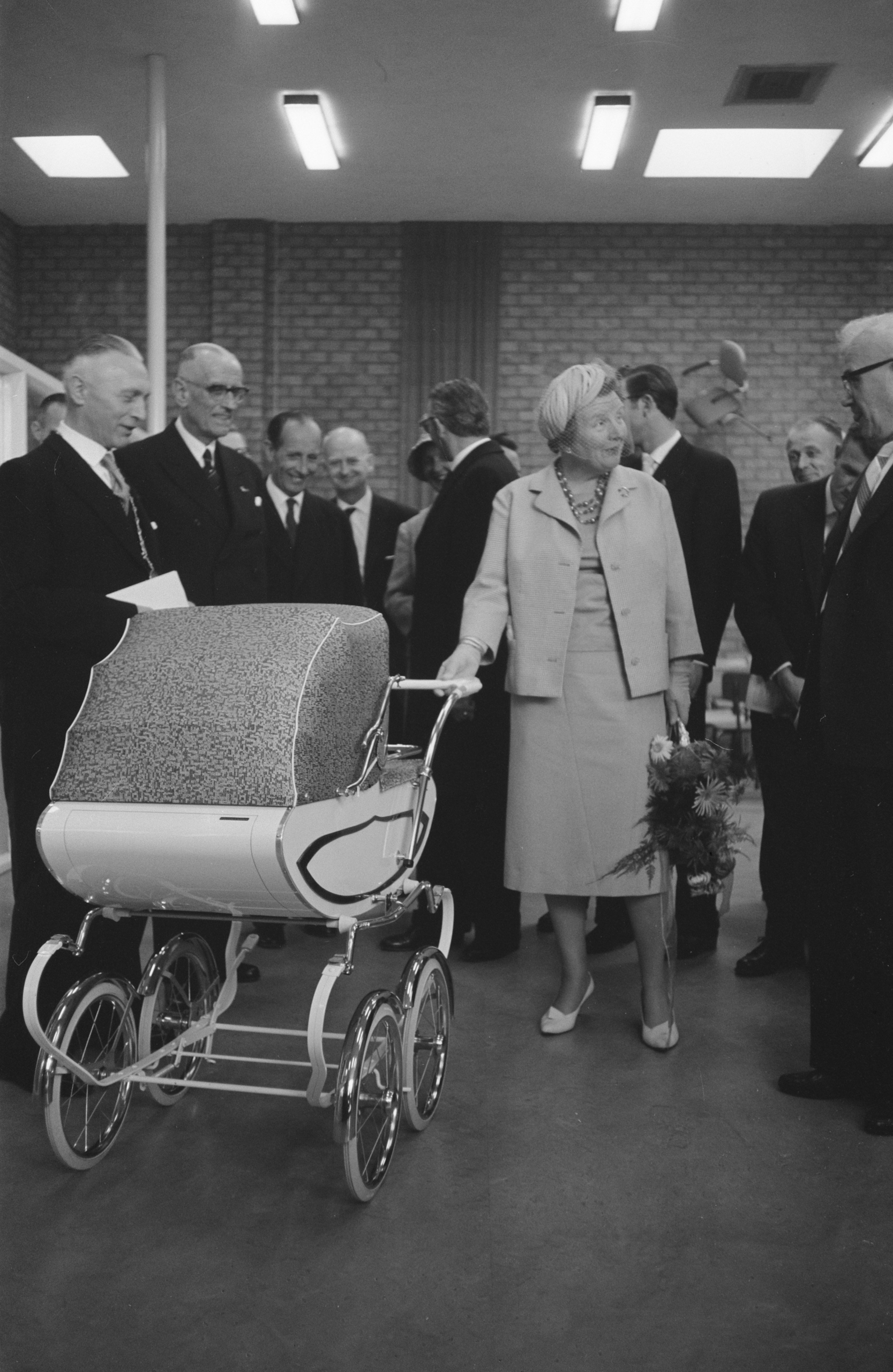
The push handle, hood joints, catches and trim were plated steel, which looked expensive and was expensive, and the quality of the plating was one of the things buyers judged the whole pram by.
Anodised aluminium, moulded plastic grips and foam handles. Chrome was the period’s visible signal of quality across all goods, and on a pram it was the detail that a grandparent inspected first – which tells you what the object was being bought to say as much as to do.
6. The Prams Were Enormous, and That Was Deliberate
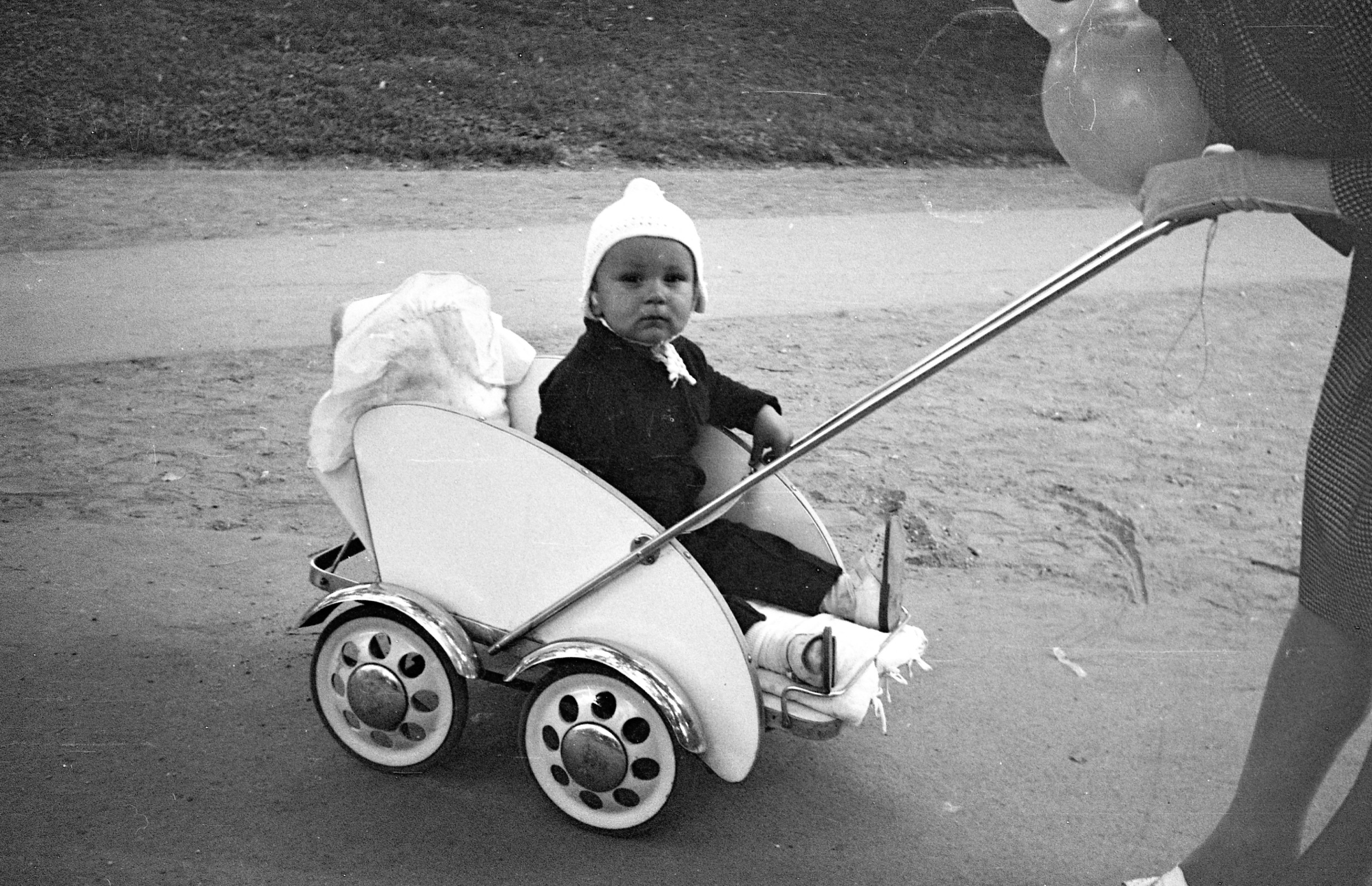
A 1960 pram was large, heavy, and high off the ground, with a deep body a baby lay flat in, and nothing about it was designed to be lifted, carried, folded or put in a car boot.
Lightweight strollers, travel systems and buggies designed around folding and car compatibility. The size followed from medical advice of the period that infants should spend long periods outdoors in fresh air, lying flat, sleeping – so the pram was effectively an outdoor cot on wheels, and its competitor was not another pram but the house.
7. It Was Bought Once, Often by the Grandparents, and Handed Down
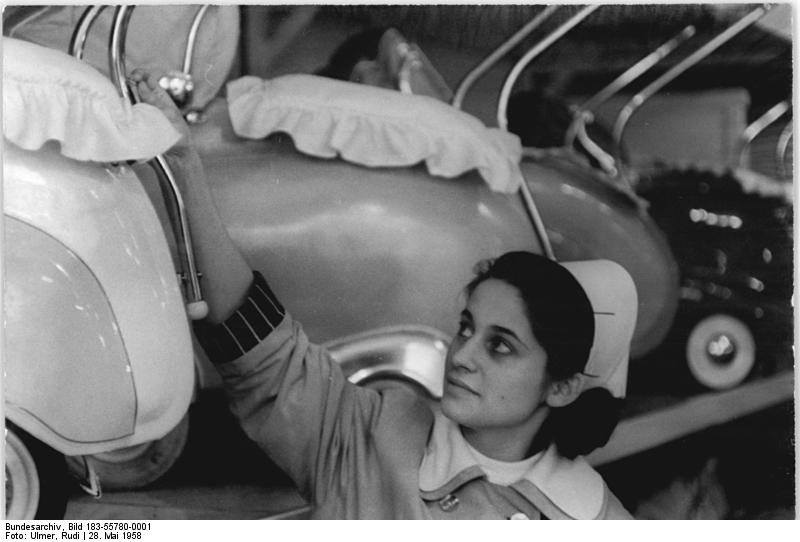
A good pram cost a serious sum – a substantial fraction of a weekly wage multiplied many times over – and was frequently a gift from grandparents, kept for subsequent children, lent to relatives and passed between families for decades.
Multiple pushchairs through a child’s early years, bought for different stages, with secondhand resale normal and expected. The old purchasing pattern is why the trade built them to last twenty years: the maker’s reputation rested on prams that were still in use for a second generation of babies.
8. There Were No Brakes Worth the Name and No Harness as Standard
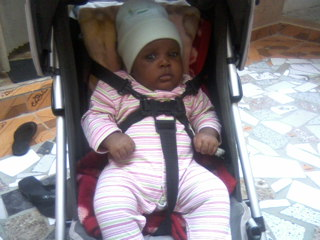
Many prams of the period had a simple parking catch rather than a proper brake, and a restraint harness was an accessory bought separately rather than something fitted as standard.
Mandatory brakes, five-point harnesses fitted as standard, tested to detailed standards covering stability, folding mechanisms, finger traps, locking devices and flammability. The 1960 object was well made and structurally sound and had almost none of the specific safety features now required, because the standards that require them did not yet exist.
9. Then the Folding Buggy Arrived and the Industry Was Gone in About Ten Years
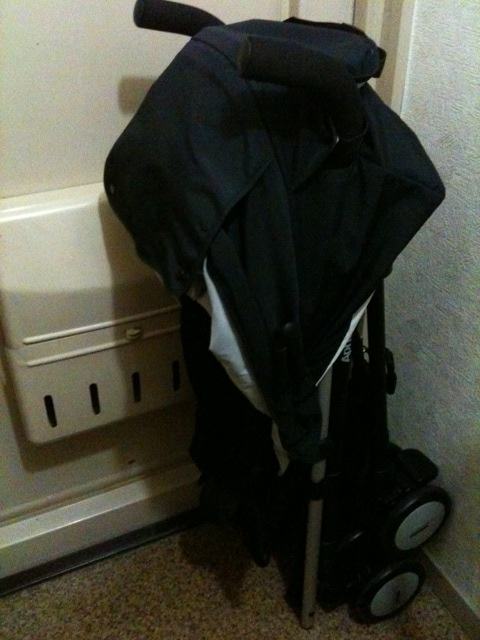
A lightweight aluminium frame that folded like an umbrella, cost a fraction of a coachbuilt pram, weighed a few kilograms and went into a car or onto a bus, appeared and took the market almost immediately.
The folding pushchair is now the default and the coachbuilt pram is a specialist product. It is one of the fastest industry collapses in this entire series: the makers were not outcompeted on quality, they were made irrelevant by a change in how families lived – cars, buses, shops further away, mothers in paid work – and a product designed around a long daily walk had no answer to that.
10. What Survived Went Upmarket and Sells on Exactly the Old Virtues
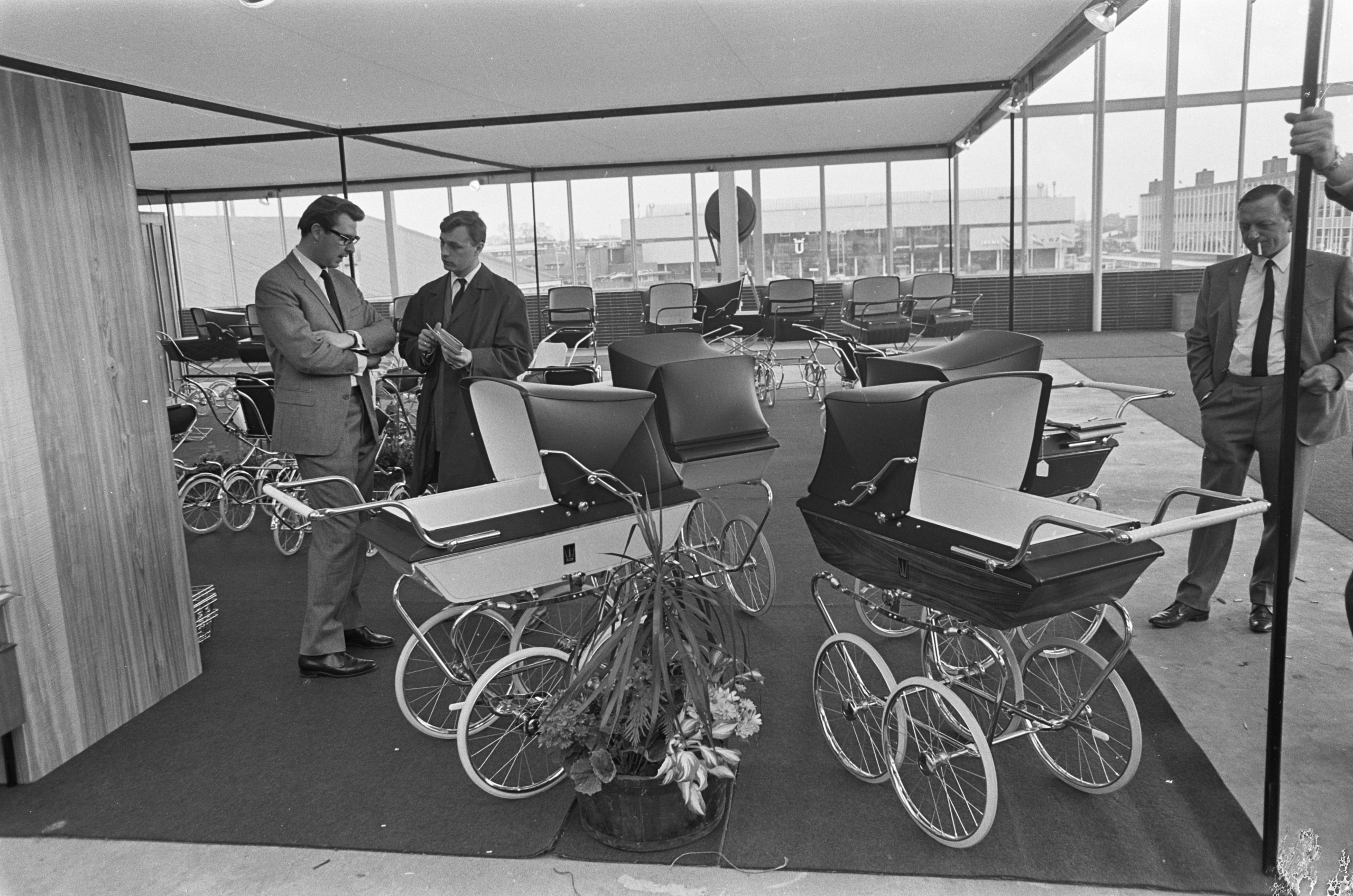
The firms that lasted stopped competing on price and concentrated on heavyweight, well-sprung, traditionally styled prams for buyers who wanted the object as much as the transport.
A small premium sector still makes large-wheeled, well-suspended prams, and the mainstream market has quietly moved back towards them in part – bigger wheels, real suspension, lie-flat carrycots and a baby facing the person pushing. The specification that the buggy replaced is being sold again as a feature, which is worth noticing: the coachbuilt pram was not simply wrong, it was answering a question that stopped being asked and has partly come back.
The Pram Did Not Lose. The Daily Walk Did
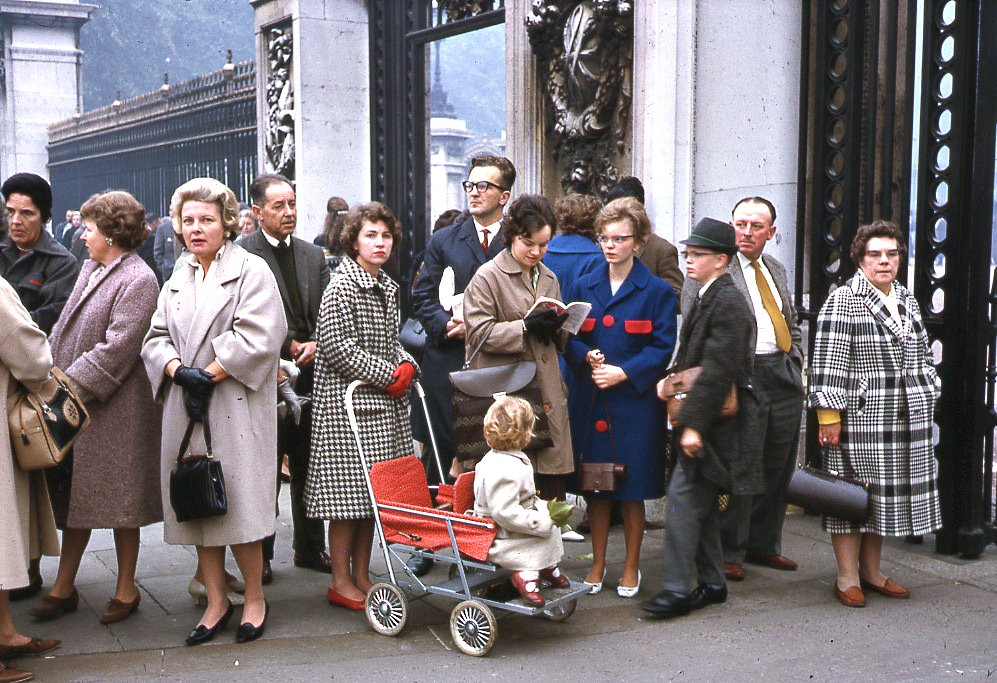
It is tempting to read this as a story about a bad old product replaced by a better new one, and that is not quite what happened.
The coachbuilt pram was extremely good at its job. It rolled over broken pavement on large sprung wheels without waking the baby. It held an infant lying flat, in the dark, insulated, for hours. It lasted long enough to carry three or four children and then be lent to a cousin. Judged against its brief, almost nothing made today does it better.
The brief was the thing that disappeared.
That pram assumed a particular day: a parent at home, shops within walking distance, a long outing on foot each afternoon, and medical advice that babies should spend extended periods outside in the air, asleep, lying flat. Everything about the object follows from that – the size, the springs, the hood lining, the weight, the complete absence of any attempt to fold.
Then the day changed. Cars, buses, shops that were a drive away rather than a walk, flats with stairs and no hallway to park a pram in, and far more mothers in paid work. The new question was not how to push a baby for two hours over rough pavement. It was how to get a baby, a bag and a child onto a bus and into a car boot.
The folding buggy answered the new question. The pram could not, at any price or quality.
And the interesting part is what has happened since: large wheels, real suspension, lie-flat carrycots and rear-facing seats have all come back as premium features, because the parts of the old brief that were about the baby rather than the walk were right all along.
If there is a photograph of you as a baby in an enormous shining pram, somebody’s parents probably paid for it.
And it was still in the family twenty years later.
Like our content? Follow us for more.