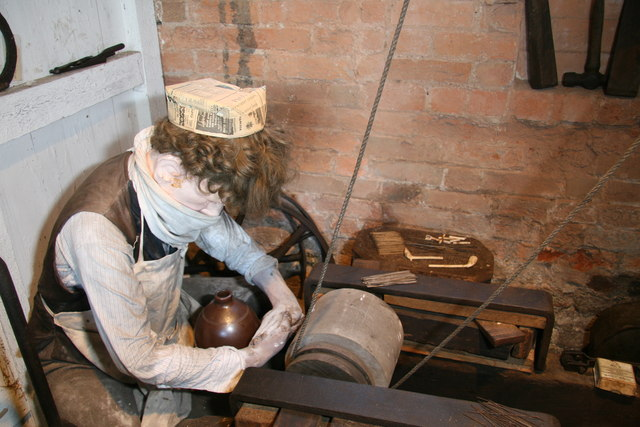
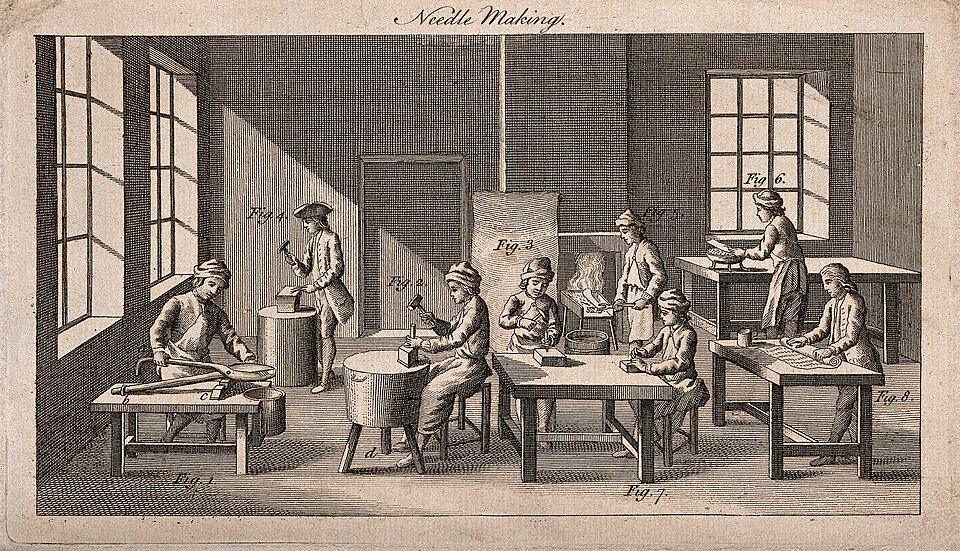
In 1960 a needle began as steel wire cut into lengths exactly two needles long, because a blank with a point at each end could be ground at both ends at once.
A man held a fistful against a grindstone and breathed the dust. A press stamped the eyes rather than drilling them. The two needles were snapped apart only near the end. Then they were rolled in canvas with abrasive for days, straightened by hand, and inspected by fingertip.
Here are sixteen things that were ordinary in a needle and pin factory in 1960, and what became of each one.
1. The Wire Arrived in Coils and Was Cut Into Lengths Exactly Two Needles Long
Needle making began with steel wire cut into short lengths, each one long enough to make two needles, because the whole process was designed around working on two at once and splitting them apart near the end.
High-speed automated lines still work the blank in multiples and split it later. The reason is efficiency at the pointing stage: a length with a point at each end can be ground at both ends in one operation, and nothing about that logic has changed.
Like our content? Follow us for more.
2. Both Points Were Ground at Once by a Man Holding a Handful Against a Stone
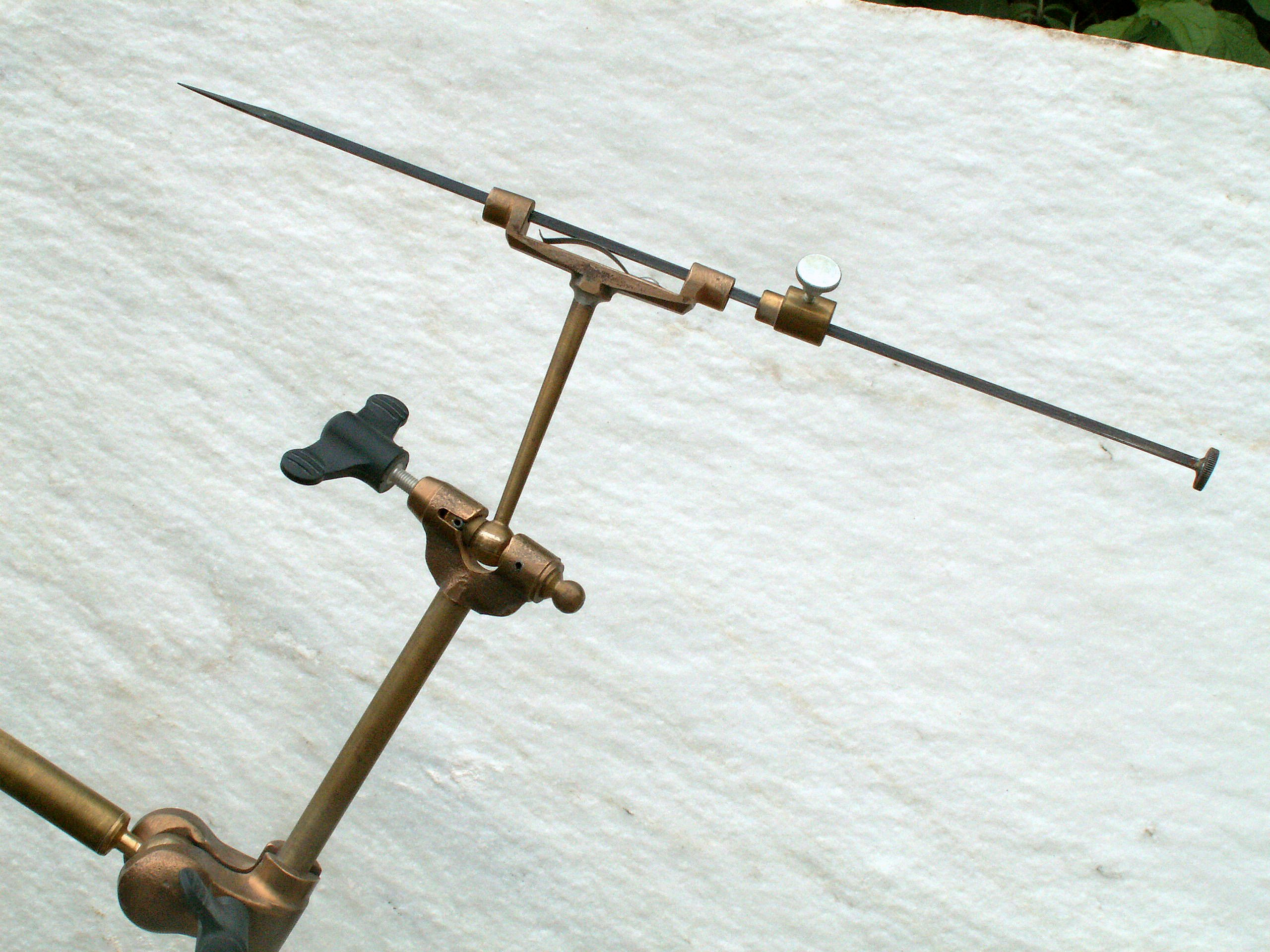
Pointing meant taking a fistful of wire lengths, rolling them against a fast-turning grindstone to put a point on every end at once, then turning the handful round and doing the other end.
Automated pointing with enclosed grinding and extraction does it without a human hand near the wheel. The skill was in the rolling – keeping every piece in the handful turning evenly so each point came out concentric rather than chisel-shaped – and it was learned by doing it badly for a long time.
3. Pointing Was the Most Dangerous Job in the Trade and Everyone Knew It
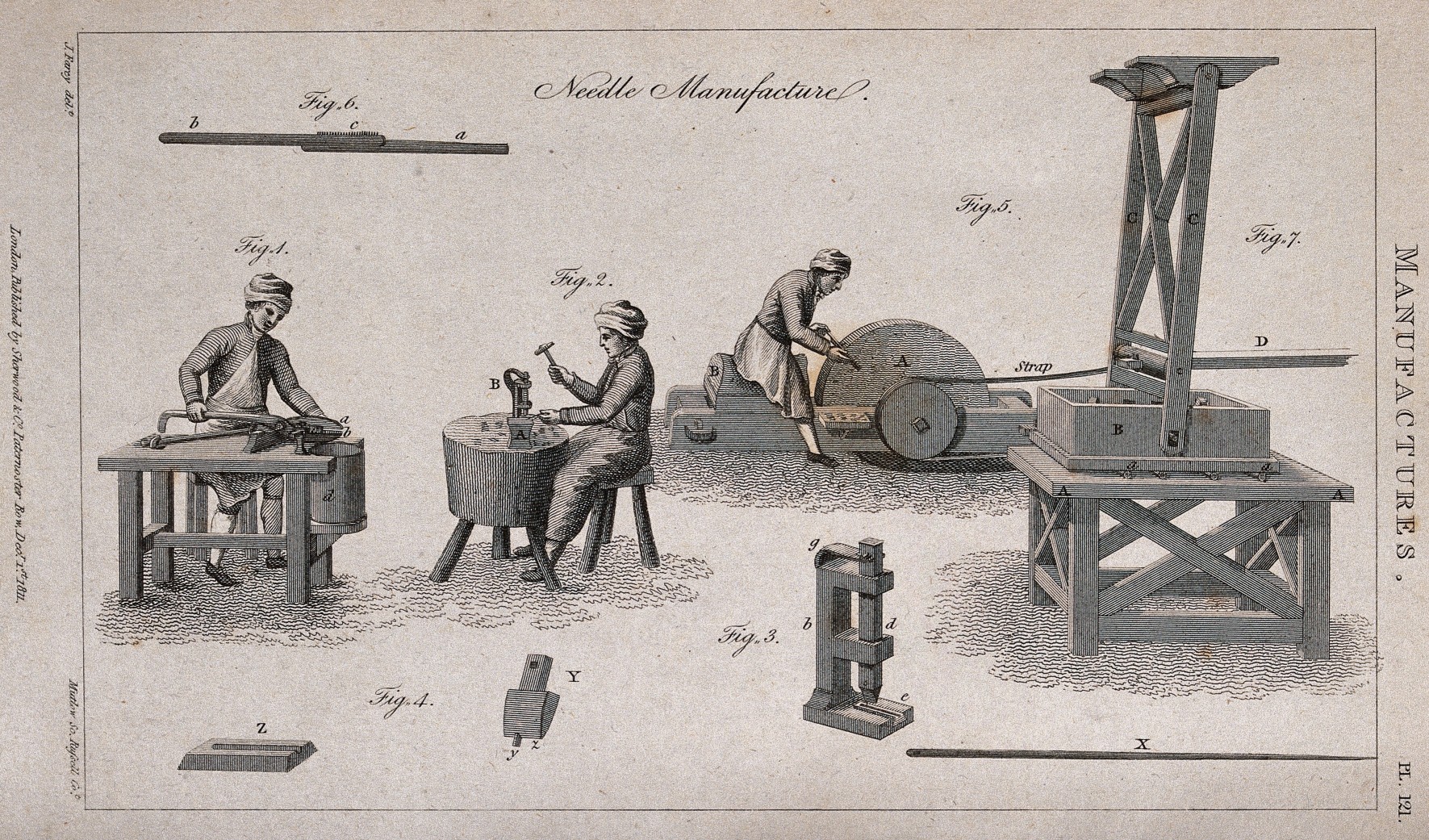
Grinding steel on stone threw off a cloud of fine steel and stone dust, and the men who did it breathed it all day in rooms with no effective extraction, which shortened their lives considerably.
Enclosed grinding, extraction at source, wet grinding, respiratory protection and health surveillance changed it completely. The trade’s own name for the resulting lung disease is part of the historical record, and the pointers were paid more than anybody else on the floor precisely because the job was understood to be killing them – which is a transaction worth sitting with.
4. The Eye Was Stamped Into the Steel, Not Drilled Through It

The eye was formed by a press that struck a shallow impression into the flattened middle of the blank from both sides, then a punch drove out the small amount of metal left between them.
Still stamped on automated presses to tolerances a 1960 press could not have held. People assume a needle’s eye is drilled because that is how you would make a hole in anything else, but drilling a hole that size in hardened steel is impractical, and a stamped eye has smooth formed walls where a drilled one would have a cut edge.
5. The Two Needles Were Snapped Apart Only After the Eyes Were Done
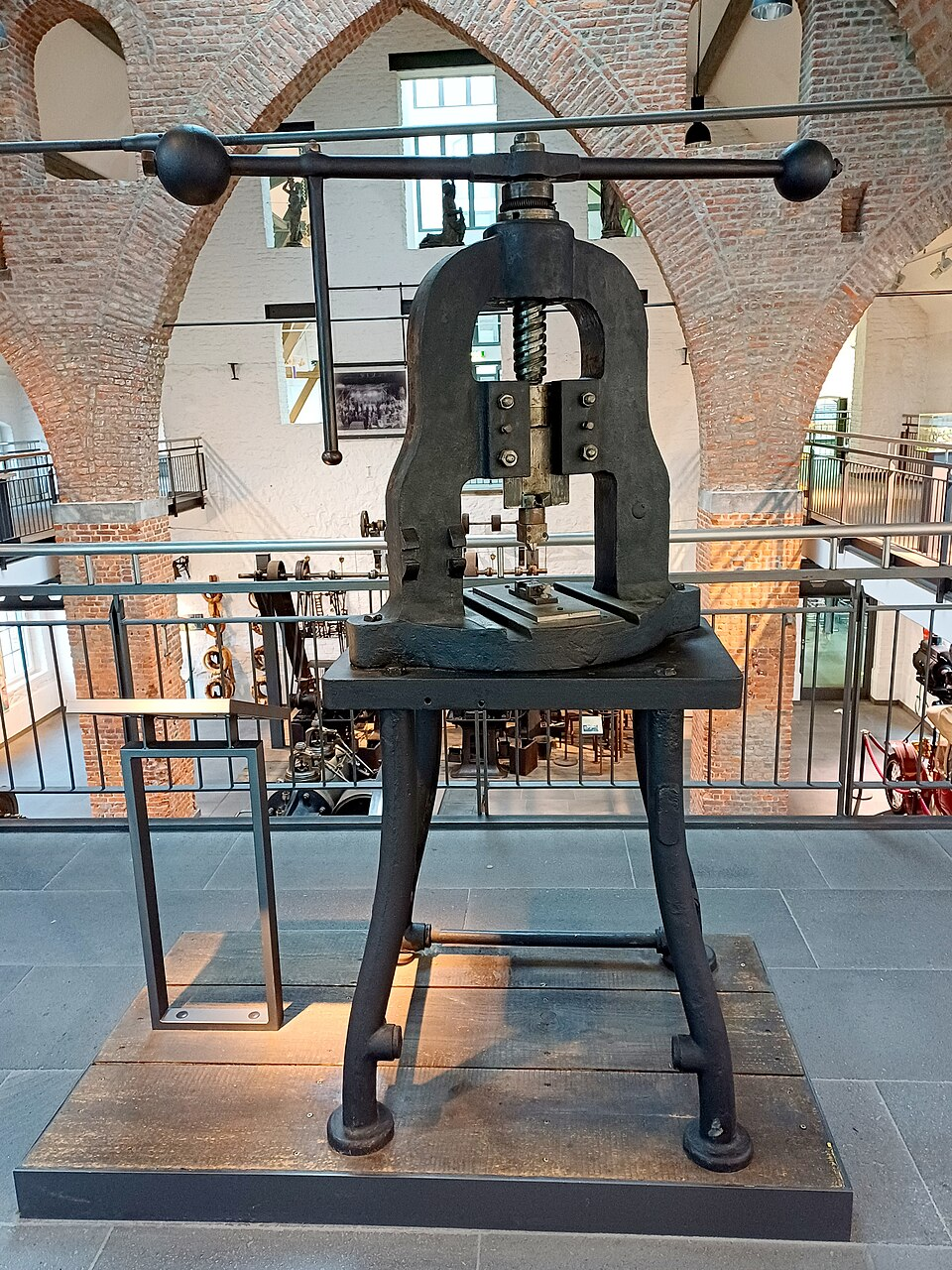
The blank went through pointing, flattening and eyeing as a single piece with an eye at each end, and only then was it separated in the middle into two needles.
Unchanged in sequence. It is the reason needle making looks strange when described step by step: for most of the process the thing in the machine is not a needle but a double-ended object that will become two, and it would be far slower to handle them singly.
6. The Burr Left Inside the Eye Had to Come Out or the Needle Cut the Thread
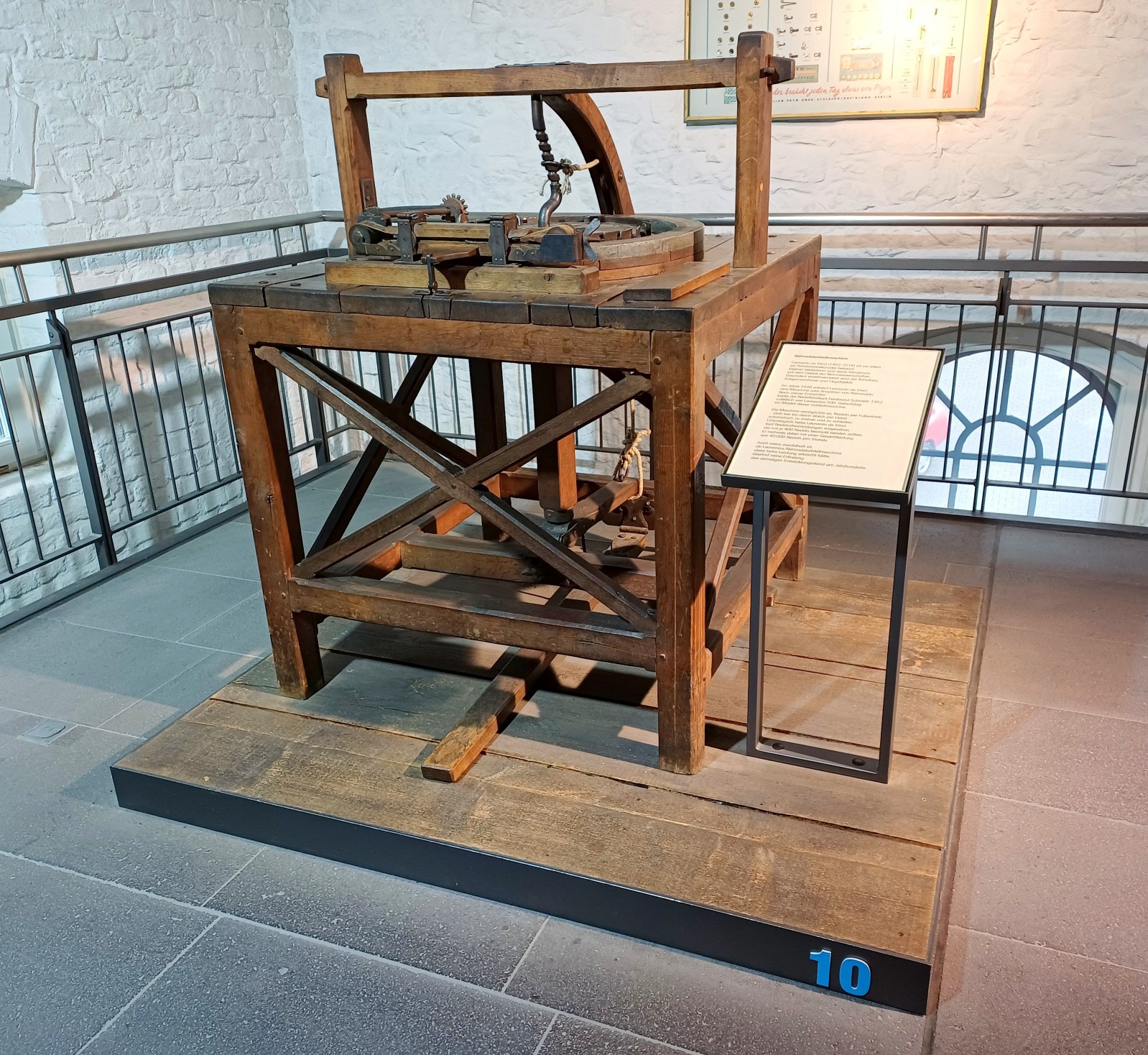
Stamping and punching left a rough edge inside the eye, and a needle sold with that edge still there would fray and part the thread at the eye within a few stitches.
Automated deburring and electropolishing produce an eye smoother than any hand process managed. This was the single most common cause of a needle being a bad needle, and it is also the thing a sewer notices first and blames on the thread.
7. Hardening and Tempering Were Judged by the Colour of the Steel
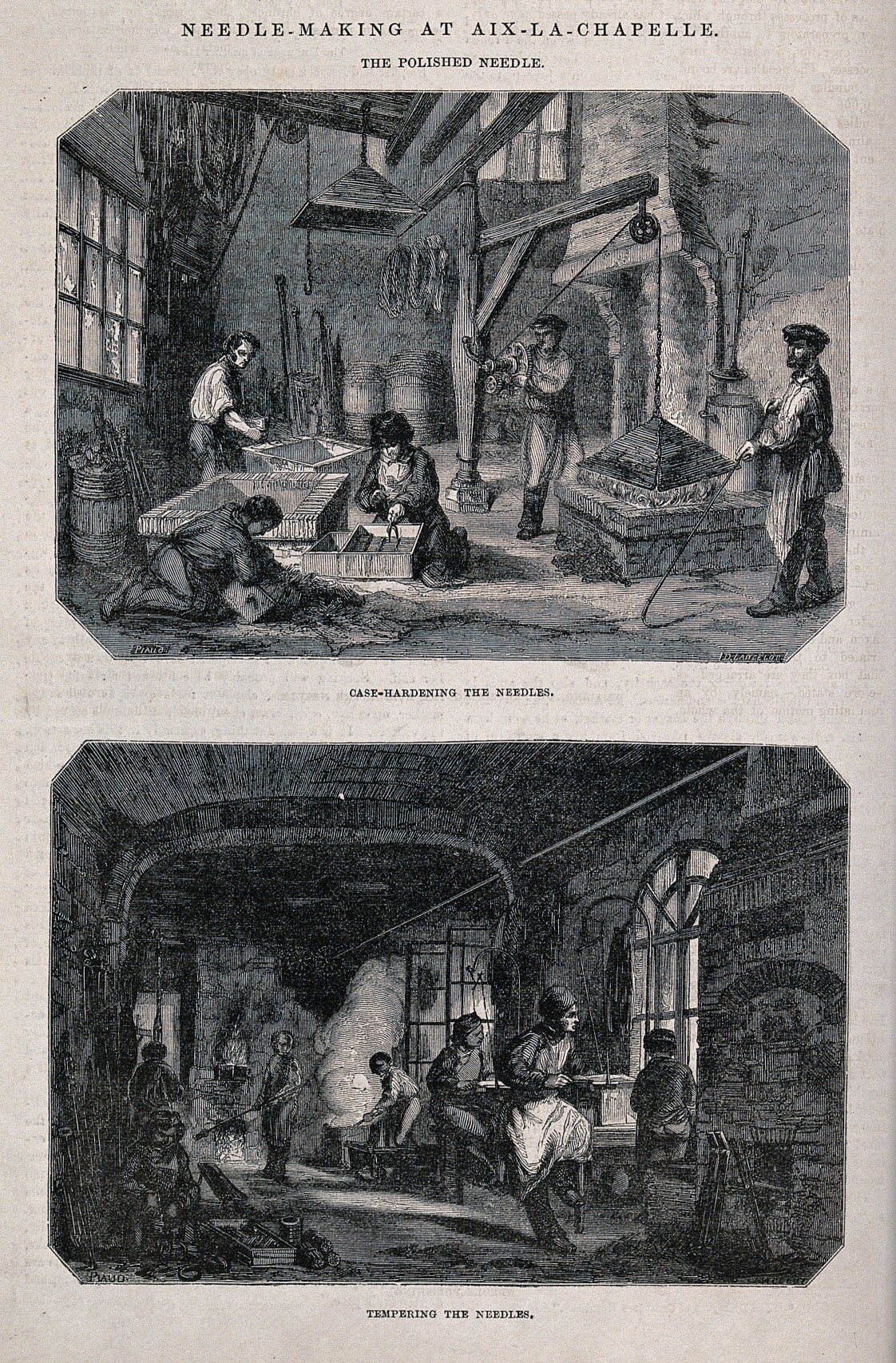
Needles were heated and quenched to harden them, then reheated to take the brittleness out, with the second heating judged by the colour that ran across the clean steel as it warmed.
Controlled-atmosphere furnaces with measured temperature profiles removed the judgement entirely. The colour method is genuinely accurate in a trained eye, and genuinely useless the moment the light in the room changes – which is one reason the work was done in the same spot by the same person for years.
8. Hardened Needles Came Out Bent and Were Straightened by Hand
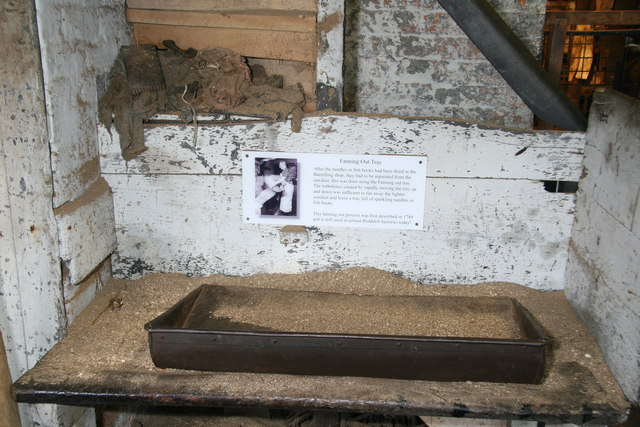
Quenching distorted the needles, so every one was straightened afterwards, by eye, with light taps on a small anvil, by workers who could see a deviation of a fraction of a millimetre.
Automated straightening between rollers handles it now. A bent needle will not pass through cloth in a straight line, which in hand sewing is annoying and in a sewing machine means the needle strikes the plate and breaks.
9. The Needles Were Rolled in Canvas With Abrasive for Days to Polish Them
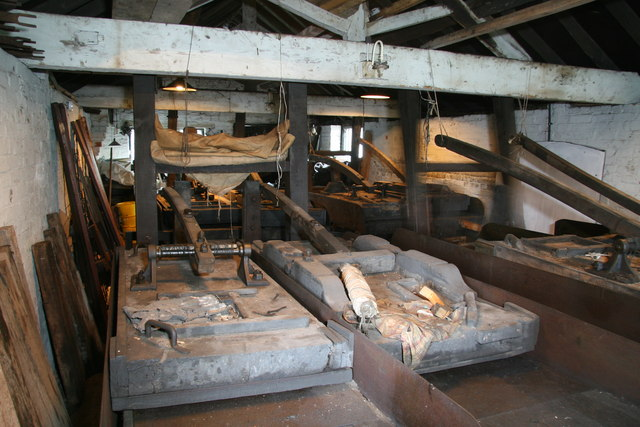
Scouring meant wrapping thousands of needles in coarse canvas with abrasive powder and oil, then rolling the bundles back and forth under weighted boards continuously for several days.
Vibratory and barrel finishing with controlled media do it in hours. The old process was effective and extraordinarily slow, and the bundles had to be opened, redistributed and rewrapped periodically because the needles at the outside were polished more than the ones inside.
10. The Finish Was Either Blued or Nickel Plated and Both Meant Something
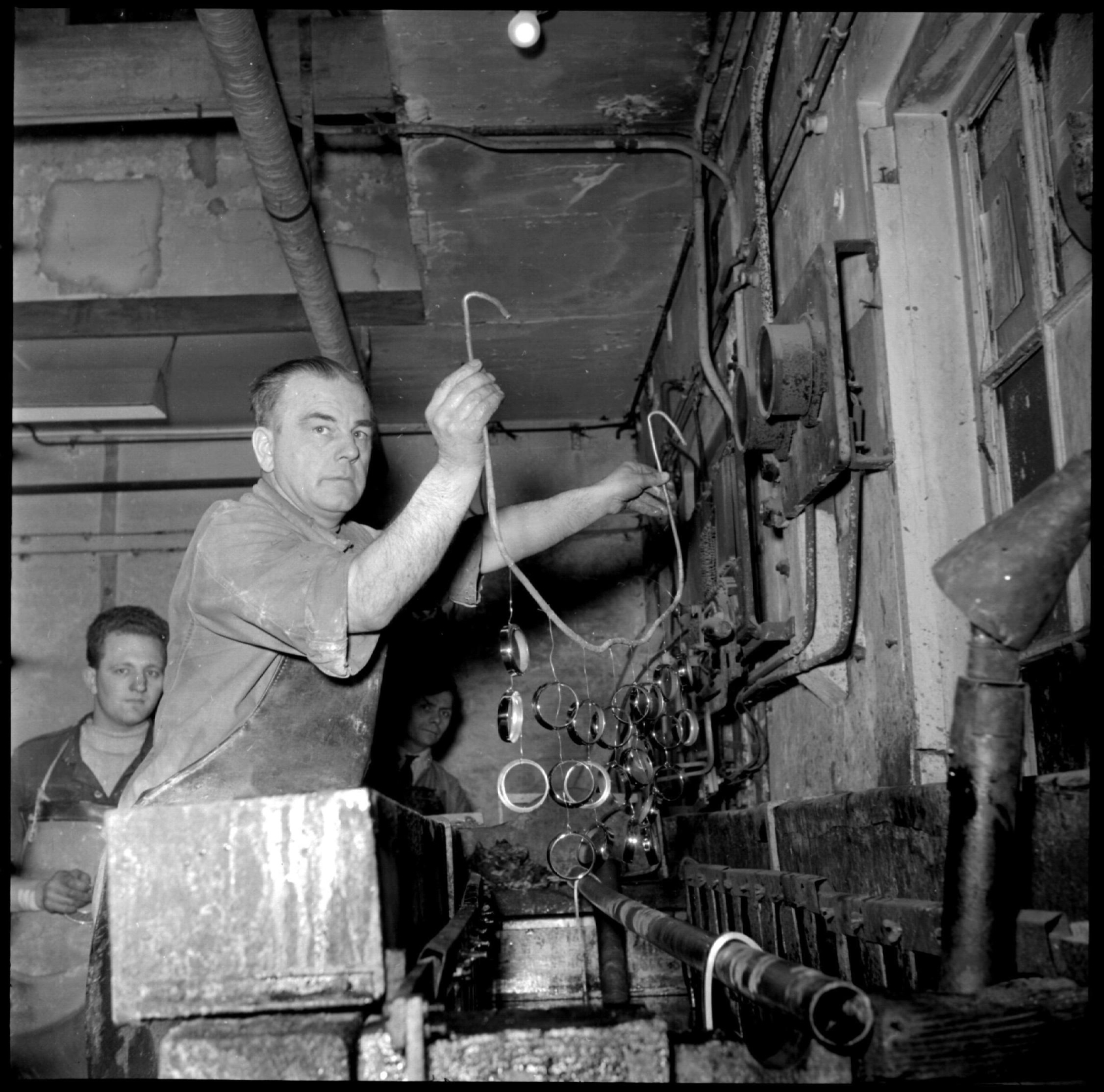
Finished needles were either heat-blued or nickel plated, and the choice was not decoration: it determined how the needle resisted rust and how smoothly it passed through fabric.
Modern plating and coatings including gold and titanium compounds at the top end. A needle that corrodes in a pincushion is useless, and humidity in a sewing room is enough to do it – which is why a tin of old needles is often half unusable.
11. Sorting, Counting and Papering Were Done by Hand at Benches
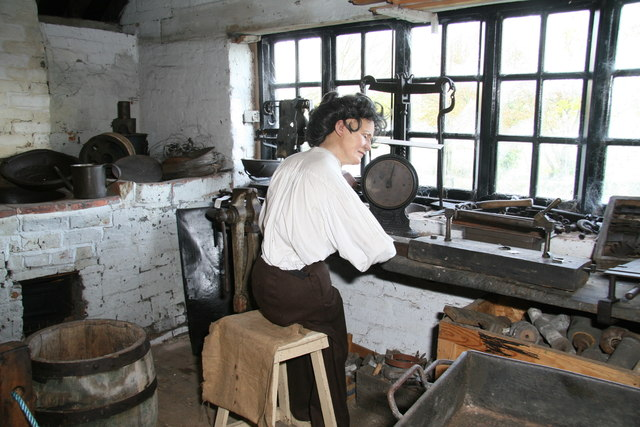
Finished needles were sorted by size, counted into groups and folded into paper packets by workers who counted by feel and by practised grouping rather than one at a time.
Automated counting and packaging. The counting was accurate to a degree that sounds unlikely, because the hand learns to take a fixed quantity, and the packets were checked by weight as a cross-check rather than by recounting.
12. Pins Were Made on a Different Machine Entirely and Headed Separately
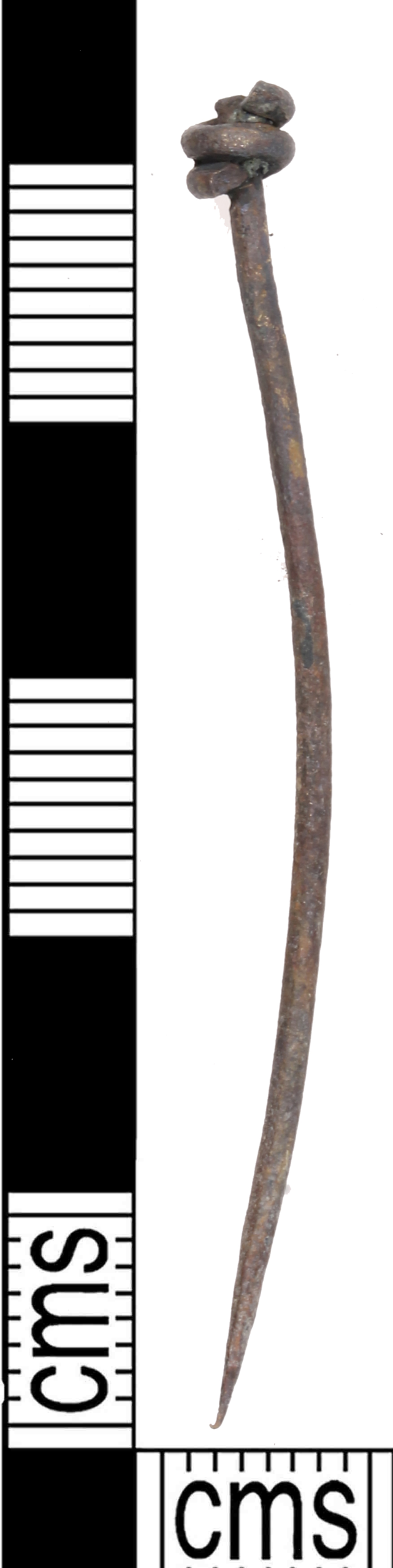
A pin is not a short needle: it has a head instead of an eye, and in 1960 the head was formed by a separate operation that upset the end of the wire or applied a wound wire head.
Automated solid-head pin making produces the whole pin in one pass. The two-part pin with a separately applied head was a notorious weak point, because the head came off, and the move to a one-piece pin was one of those improvements that nobody noticed because it only removed a failure.
13. Pins Were Sold Stuck Into Folded Paper and That Paper Was Engineered
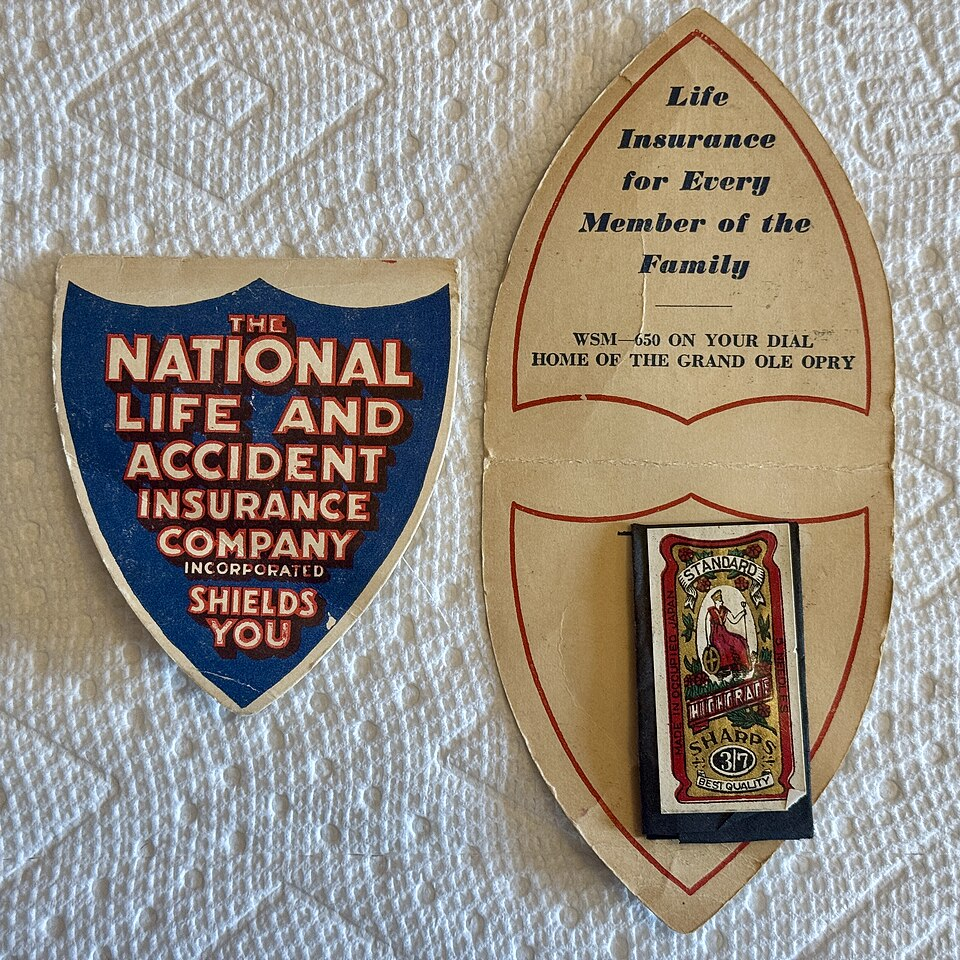
The paper card that pins were pushed into was crimped and folded to a specific pattern so the pins stayed put, came out individually, and did not rust against the paper.
Mostly replaced by plastic boxes and loose packing, with the paper card surviving in specialist and dressmaking supply. The card was not just packaging: it held the pins in a known count and a known order, which is how a dressmaker could take one without looking.
14. Final Inspection Was Done by Eye and by Fingertip and Mostly by Women
Every batch was inspected by workers who looked along the needles for bends and ran them across their fingers to feel a rough eye or a blunt point, rejecting by touch faster than by sight.
Optical and automated inspection catches more and catches it consistently. The fingertip test was the real one: a rough eye is almost invisible and completely obvious to the skin, and inspectors could feel a defect that the inspector’s own eyes could not find afterwards.
15. The Size Numbers Made No Sense and Still Do Not
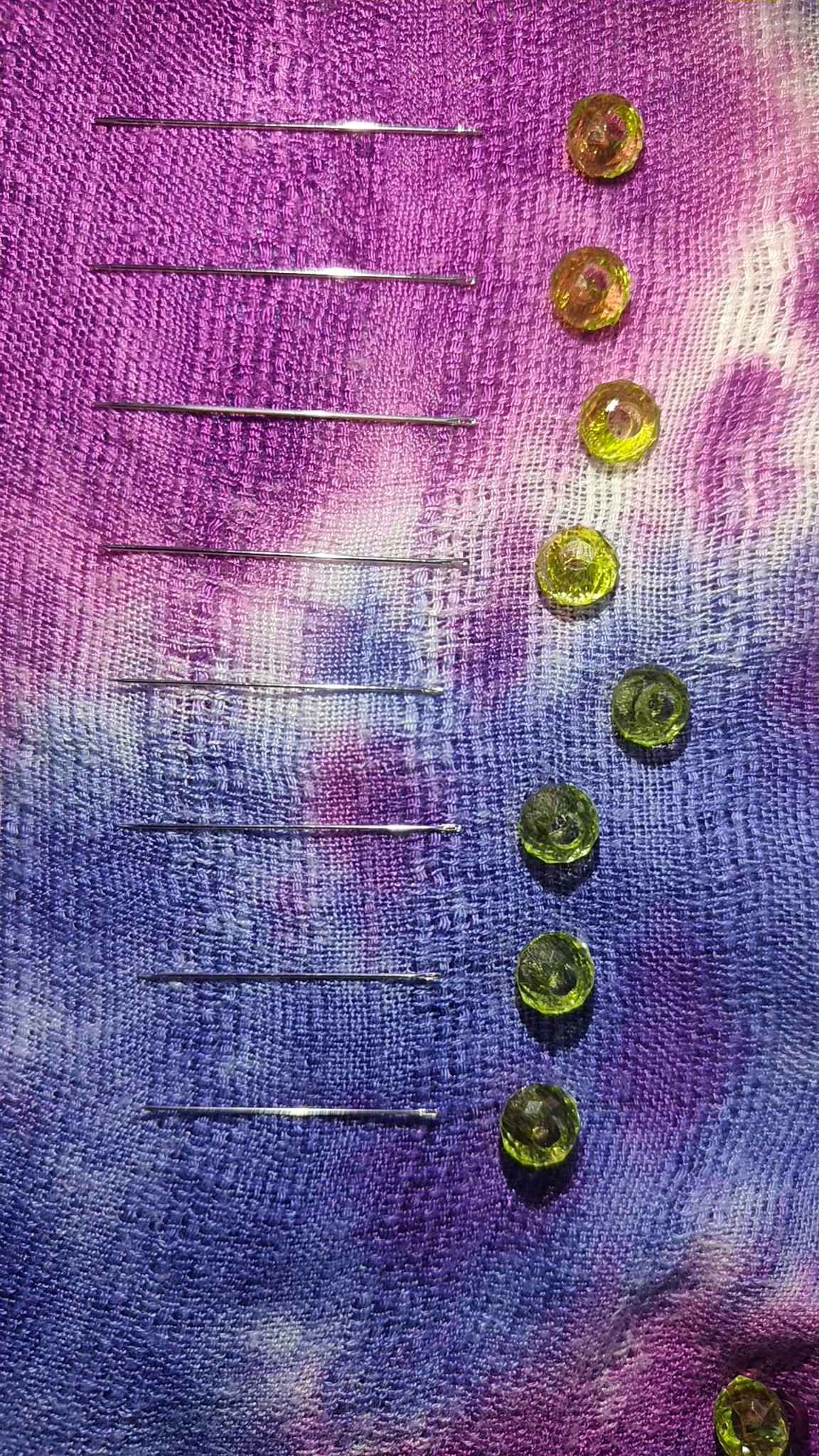
Needle sizes ran so that a bigger number meant a smaller needle, with separate and unrelated numbering for different needle types, and nobody in the trade could explain why.
Entirely unchanged. The numbering is inherited from wire gauge conventions where the number counted drawing operations, so more drawing meant thinner wire and a higher number – a logic that stopped applying long ago and left the numbers behind.
16. The Whole Trade Lived in One Place and the Skills Ran in Families
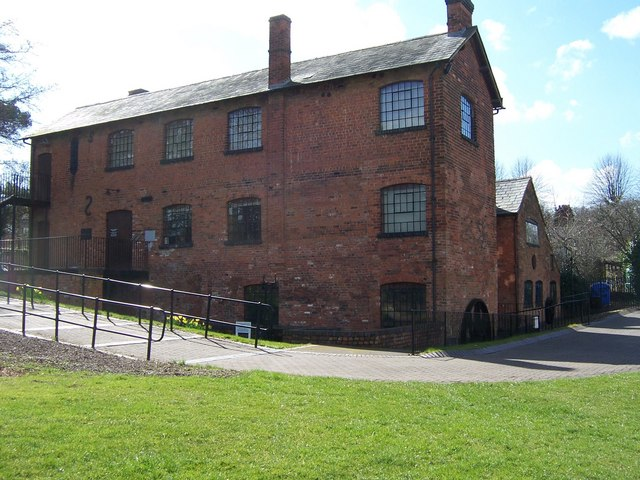
Needle making concentrated in a handful of towns, where the pointing, eyeing and finishing skills passed from parents to children and a surname could tell you which operation a family did.
Production is now global and largely automated, with specialist manufacture surviving where the premium end of the market justifies it. The concentration was not an accident of geography so much as of knowledge: the skills were held in people, the people lived near each other, and a factory could only be built where they already were.
The Dangerous Job Was the Best Paid and Everybody Understood the Deal
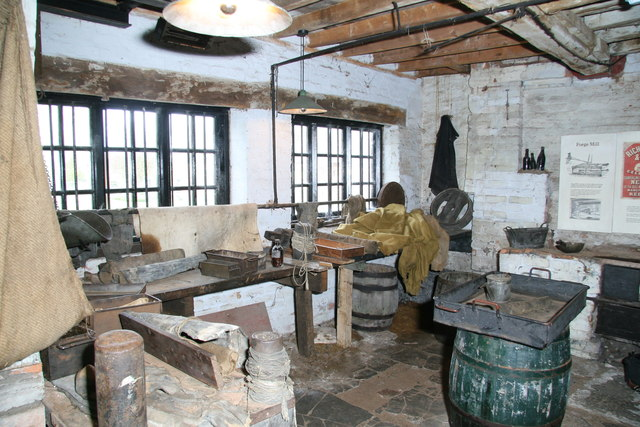
The pointing room is the part of this story that does not resolve comfortably.
Grinding steel against stone, all day, in a room without effective extraction, produced a dust of steel and stone fine enough to reach the deepest part of the lung and sharp enough to stay there. The resulting disease was recognised, named within the trade, and expected. It was not a hidden hazard discovered later by researchers. The men doing the job knew, the men hiring them knew, and the families knew.
And pointers were the best-paid workers in the building.
That was the arrangement: the most hazardous operation carried the highest rate, the men who did it were regarded as the aristocracy of the floor, and the premium was in effect a price paid for a shortened life. It is easy to read that as straightforward exploitation, and it partly was. It is also true that the pointers themselves defended the differential, resisted changes that would have reduced their rate, and did not generally want somebody else to decide the trade-off on their behalf.
What eventually changed it was not negotiation but engineering. Enclosing the wheel, extracting the dust at source, grinding wet rather than dry and monitoring the health of the people doing it removed the hazard rather than compensating for it – and with the hazard went the premium and the status.
That is the pattern across almost everything in this series. The hard jobs were not made bearable by paying more for them. They were made unnecessary.
If anybody in your family was in the needle trade, the operation they did probably had a name you have never heard.
And there is a tin of old needles in a drawer somewhere in your house, half of them rusted, which is exactly the problem the finish was meant to solve.
Like our content? Follow us for more.