

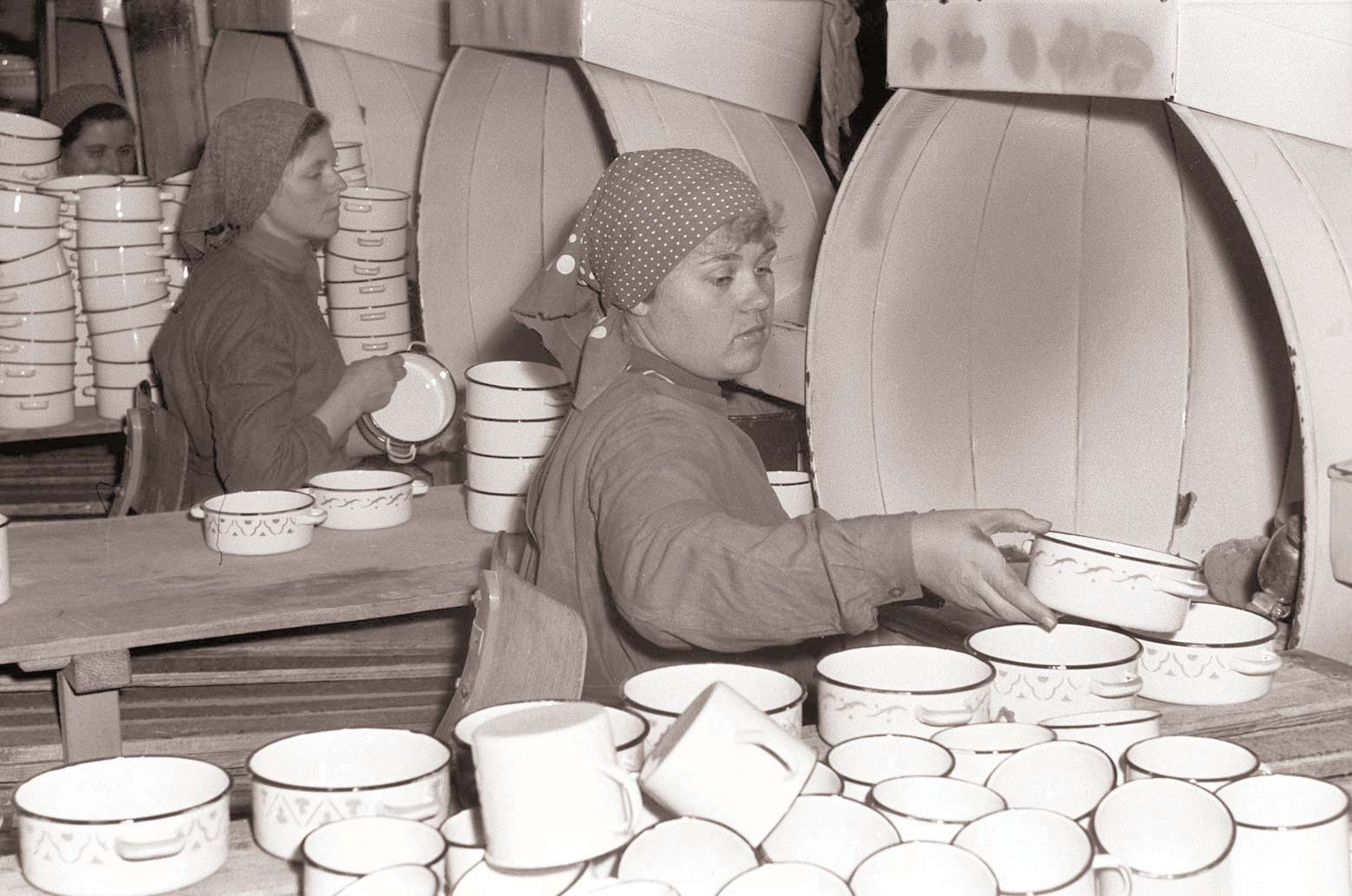
In 1960 an enamel works was fusing glass onto steel at red heat, which is what vitreous enamel actually is.
The steel had to be a special grade or the coating blistered off. The surface had to be chemically clean to a standard that was invisible until after firing. The first coat was always dark because it carried the oxides that made it stick. And a four-colour sign went through the furnace five times.
Here are eleven things that were routine in an enamel works in 1960, and what became of each one.
1. Enamel Is Glass, and It Was Fused Onto Steel at Red Heat
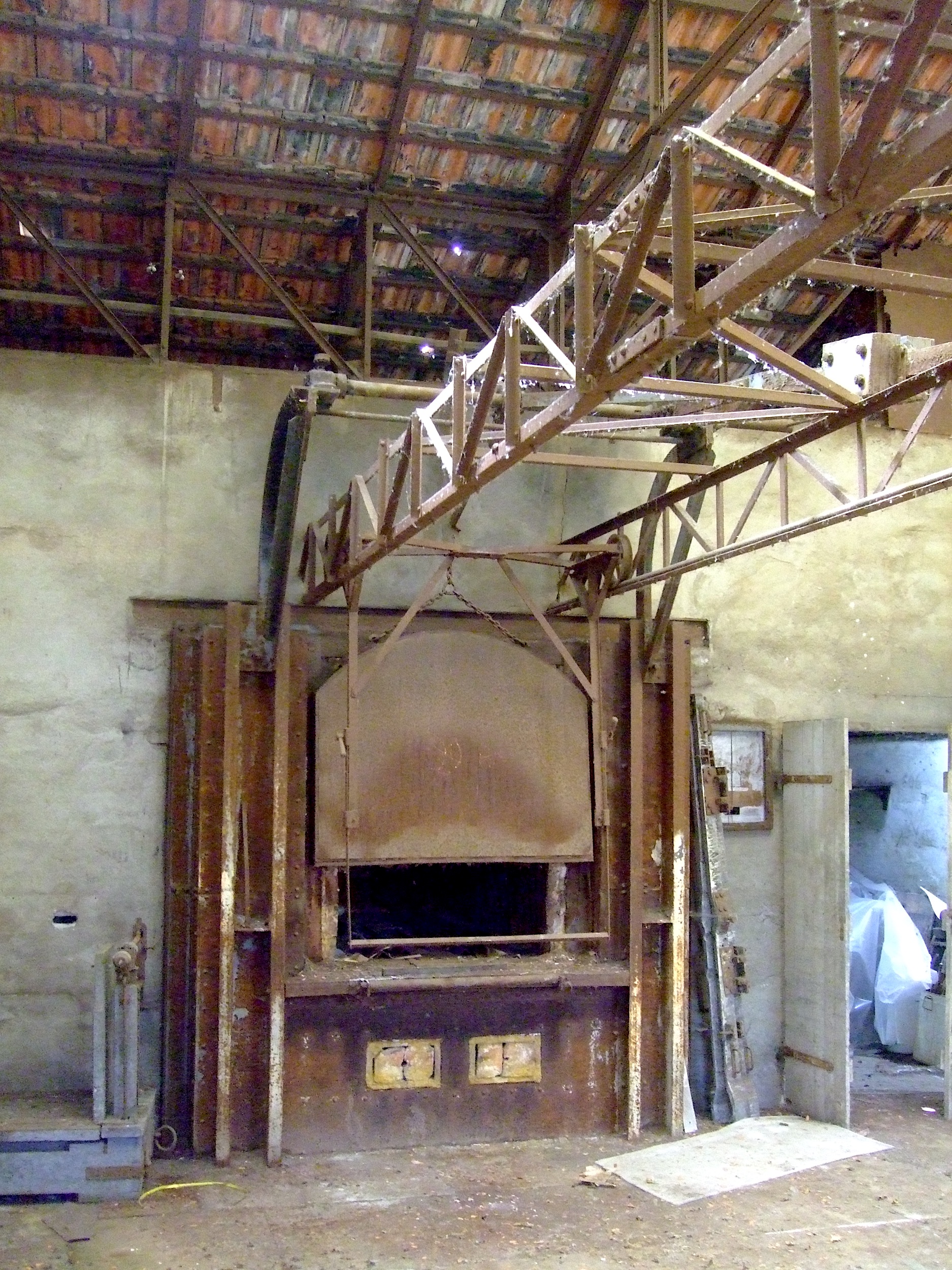
Vitreous enamel is not paint and not a coating in any ordinary sense: it is a layer of glass, ground to a powder, applied to steel and then fired until it melts and bonds chemically to the metal underneath.
Still exactly that, with precisely controlled furnaces and measured compositions. This single fact explains everything else about the material – why it is hard, why it does not fade, why it will not burn or scratch easily, and why it chips rather than wears, because glass has no middle setting between intact and broken.
Like our content? Follow us for more.
2. The Steel Had to Be a Special Grade or the Enamel Blistered Off
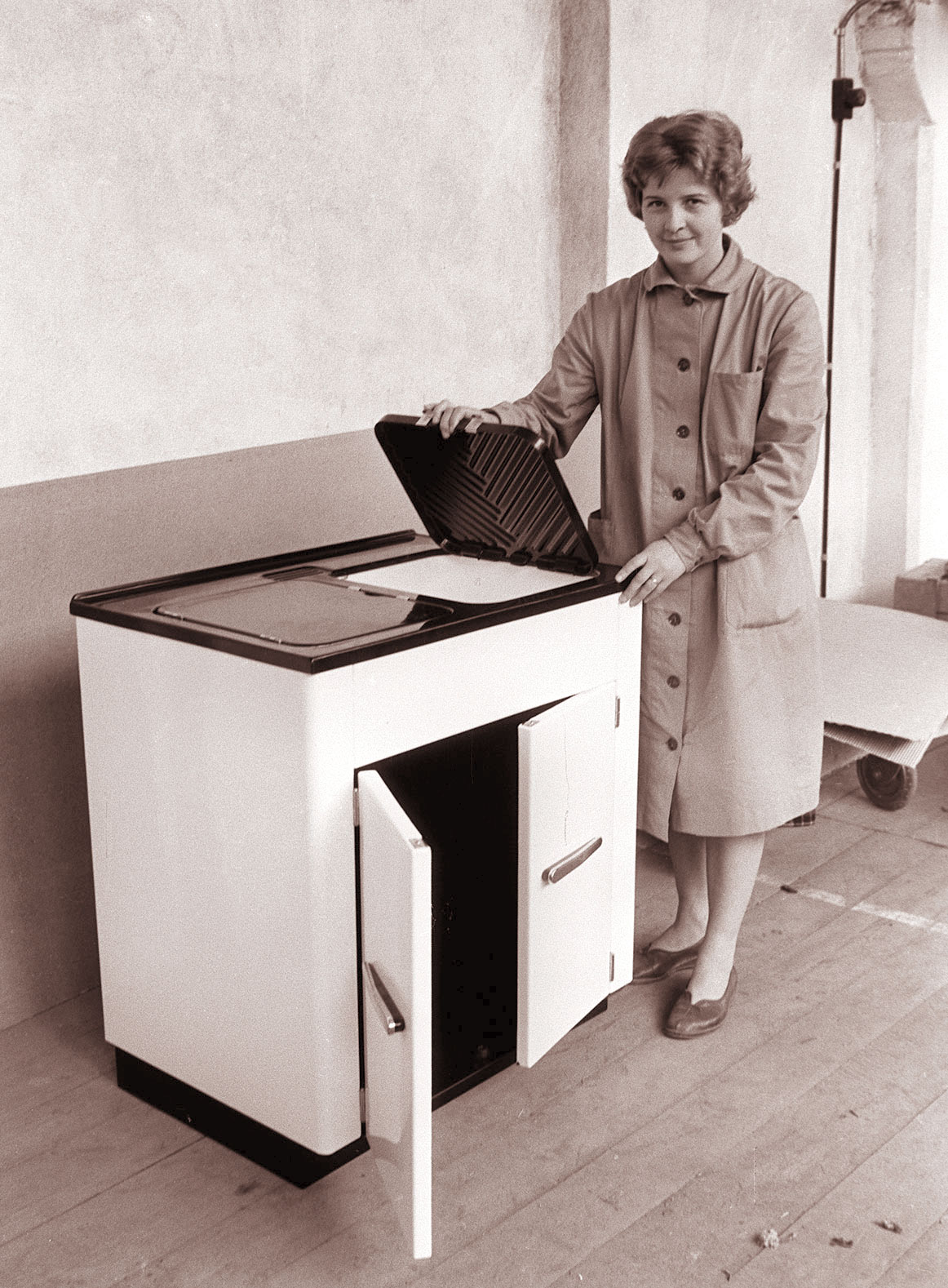
Ordinary steel cannot be enamelled. The carbon and dissolved gases in it come out during firing and lift the enamel away in blisters, so enamelling demanded a specific low-carbon decarburised steel made for the purpose.
Purpose-made enamelling steels to tight specification, with the metallurgy well understood. In 1960 the connection was known empirically rather than fully explained, which meant a batch of steel could ruin a run of work for reasons nobody in the building could diagnose, and the supplier was simply changed.
3. The Surface Had to Be Chemically Clean to a Degree That Is Hard to Convey
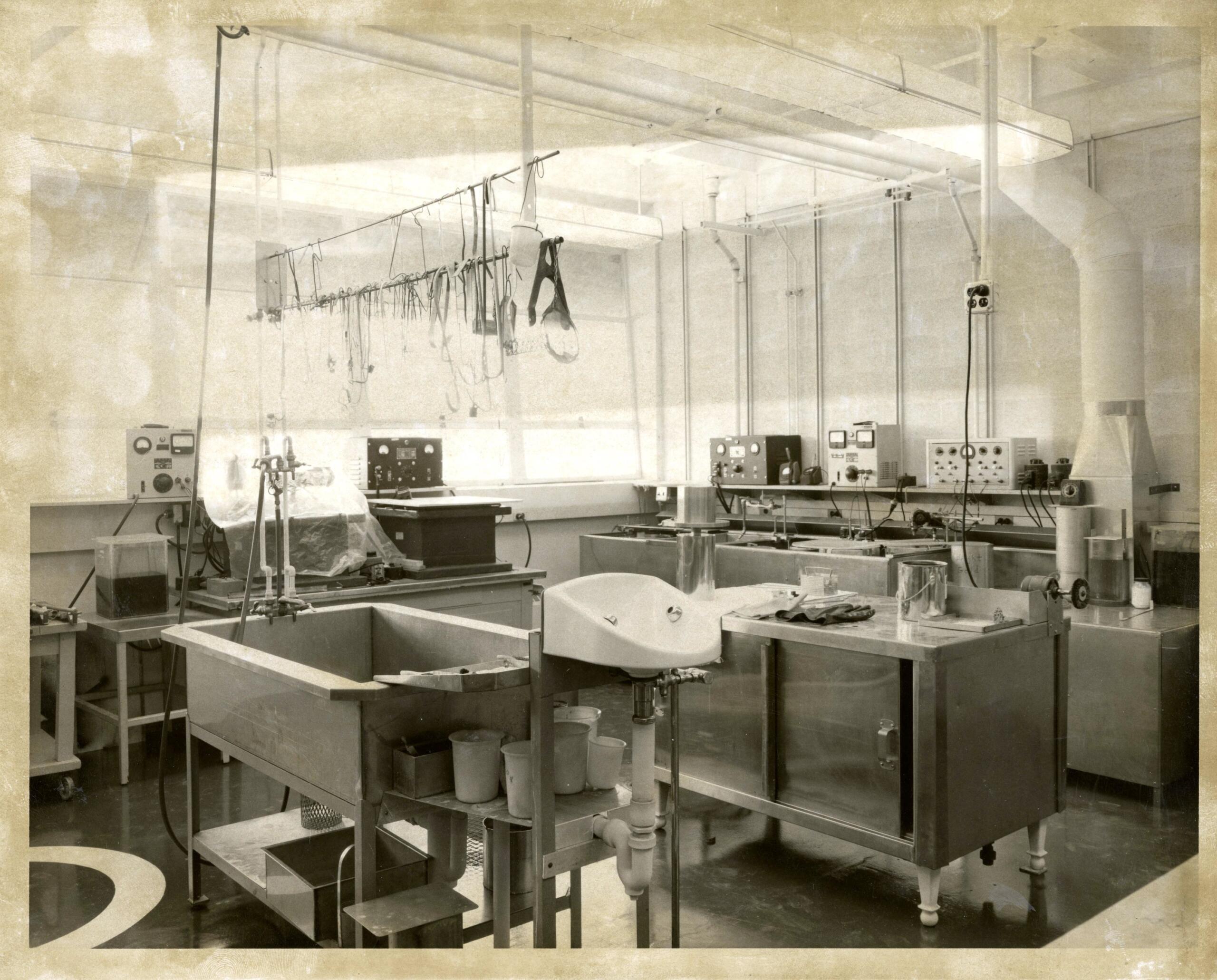
Before coating, the steel was degreased and pickled in acid, then often given a nickel flash, because the smallest trace of oil, rust or fingerprint left a defect that only appeared after firing.
Automated multi-stage cleaning lines with monitored chemistry. Everything about the preparation was invisible in the result and absolute in its consequences: the work looked identical going into the furnace whether it had been cleaned properly or not, and the answer came out twenty minutes later.
4. The First Coat Was Always Dark Because It Had to Contain Metal Oxides
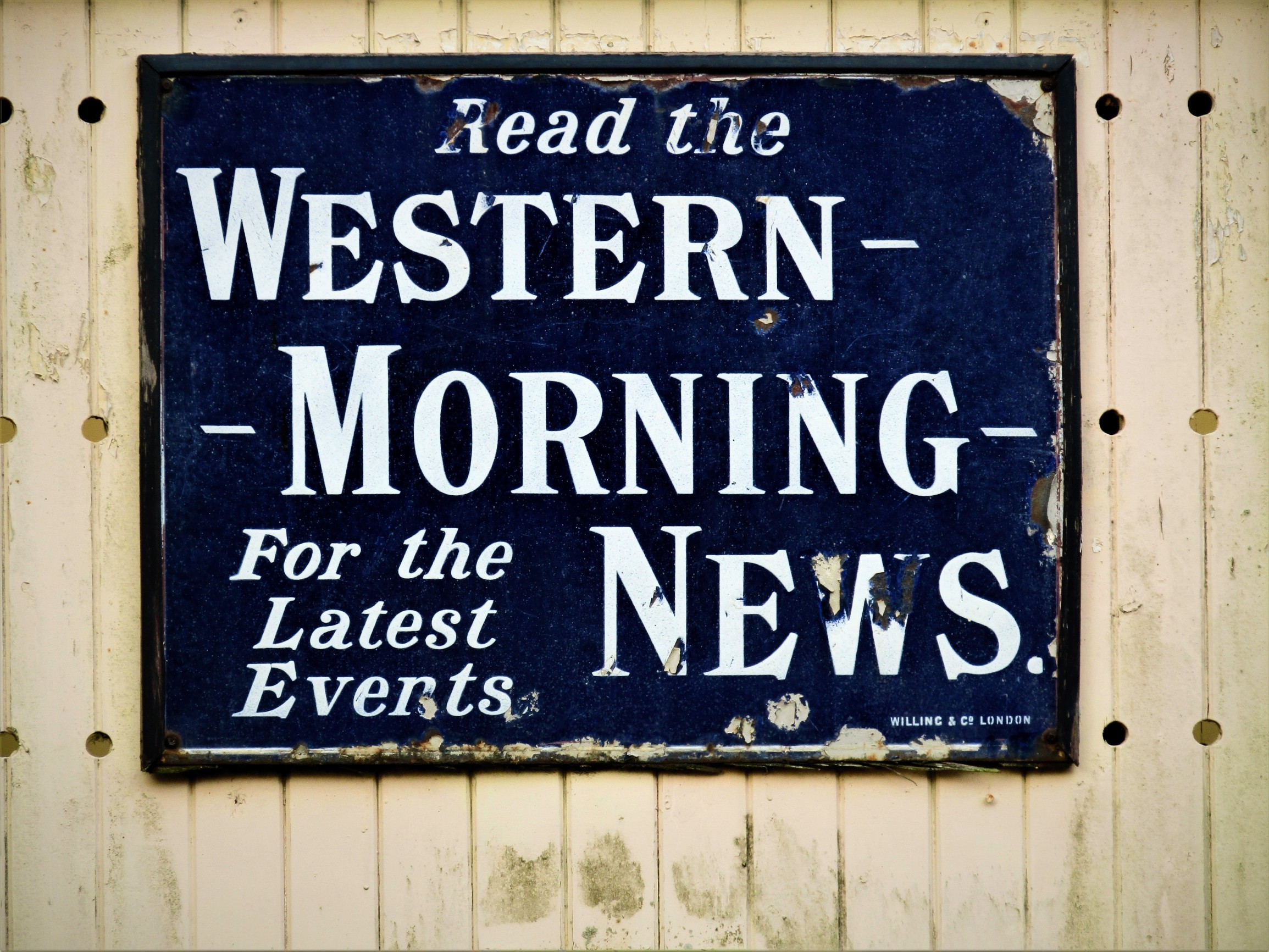
The ground coat that bonded to the steel contained cobalt and nickel oxides to promote adhesion, which made it dark blue or black regardless of what colour the finished article was going to be.
Modern direct-on-cover systems can bond a single white or coloured coat without a dark ground. The old two-coat requirement is why chipped enamelware shows a dark ring around the bare metal – that is not dirt or rust, it is the ground coat doing the job it was there to do.
5. The Enamel Was Applied as a Wet Slurry and Then Dried Before Firing
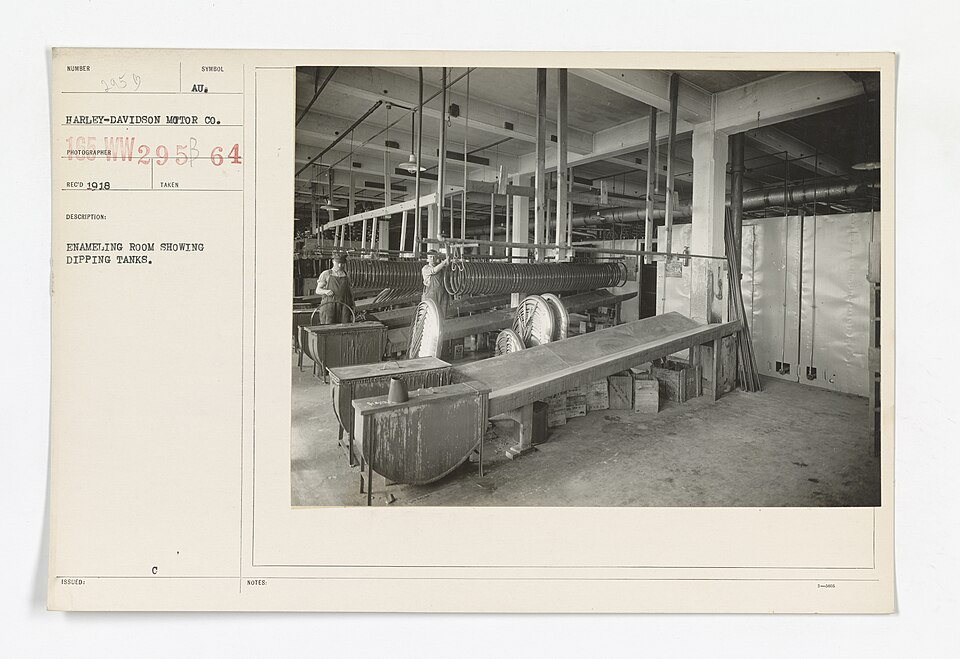
The ground glass was mixed with water and clay into a slip, applied by dipping or spraying, then dried carefully, because a piece that went into the furnace still damp would spit and blow the coating off.
Electrostatic dry powder application on automated lines, with no drying stage at all. Dipping large hollow articles – baths, cookers, cisterns – evenly without runs, pooling or thin patches was a physical skill, and the operator’s handling of the piece as it came out determined whether it was saleable.
6. The Firing Temperature Was Judged by the Colour Inside the Furnace
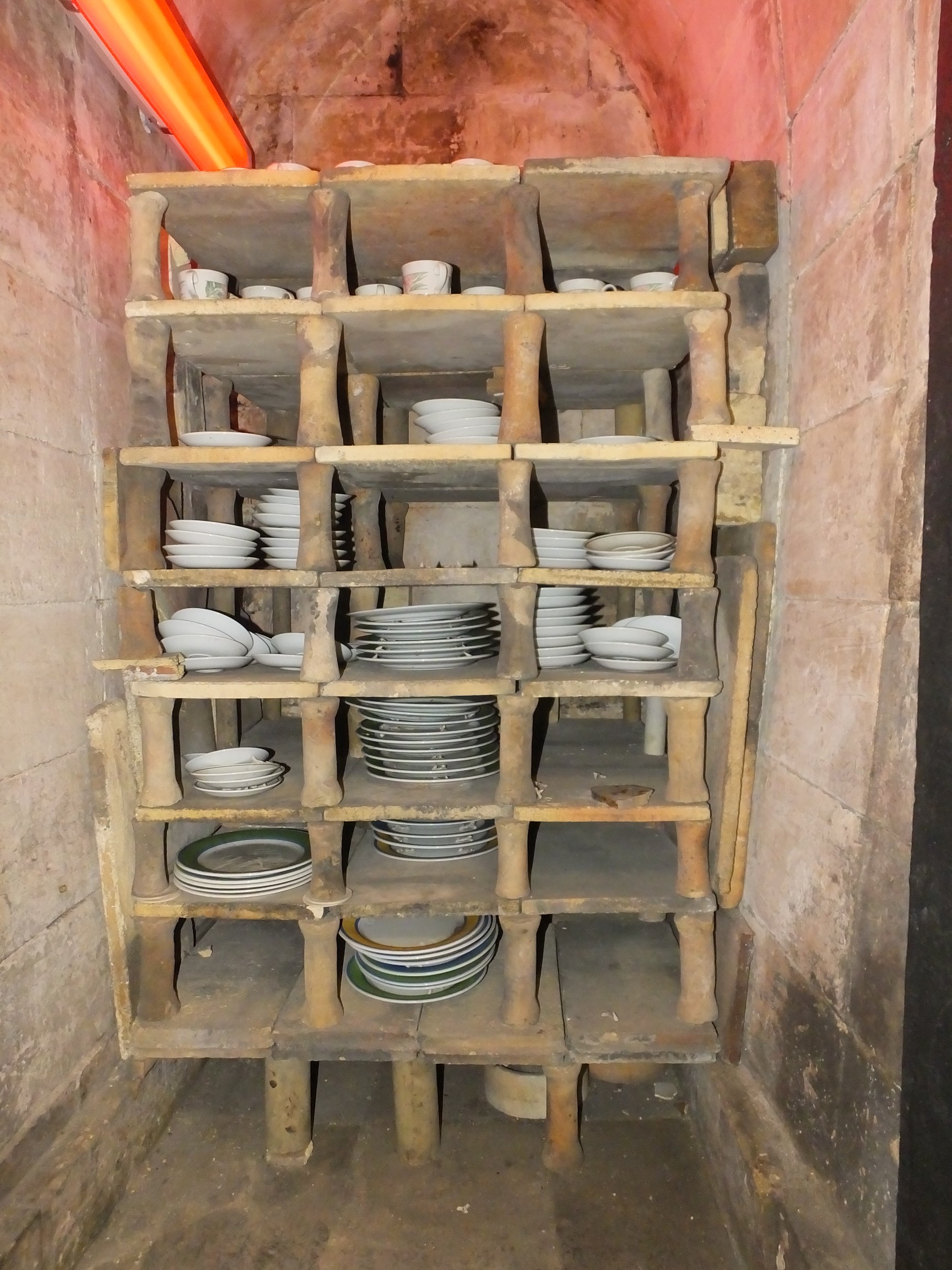
Firing happened at a bright red heat for a measured number of minutes, and while pyrometers existed, the practical check was the furnaceman looking at the colour of the muffle and the work inside it.
Continuous furnaces with controlled profiles and electronic monitoring throughout. The window was not generous: underfired enamel is dull and poorly bonded, overfired enamel burns out its colour and can begin to break down, and the difference between the two was a matter of a short time at temperature.
7. Every Single Colour Fired at a Different Temperature
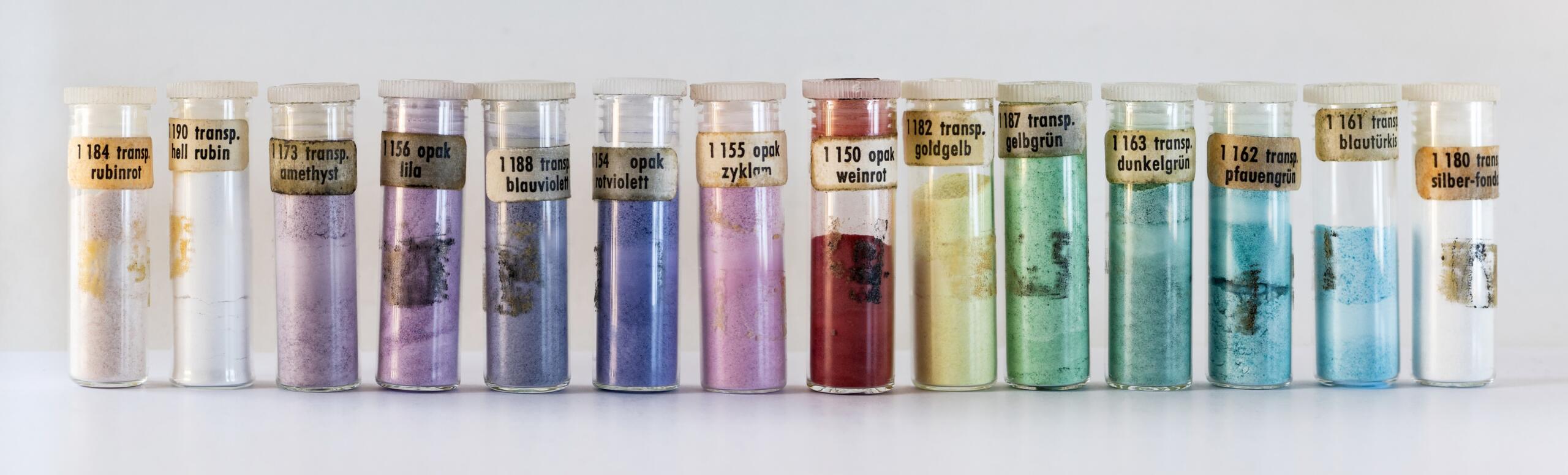
Enamel colours came from different metal oxides and each had its own firing behaviour, so a red, a yellow and a blue could not simply be fired together on the same schedule.
Formulated colour ranges designed to fire compatibly, with a far wider palette available. Red was the notorious one – difficult, expensive, prone to burning out – which is a large part of why so much mid-century enamel signage is blue, green, white and black.
8. A Multi-Colour Sign Went Through the Furnace Once for Every Colour
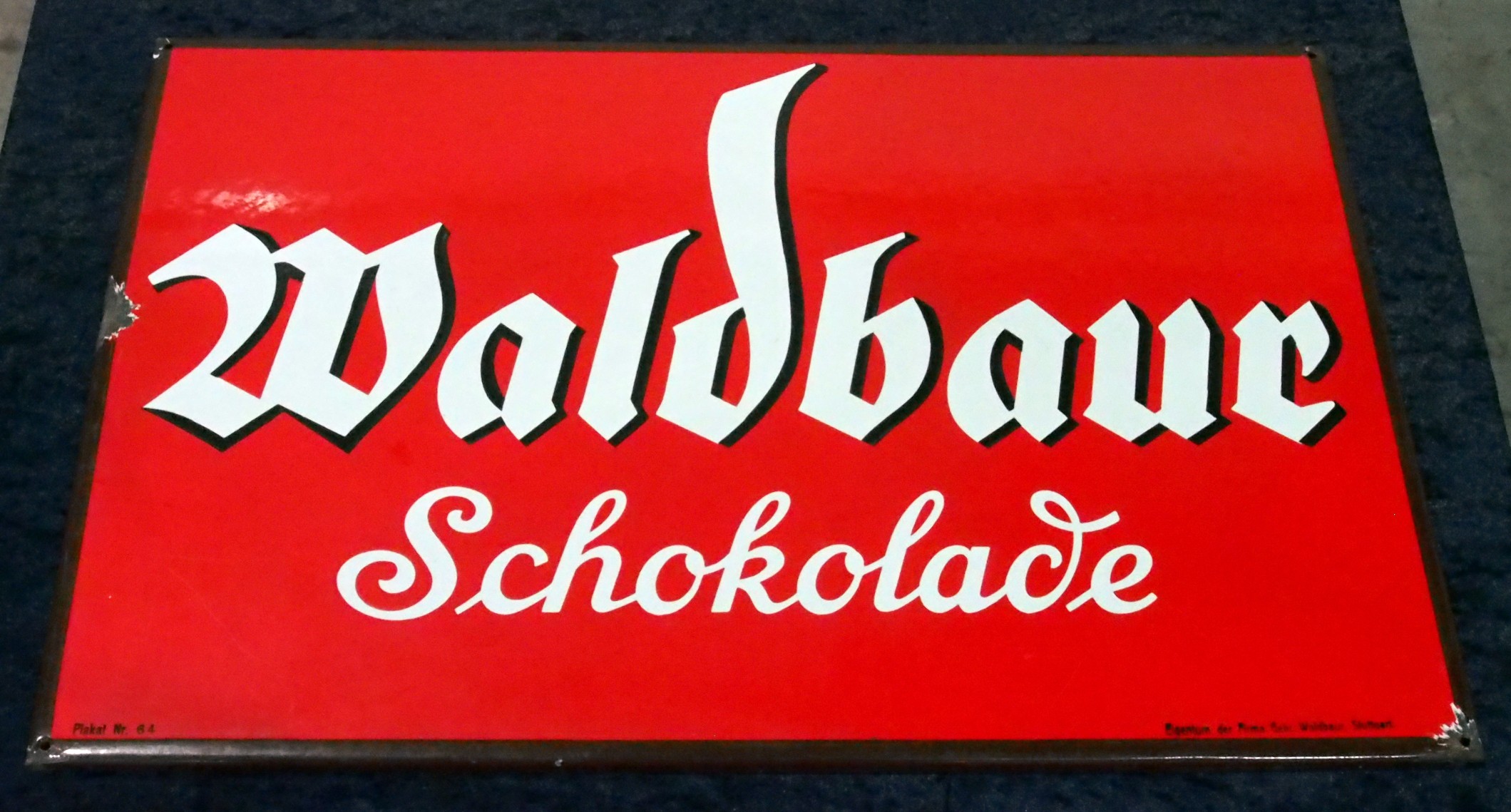
Each colour was applied through a hand-cut stencil, dried and fired, then the next colour applied, dried and fired, so a four-colour sign meant five trips through the furnace counting the ground coat.
Screen printing with compatible colour sets and single-fire systems, and digital methods for short runs. Every additional firing risked everything already on the piece, so the sequence was worked out so the most fragile colour went on last and spent the least total time at heat.
9. The Stencils Were Cut by Hand and the Lettering Was Somebody’s Drawing
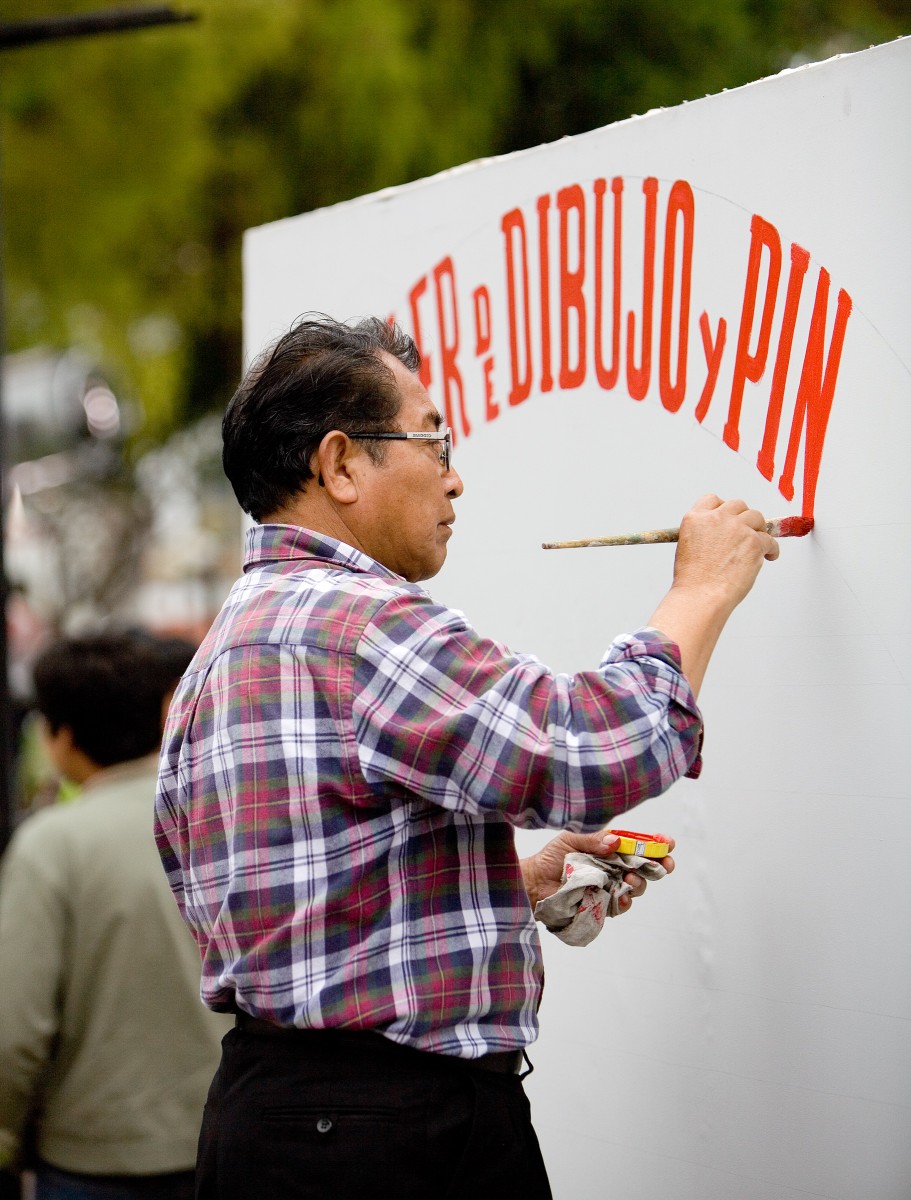
The crisp lettering on enamel signs came from stencils cut by hand from sheet material by a craftsman working from a drawn layout, and the letterforms were drawn rather than set from type.
Digital artwork and photographically produced screens. This is why old enamel signs have the particular letterforms that collectors recognise instantly: those shapes were drawn by individual people for the medium, with the stencil’s own requirements – no floating centres, no fragile thin strokes – shaping the letters directly.
10. A Chip Went Straight Through to the Steel and the Rust Started There
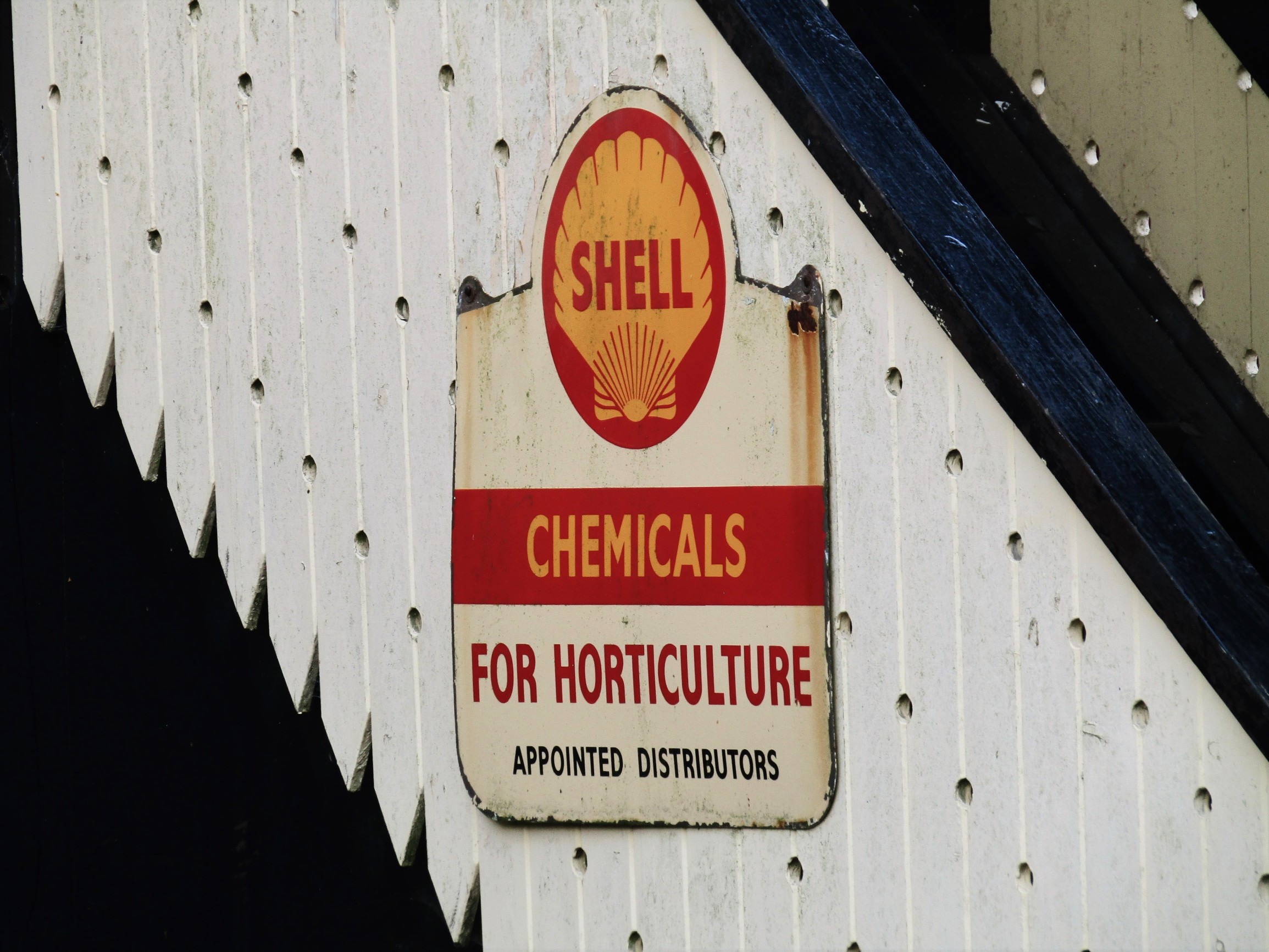
Because enamel is glass bonded directly to metal, a sharp knock removed a piece cleanly down to bare steel, and that spot began rusting immediately with nothing to stop it spreading under the edge.
Tougher formulations, better edge coverage and modern enamel on appliances that rarely gets struck. The failure mode of enamel is the reverse of paint: paint degrades gradually and overall, enamel stays perfect indefinitely and then fails completely in one small spot – which is why old enamelware is either immaculate or spotted with rust craters.
11. Then Plastic and Powder Coating Took Almost All of It
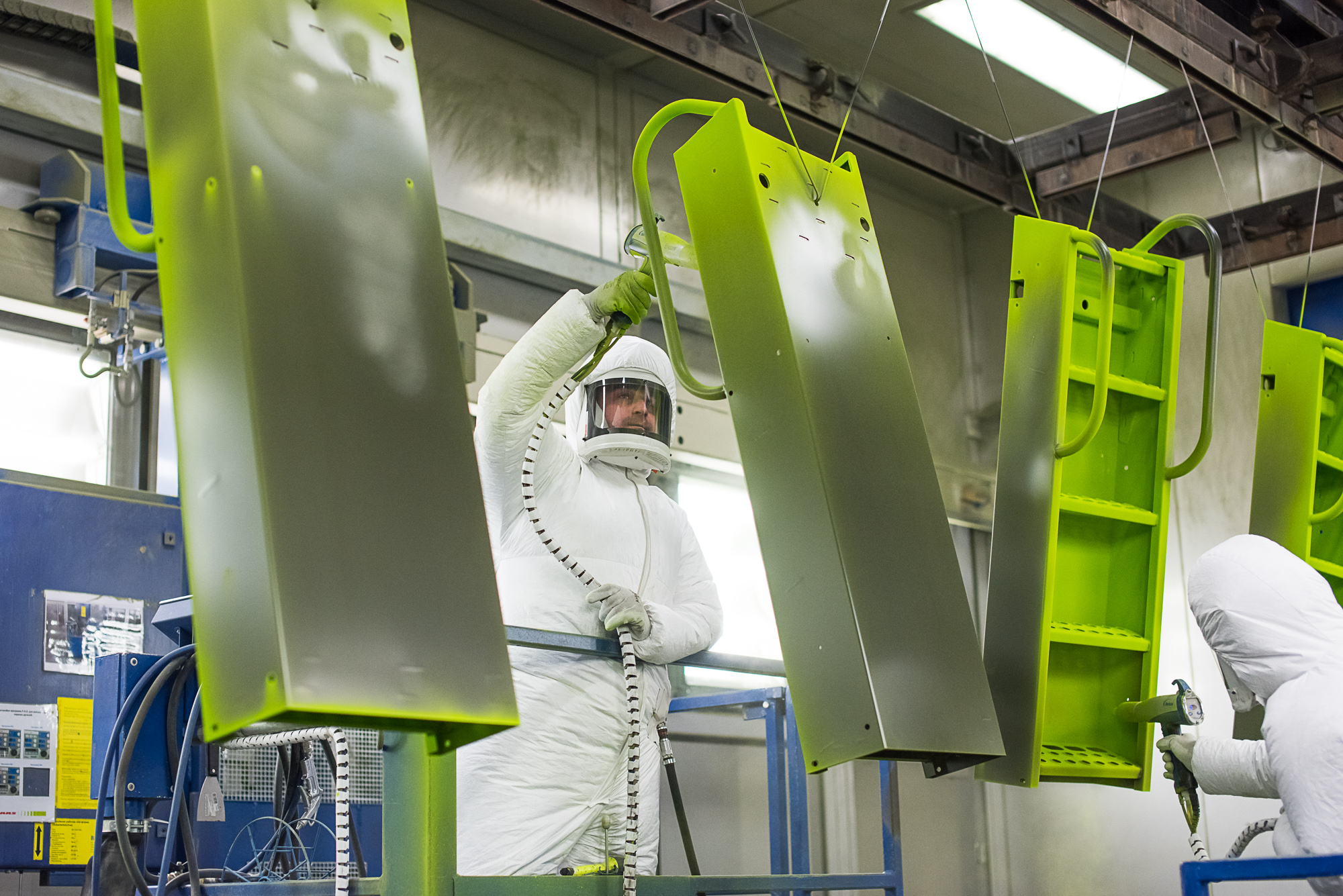
Enamel had the market in cookers, baths, sinks, cisterns, hospital and laboratory ware, street and shop signage, and household utensils, because nothing else combined hardness, hygiene and permanence.
Moulded plastics, acrylic baths, powder-coated and pre-finished steel and printed vinyl replaced it almost everywhere on cost, weight and the absence of a firing stage. Enamel survived where its specific properties remain unmatched – cast iron cookware, high-end appliances, architectural cladding, industrial storage and transport signage – and in all of those it is still chosen because it lasts, which is the same reason it was chosen in 1960.
The Signs Outlasted Everything They Advertised
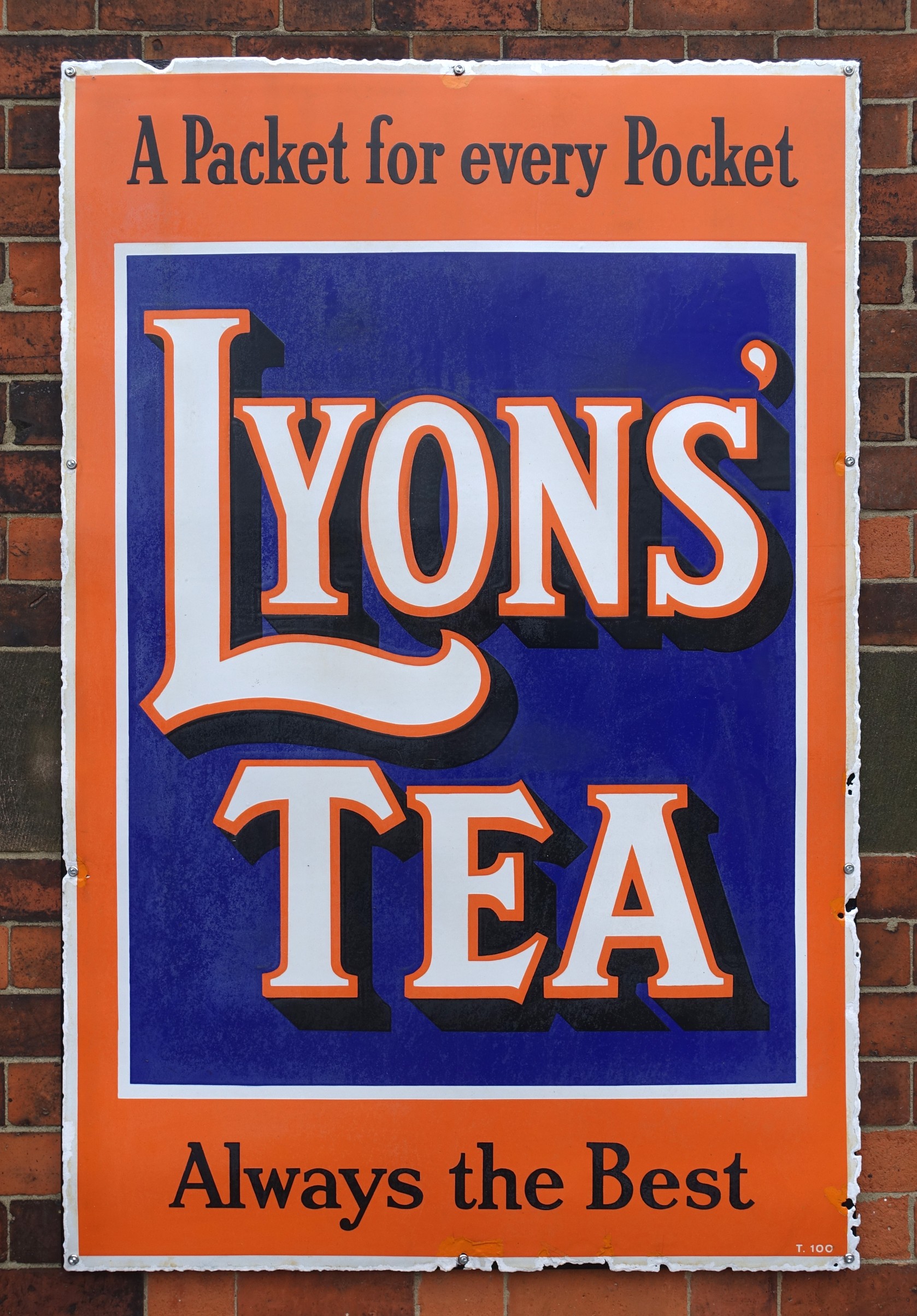
There is a reason enamel signs are collected and painted ones mostly are not.
An enamel sign is glass. It does not fade in sunlight, because the colour is metal oxide locked into the glass rather than pigment suspended in a binder that ultraviolet light slowly destroys. It does not wash off, chalk, blister or peel, because there is no binder to break down and nothing between the colour and the steel. Rain does nothing to it. Heat does nothing to it. A century outdoors does very little to it.
What it cannot survive is a sharp knock, and that is the entire story of enamel’s failure: perfect, perfect, perfect, then one chip through to bare steel with rust creeping out from underneath.
So what survives is a strange and slightly comic record. Enamel signs are still bolted to walls advertising products that were discontinued fifty years ago, firms that were bought and absorbed before most people reading this were born, prices in currency that no longer exists, and telephone numbers of three digits. The sign is in better condition than the building it is fixed to. The brand on it may have had three owners and two names since.
They were made to last because the method could not make anything that did not last – firing glass onto steel has no cheap, temporary setting. And that turned out to be an expensive way to produce something as disposable as advertising, which is precisely why the trade lost the work to printed vinyl.
The signs that are left are not survivors. They are simply the ones nobody has hit yet.
If you have a chipped enamel bread bin or a cooker with a dark ring around a chip, that is the ground coat.
And it was dark because it had to be.
Like our content? Follow us for more.

