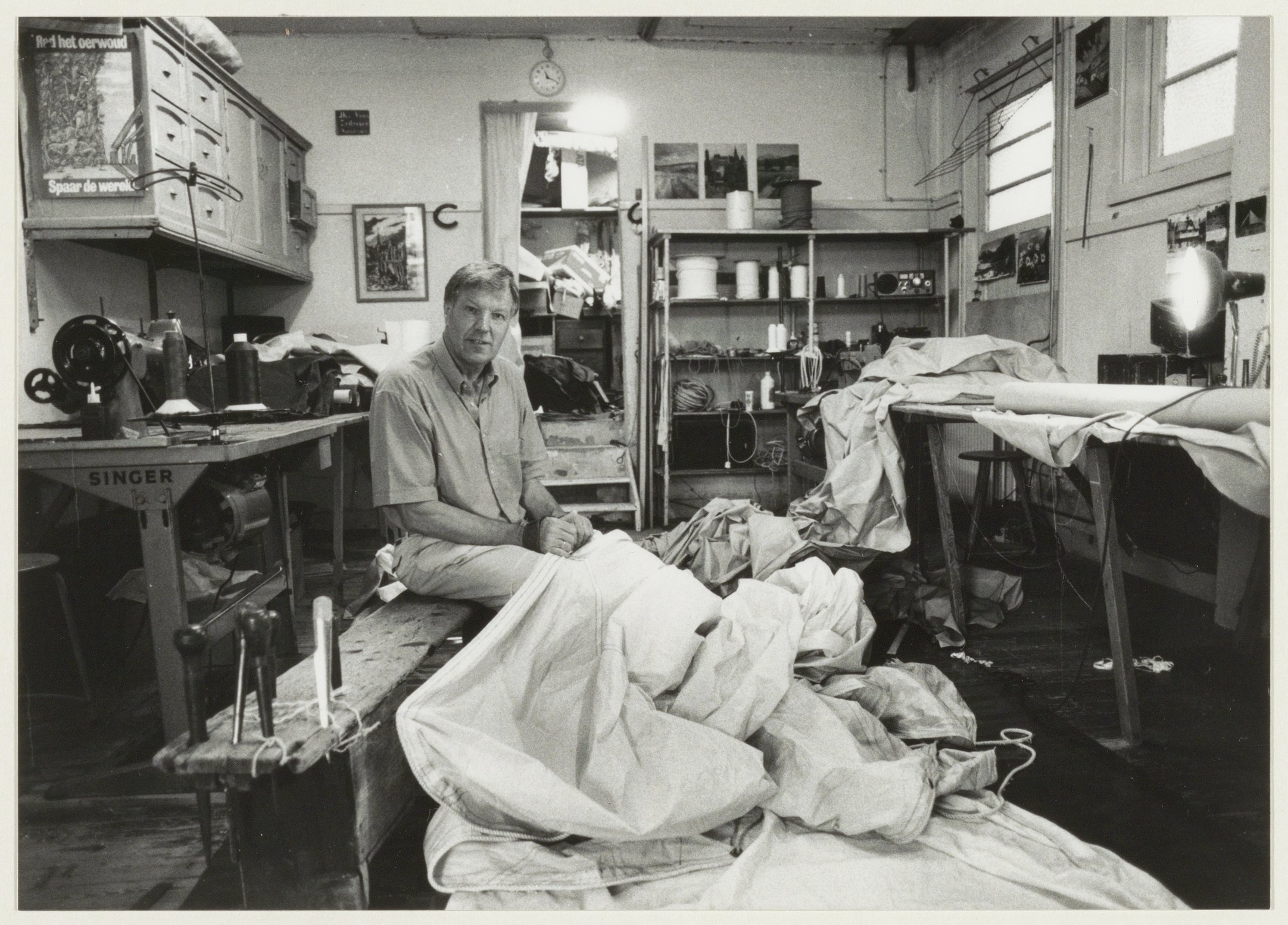
In 1960 a sail was designed by chalking it out at full size on the floor of a long room, with battens bent to strike the curves.
The shape came from cutting the seams crooked on purpose. The seams were sewn with a leather palm because a thimble cannot drive a needle through sailcloth. The rope was stitched to the edge by hand at a rate the sailmaker judged by feel. And a new sail had to be broken in gently or it was ruined for good.
Here are twelve things that were normal in a sail loft in 1960, and what became of each one.
1. The Floor Was the Drawing Board and the Sail Was Chalked Out Full Size
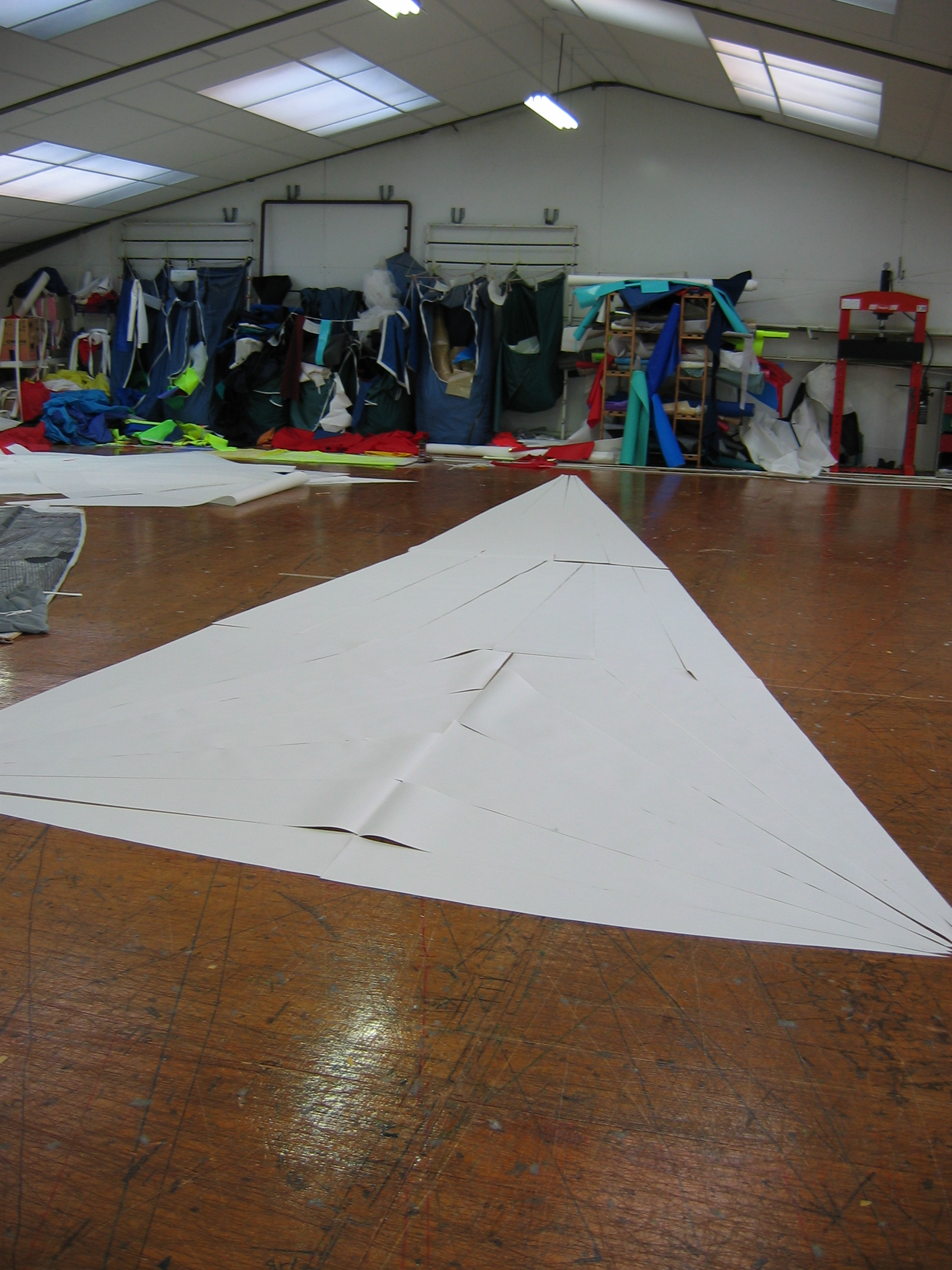
A sail loft was a long open room whose floor was the design surface: the sail was marked out on it at full size in chalk, with battens bent to strike the curves, and the cloth was then cut to those lines.
Computer design, plotted patterns and automated cutting on tables that handle the cloth without a human marking it. The loft floor was not a convenience but a necessity, because a sail is a three-dimensional shape and the only way to work out the flat panels that produce it was to lay the whole thing out and look at it.
Like our content? Follow us for more.
2. Cotton Sails Had to Be Broken In Gently or They Were Ruined
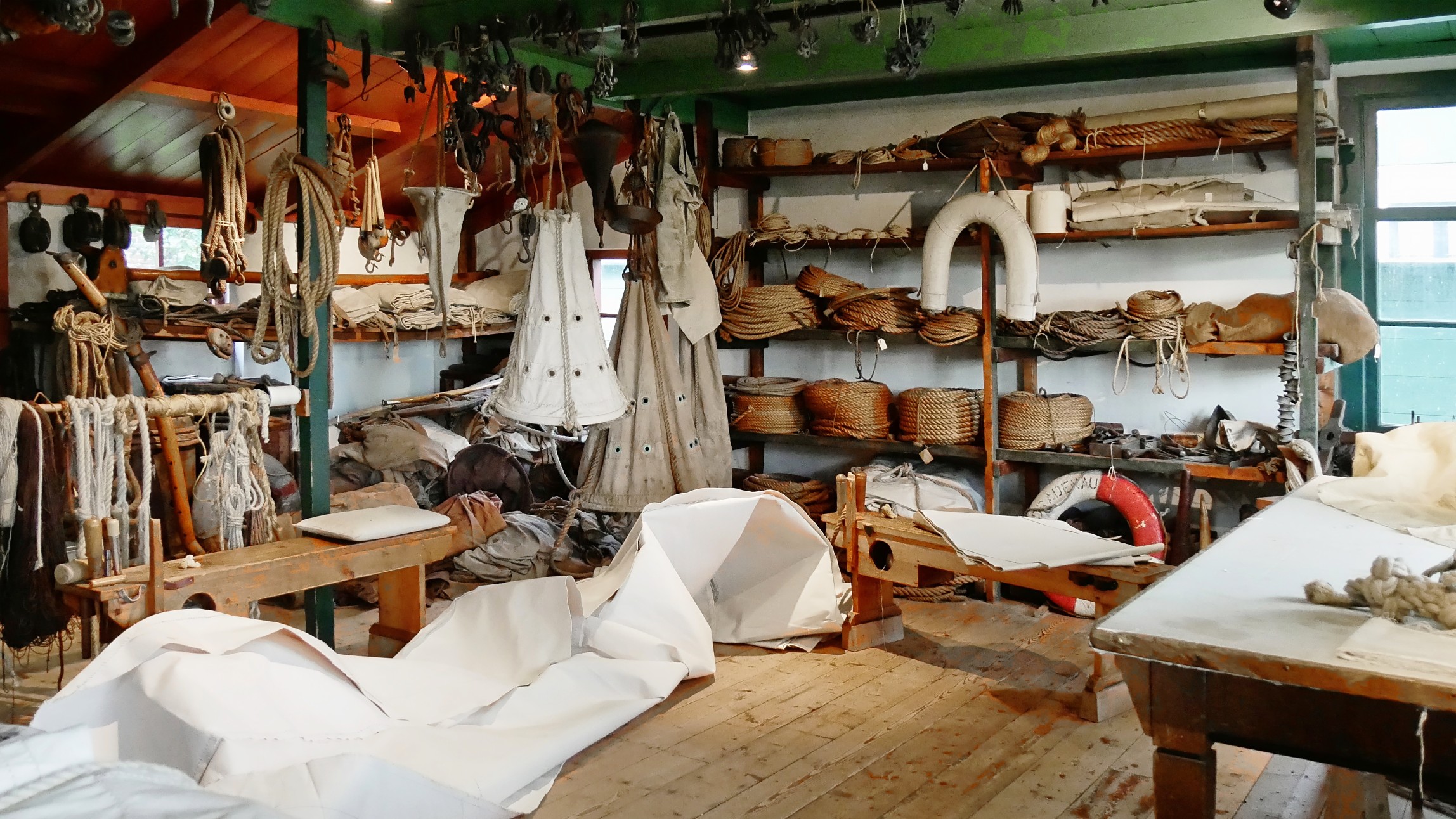
A new cotton sail was stretched in over several outings in light airs, never hard, because the cloth had to settle and the stitching had to bed in, and carrying too much wind too early distorted it permanently.
Synthetic sails are at full shape from the first hoist and need no breaking in at all. The old practice was taken seriously enough that a sail ruined by being used hard when new was regarded as the owner’s fault rather than the maker’s, and the instruction came with the sail.
3. The Shape Was Built by Cutting the Seams Crooked on Purpose
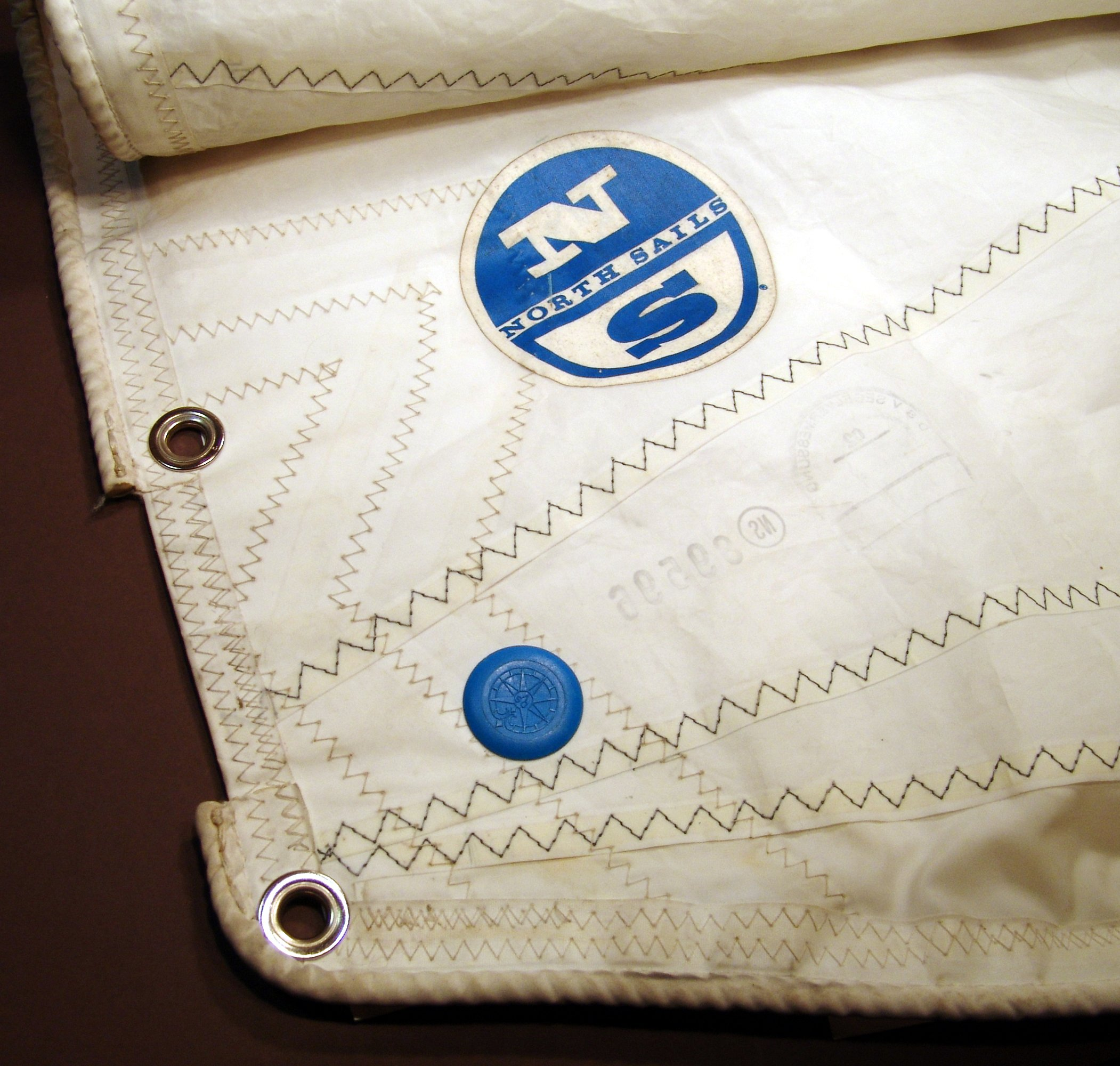
Sails are curved, and the curve was produced by broad seam: tapering the edges of the flat panels so that when they were sewn together the cloth was forced into a three-dimensional shape rather than lying flat.
Still the governing principle, computed digitally and cut automatically, with moulded and laminate sails taking it further. This is the part of sailmaking that surprises people: the shape of a sail is not sewn in as a curve but produced by deliberately mismatching straight edges so the cloth cannot lie flat.
4. The Seams Were Sewn by Hand With a Palm Rather Than a Thimble
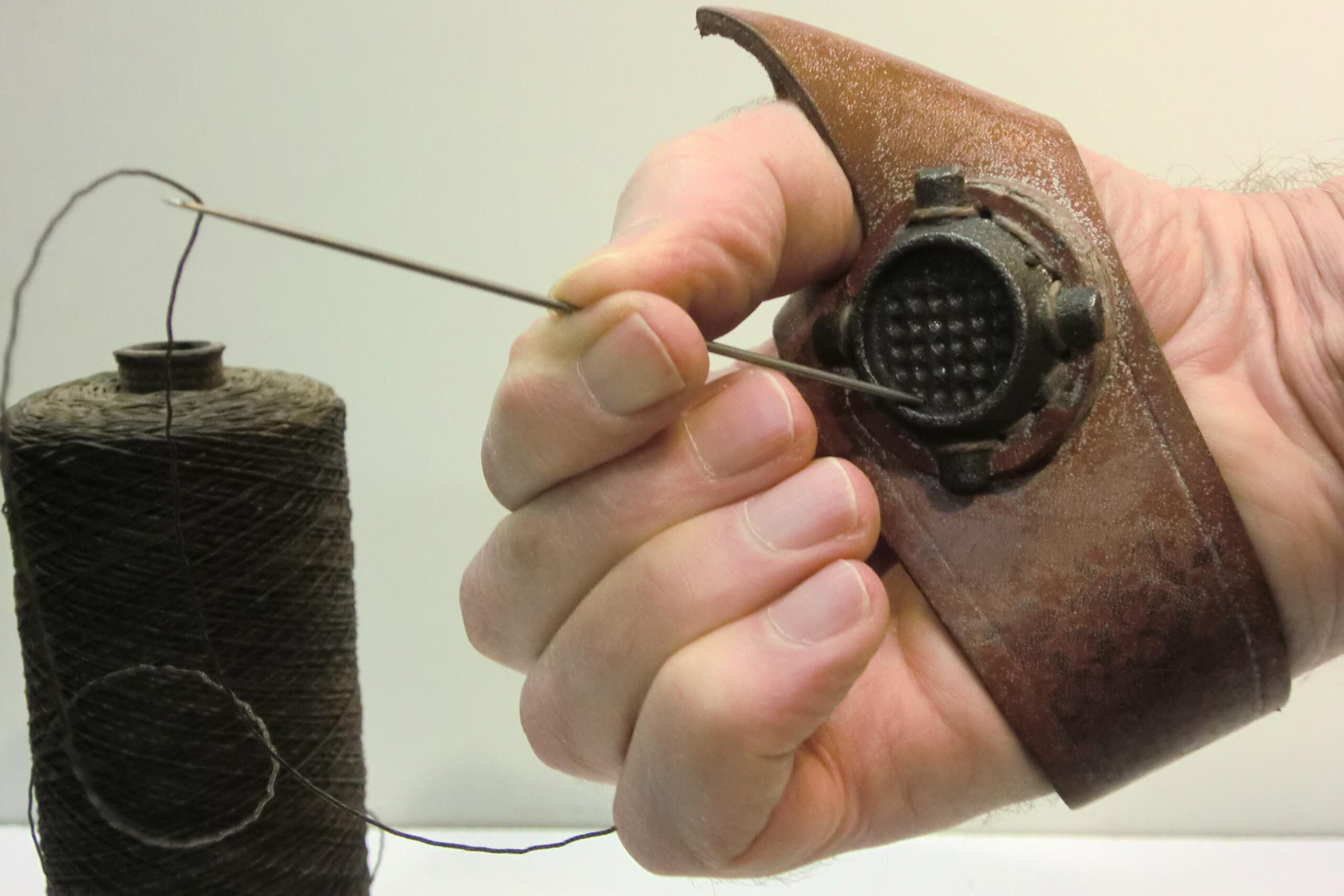
Hand sewing heavy sailcloth was done with a sailmaker’s palm, a leather strap across the hand with a metal plate set into it, used to drive the needle through several layers with the weight of the whole hand.
Industrial machines handle the seams, with hand work surviving for repairs, corner reinforcement and traditional sails. A thimble pushes with a fingertip and is useless on sailcloth, which needs the force of an arm – and the palm is one of the few tools in this series still sold in exactly its original form.
5. The Rope Was Sewn Onto the Edge of the Sail by Hand
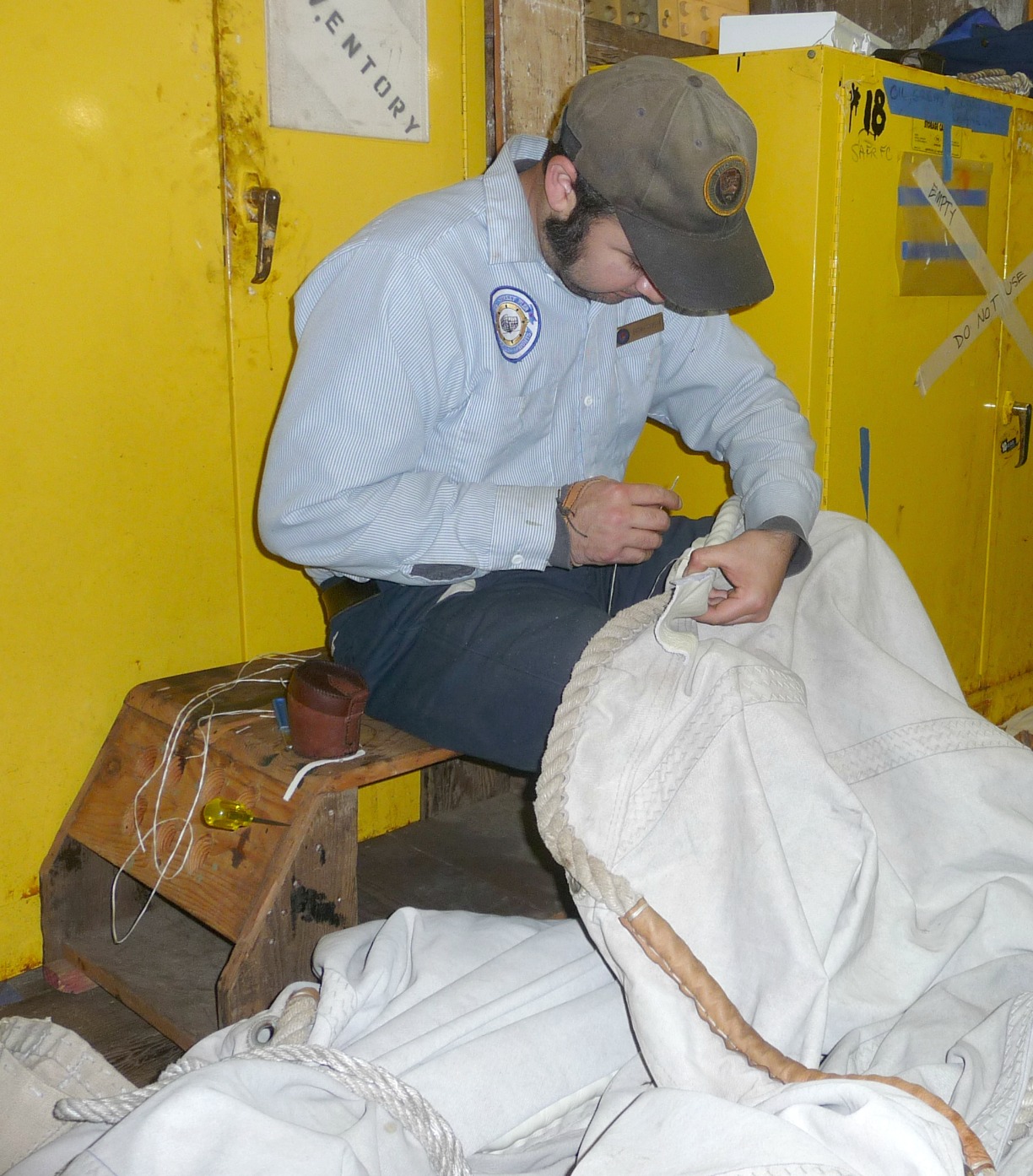
The boltrope along a sail’s edges was stitched on by hand, with the sailmaker deliberately easing the cloth onto the rope at a slightly different rate so the finished edge took up load correctly.
Tapes, luff ropes and bolt ropes fitted mechanically, with most modern sails using slides or luff tape instead. The judgement of how much to ease the cloth onto the rope was unwritten and individual, and it is the reason two sailmakers’ work behaved differently on the same boat.
6. Cringles and Grommets Were Worked by Hand Out of Rope and Thread
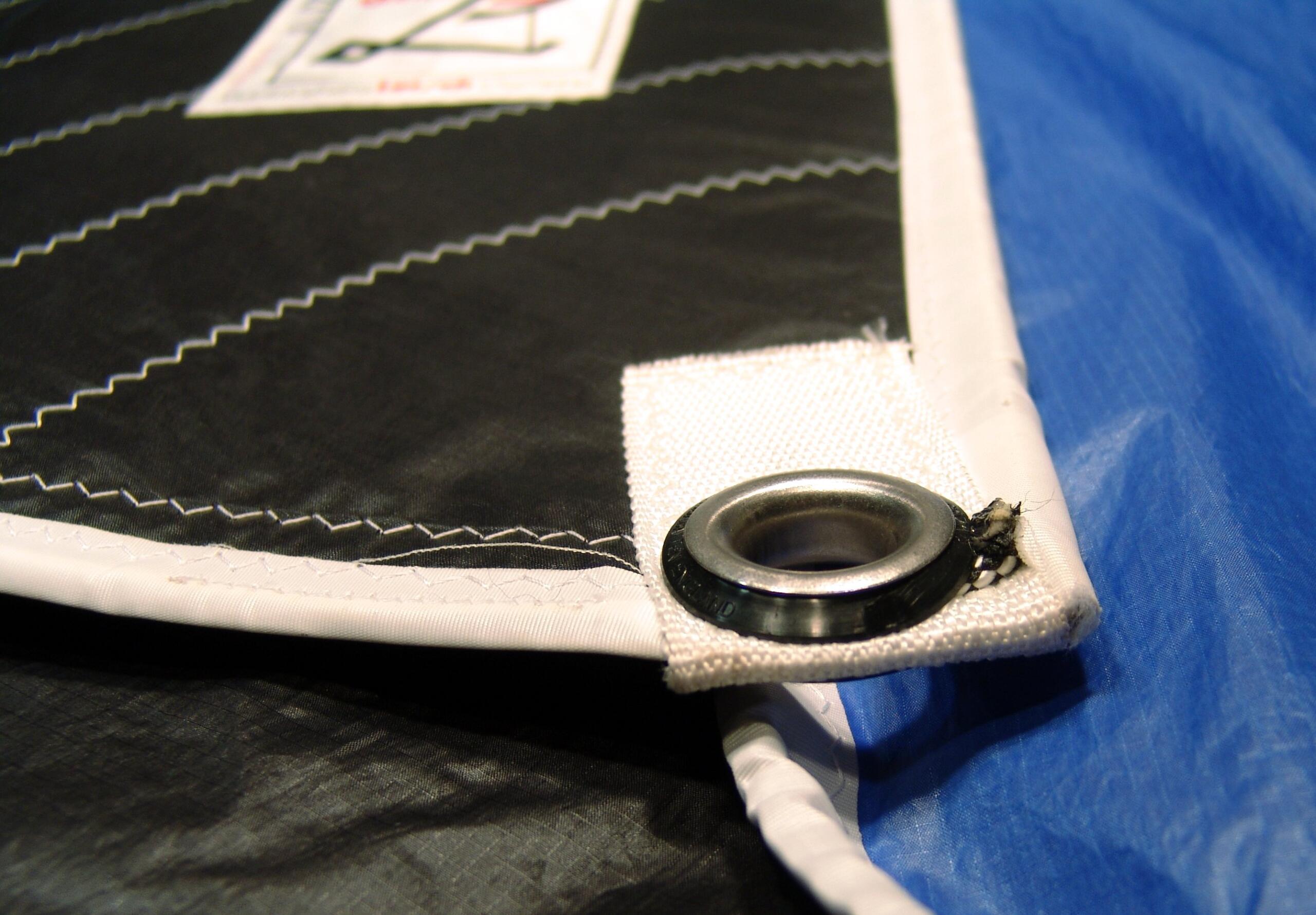
The reinforced eyes at the corners and reef points were not fittings bought in a box but hand-worked – rope cringles set over the boltrope, and grommets made by laying up strands of line into a ring.
Pressed stainless rings, webbing loops and moulded corner patches, fitted in seconds. The hand-worked cringle was stronger than it looked and entirely repairable at sea with a knife and a length of line, which mattered a great deal more then than it does now.
7. Cloth Was Measured in Cloths, Not Metres
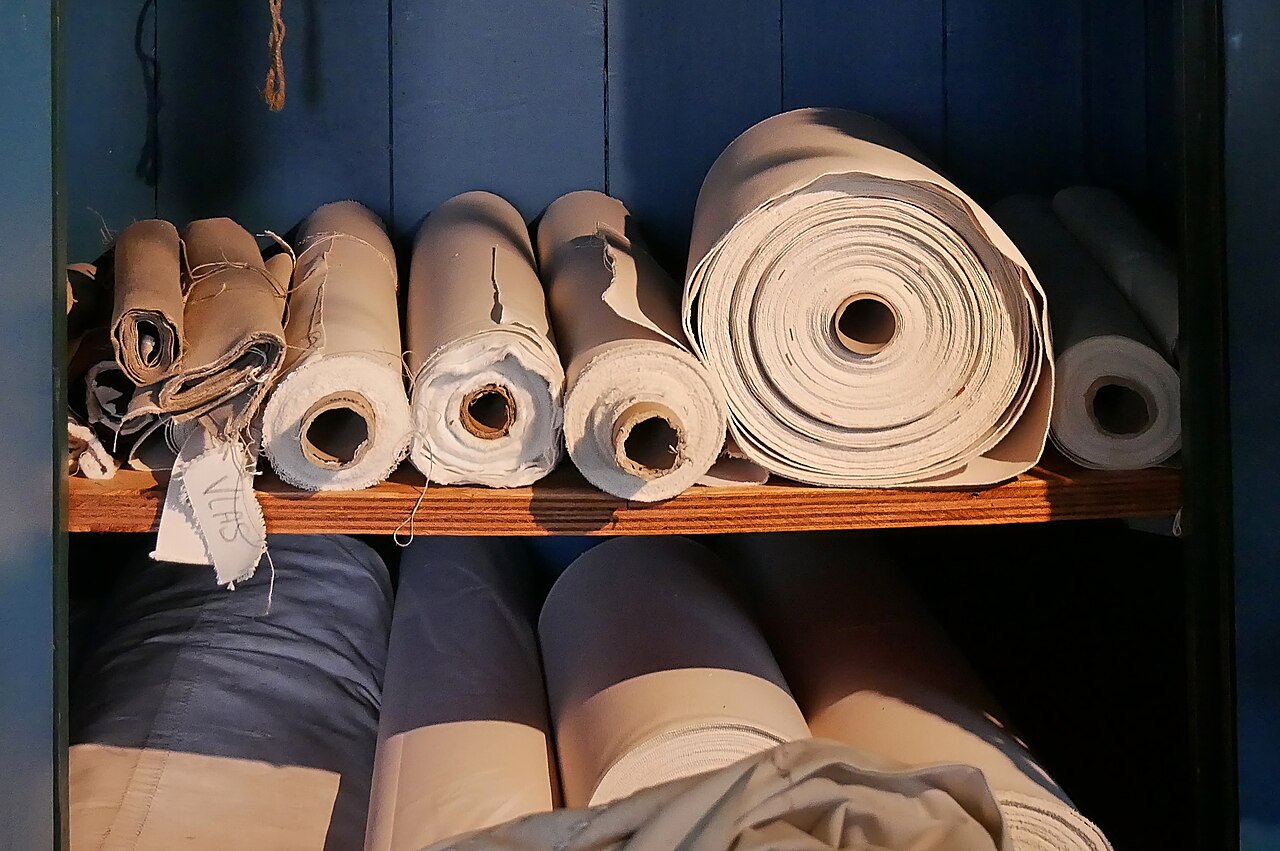
Sailcloth came in a standard width and sails were specified by how many cloths wide they were, with the seams running in a direction chosen to put the strength where the load was.
Specified by area, weight and fibre, with panel layout computed and radial and laminate construction putting fibre directly along load paths. The panel direction was the only control the old sailmaker had over where the strength went, which is why the geometry of an old sail looks arbitrary and is not.
8. Most of the Work Was Repair, Not New Sails
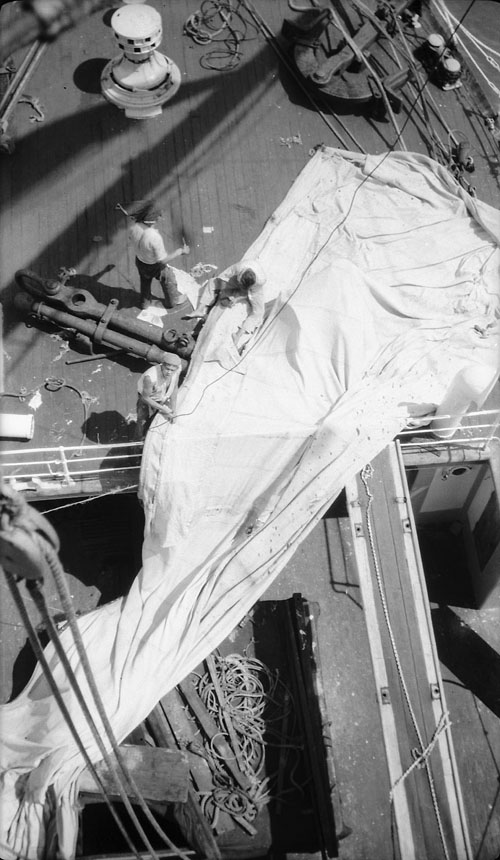
A loft made its living mending: chafed seams, torn panels, blown-out leeches, worn corners, sails brought in at the end of a season and gone over panel by panel.
Still a substantial part of the business, with most lofts doing service, recutting and repair alongside new work. Cotton and flax rotted, chafed and mildewed, so sails came back constantly, and a sail was expected to be repaired repeatedly over a long life rather than replaced.
9. Sails Were Dried Before Stowing or They Rotted in the Bag
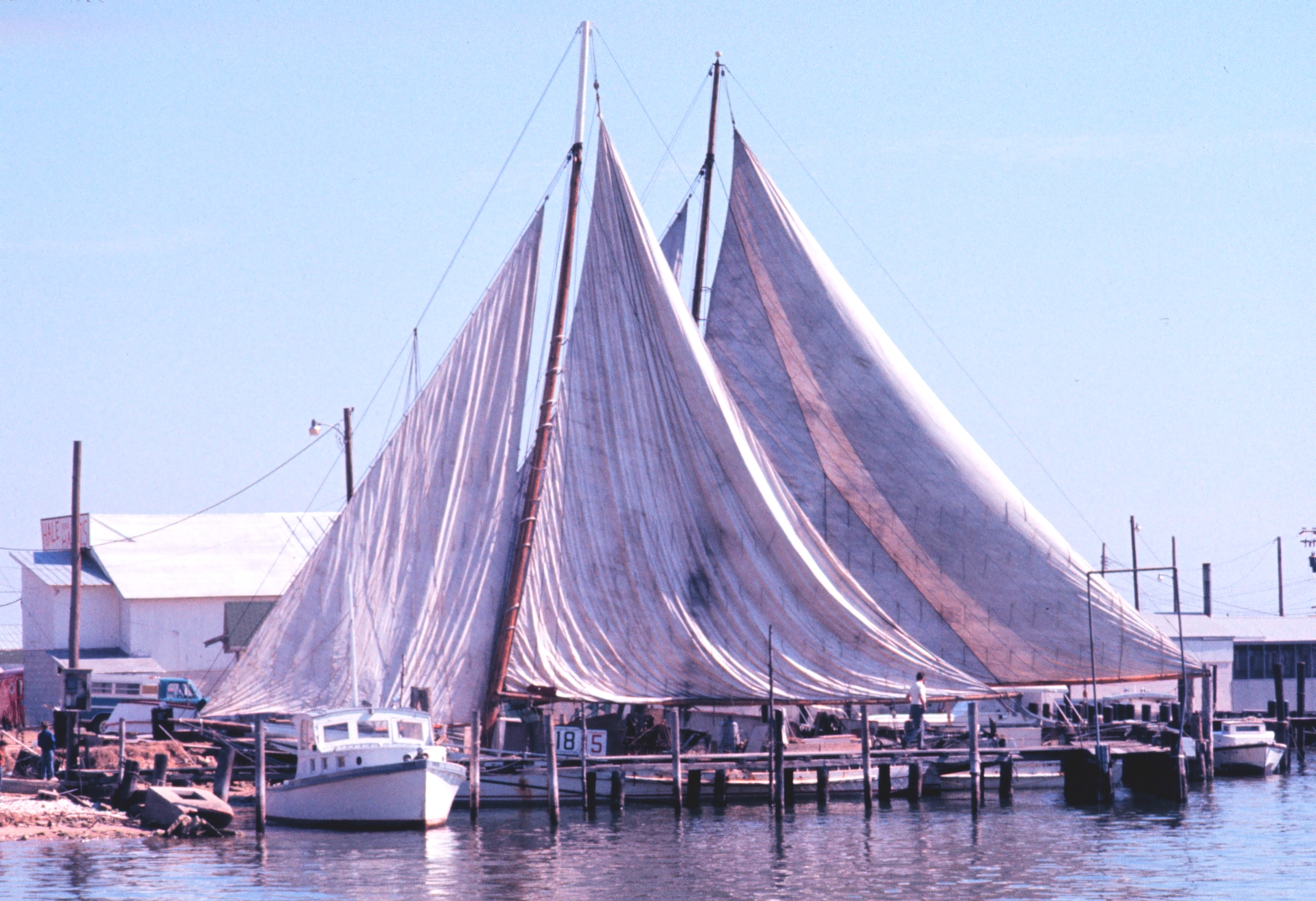
Natural-fibre sails put away damp grew mildew that weakened the cloth, so they were hoisted or spread to dry before stowing, and failing to do it destroyed sails that were otherwise sound.
Synthetic cloth does not rot, and sails are stowed wet without consequence. It is one of the clearest small examples of a discipline disappearing entirely: a rule that every sailor absolutely had to follow became, within one material change, completely unnecessary.
10. The Sailmaker’s Eye Did What Nobody Could Calculate
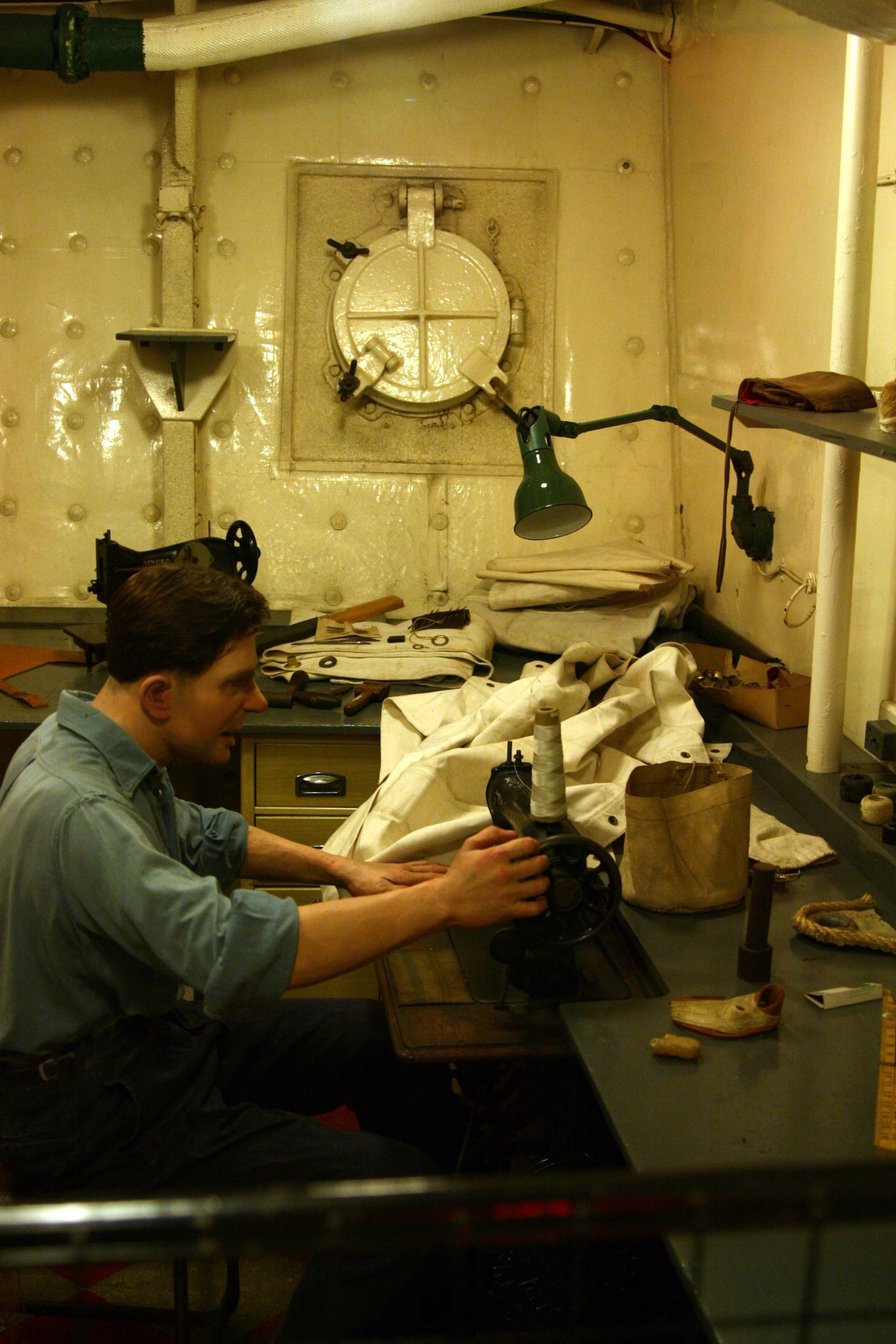
There was no way to compute the shape a sail would take under load, so the amount of broad seam, the luff curve and the draft position were set from experience and from watching the finished sail work.
Aerodynamic modelling, load analysis and measured flying shape, with sails photographed under load and adjusted against the design. The old method was not guesswork, but it was not transferable either: it lived in individuals, and a loft’s reputation was one person’s accumulated judgement.
11. The Loft Was Also Where the Boat’s Covers and Awnings Came From
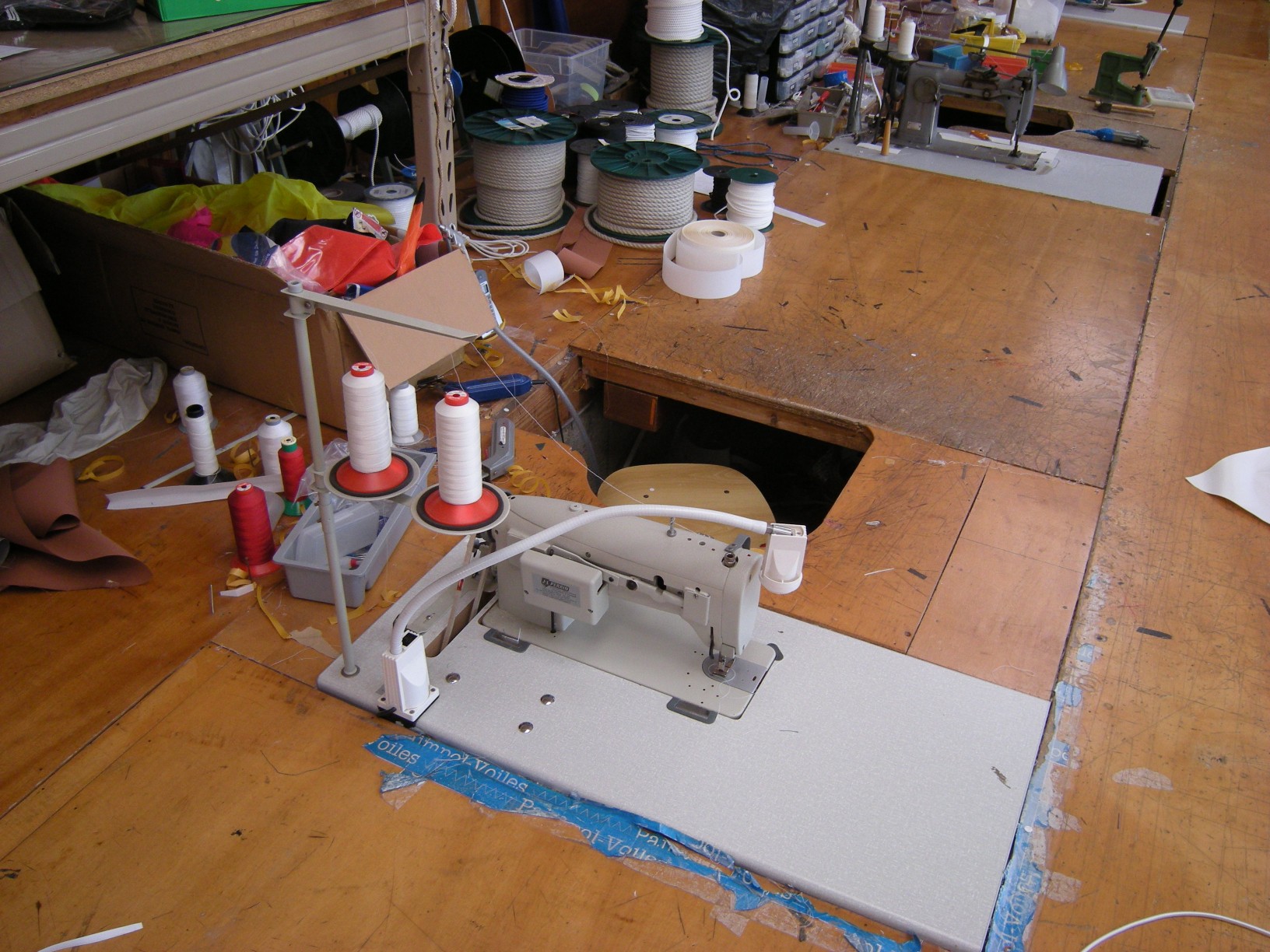
A sail loft made everything else in canvas – covers, awnings, dodgers, bags, hatch covers – because it had the floor space, the heavy machines and the people who could sew a straight seam in thick cloth.
Unchanged, and for many lofts the canvas work now subsidises the sails. It is the quiet continuity in this piece: the sail business was transformed by synthetics and computers, and the covers trade carried on more or less exactly as it was.
12. Then Synthetic Cloth Arrived and Every Rule Changed At Once
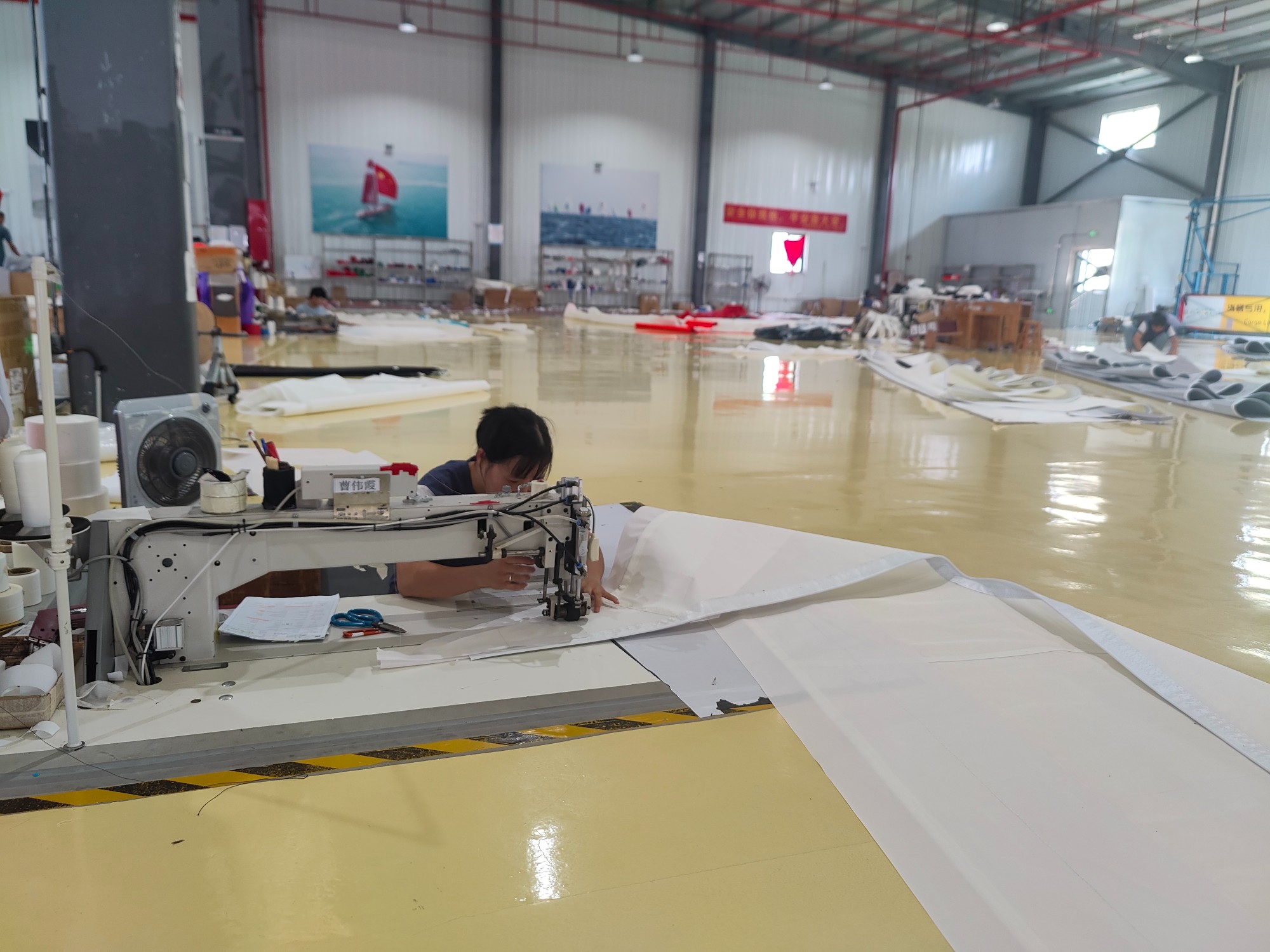
Synthetic sailcloth did not rot, did not mildew, did not stretch the way cotton did, needed no breaking in and held its shape far longer, and it replaced natural fibre almost completely within a generation.
Laminates, films and moulded one-piece sails have gone further again. What is striking is how much knowledge the change made worthless: breaking in, drying before stowing, allowing for stretch, the whole discipline of managing a material that was slowly deteriorating from the day it was made – all of it correct, all of it hard won, and all of it irrelevant within about fifteen years.
The Material Changed and Took the Knowledge With It
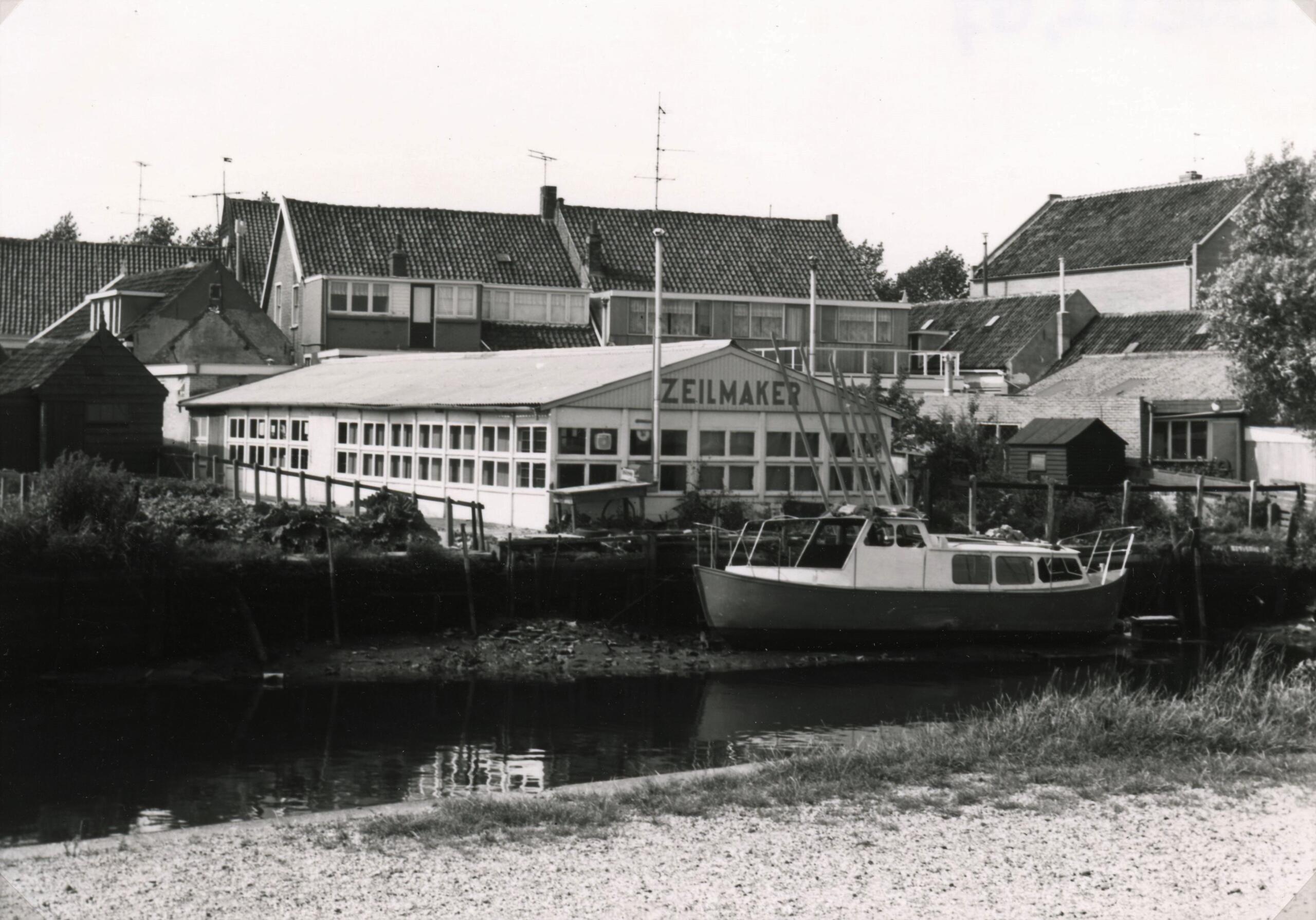
Sailmaking in 1960 was built almost entirely around the weaknesses of cotton and flax.
Natural fibre stretched, so the sailmaker allowed for stretch. It rotted, so sails were dried before stowing and treated against mildew. It needed to settle, so new sails were broken in over several gentle outings. It chafed and tore, so lofts were geared for constant repair. It held its shape imperfectly and deteriorated steadily from the day it was woven, so the whole discipline of looking after sails existed to slow that down.
Every one of those practices was correct. They were worked out over centuries by people whose lives depended on getting them right, and they were taught carefully from one generation to the next.
Then synthetic cloth arrived, and inside about fifteen years essentially all of it stopped mattering. The new material did not rot, so drying before stowing became optional. It did not need settling, so breaking in became meaningless. It held its shape, so allowing for stretch became an error rather than a skill. Sails lasted, so the repair trade shrank.
The craft that survived was the part that was never about the material at all: the understanding of what shape a sail needs to be, and how to build a curve out of flat panels. That knowledge transferred intact, and the lofts that had it are mostly still in business.
Which is the useful distinction, and it applies well beyond sails. Some expertise is knowledge of a material, and it dies with the material. Some is knowledge of the problem, and that survives every change in how the problem gets solved.
If anybody in your family was a sailmaker, they owned a leather palm, and it is probably still in a drawer somewhere.
And they are still made exactly the same way.
Like our content? Follow us for more.