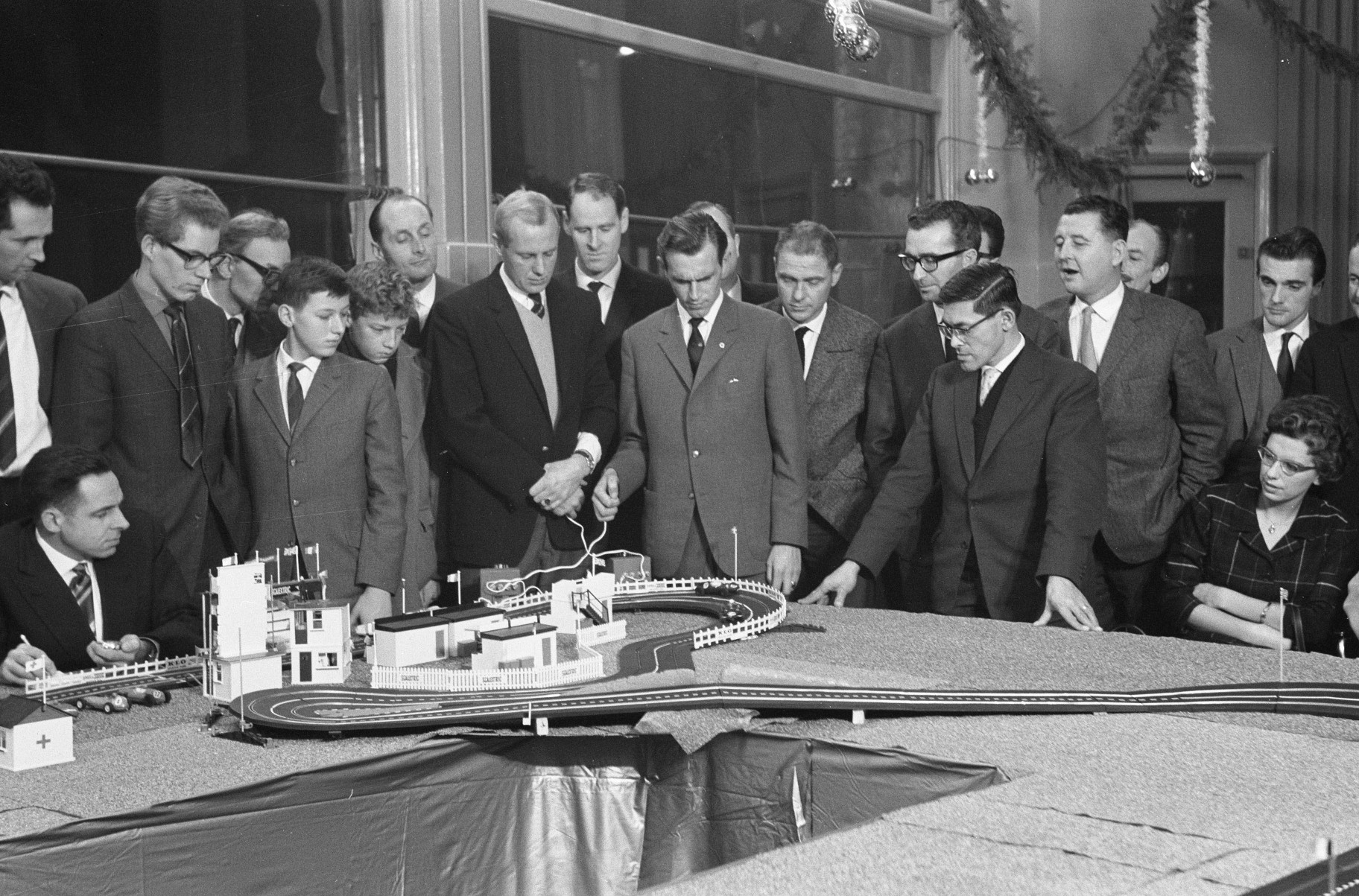
In 1974 thousands of American towns had a storefront built around a slot car track – sixty to a hundred feet of banked multi-lane racing, with a lap counter, a timing desk and seating – and you rented time on it by the quarter hour.
The controller in your hand was a resistor that got hot. Power reached the car through copper braid dragged along steel rails, and when it stopped working the reason was dust nobody had mentioned. The cars came apart and you were expected to rebuild them. And races were won on tyre preparation you could not see.
Here are twelve things every kid knew about slot cars in 1974, and what happened to all of it.
1. There Were Commercial Raceways and You Rented Time on the Track
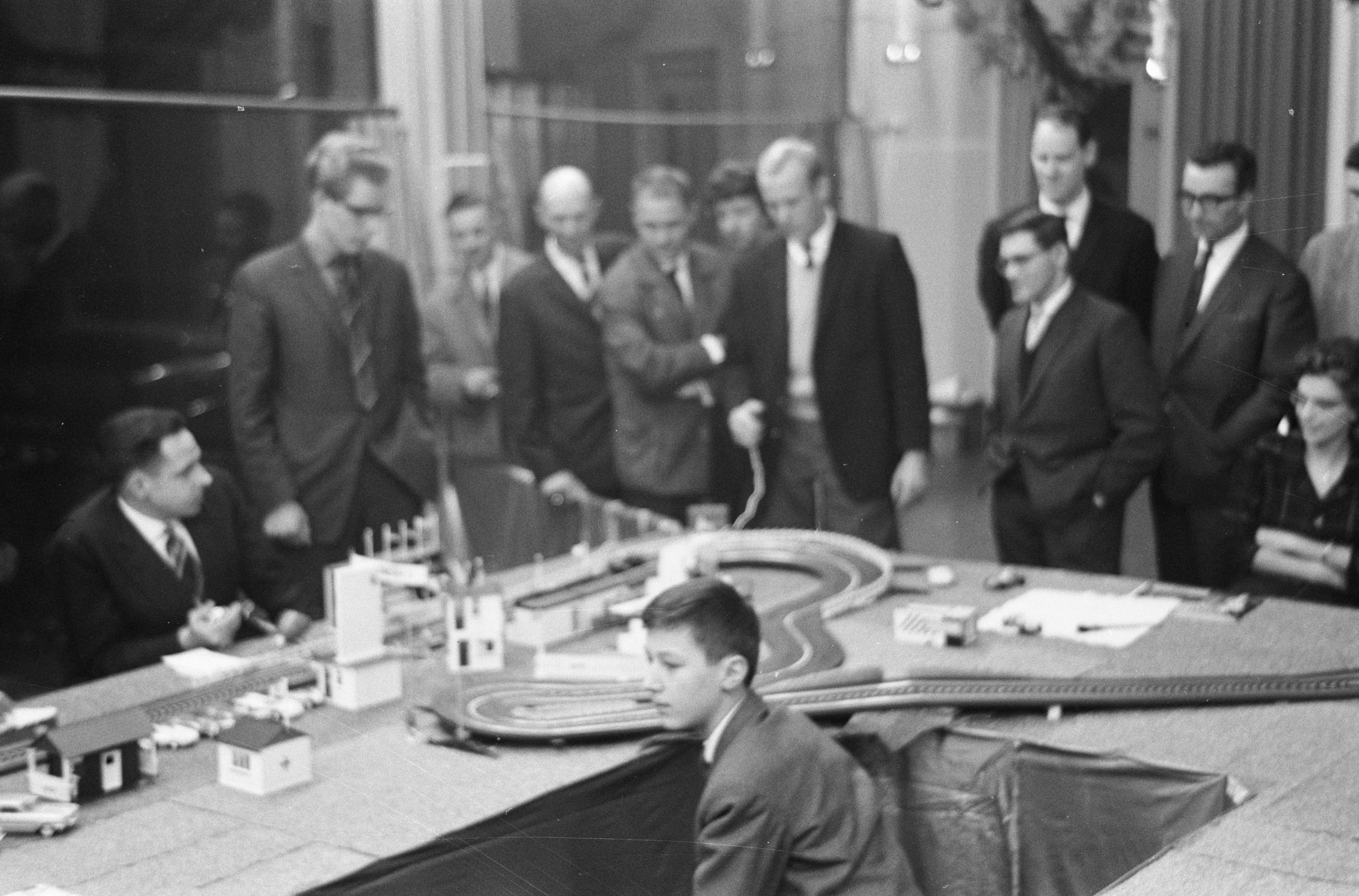
Hobby shops and dedicated storefronts ran large permanent tracks – banked, multi-lane, sixty to a hundred feet of lane, professionally built – and sold track time by the quarter hour to anybody who walked in.
Essentially nothing. The commercial raceway was a genuine piece of American retail leisure, there were thousands of them at the peak, and the overwhelming majority had closed by the end of the 1970s.
The scale is what surprises people now. These were not corners of a toy shop; they were rooms built around a track with lap counters, a timing desk, seating for spectators and a counter selling parts – and a child could walk in with a car in a box and race strangers all afternoon.
Like our content? Follow us for more.
2. The Controller Was a Resistor and It Got Genuinely Hot
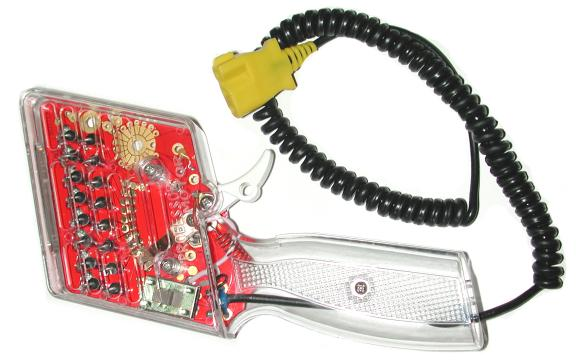
Speed was set by a hand controller containing a wound resistance element: squeezing the trigger moved a wiper along it, reducing resistance and letting more current reach the car, with the surplus energy dissipated as heat in your hand.
Electronic controllers and digital systems that regulate current without wasting it. The old controller converted the unused power into warmth, which is why it got hot and why cheap ones failed.
It also meant the controller was the most important part of your equipment and nobody told you. A better resistor gave finer control at the low end where the corners are, serious racers bought controllers before they bought cars, and a child using the one from the box set was at a disadvantage they could not identify.
3. Power Reached the Car Through Metal Braid Dragged Along a Rail
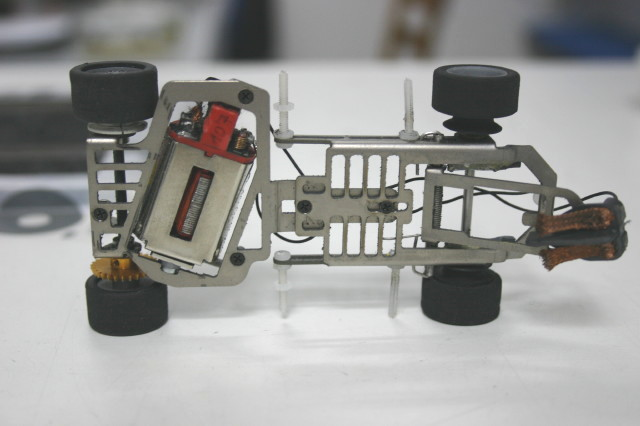
Current came from two metal rails set in the lane, picked up by braided copper strips on the underside of the car, which had to be fluffed out to make firm contact and wore flat with use.
The same principle on analogue track, with digital systems adding decoders. The braid was a consumable that most children never thought about and that governed whether the car ran at all.
Which is why the standard problem was a car that worked, then did not. Flattened braid, oxidised rails and dust in the slot all reduced contact, the car slowed or stopped for no visible reason, and the fix – fluffing the braid up and cleaning the rails – was obvious to a raceway regular and a complete mystery to everybody else.
4. Which Lane You Drew Mattered and Everybody Argued About It
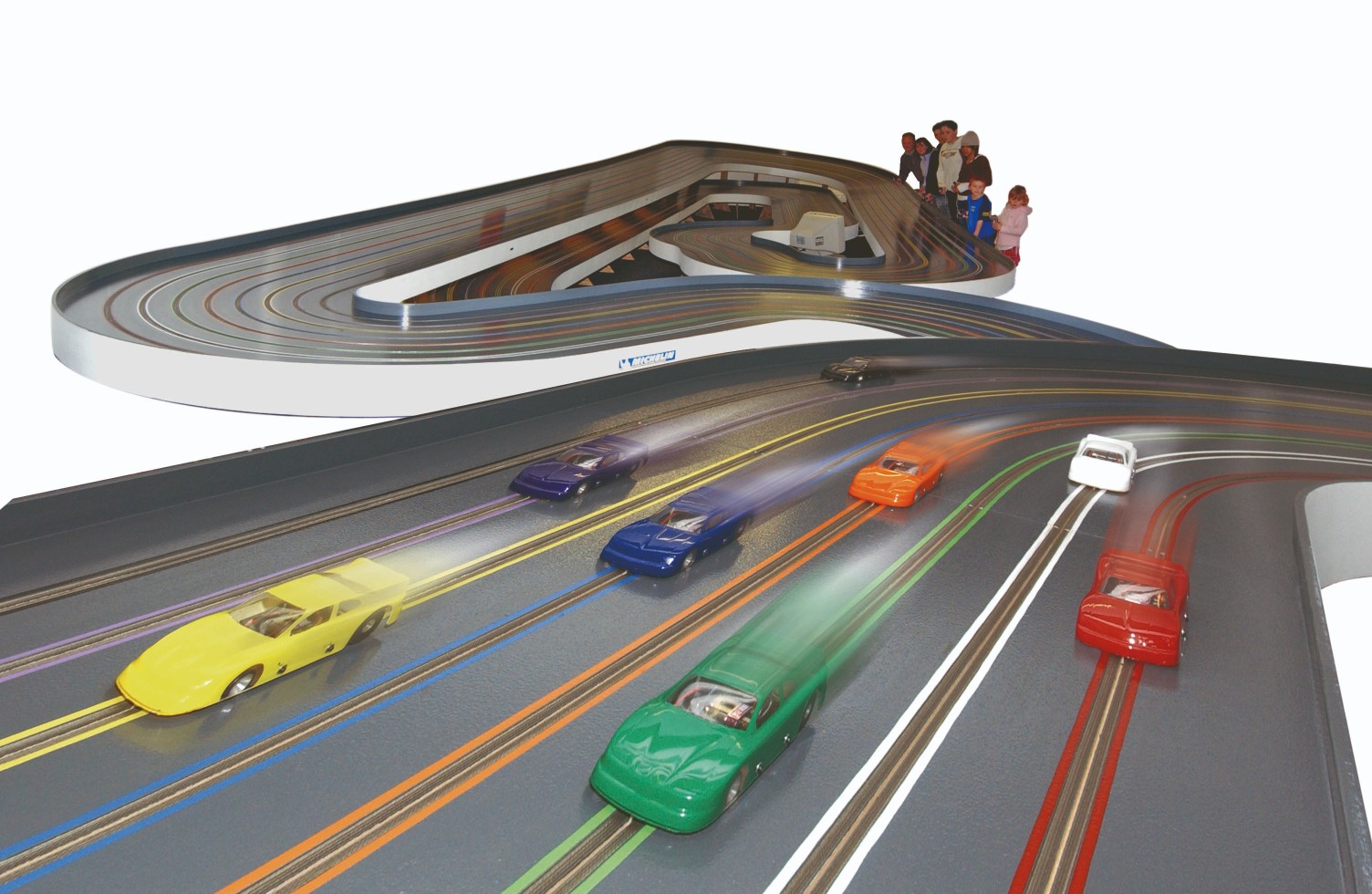
Lanes on a banked commercial track were not equivalent – inside lanes had tighter radii, outside lanes were longer, and rail contact and power varied along the length of the track.
Digital systems where cars share lanes, and in organised racing a rotation that moves every driver through every lane. Lane allocation on a 1974 raceway was frequently just where you were put.
The inequality was real and the arguments about it were therefore legitimate. Lap times differed measurably between lanes on the same track, regulars knew which lane was quickest on which track, and the lane rotation that organised racing later adopted exists specifically because this was a genuine unfairness rather than a complaint.
5. The Car Came Apart and You Were Expected to Modify It
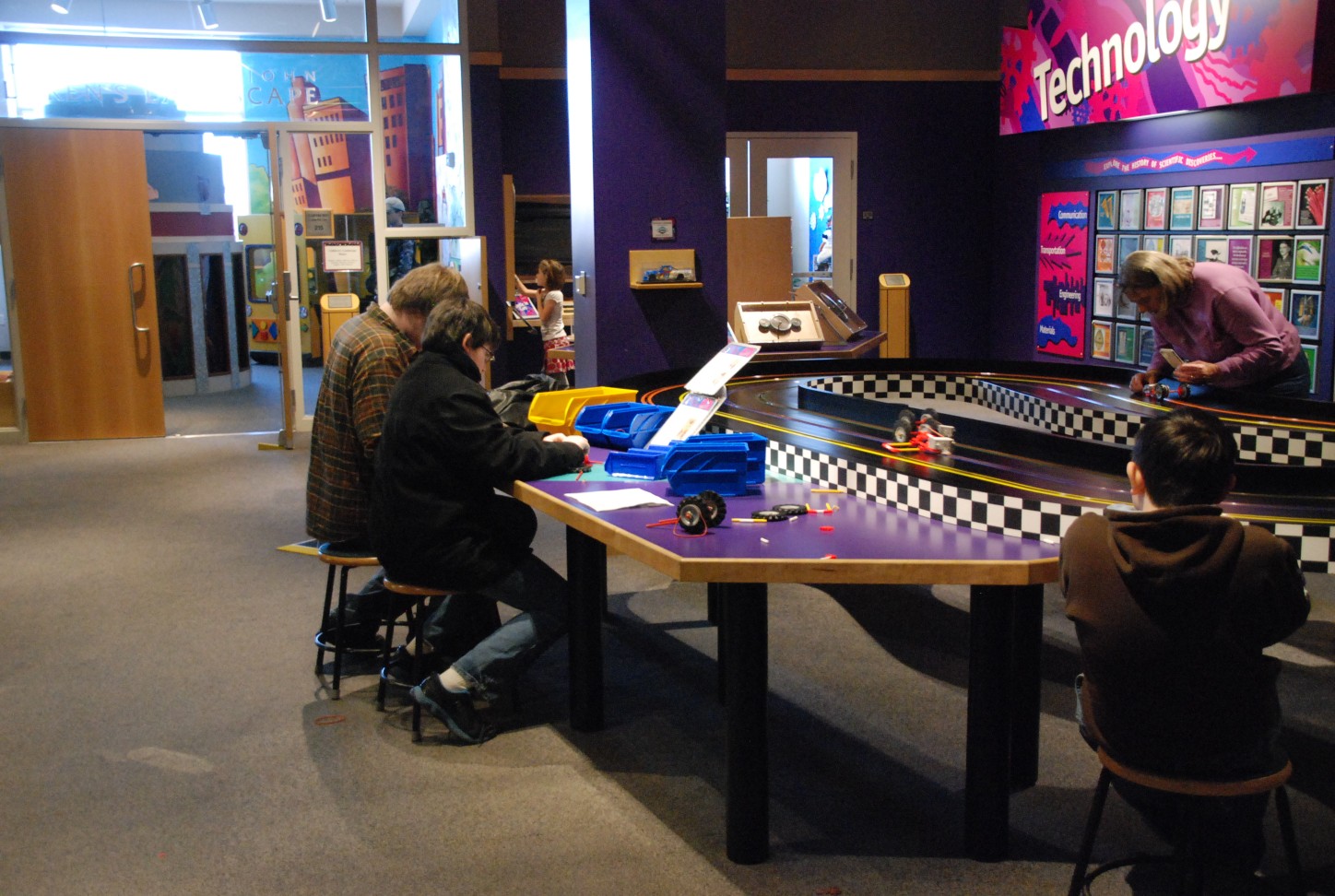
Bodies lifted off, chassis separated, motors and gears could be changed, and the hobby assumed that a car was a starting point to be rebuilt rather than a finished product.
Ready-to-run cars treated as finished items, with a separate specialist end of the hobby for builders. The 1970s shop counter sold motors, gears, axles, bushings and chassis parts to children.
It made the hobby an engineering education nobody labelled as one. A child learned what gear ratio does to acceleration against top speed by changing a pinion and finding out, understood that a heavier motor raises the centre of gravity because the car then fell off the banking, and acquired all of it by losing races.
6. Tyres Were Treated, Trued and Obsessed Over
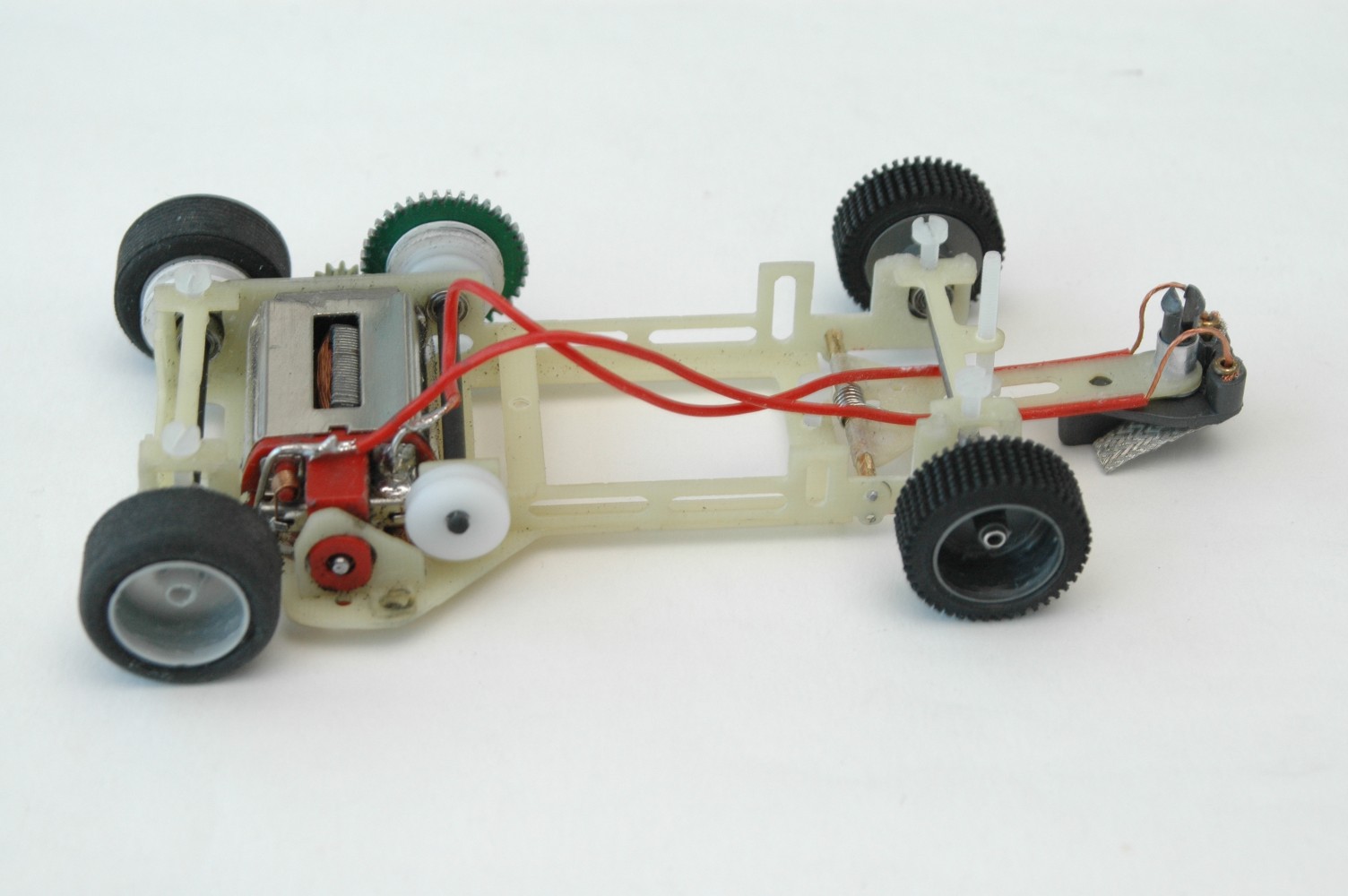
Grip was the limiting factor, so tyres were sanded true on the car, cleaned, and treated with traction compounds – and tyre preparation was the single largest difference between a fast car and a slow one.
The same principle, with traction compounds restricted or banned in many organised classes precisely because they worked and because of what they did to the track surface.
Children arriving with a stock car had no idea this was happening. The regulars’ cars gripped in corners where yours slid off, the reason was invisible, and the discovery that races were being won on tyre preparation rather than motor power is the moment most people remember understanding the hobby.
7. Coming Off the Track Was Called De-Slotting and Somebody Had to Put You Back
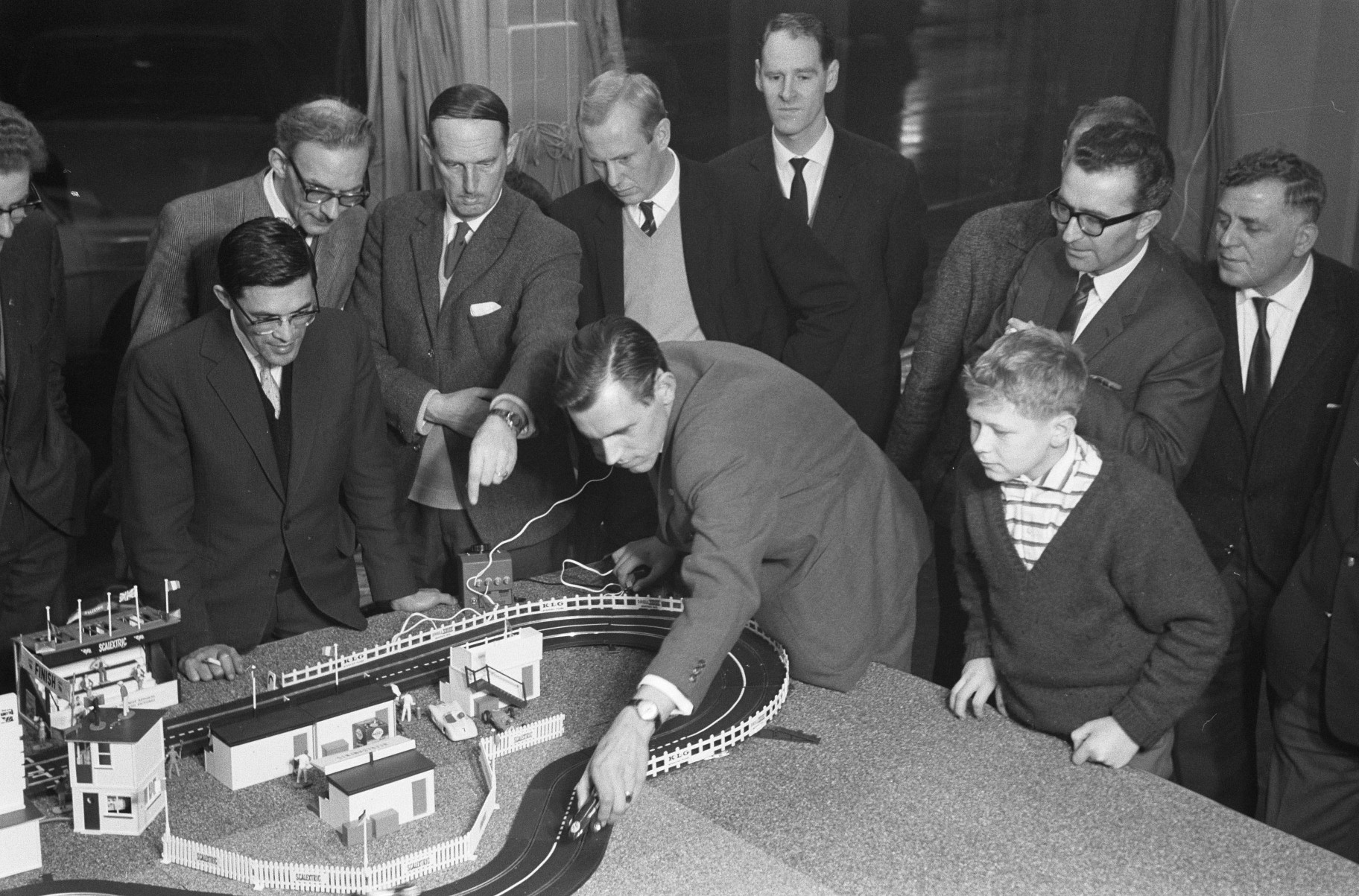
A car taken through a corner too fast left the slot entirely and stopped, and racing continued while a track marshal – usually another child waiting their turn – retrieved and replaced it.
Magnetic downforce that largely prevents it on home sets, and automated or digital handling in organised racing. On a 1974 raceway, marshalling was a job done by whoever was next.
The social arrangement was the thing. Everybody marshalled, nobody was paid, a driver whose car came off depended entirely on the goodwill and attention of a child standing at the far banking – and a reputation for slow marshalling when somebody had beaten you was noted and remembered.
8. The Home Set Never Ran Properly and the Reason Was the Joints
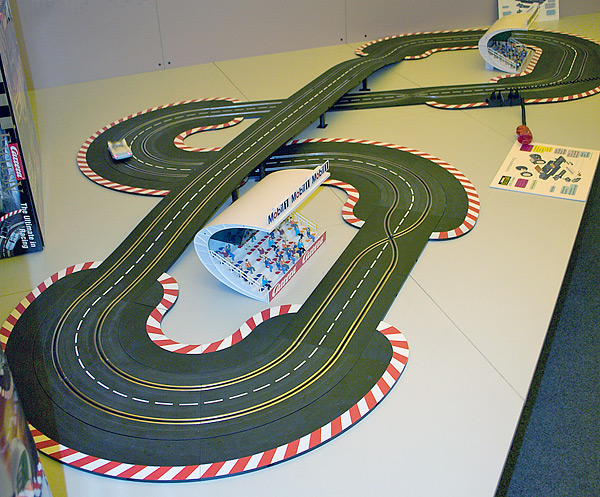
Home sets used plastic track sections clipped together, each joint a potential misalignment in the slot and a resistance point in the rails, assembled on a carpet that was not flat.
Better-engineered track joints, and digital sets with power management. The sectional joint was the fundamental weakness of every home set and it worsened each time the track was taken apart.
Which is why the home experience diverged so sharply from the raceway. A set assembled on a bedroom carpet had cars that slowed at every joint, de-slotted at the same corner every lap and stopped dead at the far end of the circuit – and children concluded they were bad at it when the track was the problem.
9. Dirt Was the Enemy and Nobody Mentioned It in the Box
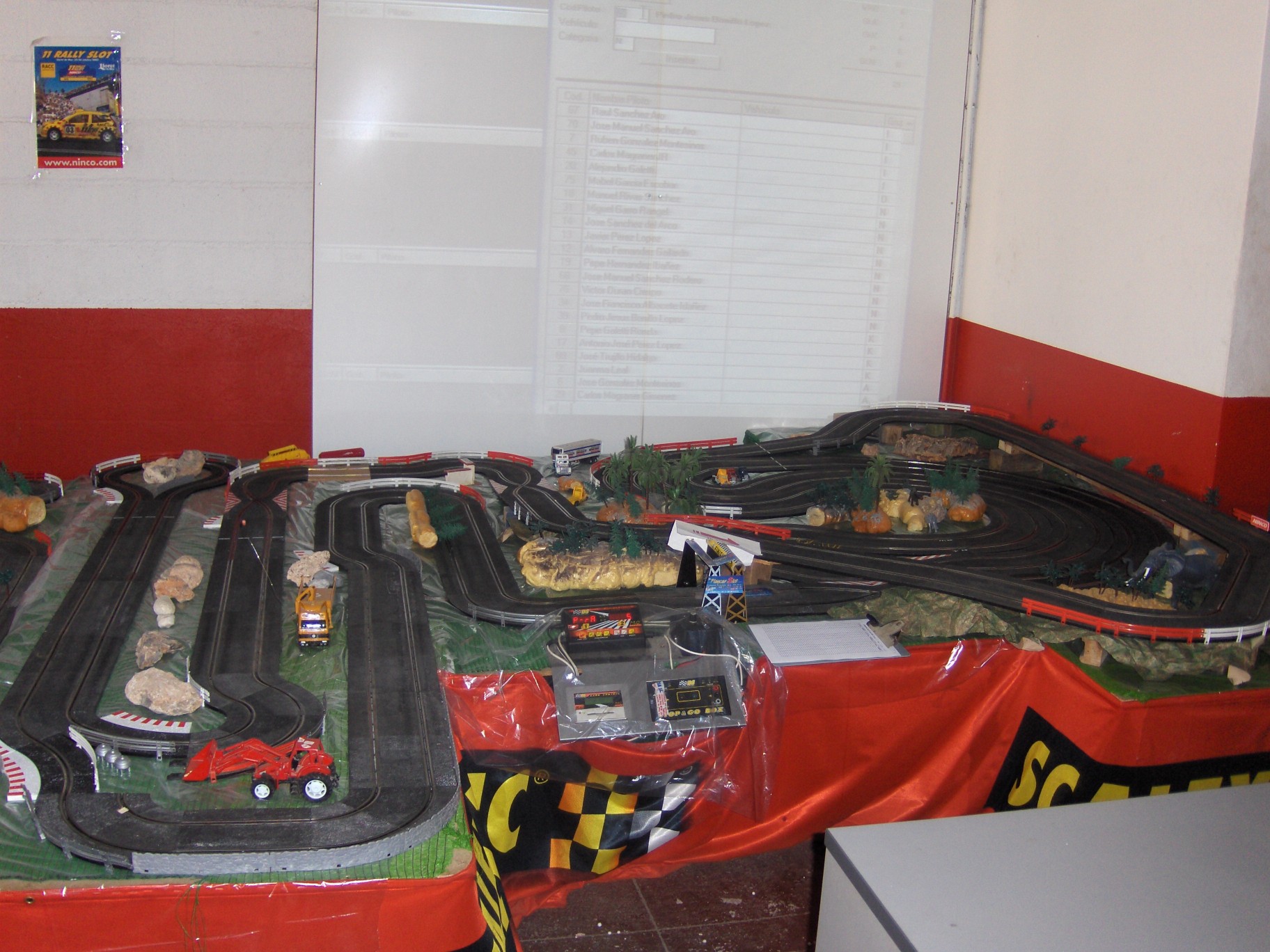
Contact between braid and rail depends on both being clean. Dust, carpet fibre, tyre rubber and oxidation on the rails degraded power delivery continuously, and a track left out collected all of it.
The same problem, widely understood by anybody in the hobby, with cleaning as routine practice. Nothing in a 1974 box set explained that the track required maintenance to keep working.
This single omission probably killed more interest than any other factor. A set worked beautifully at Christmas, deteriorated over weeks for no reason the child could see, was declared broken and put away – and the fault was dust, which thirty seconds of cleaning would have fixed if anyone had said so.
10. Then Magnets Changed What the Hobby Was For
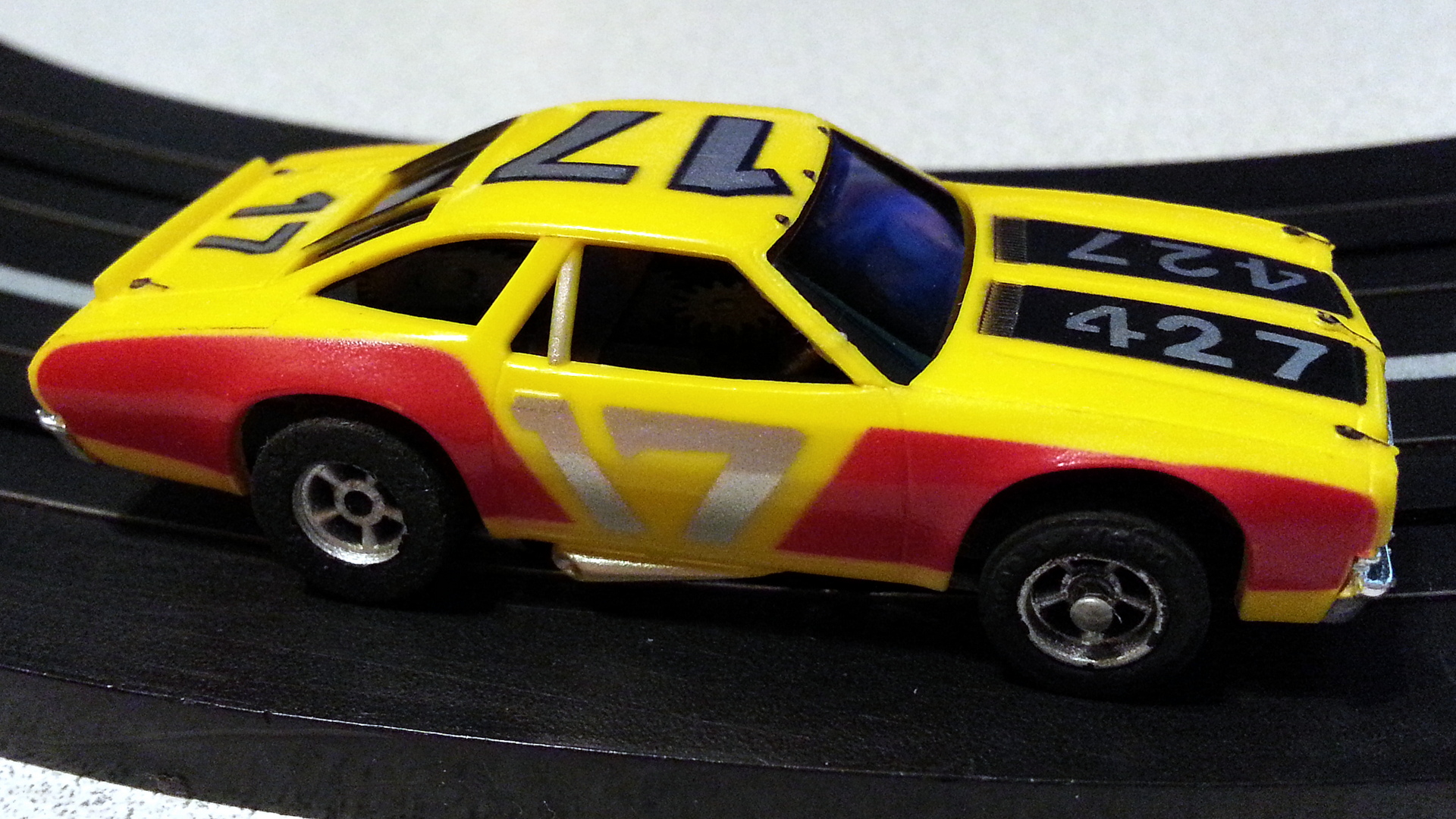
From the later 1970s, cars increasingly used magnets positioned to attract the steel rails, pulling the car down and letting it hold corners at speeds that would otherwise be impossible.
Magnetic cars dominate ready-to-run products, while non-magnet classes exist specifically to race without them and are considered the serious end of the hobby.
The split it caused has never closed and both sides have a point. Magnets made the cars far easier to drive, which is exactly what a toy should do; they also removed the sliding, the weight transfer and the tyre preparation that made the hobby a driving skill – so what was gained in accessibility was lost in the thing people had been getting good at.
11. The Raceways Closed Almost All at Once
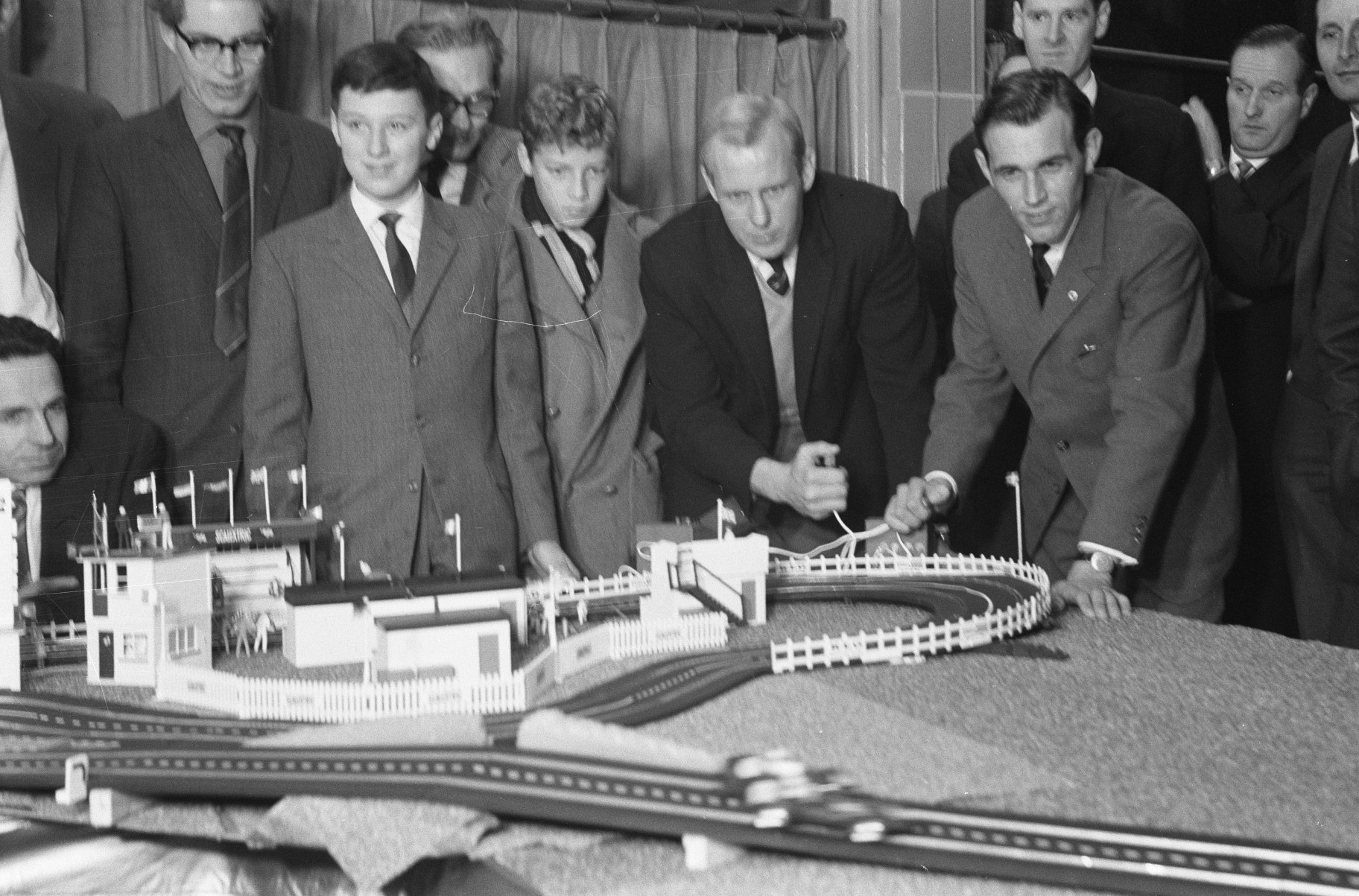
The commercial raceway depended on children and teenagers paying for track time in large enough numbers to cover a storefront’s rent.
Nothing took its place. The closures ran through the 1970s and were close to complete, and in most American towns that had one, nothing comparable has existed since.
The usual single-cause explanations do not hold up. It was not only the arcades, which overlapped rather than replaced; not only cost, though rents and parts prices both rose; and not only competition from other hobbies. The honest account is that a business model requiring a shopfront full of paying children every afternoon was unusually fragile, and when the numbers dipped there was nothing else the room could be used for.
12. Then the Arcade and the Console Took the Same Money and the Same Afternoon
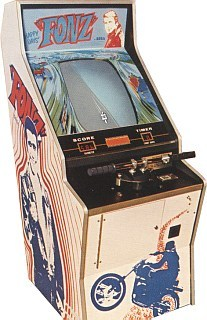
The whole thing rested on children paying for time in a room with a track, on cars that rewarded mechanical tinkering, and on skill that was acquired slowly and visibly in front of other people.
Arcade cabinets, then home consoles, offered racing with no track to maintain, no braid to fluff, no dust to clean, no marshal required and no equipment to buy – and took exactly the coins and exactly the afternoons the raceways had depended on.
The comparison is less flattering to the raceways than nostalgia allows, and that is the useful part. Electronic racing was better at almost everything the customer actually wanted: it worked every time, it needed no maintenance, it cost less per session, it required no knowledge to start and no other children to be present. What it could not do was make a nine-year-old understand gear ratios by changing a pinion and losing, or put them in a room of strangers where the fast car belonged to somebody who had worked out why. That was the whole value, and it was invisible on the receipt.
The Electronics Won on Everything Except the Part That Mattered
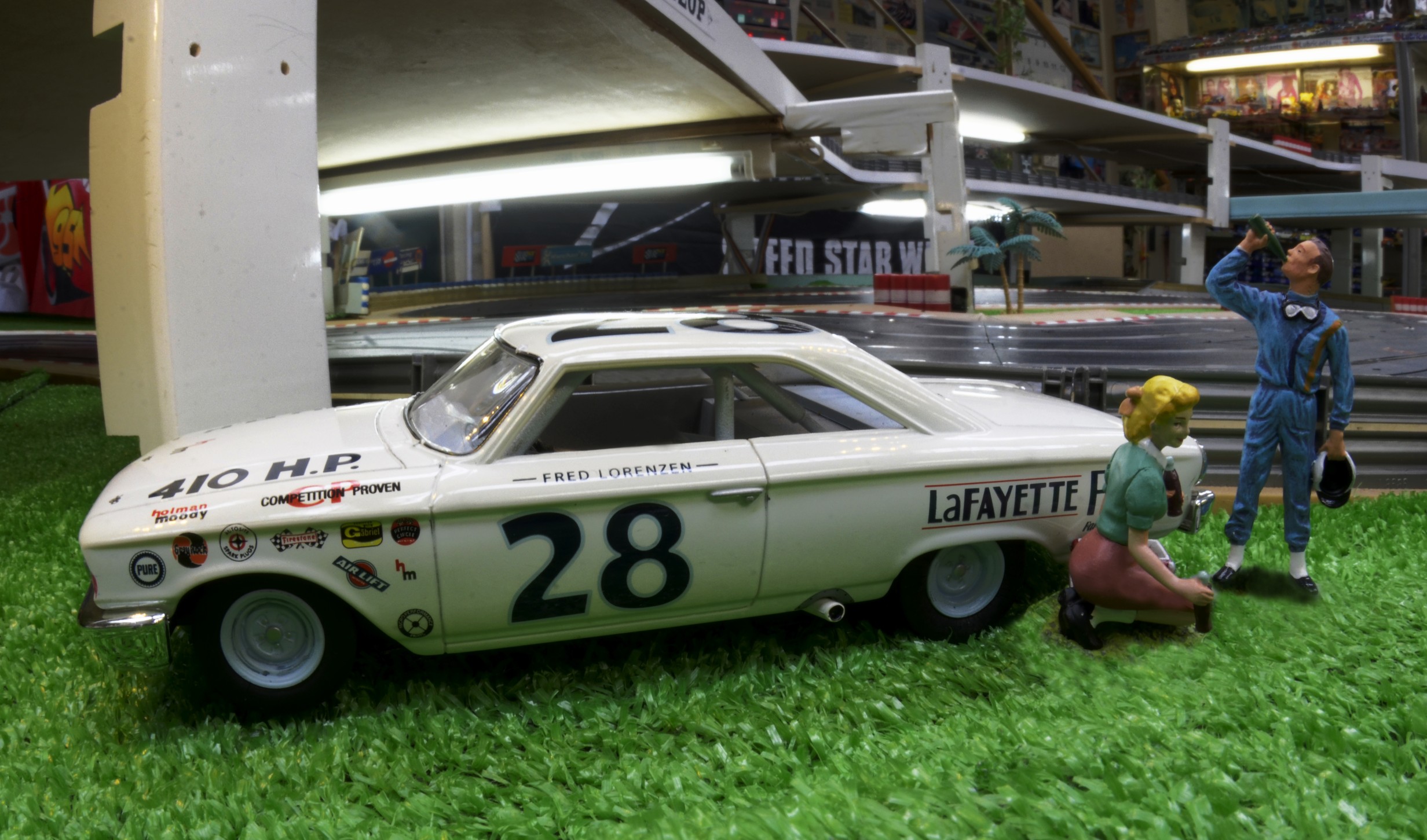
The standard story is that video games killed slot car racing, and it is broadly true but told the wrong way round – as though something worse replaced something better because children were distracted.
Look at the comparison honestly and the arcade cabinet wins on almost every point a customer cares about.
It worked every single time. There was no braid to fluff, no rails to clean, no slot to clear of carpet fibre, no joint misalignment, no dust problem nobody had warned you about. The experience at the end of a month was identical to the experience on the first day, which was emphatically not true of a home set and not reliably true of a raceway.
It cost less per session and required no equipment. No car, no spare motors, no pinions, no controller, no tyre compound, no shop counter where the regulars knew what you did not.
It required no knowledge to begin. You could put a coin in and be racing in four seconds, where a child walking into a raceway with a box-set car was at an invisible disadvantage – wrong controller, untreated tyres, flattened braid – and had no way of finding out why they were slow.
And it needed nobody else. No marshal standing at the far banking, no other children present, no dependence on anyone’s goodwill or attention.
Set against all that, the raceway offered one thing, and it was not on any list of features.
A nine-year-old changed a pinion gear and discovered what gear ratio does to acceleration against top speed – not as a fact, but as a lap time. They fitted a heavier motor, fell off the banking, and understood centre of gravity. They watched a regular’s car hold a corner theirs slid out of, worked out eventually that it was the tyres, and learned that races are won in preparation rather than in the race. They did all of this in a room full of strangers, losing publicly, over months.
That is a genuine engineering education, acquired voluntarily, by children who would have resisted being taught any of it.
It was also completely invisible to the person paying for the track time, which is why no business plan could protect it. The raceways did not close because what they offered was worthless. They closed because the valuable part never appeared on the receipt, and something cheaper and more reliable was offering everything that did.
If you did this, your controller got hot and you remember the feel of the trigger at the point where the car just started to move.
And you remember the kid whose car was faster, and that it took you a month to work out why.
Like our content? Follow us for more.