In 1974 a fourteen-year-old in a farming county could be hired for the summer by turning up at a crossroads at four in the morning and giving a name. No permit, no application, no paperwork.
The bus took you to whichever field was ready. You detasseled corn taller than you were in July, or walked beans with a hoe, or threw small bales in the afternoon heat because hay has to be baled dry. You drank from a shared jug, nobody mentioned sunscreen, and the pay came in cash with nothing withheld.
Here are sixteen things teenagers did for summer money in 1974, and why almost none of it is possible now.
1. You Were Hired at Fourteen and Nobody Asked for a Permit
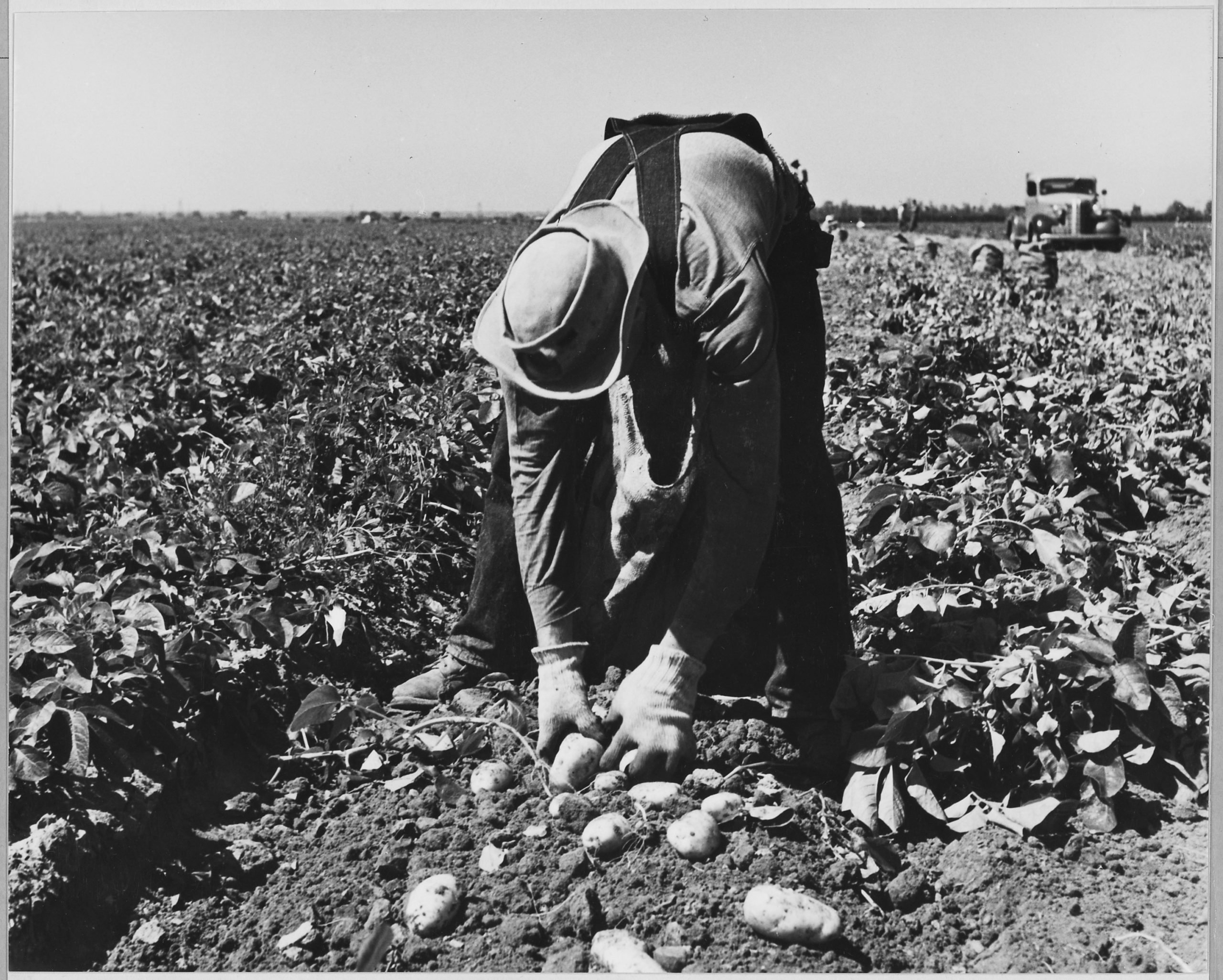
Summer crop work took on children at fourteen, sometimes younger, hired by a crew leader or a seed company field man on the basis of showing up at a pick-up point with a parent’s say-so and nothing written down.
Mandatory work permits, age verification, documented hours and recordkeeping requirements. Agricultural work has always sat under a separate and looser set of rules than other employment, and in 1974 the practical enforcement was close to nil.
The hiring itself tells you how the whole thing operated. A fourteen-year-old turned up on the first morning, gave a name, was counted, and went to work – no application, no interview, no induction and no paperwork – and by the end of the week was doing the same job for the same pay as the eighteen-year-olds on the crew.
Like our content? Follow us for more.
2. Detasseling Corn Was the Job and It Was Brutal
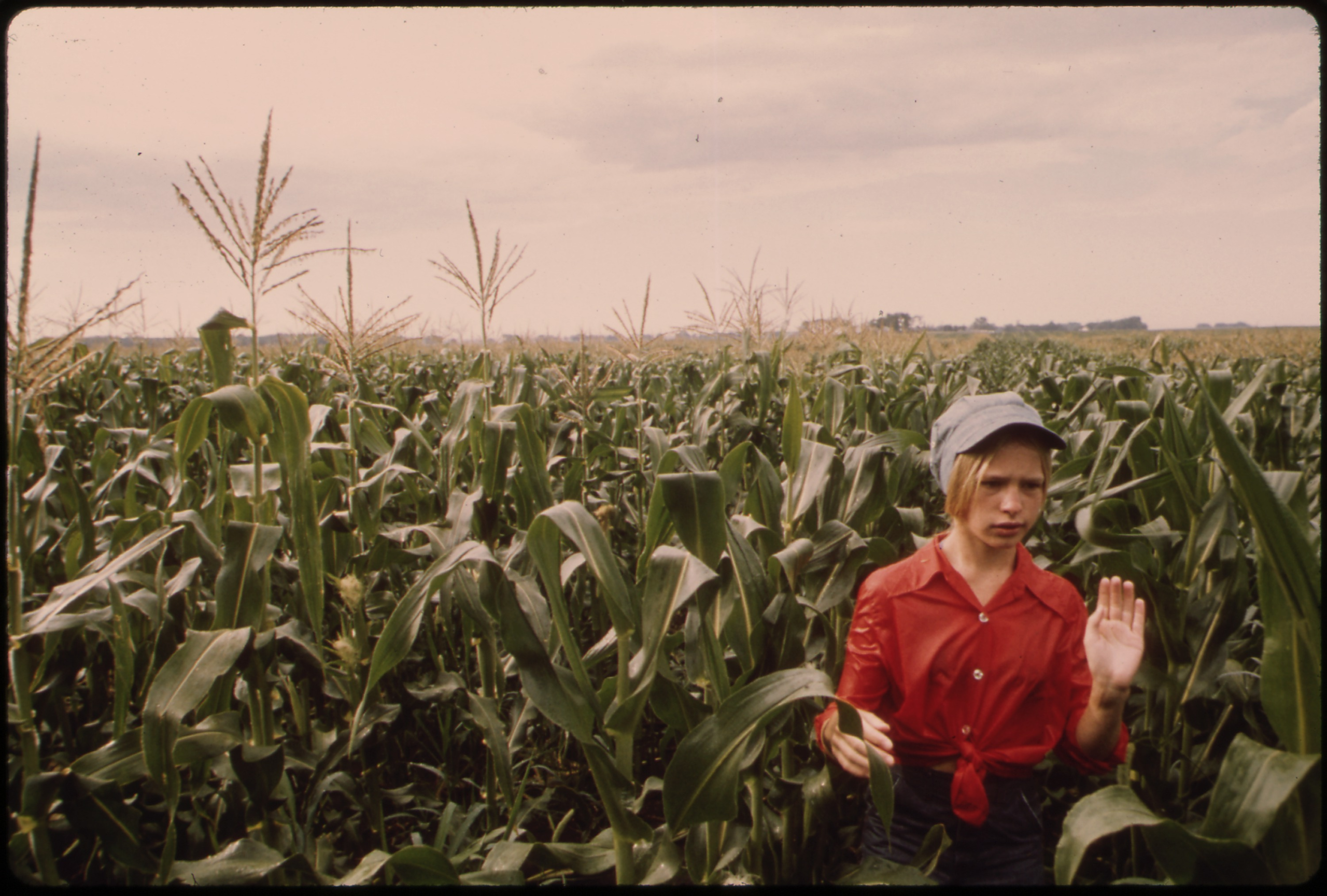
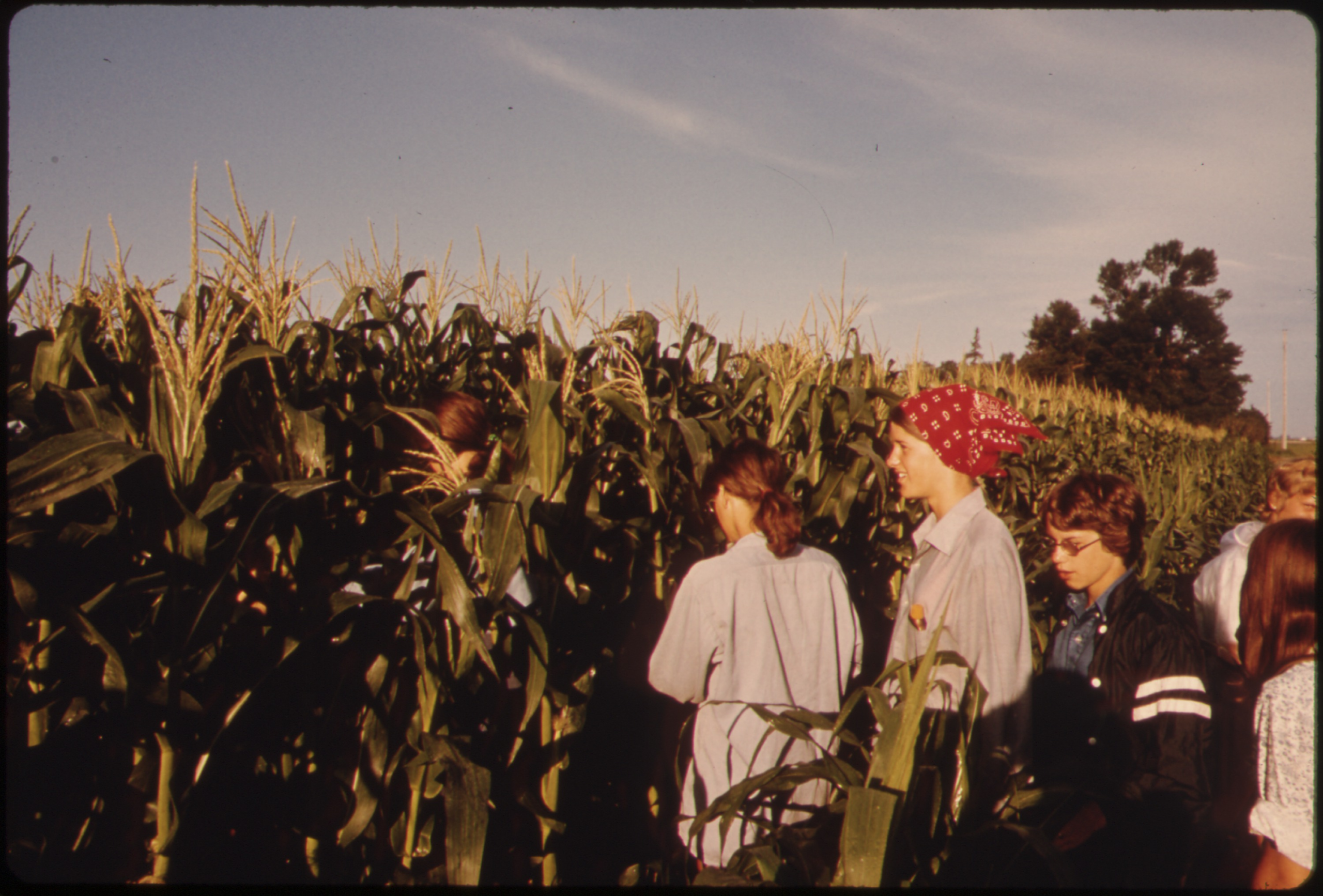
Hybrid seed corn requires the tassels – the pollen-bearing tops – pulled from the female rows so they can only be fertilised by the male rows, and for decades this was done by hand by teenage crews walking the rows.
Mechanical detasselers and cutters do most of it, with hand crews following behind to catch what the machines miss. The hand work still exists but on nothing like the former scale.
The work itself was simple and the conditions were the point. You walked a quarter-mile row of corn taller than you were, in July, reaching above your head to pull every tassel, with the leaf edges cutting your forearms, pollen in your eyes and no air moving between the rows – and then you turned around and walked the next one.
3. The Bus Came Before Sunrise and You Slept on It
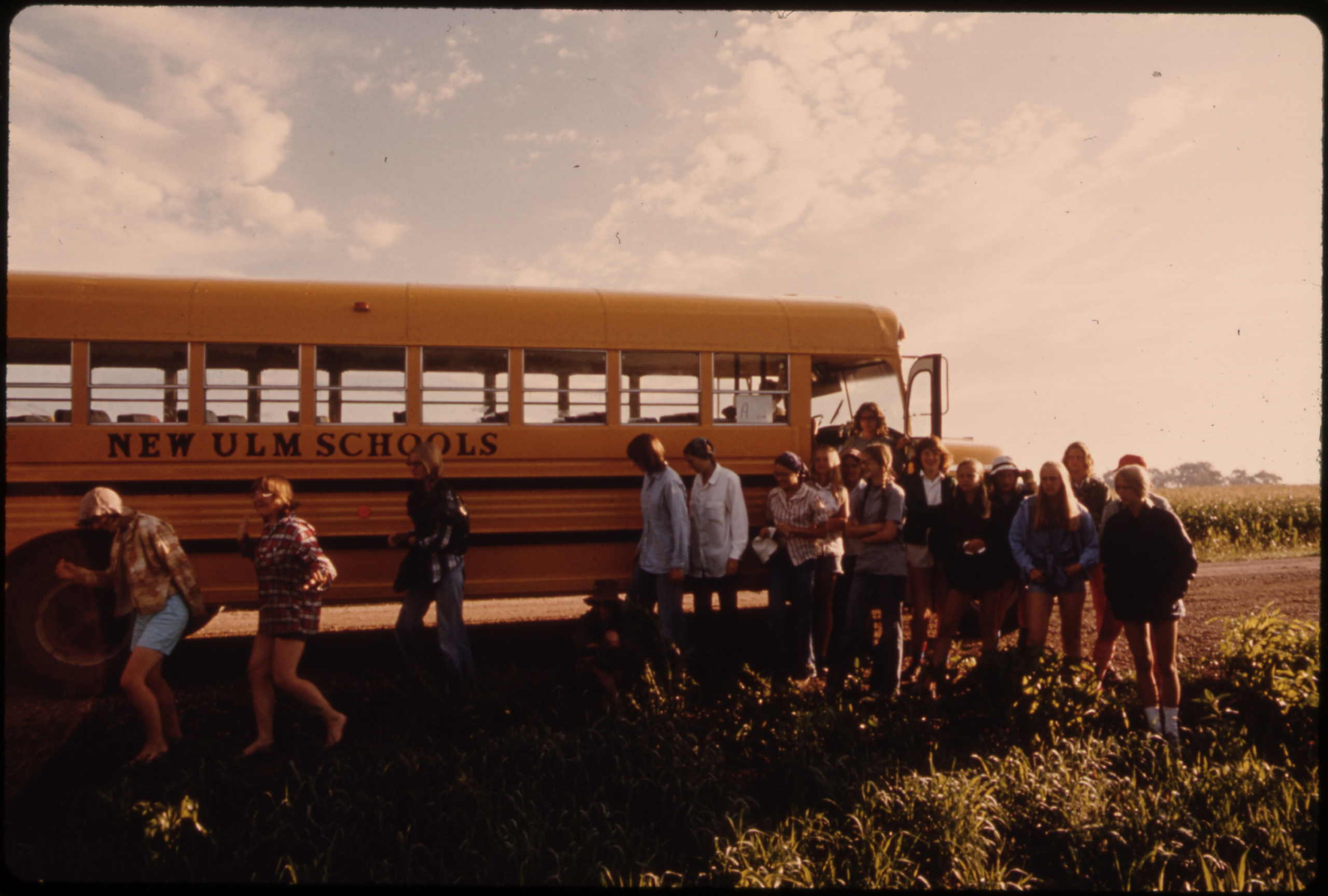
Crews were collected by school bus or flatbed truck from a car park, a grain elevator or a crossroads at four or five in the morning, driven out to whichever field was ready, and brought back when the day’s acreage was finished.
Transport provision for farm labour is regulated for vehicle standards, seating and driver qualification, and the crew bus is far less common. The pick-up time was set by the crop rather than by anything else.
The bus is remembered more vividly than the work by a lot of people. It was dark both ways, everyone slept on the way out and nobody slept on the way back, and the ride home – fifty teenagers, soaked, filthy and loud, with the windows open – is the part that comes up first in every account.
4. You Walked Beans With a Hoe and That Was an Entire Job
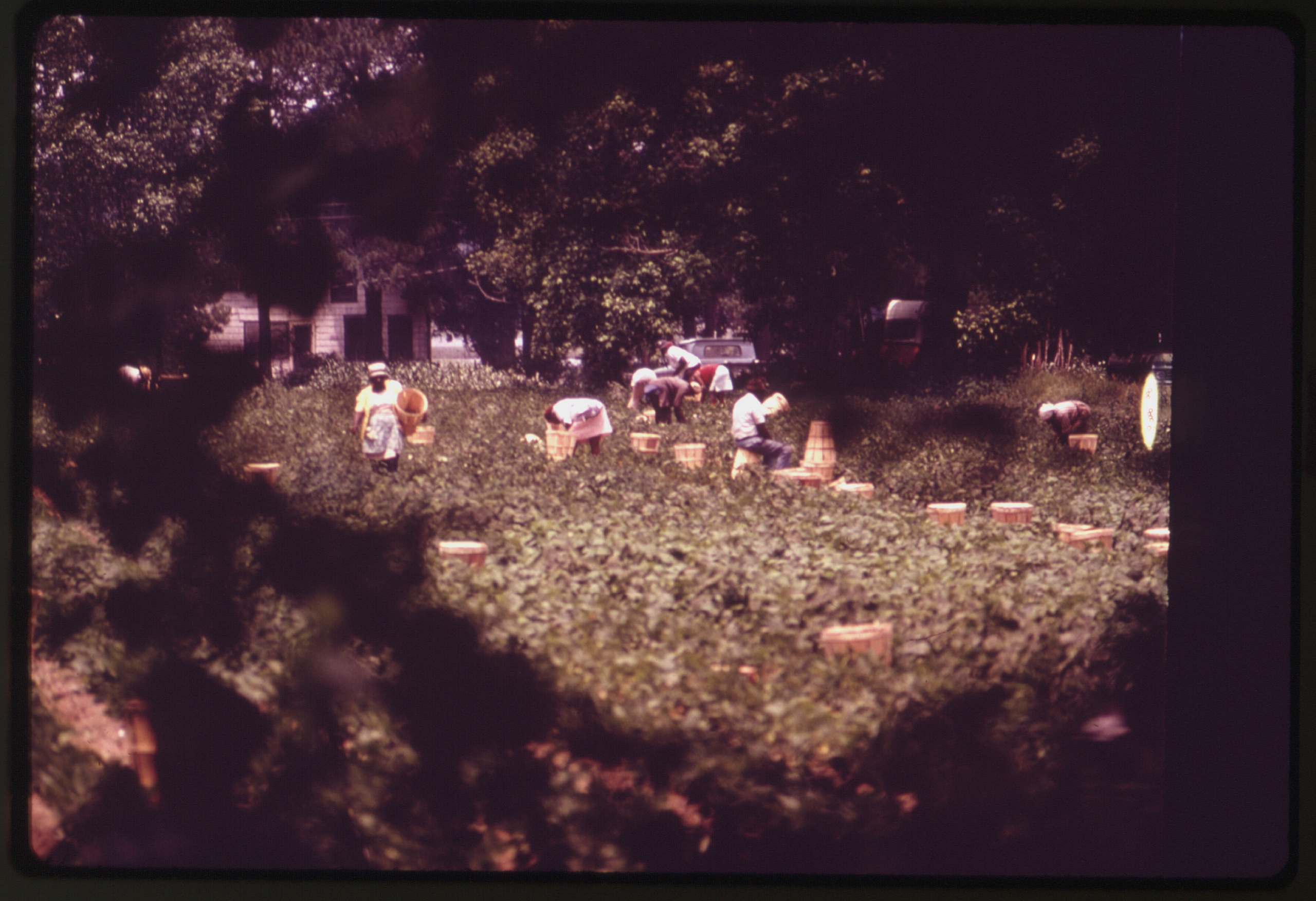
Before chemical weed control was comprehensive, soybean fields were weeded by hand – crews walked the rows with hoes or corn knives cutting out volunteer corn, cockleburs, velvetleaf and thistle.
Herbicide-tolerant varieties and chemical programmes eliminated the job almost entirely. Walking beans was once the standard summer employment for rural teenagers across an enormous area.
It was the slowest and most tedious work available and it paid accordingly. A crew covered a field at walking pace over a full day, the same field three or four times through the season, and the only measure of progress was how far the far fence had got – which is a specific kind of boredom that people who did it describe in almost identical terms.
5. Hay Came Off the Field in Small Bales and Somebody Had to Lift Them
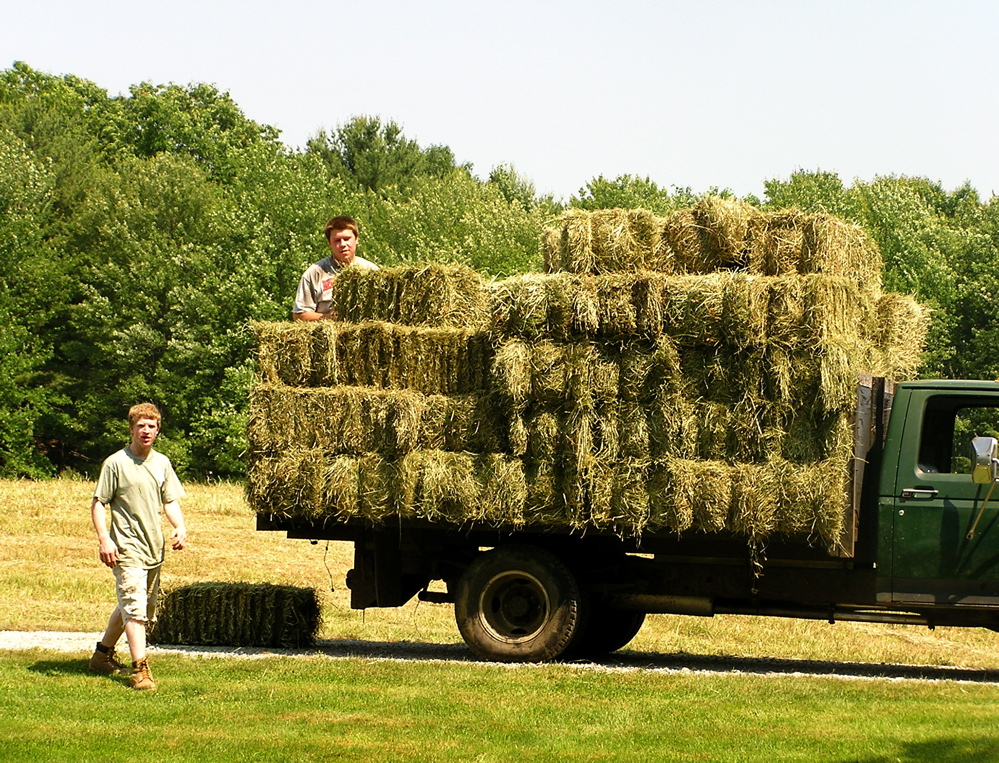
Small rectangular bales weighing between forty and seventy pounds were thrown by hand from the ground or a wagon, stacked on the wagon, hauled in, and then thrown again into a hayloft, usually in the hottest part of the day.
Large round and square bales handled entirely by tractor loader, and bale accumulators. The small square bale persists for horse hay and small operations, but hand stacking at scale has gone.
The reason it happened in the heat was agronomic rather than cruel. Hay has to be baled dry or it moulds and can heat in the stack, so you bale in the afternoon when the dew is off – which meant the hardest lifting of the year happened at the worst hour of the day, on purpose, and everybody involved understood why.
6. Pay Was Cash in an Envelope With No Deductions
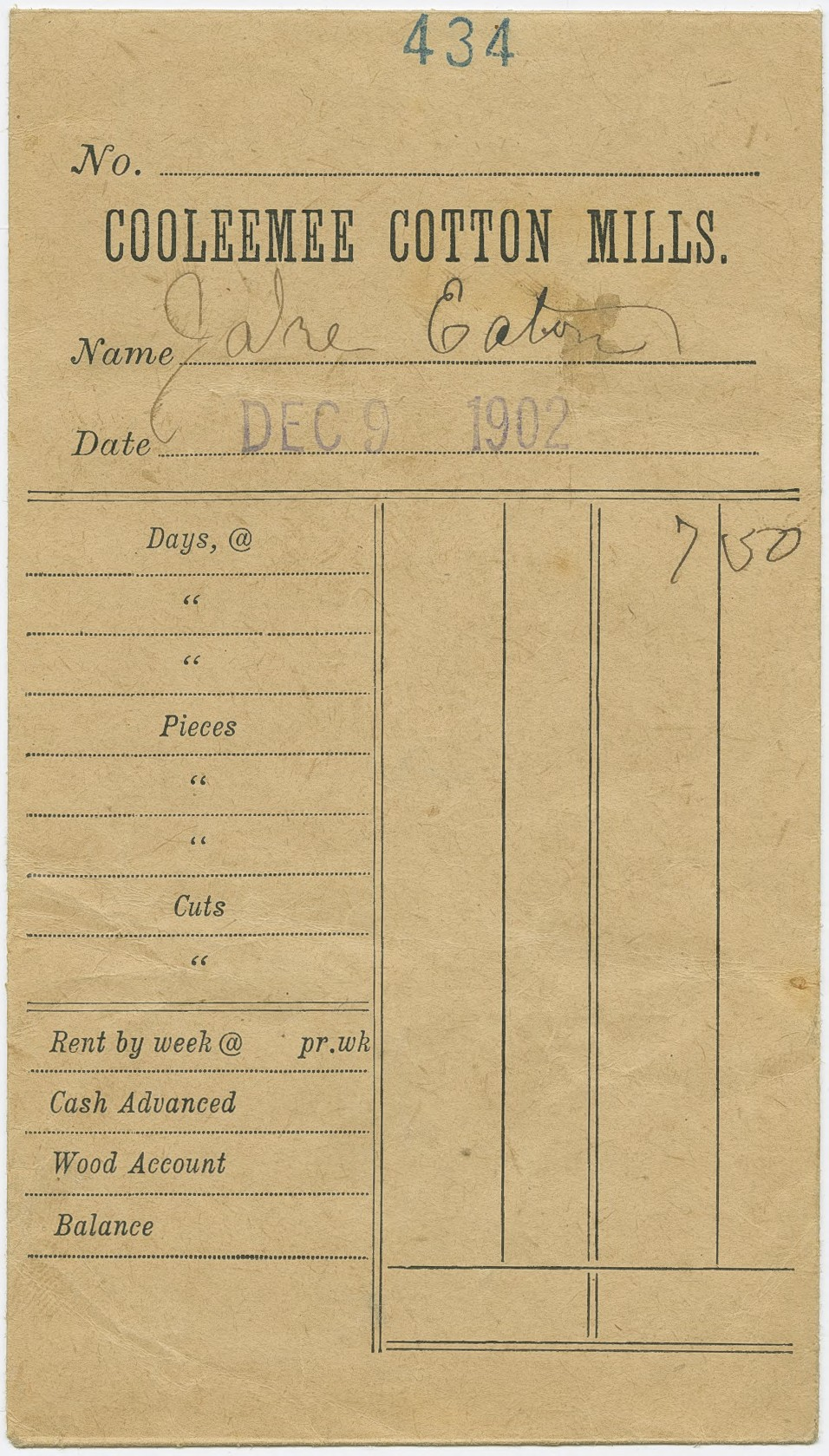
Crew pay was frequently handed over in cash at the end of the week or the end of the season, counted out in an envelope with the hours written on the front in pencil and nothing withheld.
Payroll processing, withholding, documented hours and electronic payment. The cash envelope was partly a function of short seasonal engagements and partly a function of how little paperwork anyone expected.
For a teenager it was the first money that had no conditions on it. A paper round was pocket money and chores were unpaid; this was a sum large enough to matter, arriving in cash, with no parent having handled it first – and a surprising number of people can still name the exact figure in that first envelope.
7. Nobody Wore Sunscreen and Nobody Suggested It
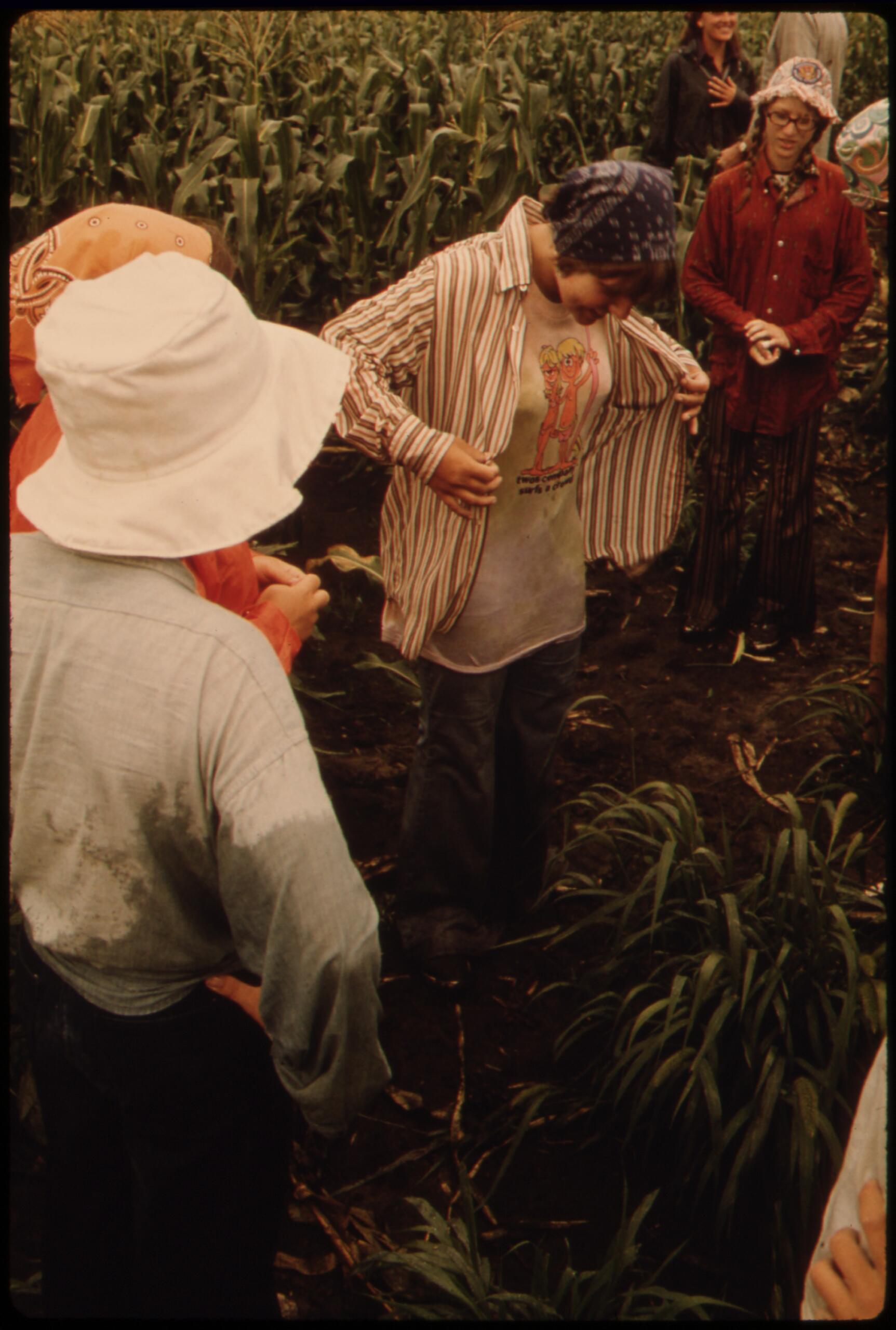
Crews worked eight to twelve hours in open fields in July in whatever they had – jeans, a t-shirt, sometimes a long-sleeved shirt for the leaf cuts, a cap if they thought of it – with no sun protection of any kind.
Sun protection guidance for outdoor workers, wide availability of high-factor products and a general understanding of cumulative skin damage. In 1974 sunburn was treated as an unavoidable feature of summer rather than as an injury.
This is worth stating as the health history it is. The understanding of cumulative ultraviolet damage was not public in the way it is now, products were low-factor and uncommon, and a generation of rural teenagers accumulated a great deal of sun exposure in a small number of summers – which later had consequences, and is one of the clearest examples of a practice abandoned on genuinely good evidence.
8. Water Came From a Communal Jug and Everybody Drank From It
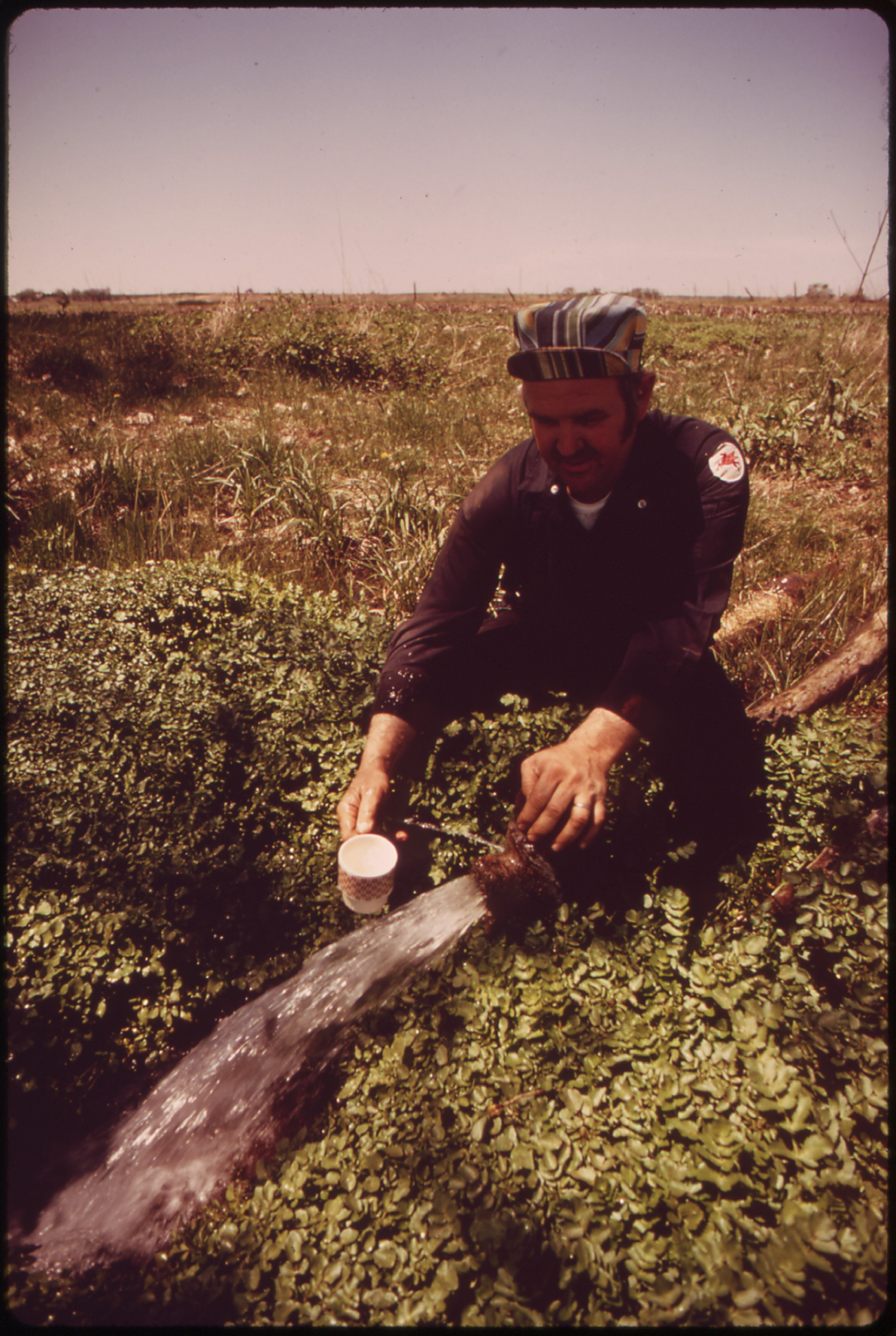
Field water was a galvanised or plastic jug on the truck with a single dipper or a shared cup, refilled from a farm tap, carried out in the morning and warm by ten.
Individual bottles, mandated potable water provision, single-use drinking cups and hydration guidance. The shared dipper was universal and nobody thought about it.
The real problem was not the sharing but the quantity. One jug for a crew of thirty in July ran out, the truck was not always nearby, and heat illness in teenage field crews was a genuine hazard that was managed by individual toughness rather than by anything systematic – which is precisely what current water and rest requirements exist to prevent.
9. Berry and Bean Picking Paid by the Container, Not the Hour
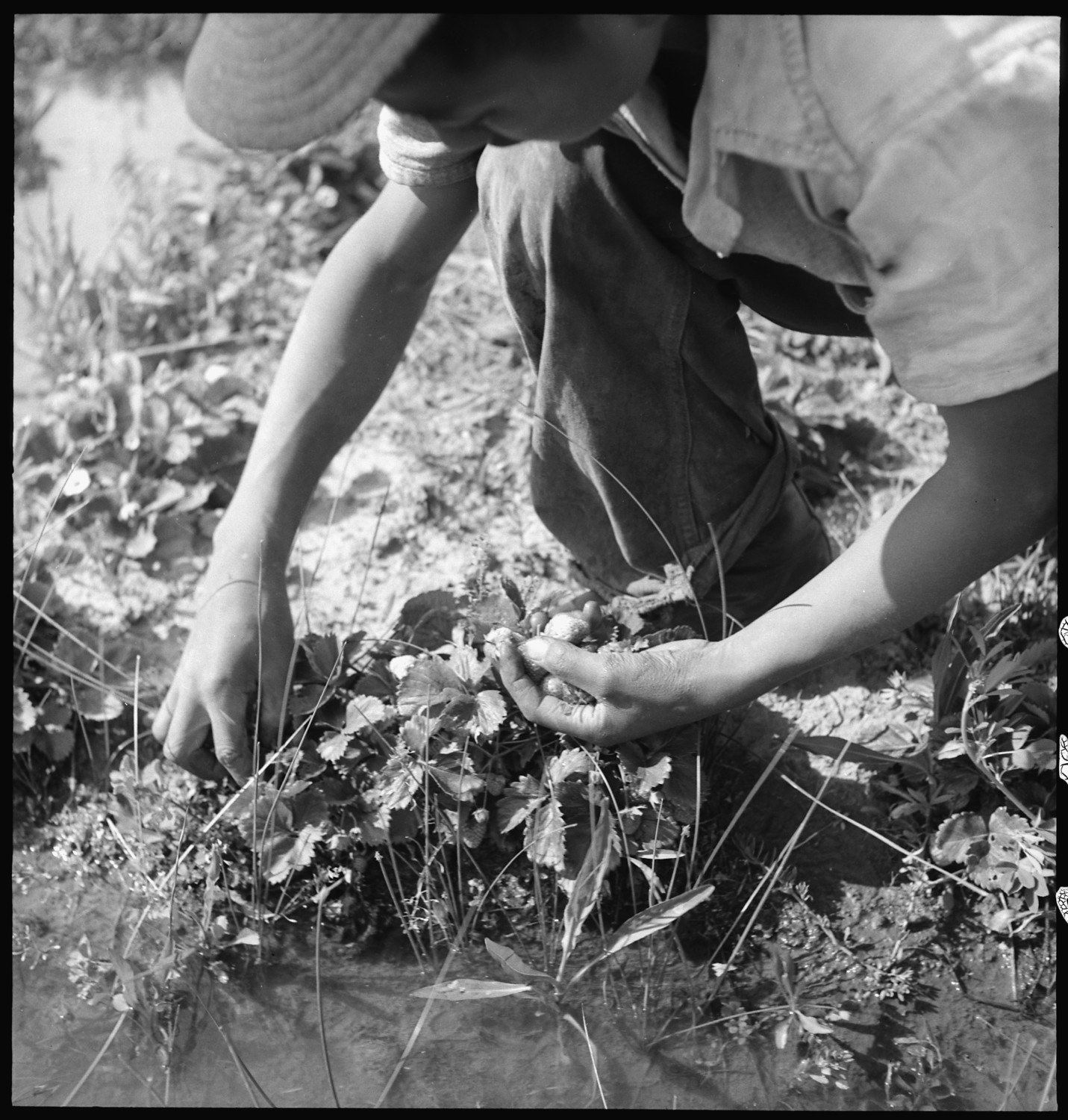
Hand-harvest crops – strawberries, raspberries, beans, cucumbers – were paid by piece rate: so much per flat, crate or hamper, weighed or counted at a checking station at the end of the row.
Piece rates still exist and are regulated to guarantee at least the applicable minimum, with records kept. In 1974 a slow picker could work a full day for very little and that was simply the arrangement.
Piece rate taught a hard commercial lesson very fast. Two children starting the same row at the same time finished the day with wildly different earnings, the difference was visible and public at the checking station, and the fast pickers – very often the ones who had done it for several seasons – earned several times what a first-timer did.
10. You Were Put Near Machinery With Almost No Instruction
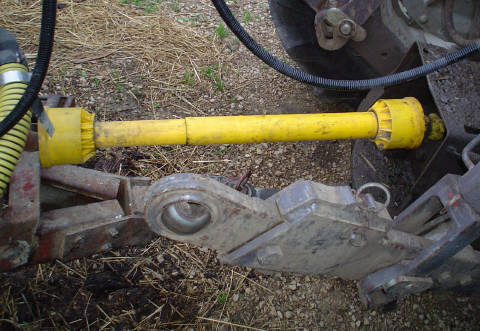
Teenagers rode wagons behind balers, worked around augers and elevators, climbed into bins, and were sent to do things near power take-off shafts and moving belts with a single sentence of instruction, if that.
Age restrictions on hazardous agricultural tasks, required training, guarding standards and prohibitions on specific equipment for minors. Farm machinery remains among the most dangerous equipment anyone works near.
This one does not get a nostalgic framing, because the consequences are documented. Serious injuries to young people around farm machinery were common enough to drive the specific prohibitions that now exist, the hazards – entanglement, crush, suffocation in flowing grain – were understood at the time by the adults involved, and the restrictions that followed were a response to real harm rather than to caution.
11. The Crew Was a Mix of Ages and the Older Ones Ran It
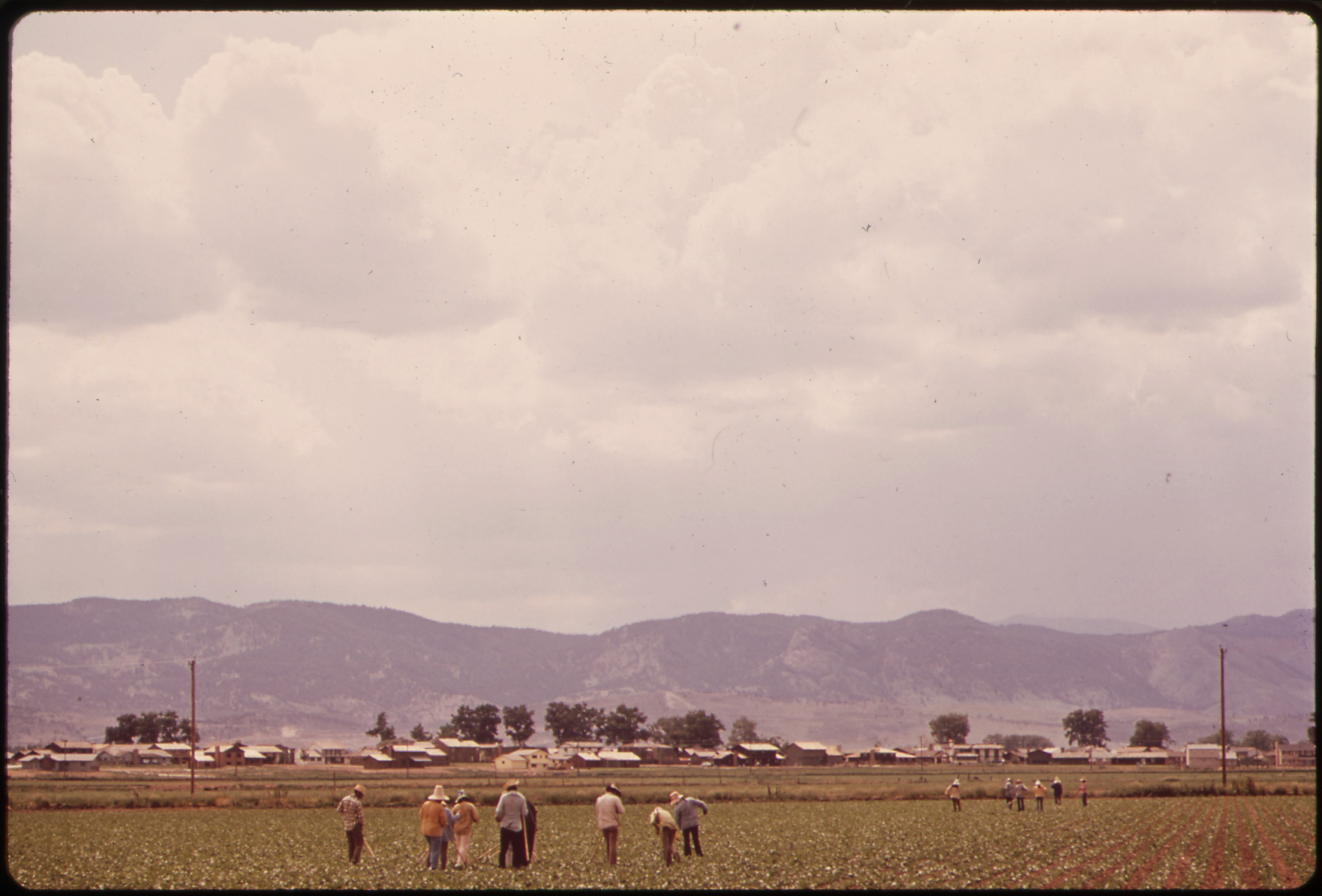
Crews combined fourteen-year-olds with high-school seniors and the occasional adult, under a crew leader who was often only twenty, with the pace, the standards and the discipline set informally within the group.
Defined supervisory structures, documented training and adult responsibility. The old arrangement amounted to a largely self-governing teenage workforce with an adult somewhere in a pick-up truck.
It produced an unusually direct social education. The older members taught the technique, set the acceptable pace, decided who was carrying their share and said so bluntly, and the hierarchy was based entirely on competence at the task – which is a different social system from anything a fourteen-year-old encountered at school.
12. Your Hands and Arms Took Visible Damage and You Showed Them Off
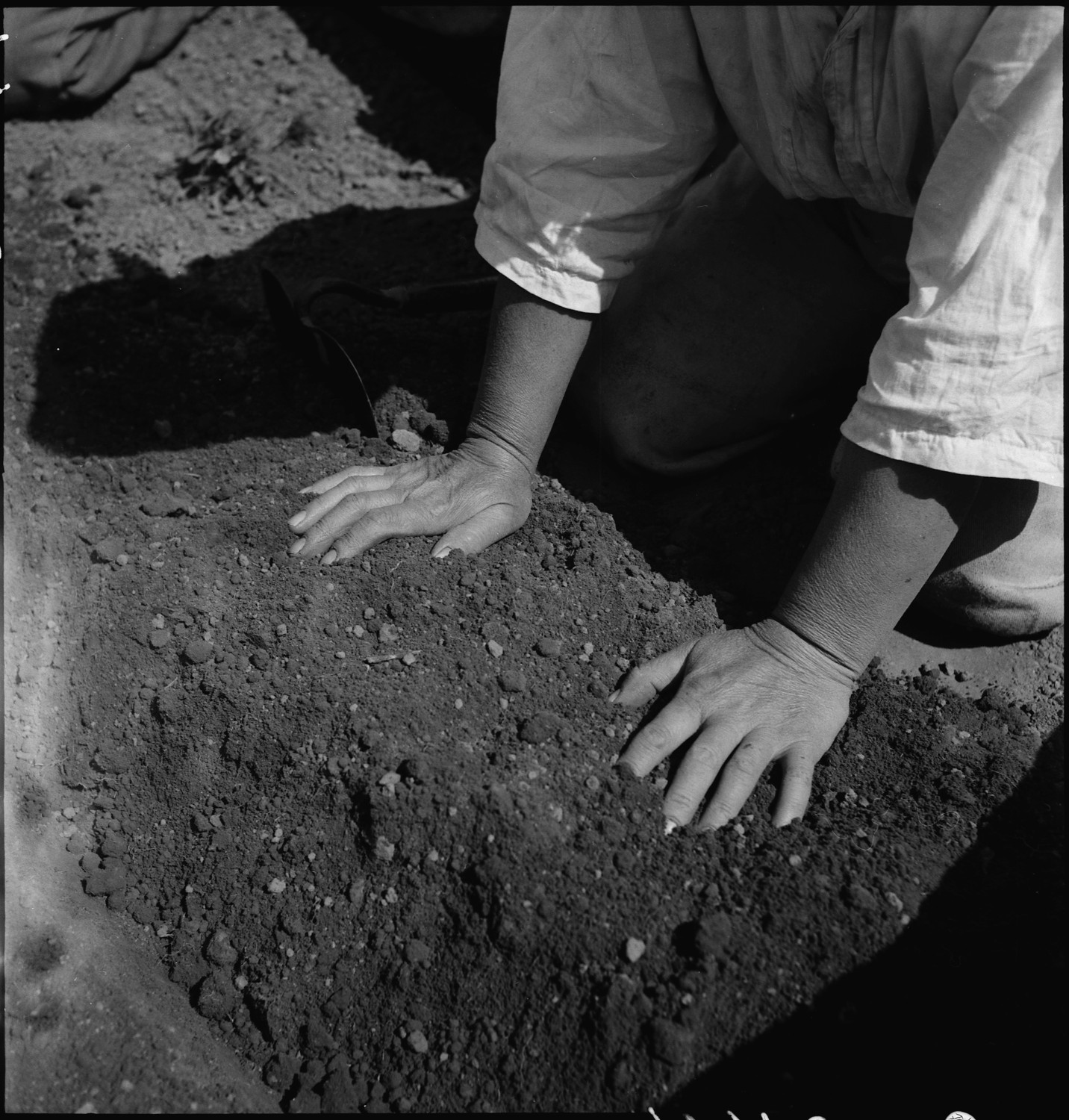
Corn leaves cut forearms, hoe handles blistered then callused palms, bale twine cut fingers, and berry stains and sap discoloured hands for the season.
Gloves, long sleeves and sun protection are standard provision and expectation. The marks were previously treated as credentials rather than as something to prevent.
The display of it was a real part of the culture and is worth being honest about. Calluses, cuts and burn were compared at the start of each day, a lack of them meant you had not been working, and the whole arrangement discouraged exactly the protective measures – gloves, sleeves, a hat – that would have prevented the damage.
13. You Worked Until the Field Was Done, Not Until a Time
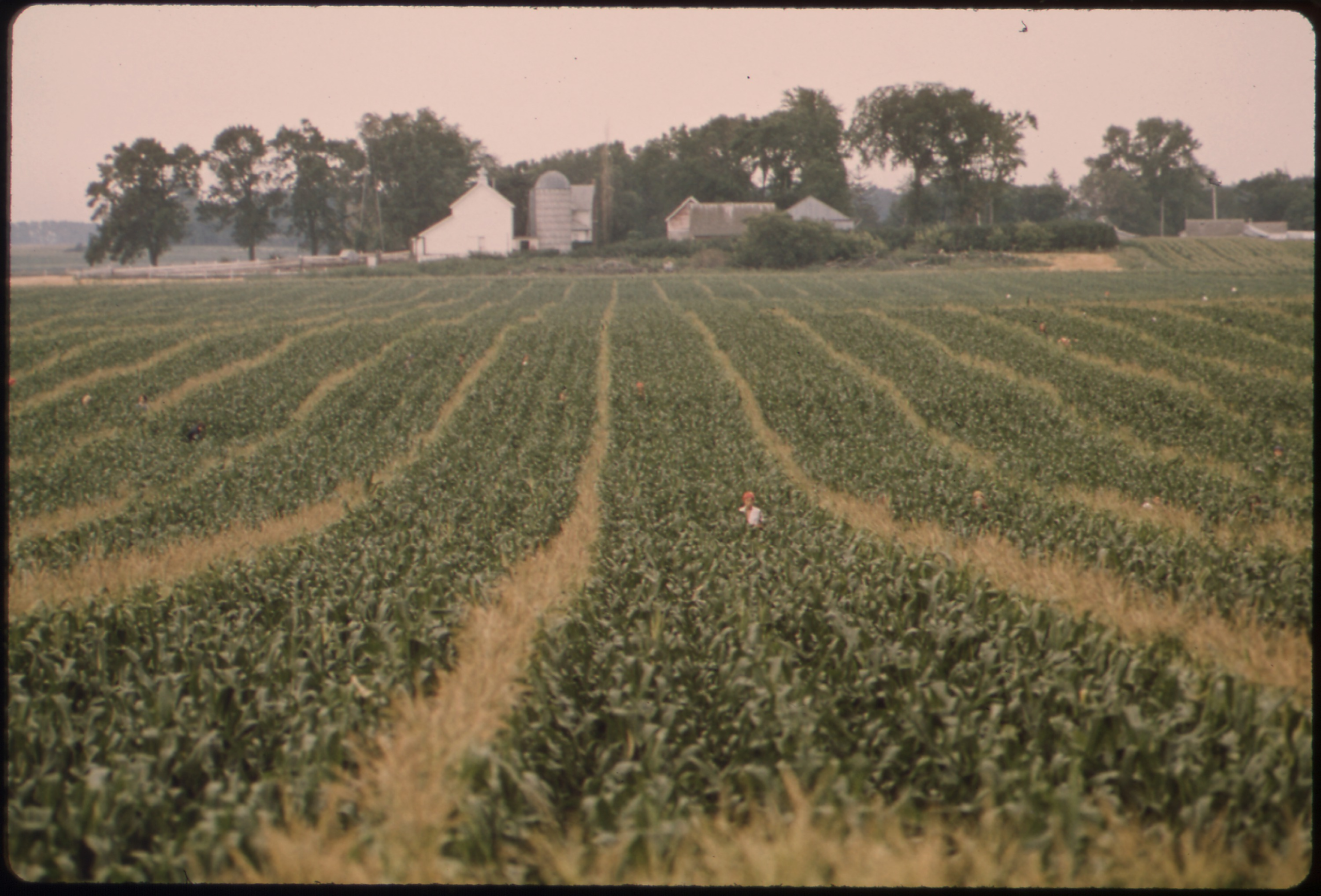
The day ended when the acreage was finished, which meant nine hours on a good day and fourteen on a bad one, with no overtime calculation and no fixed finishing time to plan around.
Hour limits for minors in agriculture, break requirements and overtime rules in many jurisdictions. The crop-driven day is still a feature of farming, but not for fourteen-year-olds.
The unpredictability was the hardest part for families. Nobody knew when the bus would come back, there was no way to telephone the field, and a parent waiting at the pick-up point at six could still be waiting at nine – which is a logistical arrangement that simply would not be attempted now.
14. What You Bought With It Was Decided in Advance and Took All Summer
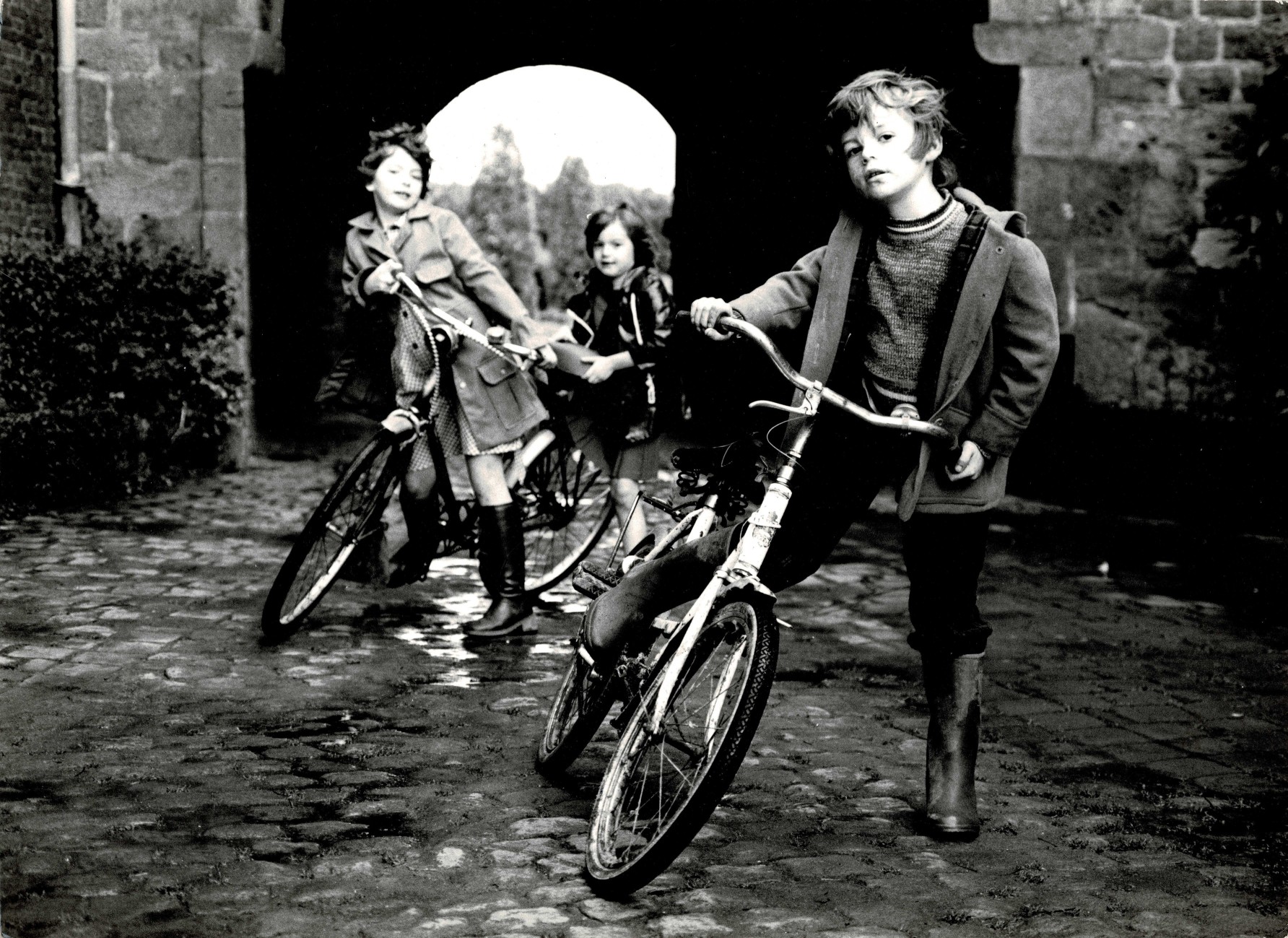
Season earnings went on a single named object – a bicycle, a stereo, a guitar, a car – chosen before the work started and bought at the end, with the sum known and the gap counted down weekly.
Instant purchasing, instalment credit and continuous part-time earnings. The structure of seasonal work created a deferred-gratification exercise that was unavoidable rather than virtuous.
And the object stayed significant because of how it was acquired. A bicycle bought with eight weeks of detasseling money was not a possession in the ordinary sense, and people who worked those summers tend to remember the specific item and what it cost with a precision they do not apply to anything they have bought since.
15. Rural Teenagers Had Earnings and Suburban Ones Mostly Did Not
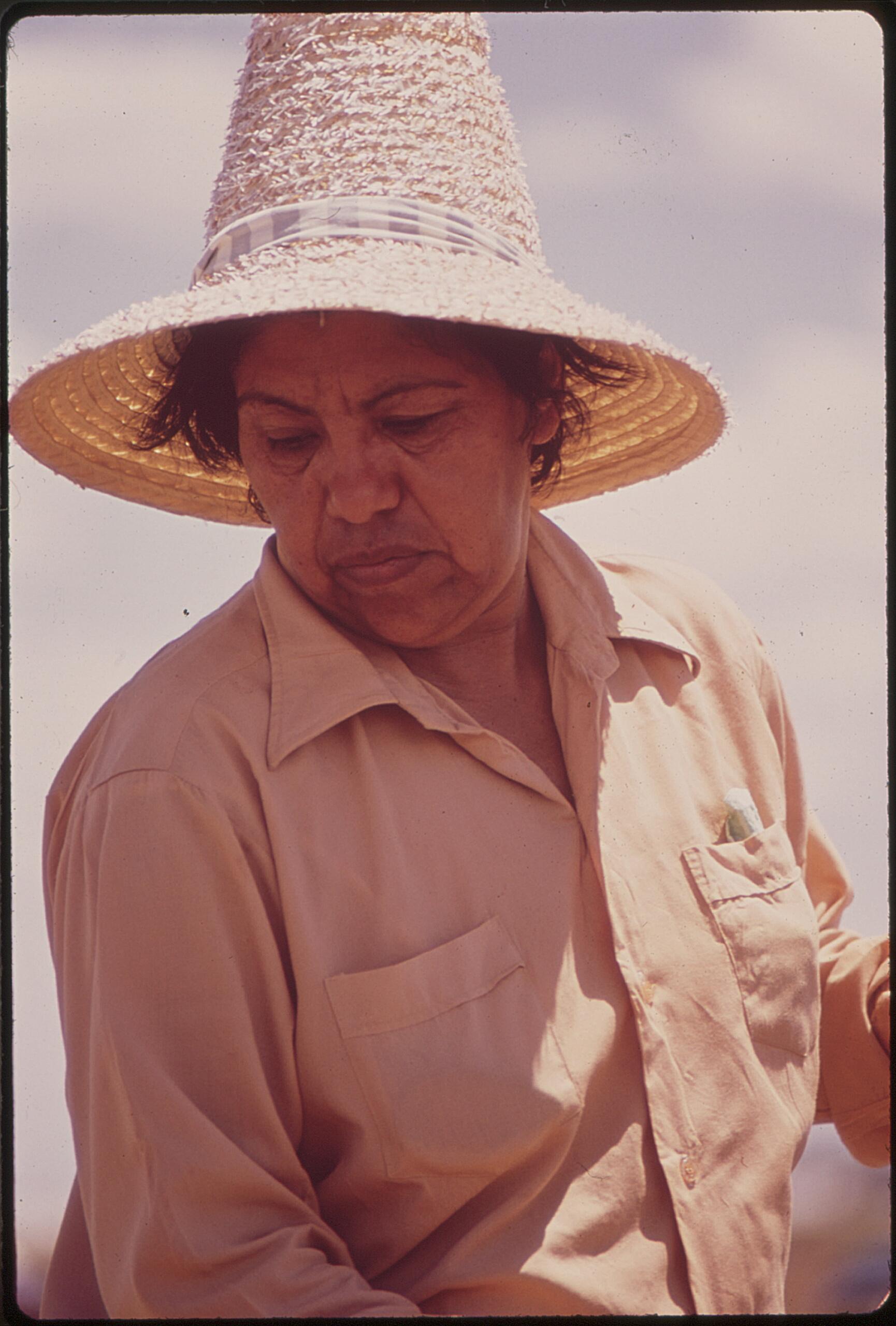
Crop work gave rural and small-town teenagers access to real seasonal money at fourteen, in amounts that a suburban child with a paper round could not match.
The gap has closed from both directions – mechanisation removed the farm work, while the service sector opened up to sixteen-year-olds everywhere. In 1974 geography largely determined whether a teenager could earn.
This is the part most often missed about the period. Rural adolescence is usually described in terms of what it lacked, and in this one respect it offered something the suburbs did not: paid work at scale, available to anyone who could stand it, with no qualification, no interview and no connection required – which for a lot of families was the difference between a child having money and not.
16. Mechanisation and Child Labour Rules Ended It Together
The whole system rested on crops that required hand work at a specific moment and on the legal and practical acceptability of hiring fourteen-year-olds in bulk to do it.
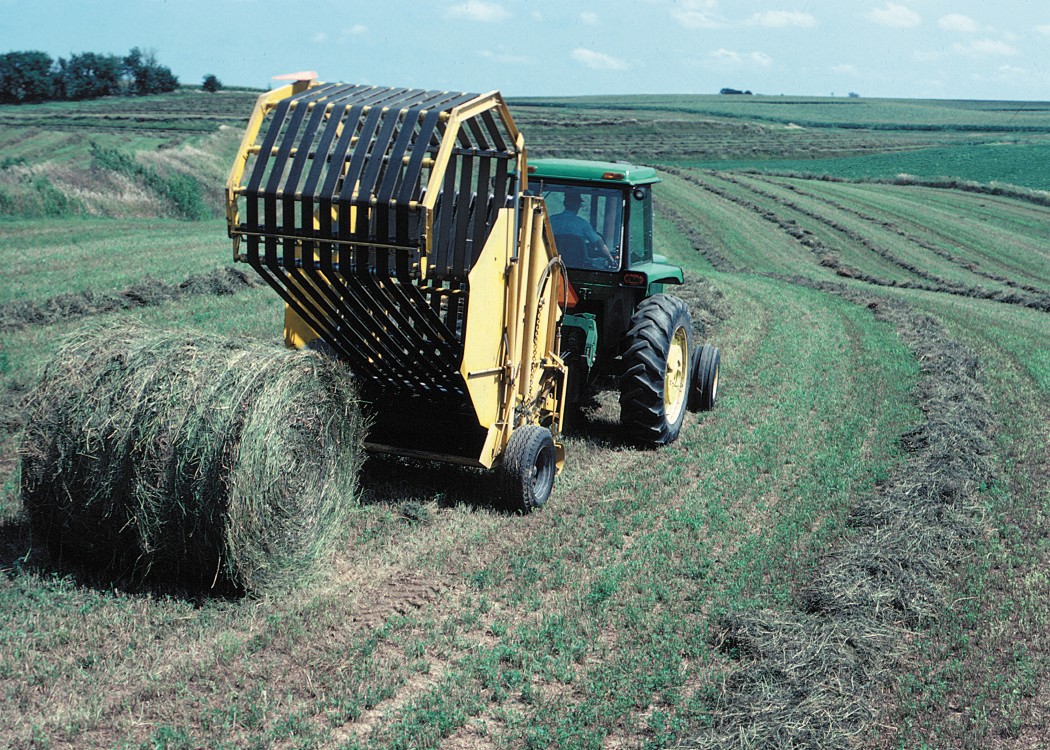
Herbicide-tolerant varieties ended bean walking, mechanical detasselers took most of the corn work, large bales ended hand hay handling, and specific prohibitions on hazardous agricultural tasks for minors closed what remained.
Both causes operated, and the order matters. The machines and the chemistry removed the demand first, which is why the rule changes met so little resistance – there was no longer a crop that depended on a bus full of teenagers. Which means the standard account, in either direction, is wrong: the job did not end because somebody decided children should not do it, and it did not end purely because of regulation. It ended because the work itself stopped existing, and the rules arrived to govern the remainder.
The Machines Ended It Before the Rules Did
The usual account of this has a villain and it is the wrong one.
People who did this work tend to say that regulation ended it – that somebody in an office decided teenagers should not be in fields, and a whole rural institution was legislated away. People on the other side say the opposite: that child labour rules rescued a generation from genuine exploitation.
The sequence does not support either version.
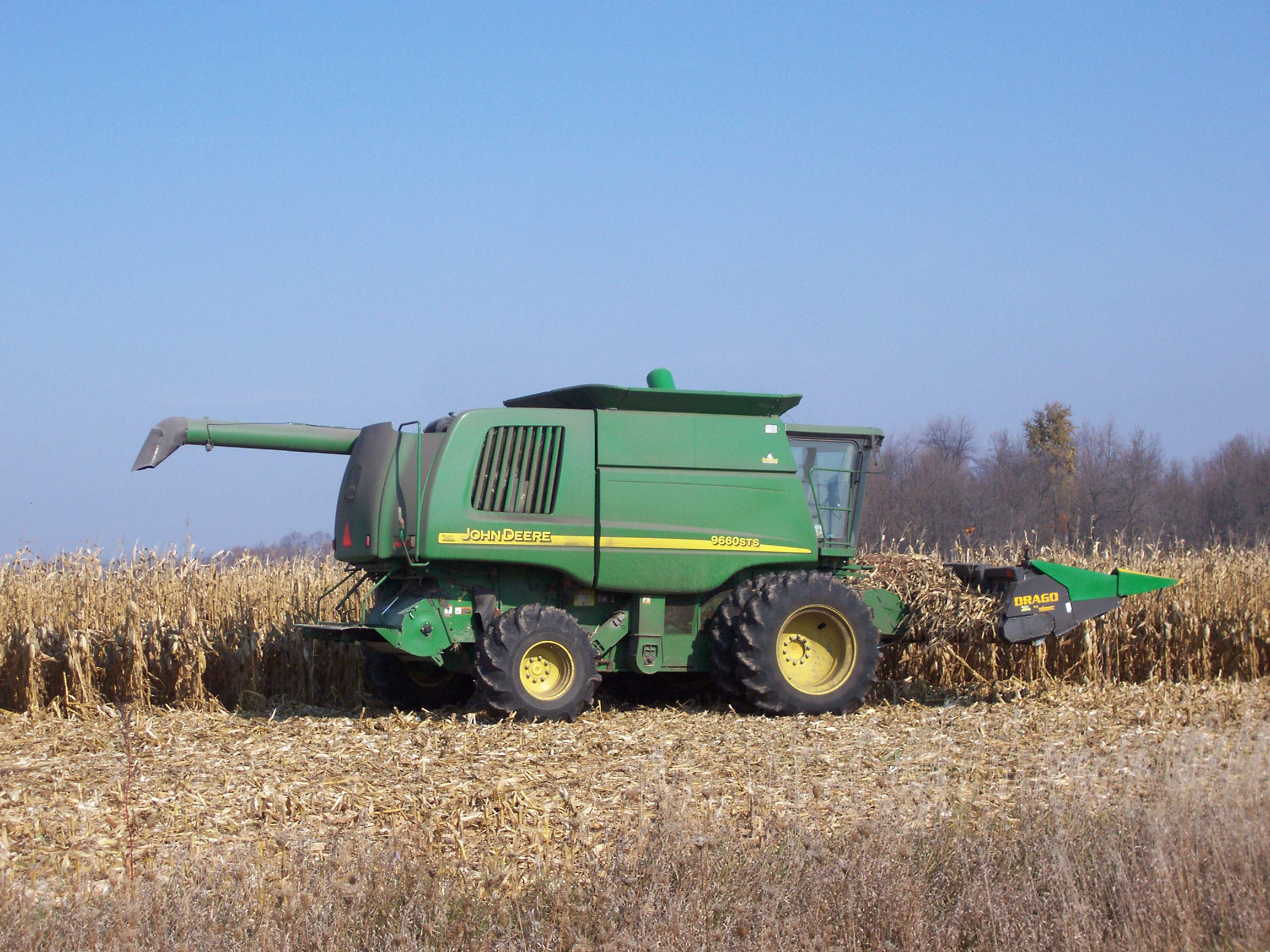
Herbicide-tolerant soybean varieties and comprehensive chemical weed programmes ended bean walking, and they ended it almost completely, because a field that does not need weeding does not need a crew. Mechanical detasselers took the bulk of the seed corn work, leaving hand crews to follow and catch what the machines missed – a fraction of the former labour. Large round and square bales handled entirely by tractor loader ended hand hay stacking at scale. Each of those changes was made for cost and yield reasons by people who were not thinking about teenage employment at all.
By the time the specific prohibitions on hazardous agricultural tasks for minors were tightened, the demand had already collapsed. There was no longer a crop whose economics depended on a bus full of fourteen-year-olds, which is why the rules met so little resistance from the farms themselves.
That ordering matters for how the period is judged.
The dangerous parts were real and are documented – serious machinery injuries to young people were common enough to drive the prohibitions, heat illness was managed by individual toughness rather than by any system, and the sun exposure accumulated in those summers had consequences decades later. Those were not inventions of a cautious era. And the valuable parts were also real: paid work available at fourteen to anyone who could stand it, with no qualification and no connection required, which for a lot of rural families was the difference between a child having money and not.
Both were true at once, and the thing that resolved the tension was not a judgement about children.
It was a herbicide, a detasseling machine and a bigger bale.
If you did this, you remember the ride home better than the work.
And you remember exactly what you bought at the end of it, and exactly what it cost.
Like our content? Follow us for more.