It Was a Heavy Aluminium Pot With a Lid That Clamped On
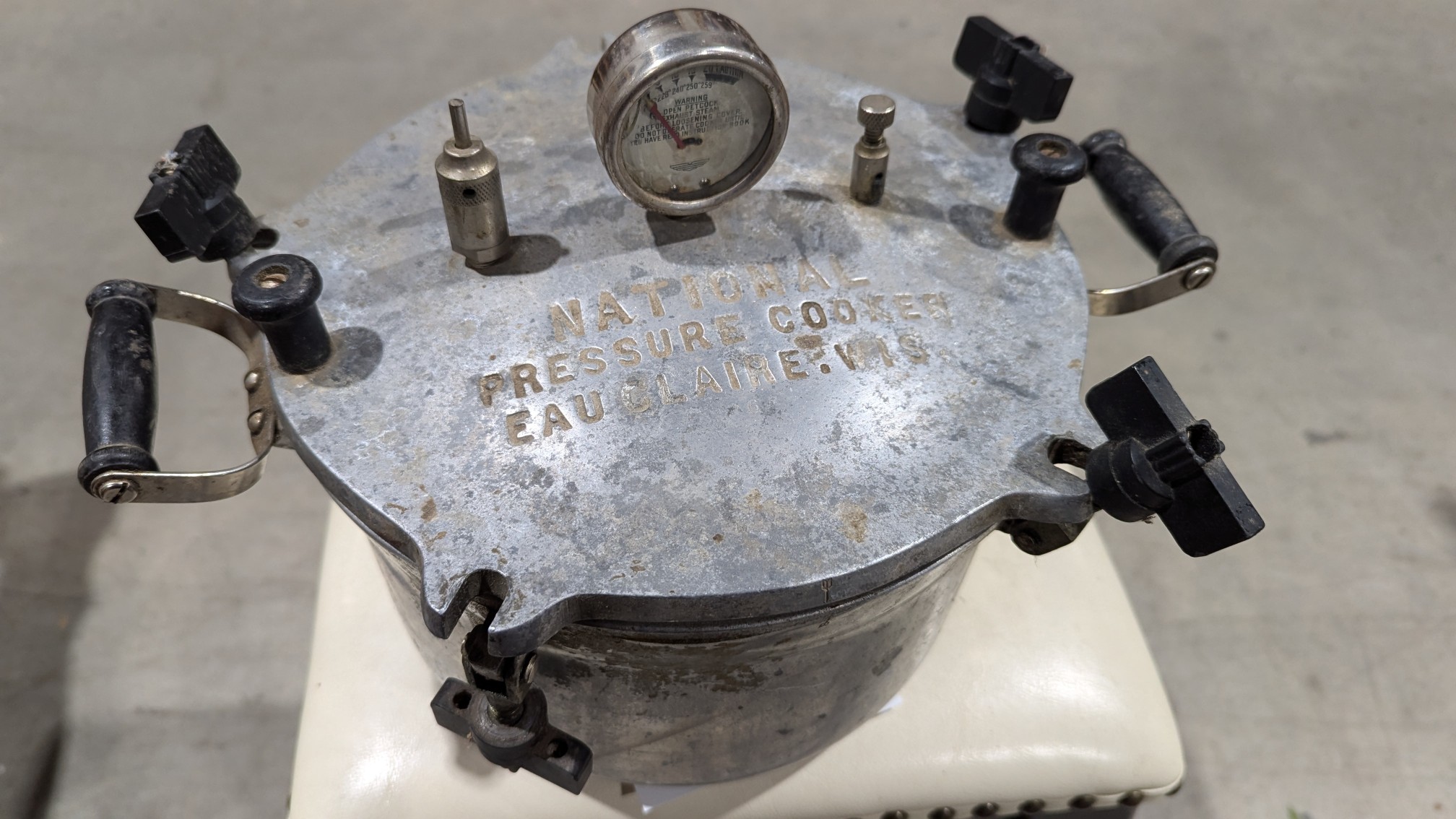
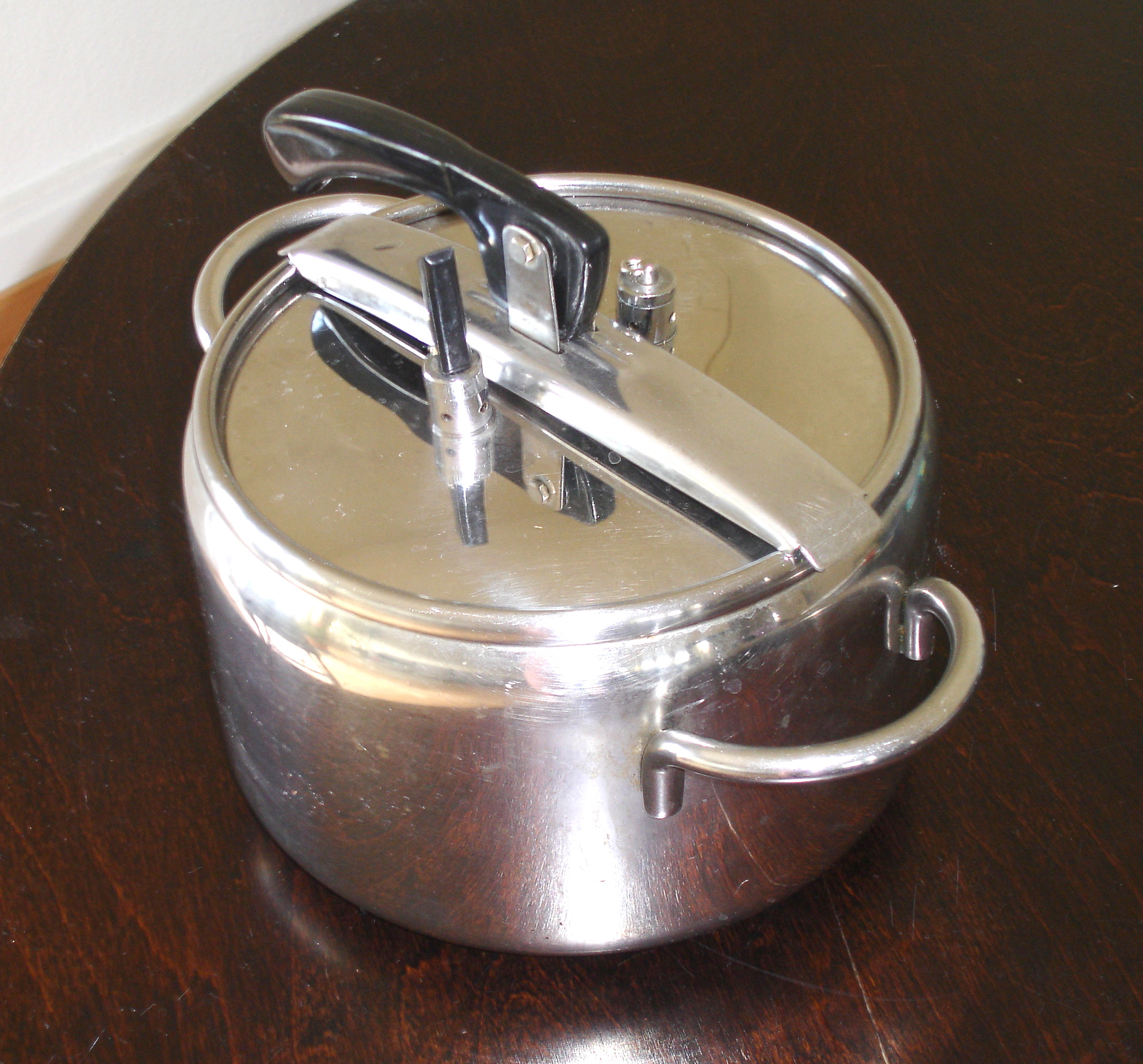
The standard article was thick cast aluminium, with a lid that either twisted into a locking channel or was held by a ring of clamps, sealed with a rubber gasket, and fitted with a vent pipe on top carrying a small removable weight.
It was heavy empty and considerably heavier full. It had a Bakelite or phenolic handle that eventually loosened. The gasket perished and was replaced from a hardware store. And it was kept at the back of a cupboard or on top of the refrigerator, because it did not fit anywhere convenient.
Every household had one. Not as a specialist item but as standard kitchen equipment, in the same category as a roasting pan, and it was used weekly rather than occasionally.
Like our content? Follow us for more.
The Physics Is Simple and Explains Everything About It
Water boils at a fixed temperature at a given pressure, and at normal atmospheric pressure that temperature is the ceiling on anything cooked in liquid. You cannot get a stew hotter than boiling by applying more heat; you only boil it faster.
Seal the pot and the steam cannot escape, so pressure builds, and as pressure rises the boiling point rises with it. A sealed vessel at roughly fifteen pounds above atmospheric cooks at something in the region of 120 degrees Celsius rather than 100.
Twenty degrees sounds trivial and is not. Chemical reaction rates rise steeply with temperature, so the collagen in a tough cut breaks down, the starch in dried beans gelatinises and the fibre in root vegetables softens several times faster. A cut that needs three hours of simmering is done in forty minutes.
That is the entire proposition, and it is a straightforwardly good one.
The Weight on Top Was the Regulator and the Noise Was the Point
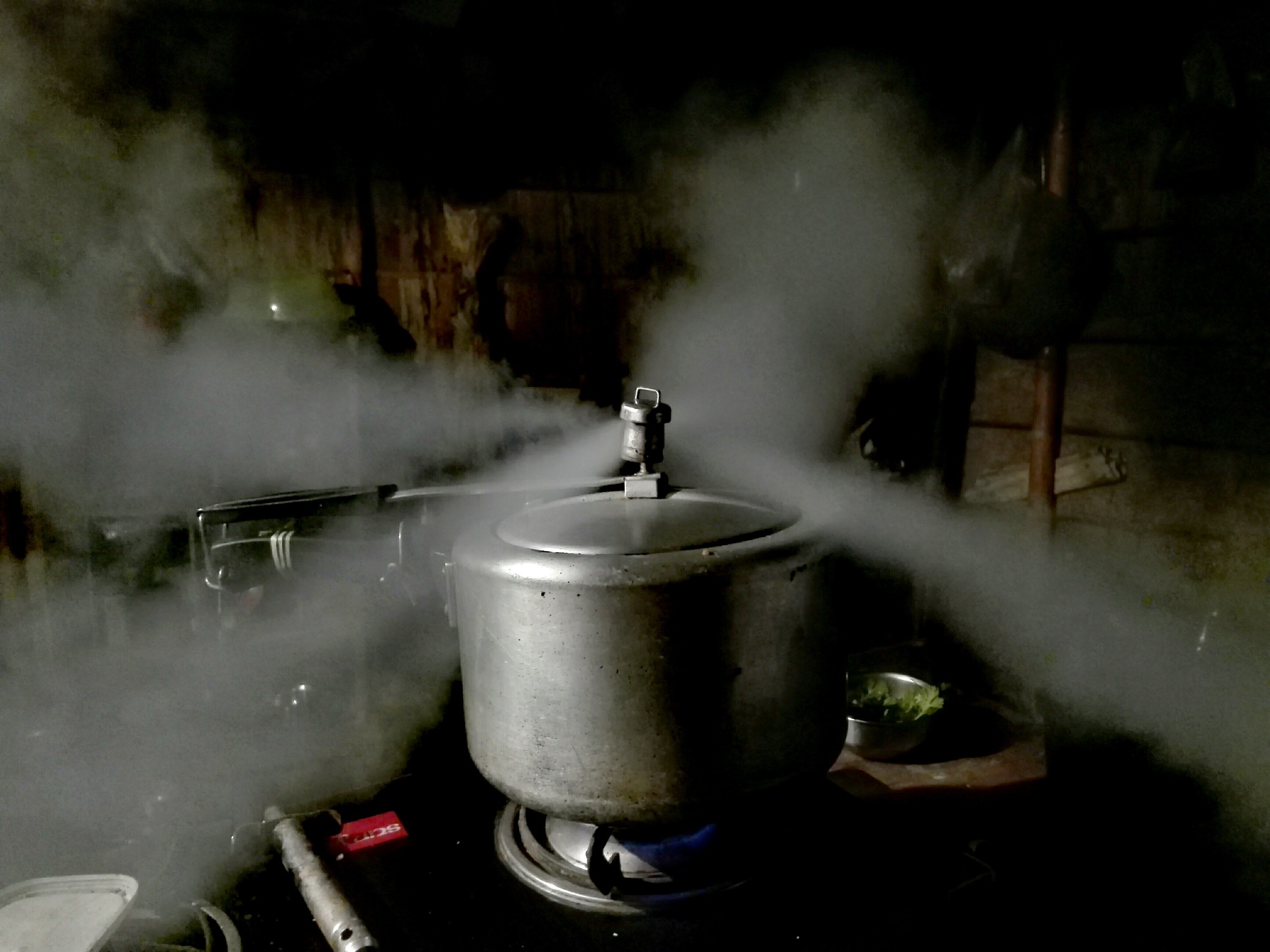
The small weight sitting on the vent pipe is the pressure control, and it works by the simplest possible mechanism: it is heavy enough to stay put until the pressure underneath exceeds a set value, at which point it lifts and lets steam out.
So the cooker finds its own operating pressure. Heat it too hard and the weight lifts more often; heat it gently and it lifts less. The rocking, hissing and jiggling that everybody remembers is the regulator doing its job, and the cook’s task was to adjust the burner until the weight moved at a steady moderate rate.
Learning to read that sound was the actual skill. A cooker rocking too violently was wasting water and energy; one that had gone silent had either lost pressure or was being heated too gently – and a household could tell which from the kitchen with the door shut.
Modern cookers use spring valves and indicators and are near-silent, which removed the hazard and also removed the only feedback the cook had.
Everybody Had a Story and Most of Them Were the Same Story
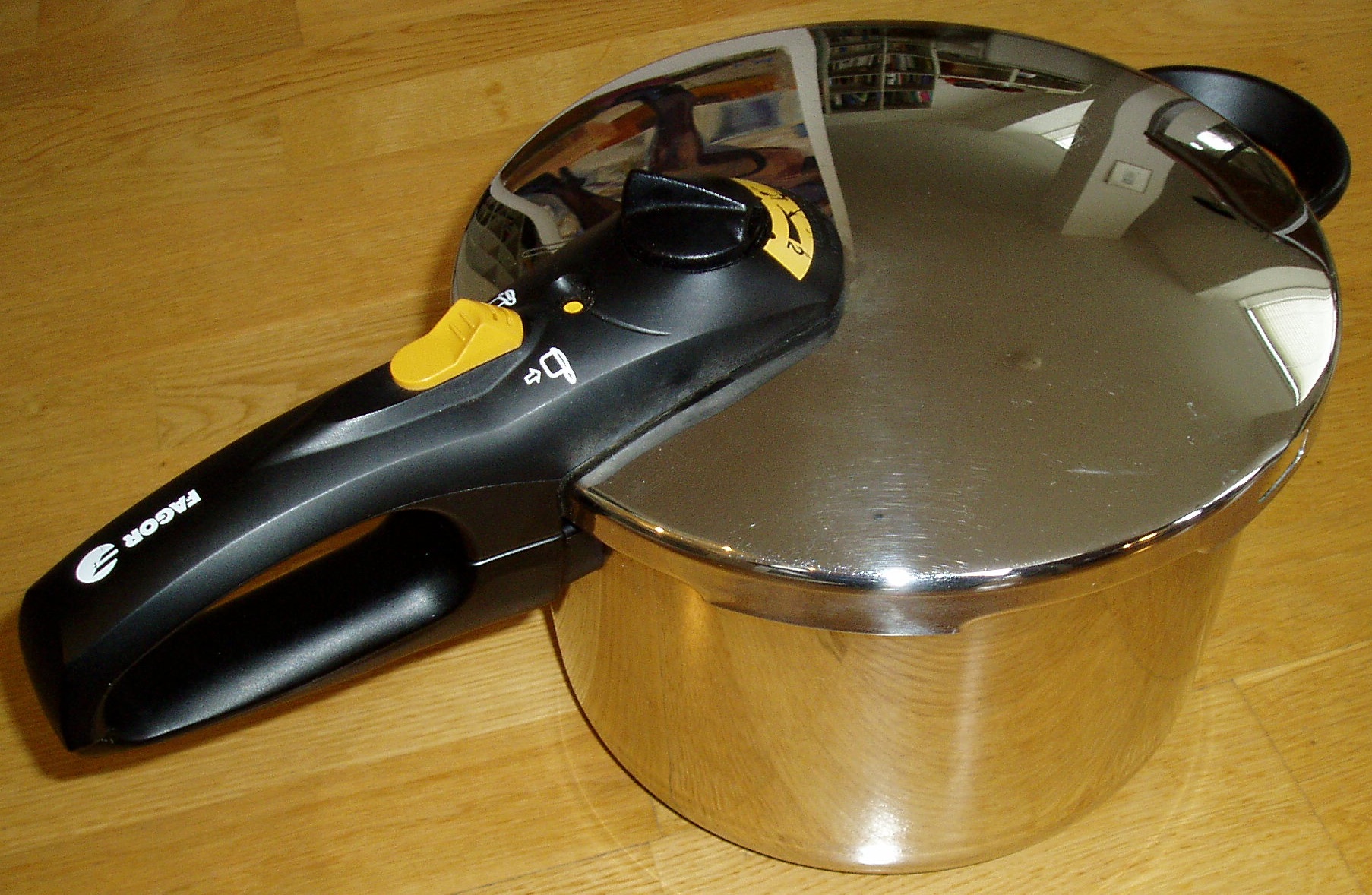
The reputation came from a small number of failure modes that were well known and widely experienced.
The commonest was opening it while still under pressure – which is why older cookers acquired instructions to run the lid under cold water, and why the lid resisted turning until pressure had dropped. The contents of a pressurised vessel released suddenly will go a very long way.
The second was the vent blocking. Dried beans, pasta, rice, apple sauce and anything that foams could carry solids up the vent pipe and obstruct it, after which pressure had nowhere to go.
And the third was neglect: a perished gasket, a corroded lid seat or a weight that had been mislaid and replaced with something approximate.
Those accidents happened often enough that essentially every family of the period has an anecdote involving a ceiling, and the stories did more to shape the appliance’s reputation than any amount of successful weekly use.
Modern Ones Are a Different Object and Cannot Fail the Same Way
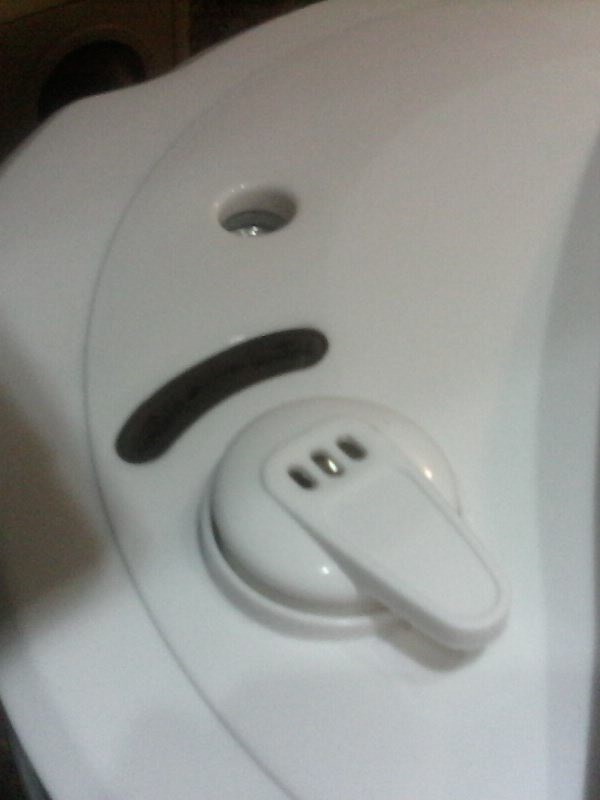
The hazards were addressed by engineering rather than by instruction, and the modern appliance is substantially a different machine.
A current pressure cooker has a lid that physically cannot be opened while pressure remains, by means of an interlock. It has a secondary pressure release independent of the primary one. It has a gasket designed to extrude through a gap and vent if the primary route blocks. And on electric models the heat is controlled by the appliance against a measured pressure rather than by a person adjusting a burner by ear.
That is four independent layers where the 1972 article had one weight and a cook paying attention.
Which is why the fear is now misplaced and why it persists anyway. People who grew up with a rocking aluminium pot on a gas ring inherited a caution that was entirely rational for that object and is not rational for a sealed electric appliance with interlocks – and a great many of them still will not have one in the house.
Canning Was the Other Half of the Business and It Was Not Optional
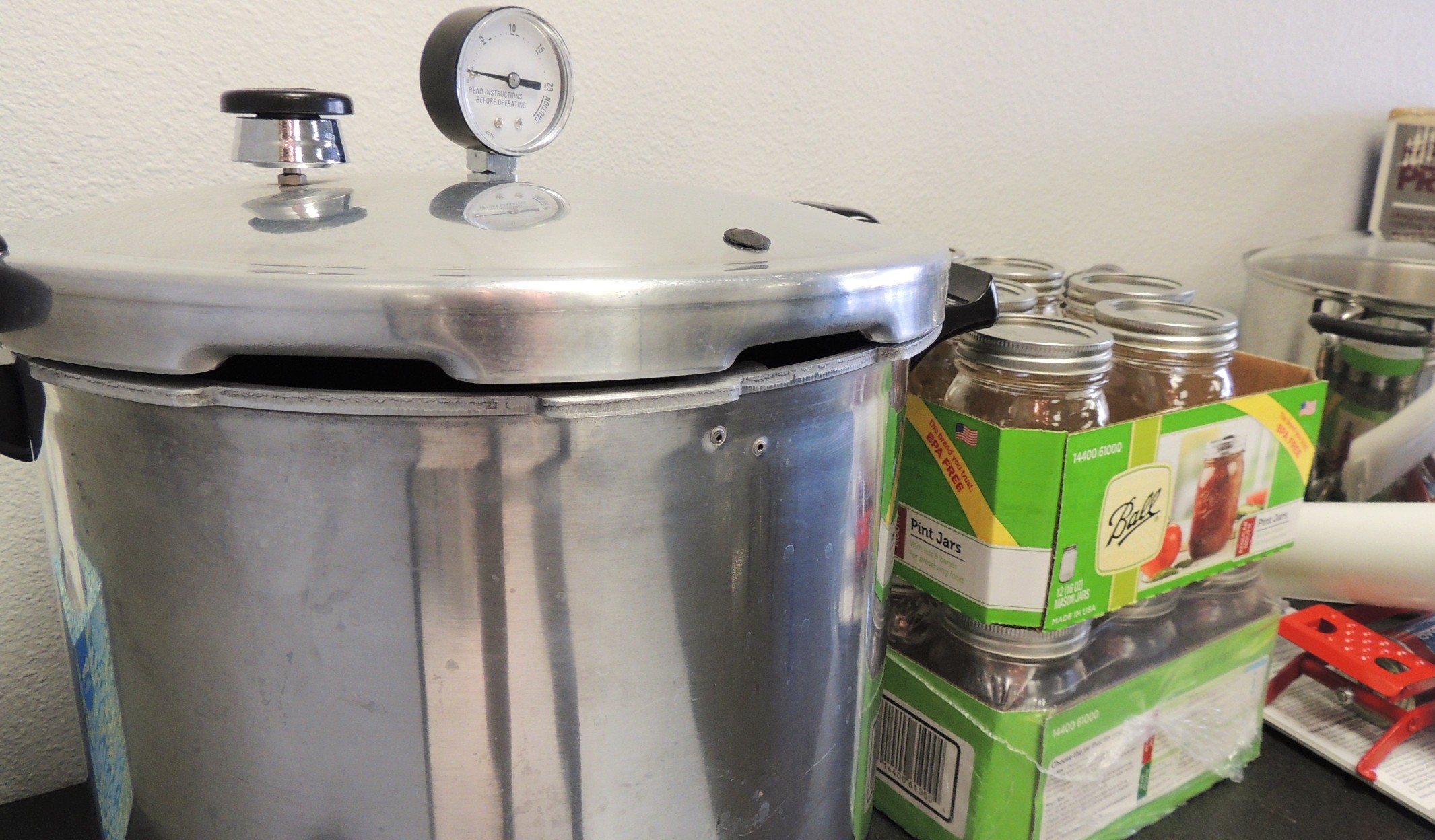
A great many of these pots were bought for preserving rather than for dinner, and the distinction mattered.
Low-acid foods – vegetables, meat, poultry, stock – cannot be safely preserved at boiling water temperature, because the organism of concern is not killed reliably at 100 degrees. Preserving those requires a higher temperature, which requires pressure, which is why a pressure canner existed as a separate and larger piece of equipment from the stovetop cooker.
High-acid foods are different. Fruit, pickles, jams and tomatoes with acid added can be processed in boiling water, which is why those are the things households preserved in an ordinary pot.
That distinction was taught explicitly and understood widely, and it is the one area where the period’s household knowledge was better than the general public’s is now. A household in 1972 that preserved food knew which category a food fell into and which vessel it required, because getting it wrong had consequences everybody had heard about.
Anybody considering home preserving today should work from current published guidance rather than from a remembered family method, because the specifics matter and have been refined considerably – but the underlying reason pressure was involved at all is exactly the one above.
It Was Economically Important in a Way That Is Easy to Miss
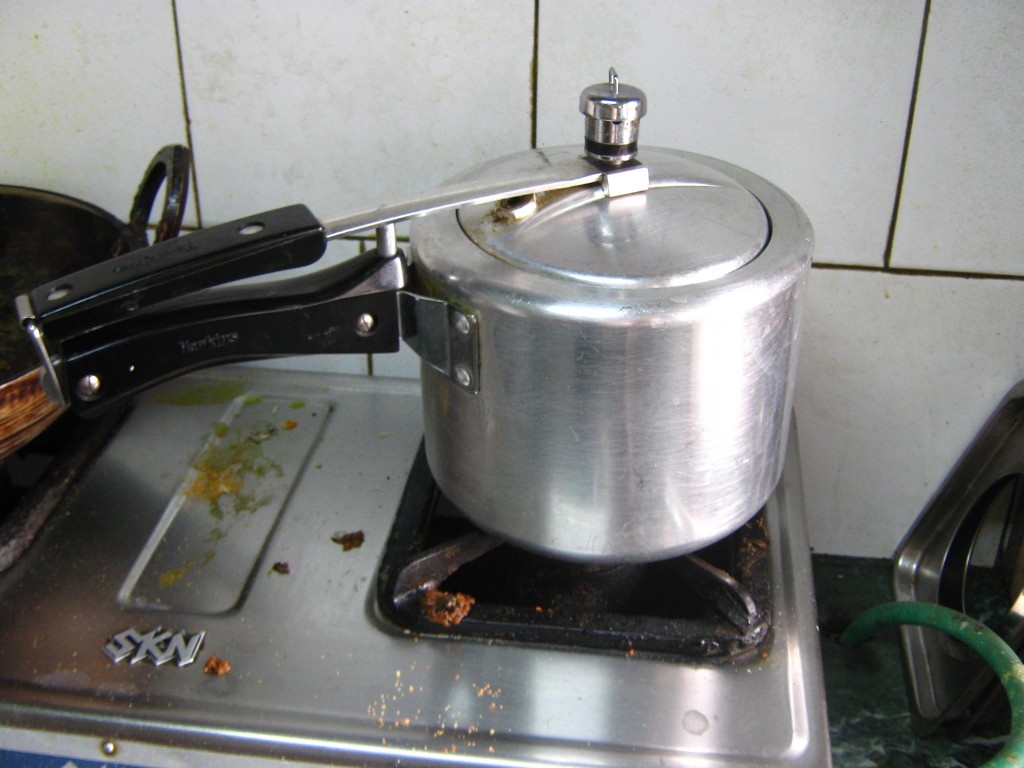
The cooker was not a convenience item. It was a tool for making cheap food edible, and that is why it was universal.
The cuts it was bought for were the cheap ones – shin, chuck, neck, oxtail, brisket, shoulder – which are tough because they are full of connective tissue and become excellent when that tissue is broken down. Doing that by simmering takes hours of fuel. Doing it under pressure takes a fraction.
The same applies to dried beans and pulses, which were a staple protein in a great many households and which need either an overnight soak and a long boil or forty minutes under pressure.
So the appliance saved money twice: it made the inexpensive cuts and the dried staples practical on a weekday, and it cut the fuel bill for cooking them. In a household watching both, that is not a gadget – it is infrastructure.
Its decline tracks exactly what you would expect. As meat got relatively cheaper and as households got more time-poor than money-poor, the incentive shifted, and the cooker went to the back of the cupboard.
The Recipes Were Converted From Ordinary Ones and That Was the Hard Part
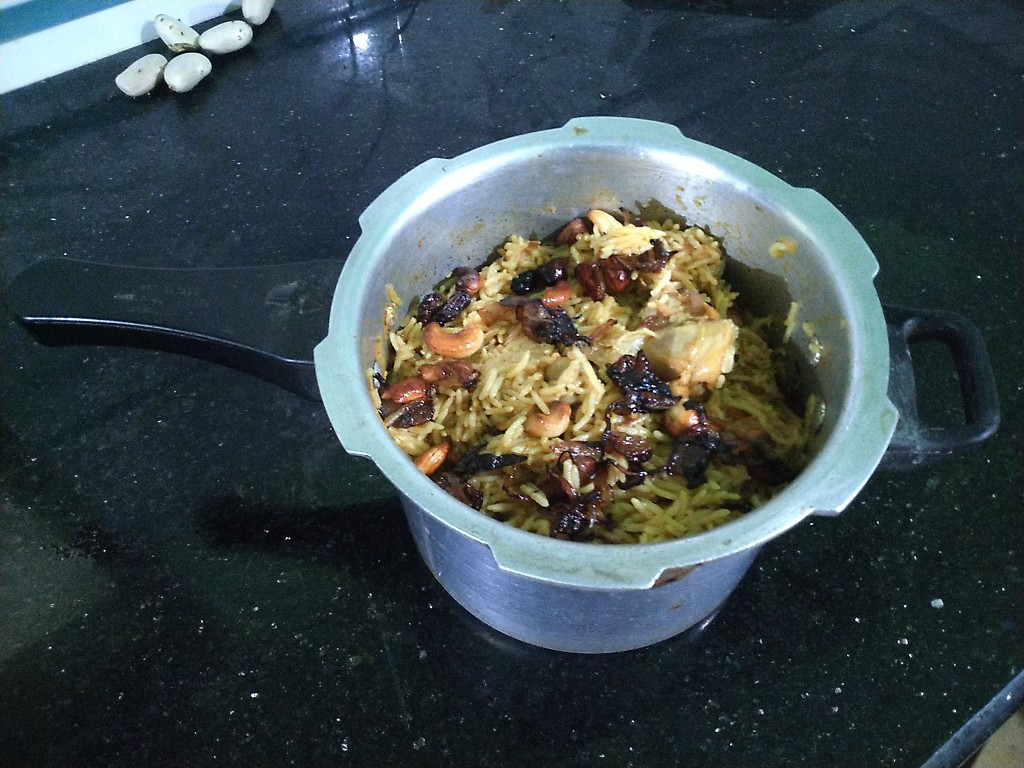
There were cookbooks, and most of them came with the cooker rather than from a shop – a stapled booklet of times and quantities supplied in the box and kept in a drawer until it fell apart.
The difficulty is that pressure cooking is not a faster version of the same process; it is a different process with different arithmetic. Liquid does not evaporate, so a stew made to an ordinary recipe comes out thin. Timings are not proportional, so halving a simmering time is wrong. And everything in the pot cooks at the same rate at the same moment, so vegetables added at the start of a meat recipe are gone by the end.
So the cook had to learn three adjustments: less liquid than the original recipe, a time taken from the booklet rather than scaled from the stovetop version, and staged additions – which meant bringing the pot down, opening it, adding the vegetables and bringing it back up.
That last step is why a great many people concluded it was not saving them anything. A recipe requiring the cooker to be depressurised halfway through is considerably less convenient than the advertising suggested, and the households that used theirs weekly were the ones cooking a small number of dishes they had worked out properly rather than following the booklet across its whole range.
Then It Came Back as an Electric Appliance and Nobody Called It That
The revival is one of the more complete rehabilitations of any kitchen object, and it happened largely by not using the name.
Electric multi-function cookers sold in enormous numbers from the 2010s onward are pressure cookers with a microprocessor, a sealed lid, interlocks and a set of programmes – and they were marketed on speed and convenience rather than on pressure, to a generation with no inherited fear of the technology.
The marketing was deliberate and effective. A product that mentions pressure in its name has to overcome the ceiling anecdote; a product that promises a stew in thirty minutes does not.
What is slightly comic is that the use case is identical. People are buying them to make cheap tough cuts, dried beans and stock quickly – exactly what the aluminium pot on the gas ring was for – and the gap between the two is a gasket, an interlock and fifty years of reputation.
The appliance was always good. It simply needed to be made impossible to misuse, and then renamed.
Like our content? Follow us for more.