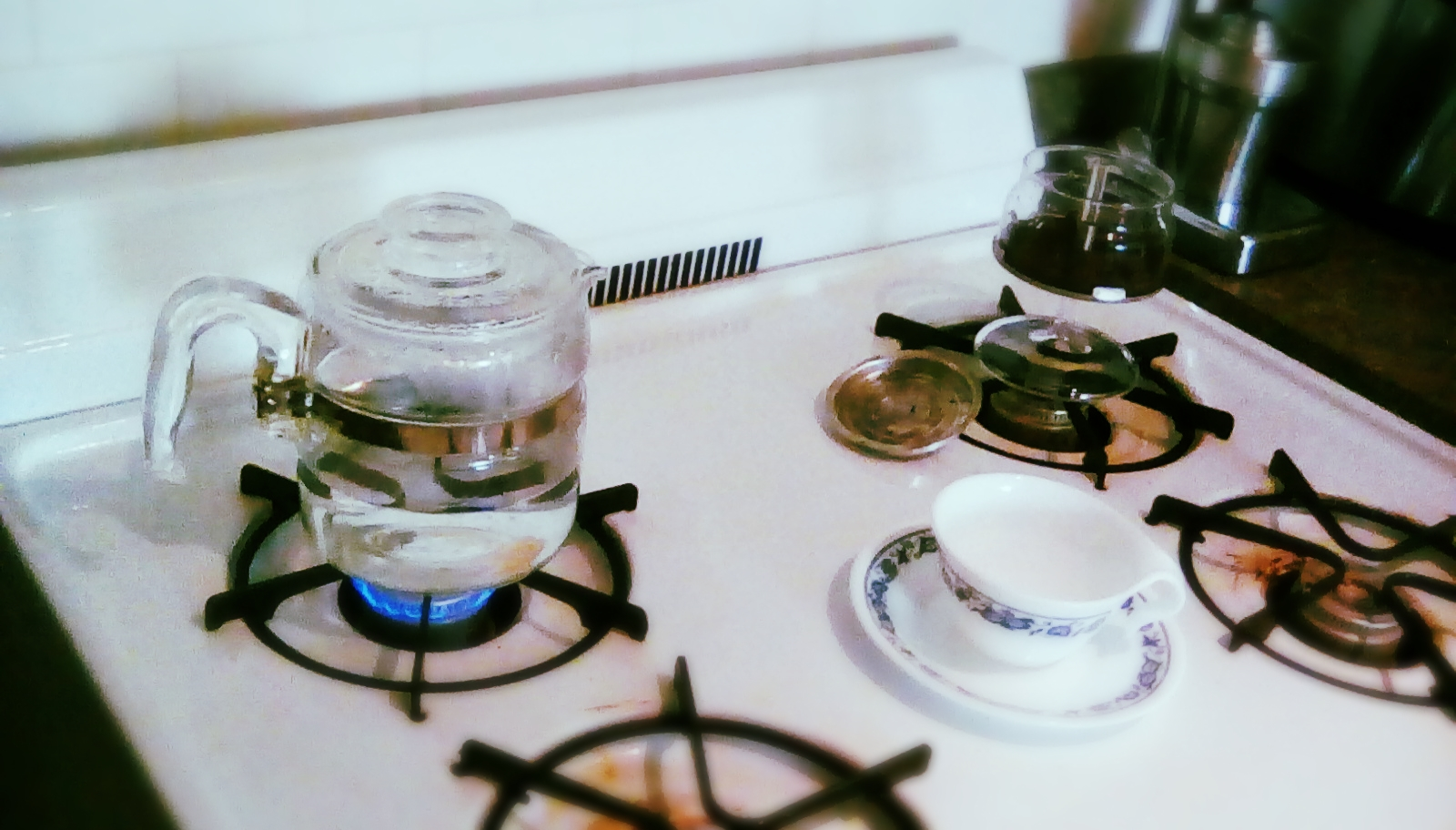
It sat on the counter or on the stove, chrome or aluminium, with a glass knob on the lid. You filled it, plugged it in, and then you waited for the noise.
The noise was the whole experience. A slow thump at first, every few seconds, then faster, then a steady rhythmic percolating that filled the kitchen – and through the glass knob you could watch the coffee going from clear to pale brown to dark. When the colour looked right, it was done.
How It Actually Worked
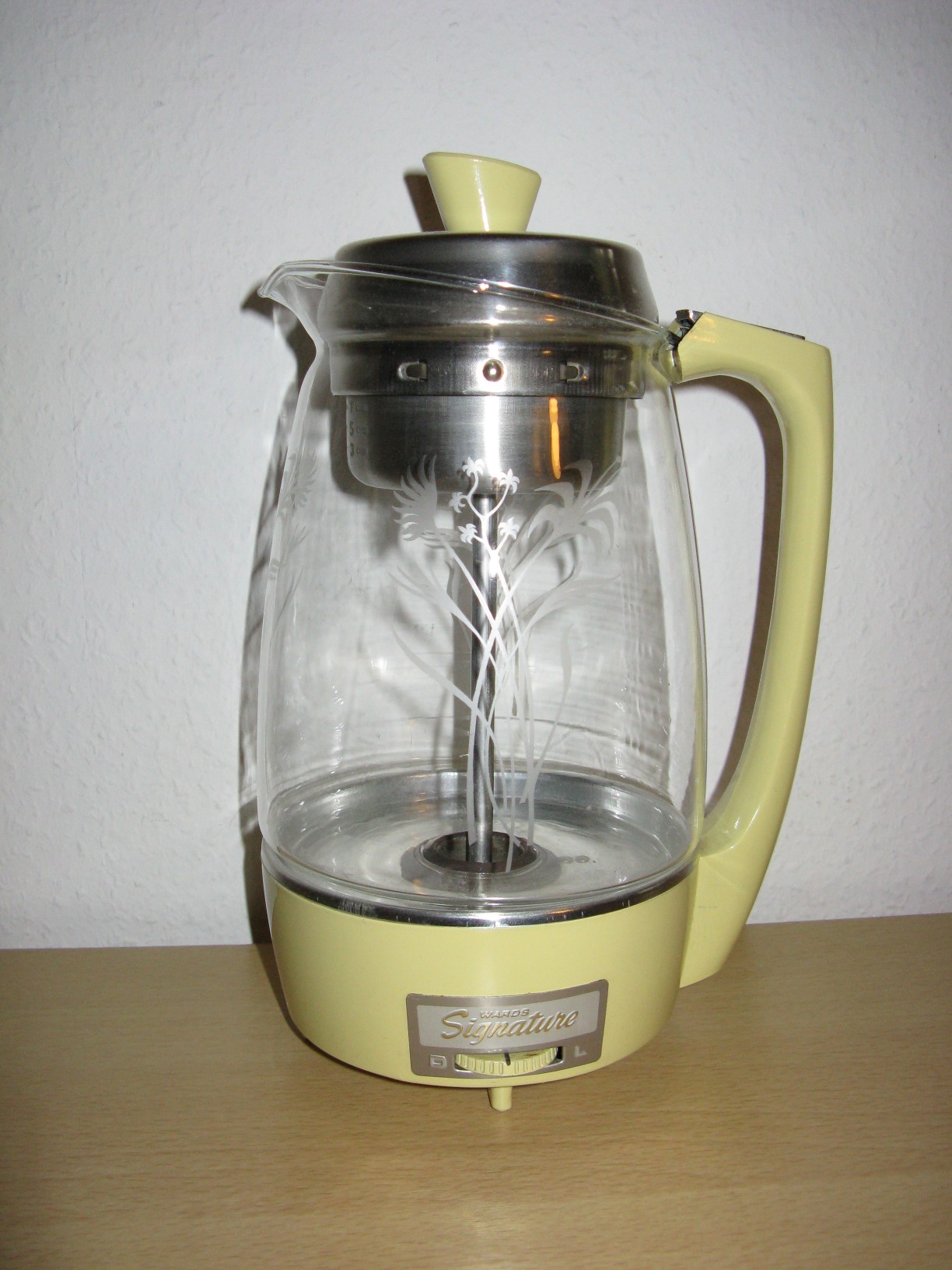
The mechanism is clever and almost nobody who used one could have described it.
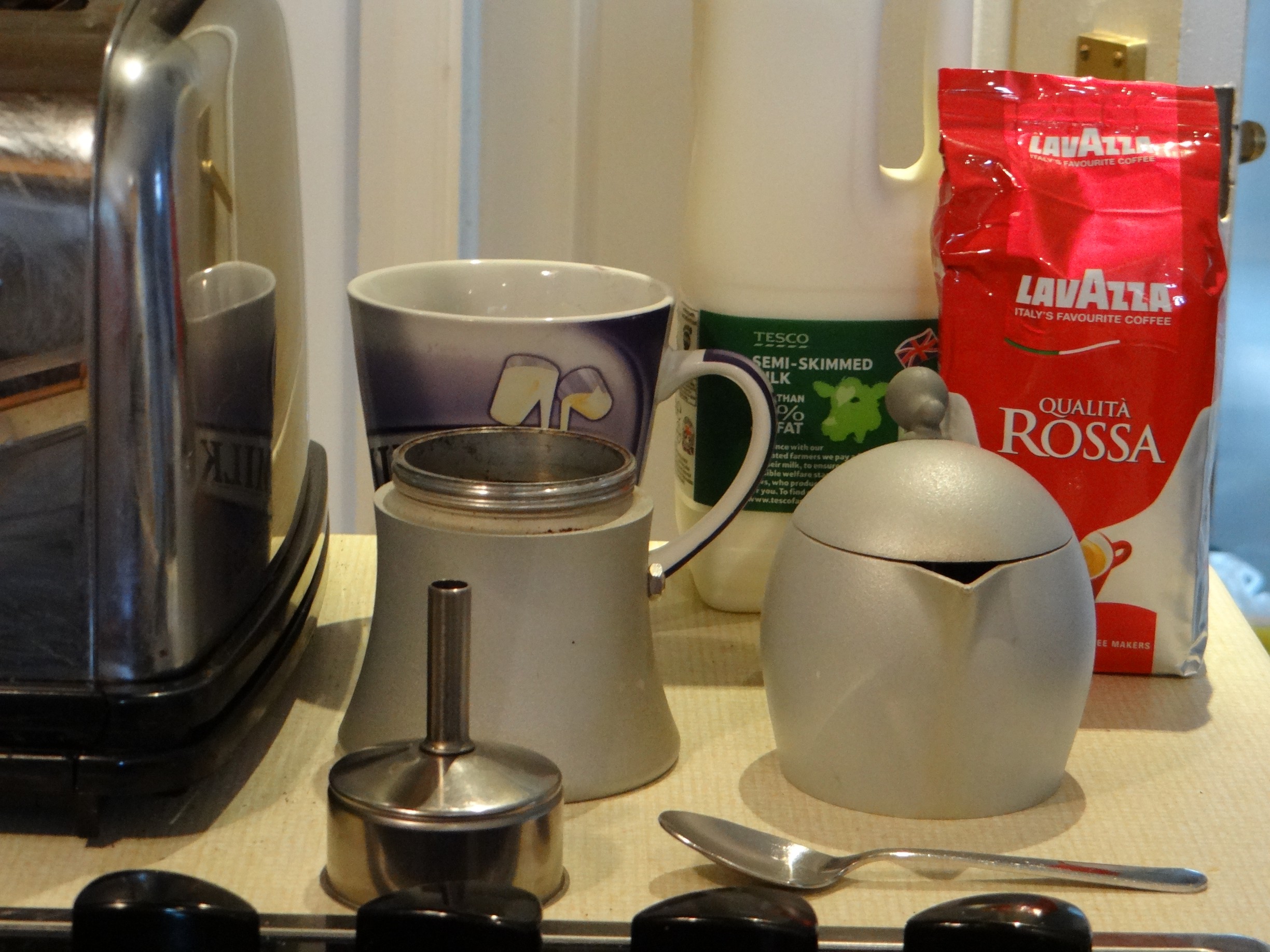
Inside, a hollow tube runs from the bottom of the pot up to a perforated basket near the top, where the grounds sit. The heat source is directly under the bottom of that tube. Water in the small chamber at the base of the tube reaches boiling before the rest of the pot does, because there is very little of it and it is closest to the heat.
When it boils, it has nowhere to go but up. A slug of water and steam is driven up the tube, out of the top, and sprayed over the grounds. It drains through them, back into the body of the pot, and the chamber at the base refills with slightly warmer water than before.
Then it happens again. And again, faster each time, because the whole pot is getting hotter.
That is the thump. Each one is a pulse of water being thrown up a tube. It accelerated as the pot heated, which is why the sound changed character, and it was a genuinely accurate indication of what was going on inside.
Like our content? Follow us for more.
And Why That Is a Bad Way to Make Coffee
Now the awkward part, which is that the method is working against itself in two separate ways at once.
The first problem is temperature. Coffee extracts best somewhere below boiling – hot enough to dissolve the compounds you want, not hot enough to pull out the harsh ones in quantity. A percolator sprays genuinely boiling water onto the grounds, because boiling is the mechanism that drives the pump. The temperature is not a setting. It is the engine.
The second problem is recirculation, and it is worse. The liquid draining back into the pot is coffee. It gets pumped up and sprayed over the grounds again, and again, for the whole cycle. So the grounds are not extracted once; they are extracted repeatedly, by liquid that is already carrying extracted coffee.
Extraction is not uniform. The pleasant soluble compounds come out early and fast. The bitter ones come out later and more slowly. Run water through grounds once, briefly, at the right temperature and you get mostly the first group. Run boiling coffee through the same grounds twenty times and you get all of both, thoroughly.
Which is the explanation for a taste that an entire generation remembers accurately. Percolator coffee was strong, it was bitter, and it had a particular flat harshness – and that was not bad beans or careless measuring. It was the design.
Then It Sat on the Heat
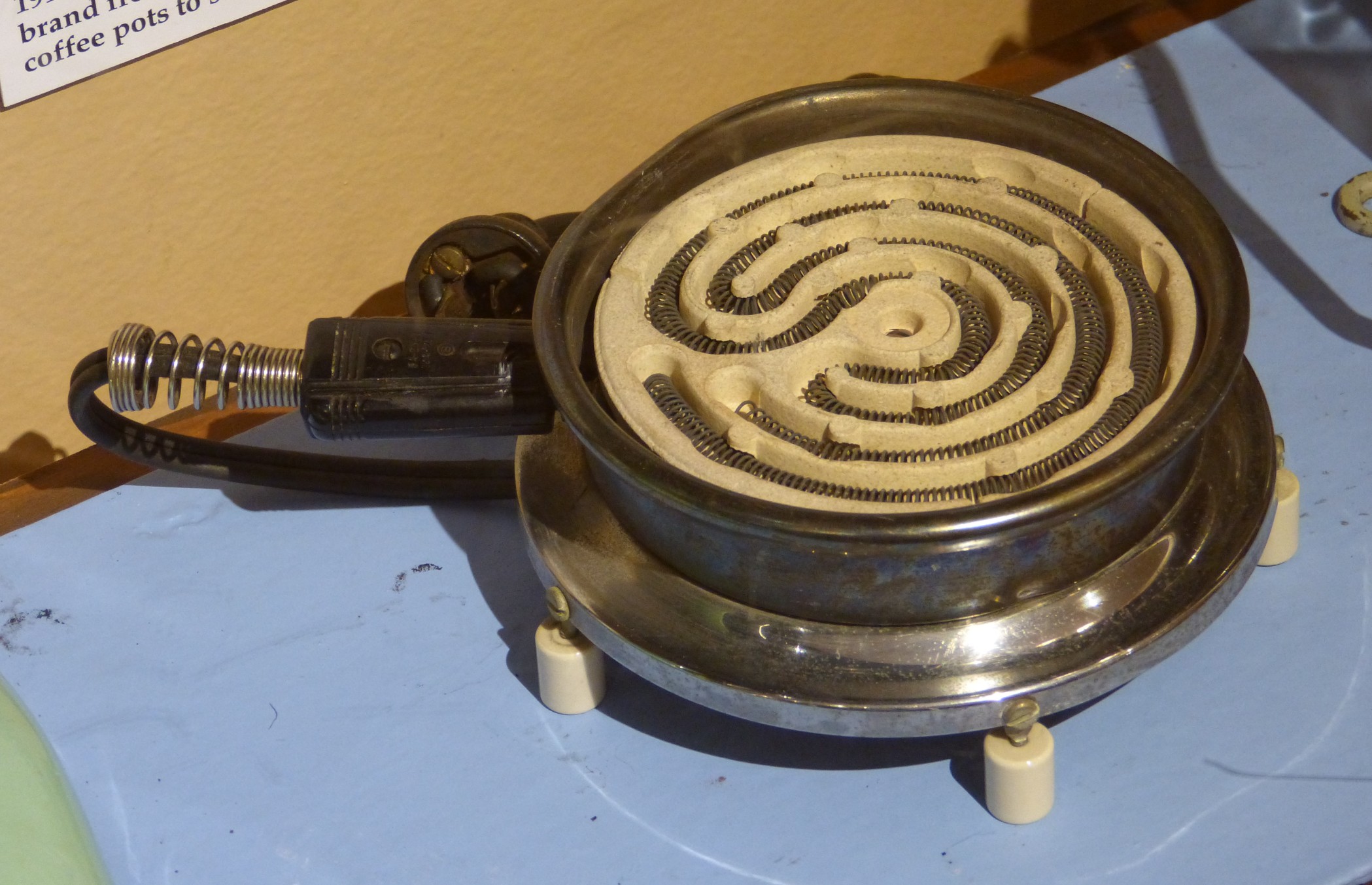
There was a third problem, and it arrived after the coffee was made.
The electric models switched to a keep-warm element and held the finished pot at close to serving temperature, often for hours. The stove-top ones simply stayed on the back of the stove.
Coffee held hot continues to change. Volatile aromatic compounds – the things that make it smell like coffee – evaporate off, and the remaining liquid continues to develop harsher flavours. A pot that was merely bitter at eight in the morning was something considerably worse by eleven, and it was drunk anyway, because it was there and it was hot and throwing coffee away was not something people did.
The office version of this ran all day.
The Measuring Was Wrong Too, and the Pot Was Lying to You
There is one more thing stacked on top of the method, and it is the quiet reason percolator coffee was stronger than anybody meant it to be.
The pot came marked with a scale on the side or on a sight glass, in cups. The instruction was a scoop of grounds per cup, and a scoop came with the pot. Both of these sound precise and neither was.
A coffee cup, as marked on a percolator, was not a cup. It was a serving measure of around five or six fluid ounces, because that is the size of a cup of coffee as people actually drank it – considerably less than the eight ounces a measuring cup holds. So a pot marked for eight cups held rather less liquid than eight cups, while taking eight scoops of grounds.
And the scoop was whatever the manufacturer had put in the box. There was no standard, scoops were lost and replaced with tablespoons or with whatever was in the sugar, and the measure drifted from household to household until the recipe was simply however much looked right to whoever made it.
Then there was the metal. The cheap pots were aluminium, which pits and discolours, and a pot that had made coffee every morning for five years had an interior surface carrying a film of old coffee oils that no amount of rinsing removed – because scrubbing an aluminium percolator basket was a job nobody did until something tasted wrong.
So the actual cup contained grounds measured by an unstandardised scoop against a scale that overstated its own volume, extracted repeatedly by boiling water in a vessel coated in the residue of several hundred previous pots.
It is remarkable how much of a household’s morning rested on a device with no accurate part anywhere in it.
Everybody Knew, and Nobody Minded
It is important not to tell this as a story about people being fooled.
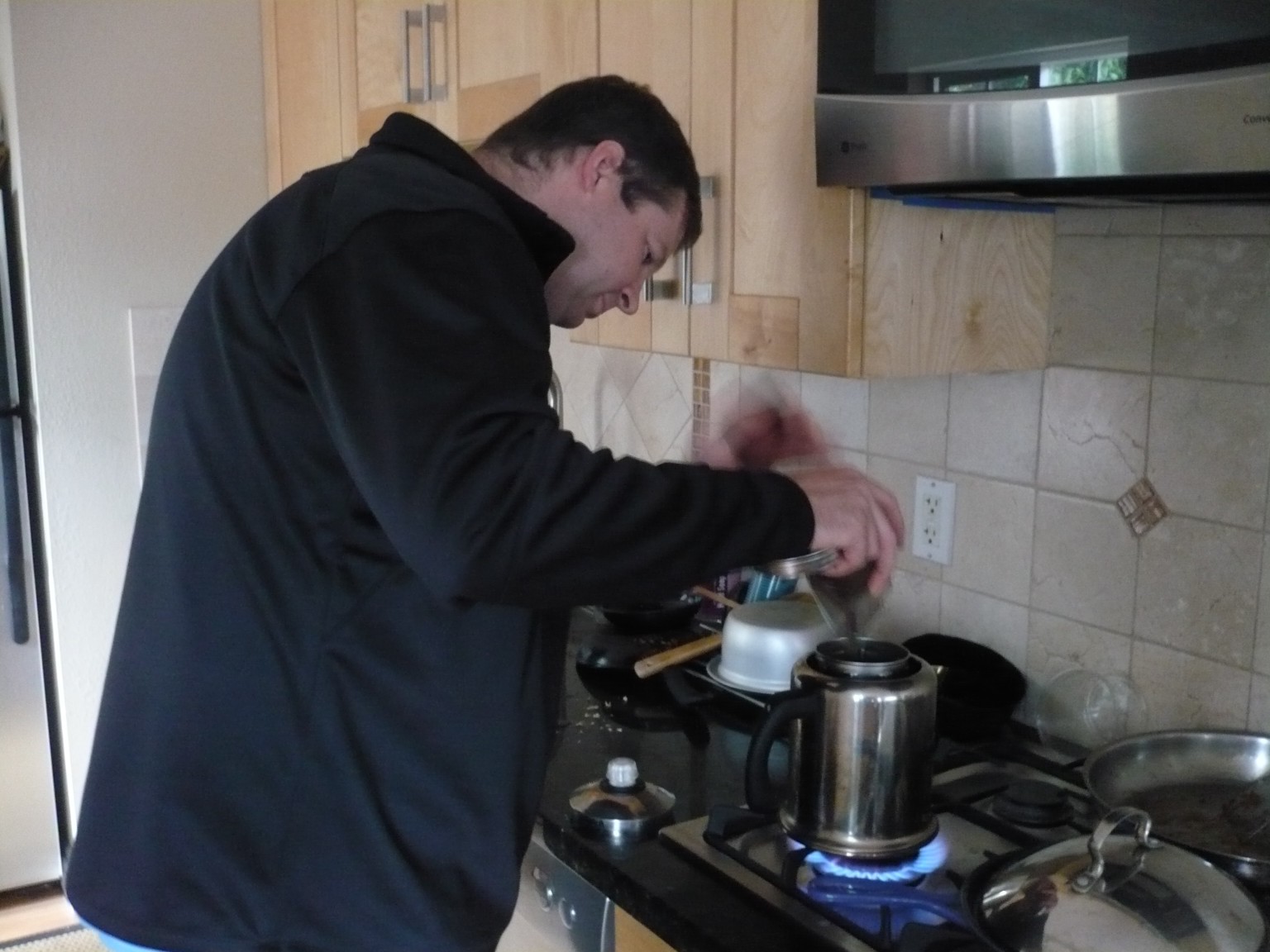
Households knew exactly what percolator coffee tasted like. They compensated for it – more sugar, more cream, or simply a learned tolerance. A great many people genuinely preferred it, and still do, because it is what coffee tastes like to them and the association is stronger than the chemistry.
And it had real advantages. It was one object, it was close to indestructible, it worked on any heat source including a campfire, it made a large quantity at once, it needed no paper filters and nothing you had to buy again, and it told you when it was finished by making a noise and changing colour.
For a household feeding six people before work, those were the properties that mattered.
What Beat It Was Not Taste
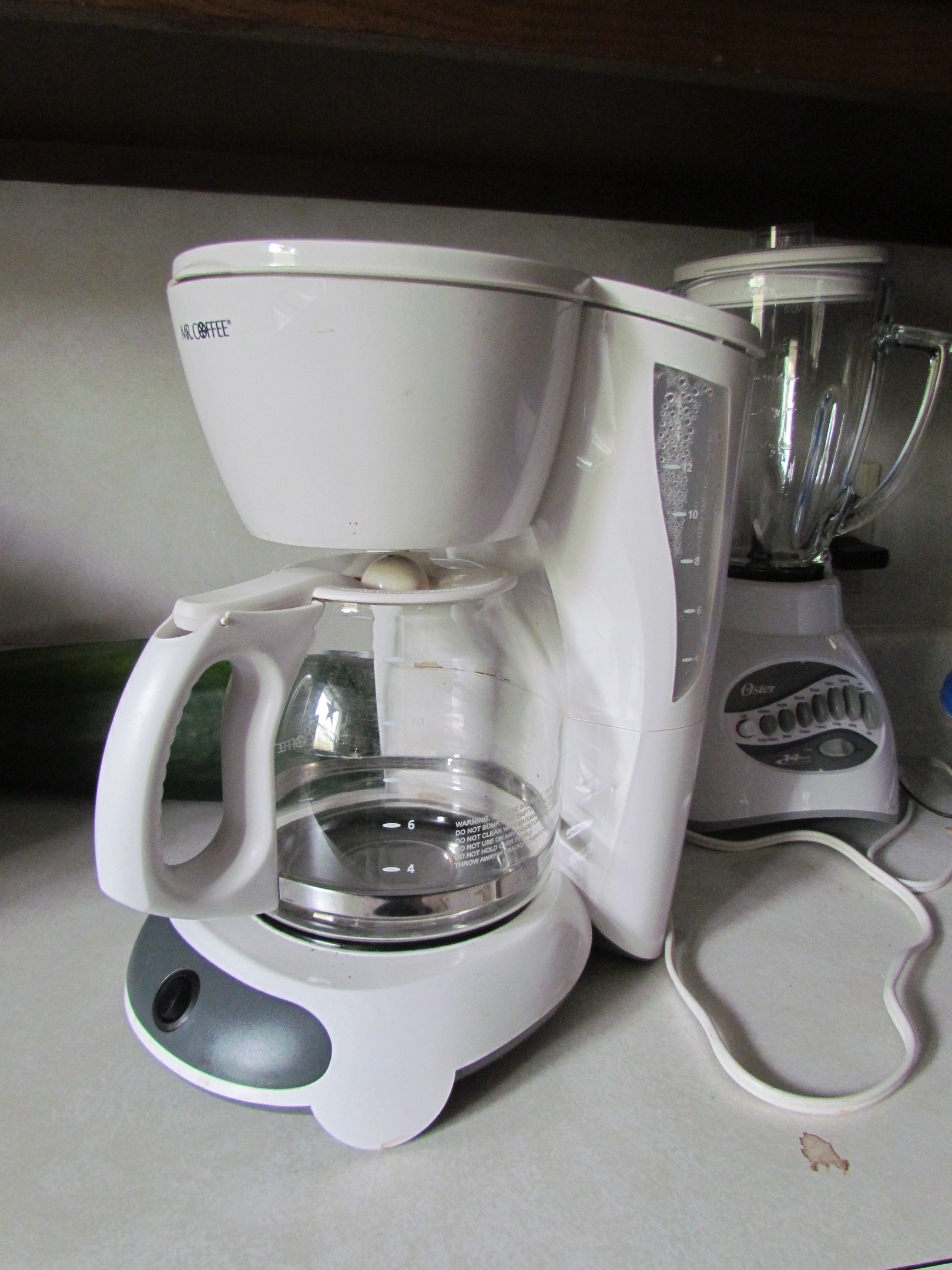
Automatic drip machines spread through American kitchens in the 1970s, and they won. But the reason was not primarily that they made better coffee, even though they did.
A drip machine heats water once, in a separate path, and passes it through the grounds a single time at a controlled temperature, into a carafe. No recirculation, no boiling spray, and the water meets the grounds once.
That is better coffee by any measure. But what sold the machines was that they required nothing from the user. You put water in the top, grounds in the basket, and pressed a switch. There was no judging the colour through a glass knob, no listening for the rhythm to change, no decision about when to pull it off the heat.
The percolator demanded attention and gave feedback. The drip machine demanded nothing and gave none. In a decade when households were acquiring appliances specifically to stop paying attention to things, that was the entire argument.
The paper filter helped too, in a way nobody advertised. It catches the fine particles and much of the oil, which produces a cleaner, lighter cup – and, more to the point, it meant the pot did not need scrubbing.
The Twist: It Came Back, and for the Opposite Reason
Percolators are sold again. Not many, but they are made, and the people buying them are not the people who used them in 1974.
They are campers, who want a pot that works on a fire and cannot break. And they are a small group of coffee enthusiasts, which is the genuinely odd part, because the enthusiast case for a percolator contradicts everything above.
The argument runs like this: the method is terrible by default, and therefore everything about it is yours to control. Coarse grounds resist over-extraction. Taking it off the heat early stops the cycle before the bitter compounds arrive. Managing the heat manages the temperature. The sound tells you exactly where you are.
In other words, the thing that made the percolator bad – that it does the wrong thing enthusiastically and tells you about it – is the thing that makes it interesting to somebody who wants to intervene.
Which is close to the opposite of why it was in every kitchen in 1974. It was there because it was cheap, unbreakable and fed a family. It came back because it is difficult, and some people want that now.
The noise is the same. The glass knob still goes from clear to brown. And it is still, measured against any other method, a machine for boiling coffee repeatedly until it gives up everything it has.
Like our content? Follow us for more.