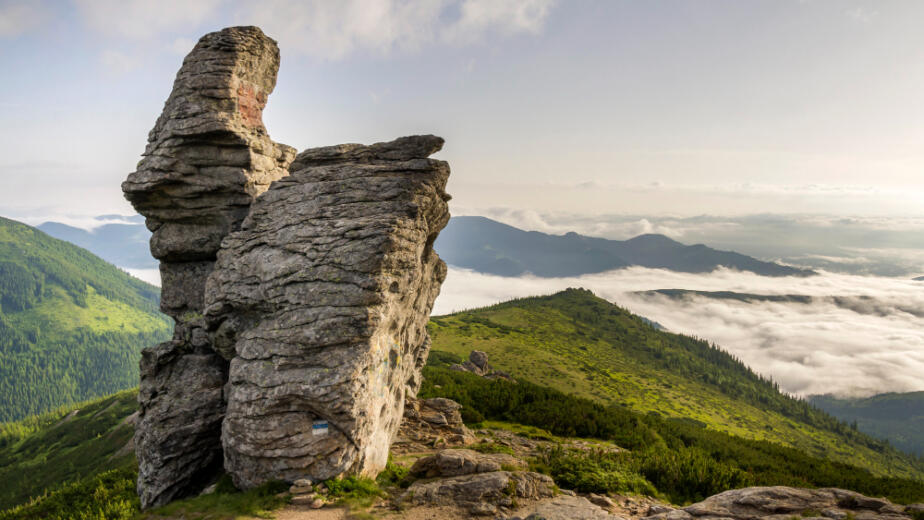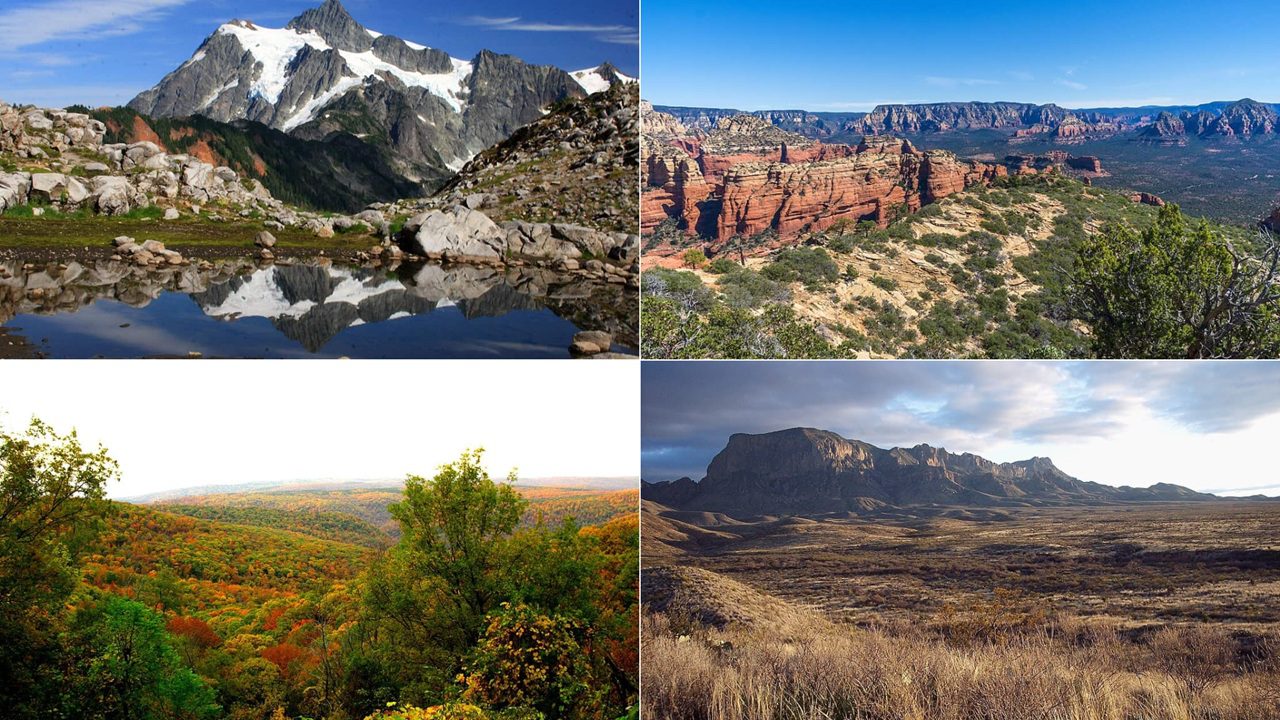
When conversations drift toward worst-case scenarios, people tend to picture the same kinds of refuges: places with steady water, workable ground, and enough distance from large populations to stay out of trouble. Certain regions in the U.S. come up again and again because they offer exactly that mix. They’re remote without being unreachable, rich in natural resources, and shaped by communities that already value independence. These eight areas are often mentioned as realistic fallback zones where someone could disappear, grow food, and ride out the chaos without feeling exposed.
1. Ozark Mountains, Arkansas & Missouri
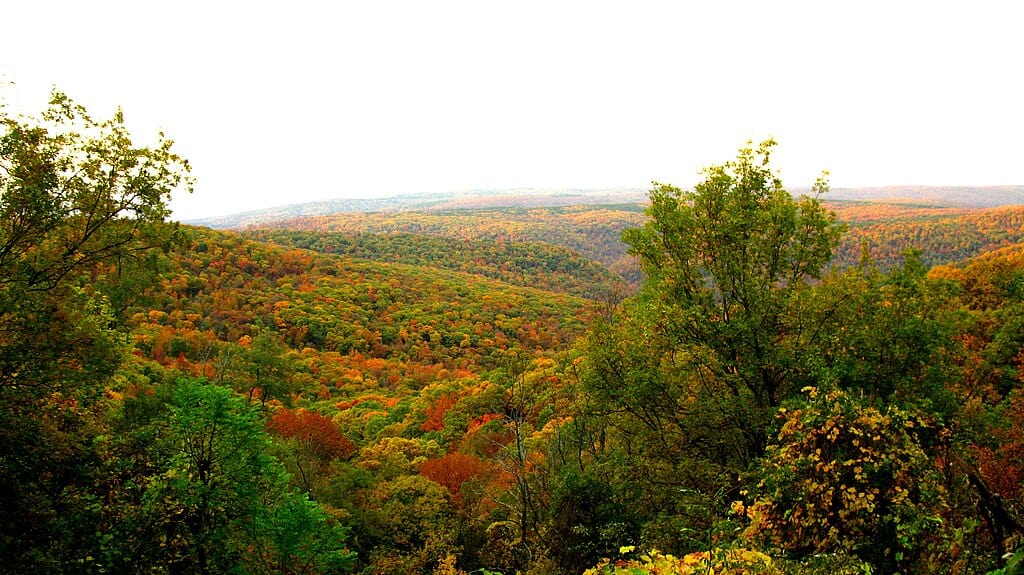
The Ozarks hit a sweet spot between rugged and livable. Elevations rarely top 2,500 feet, so the land is workable for small farming, yet it still provides natural cover through wooded hills, narrow hollows, and deep valleys. The area is famous for its freshwater network, built on more than 1,000 documented springs and reliable aquifers. Rainfall hovers around 45 inches annually, plenty to keep soil fertile and gardens productive. Longtime residents also point out that the area already has a strong homesteading culture, with many parcels under 50 acres functioning as low-profile, self-sustaining properties.
2. Northern Maine Wilderness
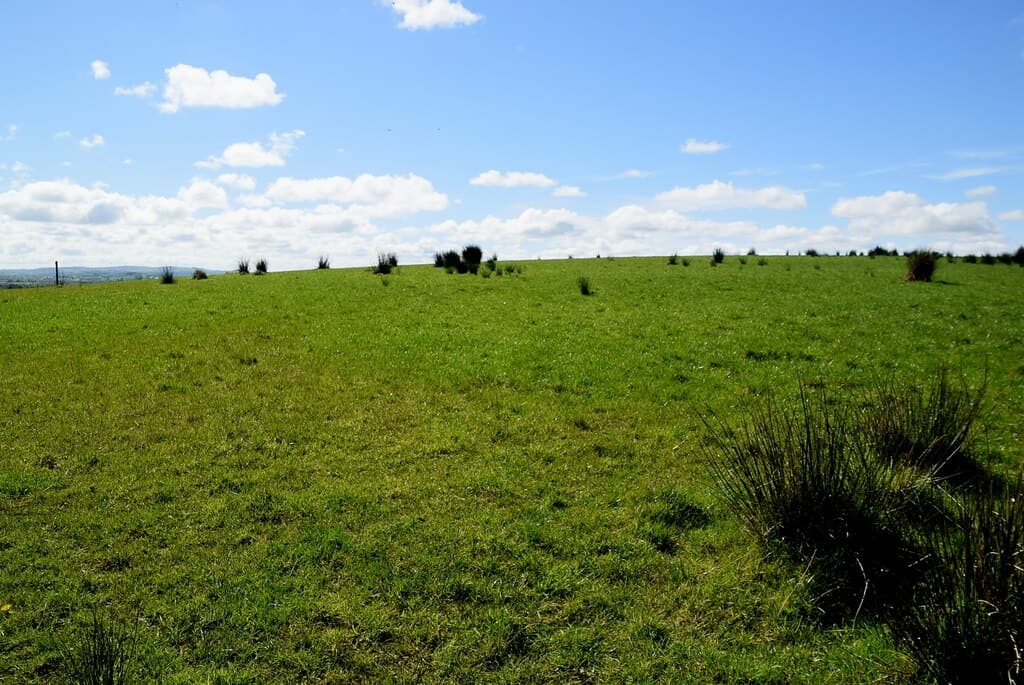
Northern Maine appeals to people who think isolation is a survival tool, not a drawback. The region stretches across roughly 3.5 million acres of forest, with population density dropping to fewer than four people per square mile. Water isn’t a problem here, lakes, rivers, and streams run through nearly every pocket of the landscape. Maine’s moose population (estimated around 70,000) hints at how plentiful wildlife is overall. Winters routinely sink below –20°C, but locals say that’s part of the point: brutal cold keeps outsiders away, leaving the woods quiet, self-contained, and free from urban spillover.
3. Rocky Mountains, Colorado
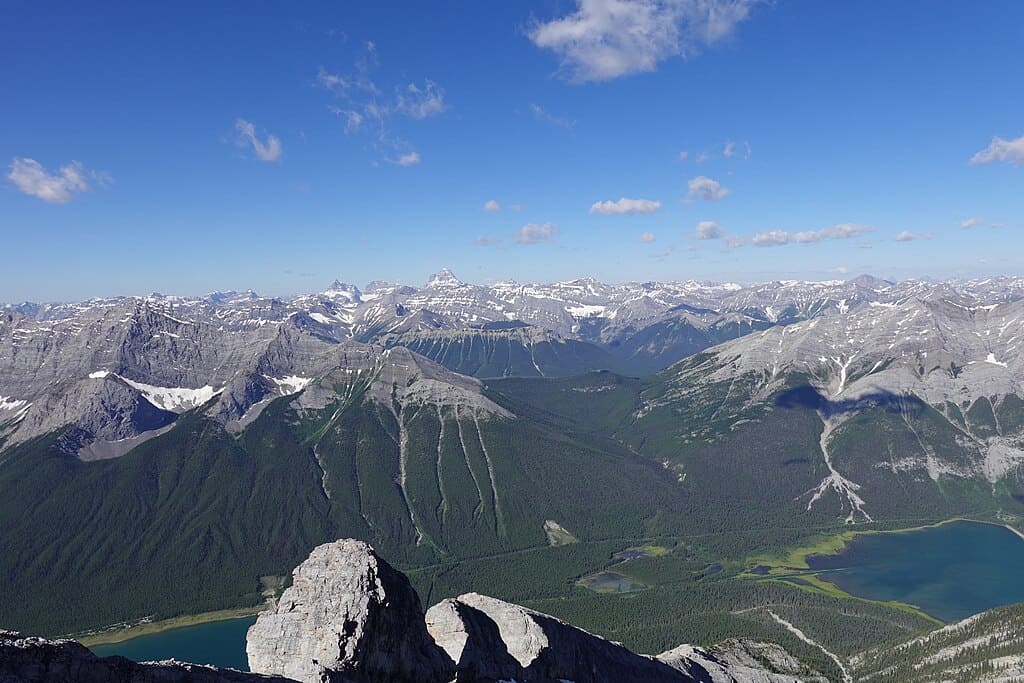
The Rockies consistently sit near the top of any survival fantasy list, mostly because the terrain does half the work for you. More than 5,000 miles of streams cut through the range, giving residents reliable freshwater even during dry years. Sheltering in the foothills or tucked valleys is easy thanks to thick forests and sheer ridgelines that naturally hide cabins and camps. Many towns sit above 7,000 feet, far enough from crowds but close enough to basic supplies. Add Colorado’s 300-plus sunny days a year, and the region becomes a natural fit for anyone relying on solar power or passive heating.
4. Idaho Panhandle
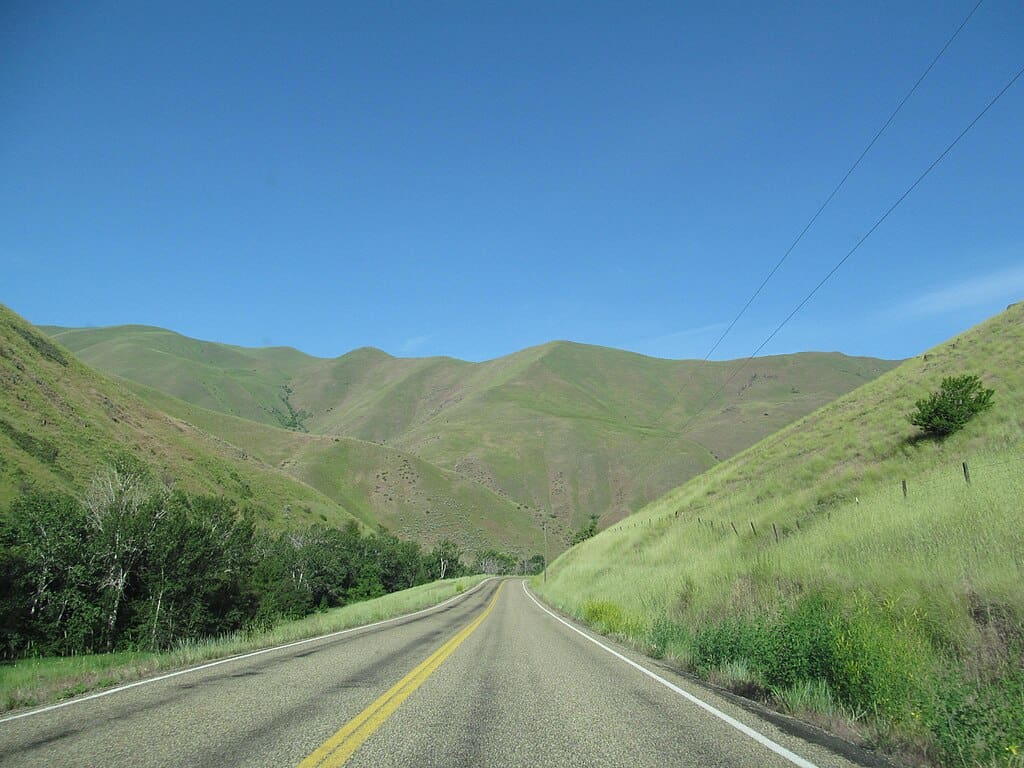
Northern Idaho’s panhandle is a mix of rugged peaks and shockingly blue lakes, more than 200 of them, including big names like Priest Lake and Lake Pend Oreille. Roughly 40 percent of the region is forested, providing ample firewood, shelter, and foraging opportunities. Winters routinely dip below –10°C, which is harsh, but the small population (many towns don’t crack 3,000 residents) keeps the region quiet and self-contained. Those who pick the panhandle highlight its fertile valleys, strong hunting culture, and easy access to clean freshwater year-round.
5. Upper Peninsula, Michigan
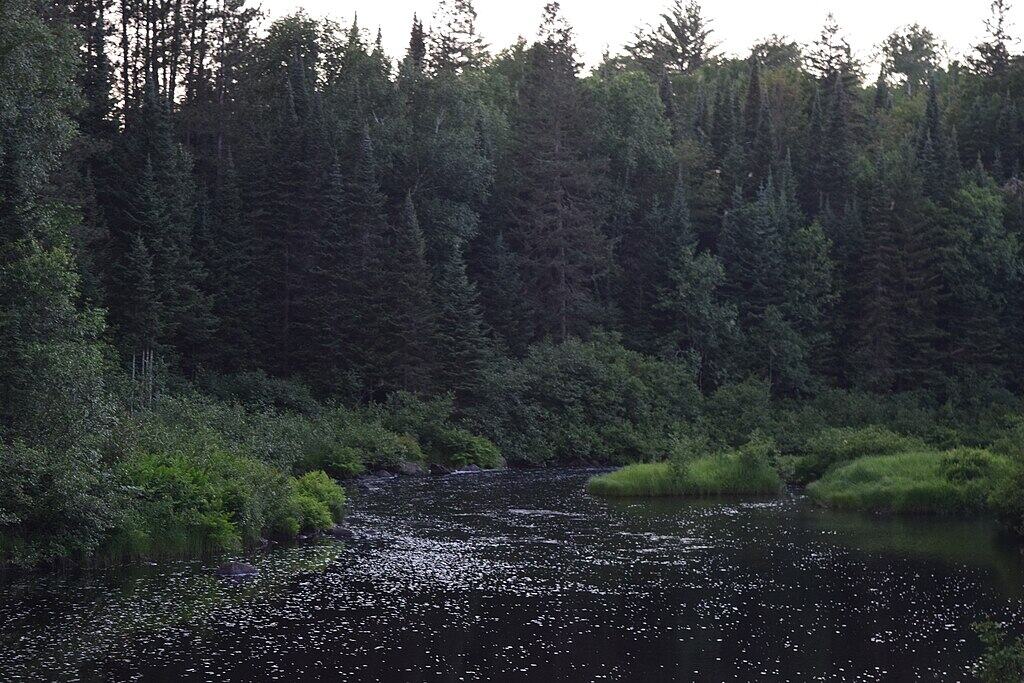
Michigan’s Upper Peninsula is one of the most remote places east of the Mississippi, with just 18 people per square mile on average. Forests cover about 80 percent of the land, and residents have access to three Great Lakes, an enormous advantage in any long-term survival scenario. Winters hit –30°C in the coldest stretches, but locals argue the climate does more to protect the region than hinder it. With more than 4,000 inland lakes packed into its sprawling wilderness, the UP offers a rare combination: seclusion, water security, and vast tracts of unbroken forest.
6. The Cascades, Washington State
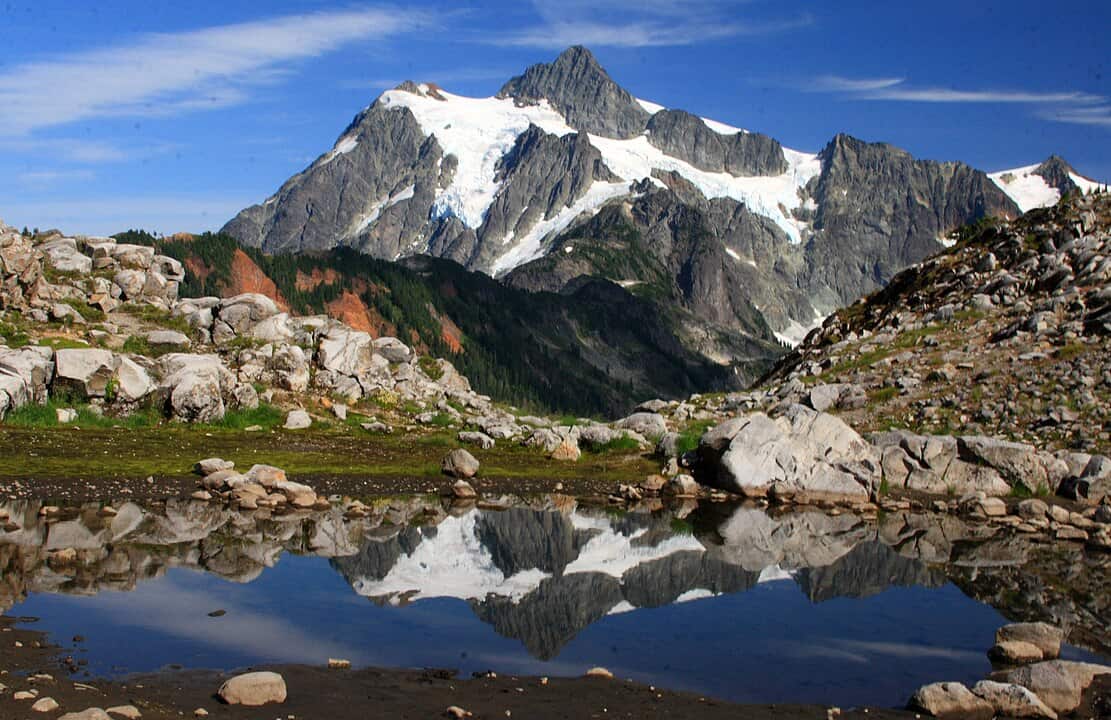
The Cascades are a favorite for people who want abundant water and dense cover. Annual precipitation ranges from 70 to 100 inches depending on elevation, feeding countless rivers and streams. Volcanic soil keeps the region fertile, and wildlife thrives here, over 20 large mammal species call these forests home. Elevations between 3,000 and 8,000 feet create natural barriers without cutting off access to resources. It’s easy to imagine tucked-away cabins surrounded by evergreens, with reliable rainfall and biodiversity sustaining long-term living.
7. Appalachian Foothills, Tennessee
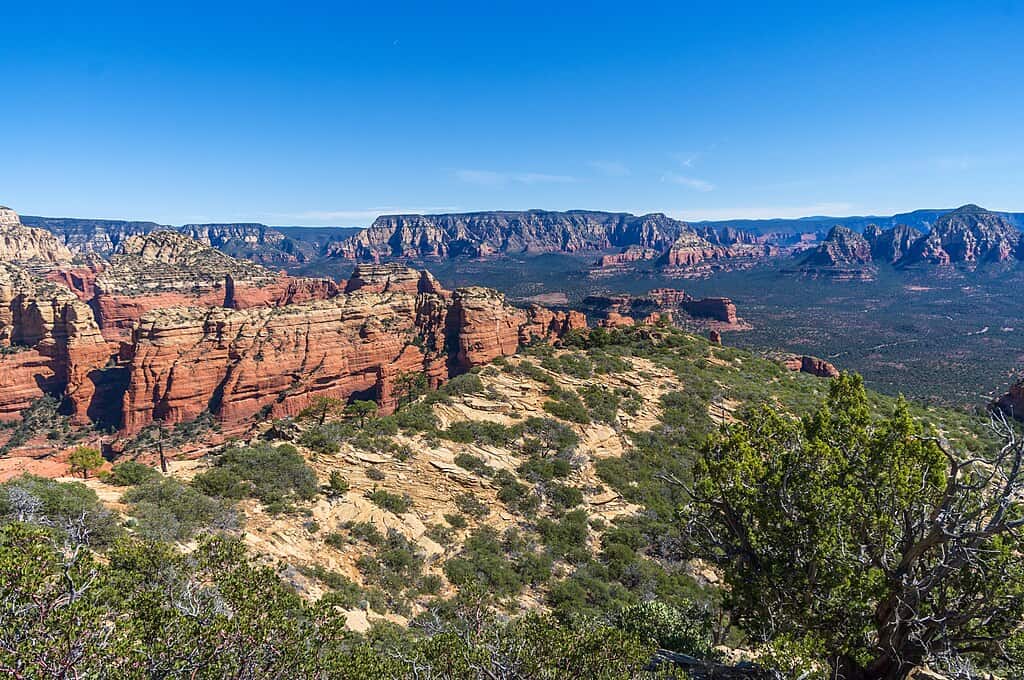
People who want long growing seasons often gravitate toward Tennessee’s eastern foothills. Rainfall regularly hits 50–55 inches a year, and the soil stays fertile through most seasons. Elevations between 800 and 1,800 feet offer a safe buffer from flooding and extreme weather without pushing residents into punishing mountain conditions. Tennessee also has more than 60,000 miles of rivers and streams, creating dependable water access across the region. Many of the surrounding towns are under 10,000 residents and have a reputation for tight-knit communities, which survival-minded folks view as a major asset.
8. Big Bend Region, Texas
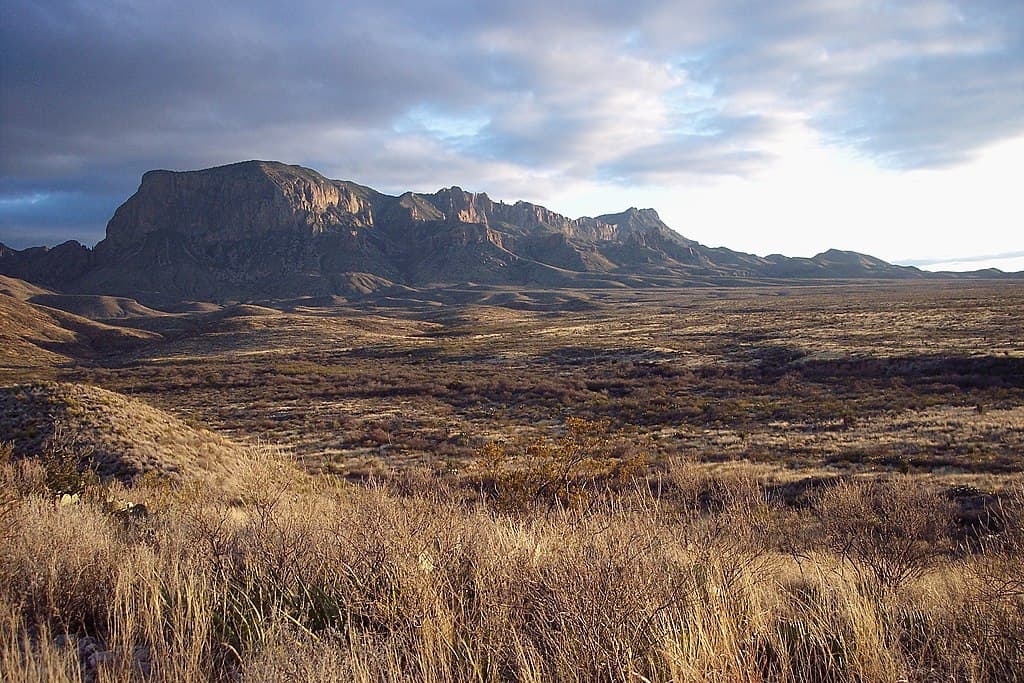
People who prefer open space over dense forests often point to Big Bend. The region spans more than a million acres of desert, canyon, and mountain terrain, where many towns count only a few hundred residents. Annual rainfall is low (about 10–12 inches) but the Rio Grande provides a reliable water source. The dry climate makes solar setups extremely practical, and the visibility across open desert is perfect for anyone who wants to spot visitors (or threats) long before they arrive. For many, Big Bend offers a mix of isolation and predictability that feels easy to manage.