

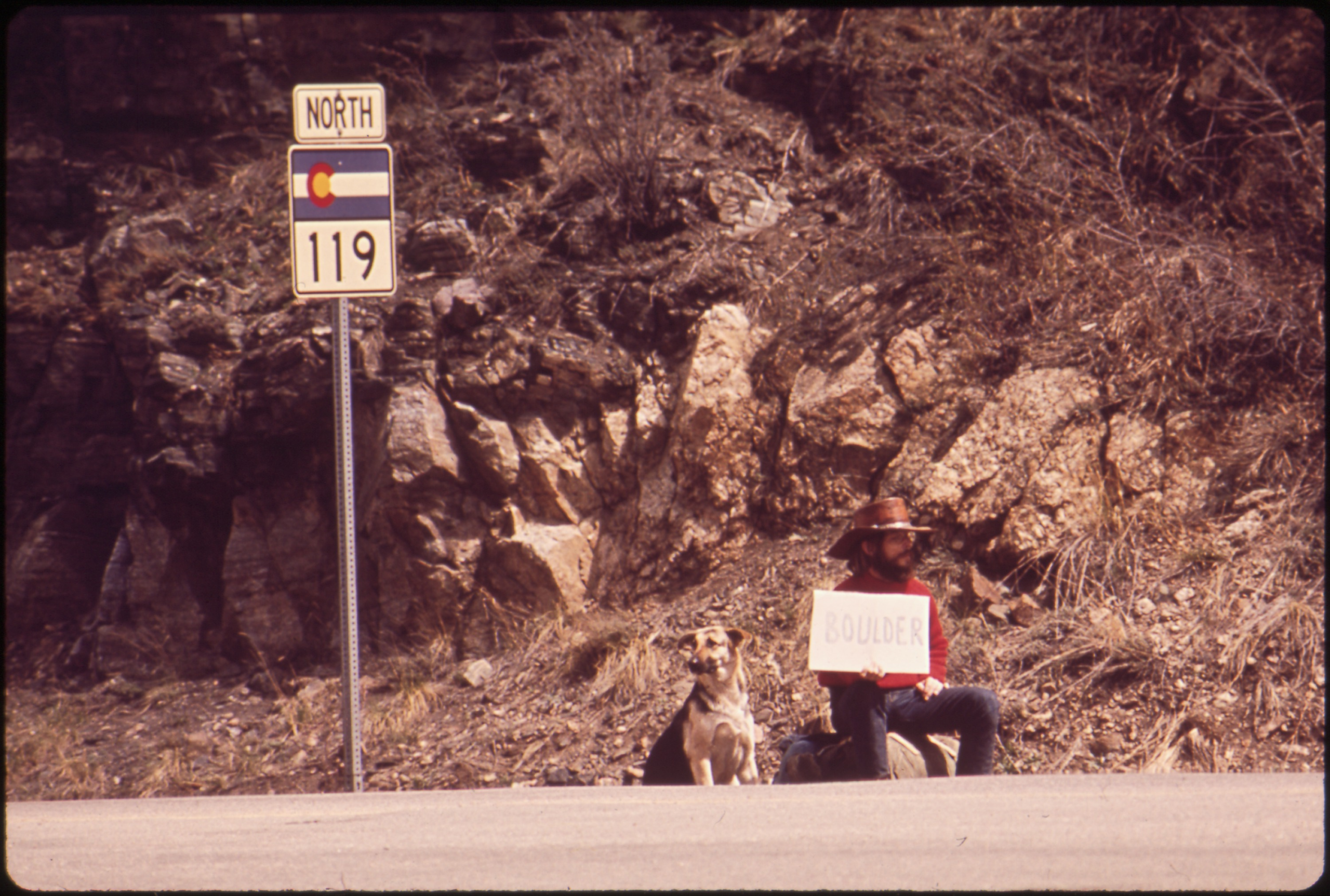
Standing at the side of a road to be picked up was an ordinary way to get somewhere, and that is the hardest thing about it to convey now.
This was transport rather than a story. A student getting home for a weekend, a worker reaching a job, somebody going to see family – using the only method available to them, and nobody thought it remarkable.
The demand side is what made it universal. Plenty of people had no vehicle, no money for a bus and nobody to drive them, and the distances in America are long. If a significant fraction of the population needs to travel and cannot pay for it, something fills the gap – and in a country of long roads and plentiful cars, the gap gets filled by asking. Here are fifteen things every hitchhiker knew.
1. It Was an Ordinary Way to Get Somewhere, Not an Adventure
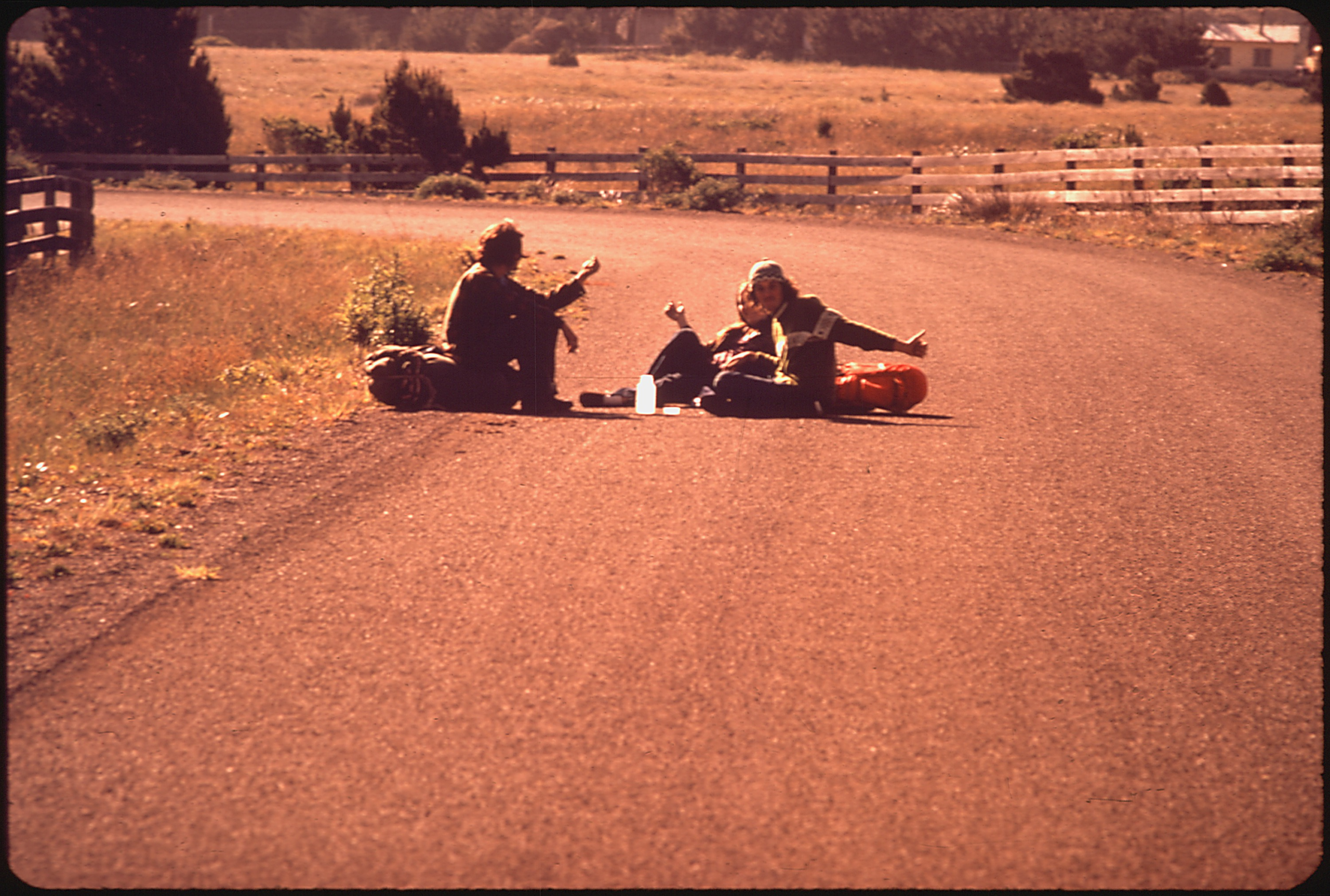
Standing at the side of a road to be picked up was a normal method of travel for people without a car, and nobody thought it remarkable.
Effectively gone, and widely regarded as dangerous.
Start with how unremarkable it was, because that is the thing hardest to convey now. This was transport rather than a story – a student getting home for a weekend, a worker reaching a job, somebody going to see family, using the only method available to them.
Like our content? Follow us for more.
2. Not Having a Car Was Common Enough to Need a Solution
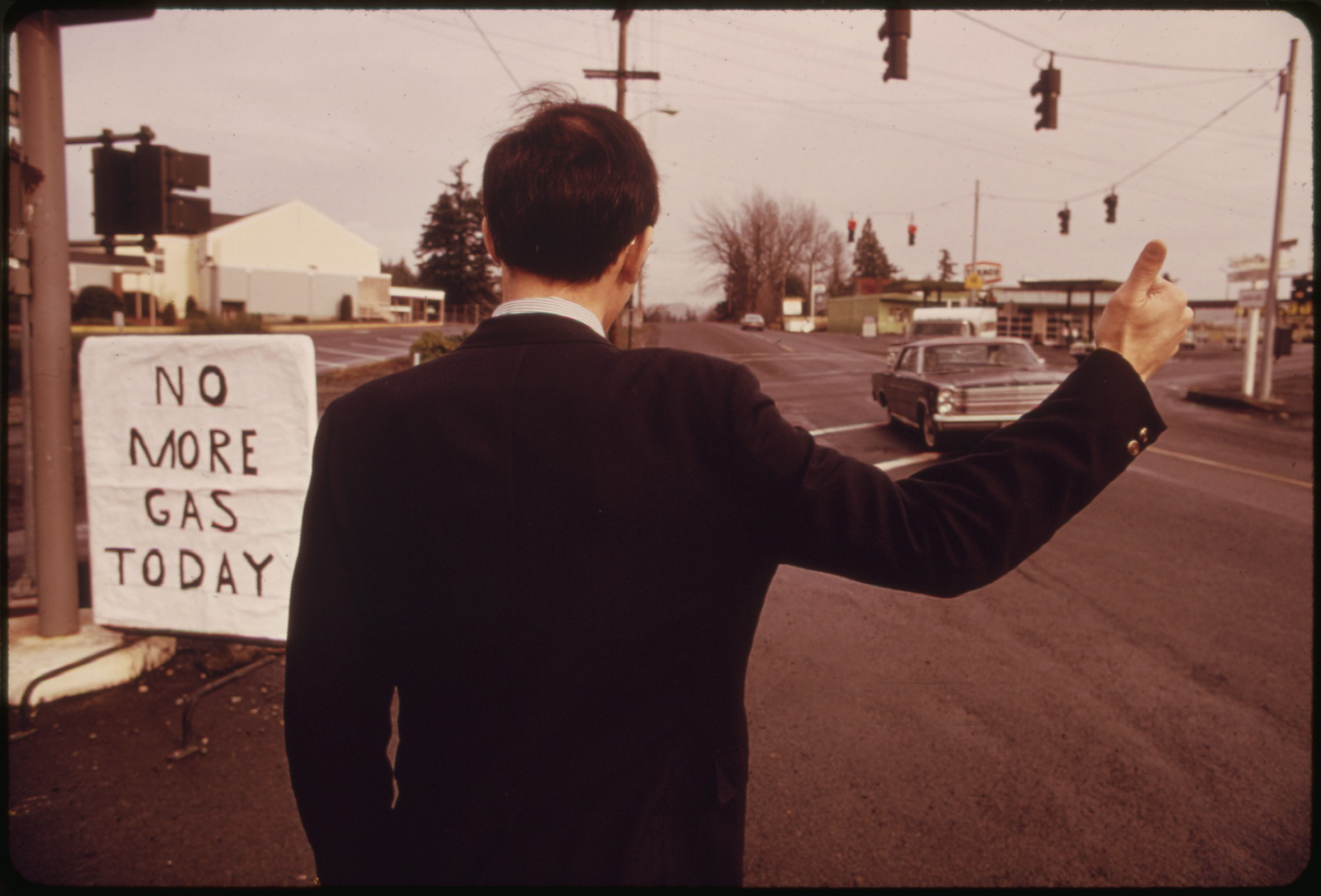
Plenty of people had no vehicle, no money for a bus and nobody to drive them, and the distances in America are long.
Buses, flights, ride services and much wider car ownership.
The demand side is what made the practice universal. If a significant fraction of the population needs to travel and cannot pay for it, something will fill the gap – and in a country of long roads and plentiful cars, the gap gets filled by asking.
3. Where You Stood Mattered More Than Anything Else
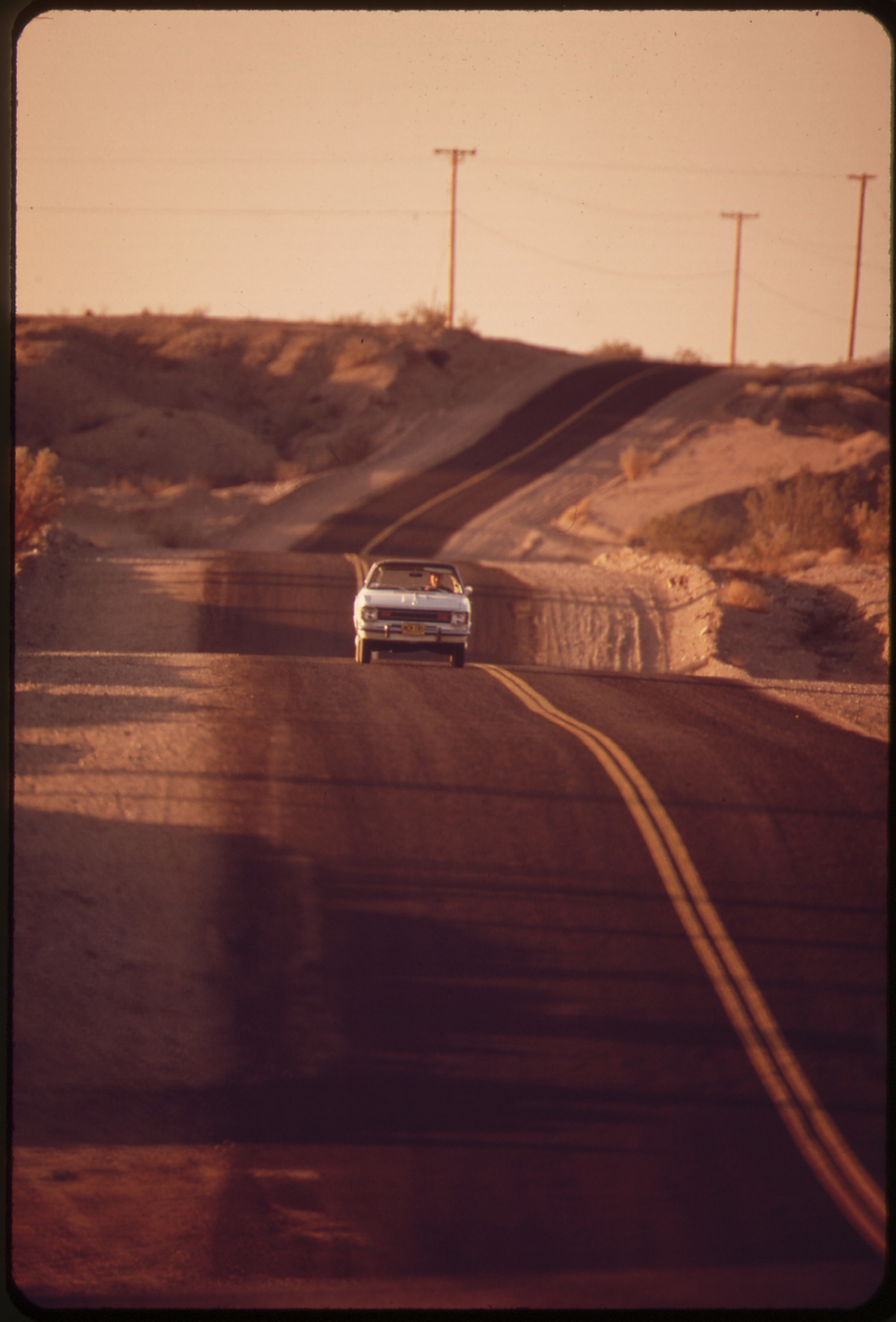
A good spot had somewhere safe to pull in, slow-moving traffic, clear sightlines and drivers who were already going a long way.
Not applicable.
Position was the whole skill and it is pure logistics. A driver has to see you early, decide, and have somewhere to stop – so a place with no shoulder or a blind bend produces nothing regardless of how long you stand there.
4. A Sign With a Destination Did Most of the Work
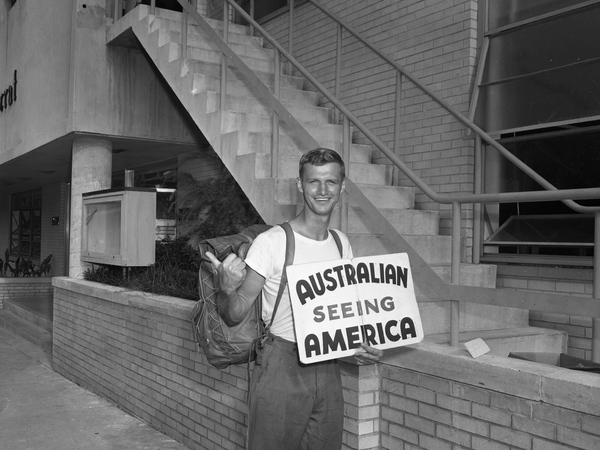
A piece of card with a place name told a driver instantly whether they could help, which removed the guesswork for both parties.
Not applicable.
The sign is a genuinely efficient piece of communication. A driver making a decision at speed has about two seconds, and a legible place name answers the only question that matters – so a sign converted a vague appeal into a specific and answerable one.
5. Appearance Was Managed Deliberately
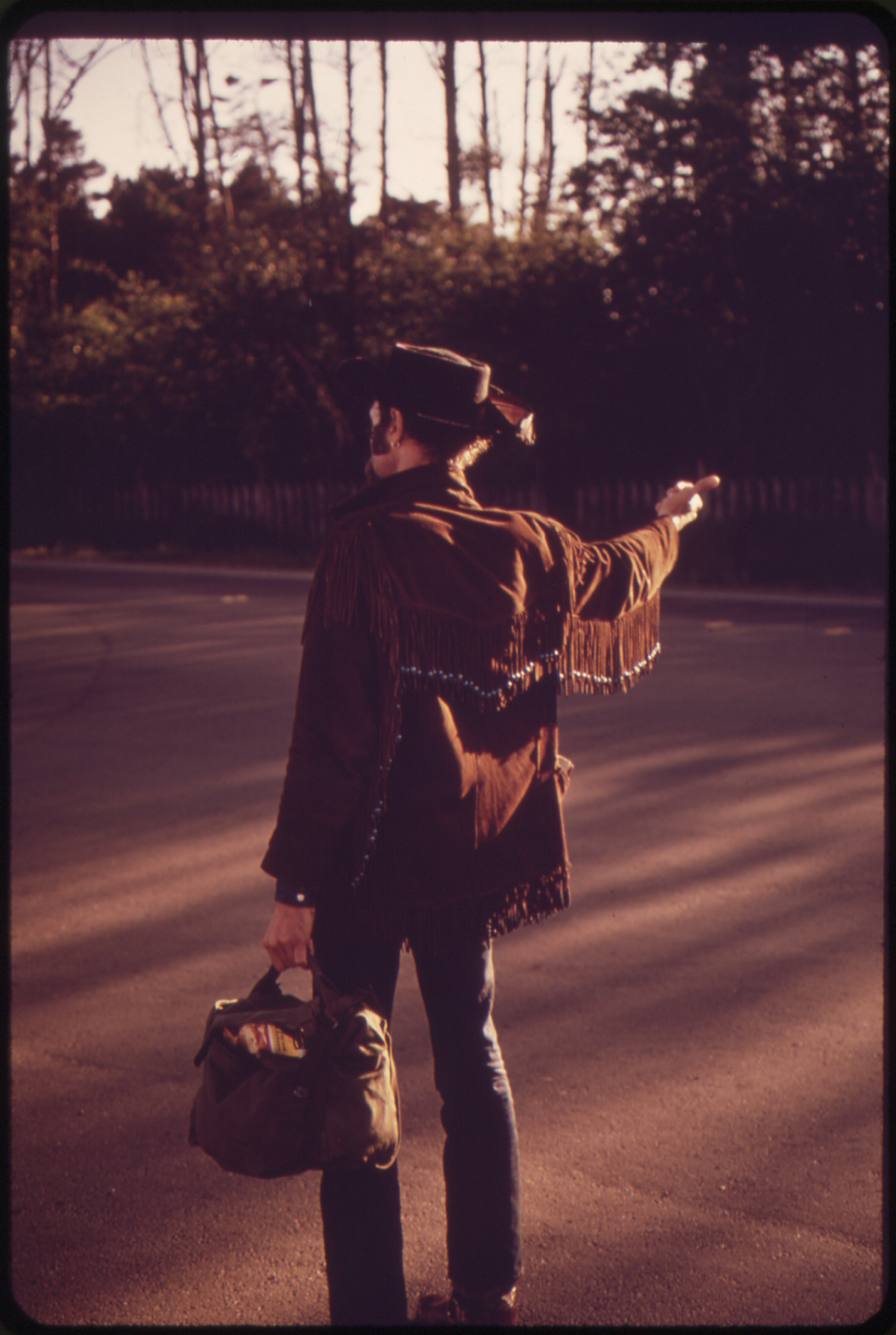
Clean clothes, a visible face, no hat pulled down, luggage in plain sight – everything was arranged to make a stranger’s decision easier.
Not applicable.
Presentation was understood as the principal variable within anybody’s control. A driver is making a judgement in a moment with no information, so hitchhikers learned to supply every reassuring signal available and to remove every ambiguous one.
6. Students With a Bag Did Best and Everybody Knew Why
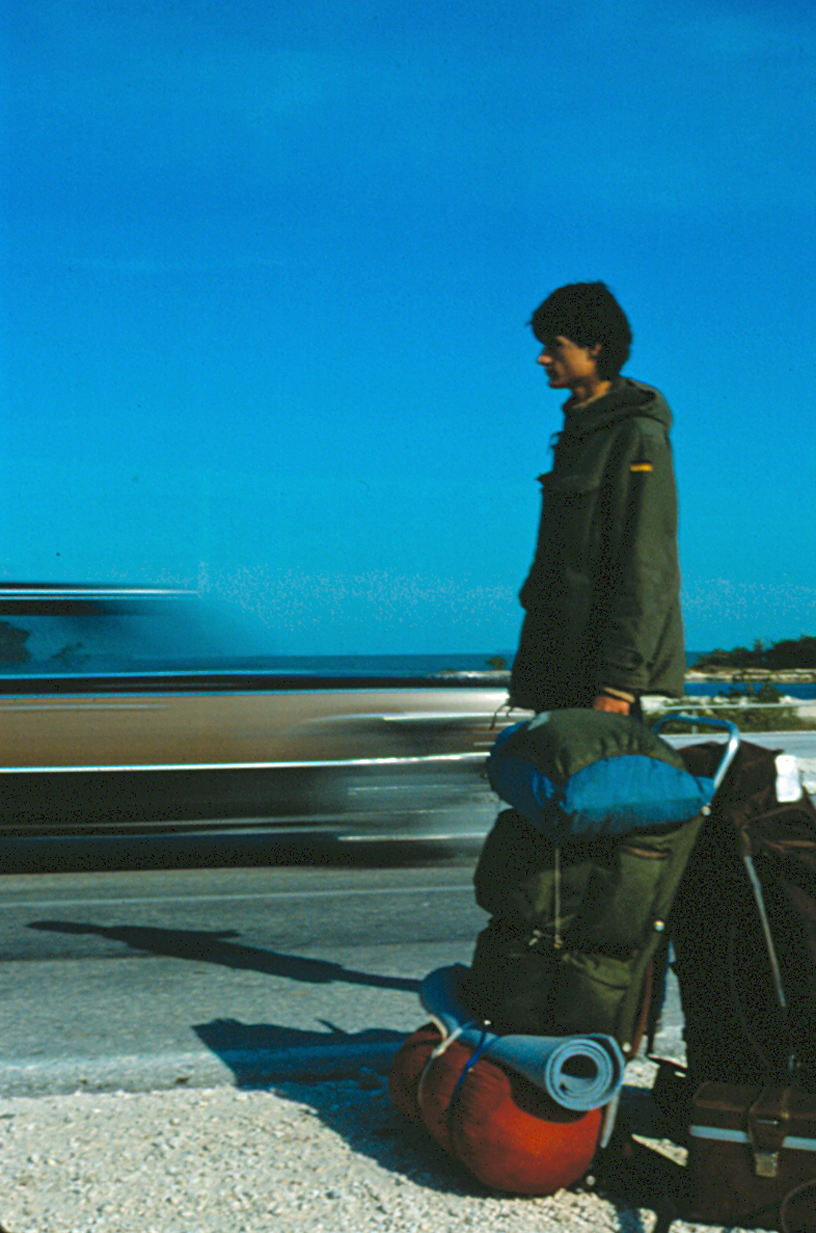
A young person with a visible suitcase or a college bag read as explicable, temporary and going somewhere specific.
Not applicable.
The legibility advantage was real and it was unevenly distributed. Anybody who looked like they had an obvious reason to be travelling got rides quickly, which meant the method worked much better for some people than for others for reasons nothing to do with need.
7. Long-Haul Drivers Were the Best Prospect and the Longest Wait
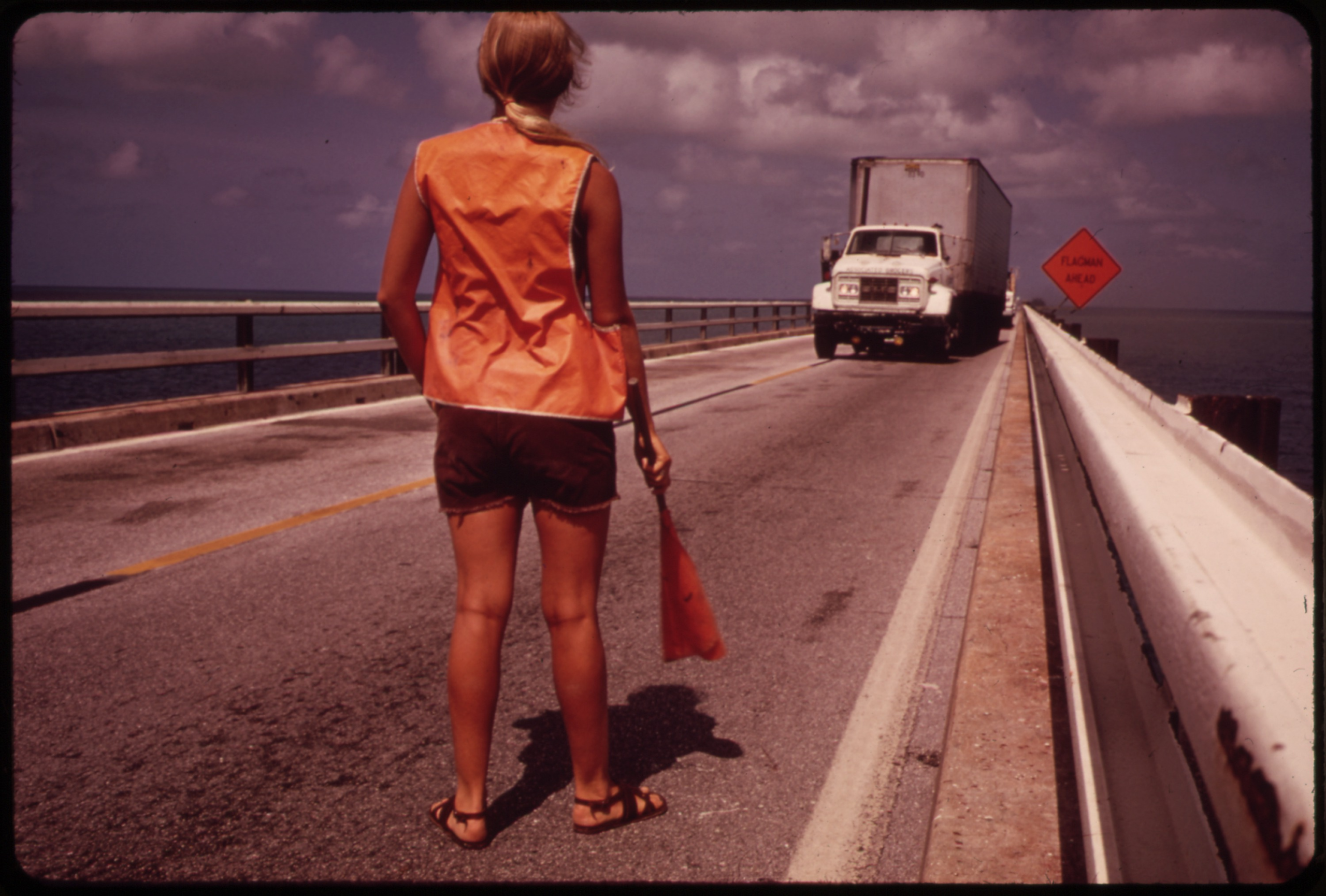
Somebody going four hundred miles solves the whole problem at once, and there are far fewer of them than there are local traffic.
Not applicable.
The trade-off between frequency and usefulness is the central calculation. Dozens of short rides will eventually cover the distance and each one costs a new wait at a worse spot, so there was a real argument for standing longer to get further.
8. Conversation Was the Fare
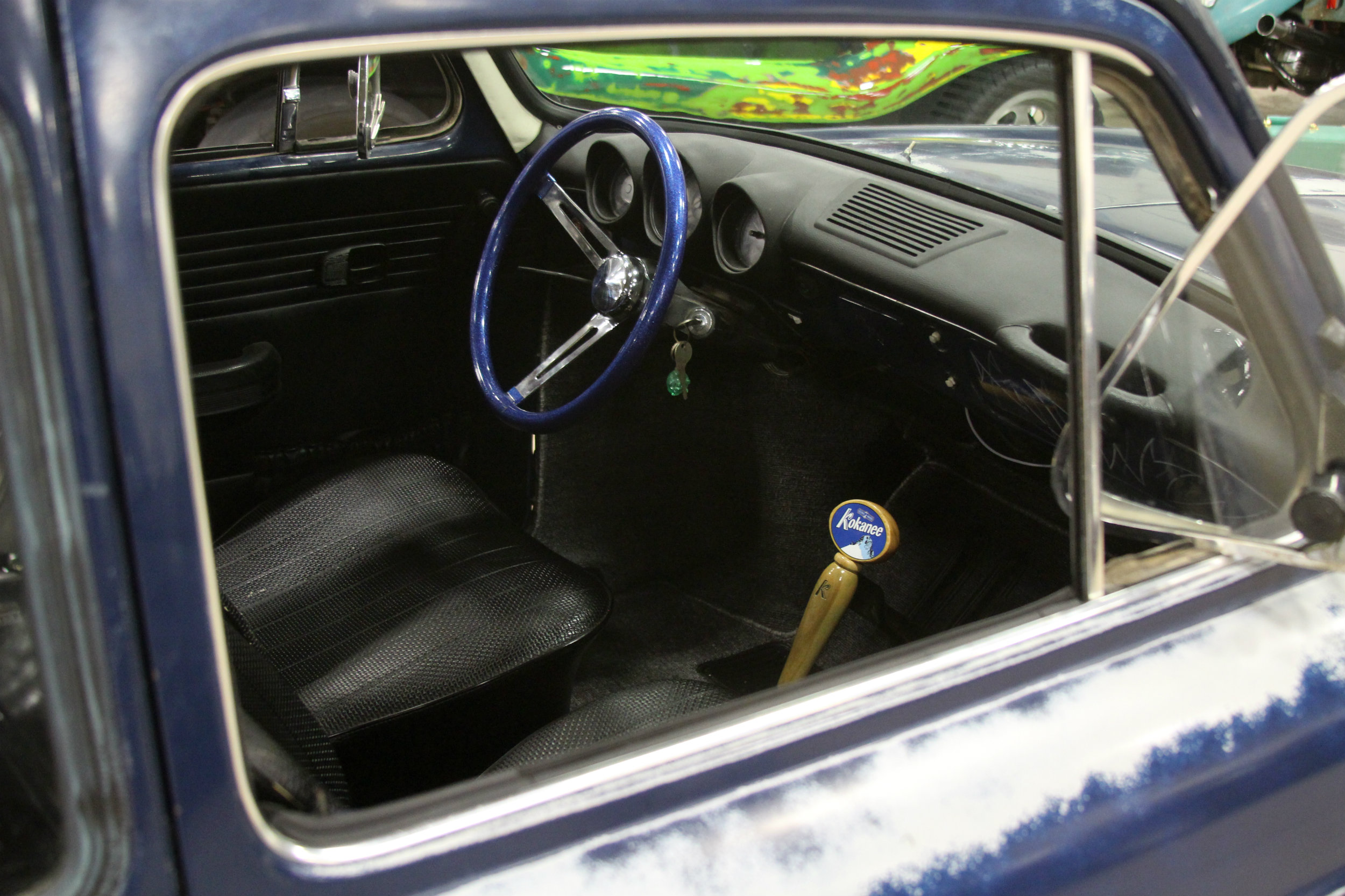
The understood exchange was company – a driver who had been alone for three hours got somebody to talk to, and the passenger was expected to provide it.
Not applicable.
Naming the actual consideration explains why this worked at all. Nobody was being charitable: a long solo drive is tedious and a talkative passenger is worth something, which makes the arrangement a trade rather than a favour.
There is a practical detail about the waiting that gets forgotten, and it is the part that made the method exhausting rather than romantic. A wait is unbounded: you have no idea whether the next car will stop or whether you will be there for four hours, and there is nothing to do in the meantime except stand where you can be seen. That uncertainty is harder than the standing, because no plan can be made around it – you cannot say when you will arrive, you cannot wait somewhere comfortable, and you cannot sit down without becoming invisible to exactly the traffic you need.
9. You Heard Things You Would Never Otherwise Hear
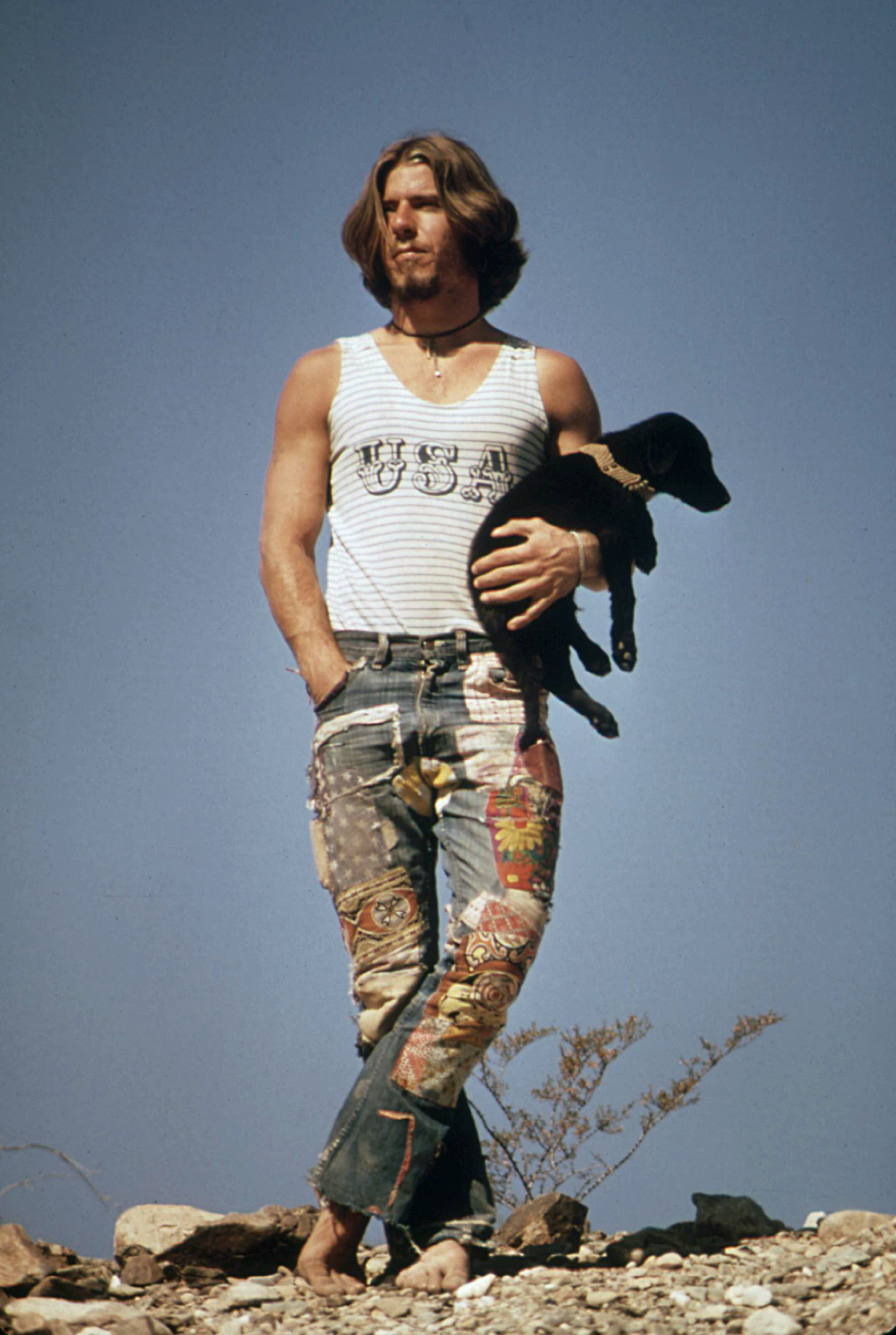
Hours in a car with a stranger who will never see you again produces a particular kind of candour in both directions.
Not applicable.
The confessional quality is the thing people who did this remember most, and the mechanism is simple. Anonymity plus a fixed shared duration plus no future consequence is the exact condition under which people say what they actually think.
10. Getting Out Was Entirely Your Judgement
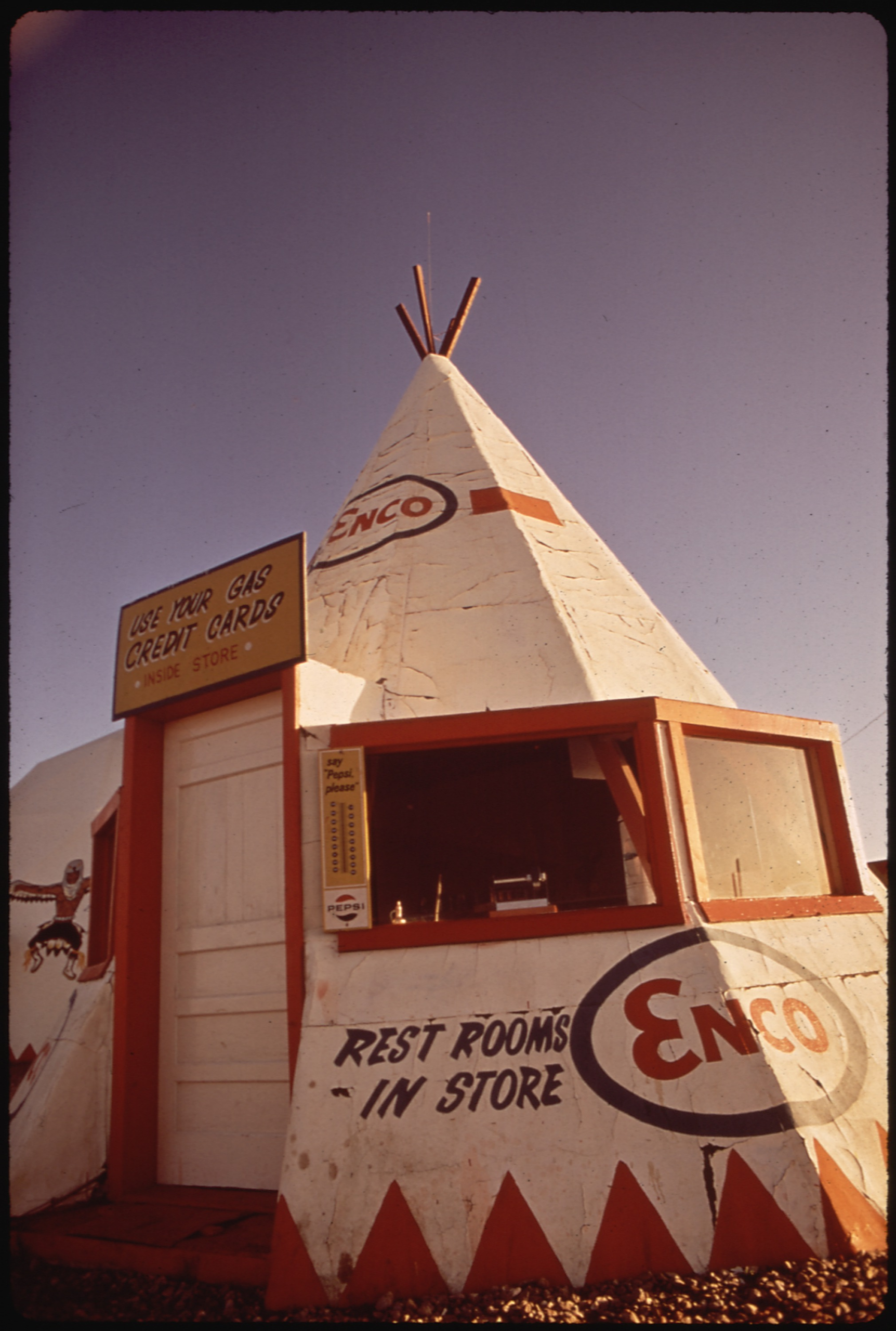
If a ride felt wrong there was no mechanism except asking to be let out, and that decision rested on the passenger alone.
Not applicable.
This should be said plainly rather than skated over. There was no record of who had picked you up, nobody knew where you were, and the only safeguard anybody had was their own reading of a situation they were already inside.
11. The Risk Was Understood and Discussed at the Time
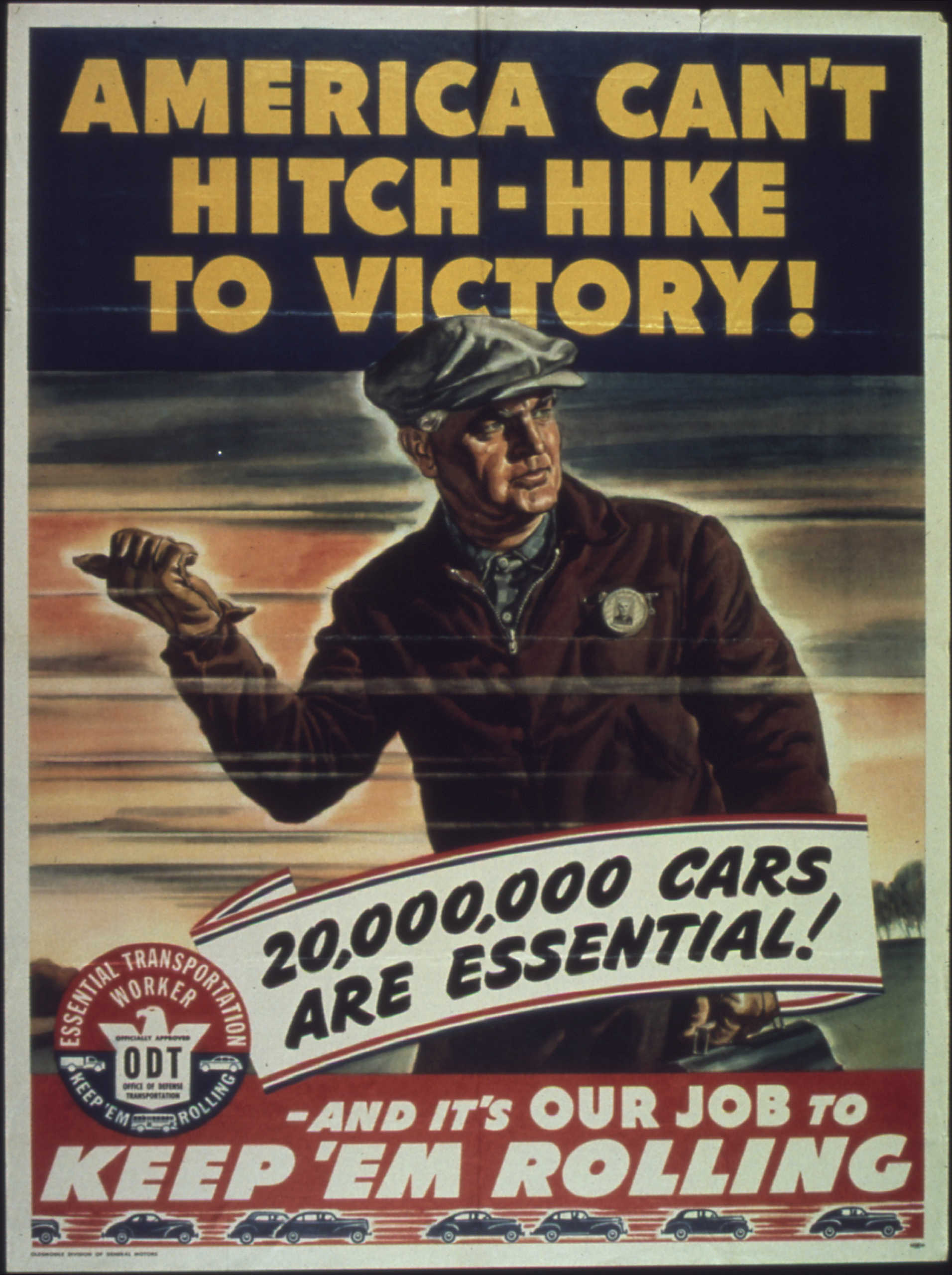
Hitchhiking was openly argued about in the period – warnings existed, advice circulated, and people made their own judgements about it.
Settled against it.
It is worth being clear that nobody in 1972 thought this was risk-free. The practice continued because the alternative for many people was not travelling at all, which is a calculation made under constraint rather than an absence of awareness.
12. Women Hitchhiked Too, Under Completely Different Terms
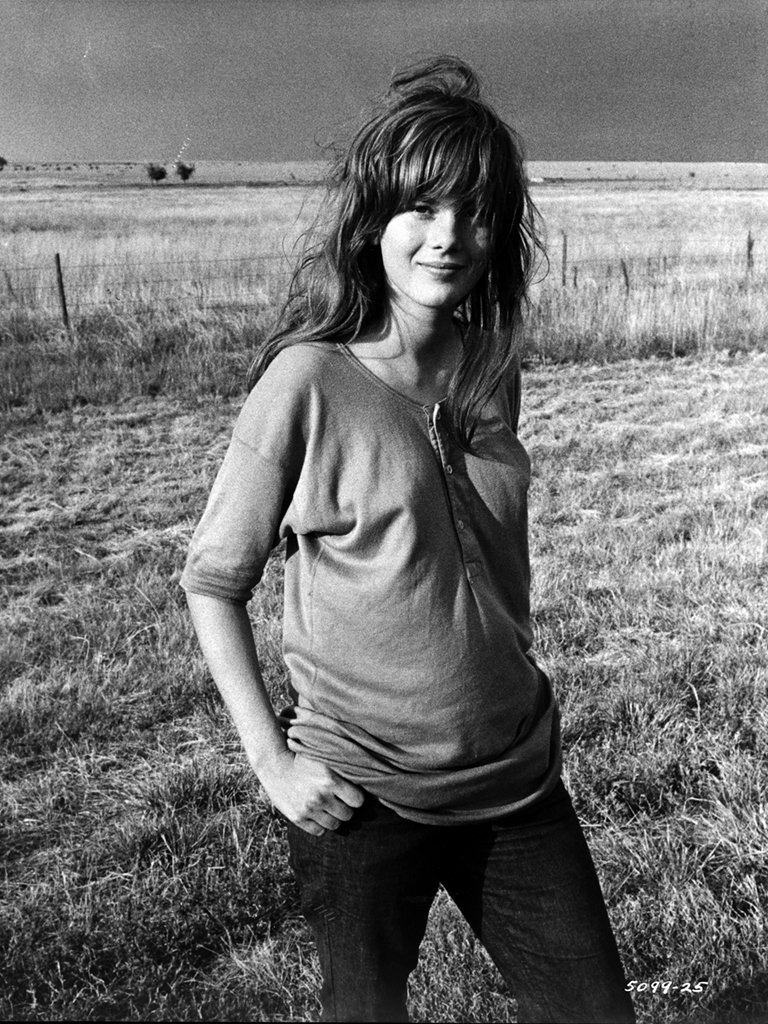
The method worked faster for women and carried a different and far more serious set of risks, and this was discussed explicitly at the time.
Not applicable.
The asymmetry was stark and openly acknowledged. A woman at the roadside was picked up much sooner and was exposed to dangers a man was largely not, which made the same method a different proposition entirely depending on who was using it.
13. Then the Interstates Made It Structurally Impossible
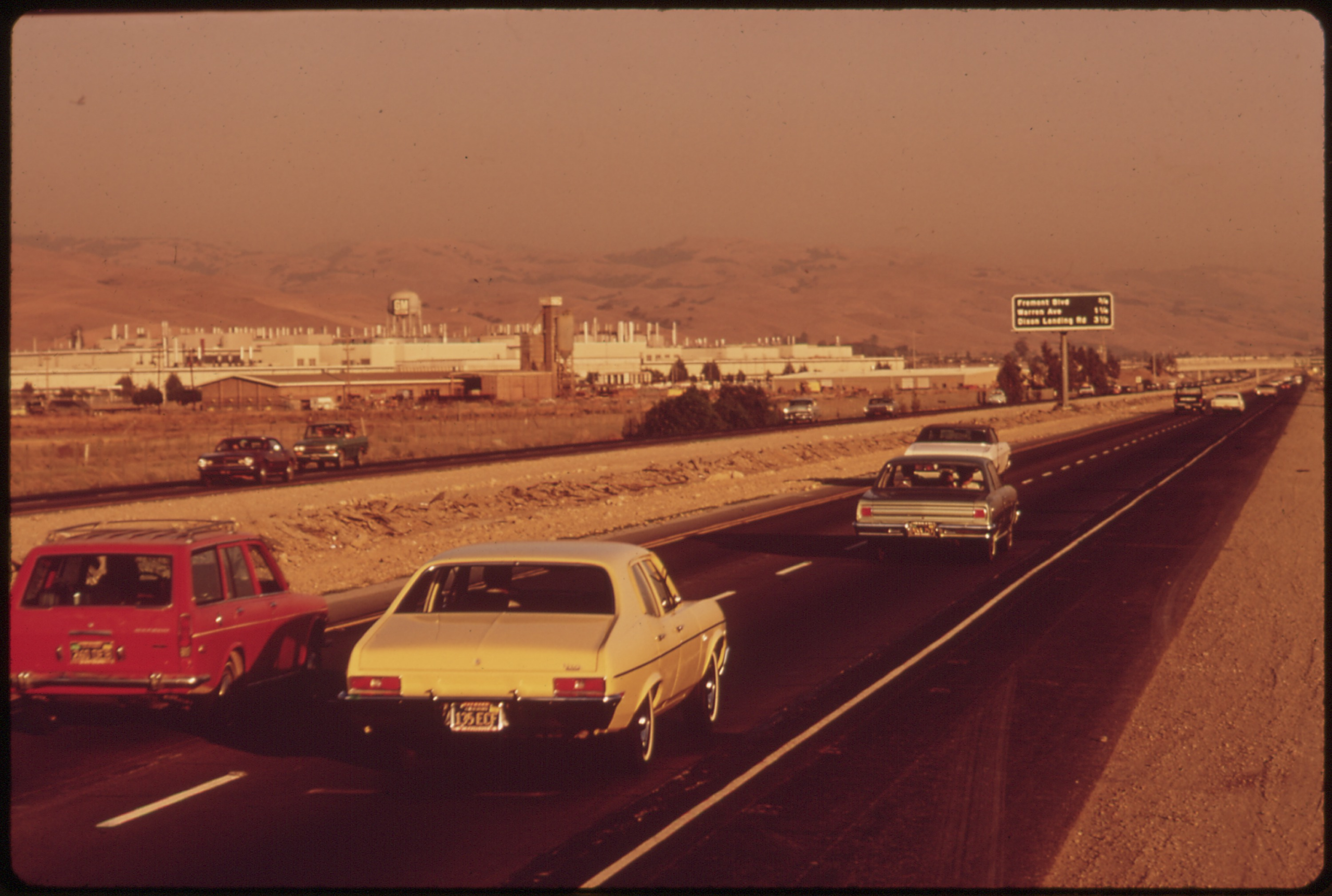
Limited-access highways with no pedestrian access, high speeds and prohibitions on standing meant there was nowhere left to stand.
Universal.
The road network did more to end this than anything else, and the mechanism is physical rather than social. A road you cannot legally or safely stand beside, with traffic moving too fast to stop, has removed the practice without anybody deciding anything.
It is worth noticing what the drivers were doing in all this, because the practice needed them just as much. A person who stops is making a snap judgement about a stranger and then shutting them inside a vehicle with themselves for an hour, which is a considerable thing to agree to – and a great many people did it routinely, without drama, because they had been picked up themselves once or because the road was long and empty. That willingness was the other half of the system, and it went quiet in the same decades, for the same reasons.
14. Cheap Flights and Universal Car Ownership Removed the Need
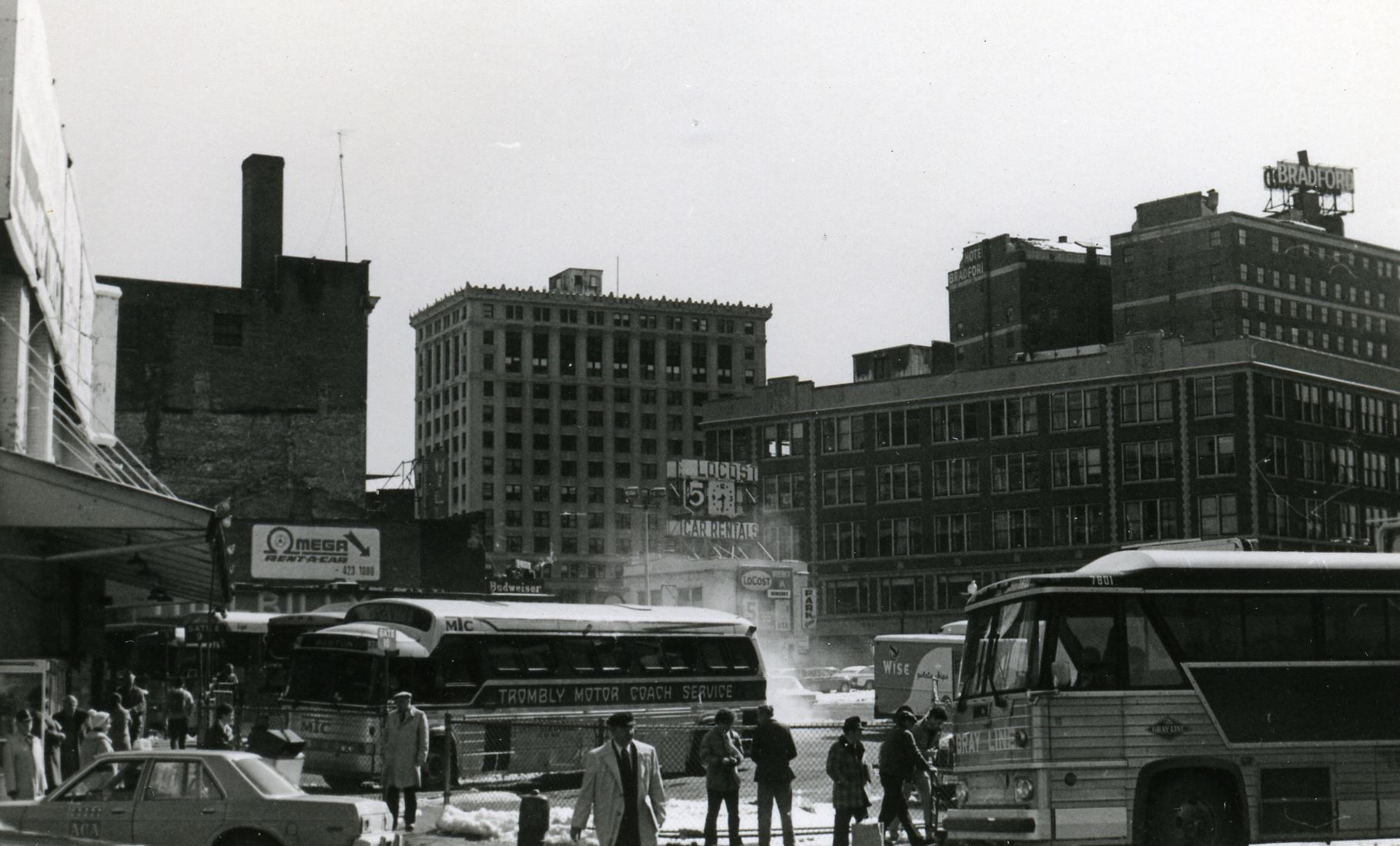
Once almost everybody had access to a vehicle and fares fell, the population who had to hitchhike largely stopped existing.
Universal.
The demand side collapsed at the same time as the supply side. A method that exists to serve people with no other option disappears when the other options become affordable, which is the honest reason it ended rather than any single change in attitudes.
15. And by 1972 It Was Already Being Treated as Reckless Rather Than Ordinary
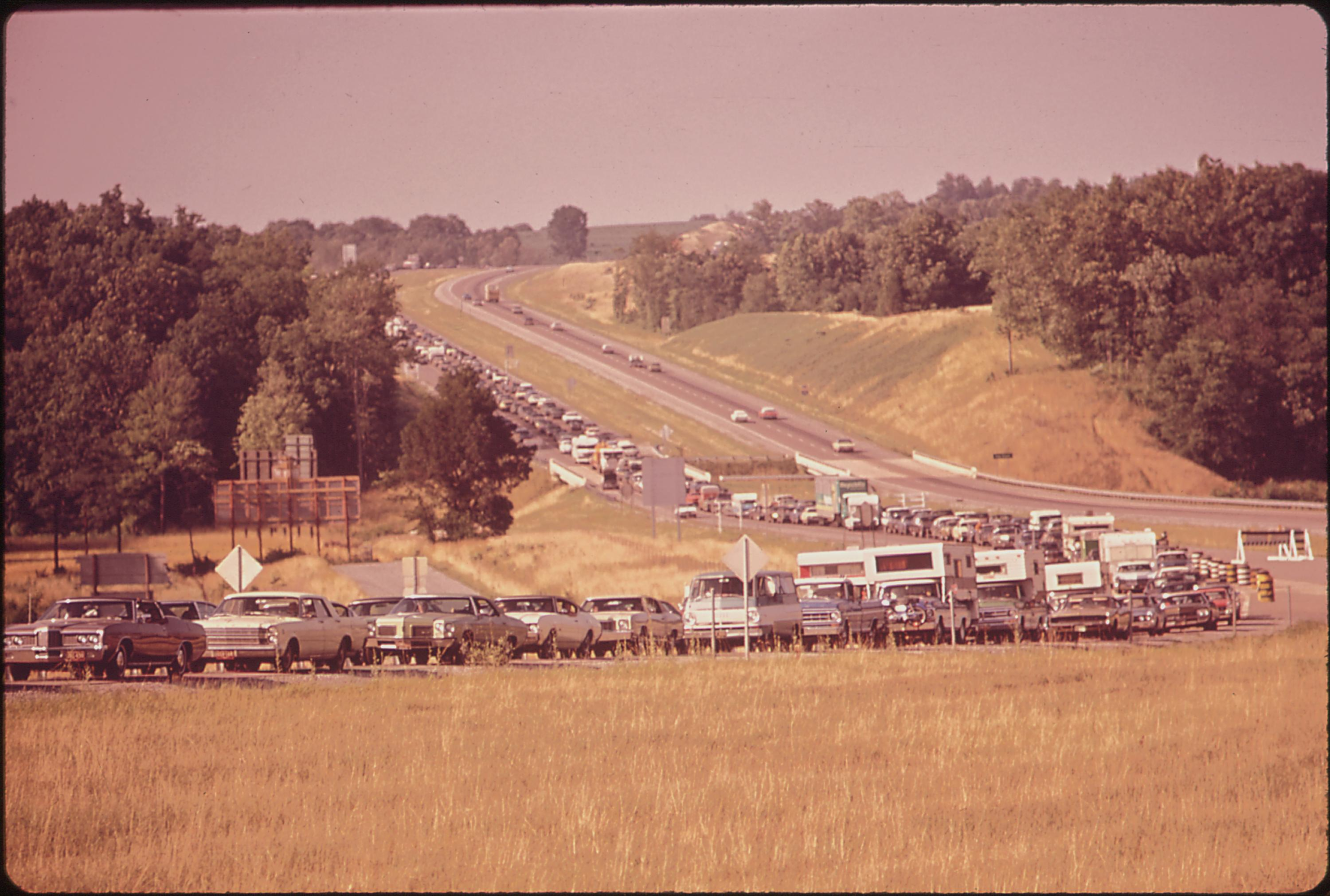
Within a few years the same act had moved from unremarkable to alarming, and the shift happened faster than any change in the actual risk.
Gone.
And what deserves the last word is that this was a transport system with no infrastructure, run entirely on signals between strangers. It worked because the demand was real – a great many people had no car, no fare and a long way to go – and because the consideration was genuine: a driver alone for three hours gets company, which makes it a trade rather than a kindness. Everything a hitchhiker could control was about making a stranger’s two-second decision easier, which is why the sign, the clean clothes and the visible bag mattered so much, and why it worked far better for people who looked explicable than for people who needed it most. It also offered no safeguard whatever beyond a passenger’s own judgement from inside the car, which was understood and argued about at the time. And what ended it was mostly the road network and car ownership rather than any reassessment of the danger.
A Transport System With No Infrastructure At All
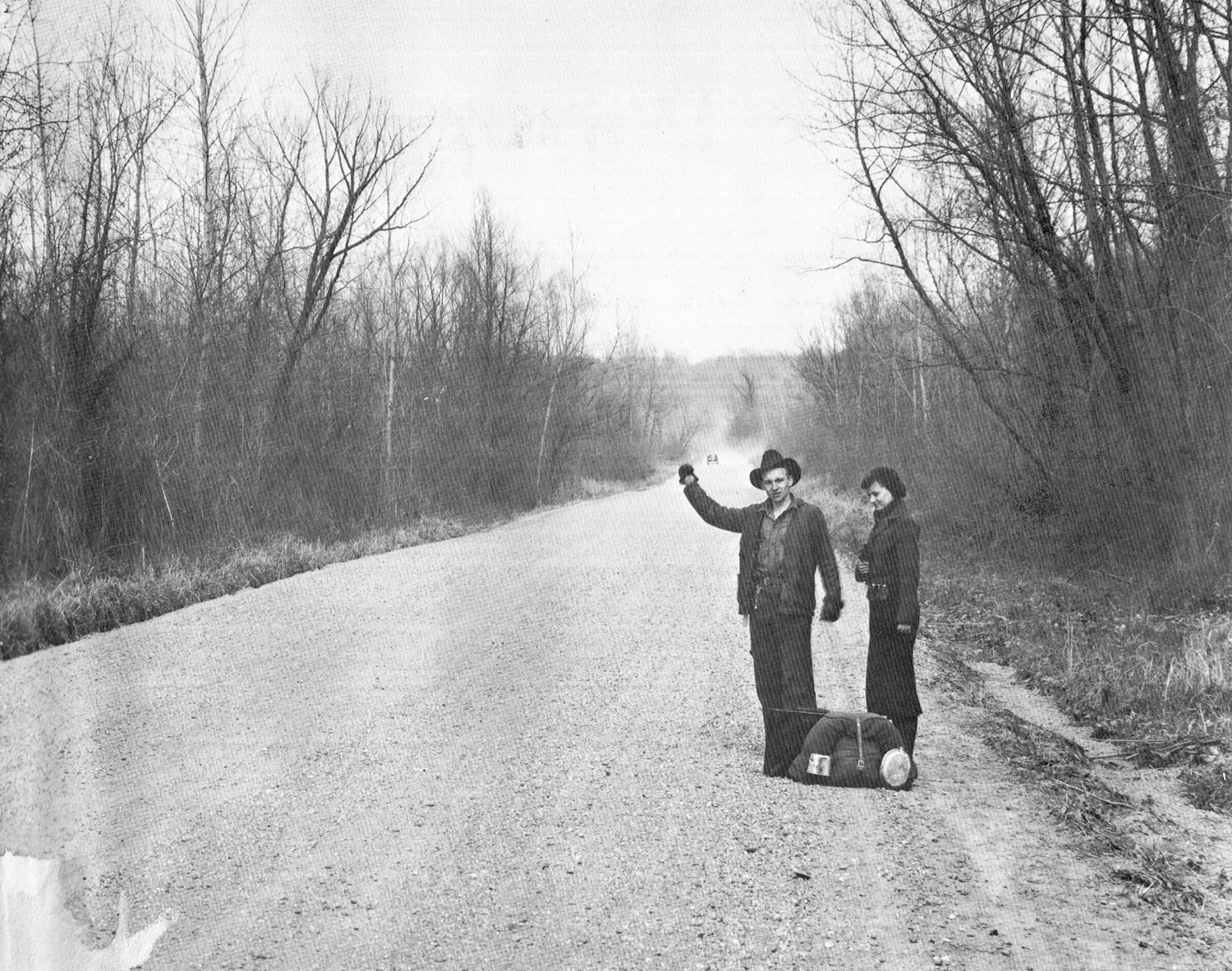
Hitchhiking in 1972 was a functioning transport method, and it is worth describing as one, because almost everything about how it worked has been forgotten along with the practice.
It existed because the demand was real. A great many people had no car, no fare and a long way to go, and in a country of long roads and plentiful cars the obvious solution is to ask.
And the consideration was genuine, which is why it worked at all. A driver alone for three hours gets somebody to talk to, and the passenger was expected to supply that – so this was a trade rather than a kindness. Nobody was being charitable.
Everything within a hitchhiker’s control came down to making a stranger’s two-second decision easier.
Position was the main skill, and it is pure logistics: somewhere to pull in, slow-moving traffic, clear sightlines, and drivers already going a long way. A spot with no shoulder or a blind bend produces nothing however long you stand there.
A sign with a destination did most of the rest. A driver deciding at speed has about two seconds, and a legible place name answers the only question that matters – which turns a vague appeal into a specific and answerable one.
And appearance was managed deliberately. Clean clothes, a visible face, nothing pulled down, luggage in plain sight. A driver is judging in a moment with no information, so hitchhikers supplied every reassuring signal available and removed every ambiguous one.
Which produced a real inequity. Anybody who looked explicable – a young person with a suitcase or a college bag, obviously temporary and going somewhere specific – got rides quickly, so the method worked best for the people whose need was often least.
The central calculation was between frequency and usefulness. A long-haul driver solves the whole journey at once and there are far fewer of them than local traffic, so there was a genuine argument for standing longer to get further rather than accumulating short rides, each one of which costs a new wait at a worse spot.
The thing people remember most is the candour. Hours in a car with somebody who will never see you again produces a particular kind of frankness in both directions – anonymity, a fixed shared duration and no future consequence is precisely the condition under which people say what they actually think.
Now the part that should be stated plainly rather than skated over.
There was no safeguard. No record of who had picked you up, nobody knowing where you were, and the only protection anybody had was their own reading of a situation they were already inside. Getting out meant asking to be let out.
Nobody in 1972 thought this was risk-free. It was openly argued about, warnings existed and advice circulated – the practice continued because for many people the alternative was not travelling at all, which is a calculation made under constraint rather than an absence of awareness.
And the terms were not the same for everybody. The method worked faster for women and carried a different and far more serious set of risks, which was discussed explicitly at the time. The same act was a different proposition entirely depending on who was performing it.
What ended it was mostly physical. Limited-access highways with no pedestrian access, high speeds and prohibitions on standing left nowhere to stand – the road network removed the practice without anybody deciding anything. And car ownership and cheaper fares removed the demand at the same time, because a method that serves people with no other option disappears when the options arrive.
The reputational shift came after, and faster than any change in the actual risk.
If you did this, you were not being reckless by the standards of the time.
You were using the transport that existed for people who had none.
Like our content? Follow us for more.
