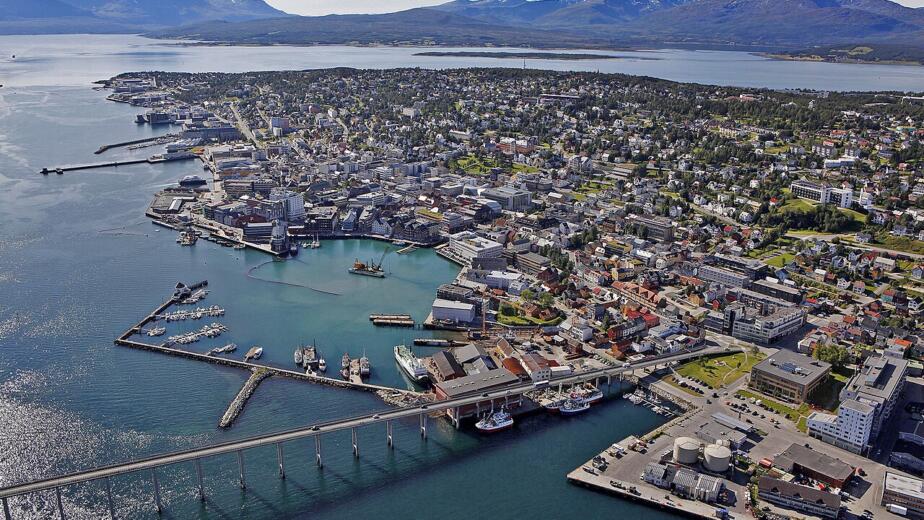
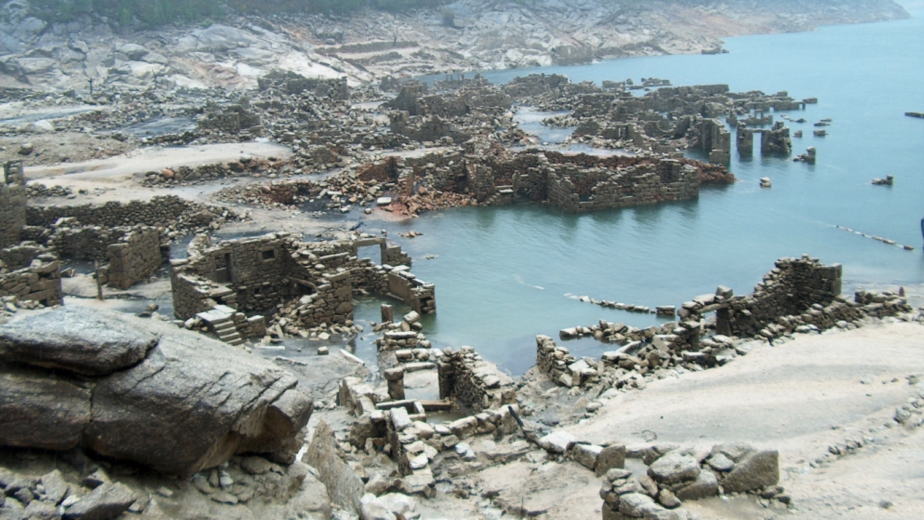
The idea of a perfect retirement once seemed tied to warm breezes, easy routines, and neighborhoods built for unhurried days. By 2026, many older adults have begun rethinking where comfort truly lives. Costs rise unevenly, storms reshape landscapes, and aging brings new priorities that stretch beyond scenery. People are choosing communities that support steadier rhythms, shorter errands, and access to care that does not require long drives or complex planning. These shifts are not dramatic or loud, but they reflect a deeper desire for security that blends with joy rather than competes with it.
Florida’s Gulf Coast, Florida
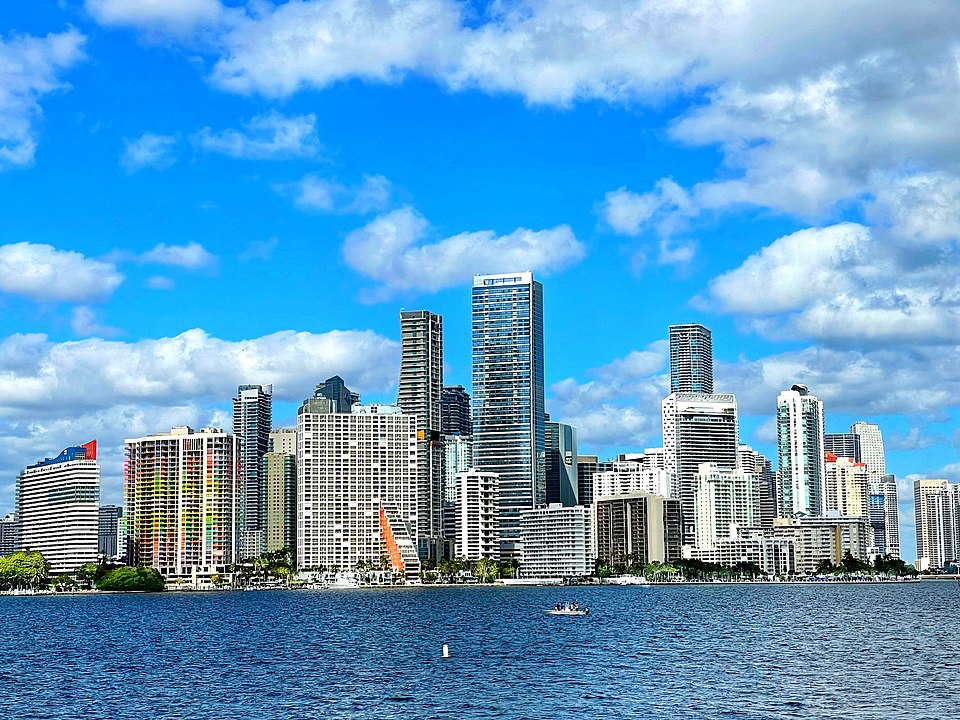
The Gulf Coast long promised quiet beaches and steady sunshine, but the reality has grown tougher for many retirees. Stronger storms bring repairs that drain savings, and insurance premiums climb even when weather stays calm. What once felt peaceful now requires constant vigilance, from checking forecasts to scheduling maintenance. Older adults who hoped to settle here with ease often find themselves shifting toward inland towns where routines stay predictable and budgets stretch further without sacrificing the sense of community they worked decades to enjoy.
Miami–Fort Lauderdale, Florida
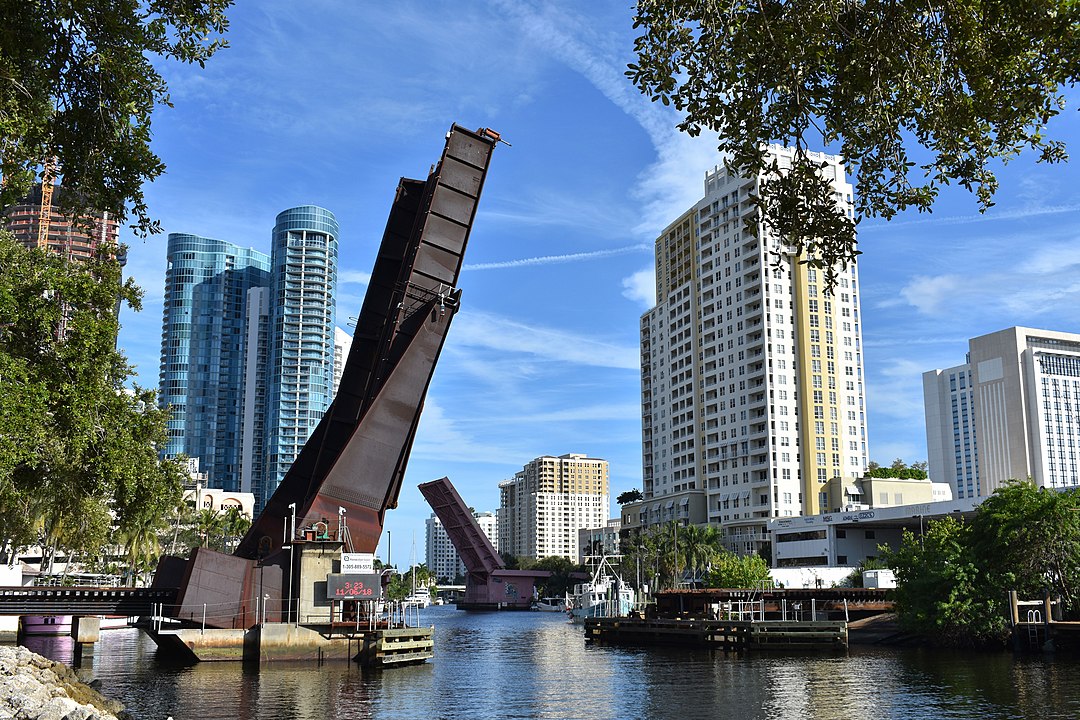
South Florida’s energy once inspired retirees who loved ocean air and city life, yet aging within its dense high-rises has become more complicated. Frequent flooding disrupts plans, and building fees rise as maintenance demands grow. Even simple tasks like parking or scheduling appointments take more time and stamina. Many older residents now choose calmer cities where they can still enjoy warm weather without the heavy lift of navigating crowded streets, long elevator waits, or the emotional weight of storm season that seems to intensify each passing year.
The Villages, Florida
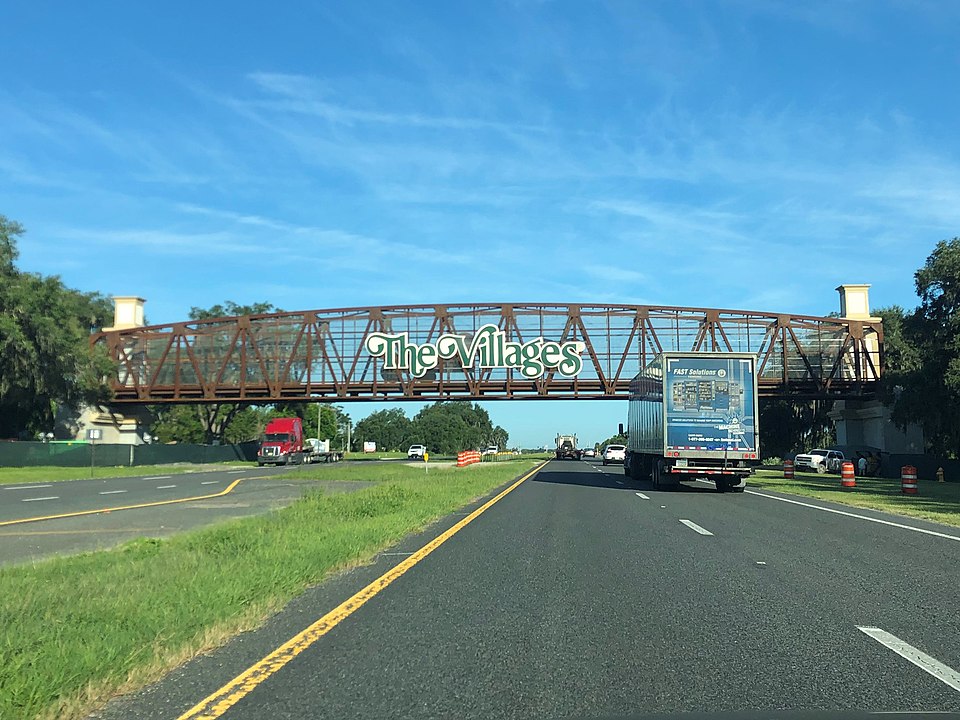
The Villages built a reputation on effortless activity and social connection, drawing thousands who wanted to stay active deep into retirement. Over time, its rapid expansion has introduced challenges that were not part of the original dream. Traffic has increased, wait times for medical visits have stretched, and rising community fees add pressure to fixed incomes. Some residents now look for smaller communities where they can keep friendships close while enjoying simpler routines. The appeal of constant engagement fades for those who value steady days and gentler surroundings.
Phoenix Metro, Arizona
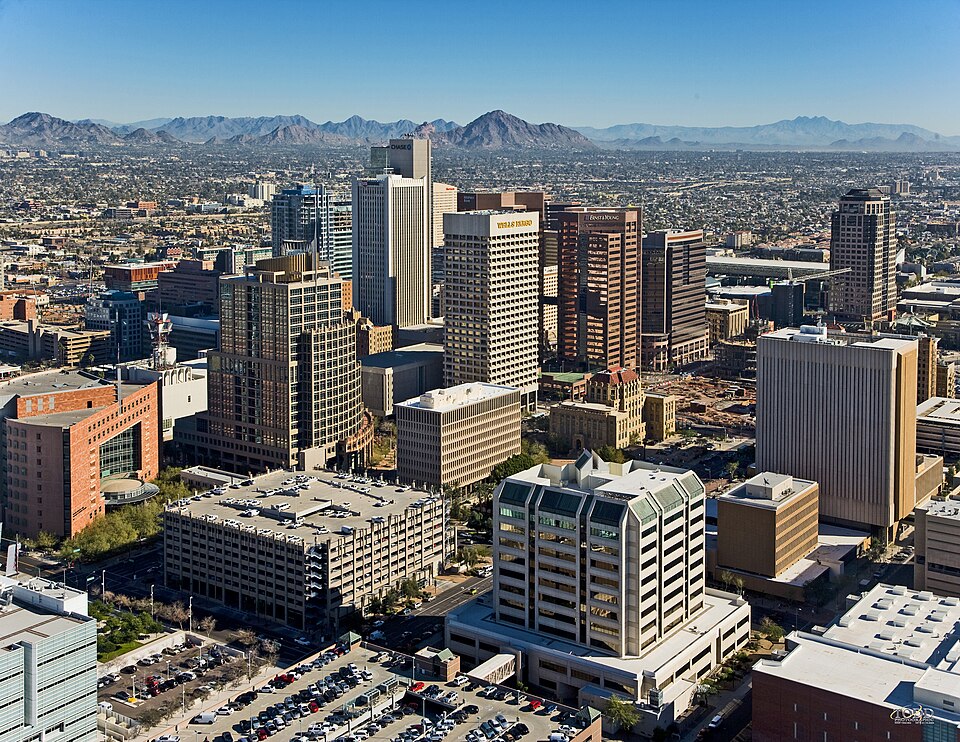
Phoenix once symbolized affordable desert living, but extreme temperatures now shape daily life more than many retirees expected. Outdoor plans disappear for months at a time, and long heat waves raise utility bills that strain careful budgets. As the population grows, traffic intensifies and medical appointments become harder to schedule quickly. Many older adults begin seeking higher elevations or cooler regions where stepping outside does not require planning around dawn and dusk. Comfort, not climate bragging rights, becomes the guiding priority for the years ahead.
Tucson, Arizona
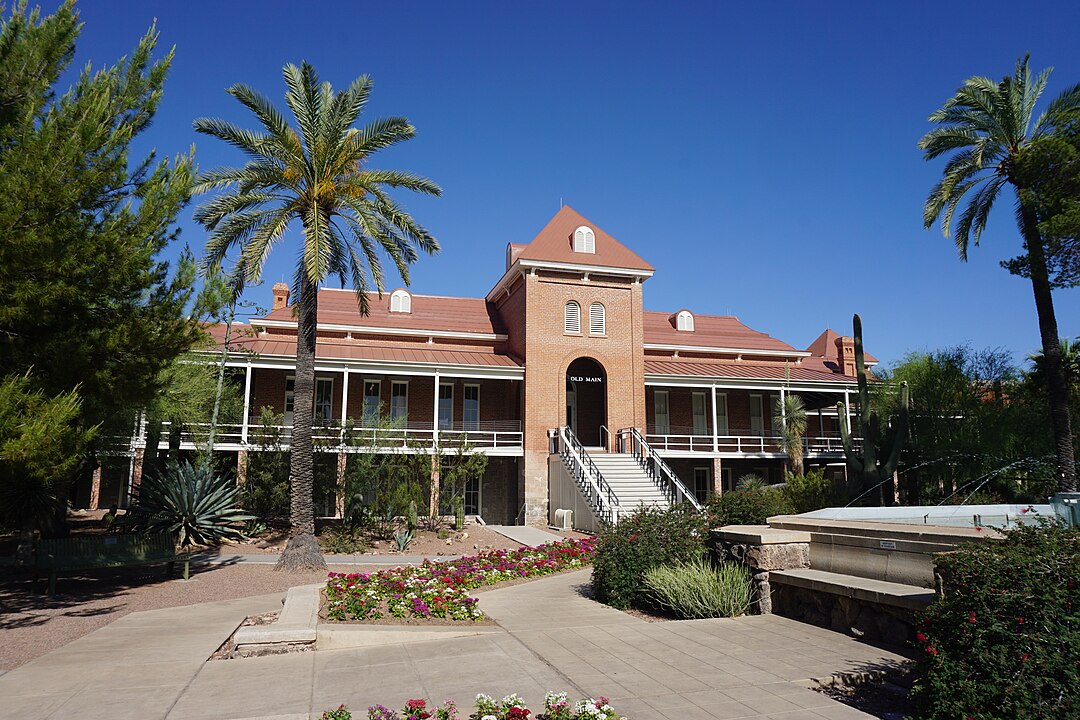
Tucson has always offered culture, mountain views, and a slower rhythm, yet rising temperatures and steadily climbing housing costs have changed its balance. Shade is limited, transit options remain thin, and some neighborhoods feel busier than retirees anticipated. Medical services are competent but sometimes stretched, creating delays that matter more with age. People who once pictured peaceful desert living now search for quieter towns where cool evenings, easier errands, and gentler pacing help them age with less strain and more confidence in their daily routines.
Las Vegas Area, Nevada
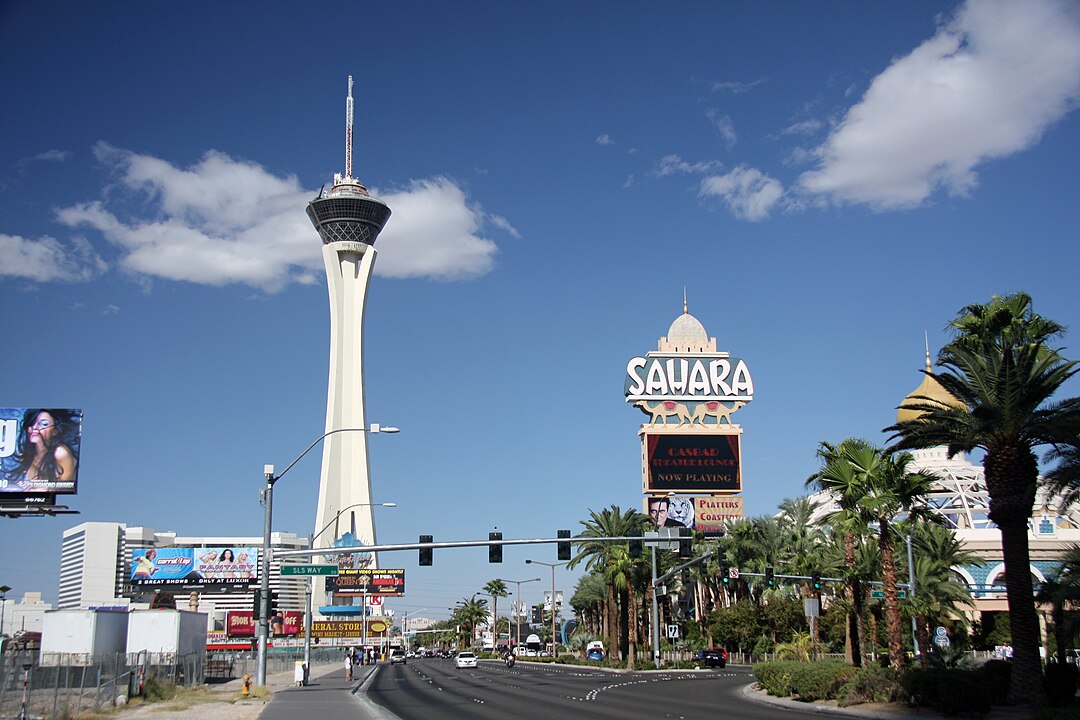
Las Vegas attracted retirees with low taxes and entertainment close by, but its long, intense summers shape everything from social plans to electricity budgets. Busy streets and sprawling suburbs can make errands more tiring, especially for those who no longer enjoy long drives. Water concerns add another layer of uncertainty that feels heavier with age. Many long-time residents now consider smaller mountain or desert towns where evenings cool properly, sidewalks stay quiet, and routines unfold without the constant background buzz that once felt exciting.
Myrtle Beach, South Carolina
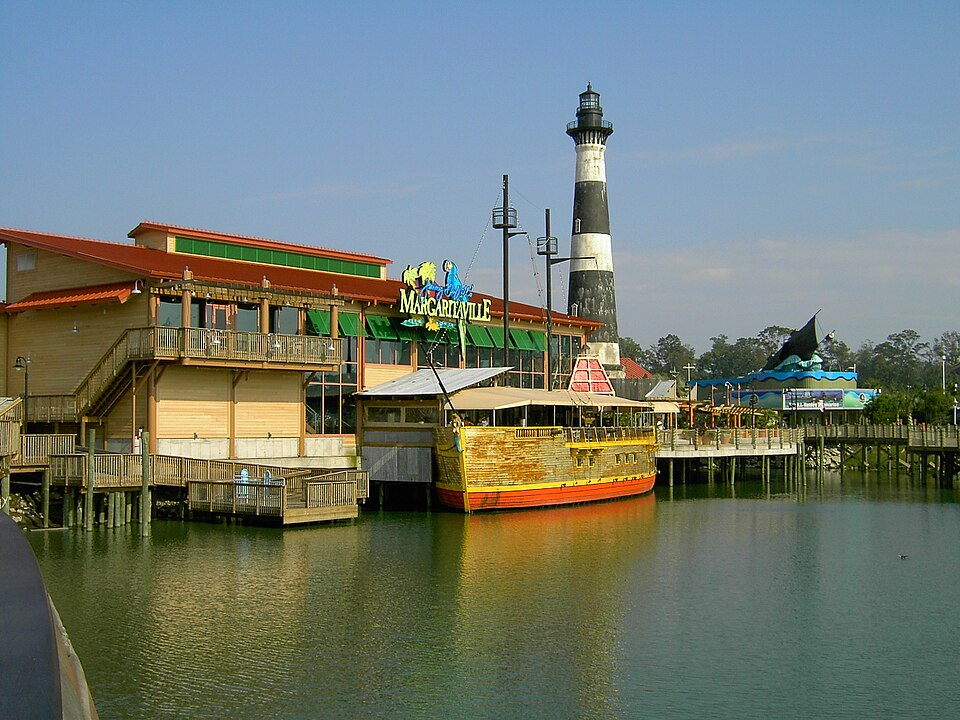
Myrtle Beach blends ocean views with accessible recreation, yet retirees increasingly feel the impact of storms that require steady upkeep. Crowded peak seasons make simple tasks harder, and off-season calm no longer fully offsets the challenges. Flood-related expenses and insurance changes add pressure for those managing fixed incomes. Some older adults now choose nearby inland communities where life stays relaxed without the weather stress that comes with beachfront living. They still enjoy the coast, but they do it on their own terms rather than anchoring their lives to it.
Coastal Texas, Gulf Communities
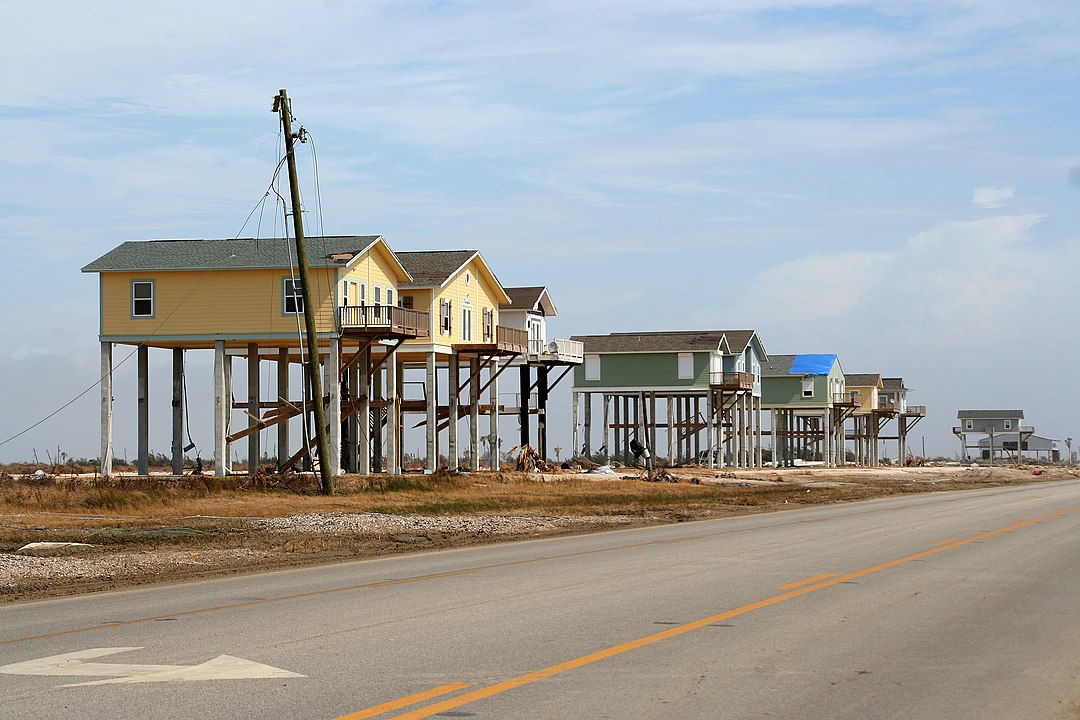
Along the Texas Gulf, many retirees once enjoyed warm winters and friendly neighborhoods, but repeated flooding and high humidity have increased the effort required to maintain a home. Insurance policies grow more expensive, and each storm season brings its own decisions about repairs and preparation. People who imagined peaceful days near the water often realize that constant upkeep drains energy they hoped to reserve for family, hobbies, or travel. Moving to higher ground offers relief and a steadier path forward without sacrificing the sense of belonging they value.
Honolulu, Hawaii
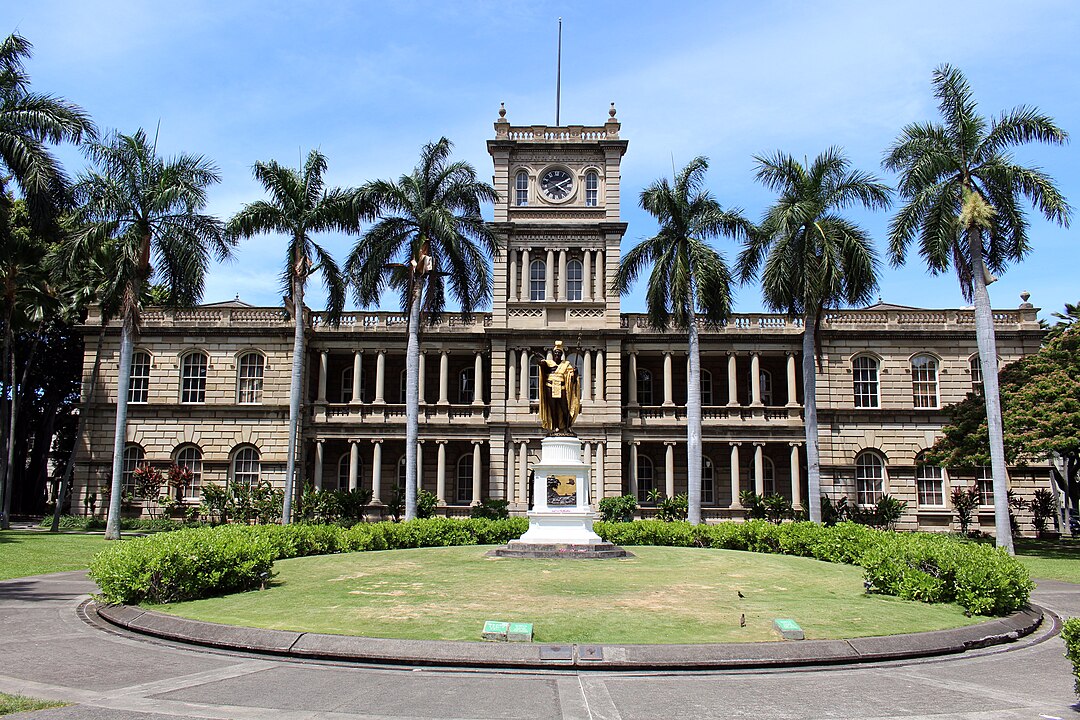
Honolulu’s natural beauty stirs deep affection, yet the day-to-day cost of living can wear down even committed residents. Groceries, utilities, and travel to the mainland add up quickly, turning each month into a delicate balancing act. As health needs increase, being far from adult children becomes harder emotionally and practically. Many older adults return to the mainland not because they stop loving Hawaii, but because they want regular support, consistent care, and finances that stay predictable. The connection remains, even if daily life shifts elsewhere.
Coastal Southern California, California
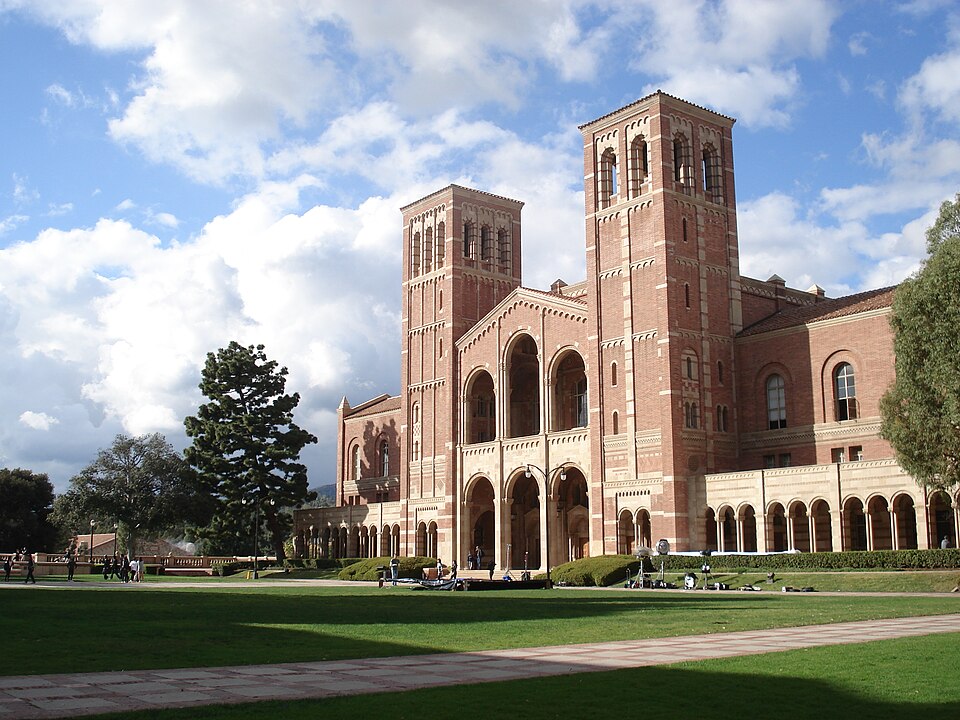
Coastal Southern California remains stunning, yet its rising costs test retirees who have lived there for decades. Housing expenses, property taxes, and insurance fees keep climbing, and wildfire seasons add stress that lingers long after the smoke clears. Traffic crowds out spontaneity, and errands take longer than they once did. Many older adults decide to move to smaller cities where savings stretch further and days unfold at a pace that feels manageable. They leave with affection but also relief, ready for a life that requires less effort to maintain.
Charleston and The Lowcountry, South Carolina
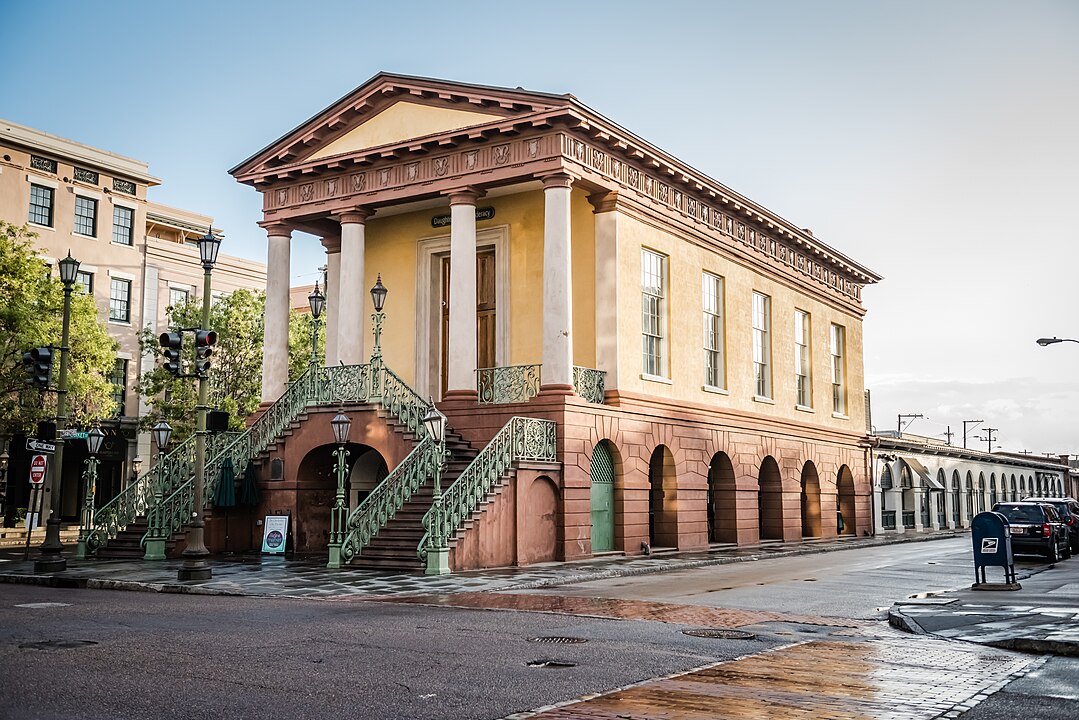
Charleston carries charm that is hard to forget, with shaded streets, familiar cuisine, and a gentle coastal mood. Yet frequent flooding and higher insurance bills have reshaped what daily life feels like for retirees. Long drives, busy corridors, and storm anxiety add weight to decisions that once felt simple. Many long-time residents shift toward inland towns where the culture stays familiar but the ground stays dry. They keep their memories close while choosing a setting that supports steady aging without constant worry or disruption.