In 1968 a child in a corridor during lesson time was presumed to be somewhere they should not be, and the only way to settle the question was to carry something large, obvious and specific to one classroom. There was one per room, it had to be asked for aloud in front of everybody, and it proved only that somebody had let you leave. It proved nothing whatsoever about where you were going, which everybody including the adults understood perfectly well. The same building contained a second and entirely separate system for children who had been removed from a room rather than released from one, and that system needed no object at all. Between the two of them they produced a corridor in which every figure was instantly legible: the one walking somewhere carried something ridiculous, and the one standing against a wall near a door carried nothing. Anybody passing could read the whole situation without asking a single question, which is precisely what a building with several hundred children and a handful of adults requires. Here are sixteen things every American kid knew about that object in 1968, and what was really doing the work.
1. A Child in a Corridor Was Presumed to Be Somewhere They Should Not Be
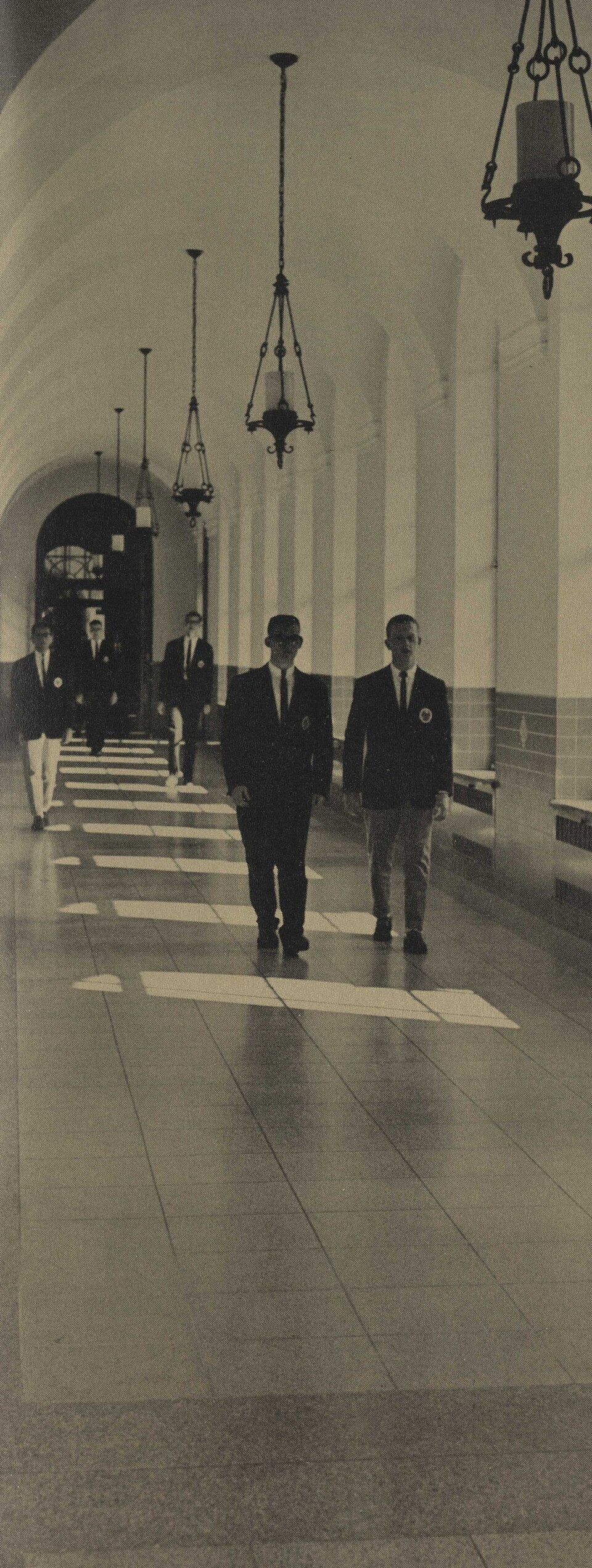
The whole system rested on a single assumption: during lesson time, every child had a designated place, and anybody outside it required an explanation.
That presumption is what made the object necessary. A building with several hundred children and a handful of adults cannot verify anything by asking, so it needed a way for a child to carry their own authorisation with them.
The alternative was impossible. An adult who stopped a child in a corridor and had to telephone a classroom to check would spend the entire day doing it, so the explanation had to be portable, visible and instantly readable from a distance.
Like our content? Follow us for more.
2. The Object Was Deliberately Absurd
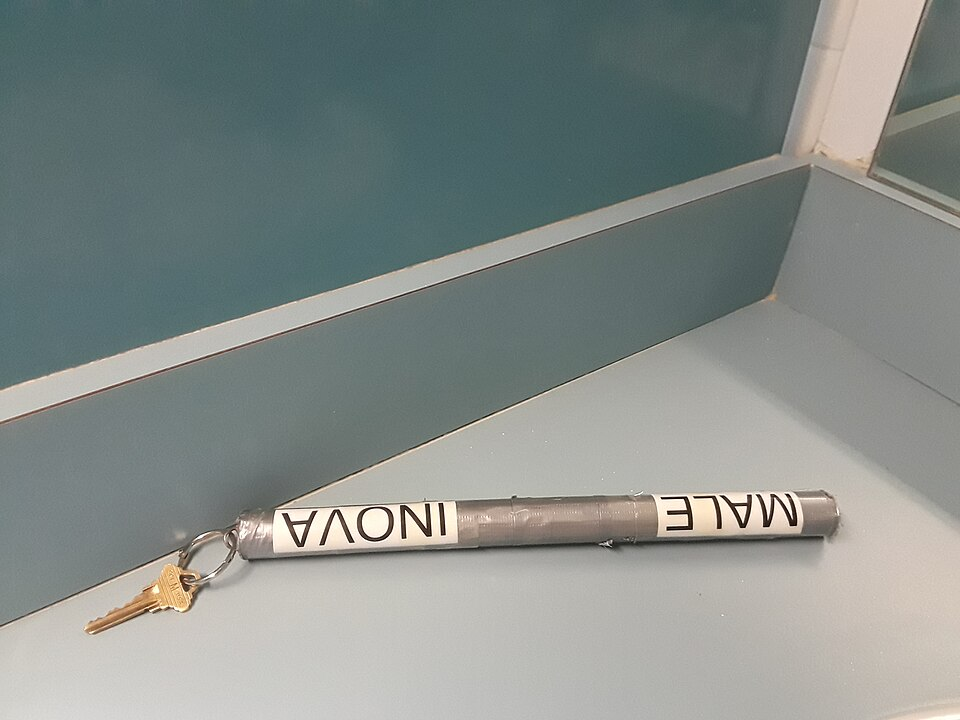
Schools issued the largest, most conspicuous item they could reasonably find, and the oddity was the entire design.
The reasoning is sound and rarely explained. A small slip of paper can be forged, borrowed, dropped or concealed, while something large and specific to one classroom can be identified from thirty feet by an adult who is not going to come any closer.
It also made the pass impossible to lose quietly. A child who mislaid something enormous had to account for it, which is a considerably better deterrent than any rule about returning it promptly.
3. There Was Only Ever One
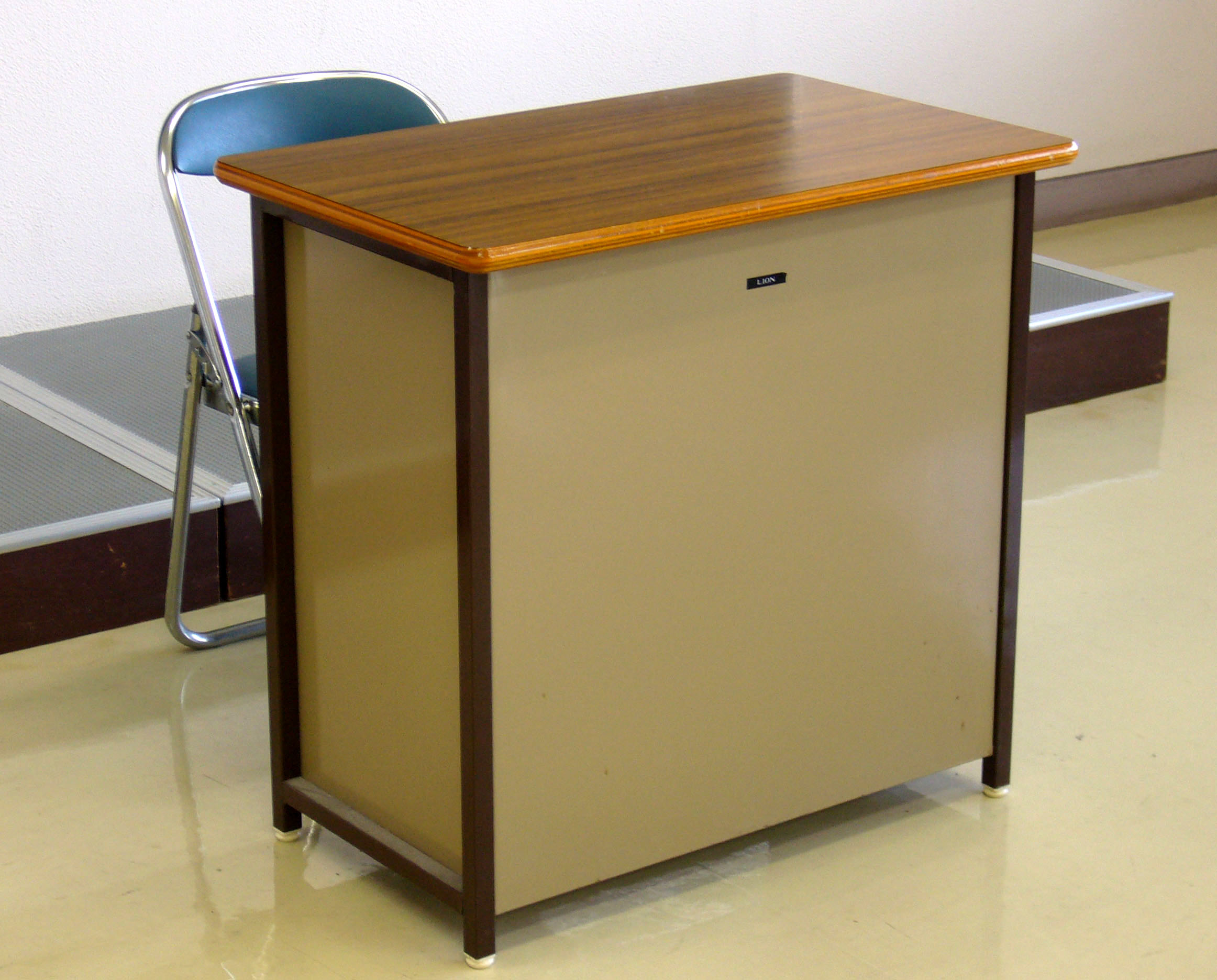
A single pass per classroom meant only one child could be out at a time, which was the actual control mechanism.
The scarcity was doing all the work. A teacher who issues permission verbally has no way of limiting how many requests they grant; a teacher with one object has a hard limit that enforces itself without any further decision being made.
It also produced the queue. A child who needed to go and found the pass already out had to wait and watch for its return, which is a small and entirely effective piece of rationing.
4. Asking Was the Hard Part
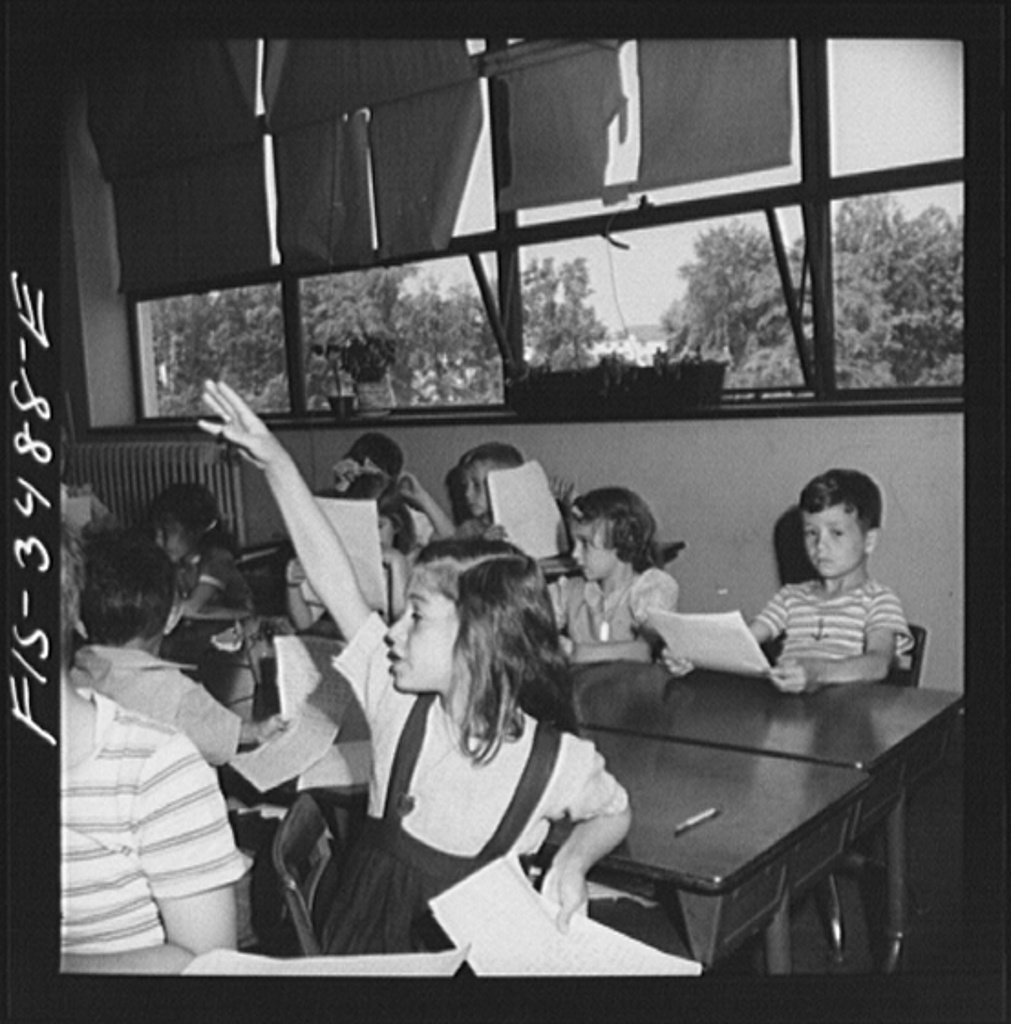
The request had to be made aloud, in front of the whole class, to an adult who might refuse.
The publicity is what made it uncomfortable and it was not accidental. A request that must be made in front of thirty people is a request that will be made less often, which reduces the number of children out of the room.
Refusal happened and was remembered. A teacher who said no was making a judgement about whether the need was genuine, which is a judgement nobody is well placed to make and which was made several times a day in every classroom in the country.
5. Being Sent Out Was Different From Being Allowed Out
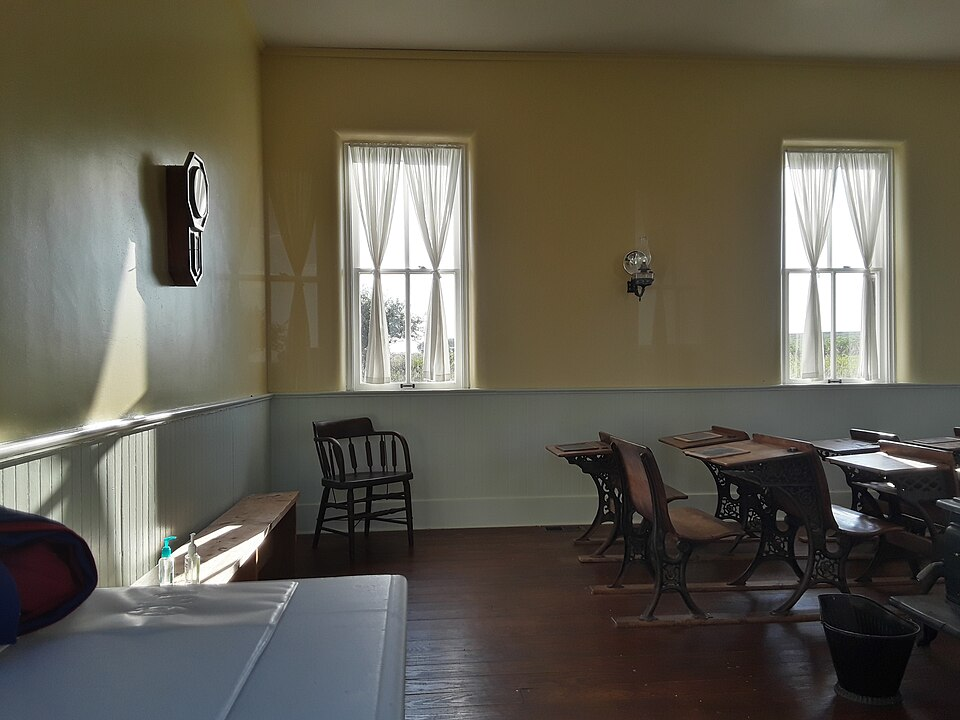
A child carrying a pass to an errand and a child sent out of a room for behaviour were in the same corridor for opposite reasons.
The two were distinguishable to anybody who knew how to look. A child on an errand walks; a child who has been sent out stands, usually against a wall near a door, and is not going anywhere at all.
The second category had no pass. Being removed from a lesson required no authorisation because the authorisation was the removal itself, which is why the standing figure in the corridor was recognisable instantly.
6. The Errand Was the Best Job in the Day
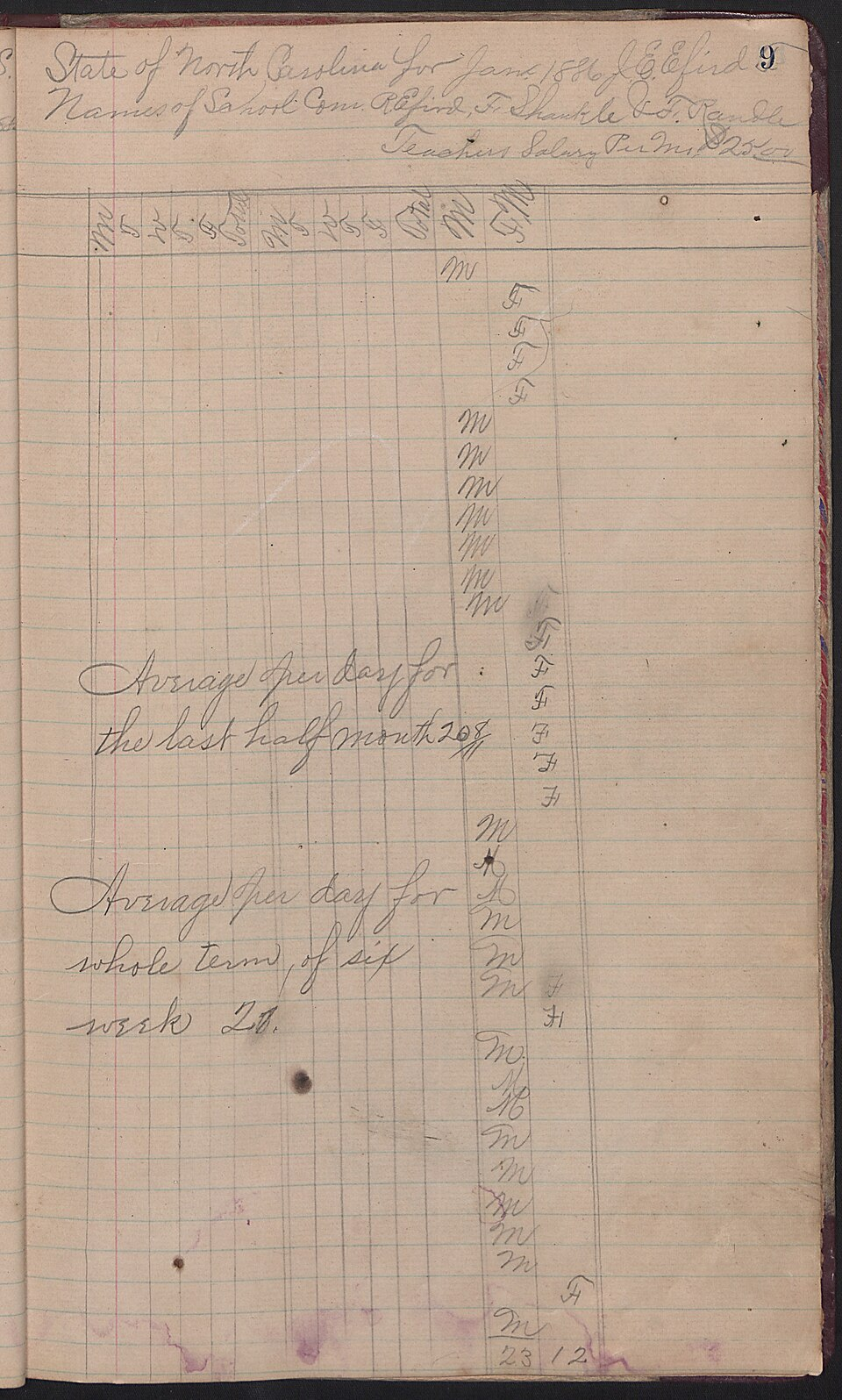
Carrying a register, a message or a borrowed item to another part of the building was a genuine privilege and was treated as one.
The appeal had nothing to do with the task. Ten minutes of walking through a quiet building, alone, with a legitimate reason to be there, is an enormous departure from a day otherwise spent entirely in one room under supervision.
Selection mattered accordingly. Being the child chosen to take something somewhere was a public statement about reliability, and children competed for it without ever acknowledging that they were competing.
7. The Building Was Completely Different When Empty
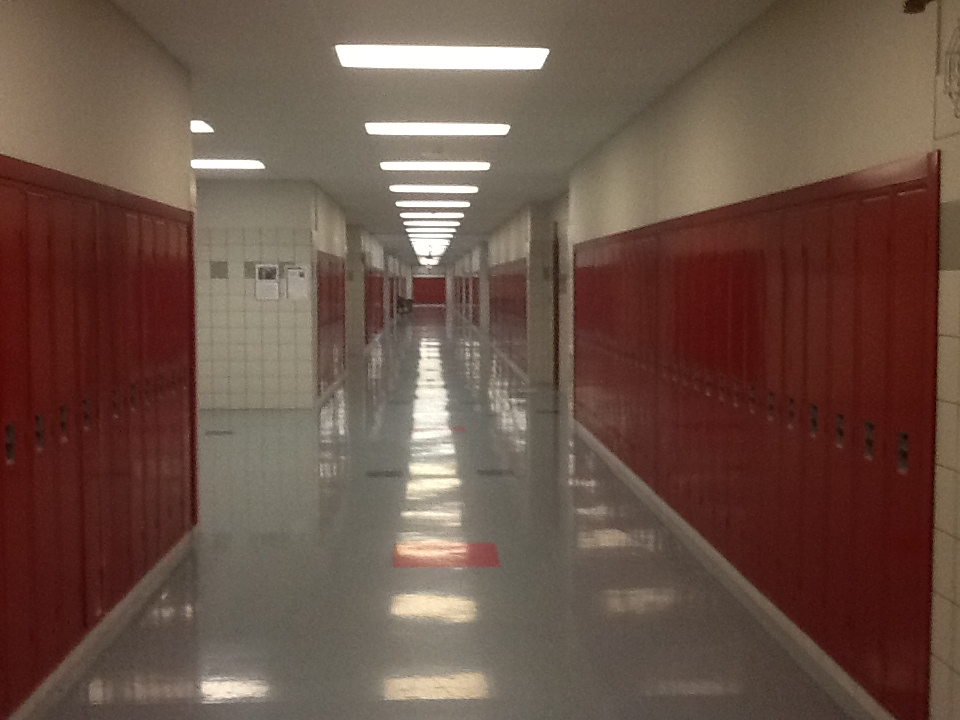
A corridor during lesson time was silent, and a child walking through it experienced a familiar place in an unfamiliar state.
The contrast is the thing people remember. The same corridor at the change of lessons is chaos; at eleven in the morning it is empty, echoing, and entirely yours for about ninety seconds.
Nobody hurried. A child with a legitimate errand and no supervision took considerably longer than the distance required, and every adult in the building knew it and mostly let it happen.
8. The Office Was the Other End of the Scale
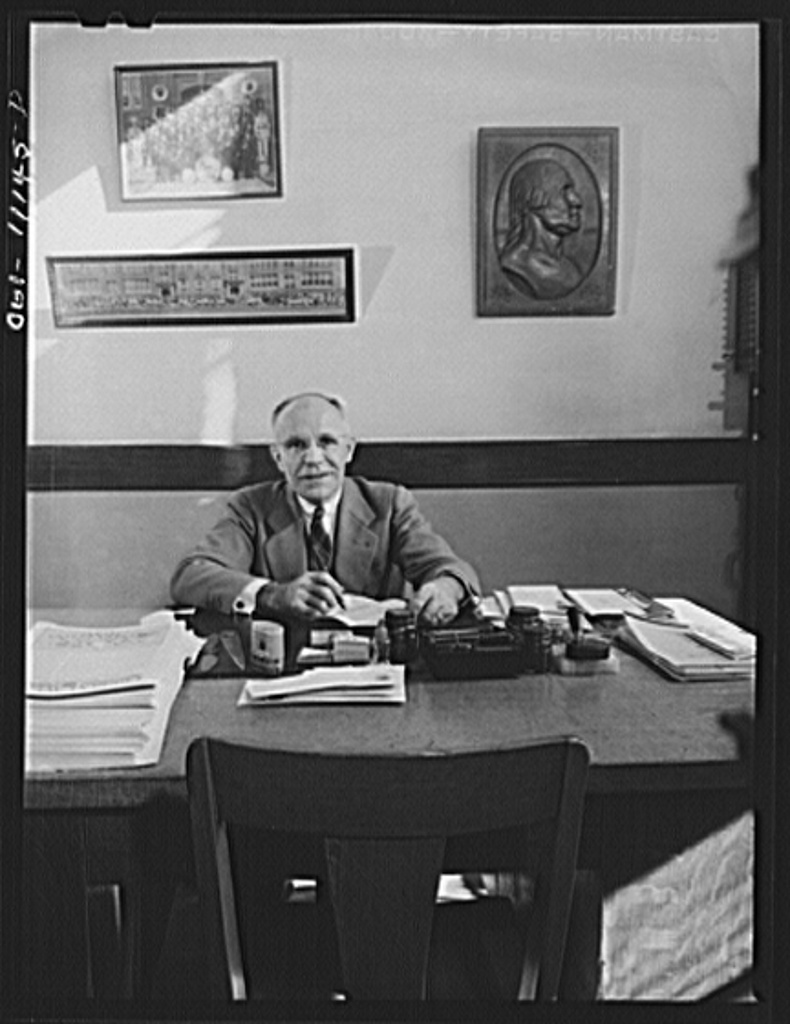
Being sent to see the person in charge was the most serious thing that could happen inside an ordinary school day.
The weight came from rarity rather than severity. Most children went years without being sent, which means the destination carried a significance out of all proportion to anything that actually happened once you got there.
The journey was the punishment. A walk of two minutes, alone, knowing where you are going and why, with time to consider it, is an unusually well-designed piece of anticipation whether or not anybody designed it.
9. The Outer Room Was Worse Than the Inner One
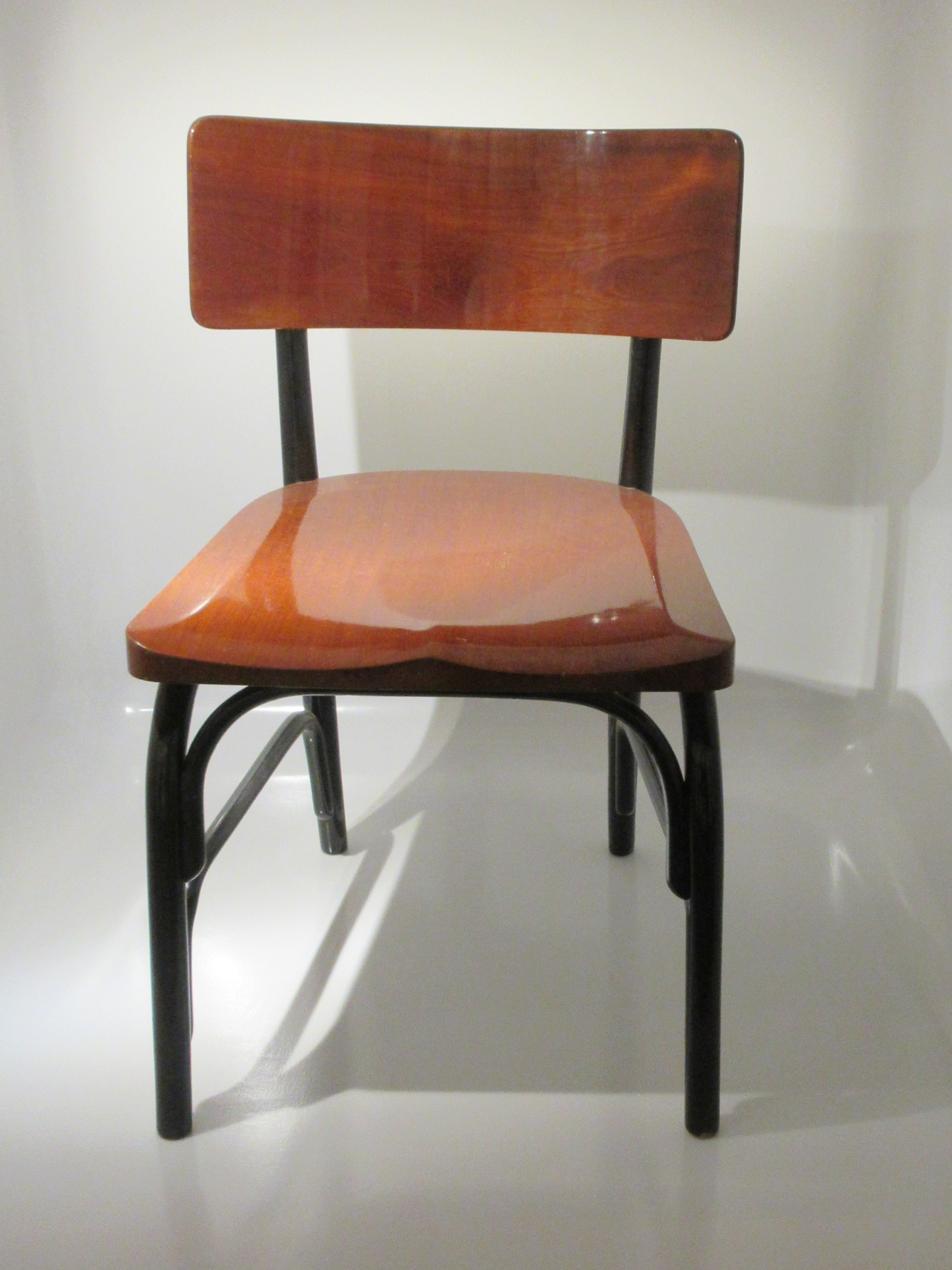
Waiting on a chair outside, in view of everybody passing, was the part that is remembered.
The visibility was the sanction. Whatever was said behind the door was private, while sitting on that chair was public, and every adult and child who walked past registered it without breaking stride.
The wait was usually long. An administrator working through other business while a child sits outside is not being cruel; they are busy, and the effect of an indefinite wait on a nine-year-old is considerable regardless of intent.
10. The Secretary Ran the Entire Operation
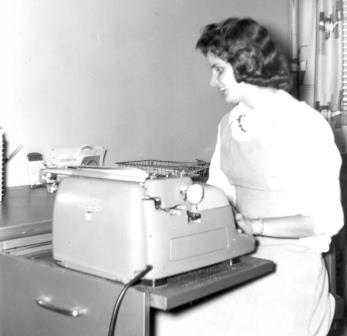
The person at the desk controlled access, knew everything, and was in practice the most significant adult in the building.
The informal authority was real and widely understood. Somebody who handles every telephone call, every parent, every record and every visitor accumulates a view of the institution that nobody else has.
Children worked this out quickly. The person behind the desk could be appealed to, reasoned with or asked for help in a way the person behind the door could not, and a great many small problems were resolved at that counter and never went further.
11. Going for a Good Reason Was Genuinely Confusing
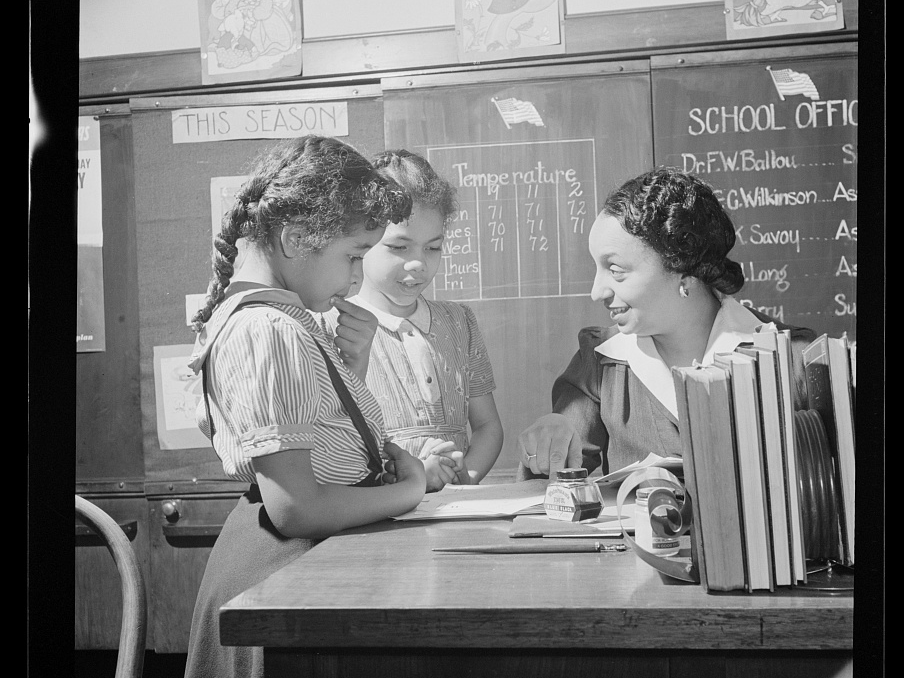
Being sent to the office to be commended was a real thing and it produced considerable anxiety on the way.
The confusion was structural. A destination that is overwhelmingly associated with one outcome cannot easily signal the opposite, so a child told to report there arrived in a state entirely unsuited to receiving praise.
Experienced heads knew this. The ones who said what it was about before sending the child are remembered warmly, and the ones who did not are remembered for the walk.
12. The Telephone Call Home Was the Real Sanction
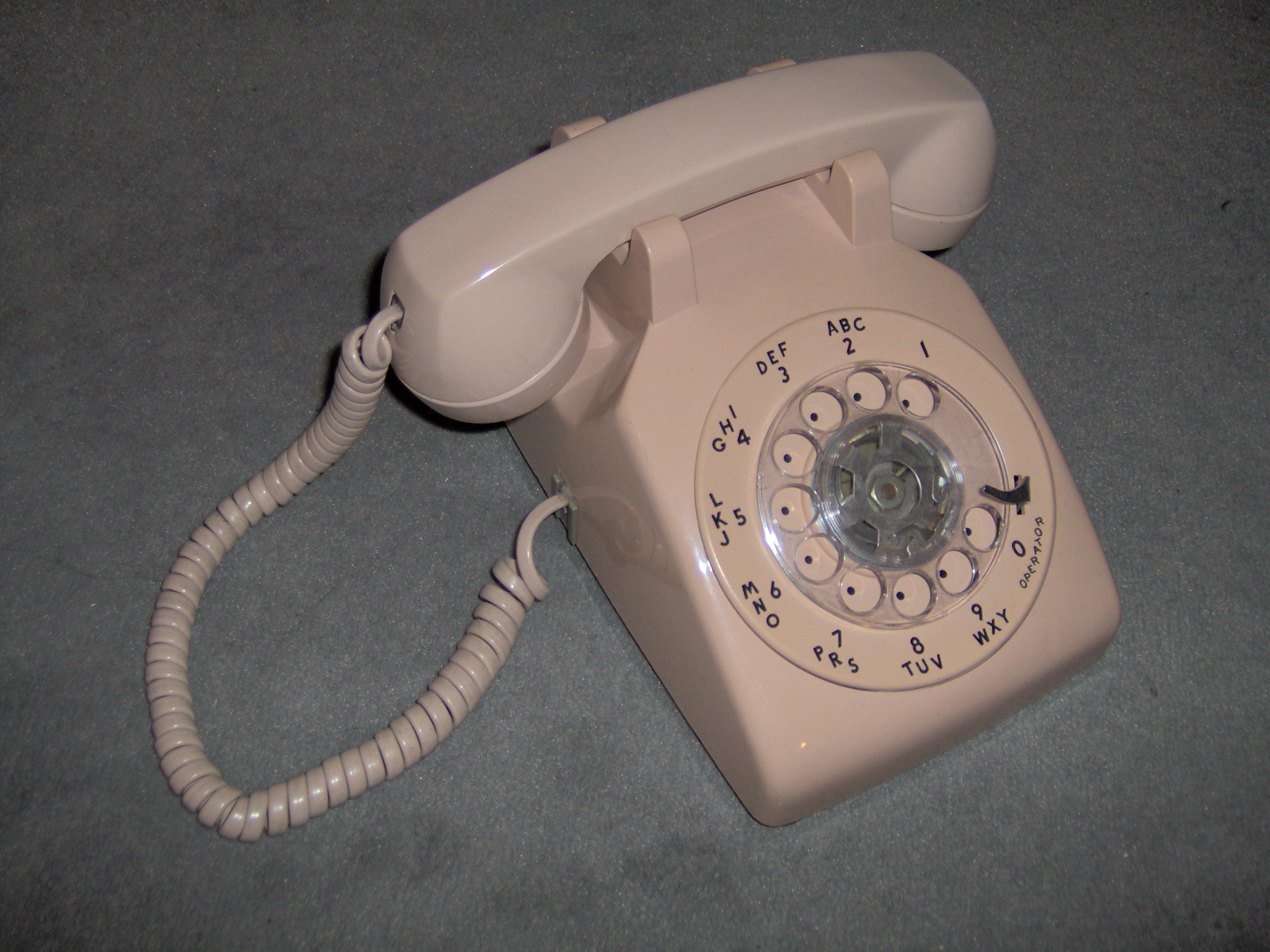
Almost nothing that happened in the office mattered as much as whether a household was going to be contacted.
The hierarchy was clear to everybody involved. School consequences ended at the gate; a telephone call did not, and a child’s entire calculation was about whether the matter was going to cross that boundary.
The uncertainty was worse than the call. Not knowing, for an afternoon, whether somebody had rung is a specific and widely shared childhood experience that had nothing to do with anything that happened in the building.
13. The Pass Got Abused Constantly and Everybody Knew
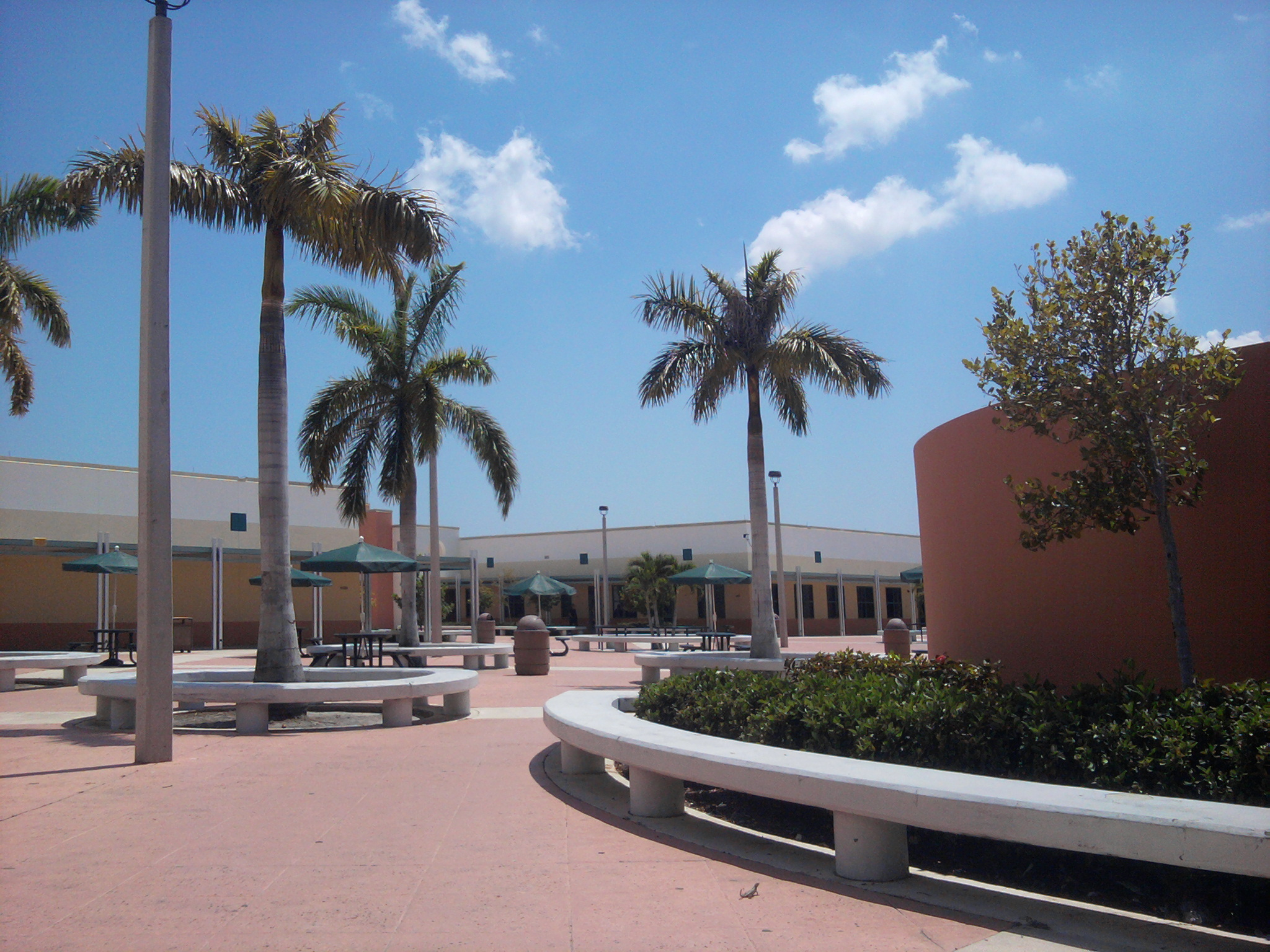
A legitimate errand was routinely extended, diverted or used as cover for something else entirely.
The abuse was mild and almost universal. A child with a pass could visit a friend’s classroom window, take the long route, look at something or simply stand somewhere for a while, and the system had no mechanism for detecting any of it.
Teachers priced it in. An experienced adult issuing a pass expected the errand to take twice as long as it needed to, and the tolerance was part of the arrangement rather than a failure of it.
14. The Forged Note Was a Standard Experiment

Written permission was easy to imitate and children tried, with results that depended entirely on how well they knew the handwriting.
The attempt was far more common than the success. An adult who sees the same signature thirty times a week recognises a copy immediately, and the children who tried this generally discovered that the problem was not the words but the hand.
It was also a useful early lesson in verification. A document is only as good as the recipient’s ability to check it, and a child who learned that at ten had learned something that remains true of every document they will ever handle.
15. The Whole Thing Depended on Children Being Honest
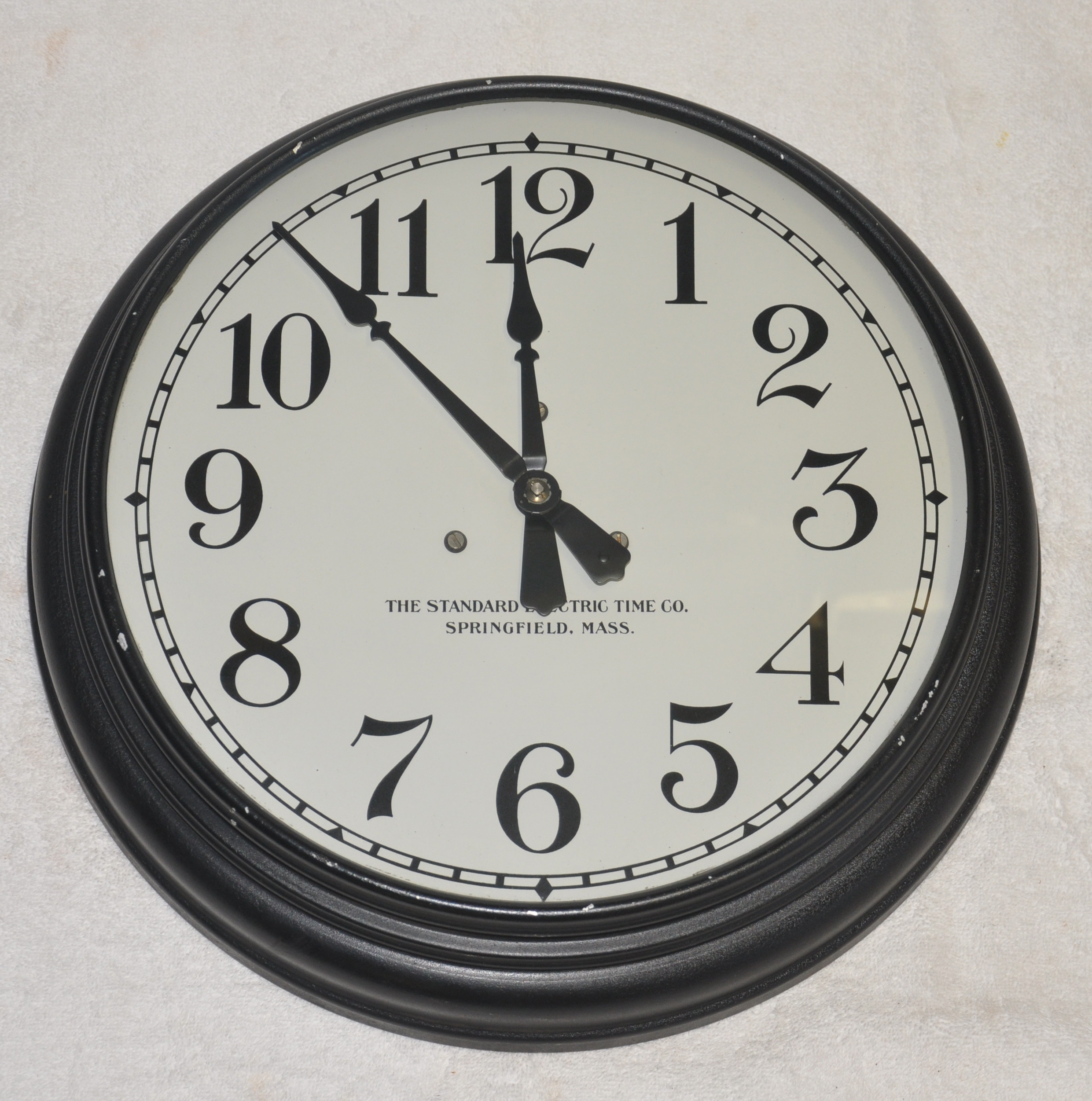
Nothing about a pass prevented a child from going anywhere they liked; it only established that somebody had permitted them to leave a room.
The gap is obvious once stated and the system worked anyway. An authorisation that proves departure but not destination is almost no control at all, and the fact that it functioned for decades says more about expectations than about enforcement.
The real mechanism was time. A child who took twenty minutes on a two-minute errand would be asked about it on return, which means the control was never the object but the fact that somebody was expecting you back.
16. Then the Corridor Stopped Being Empty
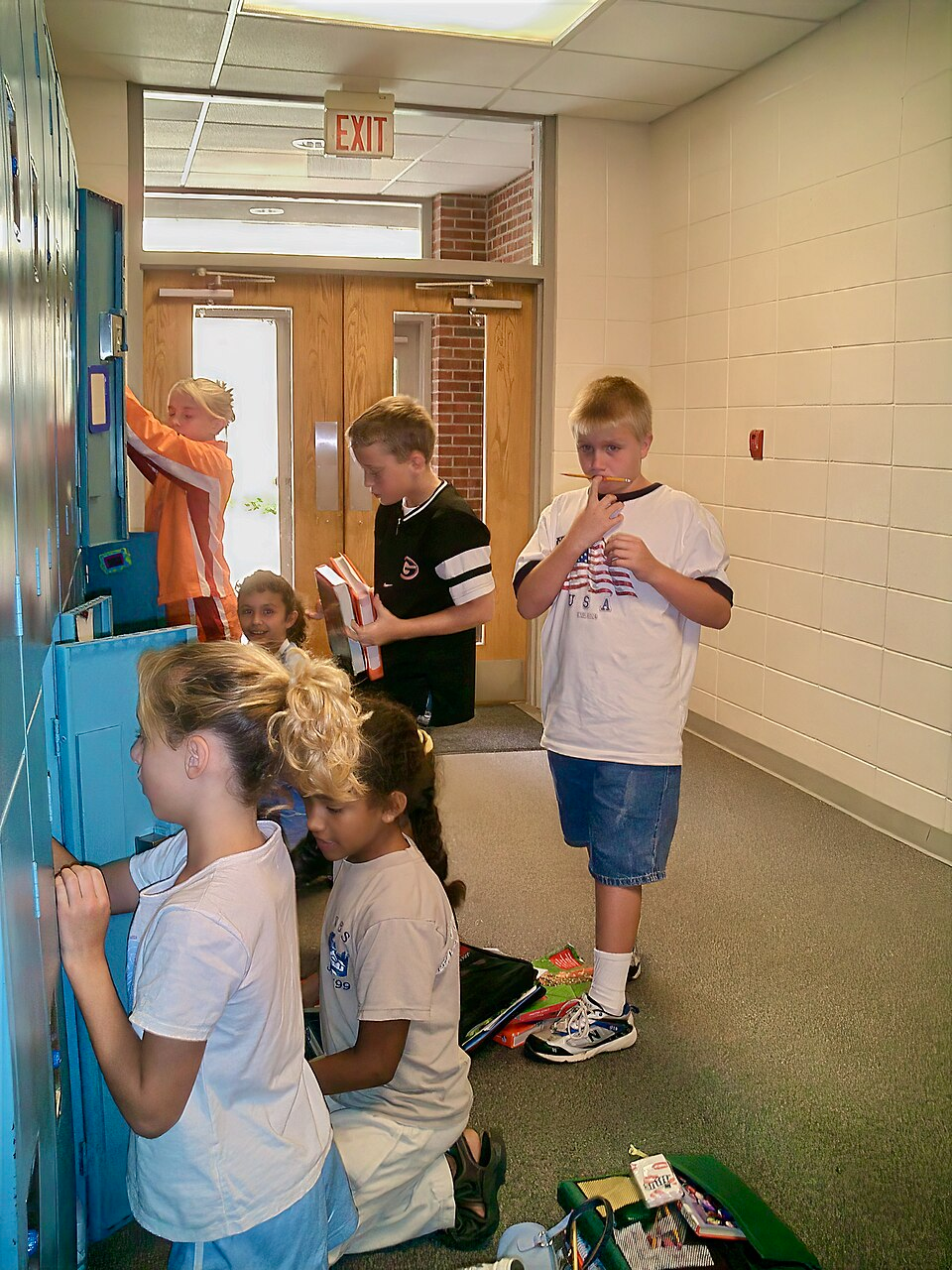
Open plans, movement between rooms, sign-out sheets, electronic systems and a general change in how buildings are supervised all removed the conditions the pass existed for.
The replacement is more accountable and considerably less interesting. A logged departure with a timestamp does everything the object did and does it better, and nothing about it can be carried, lost, forged or shown to a friend through a window.
What went was the ninety seconds. A child alone in a silent building, moving at their own pace, with a legitimate reason to be there and nobody watching, is a specific experience that depended entirely on a system too crude to track anybody properly.
What the Object Was Really Doing
Read in sequence, the sixteen describe a control system that barely controlled anything and functioned for decades regardless. The pass proved departure and not destination. It could be extended, diverted or simply enjoyed, and there was no mechanism for detecting any of it. What actually limited the traffic in a corridor was not the object at all: it was the fact that there was only one, that asking for it had to be done out loud in front of thirty people, and that somebody in the room you left was expecting you back and would notice how long you had taken. Three social mechanisms doing the work of an administrative one, with a comically oversized piece of wood as the visible part. The office at the other end of the scale worked the same way. Almost nothing about it was formally severe, and the parts that are universally remembered are the parts nobody designed: the length of the walk, the chair in full view of a passing corridor, the indefinite wait while an adult finished something else, and the afternoon spent not knowing whether a telephone call had been made. None of those is a punishment anybody wrote down. All of them are the by-products of a small institution with one telephone, one waiting area and one person at a desk who was busy, and they did more work than anything that was written down.
Everything that replaced it is better. A logged departure with a time against it is accurate, auditable and cannot be imitated by a ten-year-old with a pencil. What it cannot do is sit on the corner of a desk being wanted, or be carried the long way round, or make a familiar building briefly strange. The ninety seconds in an empty corridor existed because the system was too crude to track anybody properly, and a system that is no longer crude does not produce them. Nor does it produce the other thing, which is the child who was trusted to be out there in the first place.
Like our content? Follow us for more.