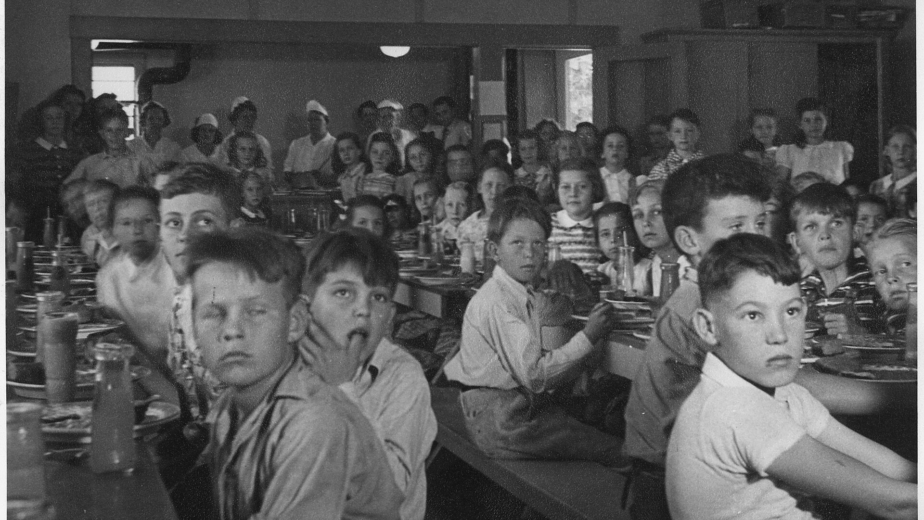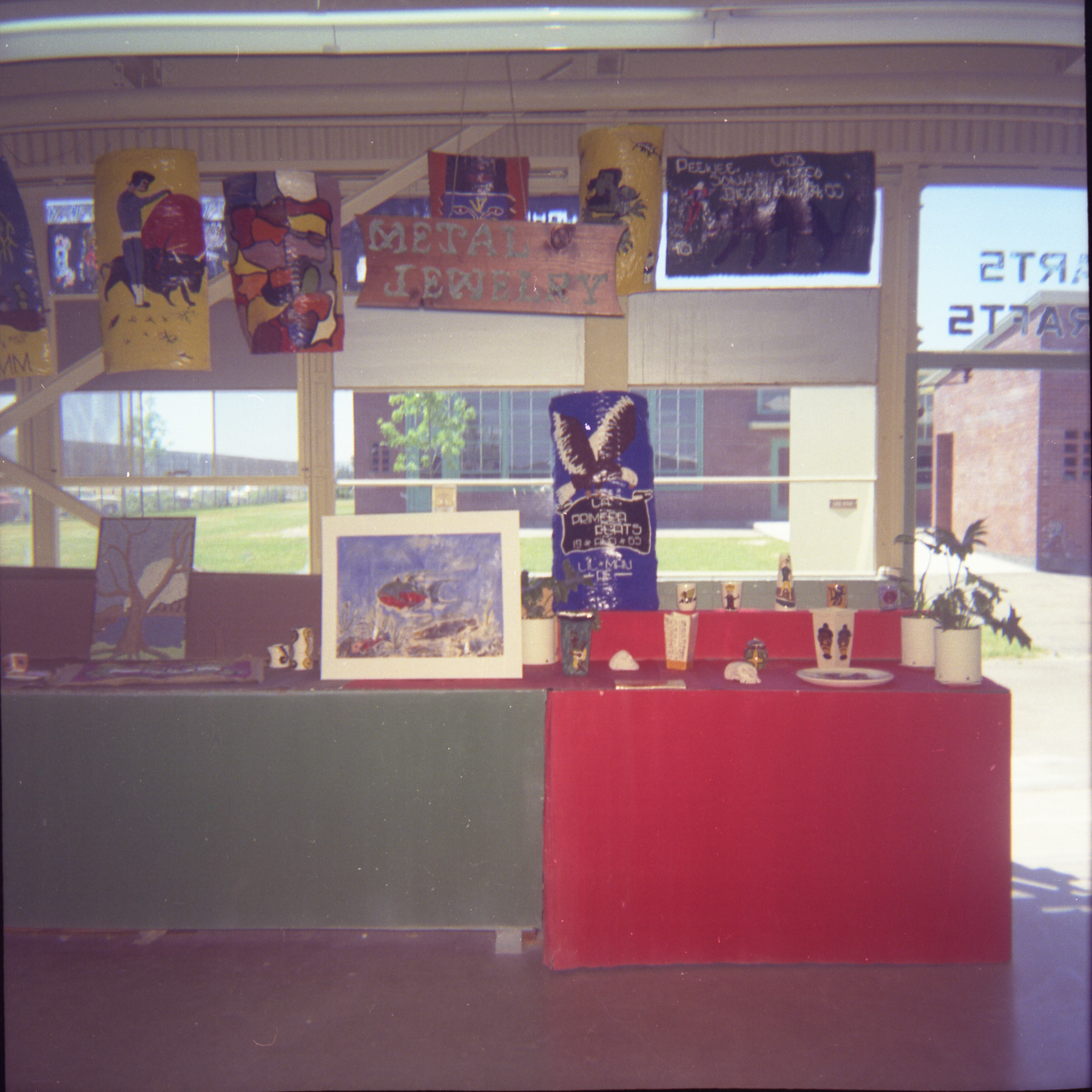
In 1966 the making lesson was the only one at school that produced an object. Everything else generated marks on paper that were assessed and discarded; this one produced a thing that left the room with you and went on existing in a house. What that thing was had almost nothing to do with anybody’s intentions – it was determined by whatever single material the cupboard happened to hold, which is why entire year groups made identical objects in the same term. Here are fifteen things every kid remembers about the thing they made in art class in 1966, and what schools changed about it.
1. It Was the Only Lesson Where You Made an Object
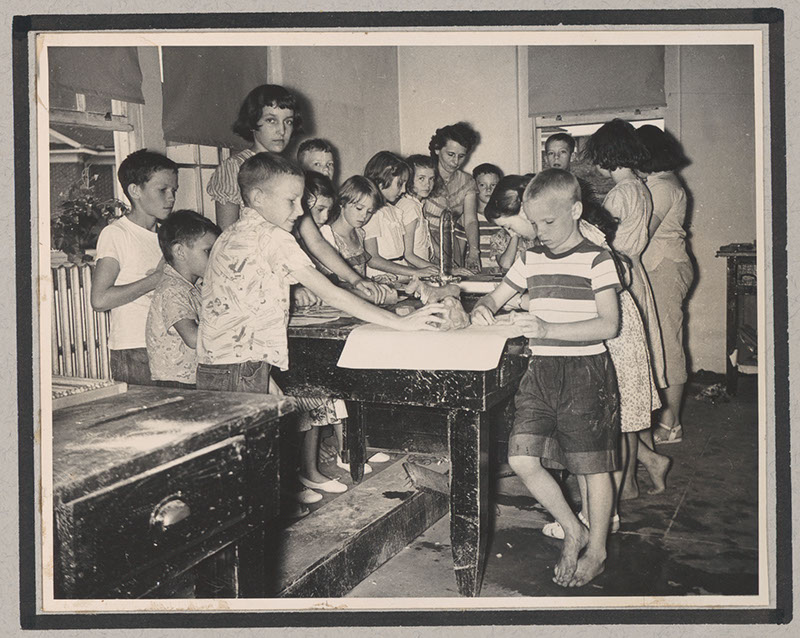
Everything else at school produced marks on paper, and this one produced a thing that existed afterwards.
The difference was fundamental rather than a matter of subject. A page of arithmetic is assessed and discarded, and an object made with your hands leaves the room with you and continues to exist in a house, which no other lesson did.
Children understood that distinction immediately. The lesson that produced something you could take home occupied a completely different place in the week from the ones that produced a mark, and it was anticipated accordingly.
Like our content? Follow us for more.
2. The Materials Determined Everything and Nobody Chose Them

Whatever the school had in the cupboard was what the class made, which meant the project was decided by the supply.
The constraint ran the subject. A teacher with a stock of one material and nothing else was going to set a project using that material, regardless of what anybody wanted to make or what would have been better.
That is why whole year groups made identical things. Everybody in a school made the same object in the same term because the cupboard contained the same thing, which looked like a curriculum and was in fact an inventory.
3. You Were Given a Model to Copy and Deviation Was Discouraged
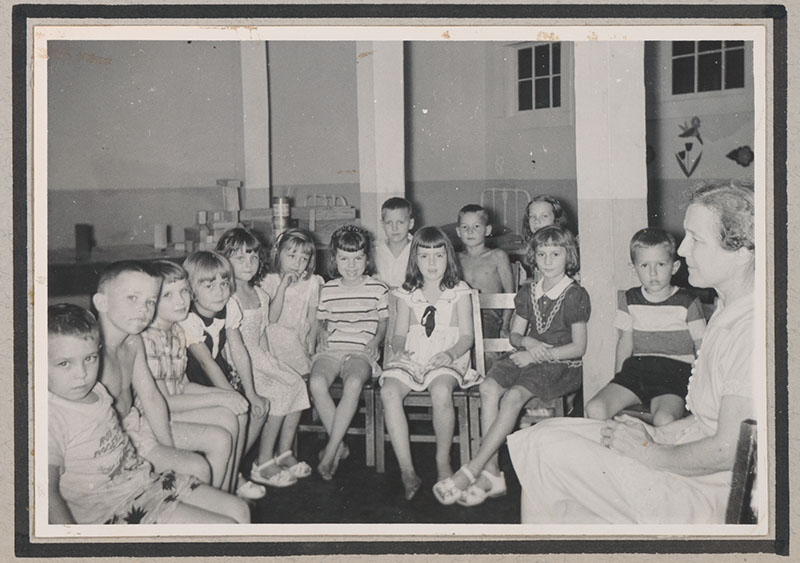
A finished example sat at the front of the room, and the task was to produce something resembling it.
The approach was practical rather than philosophical. Thirty children producing thirty versions of one object can be supervised, supplied and assessed, and thirty children producing thirty different objects cannot.
It did create an obvious tension. A lesson nominally about making things was in practice about accurate reproduction, which a proportion of children noticed and resented without having the words for the objection.
A few children worked out that the model was a target rather than a limit. A child who produced something recognisably the set object but with one element altered discovered that teachers responded to this in one of two ways and that there was no way to tell in advance which. That uncertainty was enough to stop almost everybody trying it twice.
4. Everybody’s Turned Out Visibly Different Anyway
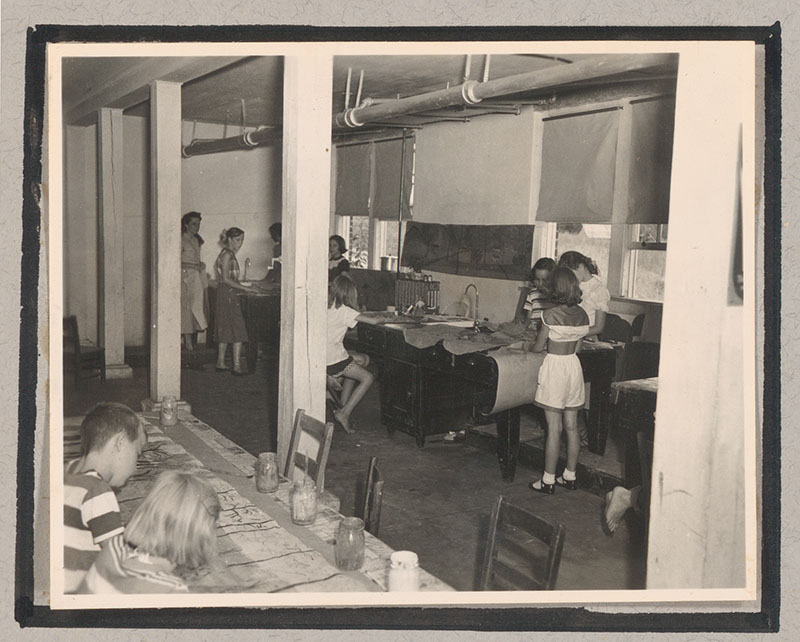
Identical materials, identical instructions and identical time produced thirty objects that were plainly not the same.
The variation was unavoidable and instructive. Handwork reveals differences in patience, dexterity and attention that written work conceals, which meant the lesson produced a public ranking nobody had intended to create.
Children compared them without being asked to. A table of thirty versions of the same object is a comparison, and the children who had produced the better ones knew it, as did the ones who had not.
5. The Good Ones Went on Display and the Rest Went Home
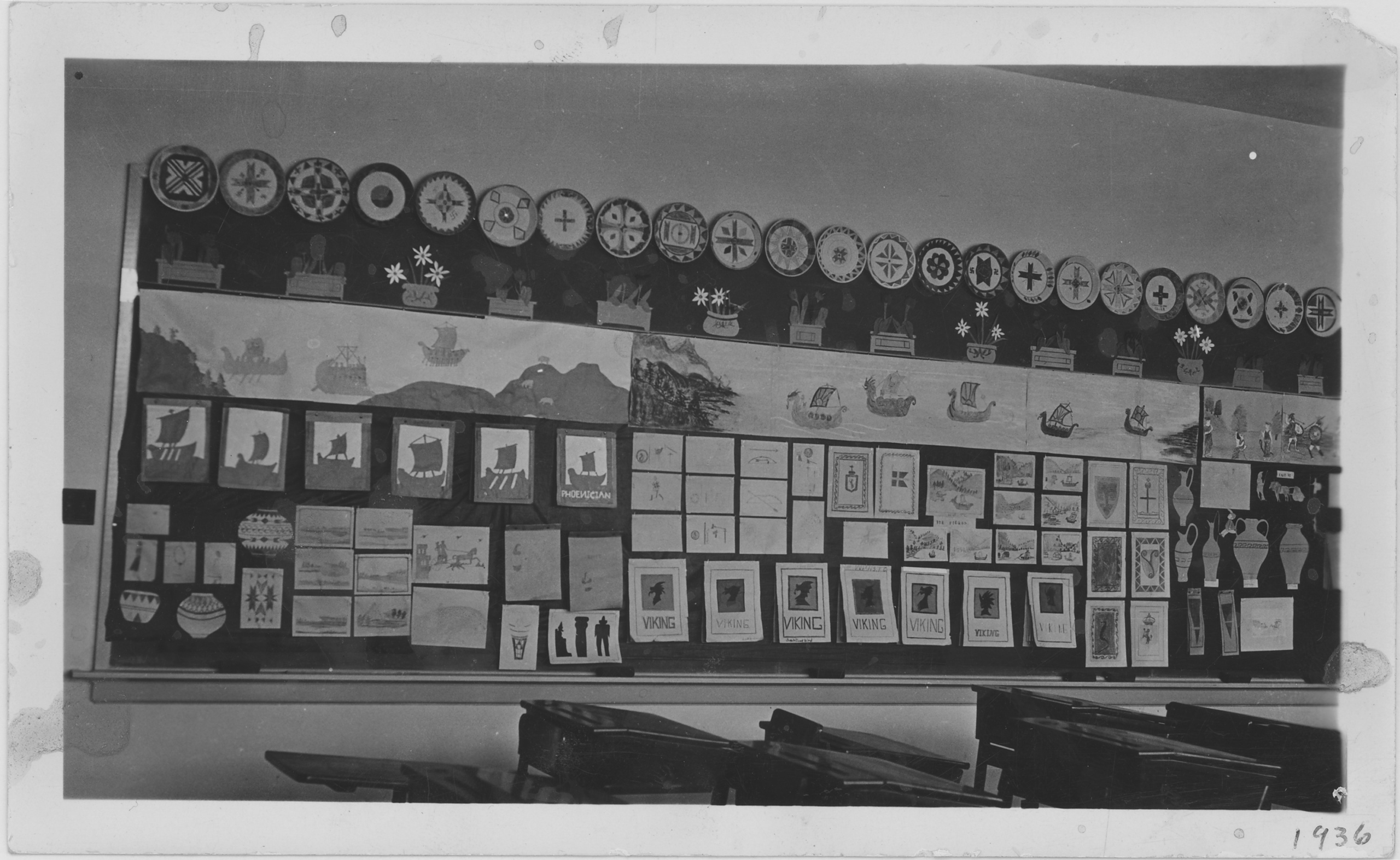
Selection happened quietly, and whose work was put up on the wall was understood by everybody as a judgement.
The display served the school rather than the children. A corridor of work demonstrated to visiting adults what the school was doing, which means the selection was made on the basis of what looked best rather than who had tried hardest.
The children not selected noticed precisely. A child whose object went straight into their bag while somebody else’s went onto the wall had received a clear piece of information, delivered without a word being said.
6. Drying, Setting or Firing Meant You Could Not Take It Home
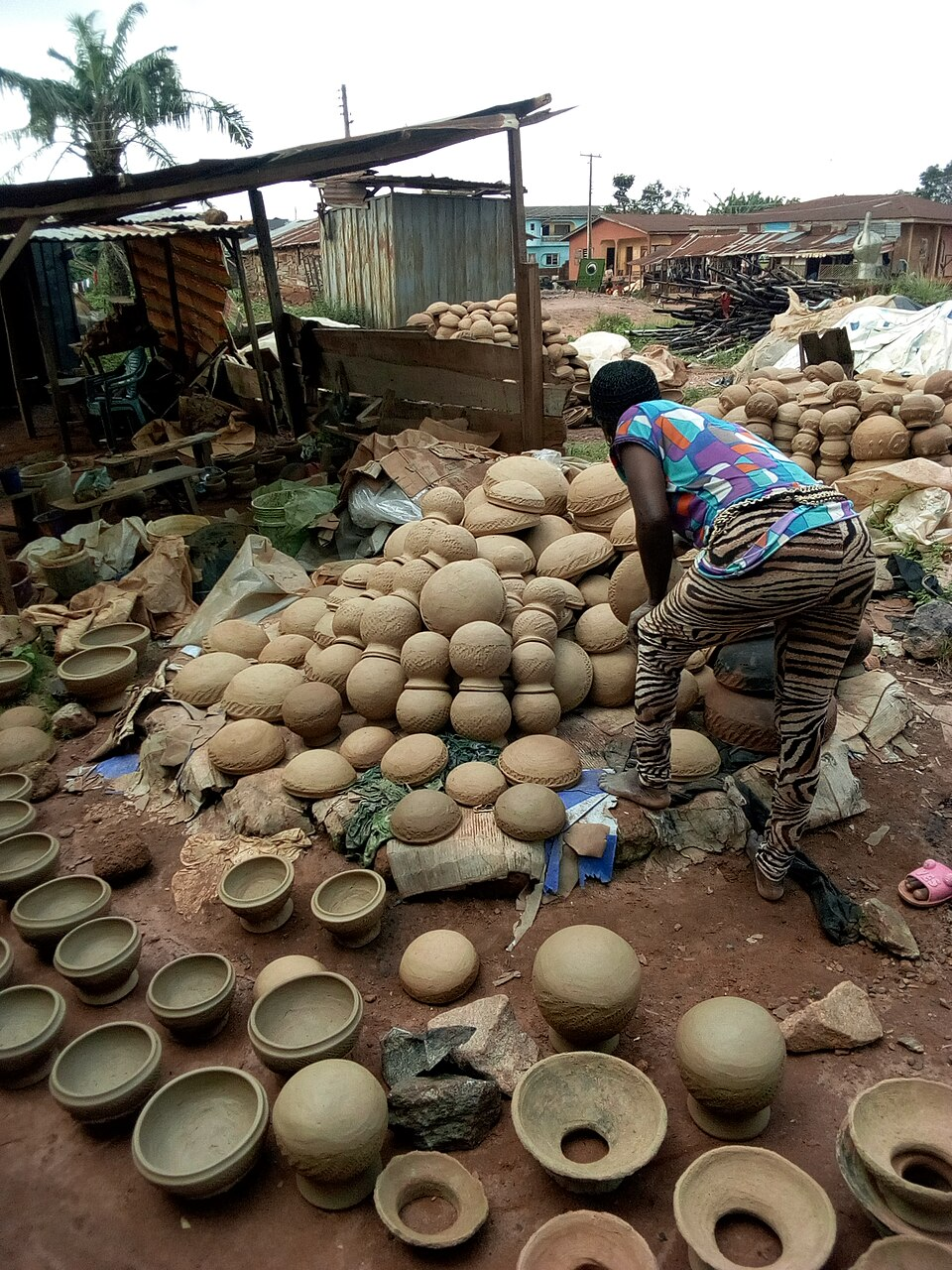
Anything made from a material that had to cure was left behind for days, and children had to wait.
The delay was a genuine source of anxiety. An object left in a classroom overnight is out of its maker’s control, and children correctly understood that things left on a shelf in a school could be knocked, moved or broken by somebody else.
A proportion of them did not survive. The object that was fine on Friday and damaged on Monday is a common memory, and nobody was ever able to establish what had happened to it.
7. The Apron or Overall Was a Humiliation in Itself
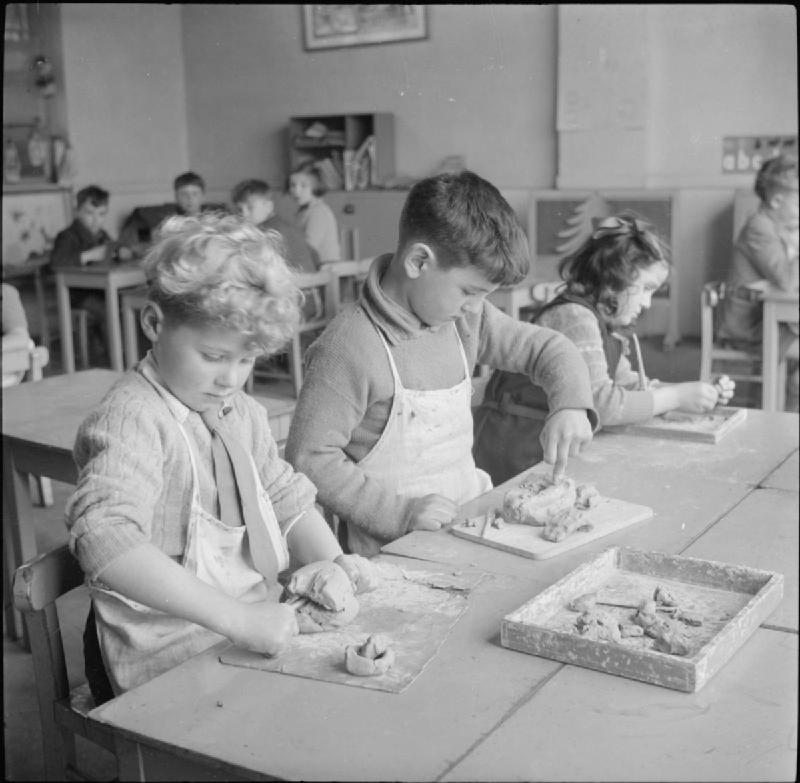
Protective clothing for the lesson was shared, ill-fitting and had been worn by everybody in the school.
The arrangement was entirely sensible from the school’s position. One set of coverings serving every class is cheap, practical and perfectly adequate, and none of those considerations addressed how it felt to put one on.
Children minded disproportionately. An item of clothing that fits nobody, smells of previous use and is worn in front of everybody is a small indignity, and it is remembered more vividly than most of the work.
The smell of it was part of the memory too. A room used for handwork by six classes a day held something of every material that had passed through it, and a child entering that room knew before anybody said anything which kind of lesson was about to happen.
8. Clearing Up Took Longer Than the Making
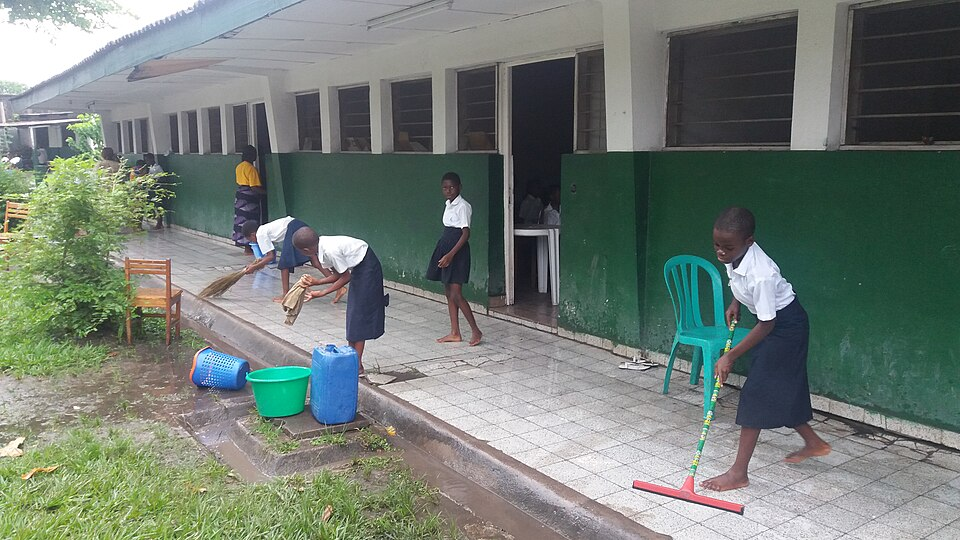
A substantial fraction of the lesson was spent washing, scraping, stacking and returning things to the cupboard.
The ratio was a consequence of the materials. Handwork generates mess that must be dealt with before another class arrives, and in a room used by six classes a day there was no slack in the timetable for anybody else to do it.
Children resented this more than the work. The discovery that the enjoyable part of the lesson was followed by an obligatory and considerably longer unpleasant part was an early lesson in something or other, delivered weekly.
9. There Was Always a Project Nobody Could Complete in Time
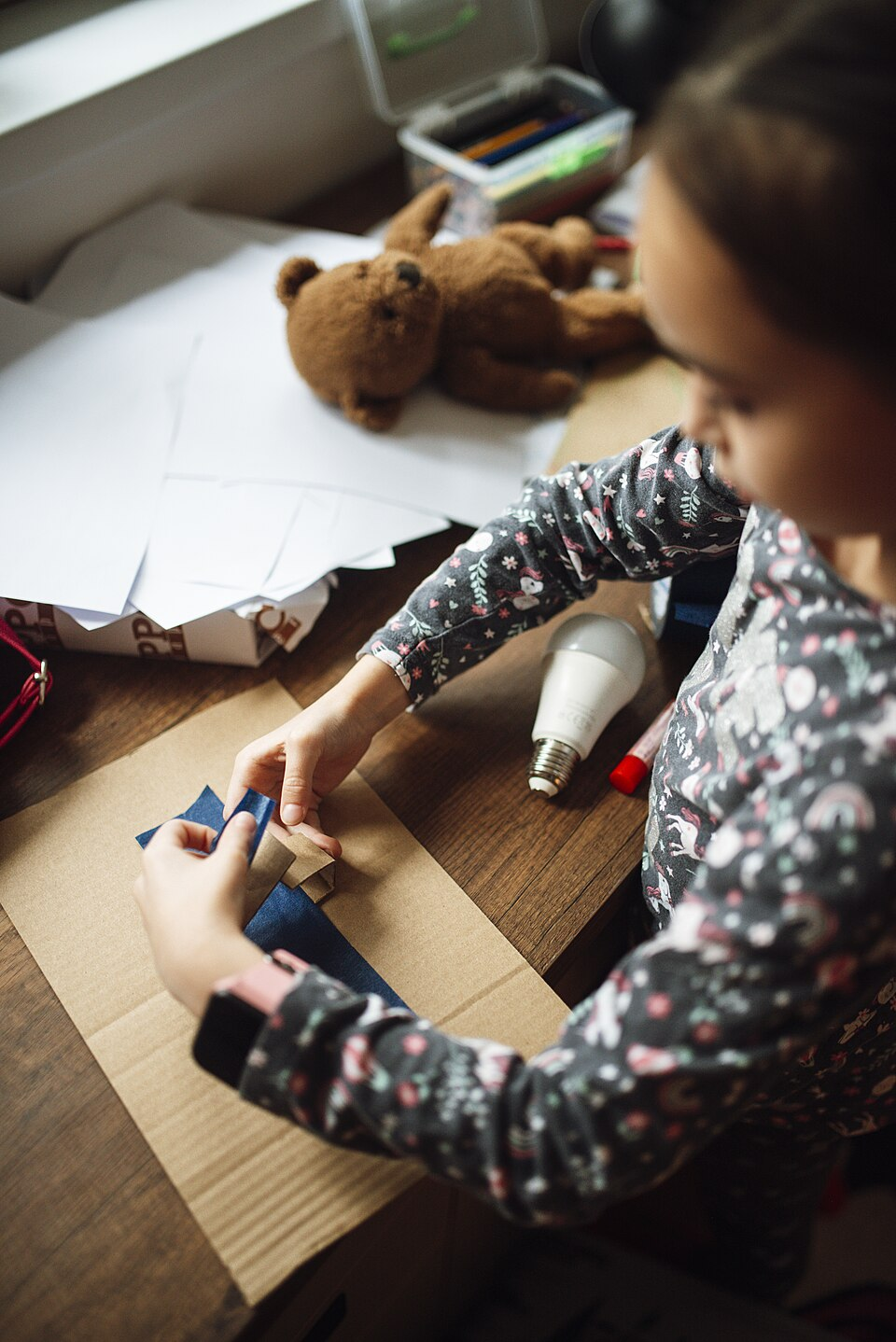
A teacher set something too ambitious for the period available, and the whole class finished it badly.
The misjudgement was structural rather than careless. A lesson of fixed length, with setting up and clearing up removed from both ends, leaves a working period that is difficult to estimate and easy to overrun.
Everybody’s version came home unfinished. A class of thirty objects that are all plainly incomplete is a distinctive sort of outcome, and almost every household received at least one over the course of a school career.
10. What Happened to It at Home Was Not Always What You Wanted
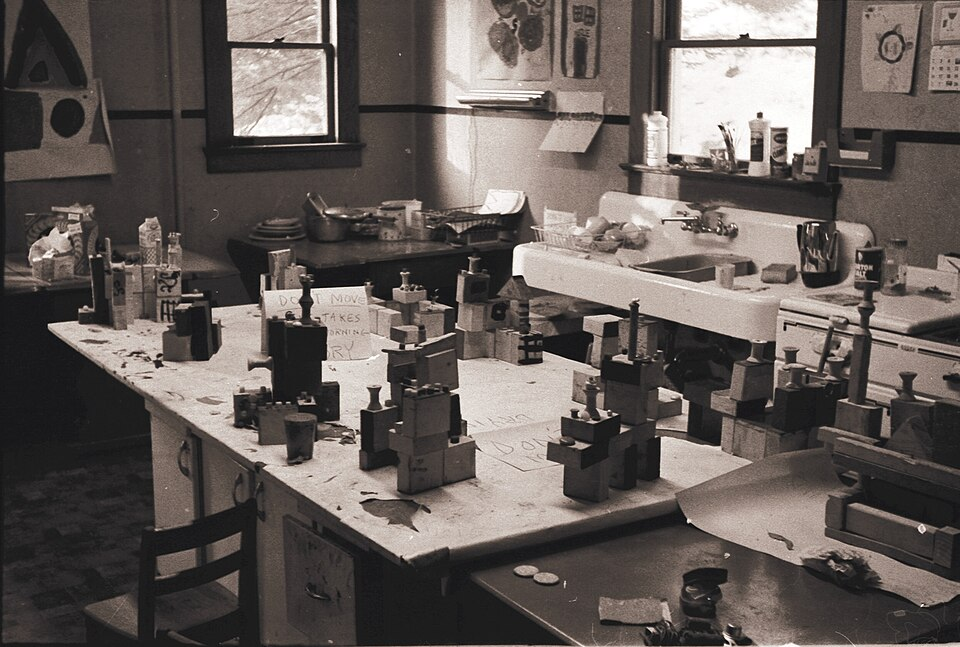
An object brought home was received, admired, and then put somewhere the child had not anticipated.
The mismatch was about function. A child had made something they regarded as finished and significant, and an adult had received an item that needed a place in a house with no obvious place for it.
The outcomes varied enormously. Some objects were used for twenty years, some were put on a shelf and some went into a drawer within the week, and children remember exactly which happened to theirs.
11. The Thing Everybody Made for a Parent Was a Fixed Annual Event
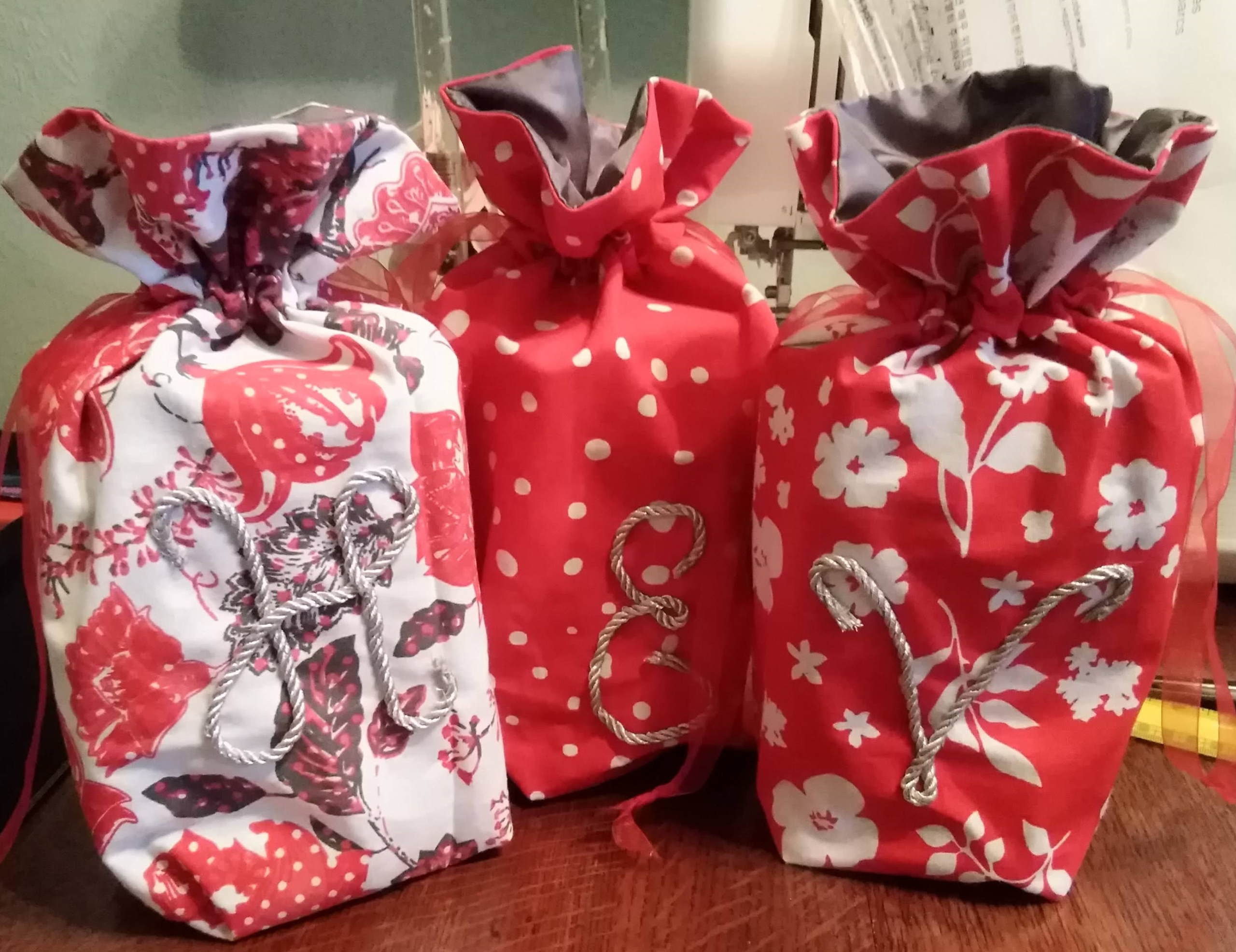
At a particular point in the year every class produced an object intended as a gift, and nobody was given a choice about it.
The arrangement was efficient and slightly odd. A school producing thirty identical gifts for thirty households has solved a logistical problem, and has also arranged for every adult in the catchment to receive the same object on the same day.
The recipients played along perfectly. An adult who knew the object was coming, knew what it would be and knew every other household was getting one still received it as a surprise, which is a small and widespread act of kindness.
What the household did with it was also a permanent verdict a child could not appeal. An object placed on a shelf in a front room had been accepted; the same object put in a cupboard had been received politely, and the difference between those two outcomes was obvious to the maker within about a week.
12. Somebody Was Genuinely Good at It and Nobody Noticed Properly
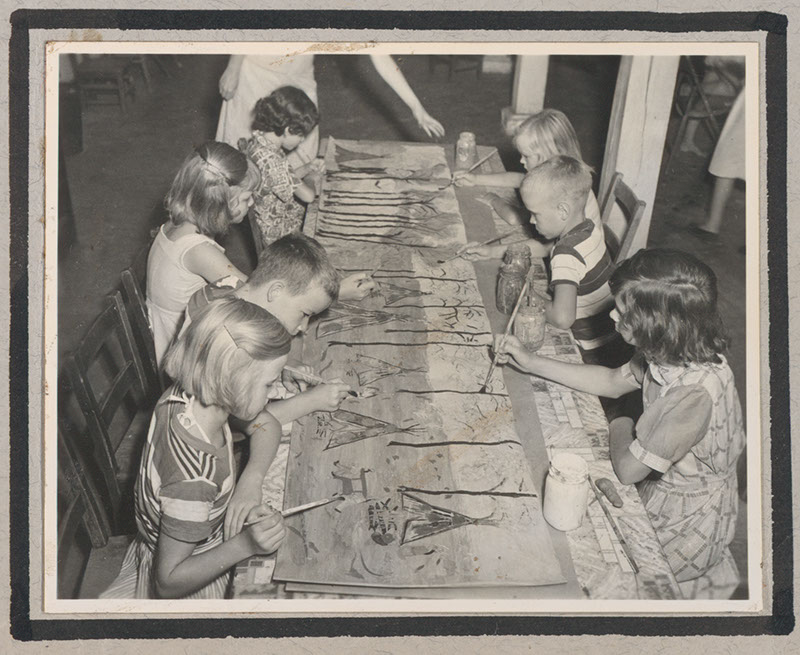
Each class contained a child with real ability whose talent had no route anywhere within the school.
The absence of a route was the issue. A school of that period had marks for arithmetic and reading, a comparison for sport and almost no mechanism at all for recognising skill with hands and materials.
Those children usually found out much later. A person who discovered in adulthood that they could make things had frequently demonstrated it at nine and had it noted as neatness rather than as anything more.
13. The Lesson Was the First Thing to Be Cancelled
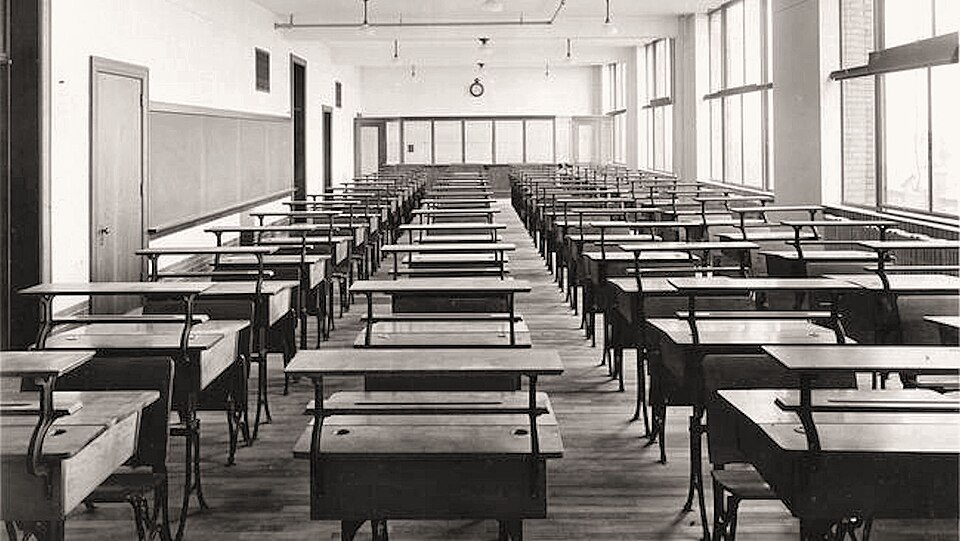
When anything else needed the time, the making lesson was what gave way.
The priority was clear to everybody involved. A subject with no examination, no marks and no consequences is the obvious candidate when a timetable has to absorb something else, and it was treated accordingly.
Children drew the correct conclusion. A lesson that is cancelled whenever anything happens is a lesson the institution does not value, and nobody needed that explained to them.
14. You Could Tell Exactly How Old a House’s Occupants Were by What Was On the Shelf
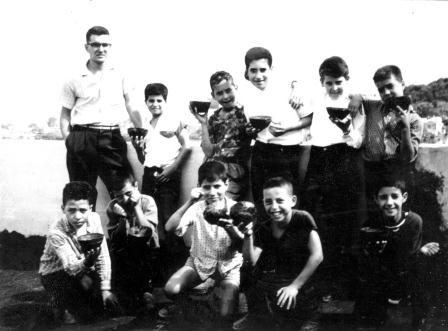
The objects accumulated in households and remained there for decades, dated precisely by the material and the design.
The persistence was a function of who received them. An item made by a child and given to an adult is almost never thrown away by that adult, which means these objects survived at a rate out of all proportion to their quality.
They are still being found now. Clearing a house frequently turns up several of them, made in different years by different children, all instantly identifiable as the product of the same lesson in the same kind of room.
The cancellations were also never made up. A lesson lost to a rehearsal, an assembly, a visitor or a wet-weather arrangement did not reappear in a later week, which meant a term could lose three or four of them without anybody recording that it had happened.
15. Then the Making Lesson Stopped Being a Separate Thing
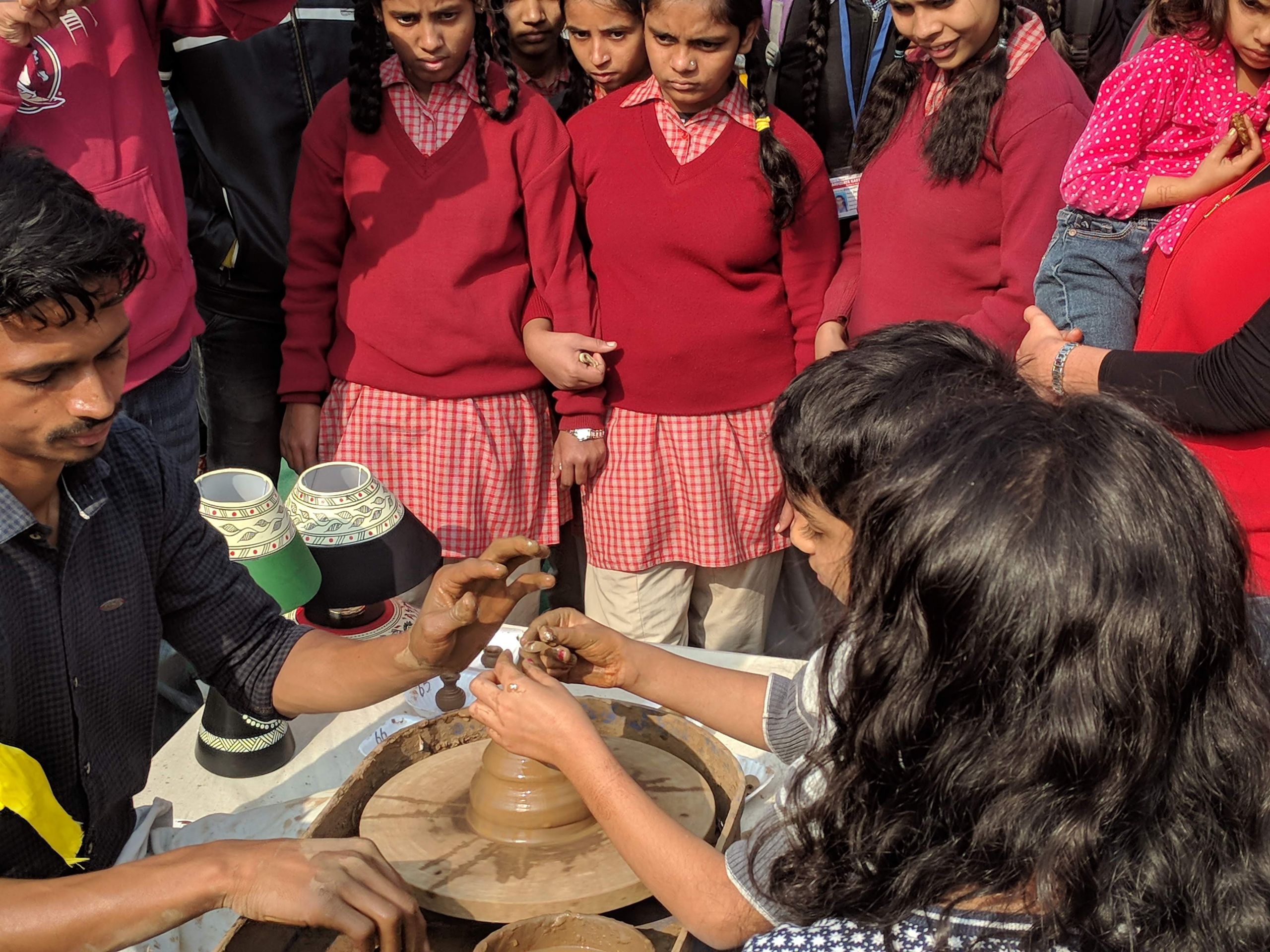
Changed timetables, different materials, far better equipment and a complete rethinking of what the subject is for removed the old version entirely.
Most of that change is plainly good. Children now have better materials, more choice about what they make and far more scope than a cupboard with one thing in it allowed, and nothing above is an argument for the old arrangement.
What went with it is one object a week that existed. Thirty children in borrowed aprons making the same thing out of whatever the cupboard held, comparing them on a table afterwards, clearing up for longer than they had worked, and carrying home something that an adult would keep for forty years and somebody would find in a cupboard long after everybody had forgotten who made it.
What the Cupboard Decided
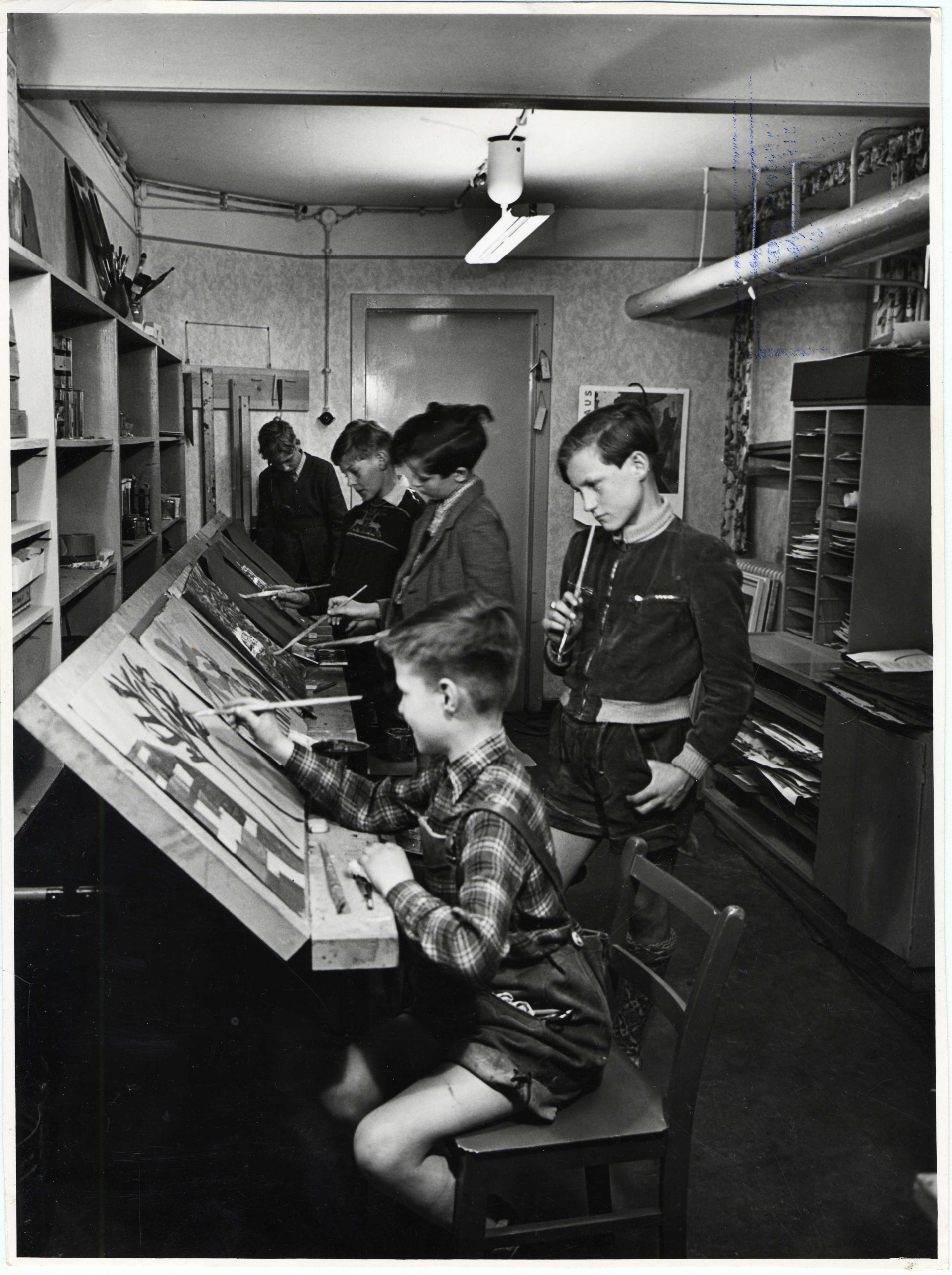
Read in order, the fifteen descend from one unglamorous fact: the supply ran the subject. A teacher with a stock of one material was going to set a project in that material, which is why whole schools produced the same object and why it looked like a curriculum when it was in fact an inventory. A model at the front and thirty attempts to reproduce it followed from the same logic, because thirty identical tasks can be supplied and supervised and thirty different ones cannot.
What the lesson actually produced, unintentionally, was a public ranking. Identical materials and identical instructions still gave thirty visibly different objects, because handwork reveals differences in patience and dexterity that written work hides. Then a selection was made for the corridor wall on the basis of what looked best, and every child whose object went straight into their bag received a clear piece of information without a word being said.
Two things about it were genuinely unfair. The lesson was the first thing cancelled whenever the timetable needed room, which told children exactly how much the institution valued it. And a child with real ability had almost nowhere for it to go, because a school of that period had marks for arithmetic and reading, a comparison for sport, and no mechanism at all for noticing skill with hands and materials.
Most of what changed is plainly good. Children now have better materials, far more choice about what they make and much more scope than a cupboard with one thing in it allowed. Nothing above is an argument for the older arrangement.
What went with it is one object a week that physically existed: thirty children in borrowed aprons making the same thing out of whatever was available, comparing them on a table afterwards, clearing up for longer than they had worked, and carrying home something an adult would keep for forty years and somebody would find in a cupboard long after everybody had forgotten who made it.
Like our content? Follow us for more.