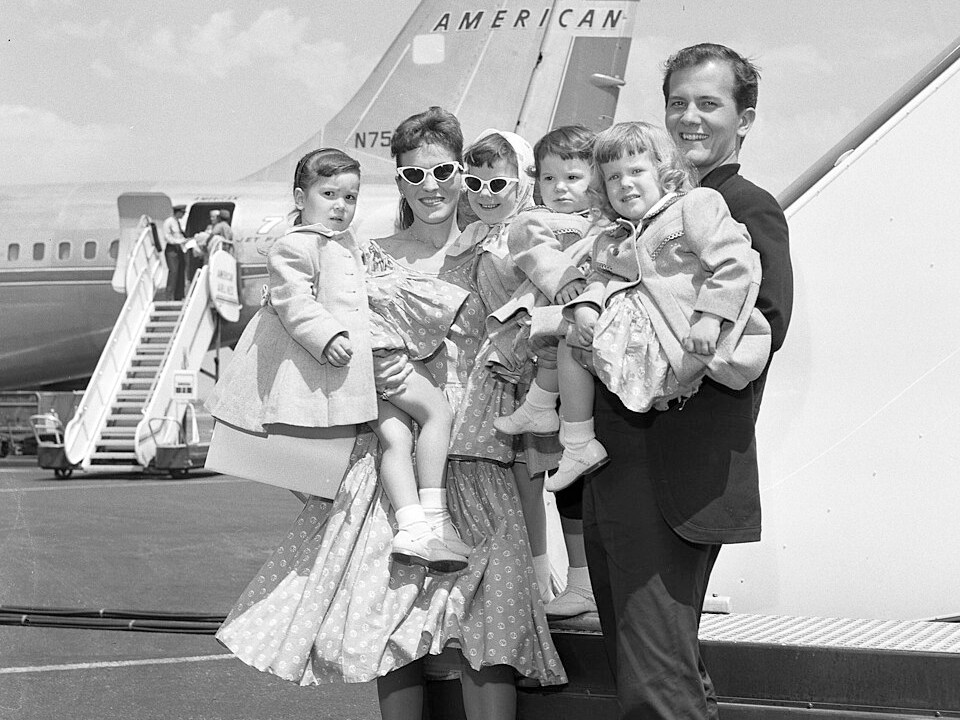
You walked the whole way to the aircraft with them, stood at a window or a rail and watched the thing leave, and then everybody went back to the car. In 1968 seeing somebody off was a complete family outing that lasted most of an afternoon, and almost nothing about it had anything to do with the person who was actually travelling.
Everybody Went and Nobody Questioned It
A single passenger was accompanied by a group – parents, children, sometimes grandparents – and the size of the party was understood as a measure of the occasion.
The turnout was the message. A person travelling alone has been given a send-off proportionate to how much their absence matters, and a household that produced seven people at a gate had said something that nobody needed to put into words.
Like our content? Follow us for more.
The Building Was Open and You Could Go Almost Anywhere
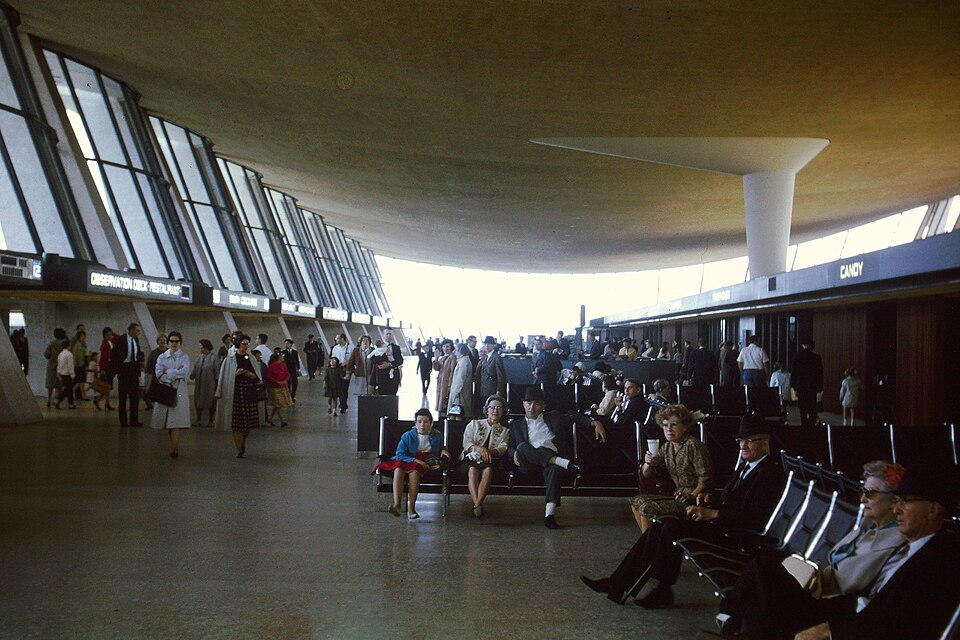
There was no separation between people travelling and people not travelling, which meant the whole party went through the building together.
That single fact produced the entire practice. A building anybody could walk into, right up to the aircraft, makes a farewell a shared physical event rather than a handover at a line on the floor.
The Observation Deck Was a Genuine Destination
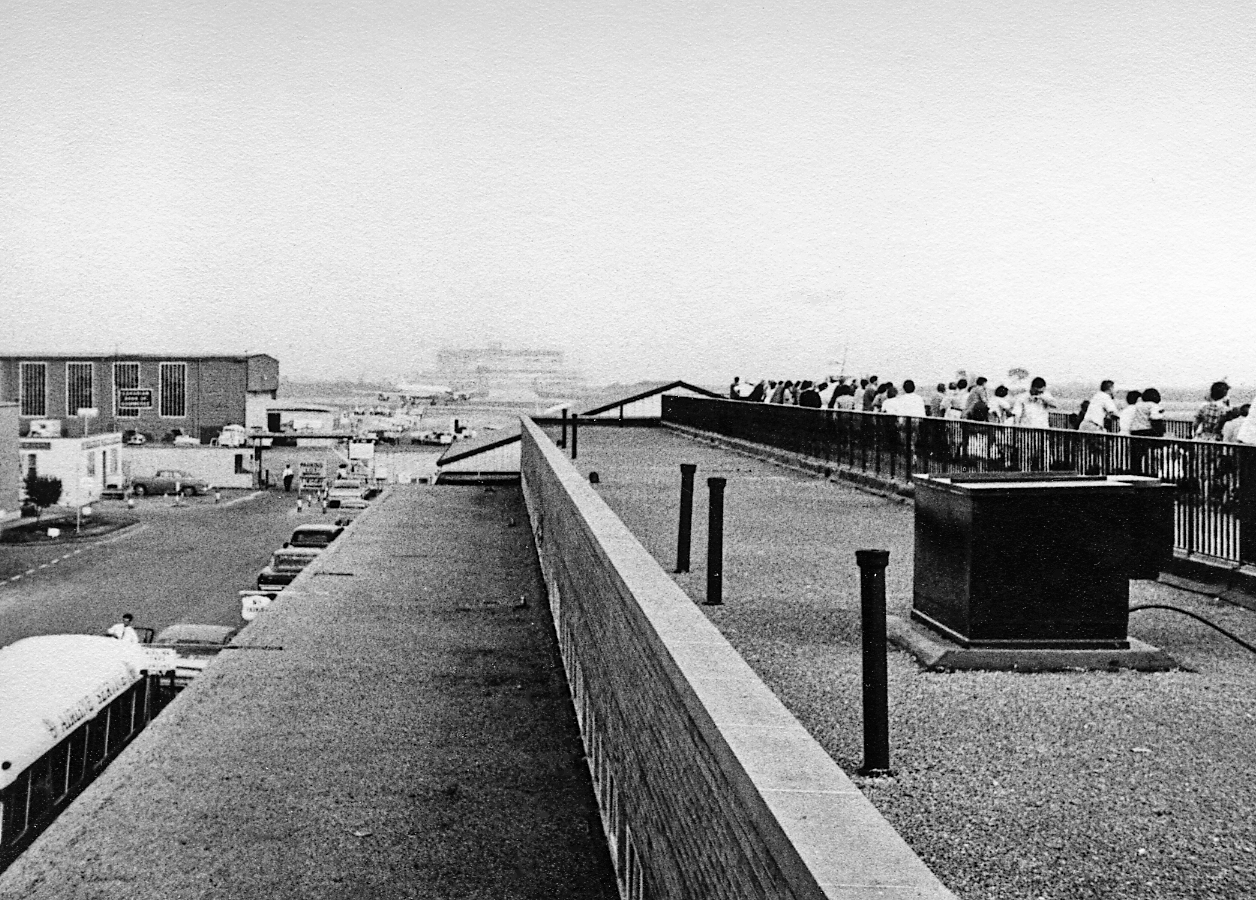
Roofs and terraces existed specifically so that people could stand outside and watch, and they were used by crowds who were not travelling at all.
The provision tells you what flying meant. Somebody had built a viewing platform because watching aircraft was an attraction in its own right, and families went on afternoons when nobody in the party was going anywhere.
Watching the Aircraft Leave Was the Point of the Whole Afternoon
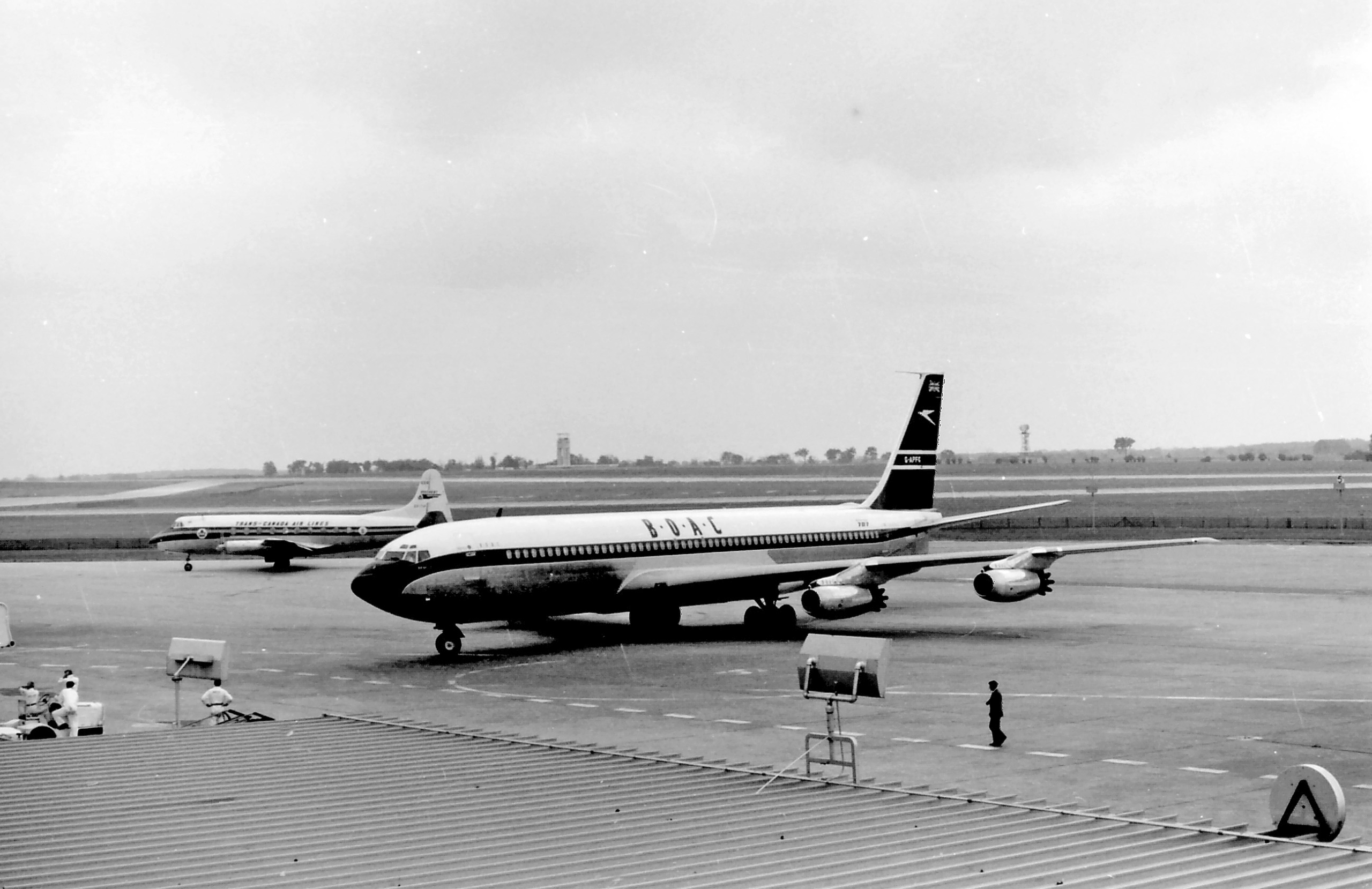
The party stayed until it had taxied, turned, taken off and disappeared, which could take a considerable time.
The duration is what distinguishes this from any modern departure. A farewell that ends when somebody walks through a door takes four seconds; one that ends when an aircraft is out of sight takes half an hour, and the whole group experienced it together.
Dressing for It Was Expected
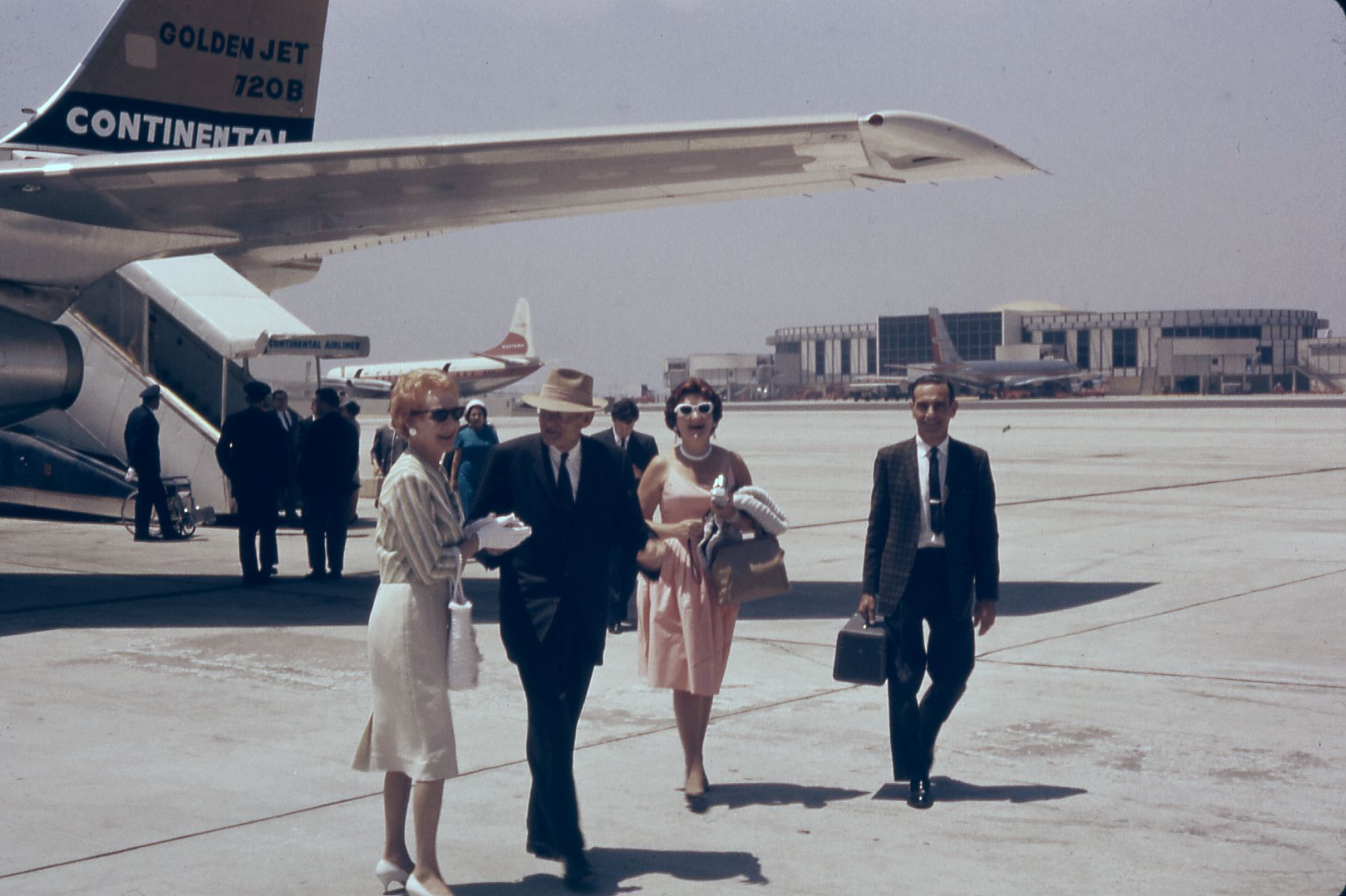
The travelling passenger dressed formally and so, frequently, did the people seeing them off.
The formality was about the occasion rather than the comfort. Flying was uncommon enough to be an event, and an event in 1968 required certain clothes, which meant a group of people standing on a roof in their good coats to watch an aeroplane.
The Photograph Was Taken at the Steps
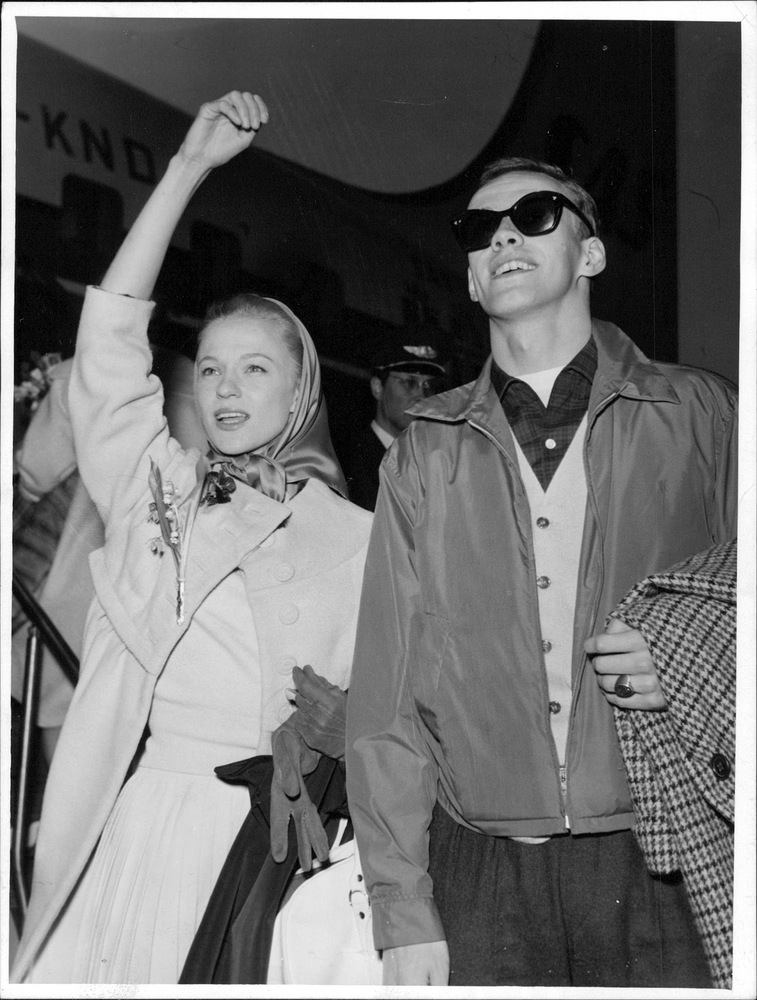
A picture of the traveller at the bottom or top of the stairs, turning to wave, is the single most standardised image of the period.
The composition is identical across thousands of households because the situation was identical. The steps were the last point at which the person was both visible and reachable, and everybody with a camera took the same picture at the same moment.
The Journey There Was Part of the Occasion
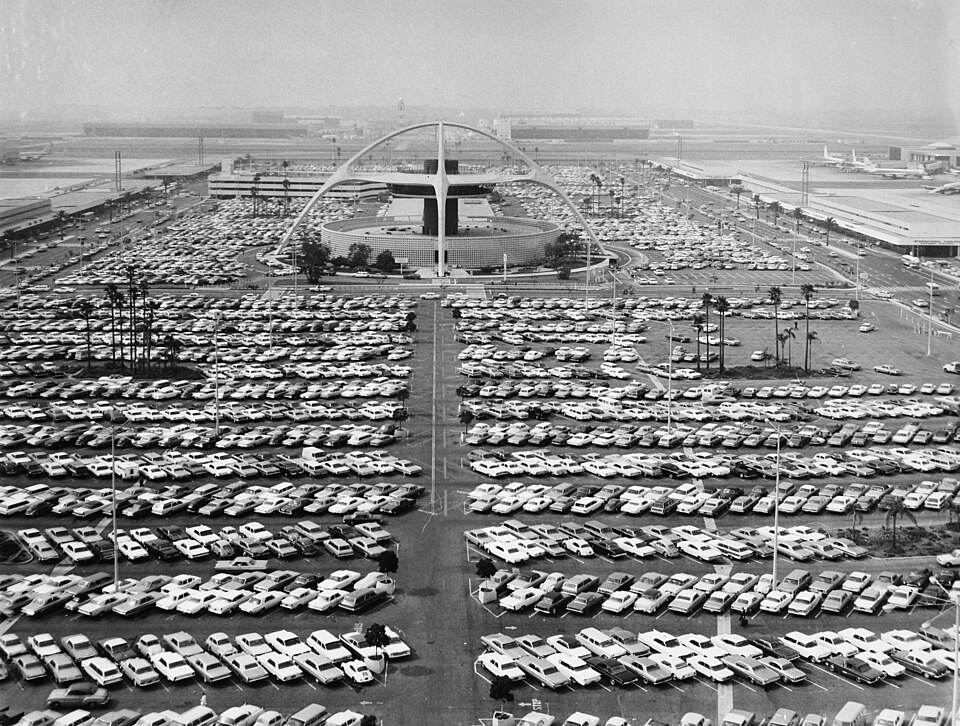
Getting the whole party to the airport required cars, arrangements and frequently a considerable drive, which meant the afternoon started well before anybody arrived.
Terminals were built away from the places people lived, so a send-off began with a convoy. Two cars, a route somebody had worked out in advance and a departure time calculated backwards from a published timetable that could not be relied on, all of it for a goodbye that would last about four minutes at the far end.
The logistics are the clearest sign of how the event was rated. A household prepared to move seven people across a county and back, on a weekday, had decided that watching one person leave was worth the whole of everybody’s day.
Flying Was Rare Enough to Be Remembered Individually
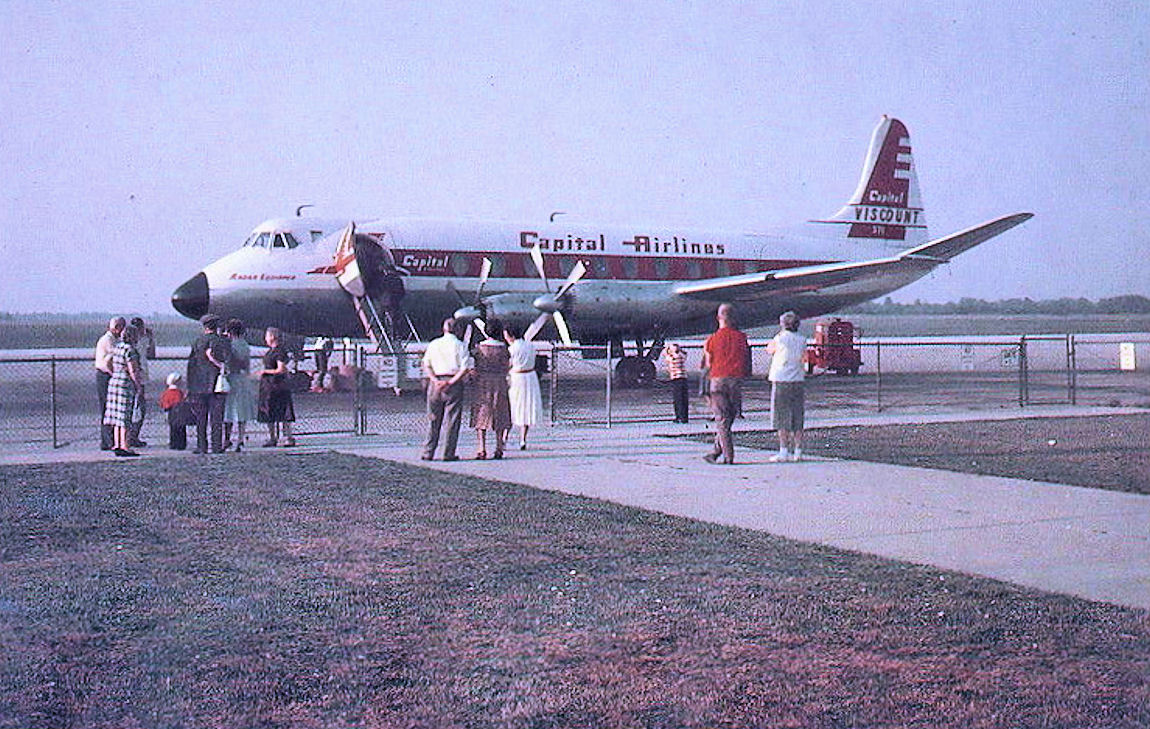
A household might produce one air traveller in several years, and the event was discussed before and afterwards at length.
The scarcity explains the scale of the farewell. A journey nobody in the family had made before, undertaken by somebody they would not see for months, is not an errand, and the afternoon reflected that accurately.
The Separation Was Genuinely Long
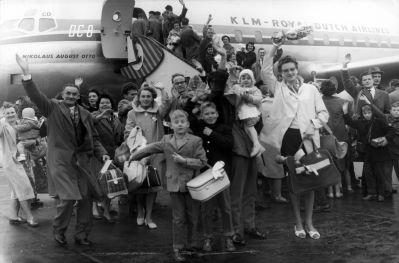
People left for jobs, service, study or emigration, and the absence was measured in months or years rather than days.
That is the fact that makes the whole practice make sense. Modern farewells are short because the absences are short, and a group standing on a terrace in 1968 was watching somebody go away for a length of time that justified the afternoon.
Contact Afterwards Was Slow and Expensive
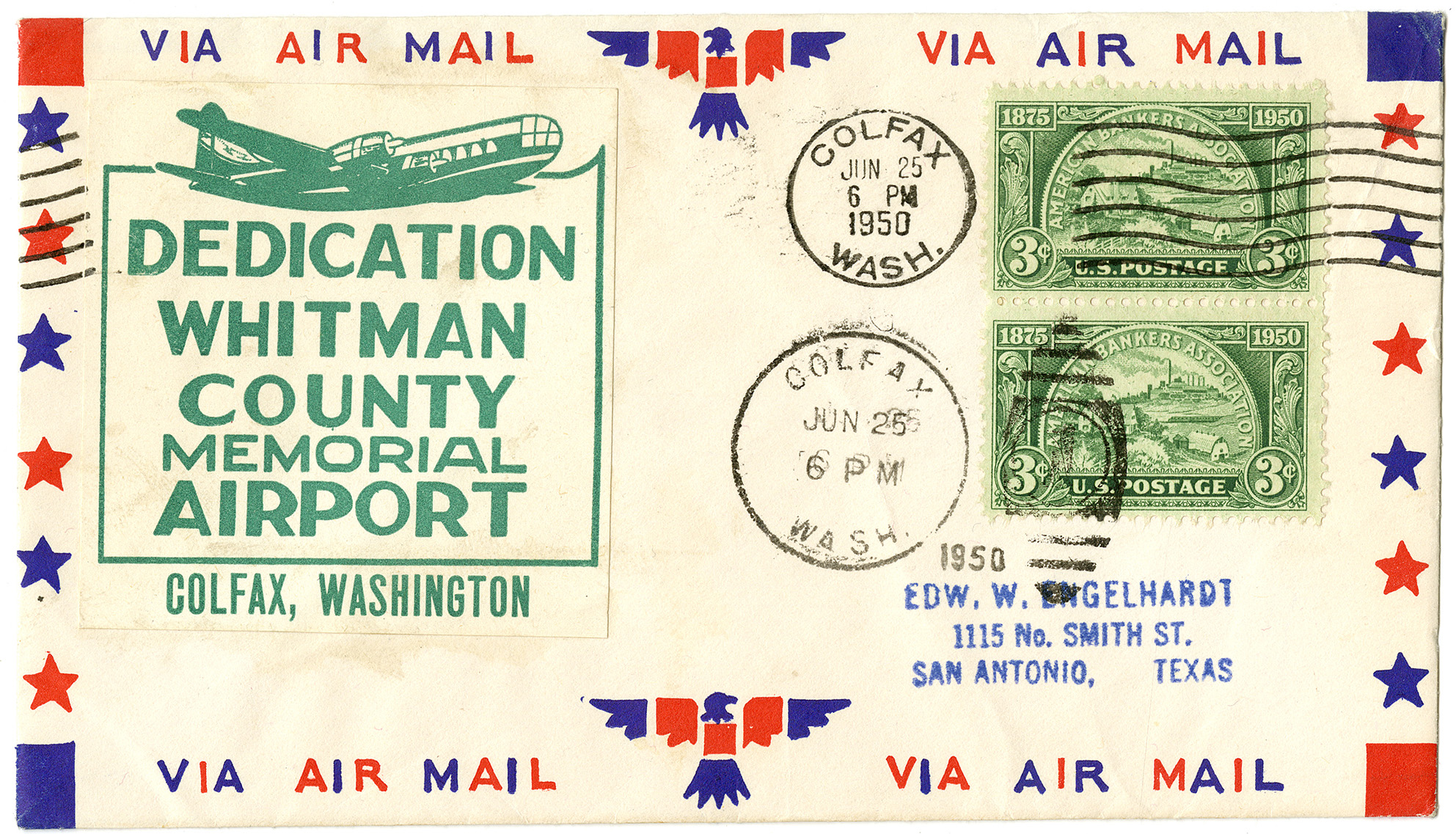
Letters took weeks, calls cost a great deal and were arranged in advance, and the next real exchange might be a month away.
Which gave the departure a finality nothing now has. A person watching an aircraft leave knew that they would hear almost nothing for a considerable period, and the last visual sight of somebody carried a weight that is difficult to reconstruct.
Children Were Brought Specifically to Remember It
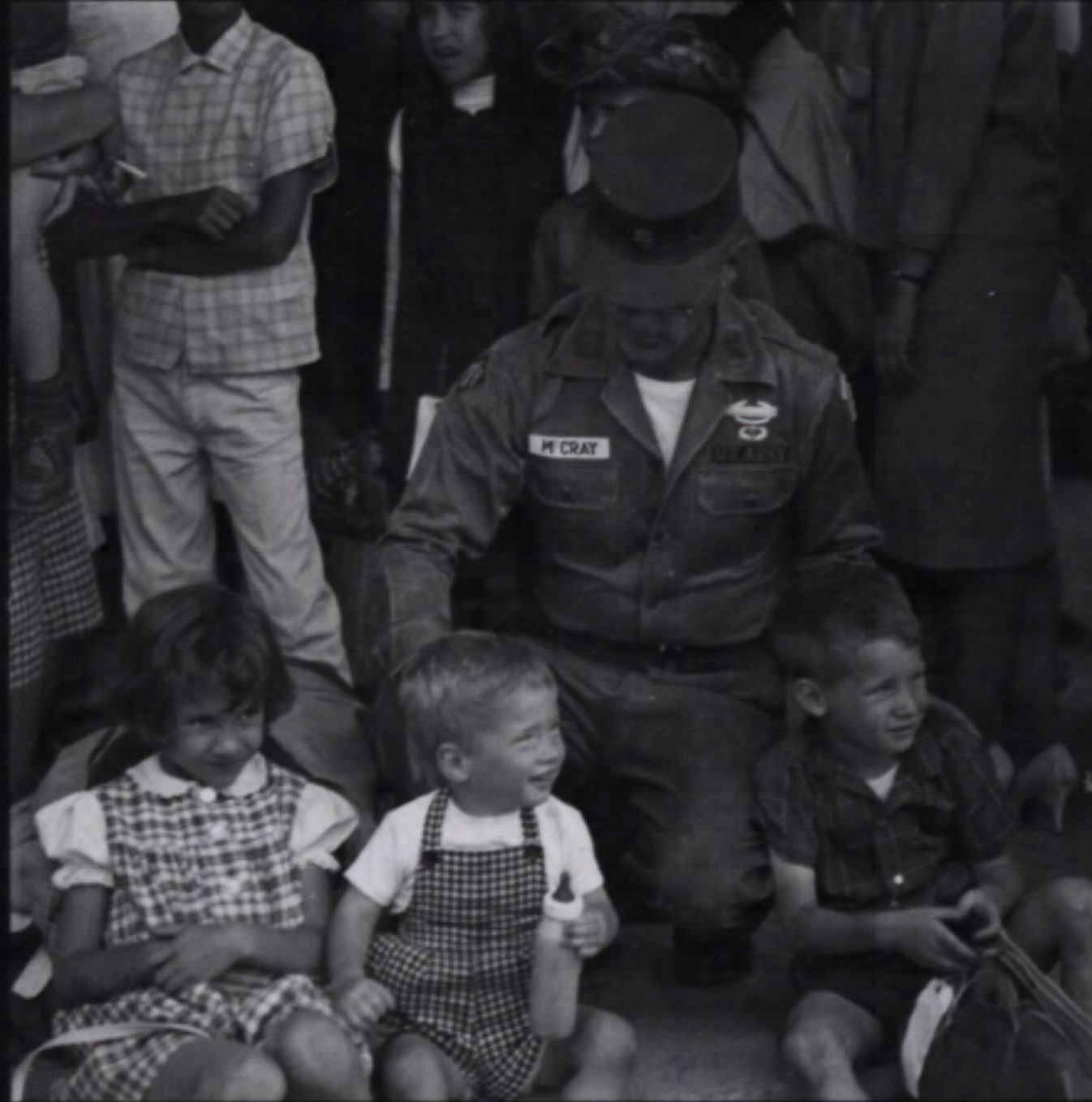
Small children were taken along, held up to windows and told to wave, with no expectation that they would understand any of it.
The purpose was the record rather than the moment. A household taking a four-year-old to an airport was manufacturing a memory on purpose, and a surprising number of people retain a single fragment of exactly such an afternoon.
The Aircraft Were Loud Enough to Be Part of the Memory
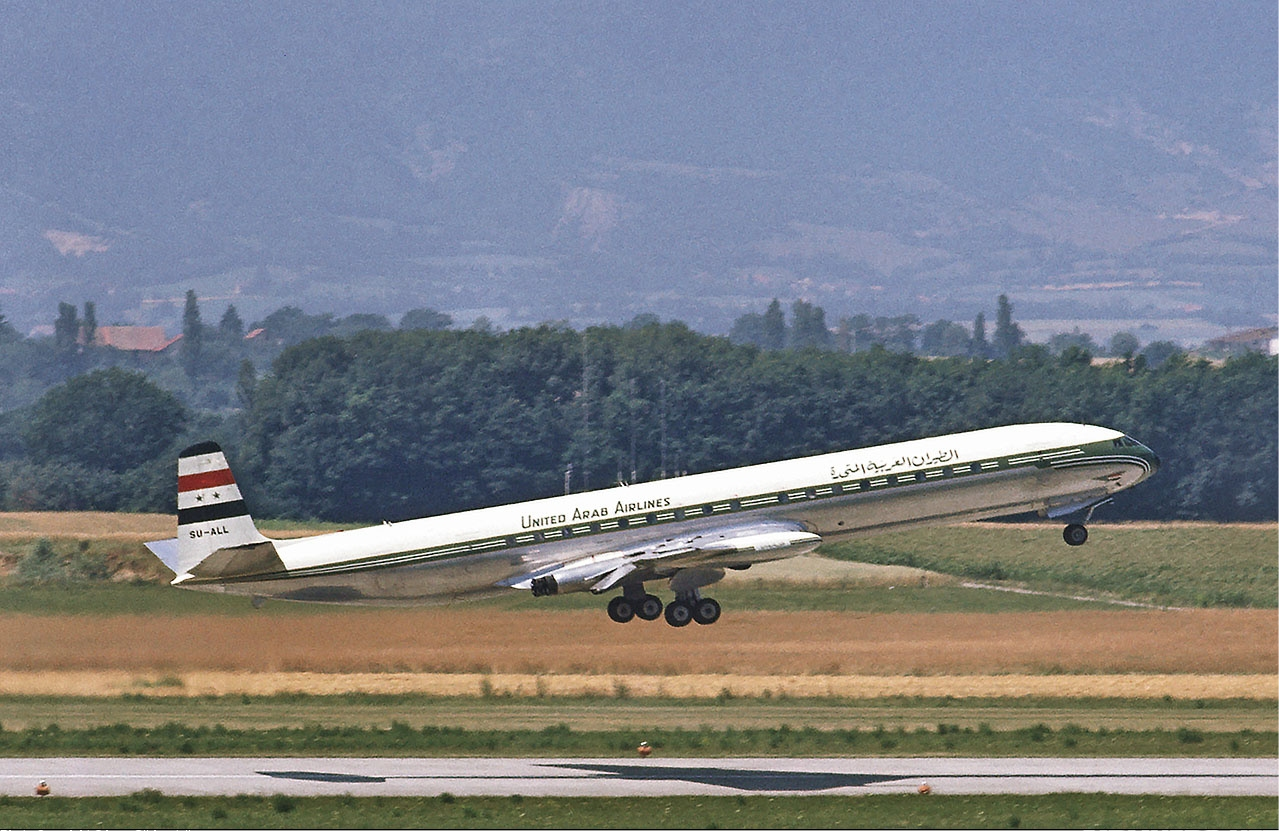
Engines of the period were considerably louder than anything now, and standing outside while one took off was a physical experience.
The noise is reported in every account. A farewell conducted in the open, within a few hundred feet of an engine at full power, is not a quiet emotional scene, and the sound is frequently the detail people mention first.
The Timetable Was Published and Unreliable
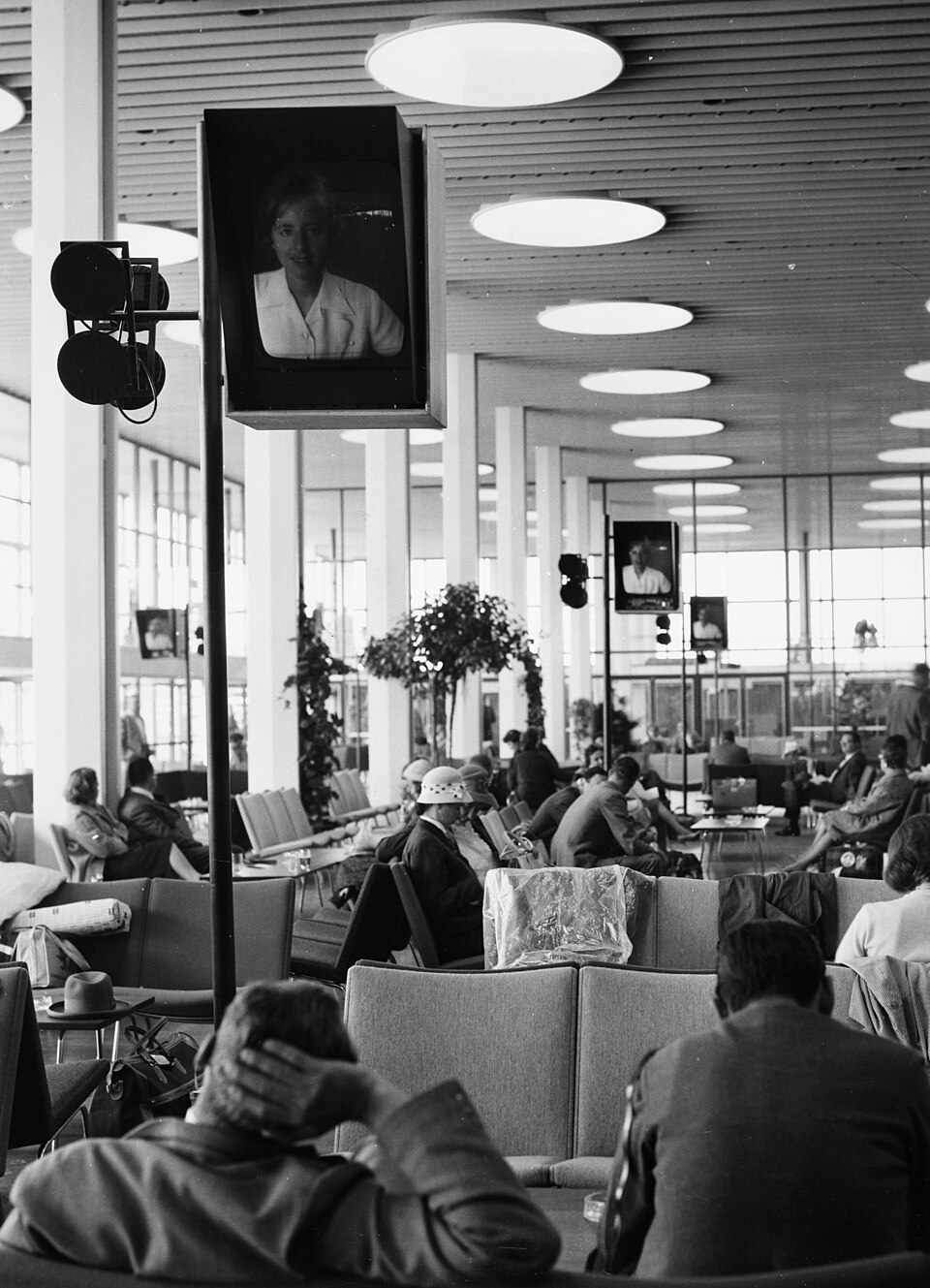
Departures were listed, were frequently late, and a party of eight had nothing to do but wait in a building with very little in it.
The waiting is the part people forget. Hours were spent in a terminal with a tea counter and a departures board, by a group who had all arrived together and could not reasonably leave before the aircraft did.
Somebody Always Stayed at the Rail Longest
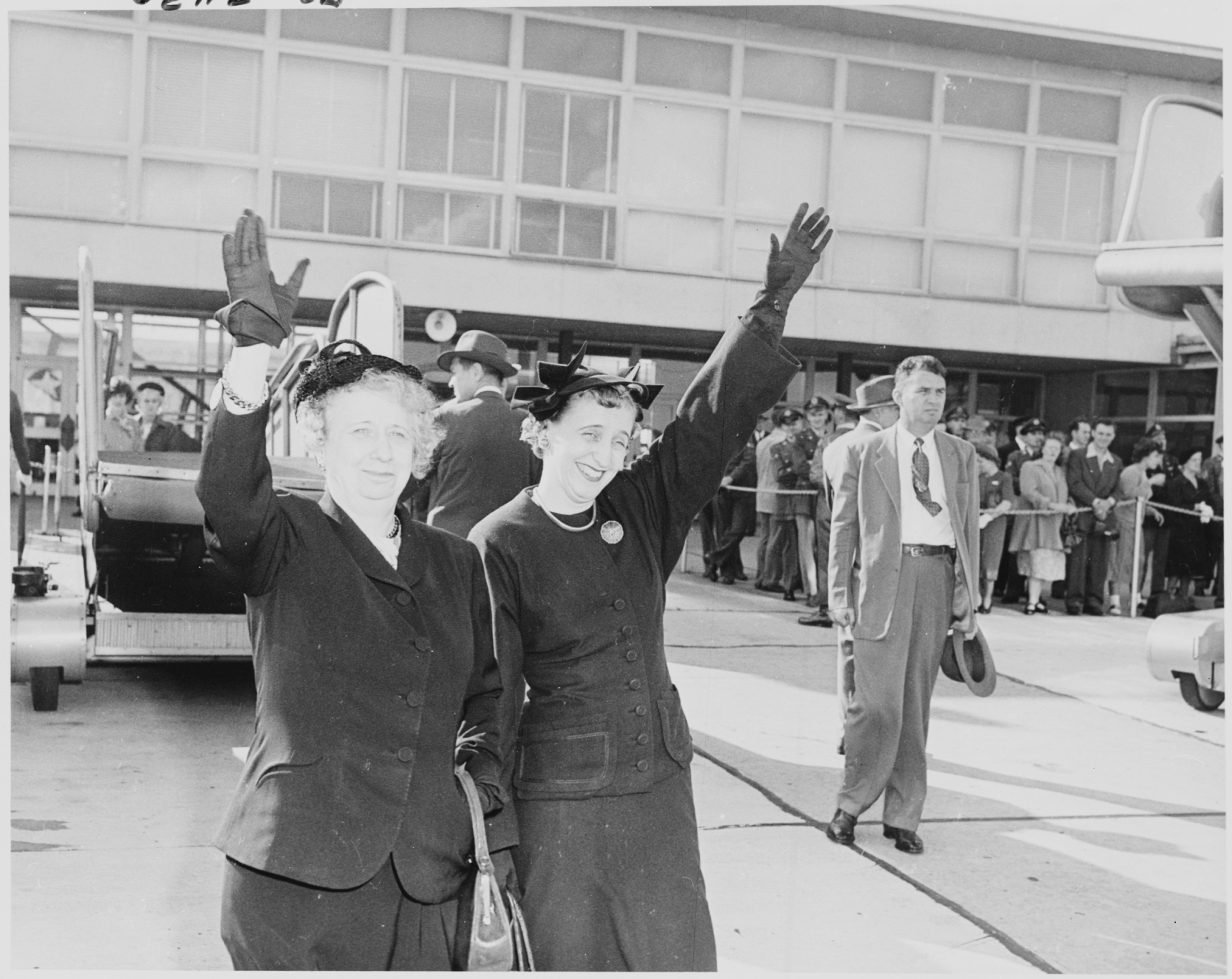
One member of the party remained watching after everybody else had turned to go, and it was never the person anybody would have predicted.
The straggler is reported in a remarkable number of accounts, and it was frequently not a parent. A sibling, a grandparent or a child stood at the window after the aircraft was already indistinguishable, and the rest of the group waited at a distance without saying anything about it.
That pause is where the afternoon actually ended. Everything before it had been arranged, scheduled and shared, and the last thirty seconds belonged to one person who had not expected to need them.
The Return Journey Was the Quietest Part
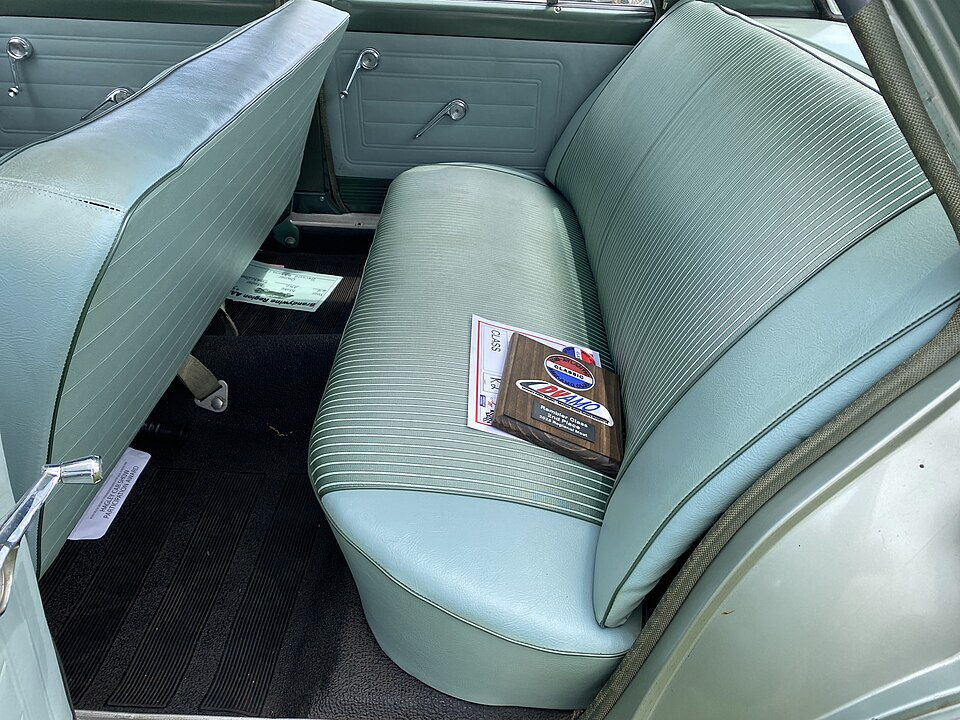
A car containing the people who had come to see somebody off, going home without them, is a specific and universally reported silence.
That drive is where the whole afternoon landed. The event had been social, crowded and loud, and the twenty minutes afterwards were none of those things, which is why so many accounts of these farewells end at the car park rather than at the aircraft.
Arrivals Were Treated the Same Way in Reverse
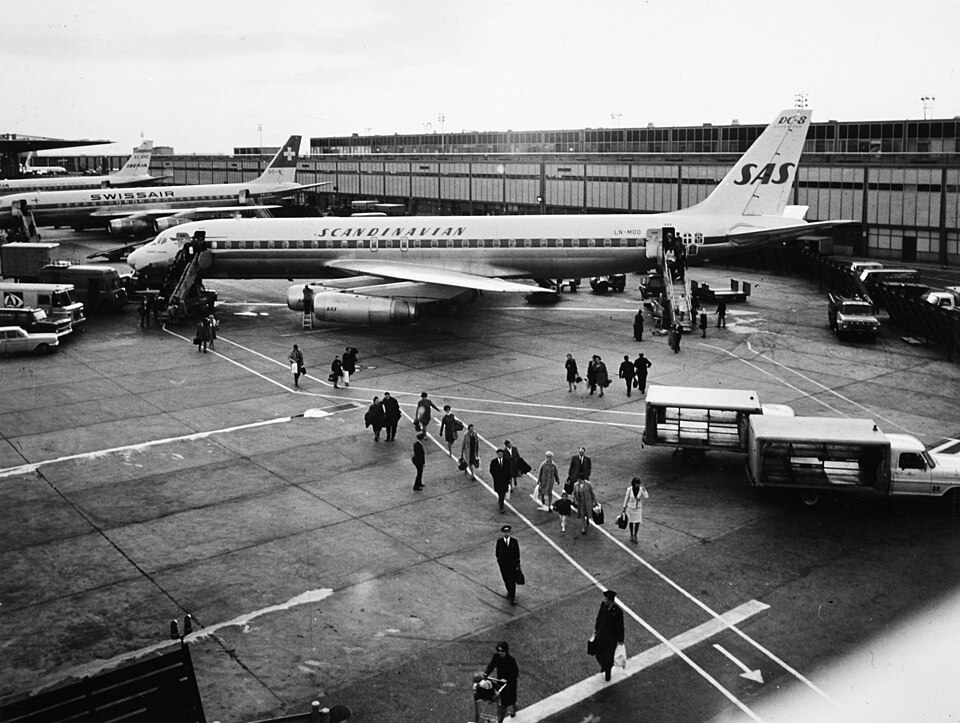
The same party came back, stood in the same place and watched the aircraft land, and the whole operation ran backwards.
The symmetry is complete and was taken for granted. Meeting somebody involved exactly the same turnout, the same building, the same wait and the same photograph, and the arrivals version is remembered as considerably more enjoyable for obvious reasons.
Nobody Was Checked and Nothing Was Searched
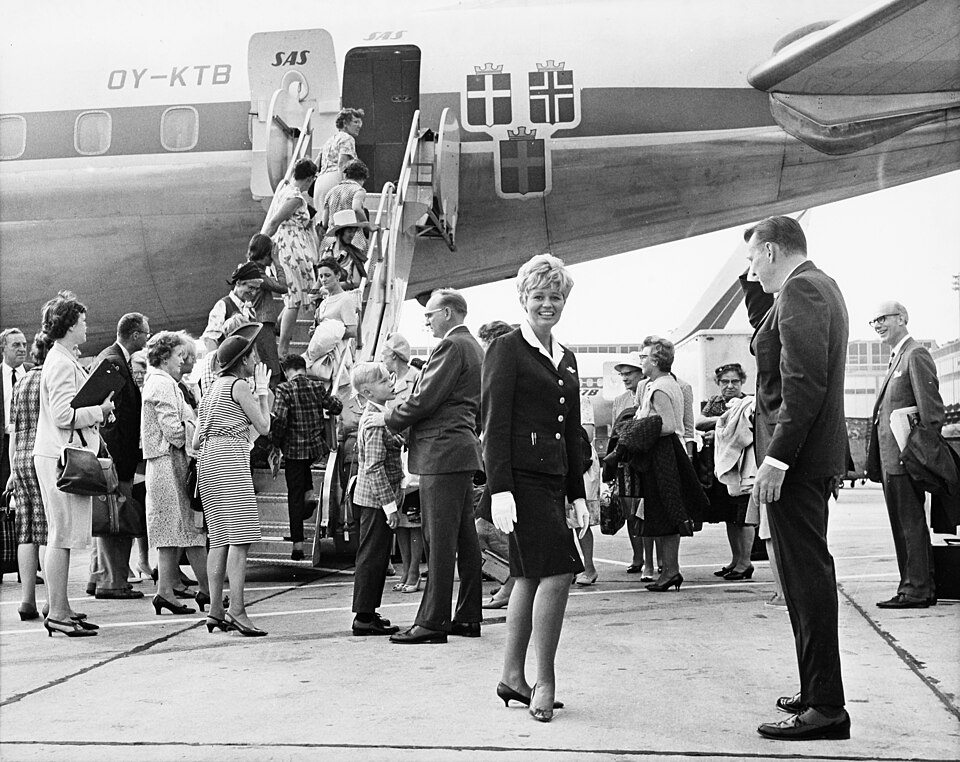
A person walking from a car park to an aircraft in 1968 passed through no examination of any kind.
That is stated as a plain historical fact and not as a preference. The arrangements of the period reflected a set of circumstances that no longer applies, the reasons for everything that replaced them are serious ones, and nothing here should be read as a comment on present-day arrangements, which exist for reasons that are not in dispute.
Then Security Became Necessary and the Building Divided
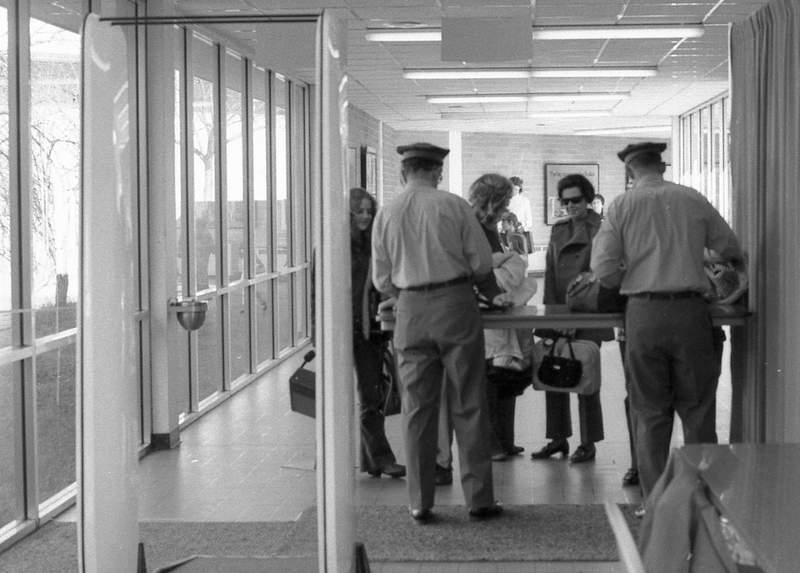
Separation between travelling and non-travelling passengers was introduced and became comprehensive, which removed the whole basis of the practice.
The change is the single cause and the reasons behind it are not contested. Once a line exists that only ticket holders may cross, a group of eight cannot walk to an aircraft, and the farewell contracted from an afternoon to a moment at a barrier.
The Observation Decks Closed
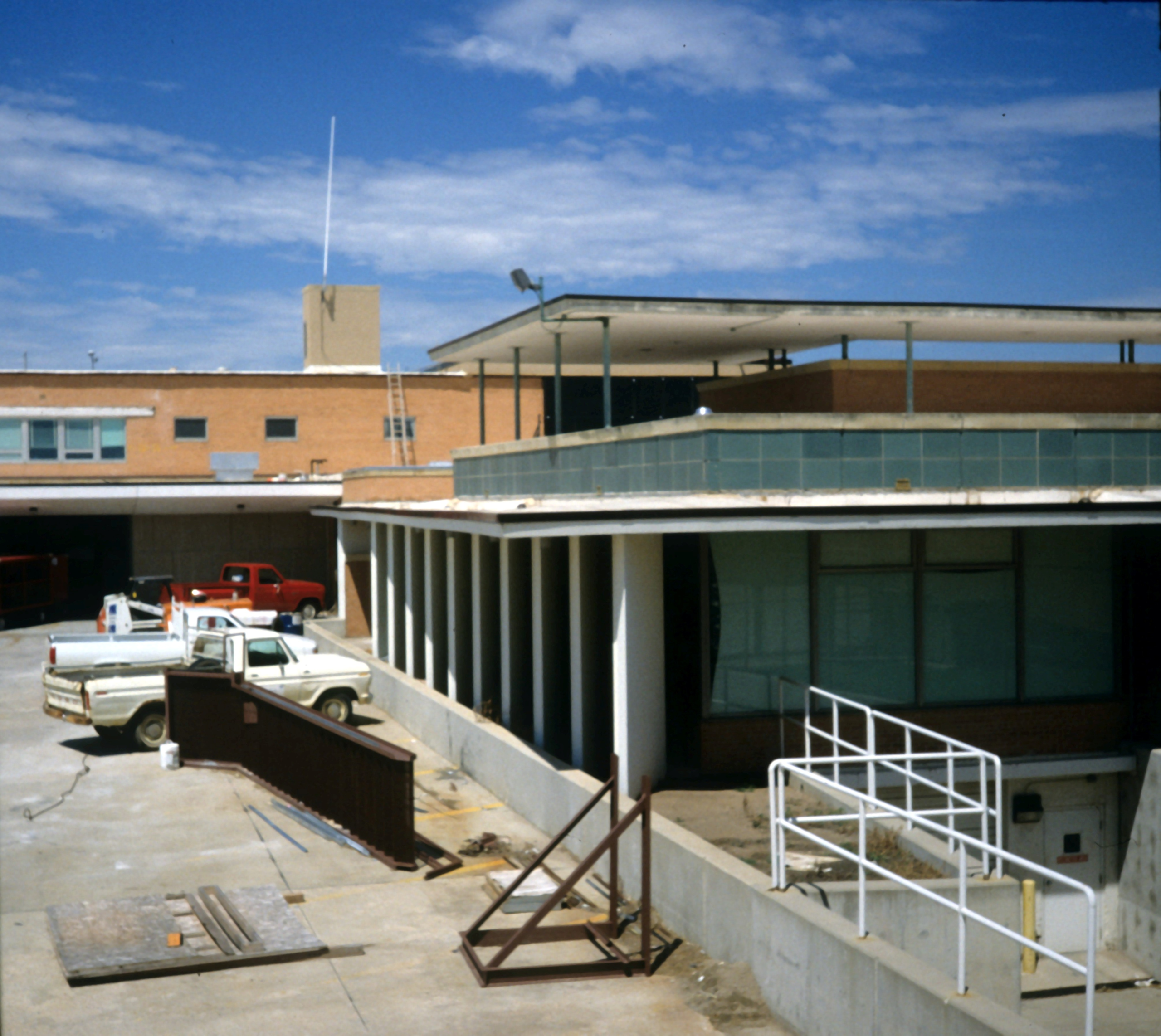
Public viewing areas were withdrawn almost everywhere, and the terminal stopped being somewhere a family would go for an afternoon.
The removal of the venue finished what the barrier had started. A building you cannot stand outside and watch from is not a destination, and the practice of going to an airport without travelling disappeared completely.
And Flying Became Ordinary
As air travel became routine, frequent and cheap, a departure stopped being an event worth seven people’s afternoon.
Which is the honest main cause and is entirely a good thing. Nobody wants journeys to be rare, expensive and final, and the reason farewells got shorter is that the absences did. What went with them was the particular shape of the old version: a whole household in good coats, on a roof, in a great deal of noise, watching one person’s aircraft until it could not be seen any more, and then driving home in a car with an empty seat in it.
Like our content? Follow us for more.