

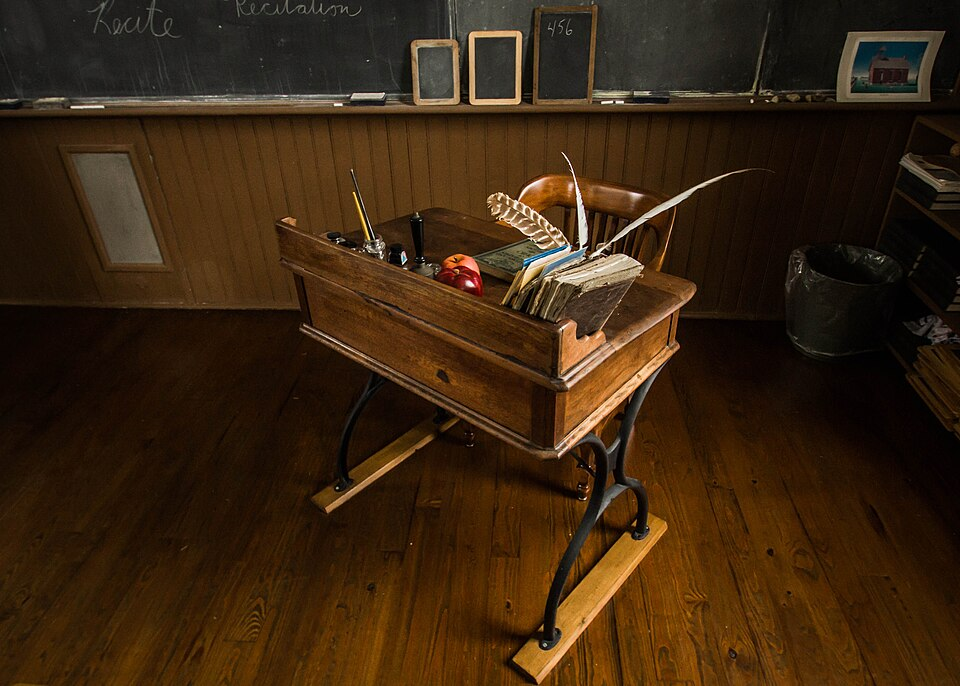
In 1964 a classroom contained exactly one thing that closed against children, and it was a drawer in the teacher’s desk. Everything else in the room was open, shared or at least reachable; that one container required a key. It held the register, the rationed stationery, the marking pencil, something personal the teacher had nowhere else to keep, and whatever had been confiscated since September. No child ever saw all of it at once, which is precisely why every class spent a year speculating. Here are fifteen things every kid wondered about the teacher’s desk drawer in 1964, and why classrooms no longer have one.
1. It Was the Only Locked Thing in the Room
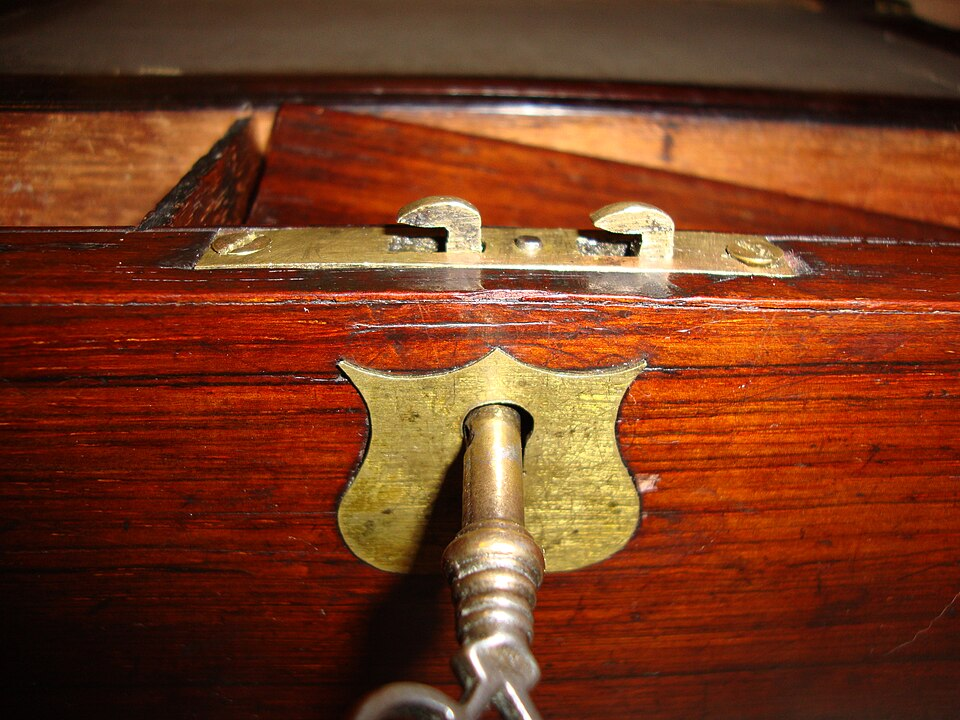
A classroom had nothing else that closed against children, which made one drawer the single private space in the building they used all day.
The exclusivity is what created the interest. Everything else in a classroom was open, shared or at least reachable, and a drawer that required a key established a boundary nobody else in the room had.
Children noticed boundaries of that kind immediately. A room in which one person has something the others cannot open is a room with a visible hierarchy in it, and the drawer was where that hierarchy was stored.
Like our content? Follow us for more.
2. Opening It Stopped the Room
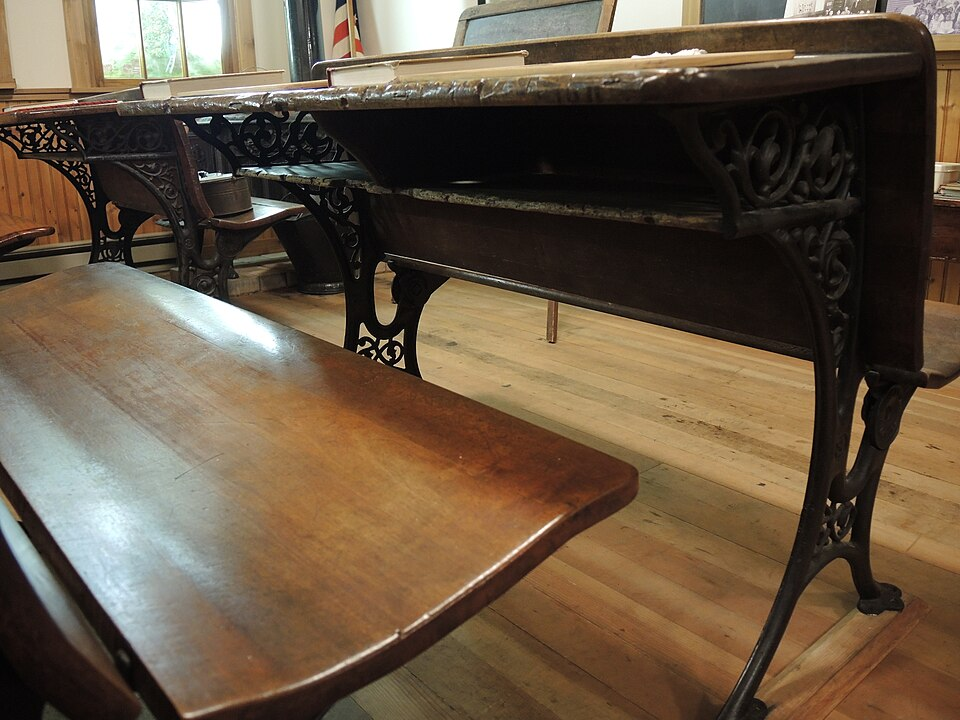
A teacher reaching for the drawer produced an immediate change in the attention of thirty children.
The reaction was learned rather than instinctive. Over a term, children worked out that the drawer was opened only for particular reasons, which meant the sound of it was reliable advance information about what was coming next.
The uncertainty was the point. It might be something good, something confiscated or something nobody wanted to see, and since the children could not tell which until it emerged, every opening had their complete attention.
3. Confiscated Property Lived in There

Anything taken off a child during the term went into the drawer and stayed there, visible to its owner only in memory.
The arrangement served as the room’s main deterrent. A teacher who could remove an object indefinitely had a sanction requiring no shouting, no note home and no involvement of anybody else, and it worked better than most alternatives.
The holdings accumulated steadily. By the end of a term the drawer contained a cross-section of whatever the class had been amusing itself with, confiscated one item at a time from thirty different children who all knew it was in there.
The accumulation also recorded what each class had been like. A teacher who had taken fourteen items off one group and three off another was holding a measurable account of two rooms, and the drawer was where that comparison sat without anybody ever making it out loud.
4. Getting Something Back Required Asking at the Right Moment
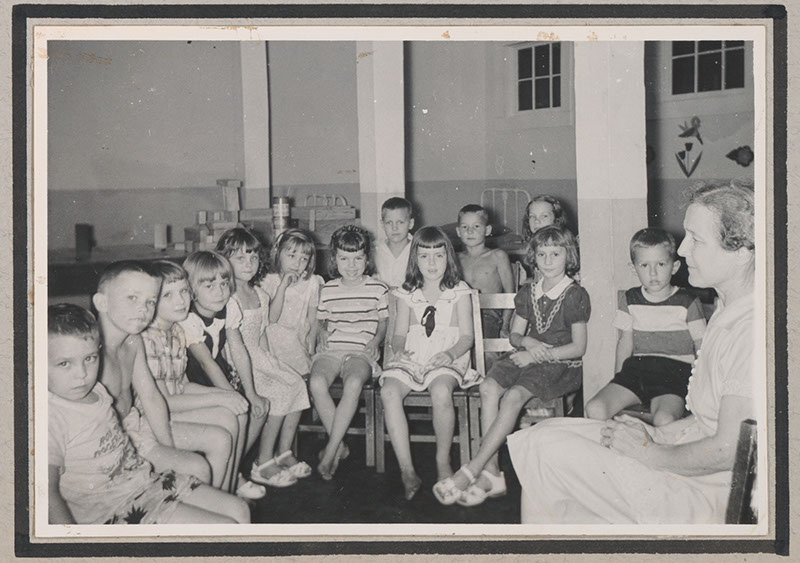
Confiscated property was returned at the teacher’s discretion, which meant children had to judge when to raise it.
The timing was a genuine skill. Asking too soon reopened the original offence, asking in front of the class invited a refusal and asking at the end of term was frequently too late, so children learned to read the situation.
Most things were never asked for at all. A substantial proportion of what went into those drawers was simply abandoned by children who had decided the request was not worth making, which is how the holdings grew.
5. The Stationery Supply Was in There and It Was Rationed
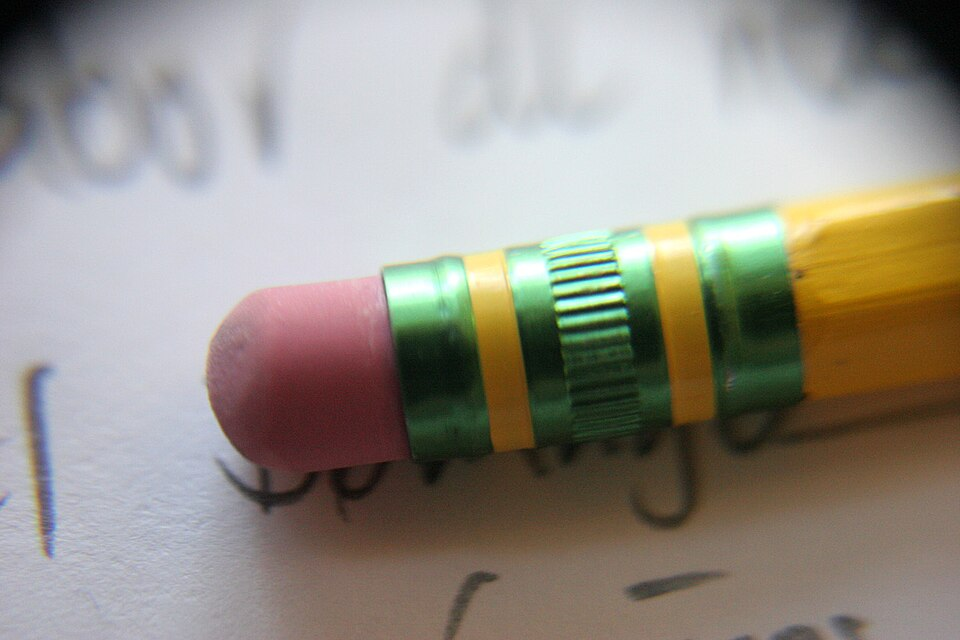
Pencils, paper, erasers and whatever else the room ran on came out of the drawer one item at a time.
The rationing reflected a real constraint. A classroom had an allocation rather than a supply, the teacher was accountable for it, and a child who had lost three pencils in a fortnight was a problem with a budget attached.
Children learned the economics without being told. A request for a new pencil carried an implied accounting of the previous ones, and the children who asked least often were the ones who had worked that out earliest.
6. Something in There Was for Emergencies
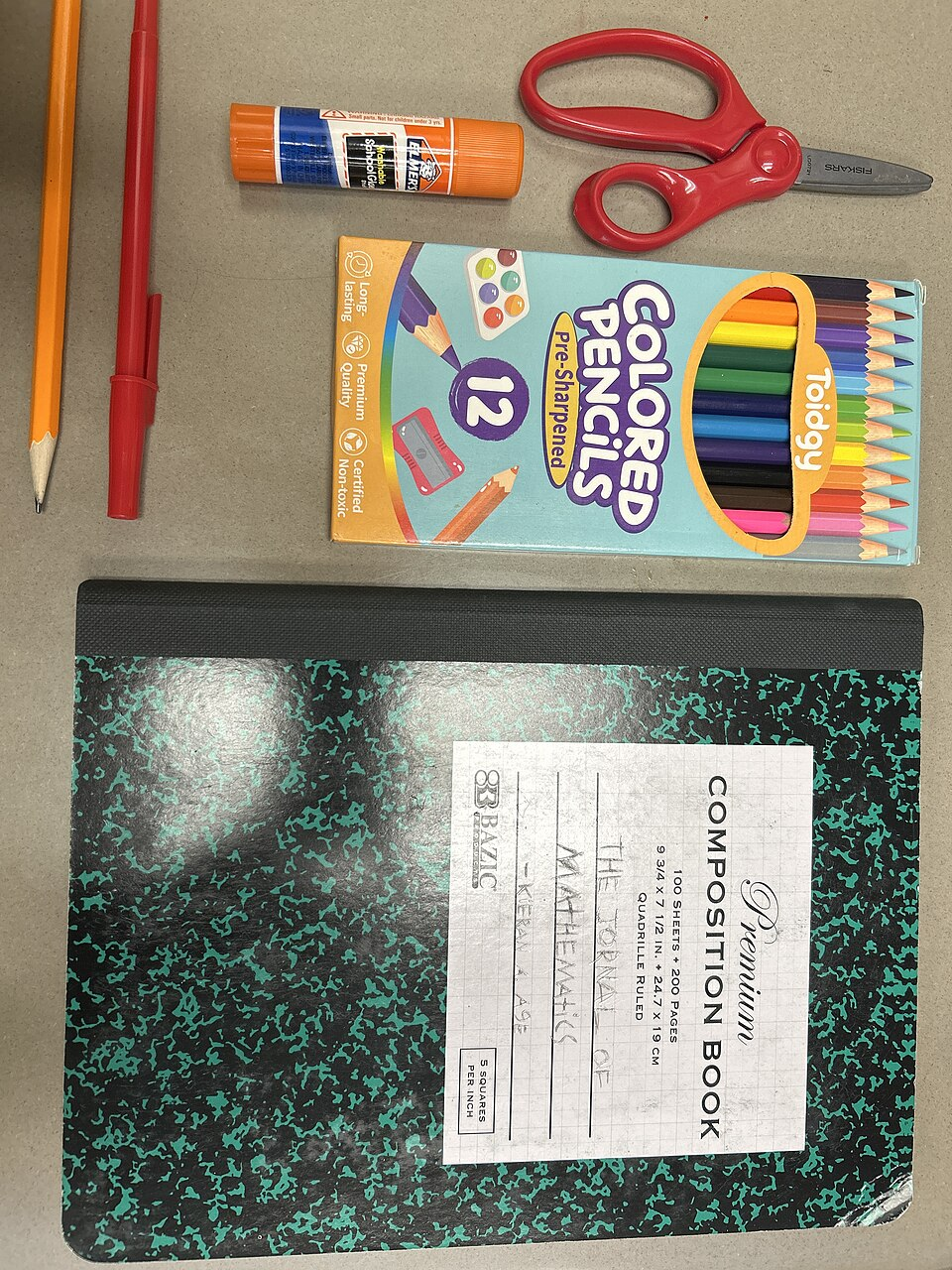
Every drawer held a small reserve of things for the child who had forgotten something or was having a difficult day.
The reserve existed because the alternative was worse. A child without the required item could not take part in the lesson, which meant a teacher with nothing to offer had a disrupted room rather than a solved problem.
The distribution was quiet and that was deliberate. Something handed over without comment to a child who needed it is a different transaction from something announced to the class, and the better teachers understood the difference precisely.
7. The Register Lived There and Was Treated as a Document
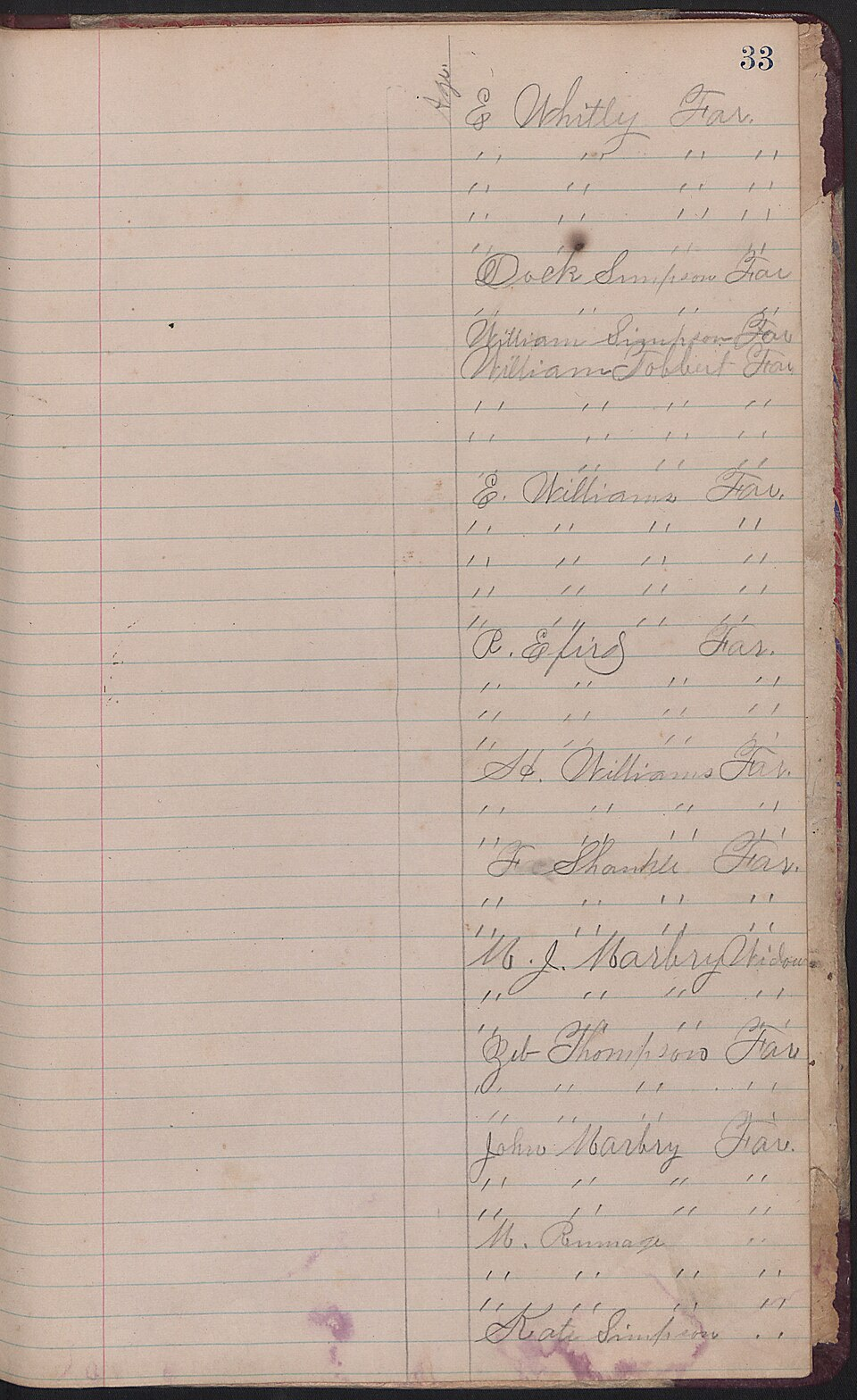
The attendance record was kept in the drawer, was filled in with care and was clearly understood to matter outside the room.
The formality was appropriate. A register was the official account of who had been present, was inspected by people the children never saw, and could not be corrected casually once it had been completed.
Children registered the seriousness without understanding it. A teacher who was careless about most things was never careless about the register, and the contrast told the class exactly which objects in the room had consequences attached.
8. There Was Always Something Personal in There
Among the official contents sat a photograph, a letter, a small object or something else that plainly belonged to the teacher as a private person.
The intrusion of private life was unavoidable. A teacher spent most of their waking hours in that room with no other storage, which means the drawer necessarily held some of their own life alongside the school’s property.
Glimpses of it were disproportionately memorable. A child who saw a photograph in the drawer had learned that the teacher existed somewhere else, which for many children was a genuinely new and slightly destabilising piece of information.
There was also a question nobody could resolve about whether the drawer was ever actually locked. Some teachers turned the key every time, some only before going home, and some had plainly lost it years earlier and relied entirely on the convention. No class ever established which of those applied to their own room, because testing it was unthinkable.
9. The Keys Were a Small Daily Performance
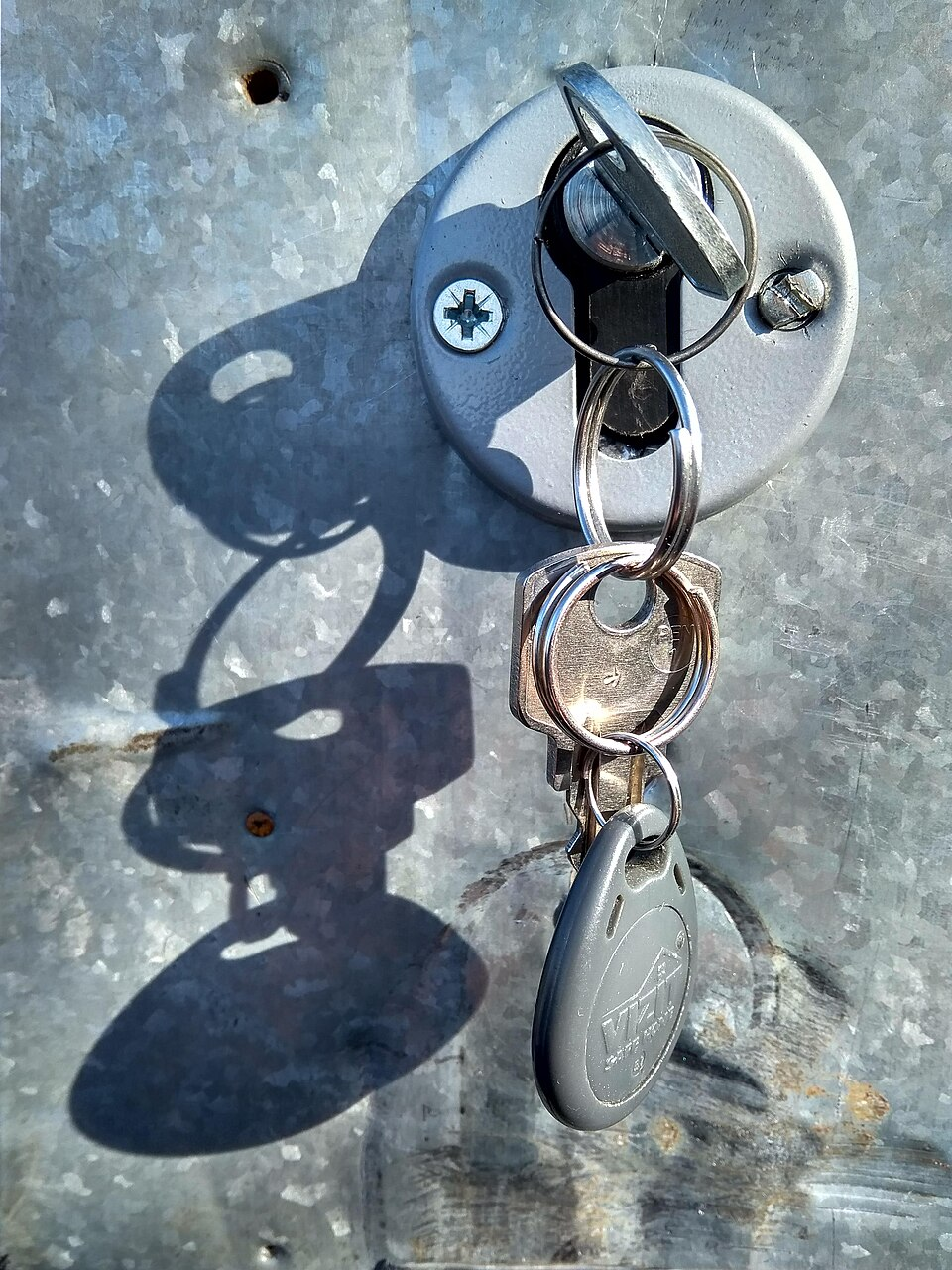
A teacher locking or unlocking the drawer in front of the class did so with a set of keys that nobody else in the room possessed.
The ritual communicated something precise. Keys are the plainest available symbol of authority over a space, and a daily demonstration of them established the position without a word being said about it.
Children attended to it closely. The sound of the lock, the place the keys were kept and whether they had been left out are details recalled with surprising accuracy by people who cannot remember what was taught in the room at all.
10. Marking Materials Were Kept Separate and Were Never Lent
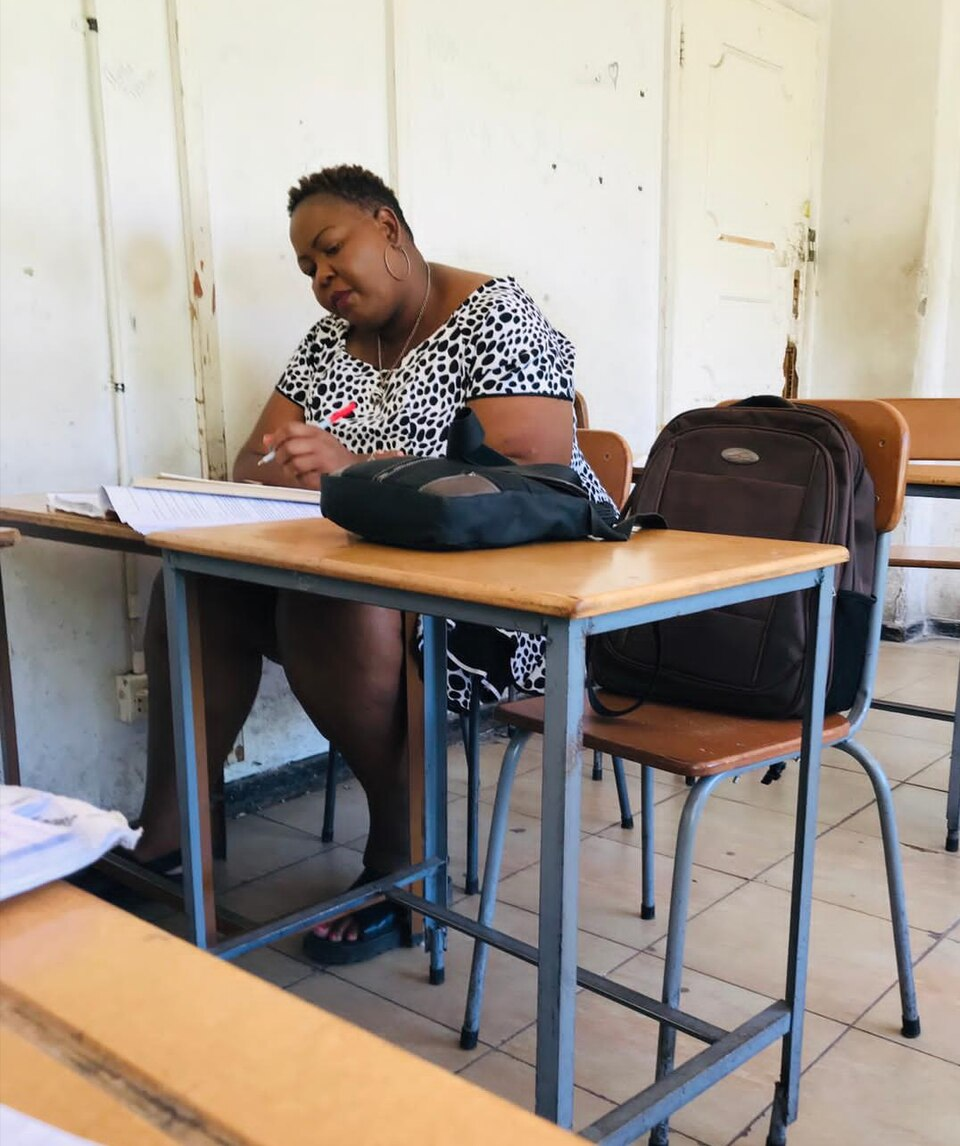
The red pencil or pen used for correcting work lived in the drawer and did not circulate.
The separation had an obvious logic. An instrument that marks authority on a child’s work loses its meaning if children can use it, so it was kept apart from the general supply quite deliberately.
Children tested the rule occasionally. Asking to borrow it was a small act of provocation that every class attempted at some point, and the refusal was so consistent that the attempt became a kind of joke.
11. What Had Been Confiscated Sometimes Came Back Changed
An object returned at the end of term had spent months in a drawer with other objects and did not always arrive intact.
The deterioration was nobody’s fault. A drawer full of unrelated items opened and closed several times a day is not a storage system, and small things in it got bent, separated from their parts or simply lost.
Children accepted it without complaint. A thing recovered in poor condition was still better than a thing not recovered, and the understanding that confiscation carried that risk was part of why it worked as a deterrent.
12. A Few Children Were Allowed to Open It
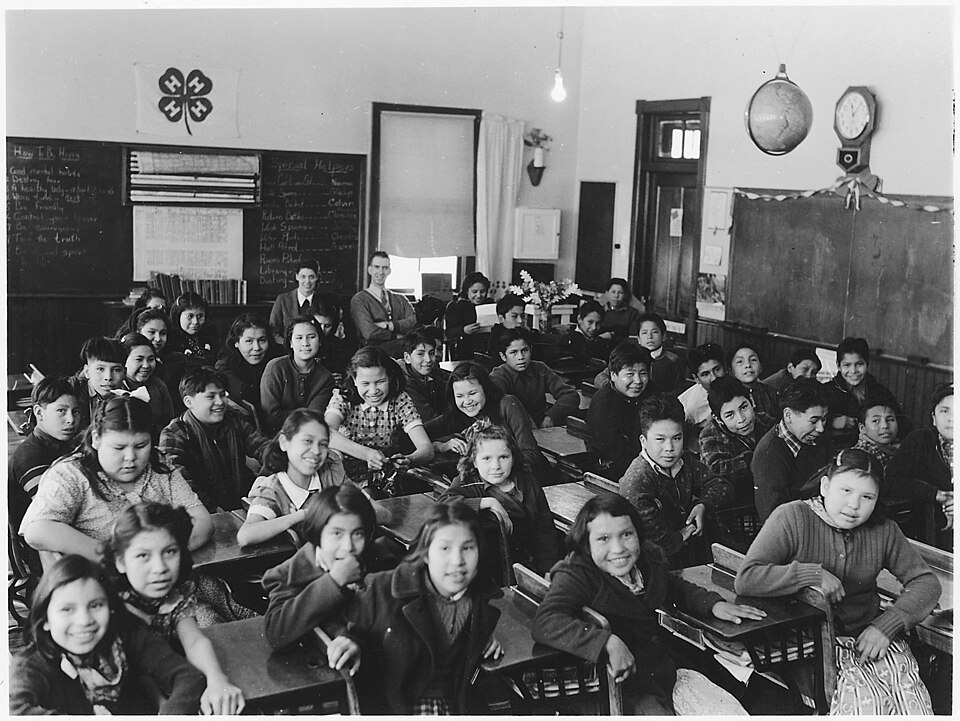
Being sent to the drawer for something was a mark of standing, extended to a small number of children for reasons nobody explained.
The delegation was practical before it was anything else. A teacher who needed something from the drawer while supervising the room was better served by sending a reliable child than by crossing it themselves.
The selection was noticed by everybody. Who was permitted to open the drawer was the clearest ranking available in the room, was never announced, changed occasionally and was followed by the whole class with real attention.
The best evidence for how little anybody knew is how long the speculation survived. A class that had sat in the same room for a whole year, in sight of the same drawer every day, still could not have listed its contents in June, which is a remarkable thing to be true of thirty attentive children and one small wooden box.
13. Nobody Ever Saw All of It
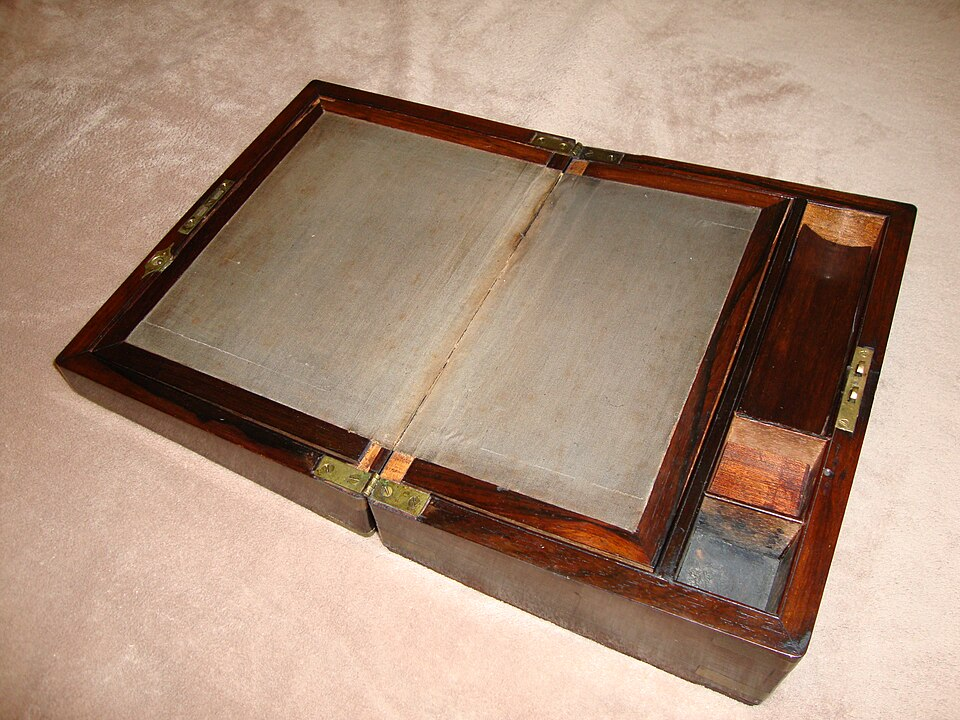
The drawer was opened at an angle, briefly, for one purpose, which meant no child ever got a full view of the contents.
The partial disclosure is what sustained the mystery for a whole year. A container seen only in glimpses, each showing one thing, cannot be inventoried, and thirty children with thirty partial views produced a shared and entirely unreliable account.
Classes assembled a collective legend. What was supposed to be in that drawer, discussed among children who had each seen a fragment of it, bore very little relationship to the pencils, register and confiscated items actually there.
14. Emptying It at the End of Term Was a Public Event
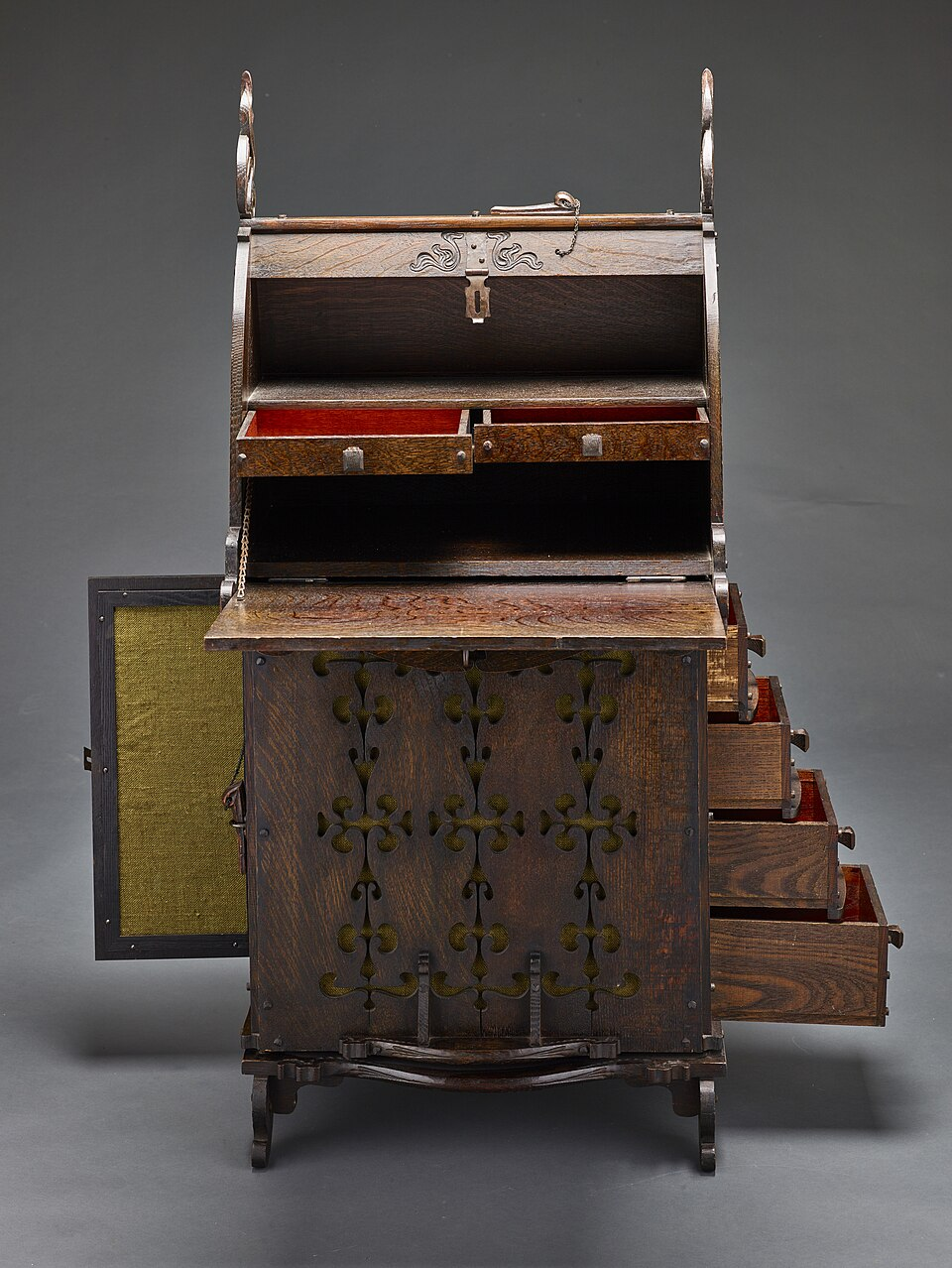
The clearing of the drawer in the last days of the year returned property, revealed the contents and ended the mystery.
The timing was administrative rather than ceremonial. A teacher changing rooms or classes had to empty it, and the simplest way to do that was to hand things back to whoever claimed them in front of everybody.
It was almost always a disappointment. A drawer that had held a year’s worth of speculation turned out to contain a modest pile of ordinary objects, which every class discovered and every following class failed to learn from.
15. Then Classroom Storage Stopped Being Private
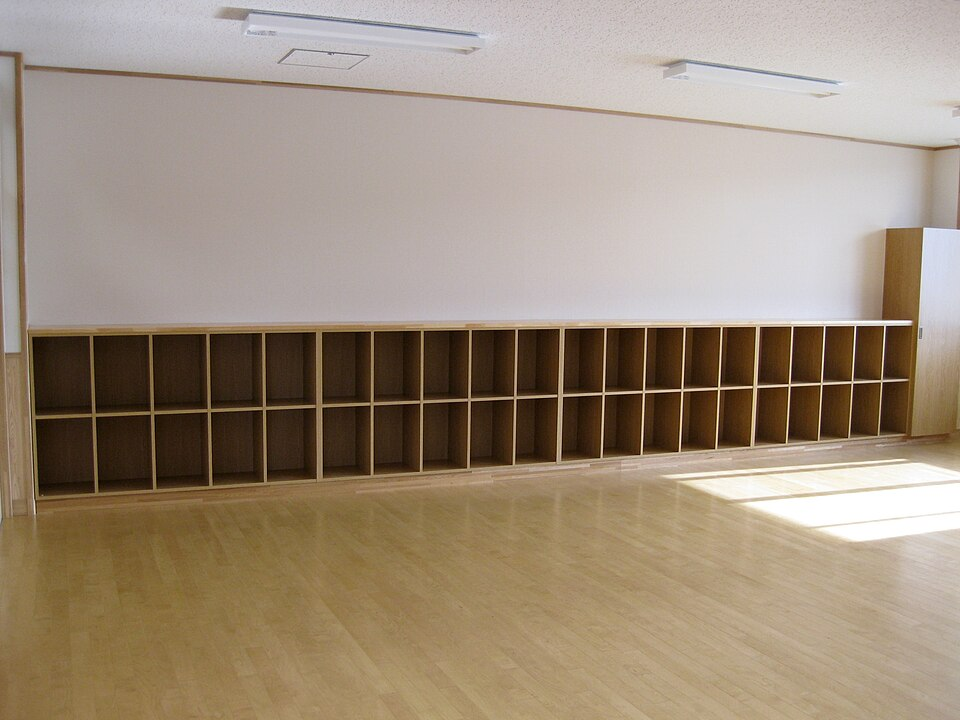
Open shelving, shared resources, formal procedures for confiscated property and far more transparency about classroom practice removed the locked drawer entirely.
Every part of that change was an improvement. Property taken from a child is now handled under a stated procedure with a route for getting it back, which is plainly better than indefinite storage at one adult’s discretion.
What went with it is one container’s hold on a room. Thirty children who could hear the lock, who had each seen one fragment of the contents, who had something of their own in there, and who had assembled between them an account of what was in that drawer which bore no relationship whatever to the pencils and the register.
What One Locked Drawer Did to a Room
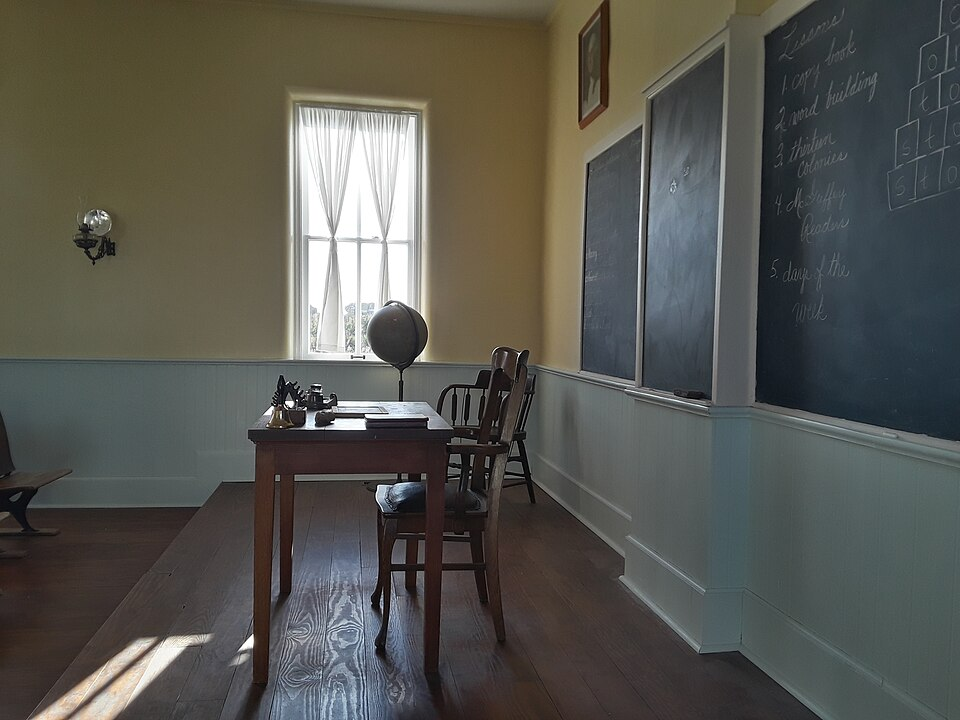
Read in order, the fifteen describe a container whose power came from two things: it closed, and nobody ever saw inside it properly. The first made it the only boundary in a room otherwise entirely open to thirty children, which is why the keys were watched so closely and why being sent to the drawer was the clearest ranking available in the room. The second made it inexhaustible. A drawer opened at an angle, briefly, for one purpose cannot be inventoried, so thirty children each held a different fragment and the class assembled between them an account that bore almost no relation to what was actually there.
What was actually there was mundane and useful. A register that mattered outside the room and was never treated carelessly. A stationery allocation the teacher was accountable for, which is why pencils came out one at a time and why a request carried an implied accounting of the previous ones. A quiet reserve for the child who had forgotten something, handed over without comment because the announcement would have defeated the purpose. A marking instrument that could not be lent without losing its meaning. And a term’s worth of confiscated property, accumulated one item at a time, most of which was never asked for because the children concerned had decided the request was not worth making.
Everything about the change is an improvement. Property taken from a child is now handled under a stated procedure with a route for getting it back, rather than being stored indefinitely at one adult’s discretion, and classroom resources sit on open shelving where anybody can see them. Nothing above should be read as an argument for the older arrangement.
What went with it is the hold one container had on a room: thirty children who could hear the lock from anywhere, who had each seen one fragment of what was inside, several of whom had something of their own in there, and who had built between them a legend about a drawer that in fact held a register, some pencils and a red pen.
Like our content? Follow us for more.
