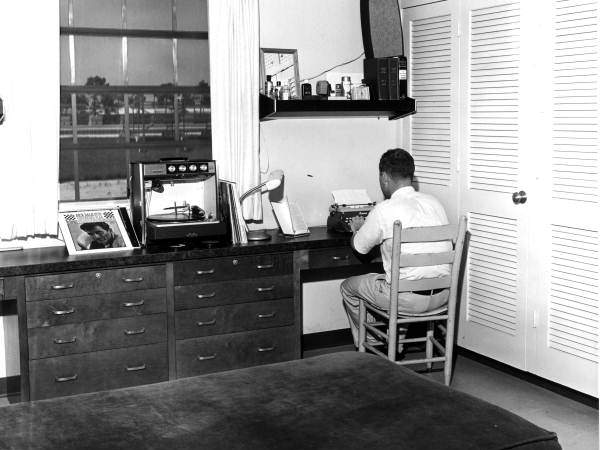
In 1970 the private teenage bedroom was mostly an aspiration. The overwhelming majority of these rooms were shared with a sibling, divided by a line nobody had drawn, audible from the kitchen, searched periodically by adults who never mentioned it, and restored to a presentable state whenever a visitor was expected. The door could be closed in principle and the question of whether anybody knocked first was the whole battleground. Here are sixteen things every American teenager knew about their own room in 1970, and why almost none of it was actually theirs.
1. It Was Almost Never a Room of Your Own
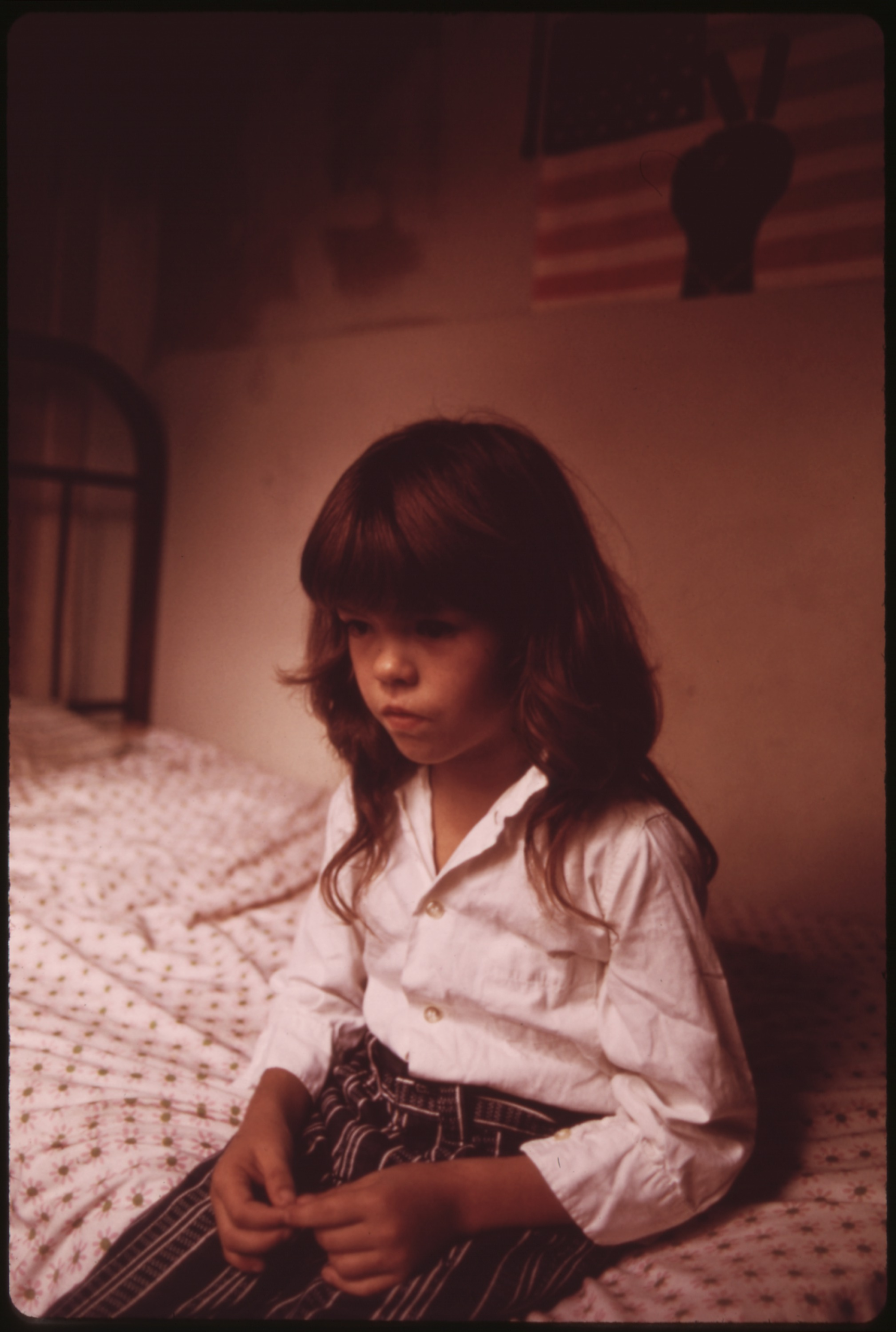
The overwhelming majority of these spaces were shared with a sibling, which means the whole idea of a private teenage room was aspirational rather than actual.
That changes the entire subject. A room with two people in it has no privacy, no single authority over the decoration and no possibility of excluding anybody, which is precisely the set of things a fifteen-year-old most wants.
The division of a shared room was therefore negotiated in detail. An invisible line, an agreed side, a settled rule about which half of the wall belonged to whom, all of it arrived at without adult involvement and enforced continuously.
Like our content? Follow us for more.
2. The Door Could Not Actually Be Closed
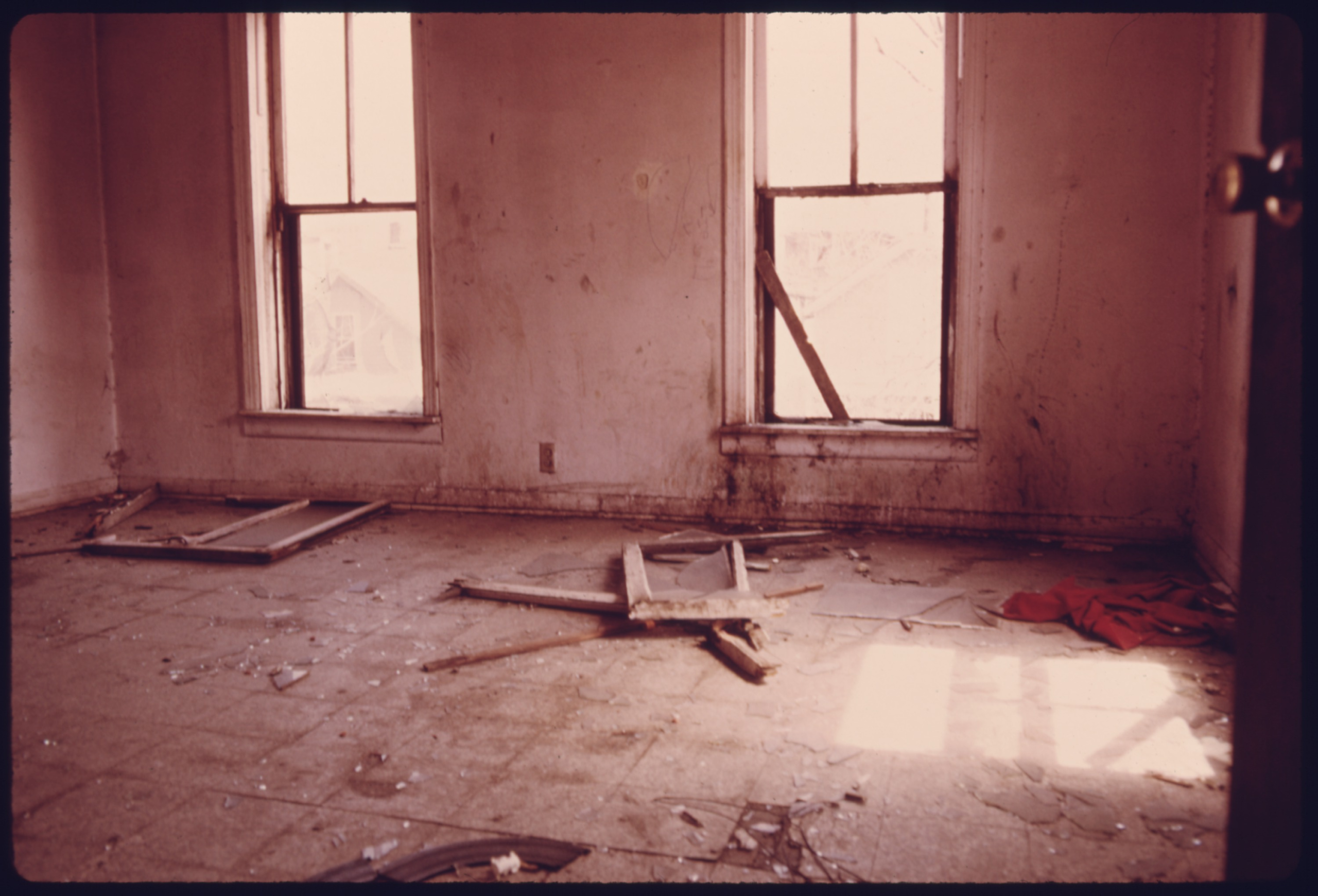
A closed door was permitted in principle and challenged in practice, and the convention varied enormously between households.
The ambiguity was the source of most of the friction. A teenager who closed a door was making a claim about the room, and a parent who opened it without knocking was declining the claim, and neither position was ever stated out loud.
Knocking was the whole battleground. A household that had started knocking had conceded something significant, and the point at which that began is remembered precisely by almost everybody who experienced the change.
3. What Went on the Walls Was the Real Argument
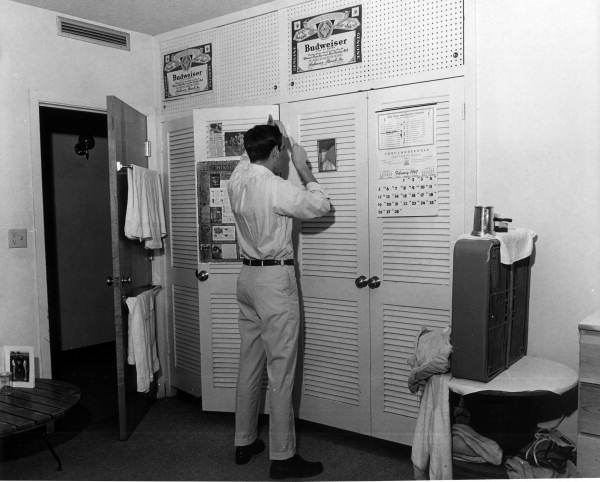
Decoration was the one available form of self-expression, and it was contested at every stage.
The dispute was about ownership rather than taste. A parent objecting to something on a wall was asserting that the room belonged to the household, and a teenager putting it up was asserting the opposite, which is why arguments about a piece of paper became disproportionate so quickly.
The compromises were specific and local. One wall permitted and three not, the inside of a wardrobe door, the ceiling, or everything coming down before visitors arrived – every household found its own settlement.
4. The Walls Themselves Were Ruined and Everybody Knew It
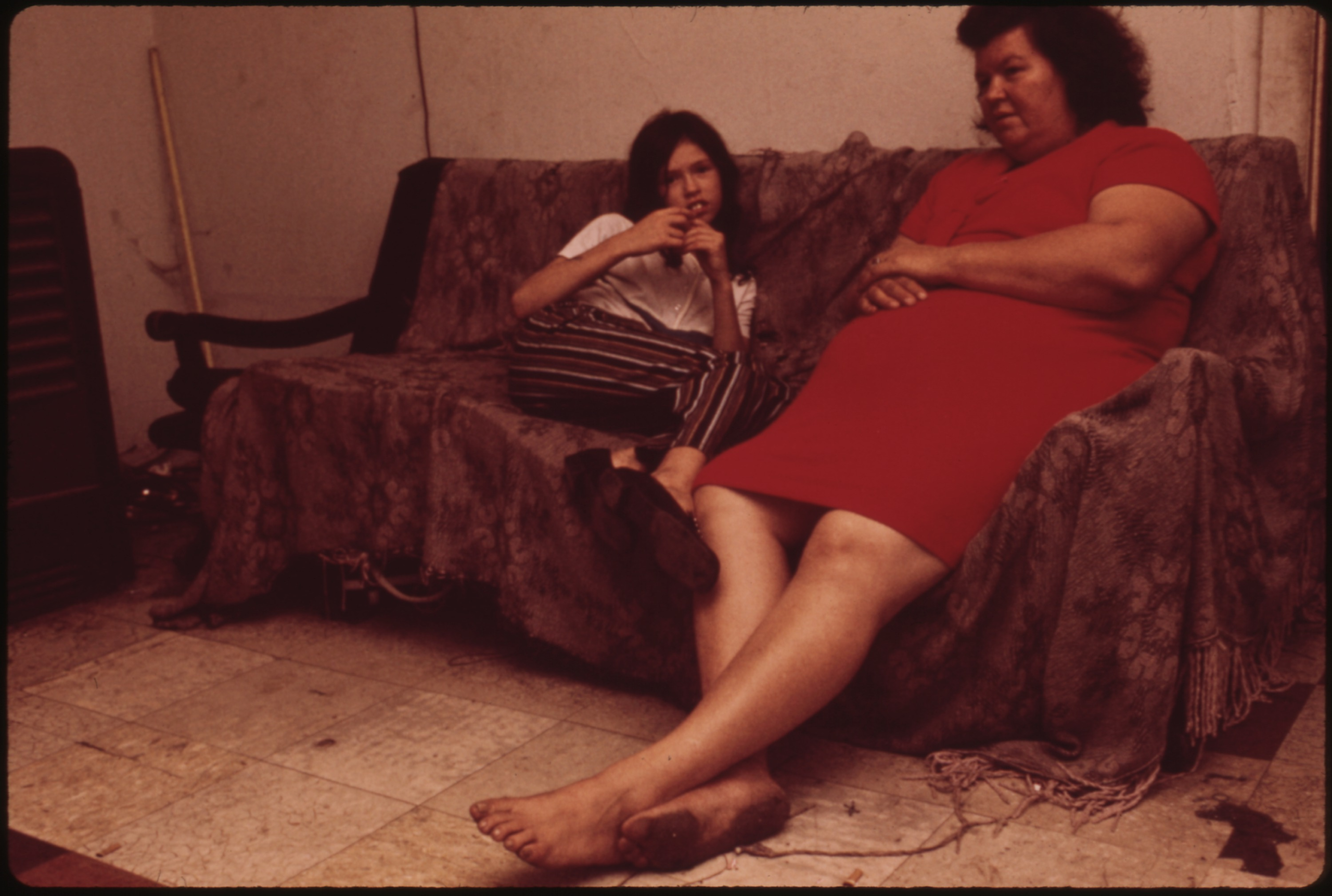
Whatever was used to fix things up damaged the surface underneath, and the damage was permanent and cumulative.
The destruction was accepted as the price of the arrangement. A household that had permitted decoration had accepted that the room would need work when the occupant left, and a room reclaimed after a teenager was a decorating project rather than a tidy-up.
The marks survived the occupancy by years. A wall with a pattern of small repairs on it is the archaeological record of exactly this, and plenty of households left the evidence visible for a decade.
5. The Record Player Was the Centre of Everything
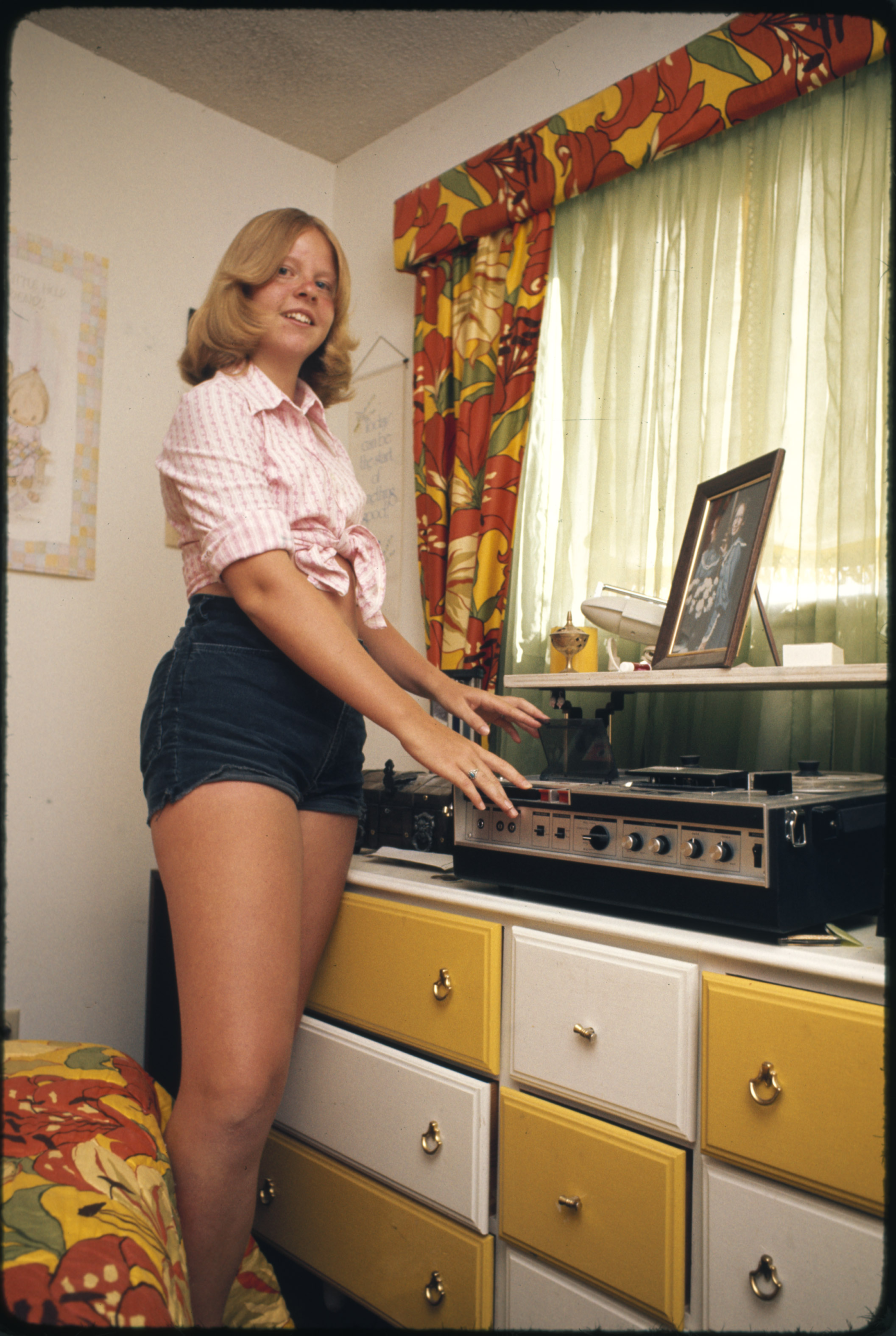
A machine for playing music, in a room, that the occupant controlled, was the single most significant object a teenager could possess.
Its importance was about autonomy rather than sound. A household with one set in a living room gives a teenager no control over what is heard, and a machine in a bedroom transfers that control completely for the first time.
The volume was the permanent negotiation. Every household had a level above which somebody shouted, the level was never specified, and the entire relationship between a teenager and the floor below was conducted through it.
6. Everything Was Audible Through the Floor
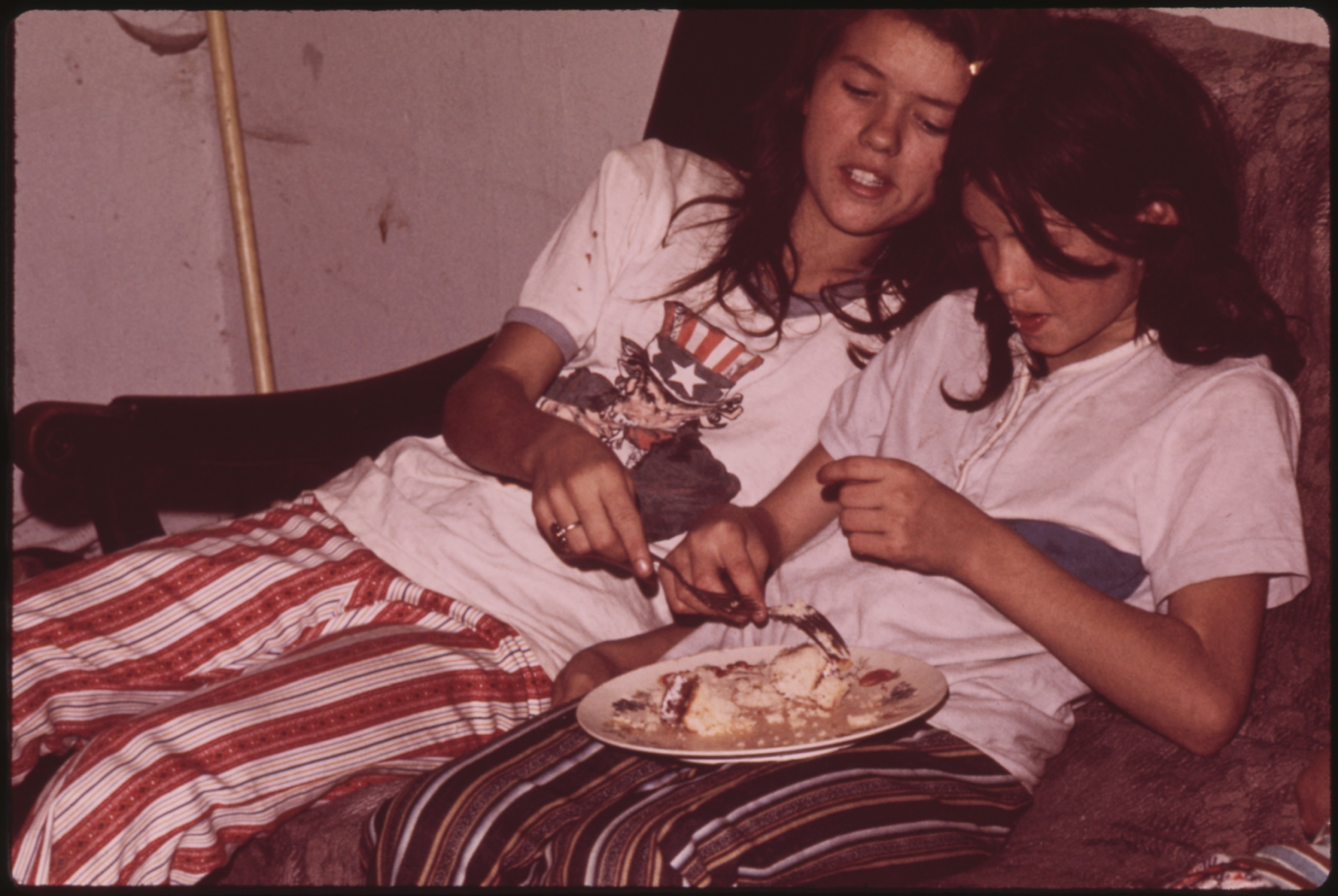
Houses of this period transmitted sound comprehensively, which meant the room was private to look at and not private to listen to.
The asymmetry defined what the space could actually be used for. A conversation held in a bedroom could be followed from a kitchen, and teenagers adapted by conducting anything serious somewhere else entirely.
It worked in the other direction too. A teenager in a bedroom knew exactly what was happening downstairs, who had arrived and what was being discussed, which is a form of intelligence that nobody downstairs realised was available.
7. The Telephone Was Not in the Room
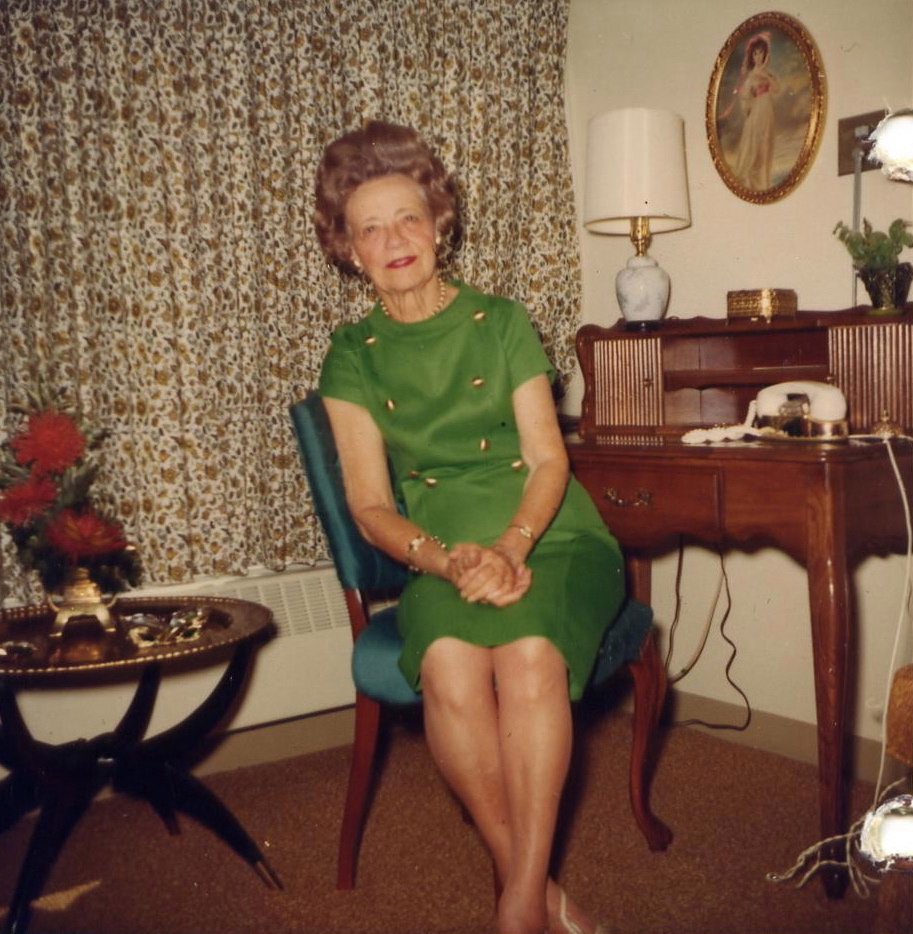
Calls were made in a hallway, a kitchen or a living room, in front of or within earshot of everybody.
The absence of a private line is the single largest difference from any later period. A teenager’s entire telephone life was conducted in public, which shaped what could be said, to whom, and for how long.
The extension in a bedroom was the aspirational object of the whole era. A household that permitted one had transferred something substantial, and the proportion of households that did was small.
8. The Room Was Searched and Everybody Knew It
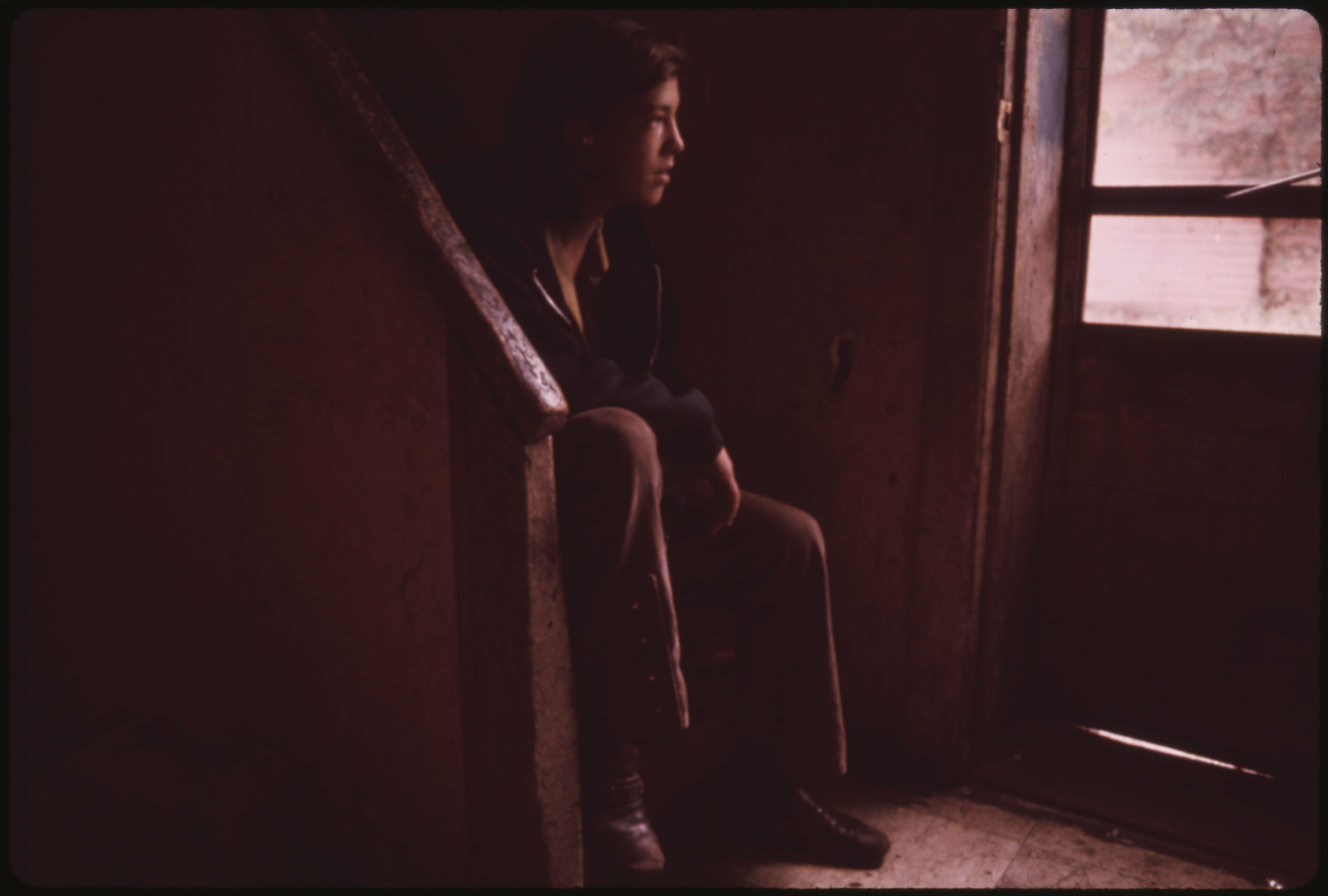
Drawers, under the bed and the back of a wardrobe were examined by adults, and the examination was neither announced nor denied.
The practice was widespread and was never discussed by either party. A parent who had looked did not mention it, a teenager who knew did not raise it, and the whole arrangement operated on a mutual pretence that nothing had happened.
Which produced elaborate concealment. A teenager with anything at all to hide developed a system, and the systems were considerably more sophisticated than the searching, which is the usual outcome when one side cares more.
9. Nothing Was Ever Tidy and the Argument Never Resolved
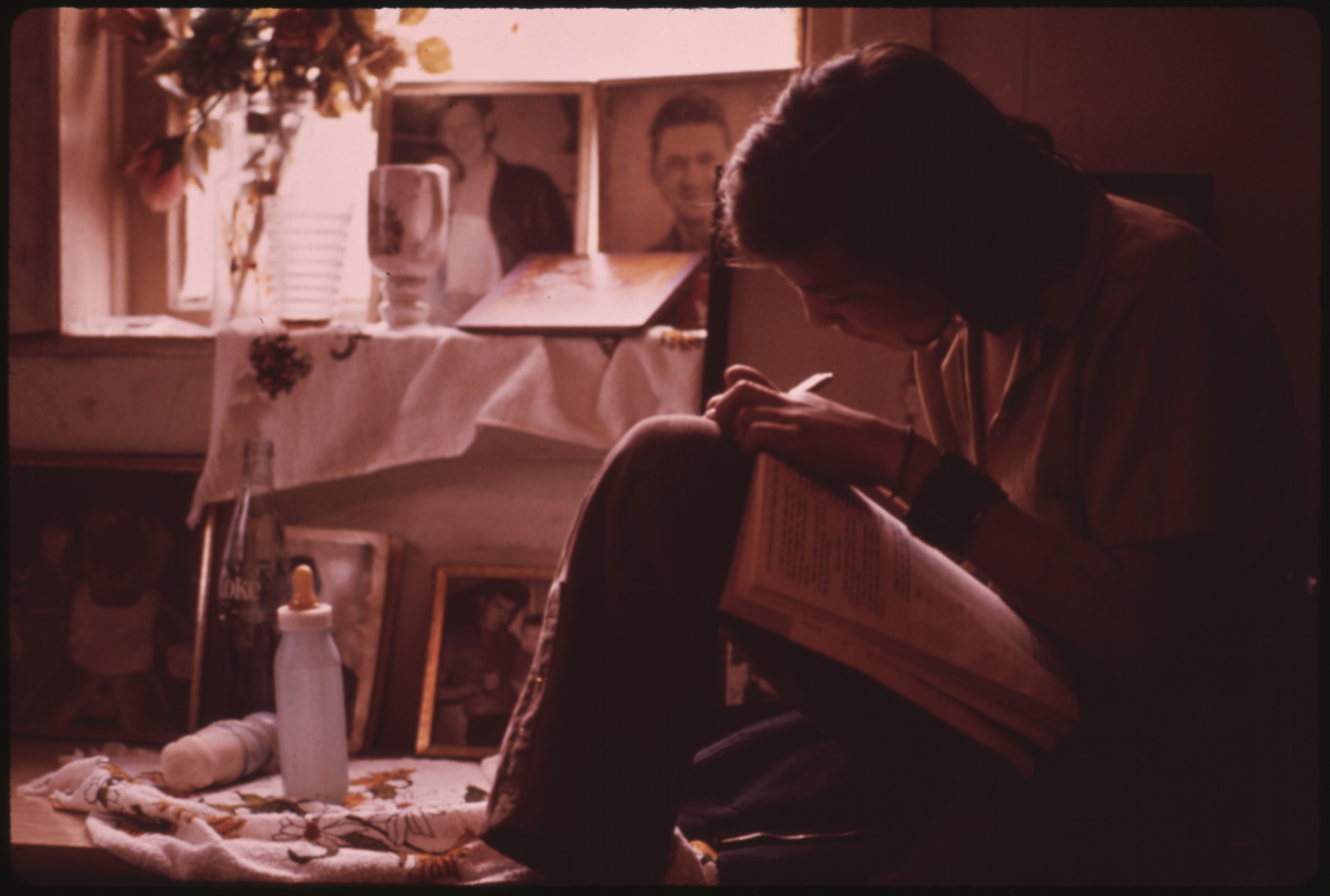
The state of the room was the single most reliable source of household conflict, and it recurred weekly for years.
The dispute had no available settlement because the two sides were arguing about different things. A parent wanted the room tidy and a teenager wanted the room to be theirs, and tidiness is the one subject on which those two positions cannot both be satisfied.
Both sides eventually compromised in the same way. A door closed on an untidy room satisfies a parent who cannot see it and a teenager who can do as they like, and a great many households arrived at exactly that arrangement without ever naming it.
10. Homework Was Supposed to Happen There and Frequently Did Not

The room was justified partly as a place to work, and the amount of work that actually occurred in it was variable.
The justification mattered because it was the argument for the space. A teenager who needed somewhere quiet to study had a case for a door that closed, and the case was considerably stronger than any claim based on wanting privacy.
The desk was frequently unusable. A surface in a small shared room accumulates everything, and a substantial proportion of the homework of this period was done on a bed, on a floor or at a kitchen table after all.
11. Friends in the Room Was a Separate Permission
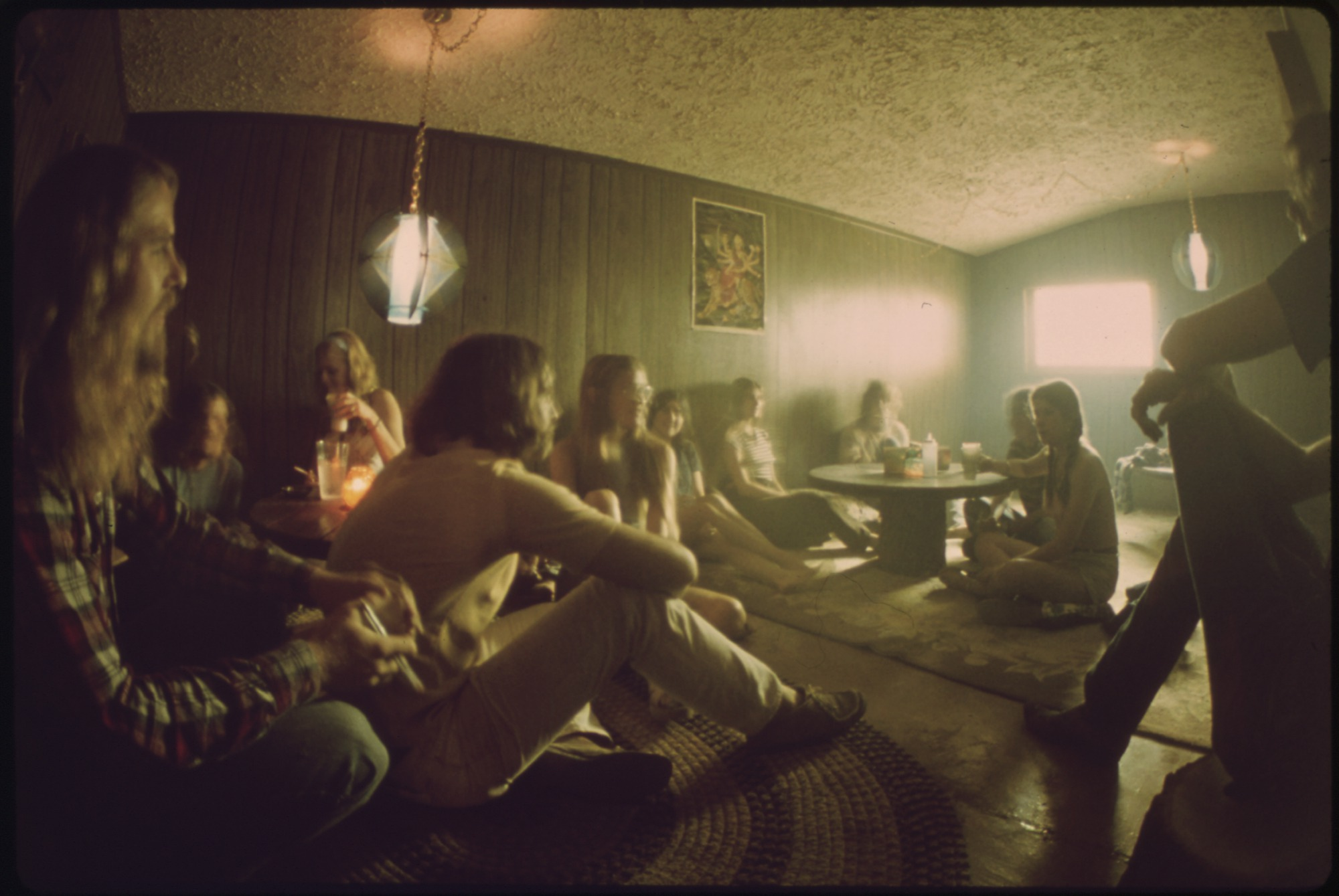
Whether somebody else could come in, who, and with the door open or shut, was governed by a set of rules that were never written down.
The rules were elaborate and household-specific. Same-sex friends, numbers, times of day and whether a parent was in the house all featured, and a teenager knew their own household’s position precisely without anybody having set it out.
Enforcement was by interruption. A household that was uncertain about what was happening sent somebody up with a drink nobody had asked for, which is a method that required no rule and communicated everything.
12. The Window Was an Exit and Everybody Had Considered It
A ground-floor or accessible window was understood as a route in and out, and a great many were used as one.
The possibility was considered far more often than it was acted on. Most teenagers who thought about it never did it, and the ones who did were generally caught within a few attempts, because a household notices.
That is stated as a historical observation rather than an endorsement. The risks were real, the people who did it were not thinking clearly about them, and nothing here should be read as describing anything anybody ought to do.
13. Posters Came Down for Visitors and Went Back Up After

A room was restored to a presentable condition when anybody was expected, and the restoration was temporary.
The double standard reveals who the room really belonged to. A space that has to be made respectable for a visitor is a space the household is still presenting as its own, and the teenager’s version of it existed only between inspections.
It was also done without much complaint. A teenager who understood the arrangement took the things down willingly, because the alternative was a conversation in which the whole permission might be revisited.
14. The Bed Was Used as a Chair for Most of the Day
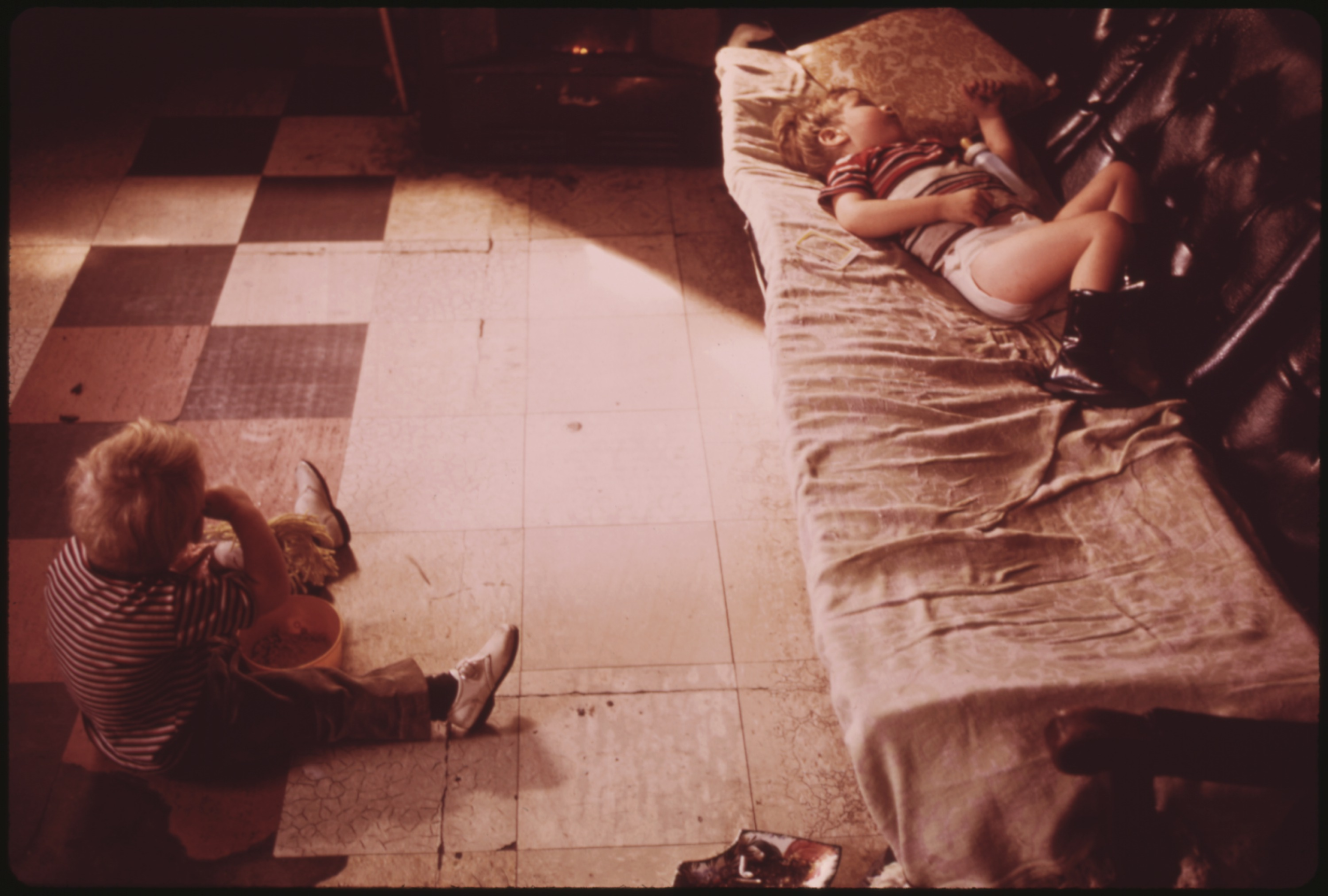
There was rarely anywhere else to sit, which meant the room’s furniture served about four purposes each.
The multi-functionality was a consequence of size. A small shared room cannot accommodate seating, a desk, storage and two beds, so the beds did the work of all of it, which is why so much of what happened in these rooms happened sitting on one.
It also meant the room was never set up for anybody. A space in which the main item of furniture is simultaneously a seat, a desk, a table and somewhere to sleep is a space that is not quite right for any of those things.
15. Leaving It Was the Point of the Whole Arrangement
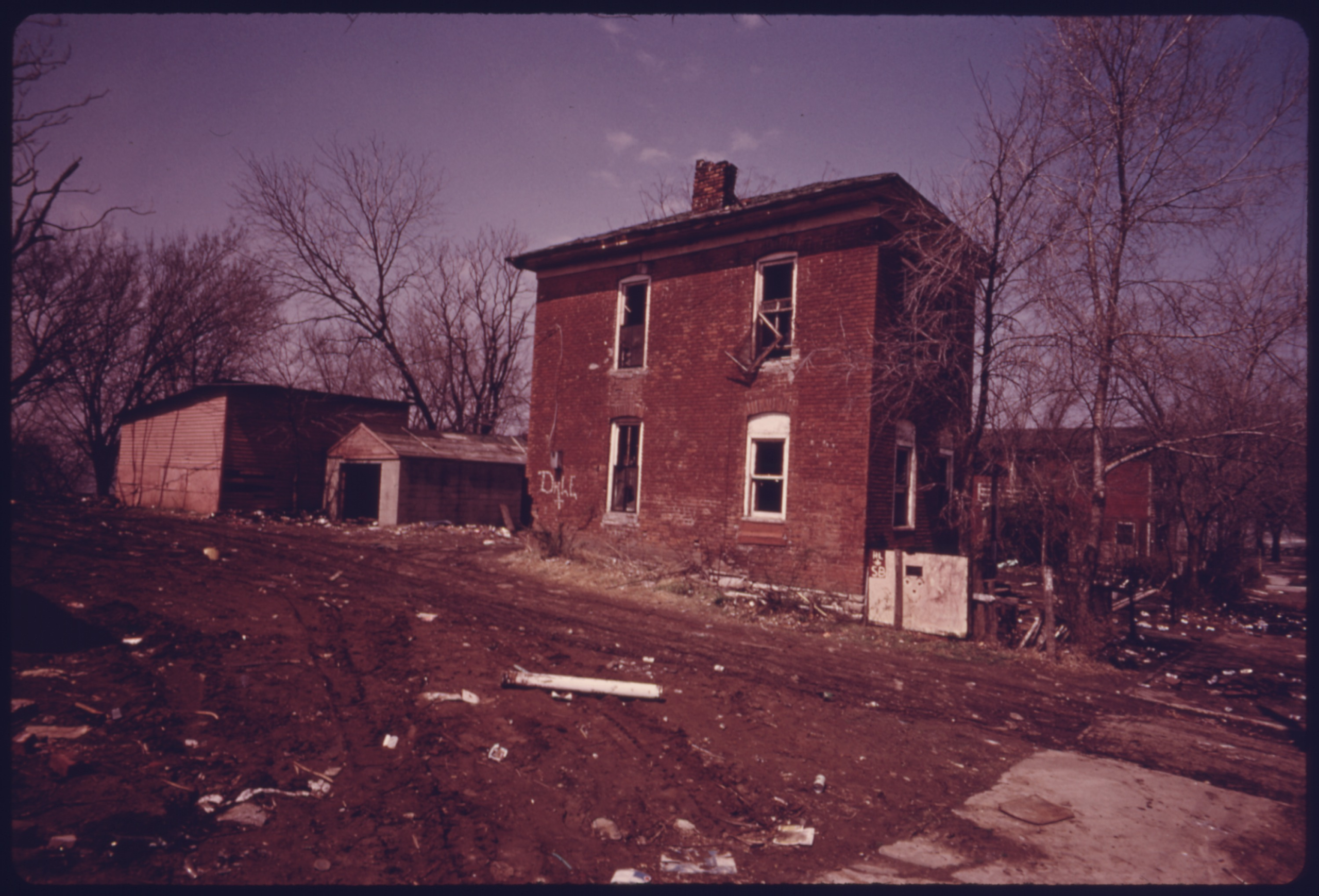
Everything about the room was oriented towards the moment of leaving the household, and both parties knew it.
The temporariness was understood on both sides and was rarely discussed. A room decorated by somebody who intends to leave is being personalised by a tenant rather than an owner, and the household was holding the space rather than giving it away.
Which is why the reclaiming was so quick. A room vacated in September was frequently redecorated by Christmas, and a great many people who came back for a holiday found the space already converted to something else.
16. Then Houses Got Bigger and Siblings Got Fewer
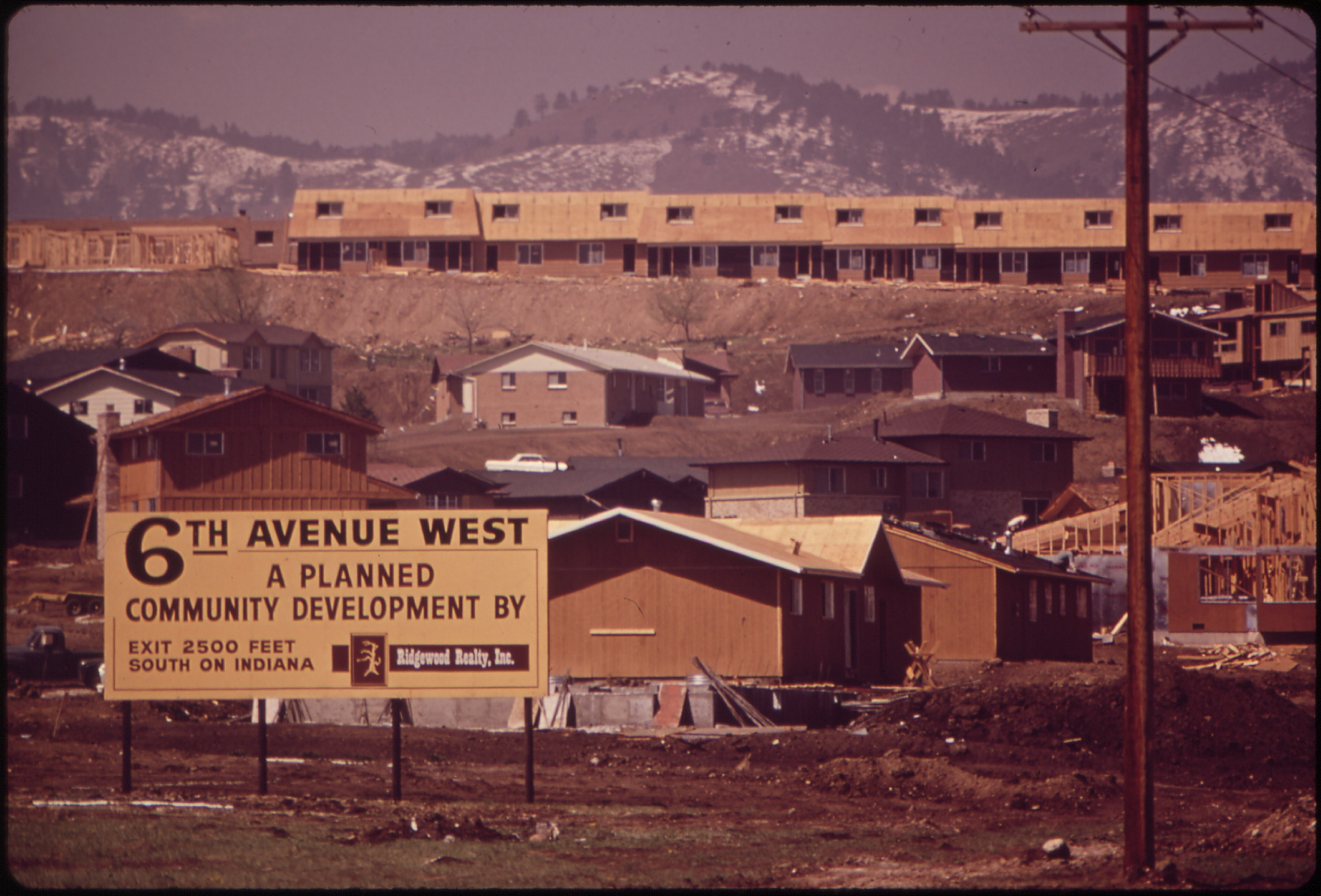
More rooms per household and fewer children per household turned the shared aspiration into an ordinary private room for most teenagers.
The arithmetic did it rather than anybody’s attitude. A household with four bedrooms and two children has no reason to put them together, and the whole negotiated geography of a divided room disappeared without any decision being taken.
What went with it is the thing that produced all of it. An invisible line down the middle of a floor, a settled rule about which half of a wall belonged to whom, a door that could be closed but perhaps not, music at a volume nobody had specified, and a complete awareness that every word spoken in there could be heard from the kitchen.
Whose Room It Actually Was
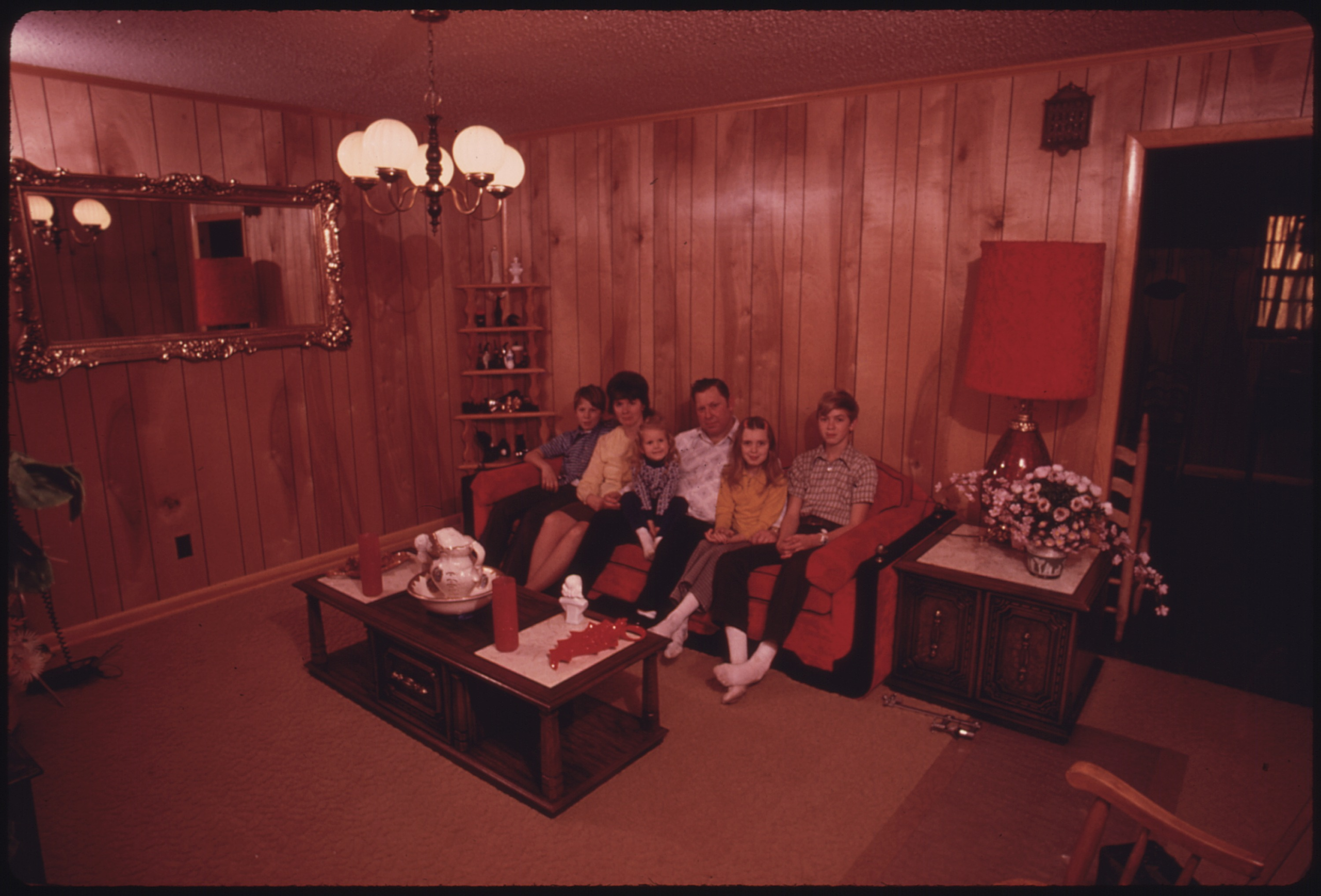
Read in order, the sixteen describe a space that was negotiated rather than owned, and almost every dispute in it was the same dispute wearing different clothes. The argument about what went on the walls was not about taste; it was about whether the room belonged to the household or the occupant. The argument about tidiness could not be settled because the two sides wanted different things from the same word. The searching, which both parties knew about and neither mentioned, operated on a mutual pretence. And the restoration of the room to a presentable condition whenever anybody visited gave the answer away completely: a space that has to be made respectable for a guest is a space somebody else is still presenting as their own.
The physical facts underwrote all of it. The room was shared, so there was no privacy from a sibling. The floor transmitted sound, so there was no privacy from the kitchen. The telephone was in a hallway, so there was no private conversation to be had at all. What a teenager actually controlled was a wall, a side of a floor and a machine for playing music – and the volume of that machine was the one negotiation conducted every single day.
Arithmetic ended it rather than anybody’s attitude. More rooms per household and fewer children per household mean a teenager now gets a room without having to negotiate for half of one, and the whole divided geography went without a decision being taken anywhere. What has gone with it is the thing that generated everything above: an invisible line down the middle of a floor, a settled rule about which half of a wall belonged to whom, a door that could be shut but perhaps not, music at a level nobody had ever specified, and the complete certainty that every word spoken in there could be heard downstairs.
Like our content? Follow us for more.