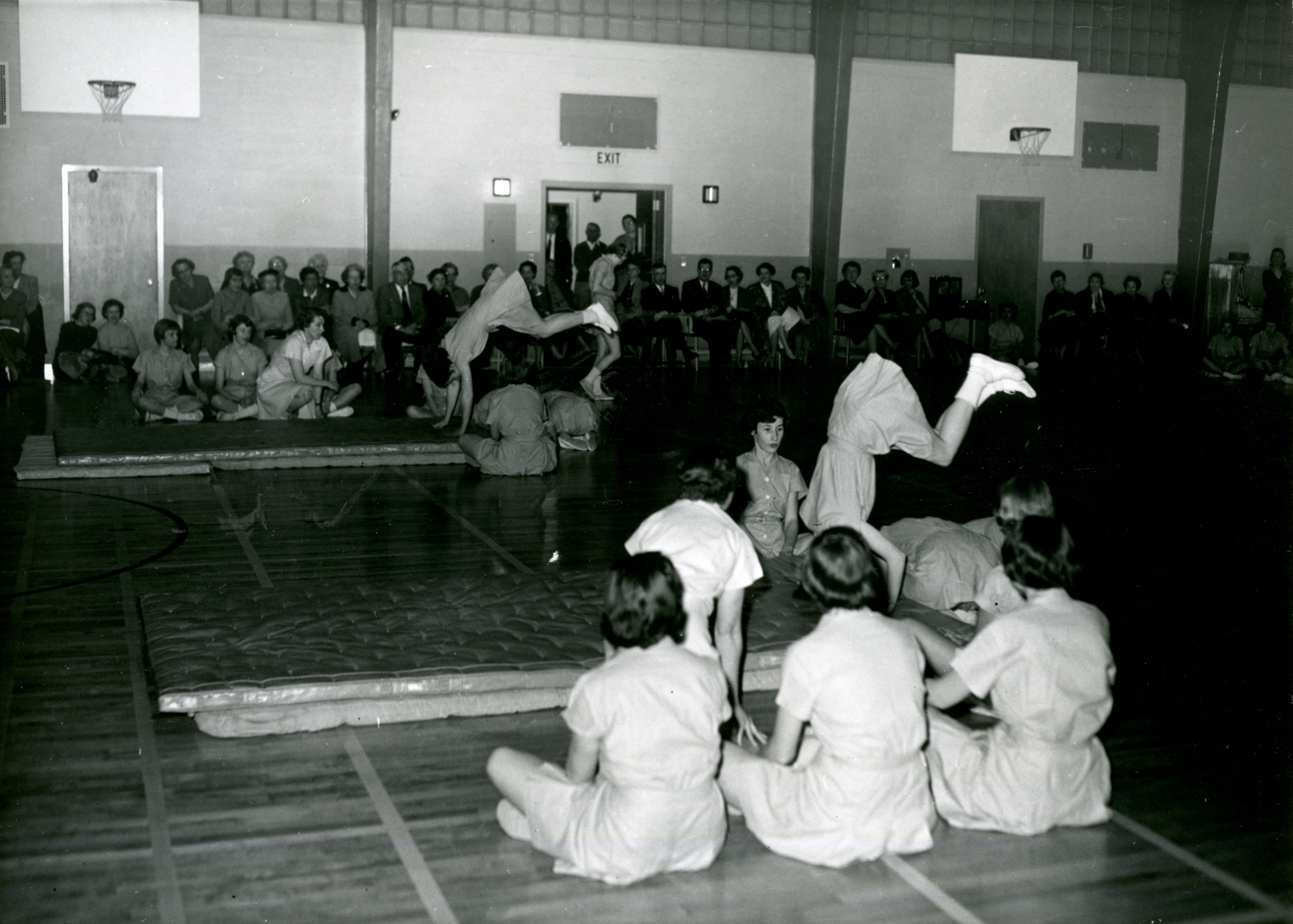
In 1968 the garment was issued rather than chosen, came in a size somebody else decided, carried your name in permanent ink and lived in a drawstring bag that was never properly dry. It was compulsory, it did not fit most of the room, and the business of getting into it in front of thirty people was considerably worse than wearing it. Here are sixteen things every American kid knew about the gym uniform in 1968, and why almost every part of the arrangement around it has since been reconsidered. The garment is the least interesting part of the subject and the thing everybody names first. What the period actually did was take a room of children who had spent the rest of the week being sorted on things that could be practised, dress all of them identically in something nobody had chosen, and then rank them on something a great many of them could do nothing whatever about. Everybody in the class knew the order within a week of September. Nobody had to say it out loud, nothing shifted it, and it was established in public by other children rather than by any adult.
1. It Was Issued Rather Than Chosen
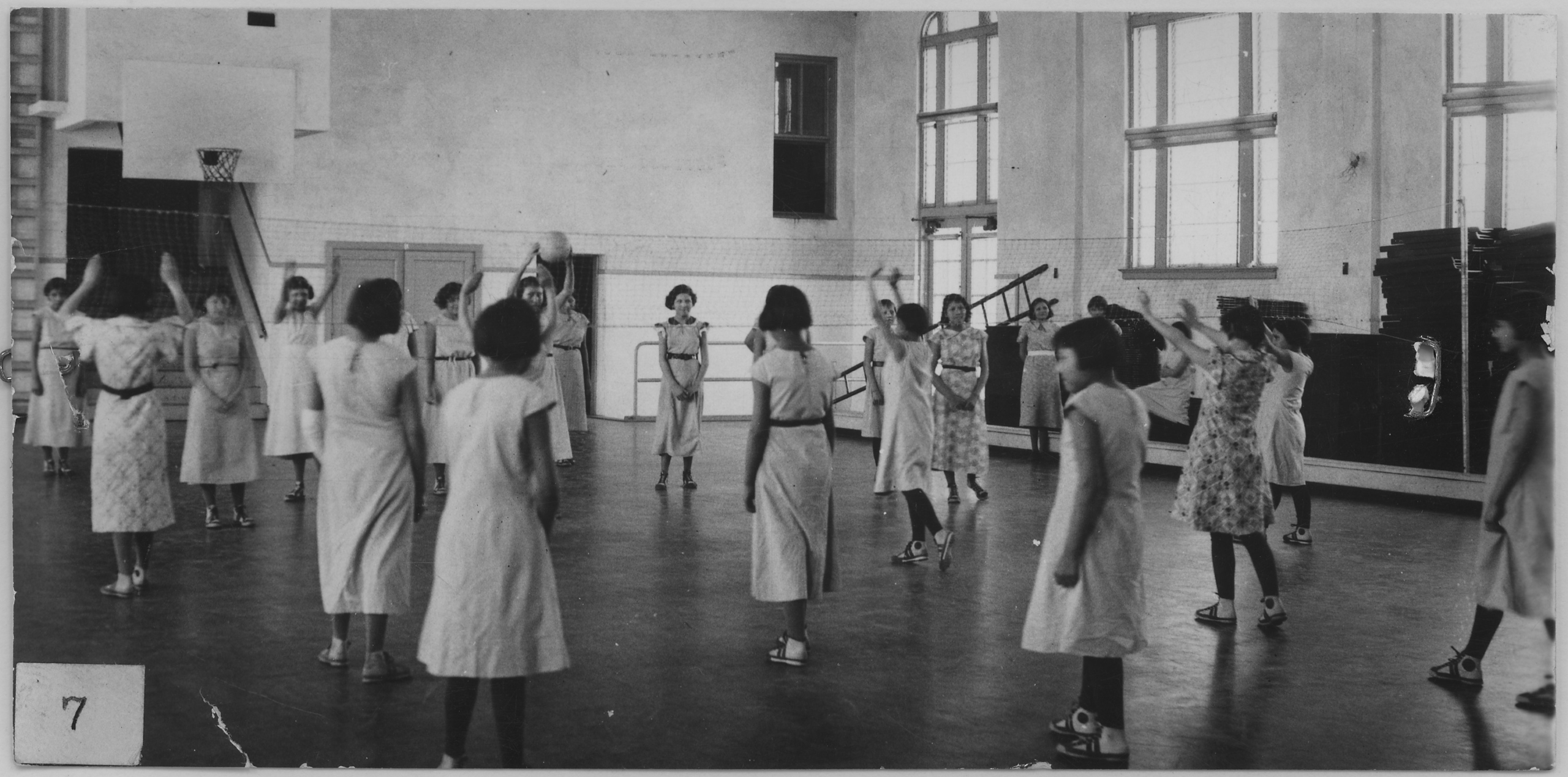
The garment came from the school, in a size somebody else decided, and there was no alternative available at any price.
The absence of choice is the first thing to understand. A child could not opt for something that fitted better, looked better or suited them, because exactly one item existed and everybody had it.
That was also the point. A uniform removes every signal about a household that ordinary clothing carries, and a room of thirty children dressed identically cannot be ranked on anything except what they can actually do.
Like our content? Follow us for more.
2. The Sizes Ran Small, Large and Nothing in Between
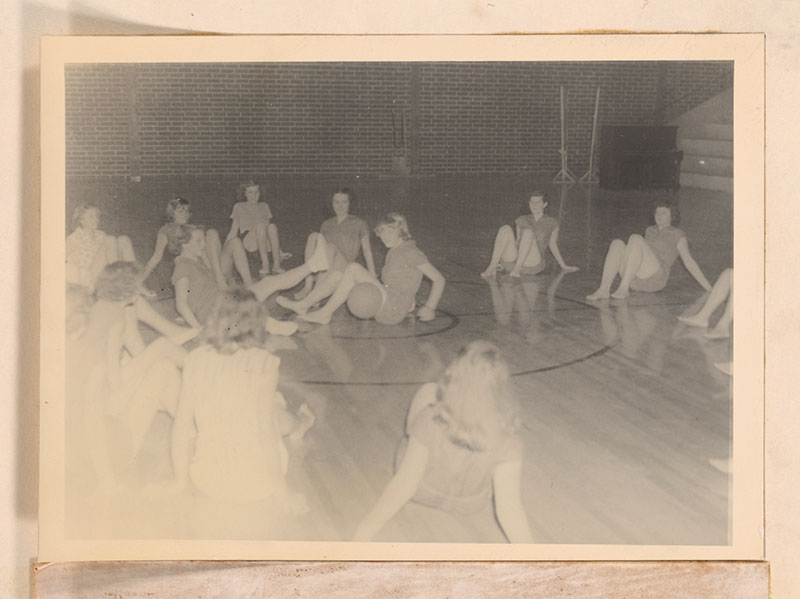
Stock arrived in a handful of sizes, and a child whose measurements fell between two of them was issued whichever was closer.
The fit was therefore wrong for most of the room. Something either hung off somebody or constrained them, and the proportion of children in a correctly sized garment at any moment was not high.
Nobody expected it to be corrected. A badly fitting uniform was a condition of the activity rather than a problem to be solved, and the child concerned simply managed.
3. Your Name Went On It and Stayed There for Years
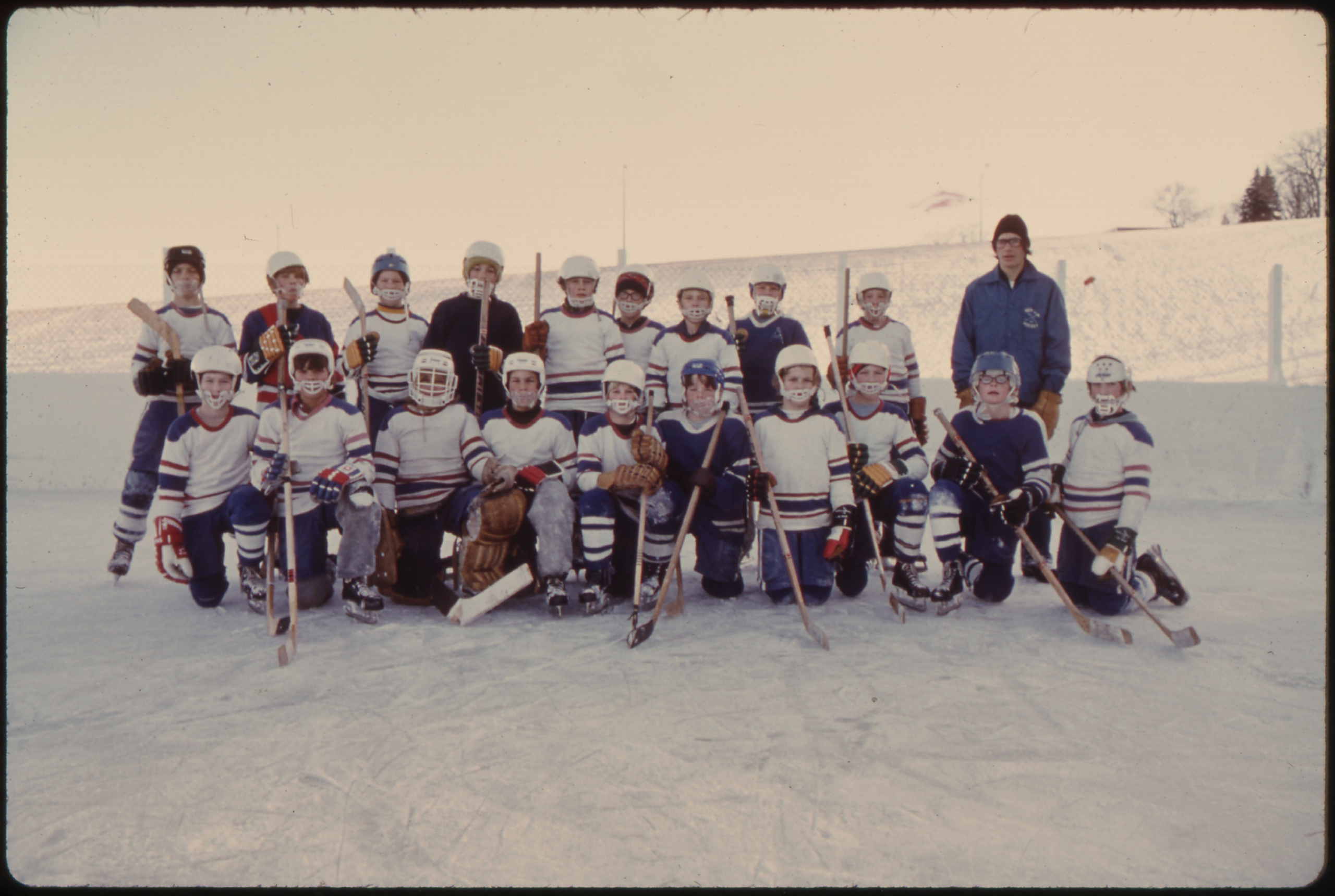
A name was written, stitched or inked onto the garment, and it remained legible long after the child had outgrown it.
The labelling was practical and permanent. Thirty identical items in one room are unassignable without it, and the marking had to survive repeated washing, which meant it was done emphatically.
It also made the thing traceable. A garment found anywhere in the building could be returned to a specific child, which is the whole reason the practice existed and the reason nobody could disown anything.
4. Forgetting It Was the Standard Disaster
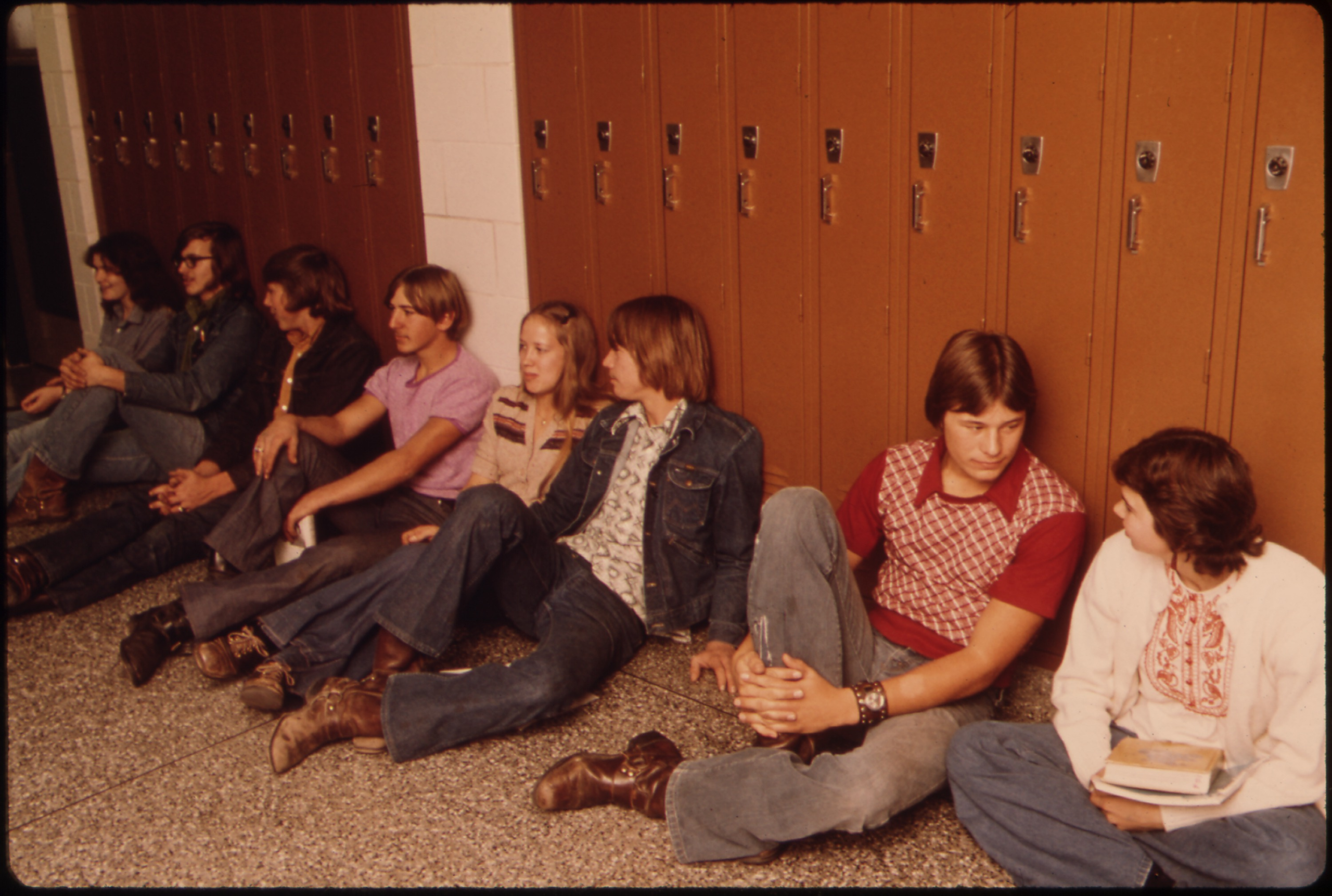
A child who had left it at home faced a consequence that varied by school and was never pleasant.
The remedies differed and all of them were worse than having it. Being issued something from a spare box, taking part in ordinary clothes or sitting the period out were the usual options, and each carried its own form of conspicuousness.
It happened to everybody at least once. The garment lived somewhere other than with the child’s everyday things, which means the system depended on remembering an item that was not part of any daily routine.
5. The Spare Box Was the Worst Outcome and Everybody Knew It
A collection of unclaimed items existed somewhere, in unpredictable sizes and unknown condition, and a child without their own was given one from it.
The dread attached to that box was out of all proportion to anything in it. An item that has been worn by an unknown number of other people and laundered at unknown intervals is not an appealing prospect at eleven years old.
Its existence was nonetheless necessary. A school with a compulsory garment and no spares has to exclude children who forget, and the box was the mechanism that avoided that.
6. Changing in Front of Everybody Was the Actual Ordeal
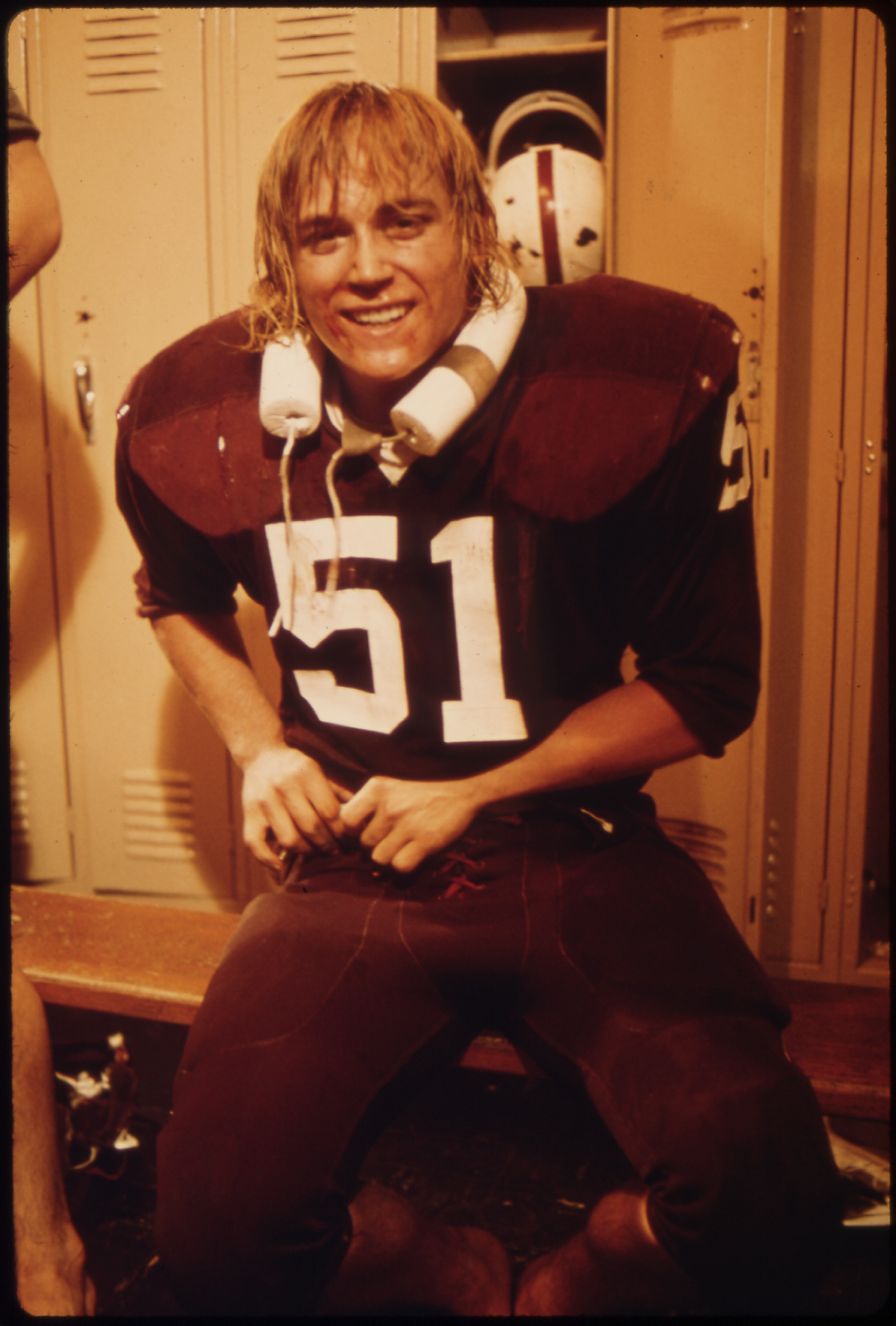
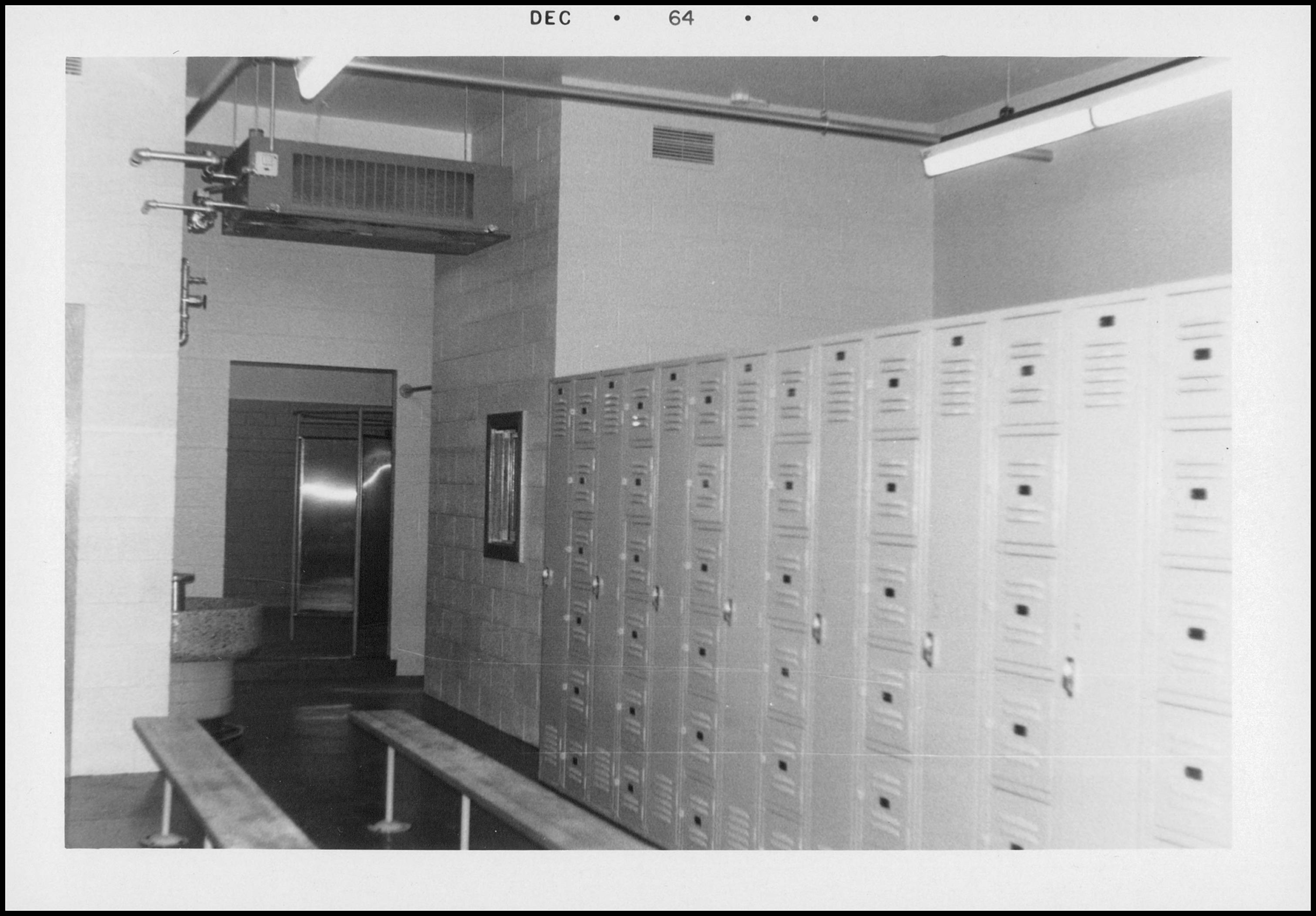
The garment was the smaller half of the problem. Getting into it, in a room with everybody else, was the part children dreaded.
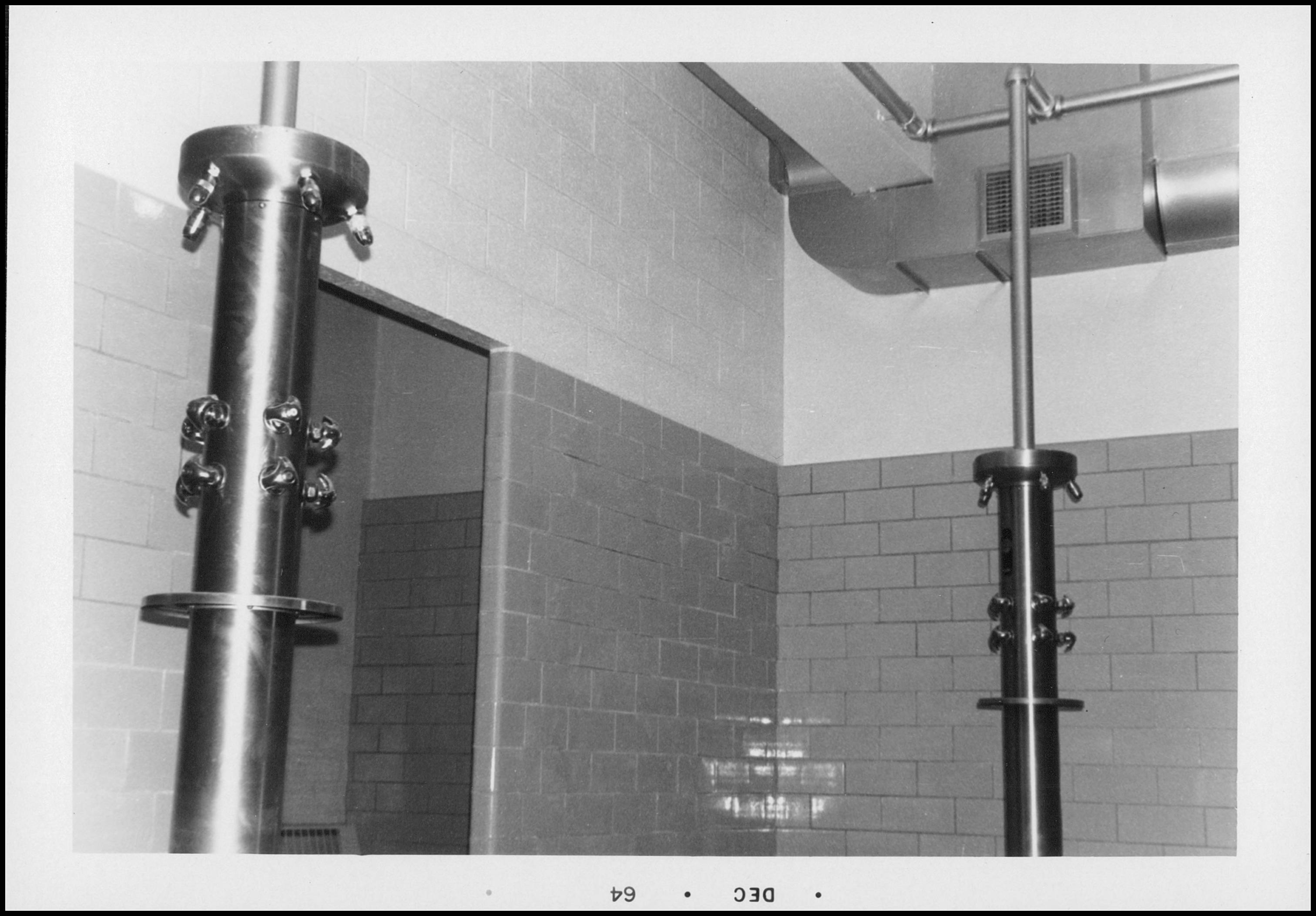
The communal changing room is remembered by almost everybody and discussed by almost nobody. A period of compulsory undressing in a crowded room is a genuinely uncomfortable experience at an age when physical self-consciousness is at its height, and no provision of any kind was made for that.
Strategies were developed and were universal. Facing a wall, changing with maximum speed, arriving early or arriving late were all deployed, and every child had a settled method within about a fortnight.
7. The Speed of Changing Was Itself Assessed
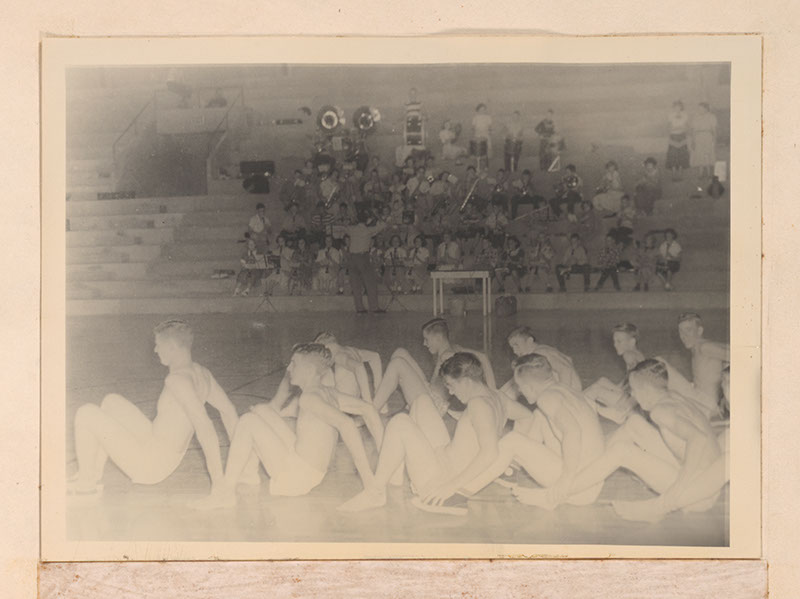
A class was expected to be ready within a set time, and the clock ran whether anybody was ready or not.
The time pressure made the whole thing worse for exactly the children it was hardest on. A child who wanted to change slowly and privately was in direct conflict with a requirement to be out of the room in four minutes.
It was also a genuine logistical necessity. Thirty children changing twice inside a single period leaves very little time for anything else, and the pressure came from the timetable rather than from anybody’s unkindness.
8. Nothing Ever Got Properly Dry
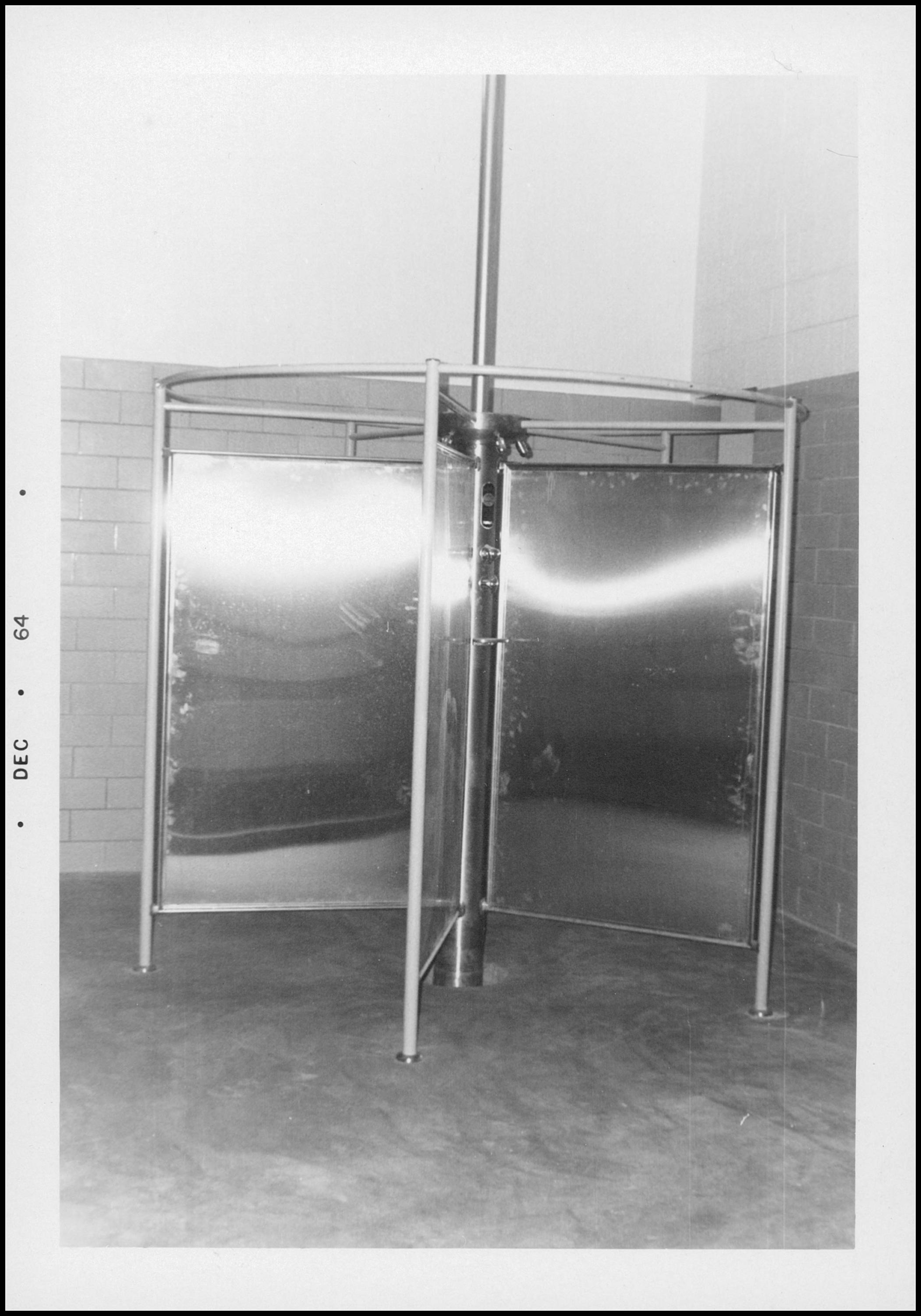
The garment went into a bag damp, stayed in a locker or a cloakroom for days and was put on again in that condition.
The smell is the single most frequently reported detail about the entire subject. Something worn for exertion, bagged while damp and left in an unventilated space acquires a specific quality that everybody who did this can still describe.
Taking it home to be washed was a weekly obligation nobody remembered. A household received the bag on a Friday, dealt with it or did not, and a considerable proportion of these garments were worn for several weeks between washes.
9. The Bag Was Its Own Institution
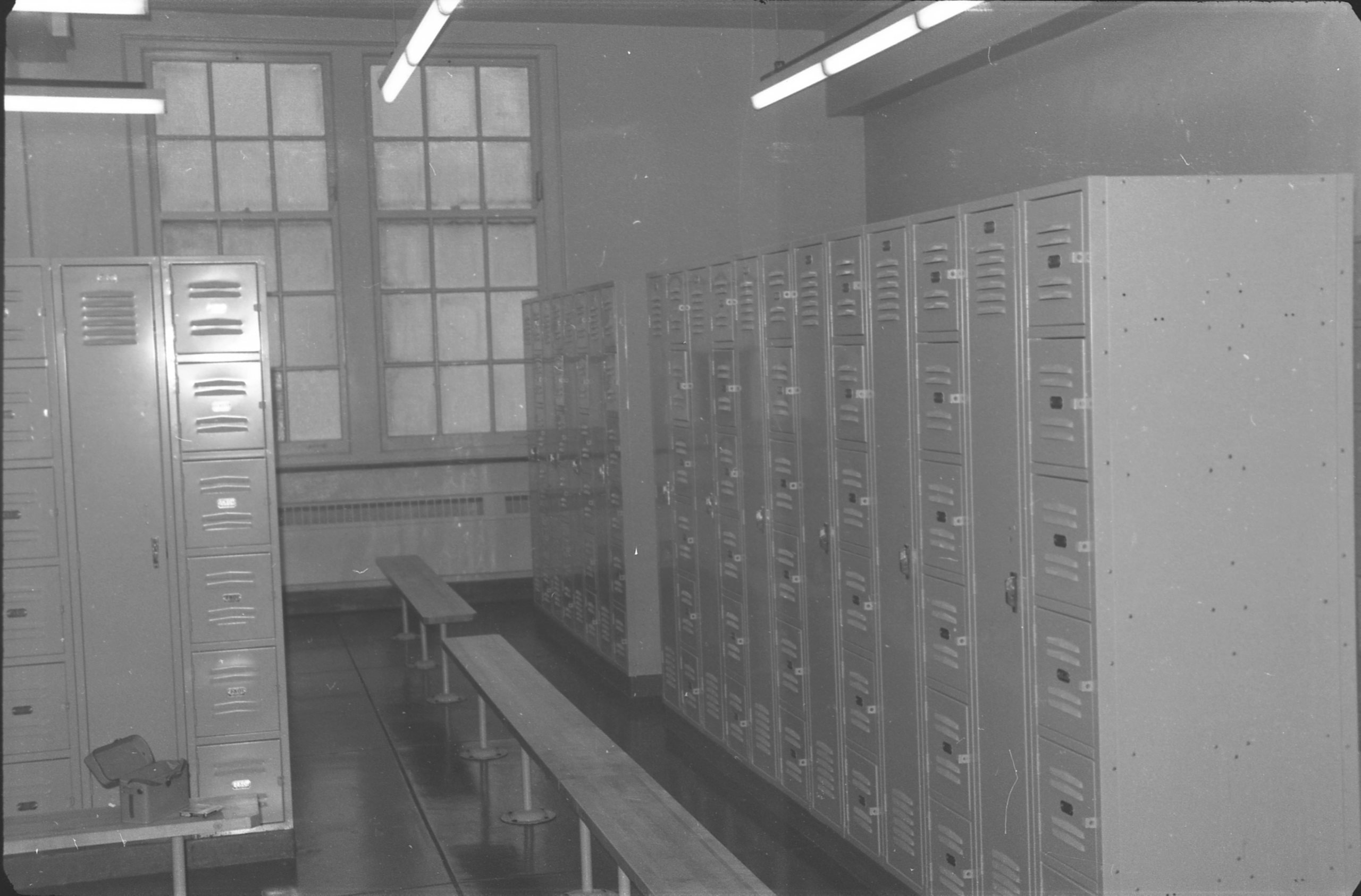
A drawstring bag, frequently homemade, carried the thing to and from school and hung somewhere specific.
The bag mattered more than it should have because it was the one part of the arrangement a household controlled. The garment was identical for everybody; the bag was not, and a child with an obviously homemade one knew it.
It was also the thing that got lost. A bag left on a hook, on a bus or in a corridor took the garment with it, which is how most of the contents of the spare box got there in the first place.
10. Physical Ability Became Visible in a Way It Never Was Otherwise
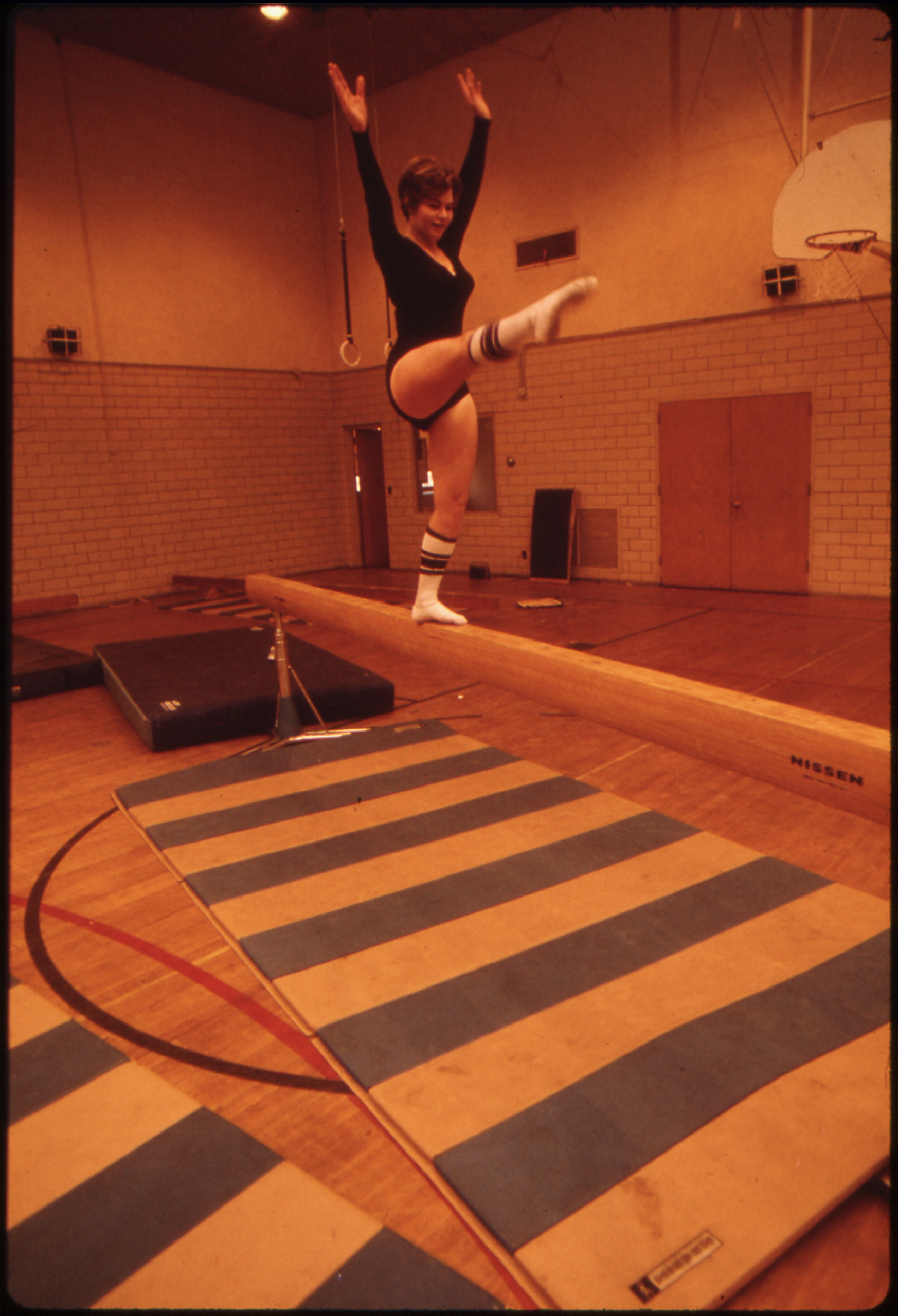
A room of children in identical clothing, doing the same thing, produces an immediate and unambiguous ranking.
That exposure is the real subject of the whole experience. Ordinary school conceals a great deal and sorts children on things that can be practised, while this one period sorted them on something a great many of them could do nothing about.
The ranking was permanent and public. Everybody in the class knew the order within a week of every year starting, nobody had to say anything about it, and it did not change.
11. Being Picked Last Was Built Into the Format
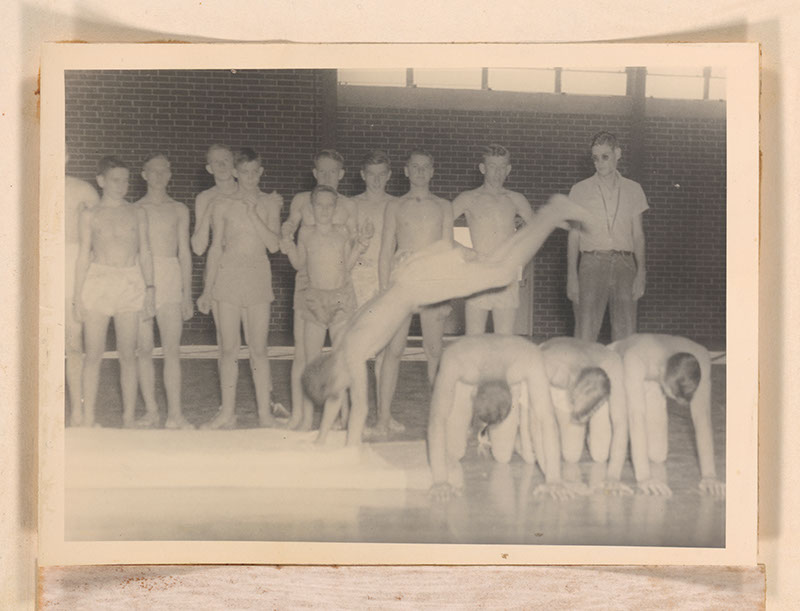
Teams selected in front of everybody produced a last choice every single time, and the same children occupied that position repeatedly.
The method was efficient and is the part of the whole subject that has been most thoroughly reconsidered since, for entirely good reasons. Public ranking of children by physical ability, conducted by other children, is remembered with real feeling by the people it was done to.
Nobody at the time regarded it as a problem to be solved. The practice was universal, it was conducted in front of an adult, and the adult almost always let it proceed.
12. The Note From Home Was the Only Exit
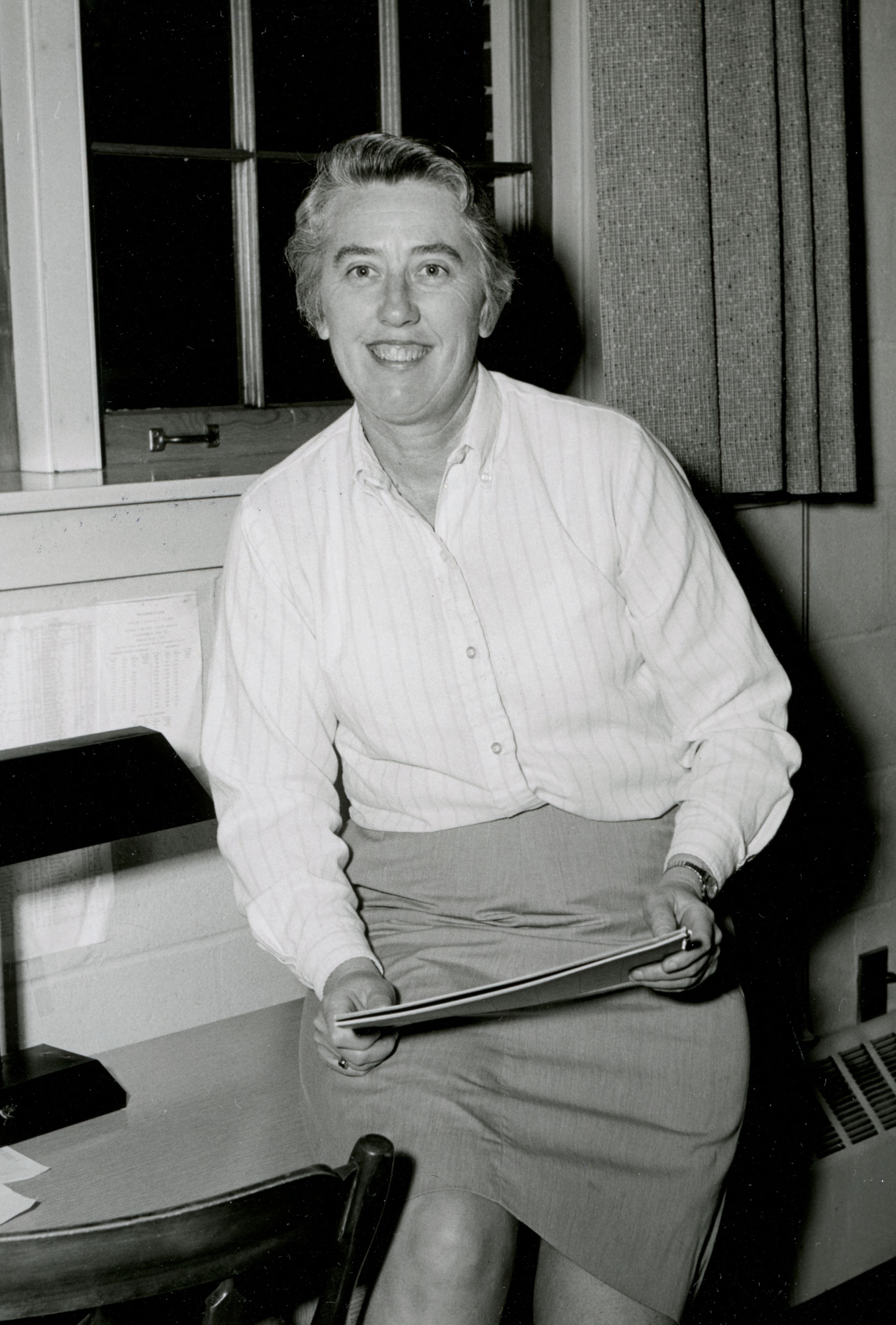
A written excuse was the single recognised route out of taking part, and the conventions around it were well understood by everybody.
The note was a genuine instrument. A household could remove a child from the activity for a week with three lines on a piece of paper, and nobody questioned what was written on it.
Which meant it was used variously. Some notes recorded something real and some recorded a household’s judgement that a particular week was not the week, and the system made no attempt to distinguish between them.
13. Sitting Out Was More Conspicuous Than Taking Part
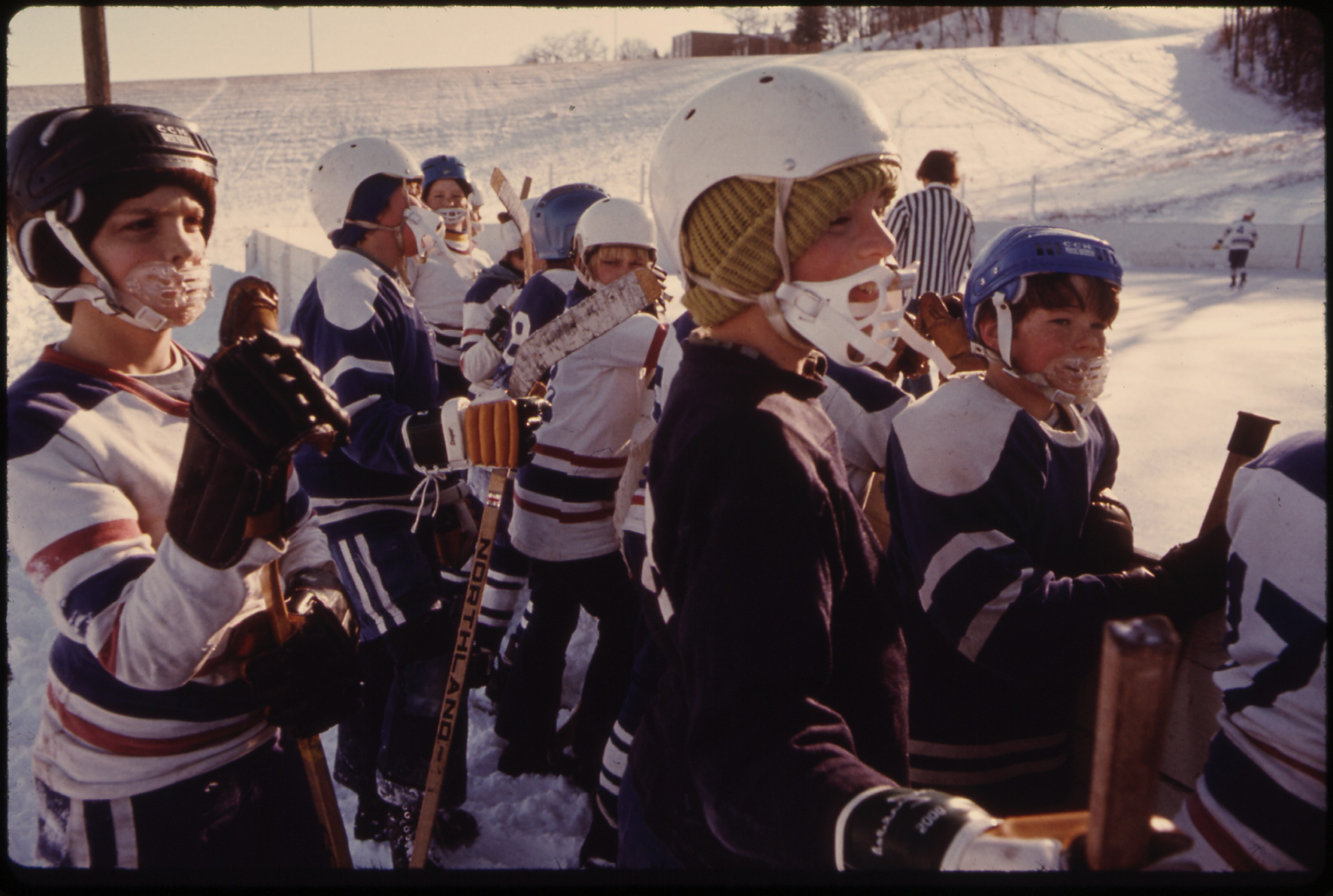
A child on a bench, in ordinary clothes, watching, was considerably more visible than anybody in the activity.
The arrangement defeated its own purpose. A child excused from participation in order to spare them something was placed where thirty people could see them not participating, which is a worse outcome than most of them had been avoiding.
There was nothing else to do with them. A school with no second room and one adult cannot send a child anywhere, so the bench was the only available answer.
14. Everybody Outgrew It Mid-Year
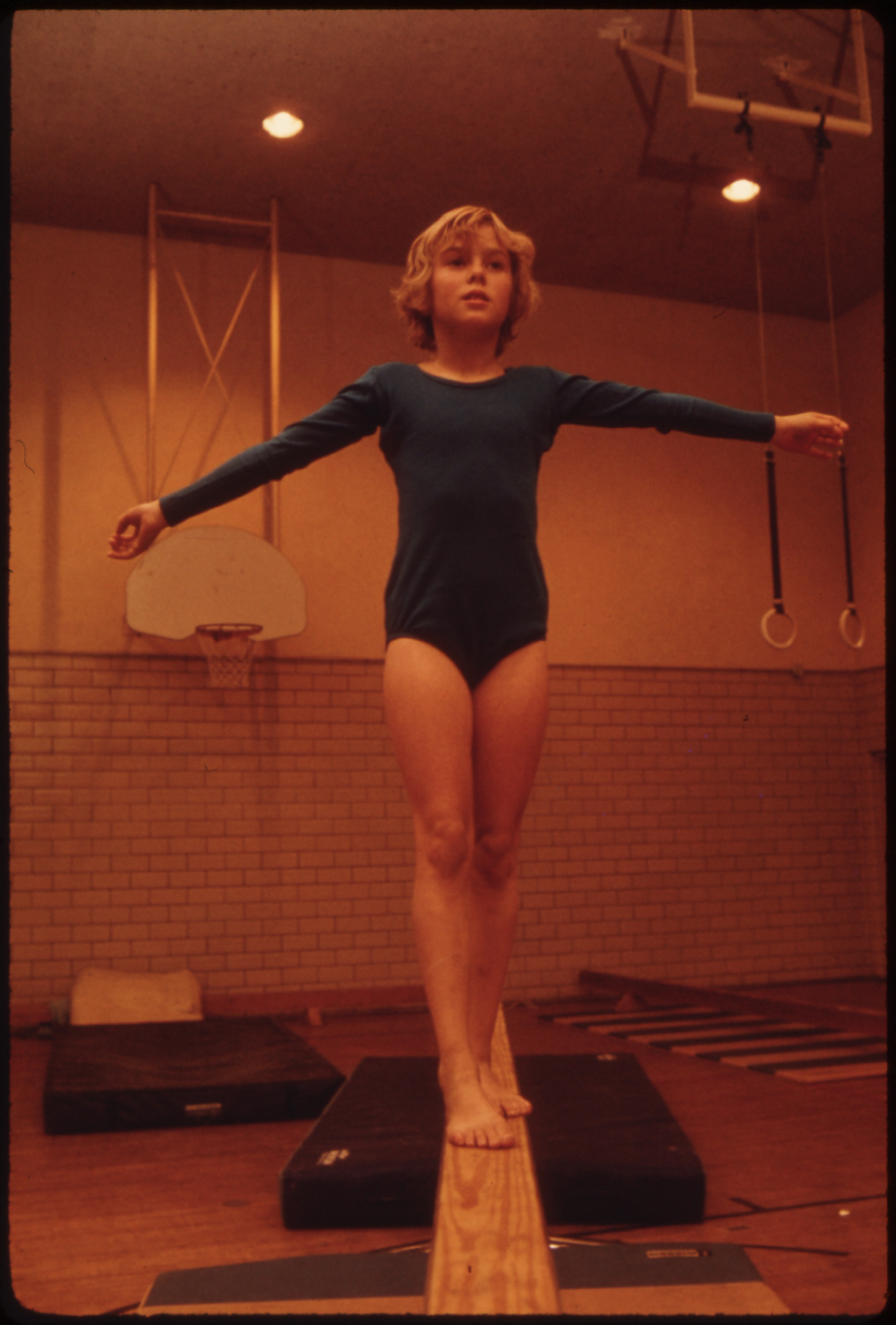
Children grow continuously and the garment did not, which meant a correctly issued item became wrong within months.
The mismatch was permanent rather than occasional. A garment issued in September to a child in a growth year was visibly too small by March, and there was no mechanism for exchanging it until the following year.
Whether anybody minded depended entirely on the child. A garment that had become too small was a public fact about somebody’s body, and the room noticed without anybody mentioning it.
15. Getting Rid of It Was the Best Part of Leaving
The end of the final year meant the garment went into a bin, was handed back or disappeared, and almost nobody kept one.
The disposal rate is the clearest verdict anybody delivered on the whole arrangement. People keep almost everything from school – books, photographs, badges, reports – and this one object was discarded at the earliest opportunity by nearly everybody.
The ones that survive are in the spare box. Items that were handed in rather than taken home stayed in circulation for years afterwards, which means a substantial number of children were issued a garment that had been bought for somebody who had left before they arrived.
16. Then the Whole Arrangement Was Reconsidered
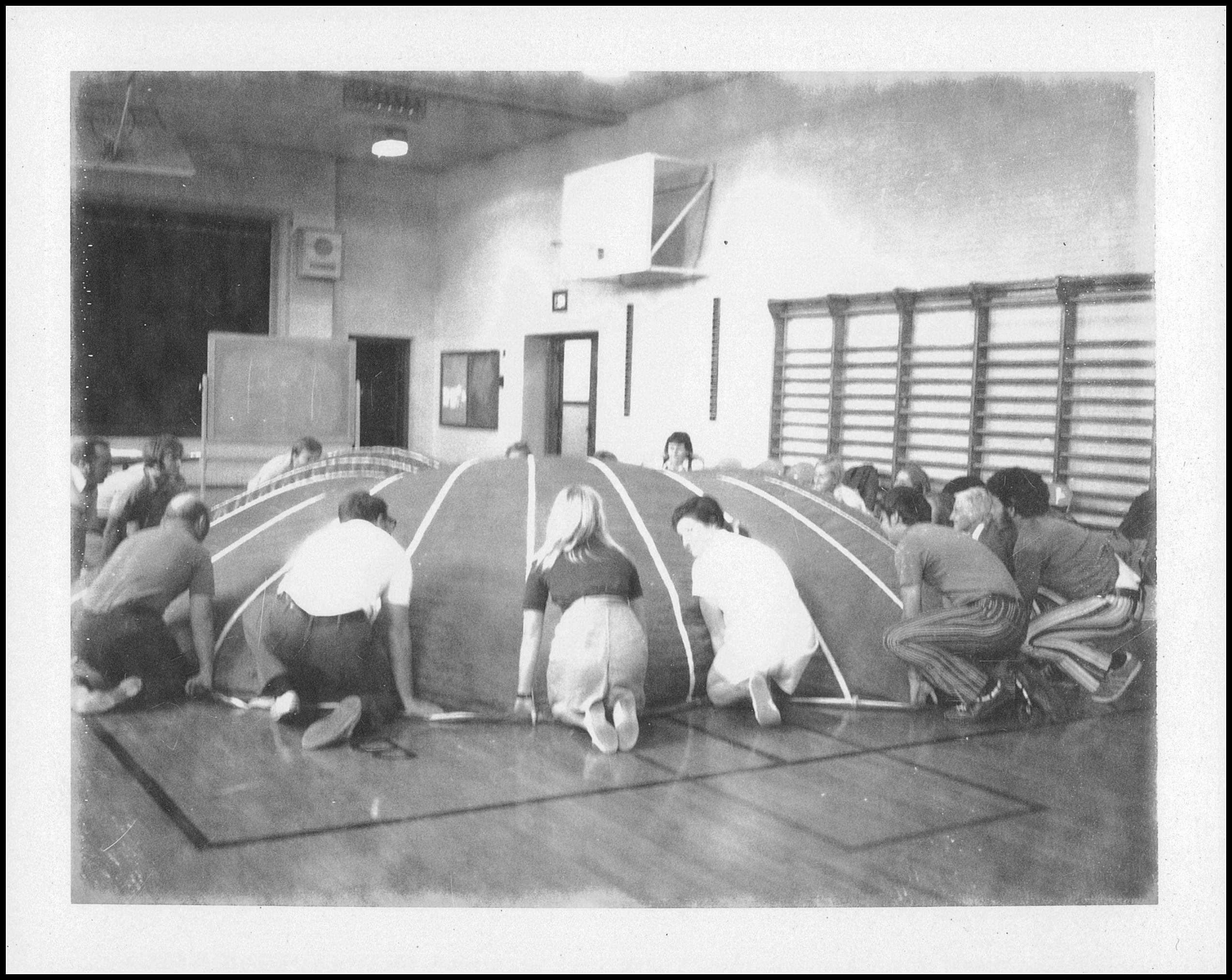
Changing provision, privacy, team selection, compulsory participation and the exposure of children’s bodies were all looked at again, and almost everything changed.
The reconsideration was overdue and the reasons behind it are not in dispute. Private changing, selection methods that do not rank children publicly and considerably more thought about who is being made conspicuous are all improvements that nobody would reverse.
What has gone alongside all of that is the one thing the identical garment did accidentally well. A room in which every single person was dressed exactly the same, in something nobody had chosen and almost nobody liked, was the only place in a school where a household’s circumstances were completely invisible.
What the Identical Garment Did and Did Not Do
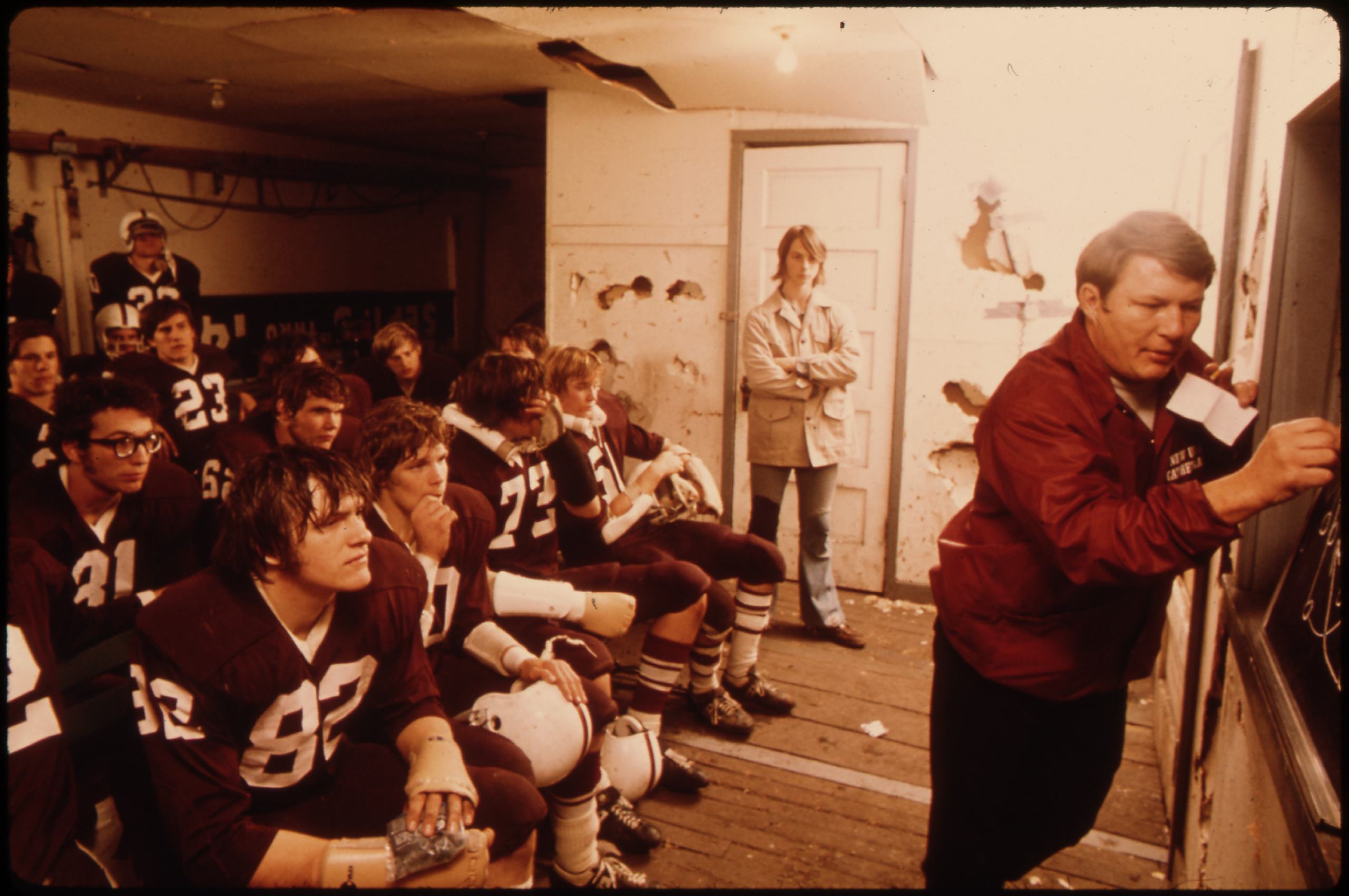
Read in order, the sixteen describe an arrangement that solved one problem well and created several it made no attempt to address. The thing it did accidentally well is in the first item: a uniform removes every signal about a household that ordinary clothing carries, and a room of thirty children dressed identically in something nobody chose cannot be sorted on anything except what they can actually do. For one period a week, a household’s circumstances were completely invisible, which is not true of any other hour in a school.
The problems are the rest of the list. The sizes did not fit, the garment was never dry, forgetting it produced a public consequence, and the ranking it exposed was one most children could do nothing about and could not escape. Teams were picked out loud, which produced a last choice every single time and put the same children in that position for years. And the one route out – a note from home – placed a child on a bench in ordinary clothes where thirty people could watch them not taking part, which is more conspicuous than anything they had been excused from. The practical details compounded all of it. Stock arrived in a handful of sizes, which meant most of the room was wearing something that either hung off them or constrained them, and a correctly issued garment had become wrong by March in any child who was growing. It went into a bag damp and came out of the bag damp, because taking it home to be washed depended on a household noticing a bag on a Friday. And the one route back to having your own was the spare box, which is the detail everybody remembers with the most feeling, because an item of unknown provenance laundered at unknown intervals is not a thing anybody wanted at eleven years old.
Everything that has changed since has changed for reasons nobody disputes. Private changing, selection methods that do not rank children in public, and considerably more thought about who is being made conspicuous are improvements, and no school would run the 1968 version now. What has gone alongside all of it is the accidental benefit: one room, one hour a week, in which every single person was wearing the same badly fitting thing out of the same box, and nothing about anybody’s household could be read off anybody at all.
Like our content? Follow us for more.