In 1966 a classroom animal usually arrived because a household had acquired one, discovered it did not suit them and found a teacher prepared to take it on. Nobody had any reliable information about what it needed, the container it lived in was whatever had come with it, its care was allocated by a handwritten rota on the wall, and every Friday it went home with whichever child had been judged most reliable. Here are sixteen things every class did with the classroom animal in 1966, and why no school would permit any of it now.
1. It Arrived Because Somebody’s Household Could Not Keep It
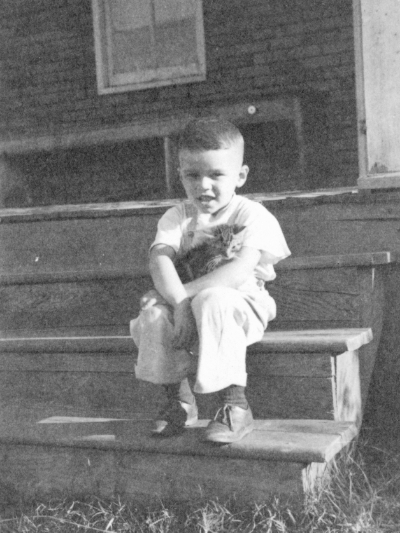
The overwhelming majority of these animals came into a classroom because a family had acquired one, discovered it did not suit them, and found a teacher prepared to take it on.
The origin story is almost never the one anybody remembers. Children assumed the school had provided the creature deliberately as part of some plan, and in a great many cases it had simply been offered at a door by a parent who had run out of options.
That explains why no two classrooms had anything comparable. There was no standard, no list of approved animals and no guidance, so what a class ended up with was decided entirely by what had turned up.
Like our content? Follow us for more.
2. One Teacher in Every School Said Yes and Everybody Knew Which
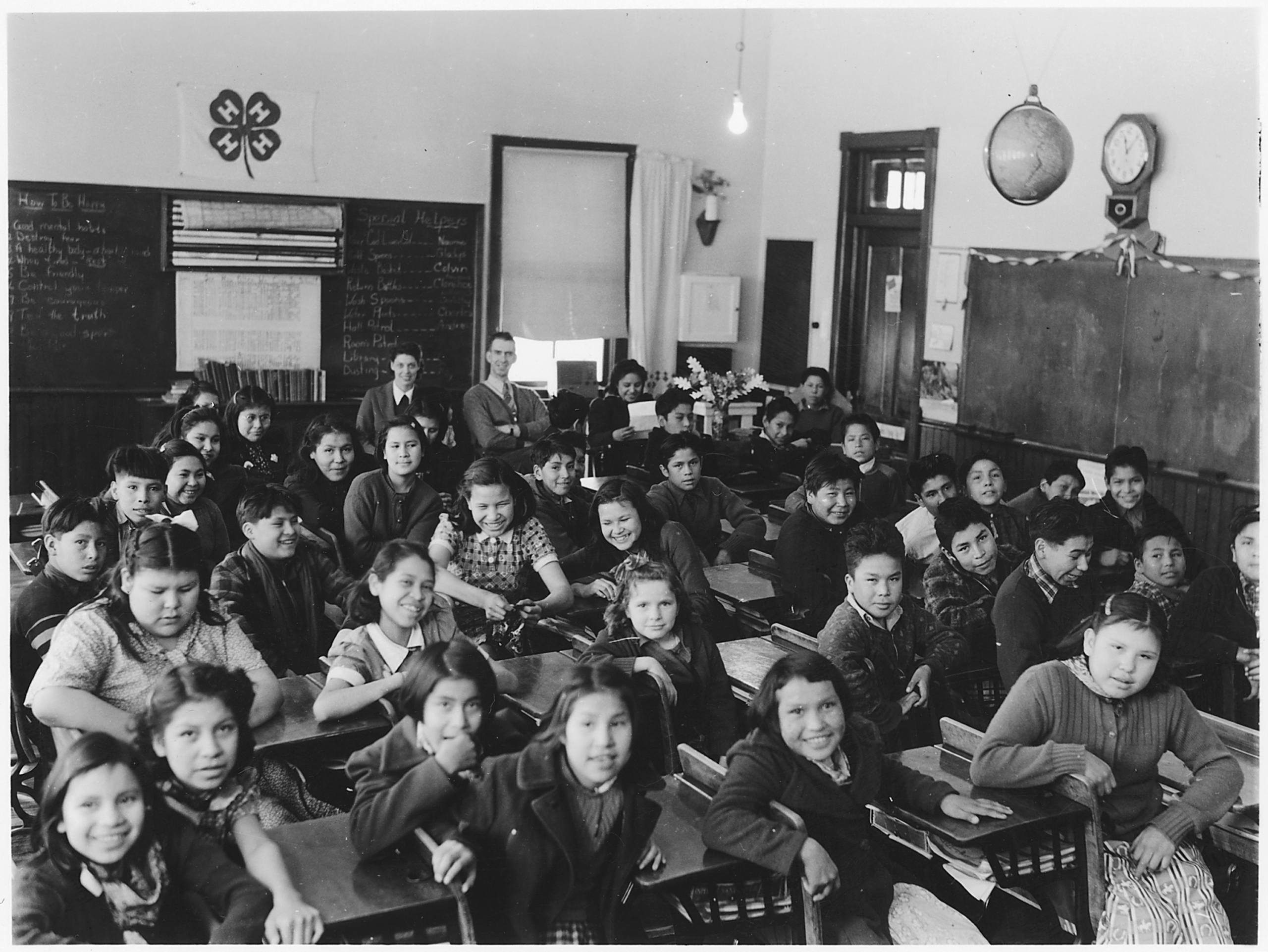
The willingness was concentrated in one or two adults, and the rest of the building politely declined everything.
The concentration was entirely predictable. An animal in a classroom is a permanent additional responsibility with no reward attached, and the number of people prepared to take that on in any given school was small and well known.
Children consequently tracked it closely. Which teacher you got determined whether your year contained a creature, and the knowledge was passed down by older siblings well before anybody was assigned a class.
3. Nobody Had Any Idea What It Needed
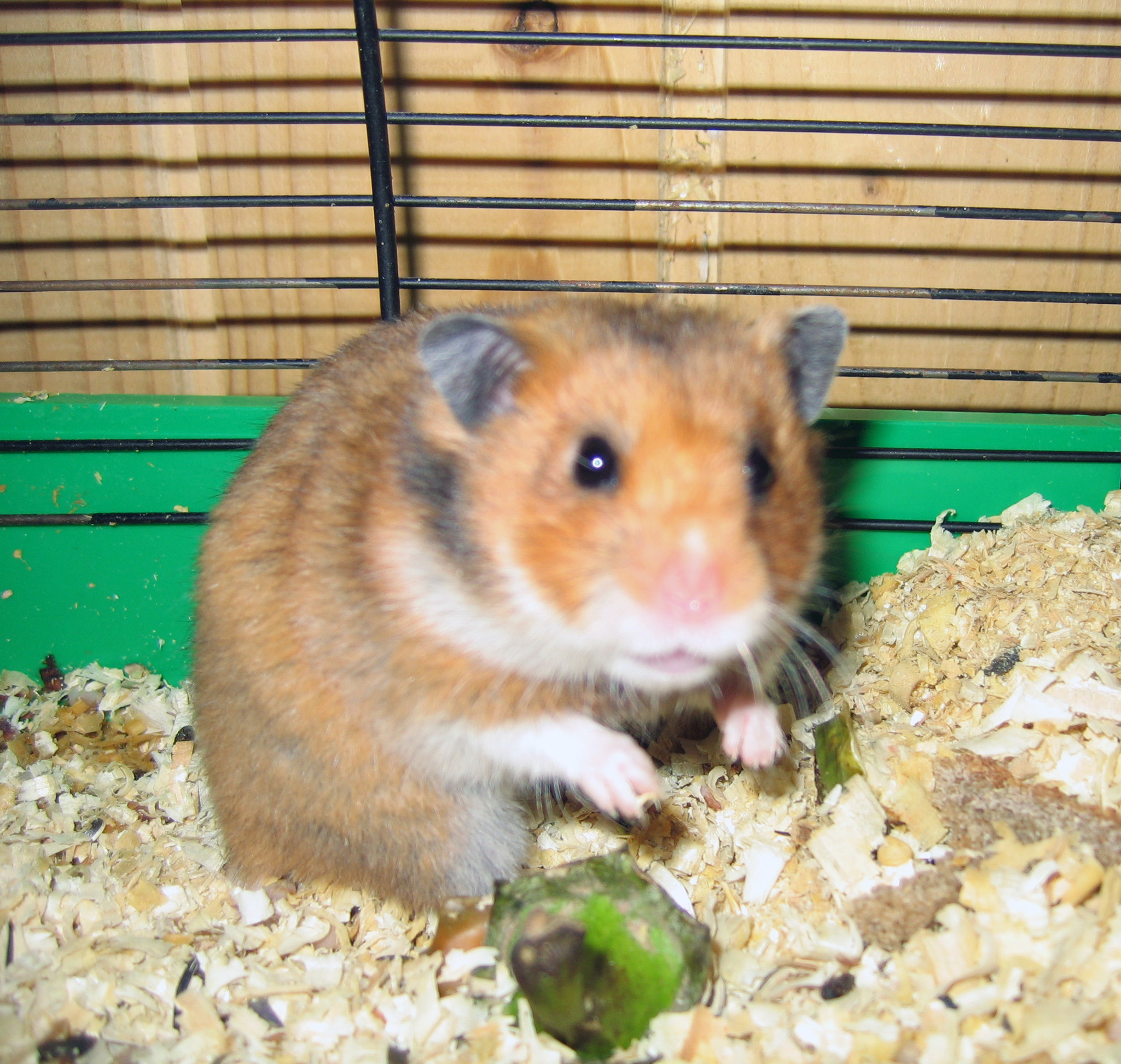
Information about the correct care of an unfamiliar animal was almost impossible to obtain, and most classrooms were working entirely from guesswork.
The absence of reference material is the fact that explains most of what went wrong. A teacher with a creature, no instructions and no way to look anything up was making decisions from first principles about an animal they had never encountered before.
The gap was filled by confident wrong advice. A child whose uncle kept something similar, a book that was broadly about the wrong species and a pet shop’s one-line answer were the available sources, and all three were frequently mistaken.
4. The Rota Was the Most Serious Document in the Room
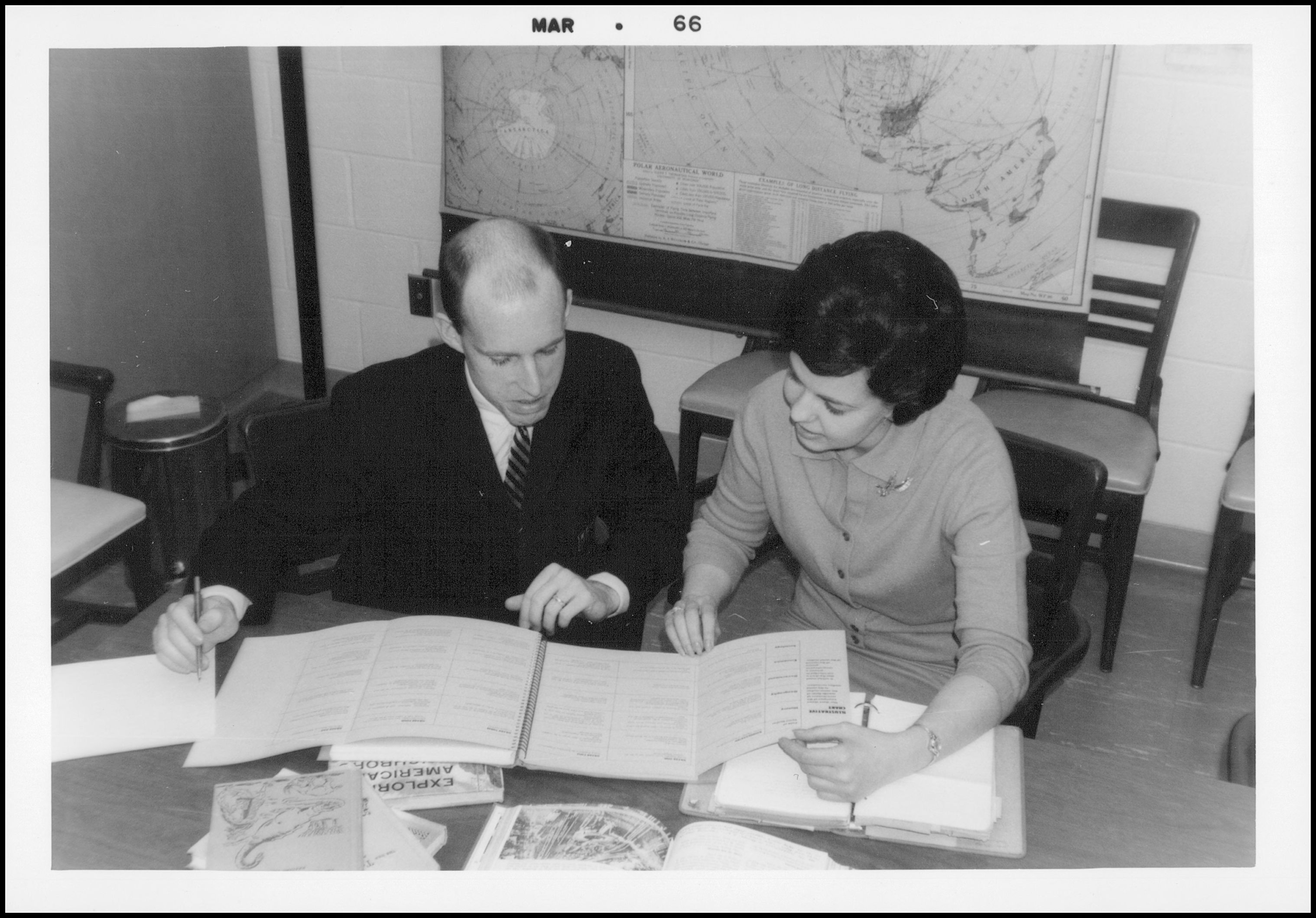
A written schedule said whose turn it was, it was posted where everybody could see it, and it was consulted more carefully than anything else on the wall.
The formality was proportionate to the stakes as children understood them. A rota conferred a turn, a turn was a privilege, and a document that allocated privileges in a fixed order was watched for errors by thirty people.
Disputes about it were constant and specific. A child who believed they had been skipped had a grievance that could be checked against a written record, which is unusual in a classroom and made the argument considerably more satisfying.
5. Being on the Rota Was a Position Rather Than a Chore
Nobody regarded the work as work. The turn was understood as a reward and was treated accordingly.
The inversion is the interesting part. An identical task framed as a duty produces reluctance and framed as a privilege produces competition, and this one was framed as a privilege by nothing more than the fact that not everybody could do it at once.
Losing a turn was a real sanction. A child removed from the rota for something unrelated had been punished more effectively than by any ordinary consequence, and the teachers who worked that out used it.
6. The Weekend Was the Permanent Problem
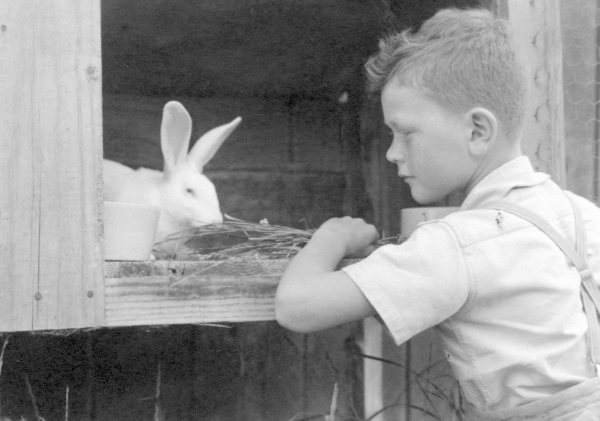
A building empty from Friday afternoon until Monday morning cannot sustain anything, which meant the animal had to go home with somebody.
The logistics of that were the largest single difficulty in the entire arrangement. A creature in a container had to be carried out of a building, transported, accommodated by a household that had not necessarily agreed to any of it, and returned on Monday.
Selection for weekend duty was the highest honour available. A child entrusted with taking the thing home had been publicly identified as the most reliable person in the room, and the competition for it was intense and entirely unspoken.
7. Some Households Were Appalled to See It Arrive
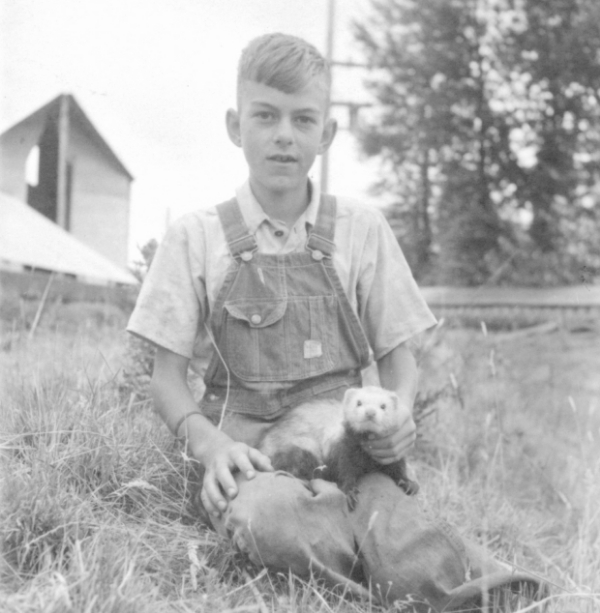
A child who had volunteered without consulting anybody at home produced a Friday evening that had not been anticipated by their parents.
The unauthorised commitment was common and the adults involved dealt with it variously. A household presented with an unexpected animal and a child who had made a promise to a teacher had very little room to refuse.
Which produced some genuinely unsuitable weekends. An animal accommodated reluctantly, in an unsuitable place, by people with no interest in it, was not having a good two days, and some of them came back worse than they went.
8. The Holidays Were Worse Than the Weekends
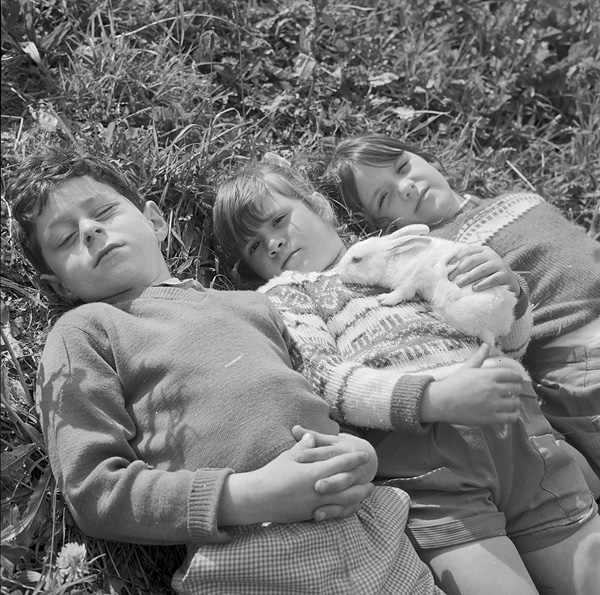
A six-week break required somebody to take the thing for the whole period, and the arrangement had to be made in advance.
The problem had no good solution. Six weeks is a commitment no child can make on a household’s behalf, which meant the teacher frequently took the animal themselves, every single year, without anybody noticing that they had.
A proportion of these arrangements simply failed. An animal that went away in July and did not come back in September was a recurring event in classrooms of this period, and the explanation offered to the class was frequently not the true one.
9. Everybody Was Allowed to Hold It and Not Everybody Should Have Been
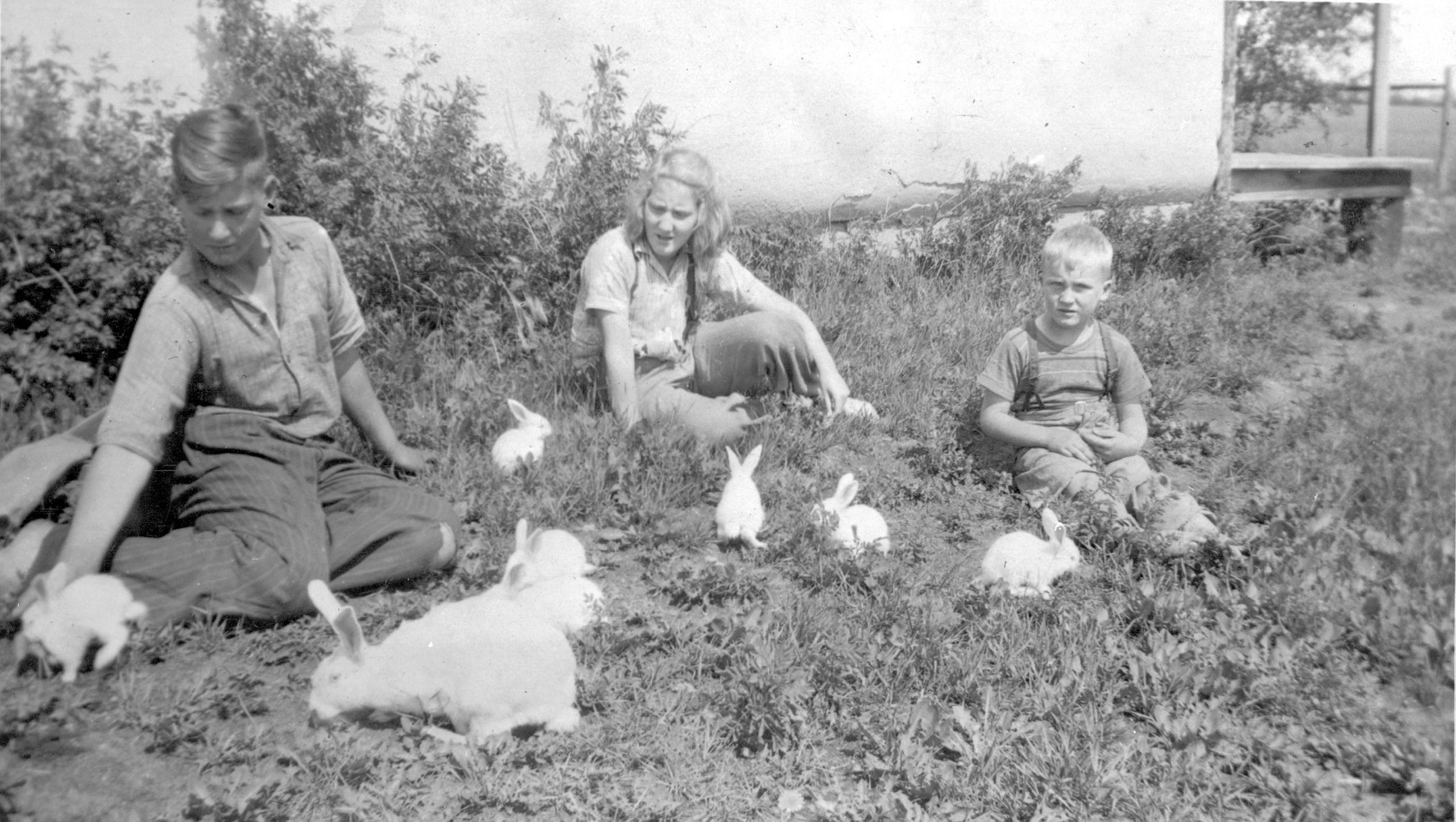
Handling was a reward distributed widely, with instruction that amounted to a single sentence.
The supervision was as good as one adult with thirty children can manage, which is not very good. A teacher cannot watch one child’s hands and the rest of a classroom simultaneously, and the moments when something went wrong were the moments when somebody looked away.
Children’s enthusiasm was the main hazard to the animal. A creature handled thirty times a day by people who are excited rather than careful is being subjected to something no household pet experiences, and the accumulated stress of that was not understood at all.
10. The Container Was Almost Always Inadequate
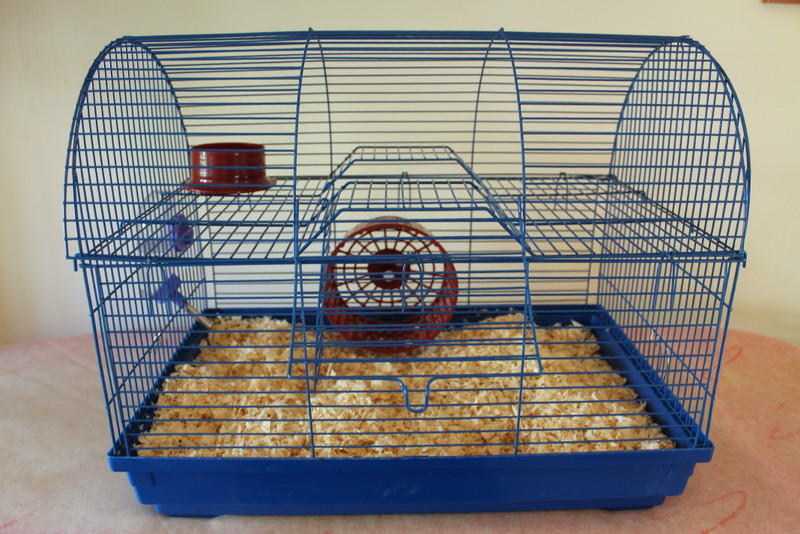
A tank, a cage or a box, sourced from wherever it had come from, was what the animal had, and it was rarely the right thing.
The housing was determined by what had arrived with the creature rather than by what it required. A classroom had no budget, no supplier and no reason to replace something that was working in the sense that the animal was still in it.
Improvements were made by children and were variable. A class that decided to build something better produced an object with real enthusiasm behind it and no expertise whatsoever, and the results were not always an upgrade.
11. It Was the First Living Thing a Lot of Children Were Responsible For
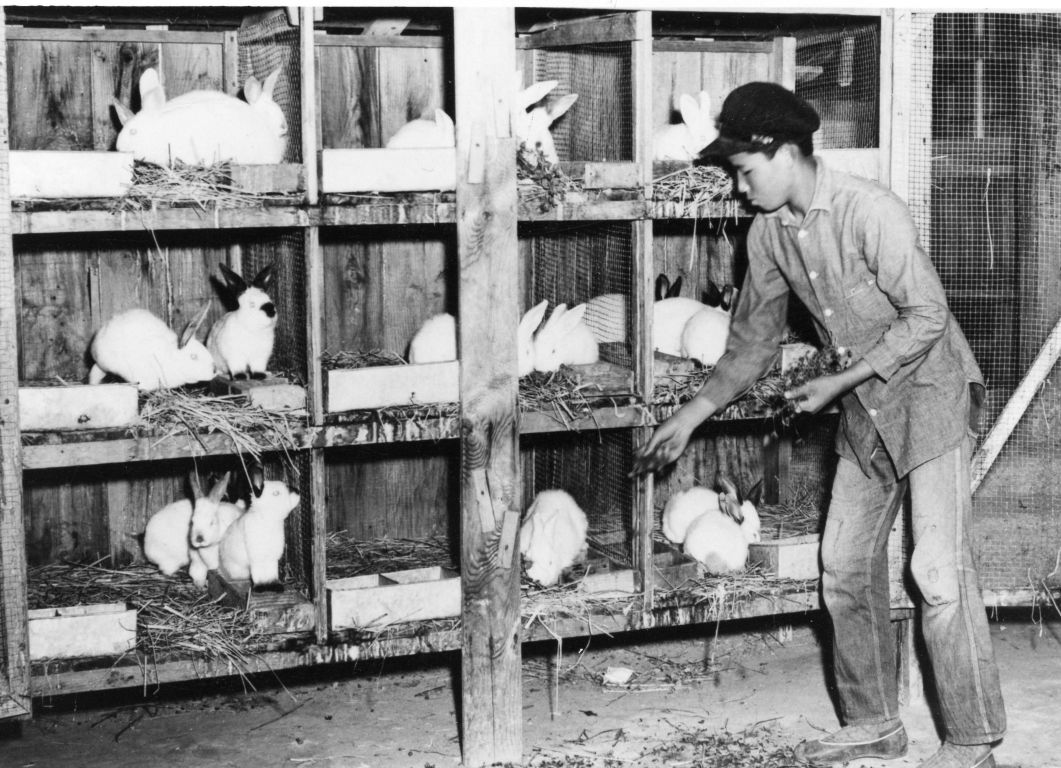
A household without animals produced children whose entire experience of caring for anything came from a classroom rota.
That is the genuine educational content of the whole arrangement and it was substantial. A child who has fed something, cleaned up after it and noticed when it was not right has learned something that cannot be taught any other way.
The responsibility was also completely real. Nothing about the task was symbolic – a creature that was not fed was not fed, and the consequence fell on something that could not do anything about it.
12. Passing away Was Handled Badly in Almost Every Case
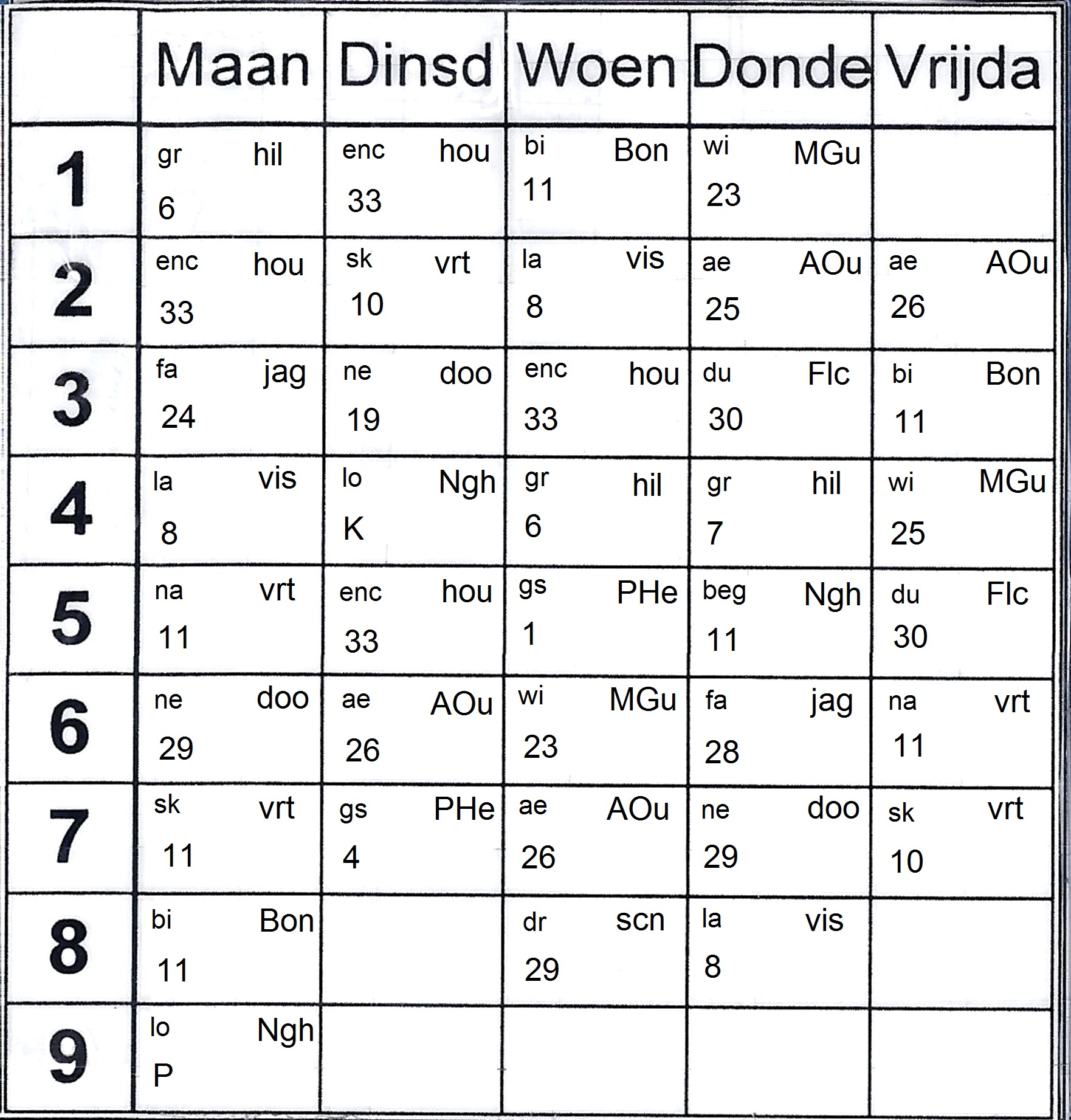
These animals passed away, frequently, for reasons that were usually preventable, and the class was told something that was not quite accurate.
The handling is the part that has been most thoroughly reconsidered since. A teacher facing thirty children and a dead animal, with no guidance and a lesson to teach, generally reached for a story, and the children involved frequently worked out that it was a story.
That is worth stating plainly rather than dwelling on. The deaths were real, were avoidable in most cases, and the arrangement that produced them is not one anybody should be nostalgic about, whatever else can be said for it.
13. Nobody Was Keeping Any Records
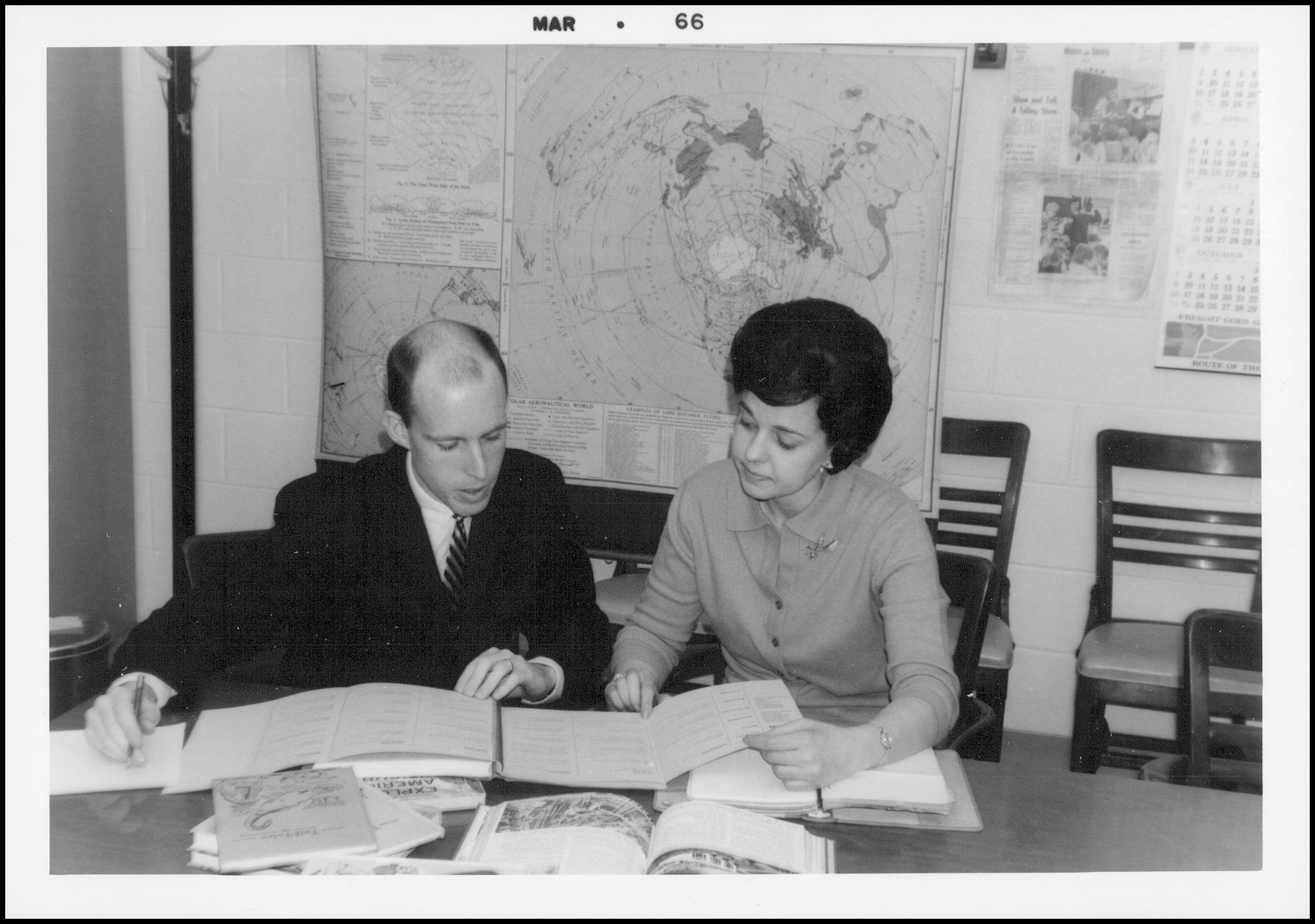
No log of feeding, no note of what had been done, no observation of condition and no account of anything that had happened.
The absence of a record meant nobody could tell whether the animal was being looked after. A rota establishes whose turn it is and says nothing about whether the turn was taken, and a creature in a classroom could go a weekend unfed without anybody being able to establish it afterwards.
Which is also why the failures repeated. A classroom with no record of what had gone wrong last year was making the same mistakes again with a new animal and a new set of children.
14. The Animal Became the Room’s Shared Subject
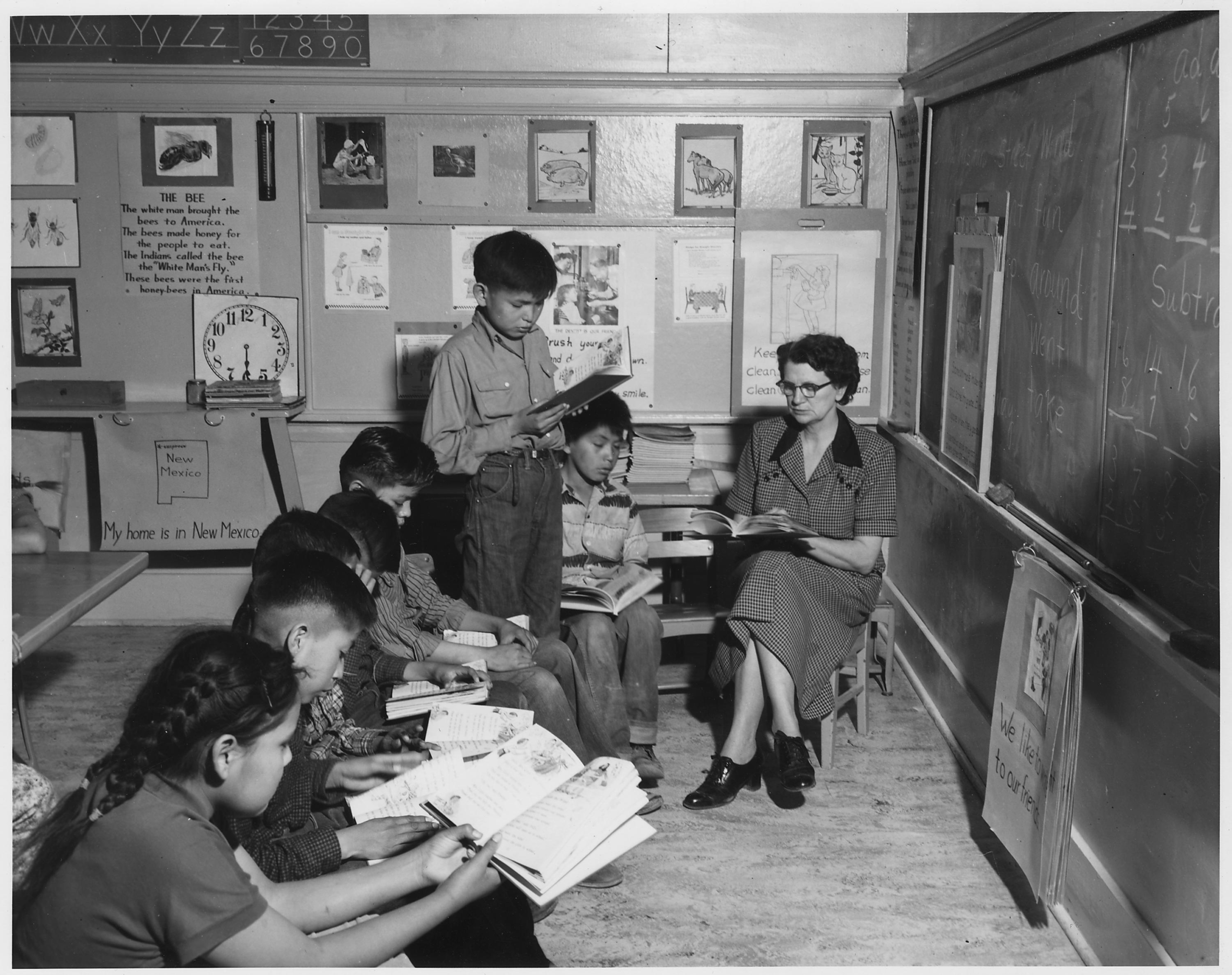
Thirty children with one thing in common talked about it continuously, and it supplied a common reference nothing else did.
The social function was considerable and entirely unplanned. A class with a shared object of attention has a subject available at every moment, and the creature appeared in writing, in drawings, in conversation and in arguments all year.
It also gave the quietest children something. A child who found a classroom difficult but found the animal interesting had a legitimate reason to be somewhere, doing something, with a purpose, and several teachers used that deliberately.
15. Taking It Home at the End of the Year Was a Real Transaction
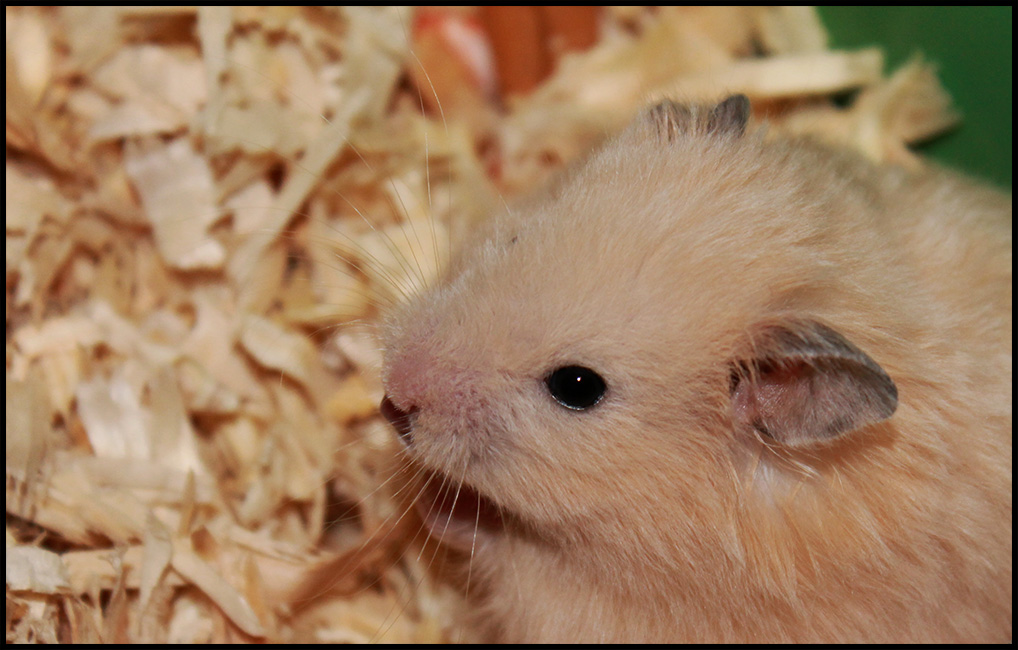
The final arrangement had to dispose of the creature permanently, and the child who got it had acquired a genuine long-term obligation.
The handover was frequently informal to the point of recklessness. An animal handed to a nine-year-old in July, with a household that had not been consulted and no arrangements in place, is the beginning of a problem rather than the end of one.
Some of those animals were extremely well looked after for years. A child who had been on the rota for a year, had become attached and had a household prepared to support it provided a considerably better home than the classroom ever had.
16. Then the Whole Practice Was Reassessed
Welfare standards, allergies, hygiene requirements, insurance and a far better understanding of what these animals actually need removed the arrangement from most schools entirely.
The reassessment was overdue and the reasons for it are not in dispute. An animal kept in a room of thirty children, handled constantly, housed in whatever had arrived with it, cared for by rota and transported to unvetted households at weekends was not a well-treated animal, and nothing about ending that is a loss.
What the arrangement did supply, and what has not been straightforwardly replaced, is the only experience a great many children ever had of being individually responsible for something alive – a turn on a written rota, a thing that would not be fed unless they did it, and the entirely real knowledge that nobody else was going to.
What the Rota on the Wall Was Actually Doing
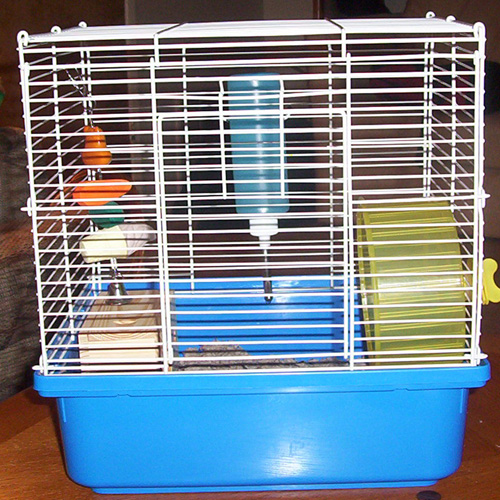
Read in order, the sixteen describe an arrangement built almost entirely out of improvisation. There was no standard, no guidance and no reference material, which meant a teacher with an unfamiliar creature was working from first principles and from confident wrong advice. The housing was whatever had arrived with the animal. The care was allocated by a document that recorded whose turn it was and nothing about whether the turn had been taken. The weekends and the holidays were a permanent unsolved problem that the teacher frequently absorbed personally, every year, without anybody noticing.
What it produced, for the children, was the only genuine responsibility a great many of them ever held. A turn on that rota was understood as a privilege rather than a chore, competed for rather than avoided, and withdrawn as a sanction. And the responsibility was completely real: a creature that was not fed was not fed, the consequence fell on something that could do nothing about it, and the child whose name was against that day was the only person who was going to act.
The practice ended for reasons nobody disputes. An animal handled thirty times a day by excited children, housed in whatever turned up, cared for by rota, transported at weekends to households that had not agreed to it and frequently dying of something preventable was not a well-treated animal. Welfare standards, allergies, hygiene and a far better understanding of what these creatures actually need took the arrangement out of schools, and nothing about that is a loss.
What has not been straightforwardly replaced is the narrow thing it did well: a nine-year-old with their name written against a day, looking after something that would not be looked after otherwise, and knowing with complete certainty that nobody else was going to do it.
Like our content? Follow us for more.