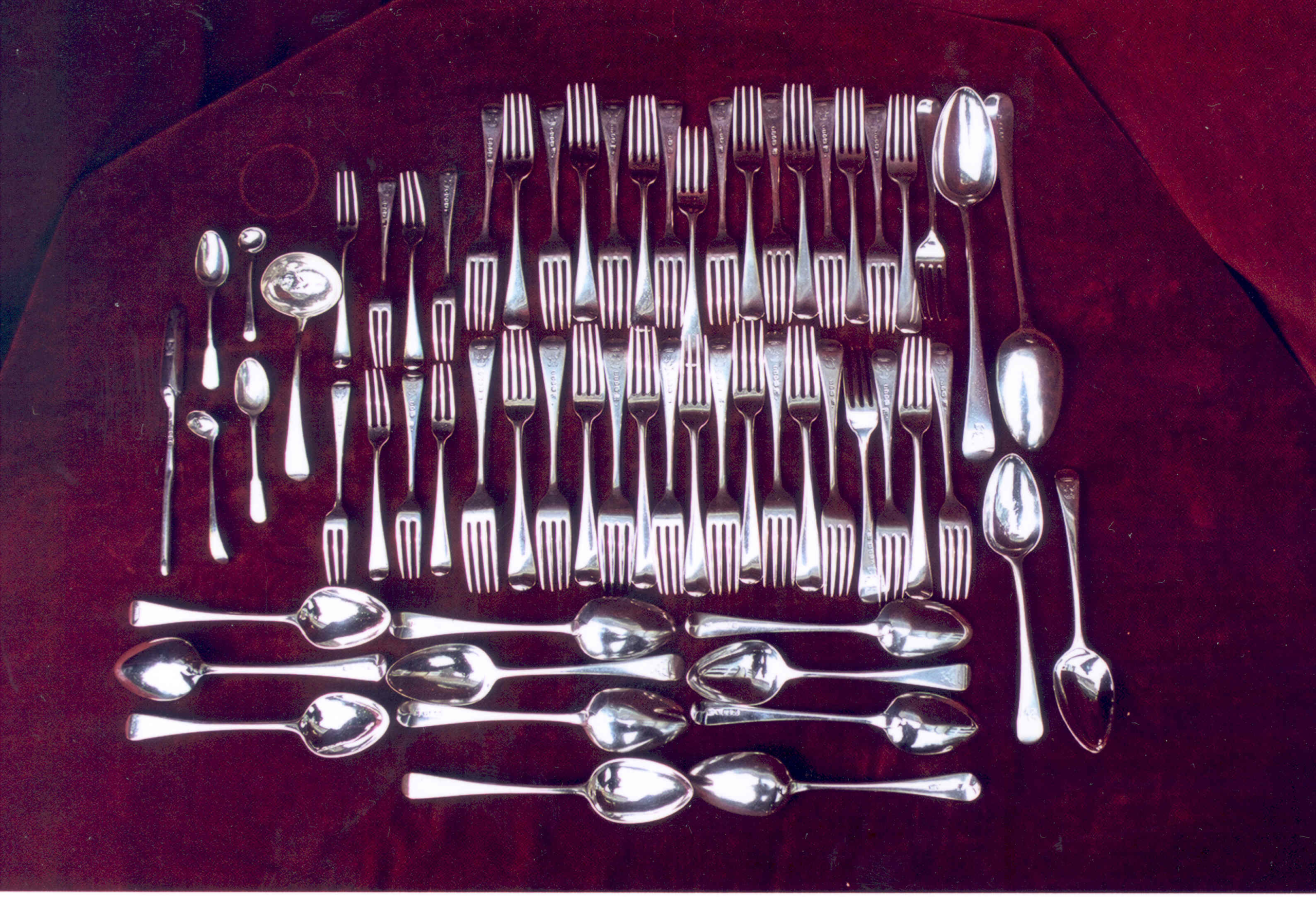
The canteen came out of the sideboard, newspaper went down on the dining table, and somebody sat there for most of an afternoon with a tin of paste and a rag, working through a set of cutlery that would be used three times that year. In 1962 this was a scheduled household task, and the reason it existed has almost nothing to do with how anything looked.
The Silver Was the Household’s Reserve
A canteen of cutlery was one of the few possessions a family owned that could be converted back into money if it ever had to be.
That is the fact that explains the care. An object that is simultaneously a table setting and a form of savings is treated differently from an object that is merely a table setting, and the afternoon with the rag was maintenance on an asset rather than housework.
Like our content? Follow us for more.
It Was Almost Always a Wedding Gift
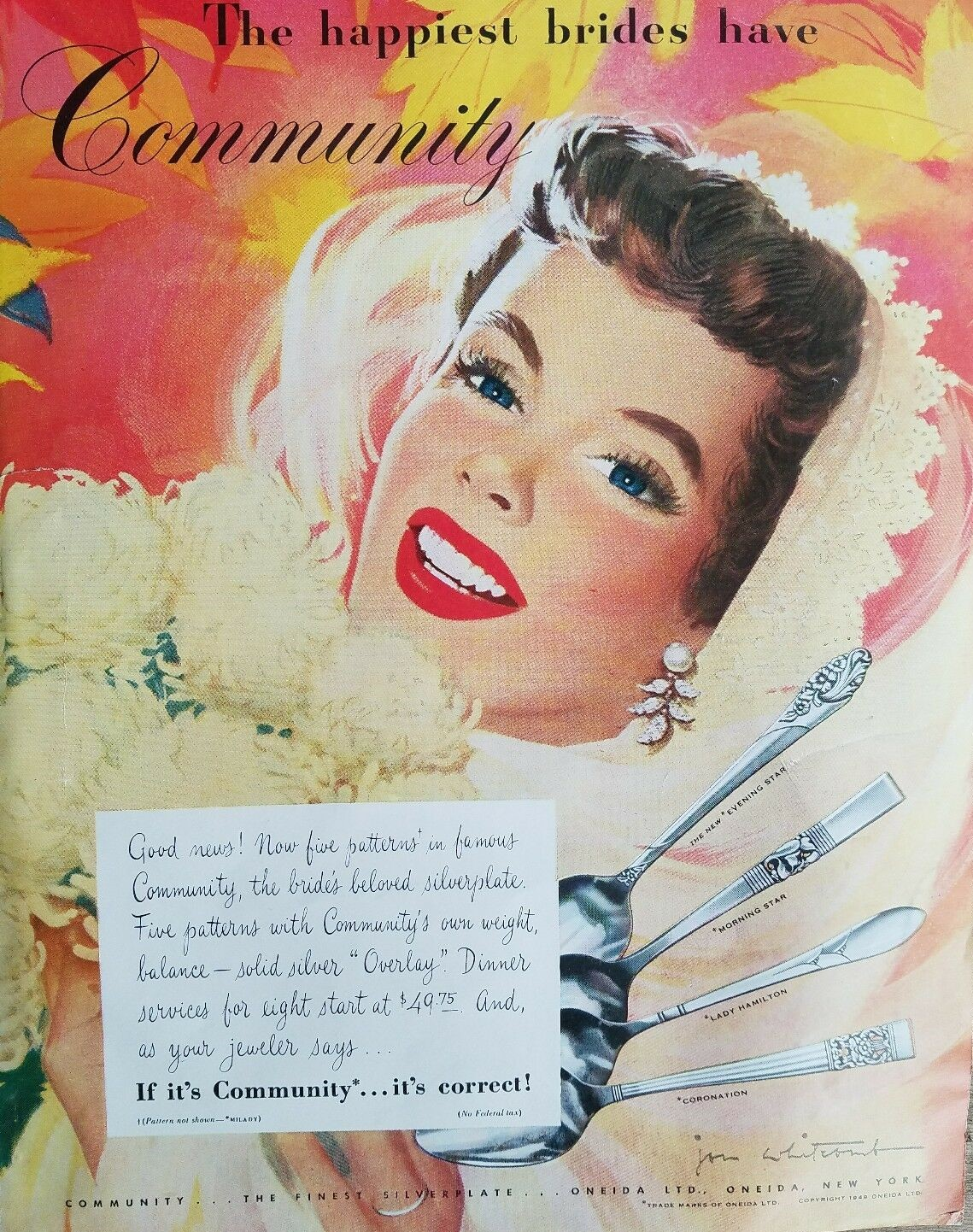
The set arrived at the formation of the household, often from several people at once, and was expected to outlast the marriage it was given to mark.
The circumstances of arrival mattered permanently. A set that came from named people on a known occasion carries obligations that a set bought in a shop does not, and nobody who had been given one was in a position to treat it casually.
Tarnish Is Not Dirt and That Changes Everything
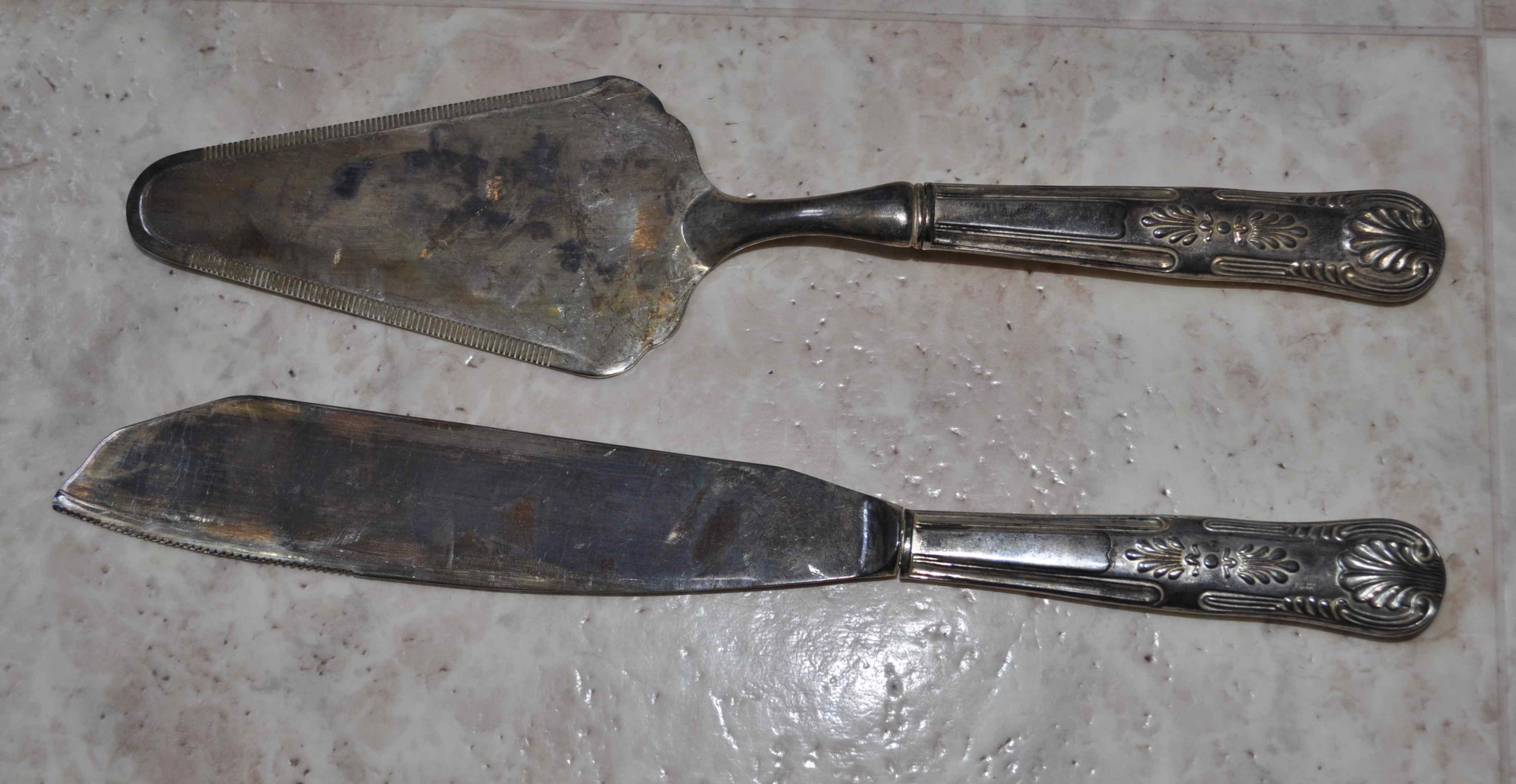
The darkening on silver is a chemical reaction with the air rather than anything landing on the surface, which means washing does nothing at all.
This is the single technical fact the whole subject rests on. A mark that is in the metal rather than on it cannot be cleaned off, which is why the task required a specific preparation and could not be folded into ordinary washing-up.
It Happened Whether the Silver Was Used or Not
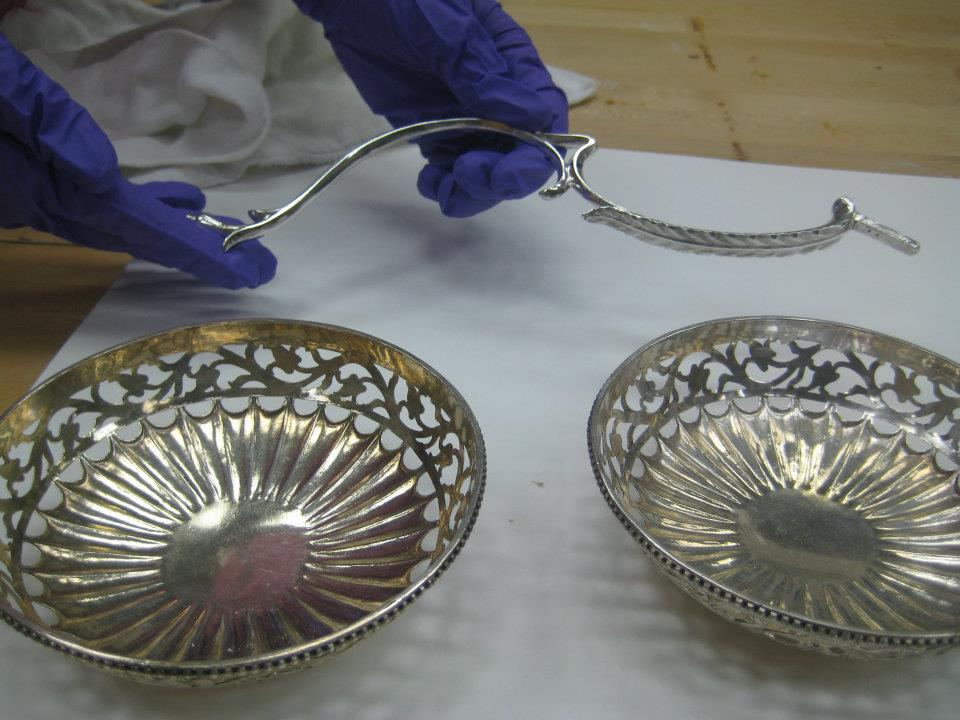
A set locked away untouched for a year came out darker than it went in, because the process does not require anybody to do anything.
Which is the exasperating part and the reason it had to be scheduled. Most household tasks are generated by use; this one is generated by time, so there is no amount of carefulness that prevents it and no way to postpone it indefinitely.
Polishing Removes Metal and Everybody Knew It
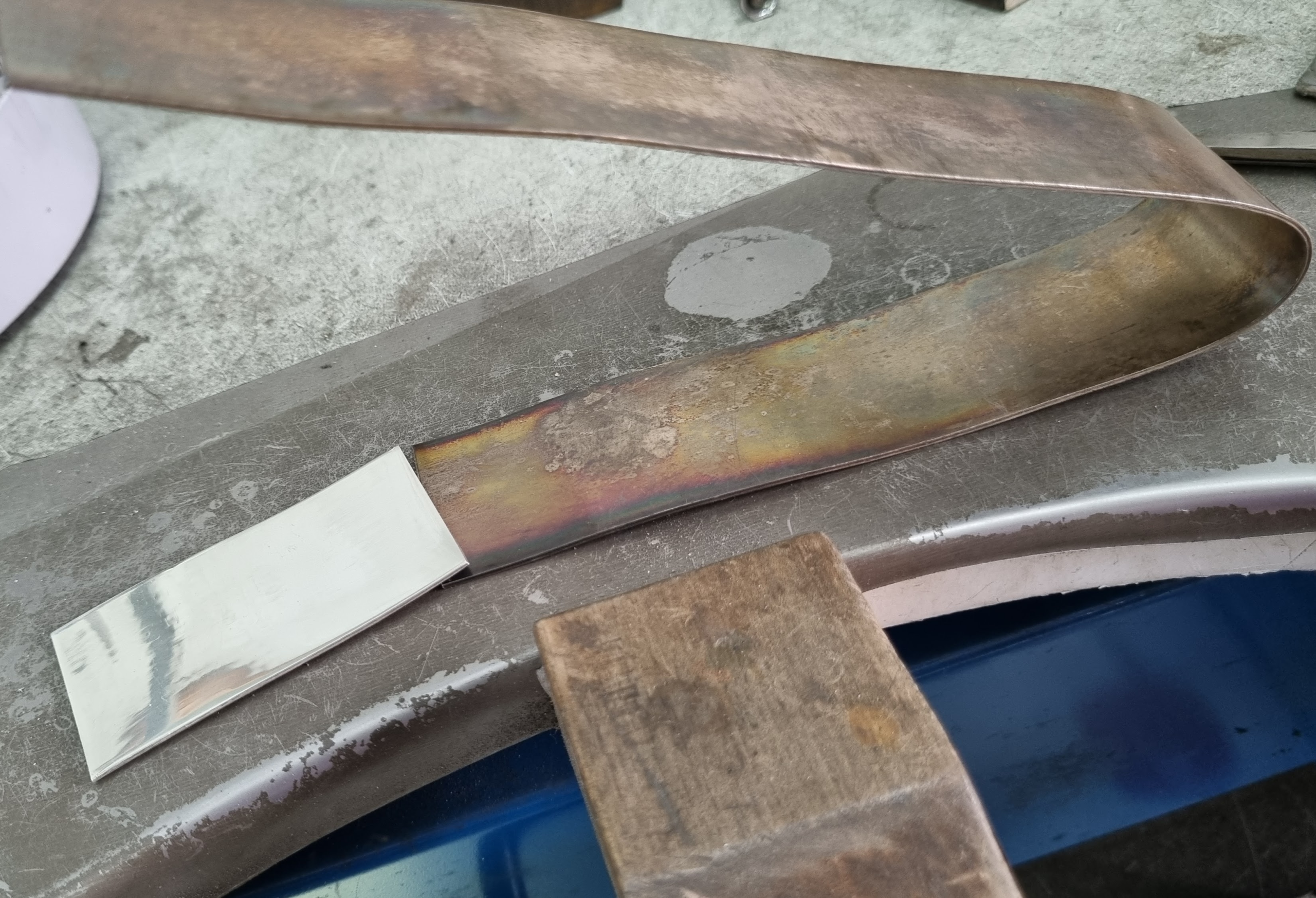
Each cleaning takes away a very thin layer, which is why heirloom pieces show softened edges and worn decoration.
The knowledge changed the behaviour. A task that slowly consumes the object being maintained has to be done as rarely as the household can tolerate, which is precisely why it was an occasional event rather than a regular chore.
Storage Was the Real Defence
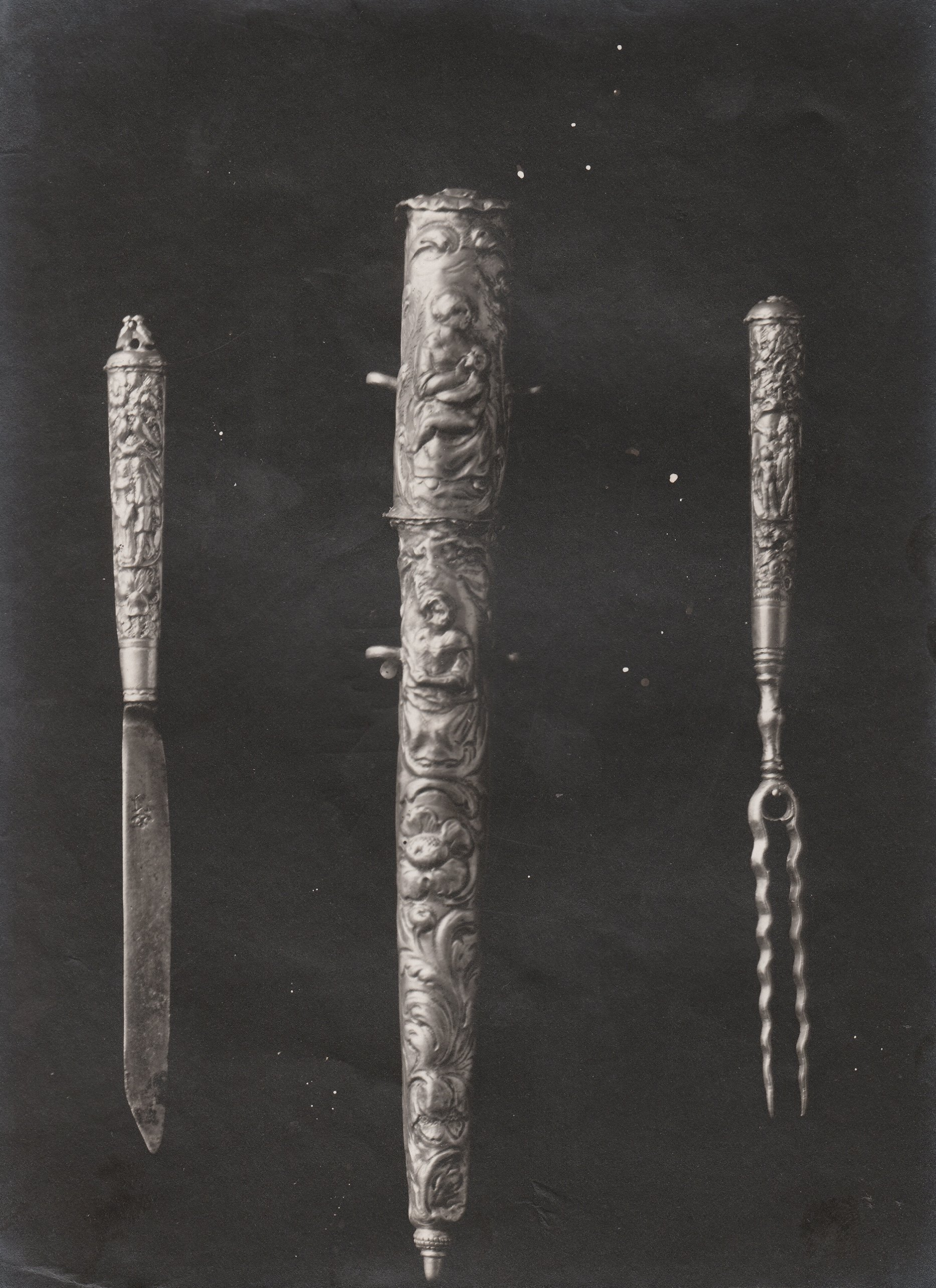
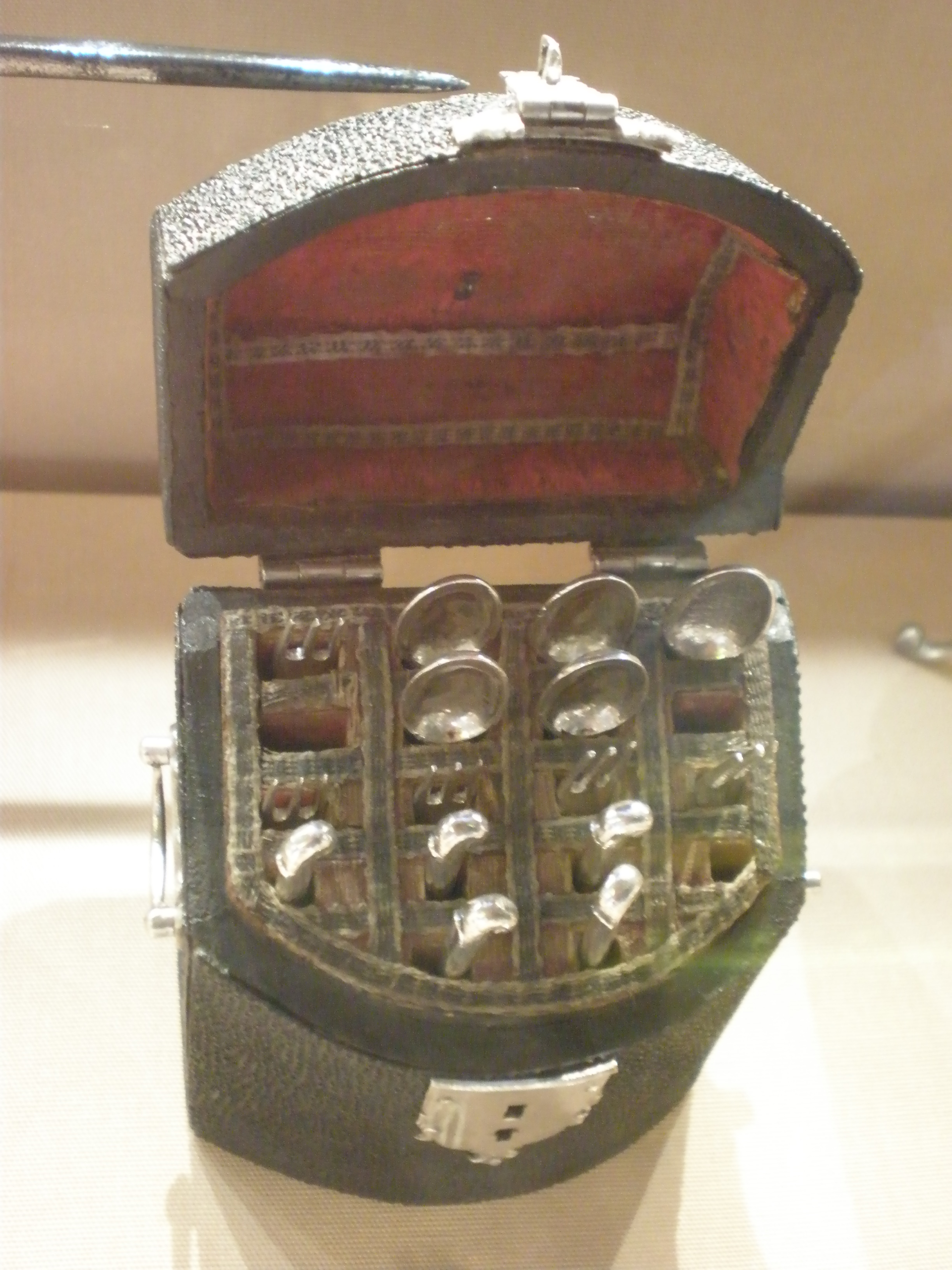
Cloth-lined boxes, wrapped rolls and drawers lined with a particular fabric existed to slow the reaction down by keeping the air off.
The containers are the clever part of the whole system. Rather than cleaning more often, the household invested in keeping the metal away from what caused the problem, which is the same logic as a lid on a tin and far more effective than any amount of rubbing.
The Everyday Cutlery Was a Different Thing Entirely
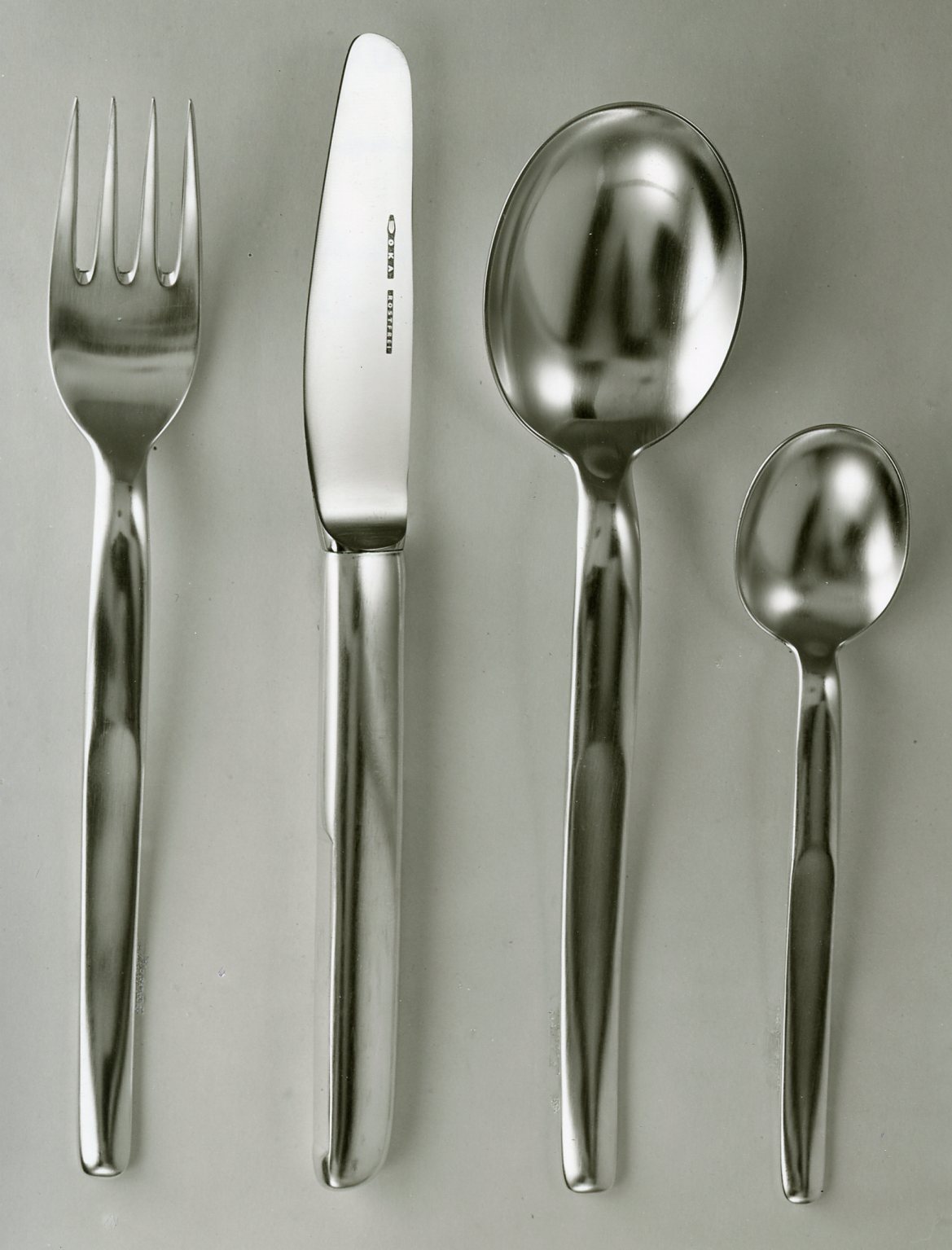
What the family actually ate with was plainer, more durable and required none of this.
The two-tier arrangement is the sensible core of it. Keeping a maintenance-heavy set for occasions and a maintenance-free set for Tuesday is exactly what you would design if you had both, and it explains why the good set saw so little use that it needed polishing from age alone.
Three Occasions a Year Was Typical
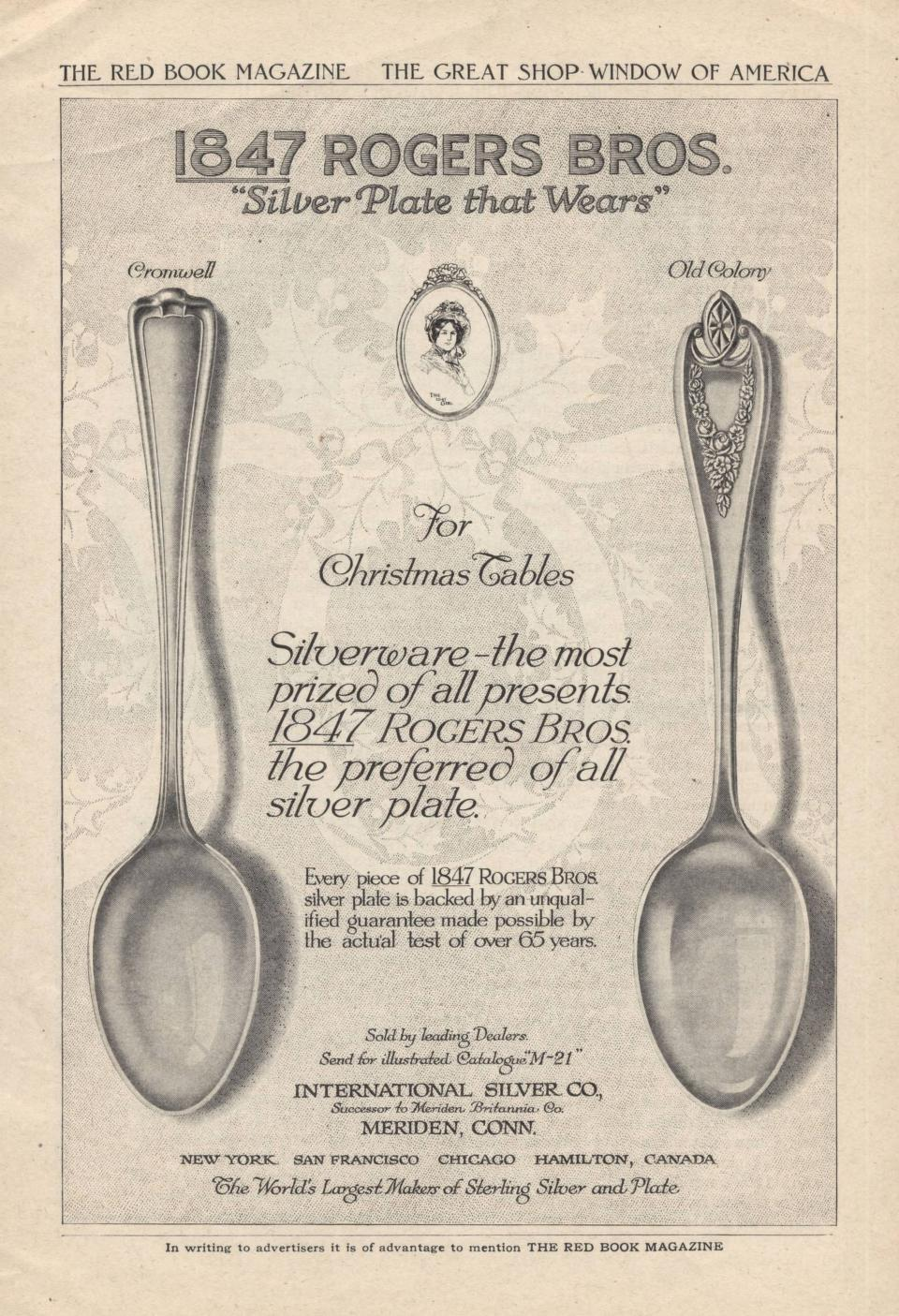
Christmas, a significant family gathering and perhaps one other event were the entire working life of a canteen in any given year.
Which makes the arithmetic striking when it is stated plainly. An afternoon of labour sustained an object that would be in use for a handful of hours, and the household did it anyway – which tells you the object’s value was never really about its function.
The Job Was Given to Children
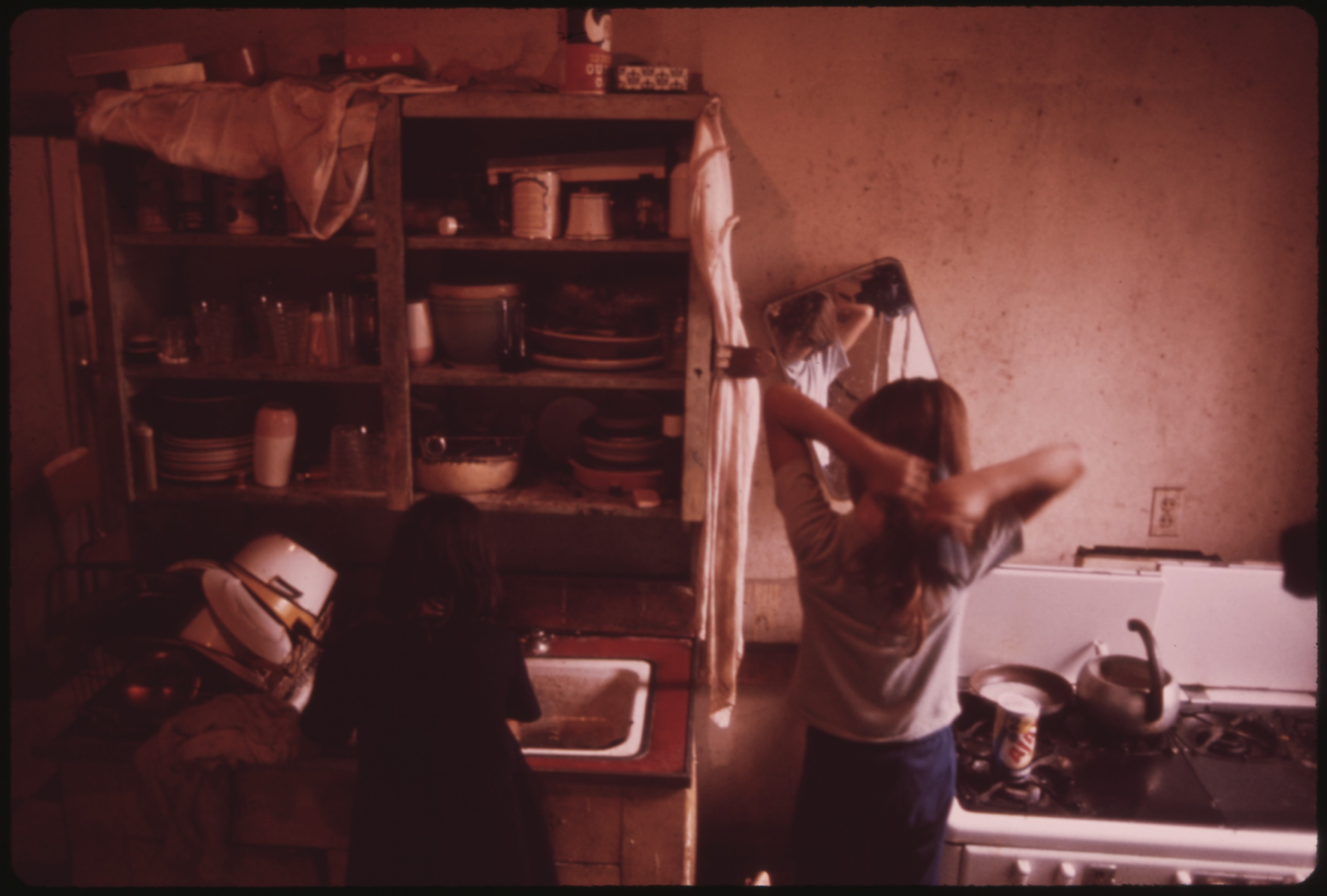
It was slow, repetitive, required no judgement and could not easily be done wrong, which made it the standard task to hand downwards.
The allocation is more considered than it looks. There is almost nothing a child can ruin by polishing a spoon too enthusiastically, the work benefits from patience rather than skill, and the supervising adult can do something else in the same room.
It Was Also How Children Learned the Family’s Story
The pieces had origins, and an adult working alongside explained which came from whom while the work went on.
That is the function hiding inside the chore and probably the reason it is remembered at all. Nobody sits a child down to recite a family tree, but three hours at a table with objects that each have a name attached is a transmission mechanism, and the polishing was incidental to it.
Forks Were the Worst and Everybody Agreed
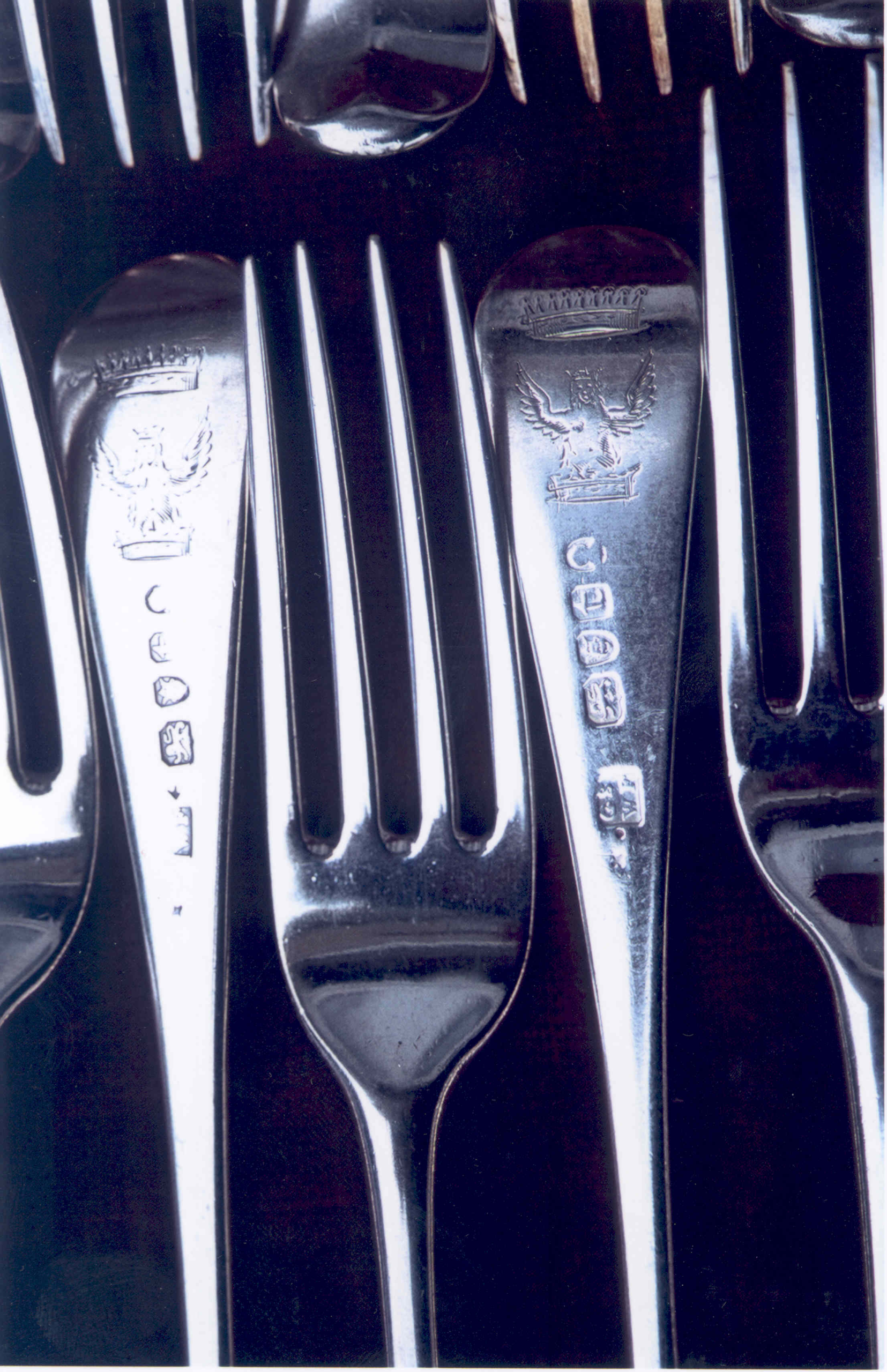
The spaces between tines could not be reached with a flat cloth, which meant each one had to be worked at individually.
The irritation is universal in every account of this task. A spoon is a two-minute job and a fork is a ten-minute job, and a canteen contains as many of one as the other, which is why the forks were always left for whoever was still at the table.
The Paste Got Everywhere and Dried White
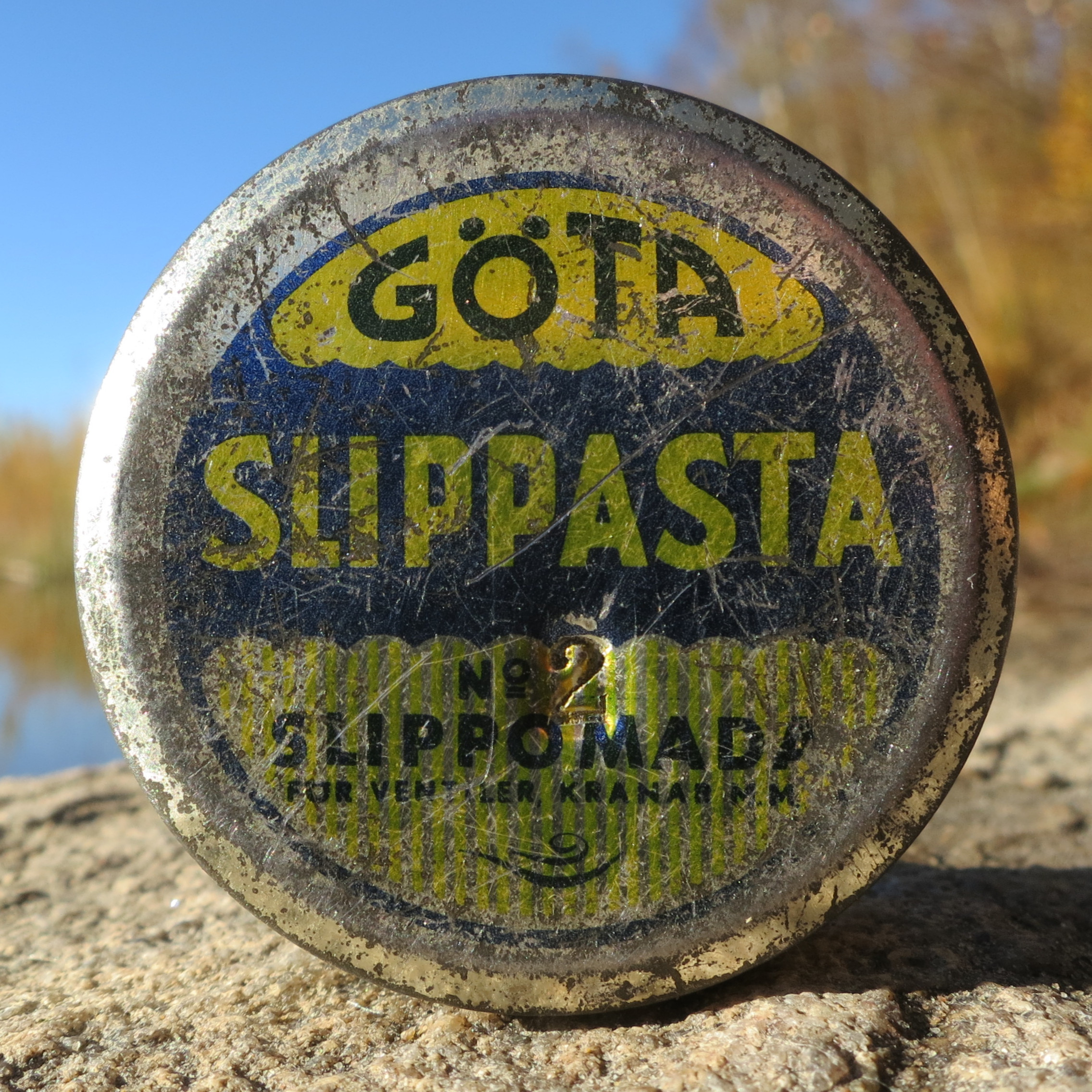
Residue collected in engraved patterns, in handle joints and around monograms, and removing it was a second job after the first.
That secondary problem explains why decorated pieces were so unpopular. Plain silver is quick; anything with a pattern cut into it traps the material meant to clean it, and the more ornate the piece the longer it took to deal with the consequences of cleaning it.
Hollow Handles Were a Trap
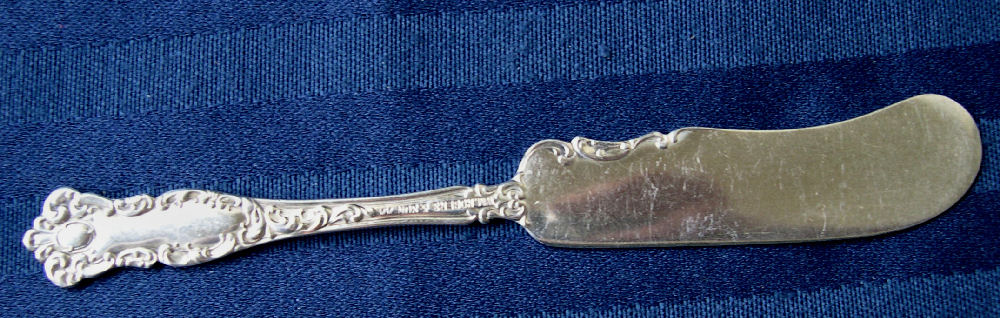
Knives were often made with handles that were not solid, and treating them like a solid piece could loosen them.
The construction detail mattered practically rather than theoretically. A household that handed the knives to a child without saying anything about this was taking a small risk with the most expensive items in the box, which is why the knives were usually kept back.
Fingerprints Were the Immediate Enemy
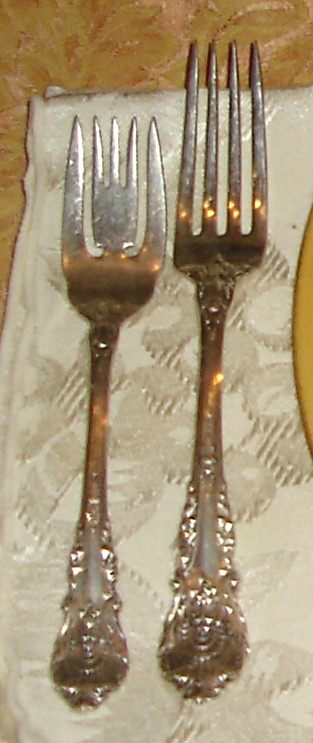
A freshly polished piece marked instantly, so the final handling was done with a cloth and pieces were put away without touching them.
The care at the end is disproportionate and that is the point. Having spent an afternoon on the task, nobody was willing to undo a piece of it in the last ten seconds, so the ritual ends with an exaggerated delicacy that has no practical justification beyond not wanting to start again.
Laying the Table With It Was the Payoff
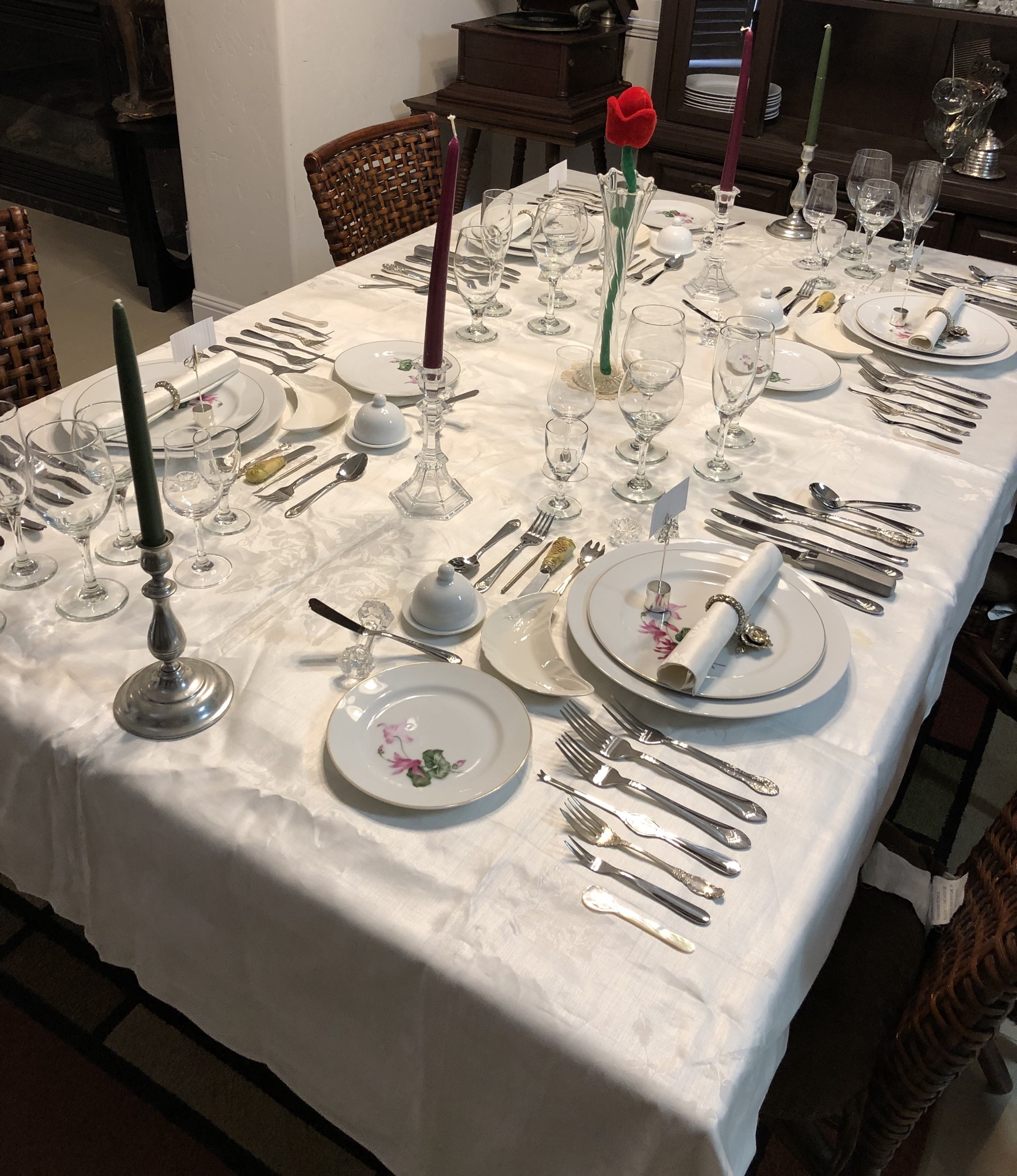
The set came out, was arranged properly and was looked at before anybody sat down.
Which closes the loop on why the afternoon happened at all. The work existed for a moment of display lasting about a minute, and everybody involved understood that the minute was the product and the meal was merely the occasion for it.
Counting It Back In Was Part of the Evening
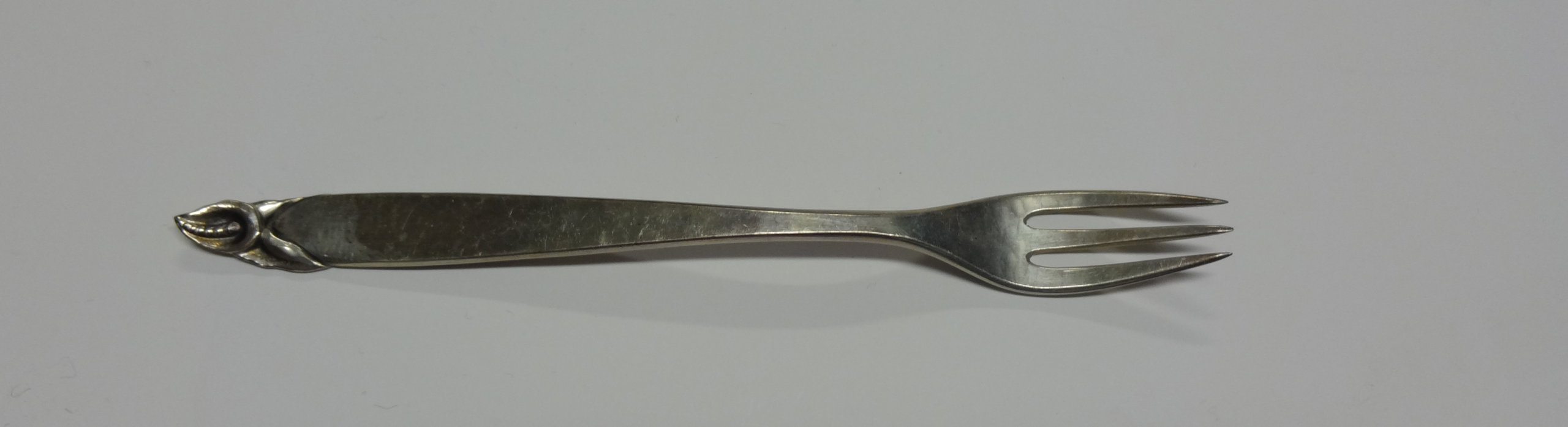
The set was counted as it was washed and returned, because a missing piece from a matched canteen is a permanent gap.
The accounting is a sign of what the object represented. You do not count forks unless they are irreplaceable, and a set that could only be completed by chance in a second-hand shop twenty years later was treated as a closed system.
Washing It Afterwards Was Its Own Procedure
It did not go in with everything else, it was dried immediately and it was never left standing in water.
The separate handling is a direct consequence of the chemistry already described. Anything that accelerates the reaction undoes the afternoon, so the rules around the good set after use were stricter than the rules around using it.
Then Stainless Steel Made the Problem Optional
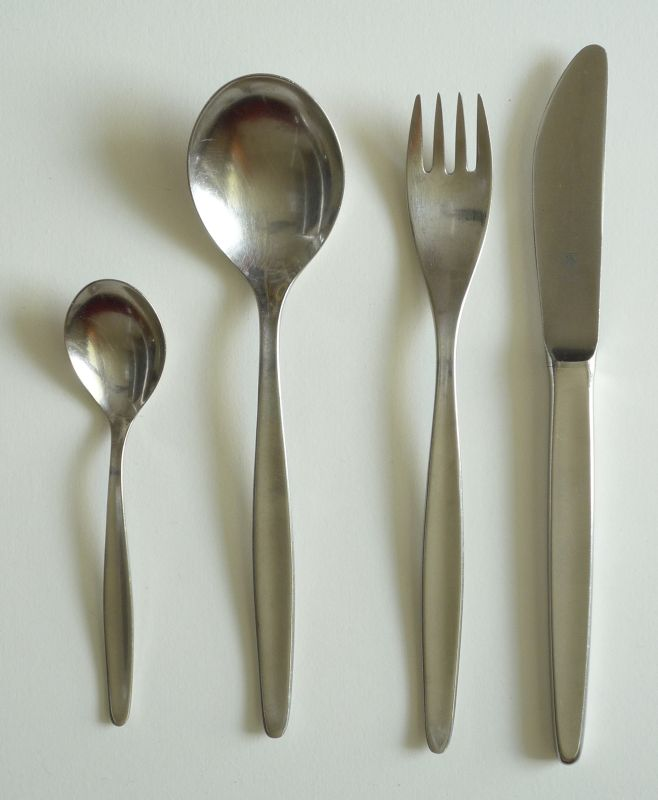
Cutlery that did not tarnish, could be washed with everything else and cost a fraction as much removed the reason for the entire exercise.
The substitution was not really about money. A material that eliminates an afternoon of annual labour wins on those grounds alone, and once a household has one set that needs nothing, the set that needs an afternoon starts to look like a decision rather than a possession.
Then the Formal Meal Stopped Happening
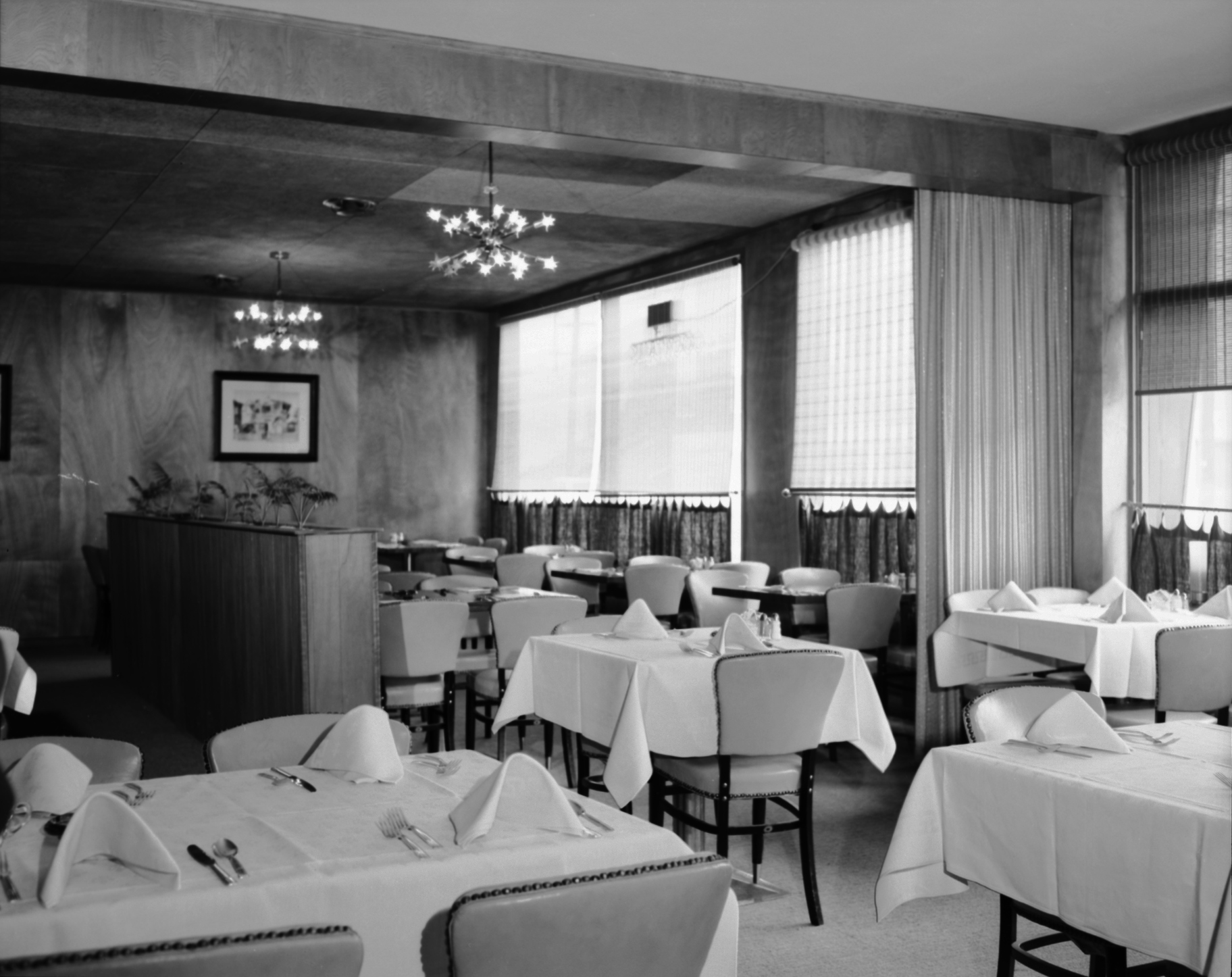
Fewer occasions requiring a laid table meant fewer moments for which a canteen was the right answer.
That removed the payoff rather than the object. Nobody polishes for an event that is not going to happen, and a set with no occasion to appear at moves from the sideboard to the loft without anybody deciding to retire it.
And Nobody Wanted to Inherit It
Sets passed down to households that had no use for them, no storage for them and no intention of spending an afternoon on them.
Which is the quiet end of it, and the reason so many canteens are still in lofts rather than anywhere else. The object survived perfectly – silver does not rot, and a set from 1962 is entirely intact – but everything that made it meaningful went: the gathering it was laid for, the reserve it represented, the afternoon at the table, and the adult explaining which great-aunt sent which six spoons to a child who was only there because somebody had to do the forks.
Like our content? Follow us for more.