In 1968 the hoop went above the garage door because that was the only vertical surface on a typical house with a hard, open area in front of it. The siting was decided by the building rather than by anybody’s judgement, which produced a national standard nobody had ever agreed to. The driveway underneath sloped, because driveways are built to drain, which meant every loose ball went the same way – down the slope, towards the road. Here are sixteen things every kid knew about the hoop over the garage in 1968, and why driveways no longer allow any of it.
1. The Hoop Went Up Above the Garage Door Because There Was Nowhere Else
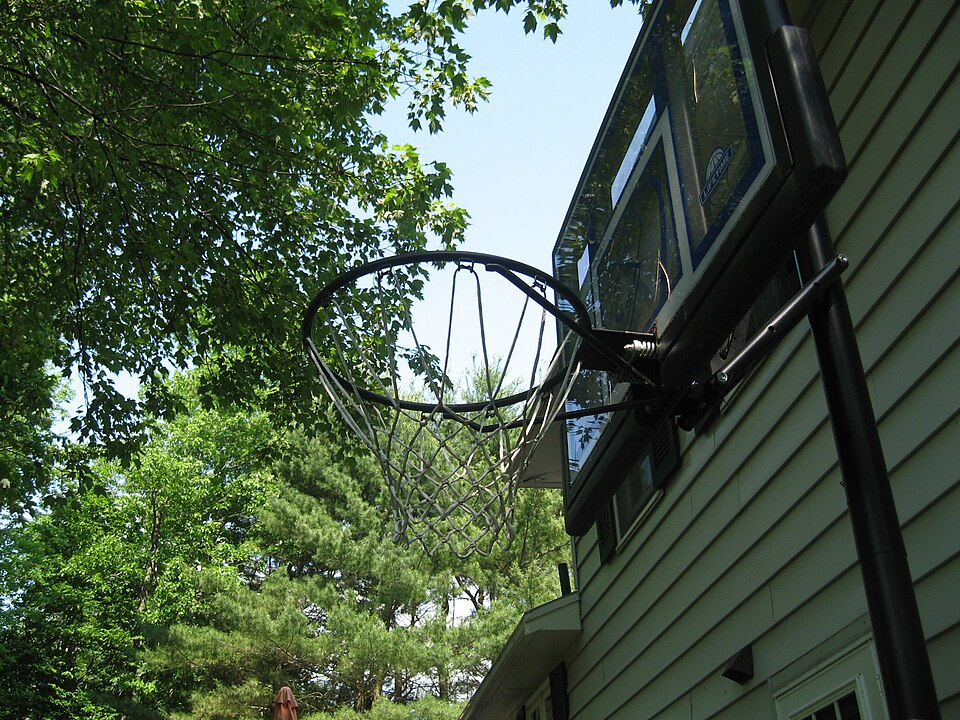
A backboard needs a vertical surface at a particular height with clear ground in front of it, and in most households exactly one such surface existed.
The siting was decided by the building rather than by anybody’s preference. A garage front is the only large flat wall on a typical house with a hard surface in front of it, which means the location was determined before anybody had an opinion.
That produced a national standard nobody had agreed to. Hundreds of thousands of these installations were at the same height, over the same kind of door, facing the same kind of surface, because the houses were built the same way.
Like our content? Follow us for more.
2. Putting It Up Was a Weekend and an Argument
Somebody had to get the thing level, at the right height, fixed to a surface that was frequently not designed to carry it.
The installation was harder than it looked. A door surround is not structural, the correct height had to be measured rather than guessed, and a backboard fixed to the wrong part of a building comes loose within a season.
Children were present and useless throughout. The whole operation was conducted in front of an audience that wanted it finished, which is the same dynamic as every other piece of household construction of the period.
3. The Surface Underneath Decided What Could Be Played
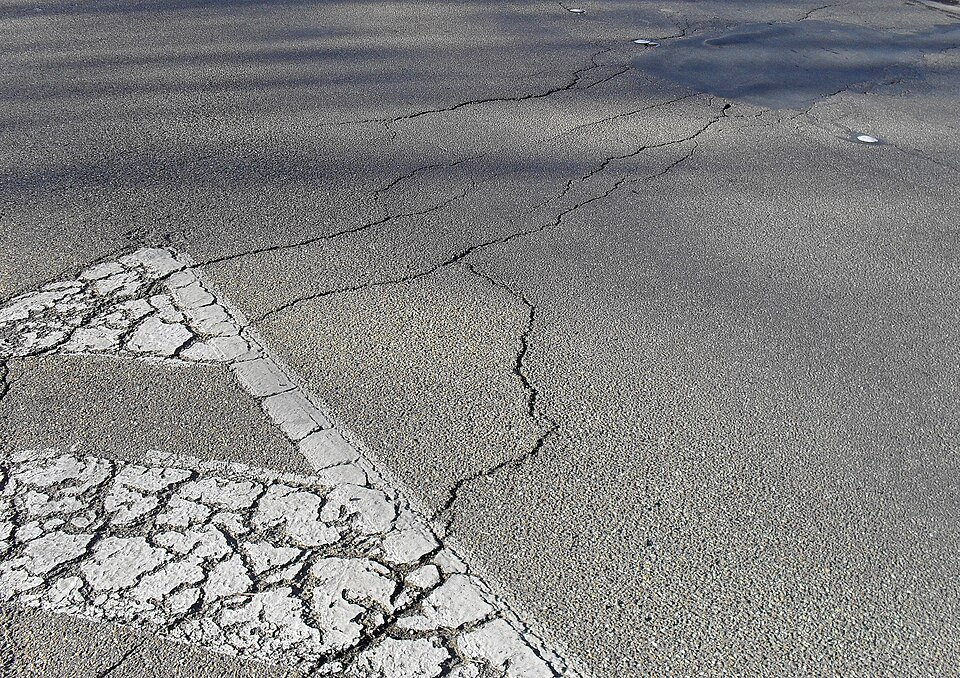
A smooth driveway permitted one kind of game and a rough or sloping one permitted a completely different and much worse kind.
The ground was the real specification and nobody chose it. A level hard surface produces a predictable bounce, and a cracked, sloping or gravelled one makes anything involving a moving ball into a matter of luck.
Children adapted the game to the surface rather than the reverse. A driveway with a slope produced a version of the game played almost entirely in one half of it, and the local rules reflected whatever the ground would allow.
4. The Slope Was Always Wrong and Everybody Compensated
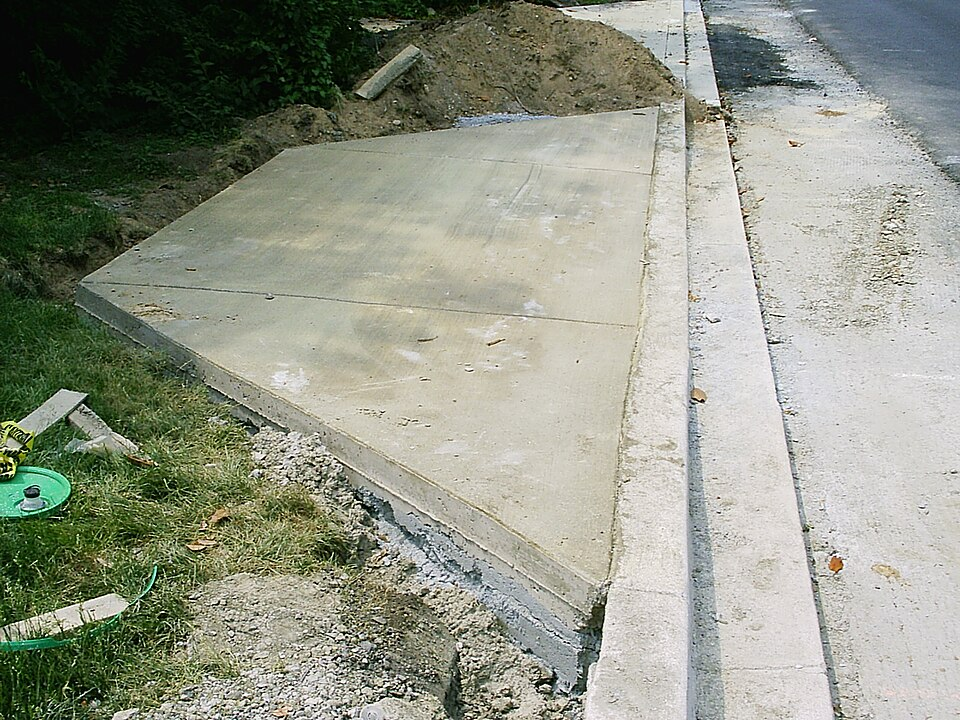
Driveways are built to drain, which means they are deliberately not level, which means the ball always went the same way.
The drainage requirement is the hidden fact behind every one of these installations. A surface engineered to shed water cannot be flat, so every game was played on a tilt and every loose ball rolled towards the road.
Retrieving it was therefore constant. A substantial proportion of the time spent at these hoops was spent walking down a slope after a ball, which is why the games are remembered as considerably more stop-start than they sound.
5. The Ball in the Road Was the Permanent Hazard
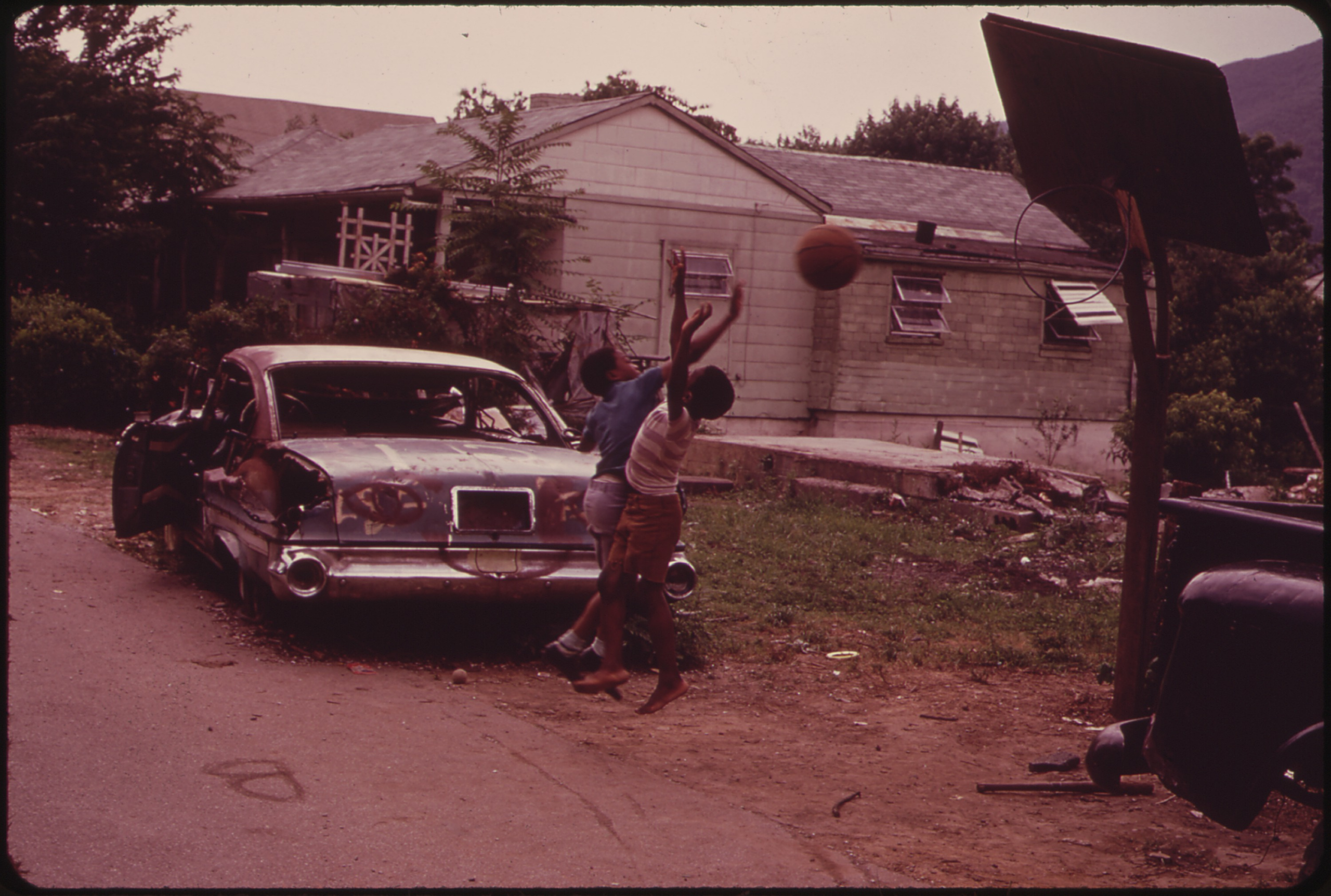
A driveway slopes towards a road, a loose ball goes down the slope, and a child goes after it without thinking.
That is the single serious risk in the whole subject and it is stated plainly rather than minimised. A child following a ball onto a road is not looking at anything else, the geometry of these installations guaranteed it would happen repeatedly, and the standards of the period did not address it at all.
Everything that has changed since is an improvement. Nothing in this piece should be read as describing how anybody ought to site anything or how any child ought to behave near a road, and the reasons for present-day caution are not in dispute.
6. The Backboard Was Frequently Just the Door
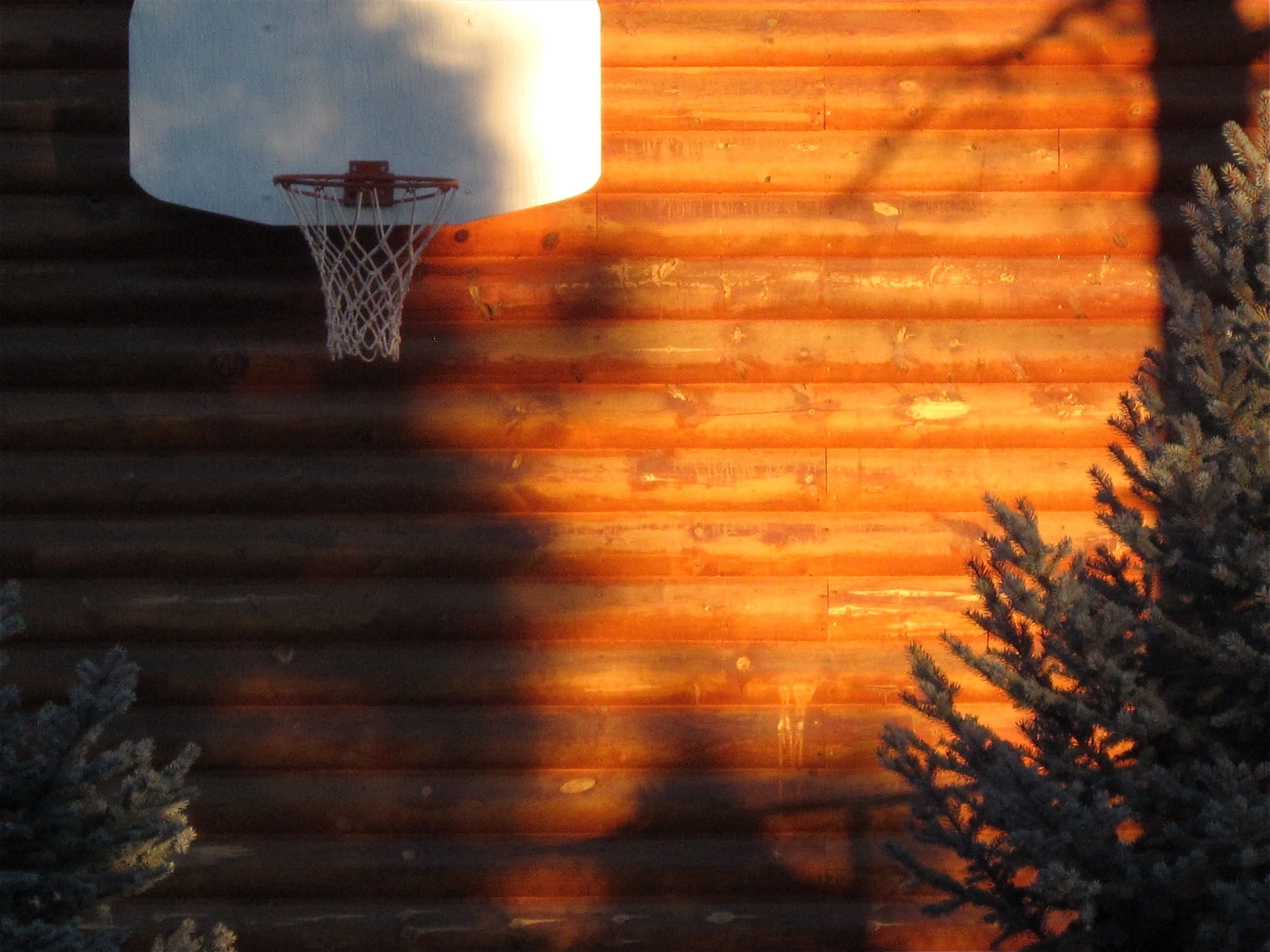
A household without a proper backboard fixed the hoop to the garage directly, which meant the door was the playing surface.
The improvisation worked and had an obvious consequence. A hoop on a door produces a game played against a large thin panel that resonates, which is a completely different acoustic experience from one with a proper board behind it.
The door suffered accordingly. A garage door used as a backboard for three summers has dents, a loose panel and a noise it did not have when it was installed, and every household that permitted this discovered that eventually.
7. The Noise Was the Reason It Got Banned

A ball against a hard surface and a metal rim, repeated for two hours, is audible across several houses.
The sound rather than the activity is what produced the complaints. A game that nobody minds in principle becomes a nuisance when it is conducted within thirty feet of somebody’s window for an entire afternoon in summer.
Time limits were the usual settlement. Not after a particular hour, not before a particular hour and not at all on a Sunday morning were the standard conditions, imposed by households that had been spoken to by neighbours.
8. The Net Went First and Nobody Replaced It

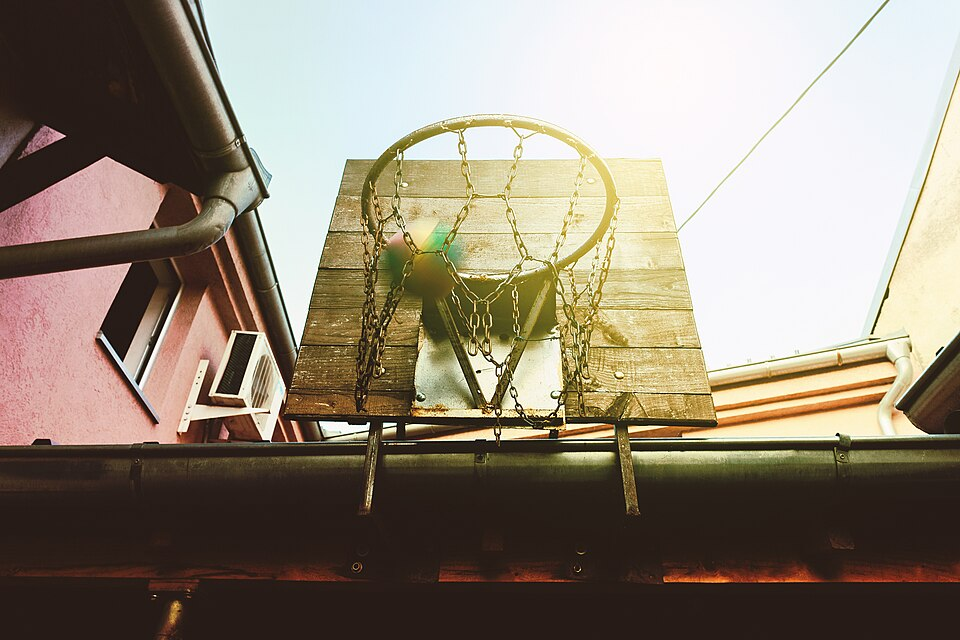
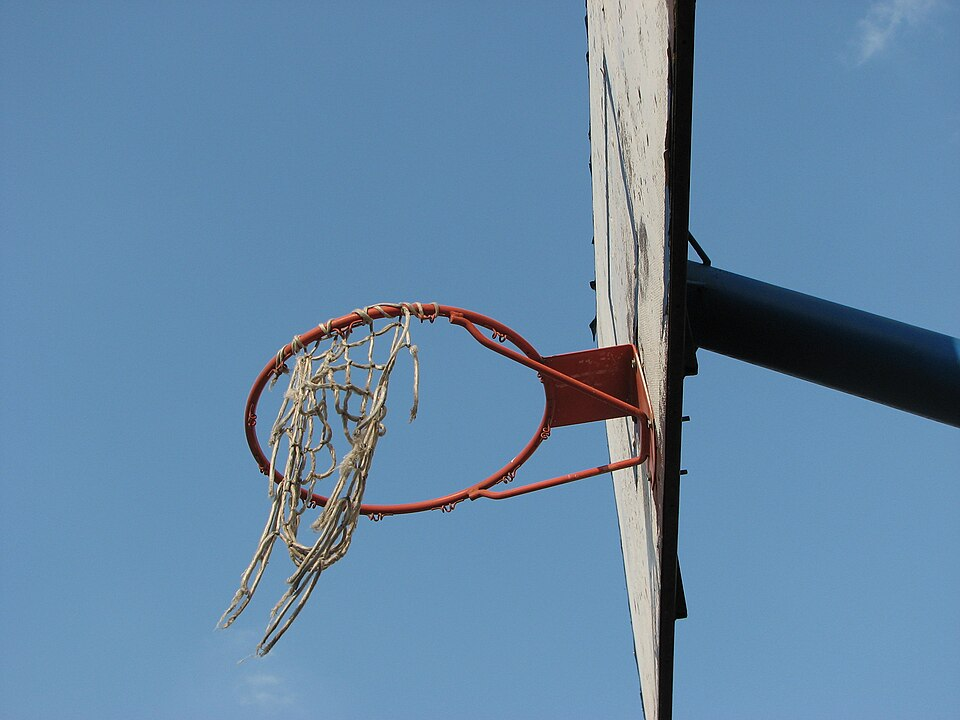
Whatever net had been fitted deteriorated within a season and the hoop was used bare for years afterwards.
The absence changed the game in a specific way. A net slows a ball and drops it, and a bare rim sends it straight through at speed, which means every successful shot became a retrieval problem and the game got slower.
Nobody minded enough to fix it. A net is a small, cheap, easily obtained item and the overwhelming majority of these installations went without one indefinitely, which says something about how these objects were maintained.
9. The Rim Bent and the Game Changed Permanently
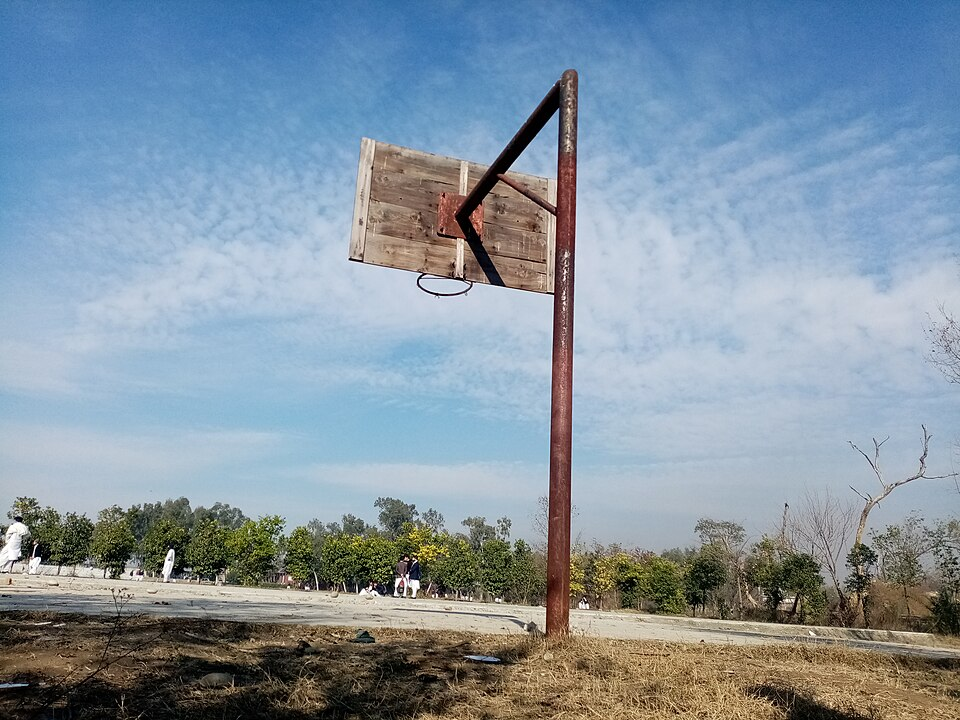
Somebody hung on it, something heavy hit it, and a bent rim altered the geometry of every shot from then on.
The distortion became part of the local knowledge. A rim that sat at a slight angle produced a reliable bias, and the children who played there regularly knew exactly how to use it, which is a home advantage nobody could take away.
Visitors were at a genuine disadvantage. A child playing at an unfamiliar hoop with an unknown distortion is playing a different game, and the children who lived there did not volunteer the information.
10. Playing Alone Was the Normal Condition
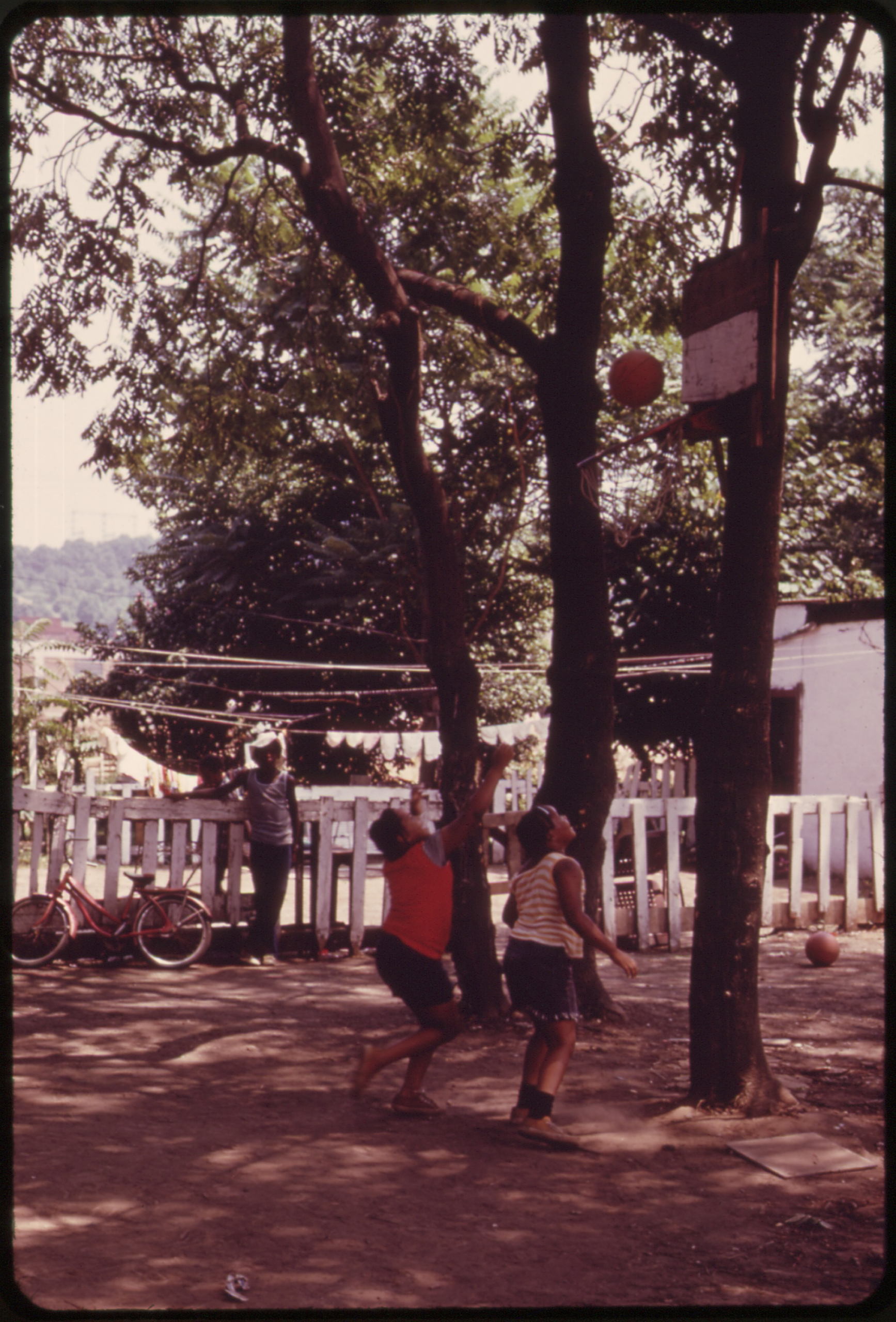
Most of the time spent at these hoops was spent by one child, by themselves, for long periods, with nobody watching.
The solitary use is the thing that is most often forgotten. These installations are remembered as social, and the overwhelming majority of the hours logged at them were a single child repeating one action several hundred times.
The repetition is where any ability came from. A child who had taken ten thousand shots at their own garage had acquired something nobody had coached, scheduled or supervised, and the whole of it had happened in a driveway.
11. The Games Had Local Rules Nobody Had Written Down
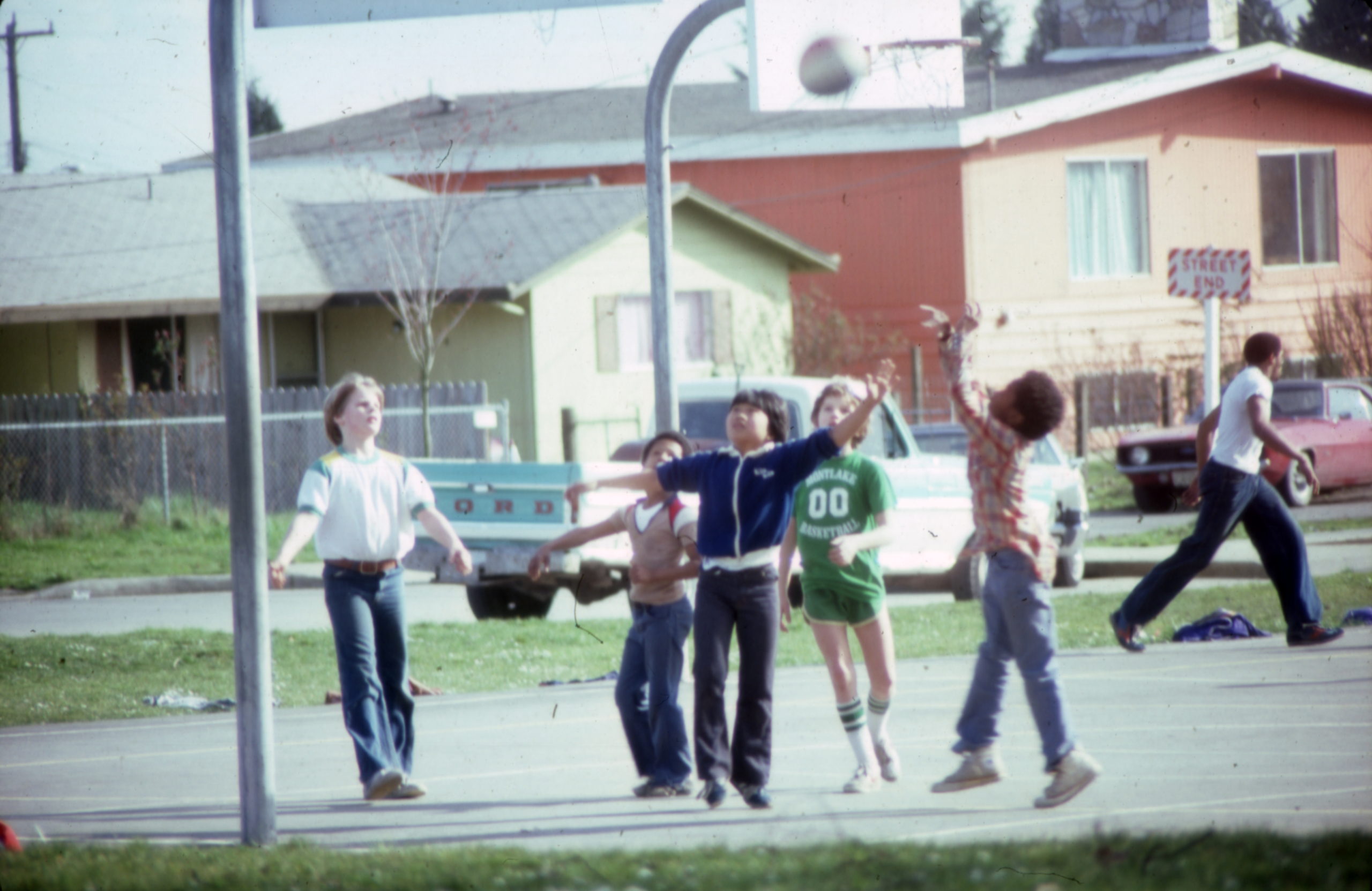
Scoring systems, boundaries, what counted and what did not were specific to each driveway and were taught to visitors on arrival.
The variation was a consequence of the ground. A particular crack, a particular drain, a particular point at which the surface became unplayable all became part of the rules, and the rules could not be transferred anywhere else.
Arguments about them were constant and resolved locally. The child whose driveway it was had the final say on the interpretation of rules they had invented, which is an advantage that produced a great deal of resentment and no appeal.
12. It Was Played in Weather That Made No Sense
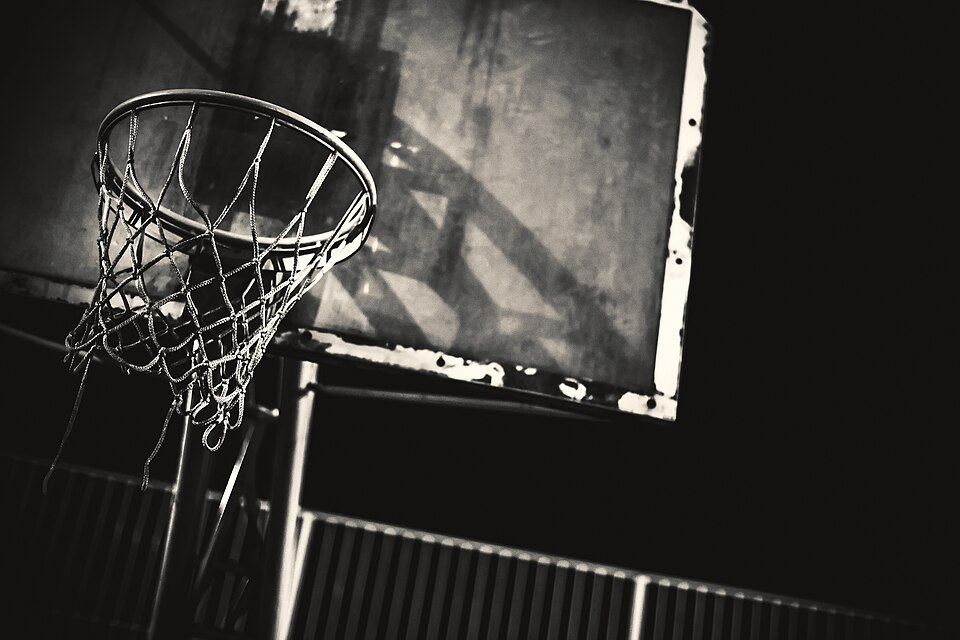
These driveways were used in cold, in wet and in the dark, because the alternative was not playing.
The persistence reflects the lack of alternatives. A child with one available activity, in a garden with one available surface, plays in conditions that nobody would choose, and the hoop was used in November as readily as July.
The dark was solved badly. A household light, a street light or simply playing by whatever was available meant the game continued long after it should have stopped, with a ball nobody could properly see.
13. Somebody Else’s Driveway Was Always Better
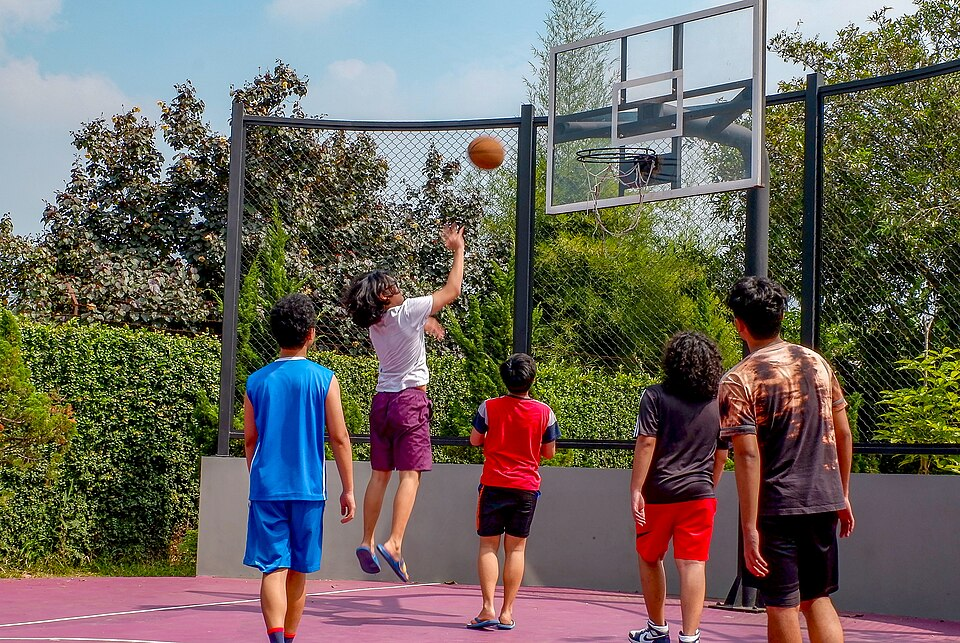
Every neighbourhood had one installation that was better than the others, and the whole area’s children went there.
The ranking was based on the ground rather than the hoop. A flatter, smoother, wider driveway with more space behind it produced a better game than a superior backboard on a bad surface, and children assessed it correctly without knowing why.
The household concerned had acquired a daily crowd. Parents who had put up a hoop for their own child had installed a neighbourhood facility, and the discovery was made within about a fortnight of the thing going up.
14. The Garage Could Not Be Used While Anybody Was Playing
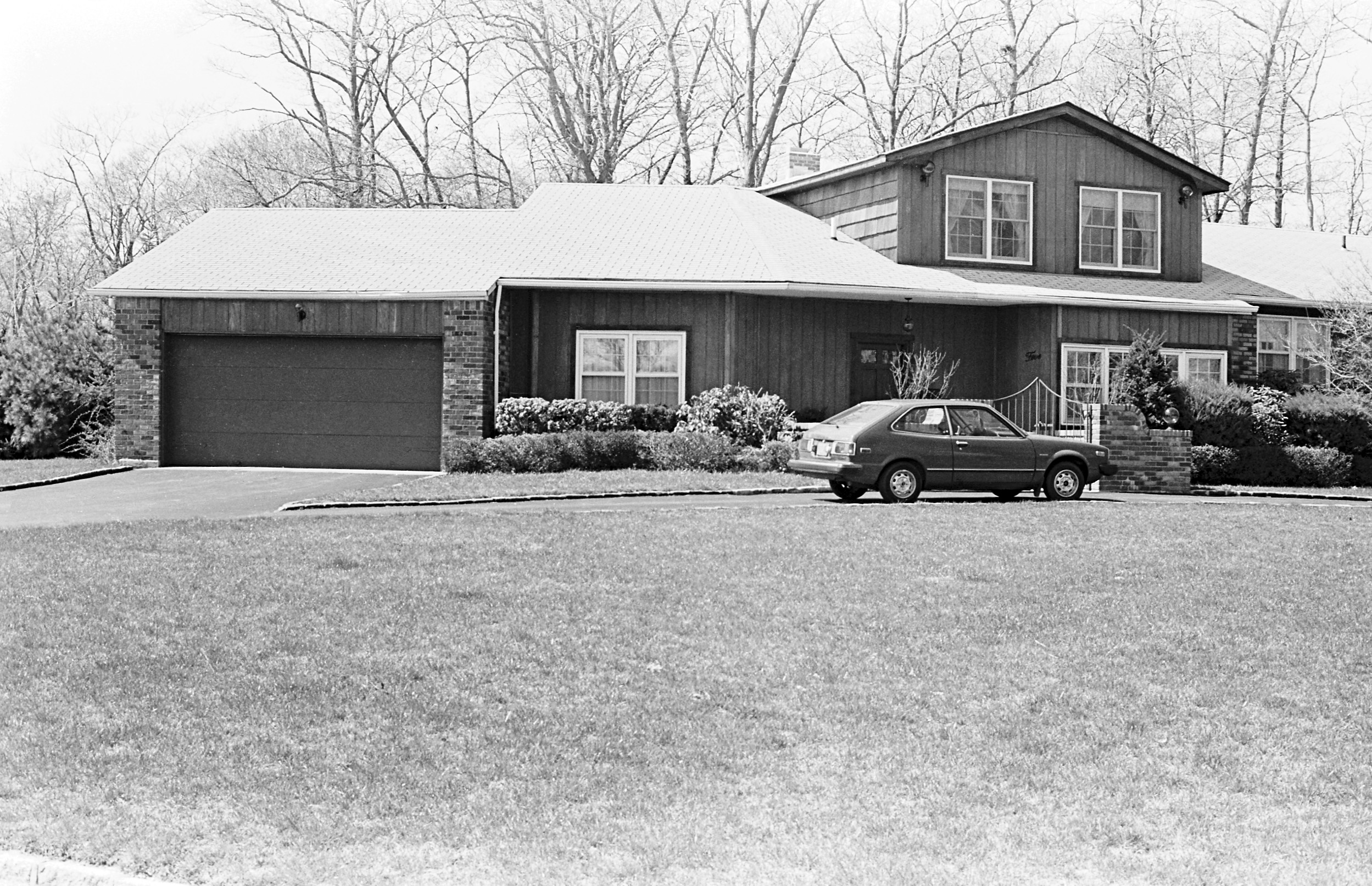
A car going in or out ended the game, which meant the household’s own movements interrupted it several times a day.
The conflict was structural and permanent. The surface was a driveway first and a court second, which means the activity had no claim on the space at all and was displaced whenever anybody needed to leave.
Children learned the household’s schedule precisely. A child who knew exactly when a vehicle was expected could plan around it, and the detailed knowledge of adults’ comings and goings was acquired entirely in order to protect playing time.
15. The Hoop Stayed Up for Decades After Everybody Left
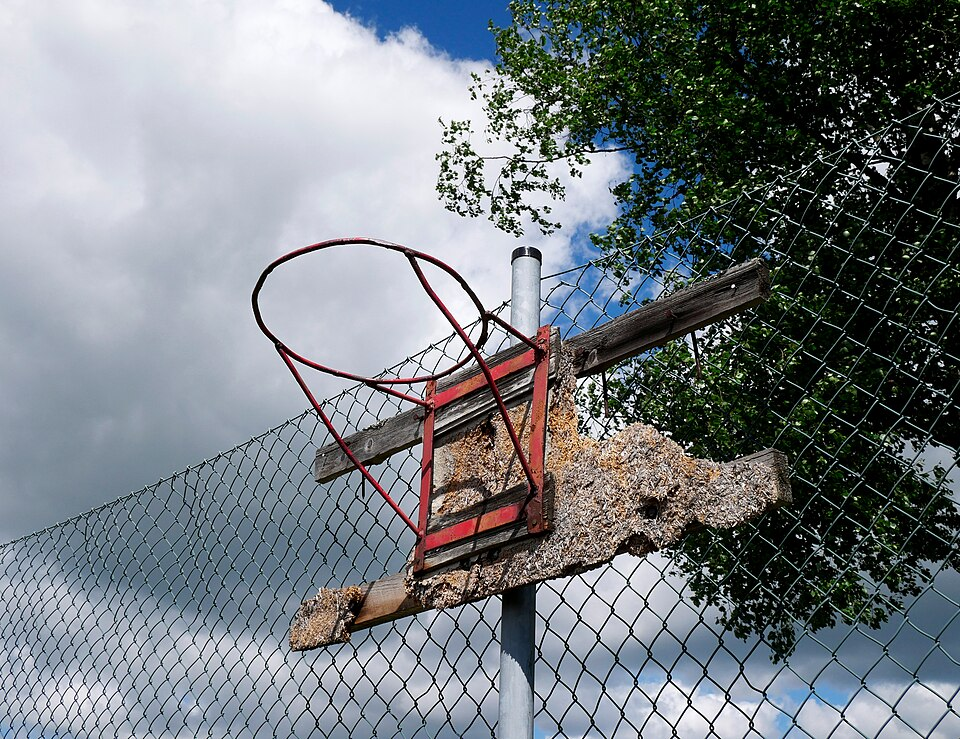
These installations were not removed when children outgrew them, and a great many are still above garage doors now.
The persistence is a function of effort again. A thing bolted to a wall by somebody on a ladder one weekend in 1968 requires somebody on a ladder to remove it, and no household does that without a reason.
They are a reliable archaeological marker. A bare rim above a garage door on a house with no children in it is a direct record of a particular family at a particular stage, visible from the road, and there are hundreds of thousands of them.
16. Then the Driveway Stopped Being Available
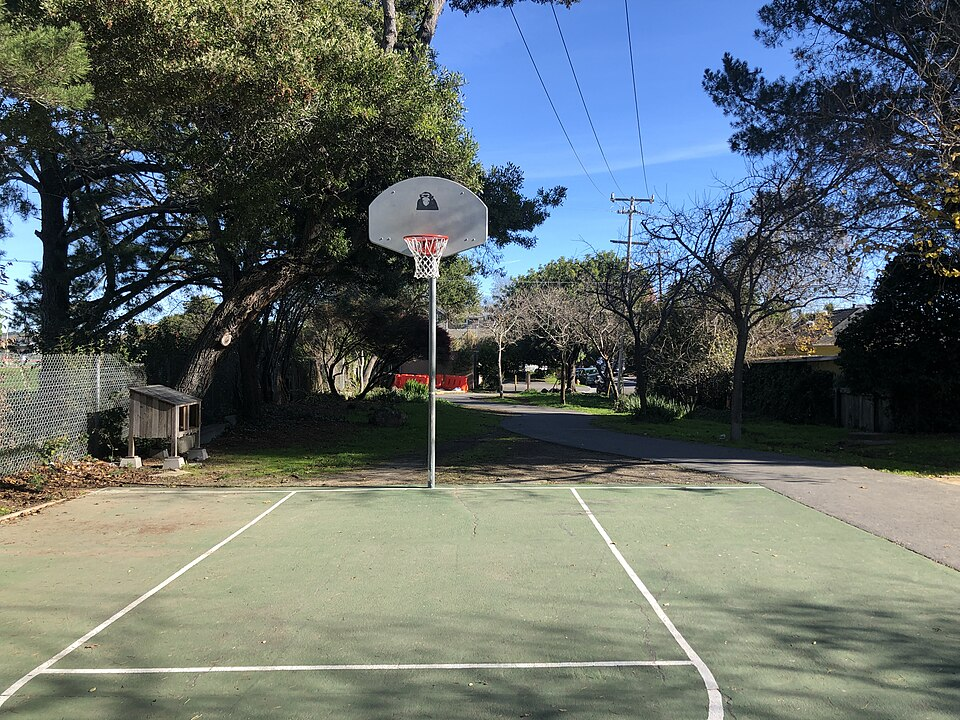
More vehicles per household, smaller plots, shorter driveways and considerably more concern about children playing near roads removed the venue entirely.
The space went first and the permission followed. A driveway occupied by two cars is not a surface anybody can play on, and the road at the bottom of it had become something nobody was prepared to have a ball rolling towards.
What went with it is the solitary version. One child, their own garage, a bent rim with a known bias, no net, a slope that sent every miss towards the road, and several hundred repetitions of the same action on an afternoon when there was nothing else to do and nobody at all watching.
What the Driveway Decided
Read in order, the sixteen describe an activity whose every characteristic was set by a surface nobody had chosen for it. The hoop’s position came from where the only usable wall was. The game’s character came from the ground: a smooth driveway produced one version, a cracked or sloping one produced something closer to a lottery, and children adapted the rules to whatever the surface would permit rather than the other way round. Local scoring systems grew around a particular crack or a particular drain, which is why they could not be transferred anywhere else and why the child who lived there always had the final say.
Two things about it are usually forgotten. The first is that almost all of the hours spent at these hoops were solitary – one child, several hundred repetitions of one action, with nobody watching, coaching or scheduling anything, and whatever ability came out of it came out of that. The second is that the surface was a driveway first and a court second, which meant the activity had no claim on the space at all and ended whenever anybody in the household needed to leave.
The serious problem in the whole subject is the one in the fifth item. A driveway slopes towards a road, a loose ball goes down the slope and a child goes after it without looking at anything else. The geometry of these installations guaranteed that would happen repeatedly, the standards of the period did not address it, and the reasons for present-day caution are not in dispute. Nothing above should be read as describing how anybody ought to site anything or how any child ought to behave near a road.
What went when the space did is the solitary version: one child, their own garage, a bent rim with a bias only they knew about, no net since the first summer, and several hundred shots on an afternoon when there was nothing else to do and nobody at all watching.
Like our content? Follow us for more.