For those who live in the shadow of the Appalachians, the Blue Ridge Parkway is a masterpiece of engineering and nature. But as the vibrant reds and oranges of autumn begin to fade into the twilight of a November afternoon, the Parkway transforms. Locals who frequent the 469-mile scenic route have an unspoken rule: once the clock strikes 5:00 PM in the fall, you exit.
The “Fog Trap” isn’t just a catchy name; it is a meteorological reality that turns a leisurely drive into a high-stakes survival exercise. Here is why the most experienced drivers in Virginia and North Carolina refuse to be caught on the ridge after dark.
1. The “Cloud Immersion” Phenomenon
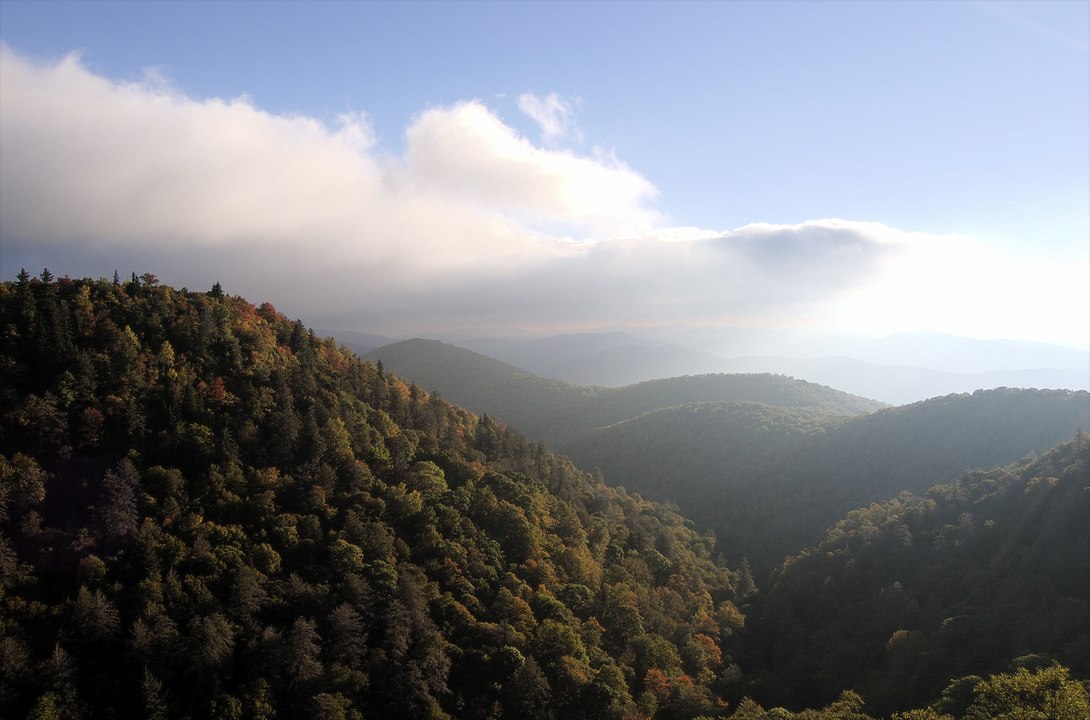
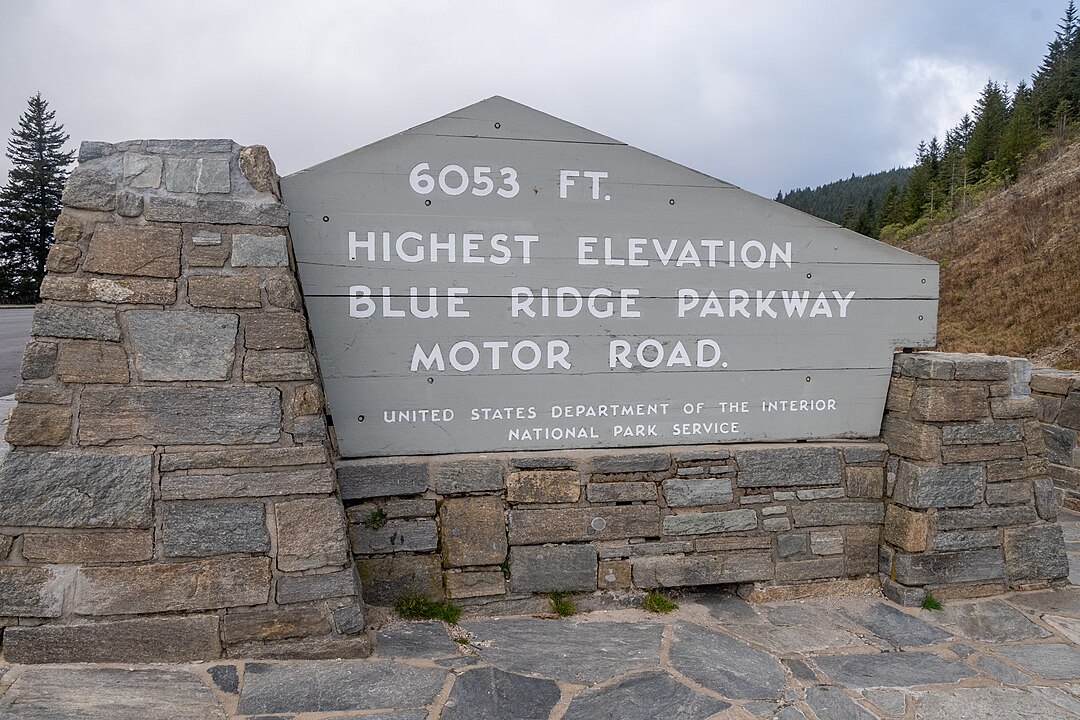
The Blue Ridge Parkway is unique because of its extreme elevation changes, swinging from 650 feet at the James River to over 6,000 feet near Mount Mitchell. In the fall, warm air from the valleys meets the cooling mountain ridges, creating a dense “orographic fog.”
Unlike valley fog that sits below you, mountain fog is literally a cloud sitting on the road. Locals warn that visibility can drop from miles to mere inches in a matter of seconds. At high altitudes, your headlights reflect off the moisture, creating a “white wall” effect that makes it impossible to see the centerline or the edge of the road, which, on the Parkway, often drops off into a steep ravine with no guardrail.
2. The “Twilight Transition” and Wildlife
Fall is peak “rut” season for white-tailed deer, and it is also when black bears are most active as they forage before winter. On the Parkway, the forest grows right up to the pavement. Without the streetlights found on standard highways, the road becomes a pitch-black corridor.
According to the National Park Service (NPS), wildlife-vehicle collisions spike during “twilight hours”, the period between 5:00 PM and 7:00 PM. Animals use the road as a clearing, and in the “Fog Trap,” you often won’t see a 200-pound buck until it is directly on your hood. Locals know that a collision at 45 mph on a remote mountain ridge means a long, cold wait for help that might be an hour away.
3. The “Black Ice” and Wet Leaf Hazard
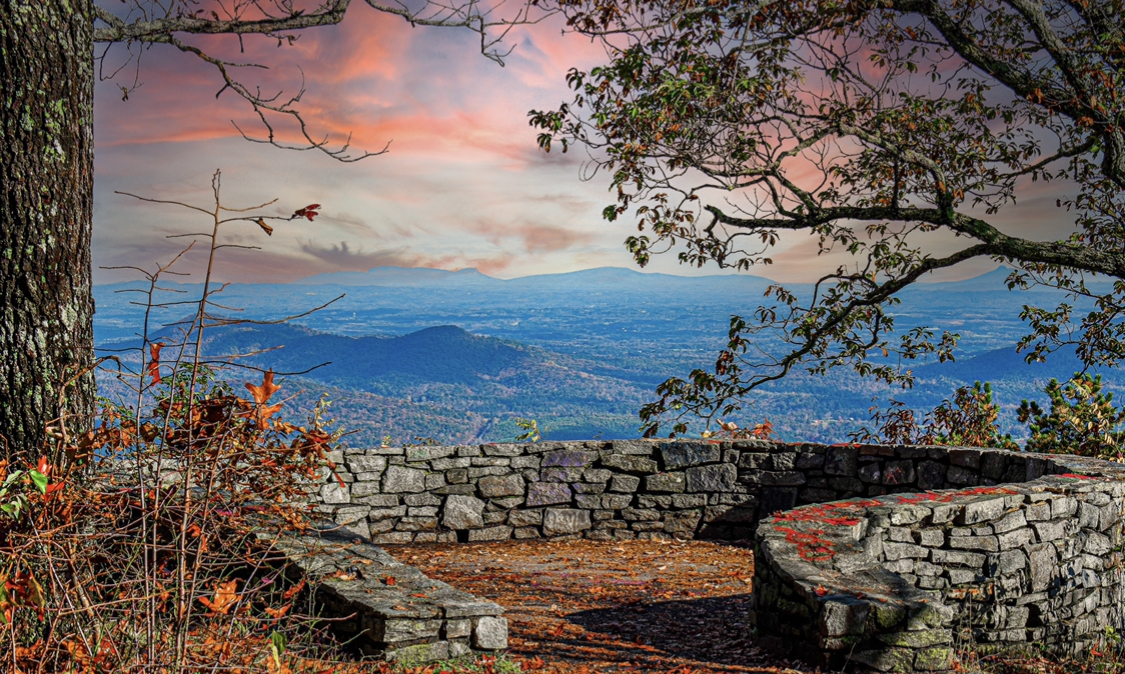
While the valleys may still feel like autumn, the temperatures on the Parkway’s peaks can drop below freezing as soon as the sun dips below the horizon. The moisture from the evening fog doesn’t just block your vision; it settles on the road.
Combined with fallen leaves, which become as slippery as ice when wet, the winding “decreasing radius” curves of the Parkway become treacherous. A curve that was safe at 3:00 PM can become a slide at 5:30 PM. For locals, the risk of a “spin-out” into the unforgiving shoulders of the mountain is simply not worth the view.
4. The “Cellular Dead Zone” Reality
Smart travelers know that much of the Blue Ridge Parkway is a massive cellular dead zone. If you get stuck in the fog or slide off the road after 5:00 PM, you cannot rely on your phone to call for a tow or emergency services.
Most Visitor Centers and ranger stations close by 4:30 PM or 5:00 PM in the fall. Once those gates shut and the sun goes down, the Parkway becomes one of the most isolated places in the Eastern U.S. Locals refuse to drive it late because they know that in an emergency, they are truly on their own until another vehicle happens to pass by, which is rare in the thick of a foggy autumn night.