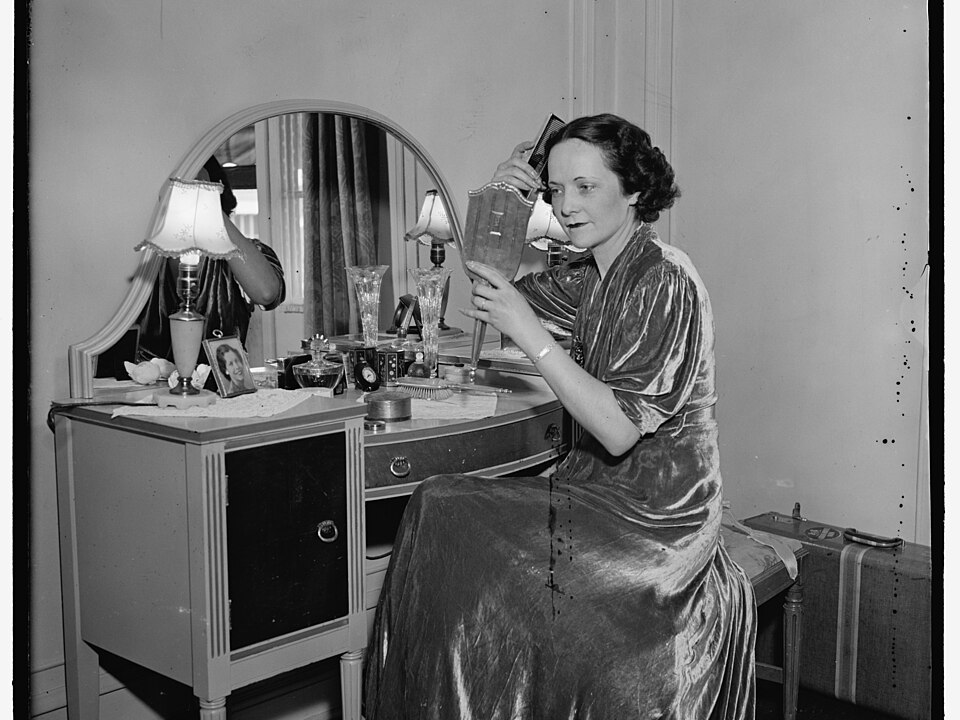
The American cosmetics shelf is the place where the gap between what people assume is regulated and what actually was is widest. Food had the 1938 act and a long sequence of amendments. Drugs had effectiveness requirements from 1962. Cosmetics had almost nothing, for eighty-four years, and what regulation existed arrived one ingredient at a time, usually after somebody found something.
That is why the dates below are so scattered, running from 1967 to a rulemaking still in progress. Here are fifteen things from that table, and what each of them ran into.
1. Progressive hair dye containing lead acetate
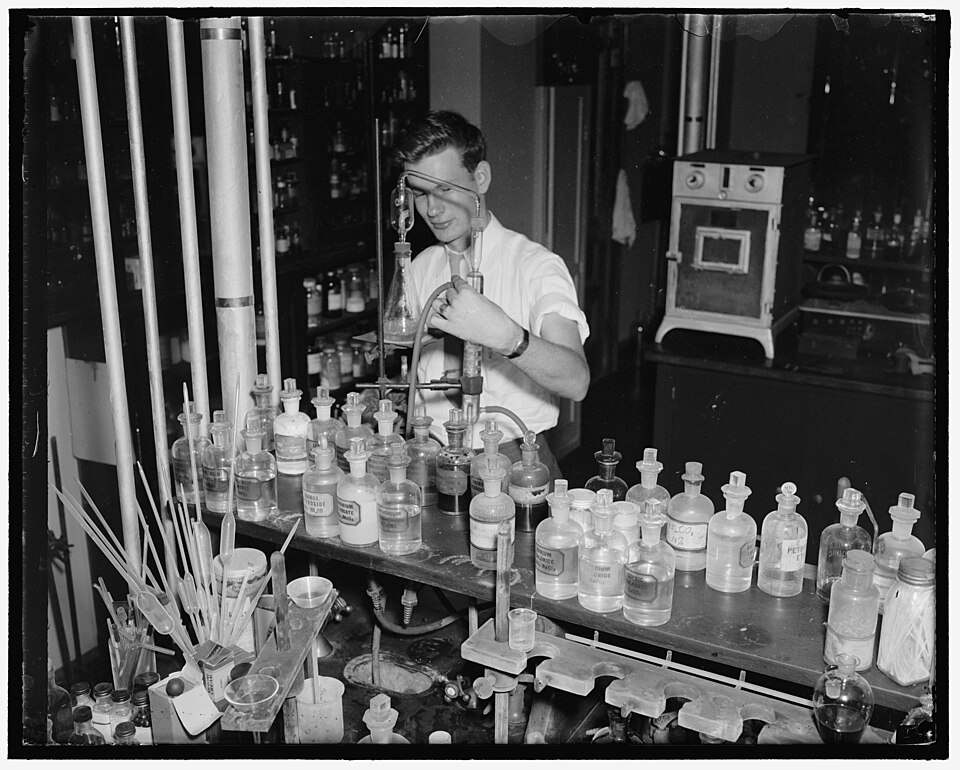
The gradual darkening dyes, applied daily and sold mostly to men but kept on plenty of shared bathroom shelves, worked by depositing lead sulfide in the hair. Lead acetate was the active ingredient and its use in hair dye was specifically approved.
The approval lasted an extraordinarily long time. The Food and Drug Administration repealed it in 2018, concluding there was no longer a reasonable certainty of no harm, and the products were withdrawn from the American market.
That date is the single most surprising fact in this whole batch. A deliberately added lead compound was lawful in an American cosmetic applied to the scalp until the year before last, which puts the 1965 dressing table a good deal closer to the present than anybody expects.
Like our content? Follow us for more.
2. Coal-tar hair dyes sitting outside the safety provisions entirely
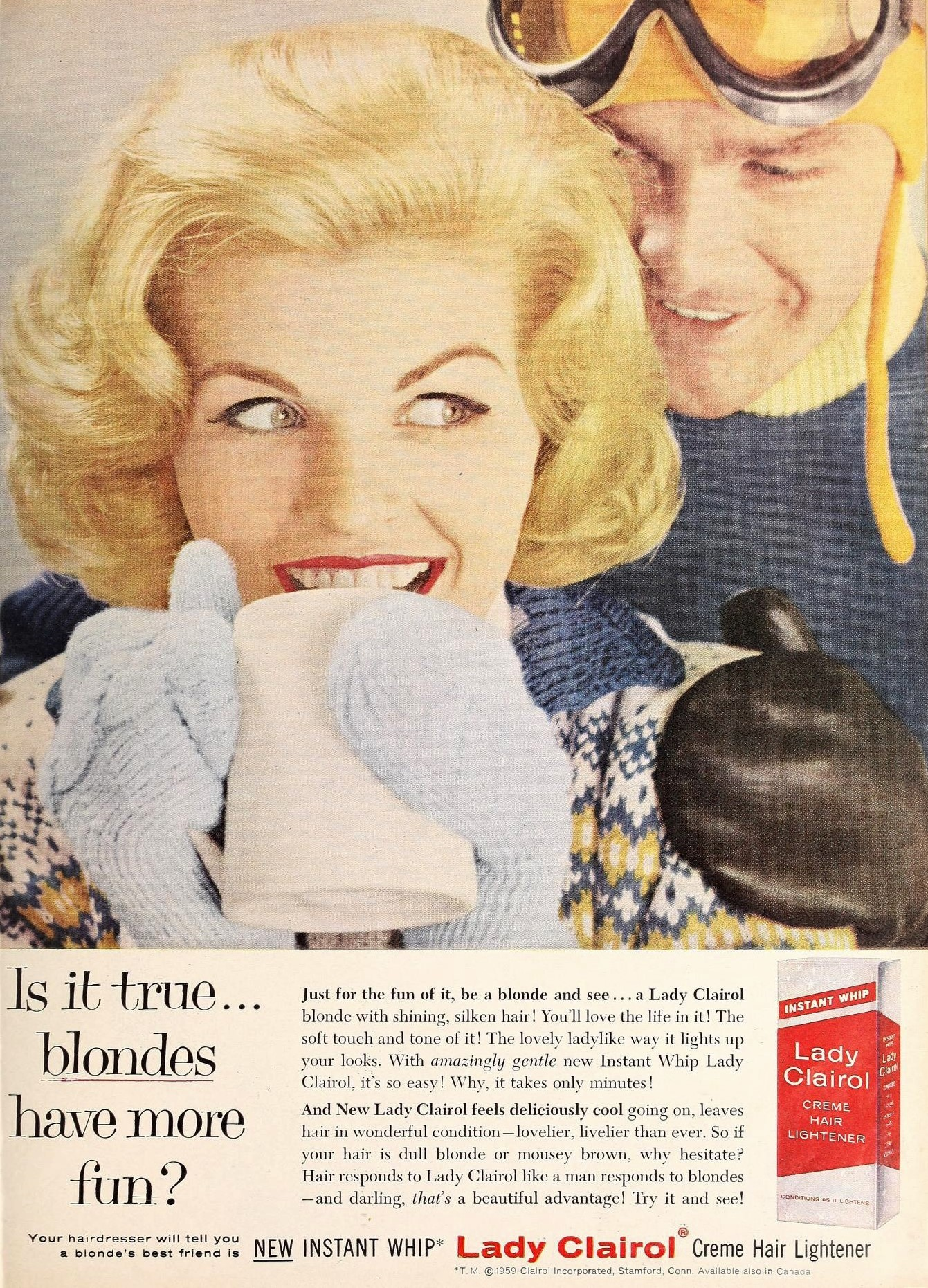
Permanent hair colour is built on coal-tar derivative dyes, and American law has treated them as a special case since 1938, exempting them from the colour additive approval requirements that apply to everything else in a cosmetic.
The exemption is conditional on a caution statement and patch-test instruction appearing on the label, which is why those words are on every box of permanent hair colour sold in the United States. It is the oldest surviving regulatory compromise in American cosmetics.
A 1965 box carried that statement and so does a 2026 one, which makes this the rare item that has not changed. It is included because it is the clearest illustration of what a 1965 shelf actually was: a market where the rules were written around the industry’s existing products.
3. Mercury compounds in skin-lightening creams
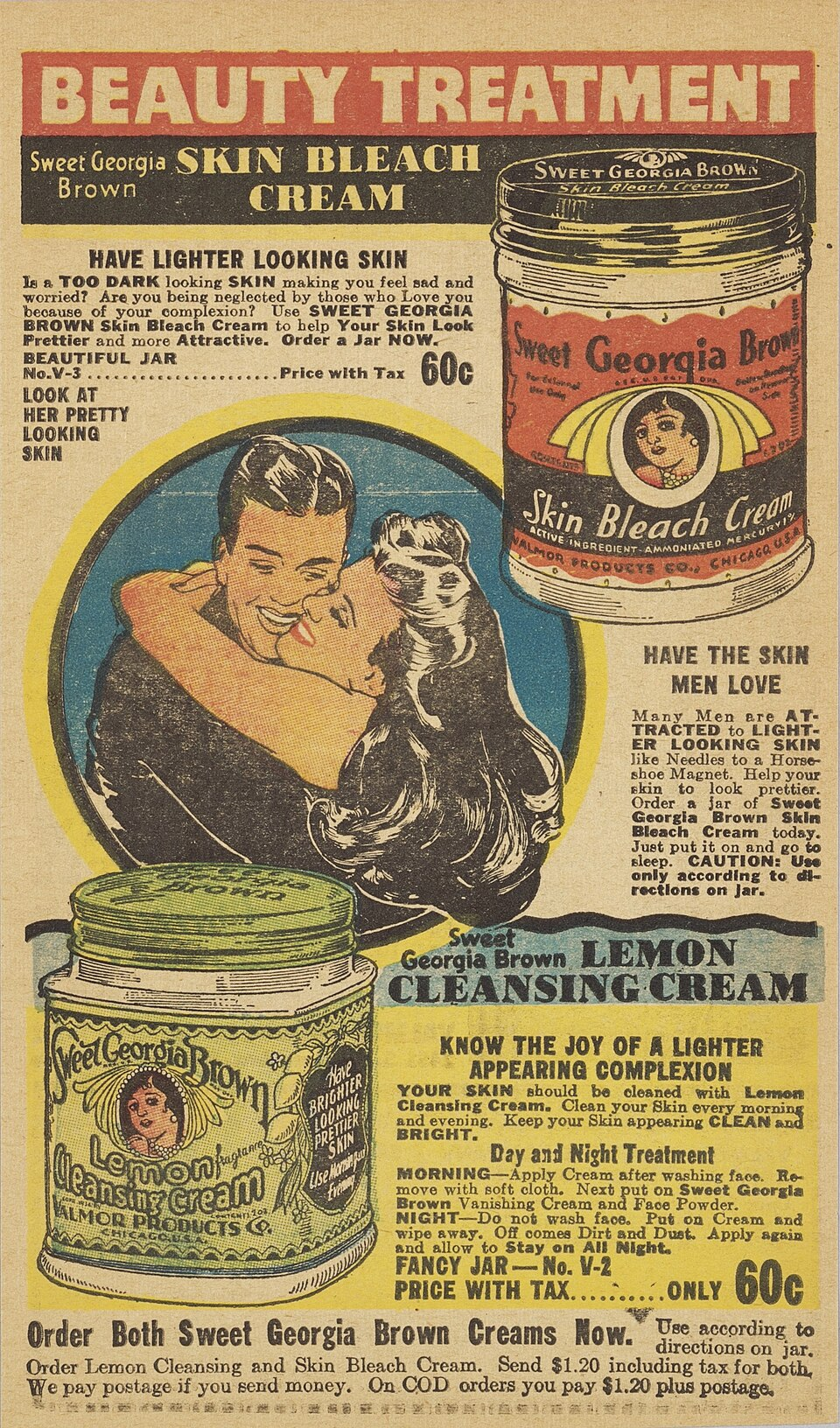
Skin-lightening preparations were sold in the United States using mercury compounds as the active agent, and they worked, which is why they persisted. They were applied to the face daily over long periods.
Mercury in American cosmetics is now limited to trace levels with a narrow exception for certain eye-area preservatives, and mercury-containing skin-lightening products are prohibited. Enforcement action against imported products continues, because the market has not fully gone.
This item deserves one honest sentence about who was being sold to. These products were marketed hardest to women of colour, in the United States and internationally, and that pattern of marketing has outlasted the regulation.
4. Hexachlorophene in soaps, cleansers and cosmetics
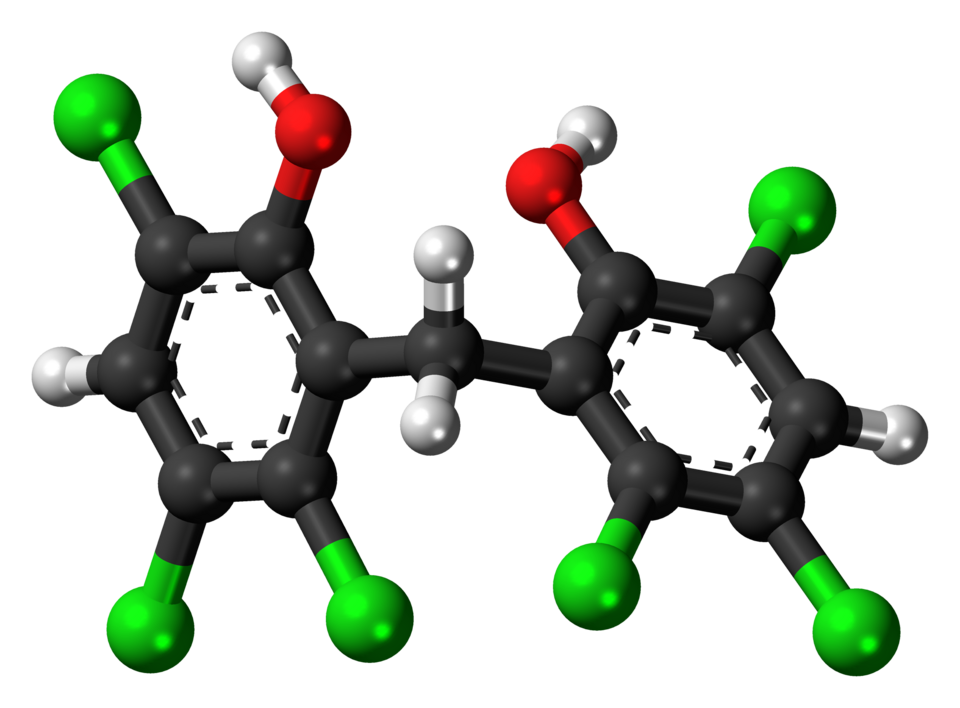
Hexachlorophene was the antibacterial agent of the period, in facial soaps, deodorants, cleansers and a great many other products. It was effective and it was in very wide American use.
The Food and Drug Administration restricted it to prescription use in 1972 following toxicity findings, particularly concerning absorption through the skin, and it was removed from over-the-counter cosmetics and soaps.
This is the clearest single-date reversal in the list after the lead acetate repeal, and it happened within a decade of the shelf described here. A 1965 bathroom and a 1975 bathroom were different places largely because of it.
5. Vinyl chloride as the propellant in hair spray
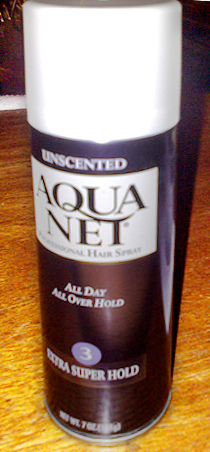
Aerosol hair spray in the 1960s used vinyl chloride as a propellant, sprayed in enclosed bathrooms, into a cloud, daily, by millions of American women and by the salon staff who worked in it all day.
Vinyl chloride was prohibited as an aerosol propellant in the United States in 1974 after it was linked to a rare liver cancer in occupationally exposed workers. The prohibition followed the occupational finding rather than any consumer study.
The salon workers are the group this most affected and the group least considered at the time. They were in the cloud for forty hours a week, and the evidence that ended the propellant came from an industrial setting rather than from anybody looking at them.
6. Chlorofluorocarbon propellants in every aerosol on the table
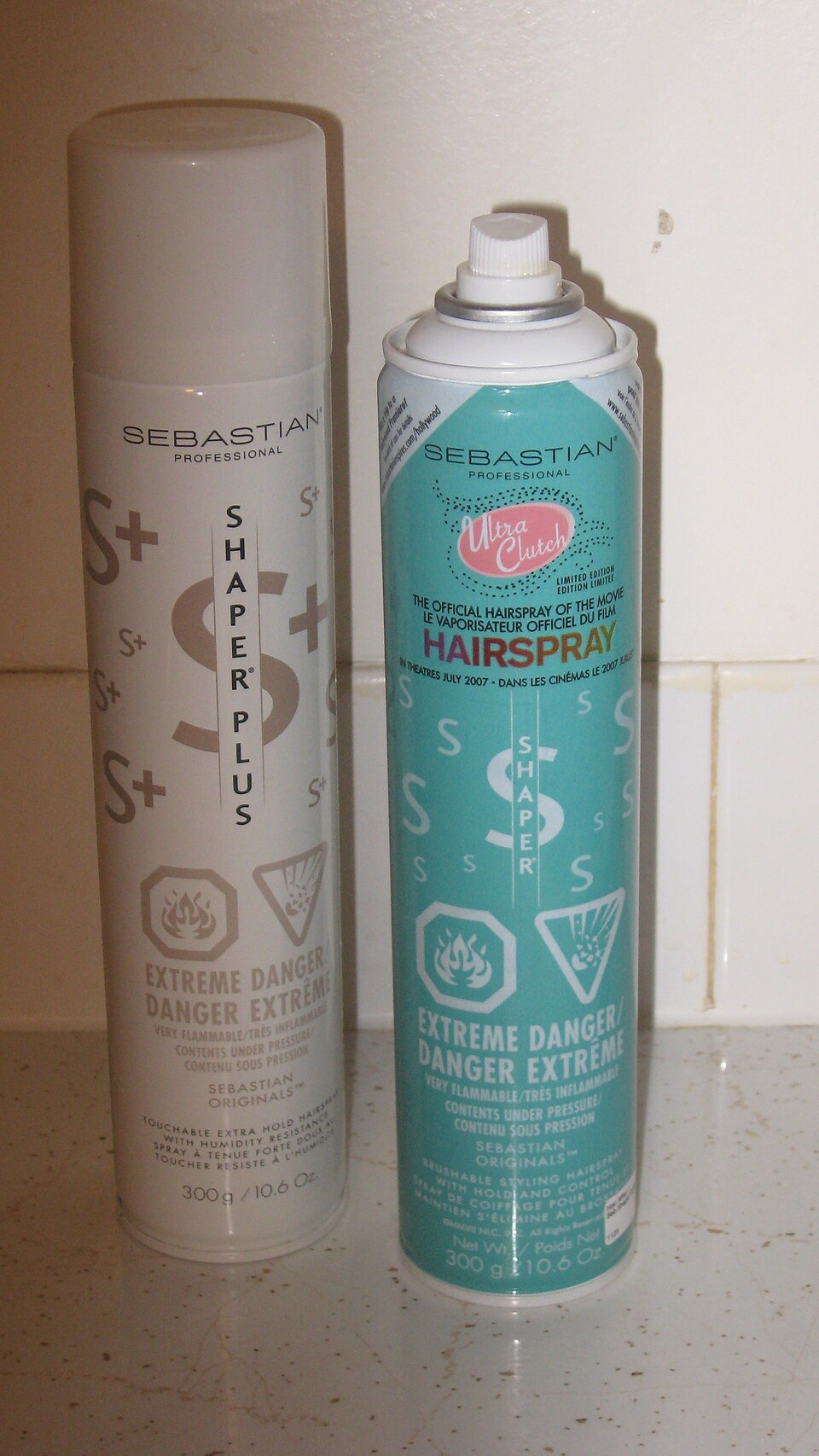
After vinyl chloride went, the propellant of choice across hair sprays, deodorants, perfumes and setting products was a chlorofluorocarbon. The cans were a defining object of the American bathroom.
The United States banned most aerosol uses of CFCs in 1978 on stratospheric ozone grounds, which was years before the international agreement usually credited with the change. Manufacturers moved to hydrocarbon propellants and to pump sprays.
This is the one item here that was removed for a reason with nothing to do with the person using it. Nothing about the propellant harmed the woman holding the can. It was the upper atmosphere, which is a remarkable basis on which to reformulate an entire industry.
7. Methylene chloride in hair sprays

Methylene chloride was used in American hair sprays, among other things to reduce flammability after the move away from the earlier propellants. It is a powerful solvent and was present in a product sprayed into a confined space.
The Food and Drug Administration banned methylene chloride in cosmetics in 1989, following animal carcinogenicity findings. Its industrial and consumer use has been restricted much further since, including recent action on paint strippers.
The sequence across these three items is worth noticing. Vinyl chloride was replaced by CFCs, CFCs by other systems, and one of the intermediate fixes was itself banned fifteen years later. Each substitution was made in good faith on the evidence then available.
8. Bithionol in creams and soaps
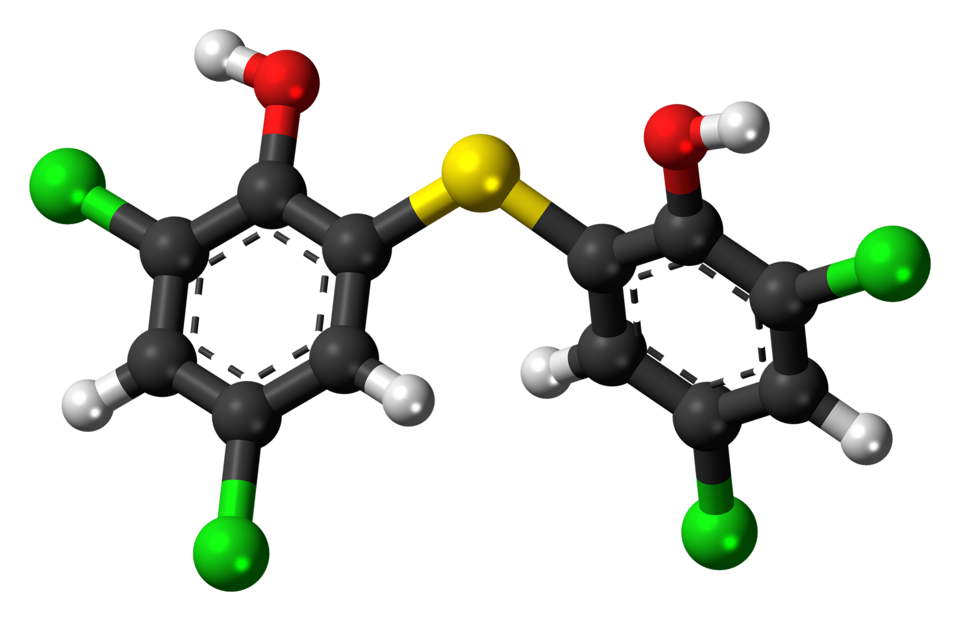
Bithionol was used as an antibacterial and antifungal agent in American cosmetics, soaps and first-aid preparations through the 1950s and early 1960s.
The Food and Drug Administration prohibited it in cosmetics in 1967 after findings of photosensitisation — a reaction in which treated skin becomes abnormally sensitive to light. It is one of the earliest American cosmetic ingredient prohibitions.
It is on the list because it shows the system working before most of the modern framework existed. The mechanism was identified, the ingredient was banned, and it happened within two years of the shelf this piece describes.
9. Chloroform in cosmetics and toothpastes
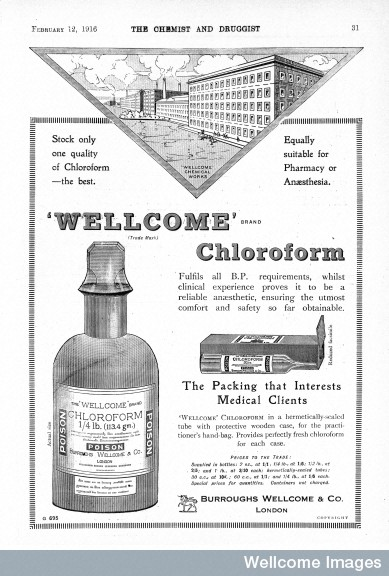
Chloroform was used in American cosmetics, dentifrices and cough preparations as a flavouring, a solvent and a mild anaesthetic. It was in products used in the mouth, daily, by children as well as adults.
The Food and Drug Administration banned chloroform in human drug and cosmetic products in 1976 following animal carcinogenicity findings, with a narrow exception for residual amounts.
The dentifrice use is the one that catches people. A compound now associated entirely with industrial chemistry and old crime fiction was an ordinary ingredient in American toothpaste within the memory of anybody over sixty.
10. Zirconium compounds in aerosol antiperspirants
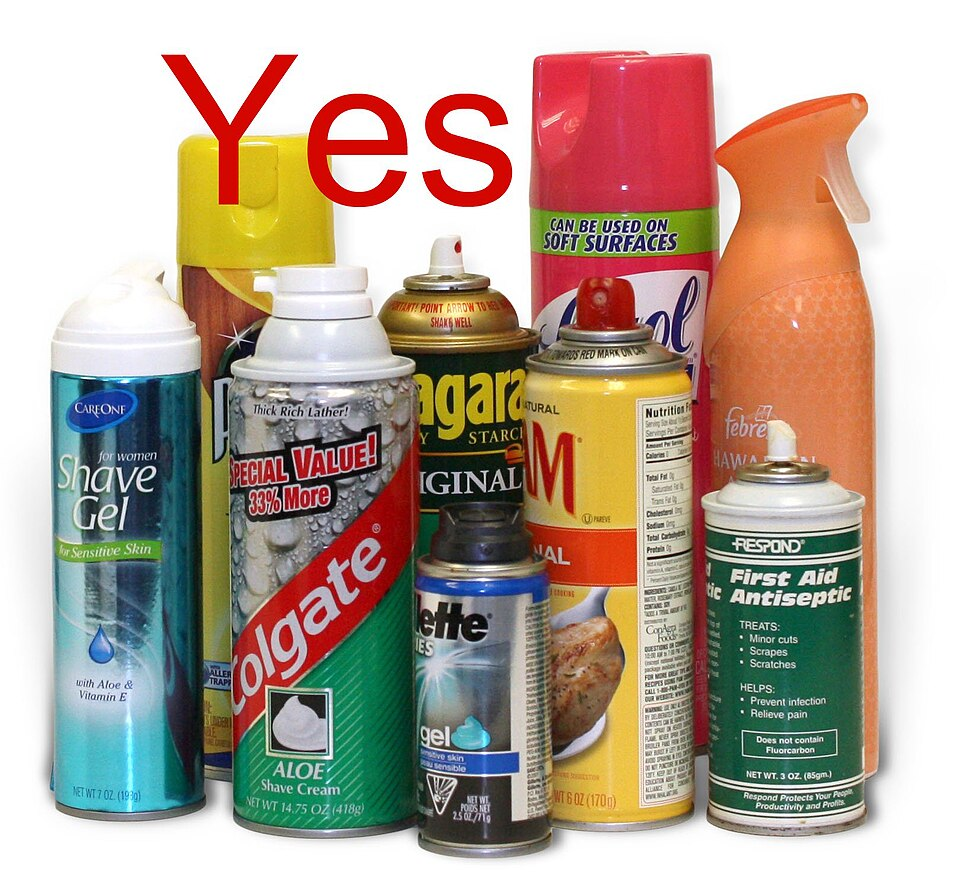
Aerosol antiperspirants using zirconium compounds were introduced and widely sold, offering better performance than the aluminium salts then standard.
The Food and Drug Administration prohibited zirconium in aerosol cosmetic products in 1977, on the basis that inhaled zirconium could cause granulomas in the lungs and that an aerosol delivers the ingredient directly to the airway.
The specific logic is worth stating because it recurs. The ingredient was not prohibited in cosmetics generally; it was prohibited in the aerosol form, because the delivery method and not the substance was the problem. The same reasoning governs a great deal of modern cosmetic regulation.
11. Permanent dyes for eyelashes and eyebrows
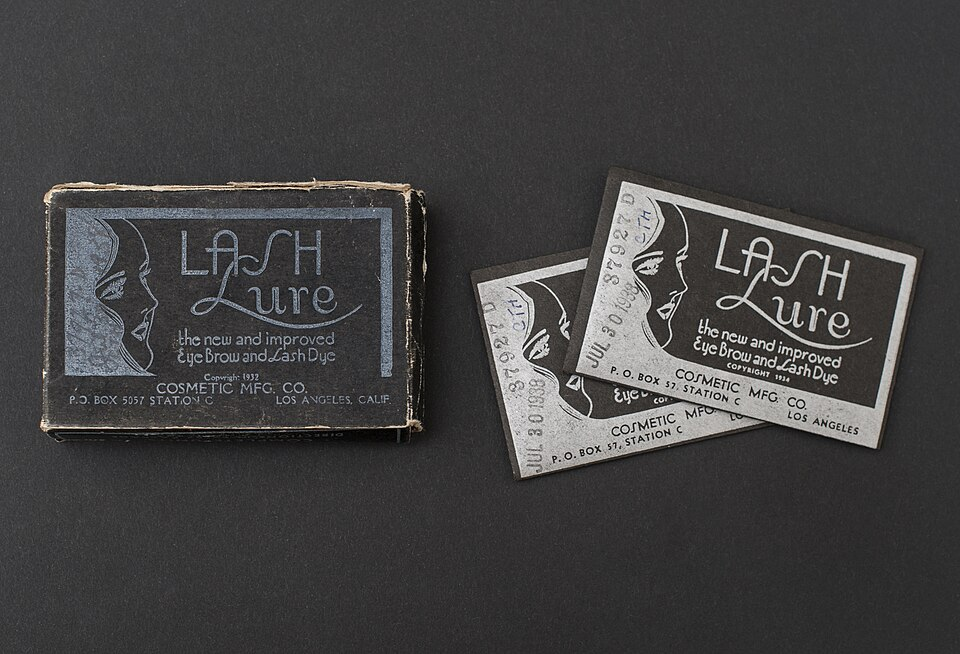
Salons and home users dyed lashes and brows with permanent colour, using the same coal-tar dye chemistry as hair colour, applied within a few millimetres of the eye.
The use of coal-tar dyes to colour eyelashes and eyebrows is prohibited in the United States, because the coal-tar exemption that covers scalp hair does not extend to the eye area and the risk of serious eye injury is treated as unacceptable.
This remains one of the few absolute prohibitions in American cosmetics, and it is routinely breached by salons offering lash and brow tinting. The service is widely available and the dyes approved for it in the United States are not the permanent kind.
12. Talc, and the question nobody was asking
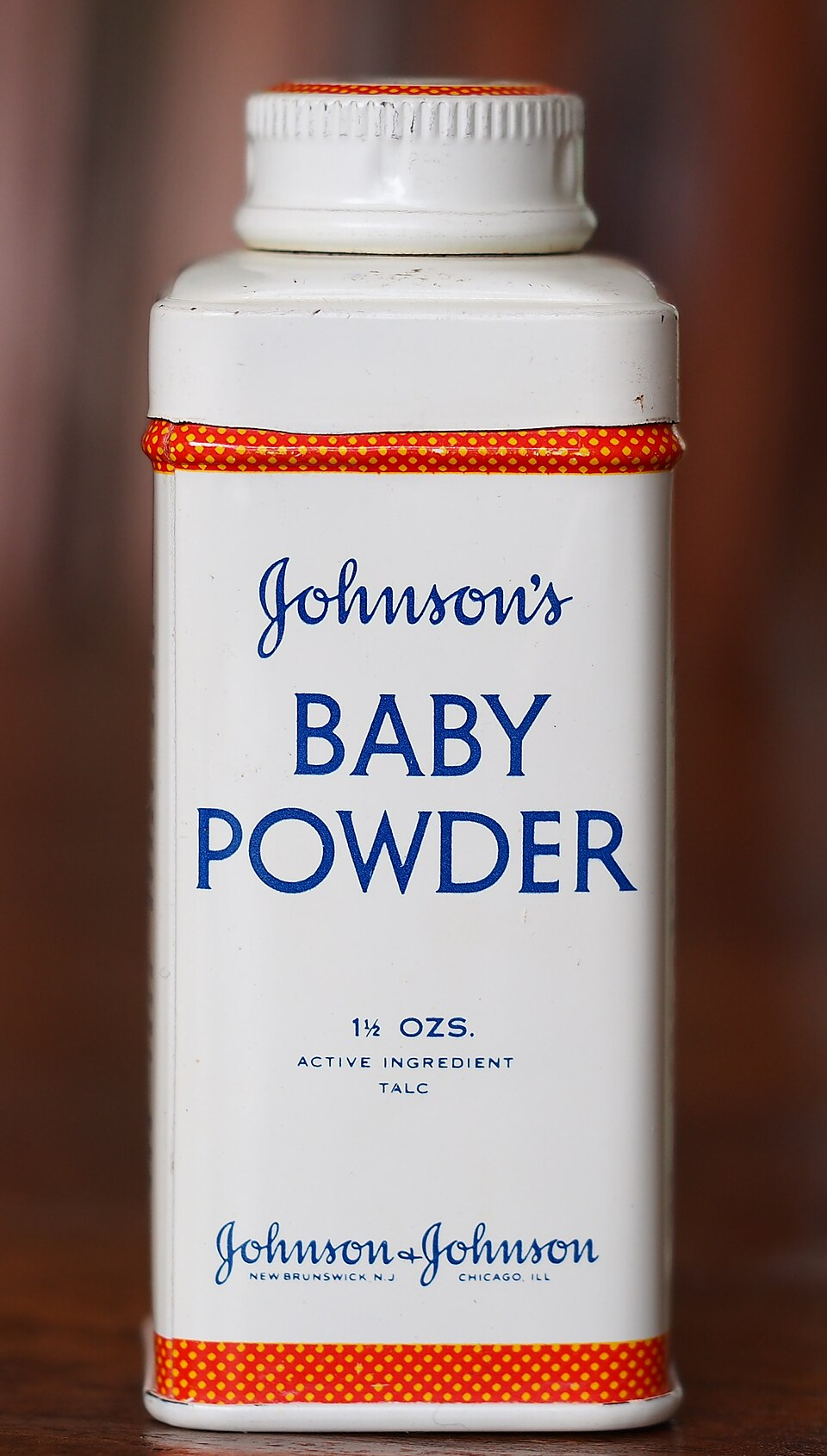
Talcum powder was used everywhere on a 1965 dressing table: body powder, face powder, baby powder, and as a bulking ingredient in pressed cosmetics. The association with asbestos arises because the two minerals occur together geologically.
There is now a testing and specification regime around cosmetic talc in the United States, substantially strengthened by legislation of recent years that directed the Food and Drug Administration to establish standardised testing methods for asbestos in talc-containing cosmetics.
No claim is made here about any product or any litigation. The point is narrower and factual: in 1965 nobody was required to test for this at all, and the modern requirement exists because the question was eventually asked.
13. Formaldehyde-releasing hair straightening products
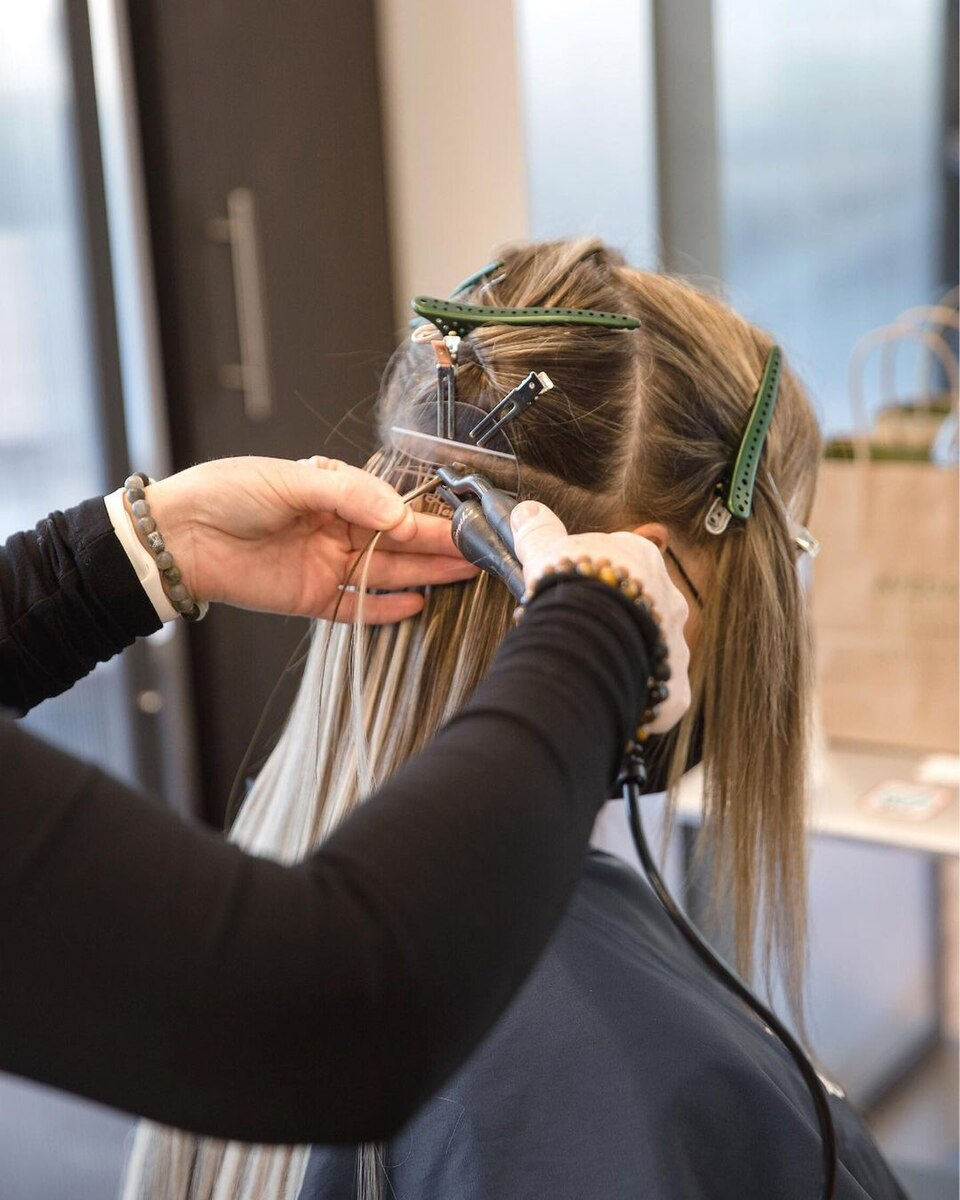
Chemical straightening and smoothing treatments have long used formaldehyde or compounds that release it when heated, applied in enclosed salons with a flat iron, which converts the product into a vapour in the room.
The Food and Drug Administration moved to prohibit formaldehyde and formaldehyde-releasing agents in hair smoothing products, with proposed rulemaking in 2024. Occupational exposure in salons has been the central concern throughout.
This is the most recent item and the one still in motion, which is the right note to end the ingredient list on. The dressing table is not a closed historical subject, and salon workers are again the people most exposed and least considered.
14. A package with no ingredient list on it anywhere
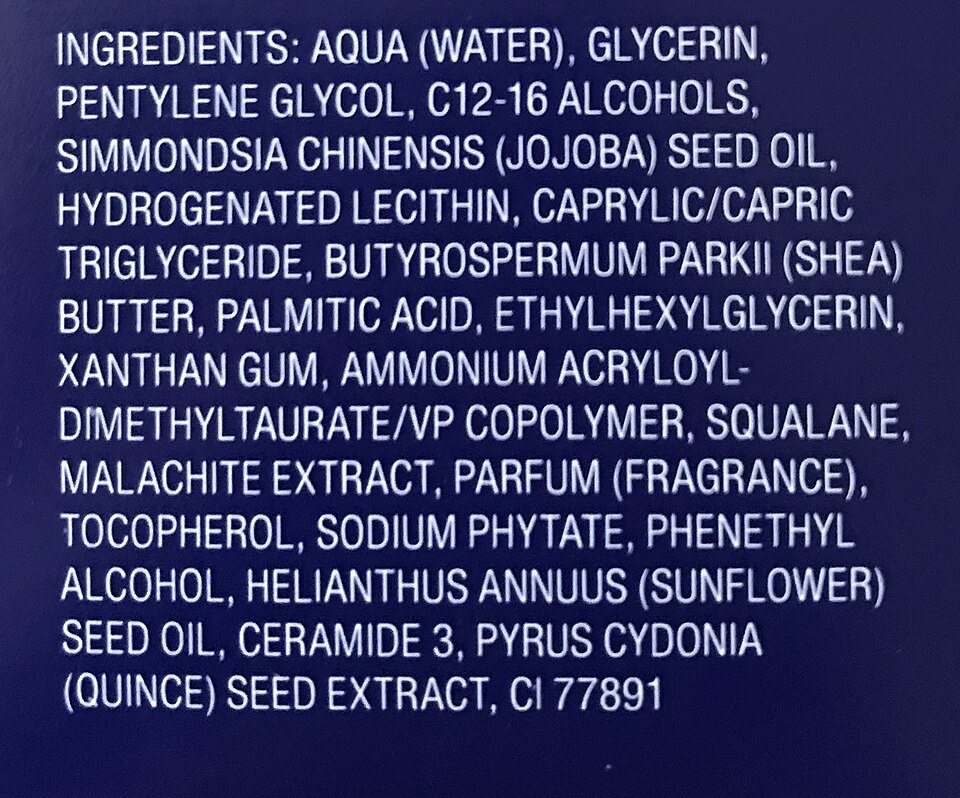
A 1965 cosmetic told you the brand, the shade and the claim. There was no ingredient declaration, which meant a woman with a known sensitivity had no way to avoid anything and no way to identify what had caused a reaction.
The Food and Drug Administration required ingredient labelling on American cosmetics from 1977, under regulations made beneath the fair packaging and labelling legislation. Ingredients are listed in descending order of predominance.
Everything above is an ingredient that was eventually prohibited. This item is the reason it took so long for several of them, because an unlabelled market is one in which nobody outside the manufacturer can connect a product to an effect.
15. No registration, no adverse event reporting and no recall power
For most of the twentieth century American cosmetics were the least regulated category the Food and Drug Administration oversaw. Manufacturers did not have to register facilities, did not have to report adverse events, did not have to hold safety substantiation, and the agency could not order a recall.
That changed with the cosmetics modernisation legislation of 2022, which introduced facility registration, product listing, adverse event reporting, safety substantiation requirements and mandatory recall authority — the first substantial overhaul of American cosmetics law since 1938.
This is the item that frames all the others. Every prohibition above had to be fought for individually, ingredient by ingredient, because there was no general obligation on anybody to demonstrate that a cosmetic was safe before selling it. That obligation is four years old.
Eighty-four years of one thing at a time
Read by date, the list is a slow drip: bithionol in 1967, hexachlorophene in 1972, vinyl chloride in 1974, chloroform in 1976, zirconium aerosols in 1977, ingredient labelling in 1977, CFC propellants in 1978, methylene chloride in 1989, talc testing requirements and the formaldehyde rulemaking in the last few years, and lead acetate in hair dye only in 2018.
There is no system in that sequence, because there was no system. Each one was a separate finding, a separate rulemaking and a separate fight, conducted against an industry with no general obligation to establish that anything was safe in the first place. The 2022 legislation is the first time American cosmetics law has required a manufacturer to hold safety substantiation and to tell anybody when a product harms somebody. Whether it works is an open question. That it is the first attempt is not.
If there is one thing to take from the list it is the pattern in who got hurt. The vinyl chloride finding came from industrial workers. The zirconium prohibition was about inhalation. The methylene chloride and formaldehyde concerns both centre on salon staff. Three of the items here were resolved on the basis of occupational rather than consumer evidence.
The woman at the dressing table used the product for two minutes a day. The woman behind the chair was in the room for forty hours a week, and she is the one the evidence usually came from.
Like our content? Follow us for more.