

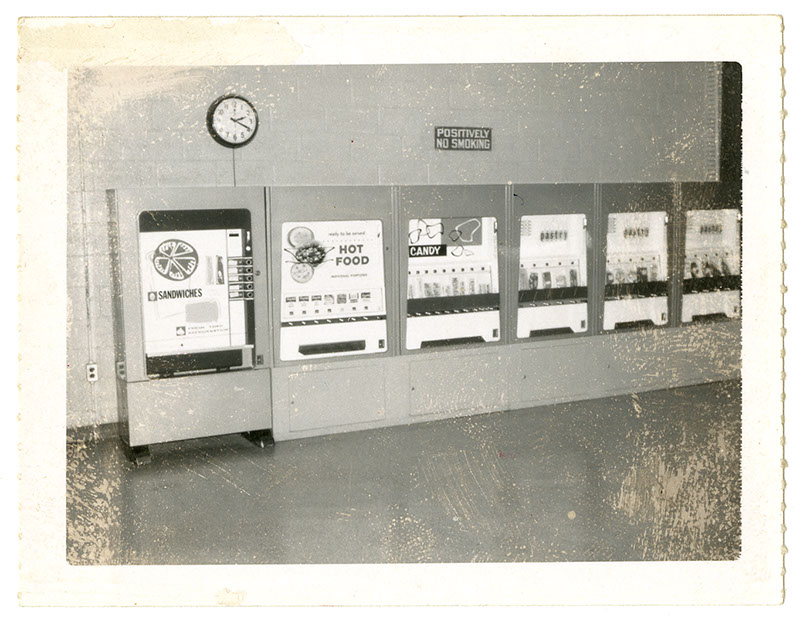
A vending machine is the hardest retail setting to regulate, because there is nobody there. No server to ask a question, no shelf to read, no staff member to notice that the compressor has stopped, and no one to complain to when the coin goes in and nothing comes out.
That is why the rules governing American vending developed in such an unusual direction. Several of the requirements below do not ask an operator to do anything; they require the machine itself to refuse to misbehave, which is the only form of control that works on unattended equipment. Here are fifteen things a 1965 machine did, and what each ran into.
1. Cigarette machines standing in open public places
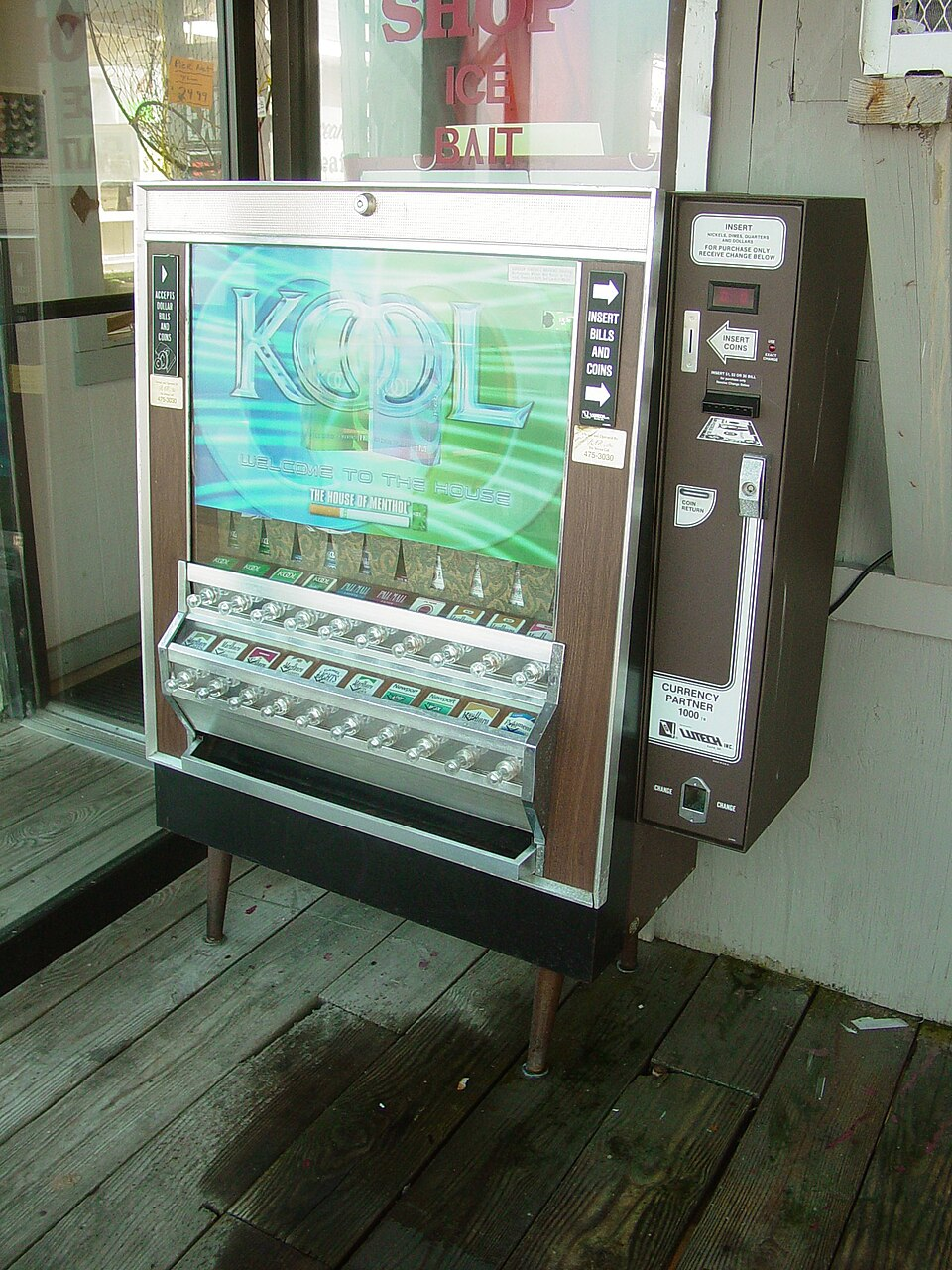
Cigarette vending machines were everywhere: hotel lobbies, bowling alleys, laundromats, diners, bus stations, office corridors. They took coins and asked nothing, which made them the single easiest source of tobacco for an American child.
Federal rules restricting tobacco vending to facilities where children are not present were put in place in the 1990s, and the state enforcement regime that accompanied federal substance abuse funding pushed much further. The machines disappeared from general public space within about a decade.
This is the most complete removal on the list. A machine that was in every lobby in the country is now effectively unseeable, and the generation that remembers buying from one usually remembers doing it at an age that makes the point for itself.
Like our content? Follow us for more.
2. Machines selling medicines and headache remedies
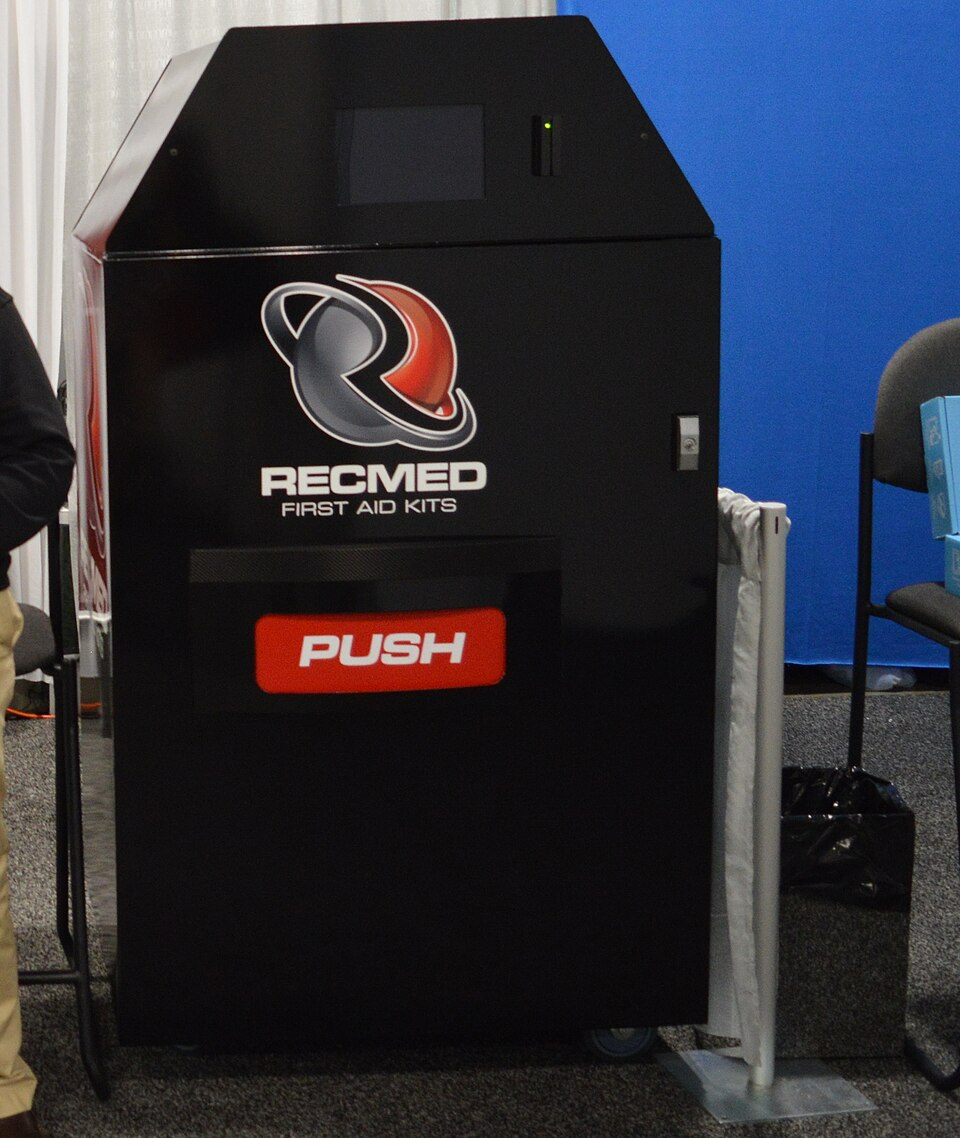
Vending machines dispensed aspirin, antacids, headache powders and other over-the-counter preparations, in hotels, bus stations and factories. It was a convenience and it was unremarkable.
Dispensing medicines by machine is now tightly constrained in the United States, with requirements covering labelling, product information, tamper-evident packaging and in many settings pharmacist oversight or a licensed retail context. The 1965 coin-operated aspirin dispenser meets none of them.
The tamper-evident packaging requirement introduced in 1982 is the most direct problem, because the whole premise of the old machine was that the product dropped out loose or in a paper sachet with nothing to show whether it had been interfered with.
3. Nothing anywhere telling you what was in it
A 1965 machine showed a product name through a window and a price. There was no nutrition information, no ingredient list and no way to find out anything about the contents without buying the item and reading a wrapper that often said very little either.
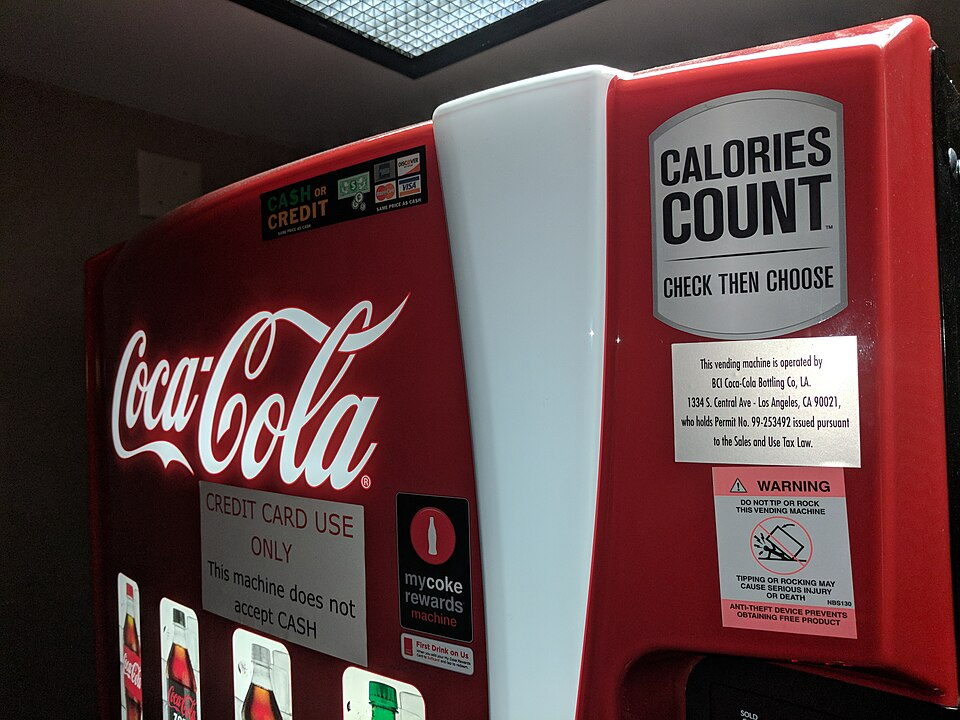
American vending machine operators above a machine-count threshold have been required since 2018 to disclose calorie information at the point of selection, under the menu labelling provision of the Affordable Care Act. Signage, electronic displays and front-of-pack visibility all satisfy it.
This was a genuinely novel regulatory problem, because a vending machine has no server to ask and no shelf to read. Working out how to put the information in front of somebody before they put a coin in took most of a decade of rulemaking.
4. No allergen information, on food sold through a slot
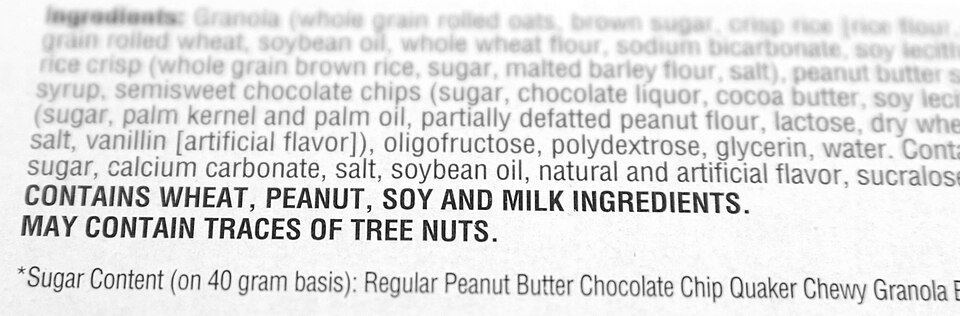
Packaged snacks and sandwiches came out of a machine with whatever the wrapper said, and in 1965 the wrapper was not required to declare the major allergens or to warn about shared production equipment.
The Food Allergen Labeling and Consumer Protection Act took effect in 2006 and requires plain-language allergen declaration on packaged food, which is what a vending machine sells. Advisory statements about shared lines followed as industry practice.
A vending machine is the worst possible environment for an undeclared allergen, because there is nobody to ask and no time to check before the item is dispensed. The labelling reform matters more here than almost anywhere else in food retail.
5. Refrigerated food machines with no automatic temperature cut-off
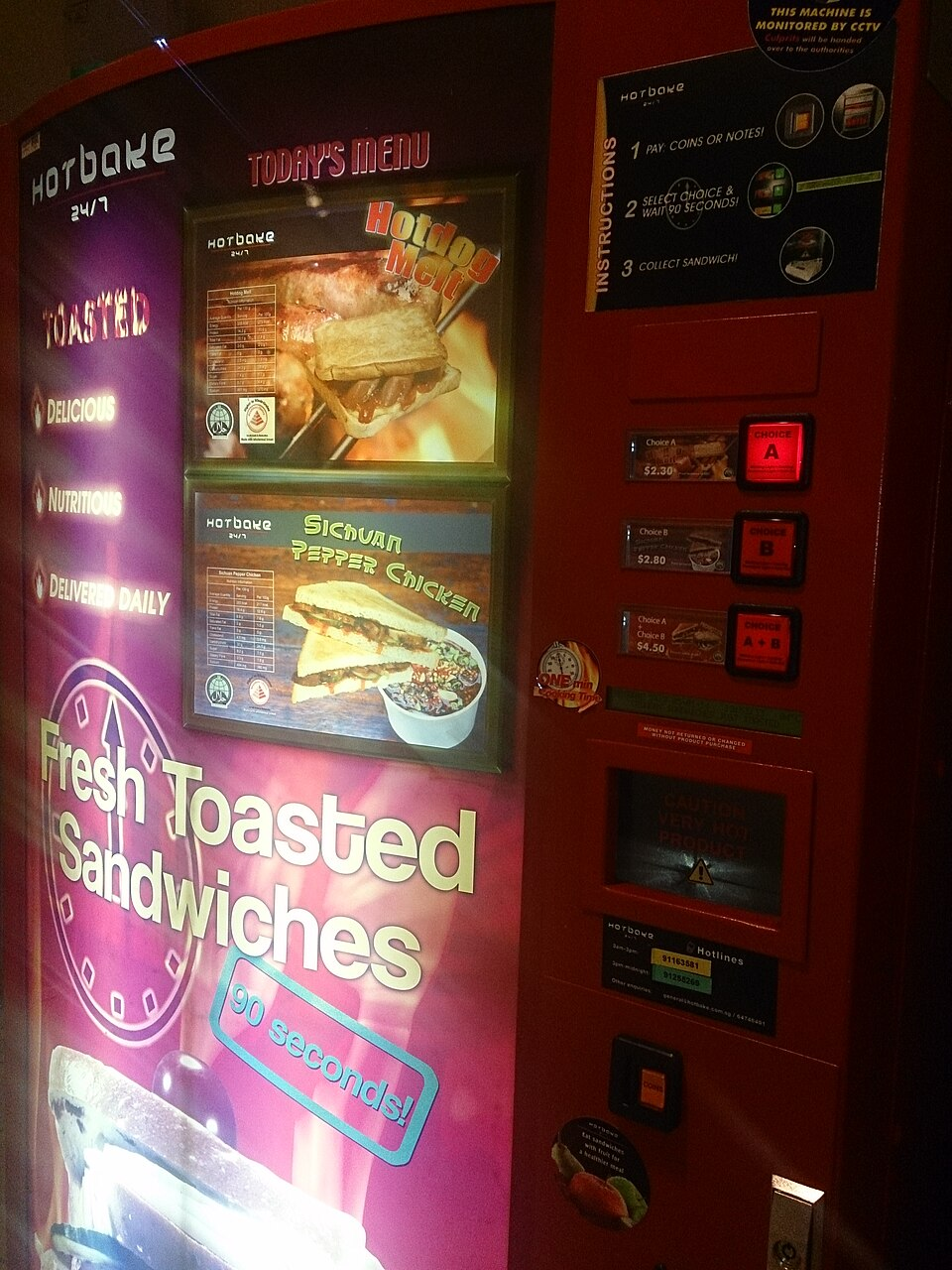
Machines sold sandwiches, milk and chilled prepared food, cooled by a compressor that could fail silently. There was nothing to detect a rise in temperature and nothing to stop the machine continuing to sell.
American food codes now require a vending machine holding food requiring temperature control to have an automatic control that prevents it from vending if the temperature moves outside the safe range, so that a failure takes the machine out of service rather than going unnoticed.
This is one of the most elegant requirements in food regulation. It does not ask an operator to check anything or record anything. It makes the machine refuse to sell, which is the only control that works on unattended equipment.
6. No date coding on the products inside
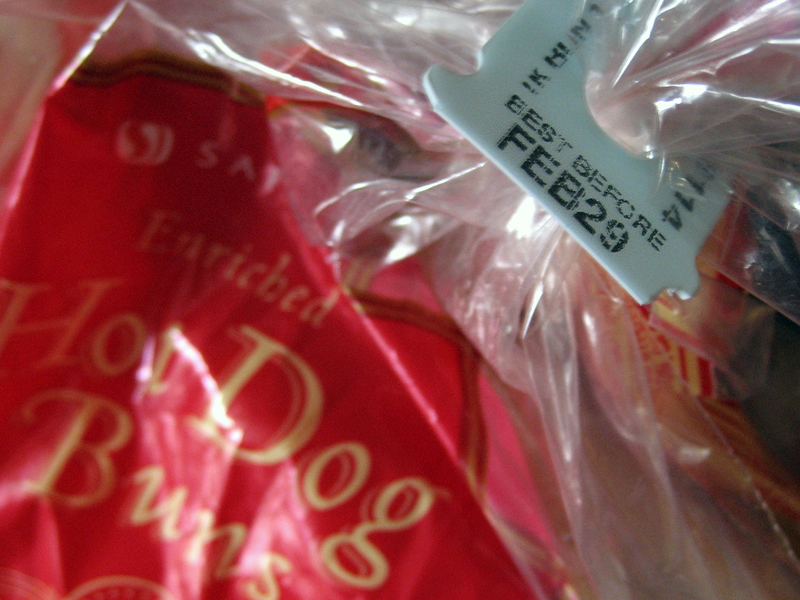
Open dating, in a form a customer could read, was not standard in 1965, and a vending machine is the one retail setting where the customer cannot pick up the item and look. Stock rotation depended entirely on the route operator’s diligence.
Date marking spread across American groceries through the 1970s, and vending operators now work to stock rotation schedules with product dates visible or verified at the point of filling.
The old arrangement put the entire question in the hands of one person on a route with a lot of machines. Most of them were conscientious. The system had no way of knowing which ones were not.
7. Loose peanuts dispensed straight into a cupped hand
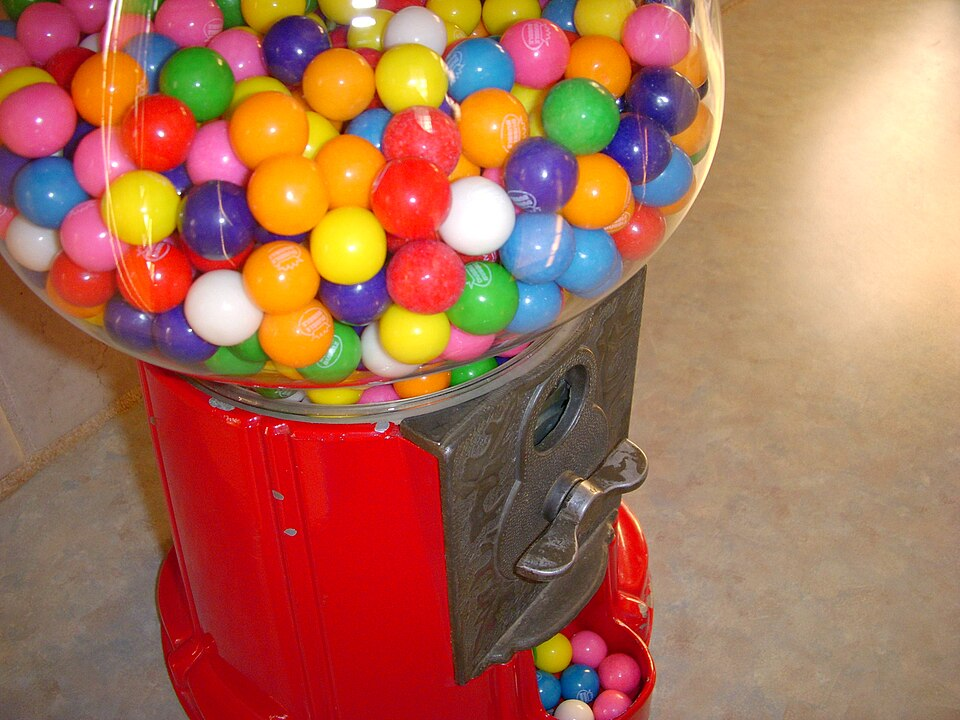
Bulk machines released loose nuts, candy-coated chocolate, raisins and similar into whatever the customer put underneath, which was usually a hand. The glass globe was filled by hand and refilled on top of what was already in it.
Bulk vending of unpackaged food in the United States is now subject to requirements on dispensing mechanisms, protection from contamination and cleaning, and the hand-to-product contact that the old globes depended on is not acceptable for an unpackaged food.
The gumball machine survives because a gumball has a hard shell and is a confection rather than a food requiring protection. The loose peanut globe does not survive, and the distinction is exactly that.
8. Machines that were not anchored to anything
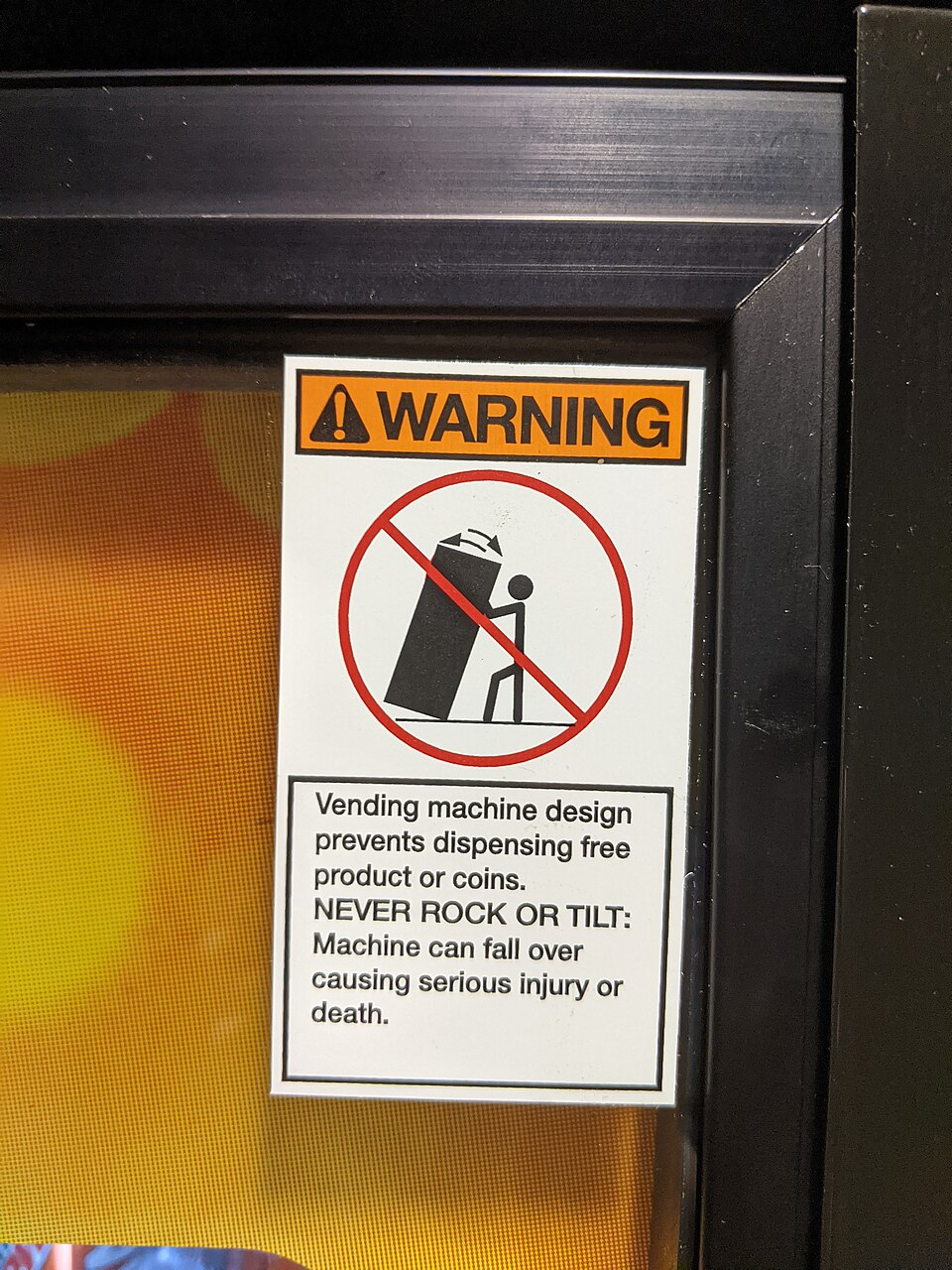
A full soft drink machine weighs several hundred pounds and stands on four small feet. In 1965 they were set down wherever there was a socket, unsecured, and a machine that was rocked or tipped came over.
American machines are now anchored or designed against tip-over, carry warning labelling, and newer designs will not dispense when tilted. The change followed federal product safety attention to tip-over incidents, which overwhelmingly involved young people.
This is the item on the list with the most serious consequences and the least public awareness. Nothing is described here beyond the mechanism, and the warning label on the side of every modern machine is the result of somebody having counted.
9. Hot drink machines with no scald protection
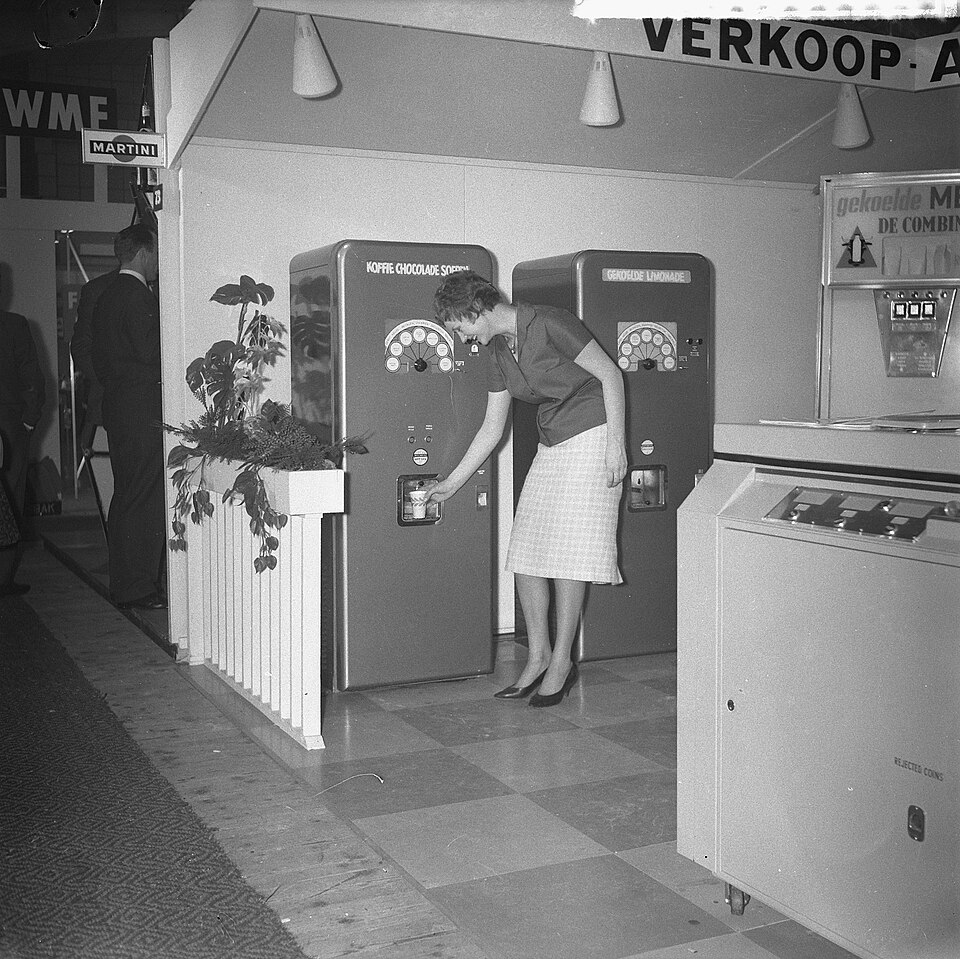
Early hot beverage machines dropped a cup, then filled it, and a cup that fell askew or stuck meant near-boiling liquid going into the dispensing recess and over whatever was in the way, usually a hand reaching in.
Modern machines use interlocked doors, cup-presence sensing, flow cut-off and lower dispensing temperatures, and the dispensing area is enclosed while the machine is operating. The sequence that caused the problem is now mechanically prevented.
It is a small engineering change and it is the reason nobody under fifty has a story about a vending machine and a hot drink. The older generation reliably does.
10. Soft drink and candy machines in school corridors
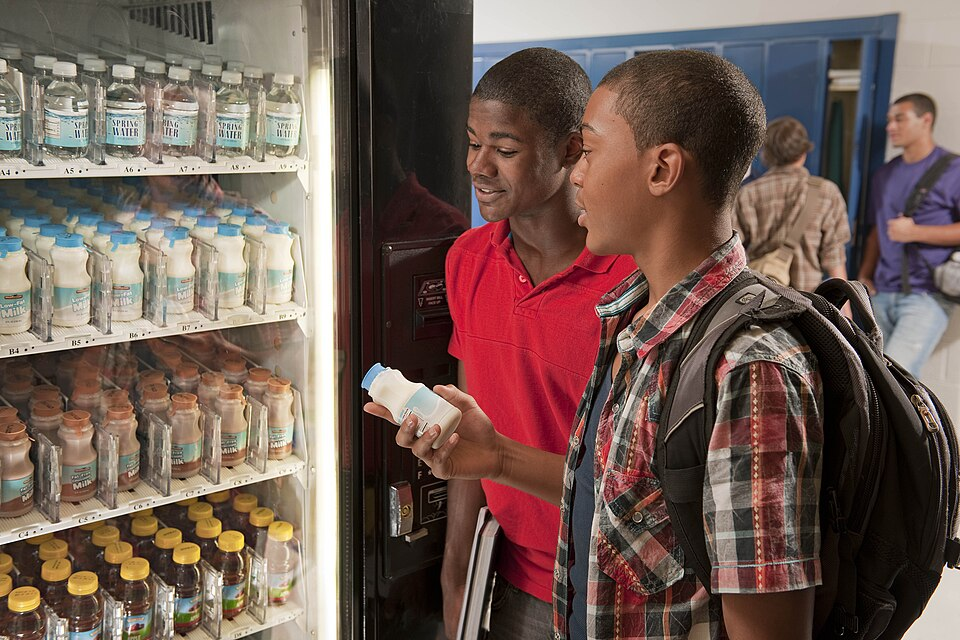
American schools installed vending machines widely, frequently under exclusive supply agreements that paid the district a share of the revenue, stocked with full-sugar soft drinks and confectionery, available throughout the school day.
Federal nutrition standards for food sold outside the school meal programmes, made under 2010 legislation and in force from 2014, set requirements for all competitive food sold on campus during the school day, which covers vending.
The exclusive supply agreements are the part that has aged worst. A school district’s finances were tied to the volume of soft drinks sold to its own pupils, which is a structure nobody would now defend and which was entirely normal.
11. Novelty machines full of small parts
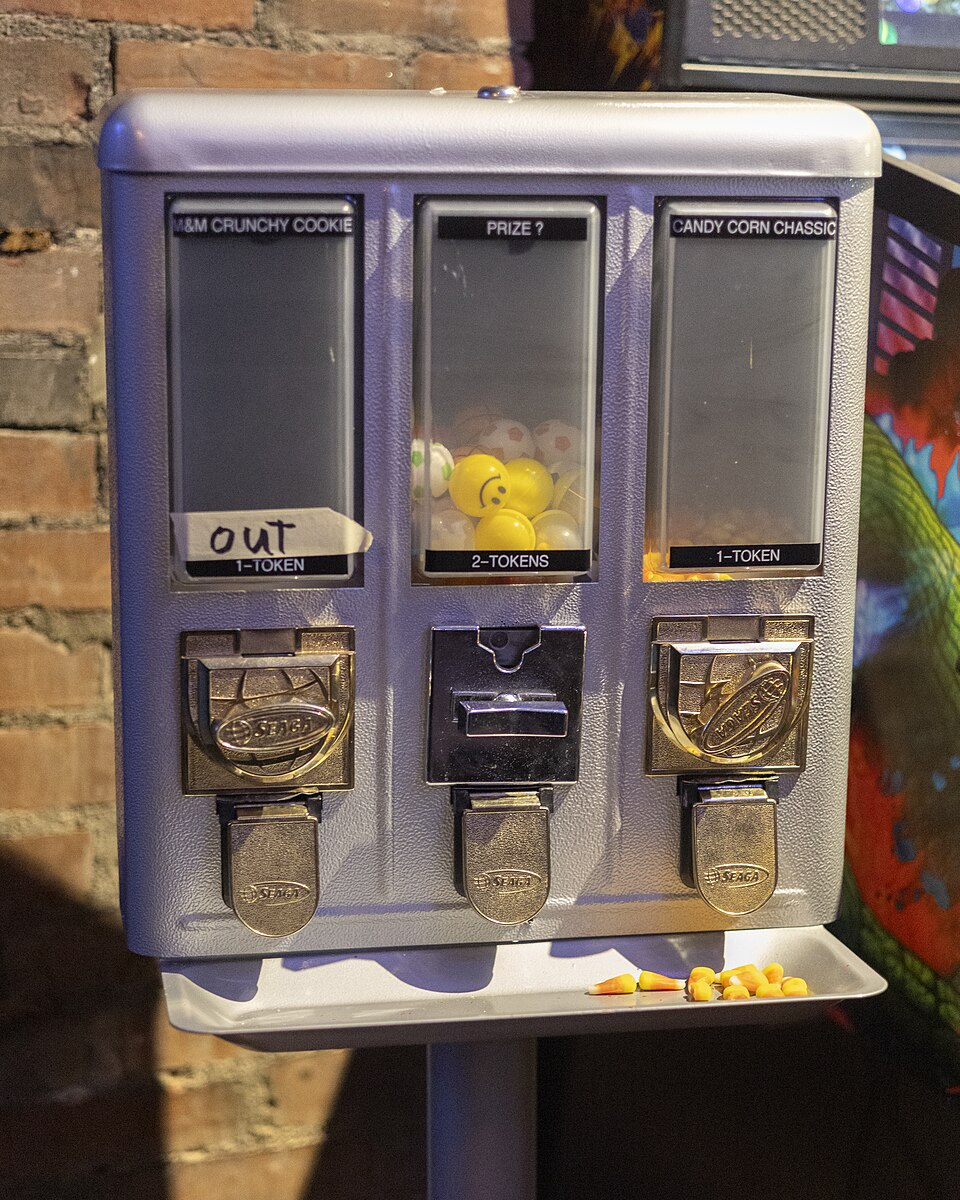
The quarter machines by the door dispensed capsules containing rings, charms, figures, whistles, sticky hands and small plastic objects, aimed squarely at young children and containing exactly the components modern rules are written about.
The small-parts rule of 1979 bars components of that size in toys intended for children under three, and the broader children’s product testing and certification regime tightened substantially in 2008. Capsule toys sold in the United States are now tested and labelled accordingly.
The machines still exist and the contents have changed. A modern capsule toy carries age marking and has been through a test regime; the 1965 version was whatever a supplier had in a box.
12. Glass bottles vended into a parking lot
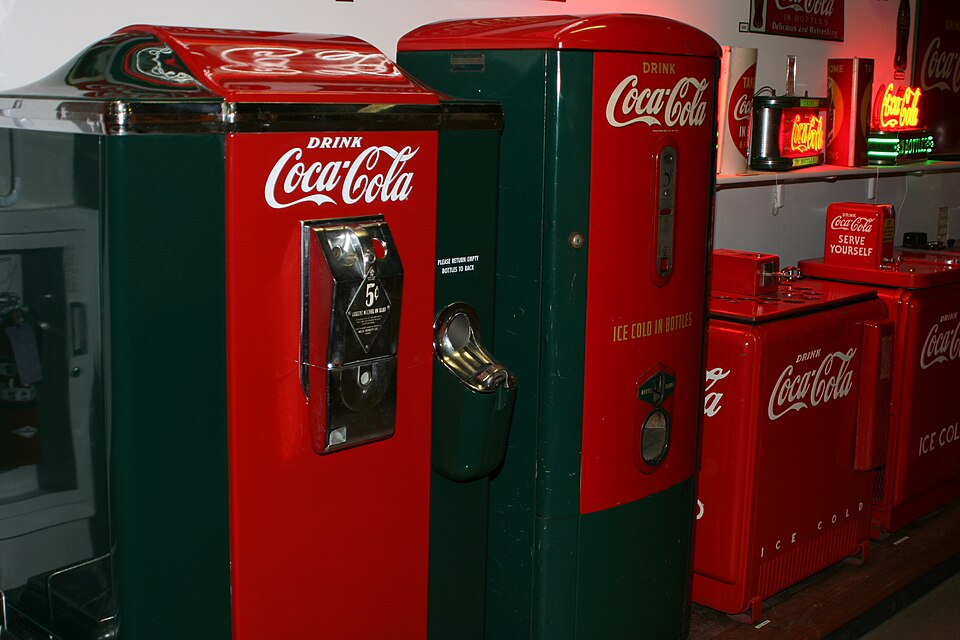
Bottle vendors dispensed returnable glass, and the customer opened it on the machine’s own opener and either drank it there or walked off with it. Machines stood outside garages, pools and ballparks, and the ground around them was glass.
The transition to cans and then to plastic was commercial rather than regulatory, driven by weight, breakage and the collapse of the returnable deposit system. Glass bottle vending in open public space has effectively ended.
Nobody banned it. It is on this list because the thing nobody now sees is a machine that puts an openable glass bottle into the hand of a child beside a swimming pool, and in 1965 that was the normal arrangement.
13. Prize and payout machines that were gambling in all but name
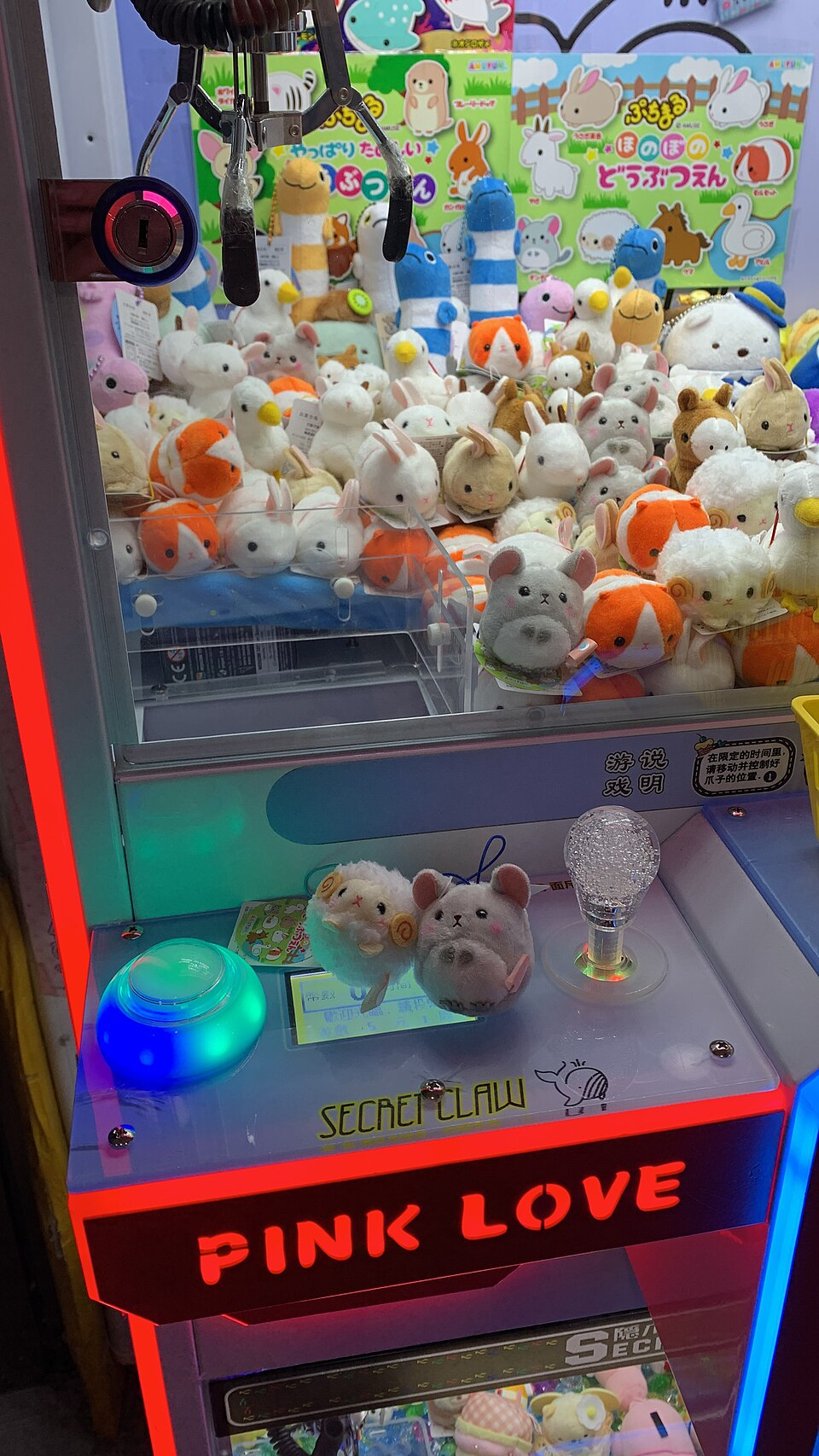
Machines offering a chance at a prize, with varying degrees of skill involved, stood in American amusement arcades, diners and bus stations, and the line between an amusement device and a gambling device was unclear and locally enforced.
That line is now drawn by state gaming law, with definitions covering chance, consideration and prize, and machines of this kind are regulated, licensed, restricted by location, or prohibited depending on the state.
The claw machine survives because it is classified as a game of skill in most jurisdictions, which is a legal judgement rather than a mechanical one. Several 1965 machines would fall on the other side of the modern line.
14. Machines nobody using a wheelchair could reach
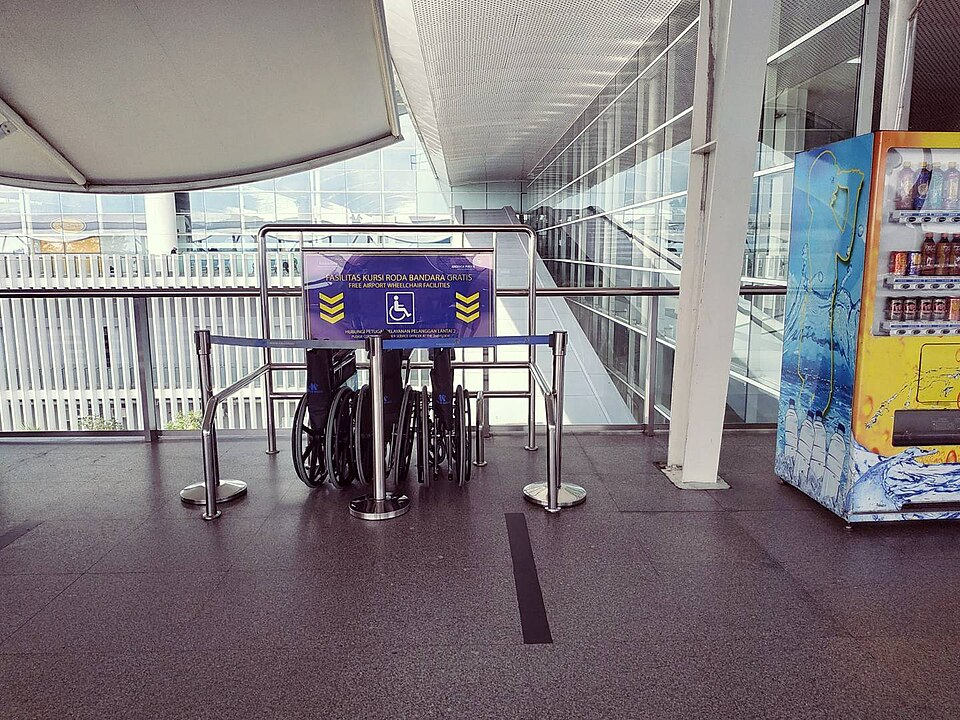
Coin slots, selection buttons and delivery doors were positioned for a standing adult, with controls high on the fascia and no consideration of reach or approach. A person using a wheelchair simply could not operate most machines.
The Americans with Disabilities Act of 1990 and the accessibility standards made under it specify reach ranges, operable parts requirements and clear floor space for vending machines in places of public accommodation.
The redesign is almost invisible to anybody it does not affect: controls lower on the fascia, a delivery door at a reachable height, approach space kept clear. It is one of the quietest and most consequential changes in the whole list.
15. No refund, no recourse and nobody to complain to
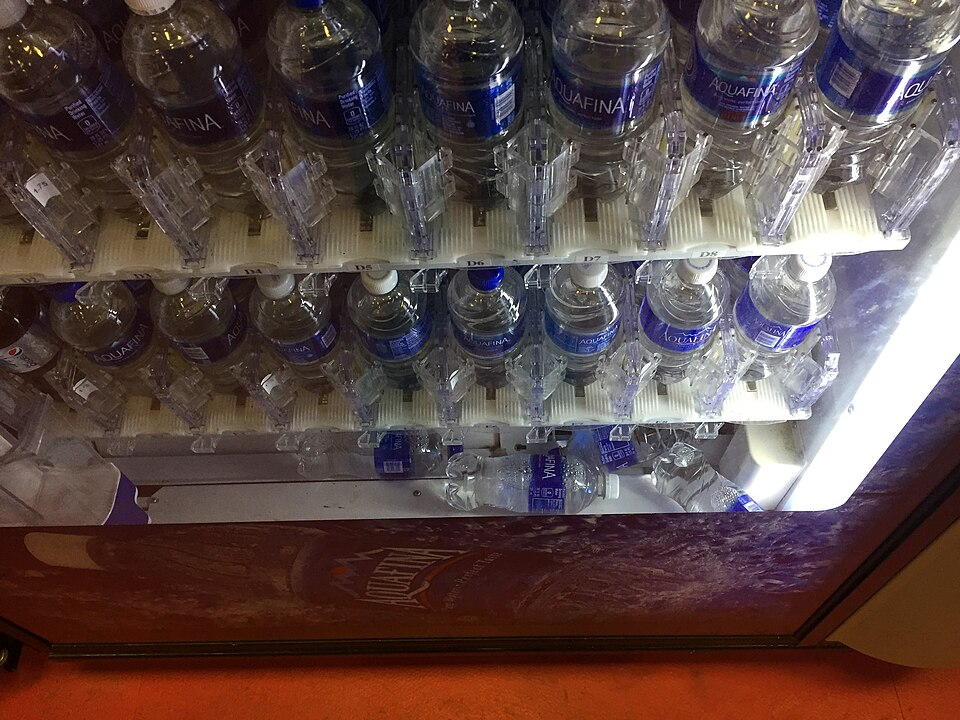
A machine that took a coin and gave nothing back was simply a loss. There was frequently no operator name, no telephone number, no address and no mechanism of any kind for a customer to pursue the matter.
American state and local regulations now commonly require operator identification and contact information to be displayed on a vending machine, and consumer protection rules address refunds, while card and app payment creates a transaction record that did not previously exist.
The electronic payment change has done more than the regulation. A card transaction can be disputed and a cash coin could not, which means the most effective consumer protection on this list arrived as a side effect of a payment technology.
The machine that had to be made to police itself
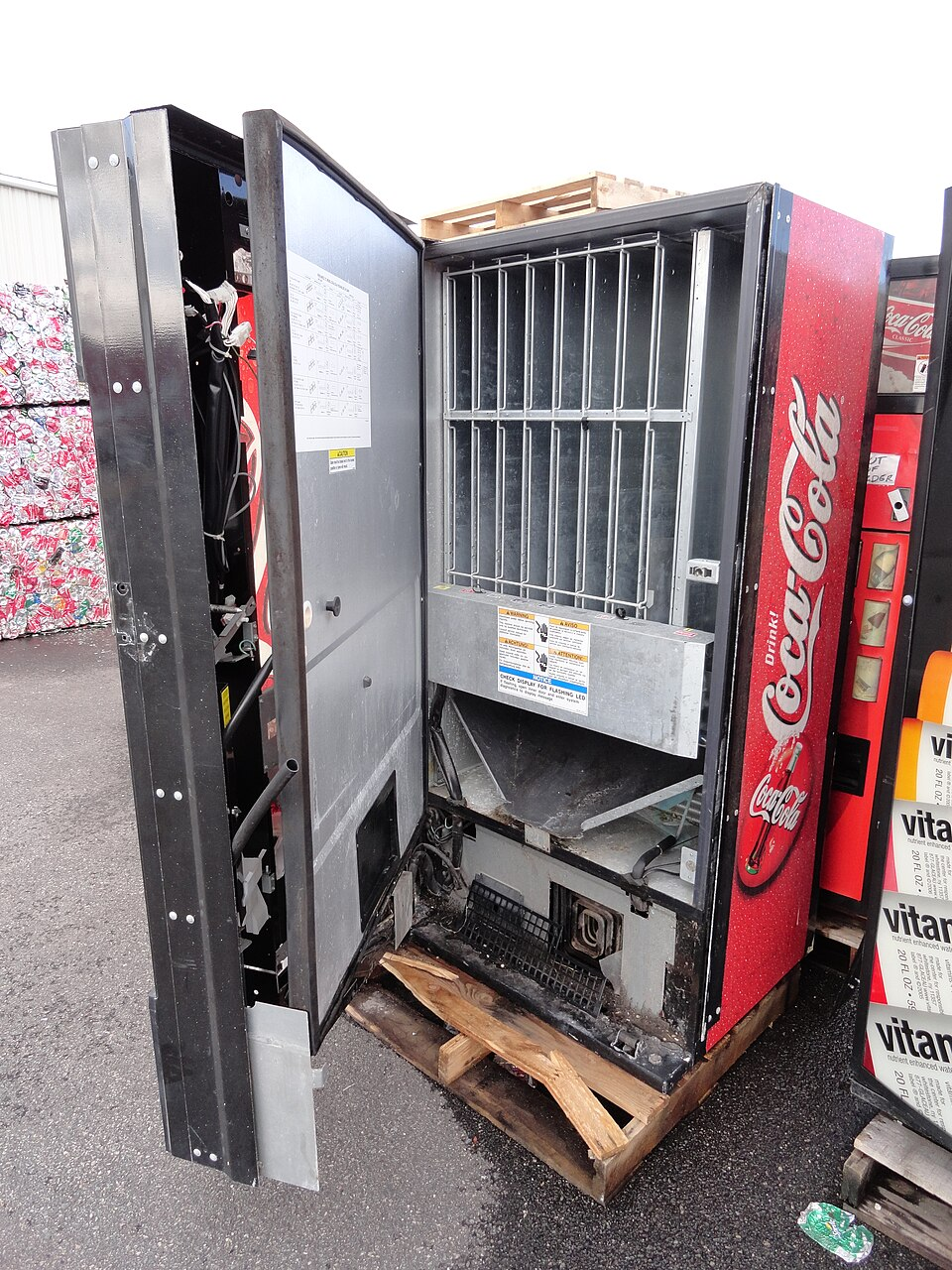
Lined up, the list divides cleanly. Four items are about what was sold — tobacco, medicines, loose food, school confectionery. Four are about information the customer could not get. Three are about the machine as a physical object: tipping, scalding, reach. And the rest are about the absence of anybody to be accountable.
The interesting ones are the self-policing requirements, because they are a genuinely different regulatory technique. A food code can tell a restaurant to check its refrigerator twice a day. It cannot tell a machine in a corridor anything, so instead the rule requires that a machine losing temperature stops vending. The same logic produced the tilt cut-off and the enclosed hot drink dispenser. Where there is nobody to instruct, the instruction has to be built into the hardware, and American vending regulation worked that out earlier than most other fields did.
The single best measure of how far this has gone is the cigarette machine. A device that stood in every hotel lobby, laundromat and bowling alley in the country, taking coins from anybody at all, has been removed from American public space so completely that a person under forty may never have seen one.
It was not banned. It was restricted to places where children are not, which turned out to be the same thing.
Like our content? Follow us for more.
