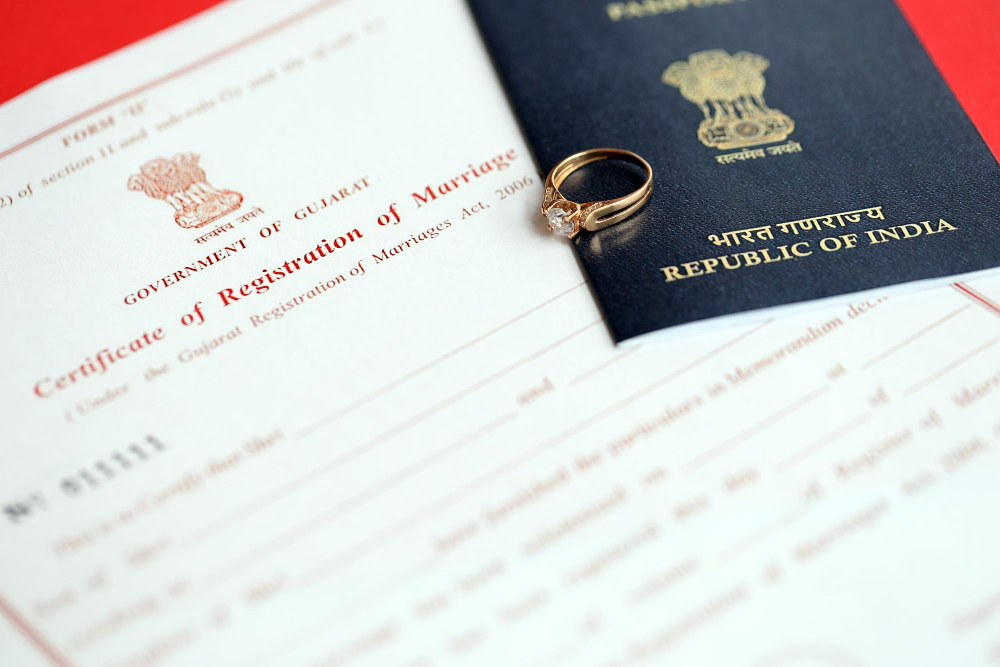
Marrying abroad involves two legal systems that do not consult each other: the one where the ceremony happens and the one where the couple lives. Most of the time a marriage validly contracted abroad is recognised at home, which is why this generally works — and the exceptions are specific enough to be worth checking before anything is booked.
The practical difficulties are almost all documentary and almost all have fixed timescales. Here are fifteen things that decide the outcome.
1. There are two separate questions and most couples only ask one

The first is whether the marriage is valid under the law of the country where it takes place. The second is whether it is recognised by the country or countries where the couple actually live, and the answers are decided by different legal systems.
The general principle in most places is that a marriage validly contracted abroad is recognised at home, which is why this usually works. The exceptions are specific — capacity, formalities, prohibited relationships, age, and whether the ceremony was a legal act at all — and they are where problems arise.
Settle both questions before booking anything. The venue can answer the first and only your own country’s authority can answer the second.
Like our content? Follow us for more.
2. A ceremony is not automatically a marriage

Many destinations host ceremonies that are entirely symbolic: a celebrant, vows, a document that looks official and no legal effect whatsoever. These are sold alongside legal weddings and the distinction is not always made clearly.
A symbolic ceremony is a perfectly good thing to have, and some couples deliberately marry legally at home and hold the ceremony abroad, which removes every complication in this file. The problem is only the couple who believed they were married and were not.
Ask one question in writing: will this produce a marriage certificate issued by a civil authority of this country? Anything else is a ceremony.
3. Which ceremony the state records differs by country

In some countries only a civil ceremony creates a marriage and a religious one has no legal effect. In others a religious ceremony conducted by a registered officiant is itself the legal act. In a few, both must happen.
Couples who assume their own country’s arrangement applies get this wrong in both directions: holding a religious ceremony that does not count, or holding a civil one and assuming a separate religious ceremony is also required.
Establish which ceremony creates the marriage in that country, and whether anything must happen before or after it.
4. You will probably need a certificate showing you are free to marry
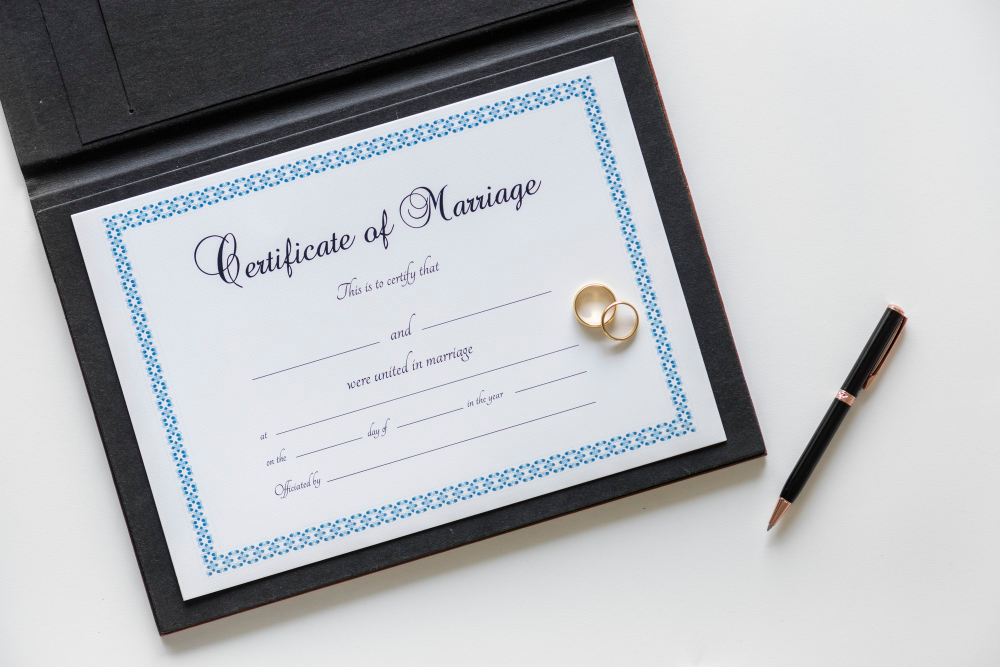
Most countries require evidence that each party is legally capable of marrying, issued by their own country, commonly called a certificate of no impediment or a certificate of capacity to marry.
Obtaining one usually involves a notice period at home, a fee, and in some systems public display of the notice. The certificate then has a validity period, which is frequently short, so it cannot be obtained far in advance.
Work backwards from the wedding date through the certificate’s validity and the notice period at home, because that is the longest fixed element in the timetable.
5. Documents need legalisation, and that is a separate process

Documents issued in one country are not automatically accepted in another. Depending on whether both countries are party to the relevant convention, documents require either an apostille or a longer chain of legalisation through foreign ministries and an embassy.
An apostille is issued by a designated authority in the issuing country and takes days to weeks. Full legalisation involves more steps, more offices and more time, and neither can be done at the destination.
Find out which route applies to your pair of countries and start it early, because this is the step that most often runs out of time.
6. Several countries impose a residency or waiting period first

A number of popular destinations require the couple, or one of them, to be present in the country for a stated period before the ceremony, and some add a waiting period after giving notice locally.
This is a genuine constraint on a short trip and it is the reason some destinations are popular for weddings and others are not. The period is counted in days of actual presence and is checked.
Check the residency requirement before choosing a destination, and build the days into the trip rather than assuming they can be waived.
7. Everything has to be translated, in a specified way

Documents going in generally need translation into the local language, and the certificate coming out generally needs translation into yours, with each country specifying who may translate and whether the translation itself needs certifying.
The requirements differ at each end, so a couple may need a sworn translator at the destination and a different form of certified translation at home for the same document.
Ask both authorities what form of translation they require before paying for any, because a translation in the wrong form has to be done again.
8. The certificate you are given is the only proof there is
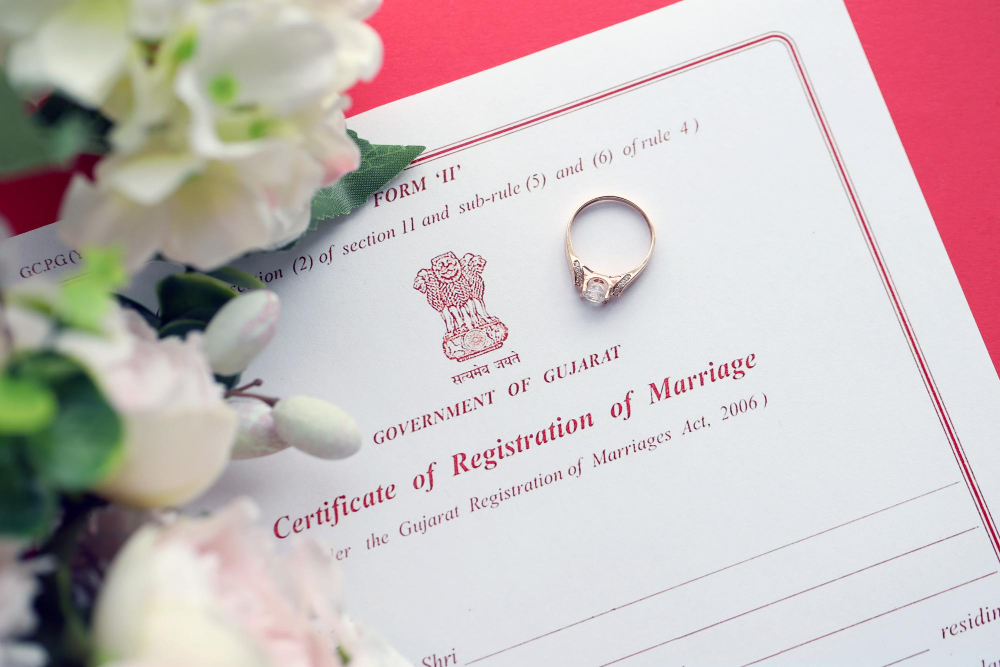
The marriage certificate issued by the local authority is the document everything else rests on, and a couple needs to know how to obtain certified copies of it later, from abroad, possibly years afterwards.
Some countries issue a multilingual standard form that is accepted internationally without translation, which is worth asking for at the time because obtaining one later is considerably harder.
Ask for extra certified copies at the registration, ask whether a multilingual form is available, and find out the procedure for obtaining further copies from your own country.
9. Registering the marriage at home is usually optional and sometimes impossible
Most countries do not require a marriage contracted abroad to be registered domestically, and recognition does not depend on it. Some offer a voluntary deposit of the certificate in a central register, and some have no mechanism at all.
Where a voluntary registration exists it is useful, because it produces a domestically issued record that is easier to obtain in future than a certified copy from another country’s archive.
Find out whether your country offers it, and use it if it does, purely for the convenience of having a local record.
10. A previous marriage has to be documented, not just declared
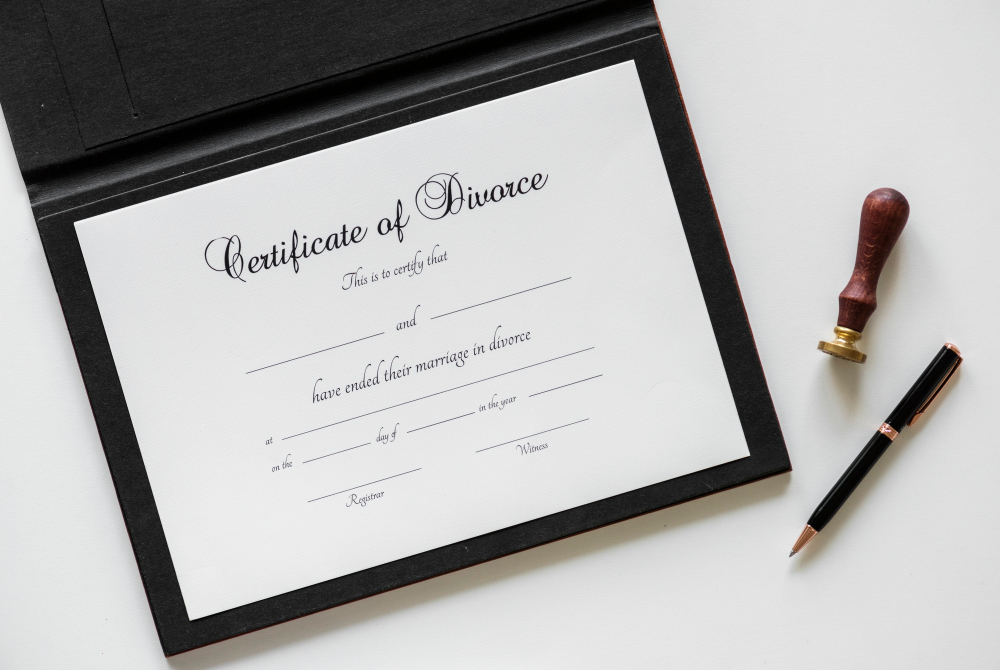
Where either party has been married before, the destination will require evidence that the previous marriage ended — a divorce decree, an annulment or a death certificate — legalised and translated like everything else.
There is an additional question that catches people: whether the destination recognises the foreign divorce. A divorce valid at home is not automatically recognised everywhere, and a country that does not recognise it regards the party as still married.
If either of you has been divorced abroad, or divorced in a way that might be questioned, take proper advice before choosing a destination.
11. Resort wedding packages vary enormously in what they handle

Some packages include the legal process end to end with a local coordinator who knows the paperwork. Some include the ceremony only and leave the legal requirements to the couple. Some produce only a symbolic ceremony.
The price does not indicate which. The useful question is whether the package includes the civil registration and who is responsible for the documents, in writing, with the answer forming part of the contract.
Get the division of responsibility in writing before paying a deposit, and ask specifically who is liable if a document requirement is missed.
12. Consular marriages are now rare

Marrying at your own country’s embassy or consulate abroad was once a common route and has been withdrawn by most countries, which now direct their nationals to the local civil authority.
Where the service survives it is limited, often to circumstances where local marriage is impossible, and requires the host country to permit it. A couple should not plan around it without confirming it is available.
Check your own foreign ministry’s published position rather than assuming the service exists, because the withdrawal happened quietly in most countries.
13. The consequences are not only romantic

A marriage changes tax position, inheritance rights, immigration options, next-of-kin status, pension entitlements and property ownership rules, in every country where the couple has a connection, and those consequences follow recognition rather than the ceremony.
This matters most for couples with different nationalities, property in more than one country, or children from previous relationships, where the interaction between two legal systems can produce outcomes neither party intended.
If either of those applies, the wedding is a good occasion to get advice on wills and on the position in each relevant country, because the marriage will have altered it.
14. And the order to do it in

First, confirm recognition in every country that matters to you, and confirm that the ceremony you are buying is a legal act producing a civil certificate. Then check the destination’s residency requirement, the certificate of capacity and its validity period, and the legalisation route for your pair of countries.
Then work the calendar backwards from the wedding date through the shortest-lived document, which is usually the capacity certificate, and start the legalisation first because it takes longest. Get extra certified copies and a multilingual form on the day.
The honest summary: a ceremony is not a marriage and the only question that settles it is whether a civil authority will issue a certificate; validity where it happens and recognition where you live are decided by different legal systems; the capacity certificate’s short validity and the legalisation route are the two steps that control the timetable; a foreign divorce is not recognised everywhere; and a marriage changes tax, inheritance and next-of-kin position in every country you are connected to. Anything turning on your own circumstances belongs with a lawyer and with the relevant authorities rather than with an article or a venue.
The two questions and the two clocks

The questions first. Validity is a matter for the law of the place where the ceremony happens: which ceremony constitutes a marriage there, what documents are required, whether a residency period applies. Recognition is a matter for the law of every country where the marriage needs to have effect — where you live, where you hold nationality, where you own property or expect to inherit. A venue can answer the first and only an authority can answer the second, and the question that catches couples is whether the ceremony they bought is a legal act at all.
The clocks second, because they are what fails. The certificate showing each party is free to marry is obtained at home, usually after a notice period, and then has a validity window that is frequently short — so it cannot be obtained far ahead and it sets the backward schedule. Legalisation runs alongside it: documents issued in one country are not automatically accepted in another, and depending on the convention position of the two countries that means either an apostille from a designated authority or a longer chain through foreign ministries and an embassy. Neither can be done at the destination, and legalisation is the step that most often runs out of time.
Behind both sits a question couples do not anticipate: whether the destination recognises a previous foreign divorce. A divorce valid at home is not recognised everywhere, and a country that does not recognise it treats the party as still married.
Do it in this order. Confirm recognition in every country that matters to you. Confirm in writing that the ceremony produces a civil marriage certificate. Check the destination’s residency requirement and build the days into the trip. Identify the legalisation route for your two countries and start it first, because it is the longest. Then work the calendar backwards from the wedding date through the capacity certificate’s validity window.
On the day, ask for extra certified copies of the certificate and ask whether a multilingual standard form is available, because obtaining either later from another country’s archive is considerably harder. Find out whether your own country offers a voluntary deposit of the certificate in a central register — it is usually optional and recognition does not depend on it, but it produces a local record that is far easier to obtain in future.
And treat the wedding as the occasion to review wills and the position in each country you are connected to, because a marriage changes tax, inheritance, next-of-kin and pension position wherever it is recognised. For couples of different nationalities, with property in more than one country, or with children from previous relationships, that is the part worth paying a lawyer for.
Like our content? Follow us for more.