
Most passport refusals happen at a check-in desk rather than at a border, because the airline carries the cost of a passenger a country will not admit and therefore applies the destination’s rules itself.
Almost none of them involve an expired passport. They involve validity calculated from the wrong date, a passport with no blank pages left, a laminate that has lifted, or a document that was once reported lost. Here are sixteen things that stop a journey.
1. The six-month rule, which is about the date you leave rather than arrive
A great many countries require a passport to be valid for a period beyond the intended departure date, commonly six months, and some require it beyond the date of entry instead. The two formulations produce different answers for the same trip.
The requirement is the destination’s, not the airline’s, but the airline enforces it at check-in because it carries the cost of a refused passenger. That is why the decision happens at a desk rather than at a border.
Work it out from the last day of the trip, not the first, and check which formulation your destination uses. A passport that is valid on the day you fly can still be refused.
Like our content? Follow us for more.
2. Some regions use three months beyond departure instead

Certain groups of countries apply a shorter period, and travellers who have internalised the six-month rule sometimes assume the stricter figure applies everywhere, which is harmless, or that the shorter one does, which is not.
Where a traveller is visiting several countries on one trip, the strictest requirement among them governs the whole itinerary, because the passport has to satisfy every border it crosses.
For a multi-country trip, find the strictest requirement and work to that. It is almost always the one you were not thinking about.
3. Blank pages, and why a nearly full passport is refused

Many countries require one or two entirely blank pages for entry and exit stamps and for any visa issued on arrival, and some specify that the pages must be facing or must be in a particular section.
Amendment and endorsement pages do not count in most countries, and pages containing a visa are not blank. A traveller with a well-used passport can therefore be refused despite years of validity remaining.
Count the genuinely blank visa pages before any trip that needs a stamp or an on-arrival visa, and renew early if there are only one or two left. Running out of pages is as disqualifying as running out of validity.
4. Water damage, even when everything is still legible
A passport that has been wet — in a bag, in rain, in a washing machine — frequently shows cockling of the pages, a wavy laminate or a slight lifting at the edge of the photo page, and all of that is damage in the regulatory sense.
The test applied is not legibility but integrity: whether the document has been altered or compromised and whether its security features still function. A wet passport can read perfectly and still fail, because the laminate is itself a security feature.
If your passport has been wet, assume it needs replacing and do it before booking anything. Border officials and airline staff are not making an aesthetic judgement.
5. A lifting or bubbling laminate on the photo page
The clear film over the data page is the document’s primary anti-tamper feature. Any lifting, bubbling, separation or scoring of it is treated seriously because it is exactly what alteration of the page would look like.
A damaged laminate is one of the most common reasons a passport is refused, and there is no mechanism by which a traveller can repair it. Attempting to flatten, glue or trim it makes the situation considerably worse.
Do not attempt any repair of a passport, ever, for any reason. A document showing evidence of repair is in a worse category than a damaged one.
6. Tears, loose pages and separated covers
A detached cover, a loose page, a torn corner or stitching that has come away all render a passport damaged, and a passport with a page missing is treated as potentially compromised rather than merely worn.
Ordinary wear — a softened cover, rounded corners, a crease — is generally accepted. The line is drawn at anything that affects the binding, the completeness of the document or the security features.
The practical test is whether a page could have been added or removed. If a document raises that question, it will be refused somewhere.
7. Writing, stamps and marks added by anybody
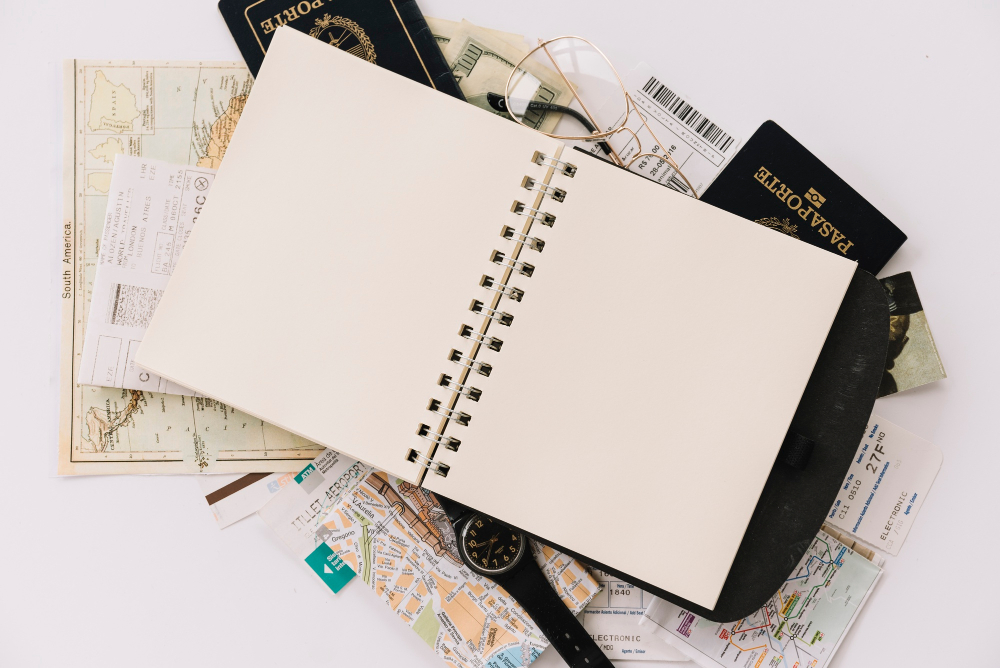
A passport is a government document and the holder is not permitted to write in it. Notes, addresses, amendments, signatures in the wrong place and souvenir stamps collected at tourist sites all constitute damage.
The souvenir stamp is the one that catches people, because several visitor attractions offer a decorative stamp for a passport page and travellers accept it. Those stamps have caused refusals and in some cases invalidation of the document.
Never allow anything to be stamped into a passport except by a border authority, however charming the offer. Carry a separate notebook for collecting those.
8. A child who got hold of it
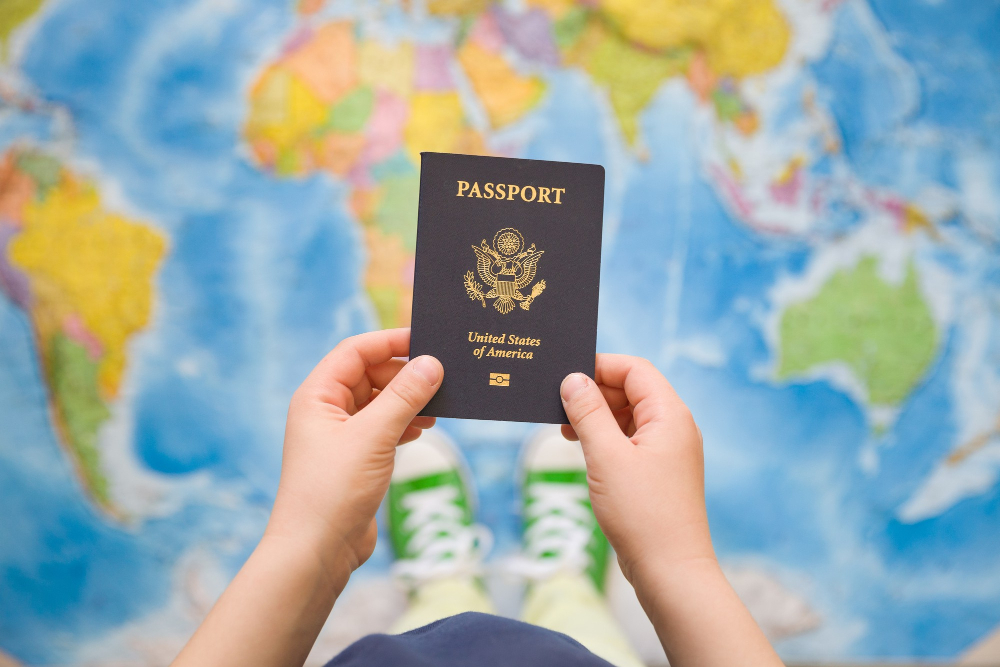
A passport with a child’s pen marks, a torn page, a chewed corner or a missing photo is damaged in exactly the same way as any other damaged passport, and the explanation is not relevant to the outcome.
Children’s passports are also short-validity documents in most countries, which means a family’s passports expire at different times and the child’s is usually the one that has run out.
Check every passport in the household, separately, before booking. The child’s document is the one most likely to be both expired and damaged.
9. The chip stops reading
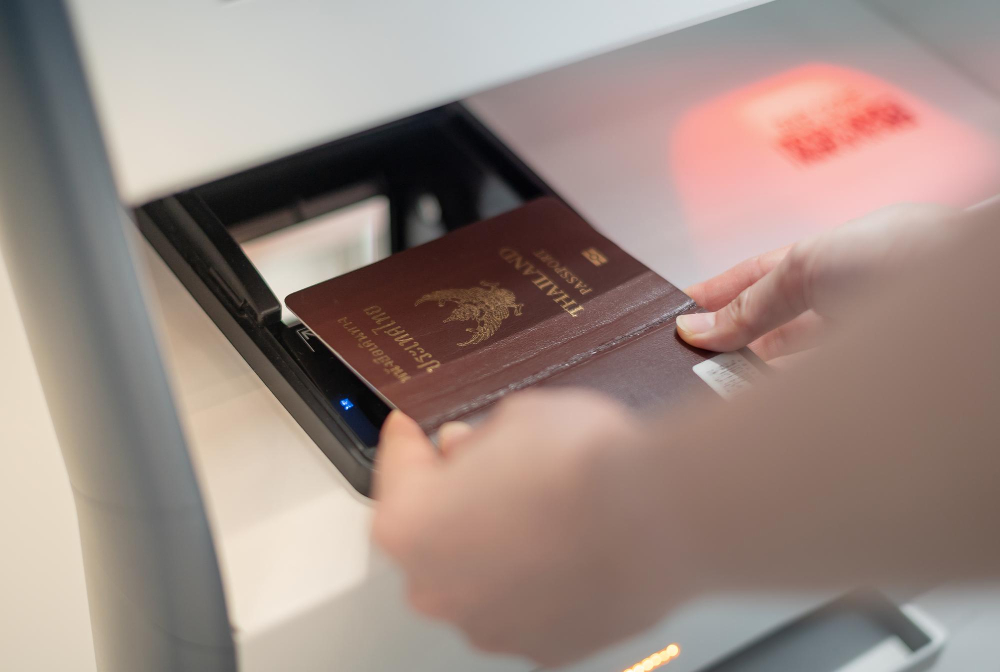
Modern passports contain a chip holding the data page information and the photograph, read at automated gates and by officers. Chips fail — through flexing, heat, or simply over time.
A failed chip does not usually invalidate a passport, and the document remains usable because the printed data page and its machine-readable zone are still there. What it does mean is manual processing: no automated gate, and a longer queue.
If you have been directed away from the e-gates more than once, the chip may have failed, and it is worth having the passport checked before a trip where the automated route matters.
10. The machine-readable zone gets damaged
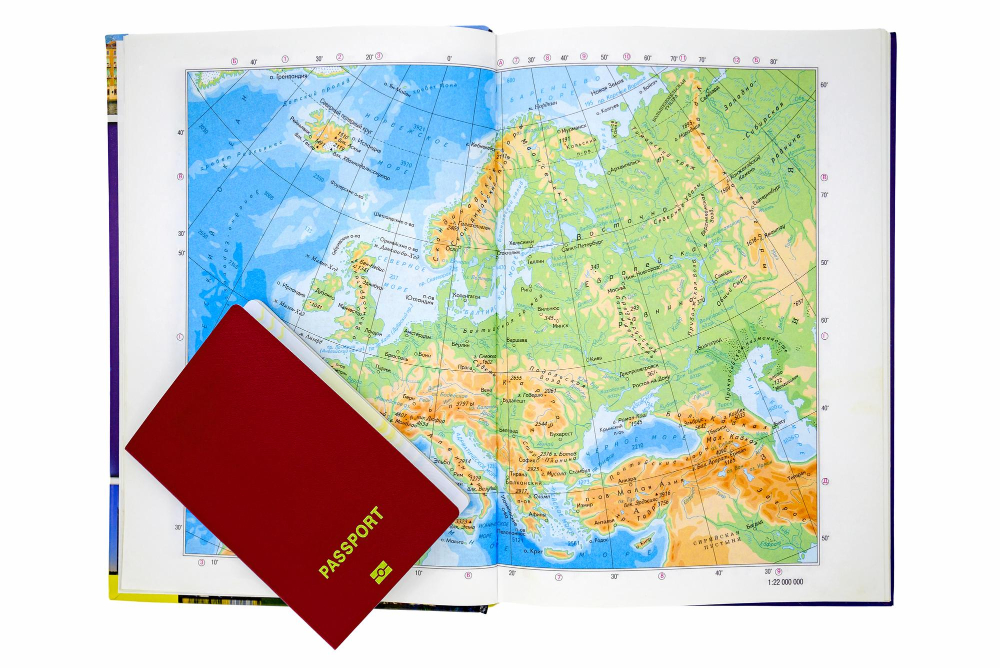
The two lines of characters at the foot of the data page are read optically by every system a traveller passes through. Scratching, ink, a stain or wear in that strip prevents the document being read.
This is more serious than a failed chip because the machine-readable zone is the fallback. A document that can be read neither electronically nor optically requires manual entry at every stage and may be treated as damaged.
Keep the data page away from loose keys, pens and anything abrasive. A passport cover that leaves the data page exposed in a bag is a bad idea for exactly this reason.
11. A passport reported lost and then found
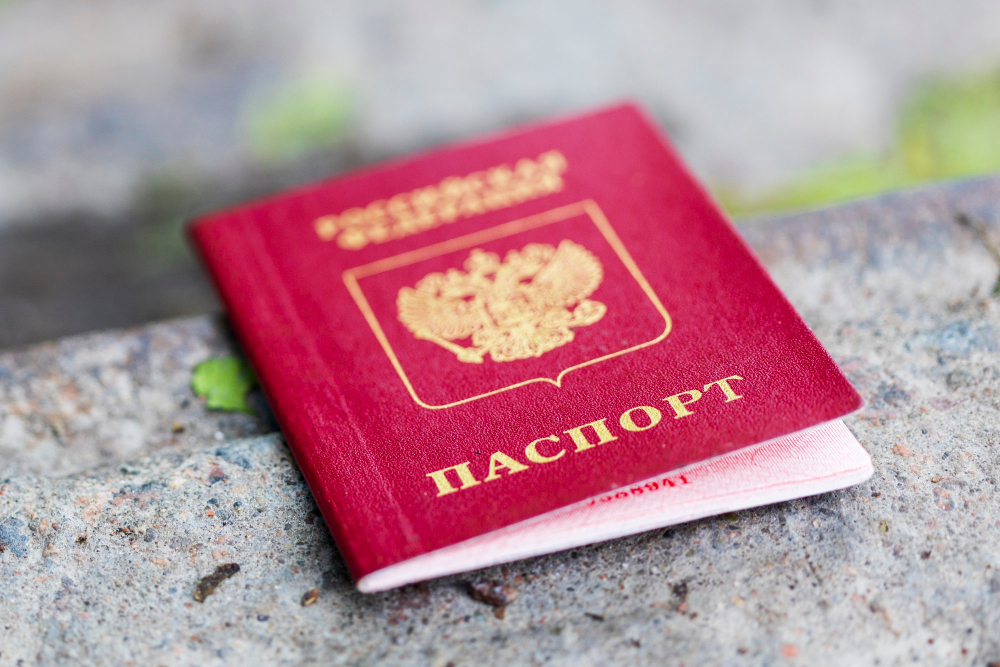
Once a passport is reported lost or stolen, it is cancelled and recorded as such internationally, and it does not become valid again when it turns up in a coat pocket a week later.
Travelling on a document recorded as lost or stolen is refused at check-in or at the border, and depending on the jurisdiction can involve a more serious enquiry than a simple refusal, because that is the profile of a document being misused.
If you report a passport lost, destroy or return the old one when it reappears and travel on the replacement. There is no circumstance in which using the recovered document is a good idea.
12. An emergency travel document is not a passport
Where a passport is lost abroad, the usual remedy is a single-use emergency document for a specified journey, and it is restrictive: a named route, limited acceptance by third countries, and in some cases a requirement for the airline to confirm it will carry it.
It gets a traveller home rather than letting them continue a trip, and onward or connecting travel on one needs checking with every carrier and every country on the route before relying on it.
Carry a photograph of your passport data page separately from the passport, because identity confirmation is the step that delays an emergency document.
13. A visa in an expired passport
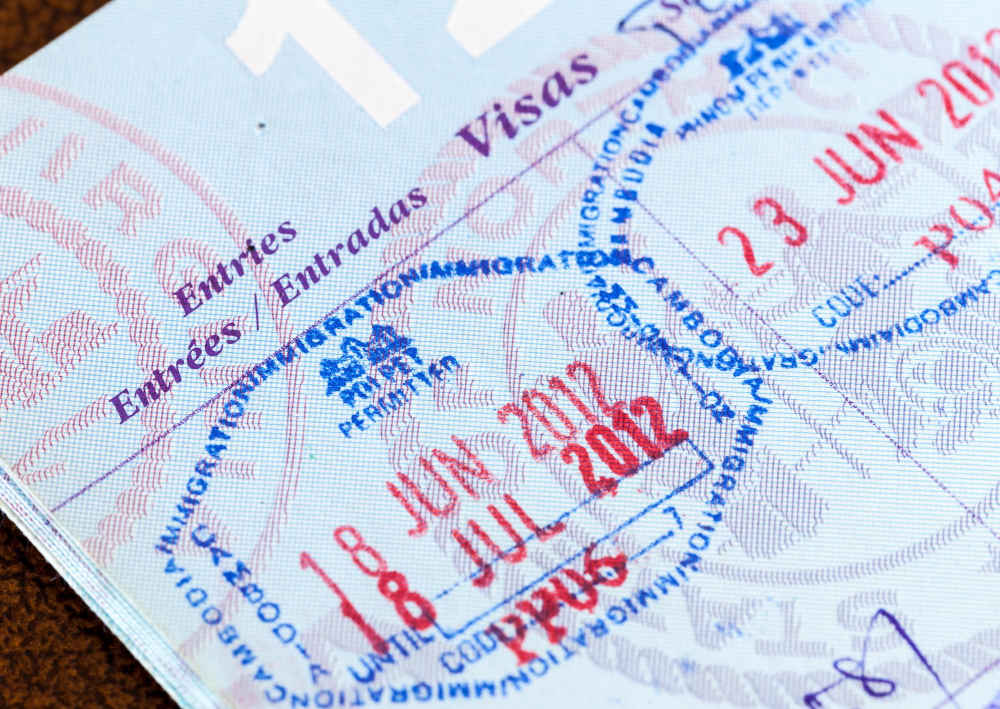
A visa issued in a passport that has since expired is not automatically void, and several countries will accept it presented together with the new passport, while others will not and require the visa to be transferred or reissued.
The practice varies enough that it cannot be assumed either way, and an airline will generally refuse to carry a passenger whose documentation requires a judgement that only a border officer can make.
If you hold a valid visa in an old passport, confirm in writing with the issuing country’s representation whether it may be used alongside the new document, and carry that confirmation.
14. A name that does not match the ticket, the visa or the other passport

A change of name between documents — by marriage, by deed, by correction — produces mismatches between the passport, the airline booking, any visa and any second nationality’s passport.
The document that governs is the passport being presented, and everything else in the chain has to be consistent with it. A certificate explaining the difference helps at a border and does not help at an airline check-in desk, where the comparison is between a ticket and a document.
Travel on the passport whose name matches the ticket, and resolve the mismatch before the journey rather than carrying an explanation to the airport.
15. Endorsements and observations that the holder has not read
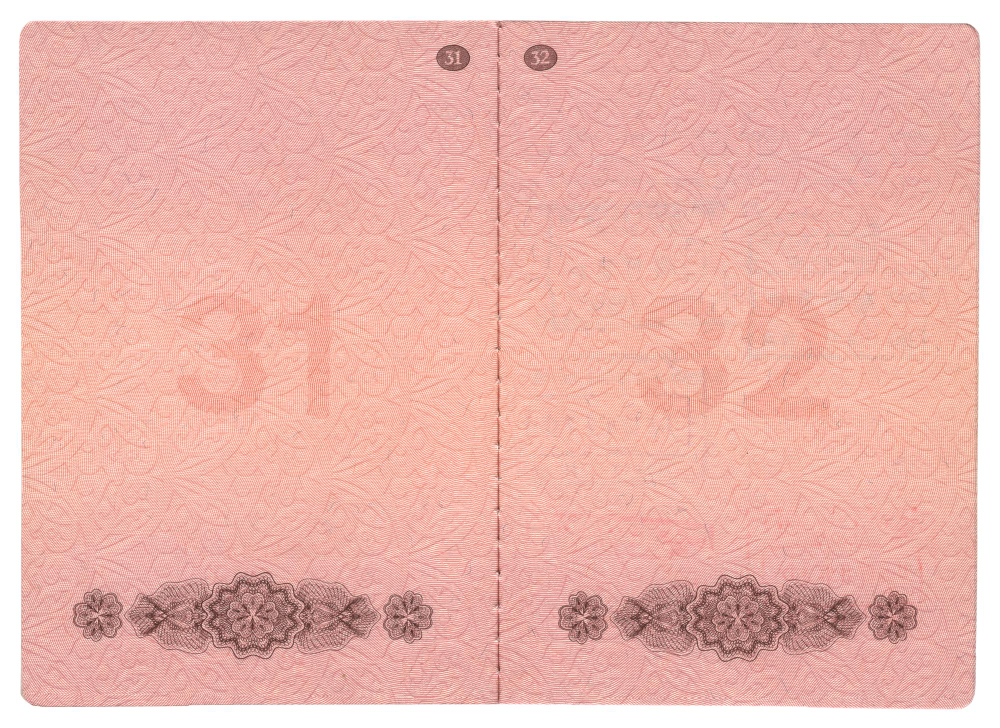
Passports can carry official observations — about a previous name, a correction, an exemption or a restriction — printed in a section that the holder has frequently never examined.
Those entries are part of the document and can affect how it is treated. An observation noting a former name, for example, is the thing that resolves a mismatch, and a traveller who does not know it is there cannot point to it.
Read your own passport once, including the pages at the back. Most people have never looked at anything except the photograph and the expiry date.
16. And the check that prevents all of this
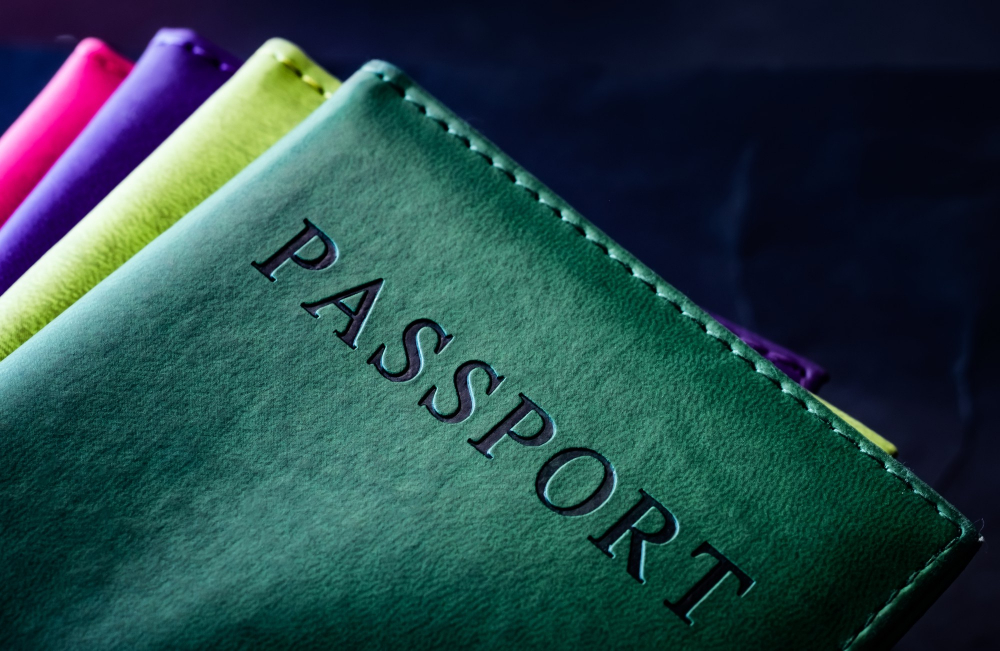
Twice a year, take out every passport in the household and look at four things: the expiry date against any trip you are even considering, the number of genuinely blank visa pages, the condition of the laminate and the data page, and the machine-readable strip at the bottom.
Then, before each trip, check the destination’s validity requirement and whether it runs from entry or from departure, the strictest requirement if you are visiting several countries, and whether you need blank pages for a stamp or an on-arrival visa.
The honest summary: validity is calculated from the last day of the trip rather than the first, running out of blank pages disqualifies you as effectively as running out of validity, a wet passport can read perfectly and still be refused because the laminate is a security feature, never attempt a repair and never allow a souvenir stamp, and a passport once reported lost does not become valid again when it turns up.
Where the refusals actually come from

Four categories, and only one is the obvious one.
Validity, calculated wrongly. The common requirement is a period of validity beyond the intended departure date, which means the governing date is the last day of the trip rather than the first; some countries measure from entry instead, some regions use a shorter period, and on a multi-country trip the strictest requirement governs the whole itinerary. A passport perfectly valid on the day of the flight can still be refused.
Pages, which nobody counts. Many countries require one or two entirely blank pages for stamps or an on-arrival visa. Amendment and endorsement pages do not count and a page with a visa in it is not blank, so a well-used passport can fail with years of validity left.
Integrity, which is the largest category and the least understood. The test is not whether the document can be read but whether it has been compromised: a lifted or bubbling laminate, cockled pages from water, a detached cover, a loose or missing page, writing added by the holder, a souvenir stamp from a tourist attraction, or a child’s pen marks. The underlying question an official is asking is whether a page could have been added or removed, and anything that raises it will be refused somewhere.
And status. A passport reported lost or stolen is cancelled and recorded internationally, and does not become valid again when it reappears. Travelling on one is refused and in some jurisdictions prompts a more serious enquiry, because that is the profile of a document being misused.
Two habits cover all of it. Twice a year, look at every passport in the household: the expiry date against any trip you are even considering, the number of genuinely blank visa pages, the condition of the laminate and data page, and the machine-readable strip at the foot of the page. The child’s passport is the one most likely to be both expired and damaged, and children’s documents have shorter validity in most countries, so a family’s passports expire at different times.
Before each trip, check the destination’s validity requirement, whether it runs from entry or from departure, the strictest requirement if several countries are involved, and whether blank pages are needed.
Two absolutes. Never attempt any repair of a passport — a document showing evidence of repair is in a worse category than a damaged one. And never let anything be stamped into it except by a border authority, however charming the offer at a tourist site.
Finally, read your own passport once, including the pages at the back. The observations section can contain the entry that resolves a name mismatch, and most people have never looked at anything but the photograph and the expiry date.
Like our content? Follow us for more.