
Nothing in the chain between a search box and a boarding pass is designed to notice that a traveller meant a different airport. Improbable itineraries are routinely legitimate, so no system queries them, and the only part of a booking that states unambiguously where you are going is a three-letter code that most people glance past.
The errors are mechanical rather than careless, and they come from how the booking systems are built. Here are sixteen ways it happens.
1. Most large cities have more than one airport, and the search engine picks one

A search for a city returns results from whichever field the engine thinks is relevant, often the one with the cheapest fare, and the airport appears as a three-letter code rather than as a name a traveller would recognise.
The code is the only part of a booking that is unambiguous, and it is the part people skim. Everything else — the city, the airline, the times — can look correct while the code points somewhere an hour and a half away.
Read the three-letter code on the confirmation, both ends, and look it up if you do not already know it. That single check catches most of what is in this file.
Like our content? Follow us for more.
2. The three-letter code is not an abbreviation of the city
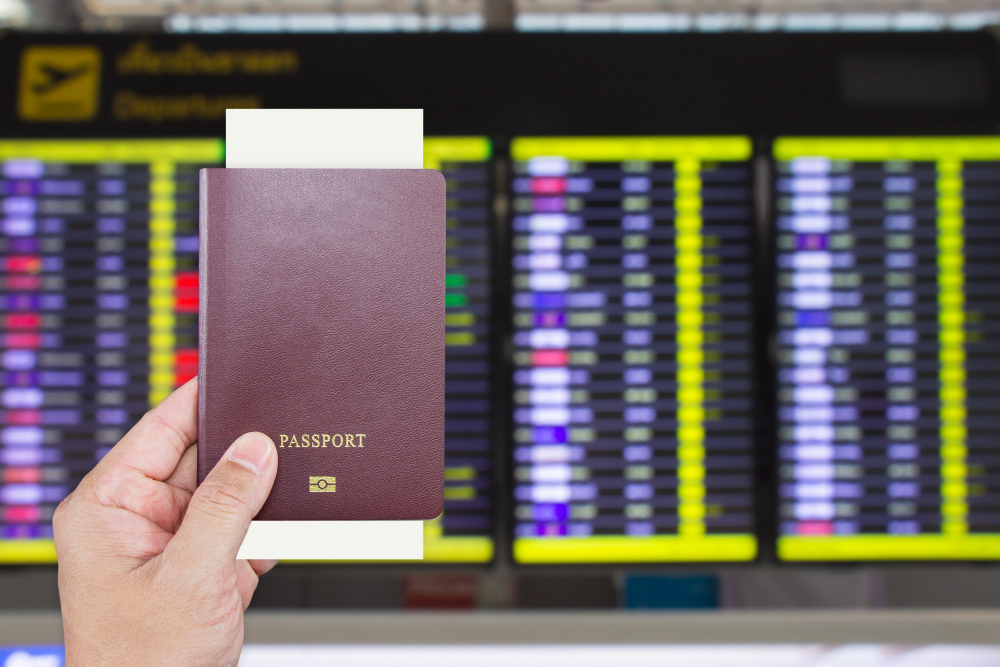
Codes were assigned over a century by several different systems and many of them relate to a former name, a nearby town, a radio station callsign or nothing identifiable at all.
There is no rule that lets a traveller infer an airport from its code, which is why guessing is unreliable and why booking engines that autocomplete on a typed city name are where errors enter.
If you are typing a destination rather than selecting it from a map, check what you were given rather than what you meant. Autocomplete chooses for you and does not explain itself.
3. Some codes belong to a metropolitan area rather than an airport
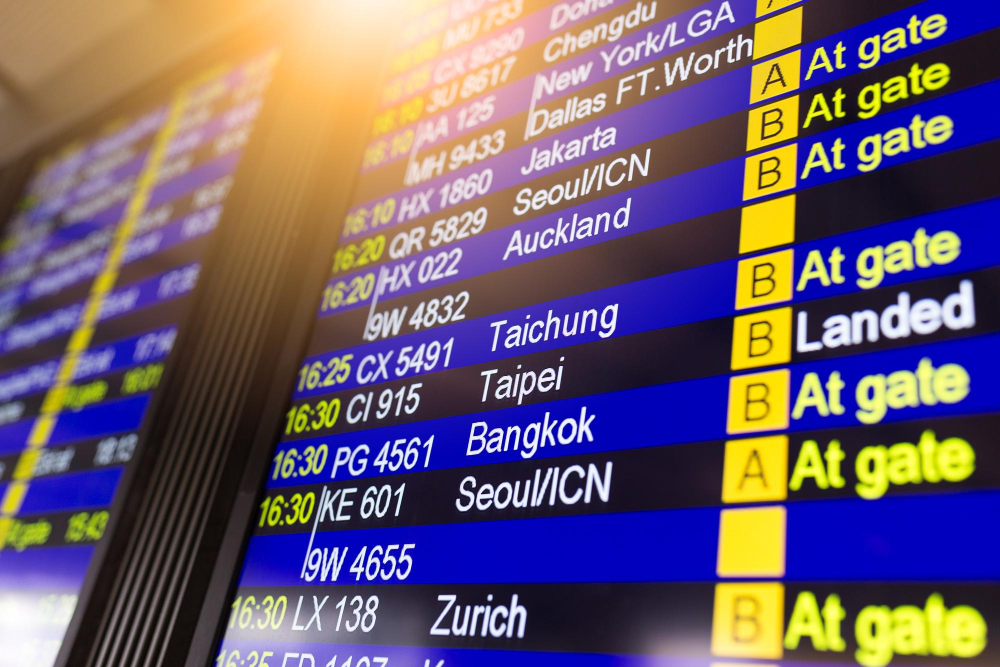
A number of cities have a code that covers all of their airports collectively, used for fare construction and for searching, and it is not a place you can fly to. A booking showing one of those has not yet told you which field you are using.
Any itinerary that still shows a metropolitan code at the point of ticketing is incomplete, and the actual airport appears on the ticket and the boarding pass rather than in the search.
Check the boarding pass rather than the booking confirmation for the final answer, because that is the document generated from the flight itself.
4. Airports are frequently named after cities they are not near
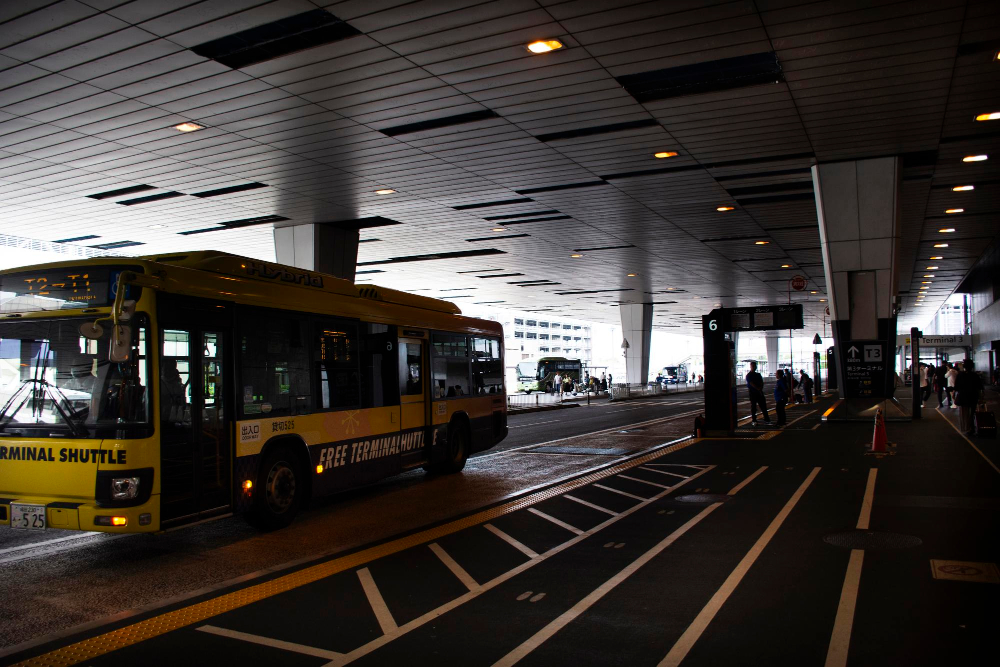
Low-cost carriers in particular serve fields at a considerable distance from the city in the name, sometimes in a different region, occasionally across a national border. The naming is a marketing decision rather than a geographic description.
Nothing prohibits it and nothing has changed, so the only defence is checking the distance from the airport to where you are actually going before booking, in the same way you would check a hotel’s location.
Look up the road distance and the transfer time, not the straight-line distance, and do it before comparing fares rather than afterwards.
5. Two airports in different countries can have confusingly similar names
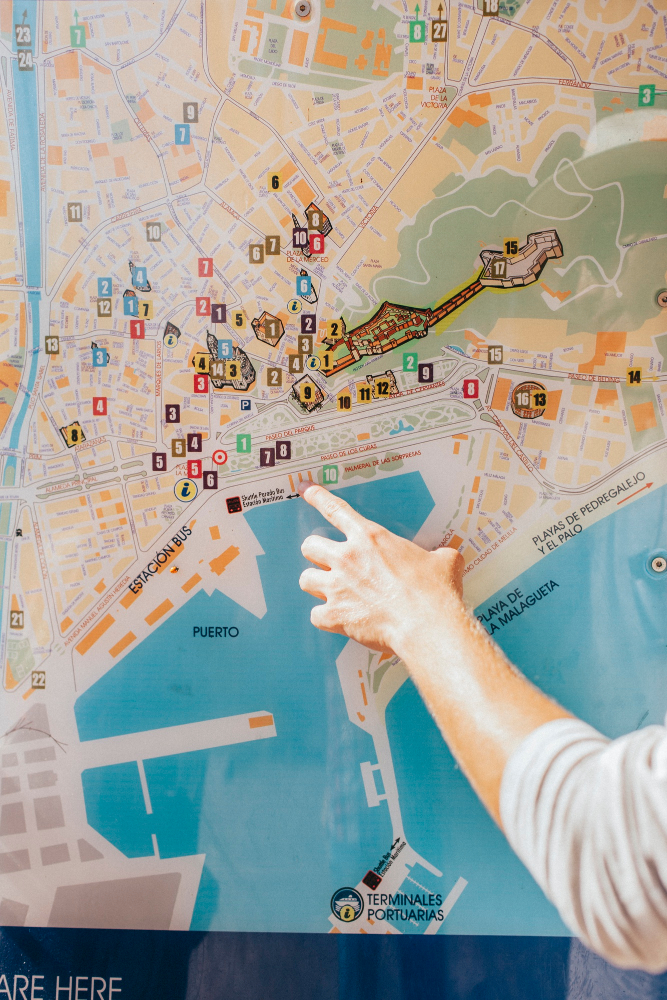
There are city names that recur across continents, and there are airports whose names differ by one word. A booking made by typing a name rather than selecting a code is the mechanism by which somebody ends up on the wrong continent.
Airline systems do not query an obviously improbable itinerary, because improbable itineraries are routinely legitimate. Nothing in the chain between search and boarding pass is designed to notice that you meant a different country.
Always confirm the country on the booking. It appears on every confirmation and almost nobody reads it.
6. Rail stations appear in flight bookings with their own codes

Air-rail arrangements give certain railway stations codes that function like airports within an airline’s system, so a leg of an itinerary can be a train rather than a flight.
This is a genuine and useful product, and the problem is only that travellers do not always realise one segment is a train, with a different check-in process, a different luggage arrangement and a different station to reach.
If a segment has no aircraft type shown, or a suspiciously short duration, read the detail. A train segment is marked and it is easy to miss.
7. An all-airports search returns options you would not have chosen
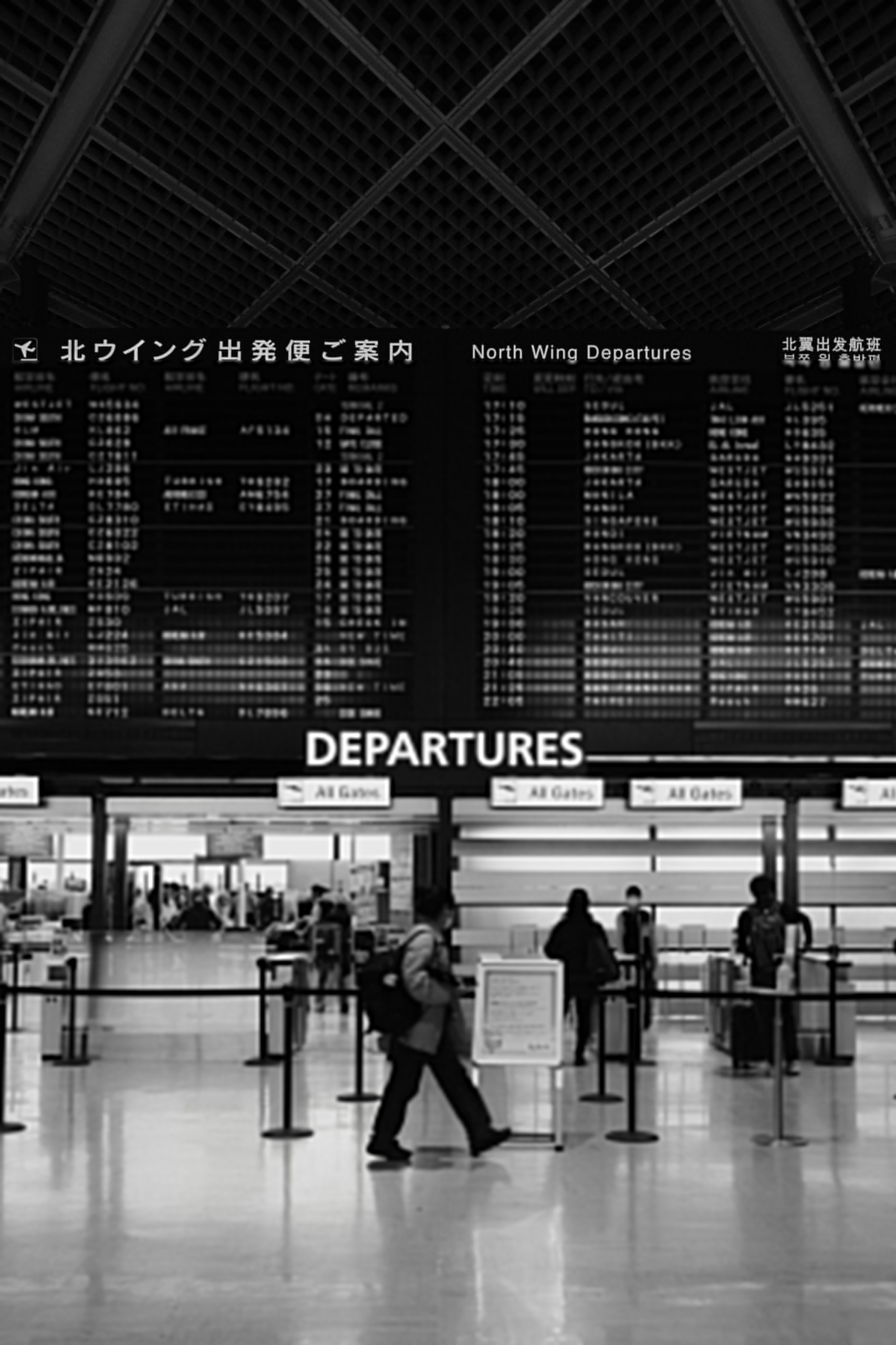
Searching a region or an all-airports code brings back fares from fields a long way apart, sorted by price, with the airport difference expressed only in the code.
The results are not wrong; they answer the question asked. The problem is that the question was broader than the traveller intended and the sorting rewards the answer that is cheapest rather than the one that is useful.
Sort by total journey time rather than by fare at least once before booking, which makes the distant airports visible immediately.
8. The airline can change the airport after you book

Schedule changes occasionally move a flight to a different field in the same metropolitan area, and the notification arrives as a generic schedule change email that looks like a time adjustment.
Passenger rights in most regulated markets treat a change of airport as a significant change rather than a minor one, which generally entitles the passenger to a refund or rerouting, and in some jurisdictions to transport between the airports.
Read schedule change emails properly rather than accepting them with one tap. The entitlement exists only if you notice in time to exercise it.
9. Connecting between two airports in the same city is not a connection
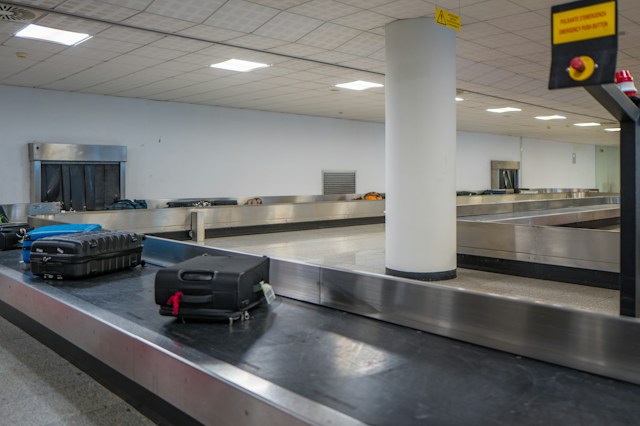
If an itinerary routes a traveller into one airport and out of another, the transfer is their own responsibility, on the ground, with their own bags, through two separate check-in processes.
Airlines do not through-check baggage across such a transfer unless a specific arrangement exists, and the minimum connection times published by airports do not apply, because no system is treating the two flights as connected.
Treat an airport-to-airport transfer as two separate journeys with a self-imposed buffer of several hours, and never book one on a single day with hand baggage only as the reason it will work.
10. Minimum connection times do not exist across airports

A published minimum connection time is specific to a single airport and assumes airside transfer, terminal layout and baggage systems within it. Between airports there is no such figure and no responsibility.
This matters because booking engines will sell an itinerary with a cross-city transfer that looks tight, and nothing in the system objects. The traveller carries the whole risk of the first flight being late.
If you must do it, buy the second ticket with a flexible fare or accept that a delay on the first flight means losing the second entirely.
11. The ground transfer has a last service, and it is earlier than you think

Rail and bus links between city airports stop in the evening, and the alternative is a taxi across a city at a cost that frequently exceeds the saving that caused the routing in the first place.
Nothing about this is published alongside the fare. The transfer options, their frequency and their last departure are information a traveller has to go and find before committing.
Check the last transfer service and the taxi cost for the hour you would actually be travelling, which is usually late and usually the worst case.
12. Insurance treats a self-transfer gap as your decision

Policies cover missed connections where the connection was part of a single booking. A traveller who misses a flight at a different airport because an earlier flight was late is generally outside that cover.
The reason is that no connection existed to be missed in the insurer’s terms. The two flights were separate contracts and the traveller chose the interval between them.
Read the missed connection wording before booking a split-airport itinerary, and look specifically for whether it requires the flights to be on one ticket.
13. A codeshare can put you on a different airline than you expected

A flight sold under one airline’s number can be operated by another, from a different terminal, with different baggage rules and a different check-in location, and the operating carrier is shown in small text.
The rules require the operating carrier to be disclosed at booking, so the information is always there, and it governs the terminal you need, the baggage allowance that applies and the desk you check in at.
Note the operating carrier at booking and check which terminal it uses, because the airport is only half of getting to the right place.
14. The terminal is a separate problem from the airport
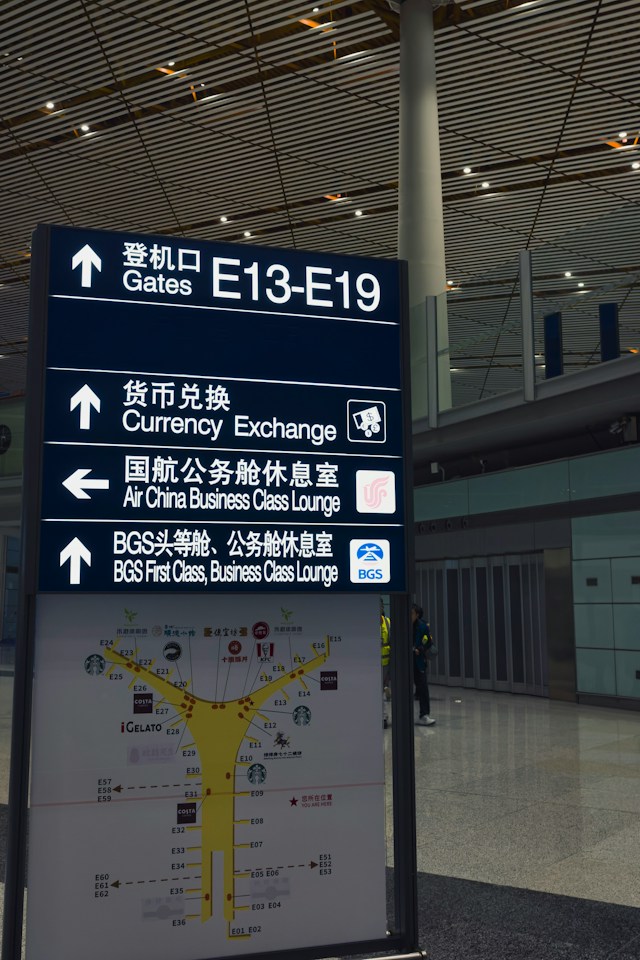
Large airports have terminals far enough apart to require a bus or a train, and a traveller dropped at the wrong one can lose the better part of an hour. Airlines move between terminals periodically.
Boarding passes show the terminal and airports publish the mapping, but it changes, and a terminal remembered from a previous trip is not reliable information.
Confirm the terminal on the day from the boarding pass or the airport’s own live information rather than from memory or from a previous booking.
15. Parking and drop-off are booked by airport and by terminal

Pre-booked parking is tied to a specific car park at a specific airport, and a traveller who booked parking against the wrong field has made the same error twice with two separate suppliers.
Most parking bookings are non-refundable within a short window, and the airport’s own drop-off charges apply to whichever gate you actually drive through, so a mistake here is paid for twice.
Book parking after the flight is confirmed, using the code from the ticket, and read it back against the boarding pass.
16. And the checks that catch all of it

Four, all on the confirmation. The three-letter code at both ends, looked up if unfamiliar. The country, which is printed and never read. The operating carrier, if the flight number and the aeroplane belong to different airlines. And the terminal, confirmed again on the day.
Then two before you pay. The road transfer time from the arrival airport to where you are actually going, and the last departure of the public transport link if the itinerary involves crossing a city.
The honest summary: the three-letter code is the only unambiguous part of a booking and the part everybody skims, metropolitan codes are not places you can fly to, an airport-to-airport transfer is two separate journeys with no connection protection and generally no insurance cover, a change of airport by the airline is a significant change that carries rights if you notice in time, and the cheapest fare in a broad search is frequently cheap because of where it lands.
Where the errors actually enter

Three places, and all of them are in the booking rather than at the airport.
The first is the search box. Codes were assigned over a century by several systems and many relate to a former name, a nearby town, a radio callsign or nothing identifiable, so there is no rule that lets a traveller infer an airport from its code. Autocomplete on a typed city name chooses for you and does not explain itself, which is where a wrong country or a field a long way from the city gets selected. Some codes are metropolitan areas covering all of a city’s airports and are not places you can fly to at all.
The second is the sort order. A broad or all-airports search answers the question asked and ranks by price, and a cheap fare is frequently cheap because of where it lands. Sorting by total journey time once, before booking, makes the distant fields visible immediately.
The third is the gap nobody owns. An itinerary into one airport and out of another is not a connection: bags are not through-checked, published minimum connection times do not apply because no system treats the flights as linked, the ground transfer has a last service earlier than people expect, and travel insurance generally excludes a missed connection where the flights were not on one ticket. The traveller carries all of that risk by construction.
One thing works in the passenger’s favour. In most regulated markets an airline moving a flight to a different airport is a significant change rather than a minor one, which generally brings a right to a refund or rerouting — available only to somebody who actually read the schedule change email.
Four checks on the confirmation, which take a minute between them. The three-letter code at both ends, looked up if it is unfamiliar. The country, which is printed on every confirmation and almost never read. The operating carrier, if the flight number and the aeroplane belong to different airlines, because it governs the terminal, the baggage allowance and the check-in desk. And the terminal, confirmed again on the day from the boarding pass rather than from memory.
Two more before you pay. The road transfer time from the arrival airport to where you are actually going — road, not straight line. And if the itinerary crosses a city between airports, the last departure of the public transport link at the hour you would really be travelling, plus what a taxi would cost instead.
And book parking only after the flight is confirmed, using the code from the ticket, because a parking booking against the wrong field is the same mistake paid for twice.
Like our content? Follow us for more.