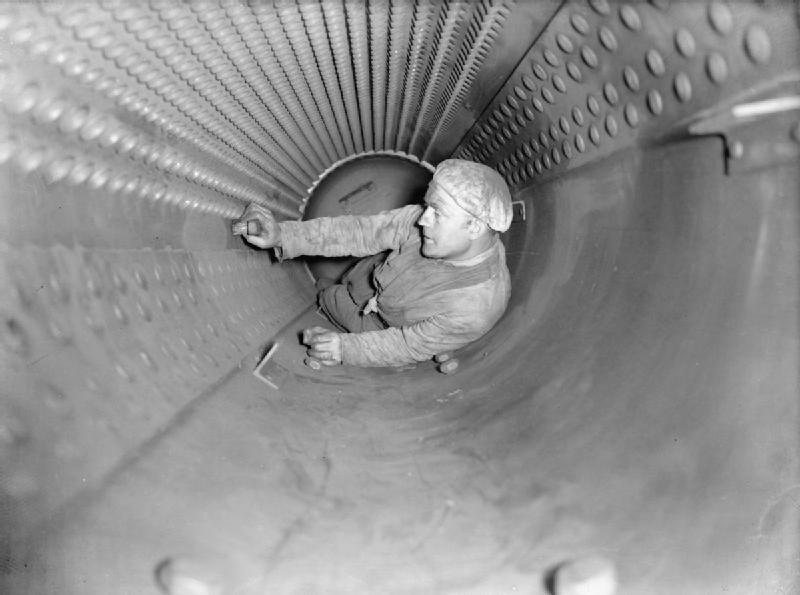
Every large building, factory, hospital, laundry, ship and power station in 1960 ran on steam, and every boiler producing that steam silted up inside. The deposit is hard, it insulates the metal from the water, and an insulated boiler plate overheats. So the boilers were shut down, cooled, opened, and a man climbed in through a hole roughly the size of a dinner plate to chip the deposit off the inside by hand.
The trade had different names in different places — boiler scaler, boiler cleaner, flue cleaner — and it is one of the few jobs in this series that has been eliminated rather than merely improved, because the reason for it was removed. Modern water treatment largely prevents the deposit from forming in the first place.
What scale is and why it had to come off
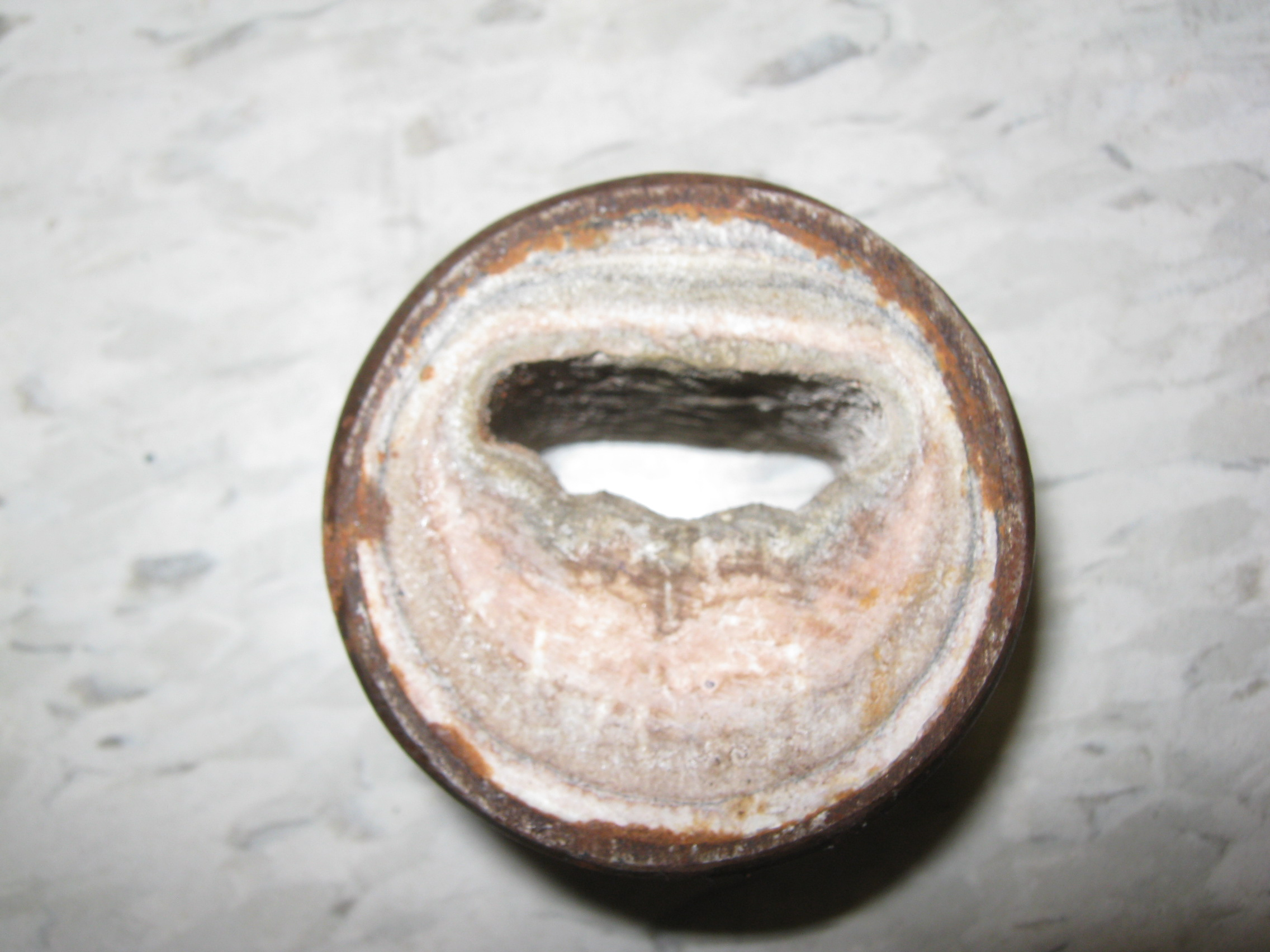
Water contains dissolved minerals, and when it is heated and evaporated those minerals come out of solution and deposit on the hottest surfaces. In a boiler that means the fire side of the tubes and the plates, exactly where heat has to pass from the furnace into the water.
The deposit is an insulator. A layer of it means the metal behind it no longer has water carrying heat away at the rate the design assumed, so the metal runs hotter, loses strength, and distorts. That is the failure mechanism the whole of boiler inspection law exists to prevent, and it is why scale was treated as a serious matter rather than an efficiency nuisance.
The efficiency cost was real as well. A fouled boiler burns measurably more fuel for the same output, and in a works paying for coal by the wagon that was visible on the accounts.
So every boiler came out of service on a cycle — annually in many cases, more often where the water was hard — was cooled, drained, opened and cleaned by hand, and then inspected by an insurance company’s boiler inspector before it could go back into use. The inspection regime is the part that survives.
Like our content? Follow us for more.
Getting in was the hazard, and it was the whole job
A boiler is a pressure vessel with access openings sized for assembly rather than for people: a manhole in the shell, and smaller handholes for reaching into corners. A man went in through the manhole, feet first or head first depending on the vessel, into a space that was dark, confined, lined with hot metal and shaped so that he could not stand up or turn round.
Every element of what is now called confined space entry was absent. There was no permit, no gas testing, no forced ventilation as a requirement, no second man stationed at the opening in many works, no harness, no retrieval line and no rescue arrangement. There was a lamp, a bag of tools and an instruction to get on with it.
The modern regime is prescriptive and it exists because of exactly this work. Entry to a confined space requires a risk assessment, a permit, atmospheric testing before and during entry, forced ventilation, isolation and locking-off of every source of energy and material — steam, feed water, fuel and electricity — a trained attendant outside, a means of retrieval, and a rescue plan established and available before entry begins rather than improvised afterwards.
The isolation point is the one that matters most. A boiler connected to a live steam main or a feed pump that somebody else can start is the single most dangerous situation in this entire file, and the modern answer is physical lock-off with the keys held by the person inside.
Heat, and the reason the shutdown was never long enough
A large boiler takes days to cool properly and production schedules did not allow days. The practical compromise was to open it as soon as it could be touched and send a man in, which meant working in a steel box that was still giving up heat, in overalls, for hours.
Heat stress is now a recognised occupational hazard with its own controls: measurement of the thermal environment, work and rest cycles, fluid provision, acclimatisation, monitoring of workers and in some settings a limit on continuous exposure. None of it was applied, and the trade’s culture treated tolerance of heat as a measure of the man.
The secondary effect is the one people forget. A worker who is hot and dehydrated makes worse decisions, in a confined space, with a hammer, which converts a thermal problem into an accident problem.
Flue cleaning was the same job in a different geometry. The gas passages on the fire side were cleaned of soot and ash, often while the brickwork was still warm, in a space even less generous than the water side.
The dust was the long-term hazard and nobody named it
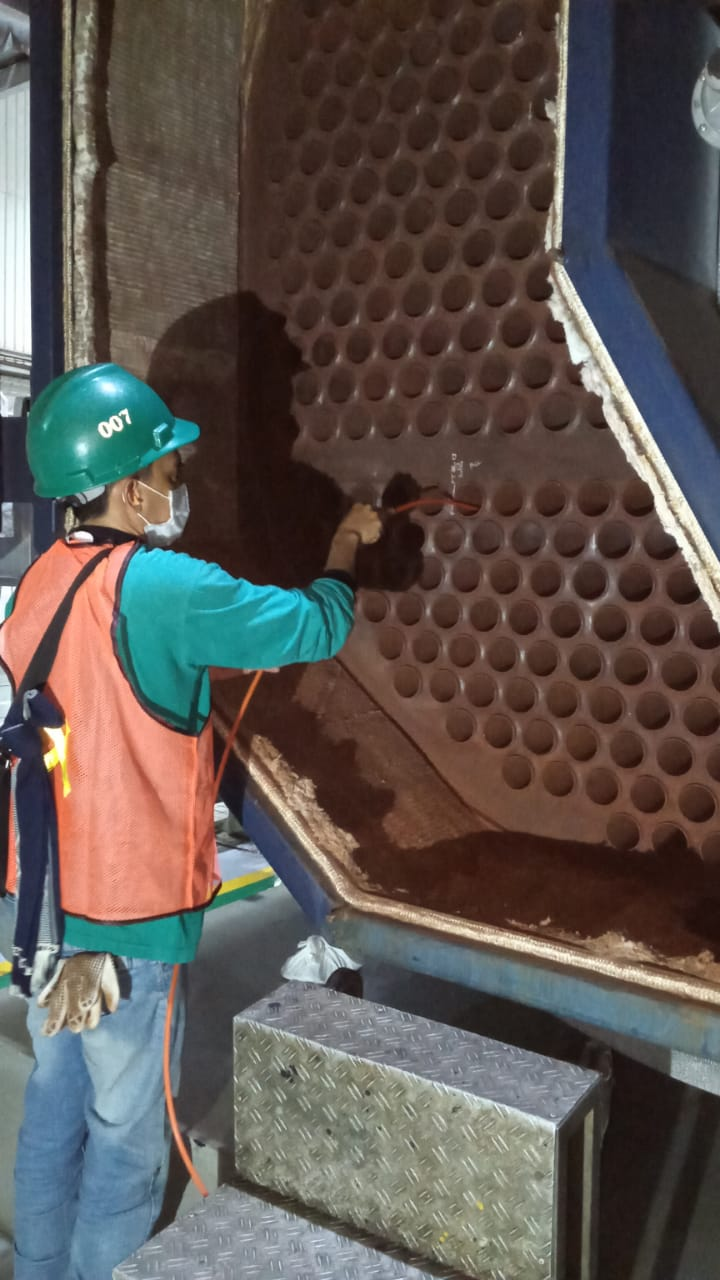
Chipping hard deposit off steel in a confined space with a hammer and scraper produces a great deal of fine dust in a space with no air movement. The composition depends on the water, and silica, iron oxides and various sulphates and carbonates were the usual constituents.
On the fire side the dust was soot, ash and, in oil-fired plant, deposits containing vanadium and other metals from the fuel. In coal-fired plant it was ash and unburnt carbon.
The modern approach is to control the dust rather than the man: water suppression, extraction, and where neither is practical, properly fitted respiratory protective equipment selected for the specific contaminant and face-fit tested to the individual. Health surveillance applies where exposure is significant.
What the scalers had was a handkerchief, and in some works a cloth mask of no particular specification. The occupational disease burden from this trade is not well documented precisely because the men were casual, mobile and often employed by contractors, which is the same pattern as the hospital porters and the laggers.
What was lagged around the outside
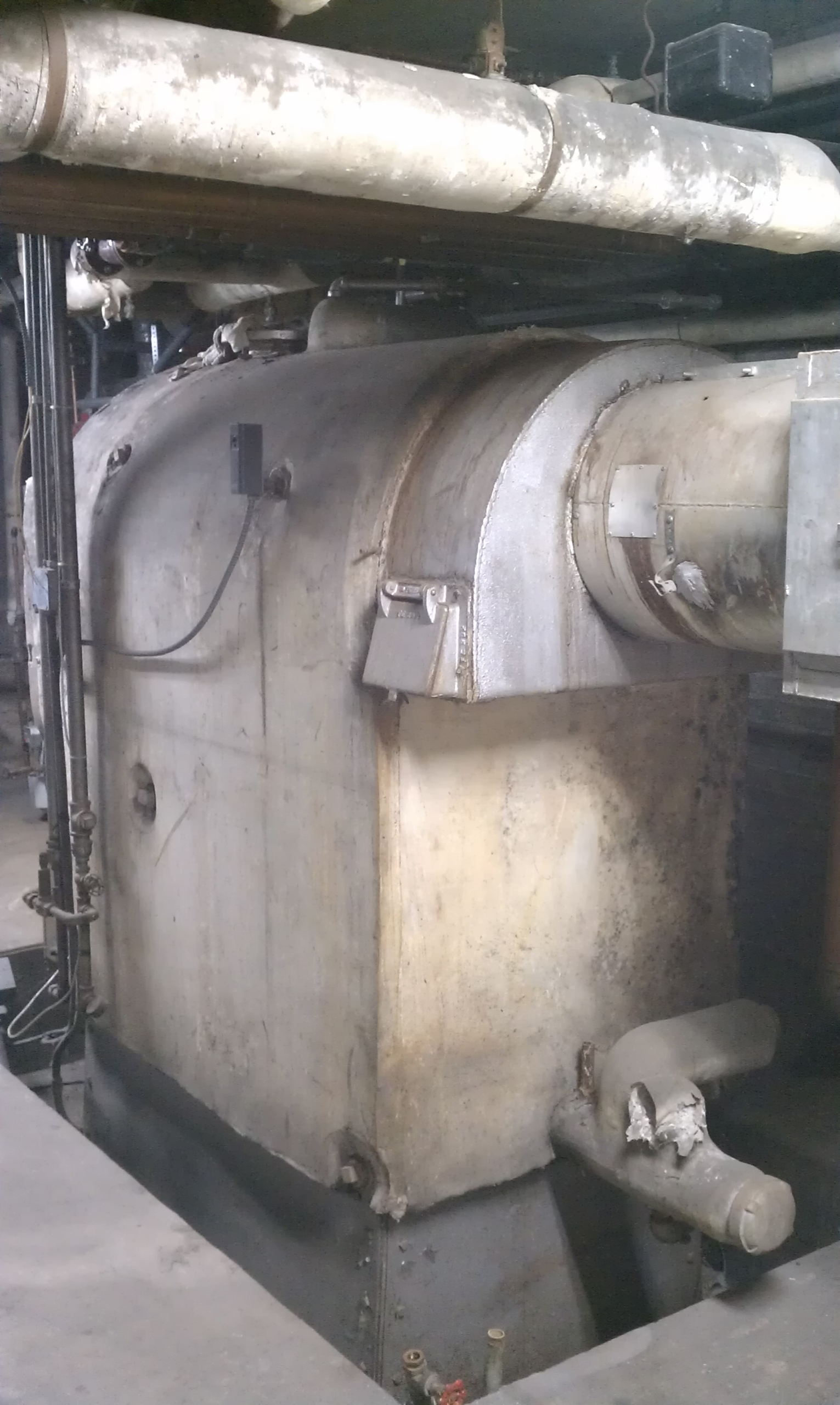
A boiler and its pipework were insulated, and in 1960 that insulation was overwhelmingly asbestos-based: sprayed coatings, preformed sections, rope, cloth and mattresses. Opening a boiler for cleaning means disturbing the lagging around the manhole and the pipework being disconnected.
The position now is that asbestos is presumed present in any building or plant of that age unless proved otherwise, must be identified and recorded in a register, is managed in place where it is in good condition, and may only be disturbed by a licensed contractor working under controlled conditions.
No removal method, material or technique is described here, and nobody should attempt any work on suspected asbestos. The point relevant to the trade is that the boiler scalers and the laggers worked in the same spaces at the same times, and that the exposure fell on both.
This is also the reason that plant rooms in old buildings are now managed areas with signage and restricted access rather than places anybody wanders into with a torch.
Why the job ended
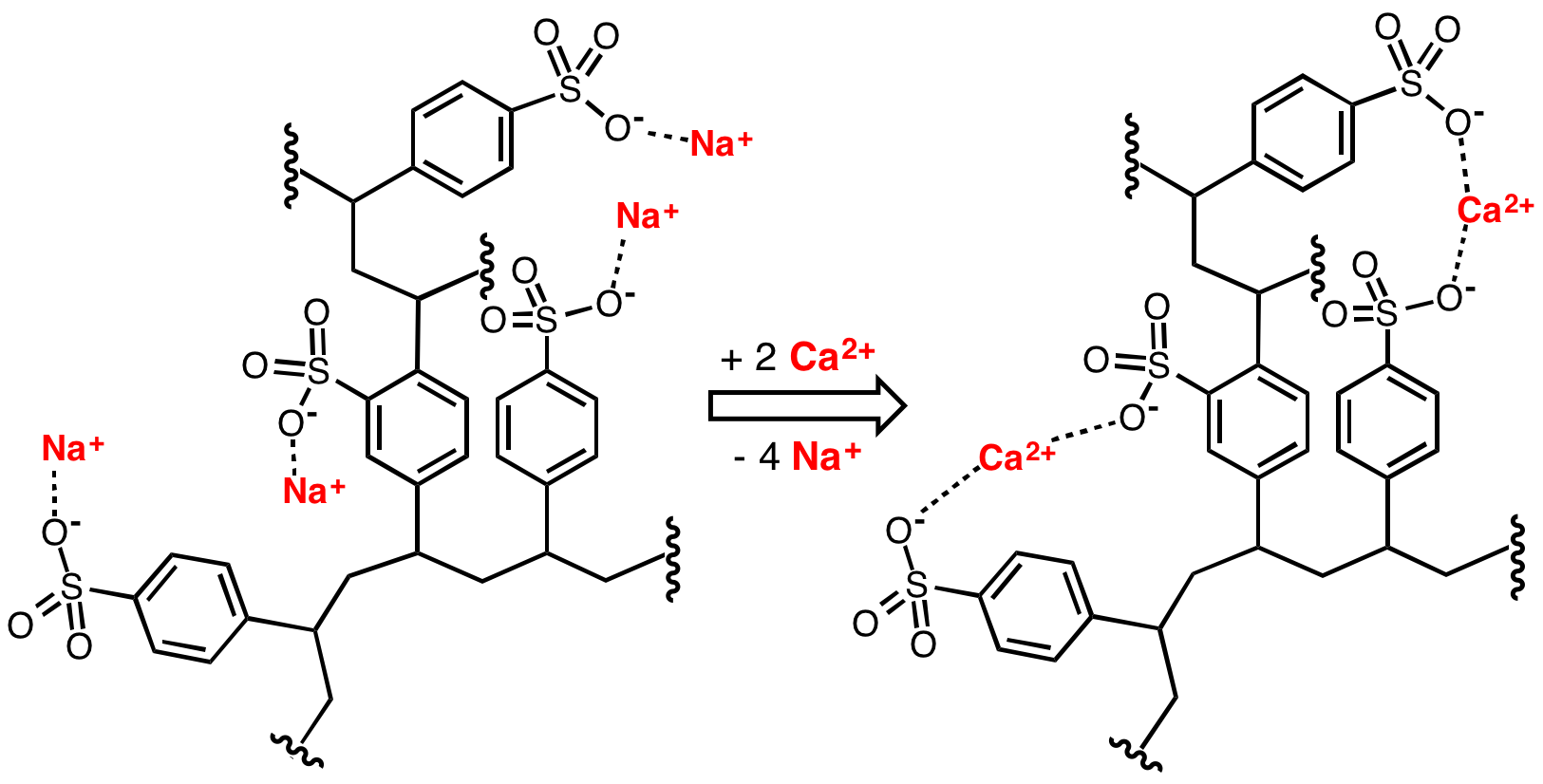
Three things removed it. The first and largest is water treatment: feed water is now softened, deaerated and dosed chemically so that the minerals which used to deposit either stay in solution or are removed before the water reaches the boiler. Prevent the scale and the scaling trade has nothing to do.
The second is chemical cleaning. Where deposit does form, it is removed by circulating an acid or chelating solution through the boiler under controlled conditions, by a specialist contractor, with nobody inside. That is a different trade with different hazards, and it is a chemical handling job rather than a confined space job.
The third is the boiler itself. Welded water-tube boilers, package boilers and modern designs are easier to keep clean, better instrumented and in many buildings replaced entirely by gas-fired plant with no large water volume at all. A modern commercial building has nothing a man could climb inside.
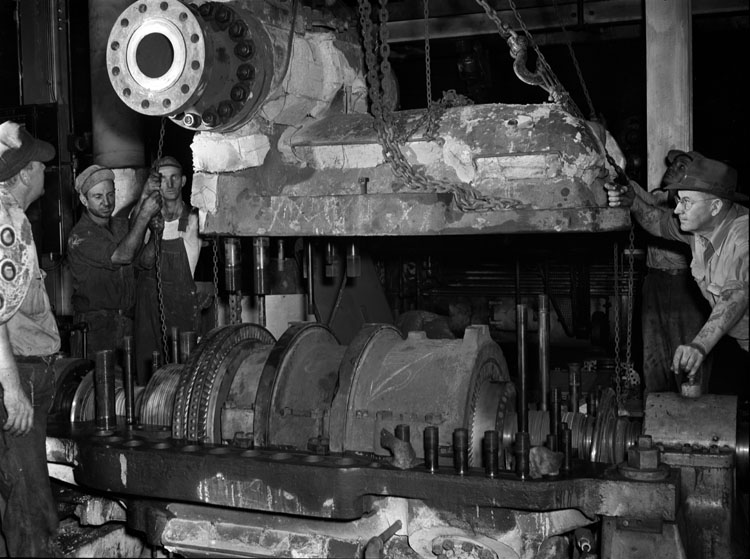
What survives is the inspection. Pressure systems are still examined on a written scheme by a competent person at defined intervals, which is the direct descendant of the insurance inspector who signed a boiler back into service in 1960 after the scalers had finished.
What the job was
It was casual, hard, filthy, badly paid work done by men who were frequently employed by a contractor for the duration of a shutdown and then let go, and who moved between works following the maintenance calendar. The skill was in knowing how to get a deposit off without damaging the plate underneath, which is a real judgement and is the part the men were proud of.
It also combined, in one task, four of the hazards that modern occupational health regulation was built around: confined space entry without isolation, heat, respirable dust and asbestos. There are very few jobs where the case for the modern regime is as easy to make.
The honest summary: the confined space rules are the ones that saved lives, and the isolation requirement — physical lock-off of steam, water, fuel and power with the keys held by the person inside — is the single most important thing in this file. The trade disappeared not because it was made safe but because somebody worked out how to stop the scale forming, which is the better kind of solution.
Like our content? Follow us for more.