The playground was the only part of the school day that children ran themselves, and what they built there was remarkably consistent between schools that had never met. Here are twelve.
1. Games Nobody Taught Anybody
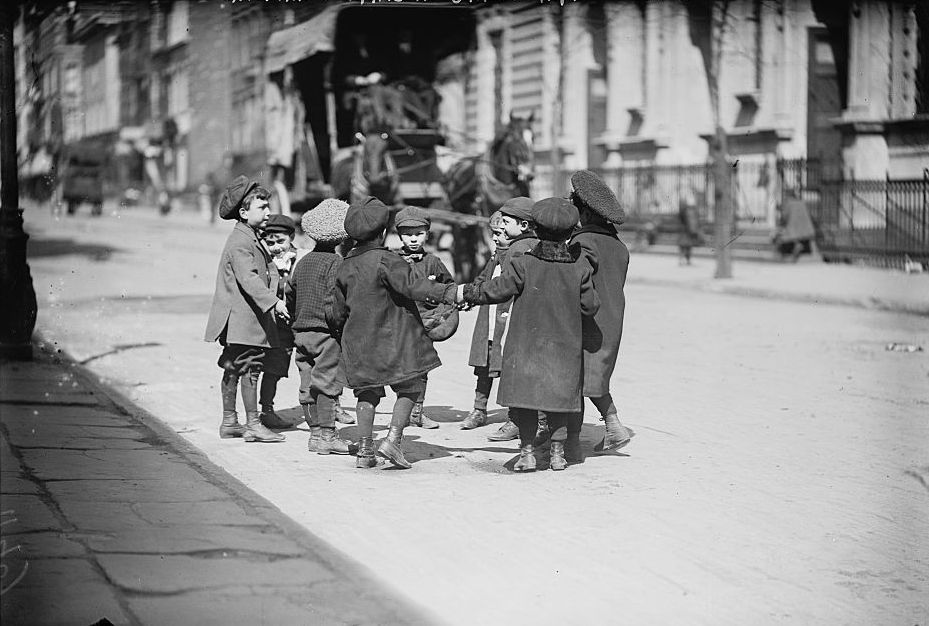
A repertoire of games with elaborate rules circulated among children with no adult involvement whatsoever, arriving from older children and passing to younger ones.
Nobody could say where any of it came from. Untaught games are the playground inheritance transmitted entirely by children.
Like our content? Follow us for more.
2. The Rules Being Different Fifty Miles Away
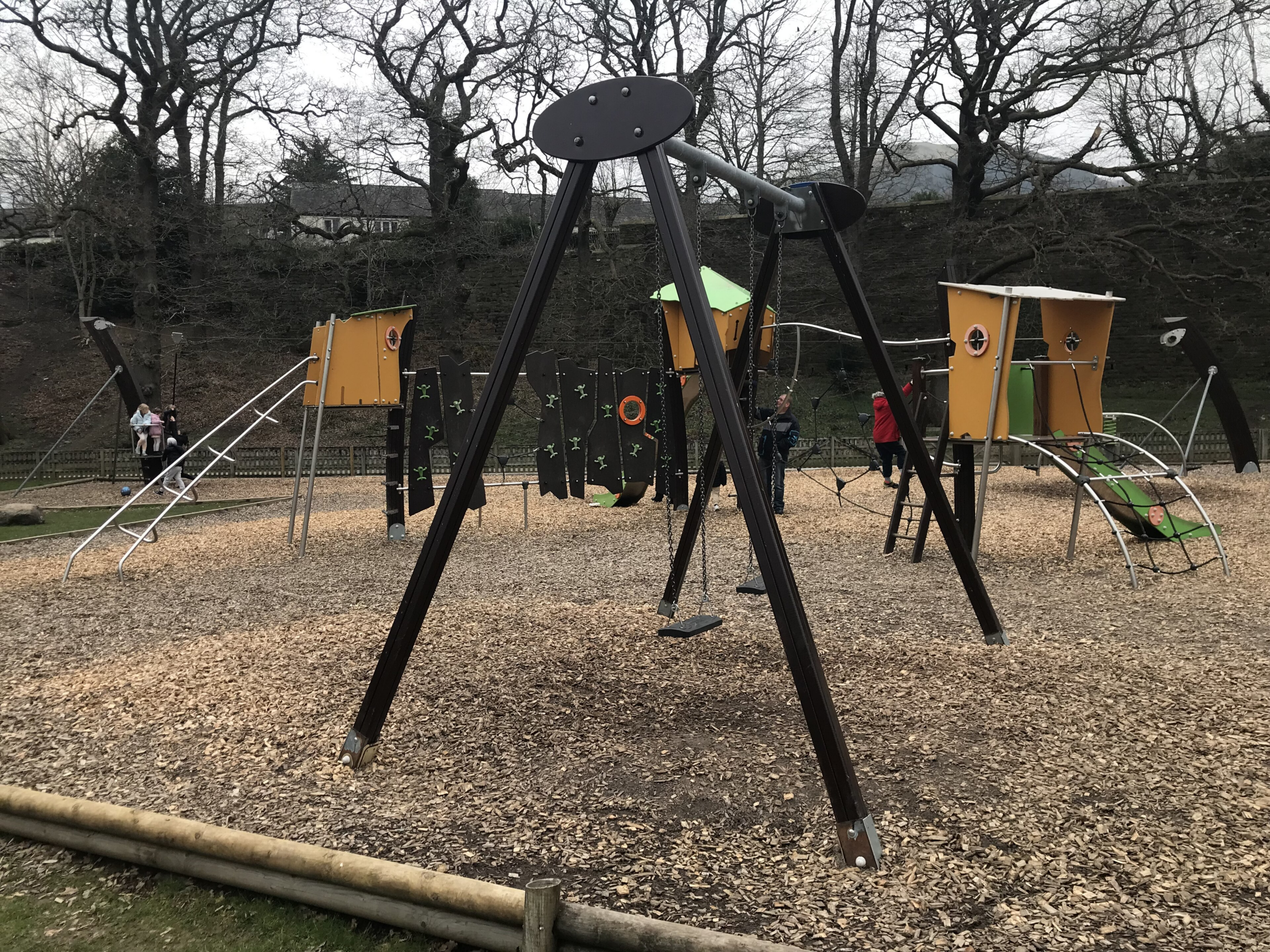
The same game existed everywhere with variations in rules and name, and children moving school discovered their version was wrong and had to relearn it.
The local version was defended vigorously. Regional rule variation is the playground fact that made moving school truly disorienting.
3. Picking Teams as a Formal Procedure
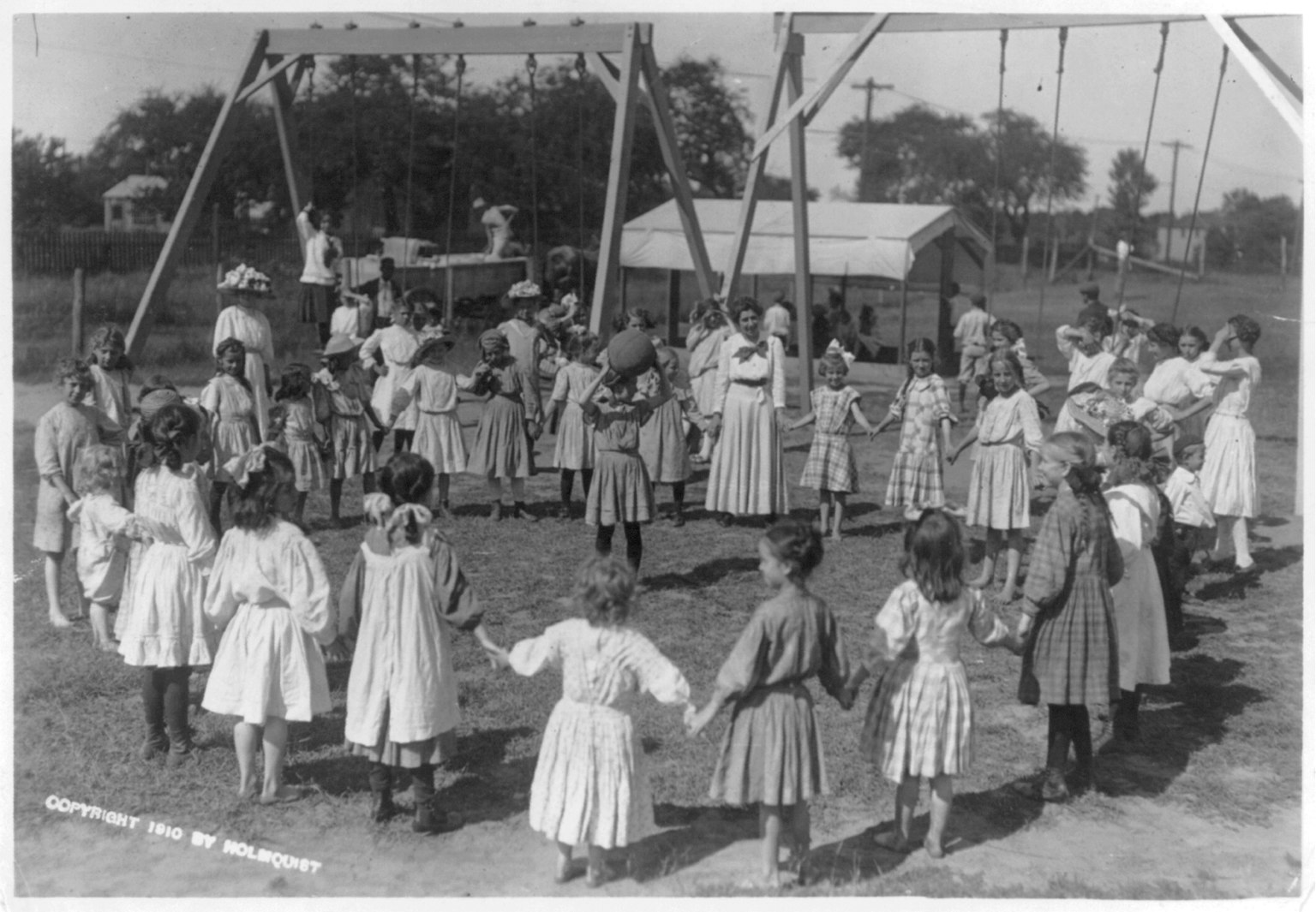
Two people were established as choosers by a method nobody questioned, and selection proceeded in strict alternation until everybody was allocated.
The procedure was followed exactly every time. Team selection is the playground ritual with the most rigid protocol.
4. The Word That Made You Safe
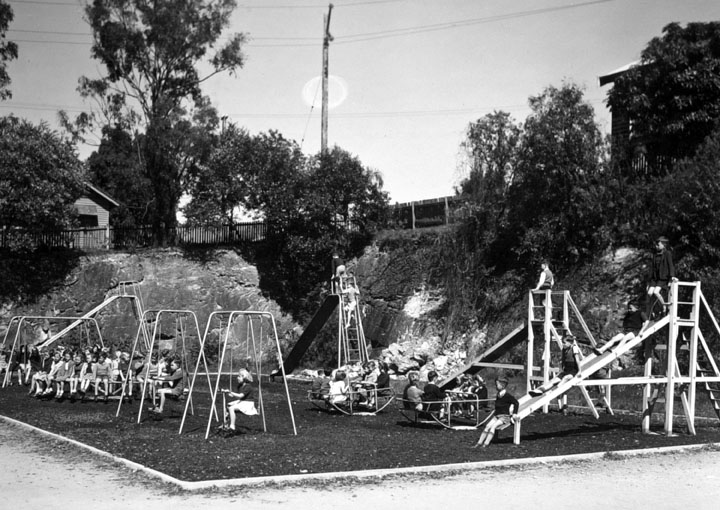
Every playground had a term that, once said, meant you could not be caught – shouted while touching something, or while making a specific gesture.
It was absolutely binding and disputes about it were serious. The safe word is the playground rule that functioned as law.
5. Deciding Things by Chance
Disputes and allocations were settled by counting rhymes, hand games or drawing lots, and the outcome was accepted without argument because the procedure was neutral.
Nobody appealed a fair count. Chance procedures are the playground mechanism that prevented most conflict before it started.
6. The Craze That Lasted Six Weeks
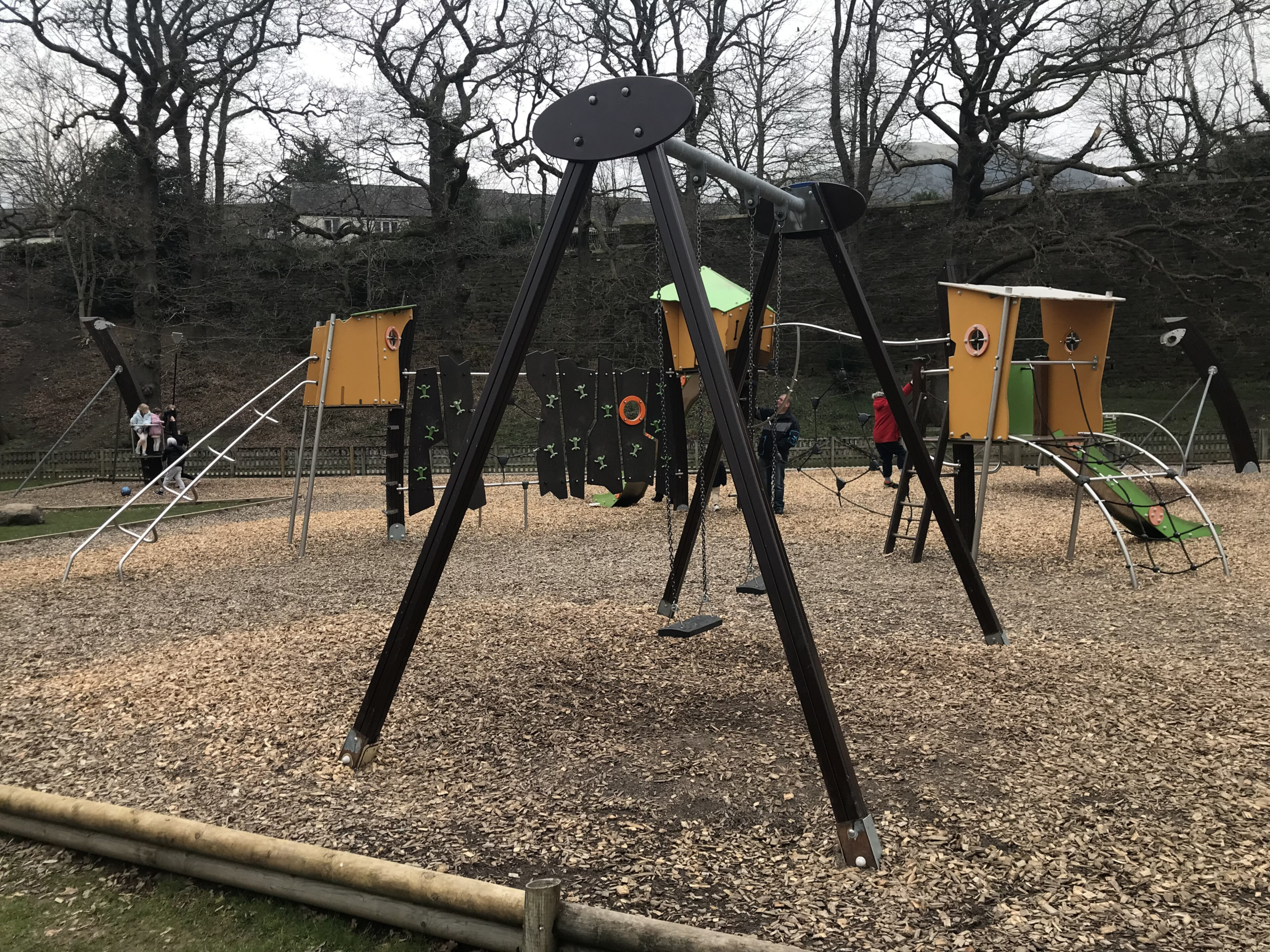
Periodically an activity, object or game swept the entire school, occupied every break for about six weeks, and then vanished completely and permanently.
Nobody decided it was over and everybody stopped simultaneously. The craze is the playground phenomenon with no observable cause or ending.
7. A Complete Trading Economy
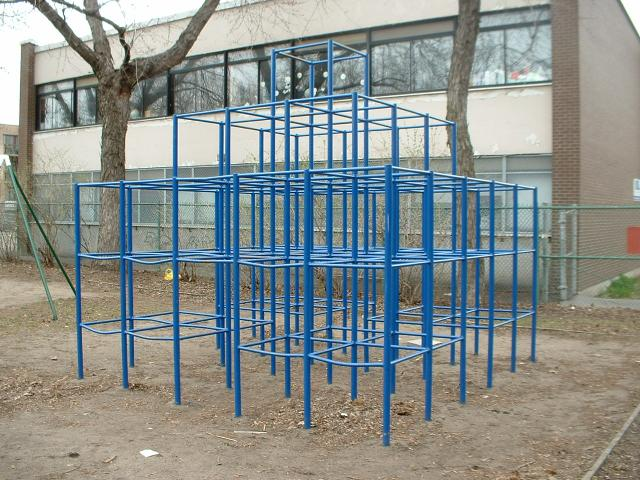
Objects circulated with understood relative values, and trades were negotiated, agreed and occasionally reversed by adult intervention when they got out of hand.
Exchange rates were known to everybody. The trading economy is the playground institution that ran on entirely notional value.
8. Territory Everybody Understood
The space was divided by age, by activity and by convention, with certain areas belonging to certain groups, and nobody had allocated any of it.
New arrivals learned the map within a week. Playground territory is the geography that existed only in the minds of the people using it.
9. The Wall That Was Used for Everything
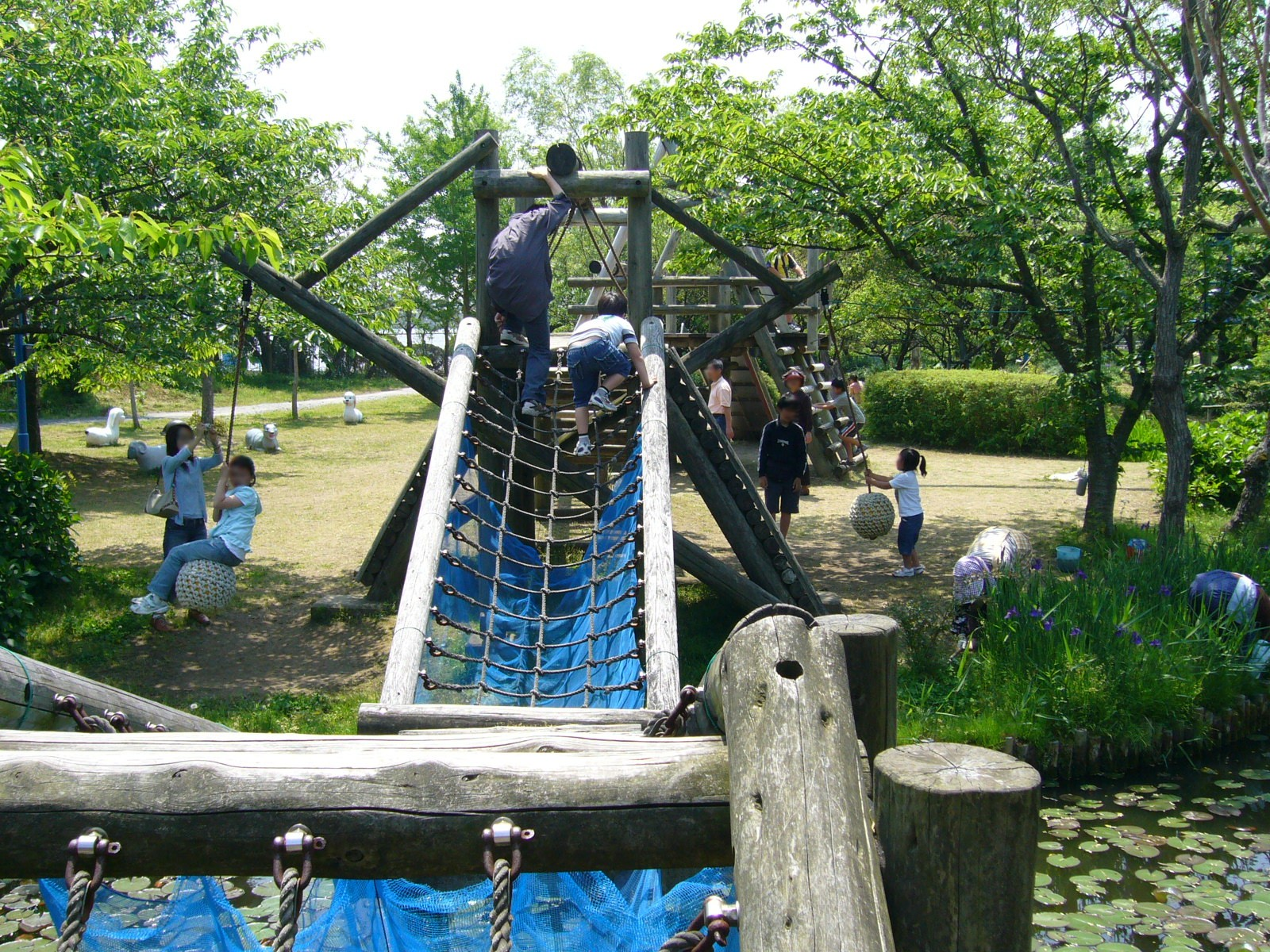
Nearly every playground had a wall that served as a goal, a target, a court and a meeting point, and it was in constant use.
It was frequently the most valuable piece of infrastructure in the school. The wall is the playground facility that nobody built for the purpose.
10. The Bell Ending Everything Instantly
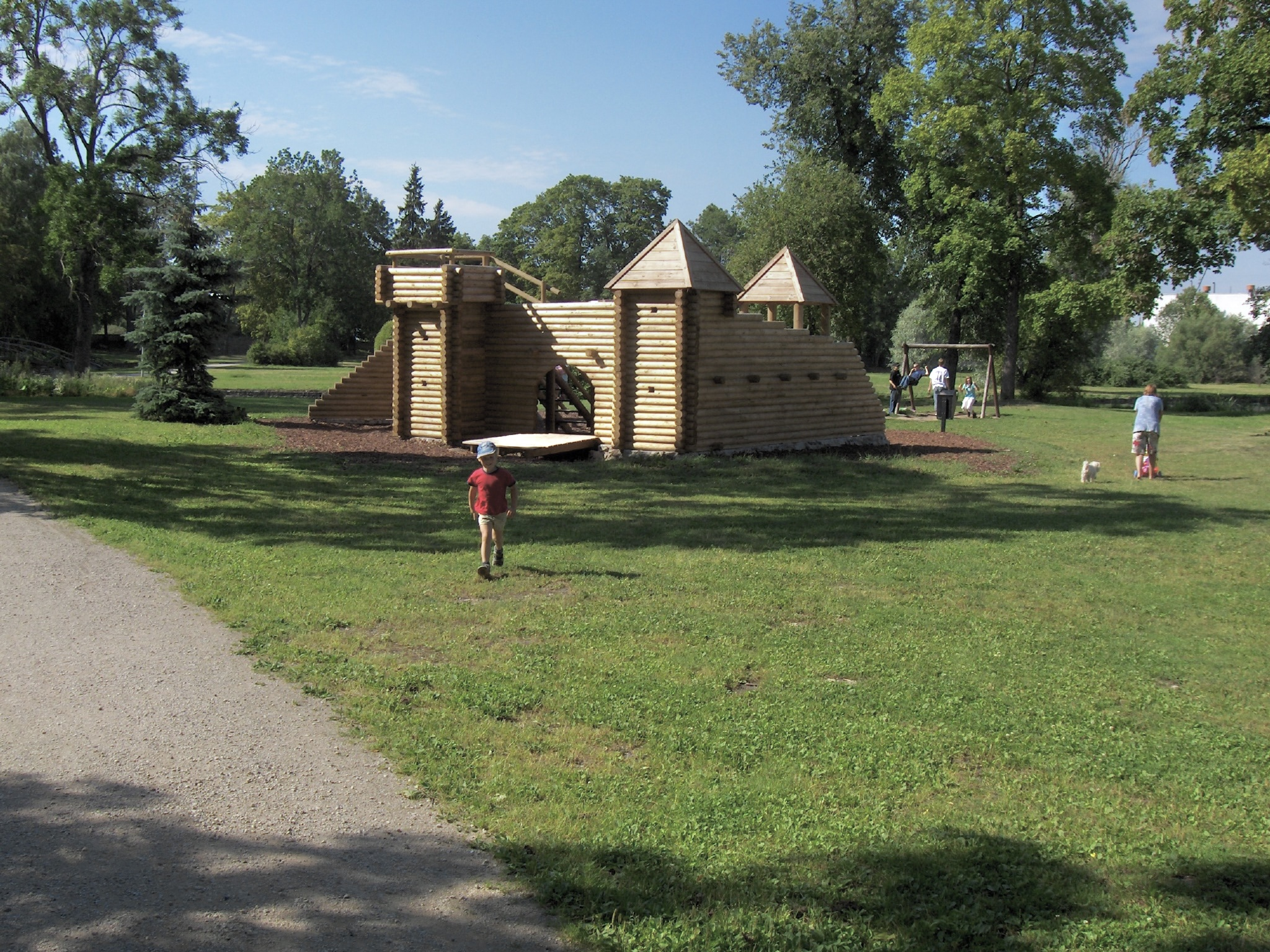
A game in progress, however important, ended the moment the bell went, with the position sometimes carried over to the next break by mutual memory.
Nobody finished anything. The bell is the playground constraint that made everything provisional.
11. Weather Changing the Entire System
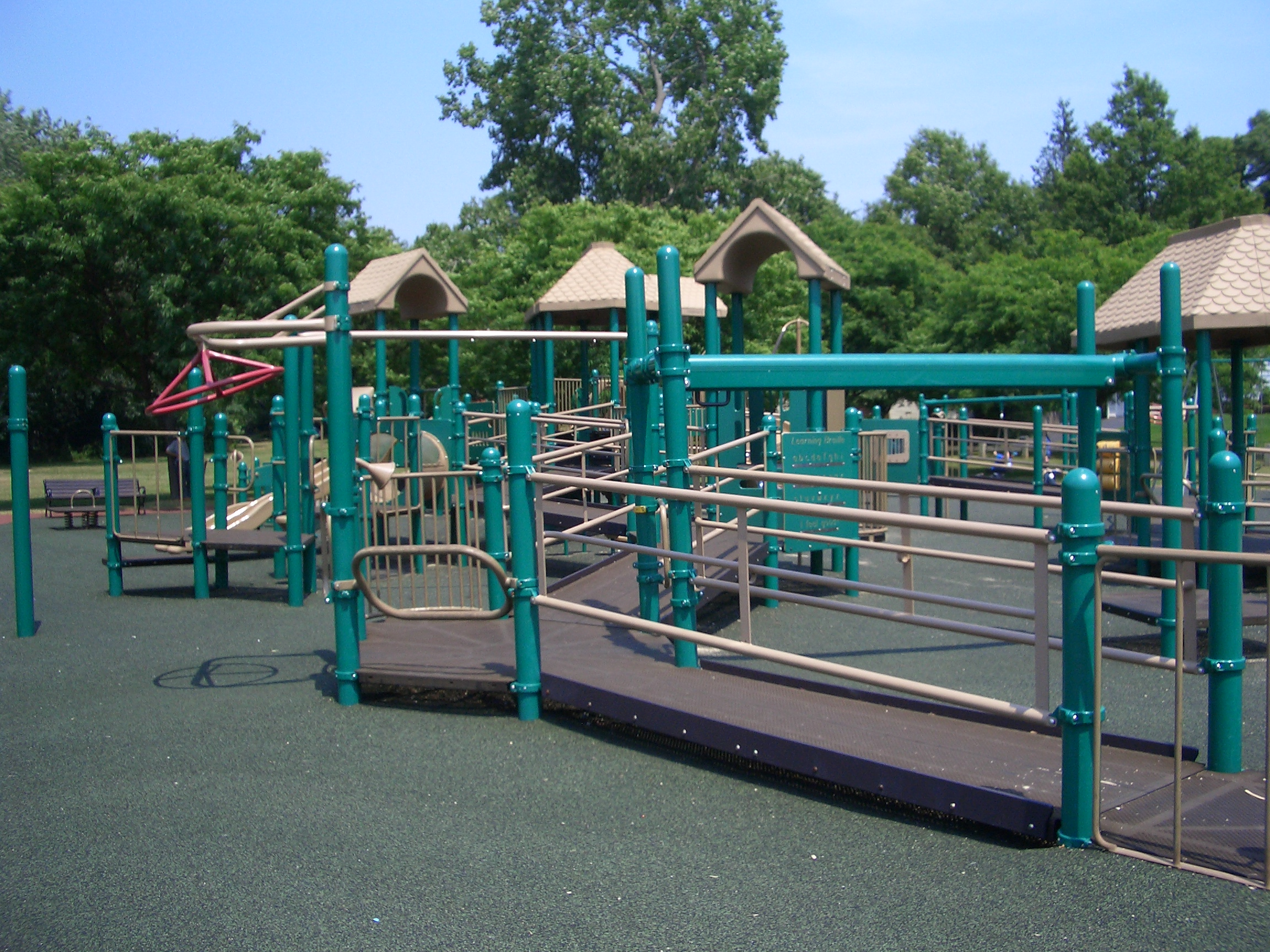
Rain moved the whole society indoors into a completely different set of games and rules, and a dry spell restored the outdoor arrangement instantly.
Both systems existed permanently and switched on demand. Wet play is the playground alternative that everybody could operate without discussion.
12. Realising It Was a Whole Society
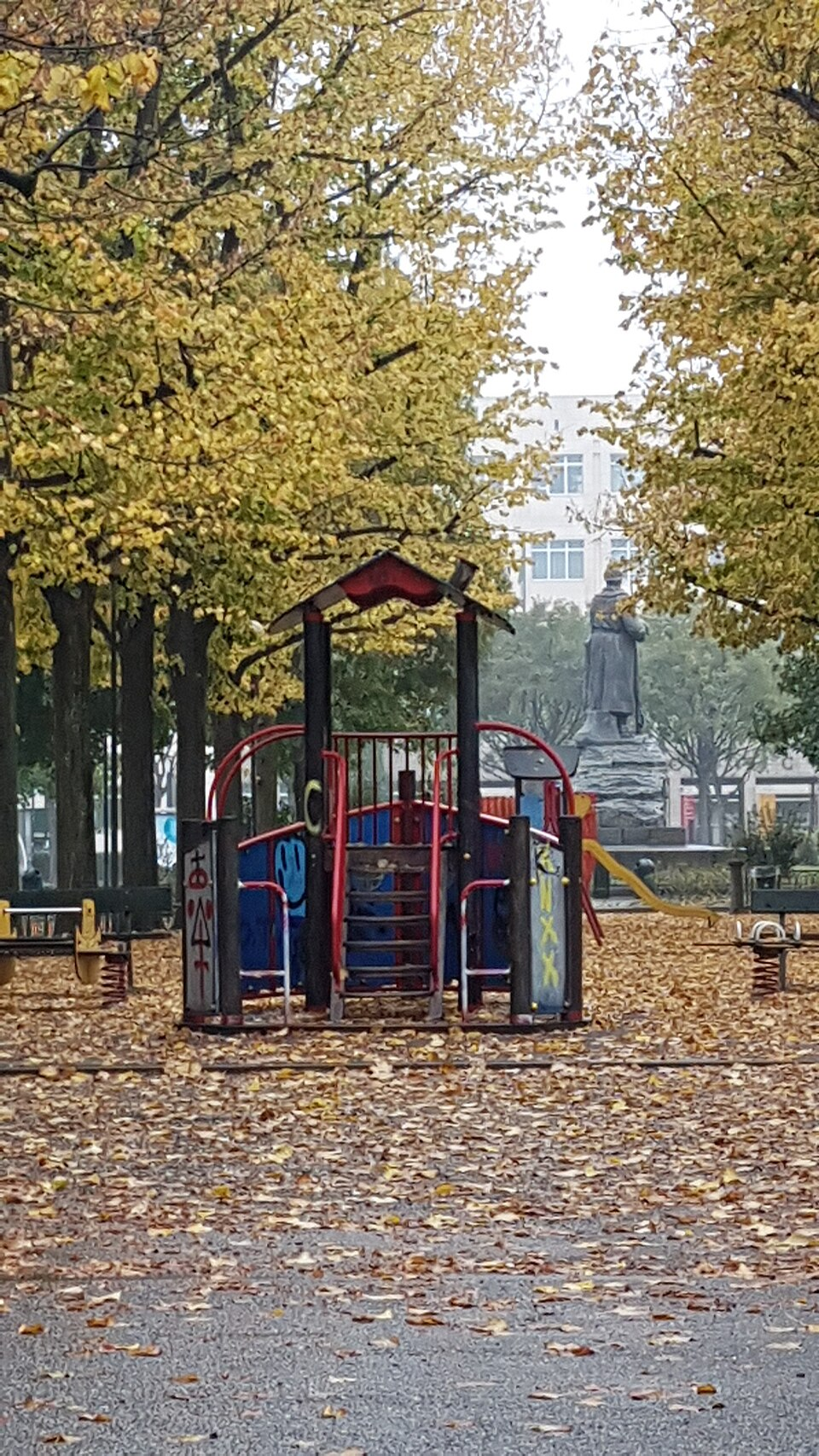
Looking back, the playground was several hundred people running an unsupervised social system with rules, economy, territory and dispute resolution, reset twice daily.
Nobody organised any of it and it worked. Realising it was a society is the playground understanding that only arrives afterwards.
Fifteen Minutes and No Adults
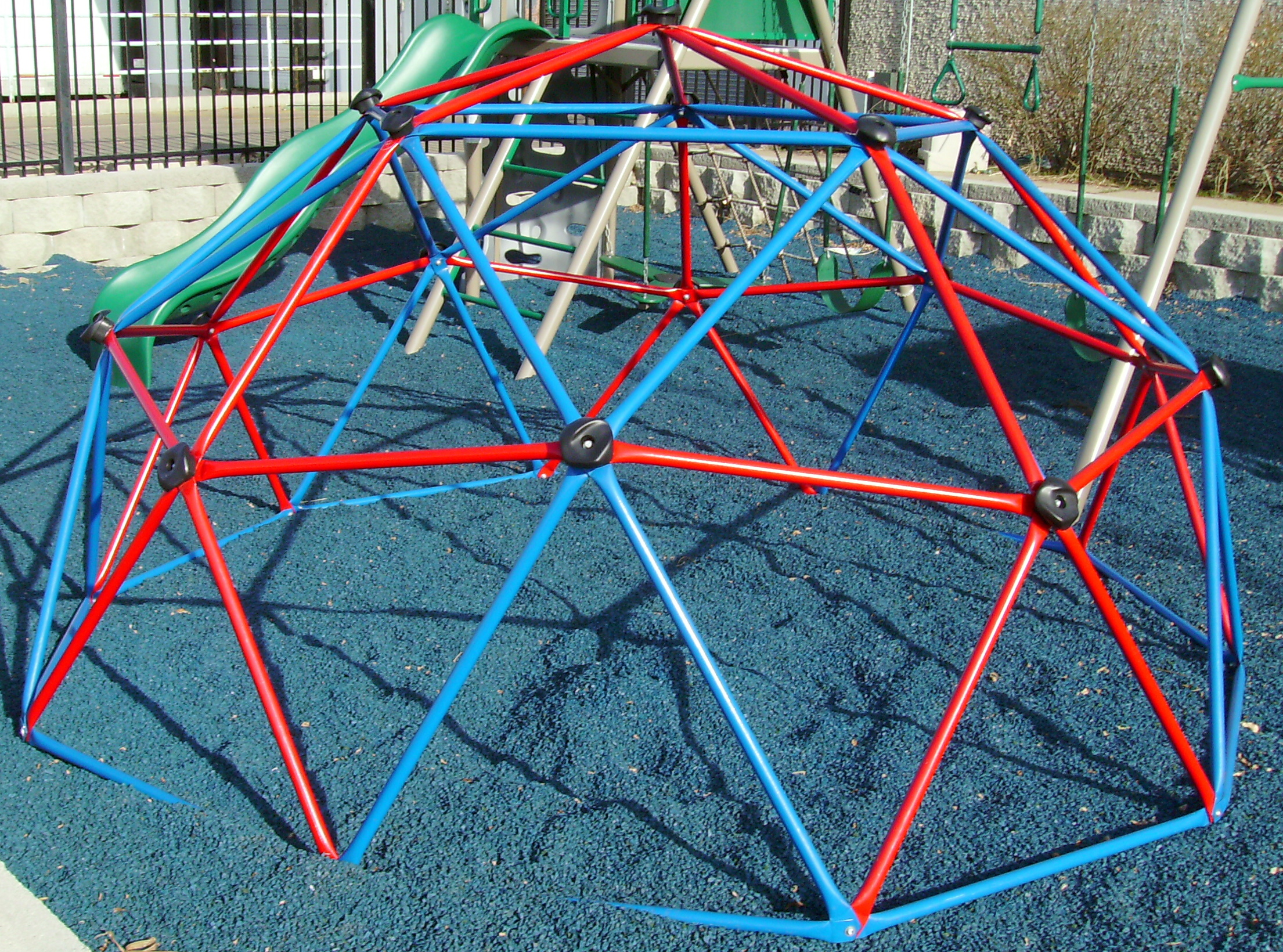
What made the playground remarkable was the absence of supervision. A large group of people with a fixed space and no authority present built the same institutions everywhere, independently, and dismantled them at the bell.
The last item is the one that surprises people. Everything a functioning society needs – rules, enforcement, dispute resolution, an economy, territory and a way of deciding things fairly – was reconstructed from scratch by children twice a day, without anybody teaching it, in every school simultaneously.
Like our content? Follow us for more.