The useful question in any wetland is not what grows there but what fills it. Rain-fed and groundwater-fed wetlands sitting side by side can support entirely different vegetation. Here are sixteen.
1. The Bog That Only Drinks Rain
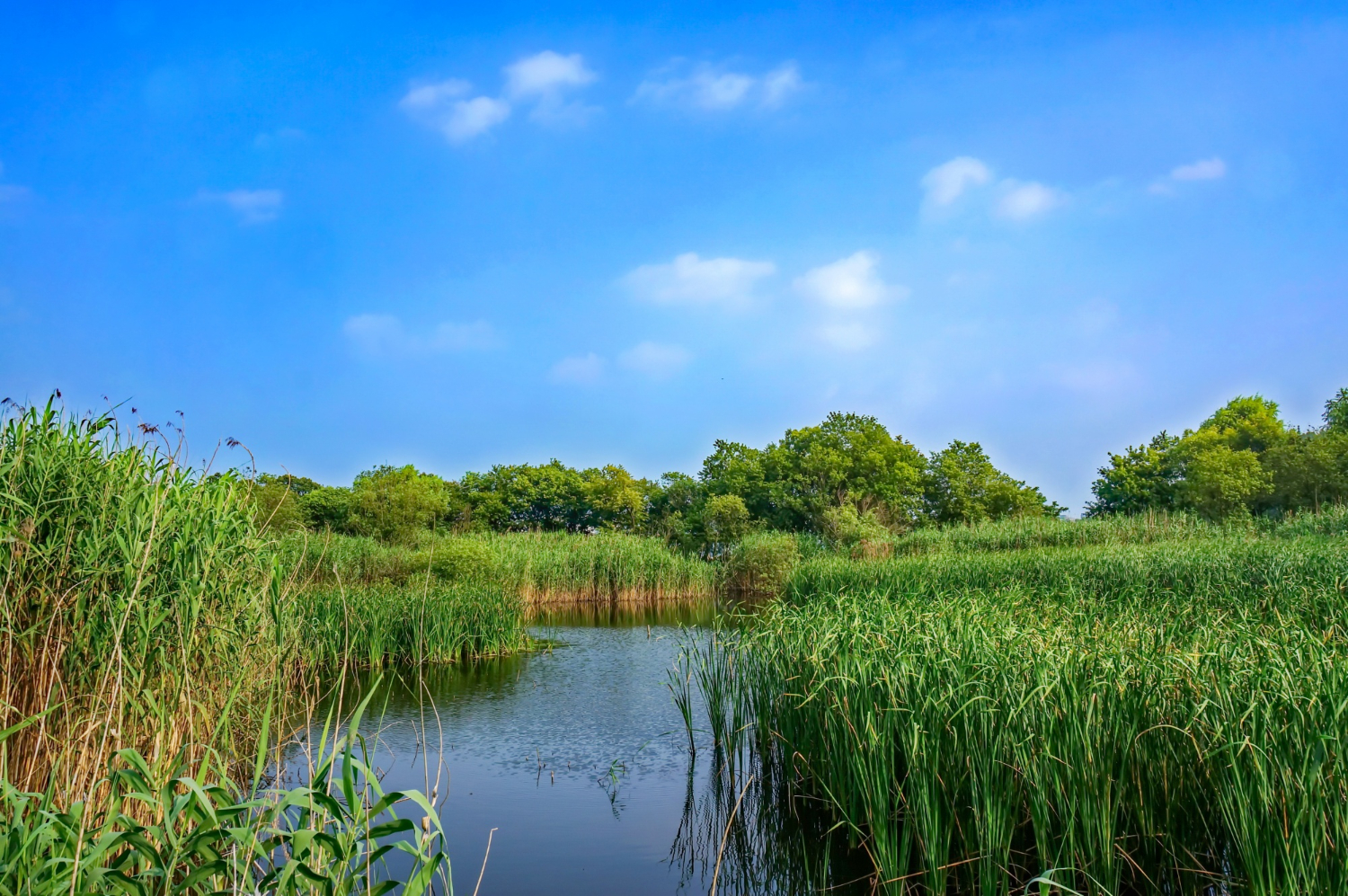
A raised bog sits above the surrounding water table and receives water exclusively from rainfall, which means it gets no minerals from the ground at all.
The result is acidic, nutrient-poor and supports plants found nowhere else. The rain-fed bog is the wetland that has cut itself off from the land beneath it.
Like our content? Follow us for more.
2. The Fen That Drinks Groundwater
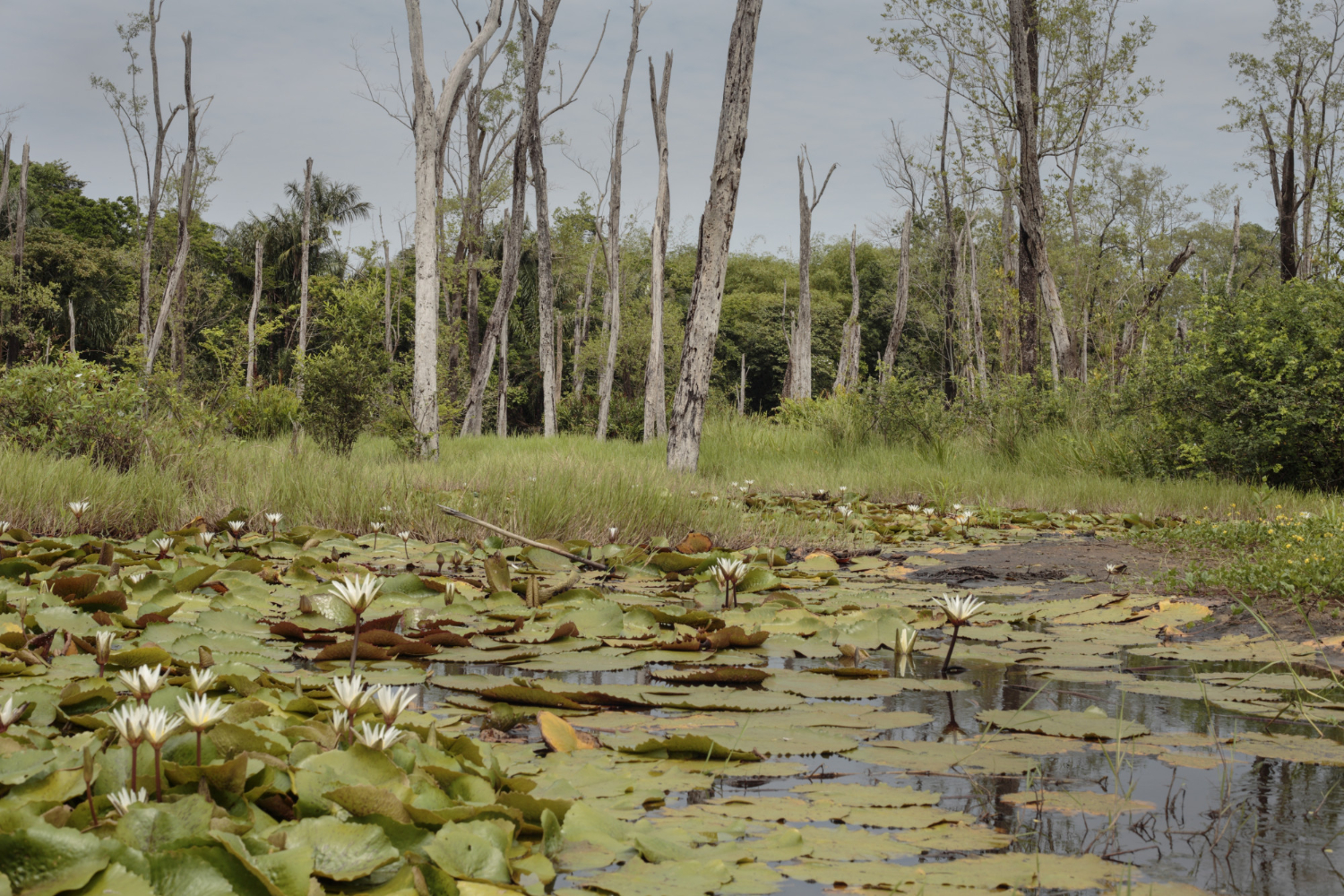
A fen is fed by water that has passed through rock and soil, arriving with dissolved minerals, which makes it far richer and less acidic than a bog.
The vegetation is completely different as a result. The groundwater fen is the wetland whose chemistry was decided underground.
3. The Ground That Is Mostly Dead Plants
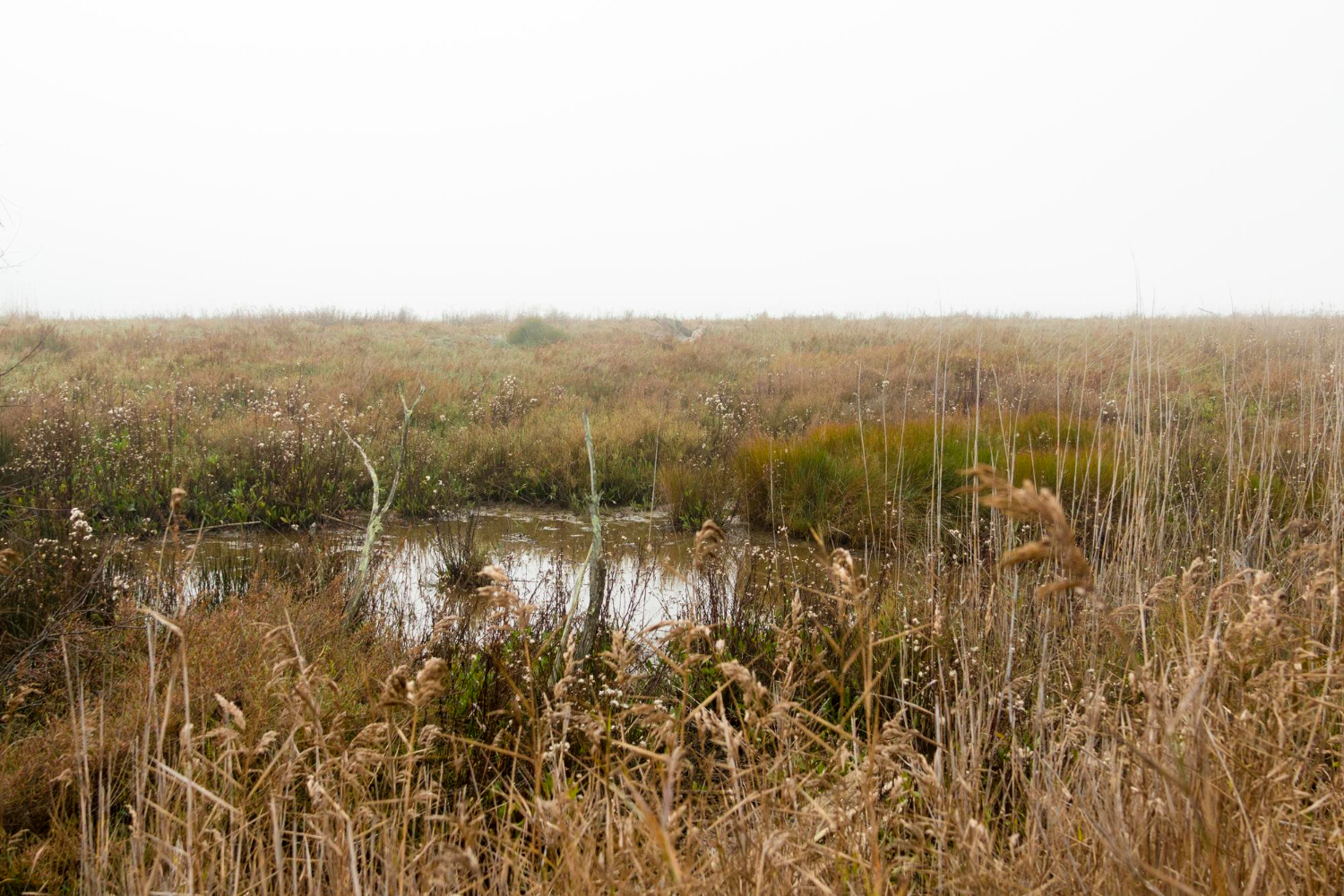
Where waterlogging keeps oxygen out, plant material does not fully decompose, and accumulates instead – producing peat that builds up over thousands of years at a rate of about a millimetre a year.
You are standing on several millennia of incomplete decay. Peat ground is the wetland where the soil is the vegetation that failed to rot.
4. The Marsh With No Peat
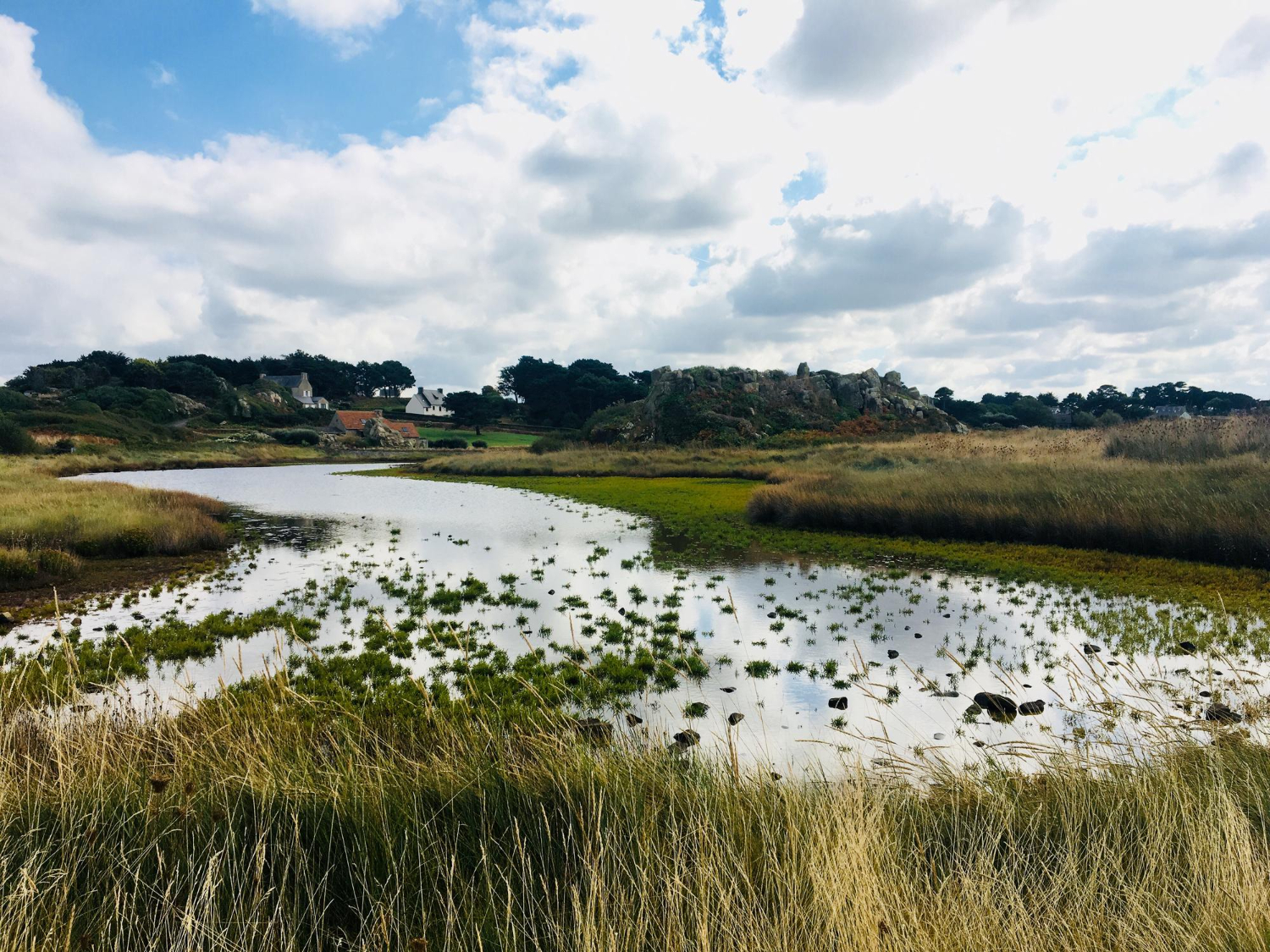
Marshes are wetlands on mineral soil rather than peat, generally with moving water and higher nutrients, supporting reeds, sedges and grasses rather than mosses.
The distinction from a bog is fundamental rather than a matter of degree. The mineral marsh is the wetland where the ground is soil rather than accumulation.
5. The Wetland With Trees In It
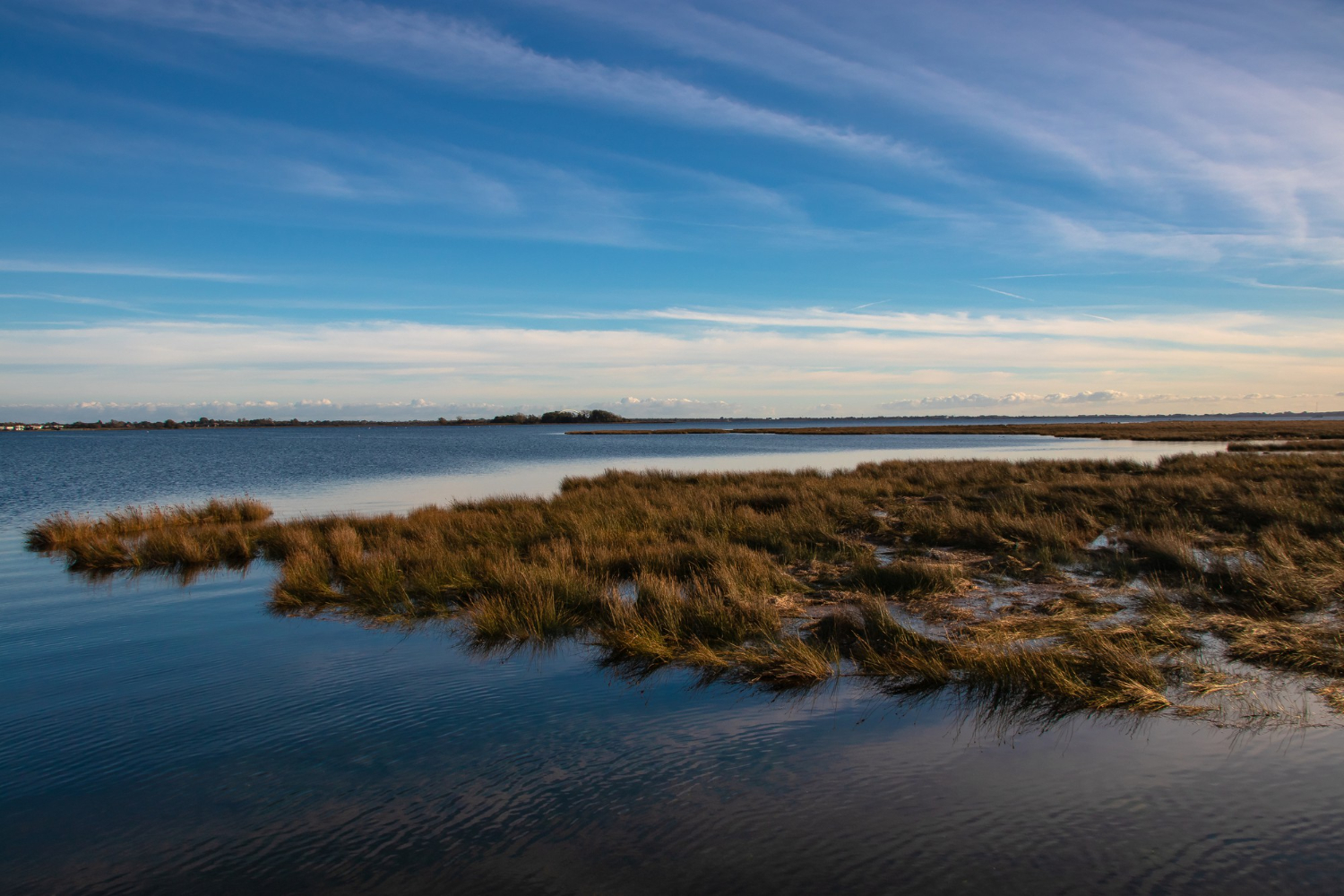
A swamp is a wetland dominated by trees rather than herbaceous plants, which requires species able to tolerate roots in standing water for extended periods.
Specialised root structures rising above the water are the giveaway. The wooded swamp is the wetland where trees solved a problem most trees cannot.
6. The Floodplain That Is Wet for Two Months
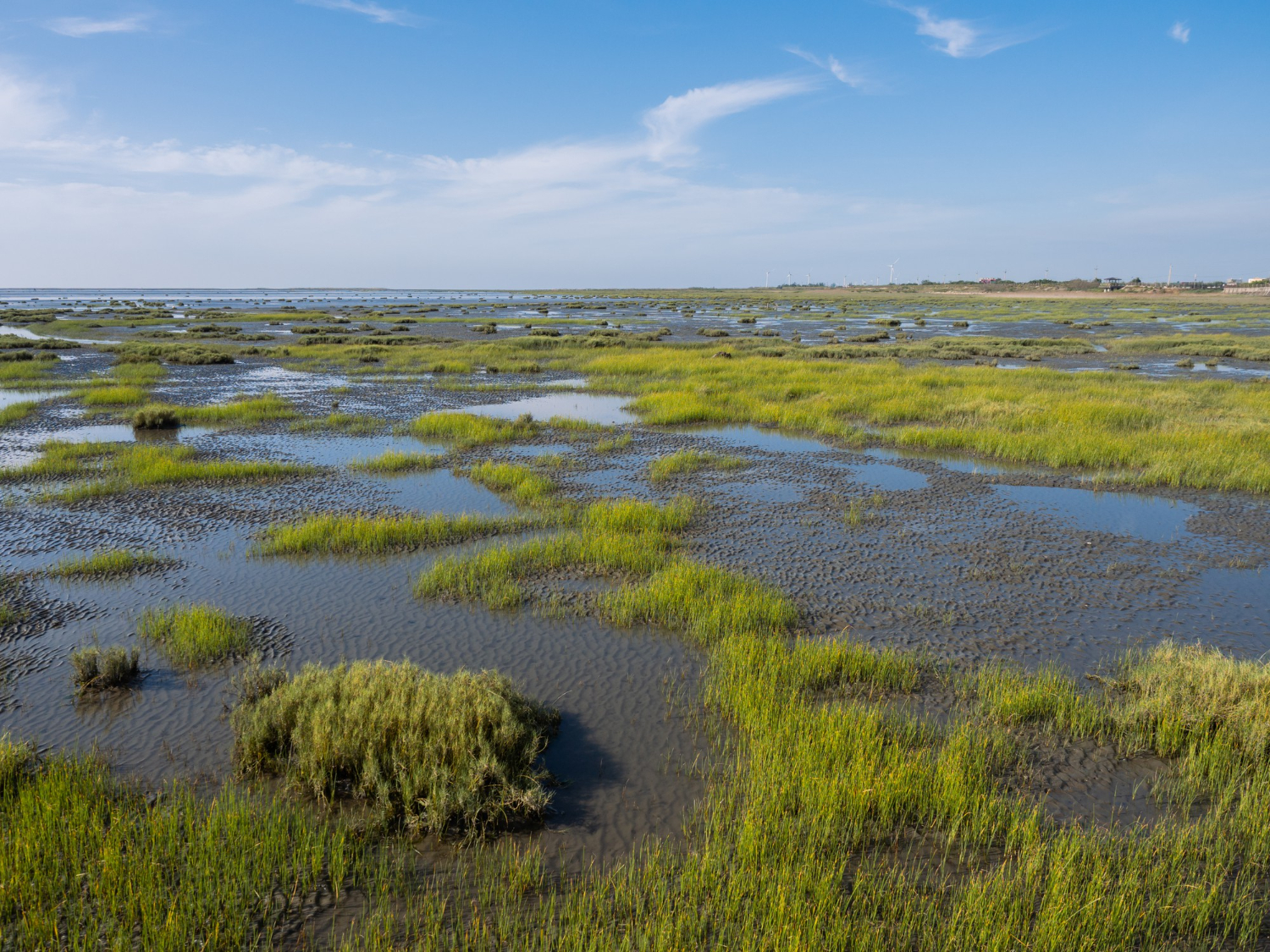
Some wetlands exist only seasonally, when a river spills across flat ground and then retreats, leaving ground that is grassland for most of the year.
Visiting at the wrong time shows you a field. The seasonal floodplain is the wetland with a calendar.
7. The Salt Marsh and Its Zones
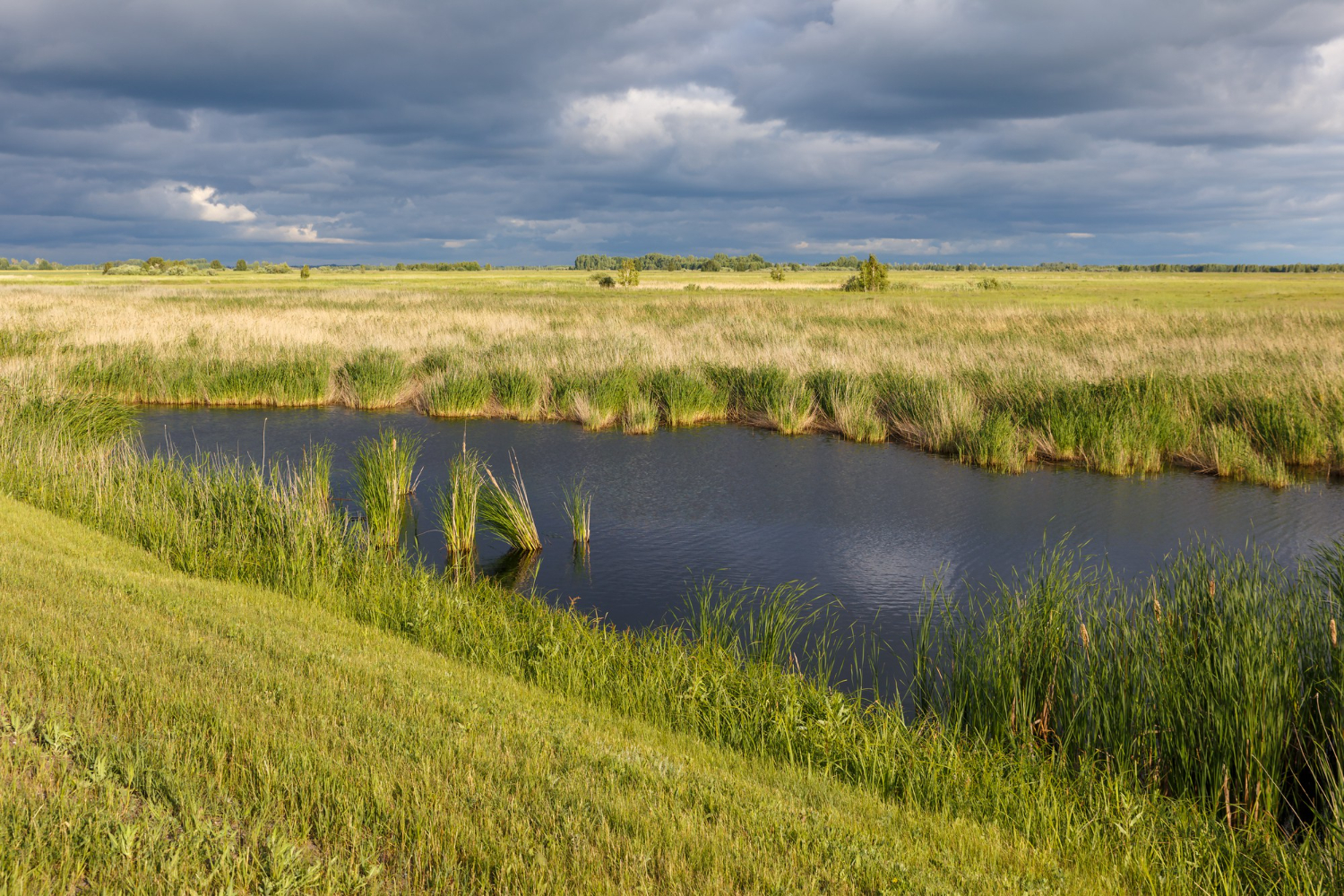
Tidal marshes are flooded twice daily by seawater, and the vegetation arranges itself in strict horizontal bands according to how often each level is submerged.
The zonation is visible as stripes from any height. The salt marsh is the wetland whose plant map is a tide table.
8. The Floating Wetland
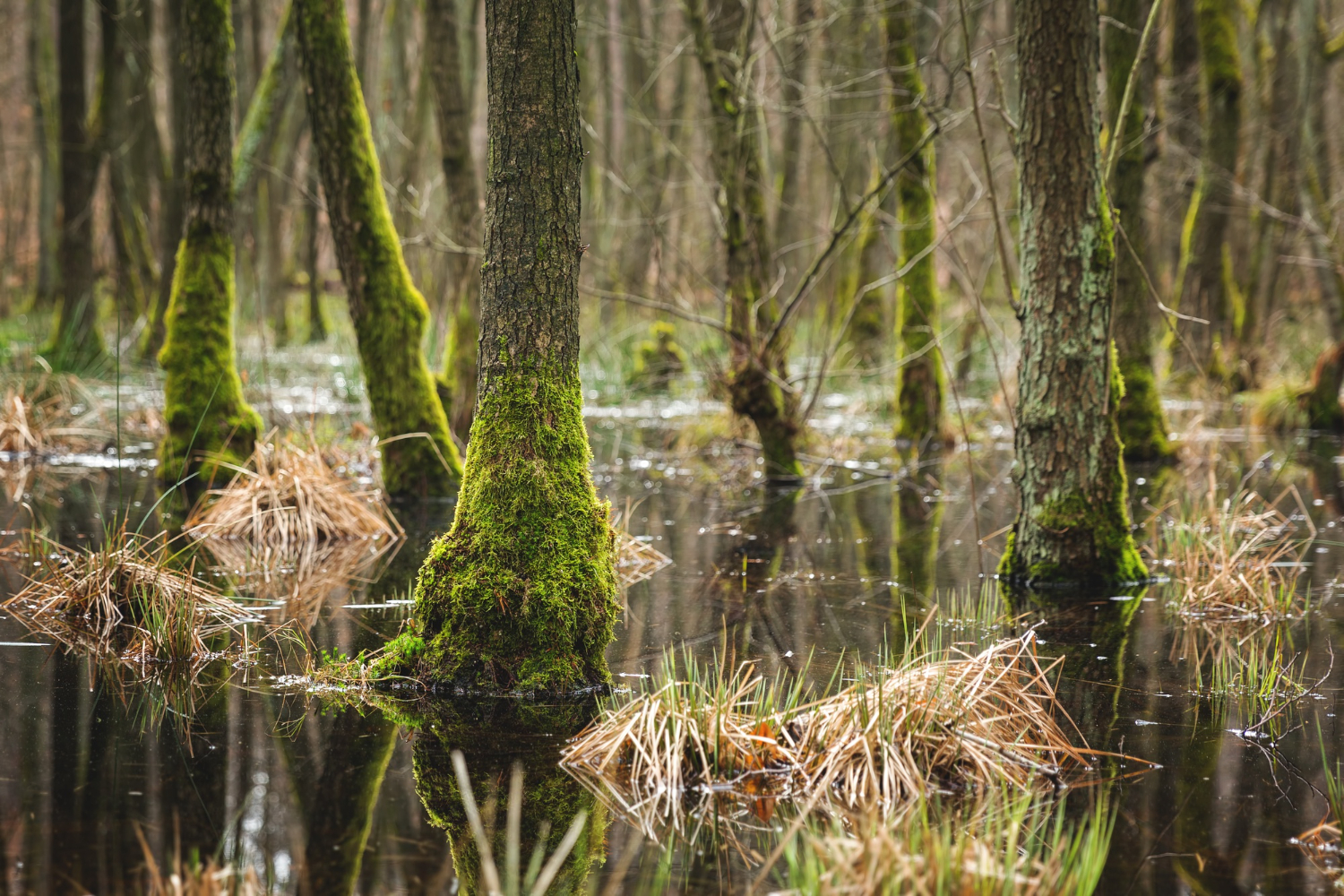
Mats of vegetation and accumulated root material can form over open water, thick enough to walk on, and are not attached to the bottom at any point.
They rise and fall with the water level. The floating wetland is the ground that has no ground under it.
9. The Wetland That Preserves Things
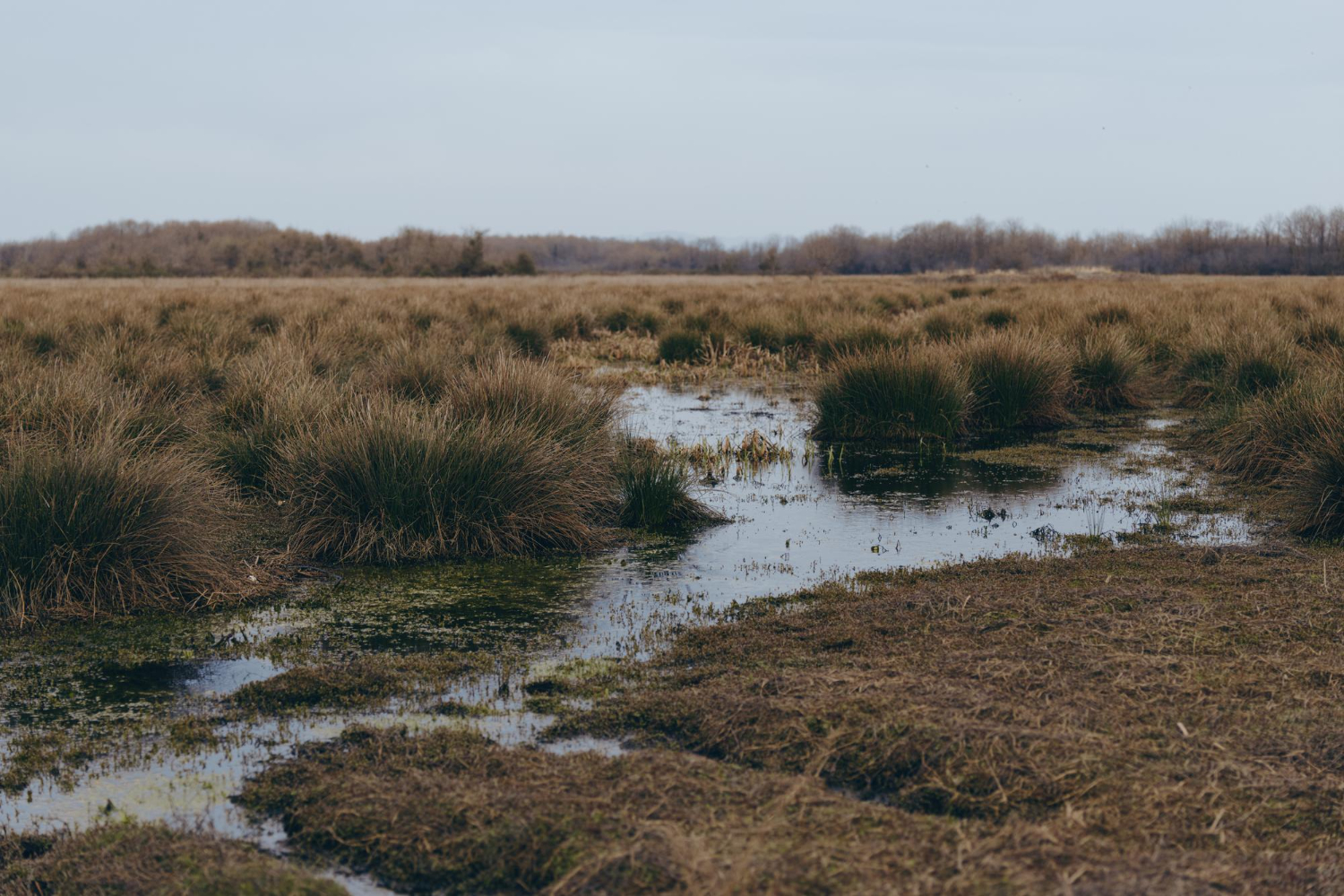
Waterlogged, oxygen-free conditions prevent the decay of organic material, so objects lost in wetlands can survive for thousands of years in extraordinary condition.
Wooden trackways, tools and structures have been recovered intact. The preserving wetland is the landscape that functions as an archive.
10. The Mangrove Coast
Tropical tidal wetlands dominated by salt-tolerant trees with aerial roots, which trap sediment, resist wave energy and build land seaward over time.
They are the tropical counterpart of the salt marsh. The mangrove wetland is the version where the vegetation is constructing coastline.
11. The Wetland That Absorbs a Flood
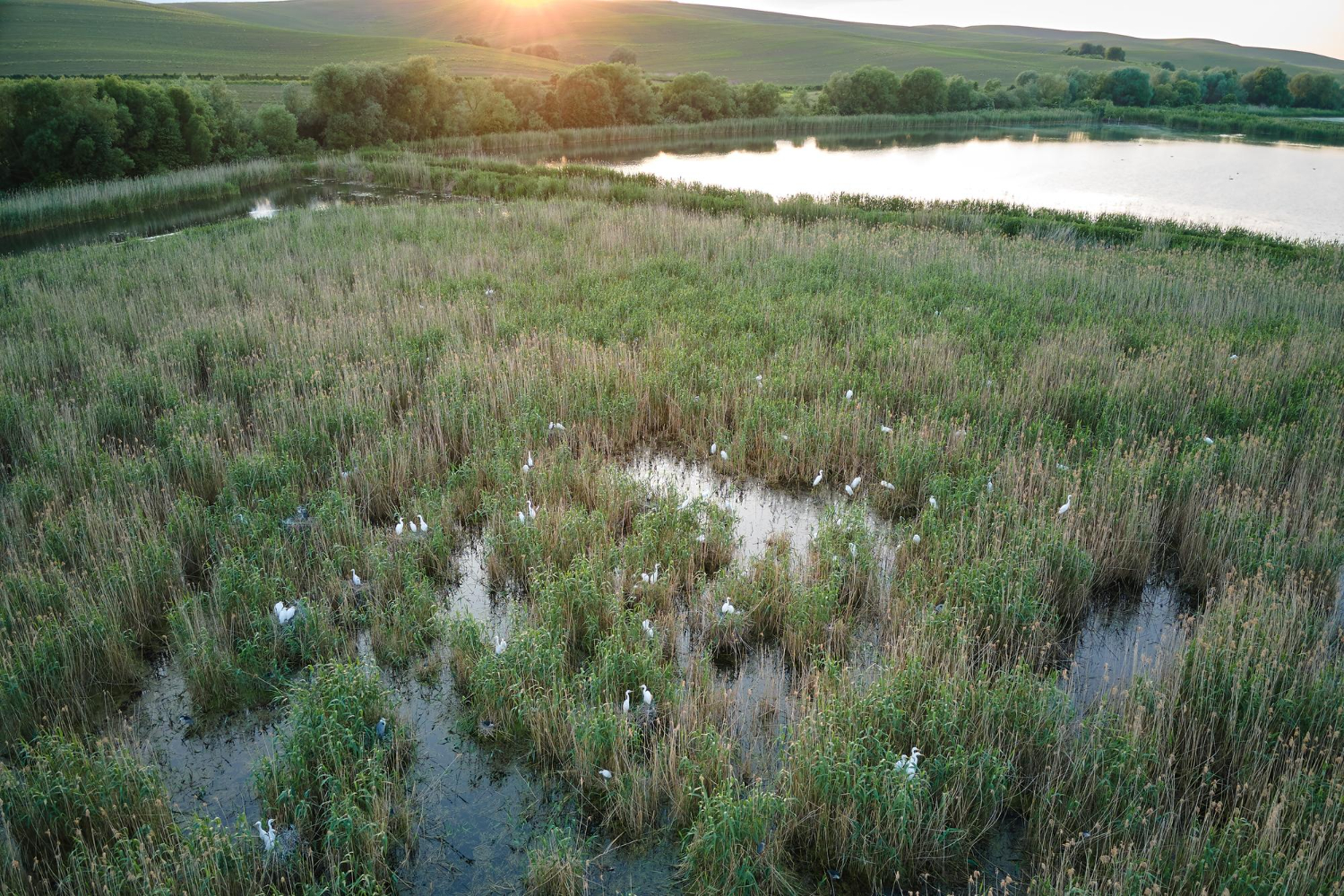
Wetlands store enormous volumes of water and release it slowly, which reduces the peak of a flood downstream and sustains flow during dry periods.
The function is invisible until it is removed. The buffering wetland is the landscape doing work nobody notices.
12. The Spring-Fed Wetland
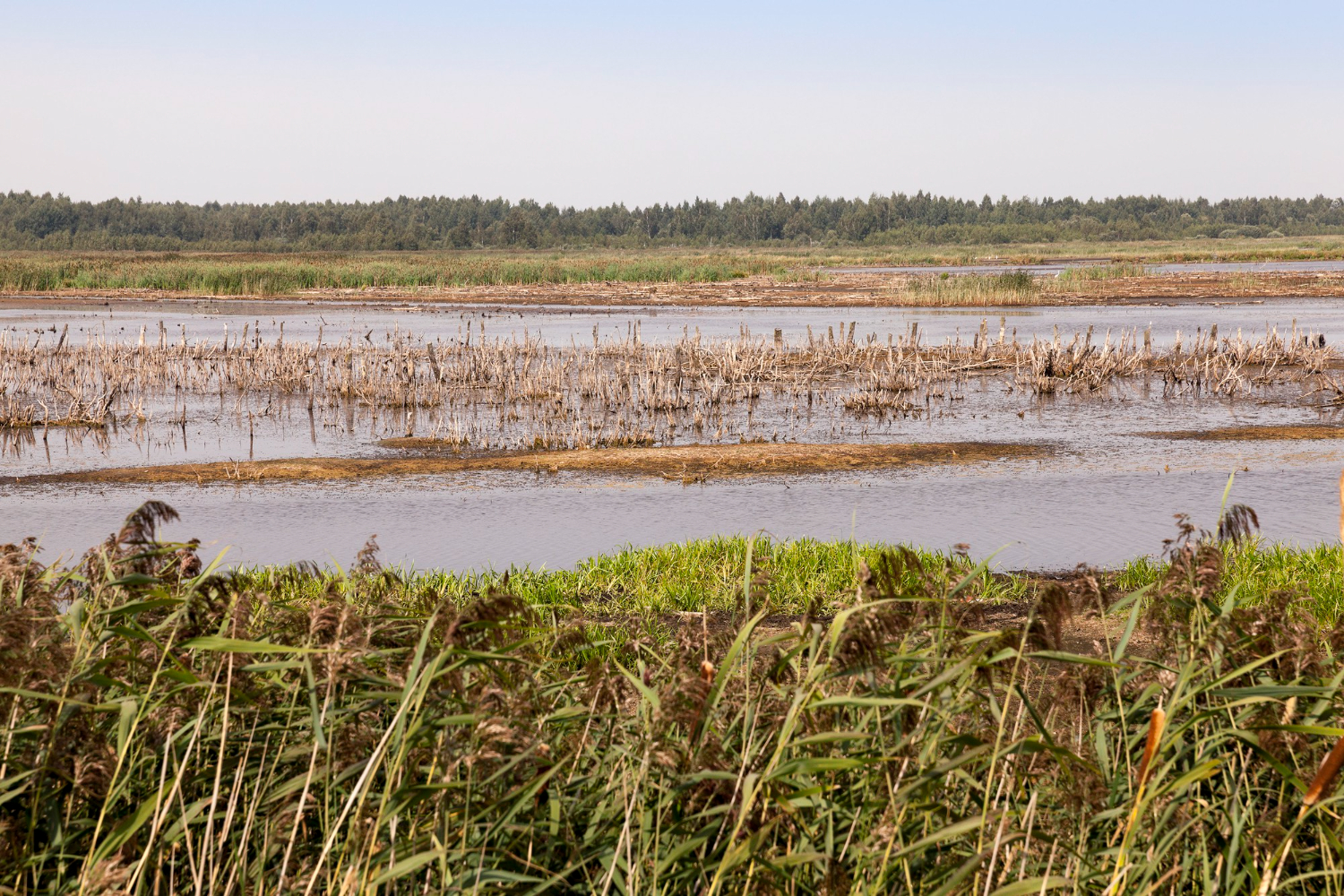
Where groundwater emerges under pressure, a wetland forms around the emergence point, frequently with a constant temperature year-round and vegetation that reflects it.
Some remain unfrozen through winter. The spring wetland is the version with its own climate.
13. The Wetland Somebody Made
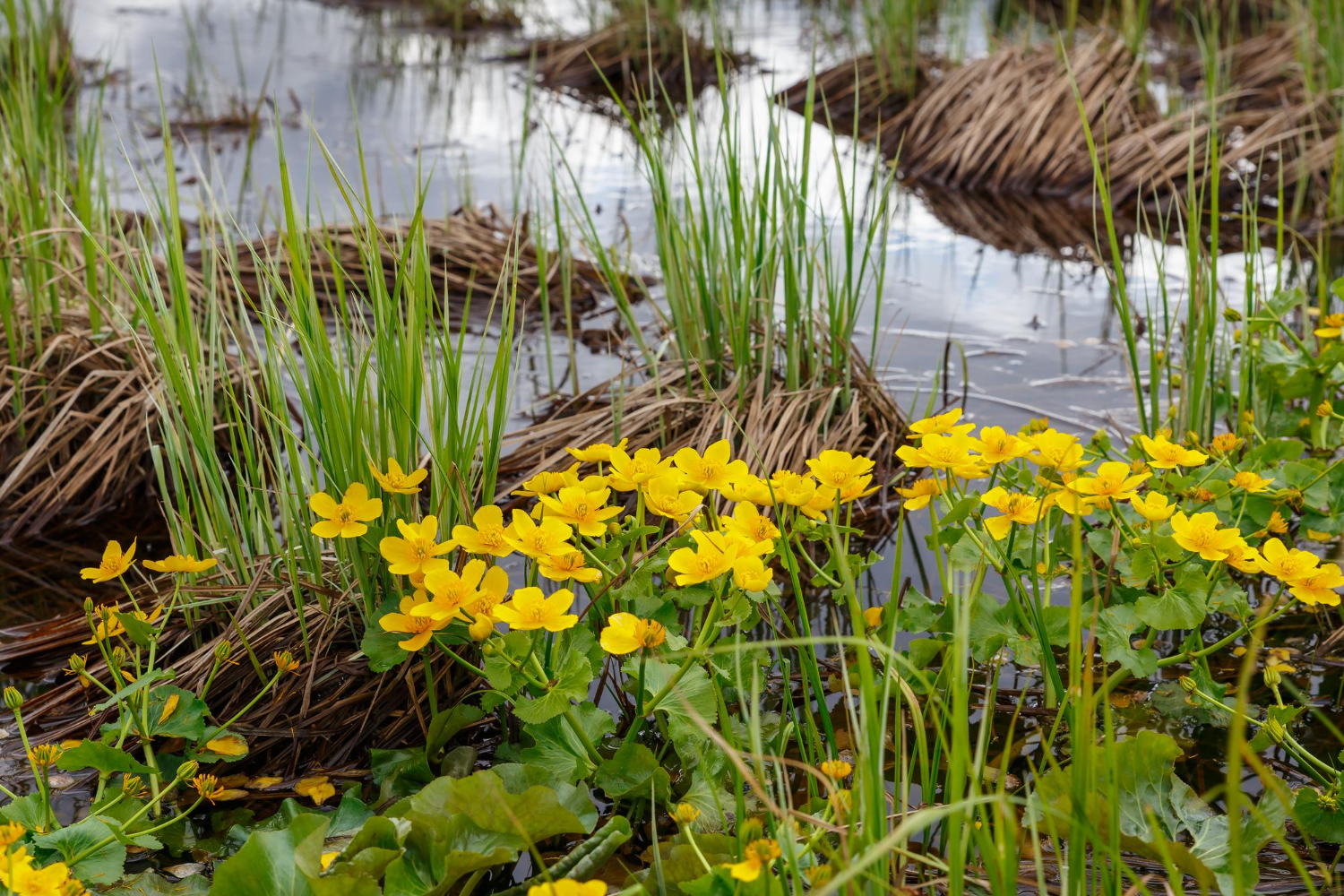
A substantial proportion of wetland worldwide is managed, created or maintained deliberately – for water treatment, wildfowl, flood storage or agriculture.
Some are centuries old and indistinguishable from natural ones. The constructed wetland is the landscape that is entirely a decision.
14. The Wetland That Is a Bird Junction
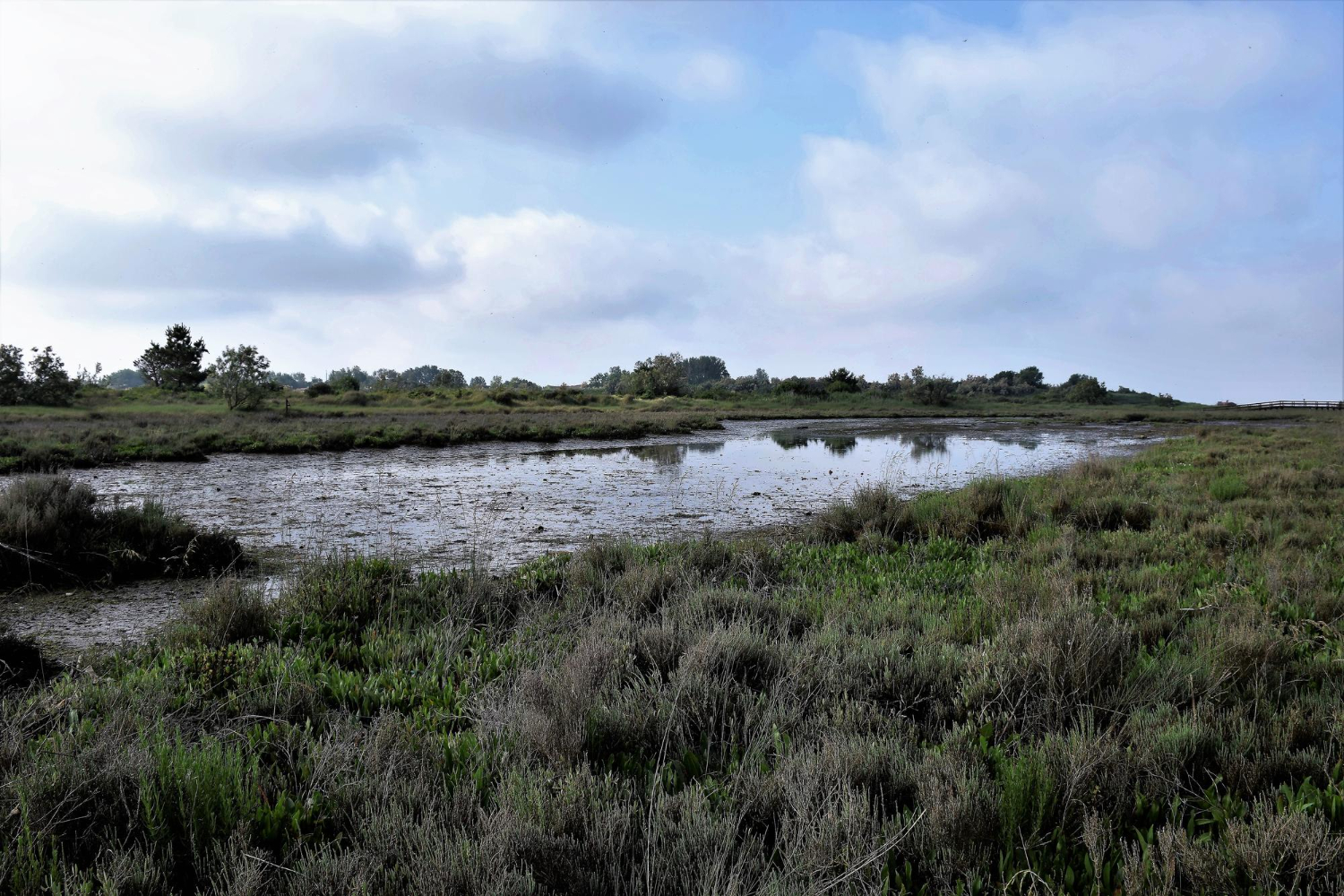
Wetlands on migration routes hold extraordinary numbers of birds for short periods and comparatively few otherwise, so the same place is spectacular or quiet depending on the week.
Timing determines everything about a visit. The migration wetland is the landscape whose population is seasonal.
15. The Wetland That Was Drained
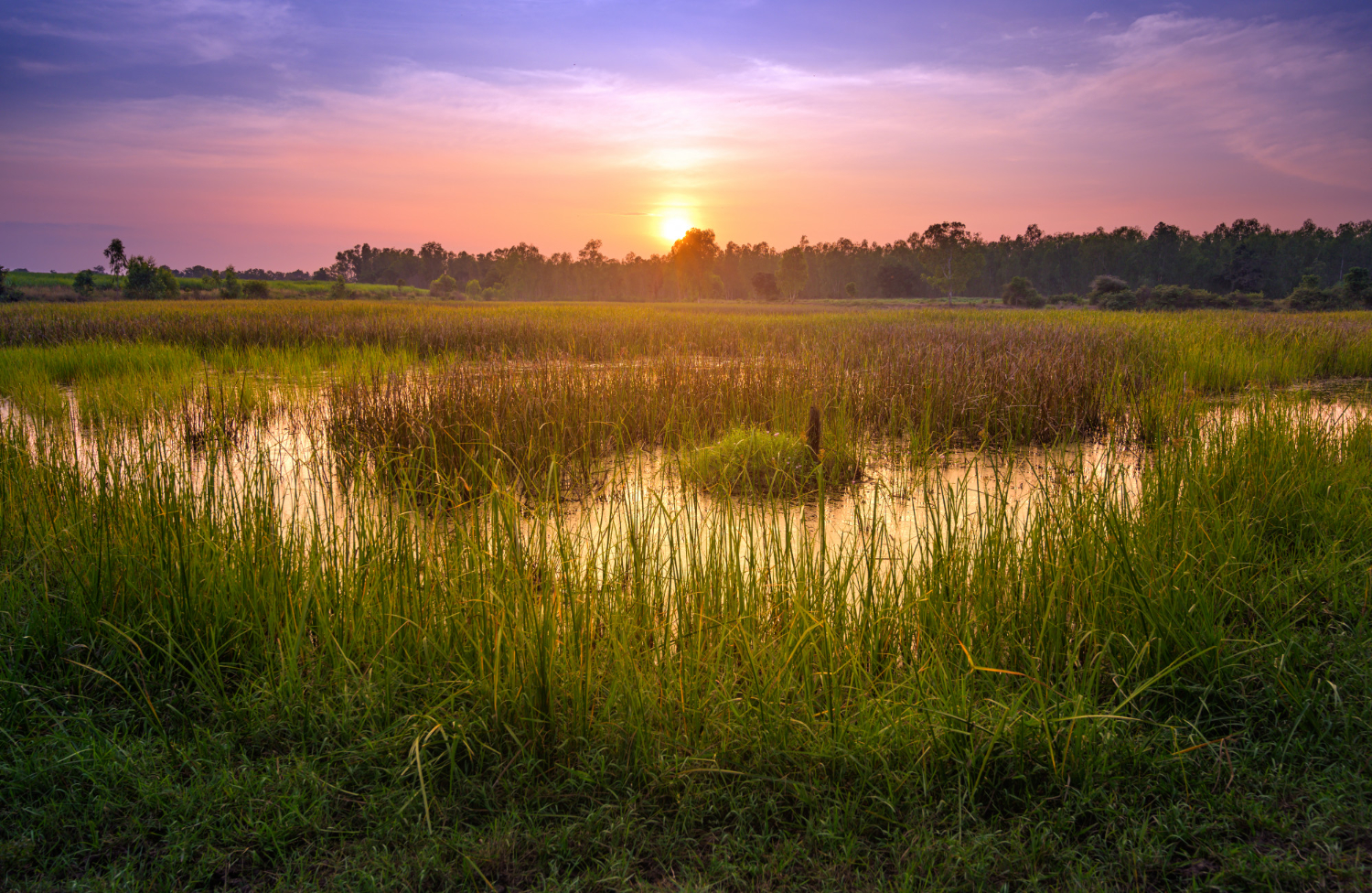
Enormous areas of wetland were drained historically because the resulting land was fertile and flat, and the evidence survives in field patterns, ditches and place names.
Some of that ground has since sunk as the peat beneath it wasted away. The drained wetland is the landscape that is now a field with a memory.
16. The Wetland You Cannot Tell the Depth Of
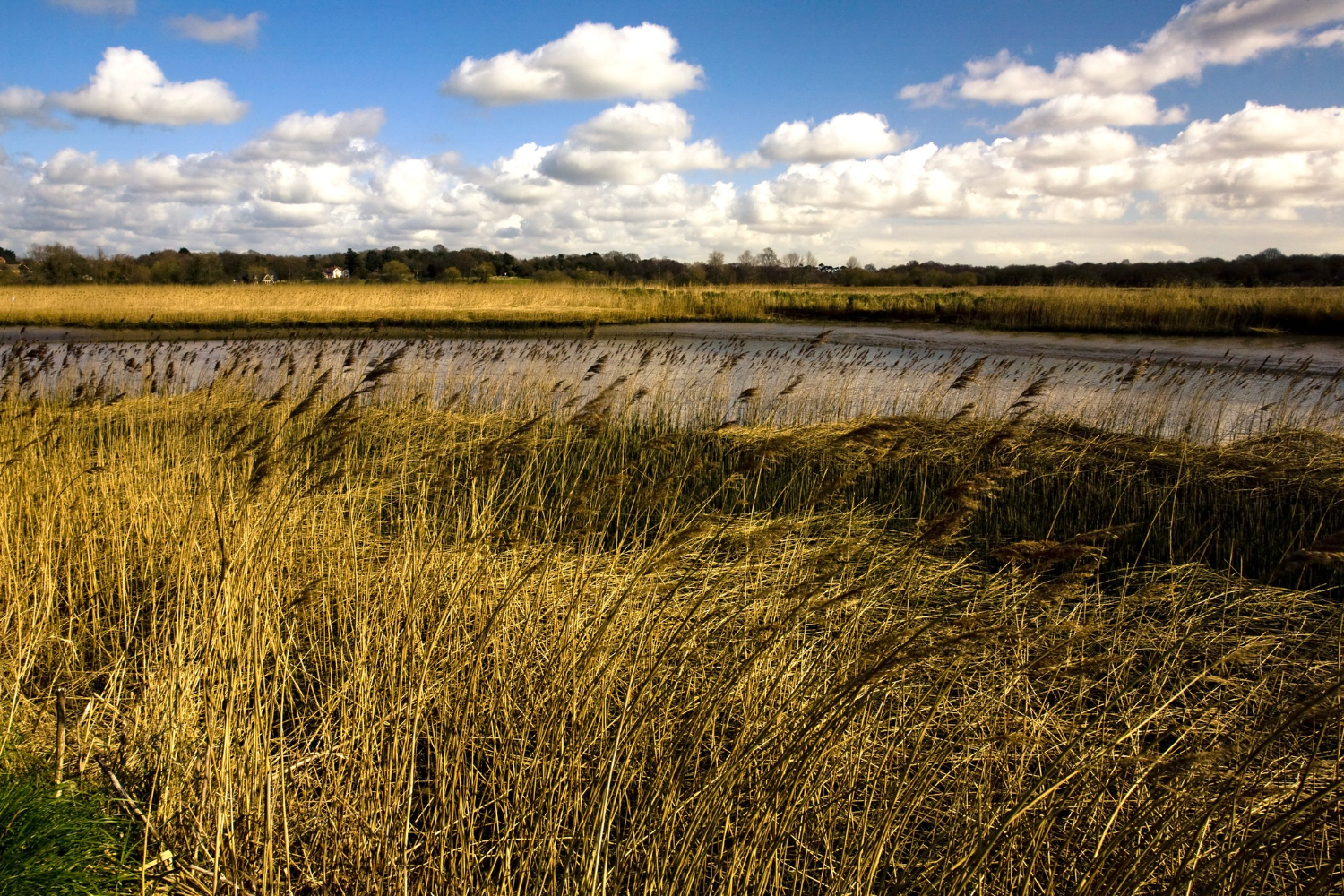
Standing water over vegetation, peat or soft sediment gives no reliable indication of depth, and ground that looks solid frequently is not.
This is the defining practical problem of every wetland on this list. Uncertain depth is the wetland characteristic that governs how anybody should behave in one.
Ask Where the Water Comes From
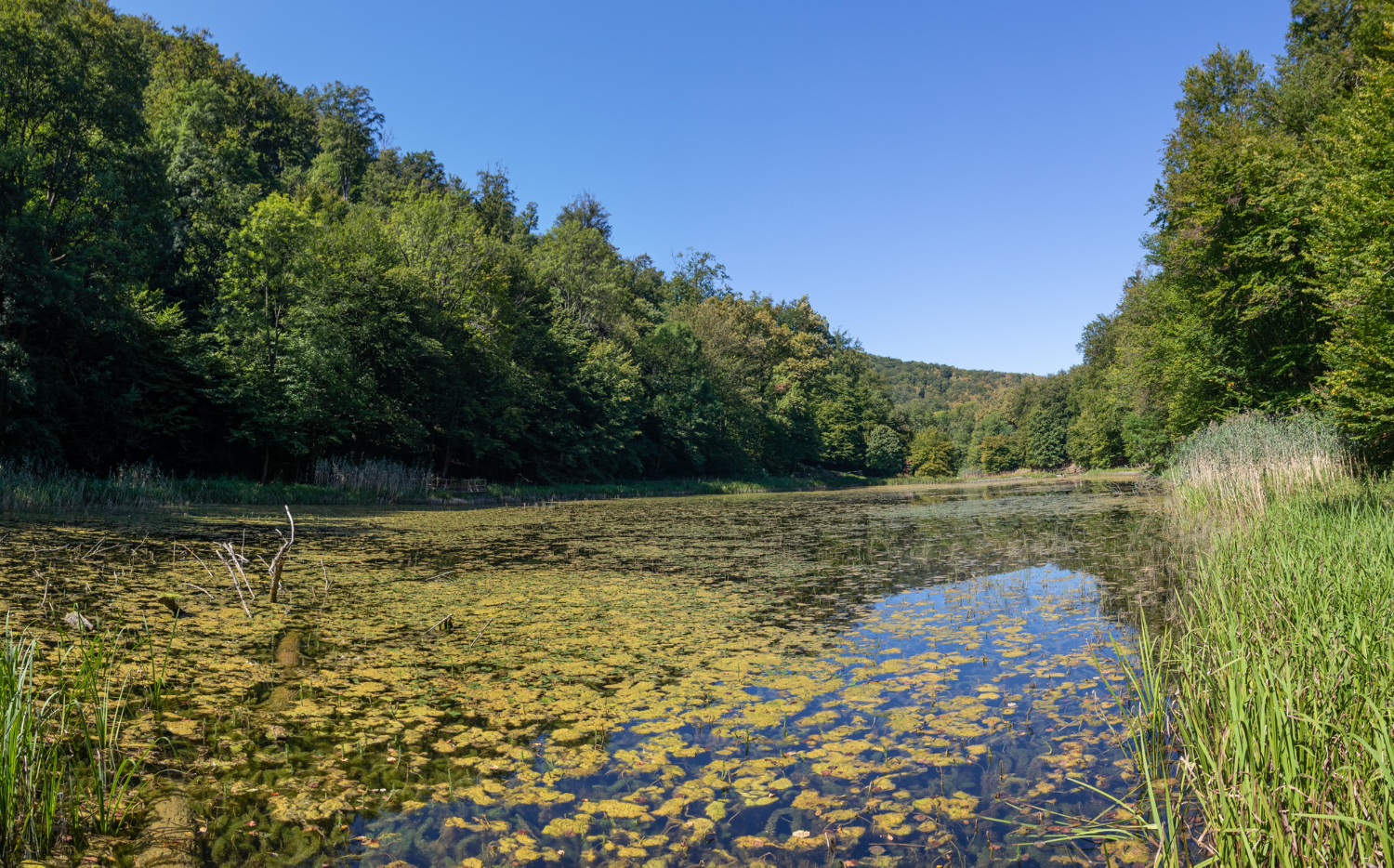
Rainfall, groundwater, river or tide – four sources producing four chemistries, and everything about a wetland follows from which one fills it.
Practical notes worth taking seriously: ground in a wetland is frequently not what it appears to be, water depth cannot be judged by looking, tidal marshes cover faster than people expect, and flat featureless wetland is truly disorienting in poor visibility. Stick to boardwalks and marked routes where they exist, and treat anywhere without them as somewhere to go with local knowledge rather than on impulse.
Like our content? Follow us for more.