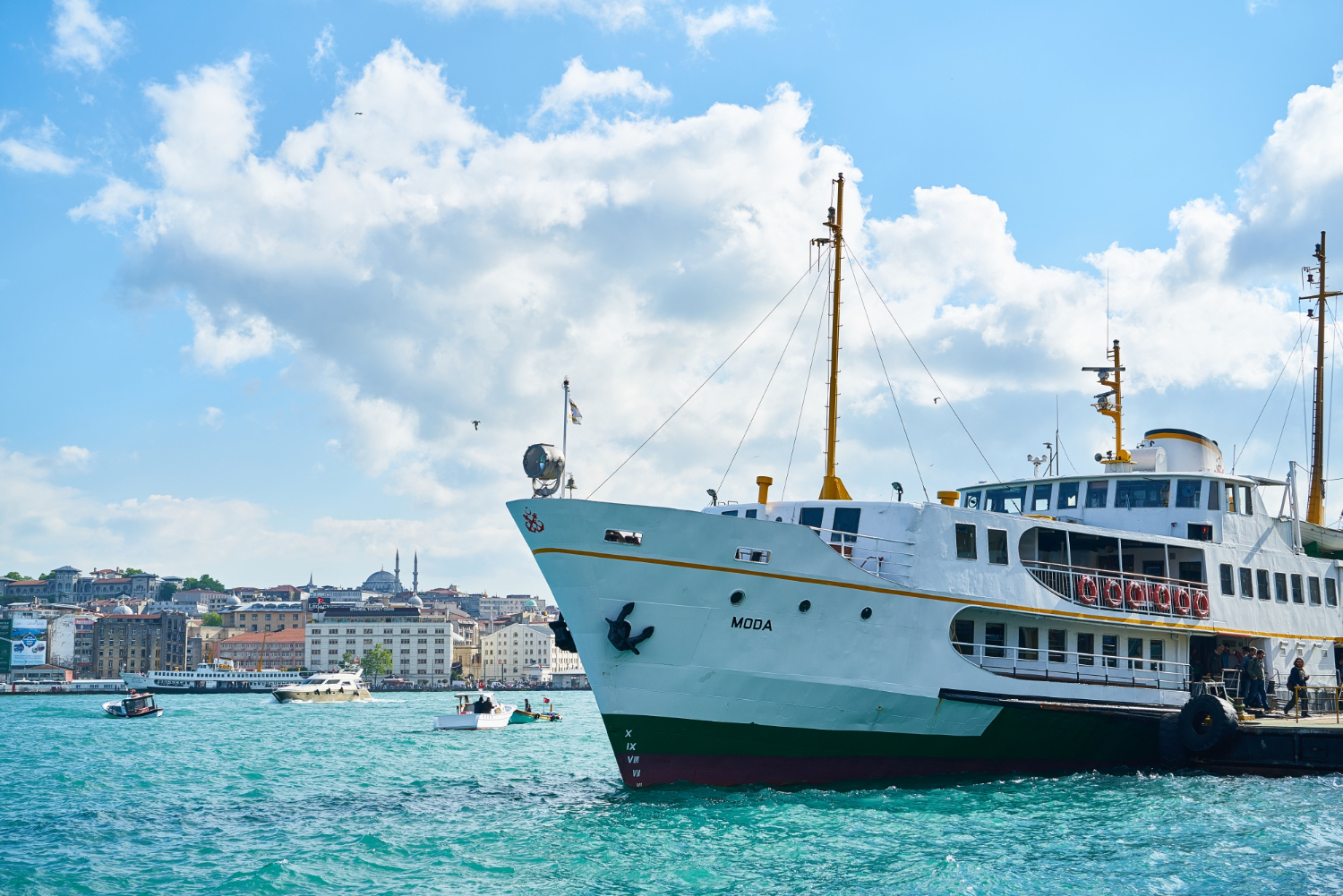
What makes a sea crossing different from every other way of covering the same distance is that you can see the distance being covered, and you are free to move around while it happens. Here are eleven consequences.
1. You Arrive Facing the Place
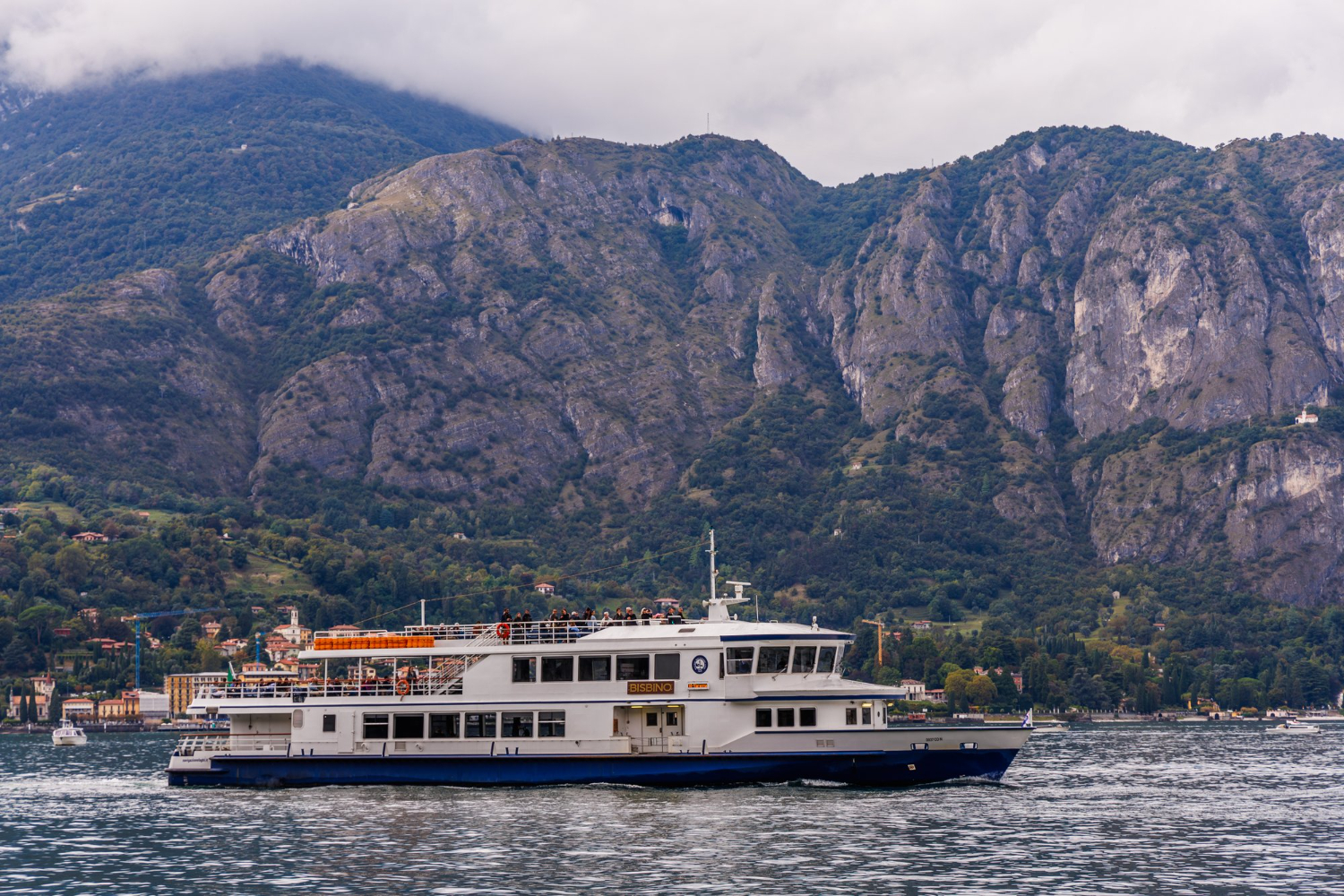
A ferry approaches a coastline the way people have arrived for as long as anybody has arrived, so you watch the destination appear, resolve and become detailed over an hour.
No other modern transport gives you that. The approach is the ferry advantage that arrivals by air remove entirely.
Like our content? Follow us for more.
2. You Can Walk About
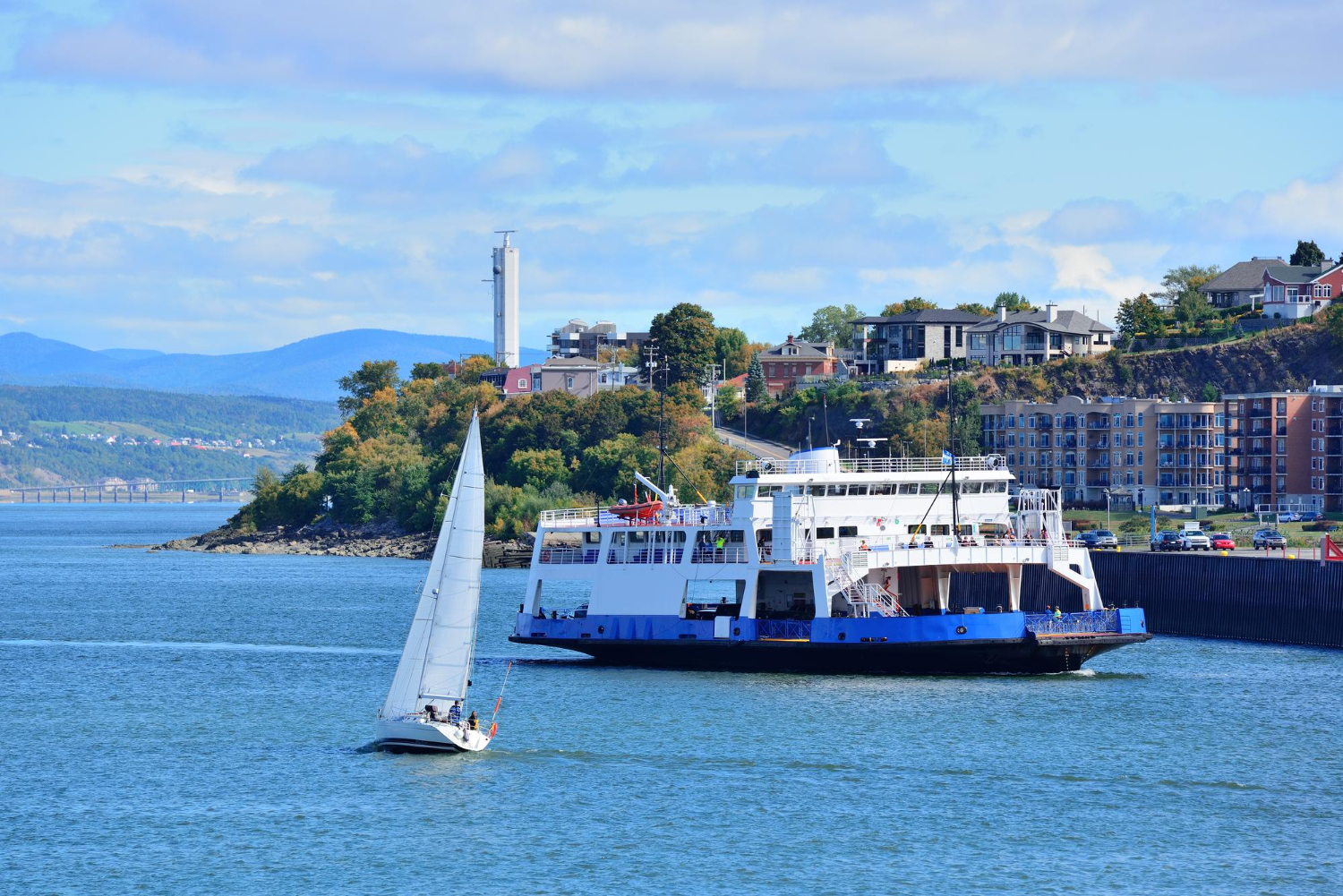
Being able to move around, go outside, change position and find a different view for the whole journey is the single largest difference from any seat-based transport.
A three-hour crossing is truly shorter than a three-hour flight. Freedom of movement is the ferry property that changes how long the time feels.
3. The Sea Is Doing Something the Entire Time
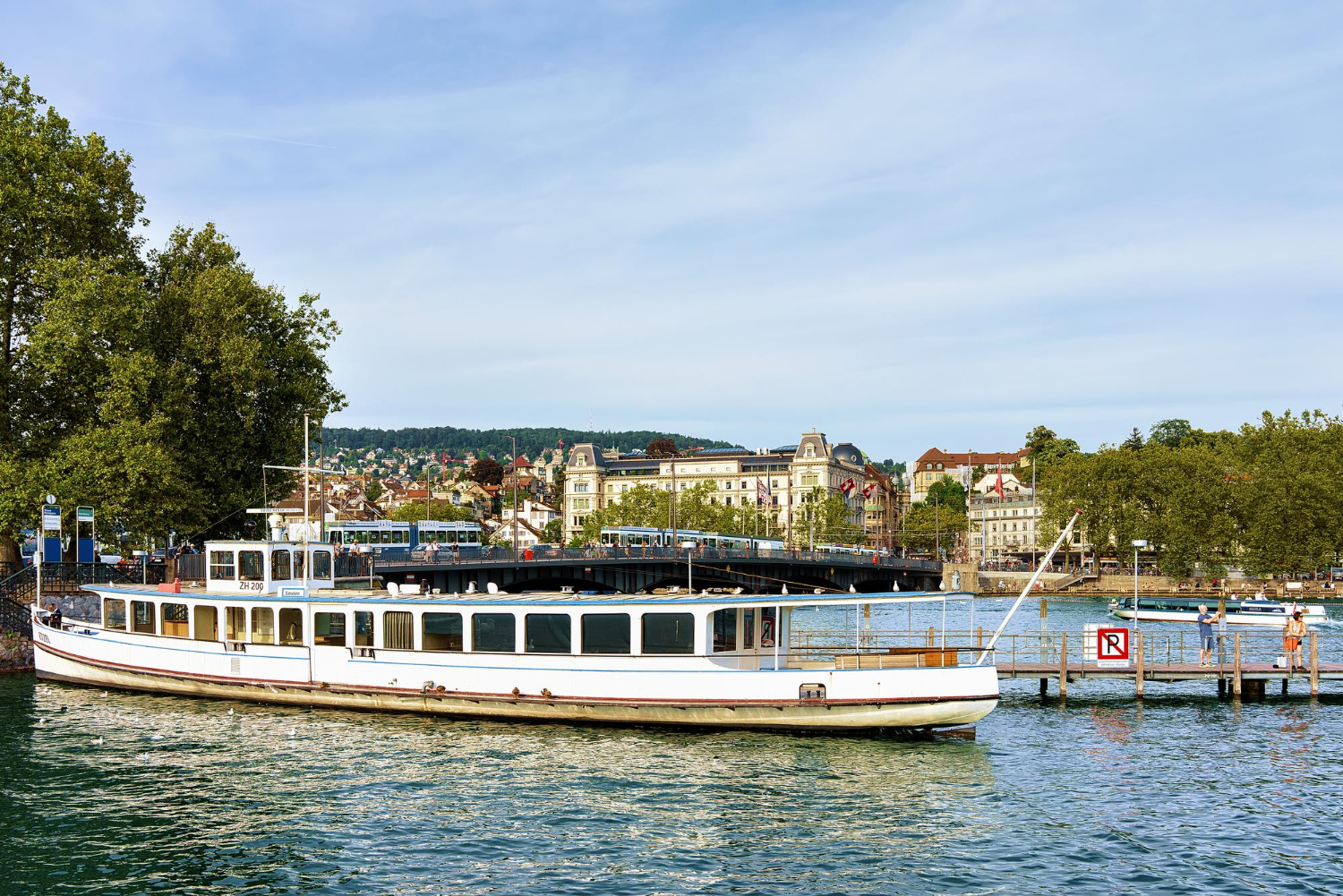
Water, weather, light, wildlife, other vessels and coastline give a changing view for the whole crossing, which almost no land or air journey offers.
People who expect to be bored generally are not. The changing view is the ferry feature that makes the duration usable.
4. It Takes Your Car and Your Luggage Without Comment
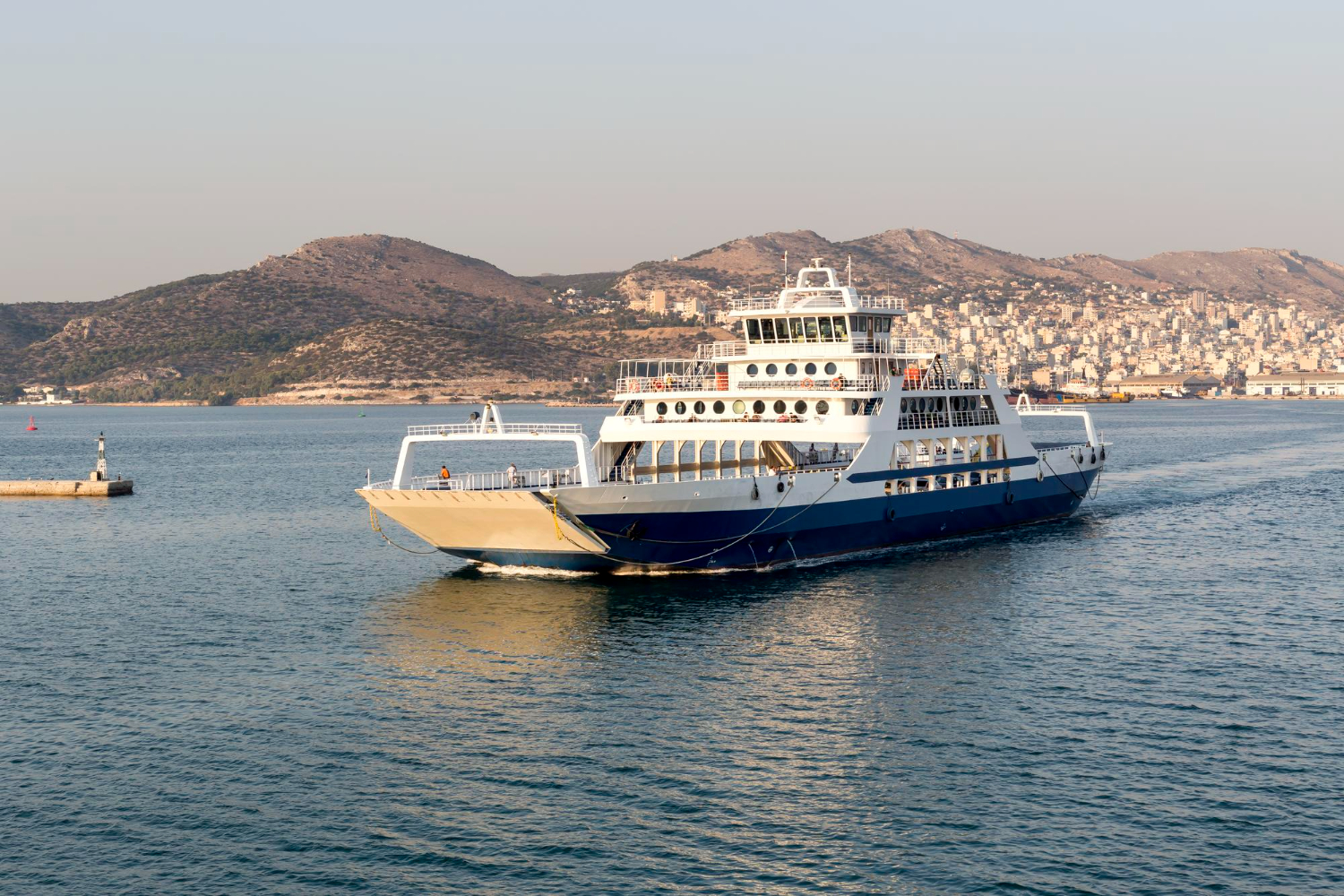
Vehicles, bicycles, bulky items and quantities of luggage travel without weighing, measuring, repacking or additional charges of the kind that dominate other modes.
This alone determines the choice for a great many journeys. Loading without scrutiny is the ferry practicality that removes an entire category of anxiety.
5. Nothing Has to Be Unpacked
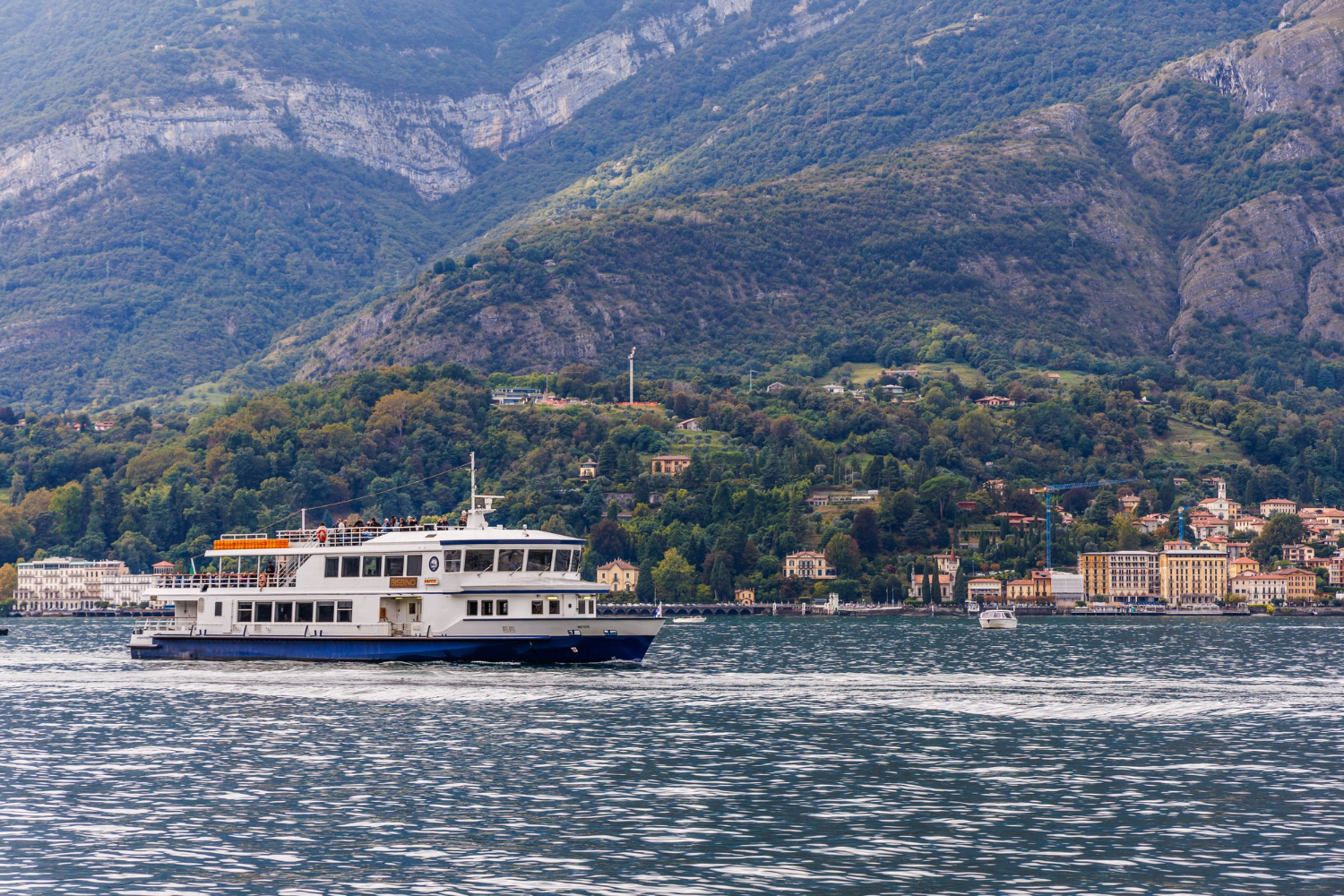
There is generally no security screening of the kind that requires unpacking, removing items or separating liquids, so what you carry stays as you packed it.
The saving in time and irritation is substantial. The absence of that process is the ferry convenience most people notice first.
6. You Can Choose Where to Be
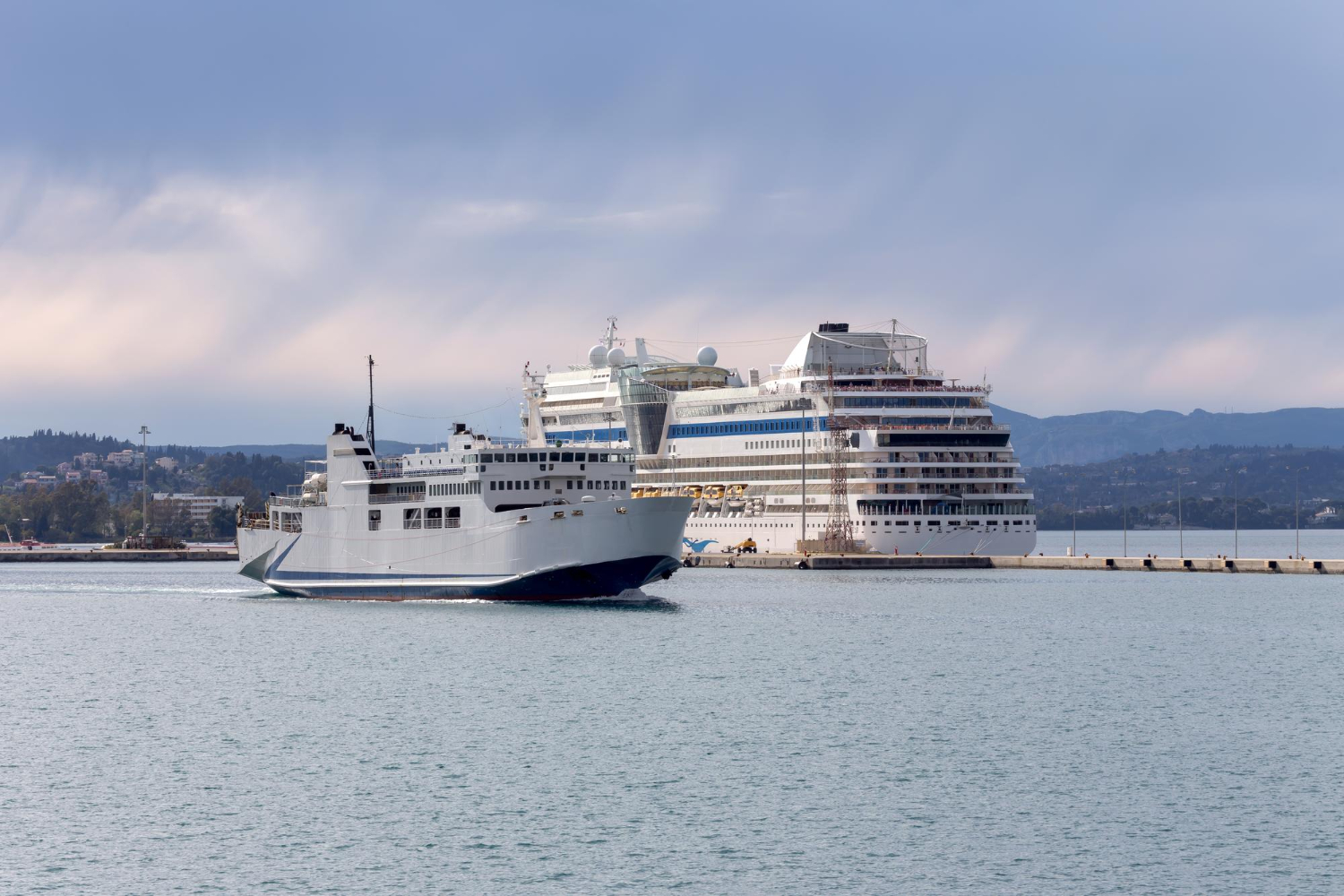
Higher decks move less, forward positions see more, sheltered spots suit bad weather and outside decks suit good, and you can move between them freely.
Choosing well makes a considerable difference to a crossing. Position choice is the ferry variable entirely within your control.
7. The Overnight Crossing Removes a Night From the Journey
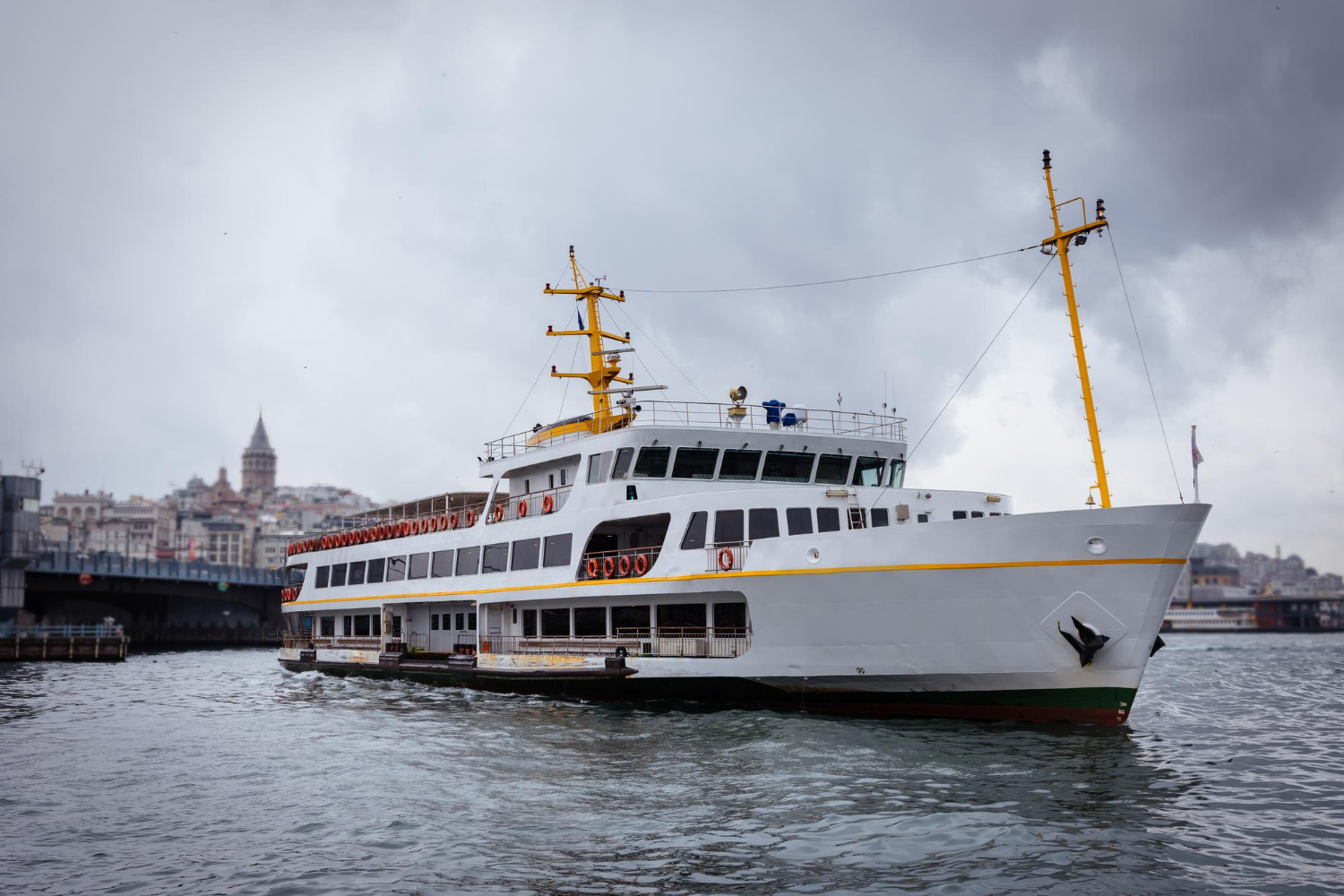
Sleeping while covering distance means arriving in the morning with the travelling already done, which is the same economics that made sleeper trains valuable.
You trade a hotel night for a cabin. Overnight crossings are the ferry arrangement that costs a night and returns a day.
8. It Goes Where Nothing Else Does
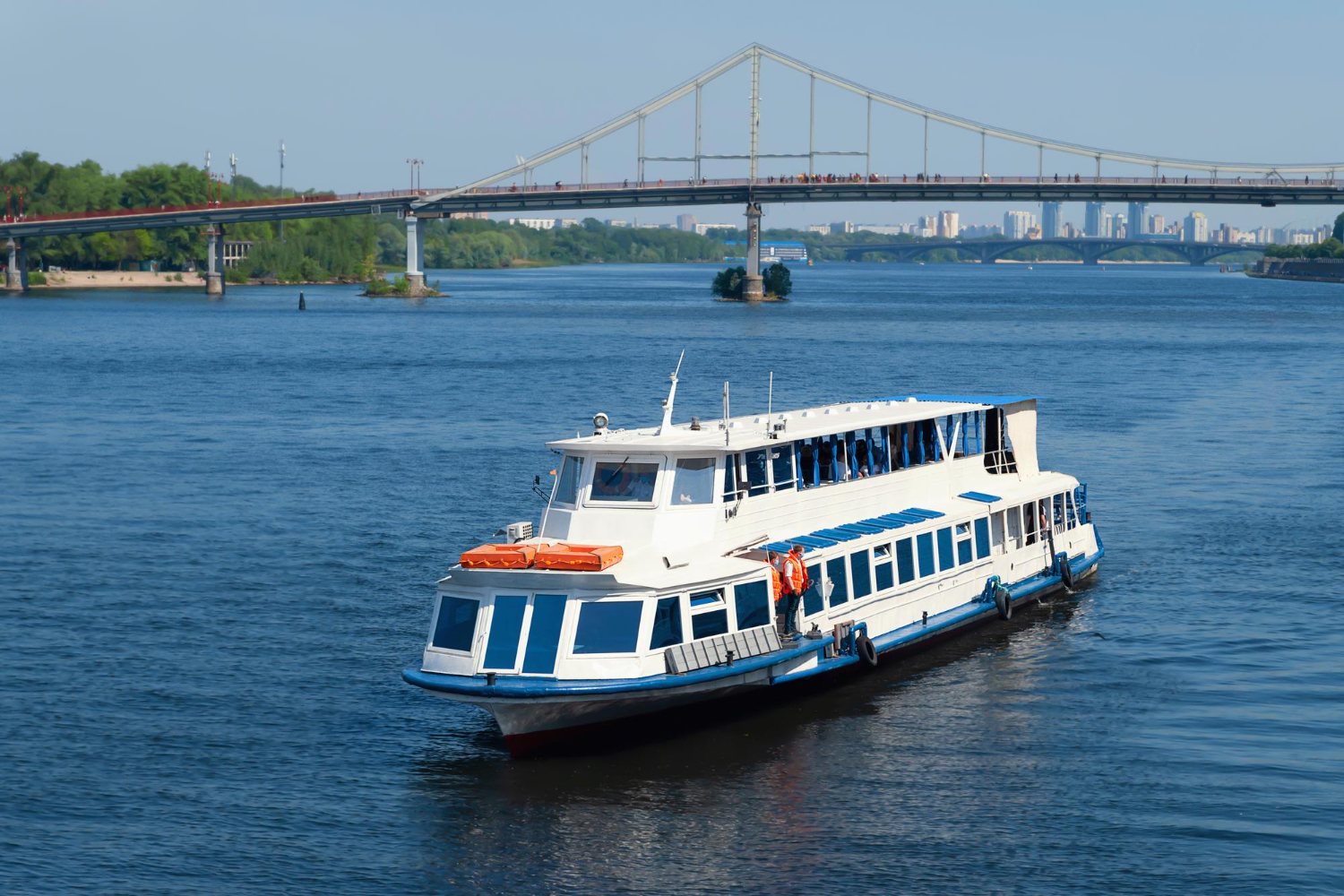
A great many islands, coastal communities and remote settlements have no realistic alternative, so the ferry is not the scenic option but the only one.
Those routes are also frequently the most interesting. Sole-access routes are the ferry services that are infrastructure rather than tourism.
9. The Other Passengers Are Going Somewhere Real
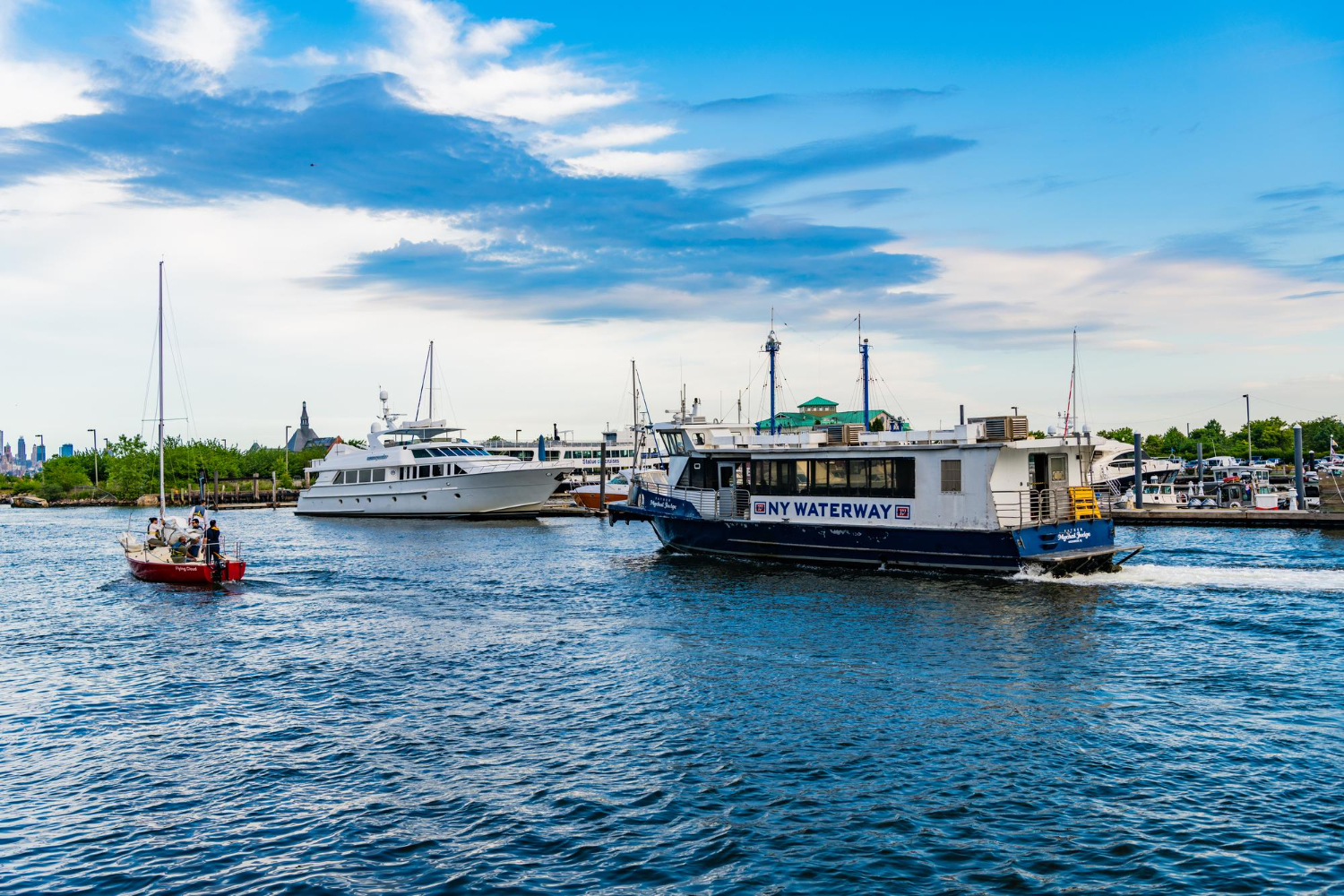
On working routes, most people aboard are travelling for ordinary reasons – home, work, family, deliveries – which makes the crossing part of local life rather than an attraction.
That is a quite different atmosphere from a tourist boat. The working route is the ferry where you are among people rather than among visitors.
10. It Puts a Gap Between Two Places
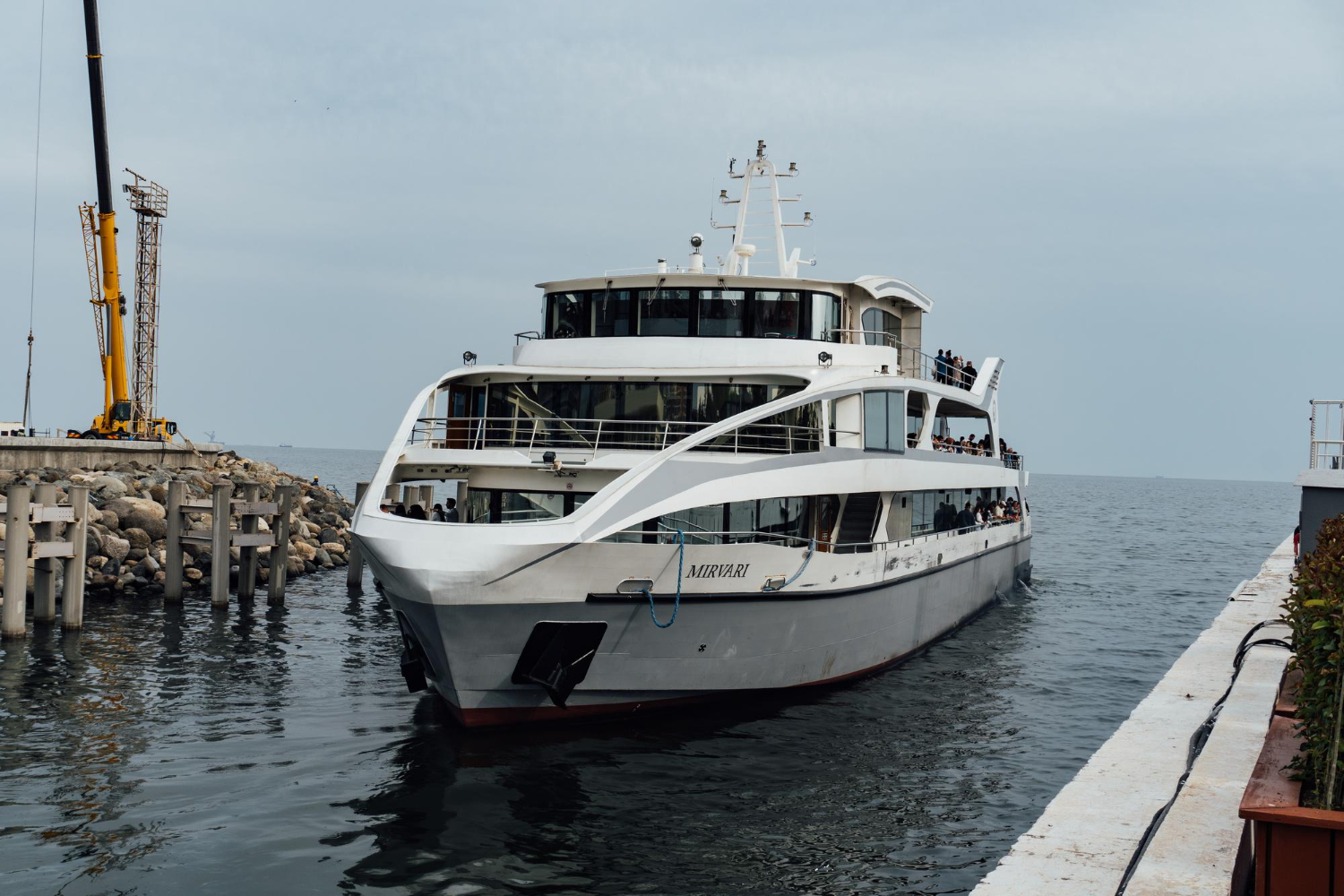
A crossing imposes a transition that flying compresses to nothing, so you arrive having registered that you have gone somewhere.
A great many people find that the crossing is what makes the destination feel distant. The transition is the ferry effect that has nothing to do with efficiency.
11. The Weather Is Truly in Charge
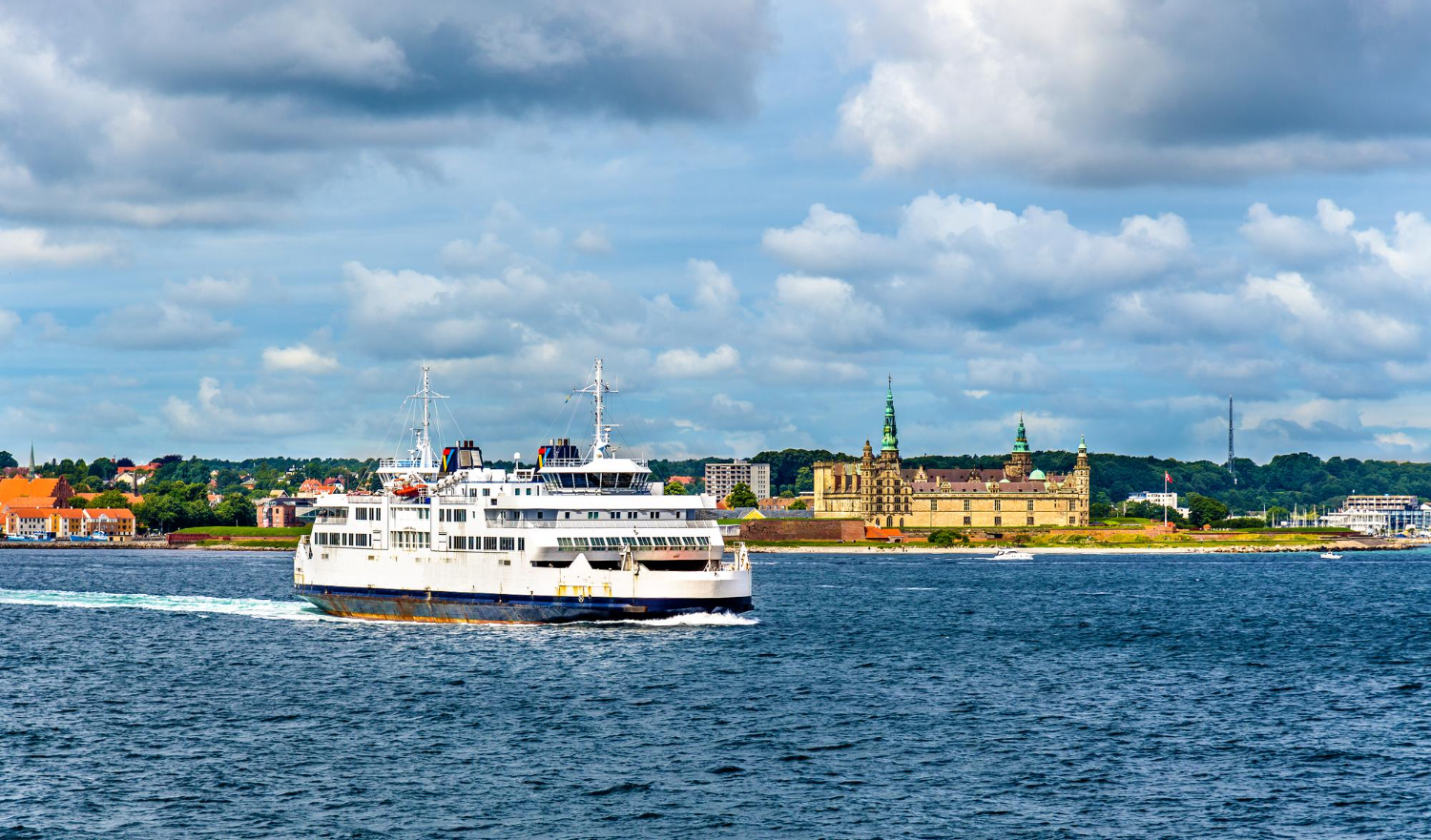
Sailings are cancelled, delayed and rerouted by conditions in a way that other transport largely conceals, which means a crossing is subject to something visible and unarguable.
Building slack into the plan is the only workable response. Weather dependence is the ferry limitation that has to be accepted rather than managed.
You Can See the Distance Going Past
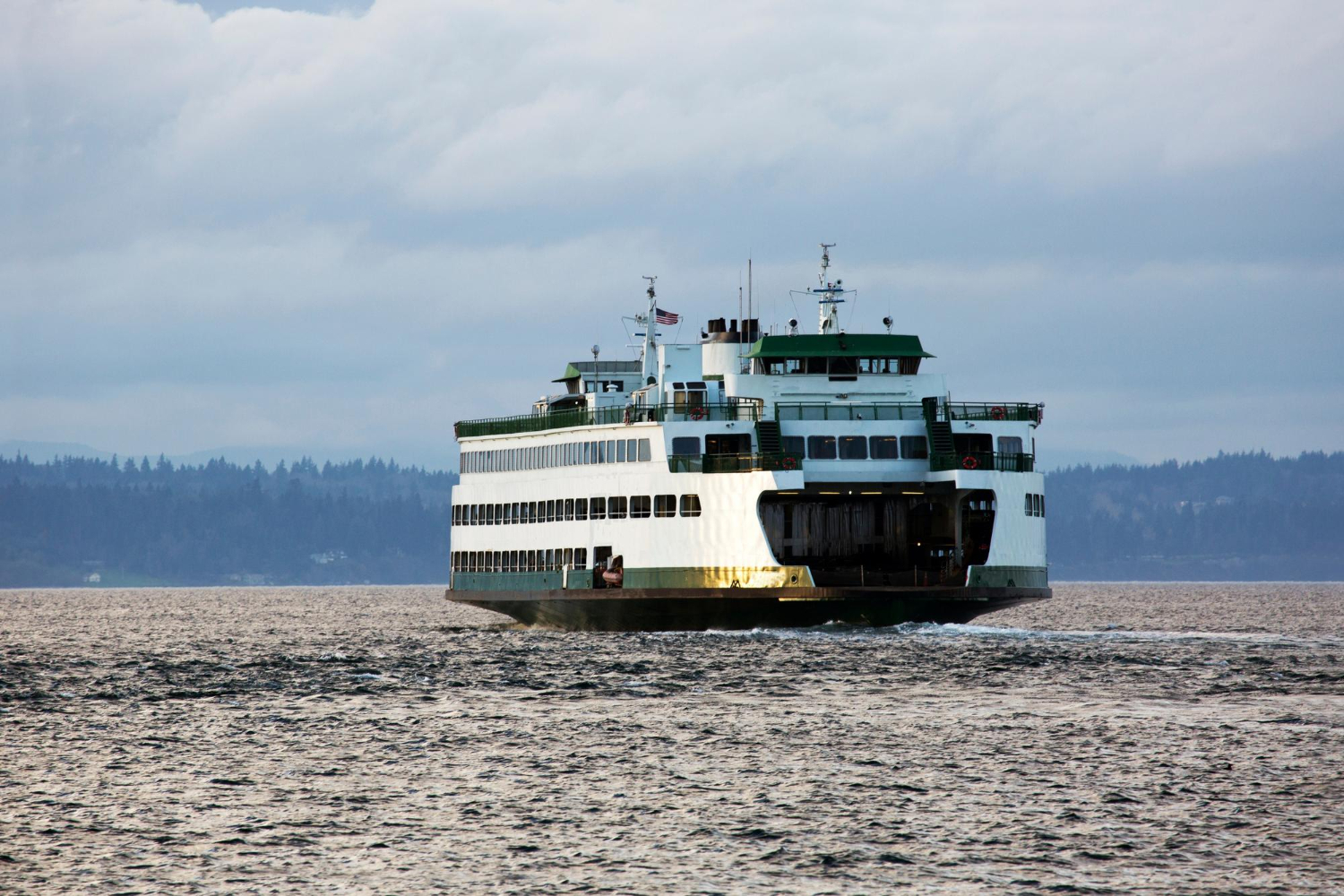
The advantages here come from two things: you are free to move for the whole journey, and the crossing is visible while it happens. Everything else – the luggage, the approach, the atmosphere – follows from those.
Practical notes: sailings are weather-dependent and cancellations happen, so anything with a connection at the far end needs slack in it; timetables vary substantially by season and some routes reduce dramatically outside summer; and vehicle deck arrangements, boarding times and onboard facilities differ enormously between operators. Check the operator directly for the specific crossing rather than assuming, and treat the posted information on board as the authority once you are aboard.
Like our content? Follow us for more.