


Stepping into a hotel room and seeing crisp, white linens and a vacuum-patterned carpet offers a sense of immediate luxury and safety. However, for those who work behind the scenes, that “fresh” scent is often a mask for one of the industry’s most stressful secrets. Former housekeepers are now opening up about the “15-minute rule”—the unspoken industry standard that forces staff to flip an entire room in a quarter of an hour or less. Between checking out one guest and checking in the next, the pressure to maintain speed over substance means that while a room might look “tidy,” it is rarely truly sanitized to the level guests expect.
The Impossible Math of the 15-Minute Flip
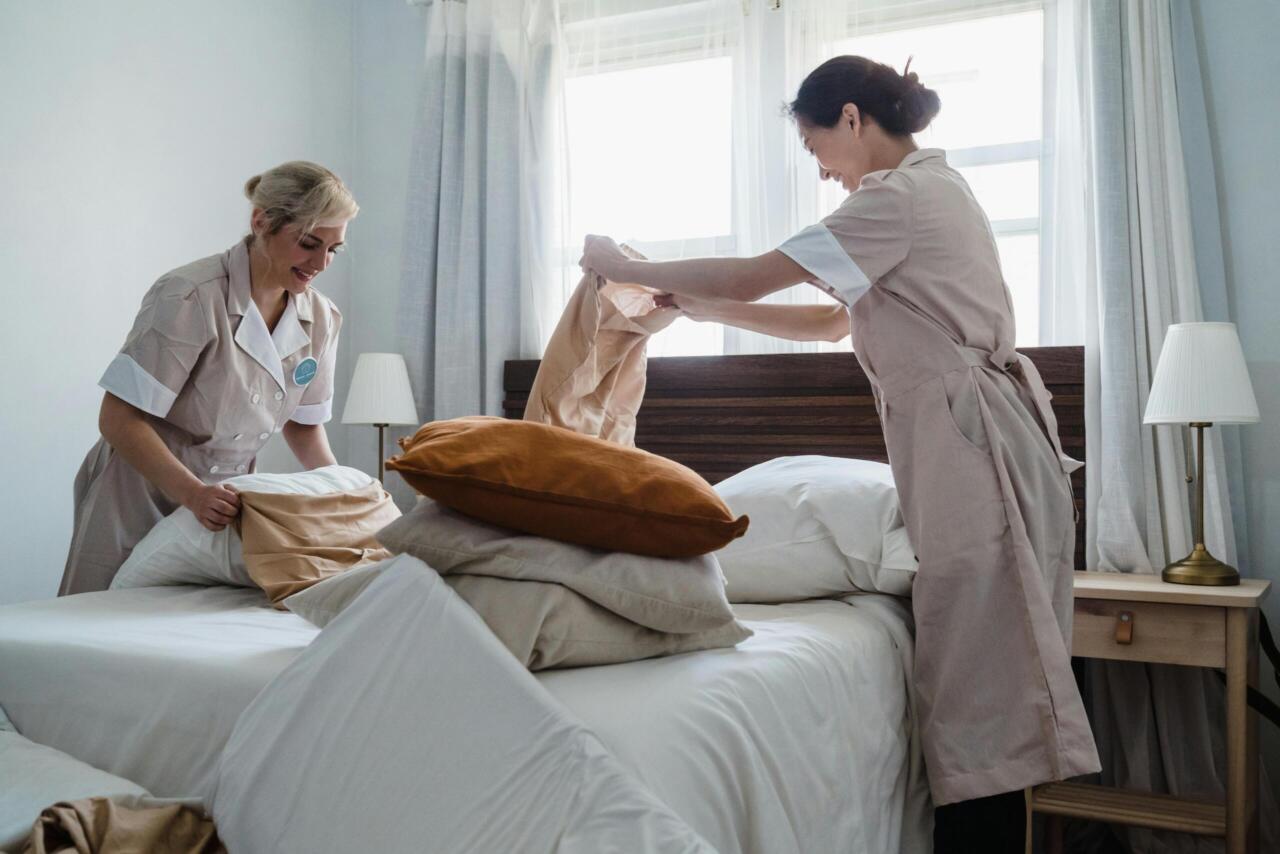
The core of the problem lies in a management metric known as “room credits.” In most mid-to-high-tier hotels, housekeepers are assigned a specific number of rooms per shift, often leaving them with just 15 to 30 minutes to complete a full turnover. When you consider that a proper cleaning involves stripping beds, scrubbing the bathroom, dusting surfaces, and vacuuming, the math simply doesn’t add up. Former employees reveal that to meet these grueling quotas, “shortcuts” become a survival mechanism. This leads to a surface-level aesthetic where the room appears flawless to the naked eye, but the deep-cleaning tasks, like disinfecting high-touch points or deep-cleaning the upholstery, are the first things to be skipped in the rush.
High-Touch Points: The Germ Hotspots You Miss
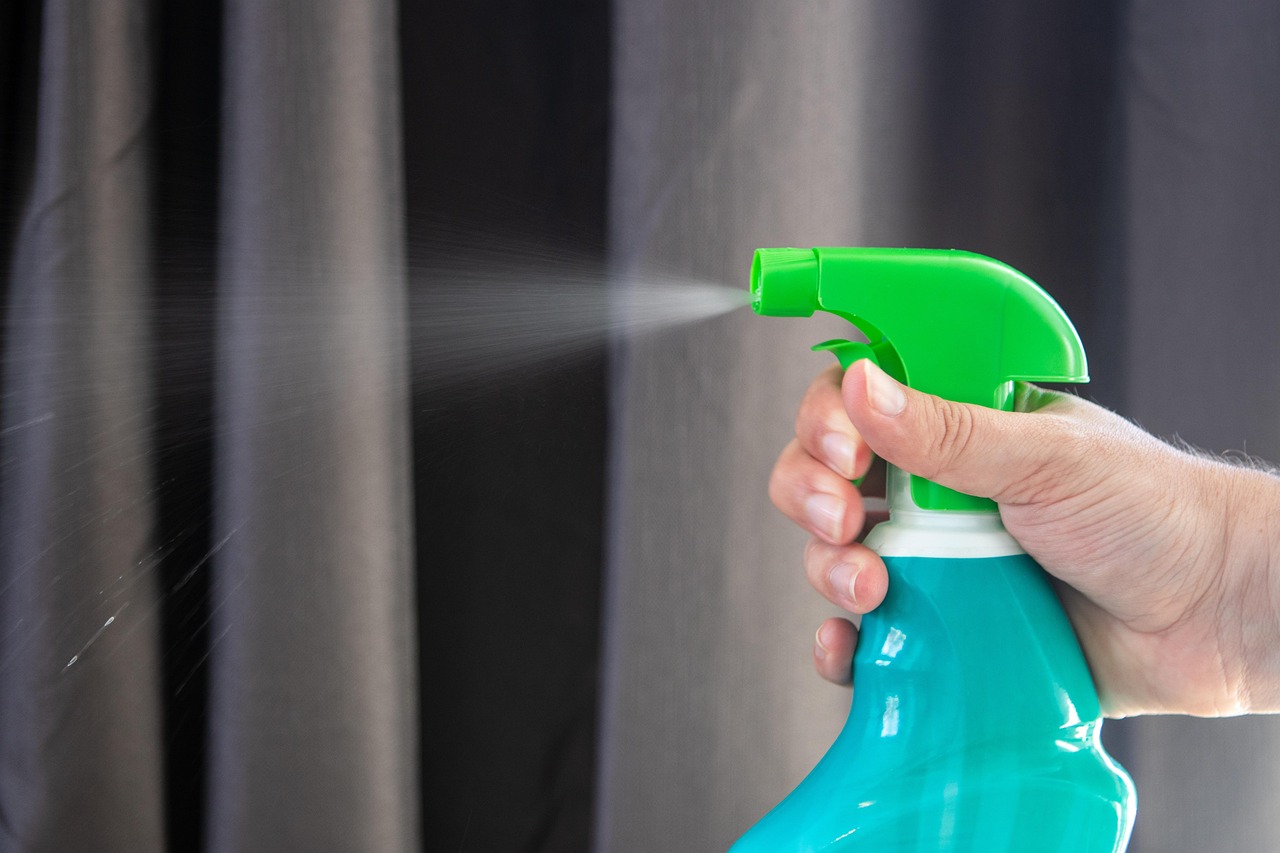
If a housekeeper is running behind schedule, the priority is always the “big three”: the bed, the toilet, and the trash. This means that the smaller, high-touch items that everyone handles are often neglected for days or even weeks. Former staff members admit that items like the TV remote, the bedside lamp switch, and the telephone are almost never wiped down with disinfectant. Even more alarming is the “curtain secret”; because heavy drapes are difficult to clean and slow to dry, they often hang for months collecting dust and allergens from every previous guest. While the floor is vacuumed to show those satisfying lines, the air and the surfaces you touch most frequently remain a silent reservoir for bacteria.
The Truth About the Bathroom “Sparkle”
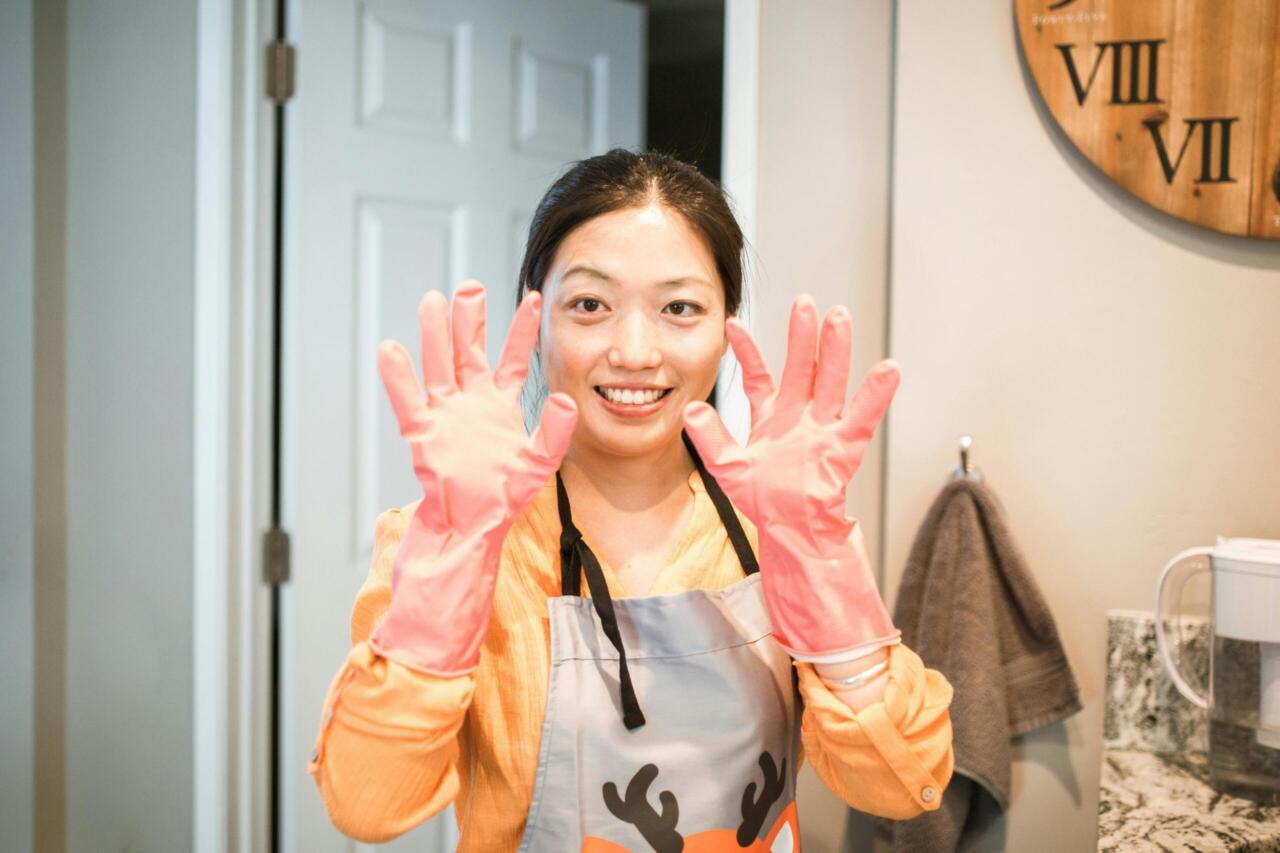
The bathroom is often where the most “creative” cleaning techniques are employed to save time. One of the most common revelations from former housekeepers is the use of a single rag to clean the entire space. In a rush, the same cloth used to wipe down the vanity might have been used moments prior on the shower floor or even the toilet seat. Furthermore, that sparkling glassware on the counter isn’t always as clean as it looks. Many whistleblowers have admitted that instead of sending glasses to a high-heat dishwasher, they are simply rinsed in the sink and dried with a used towel to make them look shiny for the next occupant. If the glass doesn’t have a paper cap on it, there is a high chance it hasn’t seen real soap in days.
The “Duvet Dilemma” and Linen Shortages
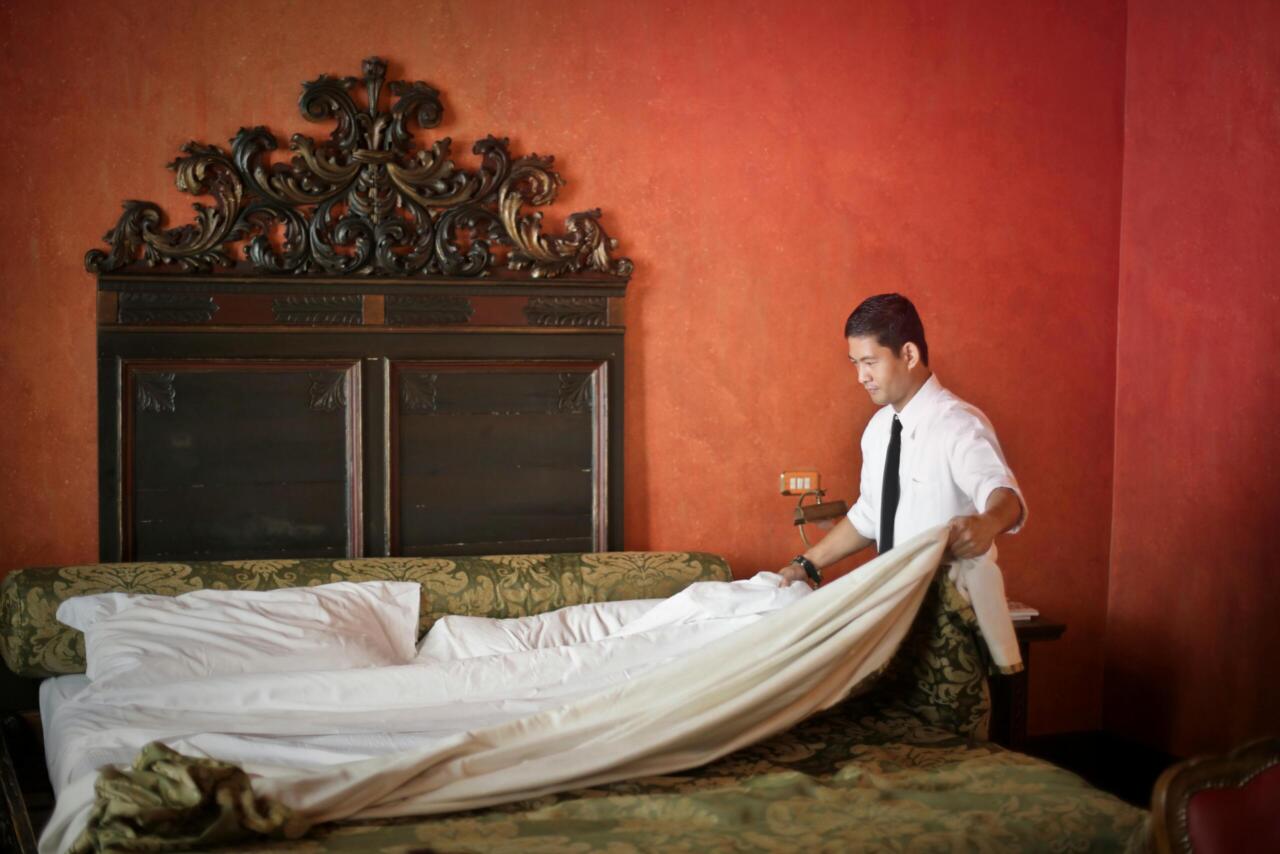
Perhaps the most controversial aspect of the hotel industry is the frequency (or lack thereof) with which the top layer of bedding is washed. While sheets and pillowcases are standard flips, the heavy duvets and decorative “bed scarves” are a different story. Former housekeepers reveal that these items are often only laundered once every few weeks or when there is a visible stain. Because they are bulky and expensive to dry, many hotels opt for the “tuck and smooth” method rather than a fresh replacement. This means that even if your sheets are clean, you are likely snuggling up against a comforter that has hosted dozens of strangers before you, highlighting the gap between perceived cleanliness and actual hygiene.
The Hidden Cost of “Green” Initiatives

In recent years, many hotels have implemented “Green Programs” that encourage guests to skip daily housekeeping to save water. While marketed as an environmental win, former staff members suggest these programs are often used to mask labor shortages and reduce the time spent on deep cleaning. When a room isn’t touched for three days, the buildup of grime makes the final checkout “flip” even more difficult, leading to even more frantic shortcuts when the guest finally leaves. As the industry moves toward more automated and “eco-friendly” models, the human element of thorough sanitation is being squeezed. The “15-minute rule” remains the invisible barrier between a guest’s peace of mind and the reality of a truly sanitized stay.
