The pursuit of an electrifying urban existence often defines modern luxury travel and discerning residence choices. Yet, beneath the veneer of national dynamism, certain American metropolises remain stubbornly resistant to cultural evolution, offering instead a predictable monotony that stifles spirited exploration. Our curated examination focuses not on economic vitality, but on the absence of sophisticated nightlife, avant-garde arts scenes, or the palpable tension of creativity that characterizes truly elite global destinations. This assessment identifies those urban environments where the calendar feels perpetually blank and the architectural landscape repeats its tired refrain.
Plano, Texas: Corporate Sprawl Without Soul
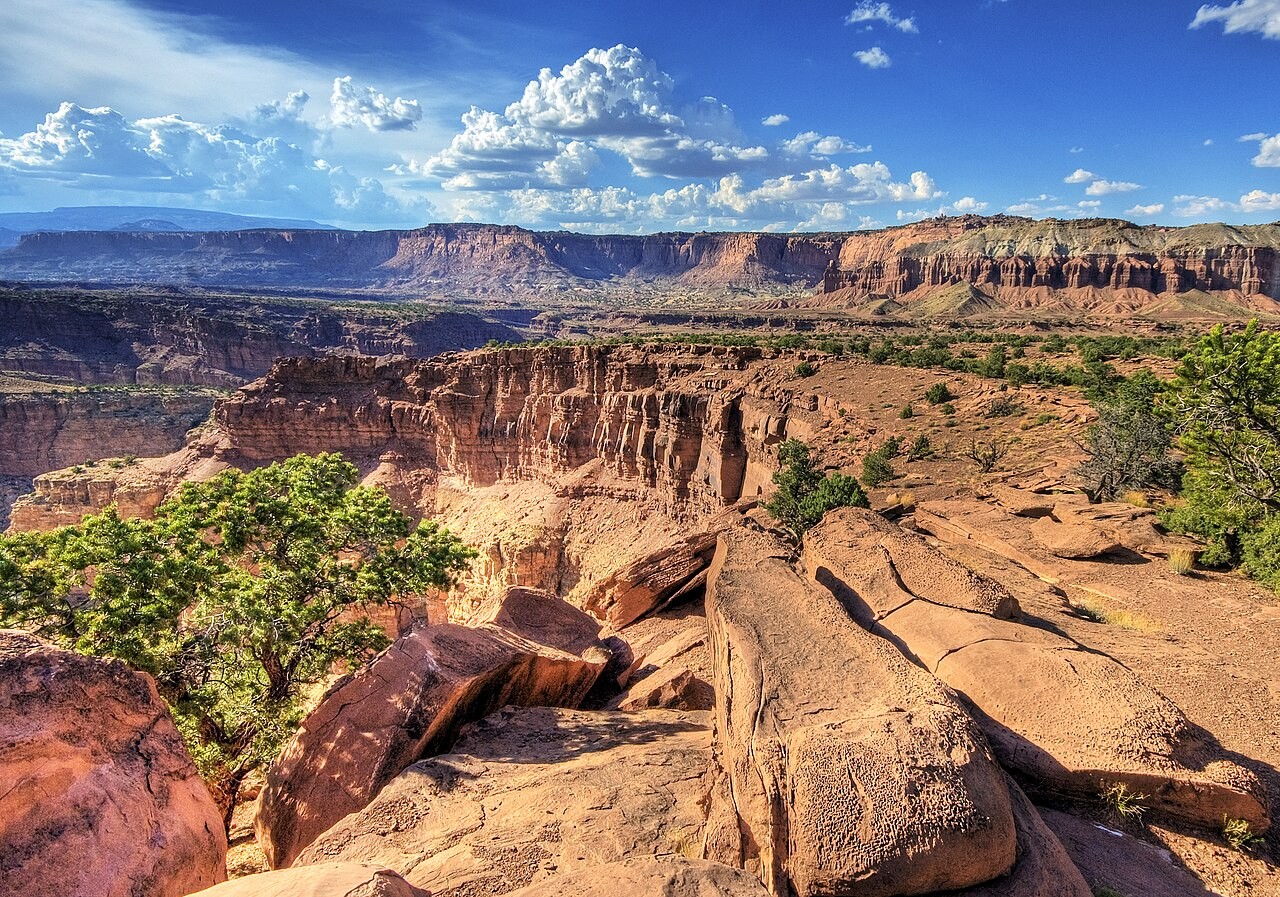
Plano represents the apotheosis of calculated suburban expansion, an affluent community engineered for efficiency and corporate headquarters, yet fundamentally devoid of spontaneous urbanity. Its meticulous planning yields perfectly manicured green spaces and efficient traffic flows, creating an environment of unsettling predictability. While it offers high-end shopping destinations, the underlying cultural framework lacks the grit or complexity necessary for a truly engaging experience. The luxury in Plano is strictly transactional; it exists in the size of the homes and the quality of the schools, but not in the vibrant, unexpected human interactions that define compelling cosmopolitan centers. Even the dining scene, while competent, adheres closely to safe, established concepts, rarely venturing into the experimental realms found in truly great culinary hubs. This city is a testament to comfort prioritized over charisma, resulting in a landscape that is undeniably successful, yet profoundly dull.
Omaha, Nebraska: Midwestern Predictability
Omaha offers an exemplary snapshot of steady, dependable Midwestern life, anchored by agriculture and venerable finance institutions. The city’s architectural palette is largely muted, reflecting decades of pragmatic development rather than visionary design. While it possesses pockets of historical charm, the dominant feeling is one of vast, geographical stillness, rarely interrupted by the kind of seismic cultural shifts that redefine metropolitan identity. Nightlife, outside of specialized districts, tends towards the early close, limiting opportunities for spontaneous, late-evening gatherings crucial to fostering a vibrant urban buzz. For the traveler accustomed to the ceaseless energy of coastal capitals, Omaha operates on a decidedly slower frequency. It is a community built on reliability, which, while commendable from a civic standpoint, renders the daily experience deeply predictable and aesthetically unchallenging for those seeking stimulation.
Albuquerque, New Mexico: Isolated Aesthetic
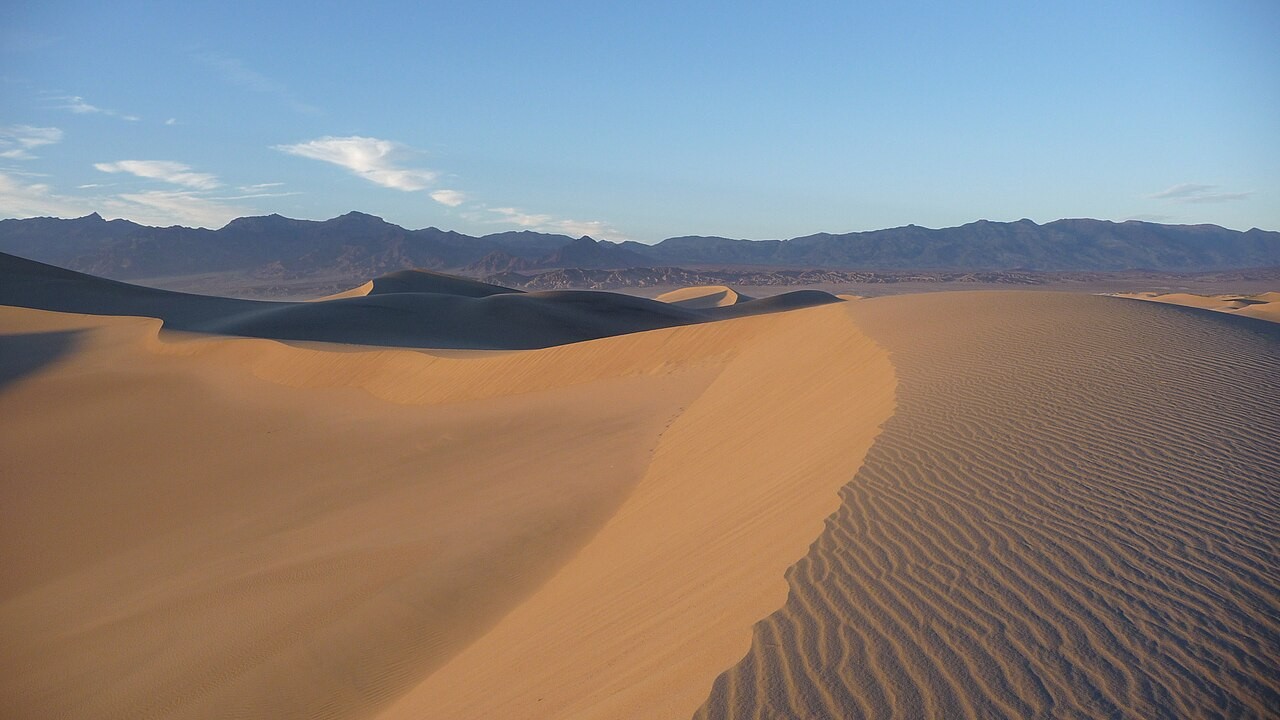
Albuquerque’s distinct geography and deeply entrenched regional culture contribute to its placement on this list, not due to lack of historical significance, but due to its pervasive sense of insularity. The city benefits from stunning high-desert views, but this very isolation seems to temper any widespread adoption of contemporary, cutting-edge cultural pursuits. The artistic output is often constrained by a highly localized, Southwestern aesthetic, limiting broader engagement and the importation of external, stimulating influences. The daily rhythm is slow, characterized by long commutes across expansive terrain and relatively limited public engagement with high-brow performing arts or experimental gallery spaces. For those who require the friction and competition of international ideas to feel invigorated, Albuquerque presents a quiet, beautiful, yet ultimately staid environment where novelty struggles to take root against the powerful forces of tradition and distance.
Fresno, California: Central Valley Blandness
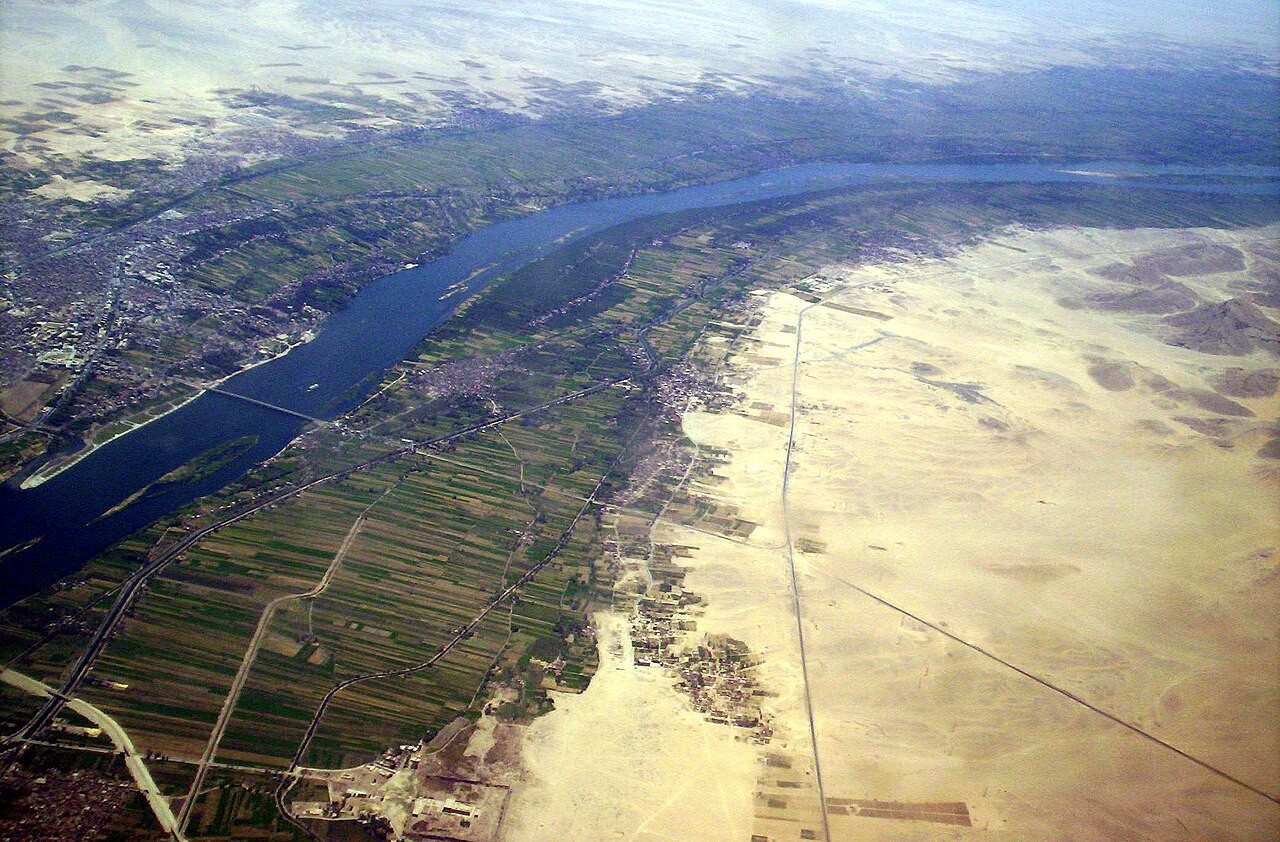
Nestled in California’s expansive Central Valley, Fresno functions primarily as a logistical hub for the surrounding agricultural engine. Despite its proximity to some of the state’s most revered natural beauty, the urban core itself suffers from a profound identity crisis, marked by unremarkable infrastructure and a distinct shortage of cultural anchor points. The city struggles to shed its blue-collar reputation, and consequently, the high-end amenities and sophisticated leisure pursuits expected by a truly global elite are conspicuously absent. The landscape is dominated by strip malls and functional architecture, prioritizing utility over artistry. This geographic location, far removed from the cultural gravity of both Los Angeles and San Francisco, allows for little cosmopolitan spillover, leaving Fresno marooned in a state of comfortable, yet pervasive, cultural inertia. The opportunity for serendipitous discovery is minimal, replaced instead by the routine necessary for the region’s productive output.
Huntsville, Alabama: Technical Monoculture
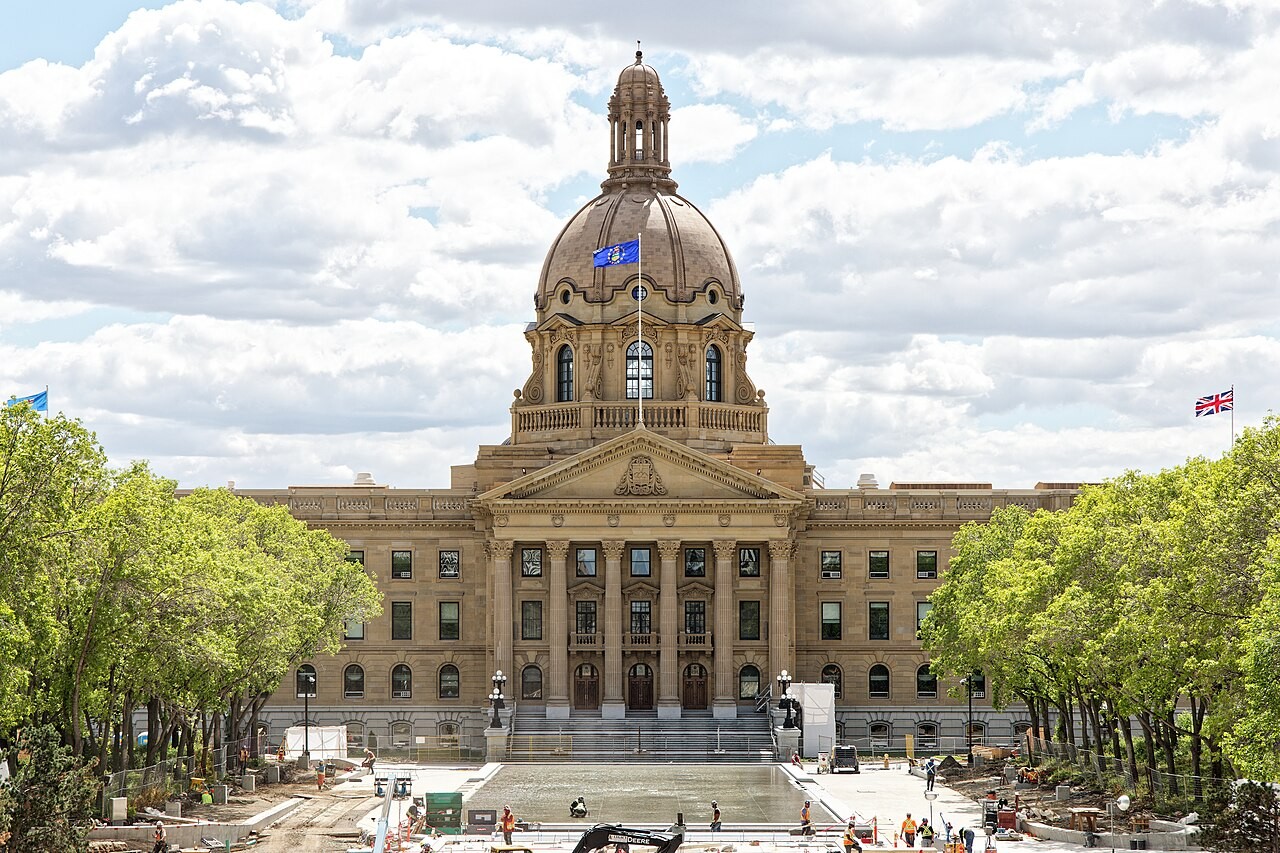
Huntsville’s identity is overwhelmingly defined by its deep entanglement with federal technology and aerospace endeavors, creating a highly specialized, technical monoculture. While this focus ensures economic stability and a highly educated populace, it often comes at the expense of broader cultural enrichment. The city functions efficiently as a locus for scientific advancement, but the attendant lifestyle frequently lacks the complexity and vibrancy of cities driven by diverse commercial or artistic impulses. Leisure activities and social structures often revolve around established corporate or governmental networks, lending a predictable, institutional flavor to the social scene. True innovation in nightlife, gastronomy, or independent arts struggles to gain traction against the dominant ethos of engineering efficiency, making the city a place of specialized competence rather than exhilarating urban life. The social atmosphere, while amicable, rarely sparks the unexpected intellectual combustion sought by the truly restless mind.
Wichita, Kansas: Prairie Stagnation
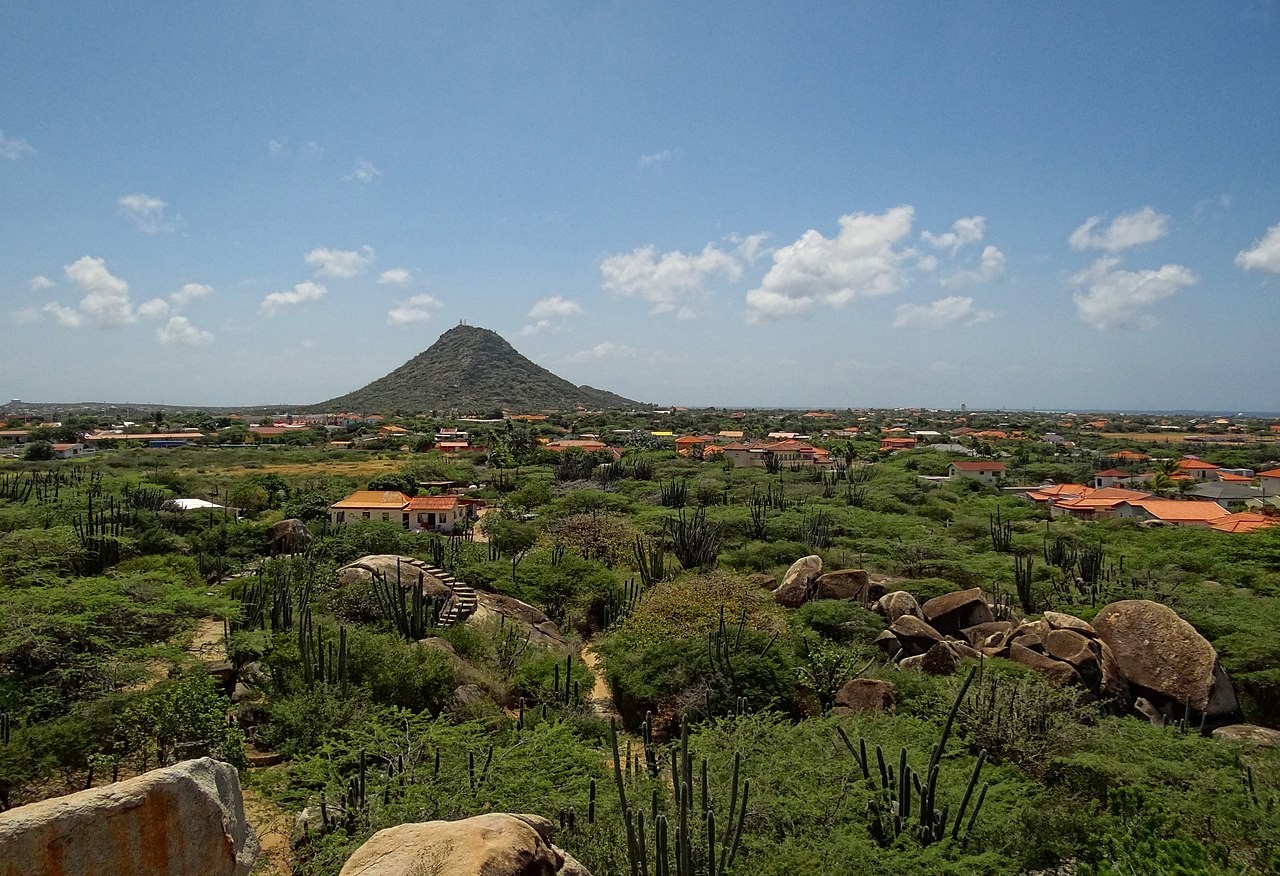
Wichita, known as the Air Capital of the World, is fundamentally built on the pragmatic foundation of manufacturing and aviation. This robust industrial base has created a city rooted in functionality, resulting in an environment where cultural extravagance or experimental artistry are often seen as superfluous. The city sprawls gently across the expansive Kansas prairie, amplifying a sense of geographical isolation that mirrors a cultural reluctance toward rapid change. While redevelopment efforts are visible, they often feel incremental rather than transformational, failing to inject the necessary sense of immediate urgency or cutting-edge appeal. The city’s character is one of stalwart reliability and economic common sense, attributes that rarely translate into compelling reasons for external visitation or the cultivation of a truly sophisticated internal lifestyle. The overall effect is one of quiet, unrelenting sameness, a comfortable existence lacking the sharp edges of cosmopolitan drama.
Boise, Idaho: Growth Without Sophistication
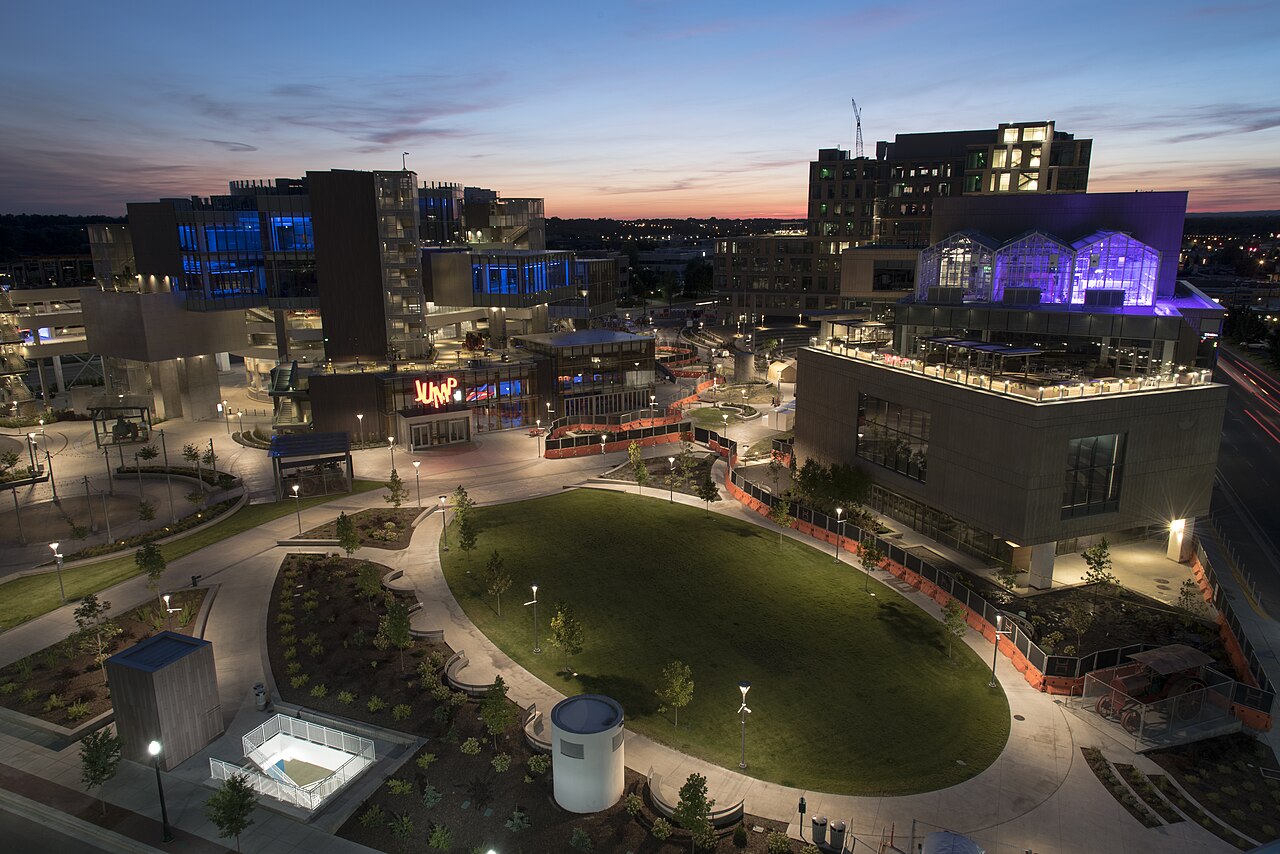
Boise is experiencing significant population growth, yet this expansion has not yet matured into a fully realized, dynamic metropolitan center. The city retains a pervasive small-town sensibility, where the rapid influx of new residents has overwhelmed existing infrastructure without fully cultivating the necessary cultural depth to match its expanded size. While the surrounding natural environment is stunning, the urban experience remains relatively unchallenging, dominated by chain restaurants and functional new construction. The arts and culture sector, though present, operates at a scale that limits sophisticated engagement, failing to offer the diverse array of galleries, theaters, and high-caliber musical performances expected in peer cities of similar affluence. The community is undeniably pleasant and livable, but its very comfort and homogeneity are precisely what preclude it from offering the exhilarating friction and diverse stimulation characteristic of truly elite urban destinations.
Chesapeake, Virginia: Suburban Anonymity
Chesapeake embodies the apex of American suburban planning, a vast constellation of residential enclaves and commercial corridors that prioritize low density and ease of access over any cohesive cultural identity. Unlike historic Virginian cities defined by their colonial heritage or military importance, Chesapeake struggles to assert any distinctive urban personality. It serves effectively as a bedroom community for the wider Hampton Roads area, meaning the most dynamic cultural and social life occurs elsewhere. The urban planning yields excellent parks and predictable consumer outlets, but actively discourages the kind of dense, walkable, spontaneous interaction that catalyzes urban vibrancy. The architecture is uniformly contemporary and functional, lending the entire municipality a feeling of pleasant, relentless anonymity. The city is defined less by what it offers and more by its lack of friction, making it an ideal place to reside comfortably, but a profoundly uninteresting place to explore.