In an era where consumer choices are increasingly driven by values, quality, and ethical considerations, several fast-food chains are finding their customer base shrinking. Factors ranging from declining food quality and rising prices to corporate social responsibility and environmental concerns are prompting a significant number of Americans to vow to never patronize certain establishments again. This shift reflects a growing demand for transparency and accountability from the brands that shape our dining landscape.
1. McDonald’s
McDonald’s faces a significant boycott driven by a confluence of issues, including accusations of price gouging despite declining quality, and a substantial number of child labor violations found across its franchises. Recent reports indicate U.S. comparable sales decreased by 3.6% year-over-year in the first quarter of 2025, signaling a tangible impact on its bottom line. The chain’s global operations have also been affected, with significant sales declines in markets with substantial Muslim populations due to controversies surrounding its Middle East franchise operations. Consumer trust has been further eroded by food safety concerns, such as an E. coli outbreak linked to contaminated produce. These multifaceted problems have led a growing number of Americans to express a firm resolve to avoid McDonald’s.
2. Burger King
Burger King is experiencing a notable decline in customer loyalty, with many consumers citing declining food quality and a perceived lack of value for money as primary reasons for their boycott. Reports detail instances of cold, stale, or microwaved food, a stark contrast to menu promotions. Furthermore, its global presence has become a liability, with franchises in Muslim-majority countries facing boycotts due to accusations of providing meals to the Israeli military. This has led to substantial profit declines for its parent company, Restaurant Brands International, and a surge in popularity for local competitors. The inconsistency in product quality across locations exacerbates the issue, pushing customers to seek more reliable alternatives.
3. Wendy’s
Wendy’s has encountered significant customer backlash, particularly concerning its exploration of surge pricing, which was perceived by many as price gouging. The announcement of $20 million invested in digital menu boards designed for real-time price adjustments fueled outrage, drawing comparisons to the controversial pricing models of ride-sharing companies. Beyond pricing concerns, Wendy’s also faces criticism for its refusal to join the Fair Food Program, an initiative aimed at ensuring livable wages and safe working conditions for farmworkers. This ethical stance, or lack thereof, coupled with the surge pricing controversy, has alienated a segment of its customer base, leading to a “never again” sentiment.
4. KFC
KFC is struggling to maintain its customer base in the United States, with same-store sales dropping by 7% domestically in the first quarter of 2024, and globally by 2%. While the chain performs well in China, its American restaurants are facing challenges attributed to fierce competition and a perceived decline in quality. Some consumers note that the availability of superior fried chicken options, like Popeyes’ chicken sandwich, has made KFC’s offerings seem comparatively lackluster. This perceived drop in quality, combined with competitive pressures, is contributing to a growing number of customers deciding to forgo KFC altogether.
5. Chick-fil-A
Despite consistently high customer satisfaction scores, Chick-fil-A faces boycotts from multiple directions. Historically, the chain was boycotted by the LGBTQ+ community due to its founder’s stance on same-sex marriage and donations to organizations with anti-LGBTQ+ agendas. Although the company announced it would cease funding such organizations, some consumers remain wary. More recently, controversy arose when its Israeli franchises were accused of providing free meals to the Israeli military, sparking backlash in Muslim-majority countries and among pro-Palestinian activists. These varied ethical and political concerns have led a portion of the American public to declare they will no longer patronize the chain.
6. Taco Bell
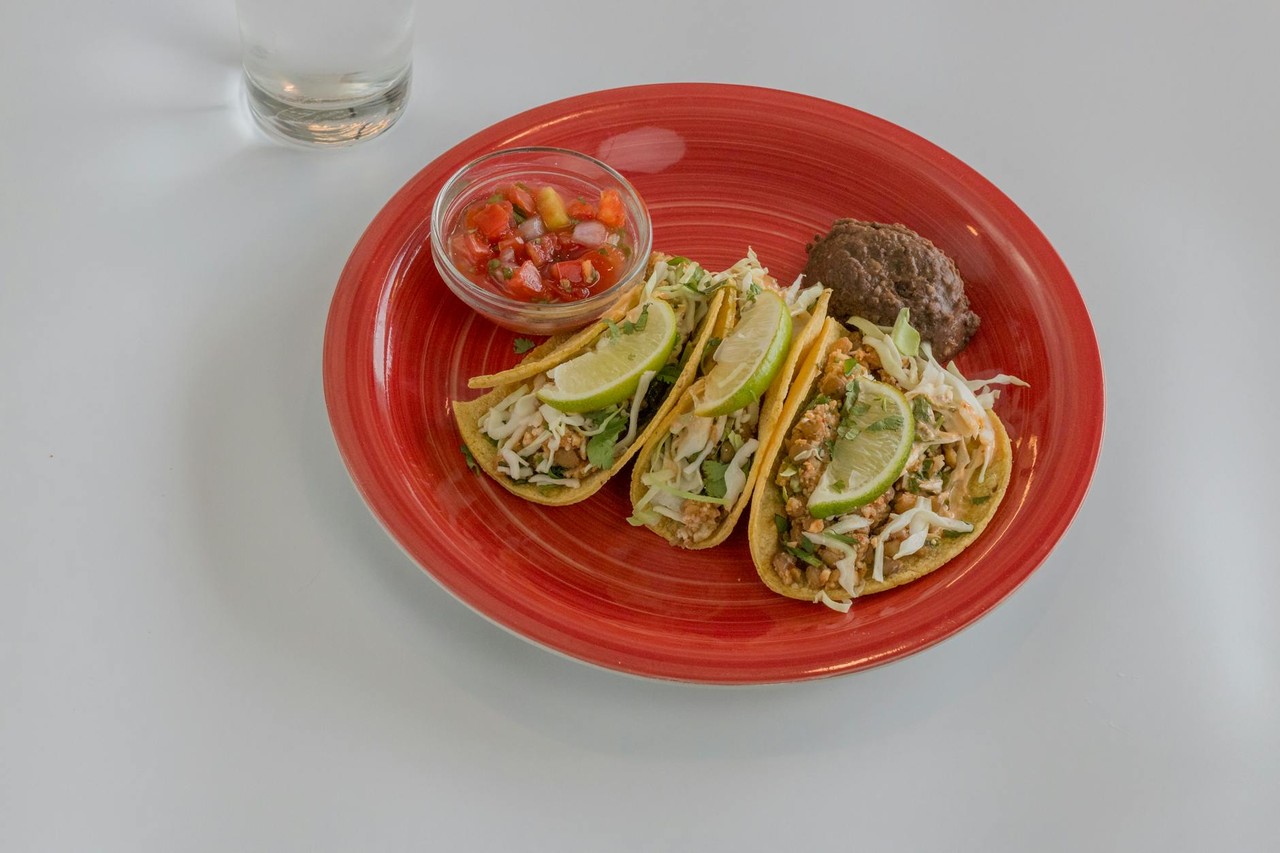
Taco Bell faces scrutiny for its involvement in a significant E. coli outbreak linked to contaminated onions sourced from Taylor Farms, which also affected McDonald’s. This food safety incident, which led to numerous illnesses and hospitalizations, has shaken consumer confidence. While Taco Bell has historically been perceived as a more affordable option compared to some competitors, especially for low-income consumers, the quality and safety concerns are paramount. Furthermore, a lack of trust in its ingredients and preparation methods, coupled with the shared contamination source with other major chains, contributes to customers vowing to avoid the establishment.
7. Jack in the Box
Jack in the Box is reportedly experiencing a decline due to inconsistent food quality and health inspection scores that vary widely by location. Consumers have reported long wait times and receiving cold or poorly prepared food, leading to a general sentiment of unreliability. The chain’s historical issues, including a past food safety scandal, continue to influence perceptions, with some customers unwilling to risk another negative experience. In contrast to competitors like Taco Bell, which also offers late-night service, Jack in the Box carries a legacy of food safety concerns that many customers find difficult to overlook, prompting a “never again” stance.
8. Little Caesars
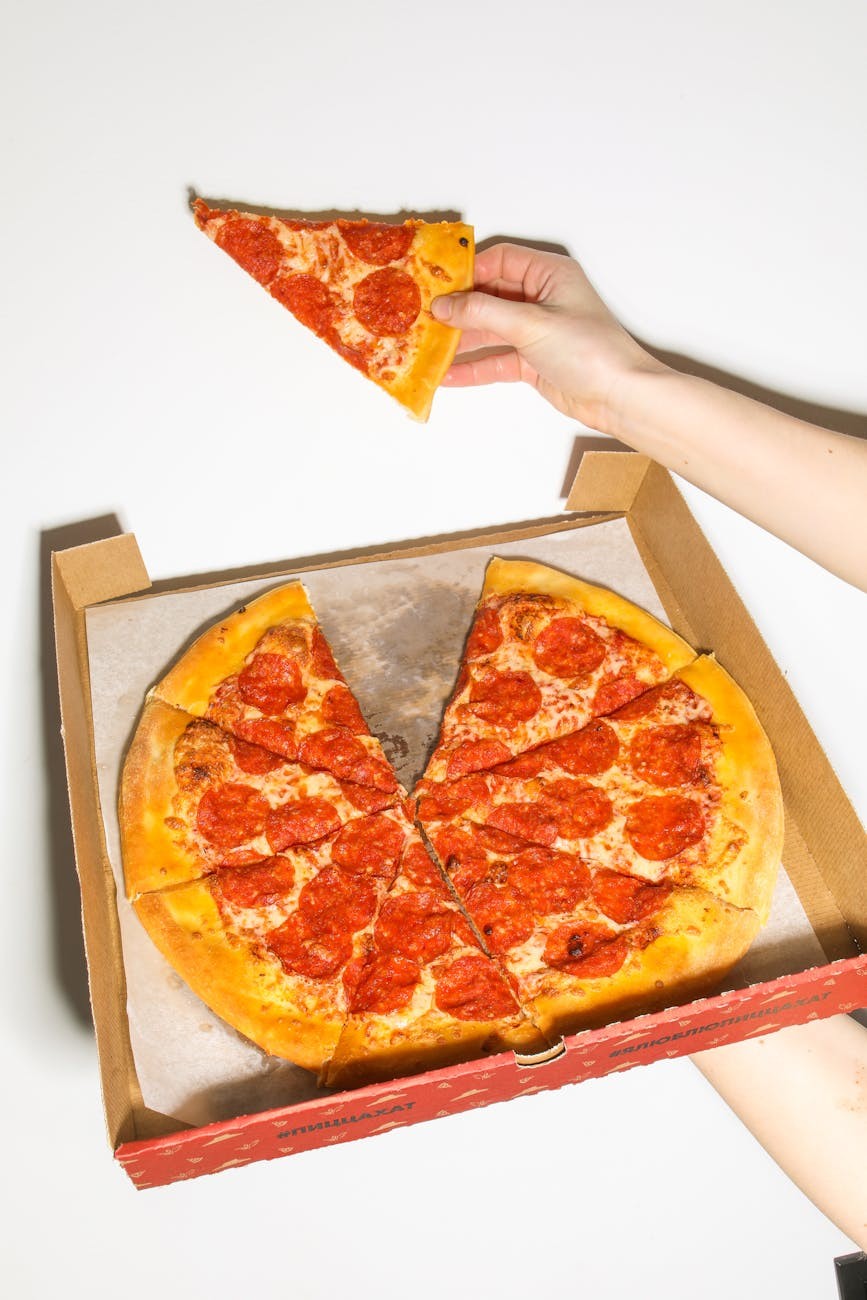
Little Caesars is frequently cited by consumers who express a strong aversion to ever dining there again, primarily due to concerns about the quality and freshness of its “Hot-N-Ready” pizzas. Patrons report that pizzas often sit under heat lamps for extended periods, resulting in congealed cheese and hardened crusts, which they describe as inedible or akin to “building material.” The perceived low value, despite the low price, is a significant deterrent, as consumers find the quality unacceptable for consumption. This poor quality, even at a bargain price, has led many to permanently switch to competitors like Domino’s, which offer superior taste and actual pizza.