A practical look at where the microbes really are — at airports, on planes, and in hotel rooms — and what researchers say actually helps.
Everyone’s heard some version of the claim that airplane tray tables are “dirtier than a toilet seat.” The surprising thing is that the research behind it is mostly real — but it’s older, smaller, and more nuanced than the headlines suggest. Here’s what the actual studies say about the surfaces travelers touch most, what they found on them, and what microbiologists recommend.
1. Airport security trays
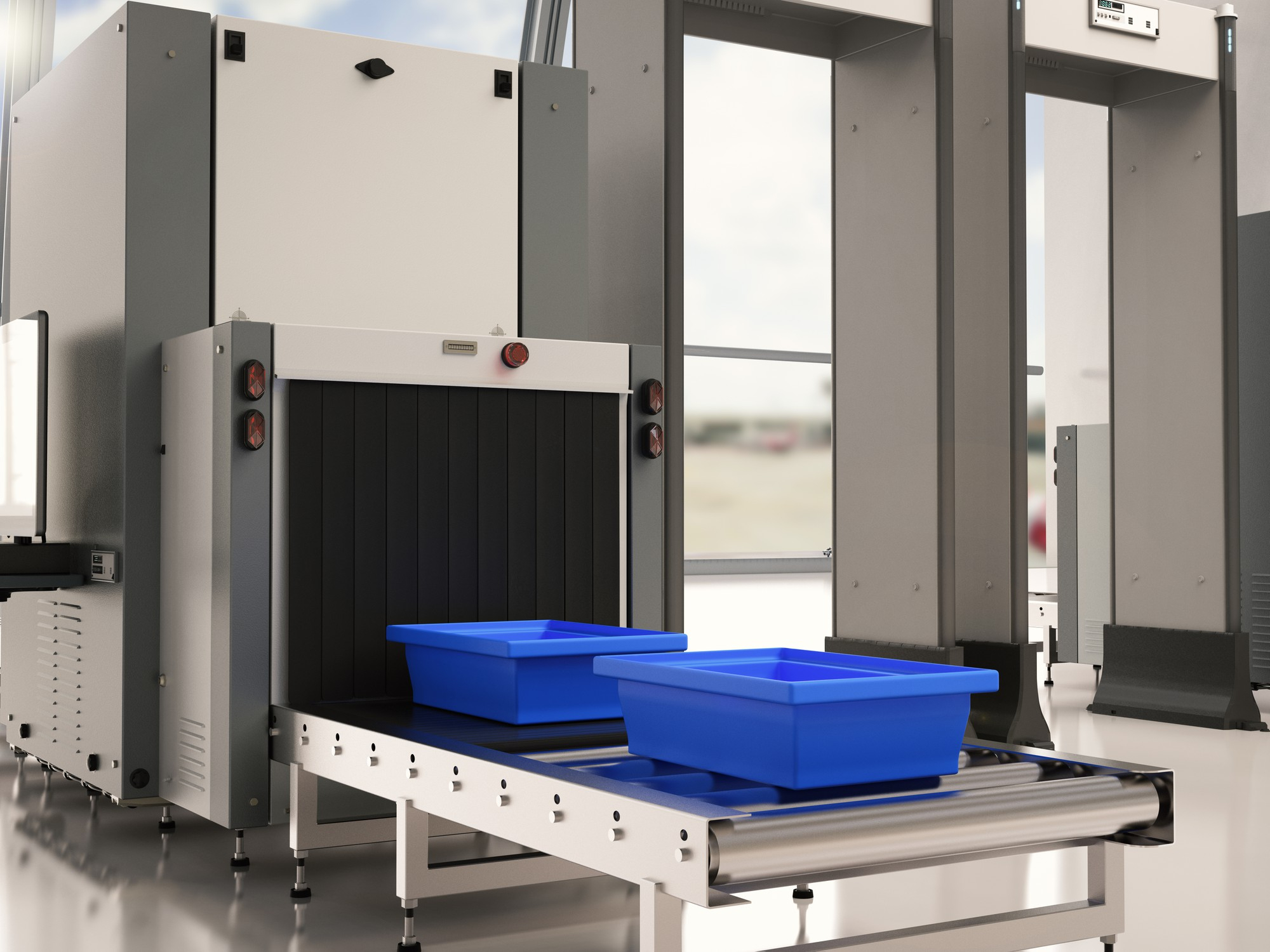
These are the standout finding. Researchers from the University of Nottingham and the Finnish National Institute for Health and Welfare swabbed 90 surfaces at Helsinki-Vantaa Airport during peak flu seasons in 2015 and 2016, and found that half of the plastic security screening trays tested positive for respiratory viruses, including influenza A and rhinovirus — the predominant cause of the common cold. The airport’s toilet surfaces, by contrast, tested negative for those viruses. The study was published in BMC Infectious Diseases.
The researchers suggested two reasons the trays are so consistently contaminated: they’re non-porous plastic, which lets viruses survive longer than on softer materials, and they rapidly cycle between hundreds of passengers a day without being routinely disinfected between uses.
Some airports, including Philadelphia International, have since deployed trays with antimicrobial additives that the manufacturers claim reduce bacterial growth by up to 99 percent. But these aren’t universal, and the Helsinki study’s core finding — that the single most contaminated airport surface is the one every departing passenger has to touch — remains the reason to wash or sanitize your hands immediately after security.
2. Airplane tray tables
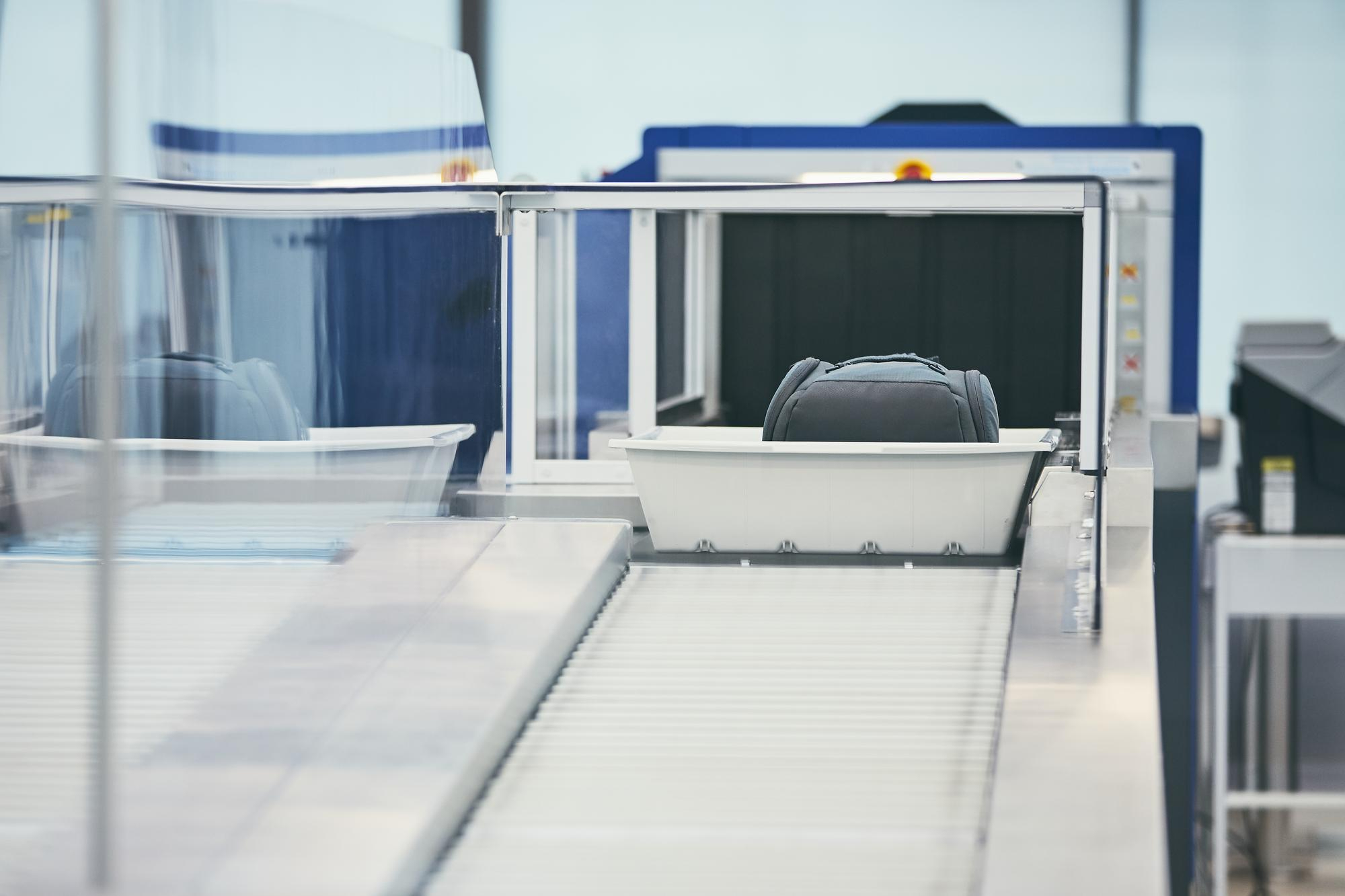
A widely-cited study commissioned by Travelmath in 2015 sent microbiologists to swab surfaces on four airplanes and at five U.S. airports. Tray tables came back with an average of 2,155 colony-forming units (CFU) per square inch — the highest of any surface tested on the aircraft. For comparison, tray tables showed more CFUs per square inch than the lavatory flush button on the same planes.
The Travelmath study is a small sample and wasn’t peer-reviewed in a medical journal, so treat the exact number with some caution. But the general finding — that tray tables are high-contact, rarely cleaned between short-turnaround flights, and used for everything from laptops to meals to diaper changes — has been replicated across multiple aviation-industry microbiome reviews.
The practical takeaway: don’t eat directly off the tray table. Put food on a napkin, or wipe the surface with an alcohol wipe before use.
3. Overhead air vents and seat belt buckles
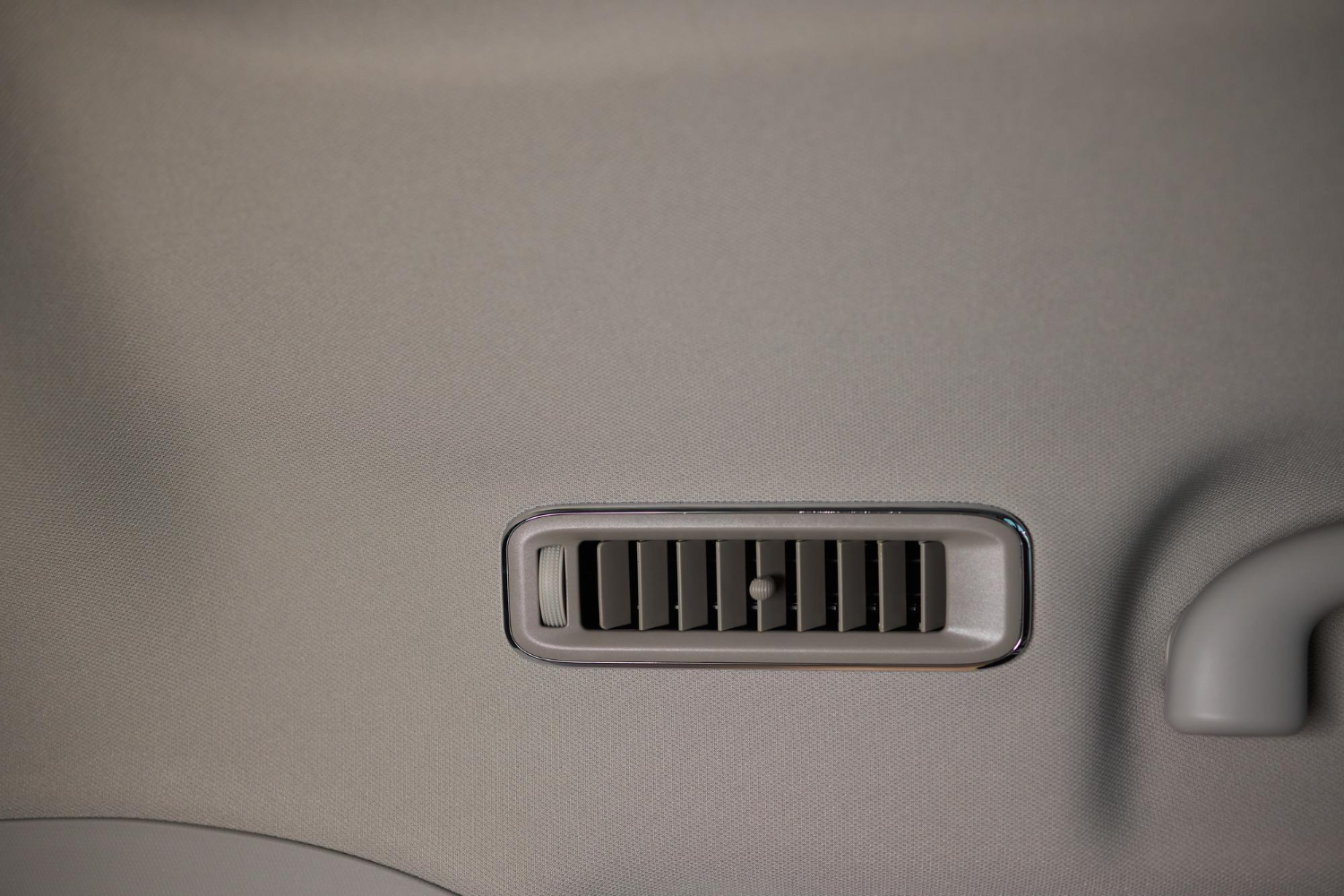
The same Travelmath airplane swabs found overhead air vents and seat belt buckles were the second and fourth germiest aircraft surfaces, respectively — both ahead of the lavatory flush button.
This one makes sense once you think about it: both are touched by every passenger, rarely wiped down during quick turnarounds, and small enough that cleaning crews often skip them entirely.
4. Drinking fountain buttons
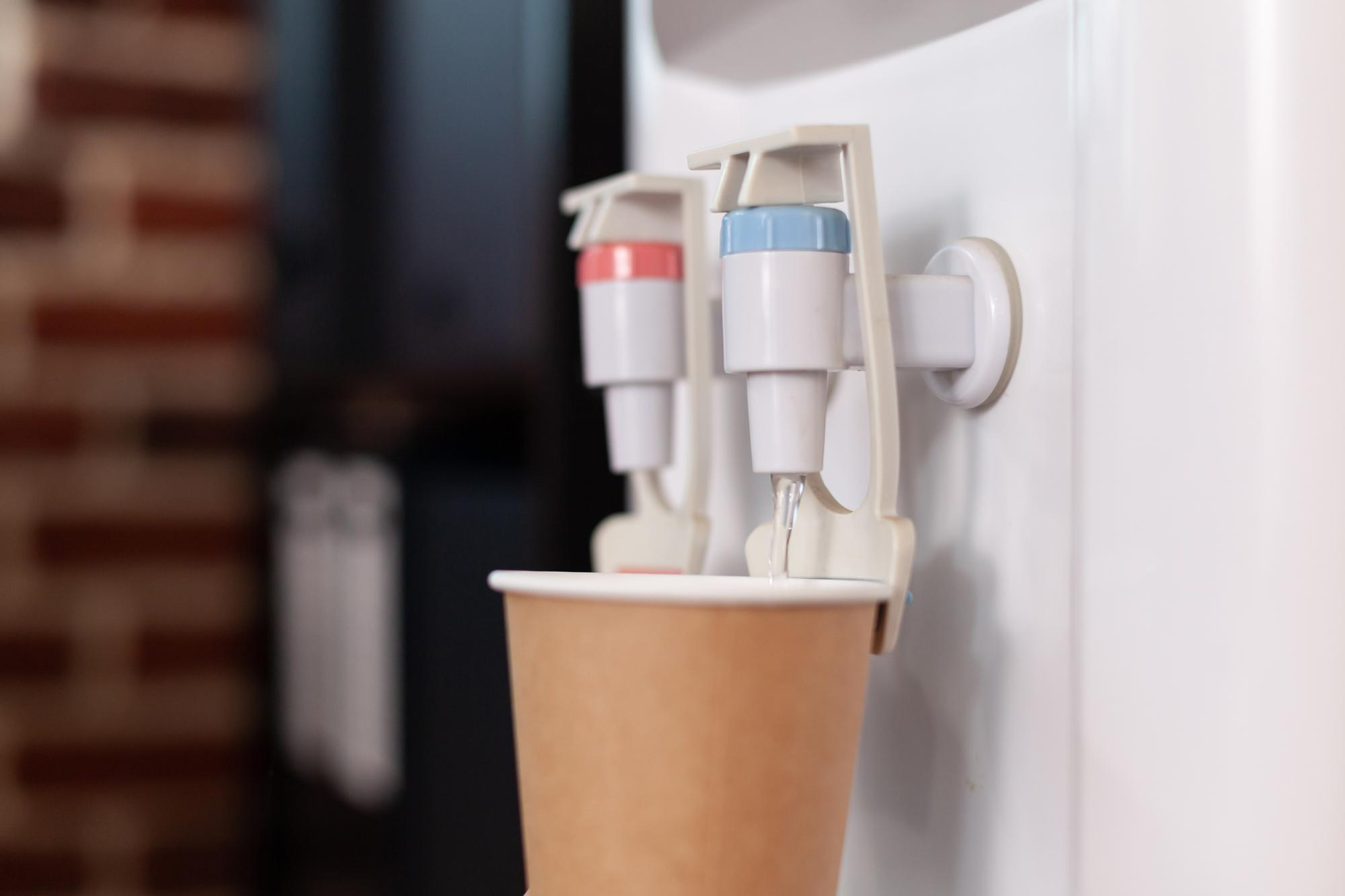
Back at the airport, the Travelmath team identified drinking fountain buttons and bathroom stall locks as the dirtiest spots outside of the security lane. Drinking fountains are particularly notable because travelers often use them with the assumption that anything associated with drinking water is clean. Touch the button, then your water bottle, then your mouth — and whatever was on the button has made the full trip.
5. Hotel TV remotes
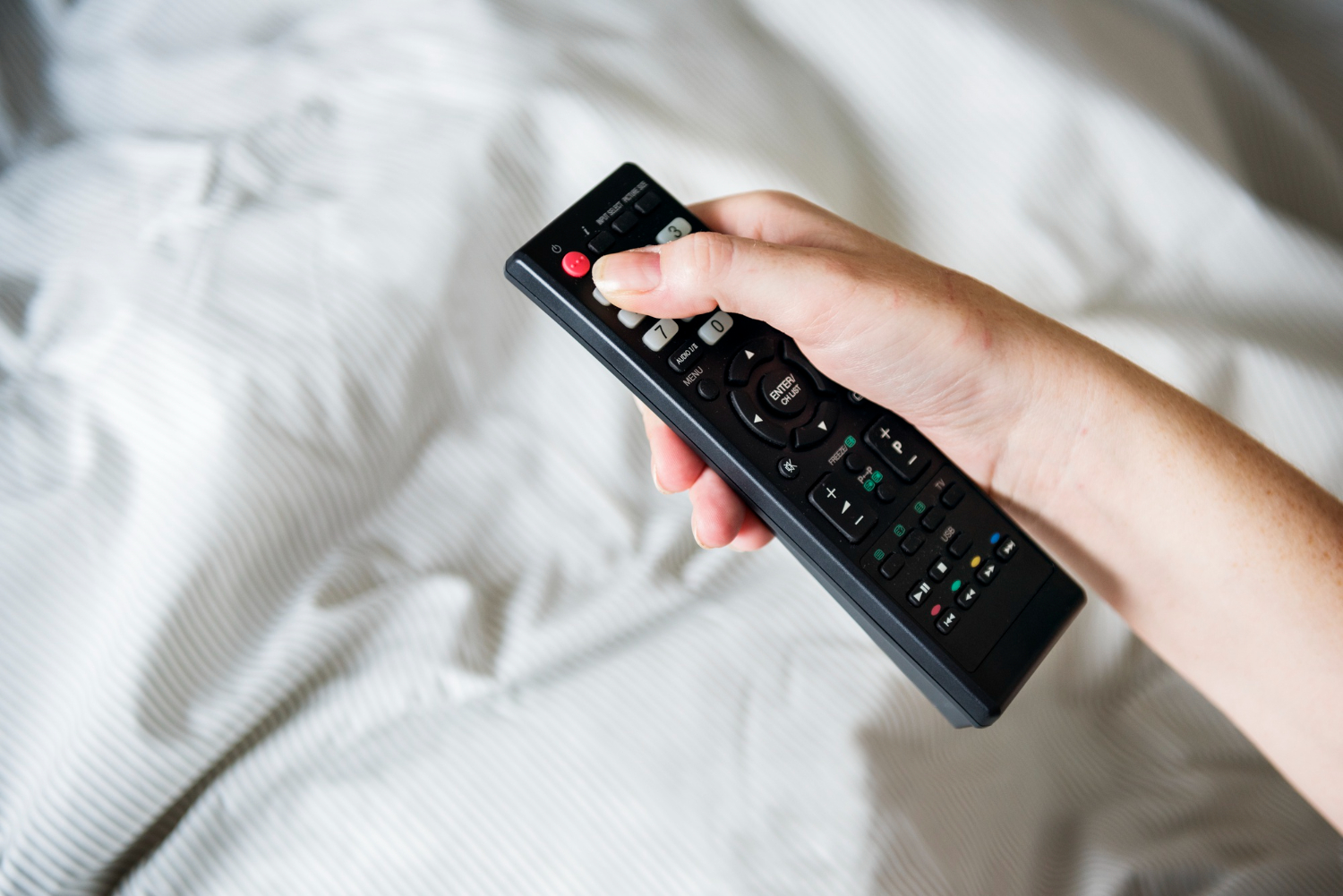
In 2012, researchers from the University of Houston, Purdue, and the University of South Carolina sampled 19 surfaces in nine hotel rooms across three U.S. states. TV remotes averaged 67.6 colony-forming units per square centimeter — more than ten times the 5 CFU/cm² limit that one hospital-cleanliness study recommended as acceptable. The researchers also detected coliform (fecal) bacteria on some remotes.
The problem isn’t that hotels ignore remotes — it’s that they’re hard to clean well. Buttons, crevices, and battery compartments catch residue that a quick wipe-down doesn’t reach. A 2022 Conversation piece by a microbiologist noted the same issue with remotes in particular: they’re “in near-constant use” but almost never disinfected between guests.
An alcohol wipe over the remote when you check in takes about thirty seconds.
6. Hotel light switches
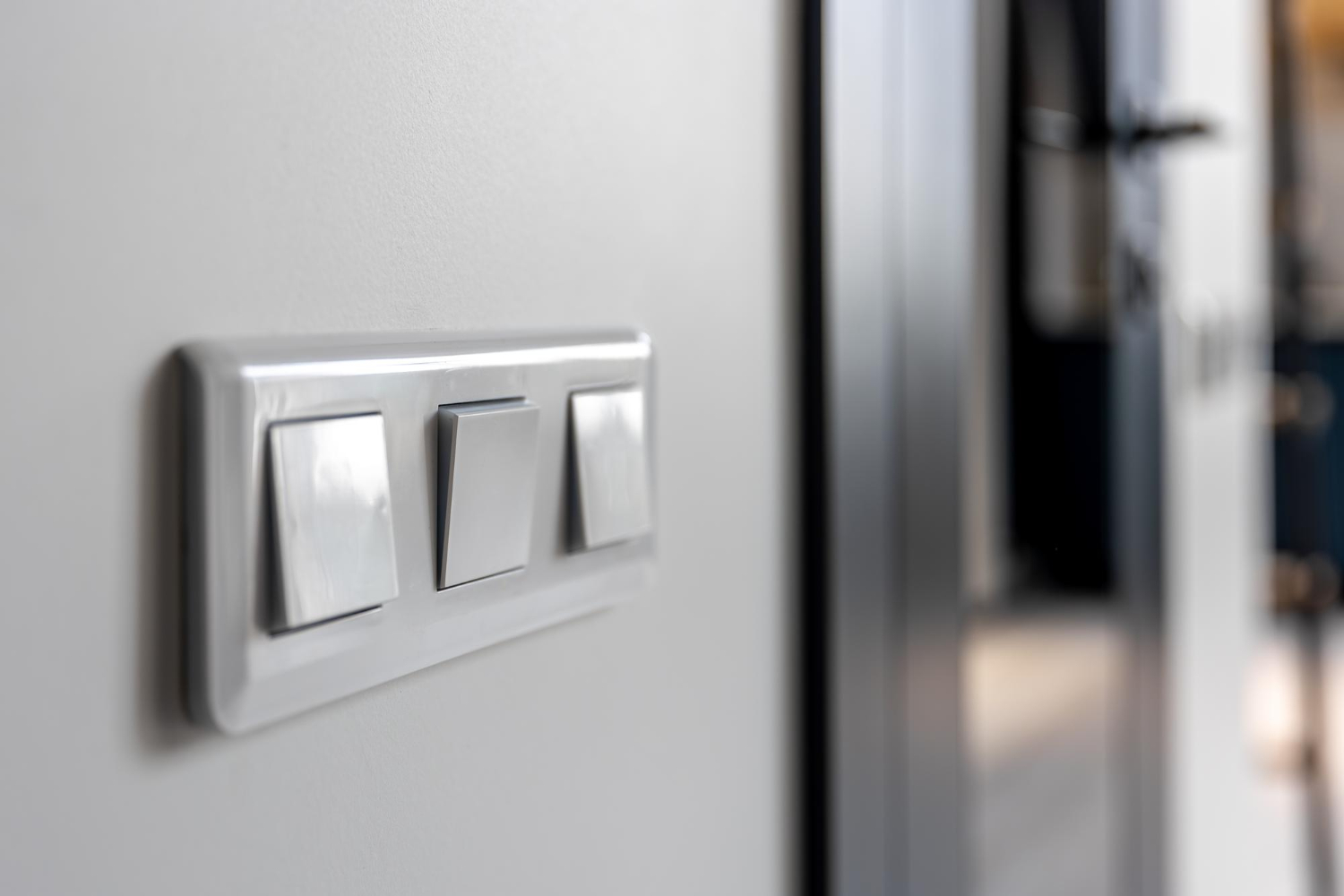
From the same University of Houston study: the main light switch in the hotel room also showed high bacterial contamination, including fecal coliform bugs. As with remotes, the issue is that switches get touched by every guest immediately on entering, then again in the dark on the way to the bathroom — precisely when hands are least likely to have been washed.
Headboards, curtain rods, and bathroom door handles were the cleanest surfaces in the same study, for the opposite reason: guests touch them less often.
7. Hotel bedspreads and decorative throws
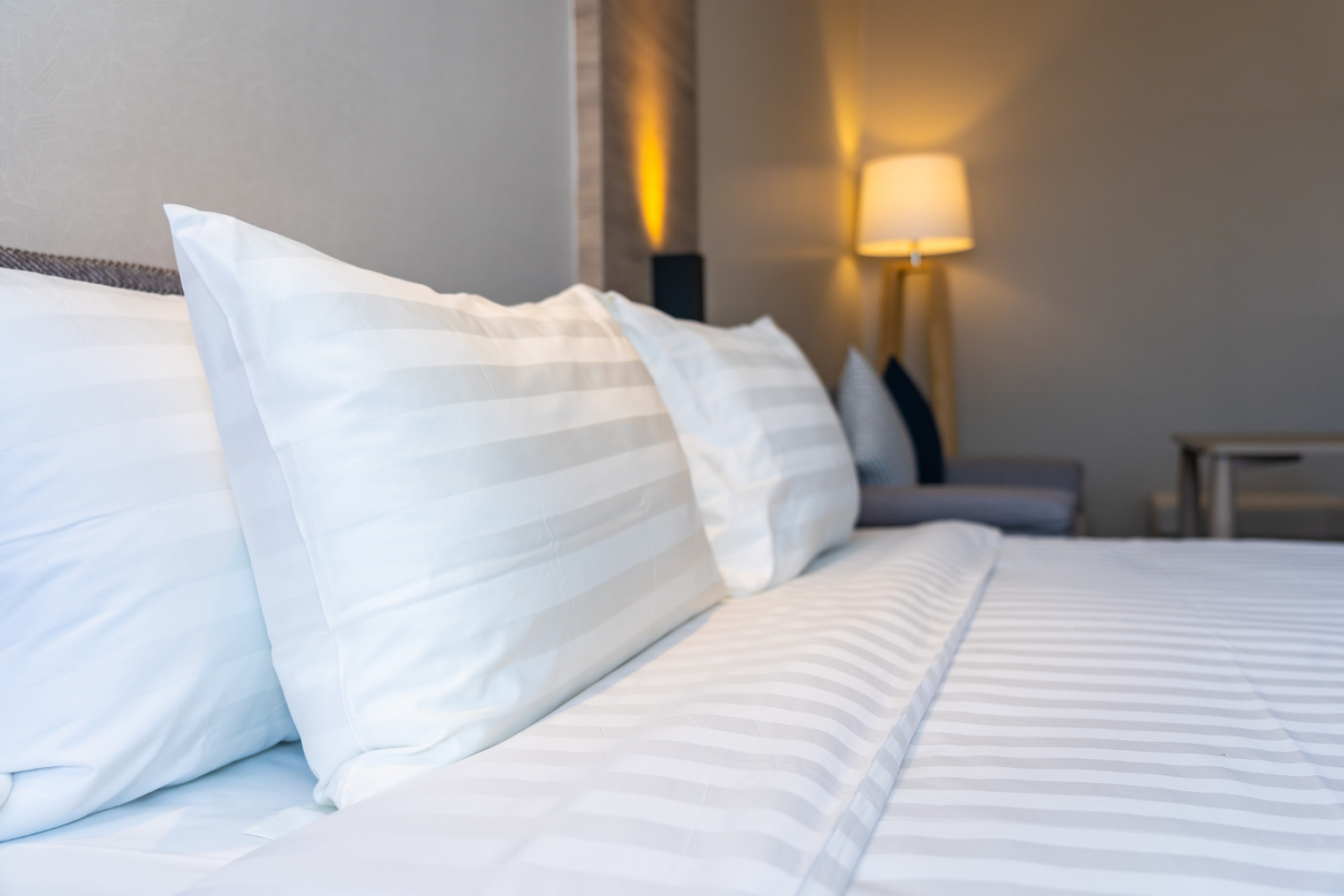
The sheets and pillowcases in a reputable hotel generally get changed between guests. The bedspread, throw, and decorative pillows often don’t. A 2020 study cited in The Conversation found significant viral contamination of hotel-room textiles — sheets, pillowcases, and quilt covers in particular — after a pre-symptomatic COVID-19 guest had stayed in the room.
The practical move is simple: fold the decorative bedspread off and onto a chair rather than using it. If you’re especially cautious, you can pack a packable microfiber liner that sits between you and the hotel bedding.
What actually helps, according to the researchers
Across every one of the studies above, the recommendation from the microbiologists involved was the same: hand hygiene matters more than surface cleaning. The CDC recommends scrubbing hands with soap and water for at least 20 seconds — the length of singing “Happy Birthday” through twice. In transit, alcohol-based hand sanitizer with at least 60 percent alcohol is the standard fallback.
Beyond hand-washing, a small alcohol-wipe kit is more useful than most travel gadgets. Wipe the tray table before use, the TV remote and light switch when you check into the hotel, and any shared surface that concerns you — it takes under a minute and addresses most of the contamination these studies identify.
None of the research suggests travel makes you meaningfully more likely to get sick than daily life does. What it suggests is that the surfaces you expect to be dirty (toilet seats) often aren’t the ones actually worth worrying about — and a few five-second habits address most of what is.