Studies have repeatedly found hotel rooms harbor more bacteria than the average home — and the germiest spots aren’t the ones you’d guess.
Most people walking into a hotel room assume the bathroom is the dirtiest part. It usually isn’t. Researchers who have swabbed hotel rooms across dozens of properties have found that the surfaces you touch most in the first few minutes of arrival — the light switch, the remote, the desk, the bathroom counter — tend to have bacterial loads many times higher than what’s considered acceptable in a hospital. The good news is that the fix takes about ninety seconds. Here are the seven surfaces to wipe down as soon as you check in, and the research that explains why.
1. The bathroom counter
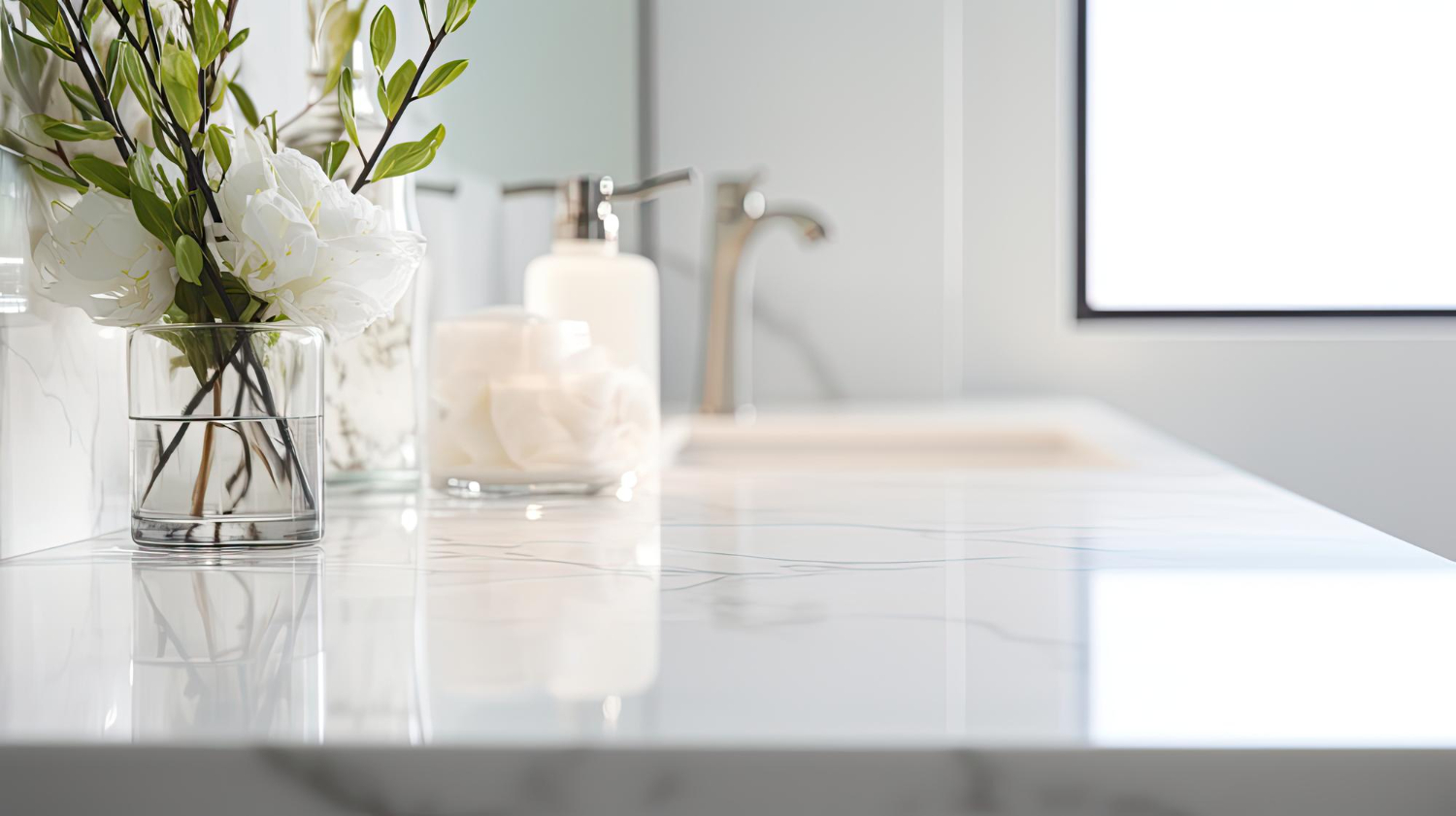
A team at the travel site Travelmath sampled 36 swabs from nine hotels across the rating spectrum and found the bathroom counter was the single most bacteria-laden surface in every category they tested, averaging 1,288,817 colony-forming units (CFU) per square inch in four- and five-star hotels. For context, a standard hospital cleanliness threshold is 5 CFU per square centimeter. The bathroom counter catches everything: toothbrushes, makeup bags, wet hands, dropped items. Housekeeping typically disinfects it, but a quick pass with an alcohol wipe on arrival is the cheapest insurance you can buy.
2. The TV remote
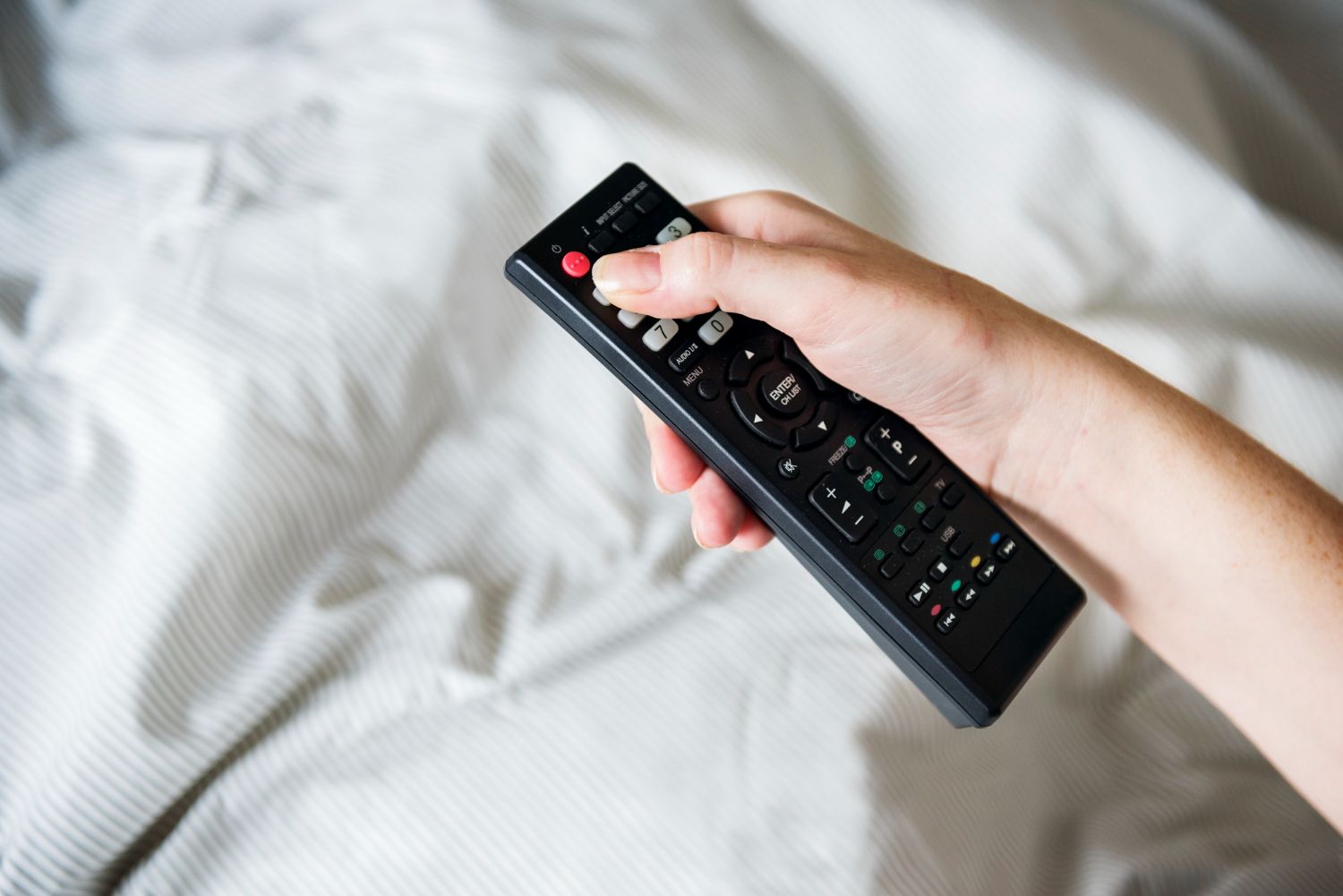
In a 2012 University of Houston study presented at the American Society for Microbiology’s general meeting, TV remotes were identified as one of the two germiest surfaces in a hotel room. The Travelmath follow-up found remotes averaging 1,211,687 CFU per square inch — nearly as high as the bathroom counter. The problem is structural: buttons, crevices, and battery compartments catch residue that a housekeeping wipe-down doesn’t reach. Microbiologist Primrose Freestone at the University of Leicester noted in a 2023 piece for The Conversation that remotes are “in near-constant use” but almost never thoroughly disinfected between guests. Ten seconds with an alcohol wipe solves it.
3. The light switches
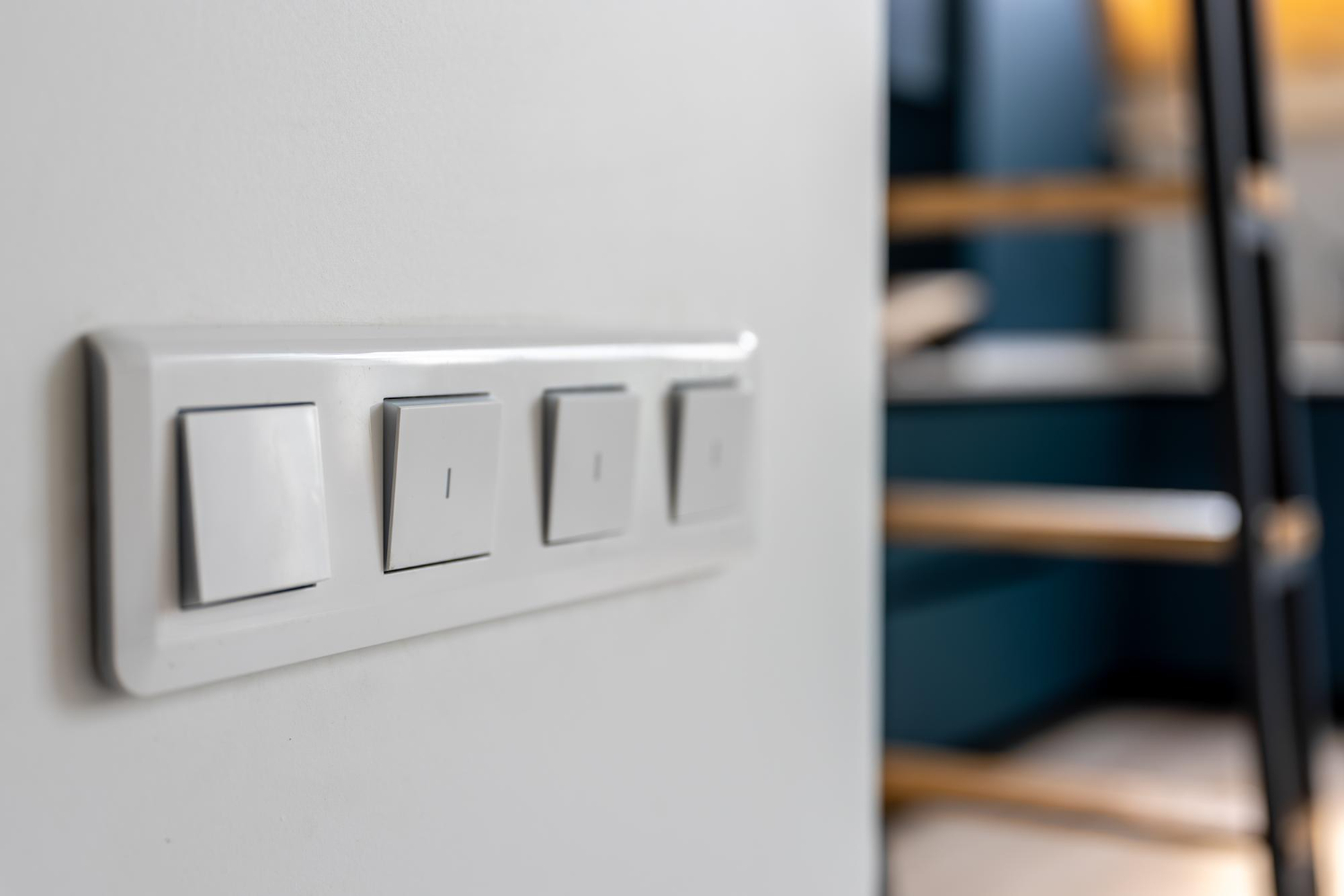
The same University of Houston study found the main light switch in hotel rooms was the other top contender for germiest surface — alongside the remote — with detectable fecal bacteria on multiple samples. The reason is obvious once you think about it: every guest hits the switch on entering the room, often before washing their hands, and again in the dark on the way to the bathroom. Housekeeping staff tend to focus on visible surfaces; switches get missed.
4. The desk or work surface
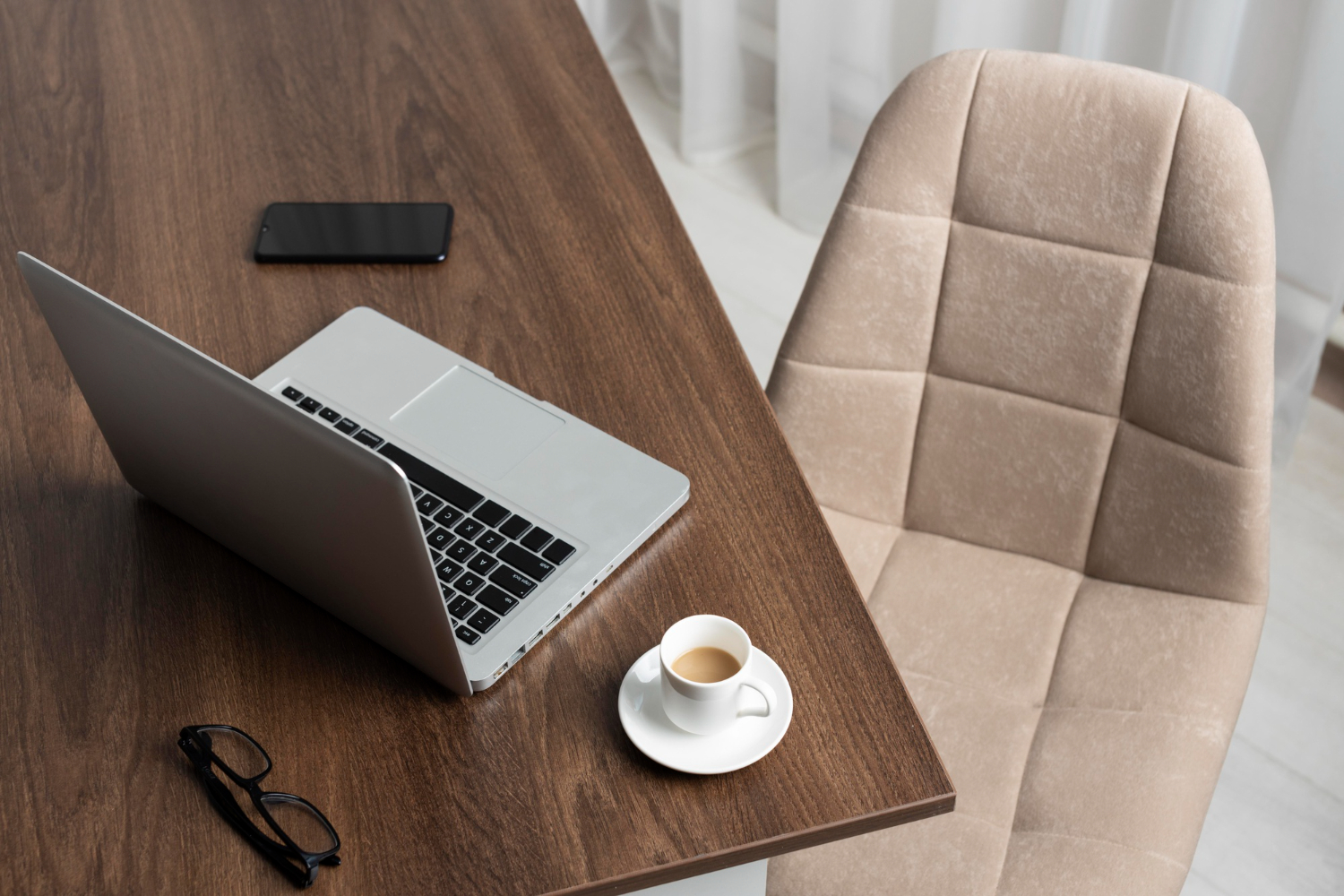
Travelmath’s researchers ranked the desk as the second-dirtiest surface in four-star rooms, at 604,907 CFU per square inch. Desks get used for laptops, takeout food, luggage, and occasionally shoes — and they’re almost never disinfected between guests the way bathroom surfaces are. If you’re going to put food, a laptop, or your phone on it, wipe it first.
5. The phone
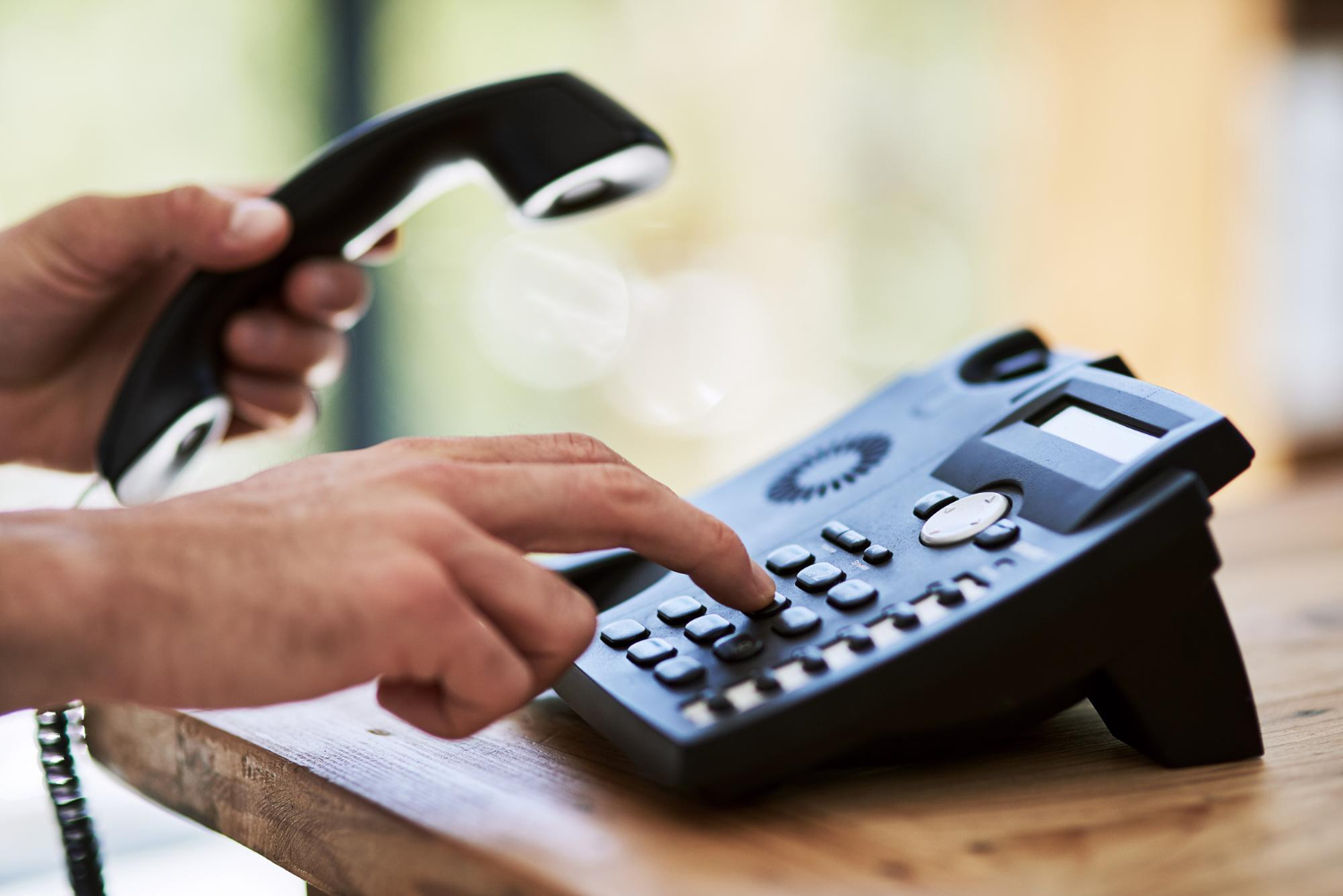
The in-room phone looks dated, but it still gets touched — and it’s another surface the University of Arizona’s Kelly Reynolds has flagged as a bacterial collector. The Travelmath study found hotel room phones averaging 4,252 CFU per square inch, which is lower than the remote and counter but still meaningfully higher than a typical household phone. If you use the phone to call the front desk or order room service, a wipe on the handset and keypad takes five seconds.
6. The bedspread and decorative throw
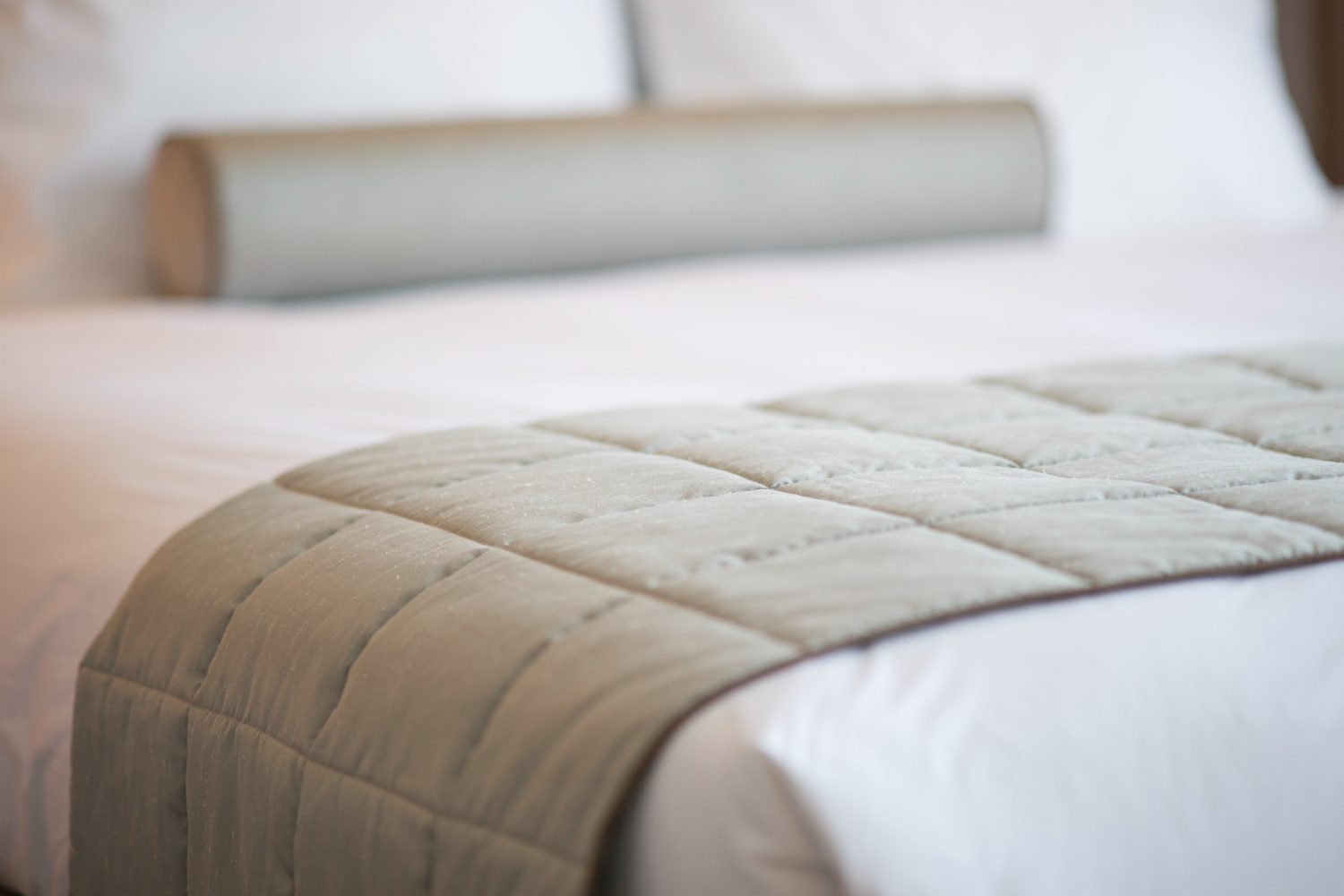
Sheets and pillowcases in reputable hotels are changed between guests. The bedspread, decorative throw, and accent pillows often aren’t. A 2020 study cited by microbiologist Primrose Freestone found significant viral contamination of hotel-room textiles after a pre-symptomatic COVID-19 guest had occupied a room, with particularly high levels on the sheets, pillow case, and quilt cover. The standard recommendation from travel hygiene experts: fold the decorative bedspread off the bed and onto a chair before you sleep, or use a packable microfiber liner between you and any unchanged fabric.
7. The coffee maker
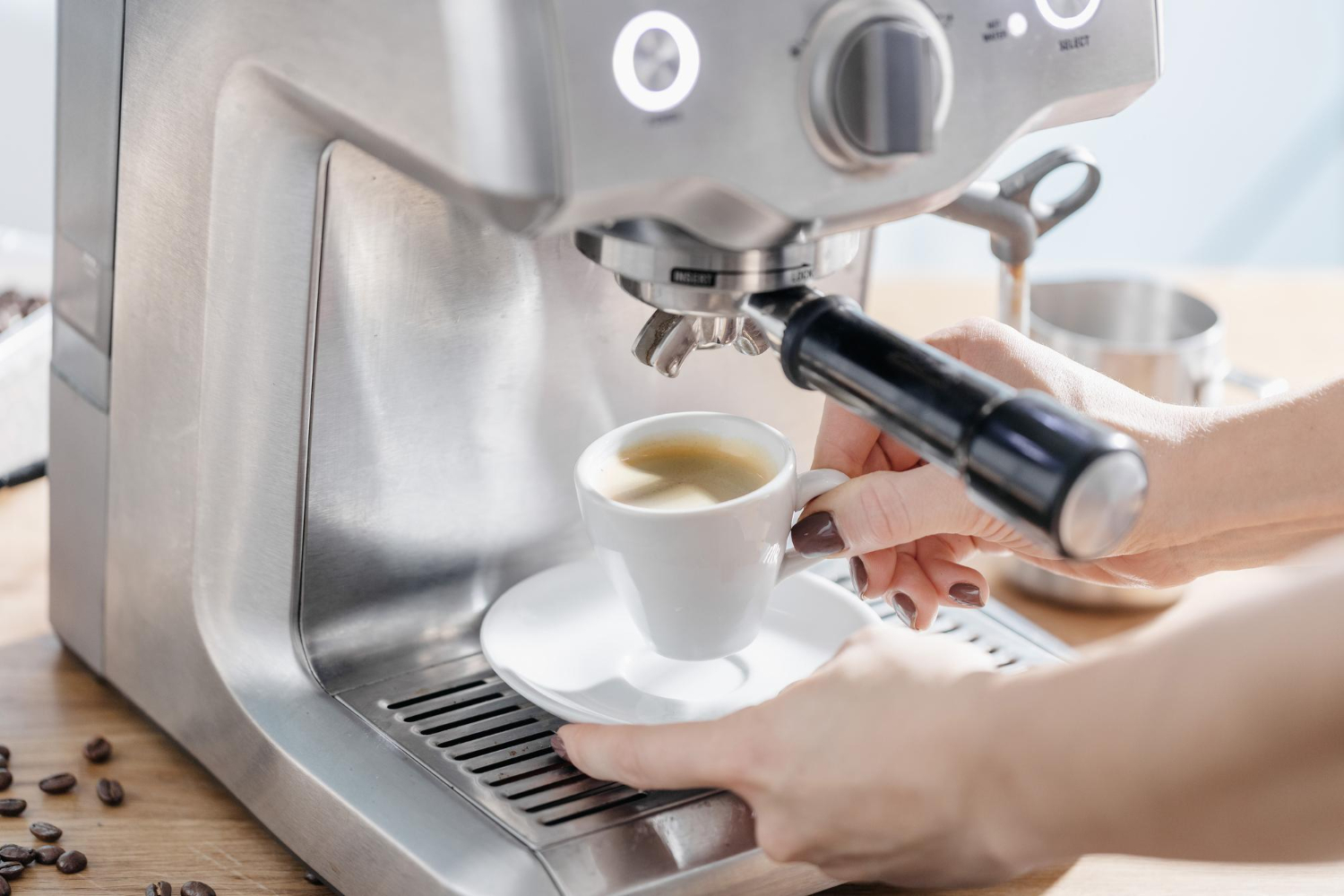
This one surprises people. The in-room coffee machine looks clean because nothing visible is wrong with it, but the reservoir, drip tray, and interior components catch moisture and rarely get deep-cleaned between guests. Hotel industry insider Jacob Tomsky, who wrote a memoir about his years in the business, told Sun Online Travel that coffee machines are among the least thoroughly cleaned items in most hotel rooms. If you’re going to use it, run a cycle with water only before making anything you plan to drink — and wipe down the exterior surfaces you’ll be touching.
What actually helps, according to the experts
Every microbiologist I can find quoted on this topic gives the same two pieces of advice. First, hand hygiene matters more than surface cleaning — soap and water for 20 seconds, or alcohol-based sanitizer with at least 60% alcohol. Second, a small pack of alcohol wipes in your toiletry bag is the single most useful travel hygiene tool you can carry. Ten surfaces, ninety seconds, and most of the bacterial exposure in a hotel room is addressed.
Kelly Reynolds of the University of Arizona puts it more directly: the presence of bacteria doesn’t guarantee you’ll get sick — most germs are harmless, and your immune system handles the rest. But for travelers who are already tired, jet-lagged, or traveling with kids, a few minutes of basic hygiene on arrival is a reasonable precaution.
A final note worth mentioning: the surfaces with the lowest contamination in the University of Houston study were the headboard, curtain rods, and — surprisingly — the bathroom door handle. That last one is counterintuitive, but it’s because housekeeping staff reliably disinfect bathroom surfaces as part of their standard cleaning routine. The dirty surfaces are the ones they miss, not the ones you’d expect.