The items are all legal to fly with — but they trigger manual bag searches for specific, predictable reasons. Here’s what the officers actually look for.
Most travelers assume the items that slow them down at security are the obvious ones: oversized liquids, pocket knives, a forgotten bottle of water. In practice, the majority of flagged bags contain things that are entirely legal to fly with. They just happen to look suspicious on an X-ray scanner, or they fall into categories TSA officers are specifically trained to scrutinize. Understanding what those are — and why — can turn a 20-minute secondary screening into a 30-second pass-through.
Here are the six that TSA officers and airport security experts have named most often in recent interviews.
1. Overpacked bags
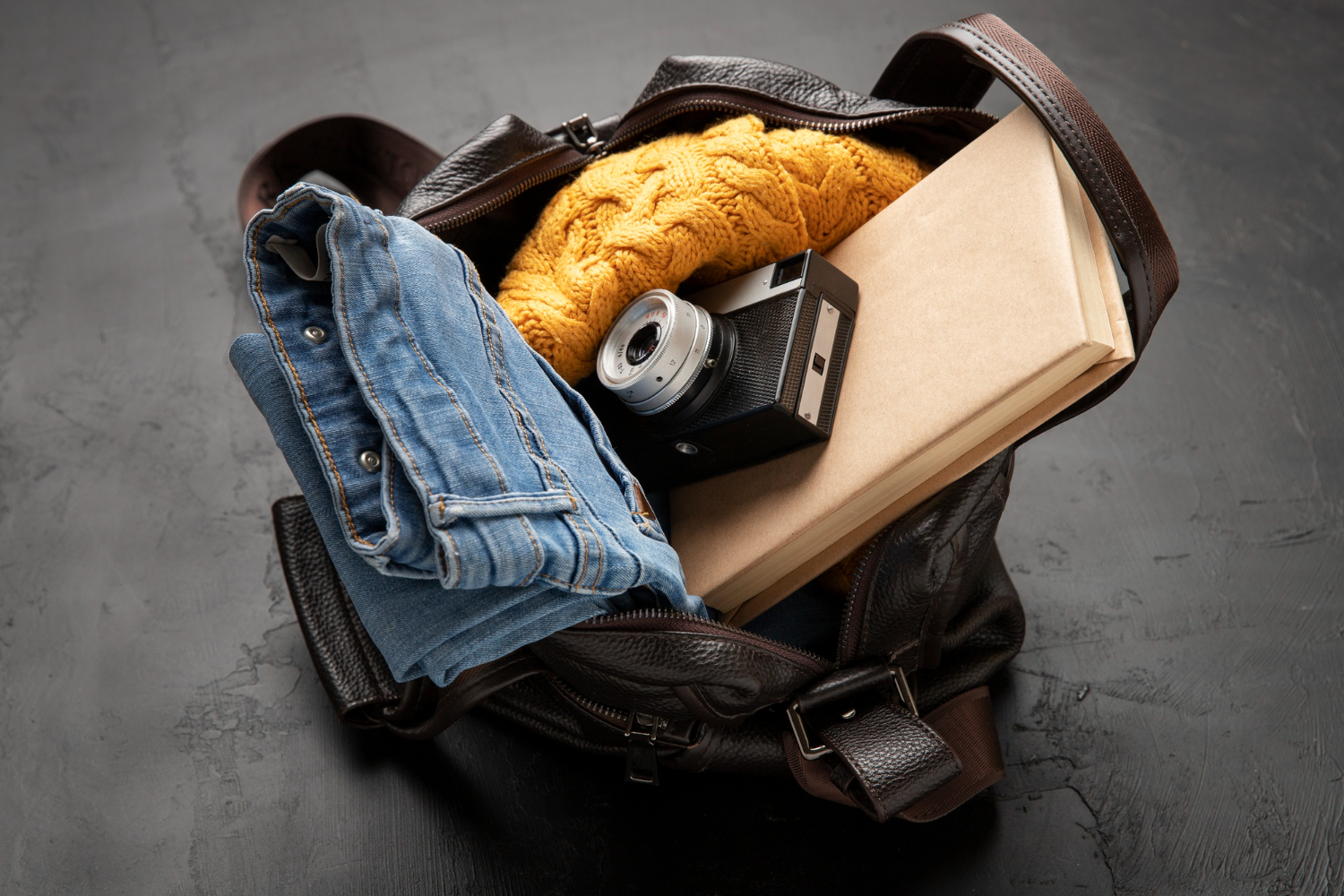
The single most common reason for a flagged carry-on, according to former Transportation Security Officer Michael Delgado in a 2025 interview, is overpacking. “I always advise travelers to never overpack their carry-on bags,” Delgado said. The reason is mechanical, not suspicious: when a bag is stuffed tightly, the X-ray image comes out as an opaque, cluttered mass, and the officer can’t distinguish one item from another. The fix is procedural — they pull the bag for hand inspection.
TSA’s own published guidance confirms this: officers may ask travelers to separate items from carry-on bags because “a jam-packed, cluttered, overstuffed bag” takes extra time to clear. Use packing cubes that can be pulled out and placed in separate bins, and leave some negative space in the bag so the scanner can see through it.
2. Multiple electronics stacked together
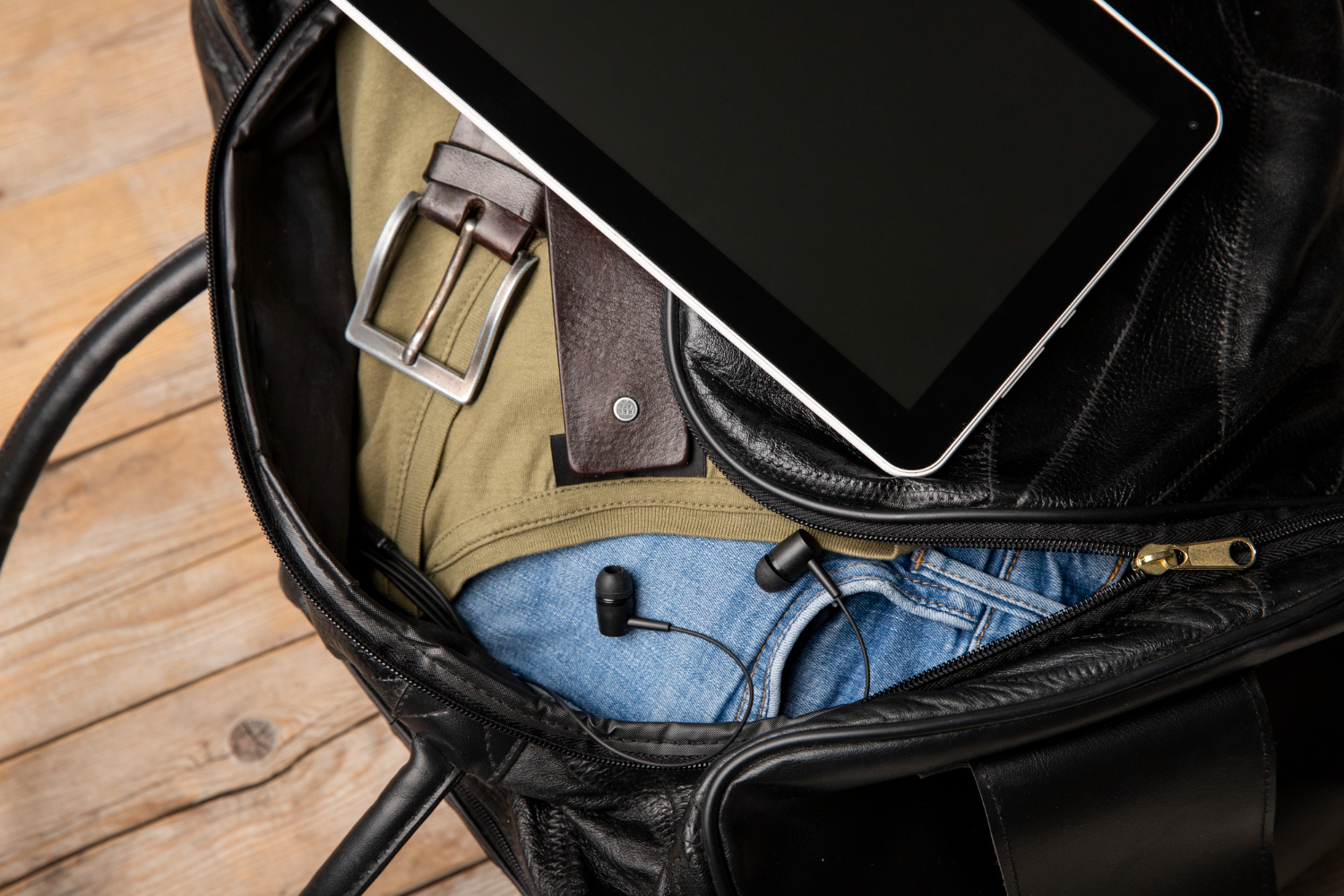
Any personal electronic device larger than a cell phone is supposed to come out of the bag for separate screening — laptops, tablets, e-readers, handheld game consoles. What trips travelers up is packing two or three of these together. When devices stack, the X-ray can’t see through the combined layers. “I have two laptops and an iPad, and the X-ray cannot see through layers of electronic devices properly, so it appears to be a compact mass without details,” one frequent traveler told Yahoo Travel in 2026.
If you’re carrying multiple devices, put at least one into a separate bin rather than leaving all of them in the bag. TSA’s guidance on this is explicit and public: each device “larger than a cell phone” needs its own bin space.
3. Dense foods — cheese, peanut butter, chocolate, and coffee beans

This one catches a lot of people because the food itself is perfectly legal. The problem is visual: dense, paste-like, or opaque foods can look similar to explosive materials on a scanner. Jeff Price, an airport security coordinator and professor of aviation management at Metropolitan State University of Denver with 33 years in aviation security, has specifically flagged coffee beans as a category officers scrutinize — not because coffee is suspicious on its own, but because drug smugglers historically used ground coffee to mask the scent from detection dogs.
The official TSA position is that food is allowed in carry-ons. In practice, if you’re traveling with a block of cheese, a jar of peanut butter, a bag of coffee beans, or a large chocolate bar, expect the bag to be pulled for hand inspection. Put food items in a separate bin proactively, and the screening goes much faster.
4. Powders over 12 ounces

TSA’s powder rule is one of the least-known policies that catches frequent travelers. Any powder-like substance over 12 ounces (350 milliliters) must be separated for X-ray screening, and if officers can’t identify what it is, it can be prohibited from the carry-on entirely. The category is broader than people expect: protein powder, baby formula, ground spices, bath salts, foot powder. All of it qualifies.
For travelers bringing back souvenirs from a food-focused trip — ground spices, loose tea, matcha powder — the safest move is to pack quantities over 12 ounces in checked luggage. For smaller amounts, pull them out proactively at the bin.
5. Cords and cables tangled together

A looser pattern, but one that comes up often enough to be worth knowing. Loose or tangled cables in a carry-on can look on an X-ray like a deliberately obscured bundle, and officers will routinely pull a bag with a messy cord nest for manual inspection. One travel writer noted that her charging-cord pouch has been flagged repeatedly — twice in succession — and her workaround is to remove the cord bag before putting the carry-on through the scanner.
The fix is simple: put cables in a dedicated organizer pouch, or better yet, pull that pouch out and bin it separately. This is the single easiest piece of TSA-flagging to eliminate from your travel routine.
6. Large amounts of cash or multiple currencies
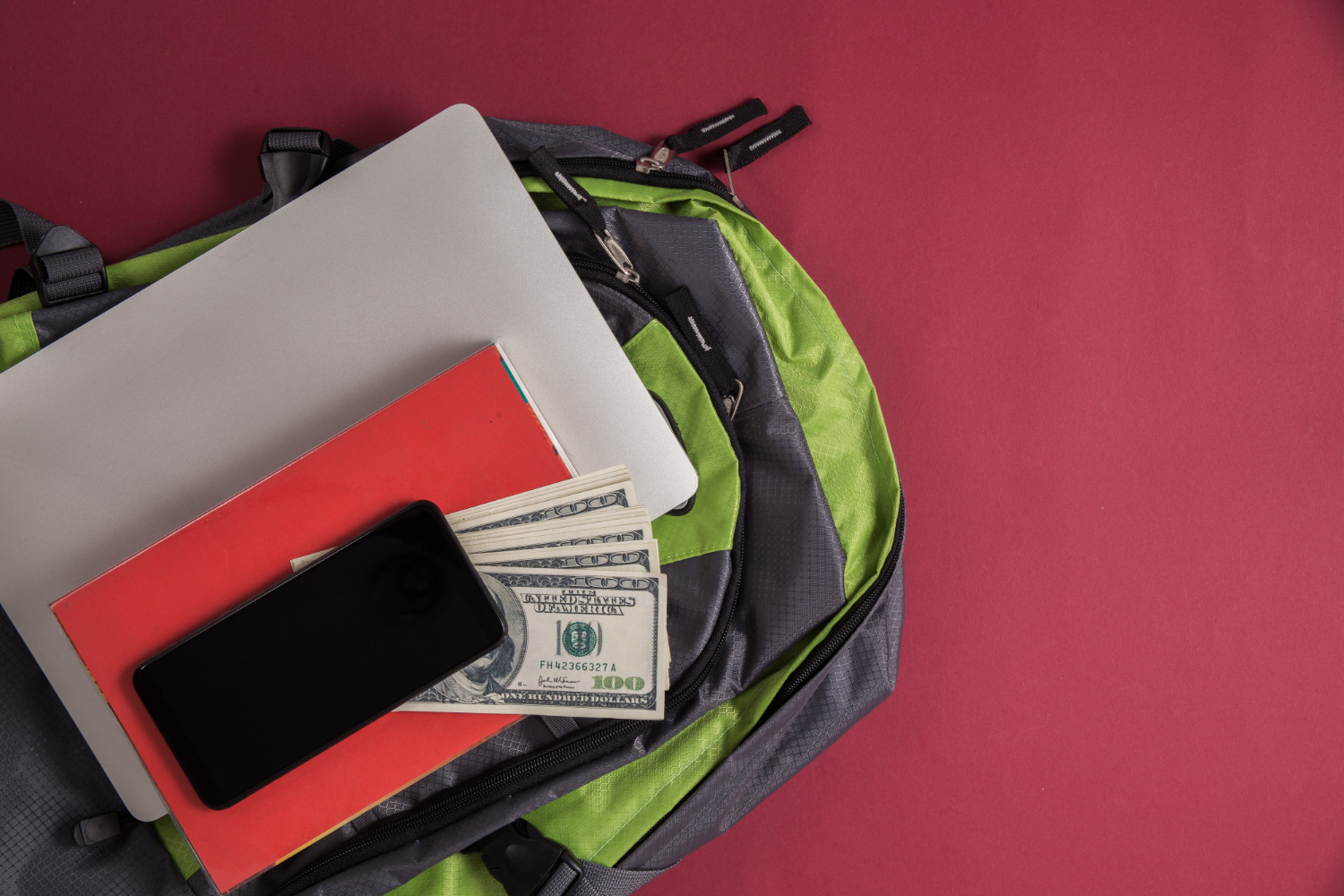
This one surprises most travelers. Carrying a significant amount of cash — particularly in multiple currencies — is legal but can trigger questions from a TSA officer. Sahara Rose De Vore, a travel consultant who has visited more than 80 countries, told Reader’s Digest in 2026 that she’s been stopped at many airport security checkpoints specifically to explain why she has multiple currencies. Her reporting: “They are worried about sex trafficking, and this is something they often want to ask you about.”
Officers may ask about your recent destinations and who you work for. The practical workaround De Vore offers: convert unused foreign currency back to your home currency before you fly, rather than carrying a wad of mixed bills through security.
What TSA officers are actually trained to look for
Jeff Price, the airport security trainer, explained the underlying framework in a 2025 interview with Fox News Digital: officers aren’t looking for a single suspicious thing. They’re looking for clusters of unusual behavior or appearance against an established baseline of what “normal” traveler behavior looks like at that specific airport and time of day. “You look for clusters of those activities,” Price said. “It’s typically never just one thing.”
The practical implication for travelers is the opposite of what most people do when they’re worried about being flagged: don’t try to look “normal” in a contrived way. Pack your bag so the X-ray can see into it, pull out electronics and food proactively, keep cords organized, and move through the line at a normal pace. The thing that slows TSA down most often is a bag they can’t see through clearly — not one that looks suspicious.
One last detail worth knowing: if your bag is flagged for inspection and moves to a separate conveyor, do not reach for it. In 2019, a passenger at San Diego International Airport reached around a barrier to grab a bag that had been flagged for additional screening, which triggered a full terminal evacuation and 7,000 people being re-screened. Even an accidental move toward a flagged bag is treated as a potential security breach.