

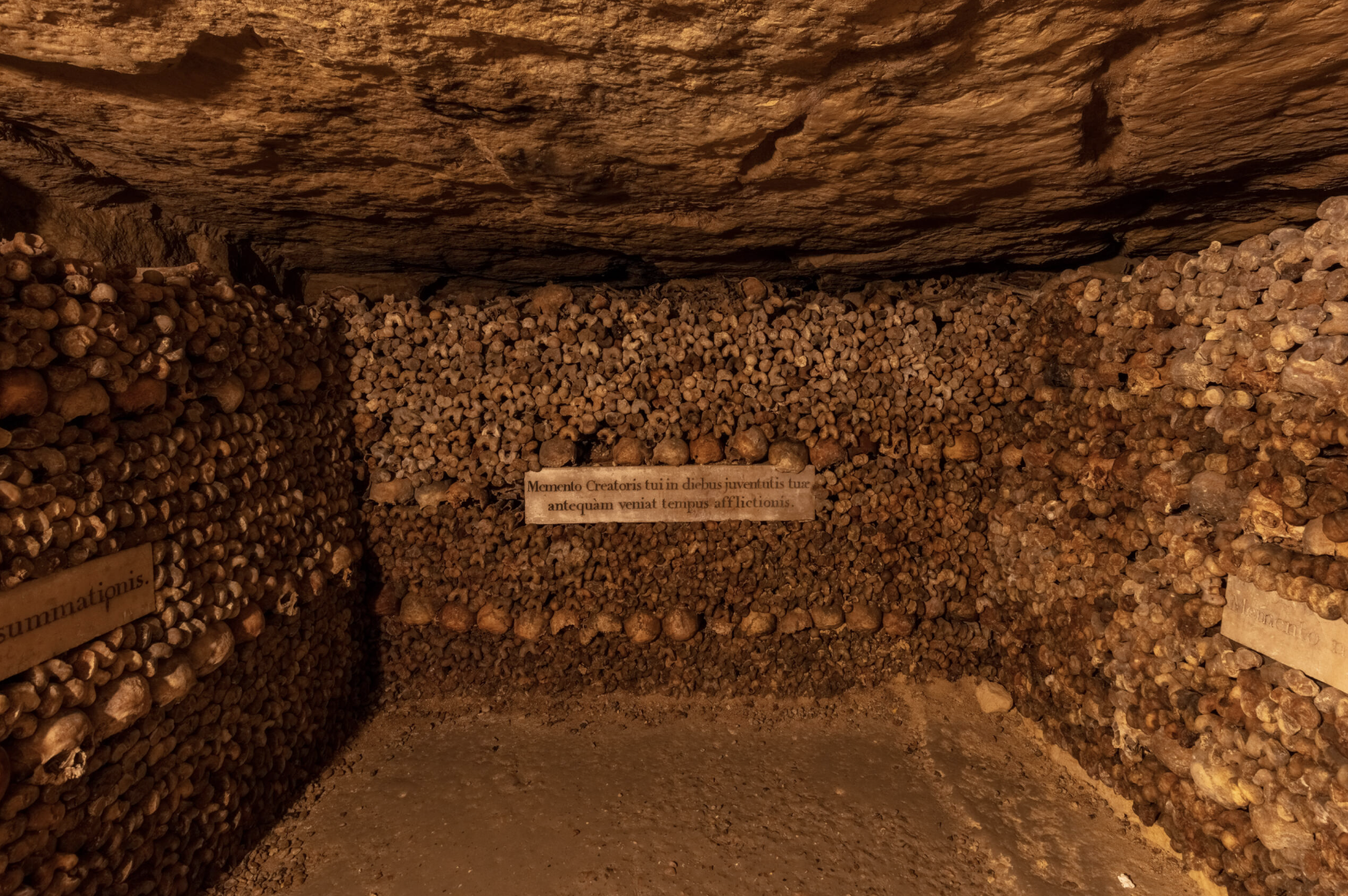
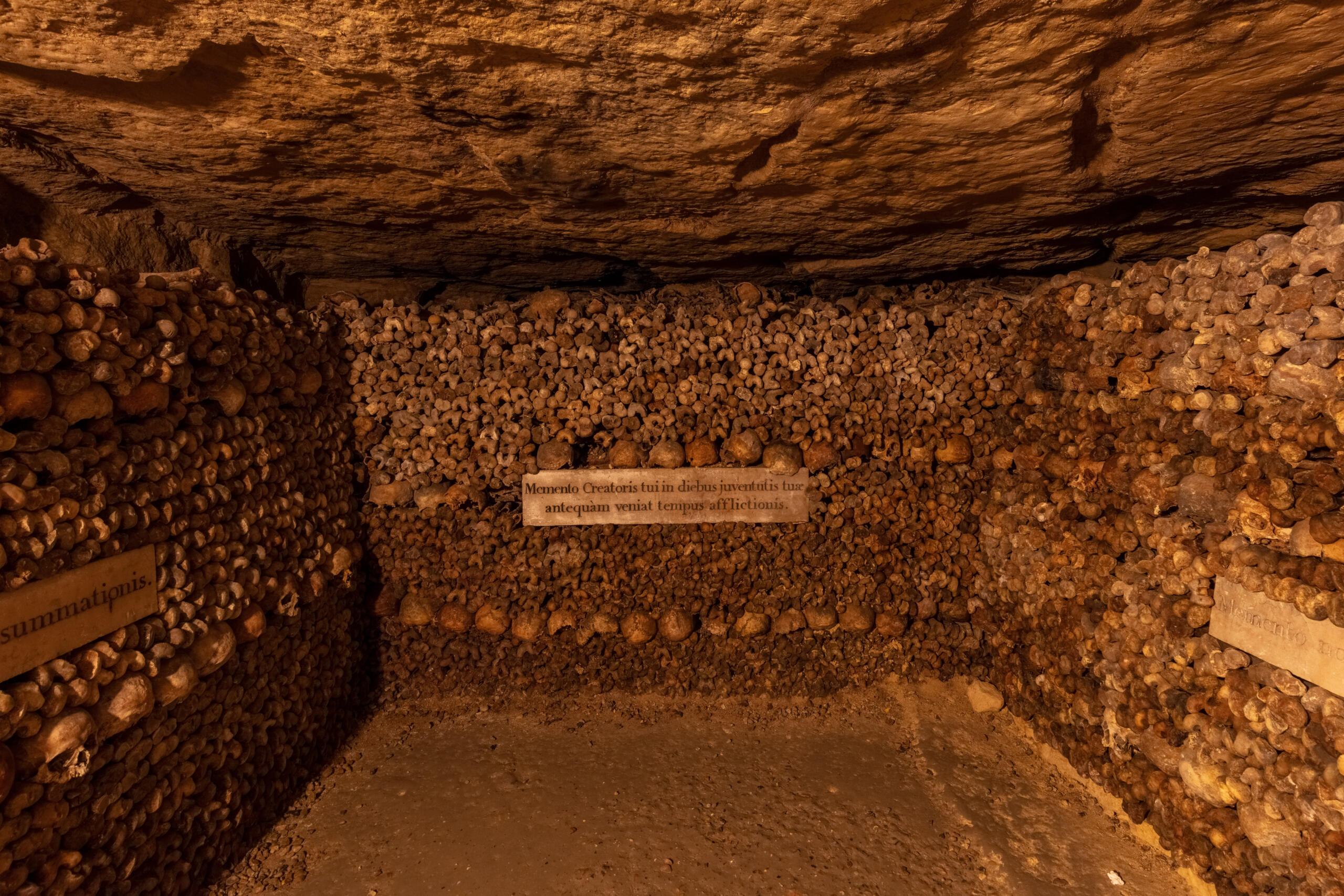
Only 1 mile of the Paris Catacombs is legally accessible to tourists. The other 199 miles are off-limits, dangerous, illegal to enter, and home to a centuries-old underground subculture of “cataphiles” — including the group that built and operated a secret movie theater in 2004 that police only discovered by accident.
If you take the Métro to the Denfert-Rochereau station in the 14th arrondissement of Paris, walk to a small unmarked door on a side street, descend 131 spiral steps, and walk through a narrow stone passage, you’ll come to an inscription carved above an arched doorway in French: “Arrête! C’est ici l’empire de la Mort.” It translates to: “Halt! This is the empire of Death.”
What waits beyond is the official entrance to Europe’s largest ossuary, holding the carefully arranged skeletal remains of more than six million people.
1: Six million bodies underground
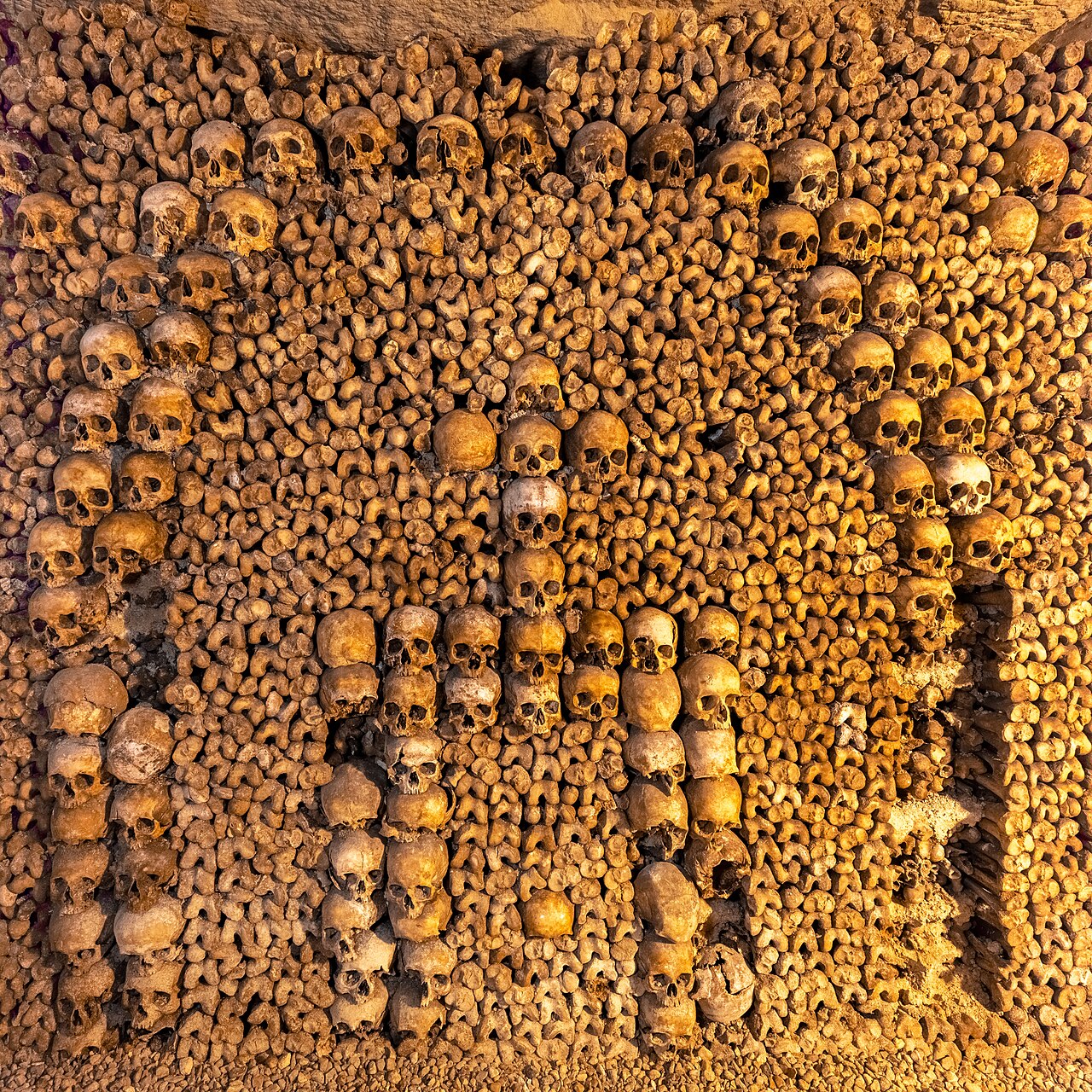
The Catacombs of Paris hold the remains of more than 6 million people, making them Europe’s largest ossuary and one of the most famous tourist attractions in the city. The bones are stacked into walls, archways, and decorative patterns. Femurs are arranged in geometric designs. Skulls are placed at regular intervals. The arrangements stretch for approximately 1.5 kilometers (about 1 mile) of guided tour route. The bones come from Parisians who died across many centuries — some of them dating back over 1,200 years to the Merovingian Dynasty.
2: The 200-mile network most tourists never see

This is, however, a small fraction of what’s actually beneath Paris. The total underground network — known to locals as les carrières de Paris (the mines of Paris) — extends approximately 300 kilometers (180-200 miles) beneath the city, mostly south of the Seine in the 5th, 6th, 14th, and 15th arrondissements. Only the small museum section is legally accessible. The rest is a forbidden underworld with its own subculture, history, and ongoing cat-and-mouse game between authorities and explorers.
3: Why the bones ended up there
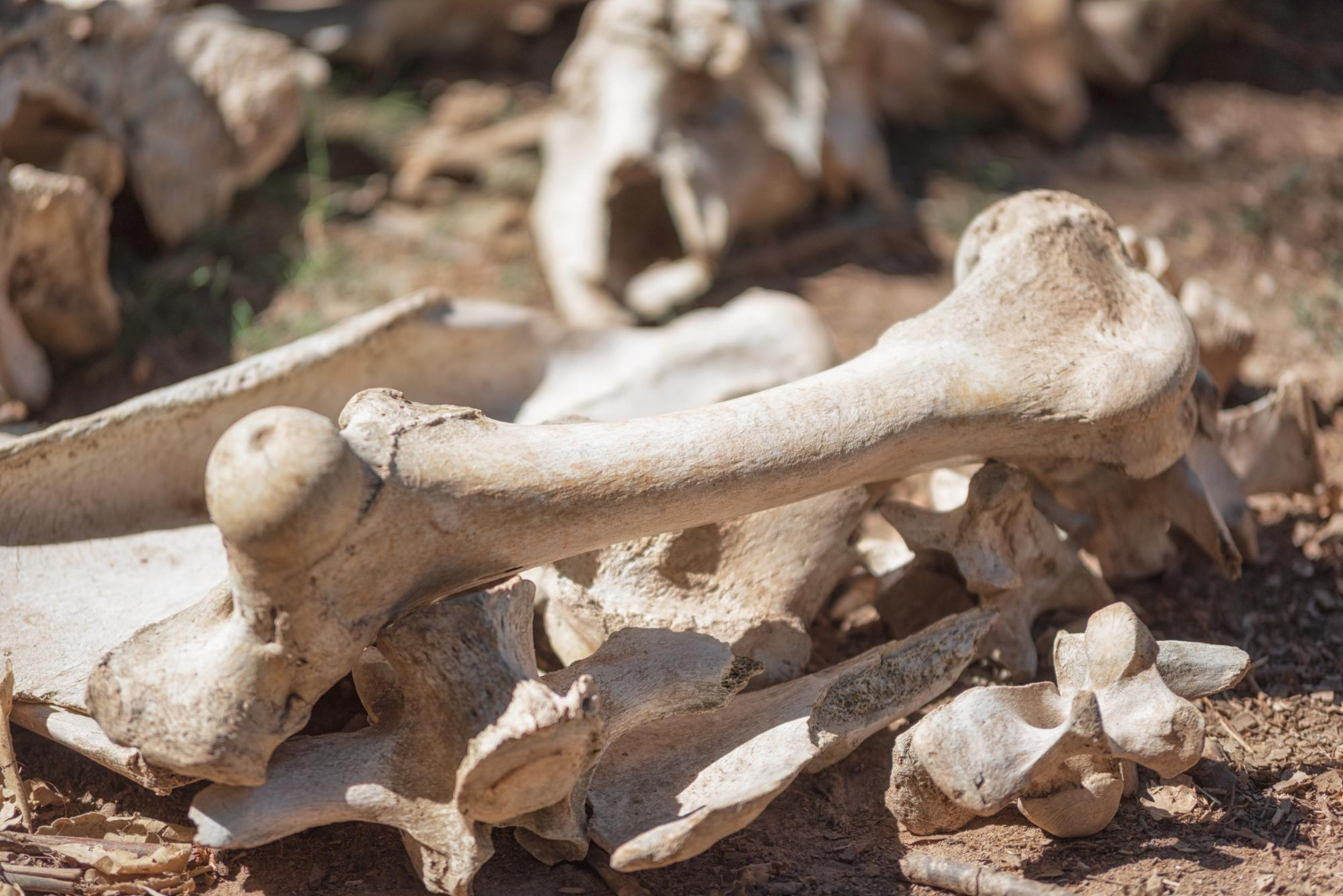
The Catacombs originated as a solution to two related problems in 18th-century Paris. The first was structural: Paris had been built using Lutetian Limestone quarried from underground mines beneath the city since Roman times. By the 18th century, much of Paris was built directly above old mine tunnels. In 1774, a series of cave-ins began collapsing buildings. The second problem was the cemeteries — particularly Les Innocents, a cemetery in the heart of the medieval city that had received bodies for over 800 years and had become catastrophically overcrowded.
4: The wall that finally collapsed
The crisis came on May 31, 1780, when a basement wall in a property next to Les Innocents collapsed under the weight of the mass grave behind it. Decomposing remains poured into the basement of the adjoining building. The cemetery was immediately closed, and all burials within Paris’s city walls were forbidden after 1780. The solution was elegant if grim: combine both problems by moving the cemetery remains into the consolidated quarries underground.
5: Bone wagons through the night
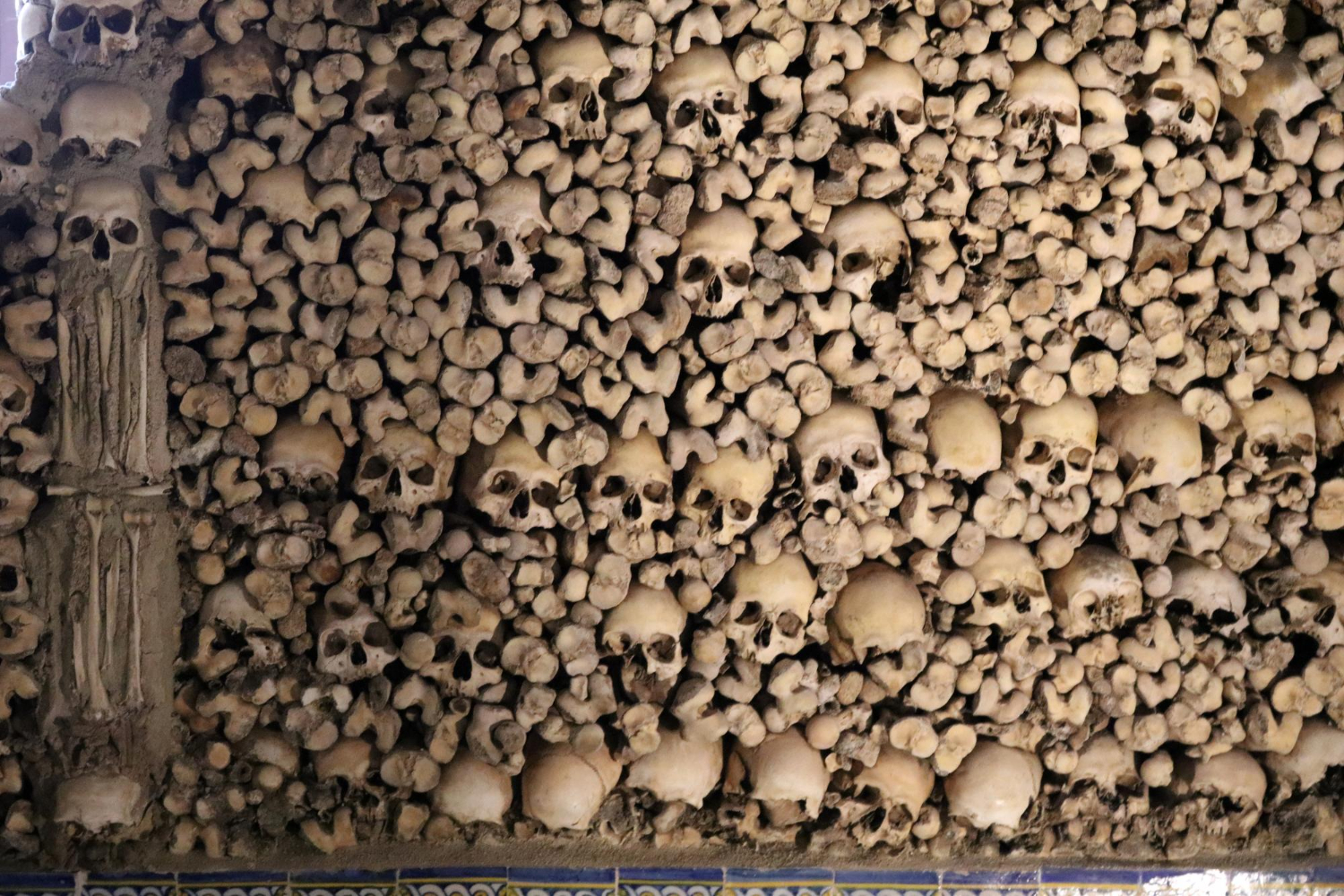
Beginning in 1785-1786, nightly processions of covered wagons transferred bones from Les Innocents to a quarry near the Rue de la Tombe-Issoire. The transfers were done at night specifically to avoid public outcry, with priests leading the wagons and conducting prayers as the bones were deposited. The transfers continued — interrupted by the French Revolution, then resumed in 1800 — until approximately 1860. By the time the work was complete, the remains of approximately 6 million Parisians had been moved underground.
6: The artistic reorganization
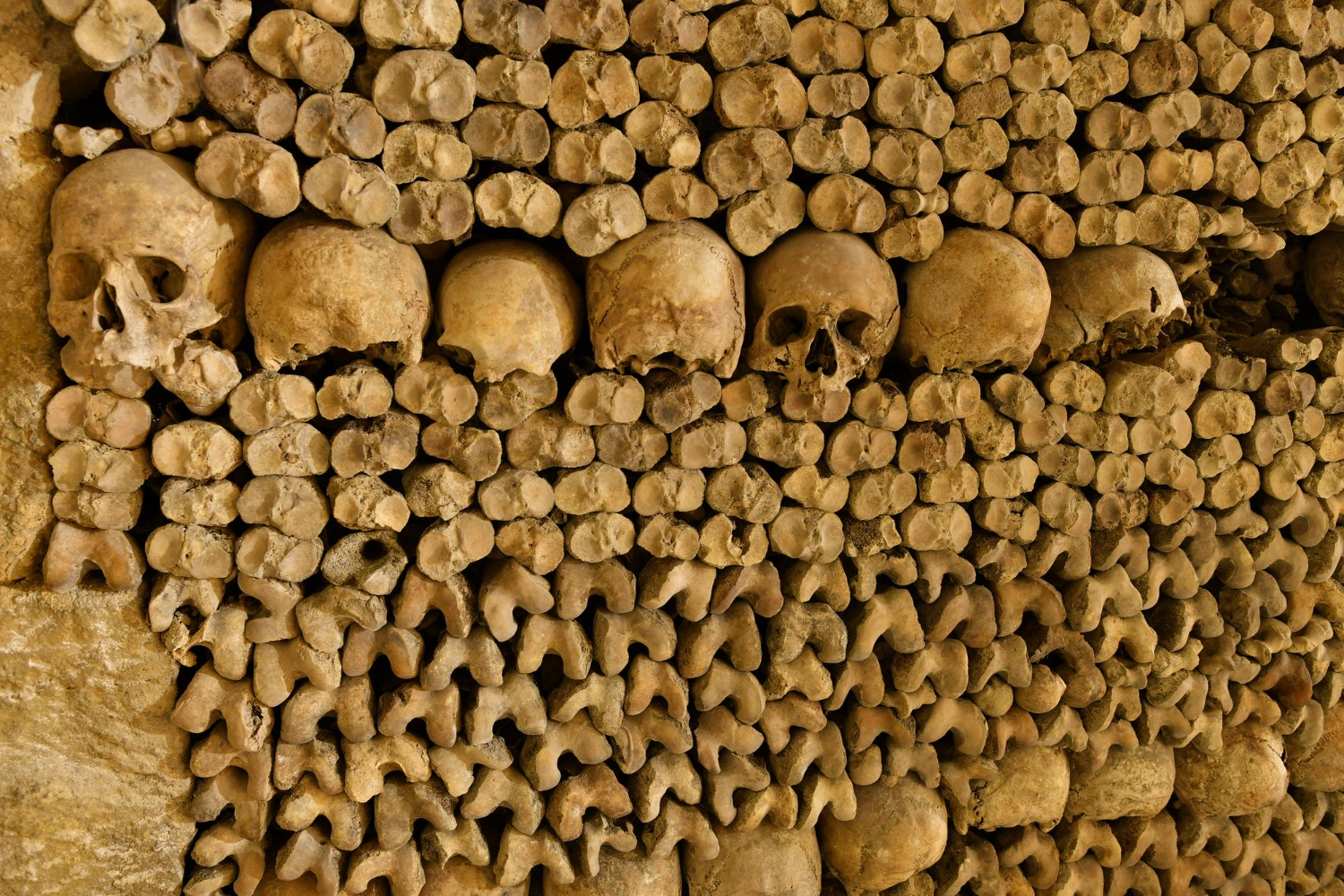
In 1810-1814, Inspector Héricart de Thury reorganized the haphazardly-deposited bones into the elaborate decorative arrangements that visitors see today. Following the museographical aesthetic of the Napoleonic era, he created bone walls, archways, columns, and monuments designed in classical and Egyptian styles. The result was both a final resting place and a deliberately curated memento mori — a site designed to confront visitors with the brevity of life. The Catacombs museum has drawn approximately 550,000 visitors per year in modern times.
7: The cataphile subculture
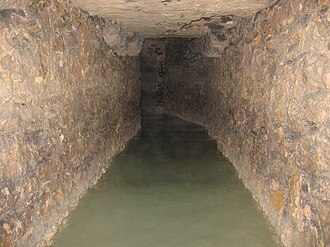
Outside the official museum tour, the rest of the 300-kilometer network is officially closed to the public. It has been illegal to enter the unauthorized tunnels since 1955. Despite the prohibition, an active subculture of explorers — known as “cataphiles” — has continuously accessed the unauthorized tunnels for decades. The community is large, secretive, and well-organized. According to National Geographic’s reporting, it includes “hundreds of thousands of people from many different backgrounds.” Activities include parties, concerts, art installations, swimming holes carved into flooded chambers, hidden bars, and elaborate sculptures.
8: The cataflics
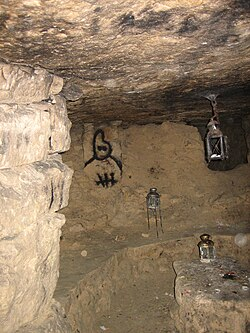
A special branch of the Paris police, dubbed “cataflics” by locals (a play on the French slang for police, “flics”), patrol beneath the city streets. Penalties for unauthorized entry include fines (typically around €60 for first offenses) and removal. Cataphile activity has surged at certain points in history — during the May 1968 student revolts, when students used the tunnels to evade police barricades; through the 1980s when cataphile culture became something of a lifestyle for a particular Parisian subculture; and during COVID-19 lockdowns when people sought ways to gather away from public health surveillance.
9: The secret cinema of 2004
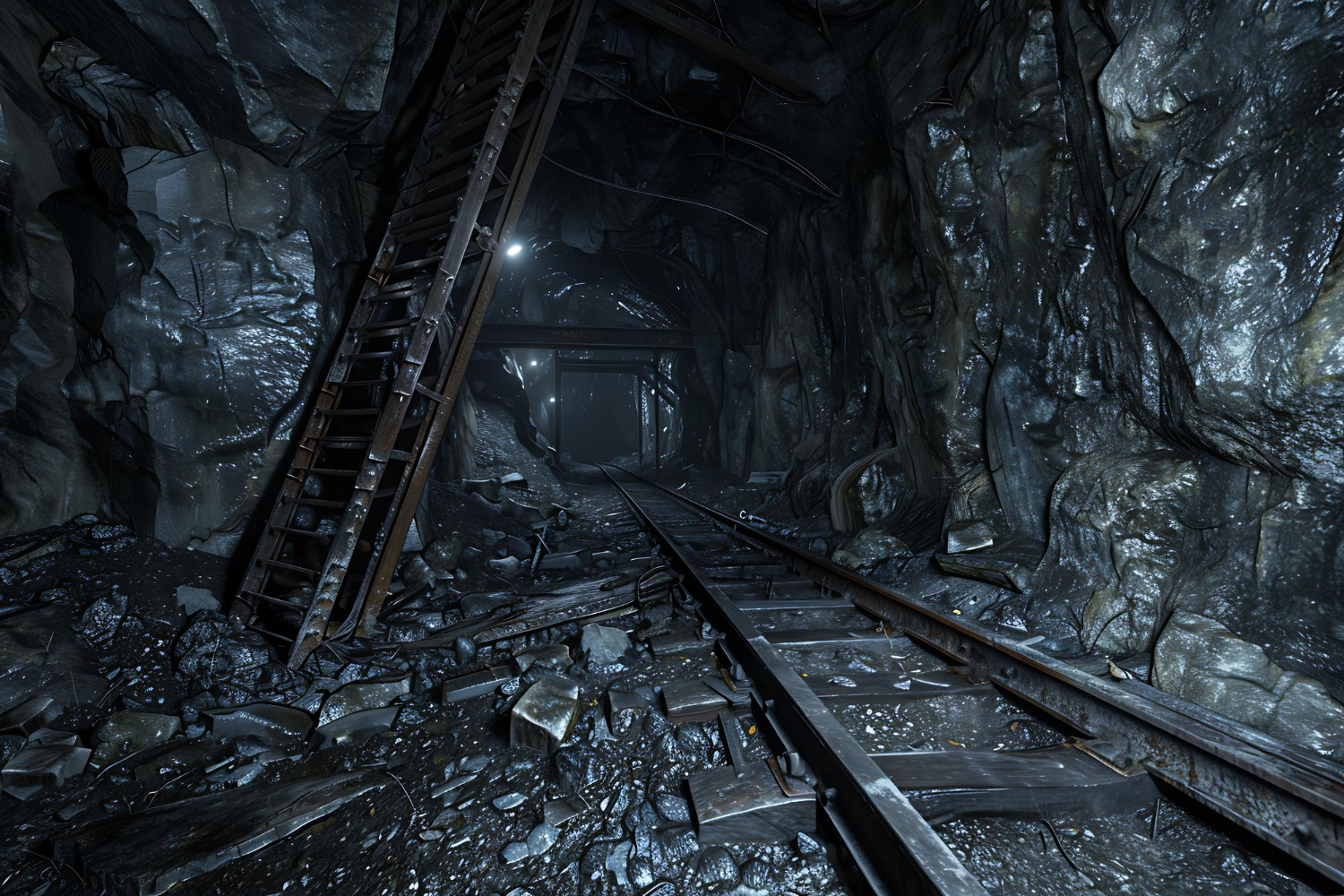
The most famous recent cataphile project was discovered by accident in 2004. In a tunnel section beneath the Trocadéro neighborhood, a group of Paris police officers were exploring on a routine inspection. They came across a chamber that had been entirely converted into a fully-functional movie theater — complete with a giant cinema screen, projection equipment, film reels, audience seating for approximately 20 viewers, a fully stocked bar, a complete restaurant area, and video cameras mounted on the ceiling recording the chamber.
10: “Don’t search.”

The police officers spent some time inspecting the cinema, then left to file their report. When they returned a few days later with a larger team to investigate, the chamber had been completely emptied. The screen, projectors, seating, bar, restaurant, and cameras were all gone. In their place was a single handwritten note that read: “Ne cherchez pas” — “Don’t search.” A group called Les UX (Urban Experience) eventually claimed responsibility for the installation. Les UX is a long-standing Parisian collective that specializes in unauthorized urban projects, including the secret repair of the Pantheon’s clock in 2006.
11: The 2017 disappearance
In June 2017, two teenagers aged 16 and 17 entered the unauthorized tunnels for what they intended as a fun weekend adventure. They became completely lost in the 200-mile network of unmapped corridors. For three days, they wandered in pitch-black conditions, growing increasingly hypothermic in the constant 57°F temperature, with no cell phone reception. Search teams from the Paris Fire Brigade and specialized cave rescue units were eventually called in. The teenagers were rescued after three days, suffering from severe hypothermia. They both survived but required extensive medical treatment.
12: Philibert Aspairt’s ghost
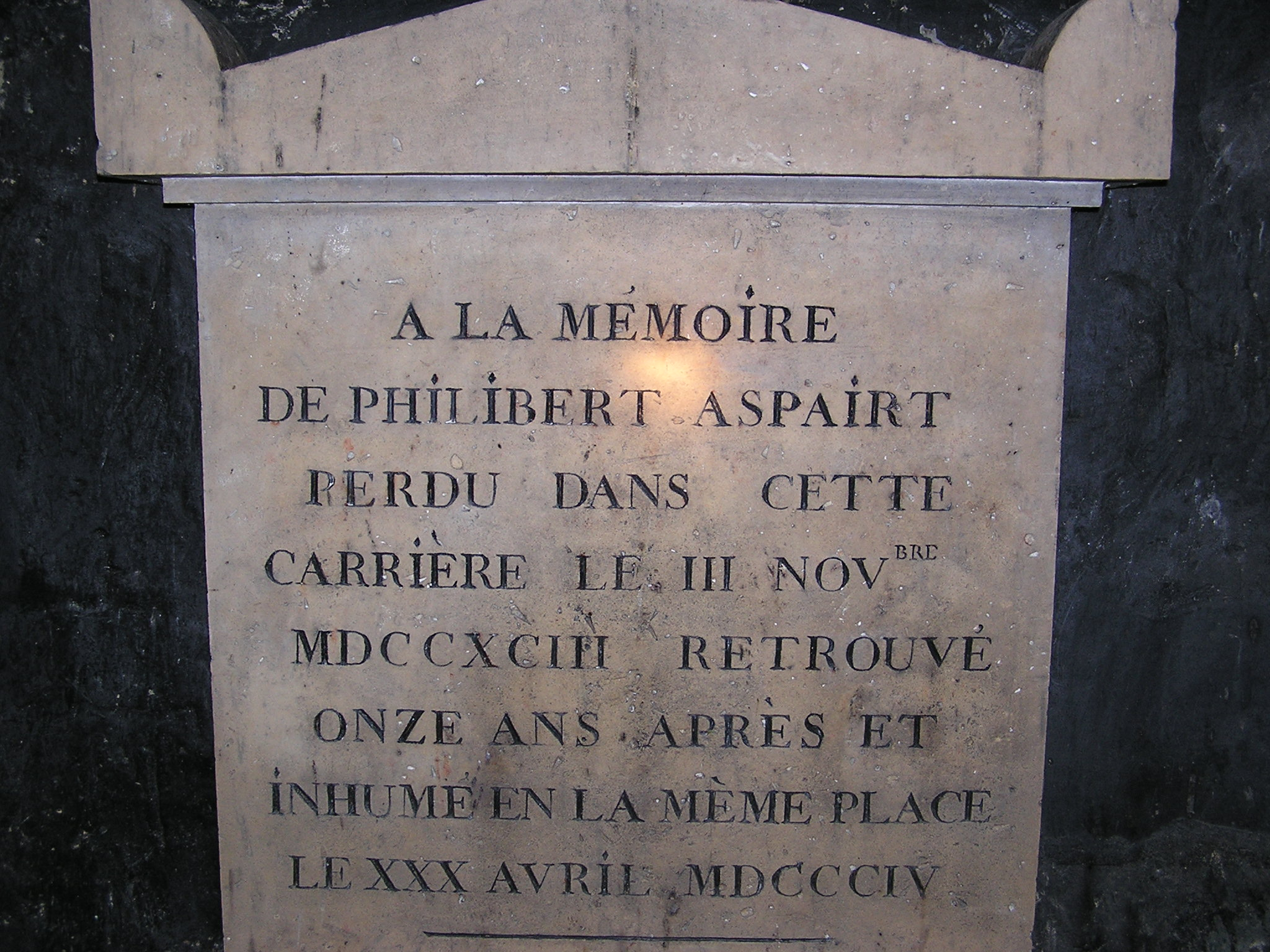
The 2017 case is unusual only because the teenagers survived. The most famous catacomb death involves Philibert Aspairt, a doorman at the Val-de-Grâce hospital who in 1793 was sent to the cellar to fetch a bottle of liquor during the French Revolution. He accidentally entered an unmarked door leading into the catacombs. His candle went out. He became lost. His body was discovered eleven years later. According to cataphile tradition, his ghost still wanders the tunnels, sometimes appearing to lost cataphiles to lead them to safety.
13: The full underground network
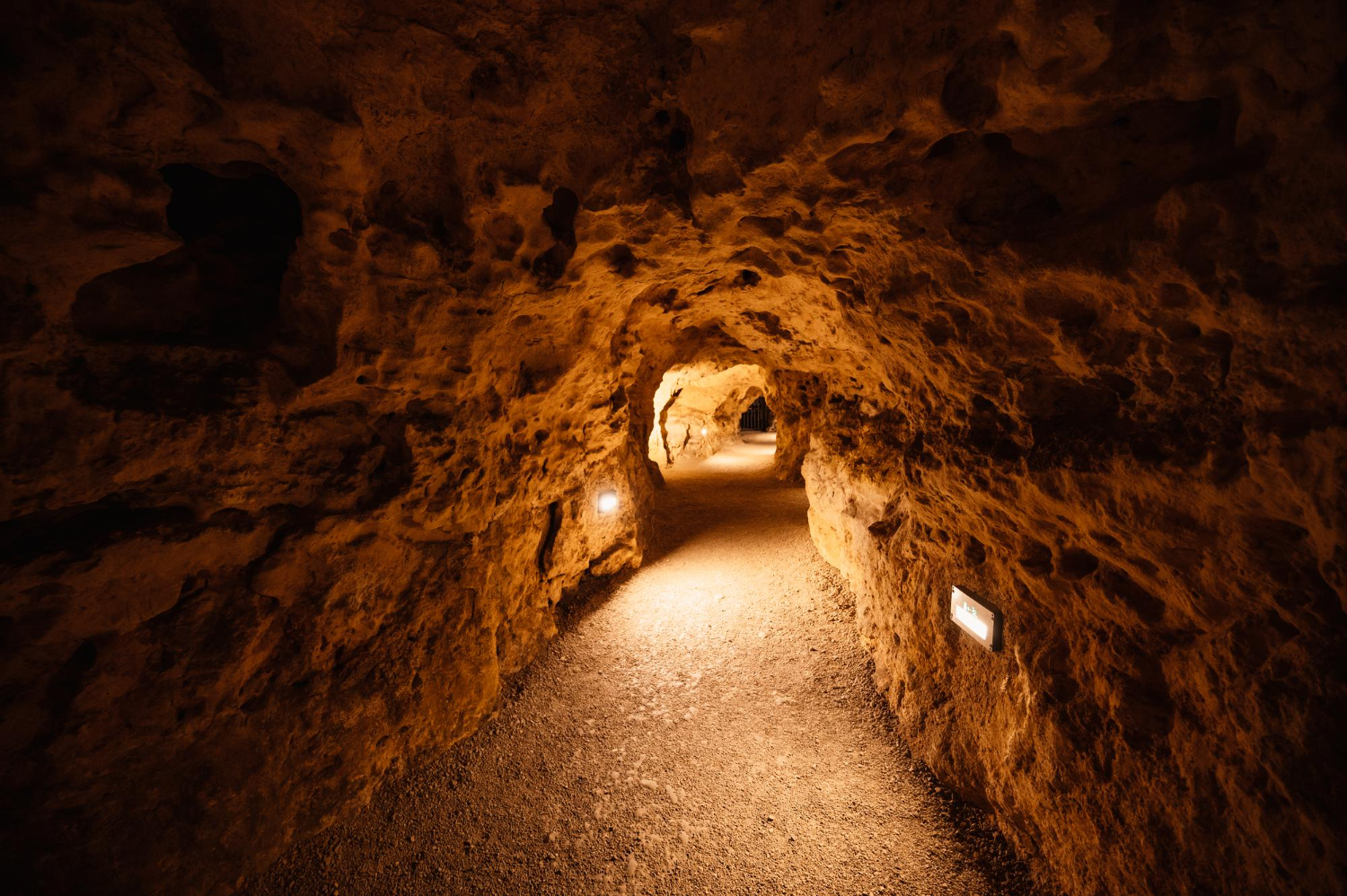
The 300-kilometer network includes much more than just the ossuary. There are active sewer and water management tunnels, Métro lines, telephone and fiber optic infrastructure, the 19th-century underground breweries that produced over 1 million hectoliters of beer per year at their peak, underground mushroom farms, and WWII-era infrastructure including French Resistance headquarters (where Colonel Rol-Tanguy directed the Liberation of Paris in June 1944) and a Nazi Wehrmacht bunker beneath the Lycée Montaigne.
14: A city beneath the city
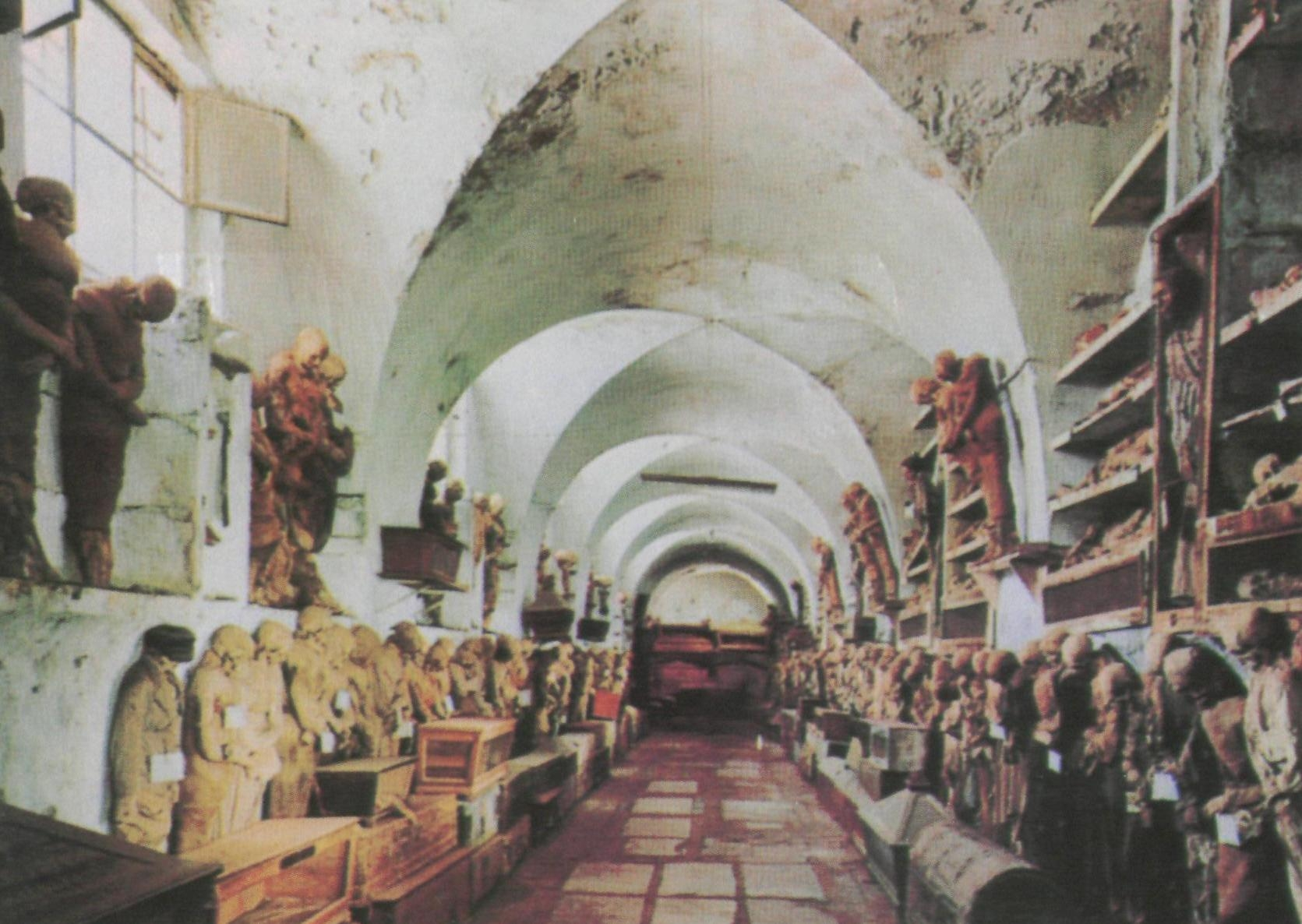
The unauthorized exploration of the catacombs is genuinely dangerous and genuinely illegal. Several deaths per decade is the realistic risk profile. But the appeal of the underground network — the sense of a hidden city, of bones and history layered on top of each other, of a subterranean world operating by rules entirely different from the city above — has been continuously irresistible to certain Parisians for over 200 years. Long after the official Catacombs museum closes for the night, somewhere in the 200 miles of off-limits tunnels, cataphiles are exploring, building, partying, and occasionally dying — in a city beneath the city that few residents of Paris even know exists.
