Hashima Island held the highest population density in human history, the place that inspired the villain’s lair in Skyfall, and the site where hundreds of forced laborers died in undersea coal mines. UNESCO listed it as a World Heritage Site in 2015 — and Japan still refuses to call what happened there “forced labor.”
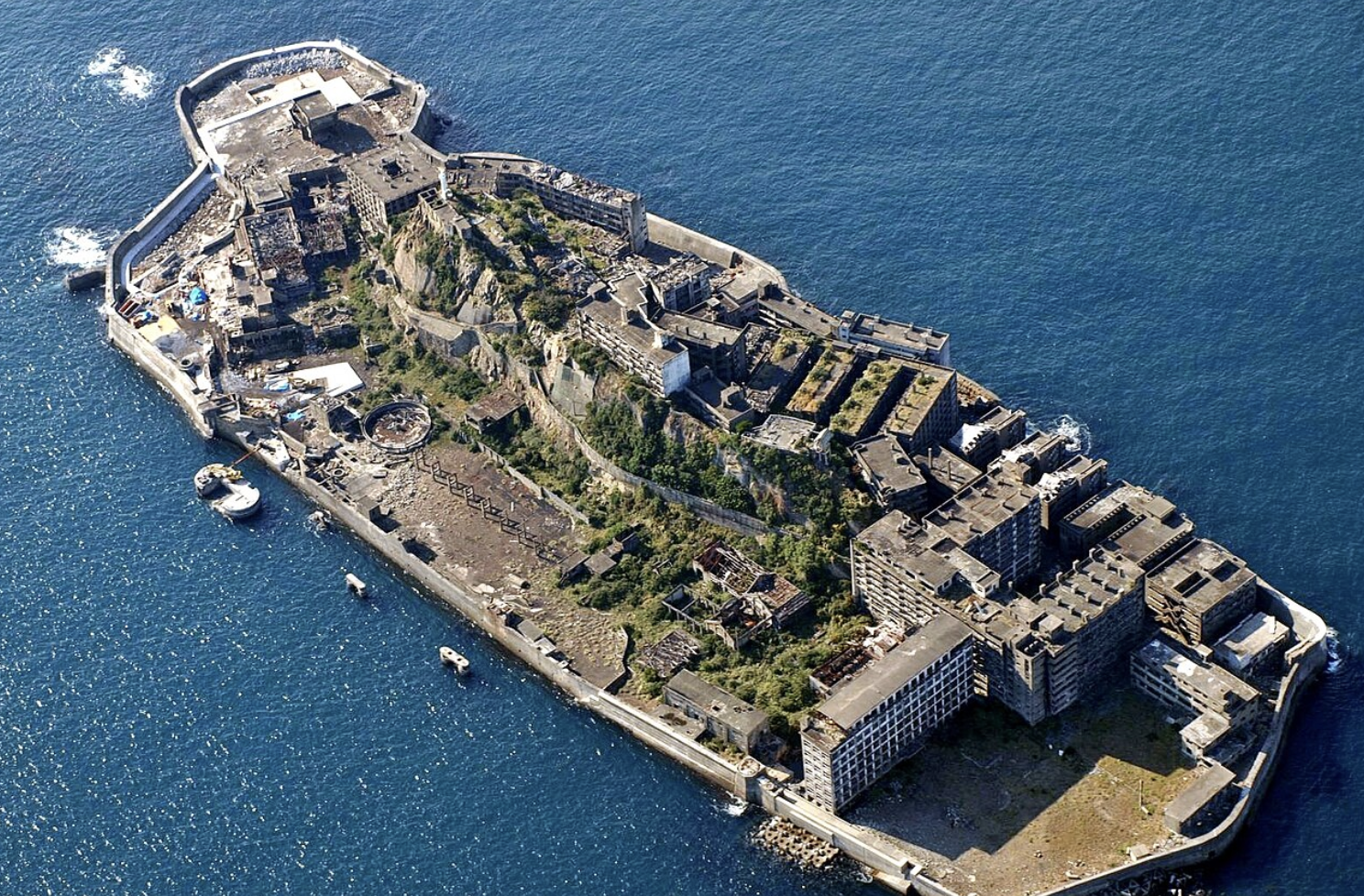
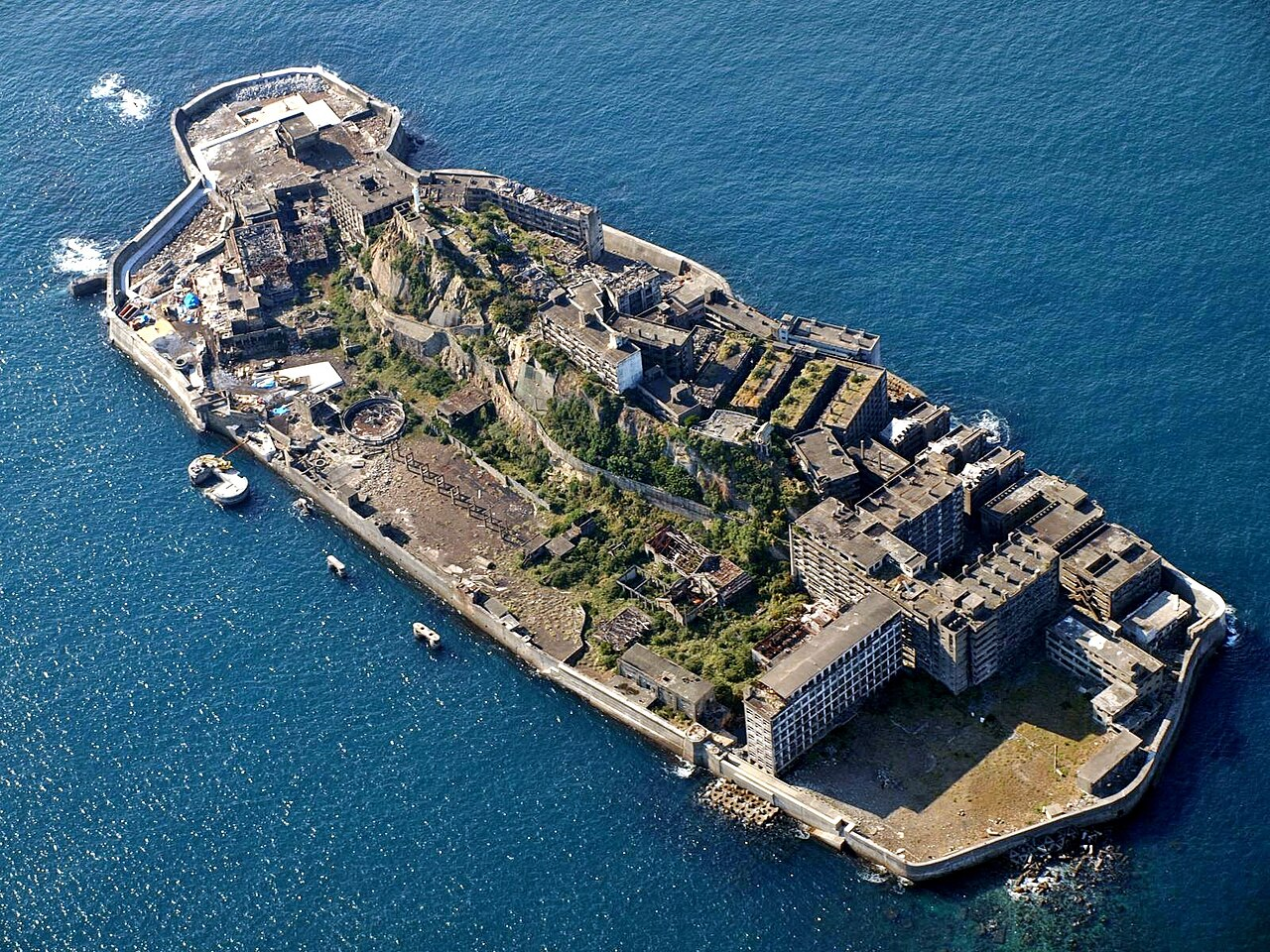
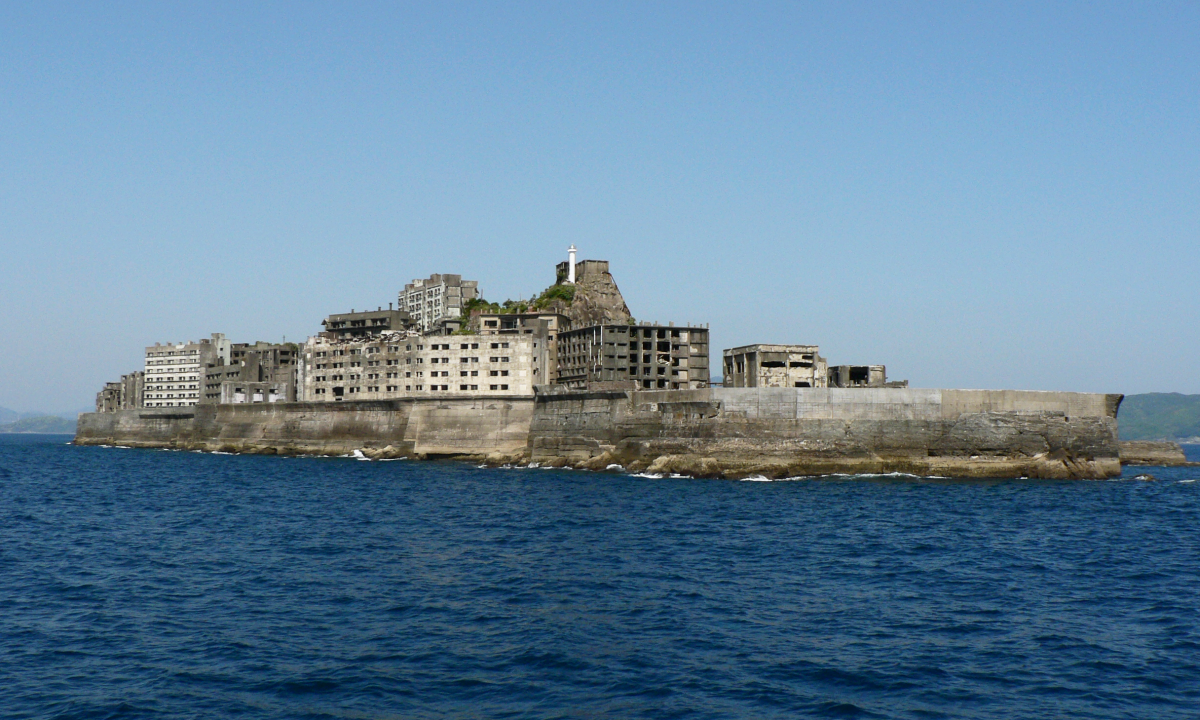
Fifteen kilometers off the coast of Nagasaki, a small grey shape rises violently from the East China Sea. From a distance it looks less like an island than a malfunction — a jagged, artificial anomaly with no beaches, no gentle slopes, no trees. The Japanese call it Gunkanjima, “Battleship Island.” Its formal name is Hashima.
For 87 years, between 1887 and 1974, this 16-acre rock was one of the most intensely inhabited places on Earth. Today, the island has zero permanent residents. What happened in between contains some of the proudest and the most shameful chapters of modern Japanese history.
1: The most densely populated place on Earth
At its 1959 peak, 5,259 people lived crammed into Hashima’s residential district. The population density reached approximately 216,264 people per square mile — considered the highest ever recorded in human history. The island measures only 16 acres total. Three times denser than modern Tokyo. Apartments were small, shared, and damp. Photographs from the era show laundry hanging across narrow concrete canyons that received almost no direct sunlight.
2: How a coal mine became a city
Coal was first discovered on the underwater seam beneath Hashima in 1810. The Mitsubishi conglomerate purchased the entire island in 1890 and turned it into Japan’s first major undersea coal mining operation. Coal extracted from Hashima fueled Japan’s rapid industrialization — the same modernization push that transformed the country from a feudal society in 1868 to a major industrial and military power by 1900. Workers and their families needed somewhere to live, and the island had no room. The solution was vertical.
3: The first 7-story concrete building in Japan
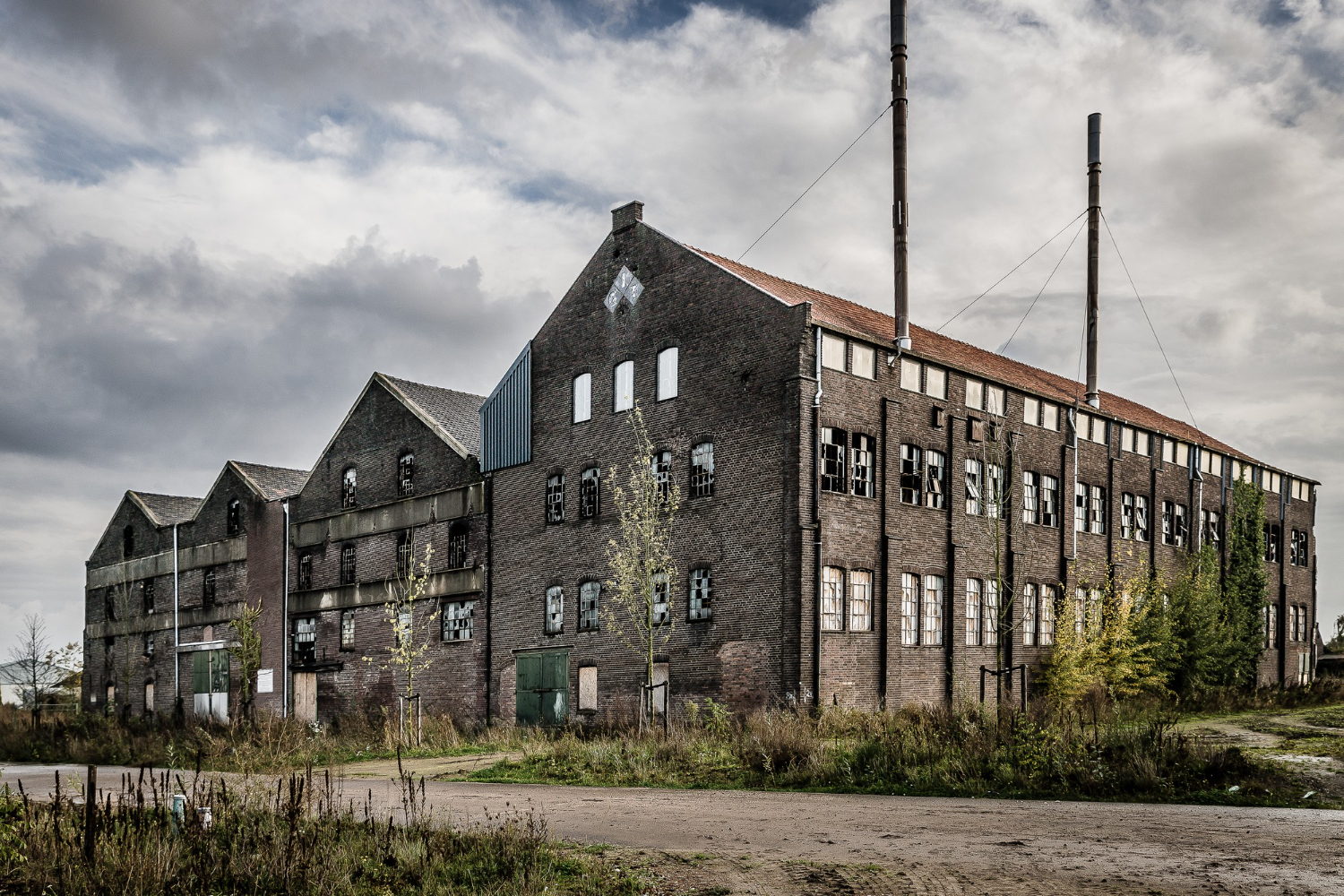
In 1916, Mitsubishi built what was then Japan’s first large reinforced-concrete apartment building — a seven-story structure designed to withstand the typhoons that battered the island annually. Building 30, as it became known, still stands today as the oldest seven-story reinforced-concrete residential building in Japan. More buildings followed, packed shoulder-to-shoulder. By the late 1950s, Hashima held nine-story apartment complexes, schools, a hospital, restaurants, a cinema, a temple, a shrine, gambling halls, and shops — all squeezed into 16 acres alongside the active coal mining operation.
4: The forced laborers brought from Korea and China
The history of Hashima takes a much darker turn between 1939 and 1945. Japanese men were being drafted into the military in increasing numbers. The Mitsubishi mining operation needed workers. Imperial Japan’s response was to forcibly bring conscripted Korean civilians and Chinese prisoners of war to the island. According to historical records cited by South Korean researchers, approximately 800 to 1,000 Korean laborers were forcibly brought to Hashima during the war years, along with an additional contingent of Chinese POWs.
5: The conditions and the deaths
Conditions for the forced laborers were brutal even by the standards of an island that was difficult for everyone. The conscripted workers were housed in the worst sections of the complex — typically the damp lower floors. They received the most dangerous mining assignments, the smallest food rations, and faced regular physical abuse. Some Korean laborers attempted to escape by jumping into the surrounding ocean and swimming toward the Japanese mainland. Most who tried this drowned. Japanese government estimates put the number of forced labor deaths at approximately 134 Koreans. Other estimates from non-Japanese researchers suggest the actual figure may be ten times higher — around 1,300.
6: The mine closes, the island empties
As petroleum replaced coal in Japan in the 1960s, coal mines began shutting down across the country. Mitsubishi officially closed the Hashima mine in January 1974, and the island was cleared of inhabitants within months. The Nomo Shosen ferry line that had served Hashima from Nagasaki Port — running 12 round trips a day in 1970 — was discontinued. The island was left to typhoons and entropy. For three decades, no one was officially permitted there. The buildings began collapsing.
7: How James Bond made it famous

The 2012 James Bond film Skyfall used external shots of Hashima as inspiration for the villain Silva’s hideout. The 2015 live-action Attack on Titan films used the island for multiple scenes. The 2017 South Korean film The Battleship Island (Korean: Gunhamdo) depicts a fictionalized story of Korean forced laborers attempting to escape the camp. Each film drove another wave of tourist interest. The island became a fixture on lists of “the world’s most haunting abandoned places.”
8: The UNESCO controversy that’s still unresolved

In 2015, Japan and South Korea reached an agreement: South Korea would withdraw its objection to Hashima’s UNESCO World Heritage listing, and Japan would acknowledge that “a large number of Koreans and others were brought against their will and forced to work under harsh conditions.” UNESCO approved the designation in July 2015. Then it largely fell apart. Japanese officials began softening the language almost immediately, characterizing Korean laborers as “requisitioned to work against their will” rather than victims of forced labor. Japanese officials publicly stated that “forced to work” should be translated as “ended up working” — a translation South Korean diplomats rejected as nonsense.
9: The 2021 UNESCO reprimand
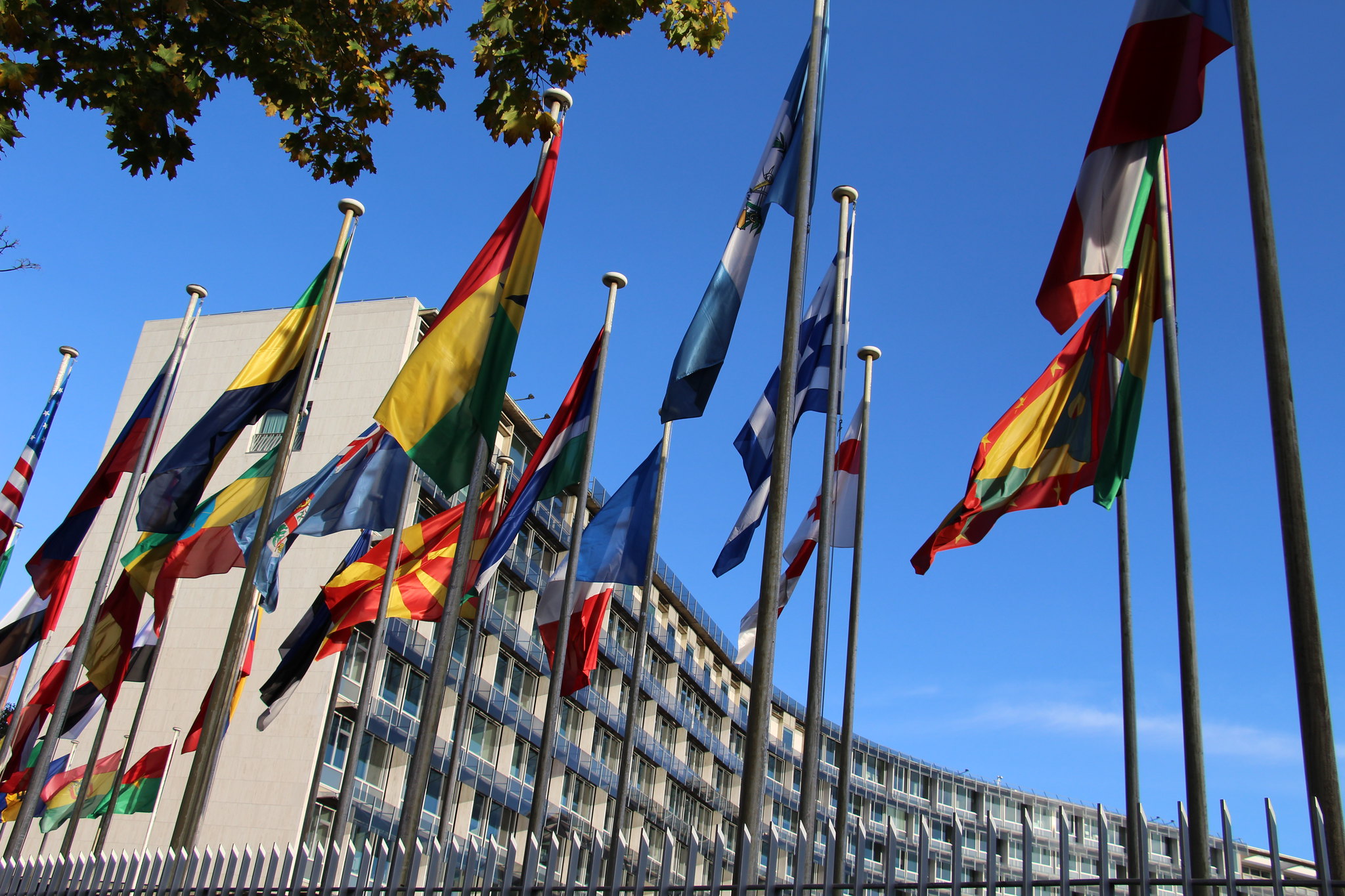
In July 2021, the UNESCO World Heritage Committee passed a formal resolution “deeply regretting” that Japan had failed to fulfill its commitments and giving Japan until December 1, 2022 to address the deficiencies. The Japanese government issued a formal rebuttal but made limited substantive changes. As of early 2026, the dispute remains active. UNESCO has not removed Hashima from the World Heritage list, but the negotiation between Japanese cultural authorities and South Korean foreign ministry officials has continued for over a decade without resolution.
10: What you can actually see today
In 2009, Nagasaki Prefecture opened a small section of the southern shoreline to tourist visits. The residential district — which is most of the island — remains officially off-limits because of the genuine danger of building collapse. Tour boats from Nagasaki Port carry visitors on guided tours that last roughly 50 minutes plus the travel time. Tours are frequently canceled in winter or during typhoon season; the island sees fewer than 100 visitable days per year on average. Most of the famous concrete buildings can only be glimpsed from a distance.
11: What Hashima represents
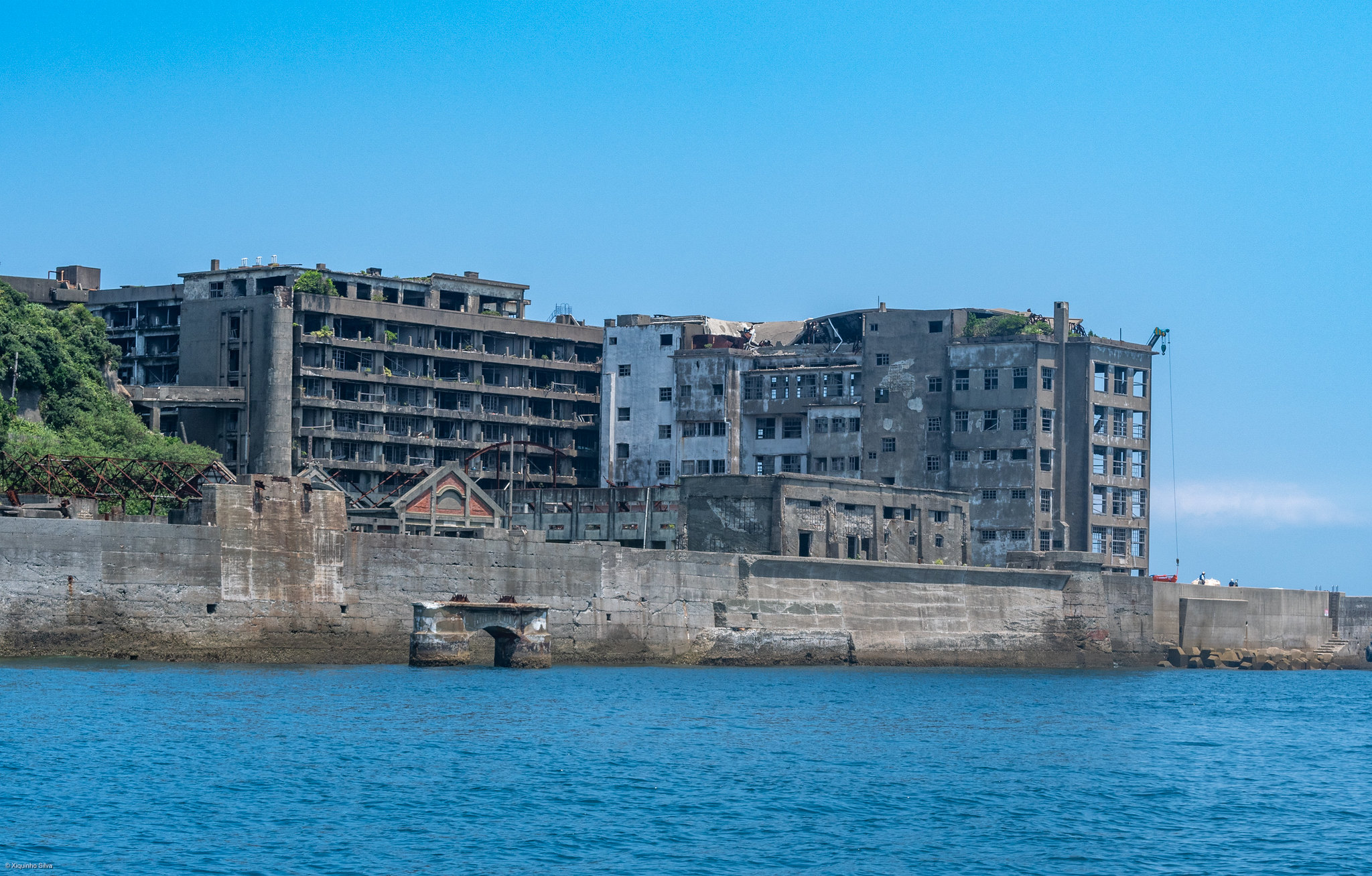
The argument that has continued for over a decade about Hashima isn’t really about a single 16-acre island. It’s about whether Japan’s modernization story can be told accurately while also acknowledging the systems of coercion that helped fuel it. Hashima was a remarkable engineering achievement, a place where 5,259 people built community life in conditions that would have been impossible elsewhere. It was also a place where forced laborers from Korea and China were systematically abused, where some of them died, and where wartime conditions left scars that remain unhealed in the diplomatic relationship between Japan and South Korea 80 years later. The most accurate framing is probably both. Within another 50 years, much of what visitors can see today will likely no longer exist.